1. Introduction
Primary hyperoxalurias (PH) are rare genetic disorders, of which 3 distinct types have been recognized to date, resulting in the formation of the most severe form of calcium oxalate (CaOx) kidney stone disease. All three forms of PH are autosomal recessive (AR) disorders resulting in the excessive formation of oxalate in the body [
1]. PH type 1 (PH1) is the most common and most studied form. It is estimated that the prevalence of primary hyperoxaluria (PH) is less than 3 in 1,000,000, with PH1 making up about 80% of individuals diagnosed with PH [
2].
PH1 is a genetic disorder inherited in an autosomal recessive pattern, characterized by the overproduction of oxalate leading to the abnormal accumulation of calcium oxalate, presenting as different forms of urolithiasis, nephrocalcinosis, and systemic oxalosis (SO) [
3]. This condition is caused by mutations in the
AGXT gene, which result in a deficiency of the enzyme alanine-glyoxylate aminotransferase (AGT), which is responsible for converting glyoxylate into glycine in the liver [
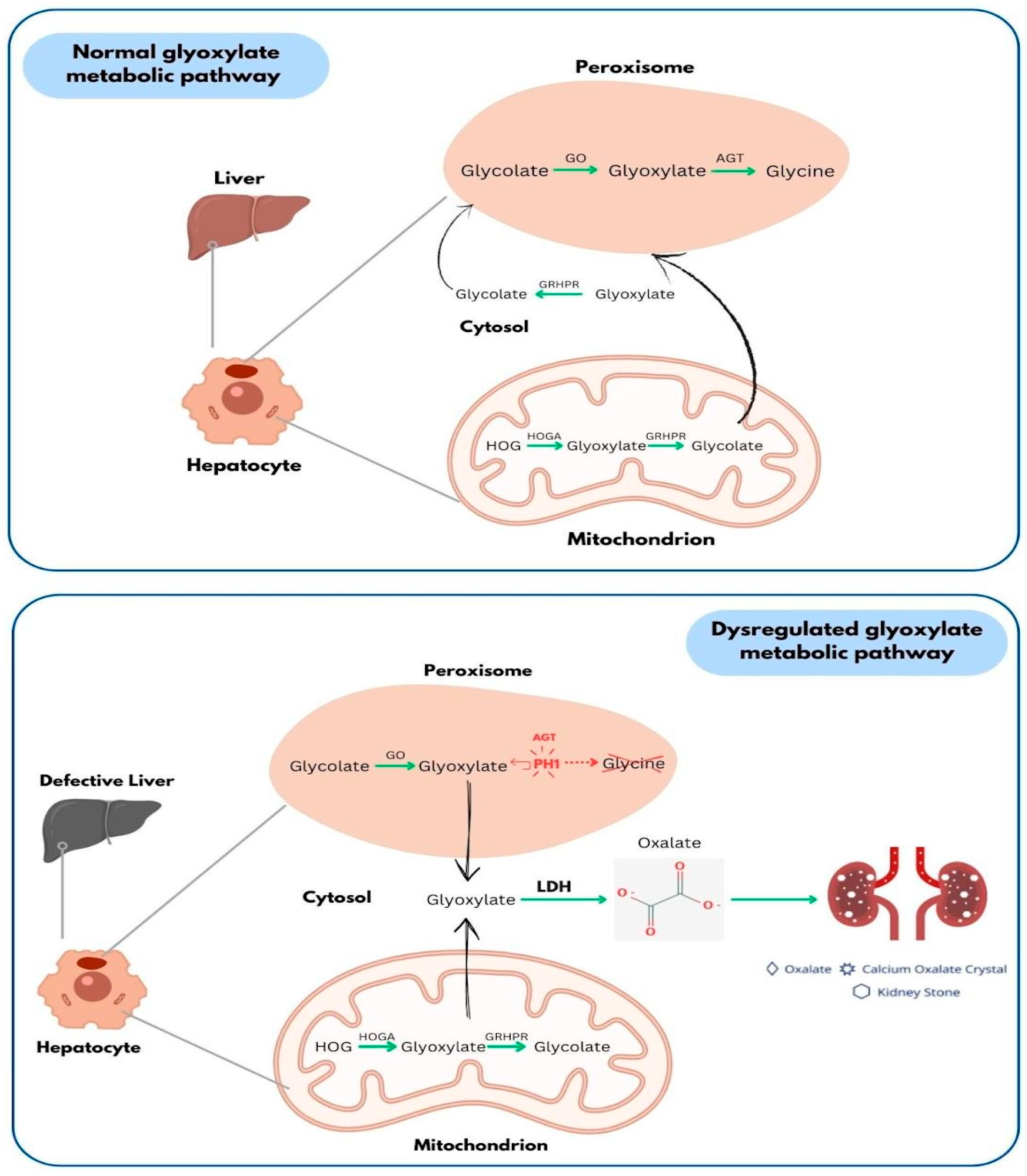
4]. Consequently, glyoxylate builds up and is instead transformed primarily into oxalate, which is excreted via the kidneys (
Figure 1).
The
AGXT gene, located on chromosome 2q37.3, encodes for the enzyme alanine-glyoxylate aminotransferase (AGT), which is predominantly found in liver peroxisomes. AGT is essential for detoxifying glyoxylate by converting it into glycine. Mutations in the
AGXT gene can disrupt the enzyme’s function, stability, and localization. Due to these genetic changes, there is insufficient or misdirected AGT, resulting in the accumulation of glyoxylate, which is then converted into oxalate [
5]. In humans, oxalate is not further metabolized, and this excess oxalate interacts with calcium to create insoluble calcium oxalate (CaOx) crystals, potentially leading to kidney stones, nephrocalcinosis, and progressive renal injury, which may ultimately result in kidney failure [
5]. The eventual decline in kidney function and the kidney’s reduced ability to eliminate oxalate from the bloodstream can lead to systemic oxalosis, characterized by the accumulation of oxalate in plasma and the formation of extrarenal CaOx crystals, causing damage to various organs, including bone, heart, skin, and eyes [
6].
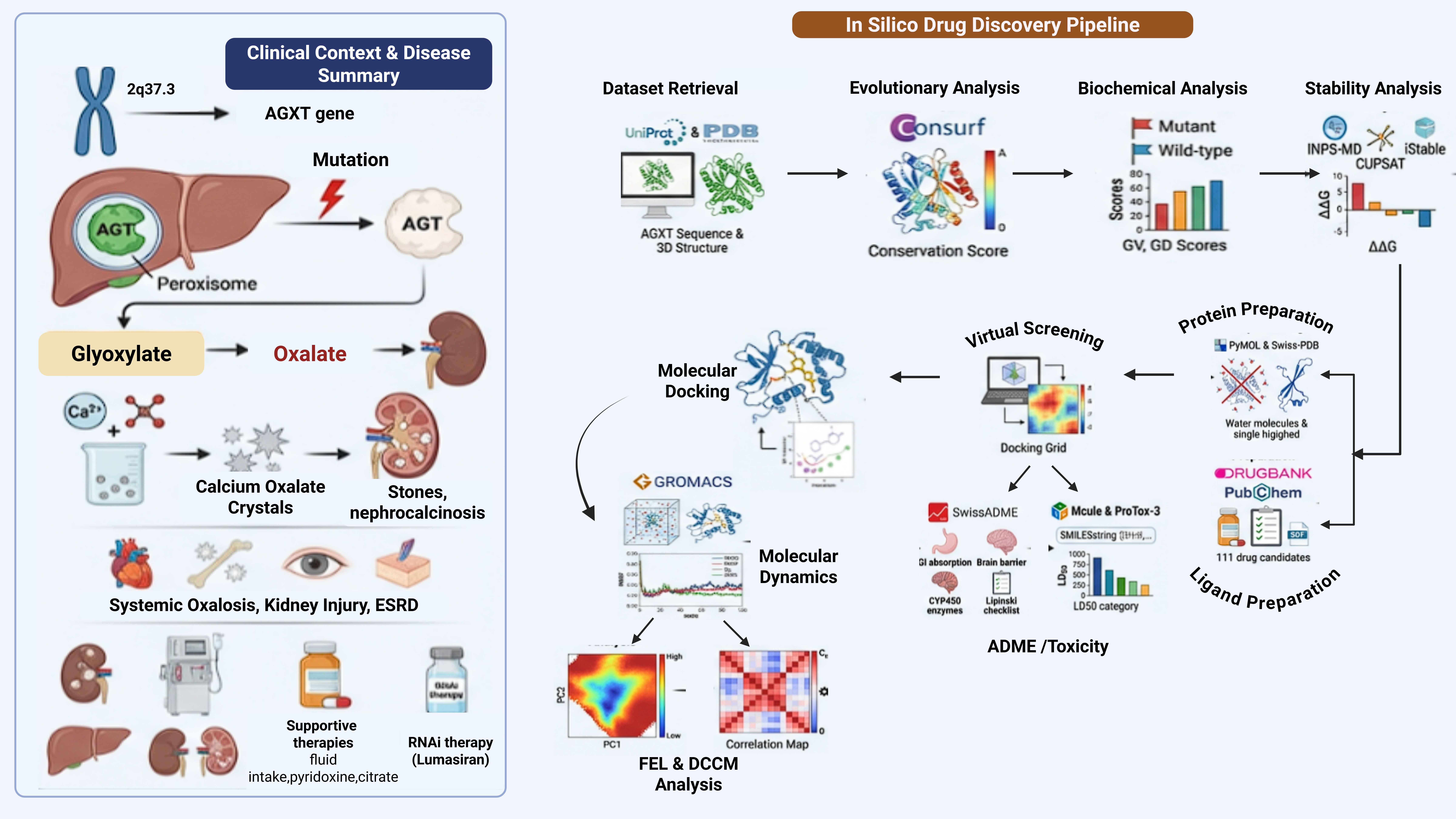
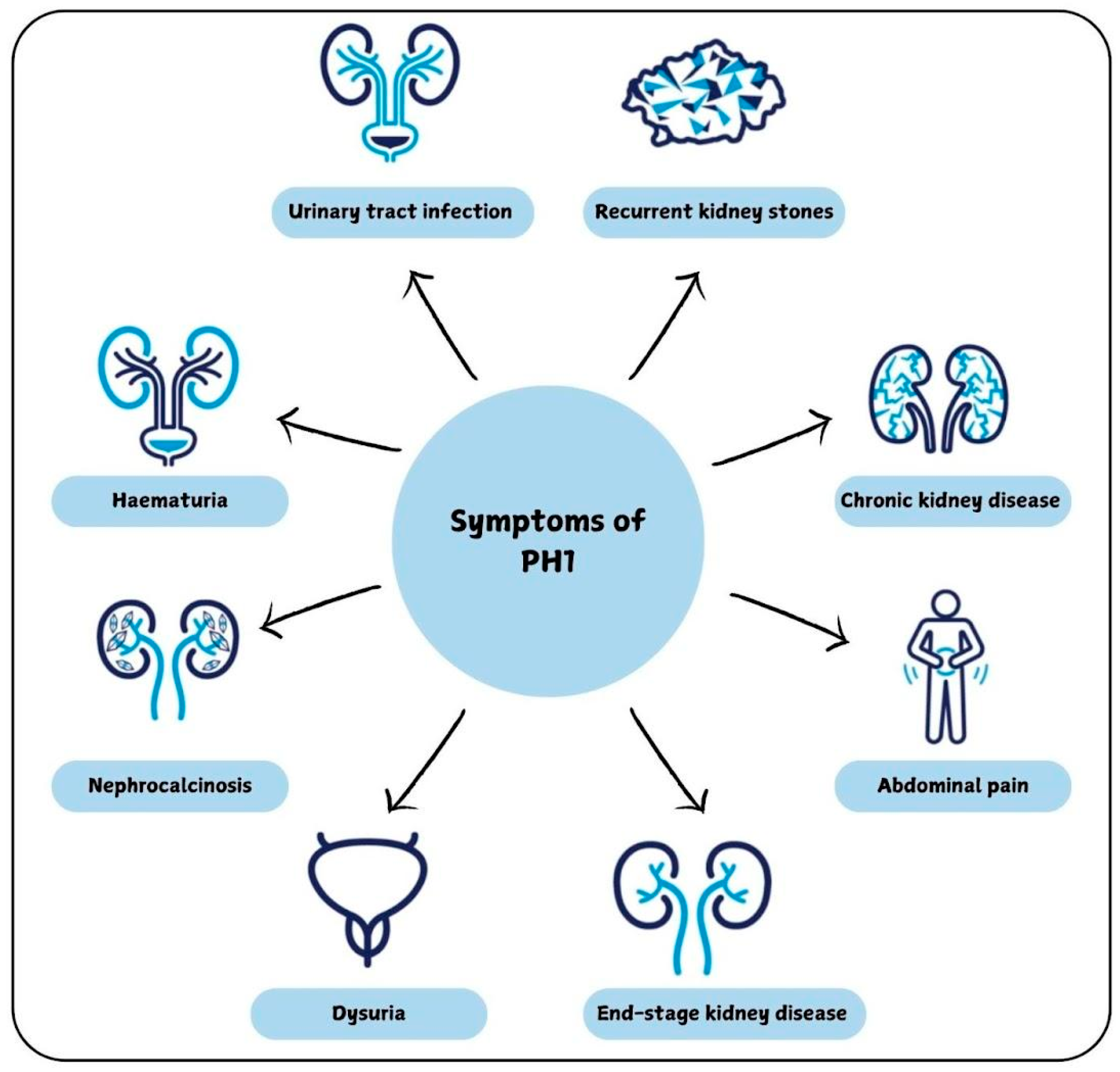
PH1 presents with a wide spectrum of clinical manifestations, ranging from early-onset kidney failure with systemic oxalosis in infants to recurrent nephrolithiasis and nephrocalcinosis in later stages. The disease is driven by excessive calcium oxalate accumulation, leading to progressive renal impairment and, in severe cases, systemic involvement affecting organs such as the eyes, heart, and bones (
Figure 2). In some cases, PH1 is diagnosed only after recurrent kidney failure following transplantation. Notably, more than 70% of affected individuals progress to kidney failure, often requiring dialysis or transplantation [
6].
Currently, the treatment options for PH1 are limited, primarily consisting of symptomatic therapies that can only postpone the onset of end-stage renal disease (ESRD). Hence, the only proven and effective treatment for PH1 is a dual liver–kidney transplant. The treatment approach for treating PH1 aims at maintaining kidney function and controlling CaOx buildup. There are established traditional methods in practice as well as new therapeutic strategies under investigation, among which targeted therapy rooted in the disease’s underlying mechanisms has emerged as a promising area of research for PH1 treatment [
7].
Increased fluid intake, high doses of pyridoxine (which serves as a cofactor for AGT), and inhibitors of calcium oxalate crystallization, like citrate, might reduce the frequency of kidney stone formation and help in slowing down the progression of the disease. In severe situations, aggressive hemodialysis, occasionally combined with peritoneal dialysis, is necessary to eliminate excess oxalate. Liver transplantation addresses the underlying metabolic issue, normalizes oxalate levels, and can avert end-stage kidney disease if done in a timely manner. Lumasiran, a novel RNA interference (RNAi) therapy in development, decreases hepatic oxalate production by blocking glycolate oxidase, which raises glycolate levels for safe elimination, presenting a promising targeted approach for PH1 [
8].
Computer-Aided Drug Discovery (CADD) is an in silico approach that integrates molecular modeling, virtual screening, and docking simulations to efficiently design and optimize potential drug candidates [
9]. In this context, identifying highly deleterious
AGXT variants that significantly disrupt protein stability is crucial for understanding disease severity and therapeutic targeting. Furthermore, exploring compounds capable of stabilizing mutation-induced structural alterations through a chemical chaperone-based approach may provide a promising strategy for mutation-specific intervention.
This study is therefore aimed at identifying critical SNP variants and evaluating potential stabilizing compounds using an integrated computational framework. SNP analysis was performed to identify SNP variants in the AGXT protein that may affect its function and interactions. Subsequently, molecular docking and molecular dynamics simulations were employed to assess the impact of these variants on protein stability and ligand binding, providing insights into precision medicine approaches and targeted therapeutic strategies.
3. Discussion
PH1 is an autosomal recessive disease caused by mutations in the
AGXT gene, leading to oxalate overproduction by the liver-specific peroxisomal enzyme AGT, an enzyme that is critical for normal glyoxylate metabolism. This enzyme is important in glyoxylate metabolism, where it converts glyoxylate to glycine [
10]. AGT deficiency increases oxalate production, leading to calcium oxalate crystallization, kidney stones, nephrocalcinosis, and the eventual risk of ESRD. The key to successful management and treatment is early diagnosis and following rigorous management strategies, which may include high volumes of fluid intake and medications and, in cases of severe manifestation, organ transplantation, while ongoing studies are investigating gene therapy and the development of targeted drugs [
11].
In this study, an integrated in silico approach was employed to identify pathogenic SNPs and evaluate potential therapeutic candidates. Among the analyzed variants, G161C and Y260C variants were consistently identified as highly deleterious mutations that significantly disrupt
AGXT structural stability and function, emphasizing the necessity of mutation-specific therapeutic interventions. These variants demonstrated pronounced destabilizing effects on
AGXT structural integrity, suggesting potential clinical relevance, as such mutations are often associated with protein misfolding, loss of enzymatic function, and increased disease severity in Primary Hyperoxaluria Type 1 [
6]. Therefore, G161C and Y260C may represent critical mutation targets for the development of precision-based therapeutic interventions [
12].
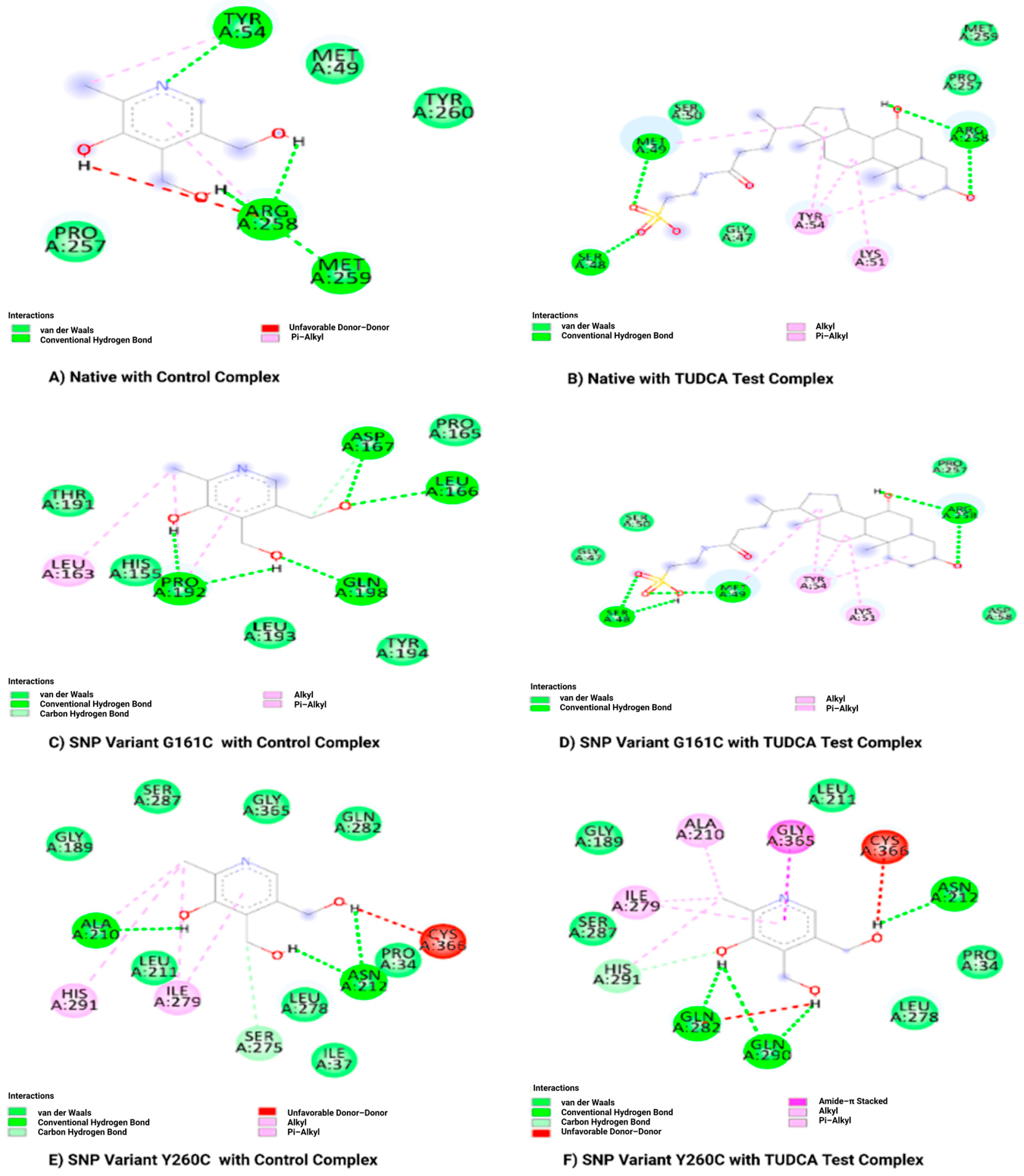
Virtual screening combined with ADME and toxicity analyses identified Tauroursodeoxycholic acid (TUDCA) as a promising drug candidate with favorable pharmacokinetic and safety profiles. Molecular docking analysis revealed that TUDCA exhibits significantly higher binding affinity compared to the conventional drug pyridoxine across all protein systems, with binding energies of −6.43 kcal/mol (native), −7.58 kcal/mol (G161C), and −5.24 kcal/mol (Y260C). These findings suggest that TUDCA may serve as a potential therapeutic candidate, as its higher binding affinity indicates stronger interaction capability compared to the reference drug. Interaction analysis demonstrated that TUDCA forms stable hydrogen bonds and hydrophobic interactions with key active site residues, such as ARG258, MET259, and TYR54, in the native protein while maintaining strong interactions with SNP variants despite structural alterations. The G161C variant’s highest binding affinity shows that it has the potential to stabilize mutations.
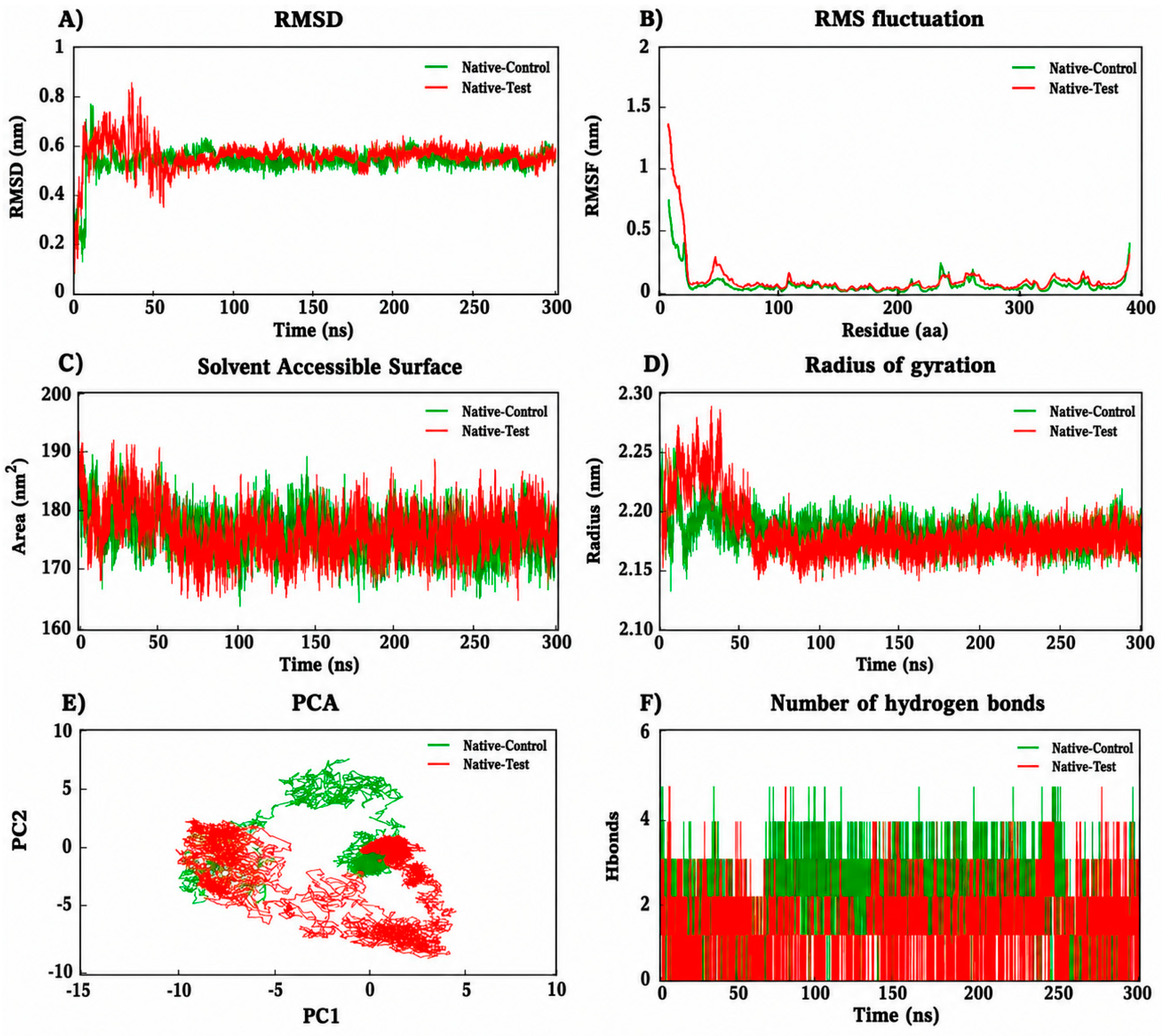
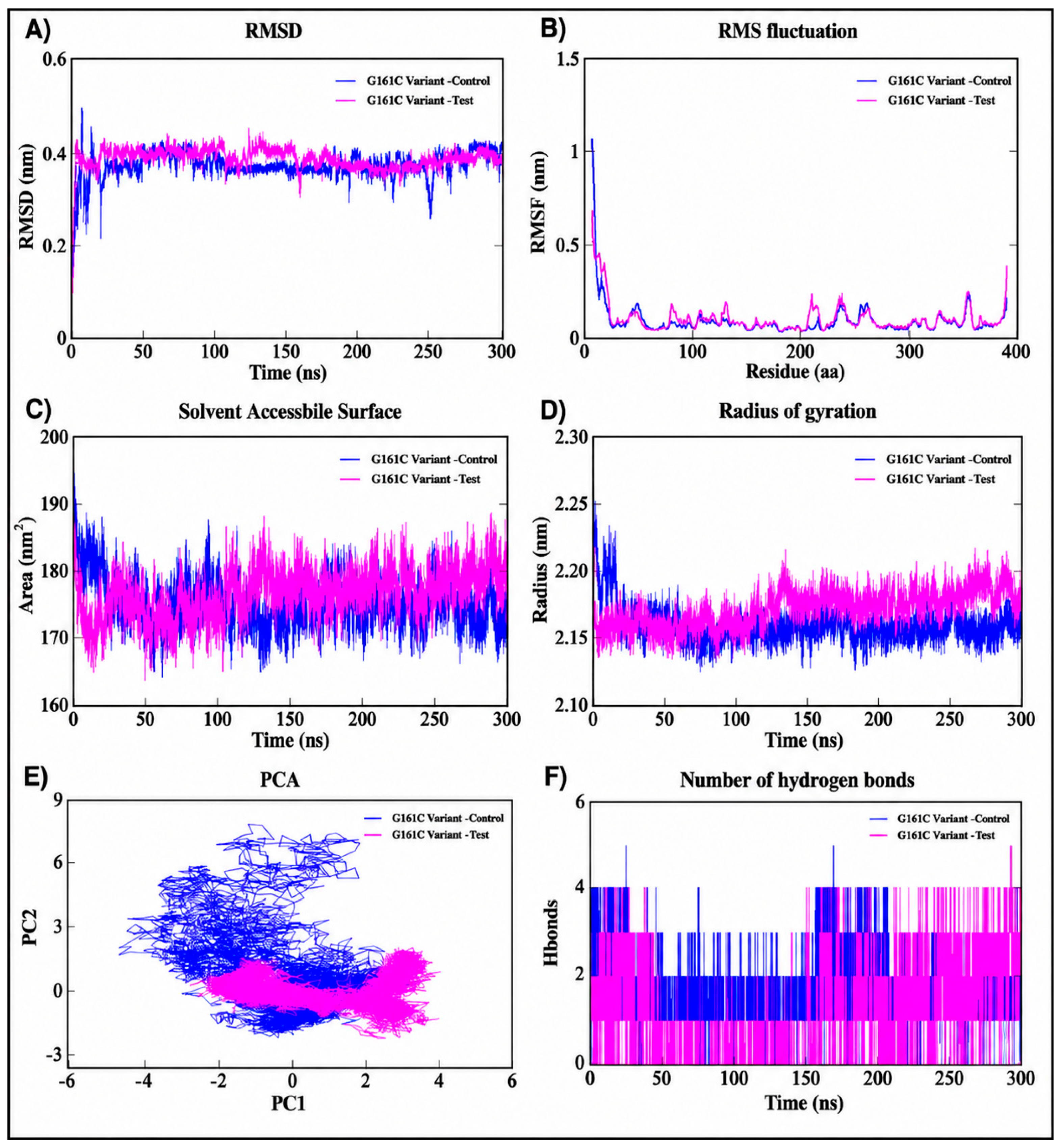
To further validate these interactions, molecular dynamics (MD) simulations over 300 ns demonstrated that TUDCA-bound complexes exhibit enhanced structural stability compared to reference drug systems [
13]. These observations indicate that TUDCA may enhance structural stability and mitigate mutation-induced destabilization in
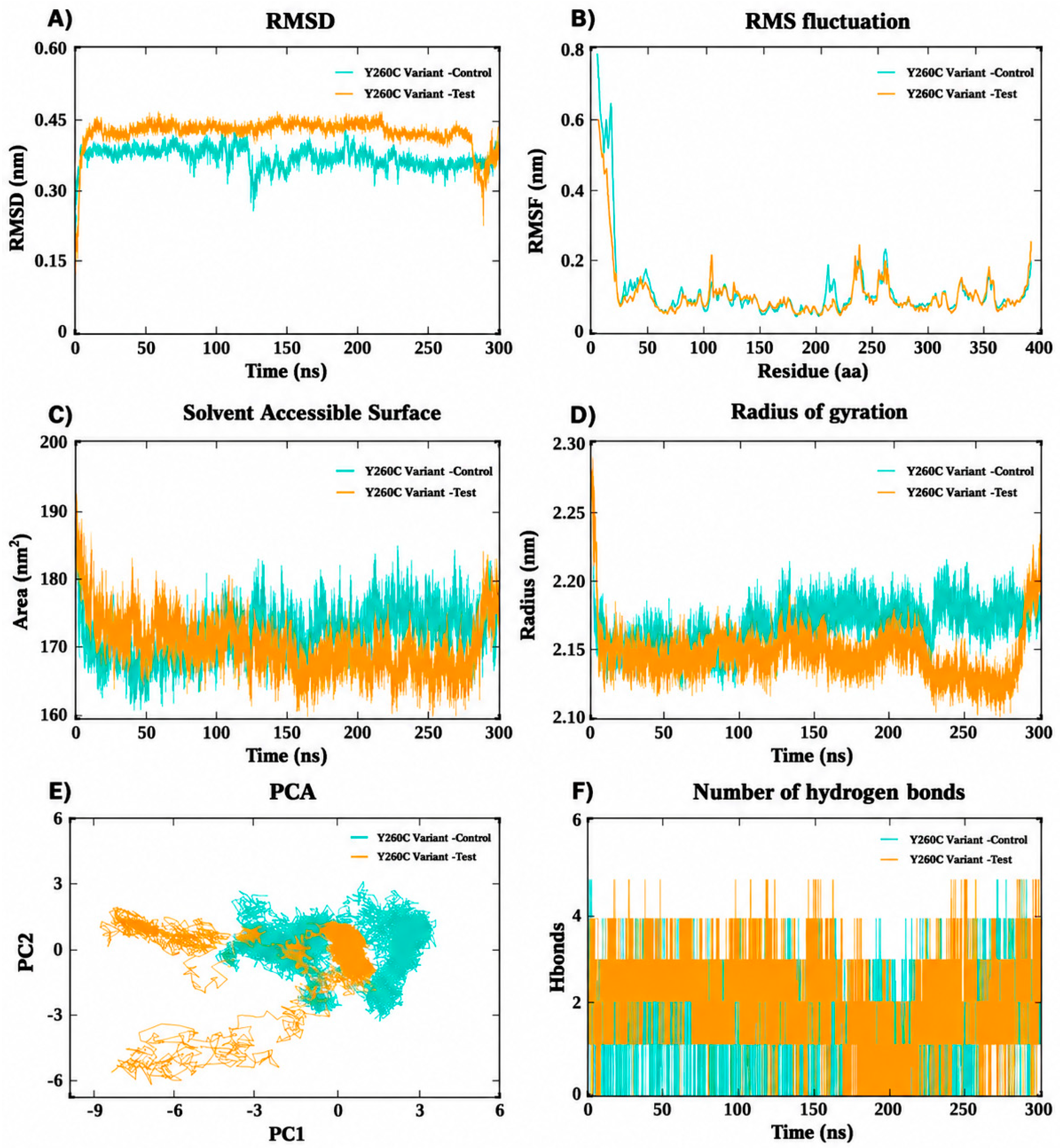
AGXT variants. Lower RMSD and RMSF values confirmed reduced structural deviations and minimized residue-level fluctuations. Radius of gyration (Rg) and solvent-accessible surface area (SASA) analyses indicated improved compactness and reduced solvent exposure, particularly in SNP variant complexes. Additionally, hydrogen bond analysis showed consistent interaction patterns, with TUDCA maintaining approximately 2–5 hydrogen bonds throughout the simulation, highlighting strong and stable ligand–protein interactions.
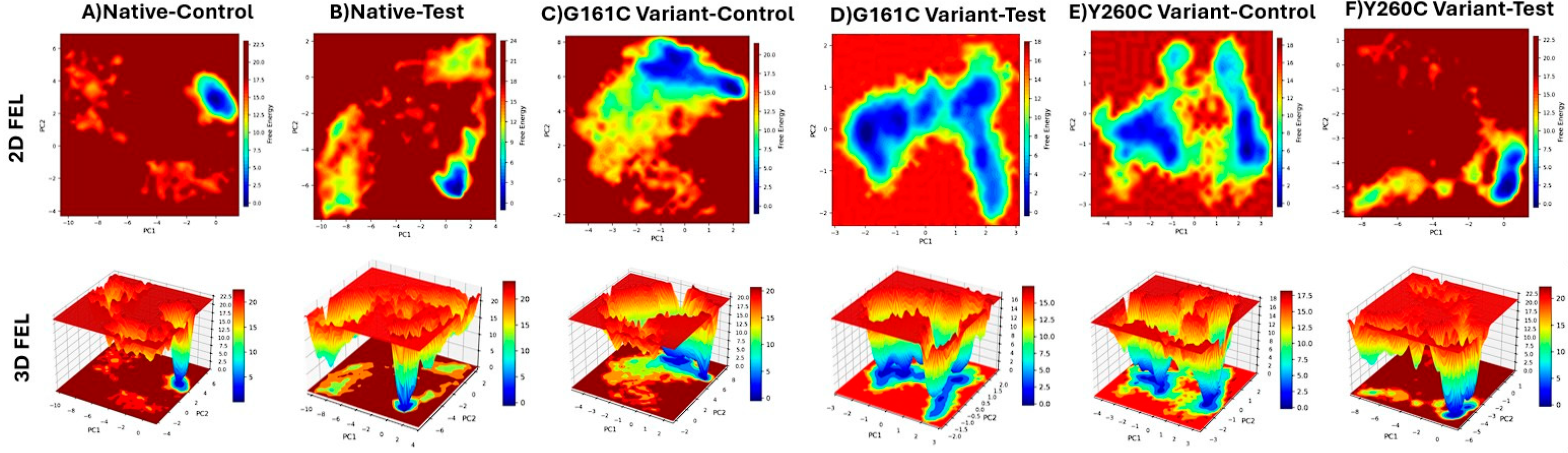
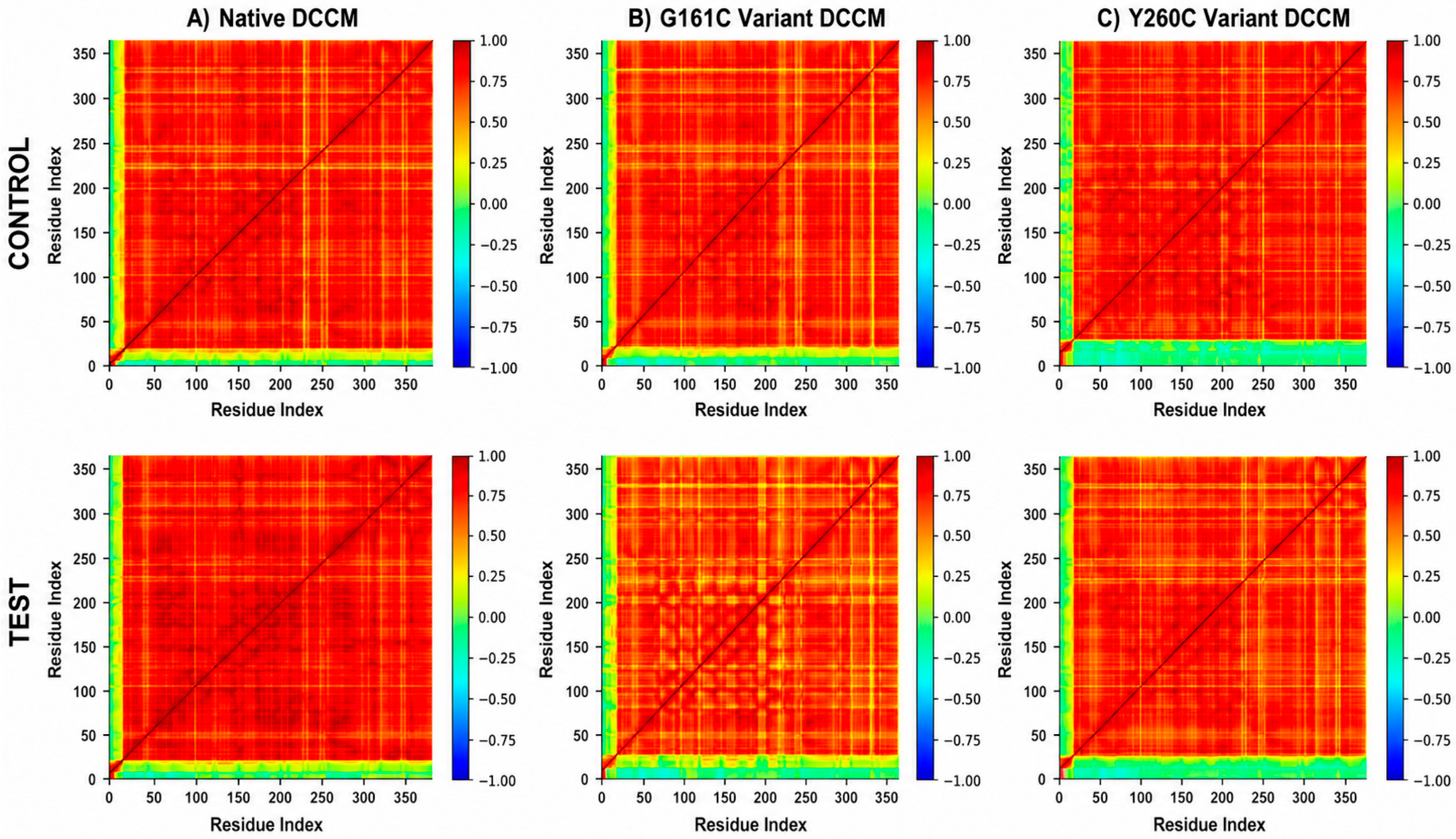
Free energy landscape (FEL) analysis further supported these findings by demonstrating that TUDCA-bound systems possess more defined and deeper energy minima, indicating reduced conformational heterogeneity and stabilization of energetically favorable states. The reduced energy dispersion and presence of well-defined minima suggest stabilization of energetically favorable conformational states. This effect was particularly pronounced in SNP variants, where TUDCA reduced energy dispersion and promoted stable conformations. Notably, distinct differences were observed between the G161C and Y260C variants in terms of conformational sampling and stability, suggesting mutation-specific responses to TUDCA binding. Furthermore, Dynamic Cross-Correlation Matrix (DCCM) analysis revealed enhanced positive correlations and improved residue-level coordination in TUDCA-bound complexes, indicating restoration of internal dynamic communication disrupted by the variants [
14]. This coordinated residue motion suggests improved internal dynamic stability in TUDCA-bound systems.
This observation is consistent with previous studies demonstrating that Tauroursodeoxycholic acid (TUDCA) functions as a chemical chaperone capable of stabilizing misfolded proteins, reducing endoplasmic reticulum (ER) stress, and preventing protein aggregation [
15]. Chemical chaperones such as TUDCA and 4-phenylbutyric acid have been widely reported to restore proteostasis and improve folding efficiency in conformational disorders. In the context of Primary Hyperoxaluria Type 1,
AGXT mutations are known to induce protein misfolding, aggregation, and mistargeting, ultimately leading to loss of enzymatic activity [
16]. Therefore, the enhanced structural stability and improved dynamic behavior observed in TUDCA-bound
AGXT variants in this study are in alignment with its established role as a protein-stabilizing agent. These findings further support the potential of TUDCA as a mutation-specific therapeutic candidate for correcting structural defects associated with
AGXT variants.
Importantly, the observed variant-specific differences in stability and interaction patterns suggest the potential for designing TUDCA derivatives tailored to individual SNP variants, thereby supporting a precision medicine approach for PH1.
In conclusion, this study highlights TUDCA as a promising therapeutic candidate capable of stabilizing both native and SNP Variant AGXT proteins. Its superior docking affinity, enhanced dynamic stability, and favorable pharmacological properties suggest a significant advantage over the conventional treatment (pyridoxine). TUDCA appears to function as a chemical chaperone, potentially correcting mutation-induced structural defects and restoring protein stability. While these findings provide strong computational evidence supporting its therapeutic potential, further experimental validation through in vitro and in vivo studies is required. Overall, this study underscores the value of integrating docking, molecular dynamics, and advanced computational analyses in developing precision medicine strategies for PH1.



 ,
,