The Reinforcing Effect of Cluster Materials in the Combustion of Hydrocarbon Fuels


Abstract
1. Introduction
2. Combustion Properties of Hydrocarbon Fuels
2.1. Structure–Activity Relationships in the Molecular Structure and Combustion Properties of Hydrocarbon Fuels
2.2. Limitations of the Combustion Properties of Hydrocarbon Fuels
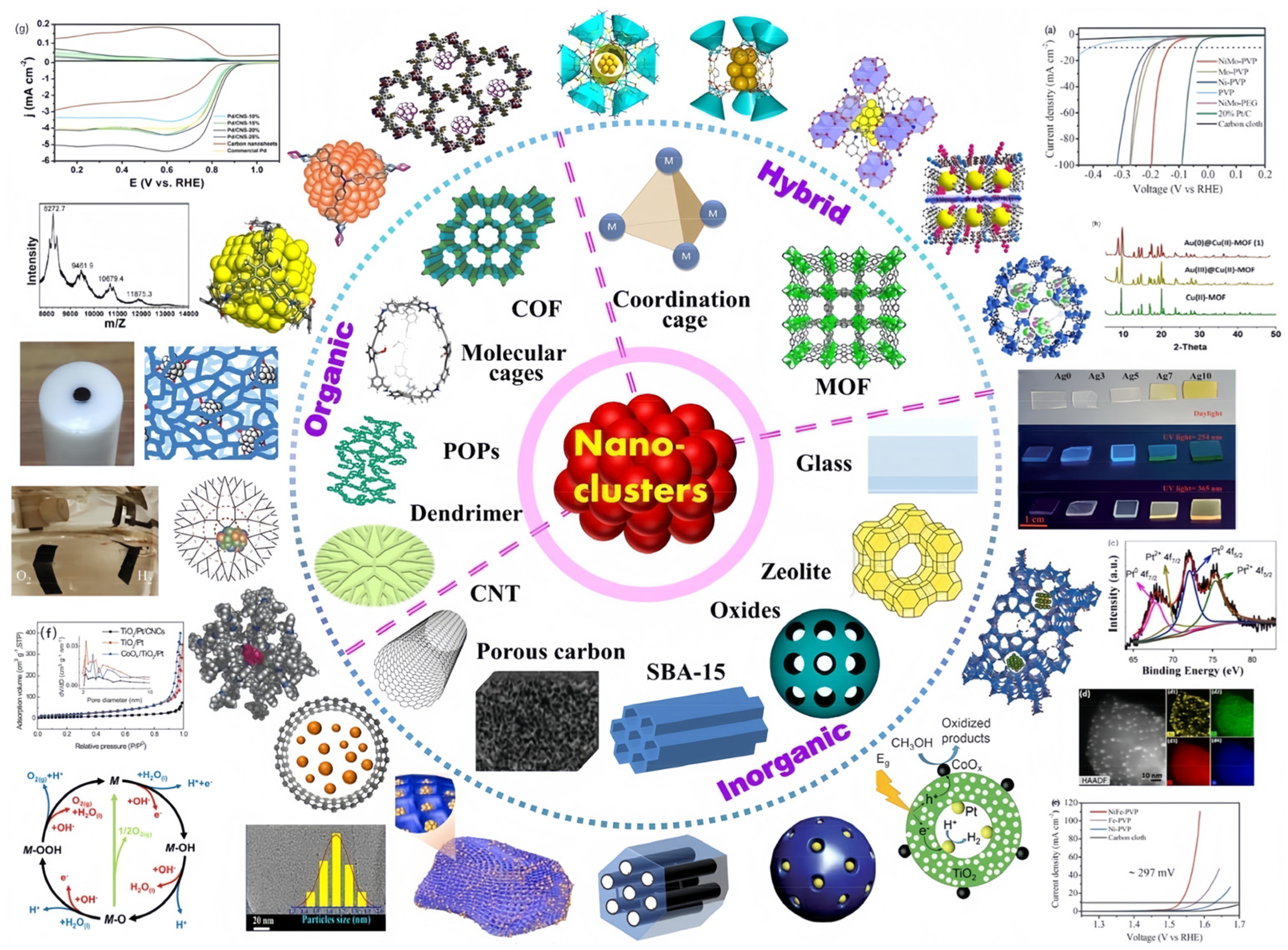
3. Clustered Materials
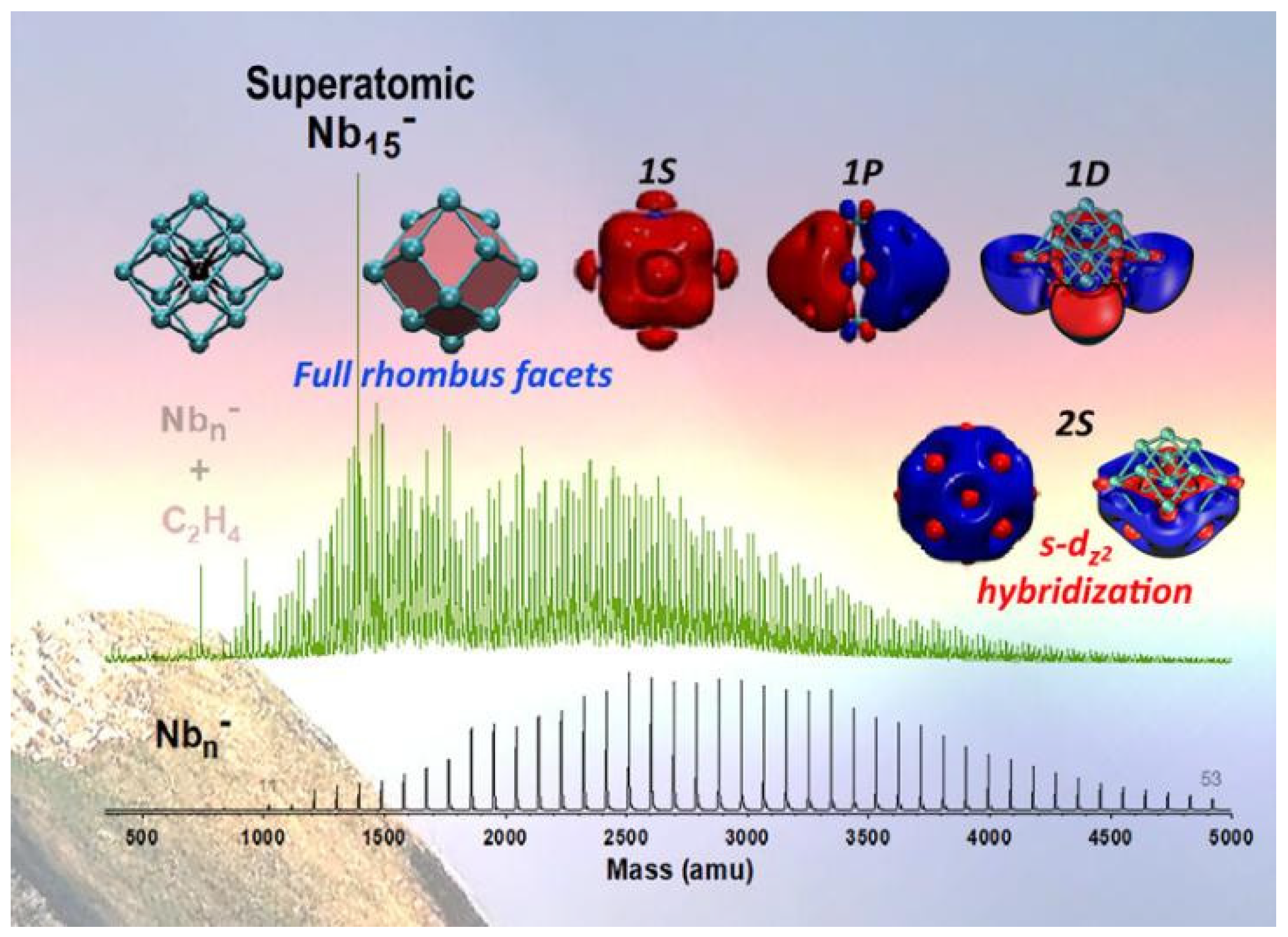
3.1. Stability of Clustered Materials
3.1.1. Electronic Structure
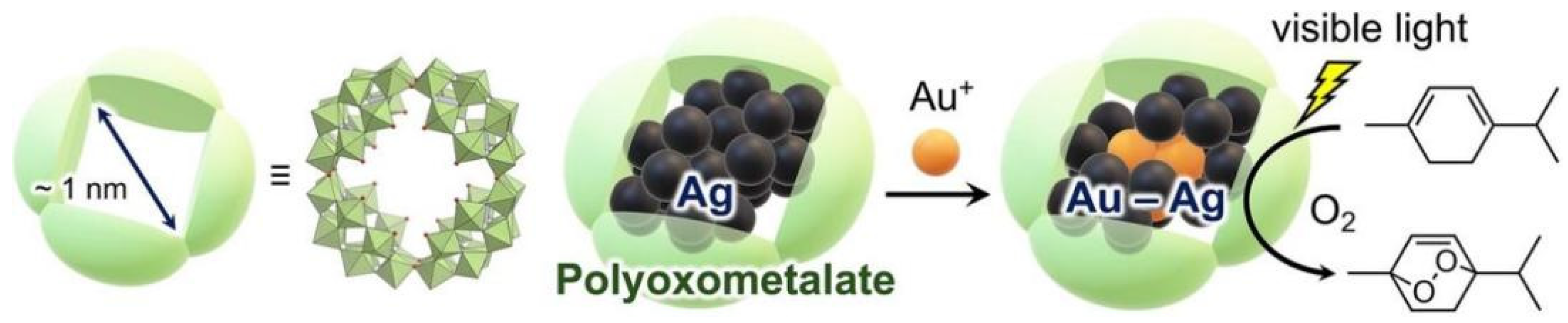
3.1.2. Ligand Engineering
3.1.3. Carrier Interactions
3.1.4. Thermal Stability
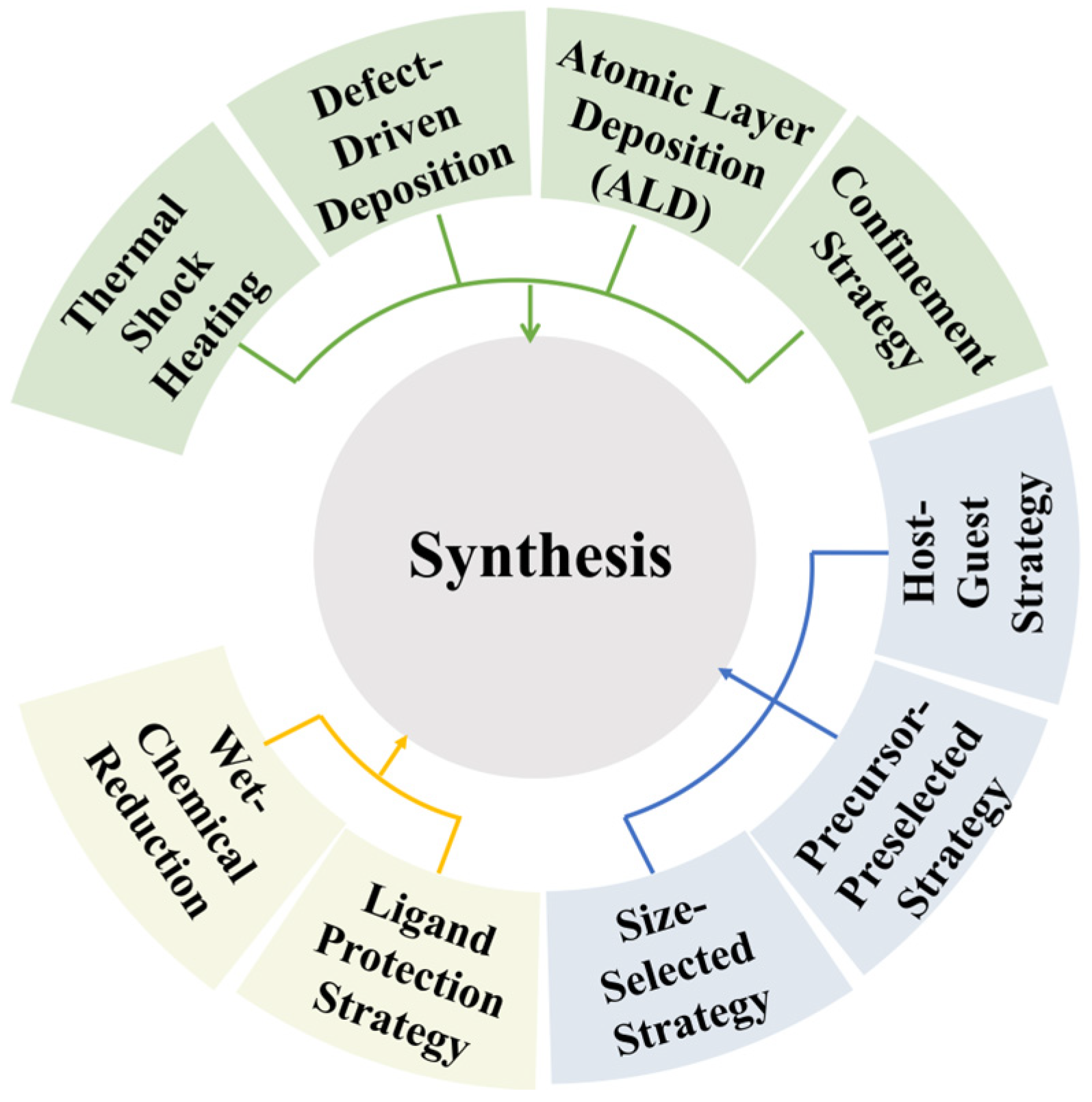
3.2. Techniques for Preparing Clustered Materials
3.2.1. Ligand-Assisted Phase Engineering
3.2.2. Localized Synthesis Strategies
3.2.3. Precise Synthesis of Hyperatomic Clusters
3.2.4. Methods for Preparing Clustered Materials
3.3. Characterization Methods of Clusters
4. Compatibility and Regulation Strategies of Cluster Materials with Hydrocarbon Fuels
4.1. Compatibility of Cluster Materials with Hydrocarbon Fuels
4.1.1. Thermodynamic Compatibility
4.1.2. Dispersion Stability
4.1.3. Interface Interaction
4.2. Strategies to Improve the Compatibility of Cluster Materials with Hydrocarbon Fuels
4.2.1. Surface Ligand Engineering
4.2.2. Structural Design and Core–Shell Strategy
5. Performance Enhancement of Clustered Materials in Hydrocarbon Fuels
5.1. Comparison of the Properties of Typical Hydrocarbon Fuels
5.2. Mechanisms for Optimizing the Performance of Cluster Materials in Hydrocarbon Fuels
5.2.1. Improving the Combustion Efficiency
5.2.2. Improving Thermal Stability
5.2.3. Improving Ignition Performance
5.2.4. Reducing the Ignition Delay Time
6. Challenges and Outlooks
6.1. Balancing Long-Term Dispersion Stability and Fuel Performance
6.2. Effects of Combustion Products on the Engine
6.3. Development of Multifunctional Composite Clusters
6.4. Optimization Aided by Molecular Simulation
6.5. Breakthroughs in High-Efficiency, Low-Cost Manufacturing Technologies
Author Contributions
Funding
Data Availability Statement
Conflicts of Interest
Abbreviations
| PAHs | Polycyclic aromatic hydrocarbons |
| NCs | Nanoclusters |
| NPs | Ultrasmall nanoparticles |
| IDT | Ignition delay time |
| MIE | Minimum ignition energy |
| POMs | Polyoxometalates |
| MOFs | Metal–organic frameworks |
| MNCs | Metal nanoclusters |
| COFs | Covalent organic frameworks |
| SBUs | Secondary building units |
| MOS | Metal-oxide-semiconductor |
| TEM | Transmission electron microscope |
| XRD | X-ray diffraction |
| XPS | X-ray photoelectron spectroscopy |
| XAS | X-ray absorption spectroscopy |
| MS | Mass spectrometry |
| PO | Propylene oxide |
| DEE | Diethylene glycol monoethyl ether |
| DHN | Decahydronaphthalene |
| MCH | Methylcyclohexane |
| HPE | Hyperbranched polyester |
| MOx | Metal oxides |
| MD | Molecular dynamics |
| QC | Quantum chemistry |
| VOCs | Volatile organic compounds |
References
- Fang, Z.; Zhang, X.; Zhuang, X.; Ma, L. Recent advances in synthesis strategies for biomass-derived high-energy-density jet fuels. Renew. Sustain. Energy Rev. 2024, 202, 114715. [Google Scholar] [CrossRef]
- Sippel, M.; Wilken, J. Selection of propulsion characteristics for systematic assessment of future European RLV-options. CEAS Space J. 2024, 17, 89–111. [Google Scholar] [CrossRef]
- Li, Y.; Zhang, Y.; Zhan, R.; Huang, Z.; Lin, H. Effects of ammonia addition on PAH formation in laminar premixed ethylene flames based on laser-induced fluorescence measurement. Energy 2020, 213, 118868. [Google Scholar] [CrossRef]
- Kitagawa, H.; Tosaka, S.; Fujiwara, Y.; Murayama, T. The Effect of Oxygenated Fuel Properties on Mechanism of Inhibition in Particulate Matter. J. Environ. Eng. 2008, 3, 436–443. [Google Scholar] [CrossRef]
- Wu, M.; Dong, F.; Yang, Y.; Cui, X.; Liu, X.; Zhu, Y.; Li, D.; Omanovic, S.; Sun, S.; Zhang, G. Emerging atomically precise metal nanoclusters and ultrasmall nanoparticles for efficient electrochemical energy catalysis: Synthesis strategies and surface/interface engineering. Electrochem. Energy Rev. 2024, 7, 10. [Google Scholar] [CrossRef]
- Zhuang, Z.H.; Chen, W. Application of atomically precise metal nanoclusters in electrocatalysis. J. Electrochem. 2021, 27, 6. [Google Scholar]
- Mitchell, S.; Perez-Ramirez, J. Atomically precise control in the design of low-nuclearity supported metal catalysts. Nat. Rev. Mater. 2021, 6, 969–985. [Google Scholar] [CrossRef]
- Wang, W.; Zhang, M.; Pan, Z.; Biesold, G.M.; Liang, S.; Rao, H.; Lin, Z.; Zhong, X. Colloidal Inorganic Ligand-Capped Nanocrystals: Fundamentals, Status, and Insights into Advanced Functional Nanodevices. Chem. Rev. 2021, 122, 4091–4162. [Google Scholar] [CrossRef]
- Liu, X.; Ki, T.; Deng, G.; Yoo, S.; Lee, K.; Lee, B.-H.; Hyeon, T.; Bootharaju, M.S. Recent advances in synthesis and properties of silver nanoclusters. Nanoscale 2024, 16, 12329–12344. [Google Scholar] [CrossRef] [PubMed]
- Lu, Y.; Chen, J.; Zhu, B.; Wang, J.; Jiang, C.; Xu, M.; Sun, Y. Effect of oleic acid on the stability and the combustion of nanoaluminium/JP-10 bi-phase system: Experimental and molecular dynamics studies. Colloids Surf. A Physicochem. Eng. Asp. 2023, 678, 132459. [Google Scholar] [CrossRef]
- Anbarsooz, M. Combustion characteristics of nanofuels: A comprehensive review on diesel/biodiesel-based nanofuels. Fuel 2023, 337, 126834. [Google Scholar] [CrossRef]
- Peng, C.; Zou, C.; Ren, J.; Lin, Q.; Xia, W.; Dai, L.; Liu, J.; Li, W. Experimental and modeling study of ignition delay times of n-C5H12 and C3H6 under O2/CO2 atmospheres. Fuel 2024, 364, 131109. [Google Scholar] [CrossRef]
- Üstün, C.E.; De Freitas, R.D.S.M.; Okafor, E.C.; Shahbakhti, M.; Jiang, X.; Paykani, A. Machine Learning Applications for Predicting Fuel Ignition and Flame Properties: Current Status and Future Perspectives. Energy Fuels 2025, 39, 13281–13314. [Google Scholar] [CrossRef]
- Liang, J.; Zhao, Z.; Zhang, N.; Li, X.; Cao, Y.; Li, Y.; Kong, X.; Wu, Y.; Dong, S. Probing the effects of NO2 and N2O additions on the auto-ignition behaviors of gasoline at engine relevant conditions. Combust. Flame 2024, 259, 113188. [Google Scholar] [CrossRef]
- Wang, R.; Xu, P.; Tang, W.; Ding, T.; Zhang, C.; Li, X. An experimental and kinetic study of the ignition delay characteristics of cyclopropane in air. Fuel 2022, 319, 123784. [Google Scholar] [CrossRef]
- Pfefferle, L.D.; Kim, S.; Kumar, S.; McEnally, C.S.; Pérez-Soto, R.; Xiang, Z.; Xuan, Y. Sooting tendencies: Combustion science for designing sustainable fuels with improved properties. Proc. Combust. Inst. 2024, 40, 105750. [Google Scholar] [CrossRef]
- Zheng, L.; Singh, P.; Cronly, J.; Ubogu, E.A.; Ahmed, I.; Ling, C.; Zhang, Y.; Khandelwal, B. Impact of Aromatic Structures and Content in Formulated Fuel for Jet Engine Applications on Particulate Matter Emissions. J. Energy Resour. Technol. 2021, 143, 122301. [Google Scholar] [CrossRef]
- Liu, H.; Lin, W.; Li, Q.; Zhao, H.; Huang, Z. Laminar flame speeds of cyclic hydrocarbon fuels: Effect of unsaturation. Fuel 2023, 333, 126235. [Google Scholar] [CrossRef]
- Zhang, Y.; Yang, Z.; Chen, Y.; He, H. A new method for predicting minimum ignition energy of environmentally friendly working fluids based on microscopic molecular structure. Energy 2024, 292, 130450. [Google Scholar] [CrossRef]
- Kevadiya, J.; Johnson, C.; Chaudhari, P.; Mashuga, C.V. Functional group analysis and machine learning techniques for MIE prediction. J. Loss Prev. Process Ind. 2024, 89, 105289. [Google Scholar] [CrossRef]
- Chen, Y.; Lu, Z.; Yao, Z.; Li, B.; Zhang, X.; Wang, H.; Zheng, Z.; Yao, M. Explainable machine learning assisted design of tailor-made fuels using conjoint fingerprints. Energy Convers. Manag. 2024, 322, 119118. [Google Scholar] [CrossRef]
- Yi, Q.; Yu, X.; Lei, X.; Geng, L.; Jia, Y.; Cheng, L.; Luo, Z. Enhanced Stability of Rhombic Dodecahedron with Well-Organized Superatomic States. J. Phys. Chem. A 2023, 127, 2912–2920. [Google Scholar] [CrossRef]
- Tang, C.; Chen, S.; Zhu, W.; Zhang, A.; Zhang, K. Density functional studies of magic clusters Ga13M(M=Li, Na, K, and Rb). Comput. Theor. Chem. 2013, 1014, 8–12. [Google Scholar] [CrossRef]
- Yang, R.S. Atomic size effect on the structures and stability of X7M (X=Al and In;M=Si−,Ge−,N and P) clusters. Solid State Commun. 2008, 145, 438–442. [Google Scholar] [CrossRef]
- Guan, Z.-J.; Hu, F.; Yuan, S.-F.; Nan, Z.-A.; Lin, Y.-M.; Wang, Q.-M. The stability enhancement factor beyond eight-electron shell closure in thiacalix[4]arene-protected silver clusters. Chem. Sci. 2019, 10, 3360–3365. [Google Scholar] [CrossRef]
- Kamachi, M.; Yonesato, K.; Okazaki, T.; Yanai, D.; Kikkawa, S.; Yamazoe, S.; Ishikawa, R.; Shibata, N.; Ikuhara, Y.; Yamaguchi, K.; et al. Synthesis of a Gold–Silver Alloy Nanocluster within a Ring-Shaped Polyoxometalate and Its Photocatalytic Property. Angew. Chem. Int. Ed. 2024, 63, e202408358. [Google Scholar] [CrossRef] [PubMed]
- Nahan, E.N.; Aparna, R.K.; Chandrashekar, P.; Alam, N.; James, G.; Mandal, S. Ligand engineering for designing atomically precise metal nanoclusters and cluster-assemblies for potential applications. J. Chem. Sci. 2025, 137, 46. [Google Scholar] [CrossRef]
- Song, X.; Mei, D. A density functional theoretical study on the stability of Pt clusters in MOF-808. Phys. Chem. Chem. Phys. 2020, 22, 23645–23656. [Google Scholar] [CrossRef]
- Ribis, J.; Thual, M.A.; Guilbert, T.; de Carlan, Y.; Legris, A. Relaxation path of metastable nanoclusters in oxide dispersion strengthened materials. J. Nucl. Mater. 2017, 484, 183–192. [Google Scholar] [CrossRef]
- Fan, T.-E.; Zhang, Y.-R.; Jiang, W. Structure optimization and support effect of metal-organic frameworks on Pd-Ir bimetallic nanoclusters. Mol. Catal. 2023, 547, 113351. [Google Scholar] [CrossRef]
- Kim, J.; Kim, S.; Kobayashi, E.; Sato, T. Thermal Stability and Transition Behavior of Nanoclusters during Two-Step Aging at 250 °C in Al-Mg-Si(-Cu) Alloys. Mater. Trans. 2014, 55, 768–773. [Google Scholar] [CrossRef]
- Borisova, S.D.; Rusina, G.G. Structure and Vibrations of Free Nin Clusters (n ≤ 20). Phys. Mesomech. 2024, 27, 197–204. [Google Scholar] [CrossRef]
- Zhang, W.; Zhang, H.; Li, Y.; Chen, X.; Yang, B.; Xu, B. Density Functional Theory Study of Structural Evolution, Relative Stability, and Electronic Properties of SnnAln (n = 2–12) Clusters. Phys. Status Solidi B 2024, 261, 2300438. [Google Scholar] [CrossRef]
- Doud, E.A.; Voevodin, A.; Hochuli, T.J.; Champsaur, A.M.; Nuckolls, C.; Roy, X. Superatoms in materials science. Nat. Rev. Mater. 2020, 5, 371–387. [Google Scholar] [CrossRef]
- Tsukamoto, T. Recent advances in atomic cluster synthesis: A perspective from chemical elements. Nanoscale 2024, 16, 10533–10550. [Google Scholar] [CrossRef]
- Liu, Q.; Wang, X. Cluster-assembled materials: Ordered structures with advanced properties. InfoMat 2021, 3, 854–868. [Google Scholar] [CrossRef]
- Zheng, F.; Zhang, W.; Guo, Q.; Yu, B.; Wang, D.; Chen, W. Metal clusters confined in porous nanostructures: Synthesis, properties and applications in energy catalysis. Coord. Chem. Rev. 2024, 502, 215603. [Google Scholar] [CrossRef]
- Zhang, Y.; Tran, D.T.; Baker, D.; Zhang, S.; Wang, T.; Hwang, S.; Schulman, E.; Fu, J.; Zheng, W.; Vlachos, D.G.; et al. Differentiating supported platinum single atoms, clusters and nanoparticles by styrene hydrogenation. Mol. Catal. 2022, 531, 112709. [Google Scholar] [CrossRef]
- Han, W.; Ling, W.; Gao, P.; Dong, F.; Tang, Z. Engineering Pt single atom catalyst with abundant lattice oxygen by dual nanospace confinement strategy for the efficient catalytic elimination of VOCs. Appl. Catal. B Environ. Energy 2024, 345, 123687. [Google Scholar] [CrossRef]
- Ni, J.; Huang, Z.; Chen, W.; Zhou, Q.; Wu, X.; Shen, H.; Zhao, H.; Jing, G. Unveiling platinum’s electronic and dispersion impacts for enhanced benzene combustion: From nanoparticles to nanoclusters and single atoms. Chem. Eng. J. 2024, 482, 148819. [Google Scholar] [CrossRef]
- Liu, W.; Guo, Z. Anchoring effect of phosphorus in the synthesis of thermally stable Pd nano-cluster catalyst. Appl. Surf. Sci. 2024, 661, 160073, Corrigendum in Appl. Surf. Sci. 2024, 673, 160727. [Google Scholar] [CrossRef]
- Mirshafiee, F.; Rezaei, M. Engineering of the ferrite-based support for enhanced performance of supported Pt, Pd, Ru, and Rh catalysts in hydrogen generation from NaBH4 hydrolysis. Sci. Rep. 2024, 14, 20818. [Google Scholar] [CrossRef] [PubMed]
- Li, J.; Chen, W.; Xu, C.; Hou, X.; Hu, X. Structural Effect of Cu-Mn/Al2O3 Catalysts on Enhancing Toluene Combustion Performance: Molecular Structure of Polyols and Hydrothermal Treatment. Catalysts 2024, 14, 443. [Google Scholar] [CrossRef]
- Liu, X.; Wang, L.; Li, J.; Li, R.; He, R.; Gao, W.; Yu, N. Preparation of Heterogeneous Fenton Catalysts Cu-Doped MnO2 for Enhanced Degradation of Dyes in Wastewater. Nanomaterials 2024, 14, 833. [Google Scholar] [CrossRef]
- Doroftei, C. Nanocrystalline FeMnO3 Powder as Catalyst for Combustion of Volatile Organic Compounds. Nanomaterials 2024, 14, 521. [Google Scholar] [CrossRef] [PubMed]
- Zhou, L.; Yin, P.; Tan, C.; Li, Z.; Lovell, E.; Liu, H.; Liu, R.; Yun, J. Controlled double perovskites for the efficient catalytic combustion of Cl containing VOCs. Appl. Catal. A Gen. 2023, 666, 119439. [Google Scholar] [CrossRef]
- Varun, Y.; Sreedhar, I.; Singh, S.A. Role of Ni, La impregnation and substitution in Co3O4-ZrO2 catalysts for catalytic hydrogen combustion. J. Environ. Chem. Eng. 2022, 10, 108384. [Google Scholar] [CrossRef]
- Zhang, S.; Feng, H.; Li, C.; Cao, X.; Li, H.; Wu, Y. The reduction mechanism of C1 product from carbon dioxide catalyzed by Ni-doped g-C3N4. Mol. Catal. 2024, 559, 114064. [Google Scholar] [CrossRef]
- Ho, P.H.; Tizzanini, G.; Ghosh, S.; Di, W.; Shao, J.; Pajalic, O.; Josefsson, L.; Benito, P.; Creaser, D.; Olsson, L. Effect of the Preparation Methods on the Physicochemical Properties of Indium-Based Catalysts and Their Catalytic Performance for CO2 Hydrogenation to Methanol. Energy Fuels 2024, 38, 5407–5420. [Google Scholar] [CrossRef]
- Draviana, H.T.; Fitriannisa, I.; Khafid, M.; Krisnawati, D.I.; Widodo; Lai, C.-H.; Fan, Y.-J.; Kuo, T.-R. Size and charge effects of metal nanoclusters on antibacterial mechanisms. J. Nanobiotechnology 2023, 21, 428. [Google Scholar] [CrossRef]
- Nie, S.; Wang, X. Electron Delocalization and Transfer Across Polyoxometalates-Based Subnanomaterials in Catalytic Reactions. Small Methods 2024, 8, e2301359. [Google Scholar] [CrossRef]
- Tsukamoto, T.; Kambe, T.; Imaoka, T.; Yamamoto, K. Modern cluster design based on experiment and theory. Nat. Rev. Chem. 2021, 5, 338–347. [Google Scholar] [CrossRef]
- Yun, Q.; Ge, Y.; Huang, B.; Wa, Q.; Zhang, H. Ligand-Assisted Phase Engineering of Nanomaterials. Acc. Chem. Res. 2023, 56, 1780–1790. [Google Scholar] [CrossRef]
- Wang, C.; Yan, J.; Chen, S.; Liu, Y. High-Valence Metal-Organic Framework Materials Constructed from Metal-Oxo Clusters: Opportunities and Challenges. ChemPlusChem 2023, 88, e202200462. [Google Scholar] [CrossRef]
- Wang, Z.; Wang, C.; Hu, Q.; Lei, X.; Guo, R.; You, J.; Tian, Y.; Yang, F.; Lv, M. Covalent-Metal organic Frameworks: Preparation and applications. Chem. Eng. J. 2024, 483, 149217. [Google Scholar] [CrossRef]
- Dai, L.; Xie, M.; Liu, J.; Peng, H. A review of MOFs and their derivatives for lithium ion battery: Structural design, synthesis strategy and mechanism. J. Ind. Eng. Chem. 2024, 130, 125–140. [Google Scholar] [CrossRef]
- Habiba, U.; Ali, H.H.; Rehman, S.u.; Khurshid, A.; Tahir, M.; Ajmal, S.; Tabish, M.; Alam, M.M.; Arif, M.; Al-Sehemi, A.G.; et al. Recent trends in metal-organic framework-based photocatalysts for Cr(VI) reduction: Confronts and prospects. J. Alloys Compd. 2024, 997, 174785. [Google Scholar] [CrossRef]
- Shah, S.S.A.; Sohail, M.; Murtza, G.; Waseem, A.; Rehman, A.u.; Hussain, I.; Bashir, M.S.; Alarfaji, S.S.; Hassan, A.M.; Nazir, M.A.; et al. Recent trends in wastewater treatment by using metal-organic frameworks (MOFs) and their composites: A critical view-point. Chemosphere 2024, 349, 140729. [Google Scholar] [CrossRef] [PubMed]
- Sanati, S.; Morsali, A.; García, H. Metal-organic framework-based materials as key components in electrocatalytic oxidation and reduction reactions. J. Energy Chem. 2023, 87, 540–567. [Google Scholar] [CrossRef]
- Wang, Z.; Zhang, Y.; Liu, J.; Chen, Y.; Cheng, P.; Zhang, Z. Flux synthesis of two-dimensional covalent organic frameworks. Nat. Protoc. 2024, 19, 3489–3519. [Google Scholar] [CrossRef] [PubMed]
- Wang, Z.; Zhang, Y.; Wang, T.; Hao, L.; Lin, E.; Chen, Y.; Cheng, P.; Zhang, Z. Organic flux synthesis of covalent organic frameworks. Chem 2023, 9, 2178–2193. [Google Scholar] [CrossRef]
- Hu, J.; Zou, Y.; Deng, Y.; Li, H.-J.; Xu, H.; Wang, D.; Wu, L.; Deng, Y.; Li, G. Recent advances in non-ionic surfactant templated synthesis of porous metal oxide semiconductors for gas sensing applications. Prog. Mater. Sci. 2025, 150, 101409. [Google Scholar] [CrossRef]
- Wang, P.; Song, B.; Zhao, G. Electronic and optical properties of several cluster-assembled materials based on Zn12O12: A first-principles study. Theor. Chem. Acc. 2024, 143, 64. [Google Scholar] [CrossRef]
- Wang, P.; Song, B.; Zhao, G. Zn12O12 Cluster-Based Materials with Enhancing Visible Light Absorption by Doping Alkaline Earth Metal Atoms: A First-Principles Prediction. Phys. Status Solidi B 2024, 261, 2300277. [Google Scholar] [CrossRef]
- Cui, C.; Pan, H.; Wang, L.; Baiyin, M. Transition Metal Germanium Chalcogenide Materials: Solvothermal Syntheses, Flexible Crystal, Structures, and Photoelectric Response Property. Cryst. Growth Des. 2024, 24, 1227–1234. [Google Scholar] [CrossRef]
- Vorotnikova, N.A.; Vorotnikov, Y.A.; Shestopalov, M.A. Functional materials containing luminescent octahedral halide clusters of molybdenum and tungsten: Diversity of synthetic approaches and binding modes. Coord. Chem. Rev. 2024, 500, 215543. [Google Scholar] [CrossRef]
- Dragos-Pinzaru, O.-G.; Buema, G.; Racila, L.; Ababei, G.; Borza, F.; Stoian, G.; Tabakovic, I.; Lupu, N. High Catalytic Activity of CoxPt100−x Alloys for Phenolic Compound Reduction. Nanomaterials 2024, 14, 599. [Google Scholar] [CrossRef]
- Borghi, F.; Mirigliano, M.; Dellasega, D.; Milani, P. Influence of the nanostructure on the electric transport properties of resistive switching cluster-assembled gold films. Appl. Surf. Sci. 2022, 582, 152485. [Google Scholar] [CrossRef]
- Udourioh, G.A.; Solomon, M.M.; Matthews-Amune, C.O.; Epelle, E.I.; Okolie, J.A.; Agbazue, V.E.; Onyenze, U. Current trends in the synthesis, characterization and application of metal-organic frameworks. React. Chem. Eng. 2023, 8, 278–310. [Google Scholar] [CrossRef]
- Xu, Y.; Rashwan, A.K.; Osman, A.I.; Abd El-Monaem, E.M.; Elgarahy, A.M.; Eltaweil, A.S.; Omar, M.; Li, Y.; Mehanni, A.-H.E.; Chen, W.; et al. Synthesis and potential applications of cyclodextrin-based metal–organic frameworks: A review. Environ. Chem. Lett. 2022, 21, 447–477. [Google Scholar] [CrossRef]
- Valizadeh Harzand, F.; Mousavi Nejad, S.N.; Babapoor, A.; Mousavi, S.M.; Hashemi, S.A.; Gholami, A.; Chiang, W.-H.; Buonomenna, M.G.; Lai, C.W. Recent Advances in Metal-Organic Framework (MOF) Asymmetric Membranes/Composites for Biomedical Applications. Symmetry 2023, 15, 403. [Google Scholar] [CrossRef]
- Bao, W.; Yu, J.; Chen, F.; Du, H.; Zhang, W.; Yan, S.; Lin, T.; Li, J.; Zhao, X.; Zhu, B. Controllability construction and structural regulation of metal-organic frameworks for hydrogen storage at ambient condition: A review. Int. J. Hydrog. Energy 2023, 48, 36010–36034. [Google Scholar] [CrossRef]
- Qian, B.; Xu, K.; Zhang, D.; Komarneni, S.; Xue, D. A multiscale perspective on cluster-based layered materials: Design and function optimization toward catalytic and energy storage applications. Fundam. Res. 2025, 5, 1668–1682. [Google Scholar] [CrossRef] [PubMed]
- Altowyan, A.S.; Mostafa, A.M.; Ahmed, H.A. Effect of liquid media and laser energy on the preparation of Ag nanoparticles and their nanocomposites with Au nanoparticles via laser ablation for optoelectronic applications. Optik 2021, 241, 167217. [Google Scholar] [CrossRef]
- Zheng, J.; Cheng, X.; Zhang, H.; Bai, X.; Ai, R.; Shao, L.; Wang, J. Gold Nanorods: The Most Versatile Plasmonic Nanoparticles. Chem. Rev. 2021, 121, 13342–13453. [Google Scholar] [CrossRef]
- Gao, J.; Zhao, L.; Chang, Y.; Zhang, Y.; Qiu, S.; Zhao, Y.; Liu, H.; Zhao, J. Intelligent Structure Searching and Designs for Nanoclusters: Effective Units in Atomic Manufacturing. Adv. Intell. Syst. 2024, 6, 2300716. [Google Scholar] [CrossRef]
- Rodríguez-Kessler, P.L.; Muñoz-Castro, A. Structure search for transition metal clusters. Towards a rational understanding of their size-dependent properties. Inorganica Chim. Acta 2025, 574, 122376. [Google Scholar] [CrossRef]
- Liu, X.; Peng, F.; Li, G.; Diao, K. Dynamic Metal Nanoclusters: A Review on Accurate Crystal Structures. Molecules 2023, 28, 5306. [Google Scholar] [CrossRef]
- Yang, H.; Duan, P.; Zhuang, Z.; Luo, Y.; Shen, J.; Xiong, Y.; Liu, X.; Wang, D. Understanding the Dynamic Evolution of Active Sites among Single Atoms, Clusters, and Nanoparticles. Adv. Mater. 2025, 37, 2415265. [Google Scholar] [CrossRef] [PubMed]
- Yushu, J.I.N.; Xu, X.U.; Qingchun, Y. Research progress in combustion characteristics and engine applications of energetic hydrocarbon fuels. Acta Aeronaut. Astronaut. Sin. 2023, 44, 026690. [Google Scholar]
- Jarupula, R.; Shabeeb, M.; Maity, S. Investigation on the correlation of stability, reactivity, and structural properties of C/C2-doped neutral and charged Aln (n = 2–7) clusters. Chem. Phys. 2023, 573, 111976. [Google Scholar] [CrossRef]
- Wang, C.; Li, R.-M.; Duan, Z.; Sun, G.; Liu, X.-F.; Zang, S.-Q. High-Performance Hypergolic Fuels Based on Copper Hydride Clusters. J. Am. Chem. Soc. 2025, 147, 17574–17578. [Google Scholar] [CrossRef]
- Mu, X.; Wang, S.; Yang, F.; Li, H. Liquid Carbon-Boron Cluster Additives for Mixed Amine-50. Molecules 2025, 30, 2037. [Google Scholar] [CrossRef]
- Küçükosman, R.; Alper Yontar, A.; Gökhan Ünlü, C.; Ocakoglu, K. Combustion and secondary atomization behavior of nanofuel droplets laden with hematite, magnetite and lanthanum orthoferrites nanoparticles. Propellants Explos. Pyrotech. 2023, 48, e202300028. [Google Scholar] [CrossRef]
- Otgonbayar, Z.; Noh, J.; Hong, S.L.; Lee, H.J.; Kim, H.; Jekal, S.; Kim, J.; Sa, M.; Kim, J.; Sim, H.S.; et al. Spatial control of silane layer formation on boron nanoparticles via diverse methods for high-energetic nanofuel applications. Colloids Surf. A Physicochem. Eng. Asp. 2026, 728, 138668. [Google Scholar] [CrossRef]
- Ma, H.; Tong, Y.; Hung, Y.M.; Wang, X. Progress on the durability of catalyst layer interfaces in proton-exchange membrane fuel cells. Process Saf. Environ. Prot. 2024, 192, 358–377. [Google Scholar] [CrossRef]
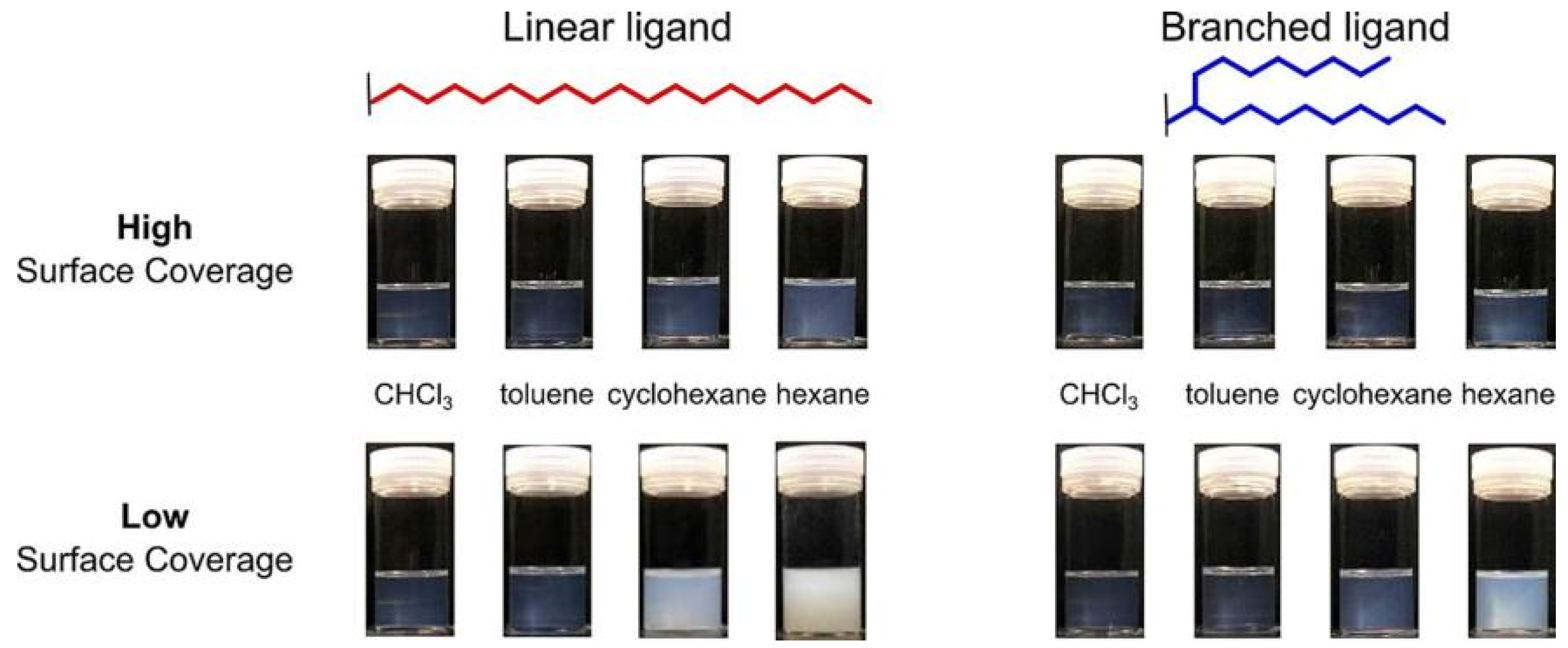
- Yamashita, S.; Ito, Y.; Kamiya, H.; Okada, Y. Surface coverage can control the dispersibility of TiO2 and ZrO2 nanoparticles in hydrophobic solvents: Comparison of linear and branched ligands. Adv. Powder Technol. 2024, 35, 104277. [Google Scholar] [CrossRef]
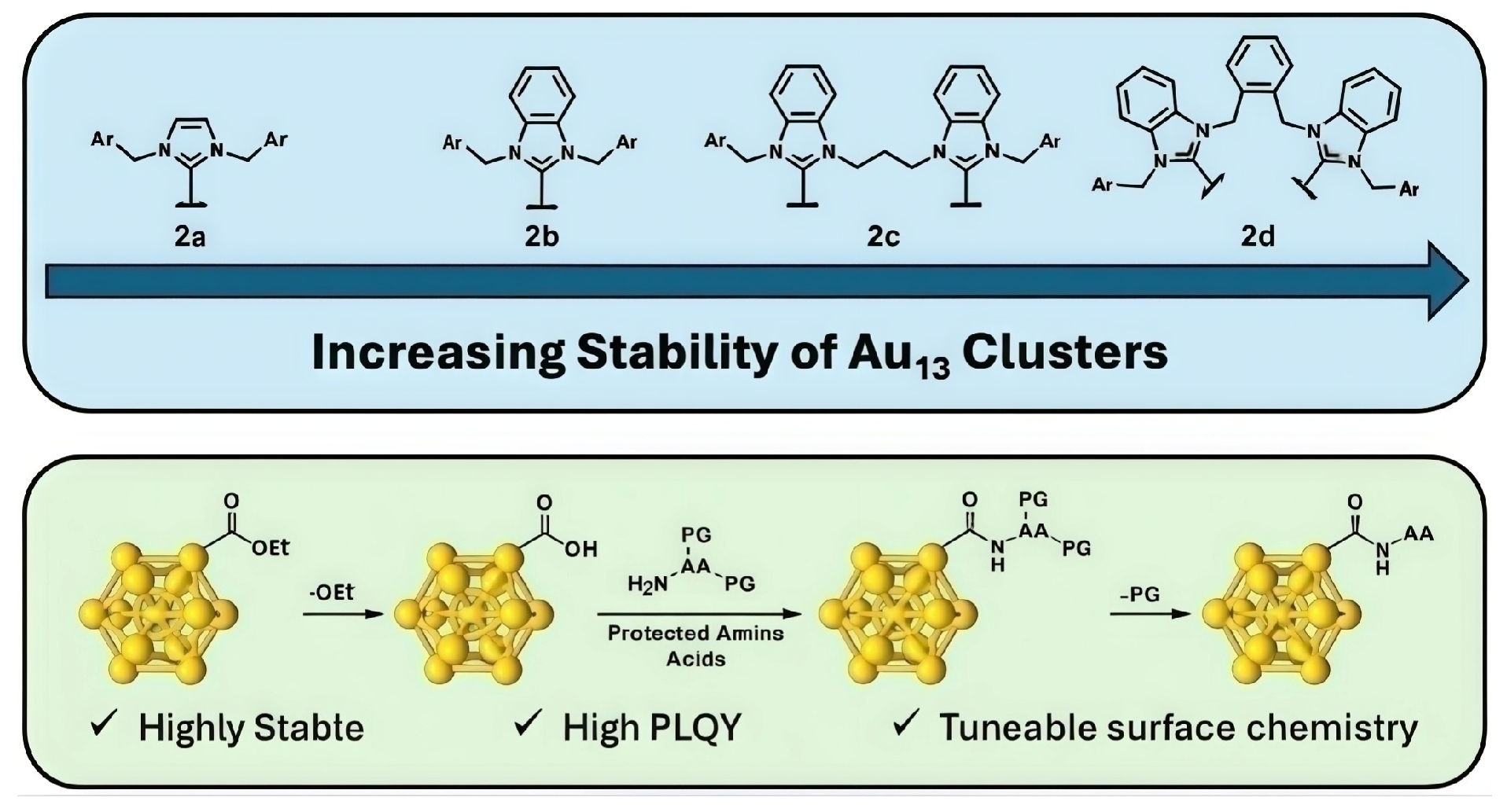
- Laluk, A.L.D.M.; Buschmann, D.A.; Takano, S.; Sullivan, A.I.; Aminfar, P.; Stamplecoskie, K.; Tsukuda, T.; Crudden, C.M. Tuning the surface chemistry of NHC-protected Au13 nanoclusters via a robust amide coupling procedure. Chem. Sci. 2025, 16, 18278–18285. [Google Scholar] [CrossRef]
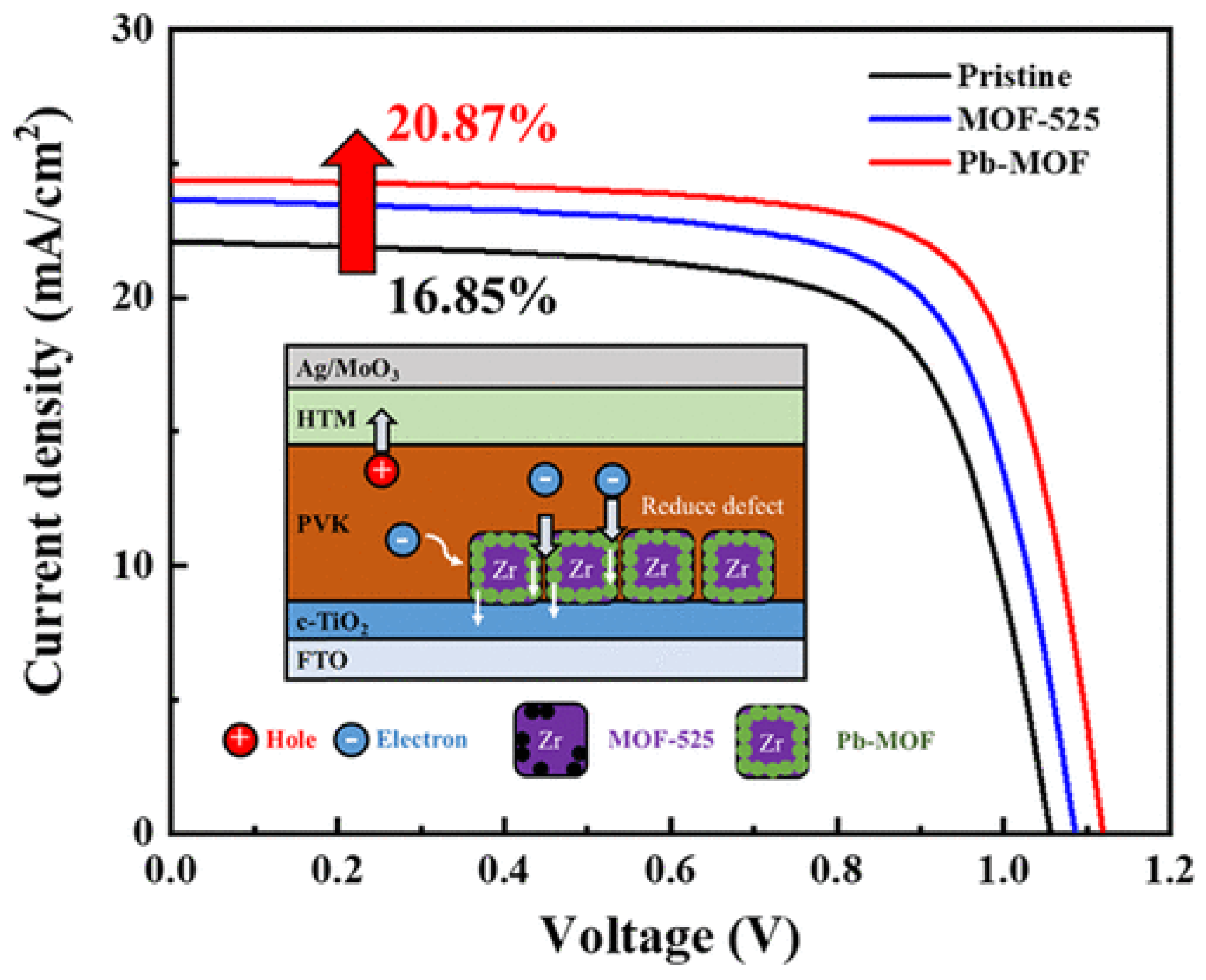
- Liu, C.-K.; Wu, K.-H.; Lu, Y.-A.; Hsiao, L.-Y.; Lai, K.-W.; Chu, C.-W.; Ho, K.-C. Introducing Postmetalation Metal–Organic Framework to Control Perovskite Crystal Growth for Efficient Perovskite Solar Cells. ACS Appl. Mater. Interfaces 2021, 13, 60125–60134. [Google Scholar] [CrossRef] [PubMed]
- Zhang, M.M.; Liang, T.T.; Zhang, C.; Zhang, H.; Li, Y.F.; Li, Y.; Zang, S.Q. Recent Advances in Enhancing Functionalization of Atomically Precise Copper Hydride Clusters. Aggregate 2025, 6, e70209. [Google Scholar] [CrossRef]
- Shen, M.; Li, S.; Lu, H.; Wan, W.; Li, Y.; Zhuo, Z.; Wu, W.; Huang, X. Comparison on combustion characteristics and energy release of μAl/JP-10, nAl/JP-10 and Al-Li/JP-10 suspension fuels. Combust. Flame 2026, 283, 114616. [Google Scholar] [CrossRef]
- Dou, S.; Jin, Y.; Yang, Q.; Han Josiah Lo, L.; Xu, X.; Fu, Q.; Pan, L. Combustion Characteristics and Application Performance of JP-10/Nano-Sized Aluminum Gel-Fueled Scramjet. AIAA J. 2024, 62, 1330–1341. [Google Scholar] [CrossRef]
- Jiang, H.; Shen, W.; Bai, S.; Chen, D.; Wang, C.; Liang, X.; Wang, K. Revised HyChem modeling combustion chemistry of air-breathing high-energy density jet fuel: JP-10. Combust. Flame 2023, 248, 112578. [Google Scholar] [CrossRef]
- Wang, X.; Yang, Y.; Liu, Y.; Xu, X.; Yang, Q. Thermodynamic analysis of a high Mach number scramjet engine with secondary combustion for thrust enhancement. Therm. Sci. Eng. Prog. 2024, 47, 102275. [Google Scholar] [CrossRef]
- Jing, Q.; Li, Y.; Zhang, L.; Wang, D.; Shi, C. Optimization effect of propylene oxide (PO) on evaporation, combustion, and pollutant emissions of high-energy–density JP-10 fuel. Fuel 2024, 361, 130585. [Google Scholar] [CrossRef]
- Jing, Q.; Wang, D.; Shi, C. Effects of aluminum powder additives on deflagration and detonation performance of JP-10/DEE mixed fuel under weak and strong ignition conditions. Appl. Energy 2023, 331, 120477. [Google Scholar] [CrossRef]
- Jing, Q.; Wang, D.; Liu, Q.; Liu, C.; Wang, Z.; He, Z.; Yang, Z. Deflagration evolution characteristic and chemical reaction kinetic mechanism of JP-10/DEE mixed fuel in a large-scale tube. Fuel 2022, 322, 124238. [Google Scholar] [CrossRef]
- Liu, Z.; Yang, X. Thermal stability enhancement and prediction by ANN model. Energy AI 2024, 16, 100348. [Google Scholar] [CrossRef]
- Liu, S.; Cheng, Q.; Wang, P.; Han, L.; Wang, L. The effect of water on coking and heat transfer inhomogeneity of supercritical aviation kerosene in a curved mini-channel. Appl. Therm. Eng. 2023, 233, 121150. [Google Scholar] [CrossRef]
- Zhang, Y.; Cao, Y.; Feng, Y.; Xu, S.; Wang, J.; Qin, J. A new modeling method to estimate the heat transfer characteristics of supercritical aviation kerosene RP-3 with pyrolysis. Chem. Eng. Sci. 2023, 267, 118324. [Google Scholar] [CrossRef]
- Peng, X.; Fan, D.; Qiu, D.; Feng, S.; Peng, H.; Bai, W. Study on RP-3 Aviation Fuel Vapor Concentration. Aerospace 2023, 10, 497. [Google Scholar] [CrossRef]
- Wang, Z.; Li, X.; Xiang, L.; Huang, Y.; Lang, B.; Cheng, X.; Zhang, J. Potential of kerosene-diesel blends as alternative fuels for diesel engines: Perspectives from spray combustion characteristics. Fuel 2023, 335, 127112. [Google Scholar] [CrossRef]
- Åkerblom, A.; Passad, M.; Ercole, A.; Zettervall, N.; Nilsson, E.J.K.; Fureby, C. Numerical Modeling of Chemical Kinetics, Spray Dynamics, and Turbulent Combustion towards Sustainable Aviation. Aerospace 2023, 11, 31. [Google Scholar] [CrossRef]
- Biswas, S.; Paul, D.; Dias, N.; Lu, W.; Ahmed, M.; Pantoya, M.L.; Kaiser, R.I. Efficient Oxidative Decomposition of Jet-Fuel exo-Tetrahydrodicyclopentadiene (JP-10) by Aluminum Nanoparticles in a Catalytic Microreactor: An Online Vacuum Ultraviolet Photoionization Study. J. Phys. Chem. A 2024, 128, 1665–1684. [Google Scholar] [CrossRef]
- Priyadarshi, S.; Vinu, R. Catalytic Fast Pyrolysis of JP-10 and 3-Carene Using Analytical Py-GC/MS for the Production of Low Molecular Weight Hydrocarbons. Energy Fuels 2022, 36, 12144–12159. [Google Scholar] [CrossRef]
- Xie, J.; Zhang, J.; Wang, X.; Xie, J.; Yang, B.; Liang, Y.; Zou, J.-J.; Zhang, Q. Synthesis of JP-10 analogues high-density fuels via one-pot Diels-Alder/hydrodeoxygenation reaction. Fuel 2024, 361, 130738. [Google Scholar] [CrossRef]
- Bai, Y.; Wang, Y.; Wang, X.; Zhou, Q.; Duan, Q. Development of physical-chemical surrogate models and skeletal mechanism for the spray and combustion simulation of RP-3 kerosene fuels. Energy 2021, 215, 119090. [Google Scholar] [CrossRef]
- Gong, K.; Zhang, Y.; Wang, X. Buoyancy effect on heat transfer and surface coking of hydrocarbon fuel in horizontal square channel at supercritical pressures. J. Anal. Appl. Pyrolysis 2022, 168, 105738. [Google Scholar] [CrossRef]
- Abi Nurazaq, W.; Wang, W.-C.; Lin, J.-K. The properties of sustainable aviation fuel II: Laminar flame speed. Energy 2024, 294, 130946. [Google Scholar] [CrossRef]
- Caceres-Martinez, L.E.; Saavedra Lopez, J.; Dagle, R.A.; Gillespie, R.; Kenttämaa, H.I.; Kilaz, G. Influence of blending cycloalkanes on the energy content, density, and viscosity of Jet-A. Fuel 2024, 358, 129986. [Google Scholar] [CrossRef]
- Xie, J.; Zhang, H.; Jia, T.; Xie, J.; Zou, J.-J. Synthesis and fuel properties of high-density and low-freezing-point asymmetric cycloalkyl adamantane. Fuel Process. Technol. 2023, 244, 107707. [Google Scholar] [CrossRef]
- Yu, J.; Gou, X. Comprehensive Surrogate for Emulating Physical and Kinetic Properties of Jet Fuels. J. Propuls. Power 2018, 34, 679–689. [Google Scholar] [CrossRef]
- Zhao, T.-b.; Wu, Y.-s.; Duan, Y.-z.; Huang, Z.; Han, D. An experimental study on RP-3 jet fuel injection on a common rail injection system. J. Cent. South Univ. 2022, 29, 2179–2188. [Google Scholar] [CrossRef]
- Spurgeon, S.R.; Ophus, C.; Jones, L.; Petford-Long, A.; Kalinin, S.V.; Olszta, M.J.; Dunin-Borkowski, R.E.; Salmon, N.; Hattar, K.; Yang, W.-C.D.; et al. Towards data-driven next-generation transmission electron microscopy. Nat. Mater. 2020, 20, 274–279. [Google Scholar] [CrossRef]
- Pu, Y.; Niu, Y.; Wang, Y.; Liu, S.; Zhang, B. Statistical morphological identification of low-dimensional nanomaterials by using TEM. Particuology 2022, 61, 11–17. [Google Scholar] [CrossRef]
- Chen, H.-Q.; Zou, L.; Wei, D.-Y.; Zheng, L.-L.; Wu, Y.-F.; Zhang, H.; Li, J.-F. In situ studies of energy-related electrochemical reactions using Raman and X-ray absorption spectroscopy. Chin. J. Catal. 2022, 43, 33–46. [Google Scholar] [CrossRef]
- Du, P.; Si, R.; Li, Z.; Zou, Z. Applications of X-ray Absorption Fine Structure Spectroscopy in the Photocatalytic Conversion of Small Molecules. ACS Catal. 2023, 13, 6690–6703. [Google Scholar] [CrossRef]
- Savel’ev, A.M.; Starik, A.M. The formation of (Al2O3)n clusters as a probable mechanism of aluminum oxide nucleation during the combustion of aluminized fuels: Numerical analysis. Combust. Flame 2018, 196, 223–236. [Google Scholar] [CrossRef]
- Laraib, S.R.; Liu, J.; Xia, Y.-g.; Wu, Y.-w.; Mohammadi, M.D.; Noor, N.F.; Lu, Q. Assessing the efficacy of aluminum metal clusters Al13 and Al15 in mitigating NO2 and SO2 pollutants: A DFT investigation. RSC Adv. 2024, 14, 11217–11231. [Google Scholar] [CrossRef] [PubMed]
- E, X.-T.-F.; Zhang, L.; Wang, F.; Zhang, X.; Zou, J.-J. Synthesis of aluminum nanoparticles as additive to enhance ignition and combustion of high energy density fuels. Front. Chem. Sci. Eng. 2018, 12, 358–366. [Google Scholar] [CrossRef]
- Jin, Y.; Dou, S.; Yang, Q.; Xu, X.; Fu, Q.; Pan, L. Performance characteristics of a scramjet engine using JP-10 fuel containing aluminum nanoparticles. Acta Astronaut. 2021, 185, 70–77. [Google Scholar] [CrossRef]
- Shen, Z.; Xue, K.; Liu, Q.; Han, Z.; Xu, Y.; Zhang, X.; Zou, J.-J.; Pan, L. Thermal cracking performance of Al-nanoparticle-containing nanofluids. Fuel 2024, 358, 130321. [Google Scholar] [CrossRef]
- Paul, D.; Biswas, S.; Yeom, H.; Na, K.; Pantoya, M.L.; Kaiser, R.I. Unraveling the Nanosheet Zeolite-Catalyzed Combustion of Aluminum Nanoparticles-Doped exo-Tetrahydrodicyclopentadiene (JP-10) Energetic Fuel. ACS Appl. Mater. Interfaces 2024, 16, 53938–53949. [Google Scholar] [CrossRef]
- Gupta, S.K.; Prabhudeva, P.; Kumar, M.; Ojha, P.K.; Karmakar, S. Investigation on spray combustion characteristics of Boron-Loaded slurry fuel in a Swirl-Stabilized combustor. Fuel 2022, 323, 124316. [Google Scholar] [CrossRef]
- Jin, Y.; Xu, X.; Yang, Q.; Dou, S.; Wang, X.; Fu, Q.; Pan, L. Combustion Behavior of Hydrocarbon/Boron Gel-Fueled Scramjet. AIAA J. 2022, 60, 3834–3843. [Google Scholar] [CrossRef]
- Huang, X.; He, W.; Li, S.; Li, Z.; Xu, X.; Luo, D. Nanosizing and Al-Mg alloying effects of boron particles on combustion characteristics and energy release of B/JP-10 suspension fuel. Appl. Therm. Eng. 2024, 248, 123134. [Google Scholar] [CrossRef]
- Chen, B.; Shan, S.; Du, L.; Liu, J.; Yang, Q. Introducing metal oxide as solid oxygen carrier for energy release enhancement of boron suspension fuel. Fuel 2023, 351, 128919. [Google Scholar] [CrossRef]
- Du, L.; Liu, J.; Chen, B.; Li, Z.; Yang, W.J. Promotion and mechanism of action of EtOH addition on the energy release characteristics of B/JP-10 suspension fuel. Fuel Process. Technol. 2023, 242, 107667. [Google Scholar] [CrossRef]
- Wang, Q.-Y.; Wang, J.; Wang, S.; Wang, Z.-Y.; Cao, M.; He, C.-L.; Yang, J.-Q.; Zang, S.-Q.; Mak, T.C.W. o-Carborane-Based and Atomically Precise Metal Clusters as Hypergolic Materials. J. Am. Chem. Soc. 2020, 142, 12010–12014. [Google Scholar] [CrossRef]
- Jiao, N.; Zhang, Y.; Liu, L.; Shreeve, J.N.M.; Zhang, S. Hypergolic fuels based on water-stable borohydride cluster anions with ultralow ignition delay times. J. Mater. Chem. A 2017, 5, 13341–13346. [Google Scholar] [CrossRef]
- Li, Y.; Wu, Z.; Jing, Q.; Zhang, L.; Wang, D.; Liu, Q.; Qi, S.; Xu, H.; Li, Y. Optimization effect and reaction mechanism of flake aluminum powder on the combustion performance of high-energy-density JP-10/PO composite fuel. Combust. Flame 2024, 262, 113369. [Google Scholar] [CrossRef]
- Jin, D.; Mi, J.; Guo, Y.; Dai, Y.; Fang, W. Evaporation and Autoignition Characteristics of JP-10 Droplets with Hyperbranched Polyester as Additive. Energies 2023, 16, 3333. [Google Scholar] [CrossRef]
- Wu, B.; Wu, F.; Wang, P.; He, A.; Wu, H. Ignition and Combustion of Hydrocarbon Fuels Enhanced by Aluminum Nanoparticle Additives: Insights from Reactive Molecular Dynamics Simulations. J. Phys. Chem. C 2021, 125, 11359–11368. [Google Scholar] [CrossRef]
- Cai, X.; Ding, W.; Zhu, Y. Rational design and catalytic properties of atomically precise metal clusters. J. Fuel Chem. Technol. 2025, 53, 983–993. [Google Scholar] [CrossRef]
- Yang, Q.; Li, S.; Ye, L.; Huang, X. Understanding of Contradiction on Concentration Effect on Stability, Physical Properties, Evaporation and Microexplosion Characteristics of Al/JP-10/Oleic Acid Nanofluid Fuel. Nanomaterials 2022, 12, 3446. [Google Scholar] [CrossRef] [PubMed]
- Dilipkumar, P.; Sonawane, S.H.; Srinath, S. Effect of Surfactants/Gels on the Stability of Boron Particle Dispersion in Liquid Fuel. Colloids Interfaces 2023, 7, 37. [Google Scholar] [CrossRef]
- Kong, Z.; Lu, Y.; Dai, J.; Sun, Y.; Chen, J.; Zhu, B. Influence of the oxidation degree of aluminum nanoparticles on the stability and combustion of Al/JP-10 nanofluid fuels. Mater. Today Chem. 2025, 50, 103150. [Google Scholar] [CrossRef]
- Zhou, W.; Zhou, W.; Yifei, Y.; Jia, Z.; Yang, L. A ReaxFF and DFT study of effect and mechanism of an electric field on JP-10 fuel pyrolysis. J. Energy Inst. 2023, 111, 101445. [Google Scholar] [CrossRef]







| Rating * | Category | A Typical Example | Principle | Key Advantages | Key Challenges |
|---|---|---|---|---|---|
| ★☆ ☆☆ | Oxygen-containing additive | Methanol, ethanol, MTBE | Provides additional oxygen atoms to promote complete combustion | Improves octane rating and reduces CO and hydrocarbon emissions | Low energy density; corrodes engine materials; has limited effectiveness in reducing ignition delay at low temperatures or under high pressure |
| ★☆ ☆☆ | Metal–organic compounds | Ferrocene, cerium naphthenate | Releases metal atoms during combustion and catalyzes radical reactions | As a combustion catalyst, it can theoretically accelerate the reaction | It tends to produce metal oxide ash, which leads to carbon buildup, fouling of spark plugs, and increased particulate emissions |
| ★★ ☆☆ | Conventional nanoparticles | Nano-aluminum (nAl), nano-boron, nano-copper oxide | Localized hot spots form due to the exothermic reaction caused by intense surface oxidation | High energy density and strong catalytic activity | Poor dispersion stability and a tendency to agglomerate; significant safety hazards, such as the risk of dust explosions; and low atomic utilization within the material |
| ★★ ★☆ | Cluster materials | Aluminum clusters, gold clusters, platinum clusters | Quantum confinement effects; extremely high surface-to-volume ratio; efficient activation of oxygen molecules | Extremely small particle size and excellent dispersion; low ignition threshold; extremely high catalytic efficiency; significantly reduced ignition delay | Difficult to produce on a large scale, poor thermal stability, and prone to agglomeration and deactivation |
| Metal Cluster Type | Metal Cluster Morphology | Carrier Material | Properties of Metal Clusters | |
|---|---|---|---|---|
| Precious metal clusters | Pt | From single atoms to nanoparticles with a size of 1.40 nm [38] | CeO2, Fe2O3 [39,40] | A Pt monometallic catalyst was constructed through a dual nano-space confinement strategy, featuring abundant lattice oxygen and efficient elimination of VOCs [39]. Electronic structure and dispersion are the key factors influencing the catalytic performance [40]. The doping of Pt on Au25 clusters can form monometallic active sites [38]. |
| Pd | Nano-cluster | SBA-15 [41] | High thermal stability can be achieved through organophosphorus coordination anchoring, and it is not prone to agglomeration or loss [41]. | |
| Rh | nano-particles | NiCo ferrite [42] | The particle distribution is more uniform, the surface area is higher, and the catalytic performance is excellent [42]. | |
| Transition metal clusters | Cu-Mn | -(Cu-Mn/Al2O3) [43]; Cu-MnO2 [44] | Al2O3 [43]; MnO2 [44] | Cu-Mn/Al2O3 exhibits high activity in toluene combustion (T90 = 260 °C, T50 = 237 °C), and the preparation method has a significant impact [43]; doping Cu into MnO2 can increase the specific surface area and oxygen vacancies, thereby enhancing the catalytic performance [44]. |
| Fe-Mn | Nano-crystals | Is itself an oxide. | Multiple VOCs exhibit catalytic activity at moderate temperatures. For instance, ethanol begins to undergo conversion at 230 °C and reaches approximately 97% at 300 °C [45]. | |
| Co | Double perovskite structure | Uses itself as the framework | These double perovskites were controllably etched by nitric acid to remove part of the surface A-site and improve their catalytic activity for catalytic combustion of CB, toluene and benzene [46]. | |
| Ni | Nano-composite materials [47]; Nin clusters (n = 1–6) [48] | Co3O4-ZrO2 (CZ) [47]; g-C3N4 [48] | Ni and La impregnation and substitution of Co3O4-ZrO2 achieved a 100% hydrogen combustion conversion rate below 350 °C [47]; Nin@g-C3N4 demonstrated structural stability and a favorable electronic structure [48]. | |
| In | In2O3 | ZrO2 [49] | As a potential alternative to traditional copper-based catalysts in the reaction of hydrogenation of carbon dioxide to methanol, the preparation method has a significant impact on its physical and chemical properties as well as catalytic performance [49]. | |
| Method | Principle | Advantages | Limitations |
|---|---|---|---|
| Solvothermal/hydrothermal method | In a sealed, high-pressure solvent, the precursor forms clusters through slow reactions and self-assembly [65]. | The conditions are mild and highly controllable, making this method suitable for the synthesis of ligand-protected metal clusters [66]. | The reaction has a long duration, the mechanism is complex, and achieving reproducibility between batches poses a challenge. |
| Electrochemical synthesis method | By controlling the potential, metal electrodes are electrolysed in situ in the presence of ligands to form clusters [67]. | It is highly economical, requires no external reducing agents, and allows for precise control of the oxidation state [5,67]. | It requires sophisticated equipment, is difficult to mass-produce, and is limited to certain metal systems. |
| Gas-phase synthesis method | Clusters are formed and deposited in the vapor phase to create nanostructured films [68]. | Enables the bottom-up synthesis of high-purity materials. | The yield is relatively low, the size distribution may be broad, and it is sensitive to energy parameters. |
| Template/Boundary Synthesis Method | Using porous materials such as MOFs and zeolites as templates to guide the nucleation and growth of clusters and suppress agglomeration [68,69,70,71,72]. | The clusters are uniform in size, enabling monodisperse loading and controllable structure. | The process of removing the mold may damage the cluster structure, and post-processing is complex [73]. |
| Wet Chemical Reduction Method | Metal salts are reduced in solution using reducing agents such as sodium borohydride or ascorbic acid, and nucleation is stabilized by ligands. | The reaction is fast and can be carried out at room temperature, making it suitable for the preparation of typical metal clusters such as gold and silver [74,75]. | The size distribution may be broad, making agglomeration likely and making it difficult to precisely control the number of particles. |
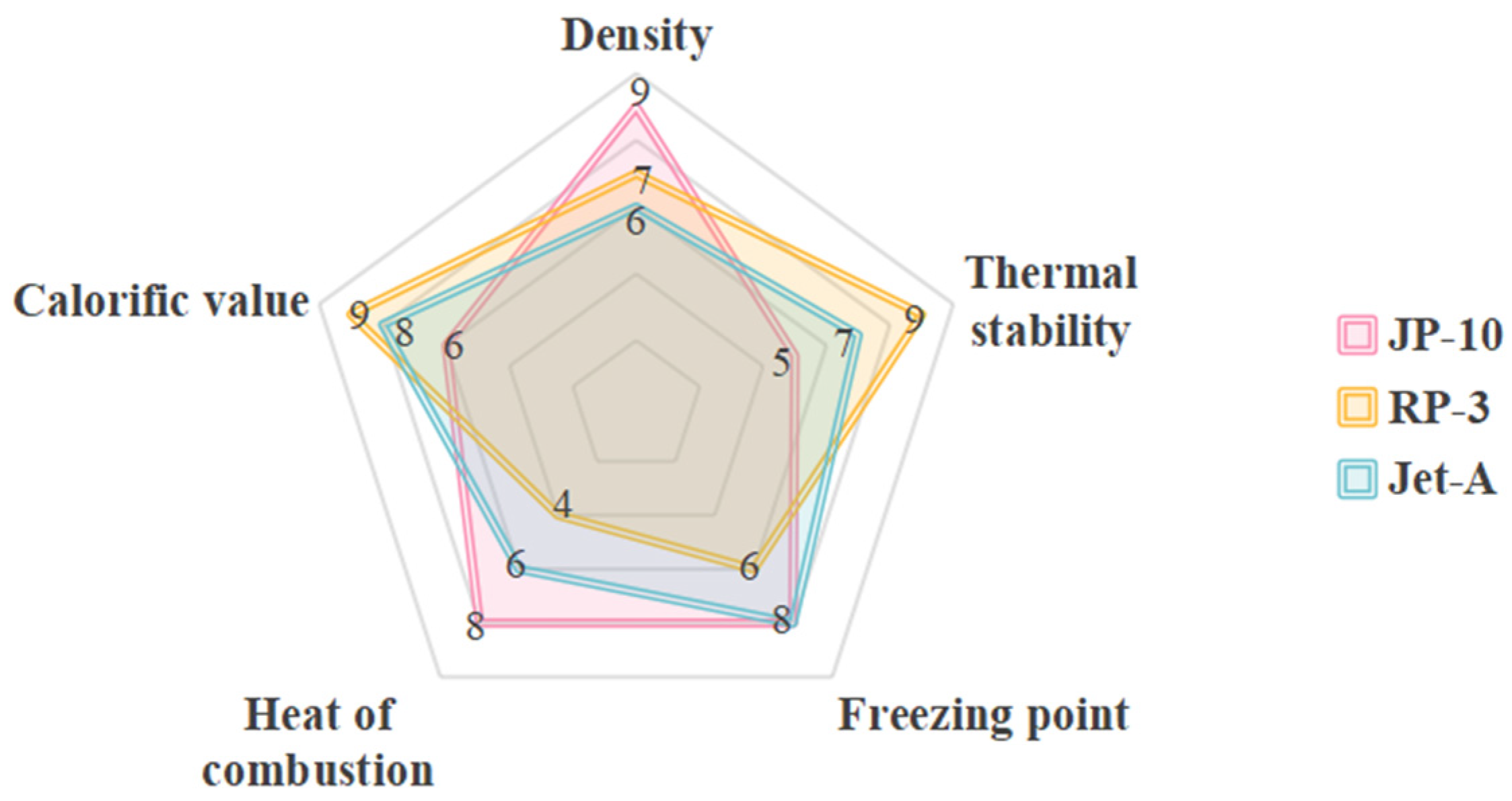
| Features | JP-10 | RP-3 | Jet-A |
|---|---|---|---|
| components | Monocyclic hydrocarbon, exo-tetrahydro-dicyclopentadiene [104,105,106]. | A highly refined paraffin-based blend consisting primarily of polycyclic and monocyclic naphthenes [107,108]. | C8–C16 alkanes, cycloalkanes, and small amounts of aromatics (≤25% by volume) [109,110]. |
| Density (g/cm3) | Approximately 0.93–0.94 | Approximately 0.78–0.81 | Approximately 0.77–0.80 |
| Volumetric heat value (MJ/L) | Relatively high, at approximately 39.5 | Somewhere between JP-10 and Jet-A | Lower, approximately 32.5–33.5 |
| Freezing point | Excellent low-temperature performance [111]. | Fairly good; suitable for aviation. | Excellent low-temperature flow properties [112]. |
| Thermal stability | It is decent, but it may be prone to carbon buildup. | Refined and optimized for improved thermal stability [98]. | Good |
| Applications | Supersonic aircraft, cruise missiles, ramjet engines [92,93,97]. | Alternative fuels for military aviation and diesel engines [113]. | Civil aviation |
| Characterization Techniques | Main Applications | Advantages | Limitations |
|---|---|---|---|
| Transmission Electron Microscope (TEM) | Morphology, size distribution, crystal structure, atomic arrangement; structural characterization of low-dimensional nanomaterials | High-resolution imaging at the atomic level; direct observation of crystal structures and defects; STEM provides Z-contrast images at the atomic scale, enabling the identification of active sites [114,115]. | The equipment is complex; sample preparation is difficult; it has limited capabilities for analyzing amorphous materials; high-energy electron beams may damage sensitive samples |
| X-ray diffraction (XRD) | Crystal structure, phase composition, grain size; in situ monitoring of crystal structure evolution | Determine the crystalline phases and structure of materials; quantitatively analyze phase composition; in situ XRD enables real-time tracking of phase transformations. | It is not possible to directly identify amorphous or disordered cluster structures; analysis of complex mixtures is difficult; it is not sensitive to low-abundance phases |
| X-ray Photoelectron Spectroscopy (XPS) | Surface element composition, chemical state, oxidation state, and chemical bonding state | Surface-sensitive techniques provide information about the surface chemistry; they can distinguish between the valence states of elements and their chemical environments; and they allow for in-depth analysis. | Detects only a few nanometers deep into the surface; requires an ultra-high vacuum environment; limited sensitivity |
| X-ray Absorption Spectroscopy (XAS) | Local atomic structure, electronic structure, and valence state; in situ/operational tracking of dynamic changes in active sites | Characterizes the local coordination environment of elements; provides information on valence states and electronic structure; in situ/operational measurements enable real-time tracking of structural changes during reactions [116,117]. | Requires synchrotron radiation, which is expensive and difficult to obtain; data processing and interpretation are complex; sensitivity to low-concentration samples is limited |
| Mass Spectrometry (MS) | Cluster molecular weight, chemical formula, exact atomic composition | Accurate determination of molecular weight and chemical formula; soft ionization techniques preserve the integrity of cluster structures. | Mild ionization should be used for clusters with poor thermal stability; analyzing complex mixtures poses significant challenges; spatial information cannot be provided |
| Strategy | Core Mechanism | Key Findings |
|---|---|---|
| Introduction of metal oxides (MOx) as solid oxygen carriers. | Compensate for insufficient oxygen supply during combustion. | TG-DSC confirms that the B-MOx system significantly enhances energy release [127]. |
| Add ethanol (EtOH) to the B/JP-10 suspension fuel. | Promotes the fragmentation of boron aggregates, exposing a larger reaction surface area. | CO2 laser ignition experiments indicate that EtOH effectively promotes the fragmentation of aggregates and the release of energy [128]. |
| Materials System | Ignition Delay Time | Oxidizing Agent/Conditions |
|---|---|---|
| [B12H12]2− and other borohydride salts [130] | As low as 1 ms | WFNA/N2O4 |
| CBA-CuAg [129] | 15 ms | White fuming nitric acid |
| CBA-Ag [129] | Self-ignites, but with a long ignition delay | White fuming nitric acid |
| Al NPs/JP-10 Gel [92] | Reduce ignition delay (qualitative) | Super-charged stamping Ma = 2 |
Disclaimer/Publisher’s Note: The statements, opinions and data contained in all publications are solely those of the individual author(s) and contributor(s) and not of MDPI and/or the editor(s). MDPI and/or the editor(s) disclaim responsibility for any injury to people or property resulting from any ideas, methods, instructions or products referred to in the content. |
© 2026 by the authors. Licensee MDPI, Basel, Switzerland. This article is an open access article distributed under the terms and conditions of the Creative Commons Attribution (CC BY) license.
Share and Cite
Wang, X.; Mu, X.; Zhang, Y.; Wang, S.; Wang, R.; Wang, J. The Reinforcing Effect of Cluster Materials in the Combustion of Hydrocarbon Fuels. Int. J. Mol. Sci. 2026, 27, 4374. https://doi.org/10.3390/ijms27104374
Wang X, Mu X, Zhang Y, Wang S, Wang R, Wang J. The Reinforcing Effect of Cluster Materials in the Combustion of Hydrocarbon Fuels. International Journal of Molecular Sciences. 2026; 27(10):4374. https://doi.org/10.3390/ijms27104374
Chicago/Turabian StyleWang, Xiao, Xiaogang Mu, Yue Zhang, Shenghui Wang, Rui Wang, and Junda Wang. 2026. "The Reinforcing Effect of Cluster Materials in the Combustion of Hydrocarbon Fuels" International Journal of Molecular Sciences 27, no. 10: 4374. https://doi.org/10.3390/ijms27104374
APA StyleWang, X., Mu, X., Zhang, Y., Wang, S., Wang, R., & Wang, J. (2026). The Reinforcing Effect of Cluster Materials in the Combustion of Hydrocarbon Fuels. International Journal of Molecular Sciences, 27(10), 4374. https://doi.org/10.3390/ijms27104374