Biochemical Screening of the New Strain Dolichospermum solitarium (Cyanobacteria) for Phytoremediation and Biotechnology

 ,
,  ,
, 
Abstract
1. Introduction
2. Results
2.1. Strain Description
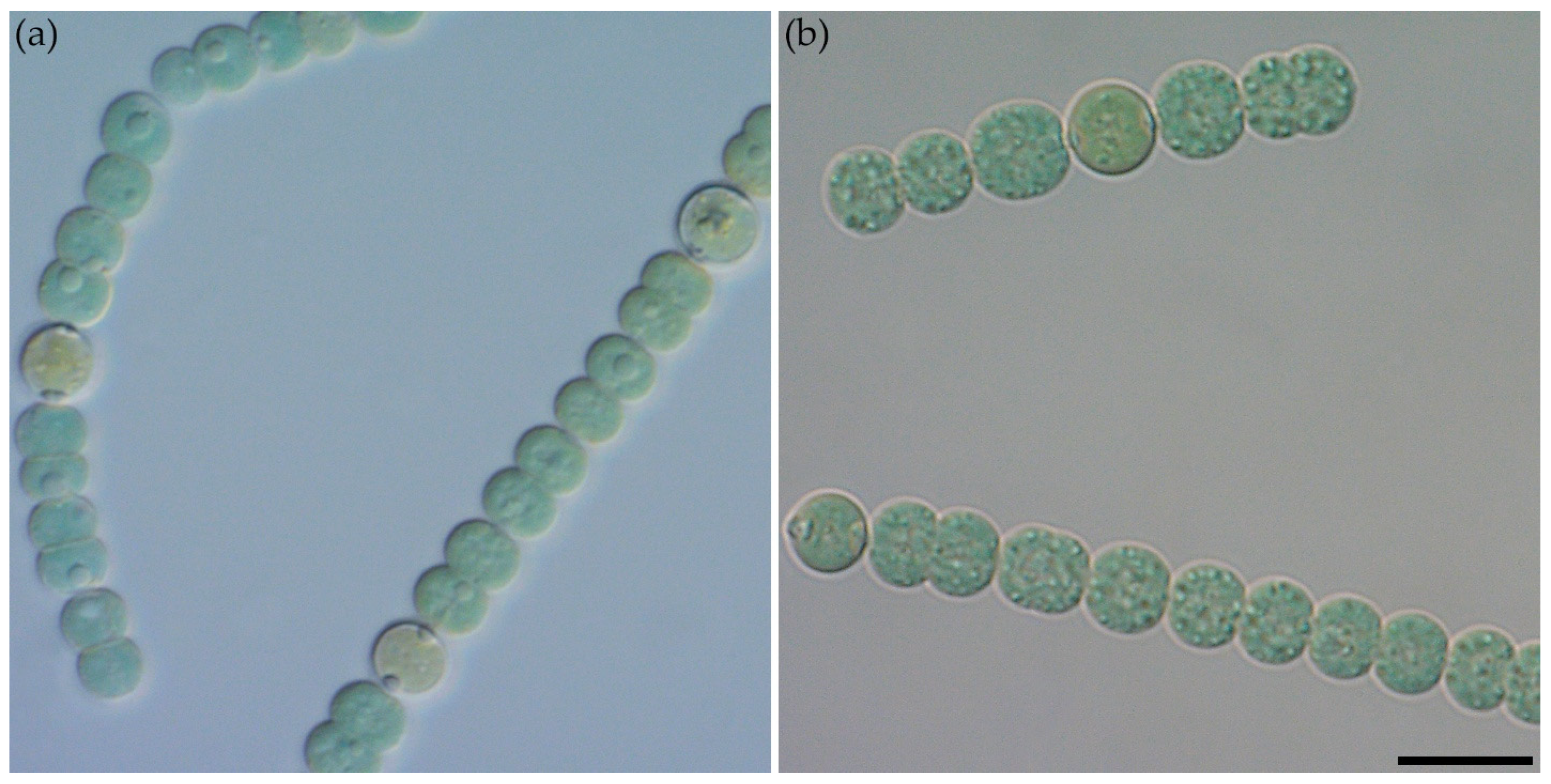
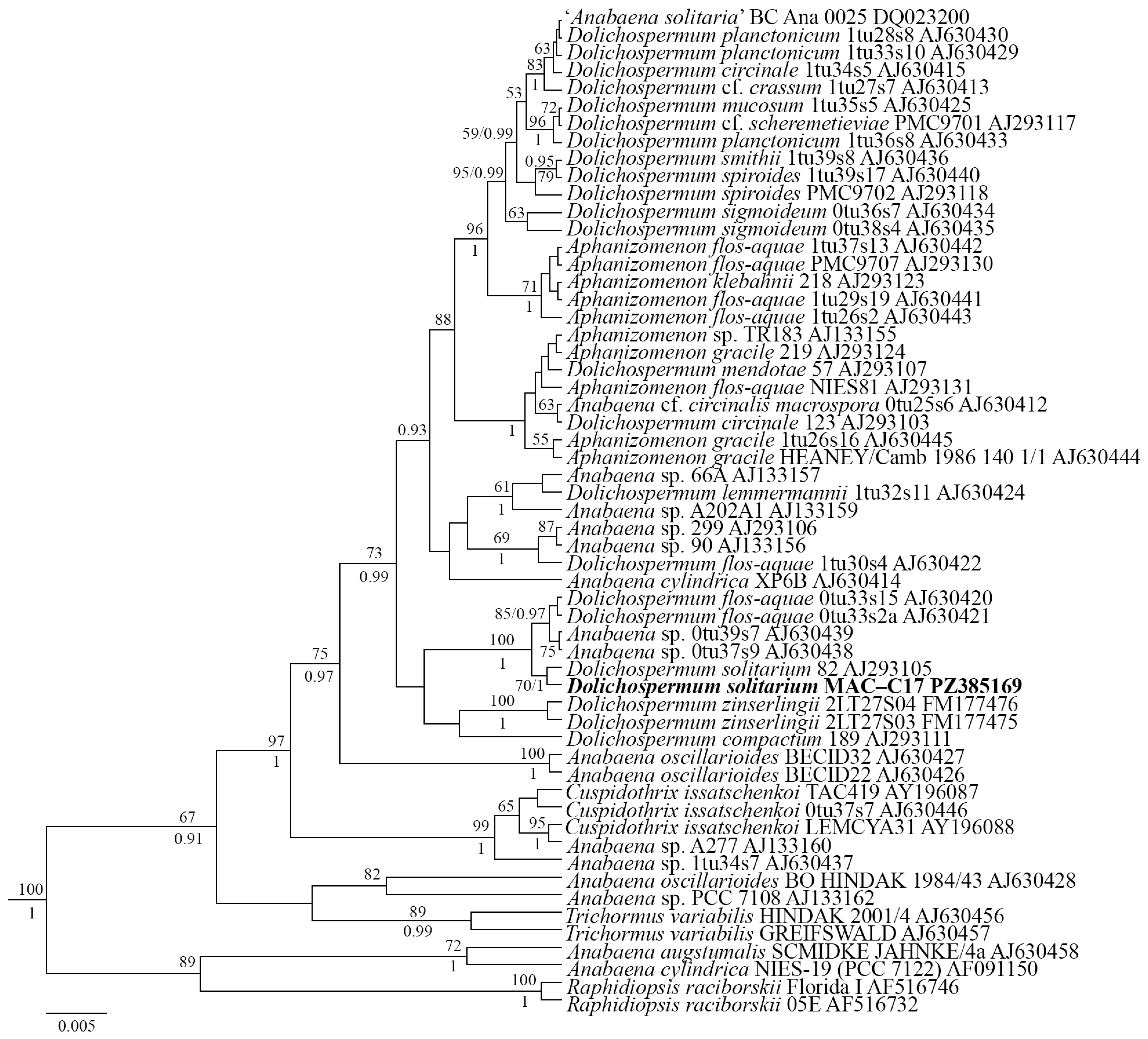
Dolichospermum solitarium MAC–C17
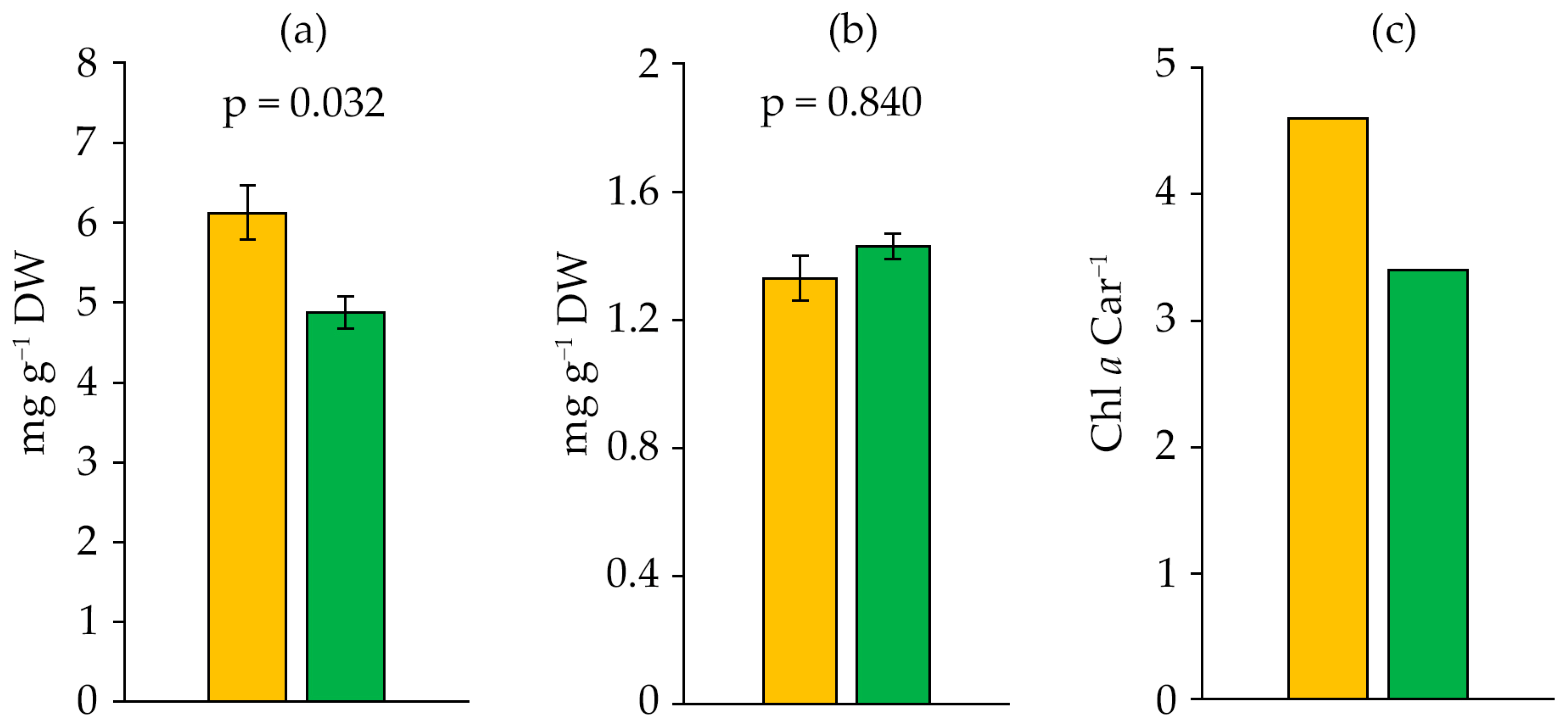
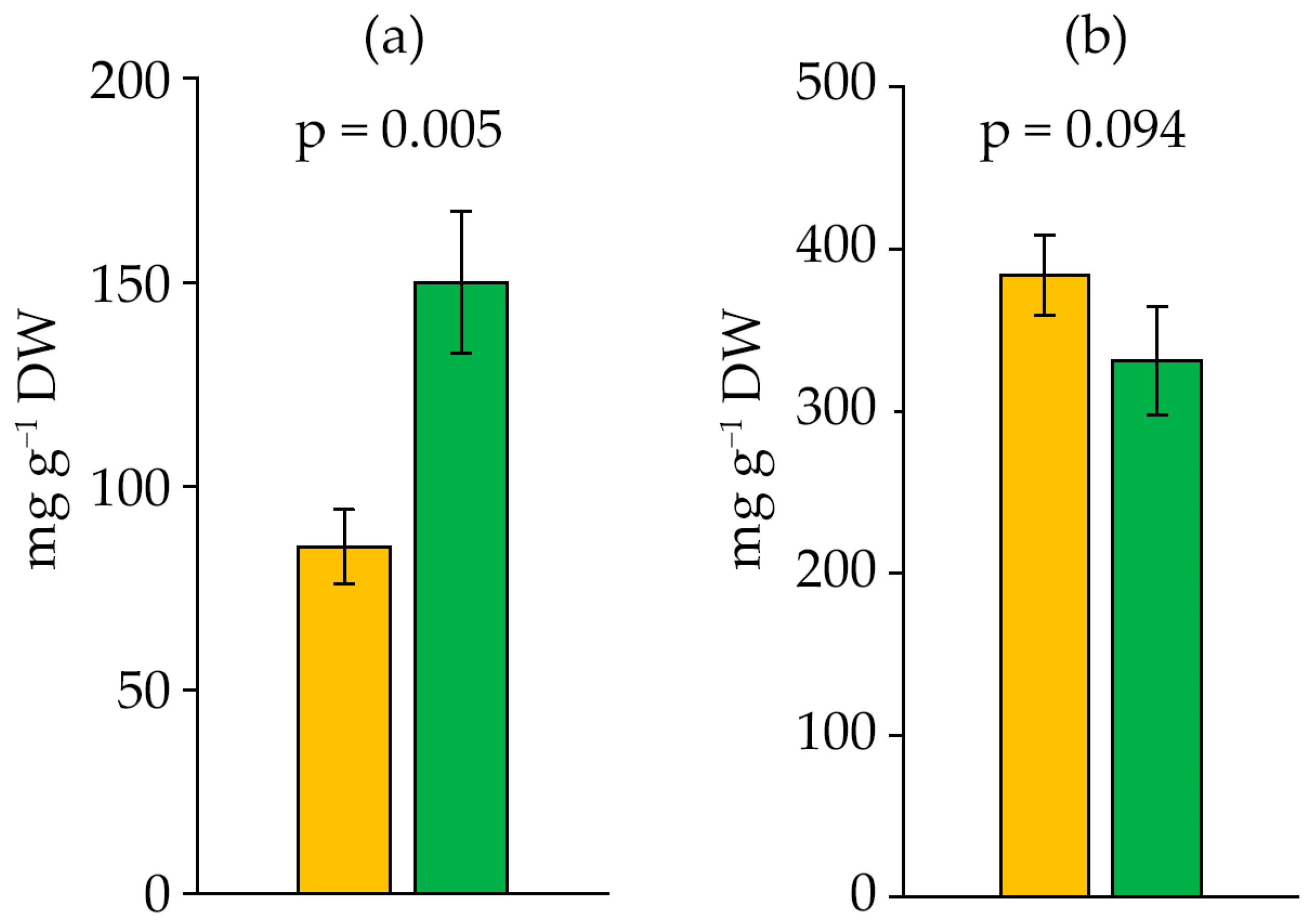
2.2. Growth and Biochemical Characteristics
2.3. SDH and Antioxidant Enzyme Activity
2.4. Intensity of Lipid Peroxidation Processes at Different Growth Phases
3. Discussion
4. Materials and Methods
4.1. Cyanobacterial Material
4.2. DNA Extraction, PCR Amplification and Sequencing
4.3. Growth Assessment
4.4. Biochemical Parameters Measurement
4.5. Data Analysis
5. Conclusions
Author Contributions
Funding
Institutional Review Board Statement
Informed Consent Statement
Data Availability Statement
Conflicts of Interest
References
- Demoulin, C.F.; Lara, Y.J.; Cornet, L.; François, C.; Baurain, D.; Wilmotte, A.; Javaux, E.J. Cyanobacteria evolution: Insight from the fossil record. Free Radic. Biol. Med. 2019, 140, 206–223. [Google Scholar] [CrossRef] [PubMed]
- Issa, A.A.; Abd-Alla, M.H.; Ohyama, T. Nitrogen fixing cyanobacteria: Future prospect. In Advances in Biology and Ecology of Nitrogen Fixation; Ohyama, T., Ed.; IntechOpen: London, UK, 2014; pp. 23–48. [Google Scholar]
- Quesada, A.; Vincent, W.F. Cyanobacteria in the Cryosphere: Snow, Ice and Extreme Cold. In Ecology of Cyanobacteria II; Whitton, B., Ed.; Springer: Dordrecht, The Netherlands, 2012. [Google Scholar] [CrossRef]
- Whitton, B.A.; Potts, M. Introduction to the cyanobacteria. In Ecology of Cyanobacteria II; Springer: Dordrecht, The Netherlands, 2012; pp. 1–13. [Google Scholar]
- Scherbina, V.V.; Maltseva, I.A.; Solonenko, A.N. Peculiarities of postpyrogene development of algae in steppe biocenoses at Askania Nova Biospheric National Park. Contemp. Probl. Ecol. 2014, 7, 187–191. [Google Scholar] [CrossRef]
- Singh, H. Desiccation and radiation stress tolerance in cyanobacteria. J. Basic Microbiol. 2018, 58, 813–826. [Google Scholar] [CrossRef]
- Foster, L.; Muhamadali, H.; Boothman, C.; Sigee, D.; Pittman, J.K.; Goodacre, R.; Morris, K.; Lloyd, J.R. Radiation Tolerance of Pseudanabaena catenata, a Cyanobacterium Relevant to the First Generation Magnox Storage Pond. Front. Microbiol. 2020, 11, 515. [Google Scholar] [CrossRef]
- Maltsev, Y.; Maltseva, S.; Maltseva, I. Diversity of cyanobacteria and algae during primary succession in iron ore tailing dumps. Microb. Ecol. 2022, 83, 408–423. [Google Scholar] [CrossRef]
- Singh, J.S.; Kumar, A.; Rai, A.N.; Singh, D.P. Cyanobacteria: A Precious Bio-resource in Agriculture, Ecosystem, and Environmental Sustainability. Front. Microbiol. 2016, 7, 529. [Google Scholar] [CrossRef]
- Tao, Y.; Li, Y.; Fu, Y.; She, S.; Wang, X.; Hou, L.; Chen, C.; Chen, L. Differences in carbon and nitrogen cycling strategies and regional variability in biological soil crust types. Int. J. Mol. Sci. 2025, 26, 3989. [Google Scholar] [CrossRef] [PubMed]
- Lourembam, J.; Haobam, B.; Singh, K.B.; Verma, S.; Rajan, J.P. The molecular insights of cyanobacterial bioremediations of heavy metals: The current and the future challenges. Front. Microbiol. 2024, 15, 1450992. [Google Scholar] [CrossRef]
- El Semary, N.A. Adverse effects of nitrogenous compounds on nitrogen-fixing cyanobacterium Anabaena solitaria Klebahn. Bangladesh J. Bot. 2020, 49, 1095–1101. [Google Scholar] [CrossRef]
- Morillas-España, A.; Sánchez-Zurano, A.; Gómez-Serrano, C.; Ciardi, M.; Acién, G.; Clagnan, E.; Adani, F.; Lafarga, T. Potential of the cyanobacteria Anabaena sp. and Dolichospermum sp. for being produced using wastewater or pig slurry: Validation using pilot-scale raceway reactors. Algal Res. 2021, 60, 102517. [Google Scholar] [CrossRef]
- Kaur, R.; Rahman, A.; Mishra, M.; Singh, S.K.; Sundaram, S.; Alok, S. Comparative growth analysis of cyanobacteria from diverse habitats with reference to pigments. Int. J. Pharm. Sci. Res. 2020, 11, 2984–2989. [Google Scholar] [CrossRef]
- Sarkar, A.; Rajarathinam, R.; Venkateshan, R.B. A comparative assessment of growth, pigment and enhanced lipid production by two toxic freshwater cyanobacteria Anabaena circinalis FSS 124 and Cylindrospermopsis raciborskii FSS 127 under various combinations of nitrogen and phosphorous inputs. Environ. Sci. Pollut. Res. 2021, 28, 15923–15933. [Google Scholar] [CrossRef]
- Parthiban, J.; Jambulingam, R. Enhancing the Biodiesel Production Potential of Synechococcus elongatus and Anabaena Cyanobacterial Strain Isolated from Saline Water Using Different Media Composition and Organic Carbon Sources. Sustainability 2023, 15, 870. [Google Scholar] [CrossRef]
- Goldoost, H.; Vahabzadeh, F.; Fallah, N. Lipids productivity of cyanobacterium Anabaena vaginicola in an internally illuminated photobioreactor using LED bar lights. Sci. Rep. 2024, 14, 6857. [Google Scholar] [CrossRef]
- Chernova, E.; Sidelev, S.; Russkikh, I.; Voyakina, E.; Babanazarova, O.; Romanov, R.; Kotovshchikov, A.; Mazur-Marzec, H. Dolichospermum and Aphanizomenon as neurotoxins producers in some Russian freshwaters. Toxicon 2017, 130, 47–55. [Google Scholar] [CrossRef]
- Scoglio, G.D.; Jackson, H.O.; Purton, S. The commercial potential of Aphanizomenon flos-aquae, a nitrogen-fixing edible cyanobacterium. J. Appl. Phycol. 2024, 36, 1593–1617. [Google Scholar] [CrossRef]
- Birben, E.; Sahiner, U.M.; Sackesen, C.; Erzurum, S.; Kalayci, O. Oxidative stress and antioxidant defense. World Allergy Organ. J. 2012, 5, 9–19. [Google Scholar] [CrossRef]
- Ahmad, P.; Jaleel, C.A.; Salem, M.A.; Nabi, G.; Sharma, S. Roles of enzymatic and nonenzymatic antioxidants in plants during abiotic stress. Crit. Rev. Biotechnol. 2010, 30, 161–175. [Google Scholar] [CrossRef]
- Lü, J.M.; Lin, P.H.; Yao, Q.; Chen, C. Chemical and molecular mechanisms of antioxidants: Experimental approaches and model systems. J. Cell. Mol. Med. 2010, 14, 840–860. [Google Scholar] [CrossRef]
- Das, P.; Nutan, K.K.; Singla-Pareek, S.L.; Pareek, A. Oxidative environment and redox homeostasis in plants: Dissecting out significant contribution of major cellular organelles. Front. Environ. Sci. 2015, 2, 70. [Google Scholar] [CrossRef]
- Singh, H.; Anurag, K.; Apte, S.K. High radiation and desiccation tolerance of nitrogen-fixing cultures of the cyanobacterium Anabaena sp. strain PCC 7120 emanates from genome/proteome repair capabilities. Photosynth. Res. 2013, 118, 71–81. [Google Scholar] [CrossRef]
- Yadav, P.; Singh, R.P.; Rana, S.; Joshi, D.; Kumar, D.; Bhardwaj, N.; Gupta, R.K.; Kumar, A. Mechanisms of Stress Tolerance in Cyanobacteria under Extreme Conditions. Stresses 2022, 2, 531–549. [Google Scholar] [CrossRef]
- Abdel-Raouf, N.; Ibraheem, I. Antibiotic activity of two Anabaena species against four fish pathogenic Aeromonas species. Afr. J. Biotechnol. 2010, 7, 2644–2648. [Google Scholar]
- Kharwar, S.; Bhattacharjee, S.; Mishra, A.K. Deciphering salinity tolerance in the cyanobacterium Anabaena sphaerica: An evaluation of physiological and biochemical adjustments. Acta Physiol. Plant. 2022, 44, 127. [Google Scholar] [CrossRef]
- Srivastava, R.; Kanda, T.; Yadav, S.; Singh, N.; Yadav, S.; Prajapati, R.; Kesari, V.; Atri, N. Salinity pretreatment synergies heat shock toxicity in cyanobacterium Anabaena PCC7120. Front. Microbiol. 2023, 14, 1061927. [Google Scholar] [CrossRef]
- Wacklin, P.; Hoffmann, L.; Komárek, J. Nomenclatural validation of the genetically revised cyanobacterial genus Dolichospermum (Ralfs ex Bornet et Flahault) comb. nova. Fottea 2009, 9, 59–64. [Google Scholar] [CrossRef]
- Li, X.; Dreher, T.W.; Li, R. An overview of diversity, occurrence, genetics and toxin production of bloom-forming Dolichospermum (Anabaena) species. Harmful Algae 2016, 54, 54–68. [Google Scholar] [CrossRef]
- Driscoll, C.B.; Meyer, K.A.; Šulčius, S.; Brown, N.M.; Dick, G.J.; Cao, H.; Gasiūnas, G.; Timinskas, A.; Yin, Y.; Landry, Z.C.; et al. A closely-related clade of globally distributed bloom-forming cyanobacteria within the Nostocales. Harmful Algae 2018, 77, 93–107. [Google Scholar] [CrossRef]
- Österholm, J.; Popin, R.V.; Fewer, D.P.; Sivonen, K. Phylogenomic analysis of secondary metabolism in the toxic cyanobacterial genera Anabaena, Dolichospermum and Aphanizomenon. Toxins 2020, 12, 248. [Google Scholar] [CrossRef]
- Dreher, T.W.; Davis, E.W.; Mueller, R.S. Complete genomes derived by directly sequencing freshwater bloom populations emphasize the significance of the genus level ADA clade within the Nostocales. Harmful Algae 2021, 103, 102005. [Google Scholar] [CrossRef]
- Dreher, T.W.; Davis, E.W.; Mueller, R.S.; Otten, T.G. Comparative genomics of the ADA clade within the Nostocales. Harmful Algae 2021, 104, 102037. [Google Scholar] [CrossRef]
- Komárek, J. Cyanoprokaryota. III. Heterocystous Genera. In Süßwasserflora von Mitteleuropa; Büdel, B., Gärtner, G., Krienitz, L., Schagerl, M., Eds.; Springer Spektrum: Berlin/Heidelberg, Germany, 2013; Volume 19, 1130p. [Google Scholar]
- Klebahn, H. Gasvacuolen, ein Bestandteil der Zellen der wasserblütebildenden Phycochromaceen. Flora 1895, 80, 241–282. [Google Scholar]
- Gugger, M.; Lyra, C.; Henriksen, P.; Couté, A.; Humbert, J.-F.; Sivonen, K. Phylogenetic comparison of the cyanobacterial genera Anabaena and Aphanizomenon. Int. J. Syst. Evol. Microbiol. 2002, 52, 1867–1880. [Google Scholar] [CrossRef]
- Rajaniemi, P.; Hrouzek, P.; Kaštovská, K.; Willame, R.; Rantala, A.; Hoffmann, L.; Komárek, J.; Sivonen, K. Phylogenetic and morphological evaluation of the genera Anabaena, Aphanizomenon, Trichormus and Nostoc (Nostocales, Cyanobacteria). Int. J. Syst. Evol. Microbiol. 2005, 55, 11–26. [Google Scholar] [CrossRef]
- Patova, E.N. Bloom-Forming Cyanoprokaryotes in Kharbeyskie Lakes of Bolshezemelskaya Tundra. J. Sib. Fed. Univ. 2014, 7, 282–290. [Google Scholar] [CrossRef]
- Dos Santos Machado, L.; Dörr, F.; Dörr, F.A.; Frascareli, D.; Melo, D.S.; Gontijo, E.S.J.; Friese, K.; Pinto, E.; Rosa, A.H.; Pompêo, M.M.; et al. Permanent occurrence of Raphidiopsis raciborskii and cyanotoxins in a subtropical reservoir polluted by domestic effluents (Itupararanga reservoir, São Paulo, Brazil). Environ. Sci. Pollut. Res. 2022, 29, 18653–18664. [Google Scholar] [CrossRef]
- Deepika, C.; Wolf, J.; Roles, J.; Ross, I.; Hankamer, B. Sustainable Production of Pigments from Cyanobacteria. Adv. Biochem. Eng. Biotechnol. 2023, 183, 171–251. [Google Scholar] [CrossRef]
- Anahas, A.M.P.; Prasannabalaji, N.; Muralitharan, G. Enhancing biodiesel production in Anabaena sphaerica MBDU 105: Exploring photo-, hetero-, and mixotrophic cultivation for biomass, lipid, and fuel properties. Biomass Conv. Bioref. 2025, 15, 7927–7946. [Google Scholar] [CrossRef]
- Dewi, R.N.; Mahreni; Azimatun Nur, M.M.; Siahaan, A.A.; Ardhi, A.C. Enhancing the biomass production of microalgae by mixotrophic cultivation using virgin coconut oil mill effluent. Environ. Eng. Res. 2023, 28, 220059. [Google Scholar] [CrossRef]
- Maltseva, I.; Kochubey, A.; Yakoviichuk, A.; Maltseva, S.; Kulikovskiy, M.; Maltsev, Y. A Comparative Study of the Antioxidant Status and Biotechnological Potential of Bracteacoccus minor (Chlorophyceae) Strains. Int. J. Mol. Sci. 2025, 26, 10740. [Google Scholar] [CrossRef] [PubMed]
- Babadi, F.E.; Boonnoun, P.; Nootong, K.; Powtongsook, S.; Goto, M.; Shotipruk, A. Identification of carotenoids and chlorophylls from green algae Chlorococcum humicola and extraction by liquefied dimethyl ether. Food Bioprod. Process. 2020, 123, 296–303. [Google Scholar] [CrossRef]
- Vijay, A.K.; Prabha, S.; Salim, S.A.M.; Atheesh, O.S.; George, B. Isolation and Screening of Indigenous Microalgal Strains from Diverse Ecological Niches for Lipid and Pigment Production Relevant to Sustainable Biorefinery Applications. Bioenerg. Res. 2025, 18, 70. [Google Scholar] [CrossRef]
- Chekanov, K.; Litvinov, D.; Fedorenko, T.; Chivkunova, O.; Lobakova, E. Combined Production of Astaxanthin and β-Carotene in a New Strain of the Microalga Bracteacoccus aggregatus BM5/15 (IPPAS C-2045) Cultivated in Photobioreactor. Biology 2021, 10, 643. [Google Scholar] [CrossRef]
- Foyer, C.H.; Hanke, G. ROS production and signalling in chloroplasts: Cornerstones and evolving concepts. Plant J. 2022, 111, 642–661. [Google Scholar] [CrossRef]
- Jardim-Messeder, D.; Caverzan, A.; Rauber, R.; de Souza Ferreira, E.; Margis-Pinheiro, M.; Galina, A. Succinate dehydrogenase (mitochondrial complex II) is a source of reactive oxygen species in plants and regulates development and stress responses. New Phytol. 2015, 208, 776–789. [Google Scholar] [CrossRef] [PubMed]
- Liu, M.; Lu, S. Plastoquinone and Ubiquinone in Plants: Biosynthesis, Physiological Function and Metabolic Engineering. Front. Plant Sci. 2016, 7, 1898. [Google Scholar] [CrossRef]
- Srivastava, A.K.; Bhargava, P.; Rai, L.C. Salinity and copper-induced oxidative damage and changes in the antioxidative defence systems of Anabaena doliolum. World J. Microbiol. Biotechnol. 2005, 21, 1291–1298. [Google Scholar] [CrossRef]
- Zhang, Y.M.; Chen, H.; He, C.L.; Wang, Q. Nitrogen starvation induced oxidative stress in an oil-producing green alga Chlorella sorokiniana C3. PLoS ONE 2013, 8, e69225. [Google Scholar] [CrossRef]
- Chokshi, K.; Pancha, I.; Ghosh, A.; Mishra, S. Nitrogen starvation-induced cellular crosstalk of ROS-scavenging antioxidants and phytohormone enhanced the biofuel potential of green microalga Acutodesmus dimorphus. Biotechnol. Biofuels 2017, 10, 60. [Google Scholar] [CrossRef]
- Vašková, J.; Stupák, M.; Vidová Ugurbaş, M.; Židzik, J.; Mičková, H. Therapeutic Uses of Retinol and Retinoid-Related Antioxidants. Molecules 2025, 30, 2191. [Google Scholar] [CrossRef] [PubMed]
- Mudimu, O.; Koopmann, I.K.; Rybalka, N.; Friedl, T.; Schulz, R.; Bilger, W. Screening of microalgae and cyanobacteria strains for α-tocopherol content at different growth phases and the influence of nitrate reduction on α-tocopherol production. J. Appl. Phycol. 2017, 29, 2867–2875. [Google Scholar] [CrossRef]
- Sakamoto, T.; Wei, Y.; Yuasa, K.; Nishiyama, Y. Recovery of photosynthesis after long-term storage in the terrestrial cyanobacterium Nostoc commune. J. Gen. Appl. Microbiol. 2022, 68, 169–174. [Google Scholar] [CrossRef]
- Del Mondo, A.; Smerilli, A.; Sane, E.; Sansone, C.; Brunet, C. Challenging microalgal vitamins for human health. Microb. Cell Fact. 2020, 19, 201. [Google Scholar] [CrossRef]
- Da Rós, P.C.M.; Silva, C.S.P.; Silva-Stenico, M.E.; Fiore, F.; de Castro, H.F. Assessment of chemical and physico-chemical properties of cyanobacterial lipids for biodiesel production. Mar. Drugs 2013, 11, 2365–2381. [Google Scholar] [CrossRef]
- Thangavel, K.; Krishnan, P.R.; Nagaiah, S.; Kuppusamy, S.; Chinnasamy, S.; Rajadorai, J.S.; Olaganathan, G.N.; Dananjeyan, B. Growth and metabolic characteristics of oleaginous microalgal isolates from Nilgiri biosphere Reserve of India. BMC Microbiol. 2018, 18, 1. [Google Scholar] [CrossRef]
- Griffiths, M.J.; van Hille, R.P.; Harrison, S.T.L. Lipid productivity, settling potential and fatty acid profile of 11 microalgal species grown under nitrogen replete and limited conditions. J. Appl. Phycol. 2012, 24, 989–1001. [Google Scholar] [CrossRef]
- El Shafay, S.M.; Gaber, A.; Alsanie, W.F.; Elshobary, M.E. Influence of Nutrient Manipulation on Growth and Biochemical Constituent in Anabaena variabilis and Nostoc muscorum to Enhance Biodiesel Production. Sustainability 2021, 13, 9081. [Google Scholar] [CrossRef]
- Kotai, J. Instructions for Preparation of Modified Nutrient Solution Z8 for Algae; Publication B-11/(69); Norwegian Institute for Water Research: Oslo, Norway, 1972; 5p. [Google Scholar]
- Lane, D.J. 16S/23S rRNA sequencing. In Nucleic Acid Techniques in Bacterial Systematics; Stackebrandt, E., Goodfellow, M., Eds.; Wiley: Chichester, UK, 1991; pp. 115–175. [Google Scholar]
- Lepère, C.; Wilmotte, A.; Meyer, B. Molecular diversity of Microcystis strains (Cyanophyceae, Chroococcales) based on 16S rDNA sequences. Syst. Geogr. Plants 2000, 70, 275–283. [Google Scholar] [CrossRef]
- Nübel, U.; Garcia-Pichel, F.; Muyzer, G. PCR primers to amplify 16S rRNA genes from cyanobacteria. Appl. Environ. Microbiol. 1997, 63, 3327–3332. [Google Scholar] [CrossRef] [PubMed]
- Flechtner, V.R.; Boyer, S.L.; Johansen, J.R.; DeNoble, M.L. Spirirestis rafaelensis gen. et sp. nov. (Cyanophyceae), a new cyanobacterial genus from arid soils. Nova Hedwig. 2002, 74, 1–24. [Google Scholar] [CrossRef]
- Kumar, S.; Stecher, G.; Tamura, K. MEGA7: Molecular evolutionary genetics analysis version 7.0 for bigger datasets. Mol. Biol. Evol. 2016, 33, 1870–1874. [Google Scholar] [CrossRef]
- Katoh, K.; Toh, H. Parallelization of the MAFFT multiple sequence alignment program. Bioinformatics 2010, 26, 1899–1900. [Google Scholar] [CrossRef] [PubMed]
- Zapomělová, E.; Skácelová, O.; Pumann, P.; Kopp, R.; Janeček, E. Biogeographically interesting planktonic Nostocales (Cyanobacteria) in the Czech Republic and their polyphasic evaluation resulting in taxonomic revisions of Anabaena bergii Ostenfeld 1908 (Chrysosporum gen. nov.) and A. tenericaulis Nygaard 1949 (Dolichospermum tenericaule comb. nova). Hydrobiologia 2012, 698, 353–365. [Google Scholar] [CrossRef]
- Drummond, A.J.; Rambaut, A. BEAST: Bayesian evolutionary analysis by sampling trees. BMC Evol. Biol. 2007, 7, 214. [Google Scholar] [CrossRef]
- Darriba, D.; Taboada, G.L.; Doallo, R.; Posada, D. jModelTest 2: More models, new heuristics and parallel computing. Nat. Methods 2012, 9, 772. [Google Scholar] [CrossRef]
- Stamatakis, A.; Hoover, P.; Rougemont, J. A rapid bootstrap algorithm for the RAxML web servers. Syst. Biol. 2008, 57, 758–771. [Google Scholar] [CrossRef]
- Devi, K.M.; Mehta, S.K. Antimicrobial activities of freshwater cyanobacterium, Nostoc sp. from Tamdil Wetland of Mizoram, India: An identification of bioactive compounds by GC-MS. Int. J. Pharm. Sci. Res. 2016, 7, 1179–1191. [Google Scholar]
- Guljamow, A.; Kreische, M.; Ishida, K.; Liaimer, A.; Altermark, B.; Bähr, L.; Hertweck, C.; Ehwald, R.; Dittmann, E. High-density cultivation of terrestrial Nostoc strains leads to reprogramming of secondary metabolome. Appl. Environ. Microbiol. 2017, 83, e01510-17. [Google Scholar] [CrossRef] [PubMed]
- Mouga, T.; Pereira, J.; Moreira, V.; Afonso, C. Unveiling the cultivation of Nostoc sp. under controlled laboratory conditions. Biology 2024, 13, 306. [Google Scholar] [CrossRef]
- Polat, E.; Yuksel, E.; Altınbaş, M. Mutual effect of sodium and magnesium on the cultivation of microalgae Auxenochlorella protothecoides. Biomass Bioenergy 2020, 132, 105441. [Google Scholar] [CrossRef]
- Maltseva, I.; Yakoviichuk, A.; Maltseva, S.; Cherkashina, S.; Kulikovskiy, M.; Maltsev, Y. Biochemical and Antioxidant Characteristics of Chlorococcum oleofaciens (Chlorophyceae, Chlorophyta) under Various Cultivation Conditions. Plants 2024, 13, 2413. [Google Scholar] [CrossRef] [PubMed]
- Maltseva, I.; Yakoviichuk, A.; Maltseva, S.; Kulikovskiy, M.; Maltsev, Y. Antioxidant Status of Cyanobacteria Strains During Long-Term Cultivation in Nitrogen-Free Media. Int. J. Mol. Sci. 2025, 26, 10891. [Google Scholar] [CrossRef]
- Yakoviichuk, A.; Krivova, Z.; Maltseva, S.; Kochubey, A.; Kulikovskiy, M.; Maltsev, Y. Antioxidant Status and Biotechnological Potential of New Vischeria vischeri (Eustigmatophyceae) Soil Strains in Enrichment Cultures. Antioxidants 2023, 12, 654. [Google Scholar] [CrossRef] [PubMed]
- Marques de Sá, J.P. Applied Statistics: Using SPSS, Statistica, MATLAB, and R, 2nd ed.; Springer: New York, NY, USA, 2007. [Google Scholar]




| Indicator | Logarithmic Phase, 8th Day | Stationary Phase, 16th Day |
|---|---|---|
| Chl a, mg g−1 DW | 6.12 ± 0.34 | 4.87 ± 0.05 |
| Carotenoids, mg g−1 DW | 1.33 ± 0.07 | 1.43 ± 0.04 |
| Chl a Car−1 | 1:0.22 | 1:0.29 |
| Lipids, mg g−1 DW | 85.15 ± 9.21 | 150.05 ± 17.4 |
| Protein, mg g−1 DW | 383.76 ± 24.62 | 331.22 ± 33.43 |
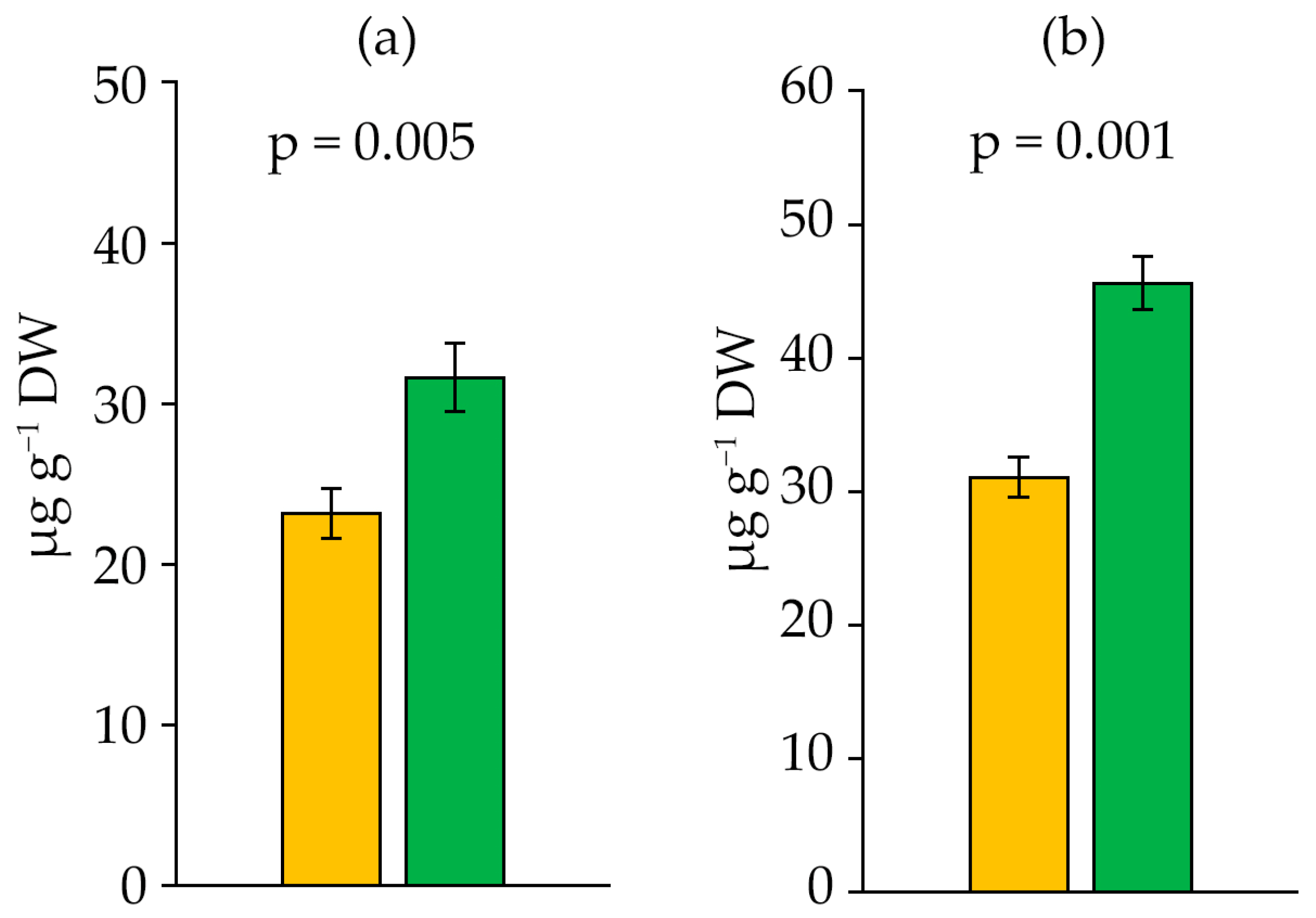
| Retinol, µg g−1 DW | 23.15 ± 1.57 | 31.61 ± 2.14 |
| α-tocopherol, µg g−1 DW | 31.06 ± 1.48 | 45.58 ± 1.97 |
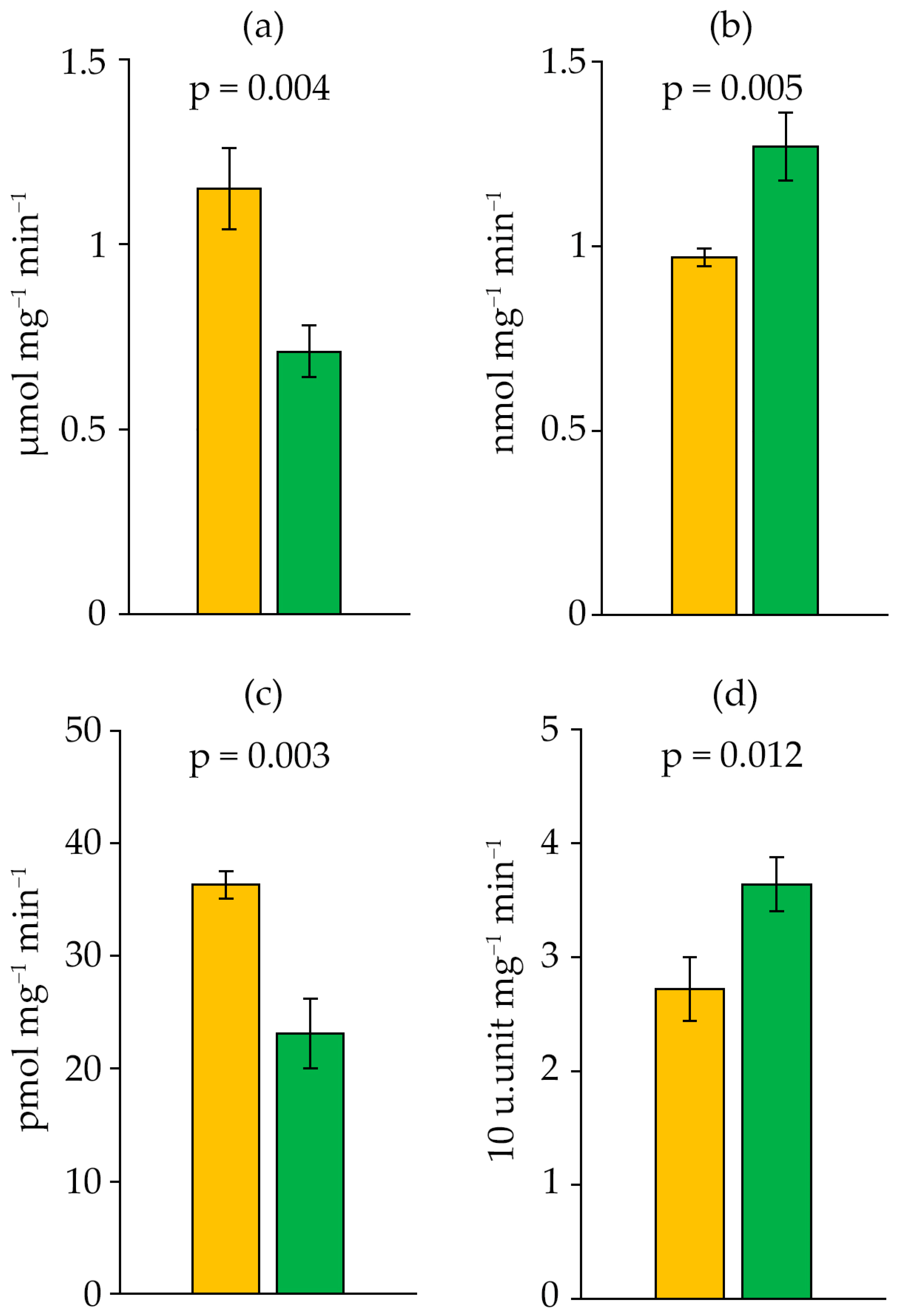
| SDH, µmol mg−1 min−1 | 1.15 ± 0.11 | 0.71 ± 0.07 |
| GPx, nmol mg−1 min−1 | 97.0 ± 2.36 | 127.0 ± 9.18 |
| CAT, pmol mg−1 min−1 | 3.63 ± 0.12 | 2.31 ± 0.05 |
| SOD, 10 u.unit mg−1 min−1 | 2.72 ± 0.78 | 3.64 ± 0.54 |
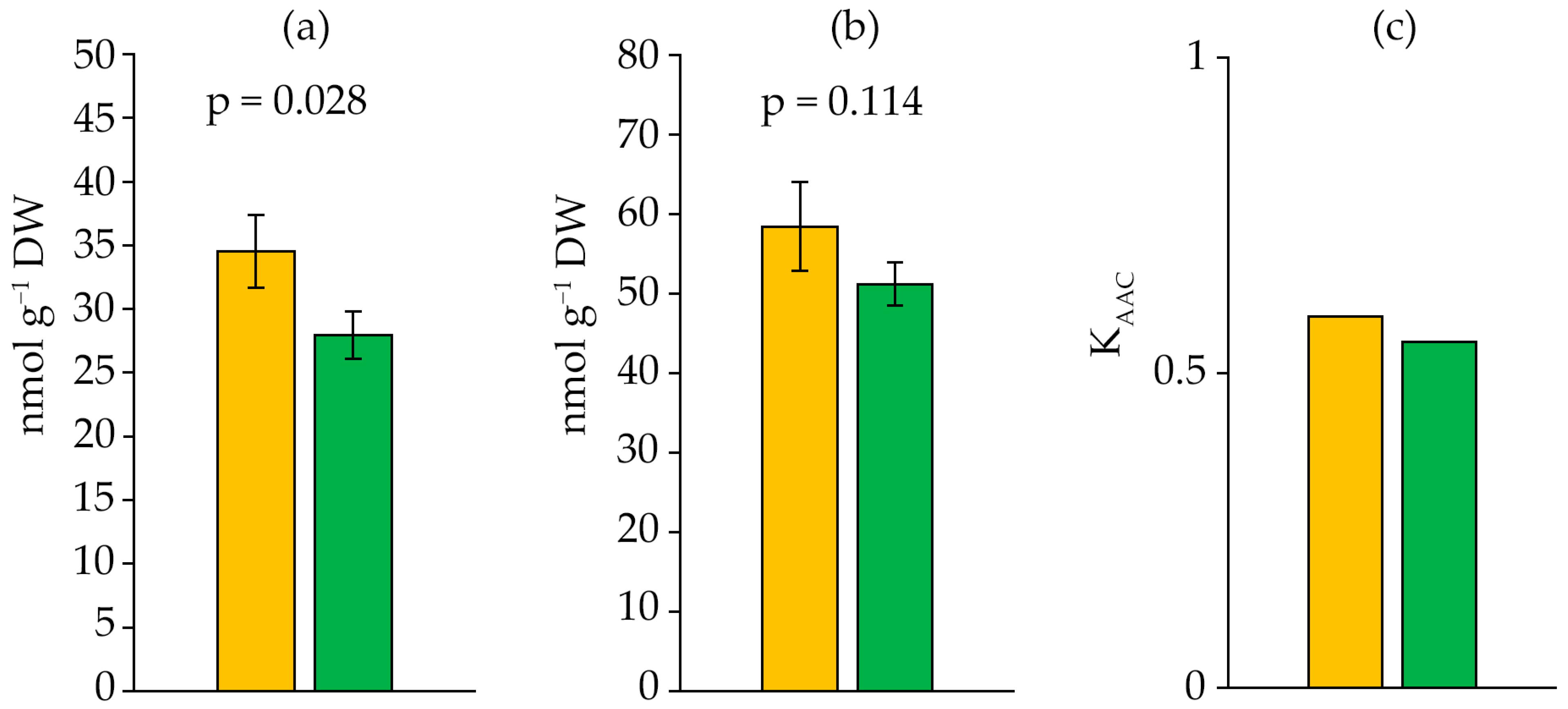
| TBARS, nmol g−1 DW | 34.52 ± 1.85 | 27.94 ± 0.83 |
| TBARSin, nmol g−1 DW | 58.44 ± 2.55 | 51.23 ± 2.74 |
| KAAC | 0.59 | 0.55 |
Disclaimer/Publisher’s Note: The statements, opinions and data contained in all publications are solely those of the individual author(s) and contributor(s) and not of MDPI and/or the editor(s). MDPI and/or the editor(s) disclaim responsibility for any injury to people or property resulting from any ideas, methods, instructions or products referred to in the content. |
© 2026 by the authors. Licensee MDPI, Basel, Switzerland. This article is an open access article distributed under the terms and conditions of the Creative Commons Attribution (CC BY) license.
Share and Cite
Maltseva, I.; Yakoviichuk, A.; Maltseva, S.; Kulikovskiy, M.; Maltsev, Y. Biochemical Screening of the New Strain Dolichospermum solitarium (Cyanobacteria) for Phytoremediation and Biotechnology. Int. J. Mol. Sci. 2026, 27, 4336. https://doi.org/10.3390/ijms27104336
Maltseva I, Yakoviichuk A, Maltseva S, Kulikovskiy M, Maltsev Y. Biochemical Screening of the New Strain Dolichospermum solitarium (Cyanobacteria) for Phytoremediation and Biotechnology. International Journal of Molecular Sciences. 2026; 27(10):4336. https://doi.org/10.3390/ijms27104336
Chicago/Turabian StyleMaltseva, Irina, Aleksandr Yakoviichuk, Svetlana Maltseva, Maxim Kulikovskiy, and Yevhen Maltsev. 2026. "Biochemical Screening of the New Strain Dolichospermum solitarium (Cyanobacteria) for Phytoremediation and Biotechnology" International Journal of Molecular Sciences 27, no. 10: 4336. https://doi.org/10.3390/ijms27104336
APA StyleMaltseva, I., Yakoviichuk, A., Maltseva, S., Kulikovskiy, M., & Maltsev, Y. (2026). Biochemical Screening of the New Strain Dolichospermum solitarium (Cyanobacteria) for Phytoremediation and Biotechnology. International Journal of Molecular Sciences, 27(10), 4336. https://doi.org/10.3390/ijms27104336