Article

Structural Communication Between C-Peptide and Insulin Within the Proinsulin Molecule

1
Division of Metabolism, Endocrinology & Diabetes, University of Michigan, Brehm Tower rm 5112, 1000 Wall Street, Ann Arbor, MI 48105, USA
2
Department of Molecular & Integrative Physiology, University of Michigan, Ann Arbor, MI 48105, USA
*
Author to whom correspondence should be addressed.
Int. J. Mol. Sci. 2026, 27(1), 483; https://doi.org/10.3390/ijms27010483
Submission received: 19 December 2025 / Revised: 29 December 2025 / Accepted: 31 December 2025 / Published: 2 January 2026

Abstract

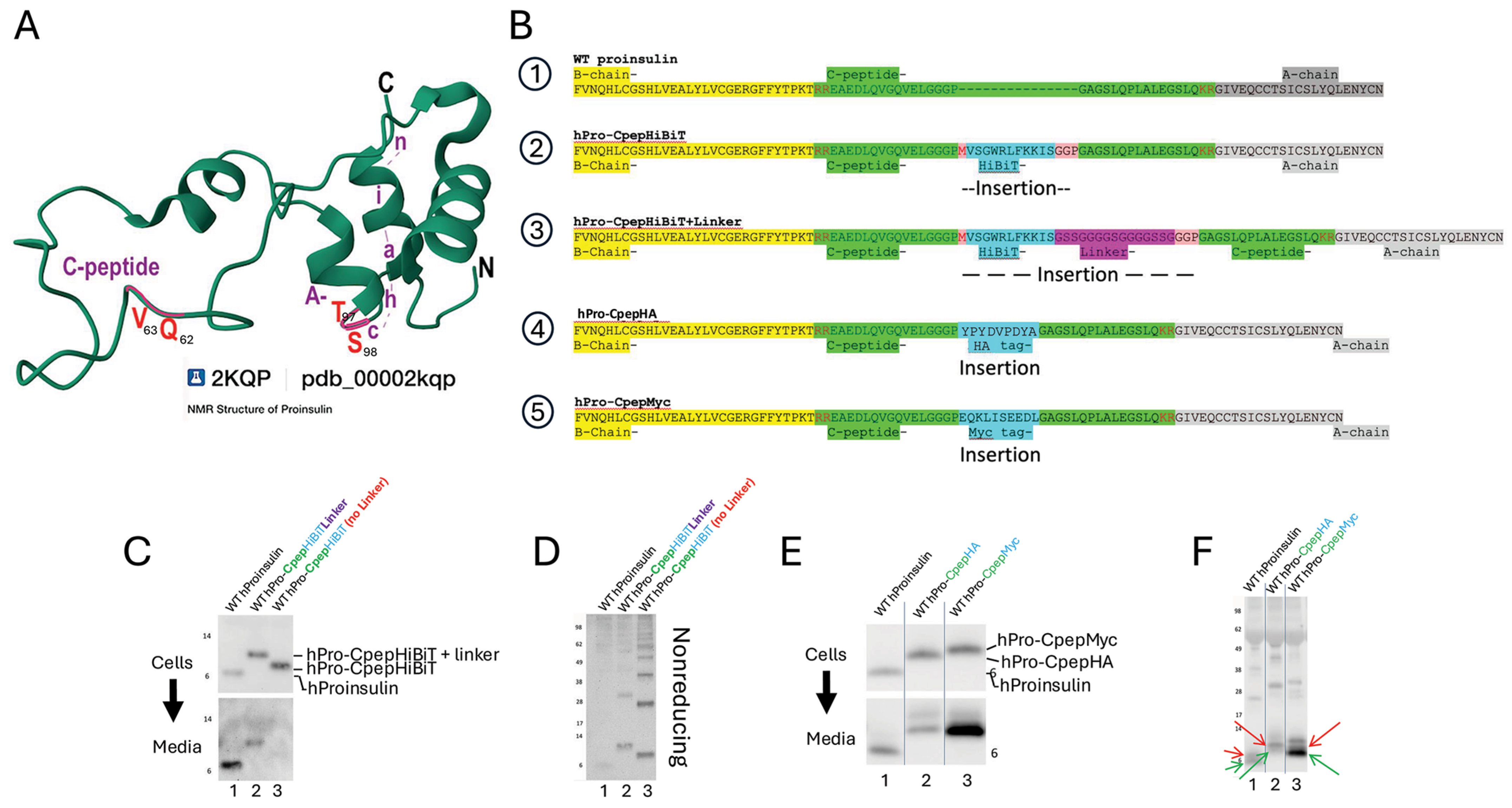
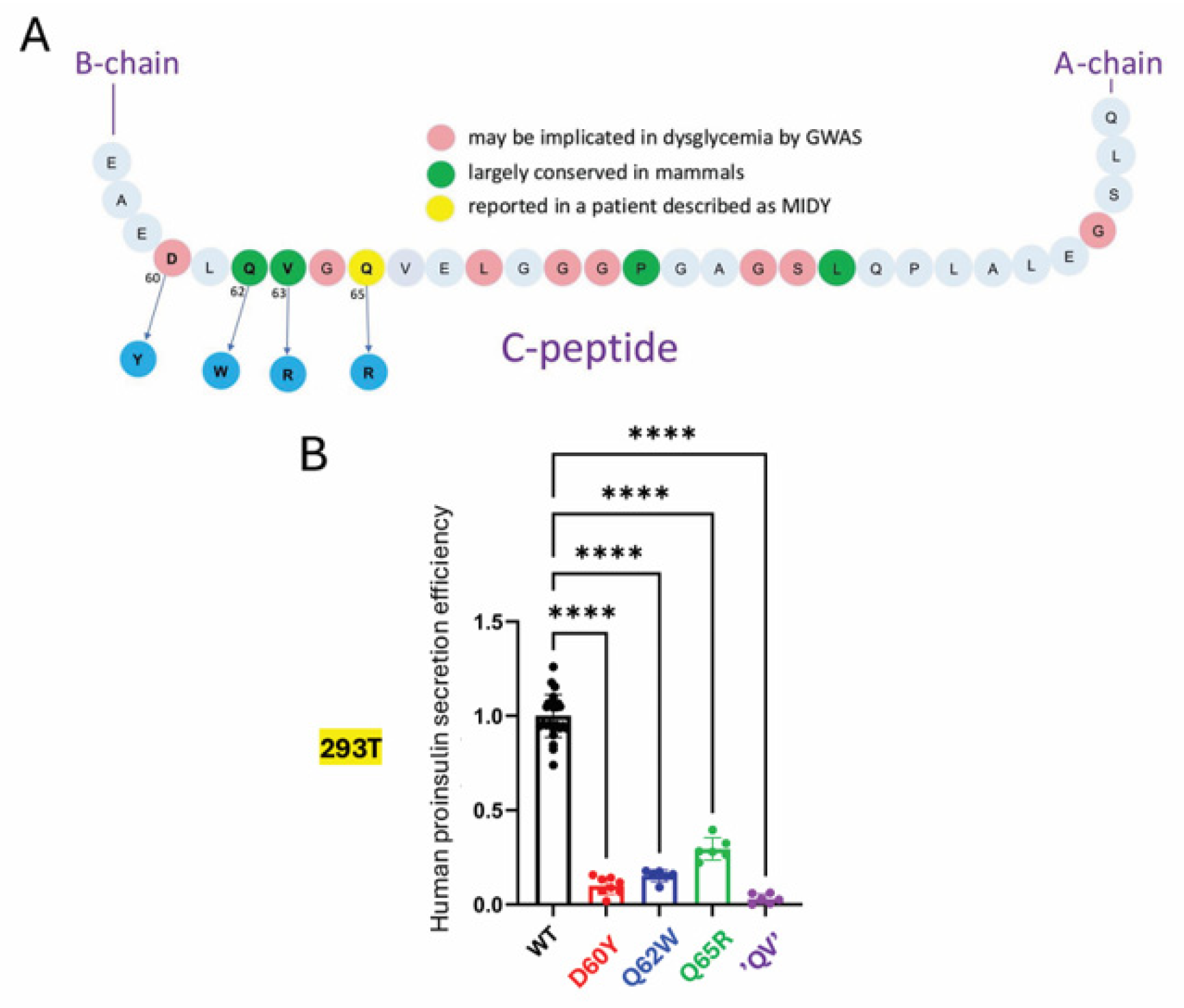
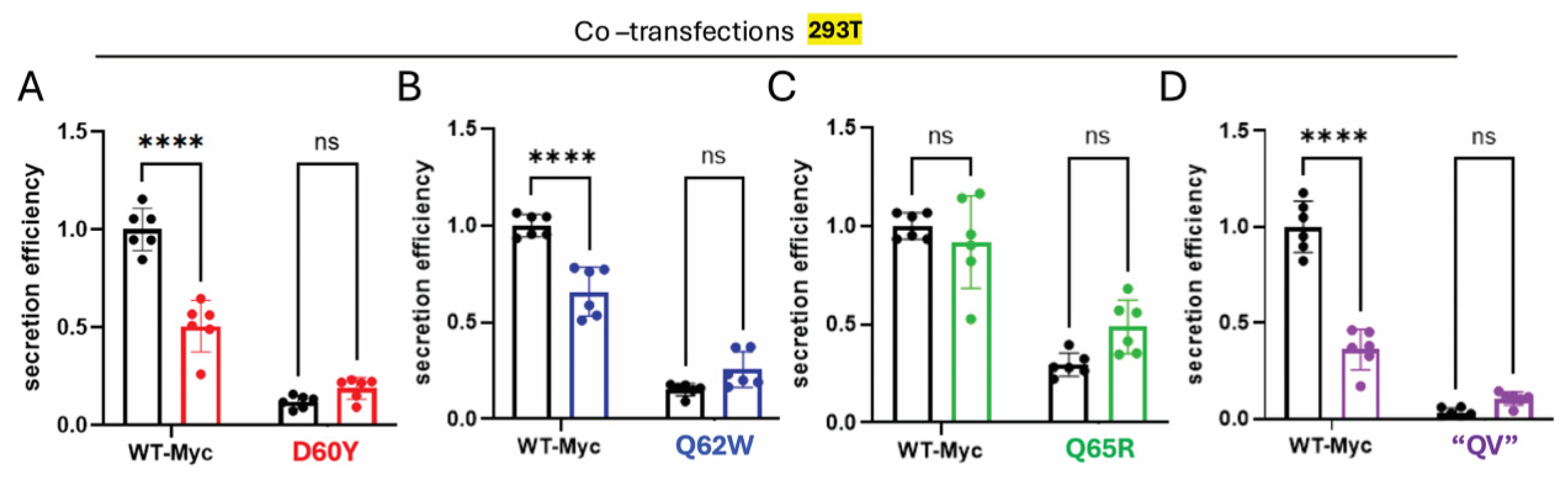
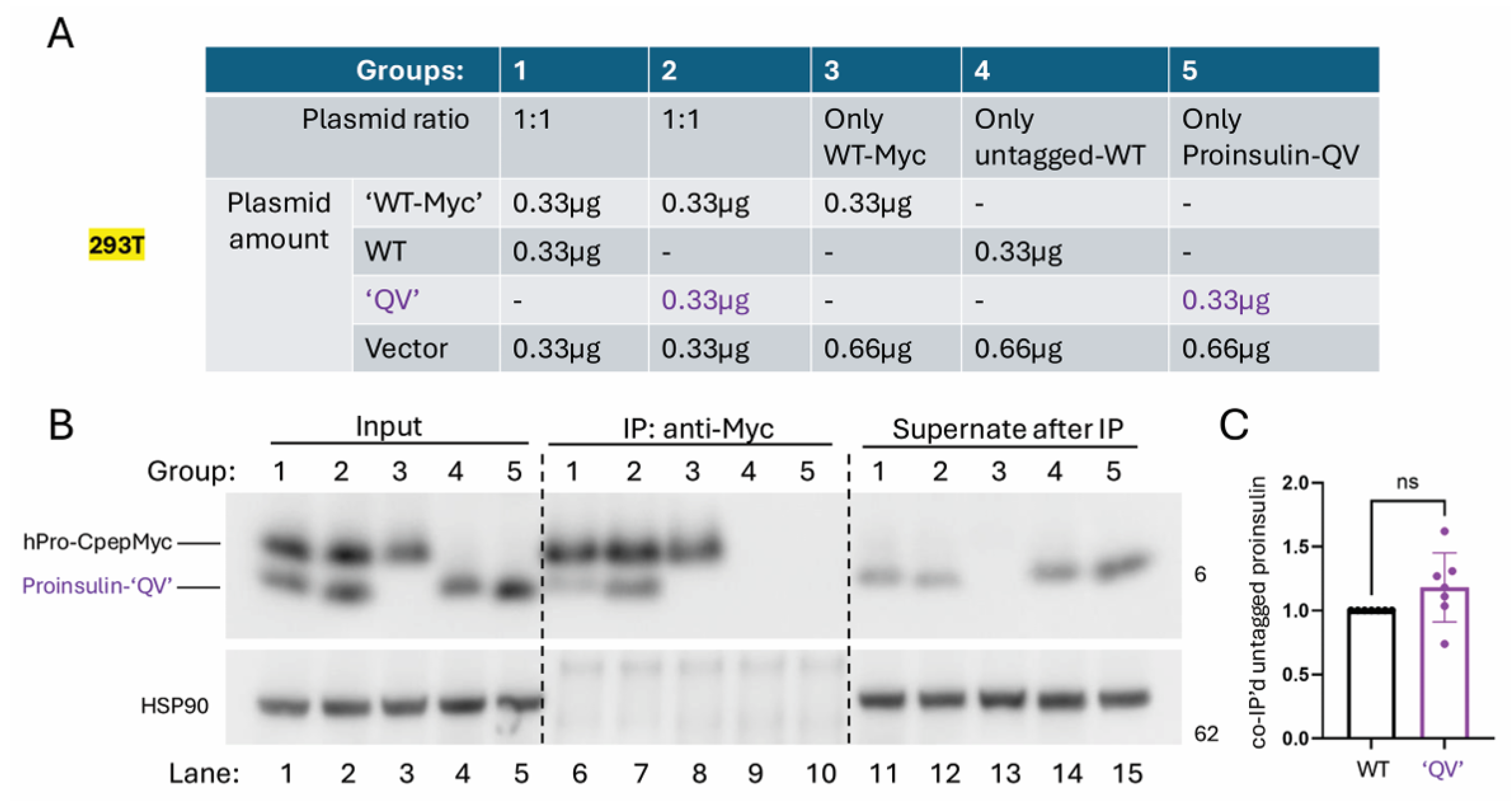
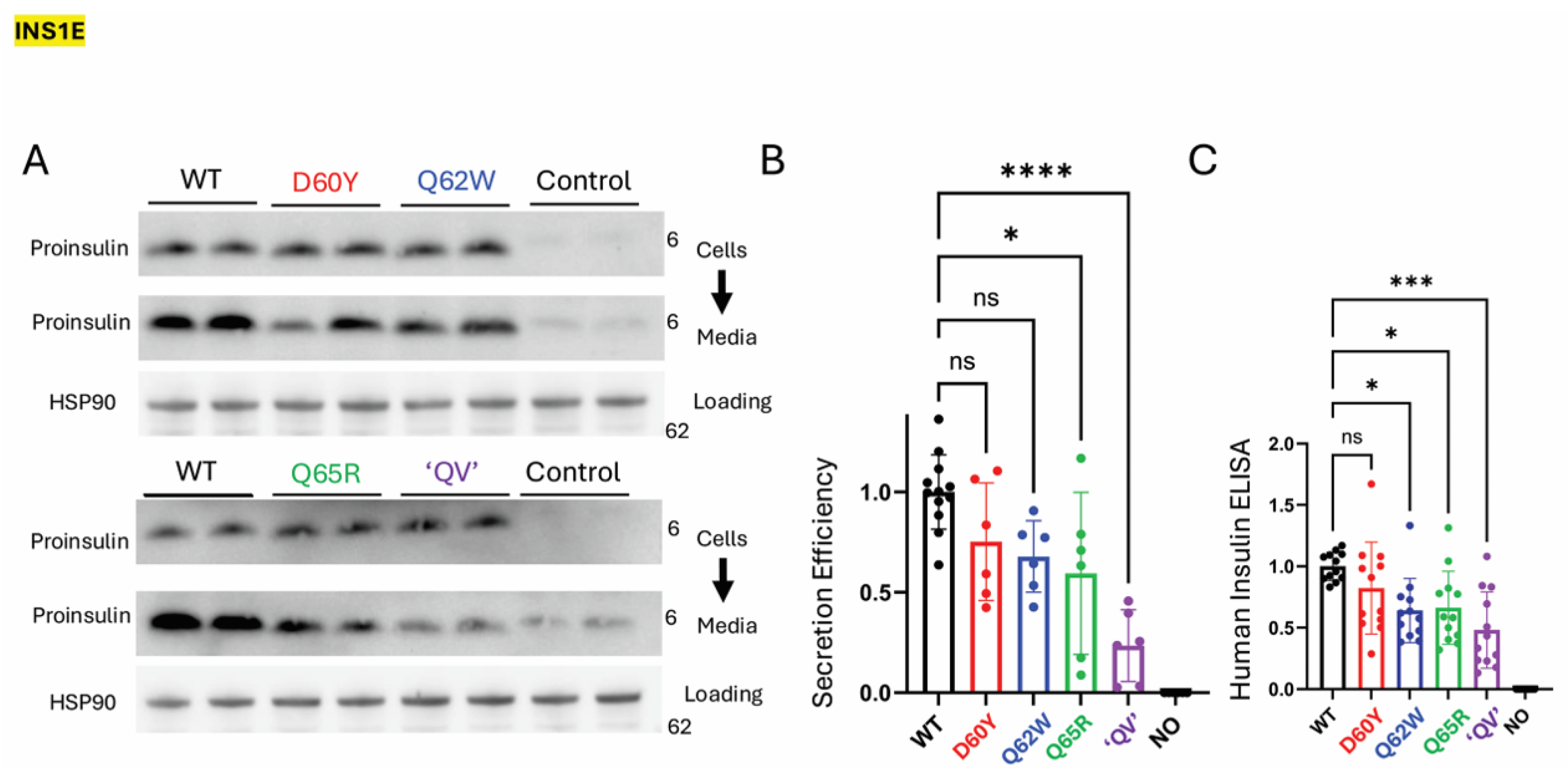
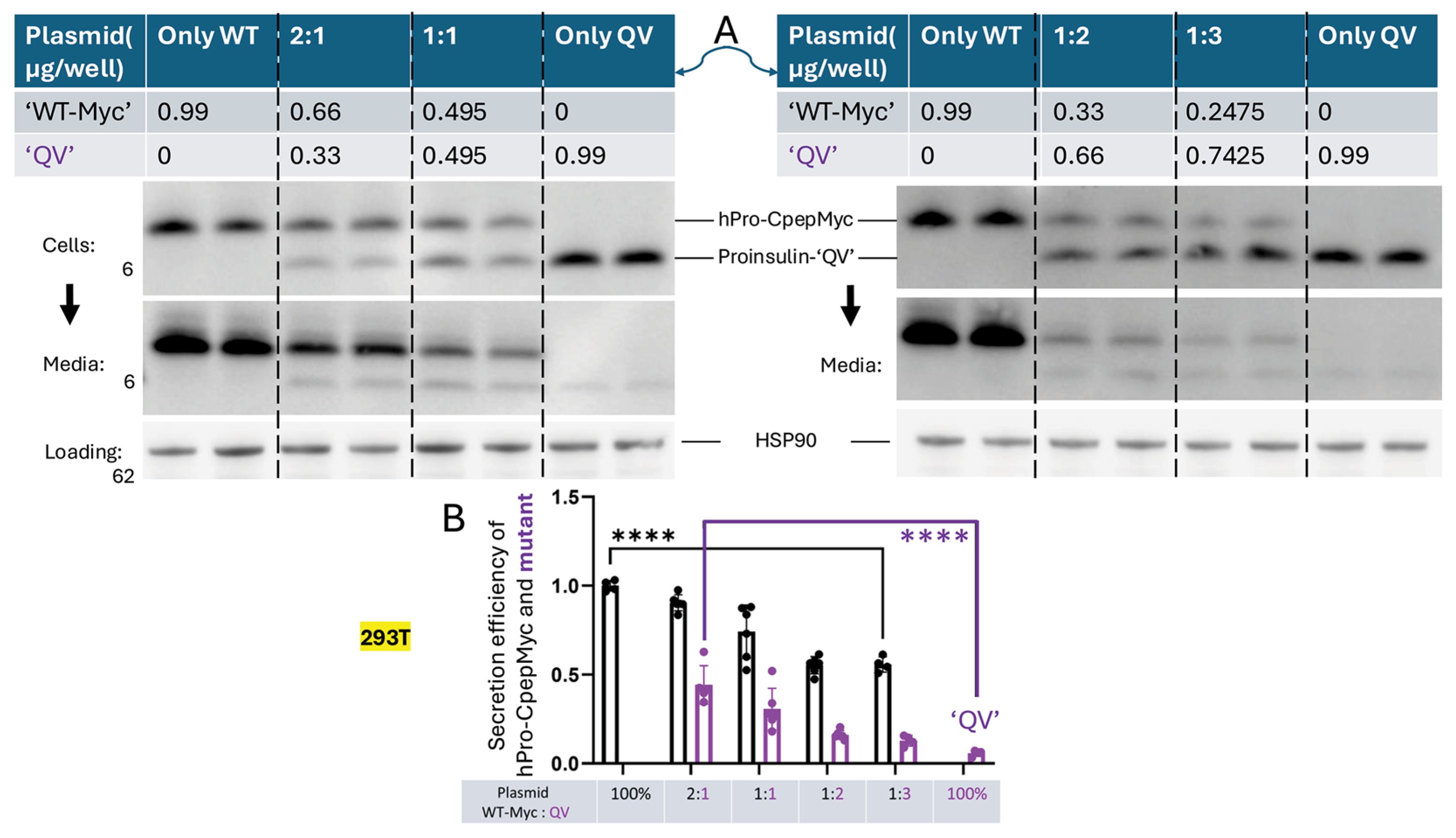
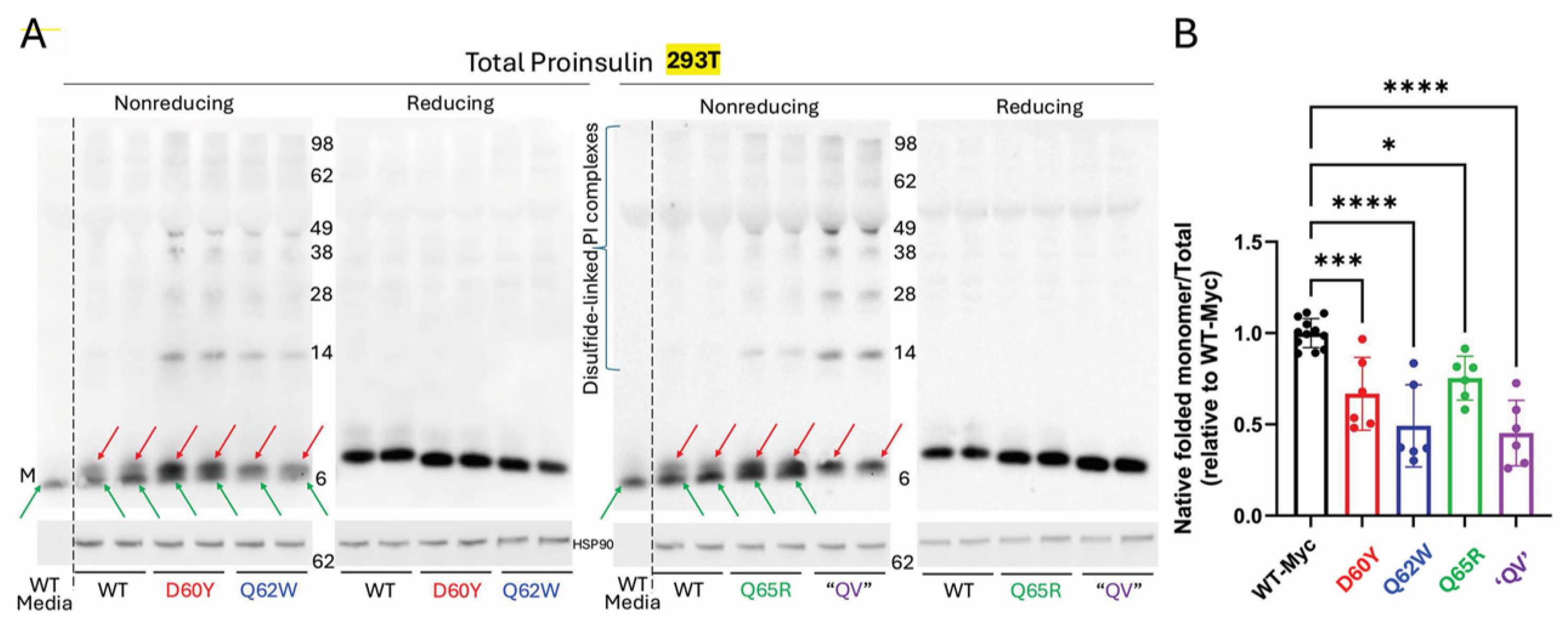
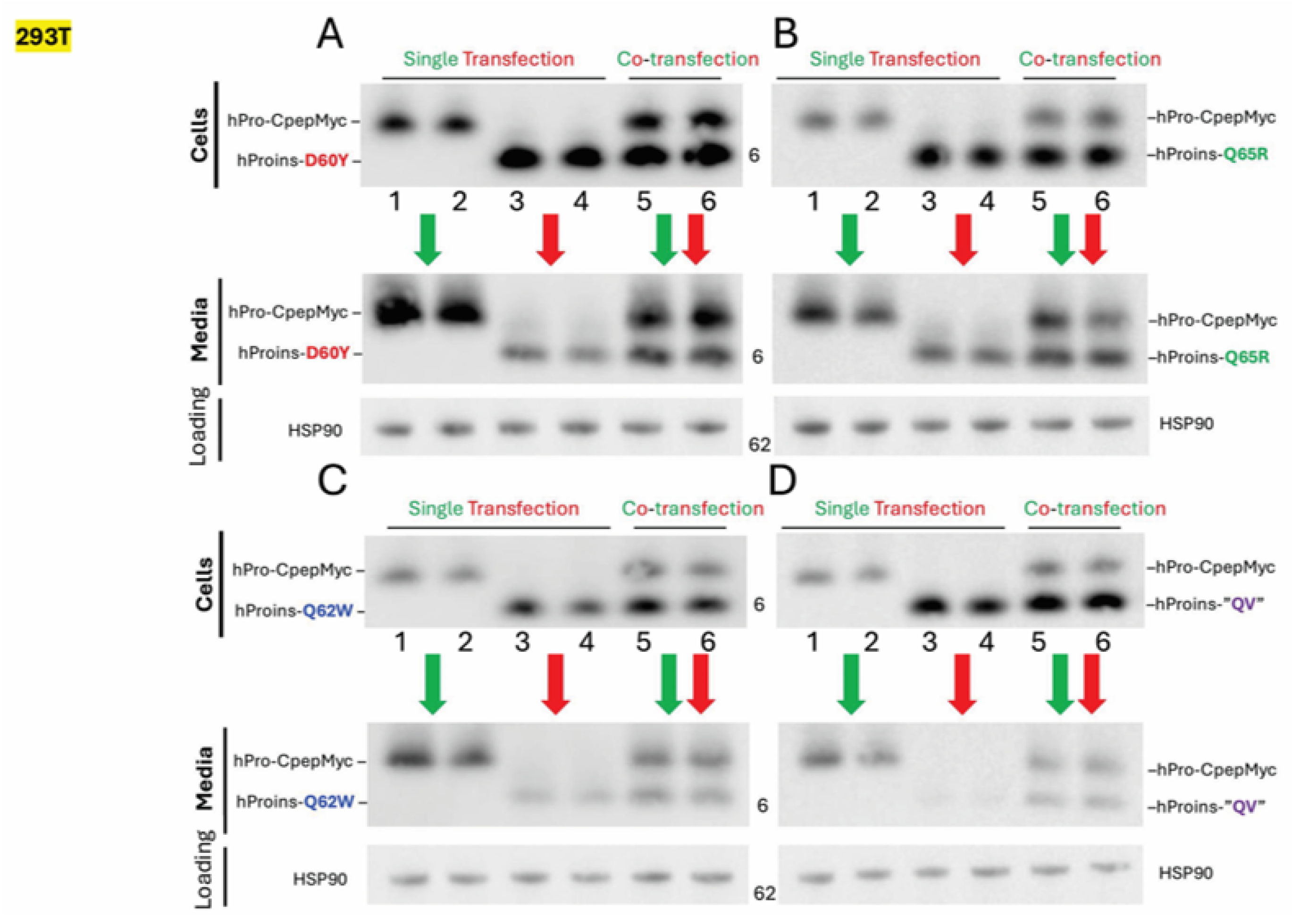
Despite years of study, the biological role of the human proinsulin connecting peptide (C-peptide) remains poorly understood. Nevertheless, the C-peptide exhibits subdomains including conserved residues that are thought to have co-evolved with the insulin moiety of proinsulin. Genome-wide association studies in humans suggest that alterations of glycemic control may exhibit a possible linkage with the presence of certain C-peptide variants other than frame-shifts, stop codons, alternative splice variants, or the addition of an extra unpaired Cys residue. Although the C-peptide is ultimately excised from insulin, here, we have bioengineered missense mutations in the amino-terminal portion of the C-peptide (especially involving or near preproinsulin residues Q62,V63) that we find impair proinsulin folding and trafficking efficiency and, in this way, impair insulin biogenesis. We show that proinsulin bearing a C-peptide missense variant can also physically interact with co-expressed wildtype proinsulin, affecting the trafficking behavior of both proinsulin proteins in a manner that is directly related to the relative expression ratio of the variant and wildtype gene products. We conclude that in addition to other possible functions, the amino-terminal portion of the C-peptide influences proinsulin folding and trafficking and, in this way, affects human insulin production.
Keywords: protein folding; disulfide bonds; endoplasmic reticulum; protein trafficking; protein processing; insulin secretion protein folding; disulfide bonds; endoplasmic reticulum; protein trafficking; protein processing; insulin secretion