Review

Morphometric and Molecular Interplay in Hypertension-Induced Cardiac Remodeling with an Emphasis on the Potential Therapeutic Implications


1
Department of Anatomy, Histology and Embryology, Medical University of Sofia, 1431 Sofia, Bulgaria
2
Department of Cardiology, University Hospital “St. Ekaterina”, Medical University of Sofia, 1431 Sofia, Bulgaria
3
Department of Health Policy and Management, Faculty of Public Health ‘Prof. Dr. Tzekomir Vodenicharov’, Medical University of Sofia, 1527 Sofia, Bulgaria
*
Author to whom correspondence should be addressed.
Int. J. Mol. Sci. 2025, 26(9), 4022; https://doi.org/10.3390/ijms26094022
Submission received: 30 January 2025 / Revised: 16 April 2025 / Accepted: 19 April 2025 / Published: 24 April 2025

Abstract

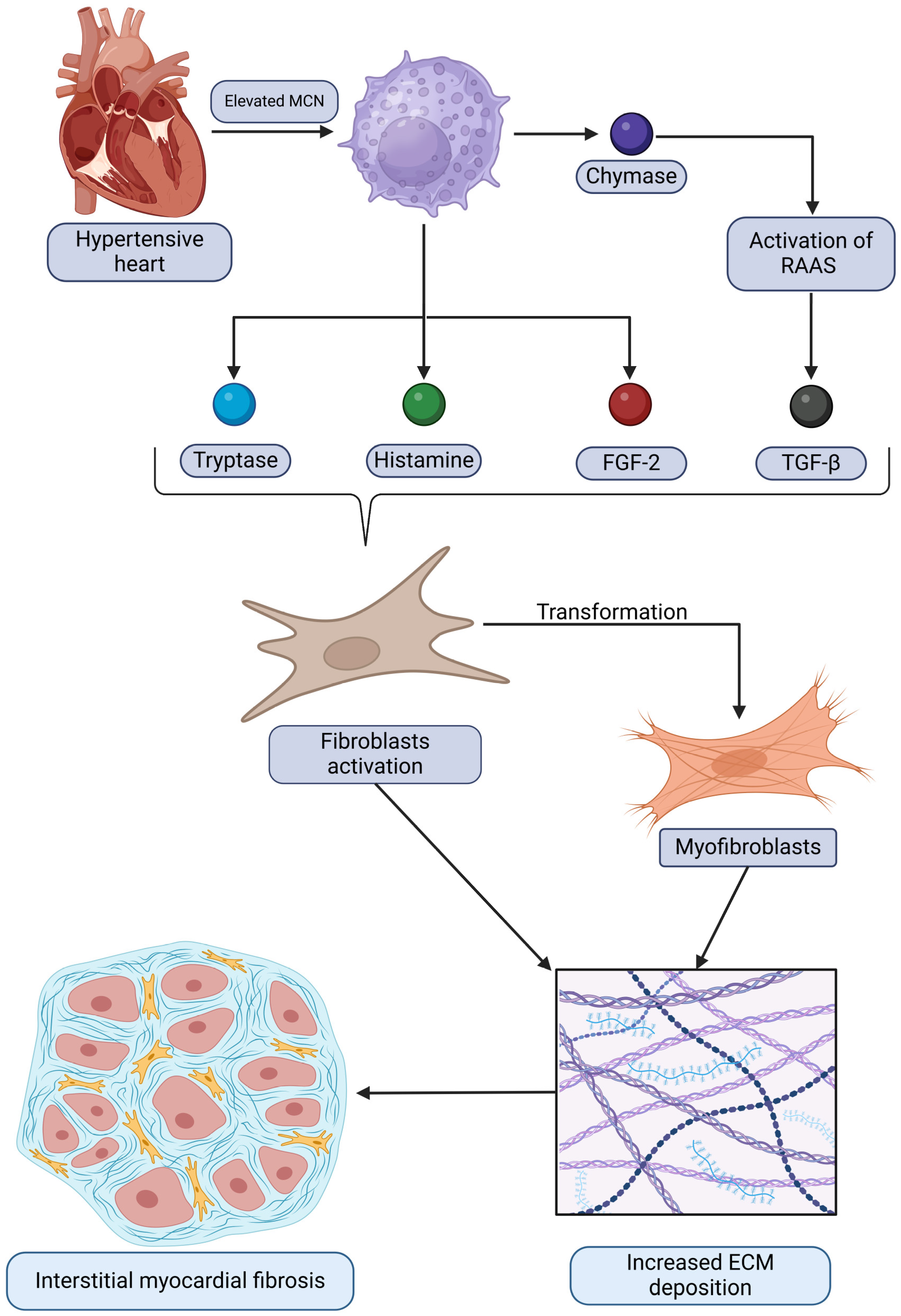
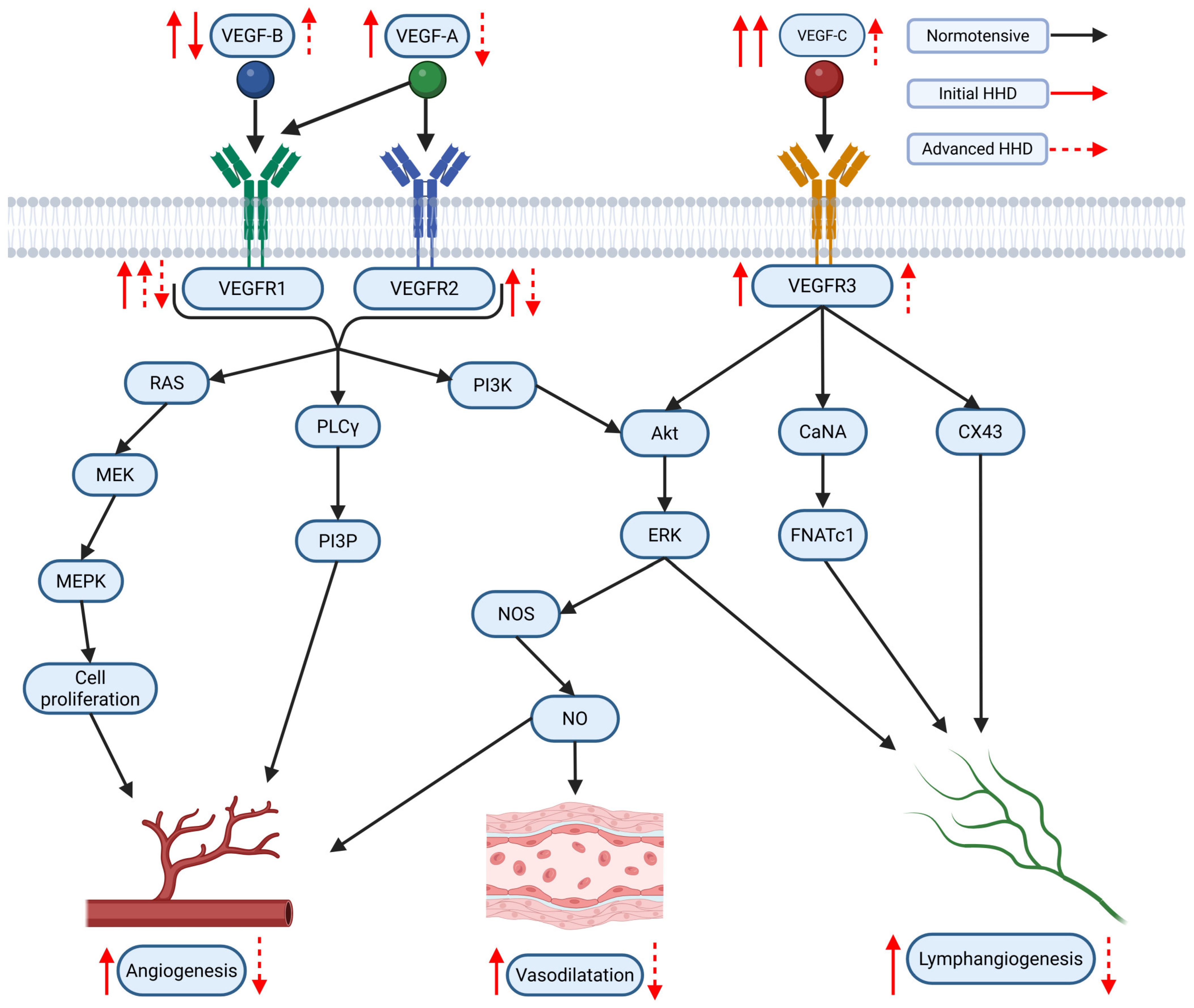
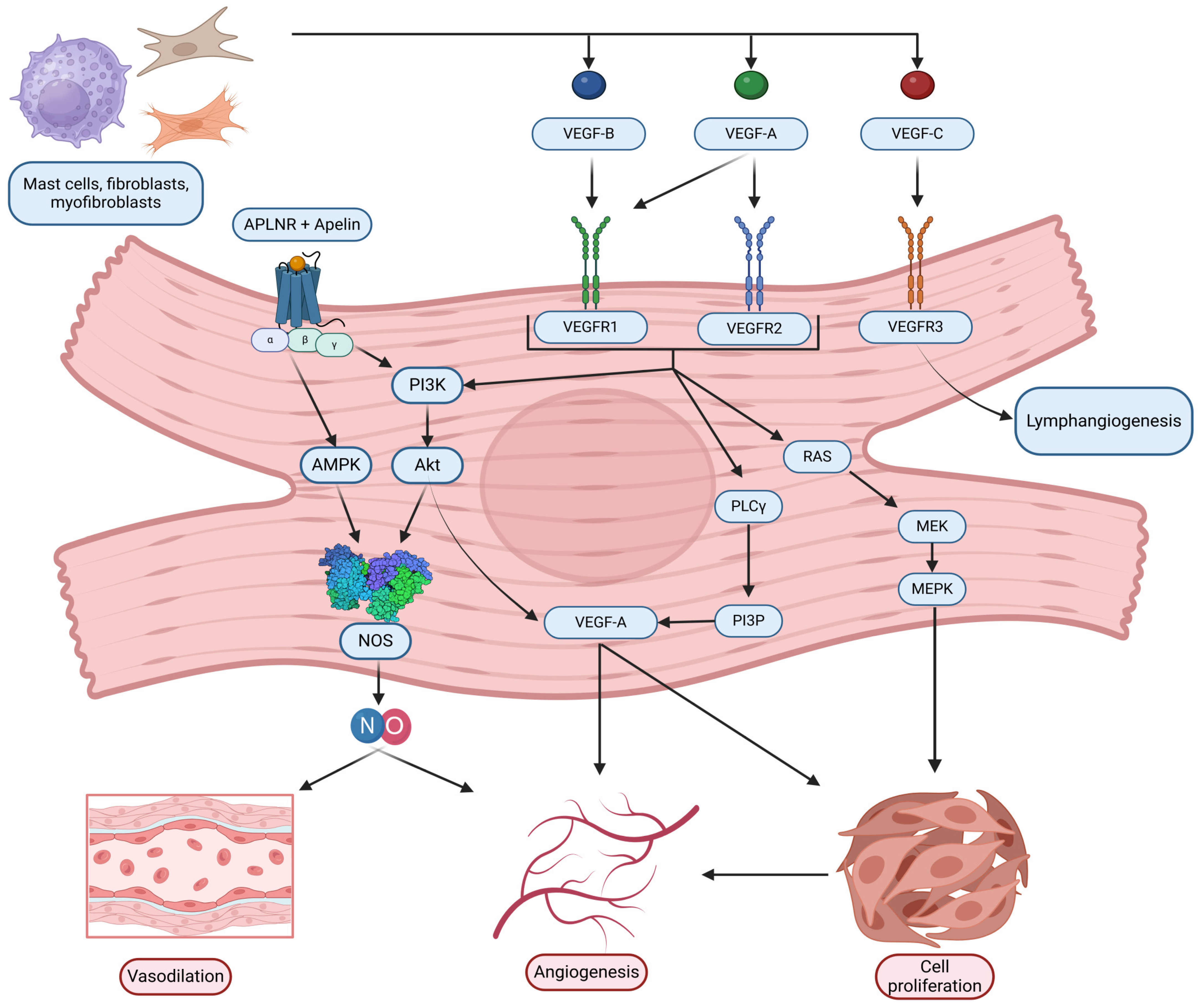
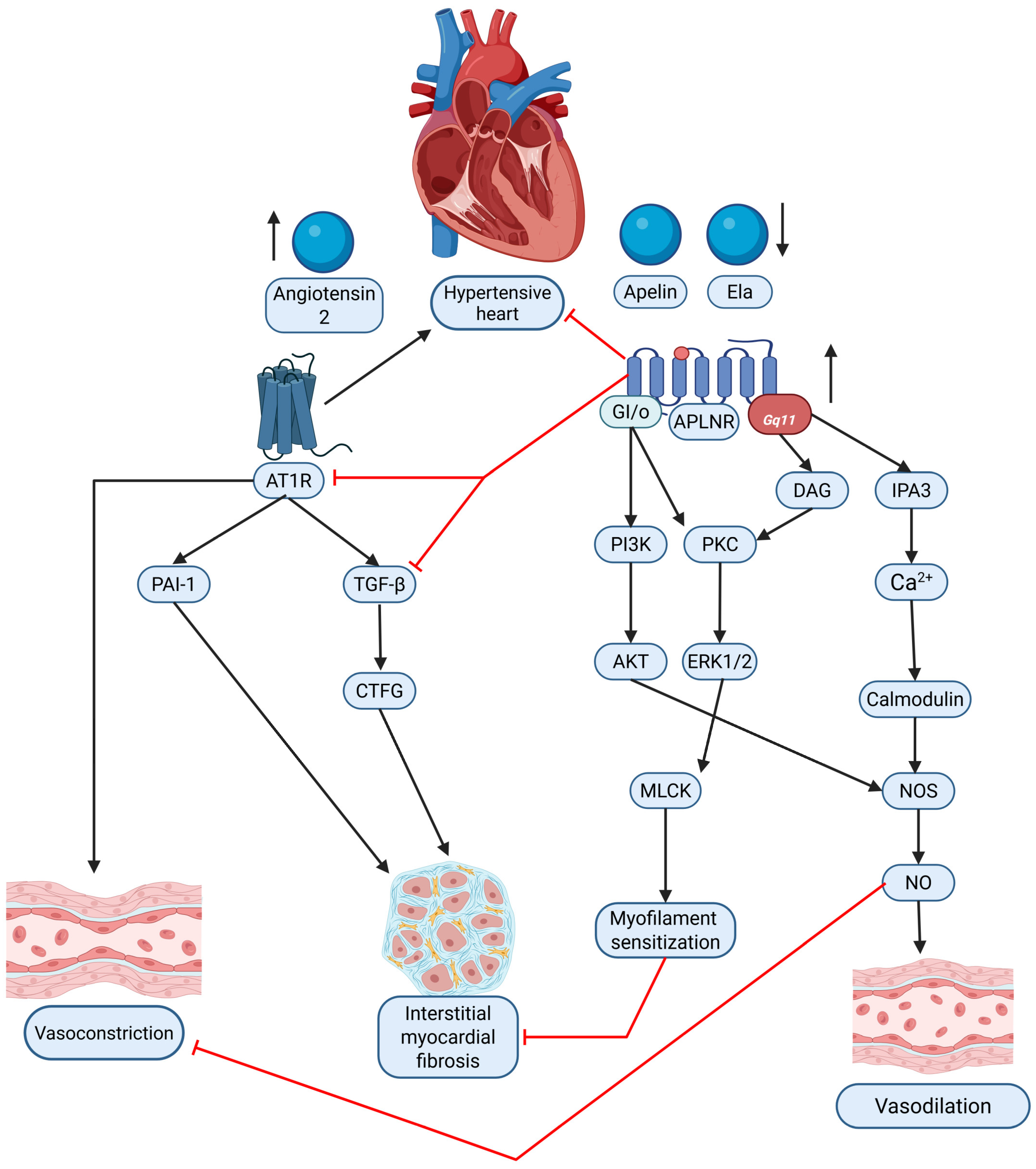
Hypertension-induced cardiac remodeling is a complex process driven by interconnected molecular and cellular mechanisms that culminate in hypertensive myocardium, characterized by ventricular hypertrophy, fibrosis, impaired angiogenesis, and myocardial dysfunction. This review discusses the histomorphometric changes in capillary density, fibrosis, and mast cells in the hypertensive myocardium and delves into the roles of key regulatory systems, including the apelinergic system, vascular endothelial growth factor (VEGF)/VEGF receptor (VEGFR) pathways, and nitric oxide (NO)/nitric oxide synthase (NOS) signaling in the pathogenesis of hypertensive heart disease (HHD). Capillary rarefaction, a hallmark of HHD, contributes to myocardial ischemia and fibrosis, underscoring the importance of maintaining vascular integrity. Targeting capillary density (CD) through antihypertensive therapy or angiogenic interventions could significantly improve cardiac outcomes. Myocardial fibrosis, mediated by excessive collagen deposition and influenced by fibroblast growth factor-2 (FGF-2) and transforming growth factor-beta (TGF-β), plays a pivotal role in the structural remodeling of hypertensive myocardium. While renin–angiotensin–aldosterone system (RAAS) inhibitors show anti-fibrotic effects, more targeted therapies are needed to address fibrosis directly. Mast cells, though less studied in humans, emerge as critical regulators of cardiac remodeling through their release of pro-fibrotic mediators such as histamine, tryptase, and FGF-2. The apelinergic system emerges as a promising therapeutic target due to its vasodilatory, anti-fibrotic, and cardioprotective properties. The system counteracts the deleterious effects of the RAAS and has demonstrated efficacy in preclinical models of hypertension-induced cardiac damage. Despite its potential, human studies on apelin analogs remain limited, warranting further exploration to evaluate their clinical utility. VEGF signaling plays a dual role, facilitating angiogenesis and compensatory remodeling during the early stages of arterial hypertension (AH) but contributing to maladaptive changes when dysregulated. Modulating VEGF signaling through exercise or pharmacological interventions has shown promise in improving CD and mitigating hypertensive cardiac damage. However, VEGF inhibitors, commonly used in oncology, can exacerbate AH and endothelial dysfunction, highlighting the need for therapeutic caution. The NO/NOS pathway is essential for vascular homeostasis and the prevention of oxidative stress. Dysregulation of this pathway, particularly endothelial NOS (eNOS) uncoupling and inducible NOS (iNOS) overexpression, leads to endothelial dysfunction and nitrosative stress in hypertensive myocardium. Strategies to restore NO bioavailability, such as tetrahydrobiopterin (BH4) supplementation and antioxidants, hold potential for therapeutic application but require further validation. Future studies should adopt a multidisciplinary approach to integrate molecular insights with clinical applications, paving the way for more personalized and effective treatments for HHD. Addressing these challenges will not only enhance the understanding of hypertensive myocardium but also improve patient outcomes and quality of life.
Keywords: hypertensive myocardium; apelin; apelin receptor; vascular endothelial growth factor; nitric oxide synthase; fibrosis; capillary density; mast cells; therapeutic implications hypertensive myocardium; apelin; apelin receptor; vascular endothelial growth factor; nitric oxide synthase; fibrosis; capillary density; mast cells; therapeutic implications