Article

Influence of Side Chain–Backbone Interactions and Explicit Hydration on Characteristic Aromatic Raman Fingerprints as Analysed in Tripeptides Gly-Xxx-Gly (Xxx = Phe, Tyr, Trp)


by
Belén Hernández
1,
Yves-Marie Coïc
2,
Sergei G. Kruglik
3,4,
Santiago Sanchez-Cortes
5 and
Mahmoud Ghomi
5,*
1
LVTS, INSERM U1148, 74 rue Marcel Cachin, 93017 Bobigny Cédex, France
2
Institut Pasteur, Université Paris Cité, CNRS UMR 3523, Unité de Chimie des Biomolécules, F-75015 Paris, France
3
Sorbonne Université, CNRS, Inserm, Institut de Biologie Paris-Seine, IBPS, Laboratoire Jean Perrin, LJP, F-75005 Paris, France
4
Université Paris Cité, CNRS, Inserm, Laboratoire de Nanomédecine, Biologie Extracellulaire, Intégratome et Innovations en santé, NABI, F-75006 Paris, France
5
Department of Nuclear, Vibrational and Disordered Media Spectroscopy, Instituto de Estructura de la Materia—Consejo Superior de Investigaciones Cientificas (IEM-CSIC), 28006 Madrid, Spain
*
Author to whom correspondence should be addressed.
Int. J. Mol. Sci. 2025, 26(8), 3911; https://doi.org/10.3390/ijms26083911
Submission received: 14 March 2025 / Revised: 14 April 2025 / Accepted: 17 April 2025 / Published: 21 April 2025
(This article belongs to the Special Issue Conformational Studies of Proteins and Peptides)

Abstract

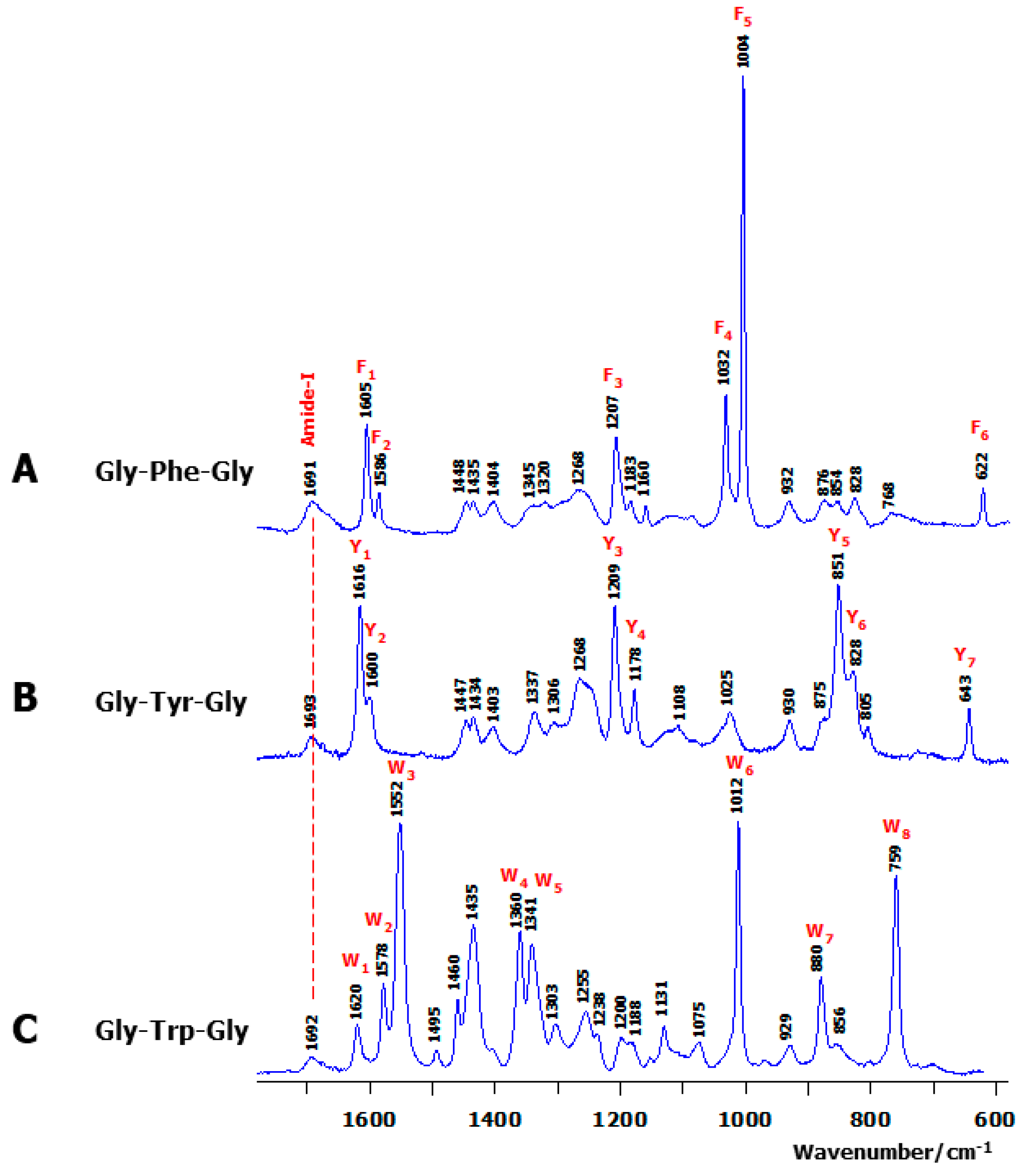
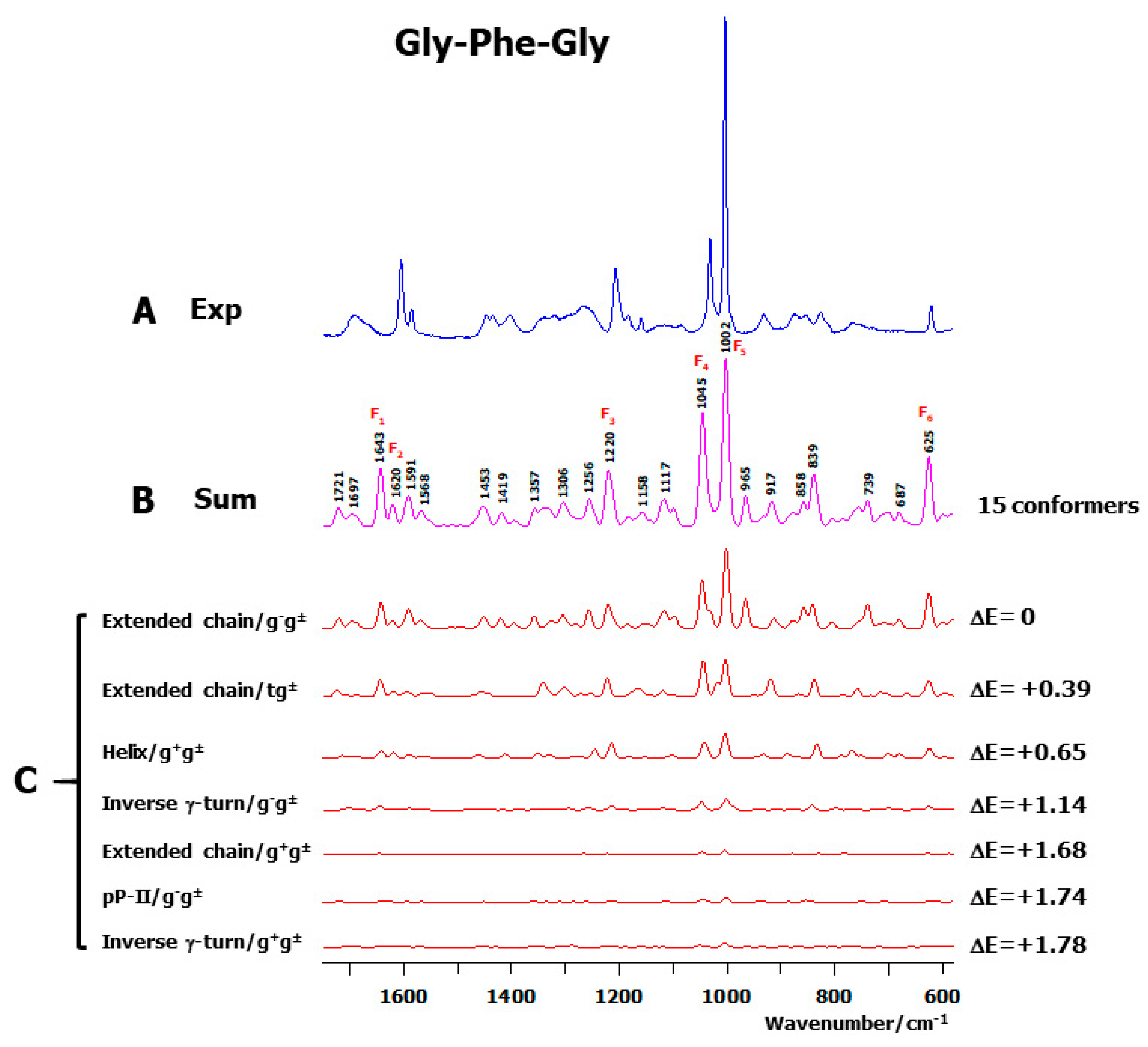
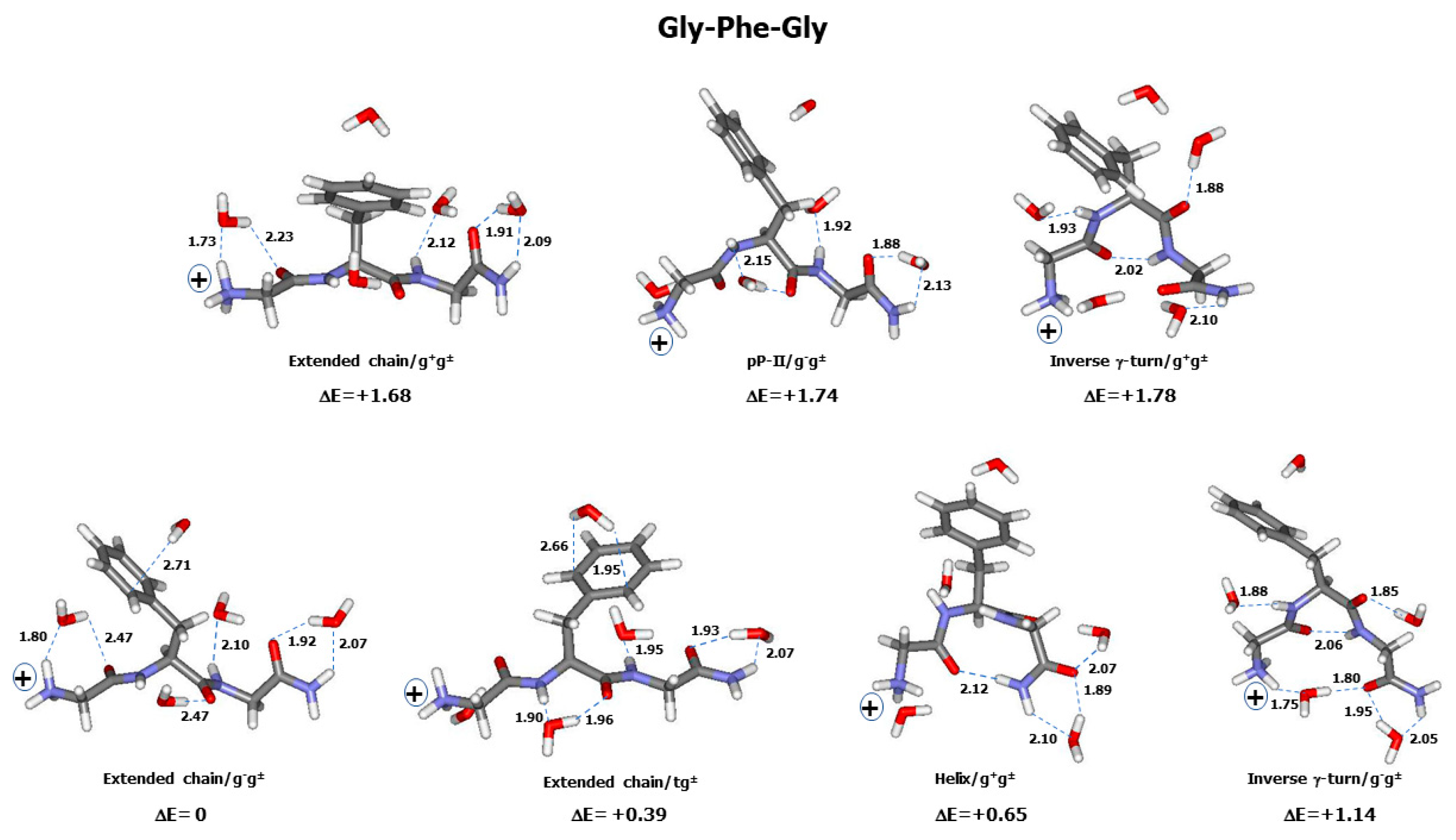
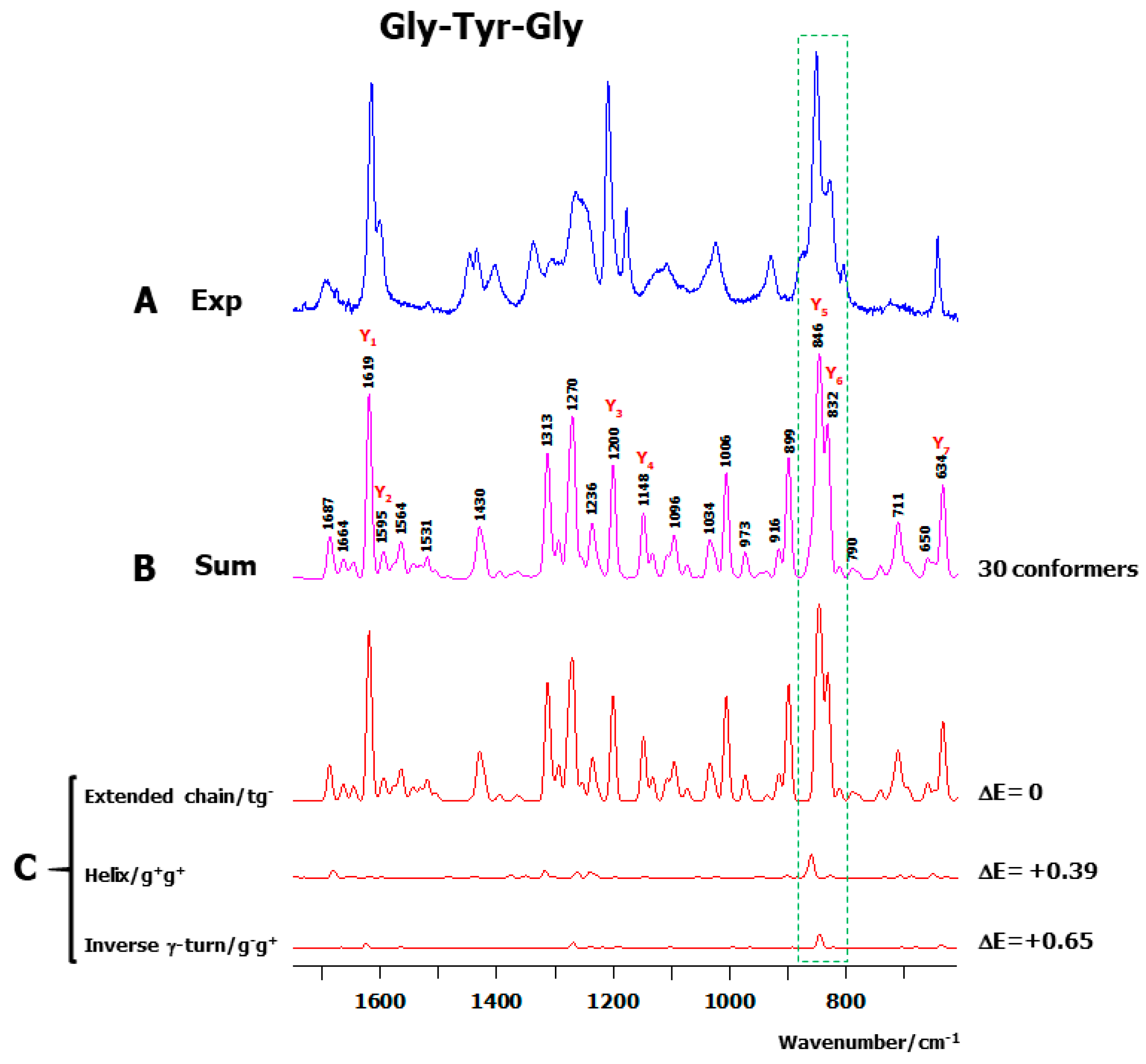
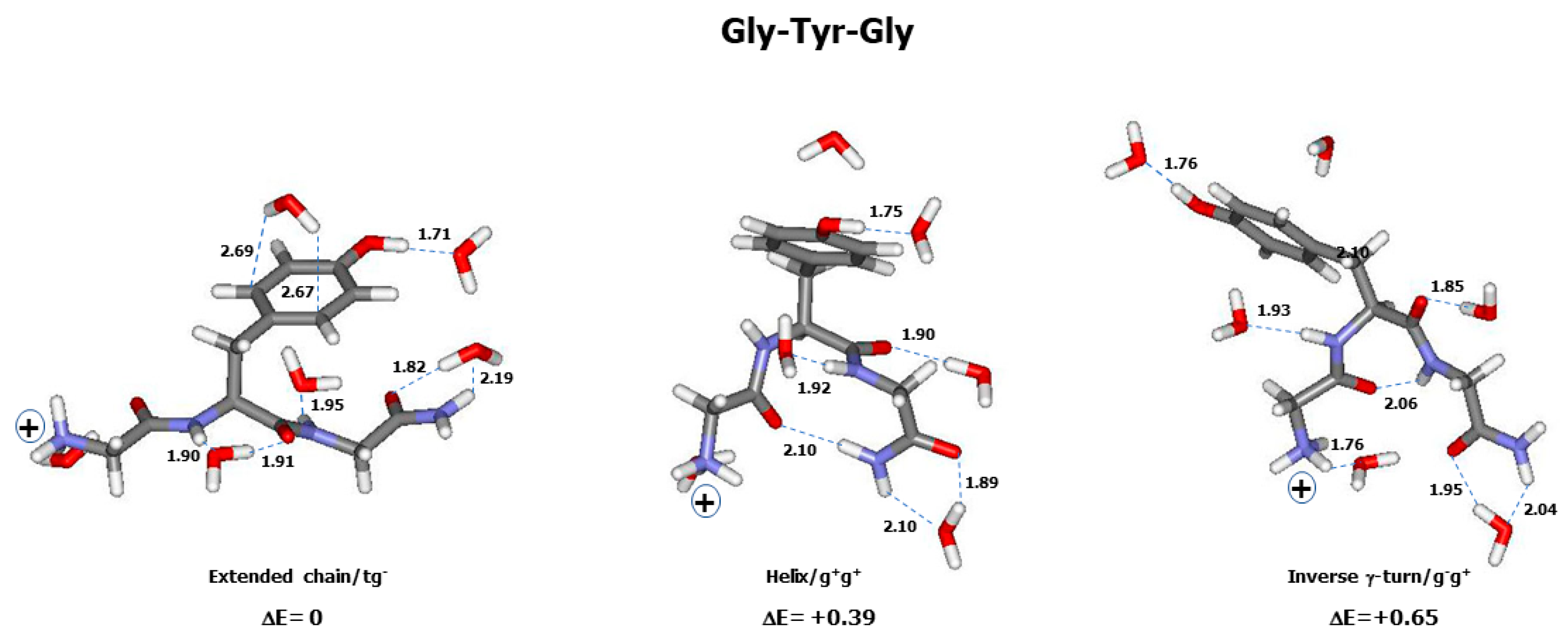
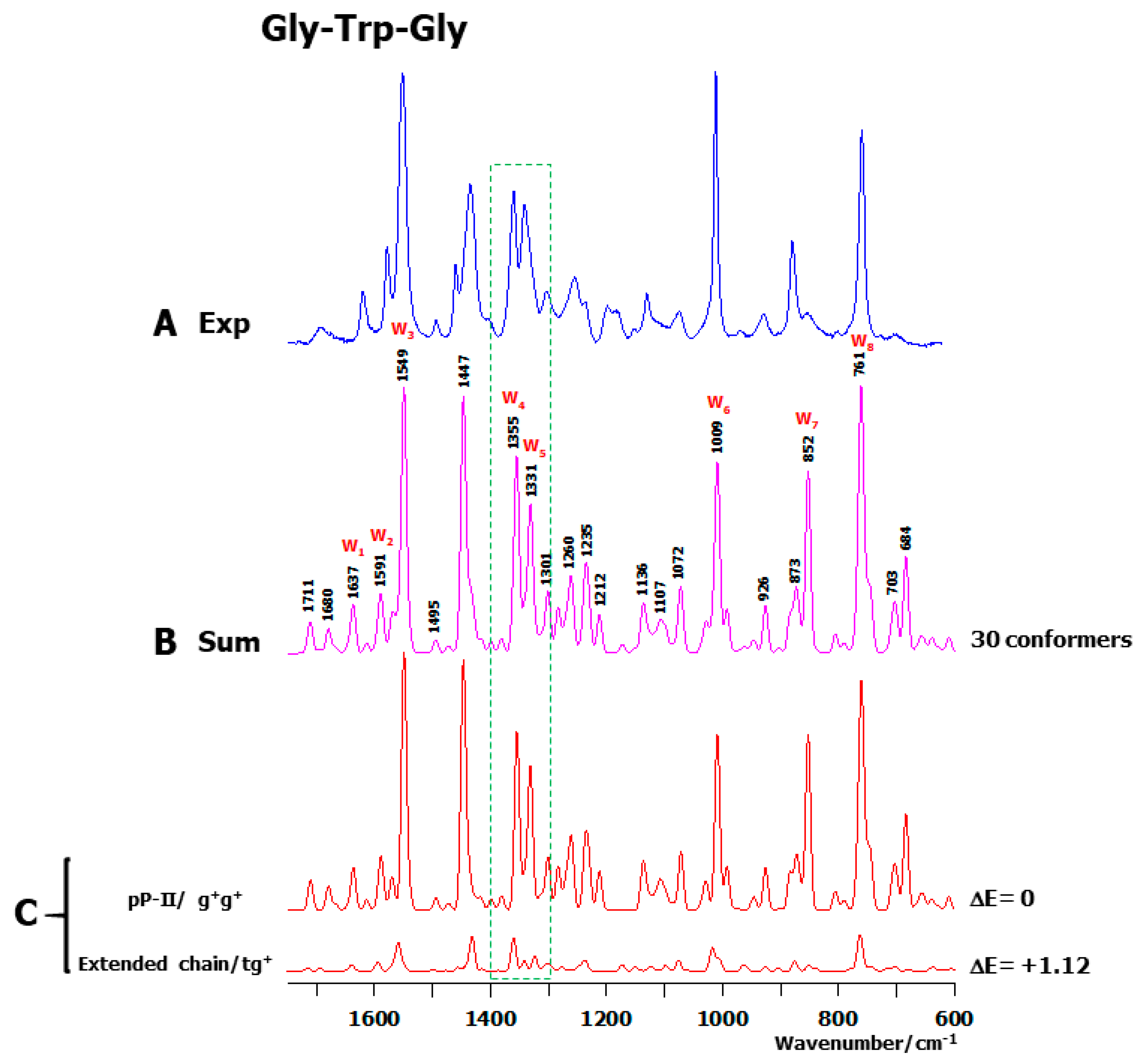
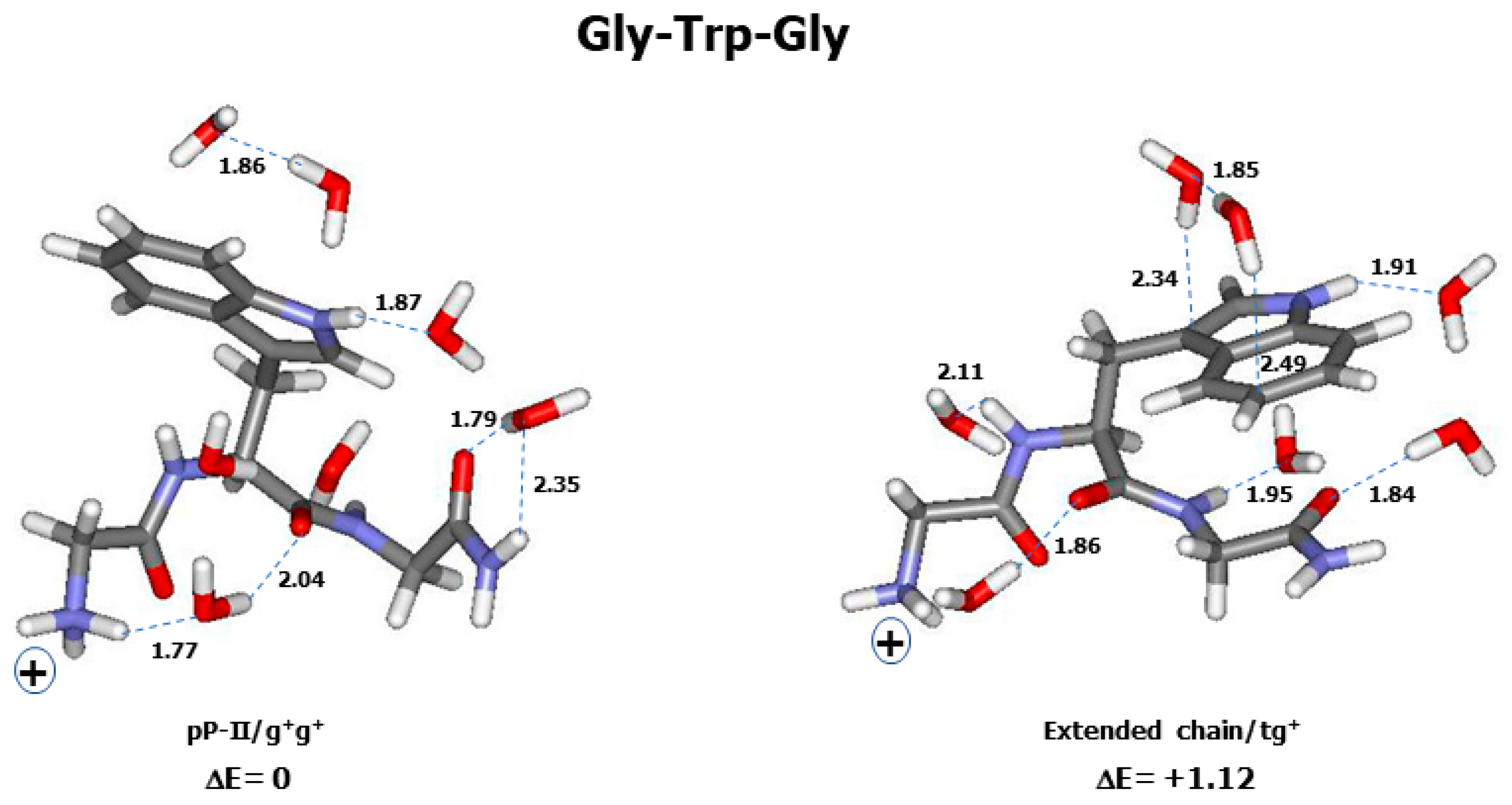
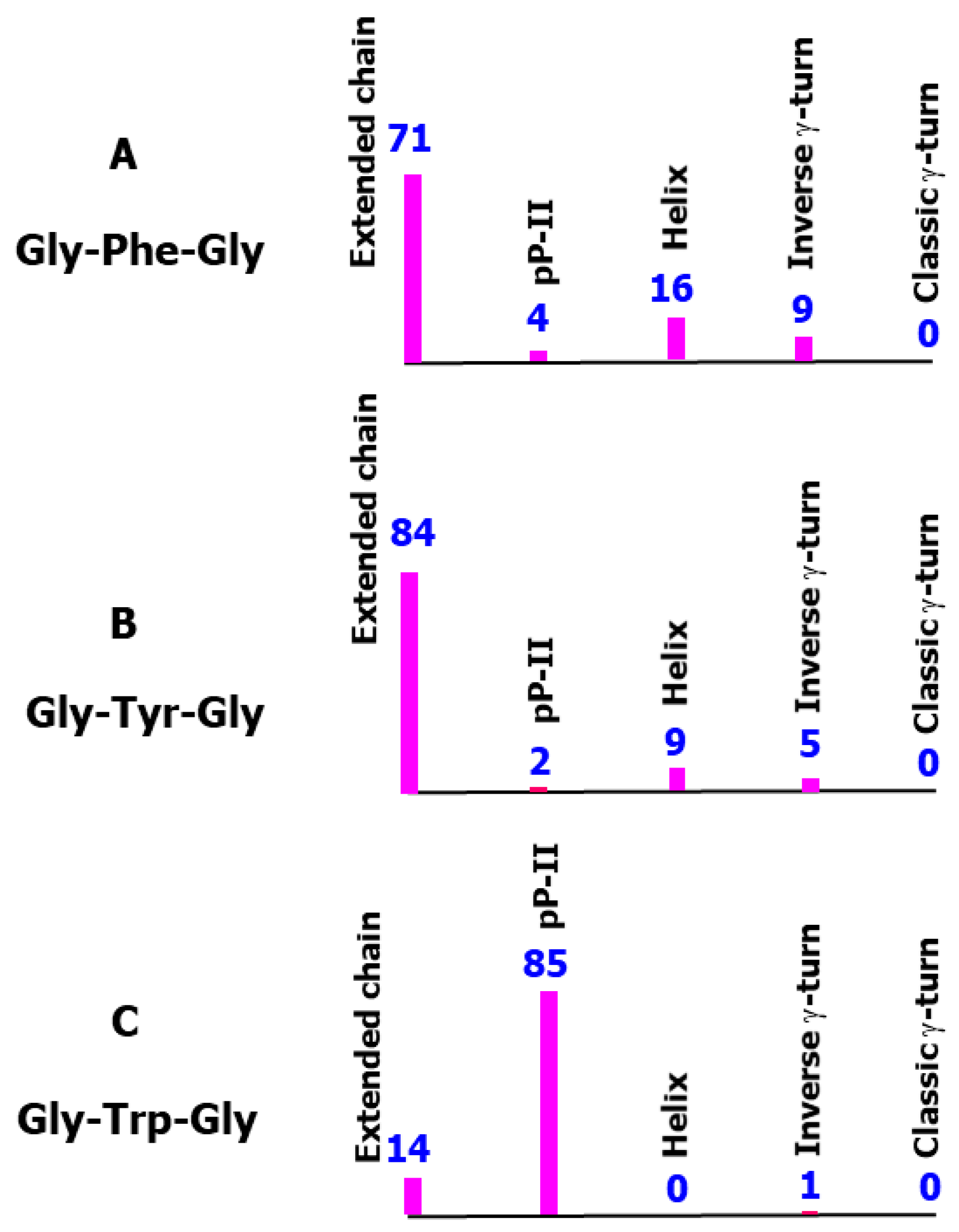
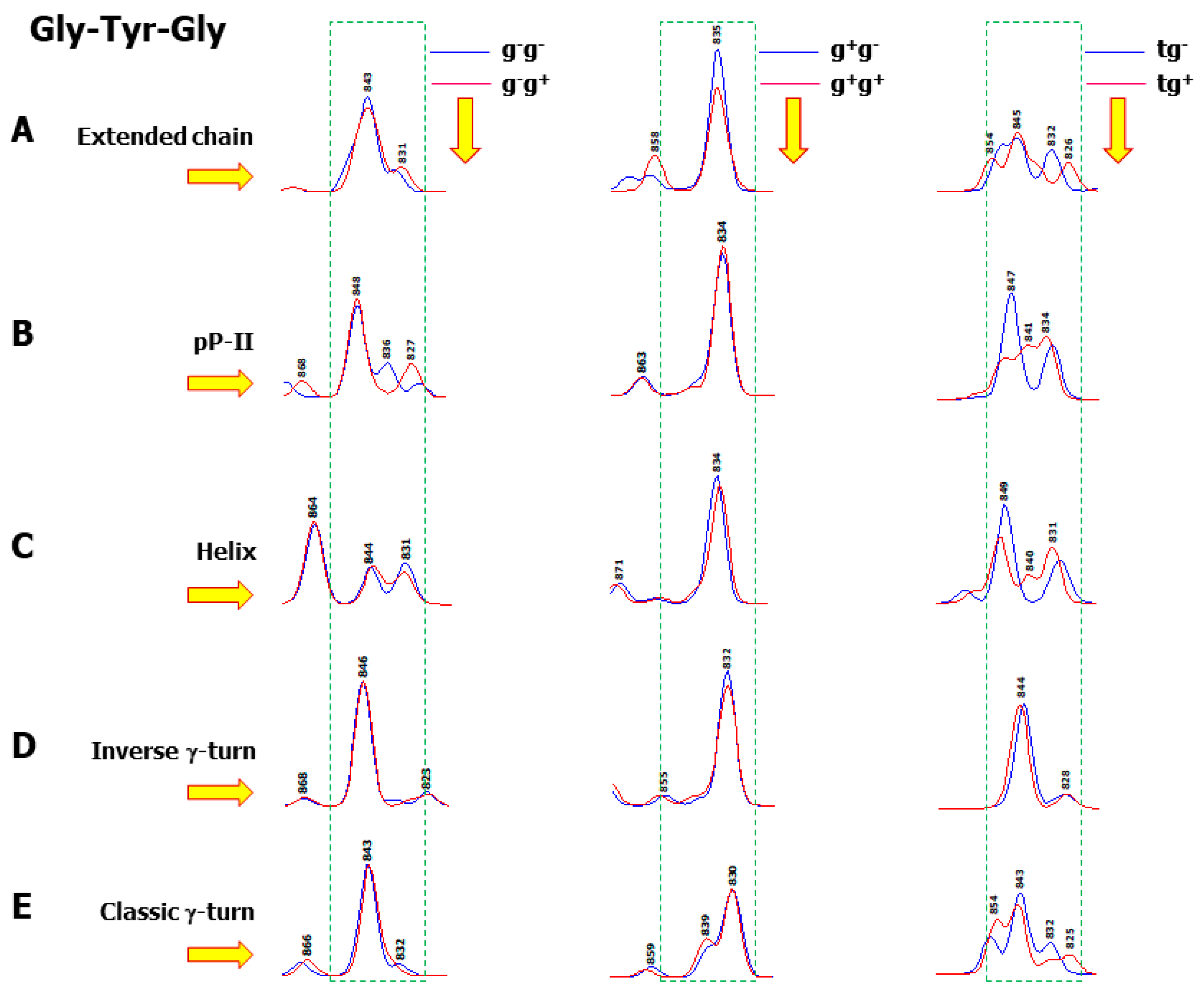
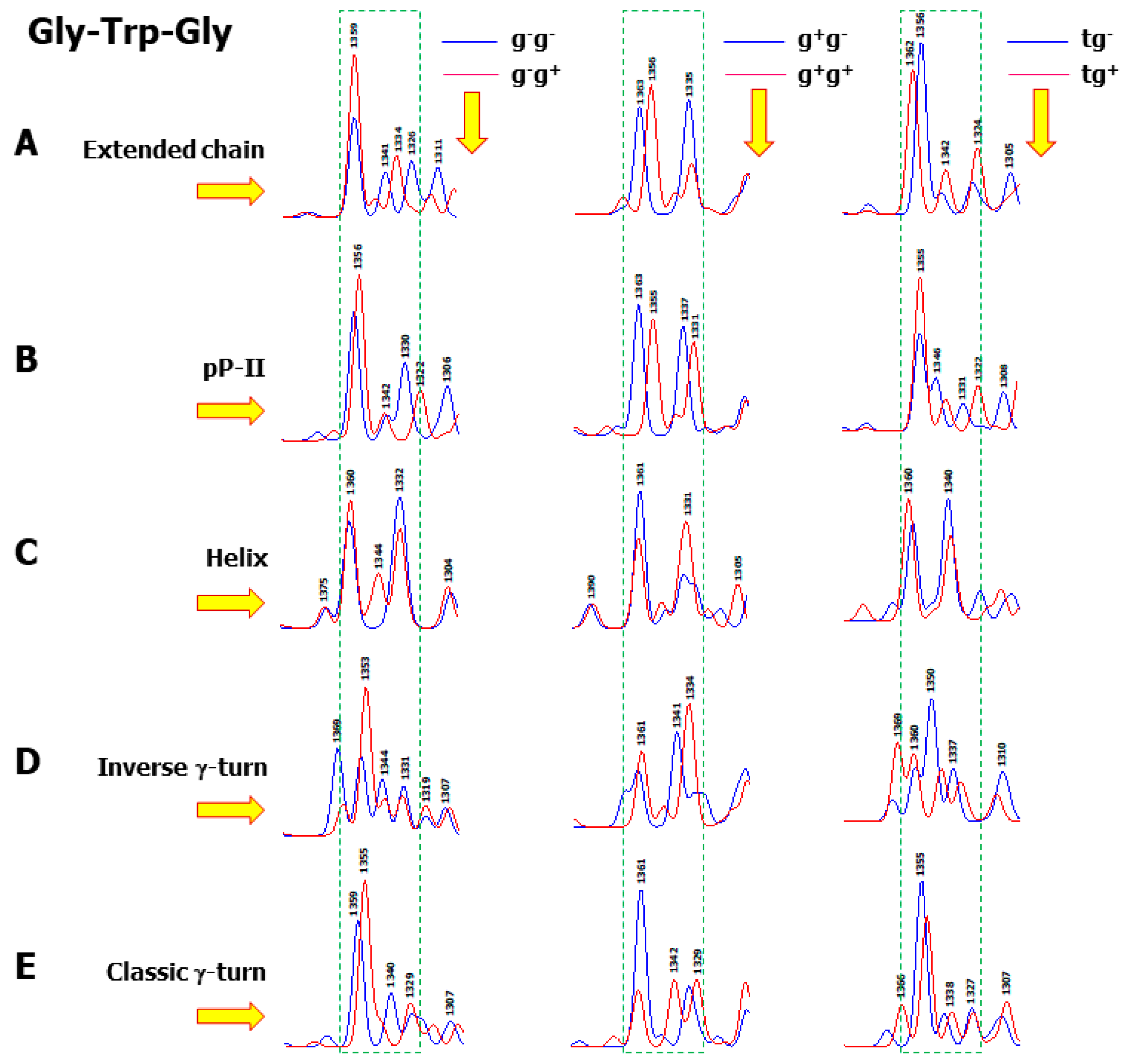
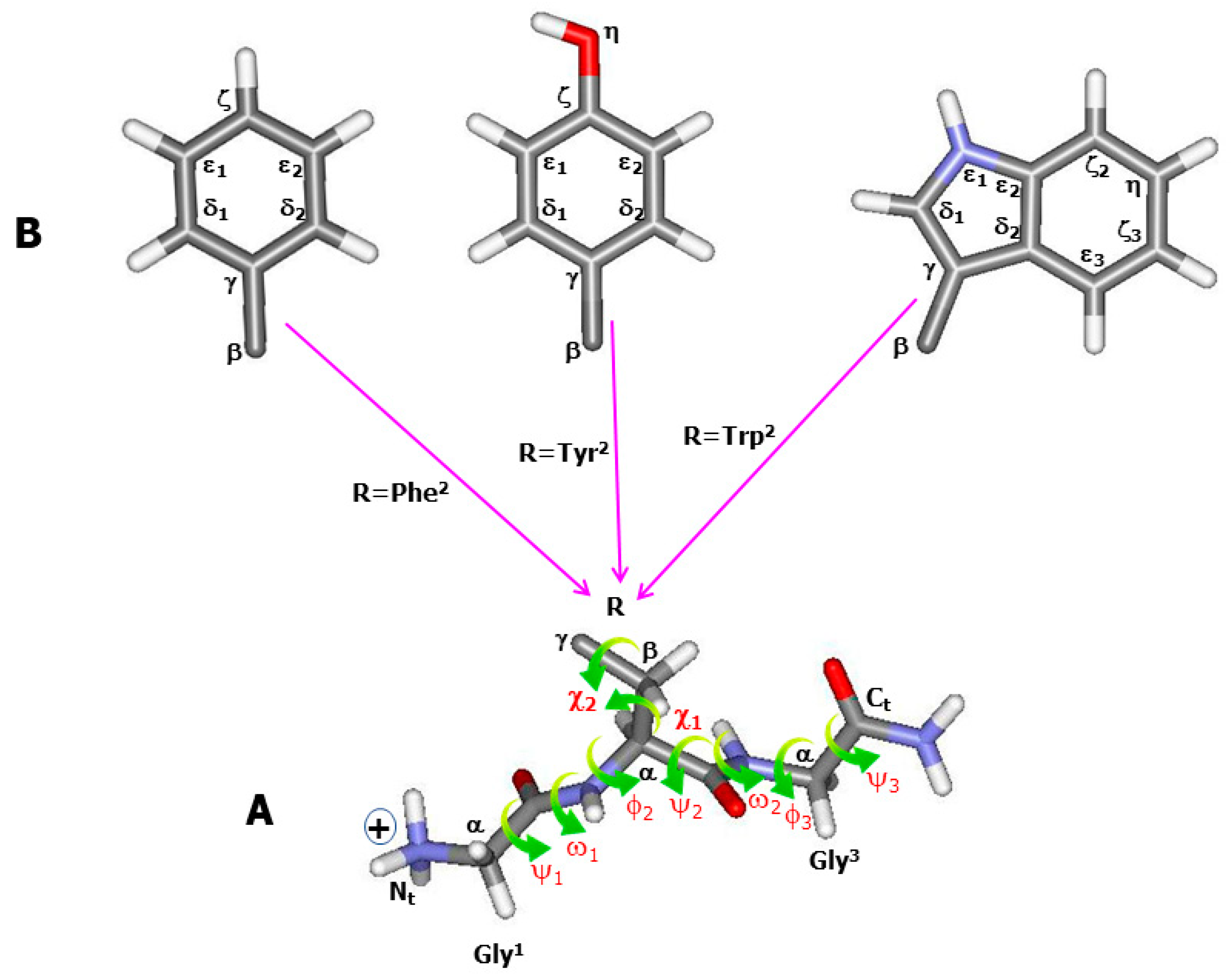
Because of the involvement of π-electron cyclic constituents in their side chains, the so-called aromatic residues give rise to a number of strong, narrow, and well-resolved lines spread over the middle wavenumber (1800–600 cm−1) region of the Raman spectra of peptides and proteins. The number of characteristic aromatic markers increases with the structural complexity (Phe → Tyr → Trp), herein referred to as (Fi = 1, …, 6) in Phe, (Yi = 1, …, 7) in Tyr, and (Wi = 1, …, 8) in Trp. Herein, we undertake an overview of these markers through the analysis of a representative data base gathered from the most structurally simple tripeptides, Gly-Xxx-Gly (where Xxx = Phe, Tyr, Trp). In this framework, off-resonance Raman spectra obtained from the aqueous samples of these tripeptides were jointly used with the structural and vibrational data collected from the density functional theory (DFT) calculations using the M062X hybrid functional and 6-311++G(d,p) atomic basis set. The conformation dependence of aromatic Raman markers was explored upon a representative set of 75 conformers, having five different backbone secondary structures (i.e., β-strand, polyproline-II, helix, classic, and inverse γ-turn), and plausible side chain rotamers. The hydration effects were considered upon using both implicit (polarizable solvent continuum) and explicit (minimal number of 5–7 water molecules) models. Raman spectra were calculated through a multiconformational approach based on the thermal (Boltzmann) average of the spectra arising from all calculated conformers. A subsequent discussion highlights the conformational landscape of conformers and the wavenumber dispersion of aromatic Raman markers. In particular, a new interpretation was proposed for the characteristic Raman doublets arising from Tyr (~850–830 cm−1) and Trp (~1360–1340 cm−1), definitely excluding the previously suggested Fermi-resonance-based assignment of these markers through the consideration of the interactions between the aromatic side chain and its adjacent peptide bonds.
Keywords: phenylalanine; tyrosine; tryptophan; tripeptides; glycylphenylalanylglycine; glycyltyrosylglycine; glycyltryptophanylglycine; Raman spectra; density functional theory; implicit and explicit hydration models phenylalanine; tyrosine; tryptophan; tripeptides; glycylphenylalanylglycine; glycyltyrosylglycine; glycyltryptophanylglycine; Raman spectra; density functional theory; implicit and explicit hydration models
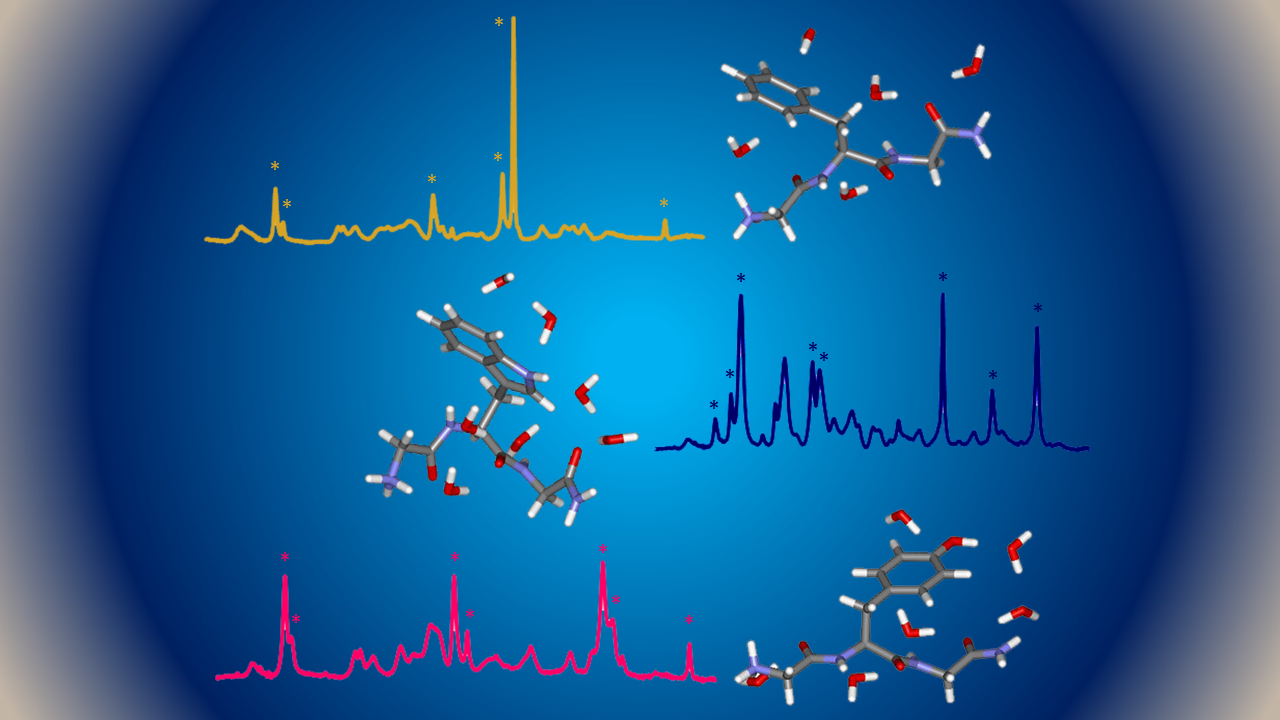
Graphical Abstract