Angiotensin-Converting Enzyme Inhibitors to Prevent Liver Fibrosis in Metabolic Dysfunction-Associated Steatotic Liver Disease: Scientific Speculation or an Opportunity to Improve Real Clinical Practice?
 ,
,  , , ,
, , ,  ,
,
Abstract
1. Introduction
2. Methods
3. MASLD: Do You Remember What We’re Talking About?
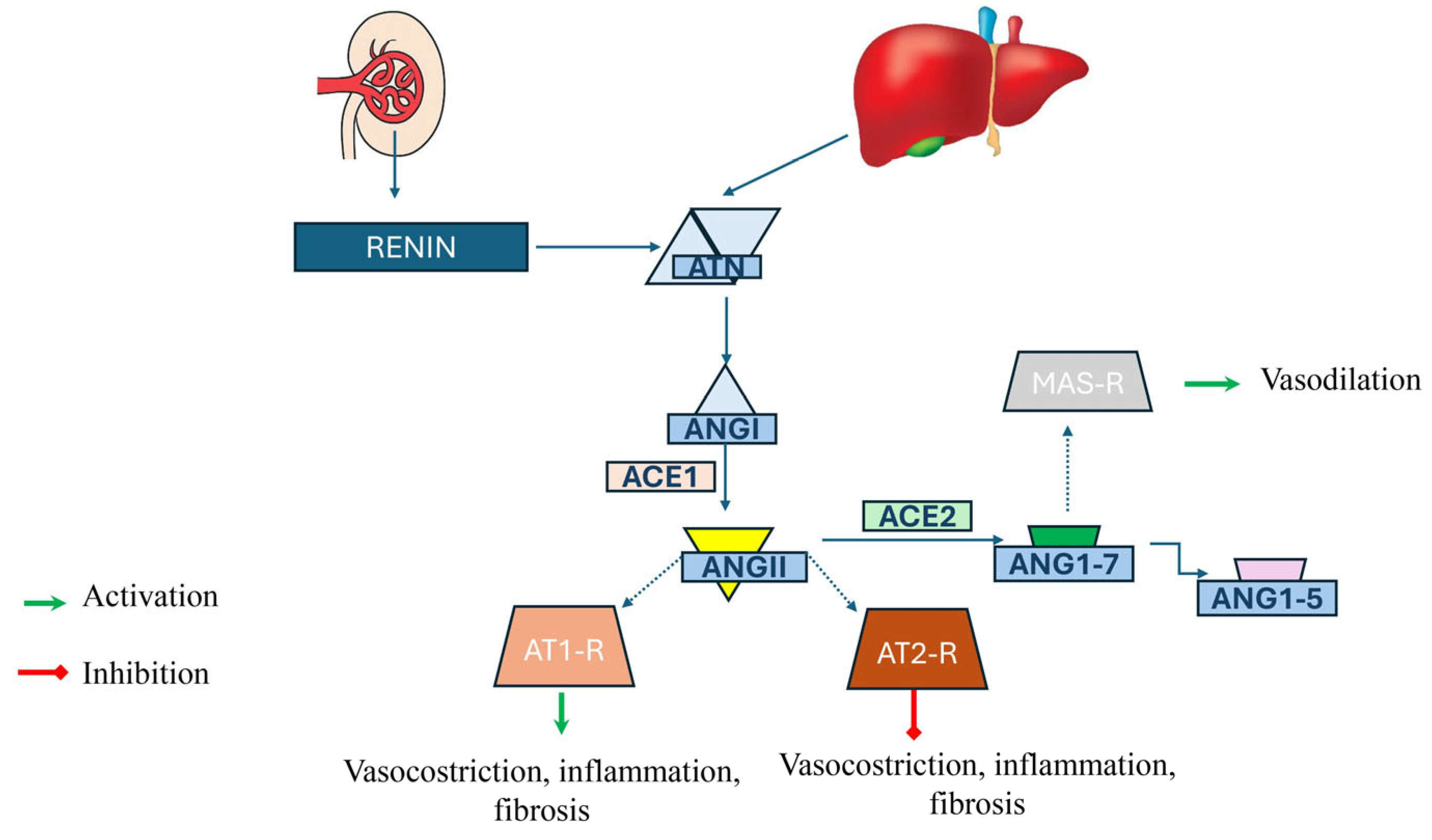
4. Role of the Renin-Angiotensin System in Liver Disease: Not Just Talking About the Cardiovascular System
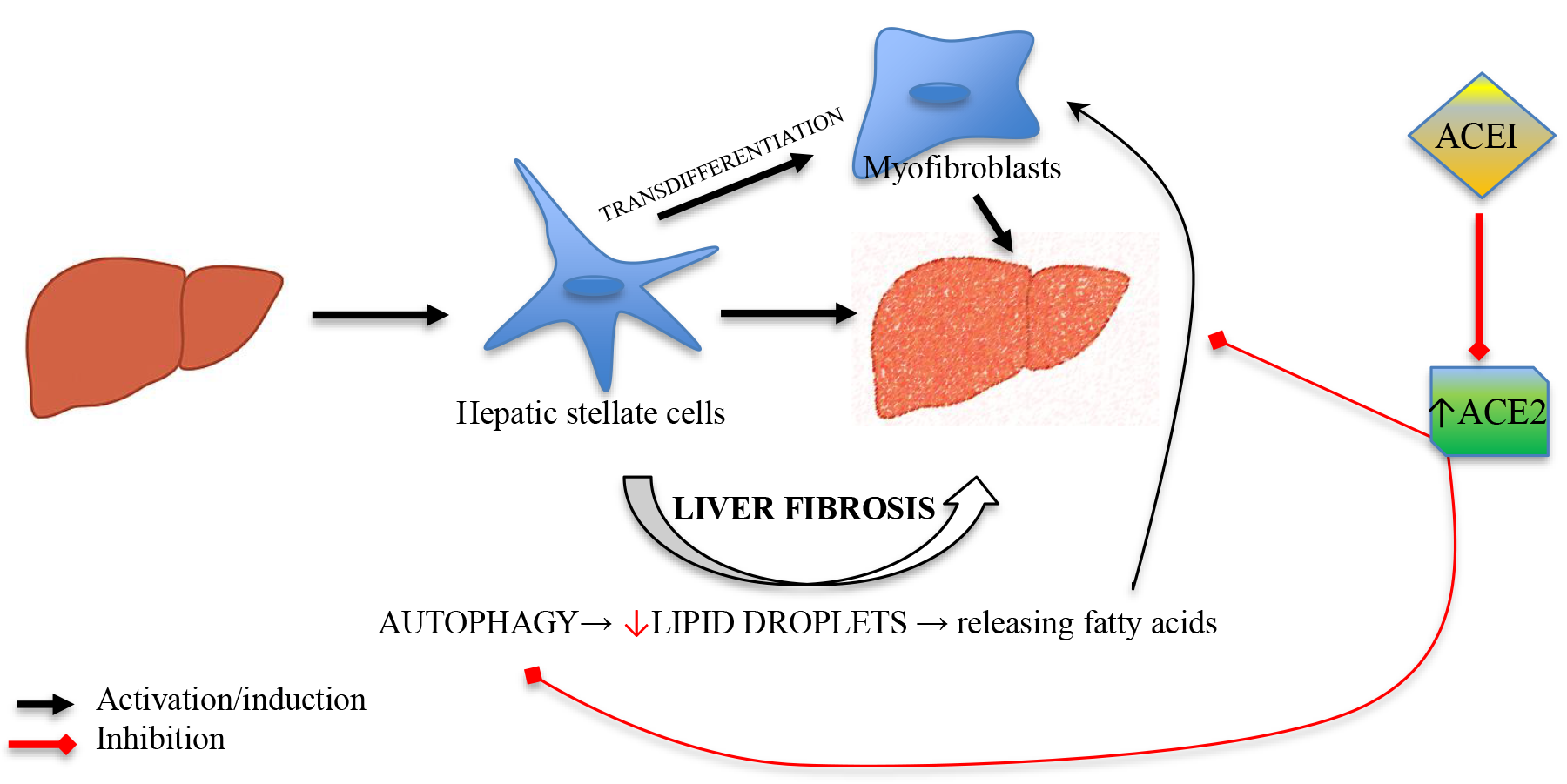
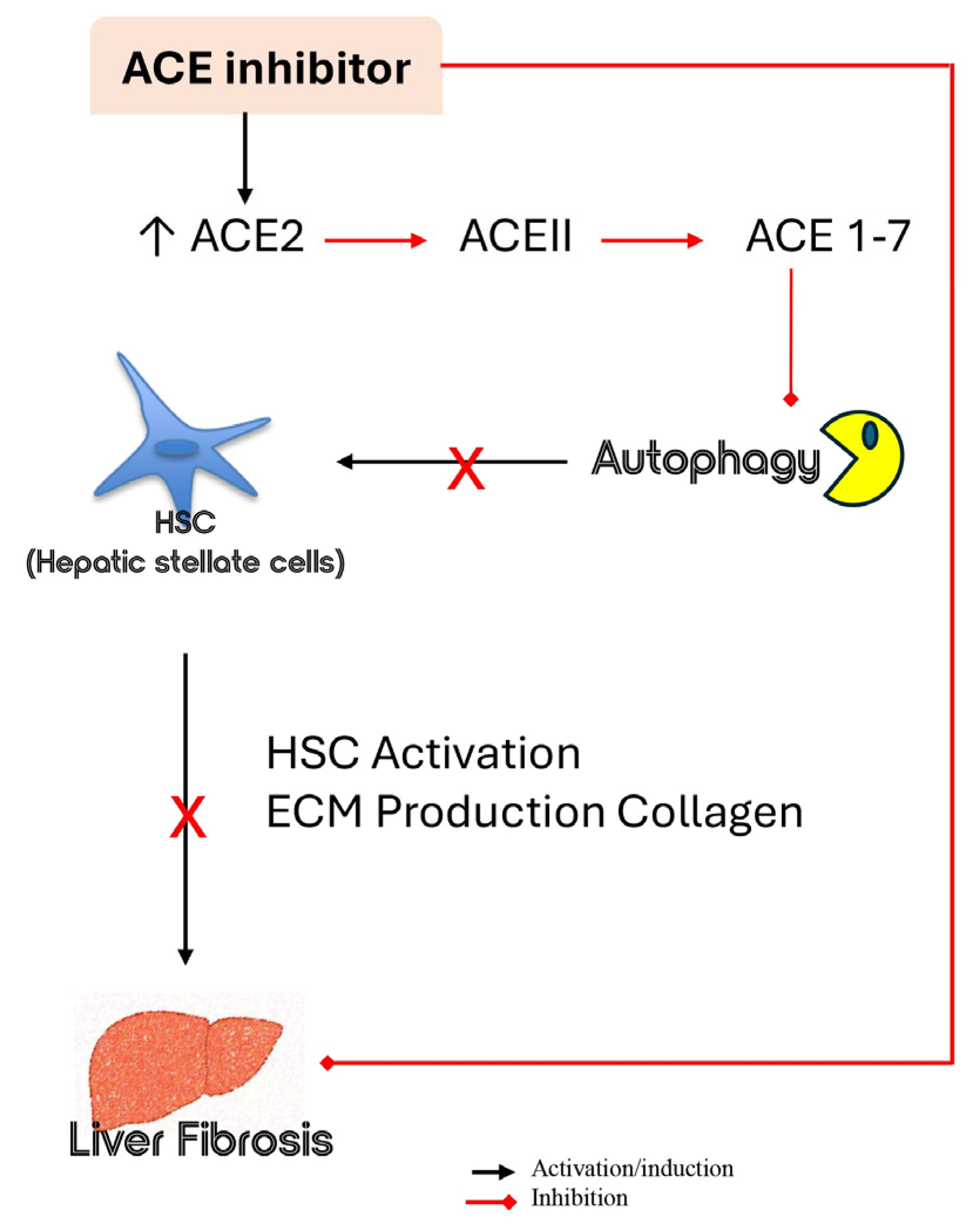
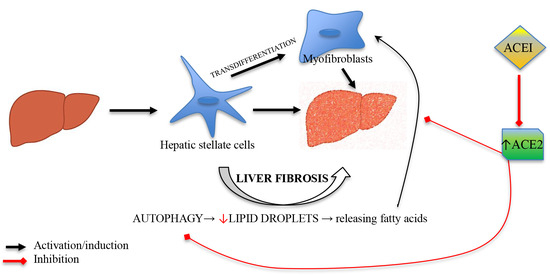
5. ACE2, Hepatic Stellate Cells and Liver Fibrosis: “A Ray of Sunshine in a Cloudy Sky”
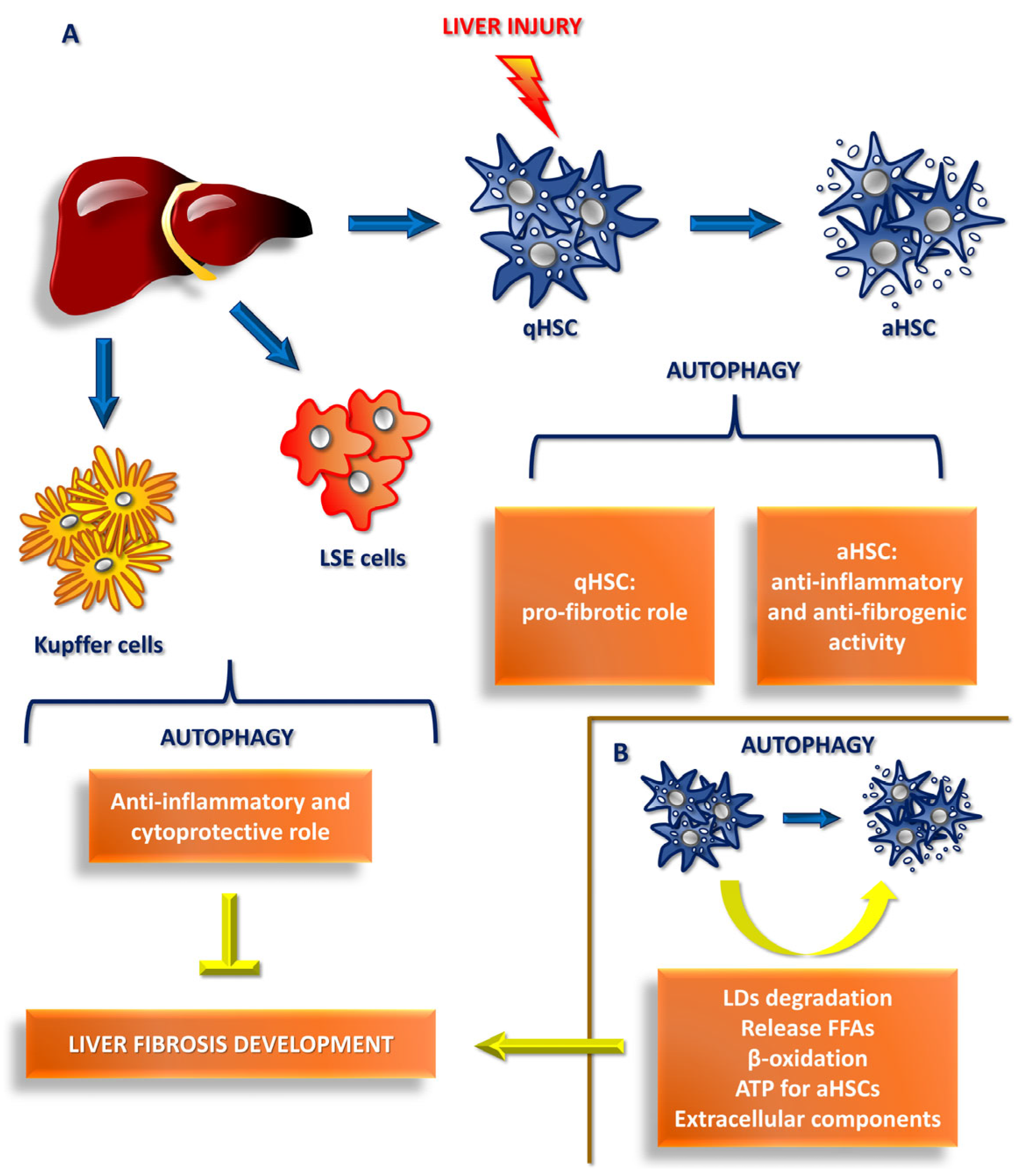
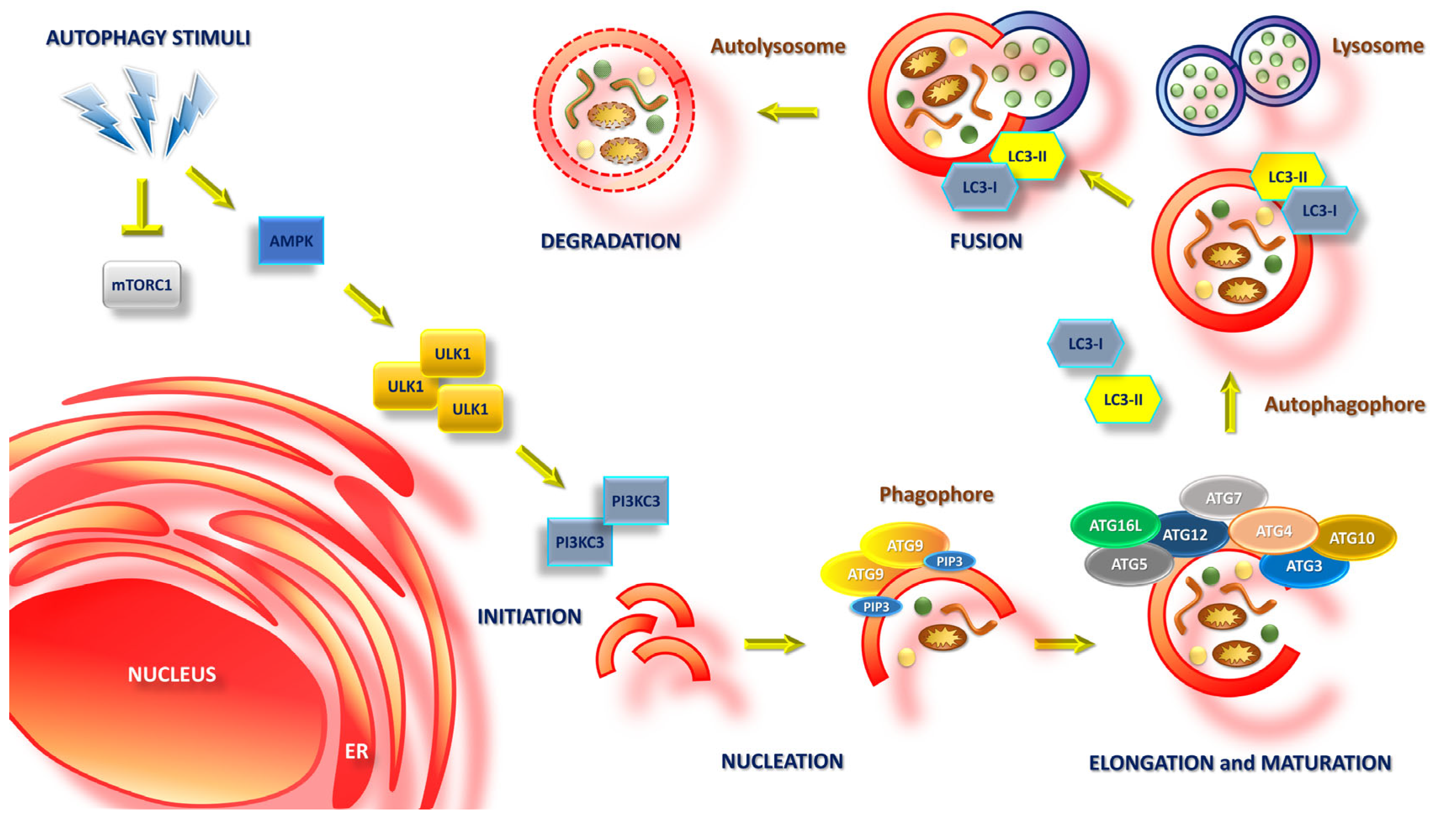
6. Autophagy’s Dual Role in Liver Fibrosis Development
7. Conclusions
Author Contributions
Funding
Institutional Review Board Statement
Informed Consent Statement
Data Availability Statement
Acknowledgments
Conflicts of Interest
Abbreviations
| AASLD | American Association for the Study of Liver Diseases |
| ACE | angiotensin converting enzyme |
| ACEIs | angiotensin converting enzyme inhibitors |
| ACLD | advanced chronic liver disease |
| aHSC | activated hepatic stellate cells |
| AMPK | AMP-activated protein kinase |
| ANG I | angiotensin i |
| ANG II | angiotensin II |
| ATN | angiotensinogen |
| ANG 1-5 | angiotensin 1-5 |
| ANG 1-7 | angiotensin 1-7 |
| ARBs | angiotensin receptor blockers |
| AT1-R | angiotensin 1 receptor |
| AT2-R | angiotensin 2 receptor |
| ATG | autophagy-related protein |
| CCl4 | carbon tetrachloride |
| CKD | chronic kidney disease |
| EASL | European Association for the Study of the Liver |
| HCC | hepatocellular carcinoma |
| HF | heart failure |
| HSC | hepatic stellate cell |
| aHSC | activated hepatic stellate cell |
| qHSC | quiescent hepatic stellate cell |
| IL | interleukin |
| LC3-I | cytoplasmic microtubule-associated proteins 1A/1B light chain 3 |
| LC3-II | membrane-bound microtubule-associated proteins 1A/1B light chain 3 |
| MASLD | metabolic dysfunction-associated steatotic liver disease |
| MASH | metabolic associated steatohepatitis |
| MAS-R | MAS receptor |
| mTOR | mammalian target of rapamycin |
| mTORC1 | mammalian target of rapamycin complex 1 |
| NASH | non-alcoholic steatohepatitis |
| PI3KC3 | phosphatidylinositol 3-kinase catalytic subunit type 3 |
| PI3P | phosphatidylinositol-3-phosphate |
| rAAV | recombinant adeno-associated viral vector |
| RAA | renin-angiotensi-aldosterone system |
| RAS | renin-angiotensin system |
| ULK1 | Unc-51-like autophagy-activating kinase 1 |
References
- Shelley, K.; Articolo, A.; Luthra, R.; Charlton, M. Clinical characteristics and management of patients with nonalcoholic steatohepatitis in a real-world setting: Analysis of the Ipsos NASH therapy monitor database. BMC Gastroenterol. 2023, 23, 160. [Google Scholar] [CrossRef] [PubMed]
- Rinella, M.E.; Neuschwander-Tetri, B.A.; Siddiqui, M.S.; Abdelmalek, M.F.; Caldwell, S.; Barb, D.; Kleiner, D.E.; Loomba, R. AASLD Practice Guidance on the clinical assessment and management of nonalcoholic fatty liver disease. Hepatology 2023, 77, 1797–1835. [Google Scholar] [CrossRef] [PubMed]
- European Association for the Study of the Liver (EASL); European Association for the Study of Diabetes (EASD); European Association for the Study of Obesity (EASO). EASL-EASD-EASO Clinical Practice Guidelines for the management of non-alcoholic fatty liver disease. J. Hepatol. 2016, 64, 1388–1402. [Google Scholar]
- Lucantoni, F.; Martinez-Cerezuela, A.; Gruevska, A.; Moragrega, A.B.; Victor, V.M.; Esplugues, J.V.; Blas-Garcia, A.; Apostolova, N. Understanding the implication of autophagy in the activation of hepatic stellate cells in liver fibrosis: Are we there yet? J. Pathol. 2021, 254, 216–228. [Google Scholar] [CrossRef]
- Zhang, Y.; Xing, M.; Meng, F.; Zhu, L.; Huang, Q.; Ma, T.; Fang, H.; Gu, X.; Huang, S.; Wu, X.; et al. The mechanical mechanism of angiotensin II induced activation of hepatic stellate cells promoting portal hypertension. Eur. J. Cell Biol. 2024, 103, 151427. [Google Scholar] [CrossRef]
- Kim, G.; Kim, J.; Lim, Y.L.; Kim, M.Y.; Baik, S.K. Renin-angiotensin system inhibitors and fibrosis in chronic liver disease: A systematic review. Hepatol. Int. 2016, 10, 819–828. [Google Scholar] [CrossRef]
- Zhang, X.; Wong, G.L.; Yip, T.C.; Tse, Y.K.; Liang, L.Y.; Hui, V.W.; Lin, H.; Li, G.L.; Lai, J.C.; Chan, H.L.; et al. Angiotensin-converting enzyme inhibitors prevent liver-related events in nonalcoholic fatty liver disease. Hepatology 2022, 76, 469–482. [Google Scholar]
- Le, M.H.; Yeo, Y.H.; Li, X.; Li, J.; Zou, B.; Wu, Y.; Ye, Q.; Huang, D.Q.; Zhao, C.; Zhang, J.; et al. 2019 Global NAFLD Prevalence: A Systematic Review and Meta-analysis. Clin. Gastroenterol. Hepatol. 2022, 20, 2809–2817.e28. [Google Scholar] [CrossRef]
- Chan, W.K.; Chuah, K.H.; Rajaram, R.B.; Lim, L.L.; Ratnasingam, J.; Vethakkan, S.R. Metabolic Dysfunction-Associated Steatotic Liver Disease (MASLD): A State-of-the-Art Review. J. Obes. Metab. Syndr. 2023, 32, 197–213. [Google Scholar] [CrossRef]
- Roehlen, N.; Crouchet, E.; Baumert, T.F. Liver Fibrosis: Mechanistic Concepts and Therapeutic Perspectives. Cells 2020, 9, 875. [Google Scholar] [CrossRef]
- Asrani, S.K.; Devarbhavi, H.; Eaton, J.; Kamath, P.S. Burden of liver diseases in the world. J. Hepatol. 2019, 70, 151–171. [Google Scholar] [CrossRef] [PubMed]
- Singh, K.D.; Karnik, S.S. Angiotensin Type 1 Receptor Blockers in Heart Failure. Curr. Drug Targets 2020, 21, 125–131. [Google Scholar] [CrossRef] [PubMed]
- Ruiz-Hurtado, G.; Sarafidis, P.; Fernandez-Alfonso, M.S.; Waeber, B.; Ruilope, L.M. Global cardiovascular protection in chronic kidney disease. Nat. Rev. Cardiol. 2016, 13, 603–608. [Google Scholar] [CrossRef] [PubMed]
- Savarese, G.; Kishi, T.; Vardeny, O.; Adamsson Eryd, S.; Bodegard, J.; Lund, L.H.; Thuresson, M.; Bozkurt, B. Heart Failure Drug Treatment-Inertia, Titration, and Discontinuation: A Multinational Observational Study (EVOLUTION HF). JACC Heart Fail. 2023, 11, 1–14. [Google Scholar] [CrossRef]
- Xiang, B.; Zhang, R.; Wu, X.; Zhou, X. Optimal Pharmacologic Treatment of Heart Failure with Preserved and Mildly Reduced Ejection Fraction: A Meta-analysis. JAMA Netw. Open 2022, 5, e2231963. [Google Scholar] [CrossRef]
- Park, C.; Wang, G.; Durthaler, J.M.; Fang, J. Cost-effectiveness Analyses of Antihypertensive Medicines: A Systematic Review. Am. J. Prev. Med. 2017, 53, S131–S142. [Google Scholar] [CrossRef]
- Blomdahl, J.; Aberg, M.; Friden, M.; Ahlstrom, H.; Hockings, P.; Hulthe, J.; Eriksson, N.; Gabrysch, K.; Nasr, P.; Riserus, U.; et al. Proteomic signatures for fibrosis in MASLD: A biopsy-proven dual-cohort study. Scand. J. Gastroenterol. 2025, 60, 597–605. [Google Scholar] [CrossRef]
- Fondevila, M.F.; Mercado-Gomez, M.; Rodriguez, A.; Gonzalez-Rellan, M.J.; Iruzubieta, P.; Valenti, V.; Escalada, J.; Schwaninger, M.; Prevot, V.; Dieguez, C.; et al. Obese patients with NASH have increased hepatic expression of SARS-CoV-2 critical entry points. J. Hepatol. 2021, 74, 469–471. [Google Scholar] [CrossRef]
- Jacobs, A.K.; Morley, S.D.; Samuel, K.; Morgan, K.; Boswell, L.; Kendall, T.J.; Dorward, D.A.; Fallowfield, J.A.; Hayes, P.C.; Plevris, J.N. Hepatic angiotensin-converting enzyme 2 expression in metabolic dysfunction-associated steatotic liver disease and in patients with fatal COVID-19. World J. Gastroenterol. 2024, 30, 3705–3716. [Google Scholar] [CrossRef]
- Hartl, L.; Rumpf, B.; Domenig, O.; Simbrunner, B.; Paternostro, R.; Jachs, M.; Poglitsch, M.; Marculescu, R.; Trauner, M.; Reindl-Schwaighofer, R.; et al. The systemic and hepatic alternative renin-angiotensin system is activated in liver cirrhosis, linked to endothelial dysfunction and inflammation. Sci. Rep. 2023, 13, 953. [Google Scholar] [CrossRef]
- Goh, G.B.; Pagadala, M.R.; Dasarathy, J.; Unalp-Arida, A.; Sargent, R.; Hawkins, C.; Sourianarayanane, A.; Khiyami, A.; Yerian, L.; Pai, R.; et al. Renin-angiotensin system and fibrosis in non-alcoholic fatty liver disease. Liver Int. 2015, 35, 979–985. [Google Scholar] [CrossRef]
- Kalluri, R.; Neilson, E.G. Epithelial-mesenchymal transition and its implications for fibrosis. J. Clin. Investig. 2003, 112, 1776–1784. [Google Scholar] [CrossRef] [PubMed]
- Piera-Velazquez, S.; Mendoza, F.A.; Jimenez, S.A. Endothelial to Mesenchymal Transition (EndoMT) in the Pathogenesis of Human Fibrotic Diseases. J. Clin. Med. 2016, 5, 45. [Google Scholar] [CrossRef] [PubMed]
- Pan, D. The hippo signaling pathway in development and cancer. Dev. Cell 2010, 19, 491–505. [Google Scholar] [CrossRef]
- Zhou, Y.; Liang, P.; Bi, T.; Tang, B.; Zhu, X.; Liu, X.; Wang, H.; Shen, H.; Sun, Q.; Yang, S.; et al. Angiotensin II depends on hippo/YAP signaling to reprogram angiogenesis and promote liver fibrosis. Cell. Signal. 2024, 123, 111355. [Google Scholar] [CrossRef] [PubMed]
- Chen, R.; Zhou, S.; Liu, J.; Li, L.; Su, L.; Li, Y.; Fang, C.; Zhang, X.; Luo, F.; Gao, Q.; et al. Renin-angiotensin system inhibitors and risk of hepatocellular carcinoma among patients with hepatitis B virus infection. CMAJ 2024, 196, E931–E939. [Google Scholar] [CrossRef]
- Chen, Y.; Zhai, D.; Shen, J.; Hu, W. Impact of Renin-Angiotensin-Aldosterone System Inhibitors on Liver-Related Events and Mortality in Patients with Cirrhosis: A Meta-Analysis of Real-World Evidence. J. Gastroenterol. Hepatol. 2025, 40, 2139–2147. [Google Scholar] [CrossRef]
- Wang, R.X.; Serper, M.; Taddei, T.H.; Kaplan, D.E.; Mahmud, N. The Association Between Angiotensin-Converting Enzyme Inhibitor or Angiotensin Receptor Blocker Exposure and Key Cirrhosis-Related Outcomes. Am. J. Gastroenterol. 2025, 120, 1057–1065. [Google Scholar] [CrossRef]
- Elhence, H.; Dodge, J.L.; Lee, B.P. Association of Renin-Angiotensin System Inhibition with Liver-Related Events and Mortality in Compensated Cirrhosis. Clin. Gastroenterol. Hepatol. 2024, 22, 315–323.e17. [Google Scholar] [CrossRef]
- Coulon, S.; Heindryckx, F.; Geerts, A.; Van Steenkiste, C.; Colle, I.; Van Vlierberghe, H. Angiogenesis in chronic liver disease and its complications. Liver Int. 2011, 31, 146–162. [Google Scholar] [CrossRef]
- Parola, M.; Pinzani, M. Liver fibrosis: Pathophysiology, pathogenetic targets and clinical issues. Mol. Asp. Med. 2019, 65, 37–55. [Google Scholar] [CrossRef]
- Khomich, O.; Ivanov, A.V.; Bartosch, B. Metabolic Hallmarks of Hepatic Stellate Cells in Liver Fibrosis. Cells 2019, 9, 24. [Google Scholar] [CrossRef] [PubMed]
- Kamm, D.R.; McCommis, K.S. Hepatic stellate cells in physiology and pathology. J. Physiol. 2022, 600, 1825–1837. [Google Scholar] [CrossRef] [PubMed]
- Campana, L.; Iredale, J.P. Regression of Liver Fibrosis. Semin. Liver Dis. 2017, 37, 1–10. [Google Scholar] [CrossRef] [PubMed]
- Lee, Y.A.; Wallace, M.C.; Friedman, S.L. Pathobiology of liver fibrosis: A translational success story. Gut 2015, 64, 830–841, Erratum in Gut 2015, 64, 1337. [Google Scholar] [CrossRef]
- Rockey, D.C. Liver Fibrosis Reversion After Suppression of Hepatitis B Virus. Clin. Liver Dis. 2016, 20, 667–679. [Google Scholar] [CrossRef]
- de Mesquita, F.C.; Guixe-Muntet, S.; Fernandez-Iglesias, A.; Maeso-Diaz, R.; Vila, S.; Hide, D.; Ortega-Ribera, M.; Rosa, J.L.; Garcia-Pagan, J.C.; Bosch, J.; et al. Liraglutide improves liver microvascular dysfunction in cirrhosis: Evidence from translational studies. Sci. Rep. 2017, 7, 3255. [Google Scholar] [CrossRef]
- Mimche, P.N.; Lee, C.M.; Mimche, S.M.; Thapa, M.; Grakoui, A.; Henkemeyer, M.; Lamb, T.J. EphB2 receptor tyrosine kinase promotes hepatic fibrogenesis in mice via activation of hepatic stellate cells. Sci. Rep. 2018, 8, 2532. [Google Scholar] [CrossRef]
- Kuang, X.; Naiki-Ito, A.; Kawamura, H.; Murakami, A.; Komura, M.; Kato, H.; Nagayasu, Y.; Takahashi, S. Hepatic stellate cell inhibition by angiotensin II receptor blocker mitigates liver injury and fibrosis via NF-kappaB-galectin-3 suppression in a rat nonalcoholic steatohepatitis model. Arch. Toxicol. 2025, 99, 3393–3412. [Google Scholar] [CrossRef]
- Hernandez-Gea, V.; Friedman, S.L. Autophagy fuels tissue fibrogenesis. Autophagy 2012, 8, 849–850. [Google Scholar] [CrossRef]
- Mak, K.M.; Wu, C.; Cheng, C.P. Lipid droplets, the Holy Grail of hepatic stellate cells: In health and hepatic fibrosis. Anat Rec 2023, 306, 983–1010. [Google Scholar] [CrossRef] [PubMed]
- Dikic, I.; Elazar, Z. Mechanism and medical implications of mammalian autophagy. Nat. Rev. Mol. Cell Biol. 2018, 19, 349–364. [Google Scholar] [CrossRef] [PubMed]
- Yu, L.; Chen, Y.; Tooze, S.A. Autophagy pathway: Cellular and molecular mechanisms. Autophagy 2018, 14, 207–215. [Google Scholar] [CrossRef] [PubMed]
- Khambu, B.; Yan, S.; Huda, N.; Liu, G.; Yin, X.M. Homeostatic Role of Autophagy in Hepatocytes. Semin. Liver Dis. 2018, 38, 308–319. [Google Scholar] [CrossRef]
- Tomaipitinca, L.; Mandatori, S.; Mancinelli, R.; Giulitti, F.; Petrungaro, S.; Moresi, V.; Facchiano, A.; Ziparo, E.; Gaudio, E.; Giampietri, C. The Role of Autophagy in Liver Epithelial Cells and Its Impact on Systemic Homeostasis. Nutrients 2019, 11, 827. [Google Scholar] [CrossRef]
- Byrnes, K.; Blessinger, S.; Bailey, N.T.; Scaife, R.; Liu, G.; Khambu, B. Therapeutic regulation of autophagy in hepatic metabolism. Acta Pharm. Sin. B 2022, 12, 33–49. [Google Scholar] [CrossRef]
- Amir, M.; Zhao, E.; Fontana, L.; Rosenberg, H.; Tanaka, K.; Gao, G.; Czaja, M.J. Inhibition of hepatocyte autophagy increases tumor necrosis factor-dependent liver injury by promoting caspase-8 activation. Cell Death Differ. 2013, 20, 878–887. [Google Scholar] [CrossRef]
- Neyrinck, A. Modulation of Kupffer cell activity: Physio-pathological consequences on hepatic metabolism. Bull. Mem. Acad. R. Med. Belg. 2004, 159, 358–366. [Google Scholar]
- Liu, K.; Zhao, E.; Ilyas, G.; Lalazar, G.; Lin, Y.; Haseeb, M.; Tanaka, K.E.; Czaja, M.J. Impaired macrophage autophagy increases the immune response in obese mice by promoting proinflammatory macrophage polarization. Autophagy 2015, 11, 271–284. [Google Scholar] [CrossRef]
- Ruart, M.; Chavarria, L.; Camprecios, G.; Suarez-Herrera, N.; Montironi, C.; Guixe-Muntet, S.; Bosch, J.; Friedman, S.L.; Garcia-Pagan, J.C.; Hernandez-Gea, V. Impaired endothelial autophagy promotes liver fibrosis by aggravating the oxidative stress response during acute liver injury. J. Hepatol. 2019, 70, 458–469, Erratum in J. Hepatol. 2020, 73, 744. [Google Scholar] [CrossRef]
- Hammoutene, A.; Biquard, L.; Lasselin, J.; Kheloufi, M.; Tanguy, M.; Vion, A.C.; Merian, J.; Colnot, N.; Loyer, X.; Tedgui, A.; et al. A defect in endothelial autophagy occurs in patients with non-alcoholic steatohepatitis and promotes inflammation and fibrosis. J. Hepatol. 2020, 72, 528–538. [Google Scholar] [CrossRef] [PubMed]
- Thoen, L.F.; Guimaraes, E.L.; Dolle, L.; Mannaerts, I.; Najimi, M.; Sokal, E.; van Grunsven, L.A. A role for autophagy during hepatic stellate cell activation. J. Hepatol. 2011, 55, 1353–1360. [Google Scholar] [CrossRef] [PubMed]
- Hernandez-Gea, V.; Ghiassi-Nejad, Z.; Rozenfeld, R.; Gordon, R.; Fiel, M.I.; Yue, Z.; Czaja, M.J.; Friedman, S.L. Autophagy releases lipid that promotes fibrogenesis by activated hepatic stellate cells in mice and in human tissues. Gastroenterology 2012, 142, 938–946. [Google Scholar] [CrossRef] [PubMed]
- Deng, J.; Huang, Q.; Wang, Y.; Shen, P.; Guan, F.; Li, J.; Huang, H.; Shi, C. Hypoxia-inducible factor-1alpha regulates autophagy to activate hepatic stellate cells. Biochem. Biophys. Res. Commun. 2014, 454, 328–334. [Google Scholar] [CrossRef]
- Fu, M.Y.; He, Y.J.; Lv, X.; Liu, Z.H.; Shen, Y.; Ye, G.R.; Deng, Y.M.; Shu, J.C. Transforming growth factor-beta1 reduces apoptosis via autophagy activation in hepatic stellate cells. Mol. Med. Rep. 2014, 10, 1282–1288. [Google Scholar] [CrossRef]
- He, Y.; Zhu, J.; Huang, Y.; Gao, H.; Zhao, Y. Advanced glycation end product (AGE)-induced hepatic stellate cell activation via autophagy contributes to hepatitis C-related fibrosis. Acta Diabetol. 2015, 52, 959–969. [Google Scholar] [CrossRef]
- Zhao, J.; Peng, L.; Cui, R.; Guo, X.; Yan, M. Dimethyl alpha-ketoglutarate reduces CCl(4)-induced liver fibrosis through inhibition of autophagy in hepatic stellate cells. Biochem. Biophys. Res. Commun. 2016, 481, 90–96. [Google Scholar] [CrossRef]
- Jin, Y.; Bai, Y.; Ni, H.; Qiang, L.; Ye, L.; Shan, Y.; Zhou, M. Activation of autophagy through calcium-dependent AMPK/mTOR and PKCtheta pathway causes activation of rat hepatic stellate cells under hypoxic stress. FEBS Lett. 2016, 590, 672–682. [Google Scholar] [CrossRef]
- Chen, M.; Liu, J.; Yang, L.; Ling, W. AMP-activated protein kinase regulates lipid metabolism and the fibrotic phenotype of hepatic stellate cells through inhibition of autophagy. FEBS Open Bio 2017, 7, 811–820. [Google Scholar] [CrossRef]
- Arriola Benitez, P.C.; Pesce Viglietti, A.I.; Herrmann, C.K.; Dennis, V.A.; Comerci, D.J.; Giambartolomei, G.H.; Delpino, M.V. Brucella abortus Promotes a Fibrotic Phenotype in Hepatic Stellate Cells, with Concomitant Activation of the Autophagy Pathway. Infect. Immun. 2018, 86, e00522-17. [Google Scholar] [CrossRef]
- Kim, K.M.; Han, C.Y.; Kim, J.Y.; Cho, S.S.; Kim, Y.S.; Koo, J.H.; Lee, J.M.; Lim, S.C.; Kang, K.W.; Kim, J.S.; et al. Galpha(12) overexpression induced by miR-16 dysregulation contributes to liver fibrosis by promoting autophagy in hepatic stellate cells. J. Hepatol. 2018, 68, 493–504. [Google Scholar] [CrossRef] [PubMed]
- Xie, Z.Y.; Xiao, Z.H.; Wang, F.F. Inhibition of autophagy reverses alcohol-induced hepatic stellate cells activation through activation of Nrf2-Keap1-ARE signaling pathway. Biochimie 2018, 147, 55–62. [Google Scholar] [CrossRef] [PubMed]
- Li, J.; Zeng, C.; Zheng, B.; Liu, C.; Tang, M.; Jiang, Y.; Chang, Y.; Song, W.; Wang, Y.; Yang, C. HMGB1-induced autophagy facilitates hepatic stellate cells activation: A new pathway in liver fibrosis. Clin Sci 2018, 132, 1645–1667. [Google Scholar] [CrossRef] [PubMed]
- Hong, Y.; Li, S.; Wang, J.; Li, Y. In vitro inhibition of hepatic stellate cell activation by the autophagy-related lipid droplet protein ATG2A. Sci. Rep. 2018, 8, 9232, Erratum in Sci. Rep. 2018, 8, 14569. [Google Scholar] [PubMed]
- Wang, Y.; Sun, Y.; Zuo, L.; Wang, Y.; Huang, Y. ASIC1a promotes high glucose and PDGF-induced hepatic stellate cell activation by inducing autophagy through CaMKKbeta/ERK signaling pathway. Toxicol. Lett. 2019, 300, 1–9. [Google Scholar] [CrossRef]
- Yang, R.; Hu, Z.; Zhang, P.; Wu, S.; Song, Z.; Shen, X.; Wei, Z. Probucol ameliorates hepatic stellate cell activation and autophagy is associated with farnesoid X receptor. J. Pharmacol. Sci. 2019, 139, 120–128. [Google Scholar] [CrossRef]
- Kong, Y.; Huang, T.; Zhang, H.; Zhang, Q.; Ren, J.; Guo, X.; Fan, H.; Liu, L. The lncRNA NEAT1/miR-29b/Atg9a axis regulates IGFBPrP1-induced autophagy and activation of mouse hepatic stellate cells. Life Sci. 2019, 237, 116902. [Google Scholar] [CrossRef]
- Huang, T.J.; Ren, J.J.; Zhang, Q.Q.; Kong, Y.Y.; Zhang, H.Y.; Guo, X.H.; Fan, H.Q.; Liu, L.X. IGFBPrP1 accelerates autophagy and activation of hepatic stellate cells via mutual regulation between H19 and PI3K/AKT/mTOR pathway. Biomed. Pharmacother. 2019, 116, 109034. [Google Scholar] [CrossRef]
- Xie, Z.Y.; Wang, F.F.; Xiao, Z.H.; Liu, S.F.; Lai, Y.L.; Tang, S.L. Long noncoding RNA XIST enhances ethanol-induced hepatic stellate cells autophagy and activation via miR-29b/HMGB1 axis. IUBMB Life 2019, 71, 1962–1972. [Google Scholar] [CrossRef]
- Guo, X.H.; Liu, L.X.; Zhang, H.Y.; Zhang, Q.Q.; Li, Y.; Tian, X.X.; Qiu, Z.H. Insulin-like growth factor binding protein-related protein 1 contributes to hepatic fibrogenesis. J. Dig. Dis. 2014, 15, 202–210. [Google Scholar] [CrossRef]
- Zhang, X.W.; Zhou, J.C.; Peng, D.; Hua, F.; Li, K.; Yu, J.J.; Lv, X.X.; Cui, B.; Liu, S.S.; Yu, J.M.; et al. Disrupting the TRIB3-SQSTM1 interaction reduces liver fibrosis by restoring autophagy and suppressing exosome-mediated HSC activation. Autophagy 2020, 16, 782–796. [Google Scholar] [CrossRef] [PubMed]
- Seo, H.Y.; Lee, S.H.; Lee, J.H.; Kang, Y.N.; Hwang, J.S.; Park, K.G.; Kim, M.K.; Jang, B.K. Src Inhibition Attenuates Liver Fibrosis by Preventing Hepatic Stellate Cell Activation and Decreasing Connetive Tissue Growth Factor. Cells 2020, 9, 558. [Google Scholar] [CrossRef] [PubMed]
- Hu, Z.; Su, H.; Zeng, Y.; Lin, C.; Guo, Z.; Zhong, F.; Jiang, K.; Yuan, G.; He, S. Tetramethylpyrazine ameliorates hepatic fibrosis through autophagy-mediated inflammation. Biochem. Cell Biol. 2020, 98, 327–337. [Google Scholar] [CrossRef] [PubMed]
- Wang, L.; Wang, Y.; Quan, J. Exosomal miR-223 derived from natural killer cells inhibits hepatic stellate cell activation by suppressing autophagy. Mol. Med. 2020, 26, 81. [Google Scholar] [CrossRef]
- Wang, Z.J.; Yu, H.; Hao, J.J.; Peng, Y.; Yin, T.T.; Qiu, Y.N. PM(2.5) promotes Drp1-mediated mitophagy to induce hepatic stellate cell activation and hepatic fibrosis via regulating miR-411. Exp. Cell Res. 2021, 407, 112828. [Google Scholar] [CrossRef]
- Zheng, B.; Gao, Z.; Liang, L.; Lu, Y.; Kong, Y.; Chen, W.; Lin, K.; Chen, W.; Mai, J.; Li, Y.; et al. Autophagy of hepatic stellate cell induced by Clonorchis sinensis. Mol. Biol. Rep. 2022, 49, 1895–1902. [Google Scholar] [CrossRef]
- Li, J.; Deng, X.; Wang, S.; Jiang, Q.; Xu, K. Resolvin D1 attenuates CCl4 Induced Liver Fibrosis by Inhibiting Autophagy-Mediated HSC activation via AKT/mTOR Pathway. Front. Pharmacol. 2021, 12, 792414. [Google Scholar] [CrossRef]
- Park, Y.J.; Kim, D.M.; Choi, H.B.; Jeong, M.H.; Kwon, S.H.; Kim, H.R.; Kwak, J.H.; Chung, K.H. Dendropanoxide, a Triterpenoid from Dendropanax morbifera, Ameliorates Hepatic Fibrosis by Inhibiting Activation of Hepatic Stellate Cells through Autophagy Inhibition. Nutrients 2021, 14, 98. [Google Scholar] [CrossRef]
- Xiao, Z.H.; Xie, Z.Y.; Wang, Q.; Lu, H.; Cao, H.W. SIRT7 affects autophagy and activation of hepatic stellate cells by regulating the acetylation level of high mobility group protein 1. Immunobiology 2023, 228, 152323. [Google Scholar] [CrossRef]
- Huan, S.; Sun, S.; Song, S.; Dai, J.; Zhu, G.; Zhong, Y.; Ji, Y.; Zheng, S.; Yin, G. Dihydroartemisinin inhibits the activation and proliferation of hepatic stellate cells by regulating miR-29b-3p. Int. J. Mol. Med. 2023, 51, 40. [Google Scholar] [CrossRef]
- Le, T.V.; Phan-Thi, H.T.; Huynh-Thi, M.X.; Dang, T.M.; Holterman, A.X.L.; Grassi, G.; Nguyen-Luu, T.U.; Truong, N.H. Autophagy Inhibitor Chloroquine Downmodulates Hepatic Stellate Cell Activation and Liver Damage in Bile-Duct-Ligated Mice. Cells 2023, 12, 1025. [Google Scholar] [CrossRef]
- Tan, Y.; Li, C.; Zhou, J.; Deng, F.; Liu, Y. Berberine attenuates liver fibrosis by autophagy inhibition triggering apoptosis via the miR-30a-5p/ATG5 axis. Exp. Cell Res. 2023, 427, 113600. [Google Scholar] [CrossRef] [PubMed]
- Du, J.; Liu, L.; Fan, H.; Yu, Y.; Luo, Y.; Gu, F.; Yu, H.; Liao, X. Anthocyanins improve liver fibrosis in mice by regulating the autophagic flux level of hepatic stellate cells by mmu_circ_0000623. Food Sci. Nutr. 2023, 11, 3002–3018. [Google Scholar] [CrossRef] [PubMed]
- Huang, F.; Ding, G.; Yuan, Y.; Zhao, L.; Ding, W.; Wu, S. PTEN Overexpression Alters Autophagy Levels and Slows Sodium Arsenite-Induced Hepatic Stellate Cell Fibrosis. Toxics 2023, 11, 578. [Google Scholar] [CrossRef] [PubMed]
- Shu, Y.; He, Y.; Ye, G.; Liu, X.; Huang, J.; Zhang, Q.; Tian, D.; Wang, T.; Shu, J. Curcumin inhibits the activity and induces apoptosis of activated hepatic stellate cell by suppressing autophagy. J. Cell Biochem. 2023, 124, 1764–1778. [Google Scholar] [CrossRef]
- Peng, M.L.; Zhang, L.J.; Luo, Y.; Xu, S.Y.; Long, X.M.; Ao, J.L.; Liao, S.G.; Zhu, Q.F.; He, X.; Xu, G.B. Phomopsterone B Alleviates Liver Fibrosis through mTOR-Mediated Autophagy and Apoptosis Pathway. Molecules 2024, 29, 417. [Google Scholar] [CrossRef]
- He, W.; Wang, B.; Yang, J.; Zhuang, Y.; Wang, L.; Huang, X.; Chen, J. Chloroquine improved carbon tetrachloride-induced liver fibrosis through its inhibition of the activation of hepatic stellate cells: Role of autophagy. Biol. Pharm. Bull. 2014, 37, 1505–1509. [Google Scholar] [CrossRef]
- Wu, L.; Zhang, Q.; Mo, W.; Feng, J.; Li, S.; Li, J.; Liu, T.; Xu, S.; Wang, W.; Lu, X.; et al. Quercetin prevents hepatic fibrosis by inhibiting hepatic stellate cell activation and reducing autophagy via the TGF-beta1/Smads and PI3K/Akt pathways. Sci. Rep. 2017, 7, 9289. [Google Scholar]
- Wang, B.; Yang, H.; Fan, Y.; Yang, Y.; Cao, W.; Jia, Y.; Cao, Y.; Sun, K.; Pang, Z.; Du, H. 3-Methyladenine ameliorates liver fibrosis through autophagy regulated by the NF-kappaB signaling pathways on hepatic stellate cell. Oncotarget 2017, 8, 107603–107611. [Google Scholar]
- Yang, N.; Dang, S.; Shi, J.; Wu, F.; Li, M.; Zhang, X.; Li, Y.; Jia, X.; Zhai, S. Caffeic acid phenethyl ester attenuates liver fibrosis via inhibition of TGF-beta1/Smad3 pathway and induction of autophagy pathway. Biochem. Biophys. Res. Commun. 2017, 486, 22–28. [Google Scholar] [CrossRef]
- Feng, J.; Chen, K.; Xia, Y.; Wu, L.; Li, J.; Li, S.; Wang, W.; Lu, X.; Liu, T.; Guo, C. Salidroside ameliorates autophagy and activation of hepatic stellate cells in mice via NF-kappaB and TGF-beta1/Smad3 pathways. Drug Des. Devel Ther. 2018, 12, 1837–1853. [Google Scholar] [CrossRef]
- Ma, J.Q.; Sun, Y.Z.; Ming, Q.L.; Tian, Z.K.; Yang, H.X.; Liu, C.M. Ampelopsin attenuates carbon tetrachloride-induced mouse liver fibrosis and hepatic stellate cell activation associated with the SIRT1/TGF-beta1/Smad3 and autophagy pathway. Int. Immunopharmacol. 2019, 77, 105984. [Google Scholar] [CrossRef] [PubMed]
- Wang, Z.; Tao, Y.; Qiu, T.; Yao, X.; Jiang, L.; Wang, N.; Wei, S.; Jia, X.; Pei, P.; Yang, G.; et al. Taurine protected As(2)O(3)-induced the activation of hepatic stellate cells through inhibiting PPARalpha-autophagy pathway. Chem. Biol. Interact. 2019, 300, 123–130. [Google Scholar] [CrossRef] [PubMed]
- Ye, H.L.; Zhang, J.W.; Chen, X.Z.; Wu, P.B.; Chen, L.; Zhang, G. Ursodeoxycholic acid alleviates experimental liver fibrosis involving inhibition of autophagy. Life Sci. 2020, 242, 117175. [Google Scholar] [CrossRef] [PubMed]
- Ji, J.; Yu, Q.; Dai, W.; Wu, L.; Feng, J.; Zheng, Y.; Li, Y.; Guo, C. Apigenin Alleviates Liver Fibrosis by Inhibiting Hepatic Stellate Cell Activation and Autophagy via TGF-beta1/Smad3 and p38/PPARalpha Pathways. PPAR Res. 2021, 2021, 6651839. [Google Scholar] [CrossRef]
- Jie, L.; Hong, R.T.; Zhang, Y.J.; Sha, L.L.; Chen, W.; Ren, X.F. Melatonin Alleviates Liver Fibrosis by Inhibiting Autophagy. Curr. Med. Sci. 2022, 42, 498–504. [Google Scholar] [CrossRef]
- Zhang, Y.; Hua, L.; Lin, C.; Yuan, M.; Xu, W.; Raj, D.A.; Venkidasamy, B.; Cespedes-Acuna, C.L.; Nile, S.H.; Yan, G.; et al. Pien-Tze-Huang alleviates CCl(4)-induced liver fibrosis through the inhibition of HSC autophagy and the TGF-beta1/Smad2 pathway. Front. Pharmacol. 2022, 13, 937484. [Google Scholar]
- Xie, Z.Y.; Cao, H.W.; Wang, Q.; Lu, H.; Du, W. Catalpol inhibits hepatic stellate cell activation by reducing the formation and changing the contents of hepatocyte-derived extracellular vesicles. J. Cell Commun. Signal 2023, 17, 723–736. [Google Scholar] [CrossRef]
- Xie, Z.; Li, Y.; Xiao, P.; Ke, S. GATA3 promotes the autophagy and activation of hepatic stellate cell in hepatic fibrosis via regulating miR-370/HMGB1 pathway. Gastroenterol. Hepatol. 2024, 47, 219–229. [Google Scholar] [CrossRef]
- Peng, X.; Yang, H.; Tao, L.; Xiao, J.; Zeng, Y.; Shen, Y.; Yu, X.; Zhu, F.; Qin, J. Fluorofenidone alleviates liver fibrosis by inhibiting hepatic stellate cell autophagy via the TGF-beta1/Smad pathway: Implications for liver cancer. PeerJ 2023, 11, e16060. [Google Scholar] [CrossRef]
- Qu, Y.; Zhang, Q.; Cai, X.; Li, F.; Ma, Z.; Xu, M.; Lu, L. Exosomes derived from miR-181-5p-modified adipose-derived mesenchymal stem cells prevent liver fibrosis via autophagy activation. J. Cell Mol. Med. 2017, 21, 2491–2502. [Google Scholar] [CrossRef] [PubMed]
- Chen, W.; Zhang, Z.; Yao, Z.; Wang, L.; Zhang, F.; Shao, J.; Chen, A.; Zheng, S. Activation of autophagy is required for Oroxylin A to alleviate carbon tetrachloride-induced liver fibrosis and hepatic stellate cell activation. Int. Immunopharmacol. 2018, 56, 148–155. [Google Scholar] [CrossRef] [PubMed]
- Gao, J.; Wei, B.; de Assuncao, T.M.; Liu, Z.; Hu, X.; Ibrahim, S.; Cooper, S.A.; Cao, S.; Shah, V.H.; Kostallari, E. Hepatic stellate cell autophagy inhibits extracellular vesicle release to attenuate liver fibrosis. J. Hepatol. 2020, 73, 1144–1154. [Google Scholar] [CrossRef] [PubMed]
- Shen, M.; Guo, M.; Wang, Z.; Li, Y.; Kong, D.; Shao, J.; Tan, S.; Chen, A.; Zhang, F.; Zhang, Z.; et al. ROS-dependent inhibition of the PI3K/Akt/mTOR signaling is required for Oroxylin A to exert anti-inflammatory activity in liver fibrosis. Int. Immunopharmacol. 2020, 85, 106637. [Google Scholar] [CrossRef]
- Xie, Z.; Wu, Y.; Liu, S.; Lai, Y.; Tang, S. LncRNA-SNHG7/miR-29b/DNMT3A axis affects activation, autophagy and proliferation of hepatic stellate cells in liver fibrosis. Clin. Res. Hepatol. Gastroenterol. 2021, 45, 101469. [Google Scholar] [CrossRef]
- Lee, S.W.; Kim, S.M.; Hur, W.; Kang, B.Y.; Lee, H.L.; Nam, H.; Yoo, S.H.; Sung, P.S.; Kwon, J.H.; Jang, J.W.; et al. Tenofovir disoproxil fumarate directly ameliorates liver fibrosis by inducing hepatic stellate cell apoptosis via downregulation of PI3K/Akt/mTOR signaling pathway. PLoS ONE 2021, 16, e0261067. [Google Scholar] [CrossRef]
- Seo, H.Y.; Lee, S.H.; Han, E.; Hwang, J.S.; Han, S.; Kim, M.K.; Jang, B.K. Evogliptin Directly Inhibits Inflammatory and Fibrotic Signaling in Isolated Liver Cells. Int. J. Mol. Sci. 2022, 23, 11636. [Google Scholar] [CrossRef]
- Zhang, J.; Ping, J.; Jiang, N.; Xu, L. Resveratrol inhibits hepatic stellate cell activation by regulating autophagy and apoptosis through the SIRT1 and JNK signaling pathways. J. Food Biochem. 2022, 46, e14463. [Google Scholar] [CrossRef]
- Wu, Y.; Li, Z.; Wang, S.; Xiu, A.; Zhang, C. Carvedilol Inhibits Angiotensin II-Induced Proliferation and Contraction in Hepatic Stellate Cells through the RhoA/Rho-Kinase Pathway. BioMed Res. Int. 2019, 2019, 7932046. [Google Scholar] [CrossRef]
- Wu, Y.; Yin, A.H.; Sun, J.T.; Xu, W.H.; Zhang, C.Q. Angiotensin-converting enzyme 2 improves liver fibrosis in mice by regulating autophagy of hepatic stellate cells. World J. Gastroenterol. 2023, 29, 4975–4990. [Google Scholar] [CrossRef]
- Zhao, B.W.; Chen, Y.J.; Zhang, R.P.; Chen, Y.M.; Huang, B.W. Angiotensin-converting enzyme 2 alleviates liver fibrosis through the renin-angiotensin system. World J. Gastroenterol. 2024, 30, 607–609. [Google Scholar] [CrossRef]
- Liu, L.; Li, Y.; Li, J.X.; Xiao, X.; Wan, T.T.; Li, H.H.; Guo, S.B. ACE2 Expressed on Myeloid Cells Alleviates Sepsis-Induced Acute Liver Injury via the Ang-(1-7)-Mas Receptor Axis. Inflammation 2024, 47, 891–908. [Google Scholar] [CrossRef]




| References | Results |
|---|---|
| Zhou, Y. et al., 2024 [25] | Olmesartan may be a new generation candidate for the treatment of liver fibrosis |
| Kim, G. et al., 2016 [6] | The antifibrotic effects of RAS inhibitors may suggest them as a candidate therapeutic agent for hepatic fibrosis |
| Zhang, X. et al., 2022 [7] | ACEI, rather than ARB, treatment/treatment with ACEIs, rather than with ARBs is associated with a lower risk of liver-related events in NAFLD patients, especially among those with chronic kidney disease. |
| Chen, R. et al., 2024 [26] | Use of ACEIs/ARBs was associated with a reduced risk of incident hepatocellular carcinoma and liver-related deaths, compared with use of calcium channel blockers or thiazide diuretics. |
| Chen, Y. et al., 2025 [27] | RAS inhibitor therapy may confer dual hepatoprotective and survival benefits in patients with cirrhosis, particularly regarding hepatocellular carcinoma prevention. |
| Wang, R. X., et al. [28] | In patients with compensated disease, ACEIs/ARBs were not associated with hepatic decompensation or hepatocellular carcinoma. |
| Elhence, H., et al. [29] | ACEI/ARB use was associated with a significantly lower risk of liver related events in patients with compensated cirrhosis |
| References | Advances in Knowledge of the Relationships Between Autophagy, HSC Activation, Liver Fibrosis and Potential Therapeutic Targets |
|---|---|
| Thoen L.F. et al., 2011 [52] | A role for autophagy during HSC activation |
| Hernández-Gea V. et al., 2012 [53] | Autophagy releases lipids that promote fibrogenesis by aHSCs in mice and in human tissues |
| Deng J. et al., 2014 [54] | HIF-1α regulates autophagy to activate HSCs |
| Fu M.Y. et al., 2014 [55] | TGF-β1 reduces apoptosis via autophagy activation in HSCs |
| He Y. et al., 2015 [56] | AGEs-induced HSC activation via autophagy contributes to hepatitis C-related fibrosis |
| Zhao J. et al., 2016 [57] | DMKG reduces CCl4-induced liver fibrosis through inhibition of autophagy in HSCs of Wistar rats |
| Jin Y. et al., 2016 [58] | Activation of autophagy through calcium-dependent AMPK/mTOR and PKC-θ pathway causes activation of rat HSCs under hypoxic stress |
| Chen M. et al., 2017 [59] | AMP-activated protein kinase regulates lipid metabolism and the fibrotic phenotype of HSCs through inhibition of autophagy |
| Arriola Benitez P.C. et al., 2017 [60] | Brucella abortus promotes a fibrotic phenotype in HSCs, with concomitant activation of the autophagy pathway |
| Kim K.M. et al., 2018 [61] | Gα12 overexpression induced by miR-16 dysregulation contributes to liver fibrosis by promoting autophagy in HSCs |
| Xie Z.Y. et al., 2018 [62] | Inhibition of autophagy reverses alcohol-induced HSCs activation through activation of Nrf2-Keap1-ARE signaling pathway |
| Li J. et al., 2018 [63] | Role for HMGB1 in autophagy induced HSCs activation in primary murine HSCs and human LX-2 |
| Hong Y. et al., 2018 [64] | HMGB1-induced autophagy facilitates HSCs activation: a new pathway in liver fibrosis |
| Wang Y. et al., 2019 [65] | ASIC1a promotes high glucose and PDGF-induced HSCs activation by inducing autophagy |
| Yang R. et al., 2019 [66] | Probucol ameliorates HSCs activation and autophagy in a mouse model of liver fibrosis |
| Kong Y. et al., 2019 [67] | The lncRNA NEAT1/miR-29b/Atg9a axis regulates IGFBP-rP1-induced autophagy and activation of mouse HSCs |
| Huang T.J. et al., 2019 [68] | IGFBP-rP1 accelerates autophagy and activation of HSCs via mutual regulation between H19 and PI3K/AKT/mTOR pathway |
| Xie Z.Y. et al., 2019 [69] | LncRNA XIST enhances ethanol-induced HSCs autophagy and activation via miR-29b/HMGB1 axis |
| Guo X.H. et al., 2014 [70] | The increase in IGFBP-rP1 positively correlates with the number of collagen fibers observed |
| Zhang X.W. et al., 2020 [71] | Disrupting the TRIB3-SQSTM1 interaction reduces liver fibrosis by restoring autophagy and suppressing exosome-mediated HSCs activation |
| Seo H.Y. et al., 2020 [72] | Src inhibition attenuates liver fibrosis by preventing HSCs activation and decreasing CTGF |
| Hu Z. et al., 2020 [73] | TMP ameliorates hepatic fibrosis through autophagy-mediated inflammation |
| Wang L. et al., 2020 [74] | NK-Exo miR-223 inhibits hepatic stellate cell activation by suppressing autophagy |
| Wang Z.J. et al., 2021 [75] | PM2.5 promotes Drp-1-mediated mitophagy to induce HSCs activation and hepatic fibrosis via regulating miR-411 |
| Li J. et al., 2021 [77] | RvD1 attenuates CCl4 induced liver fibrosis by inhibiting autophagy-mediated HSCs activation via AKT/mTOR pathway |
| Park Y.J. et al., 2021 [78] | DPX ameliorates hepatic fibrosis by inhibiting activation of HSCs through autophagy inhibition |
| Zheng B. et al., 2022 [76] | Autophagy of HSCs induced by Clonorchis sinensis |
| Xiao Z.H. et al., 2023 [79] | SIRT7 affects autophagy and activation of HSCs by regulating the acetylation level of HMGB1 |
| Huan S. et al., 2023 [80] | DHA inhibits the activation and proliferation of HSCs by regulating miR-29b-3p |
| Le T.V. et al., 2023 [81] | Autophagy inhibitor CQ downmodulates HSCs activation and liver damage in bile-duct-ligated mice |
| Tan Y. et al., 2023 [82] | Berberine attenuates liver fibrosis by autophagy inhibition triggering apoptosis via the miR-30a-5p/ATG5 axis |
| Du J. et al., 2023 [83] | Anthocyanins improve liver fibrosis in mice by regulating the autophagic flux level of HSCs by mmu_circ_0000623 |
| Huang F. et al., 2023 [84] | PTEN overexpression alters autophagy levels and slows sodium arsenite-induced HSCs fibrosis |
| Shu Y. et al., 2023 [85] | Curcumin inhibits the activity and induces apoptosis of activated HSCs by suppressing autophagy |
| Peng M.L. et al., 2024 [86] | Phomopsterone B alleviates liver fibrosis through mTOR-mediated autophagy and apoptosis pathway |
Disclaimer/Publisher’s Note: The statements, opinions and data contained in all publications are solely those of the individual author(s) and contributor(s) and not of MDPI and/or the editor(s). MDPI and/or the editor(s) disclaim responsibility for any injury to people or property resulting from any ideas, methods, instructions or products referred to in the content. |
© 2025 by the authors. Licensee MDPI, Basel, Switzerland. This article is an open access article distributed under the terms and conditions of the Creative Commons Attribution (CC BY) license (https://creativecommons.org/licenses/by/4.0/).
Share and Cite
Seidita, A.; Buscemi, C.; Di Liberto, D.; Pistone, M.; Maestri, S.; Cavallo, G.; Cosenza, S.; Spagnuolo, G.; Giuliano, A.; Carlisi, D.; et al. Angiotensin-Converting Enzyme Inhibitors to Prevent Liver Fibrosis in Metabolic Dysfunction-Associated Steatotic Liver Disease: Scientific Speculation or an Opportunity to Improve Real Clinical Practice? Int. J. Mol. Sci. 2025, 26, 11782. https://doi.org/10.3390/ijms262411782
Seidita A, Buscemi C, Di Liberto D, Pistone M, Maestri S, Cavallo G, Cosenza S, Spagnuolo G, Giuliano A, Carlisi D, et al. Angiotensin-Converting Enzyme Inhibitors to Prevent Liver Fibrosis in Metabolic Dysfunction-Associated Steatotic Liver Disease: Scientific Speculation or an Opportunity to Improve Real Clinical Practice? International Journal of Molecular Sciences. 2025; 26(24):11782. https://doi.org/10.3390/ijms262411782
Chicago/Turabian StyleSeidita, Aurelio, Carola Buscemi, Diana Di Liberto, Mirco Pistone, Salvatore Maestri, Giorgia Cavallo, Salvatore Cosenza, Gabriele Spagnuolo, Alessandra Giuliano, Daniela Carlisi, and et al. 2025. "Angiotensin-Converting Enzyme Inhibitors to Prevent Liver Fibrosis in Metabolic Dysfunction-Associated Steatotic Liver Disease: Scientific Speculation or an Opportunity to Improve Real Clinical Practice?" International Journal of Molecular Sciences 26, no. 24: 11782. https://doi.org/10.3390/ijms262411782
APA StyleSeidita, A., Buscemi, C., Di Liberto, D., Pistone, M., Maestri, S., Cavallo, G., Cosenza, S., Spagnuolo, G., Giuliano, A., Carlisi, D., Pratelli, G., Mandreucci, F., & Carroccio, A. (2025). Angiotensin-Converting Enzyme Inhibitors to Prevent Liver Fibrosis in Metabolic Dysfunction-Associated Steatotic Liver Disease: Scientific Speculation or an Opportunity to Improve Real Clinical Practice? International Journal of Molecular Sciences, 26(24), 11782. https://doi.org/10.3390/ijms262411782