Abstract
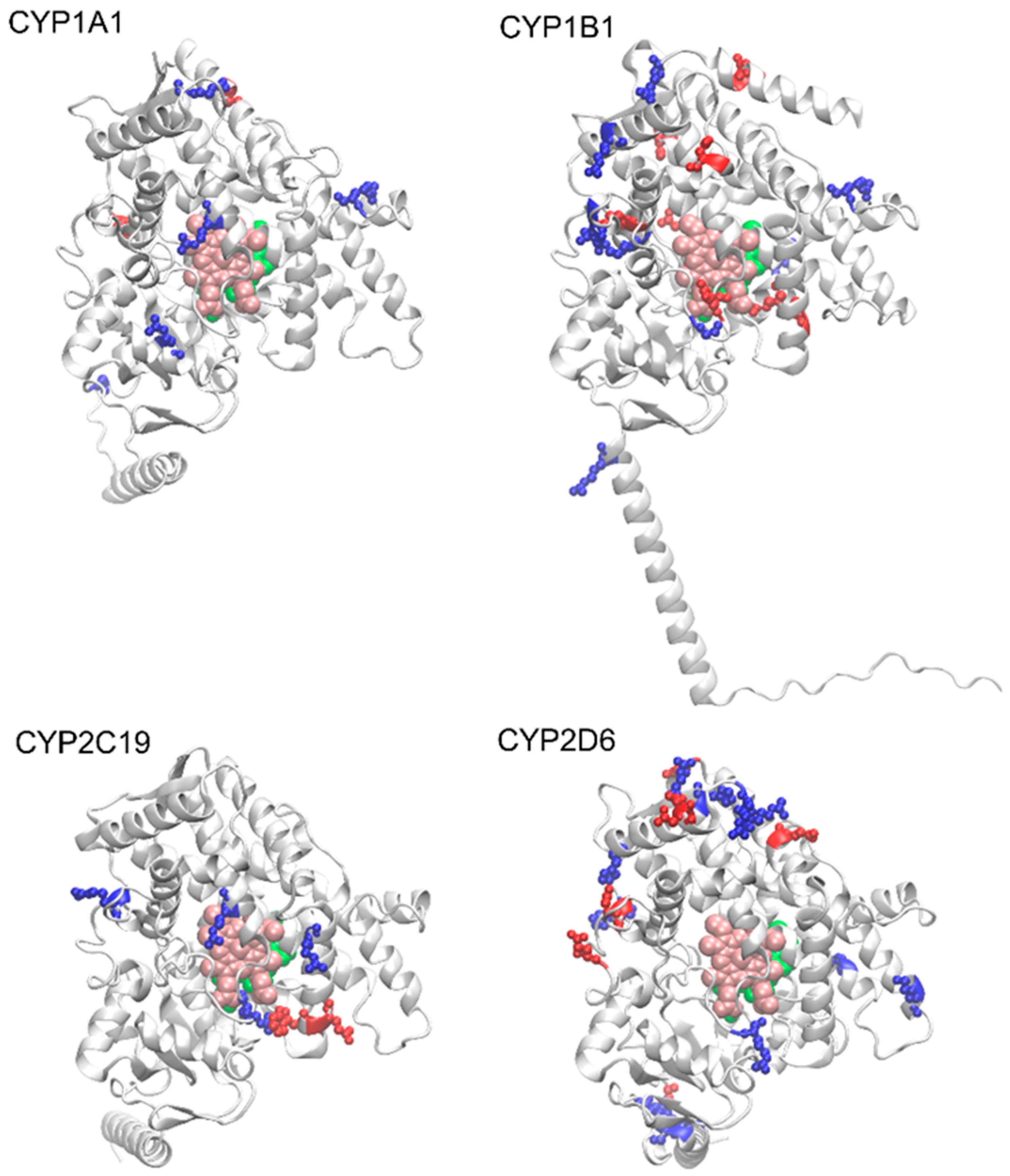
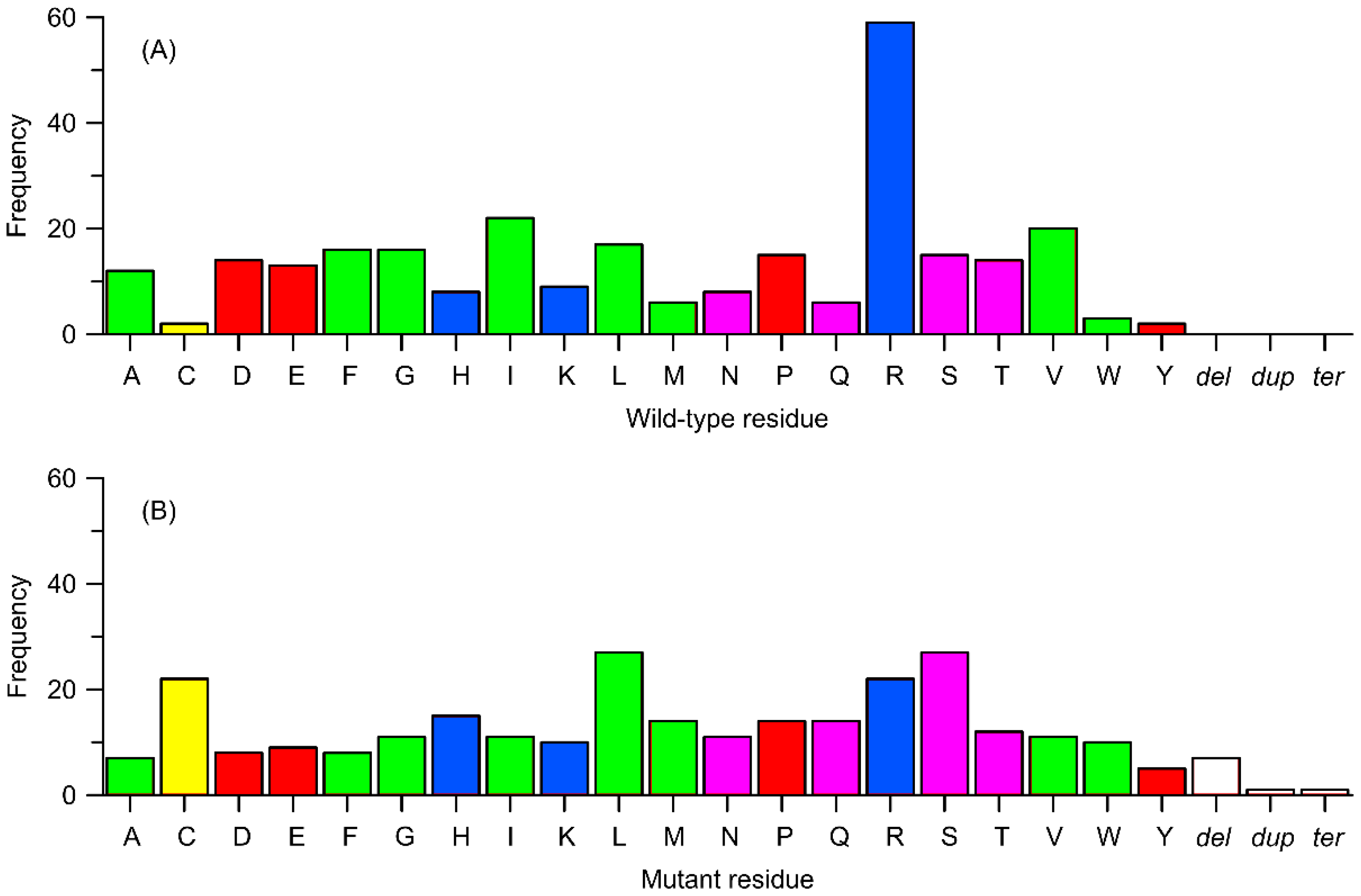
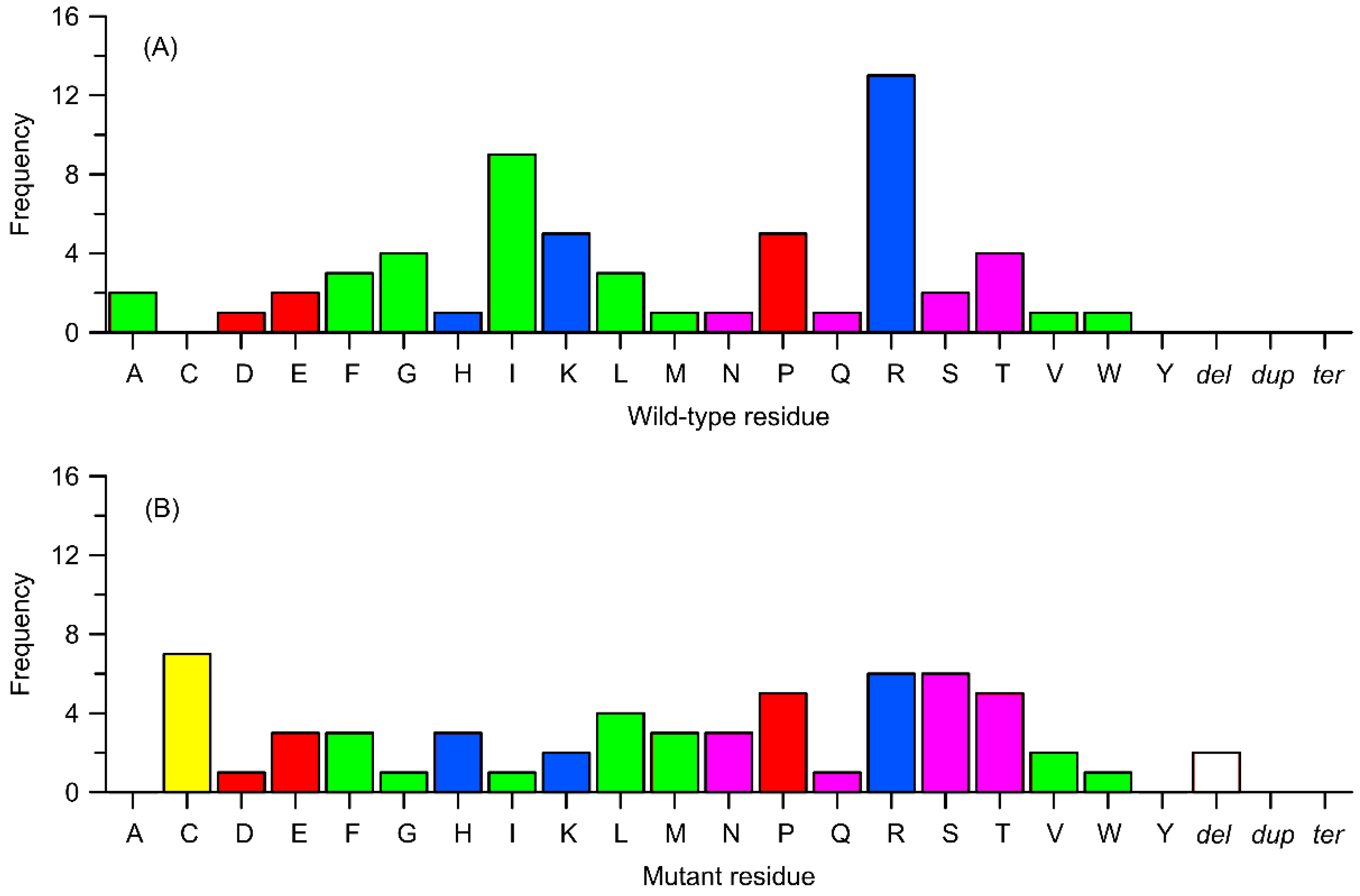
Cytochrome P450 (CYP450) enzymes play an essential role in the metabolism of drugs, particularly in phase I metabolic reactions. In this article, we present a comprehensive review of fifteen selected enzymes belonging to the CYP450 family. The enzymes included in this analysis are CYP7A1, CYP3A4, CYP3A5, CYP2D6, CYP2E1, CYP2C8, CYP2C18, CYP2C9, CYP2C19, CYP2B6, CYP2A6, CYP2A13, CYP1B1, CYP1A1, and CYP1A2. We examined the influence of natural, polymorphic variations within their primary amino acid sequences on their enzymatic function and mechanisms of action. To begin, we compiled a dataset of naturally occurring polymorphic variants for these enzymes. This was achieved through a detailed analysis of entries in the UniProt database, as well as an extensive review of the current scientific literature. For each variant, we included commentary regarding its potential impact on enzyme activity or drug response, based on evidence observed in in vitro experiments, in vivo studies, or clinical trials. Particular emphasis was placed on how such polymorphisms might alter the metabolism of xenobiotics, thereby potentially affecting pharmacological outcomes. In this respect, the work represents the first comprehensive source in the scientific literature that systematically gathers and organizes data on CYP450 polymorphisms, including an assessment of their potential significance in processes mediated by these enzymes. A more detailed comparison of the polymorphism-related in vitro studies is devoted to CYP3A4, an enzyme that displays the largest fraction of clinically significant polymorphs. Secondly, we aimed to establish possible molecular explanations for why specific polymorphisms exhibit clinically or experimentally observable effects. To explore this, we performed a qualitative structural analysis of the enzymes, focusing on shared structural characteristics among the examined members of the CYP450 family. The results of this analysis demonstrate that there is no single universal mechanism by which polymorphisms influence the function of CYP450 enzymes. Instead, the mechanisms vary and may include alterations in the orientation of the enzyme within the lipid membrane, changes affecting the association or dissociation of substrates and products at the active site, structural stabilization or destabilization of the enzyme’s reactive centers, modifications in the way the enzyme interacts with its ligand, or alterations in the character of the interface involved in contact with its redox partner (electron transfer protein). Furthermore, among the polymorphisms that significantly impact enzyme function, mutations involving the substitution of arginine residues for other amino acids appear to be overrepresented.