Article

Melatonin Improves Lipid Homeostasis, Mitochondrial Biogenesis, and Antioxidant Defenses in the Liver of Prediabetic Rats

by
Milena Cremer de Souza
1,2,
Maria Luisa Gonçalves Agneis
2,
Karoliny Alves das Neves
2,
Matheus Ribas de Almeida
2,
Geórgia da Silva Feltran
2,
Ellen Mayara Souza Cruz
1,
João Paulo Ferreira Schoffen
3,
Luiz Gustavo de Almeida Chuffa
2 and
Fábio Rodrigues Ferreira Seiva
2,*
1
Department of Parasitology, Immunology and General Pathology, State University of Londrina (UEL), Londrina 86057-970, Paraná, Brazil
2
Department of Chemistry and Biochemistry, São Paulo State University (UNESP), Botucatu 18618-693, São Paulo, Brazil
3
Center of Biological Sciences, State University of Northern Paraná (UENP), Bandeirantes 86360-000, Paraná, Brazil
*
Author to whom correspondence should be addressed.
Int. J. Mol. Sci. 2025, 26(10), 4652; https://doi.org/10.3390/ijms26104652
Submission received: 14 March 2025 / Revised: 25 April 2025 / Accepted: 29 April 2025 / Published: 13 May 2025

Abstract

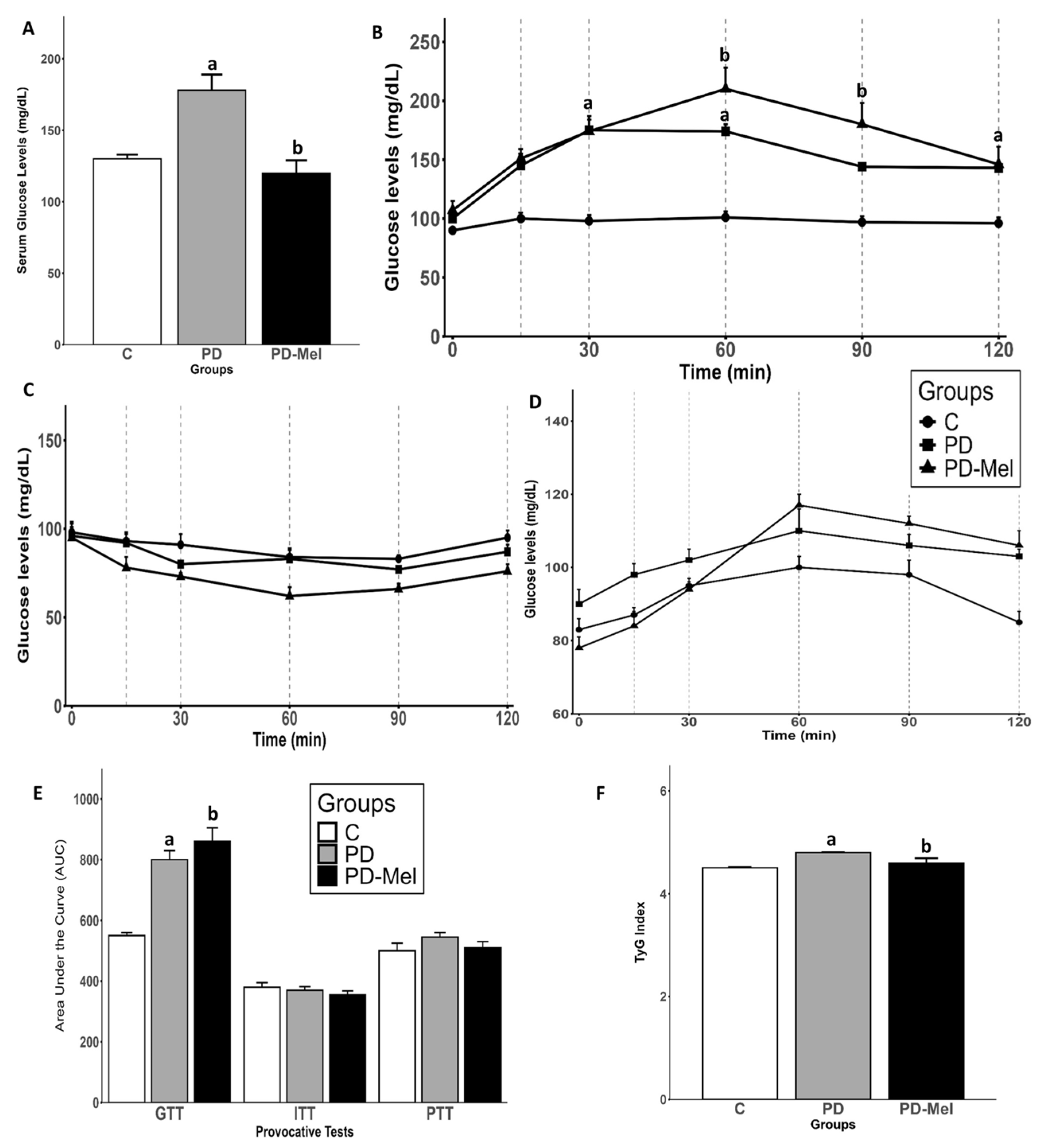
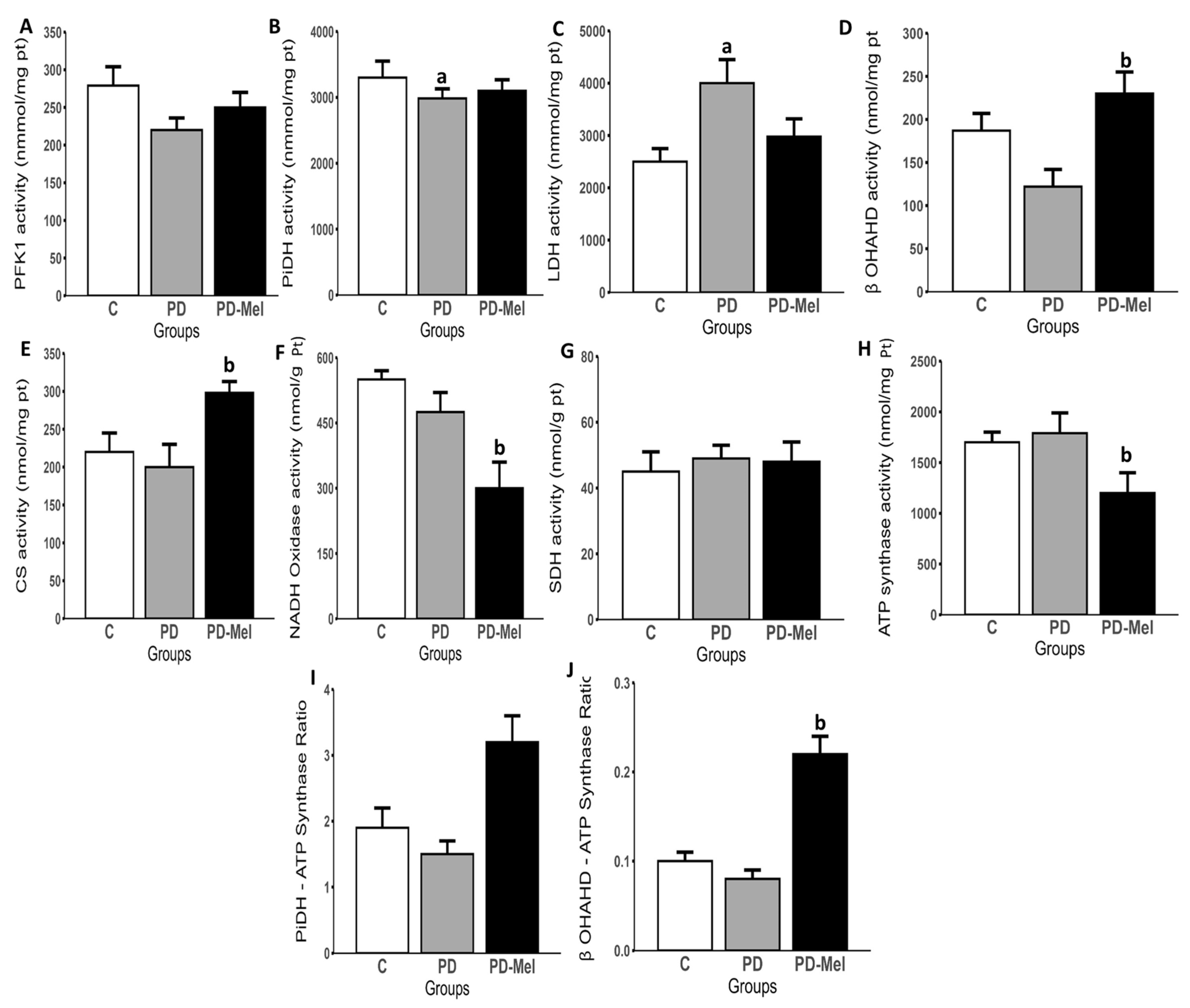
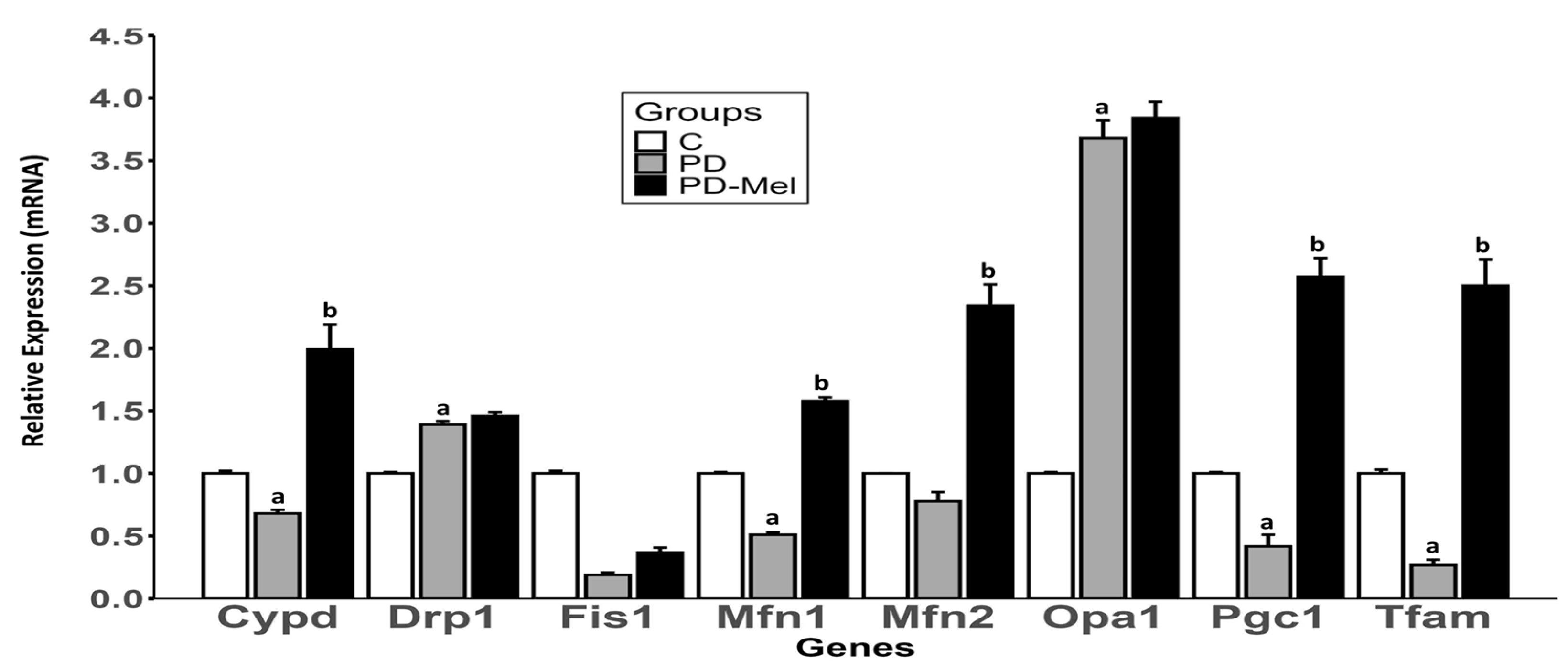
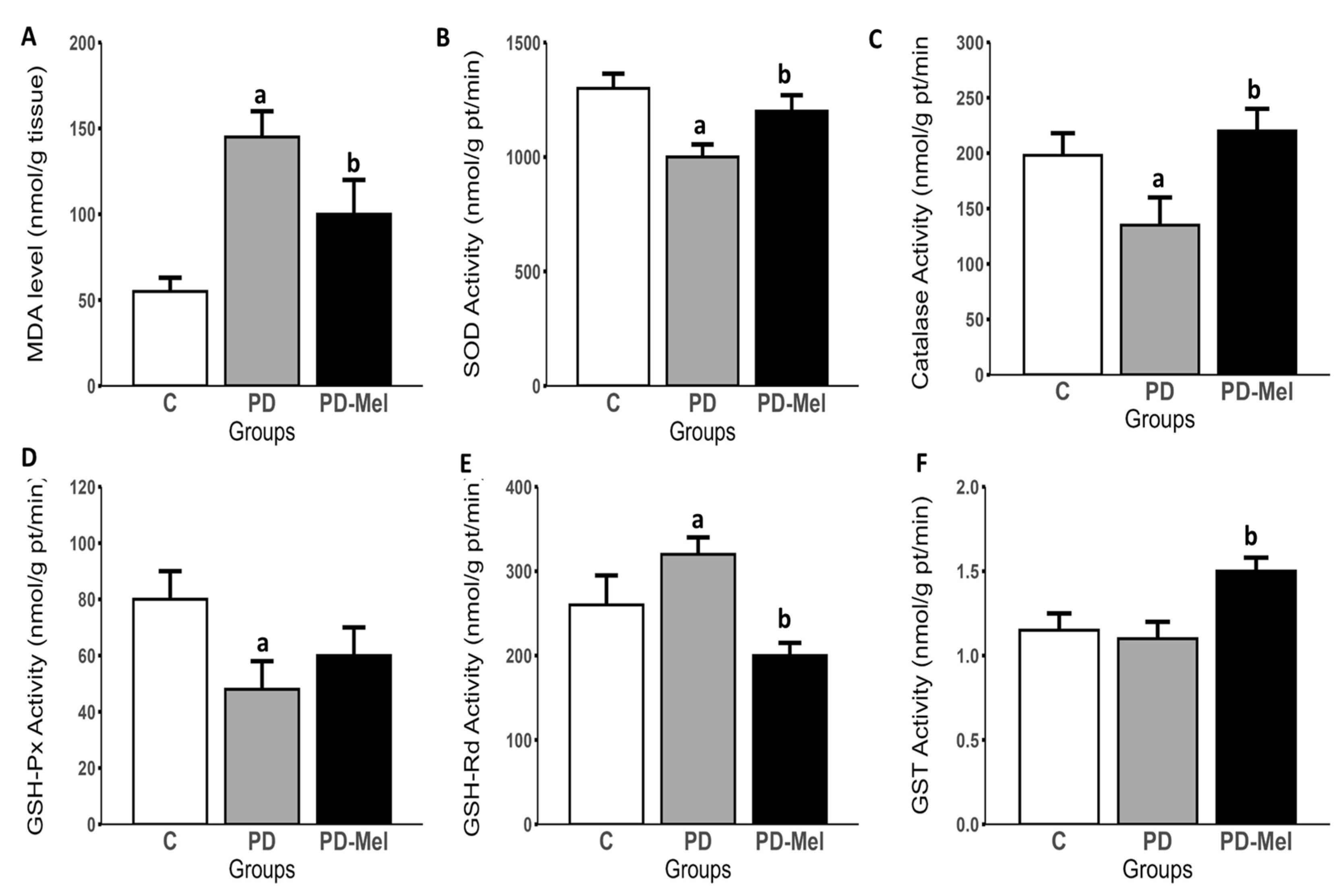
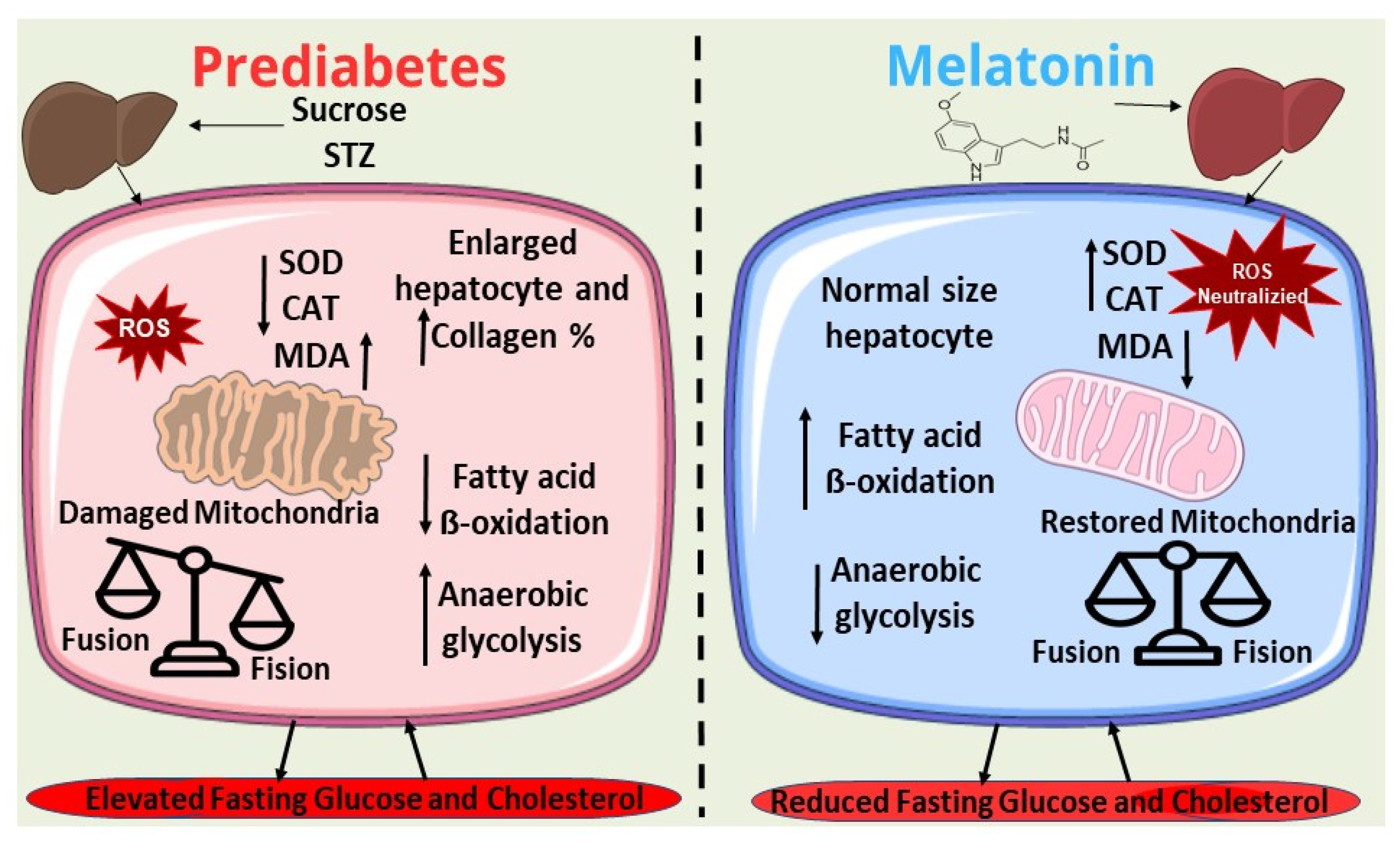
Type 2 diabetes mellitus represents a major global health burden and is often preceded by a prediabetic state characterized by insulin resistance and metabolic dysfunction. Mitochondrial alterations, oxidative stress, and disturbances in lipid metabolism are central to the prediabetes pathophysiology. Melatonin, a pleiotropic indolamine, is known to regulate metabolic and mitochondrial processes; however, its therapeutic potential in prediabetes remains poorly understood. This study investigated the effects of melatonin on energy metabolism, oxidative stress, and mitochondrial function in a rat model of prediabetes induced by chronic sucrose intake and low-dose streptozotocin administration. Following prediabetes induction, animals were treated with melatonin (20 mg/kg) for four weeks. Biochemical analyses were conducted to evaluate glucose and lipid metabolism, and mitochondrial function was assessed via gene expression, enzymatic activity, and oxidative stress markers. Additionally, hepatic mitochondrial dynamics were examined by quantifying key regulators genes associated with biogenesis, fusion, and fission. Prediabetic animals exhibited dyslipidemia, hepatic lipid accumulation, increased fat depots, and impaired glucose metabolism. Melatonin significantly reduced serum glucose, triglycerides, and total cholesterol levels, while enhancing the hepatic high-density lipoprotein content. It also stimulated β-oxidation by upregulating hydroxyacyl-CoA dehydrogenase and citrate synthase activity. Mitochondrial dysfunction in prediabetic animals was evidenced by the reduced expression of peroxisome proliferator-activated receptor gamma coactivator-1 alpha and mitochondrial transcription factor A, both of which were markedly upregulated by melatonin. The indolamine also modulated mithocondrial dynamics by regulating fusion and fission markers, including mitosuin 1 and 2, optic atrophy protein, and dynamin-related protein. Additionally, melatonin mitigated oxidative stress by enhancing the activity of superoxide dismutase and catalase while reducing lipid peroxidation. These findings highlight melatonin’s protective role in prediabetes by improving lipid and energy metabolism, alleviating oxidative stress, and restoring mitochondrial homeostasis. This study provides novel insights into the therapeutic potential of melatonin in addressing metabolic disorders, particularly in mitigating mitochondrial dysfunction associated with prediabetes.
Keywords: melatonin; prediabetes; mitochondrial dynamics; energy metabolism; oxidative stress melatonin; prediabetes; mitochondrial dynamics; energy metabolism; oxidative stress