Article

Genetic Ablation of STE20-Type Kinase MST4 Does Not Alleviate Diet-Induced MASLD Susceptibility in Mice


1
Department of Chemistry and Molecular Biology, University of Gothenburg and Sahlgrenska University Hospital, 41345 Gothenburg, Sweden
2
Department of Medical Biochemistry and Cell Biology, Institute of Biomedicine, University of Gothenburg and Sahlgrenska University Hospital, 41345 Gothenburg, Sweden
3
Department of Pathology, Oslo University Hospital Rikshospitalet, 0372 Oslo, Norway
*
Author to whom correspondence should be addressed.
These authors contributed equally to this work.
Int. J. Mol. Sci. 2024, 25(4), 2446; https://doi.org/10.3390/ijms25042446
Submission received: 23 January 2024 / Revised: 12 February 2024 / Accepted: 13 February 2024 / Published: 19 February 2024
(This article belongs to the Section Molecular Endocrinology and Metabolism)

Abstract

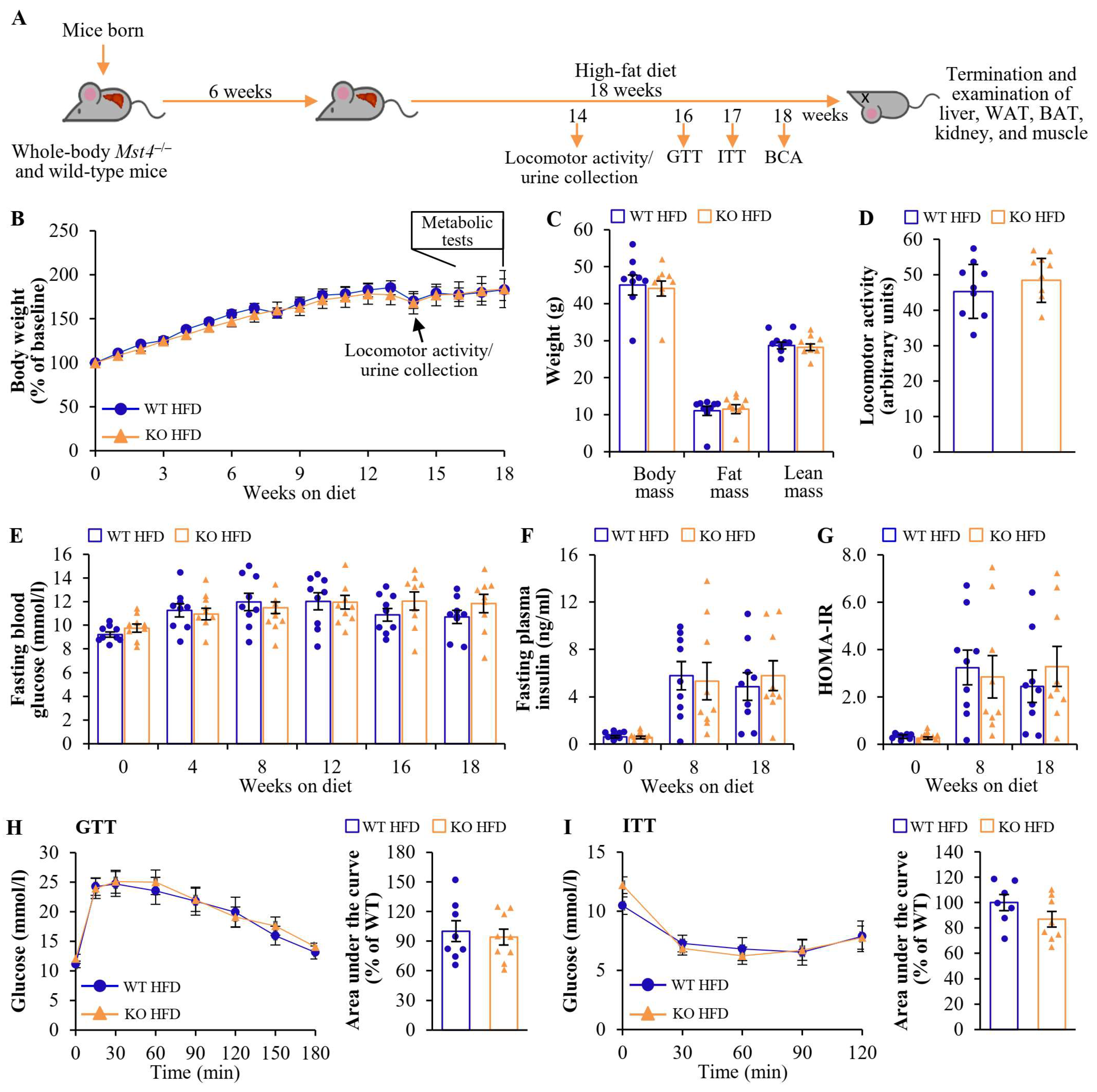
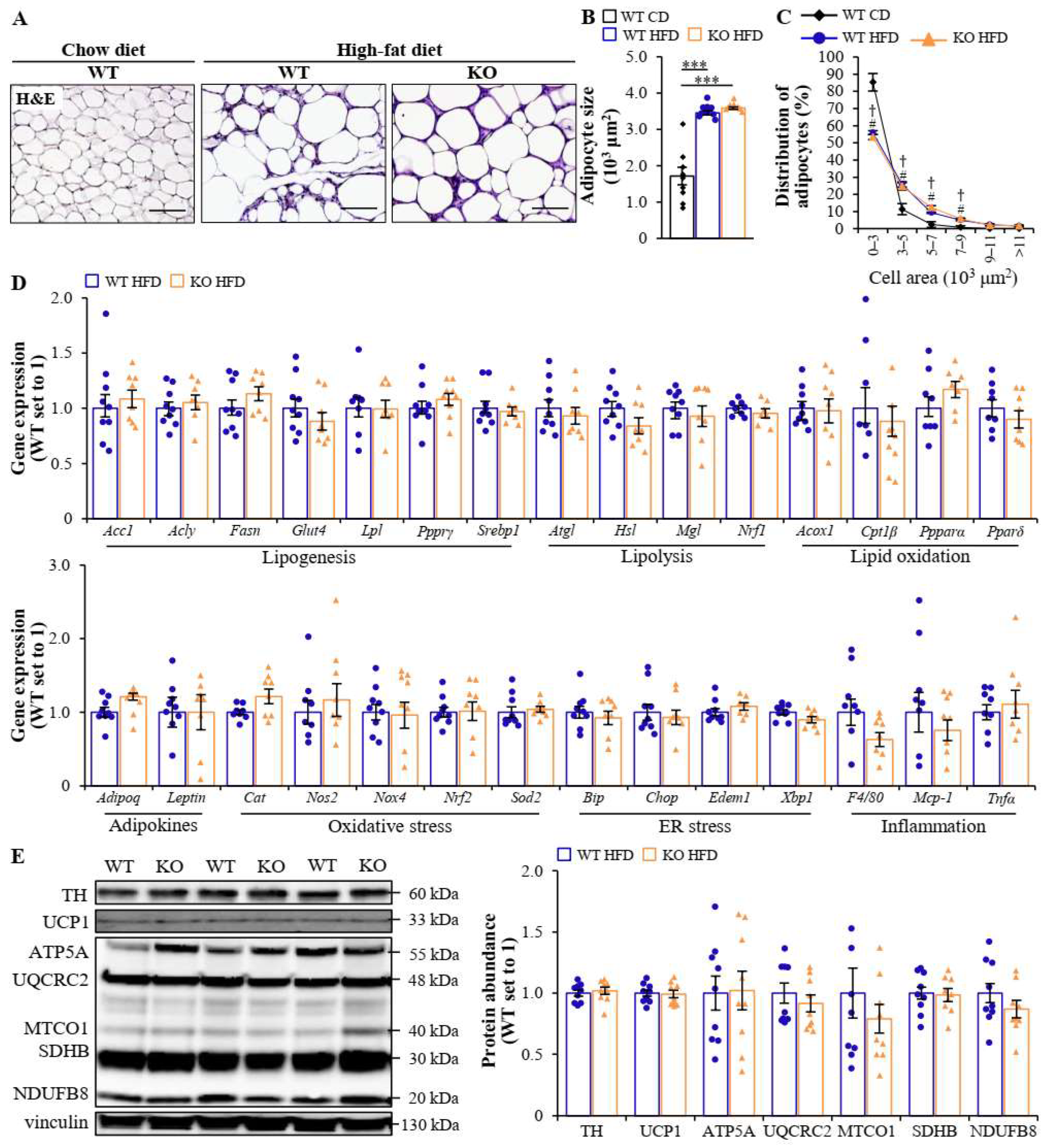
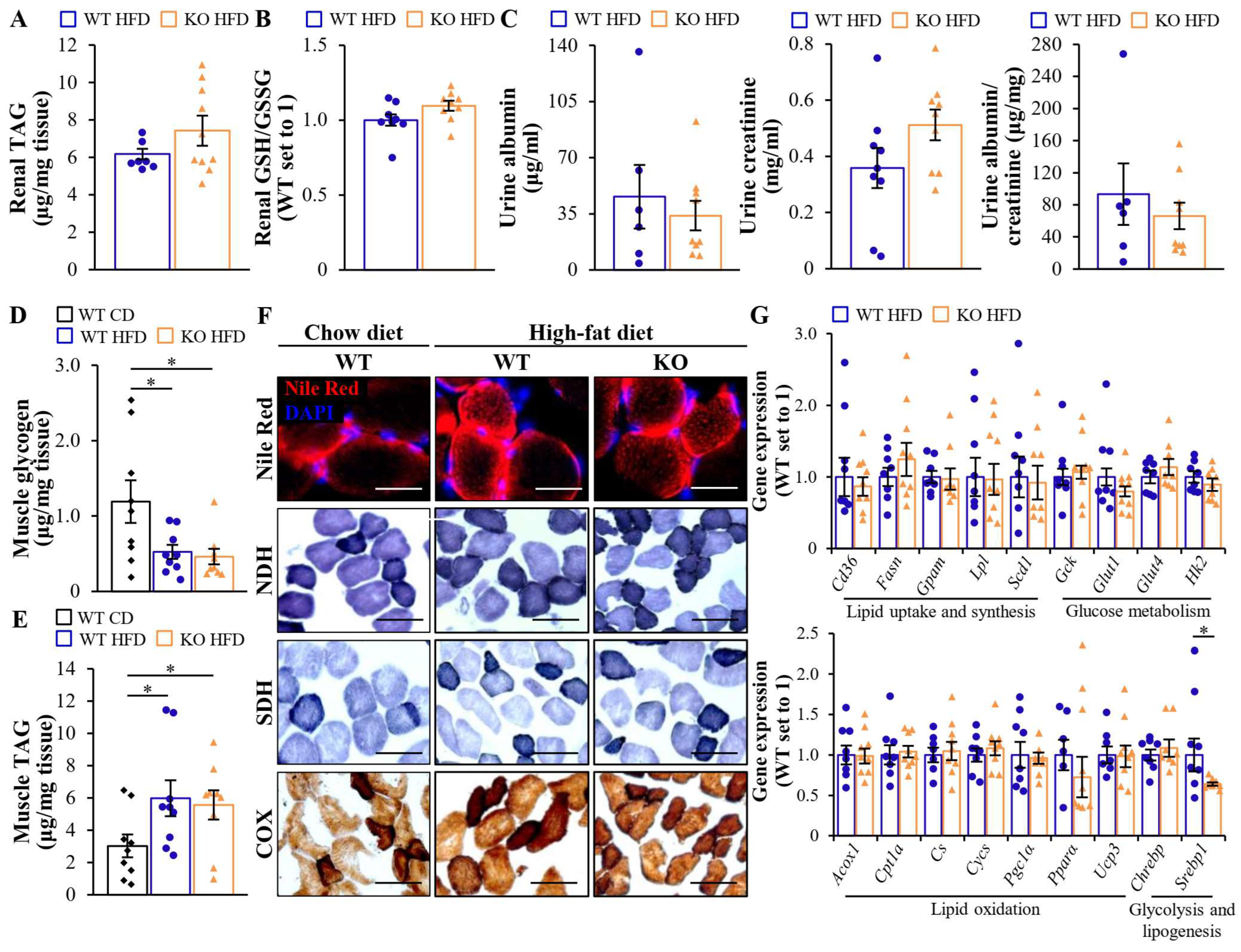
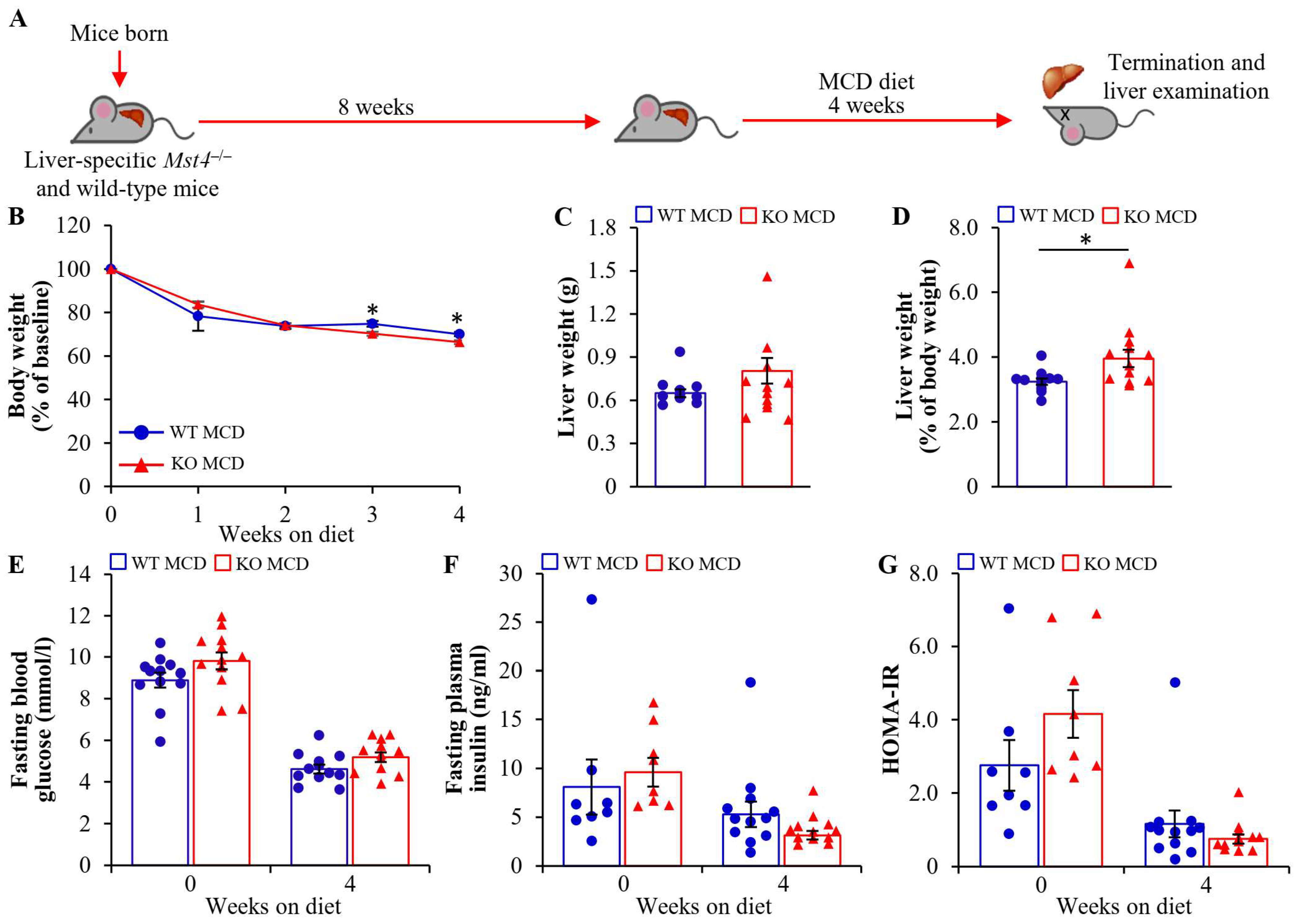
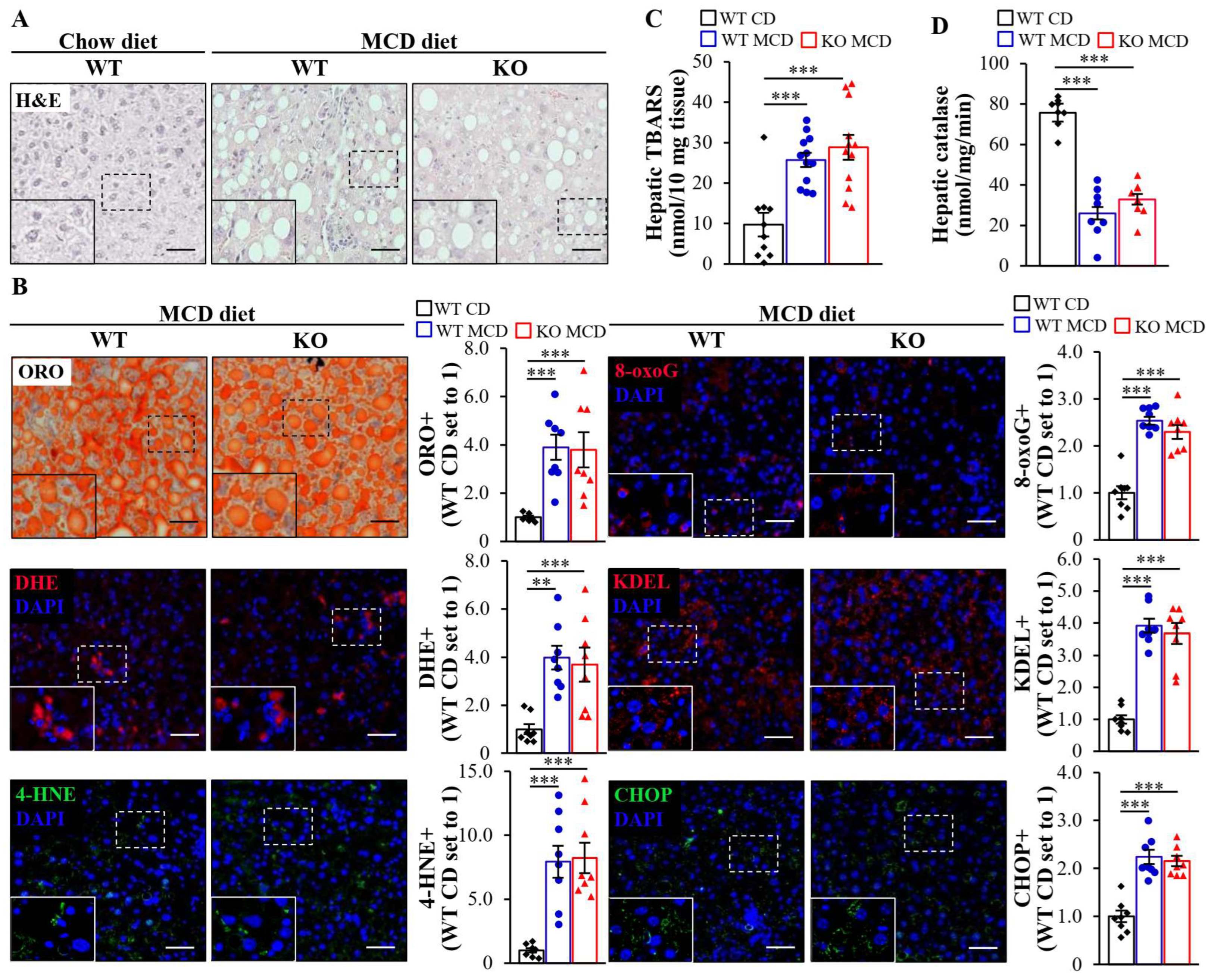
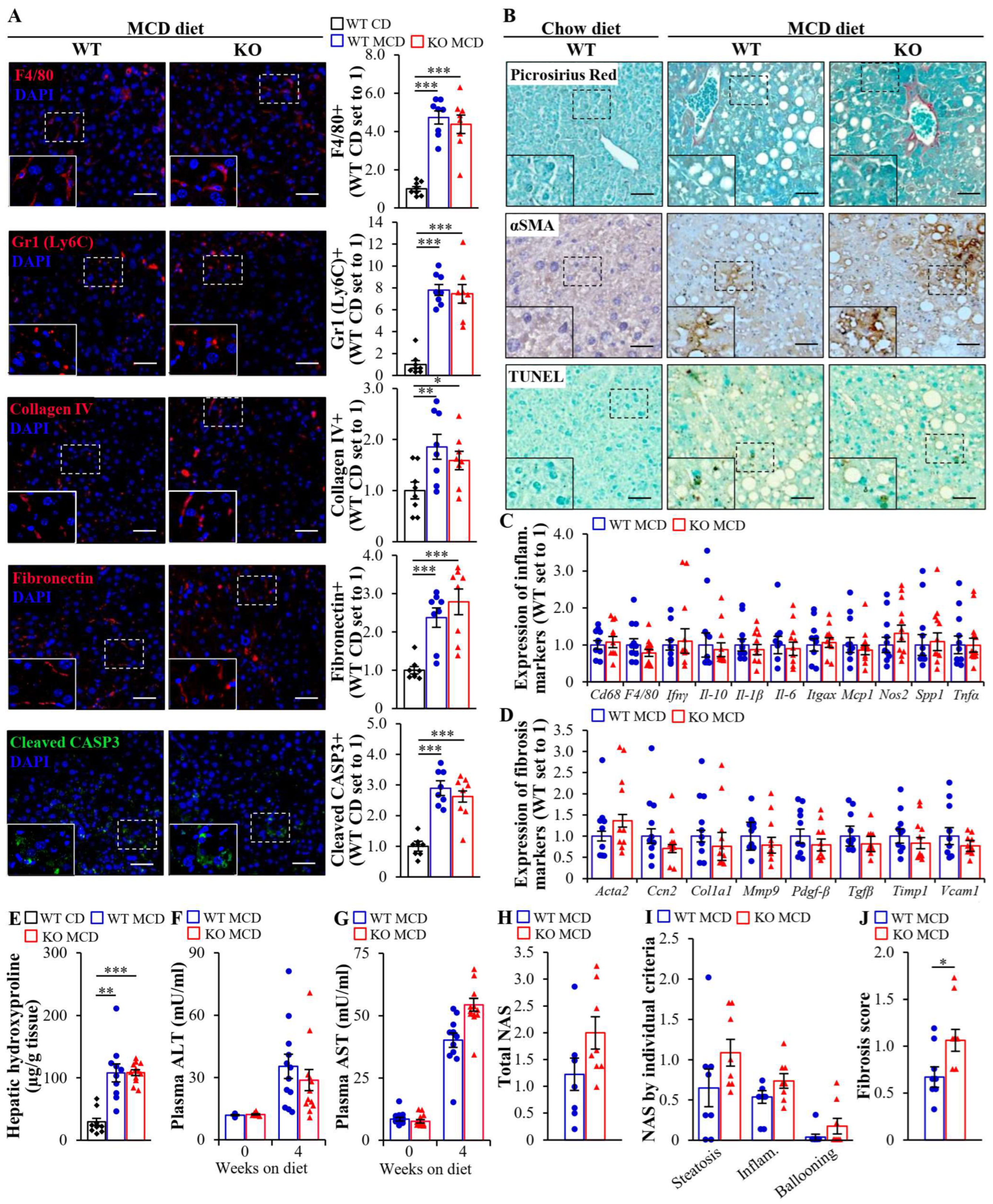
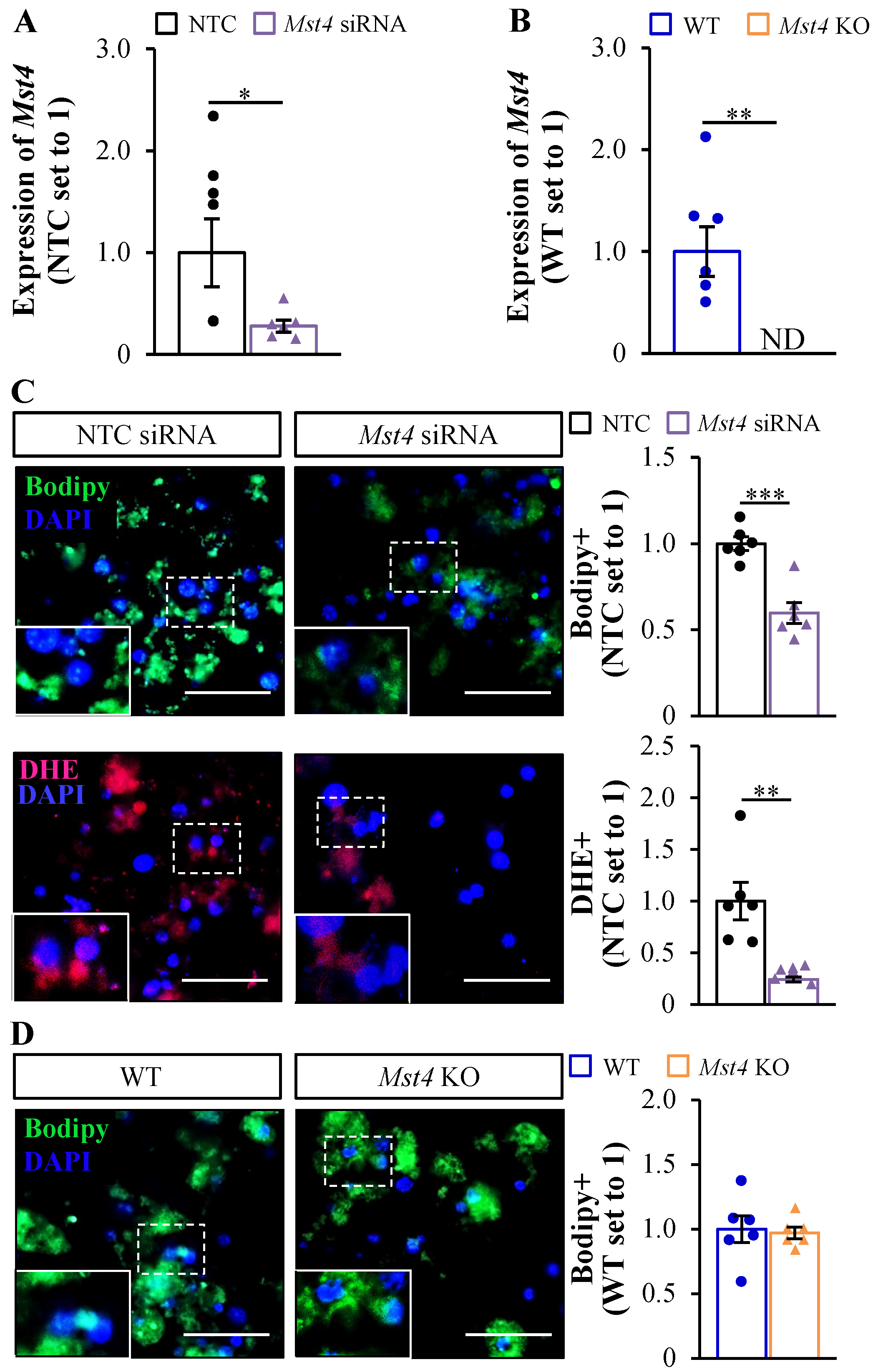
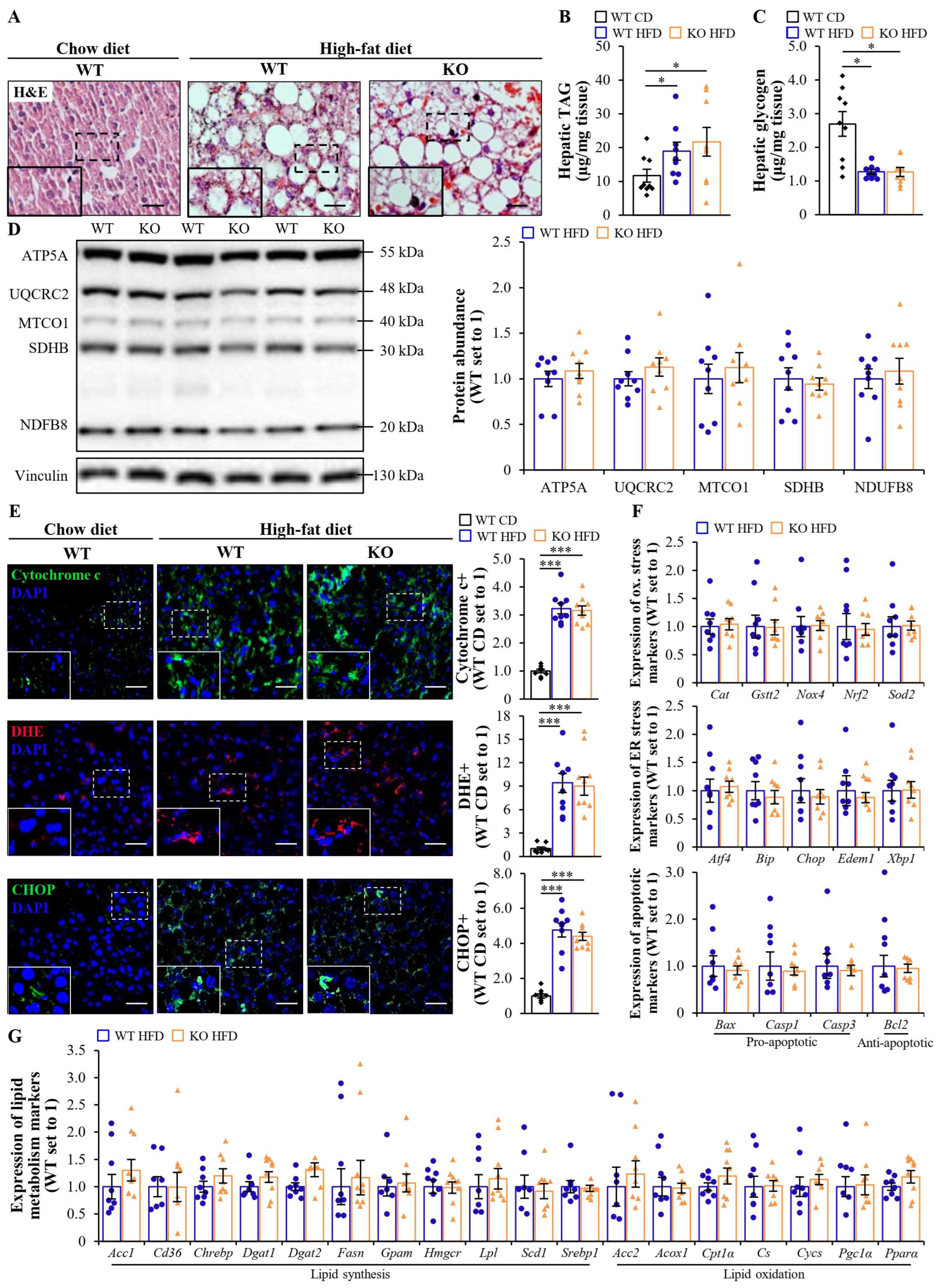
Metabolic dysfunction-associated steatotic liver disease (MASLD) and its advanced subtype, metabolic dysfunction-associated steatohepatitis (MASH), have emerged as the most common chronic liver disease worldwide, yet there is no targeted pharmacotherapy presently available. This study aimed to investigate the possible in vivo function of STE20-type protein kinase MST4, which was earlier implicated in the regulation of hepatocellular lipotoxic milieu in vitro, in the control of the diet-induced impairment of systemic glucose and insulin homeostasis as well as MASLD susceptibility. Whole-body and liver-specific Mst4 knockout mice were generated by crossbreeding conditional Mst4fl/fl mice with mice expressing Cre recombinase under the Sox2 or Alb promoters, respectively. To replicate the environment in high-risk subjects, Mst4–/– mice and their wild-type littermates were fed a high-fat or a methionine–choline-deficient (MCD) diet. Different in vivo tests were conducted in obese mice to describe the whole-body metabolism. MASLD progression in the liver and lipotoxic damage to adipose tissue, kidney, and skeletal muscle were analyzed by histological and immunofluorescence analysis, biochemical assays, and protein and gene expression profiling. In parallel, intracellular fat storage and oxidative stress were assessed in primary mouse hepatocytes, where MST4 was silenced by small interfering RNA. We found that global MST4 depletion had no effect on body weight or composition, locomotor activity, whole-body glucose tolerance or insulin sensitivity in obese mice. Furthermore, we observed no alterations in lipotoxic injuries to the liver, adipose, kidney, or skeletal muscle tissue in high-fat diet-fed whole-body Mst4–/– vs. wild-type mice. Liver-specific Mst4–/– mice and wild-type littermates displayed a similar severity of MASLD when subjected to an MCD diet, as evidenced by equal levels of steatosis, inflammation, hepatic stellate cell activation, fibrosis, oxidative/ER stress, and apoptosis in the liver. In contrast, the in vitro silencing of MST4 effectively protected primary mouse hepatocytes against ectopic lipid accumulation and oxidative cell injury triggered by exposure to fatty acids. In summary, these results suggest that the genetic ablation of MST4 in mice does not mitigate the initiation or progression of MASLD and has no effect on systemic glucose or insulin homeostasis in the context of nutritional stress. The functional compensation for the genetic loss of MST4 by yet undefined mechanisms may contribute to the apparent discrepancy between in vivo and in vitro phenotypic consequences of MST4 silencing.
Keywords: MST4; metabolic dysfunction-associated steatotic liver disease; metabolic dysfunction-associated steatohepatitis; liver lipid metabolism; intrahepatocellular lipid droplets MST4; metabolic dysfunction-associated steatotic liver disease; metabolic dysfunction-associated steatohepatitis; liver lipid metabolism; intrahepatocellular lipid droplets