Article

Unveiling the Anticancer Potential: Computational Exploration of Nitrogenated Derivatives of (+)-Pancratistatin as Topoisomerase I Inhibitors


by
Magdi Awadalla Mohamed
1,*,
Tilal Elsaman
1,*,
Abozer Y. Elderdery
2,
Abdullah Alsrhani
2,
Heba Bassiony Ghanem
2,
Majed Mowanes Alruwaili
3,
Siddiqa M. A. Hamza
4,
Salma Elhadi Ibrahim Mekki
5,
Hazim Abdullah Alotaibi
6 and
Jeremy Mills
7
1
Department of Pharmaceutical Chemistry, College of Pharmacy, Jouf University, Sakaka 72388, Saudi Arabia
2
Department of Clinical Laboratory Sciences, College of Applied Medical Sciences, Jouf University, Sakaka 42421, Saudi Arabia
3
Nursing Administration & Education Department, College of Nursing, Jouf University, Sakaka 72388, Saudi Arabia
4
Department of Pathology, College of Medicine, Umm Alqura University, Algunfudah 21912, Saudi Arabia
5
Deparment of Physiology, College of Medicine, Umm Alqura University, Alqunfudah 21912, Saudi Arabia
6
Department of Medical Oncology, Prince Mohammad Medical City, Aljouf 11443, Saudi Arabia
7
School of Medicine, Pharmacy and Biomedical Sciences, University of Portsmouth, Portsmouth PO1 2DT, UK
*
Authors to whom correspondence should be addressed.
Int. J. Mol. Sci. 2024, 25(19), 10779; https://doi.org/10.3390/ijms251910779
Submission received: 22 September 2024 / Revised: 3 October 2024 / Accepted: 5 October 2024 / Published: 7 October 2024
(This article belongs to the Special Issue New Avenues in Molecular Docking for Drug Design 2023)

Abstract

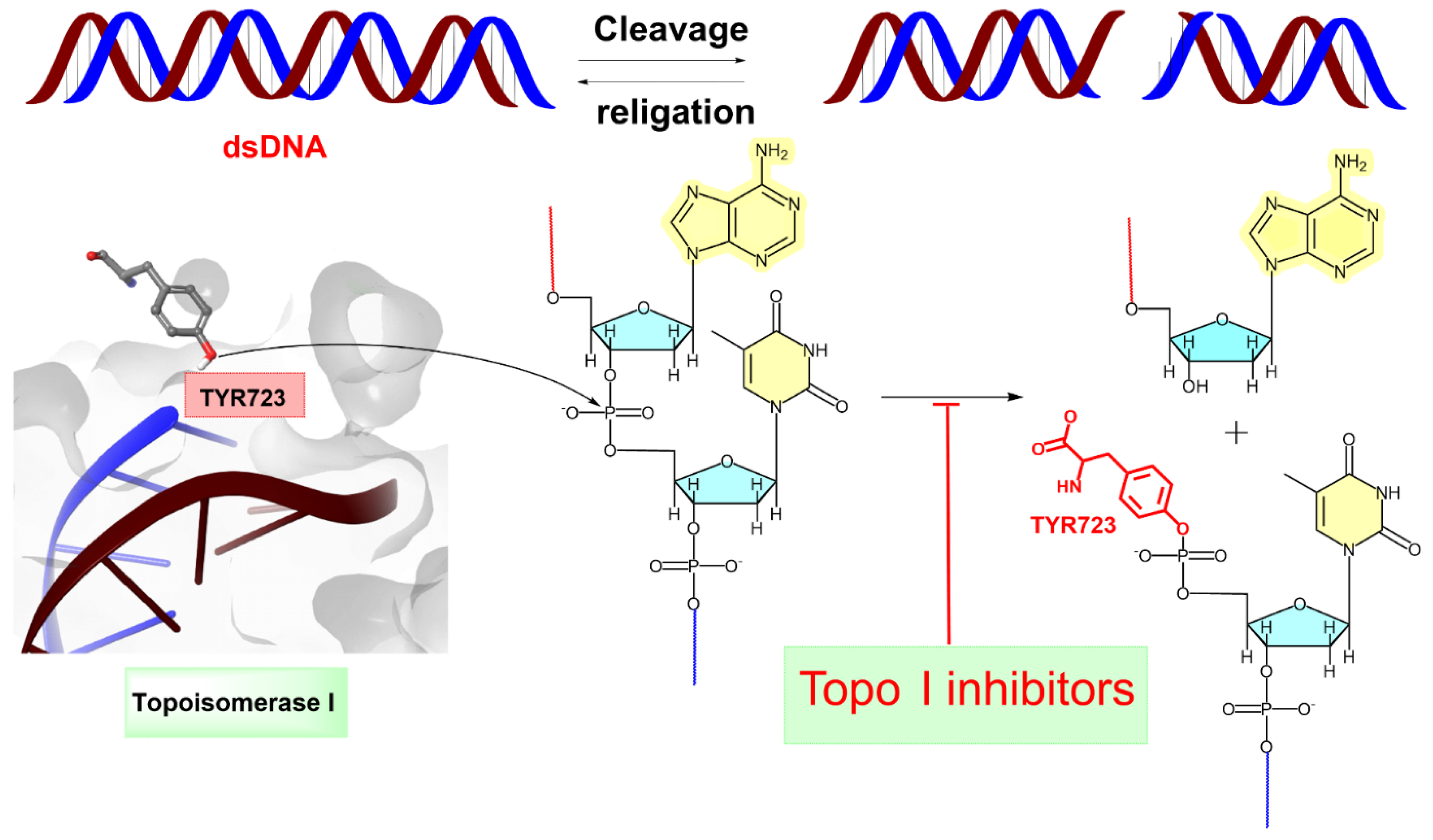
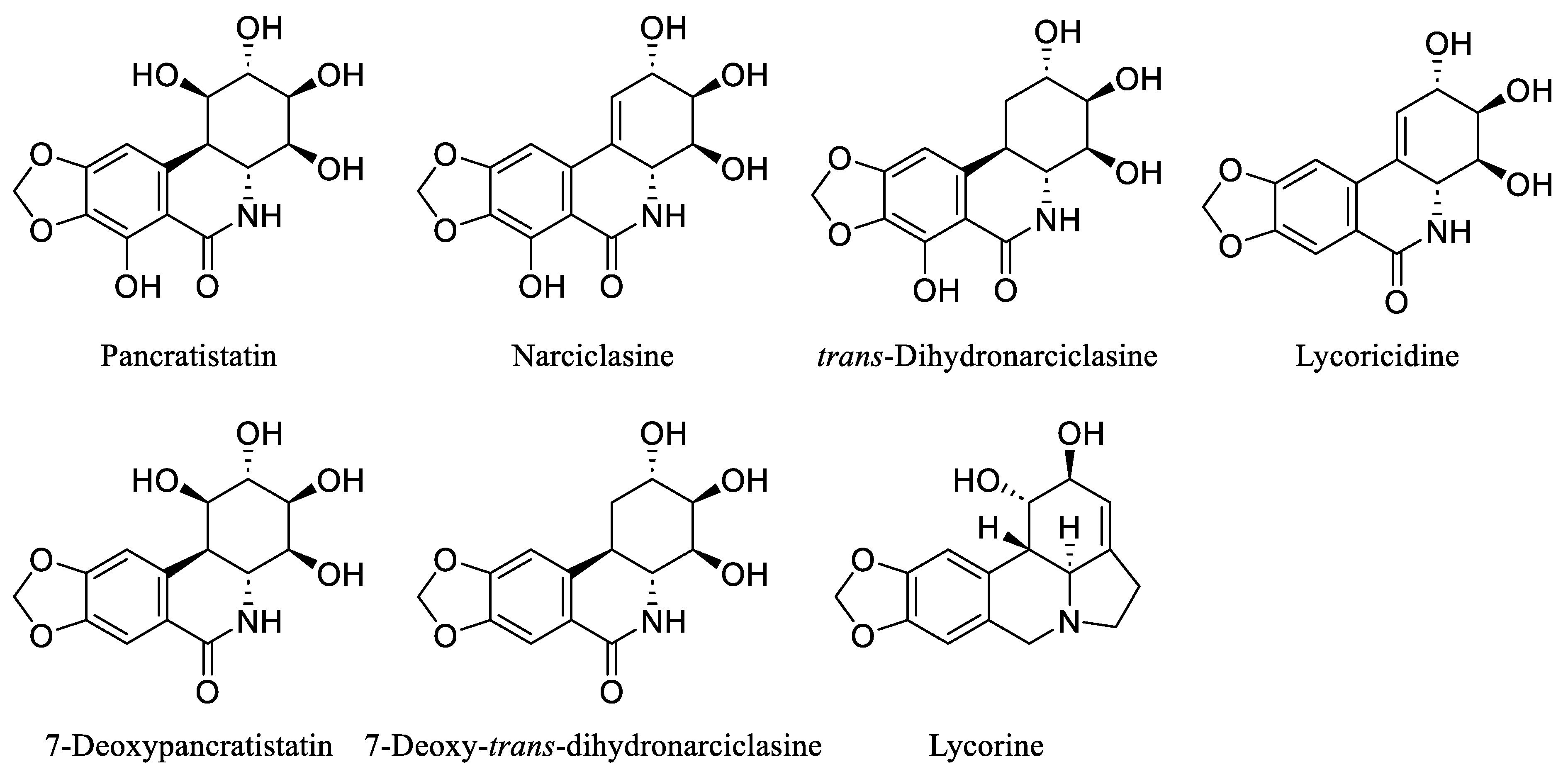
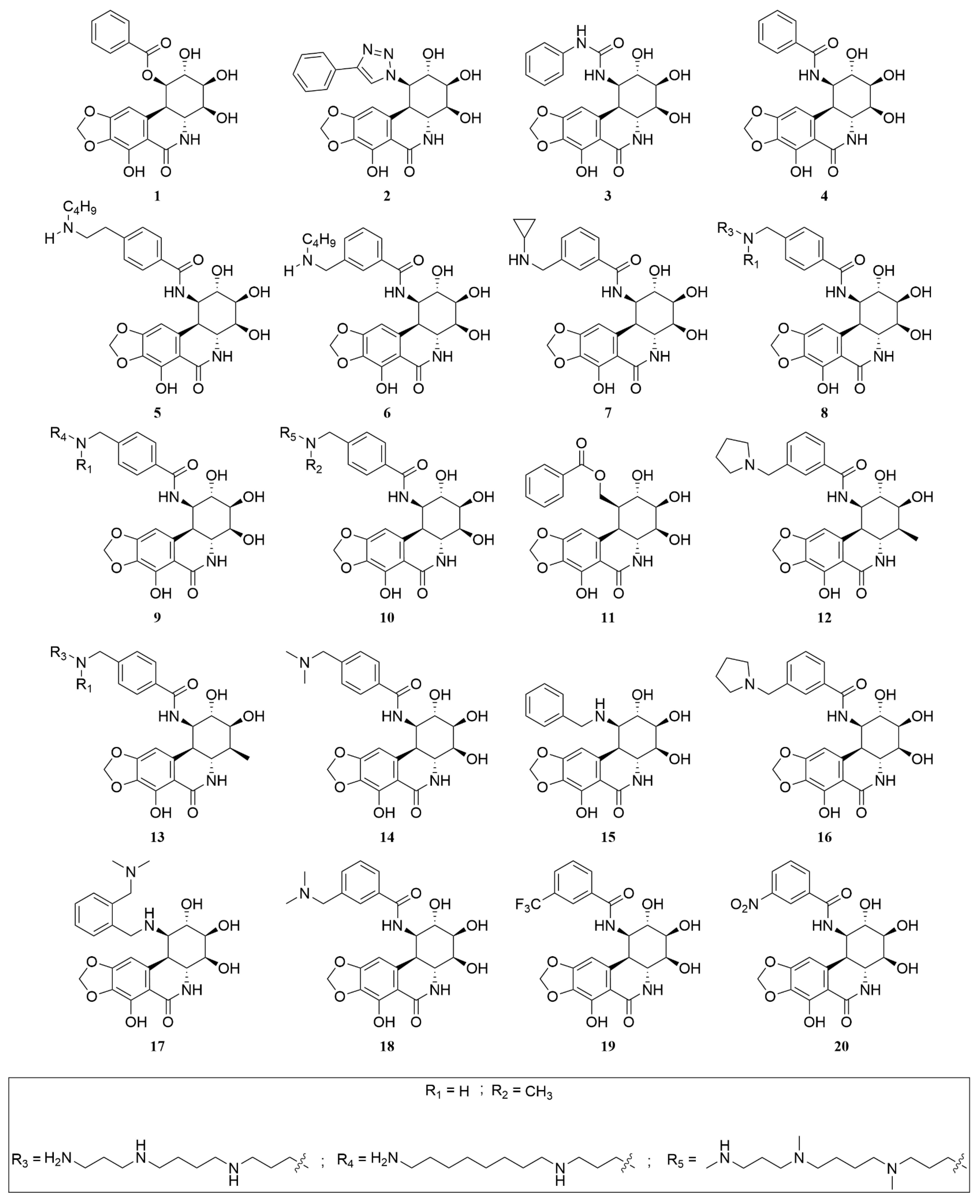
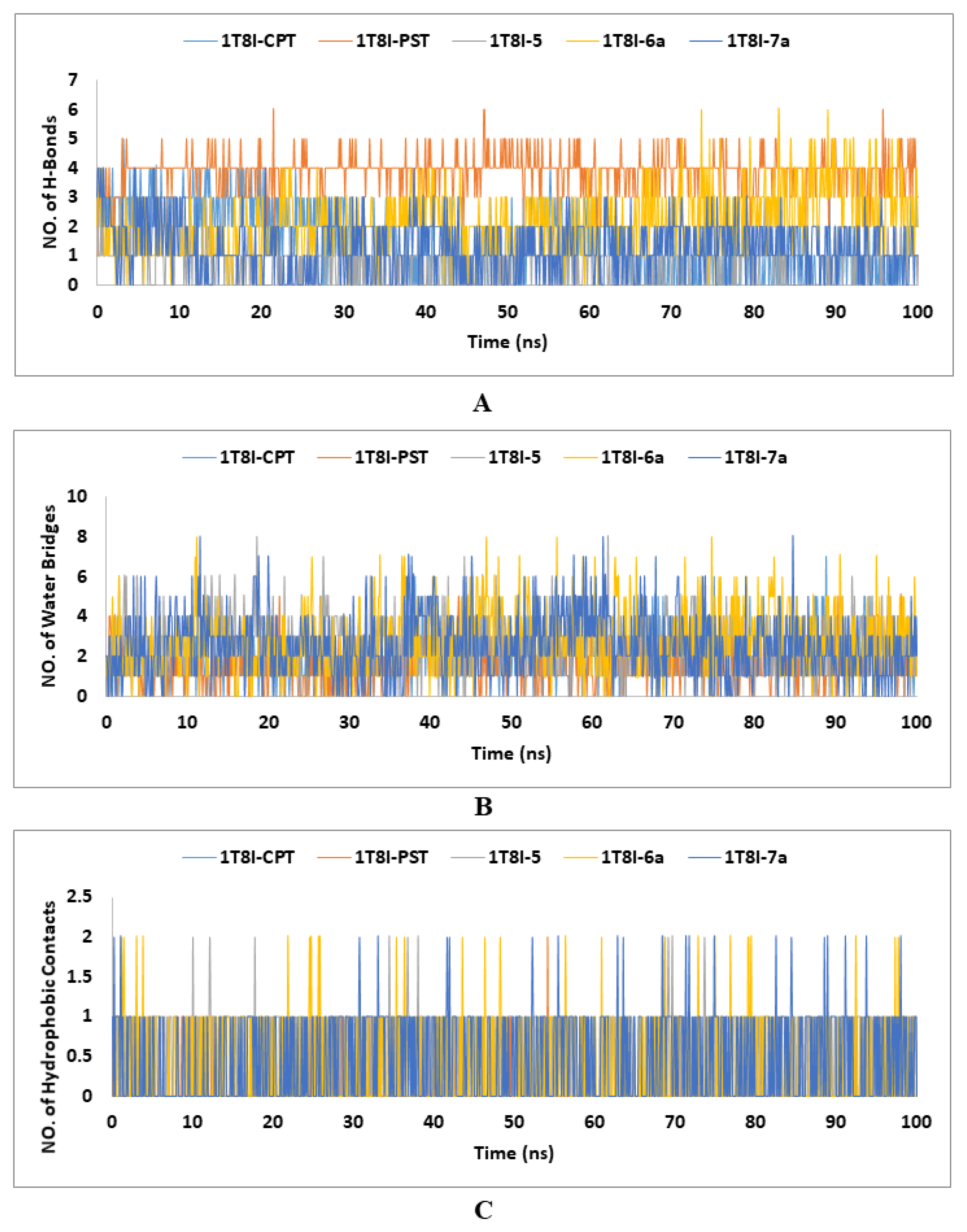
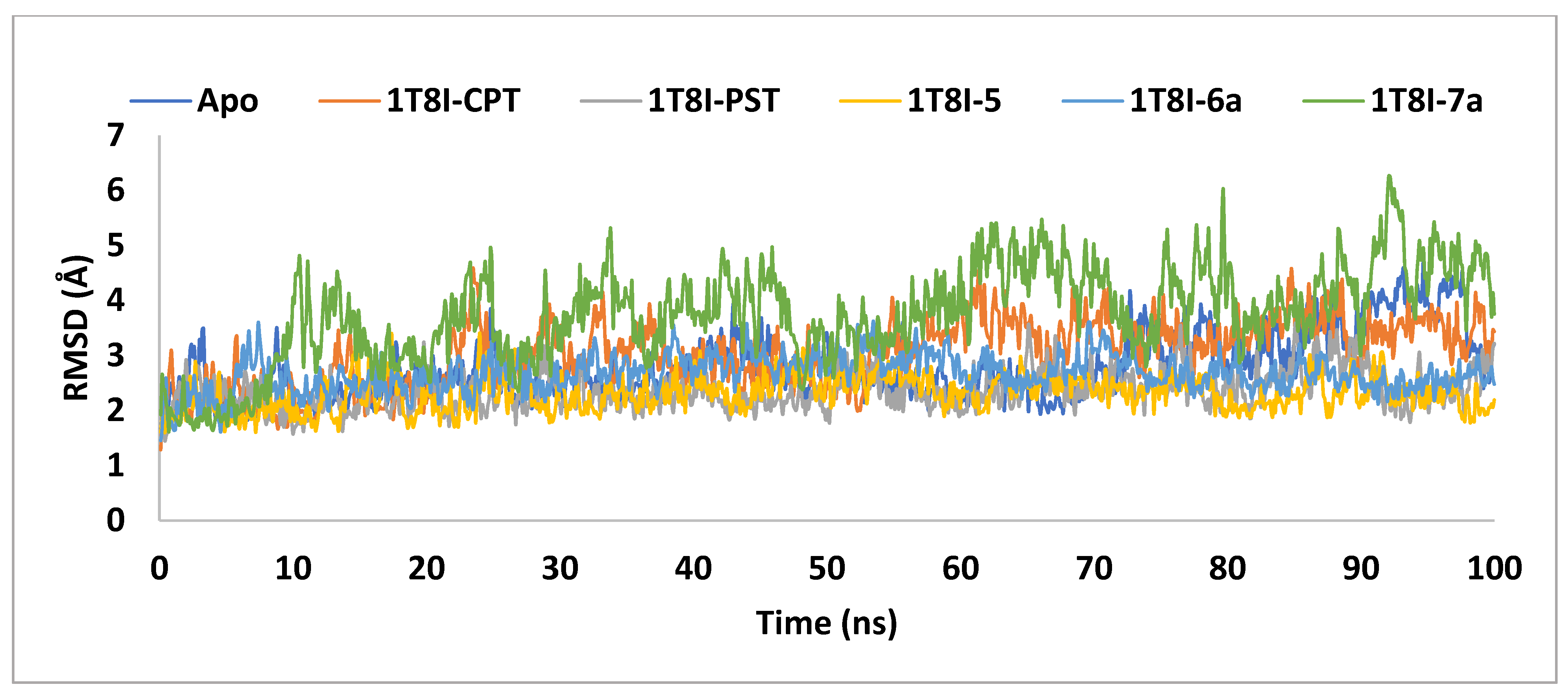
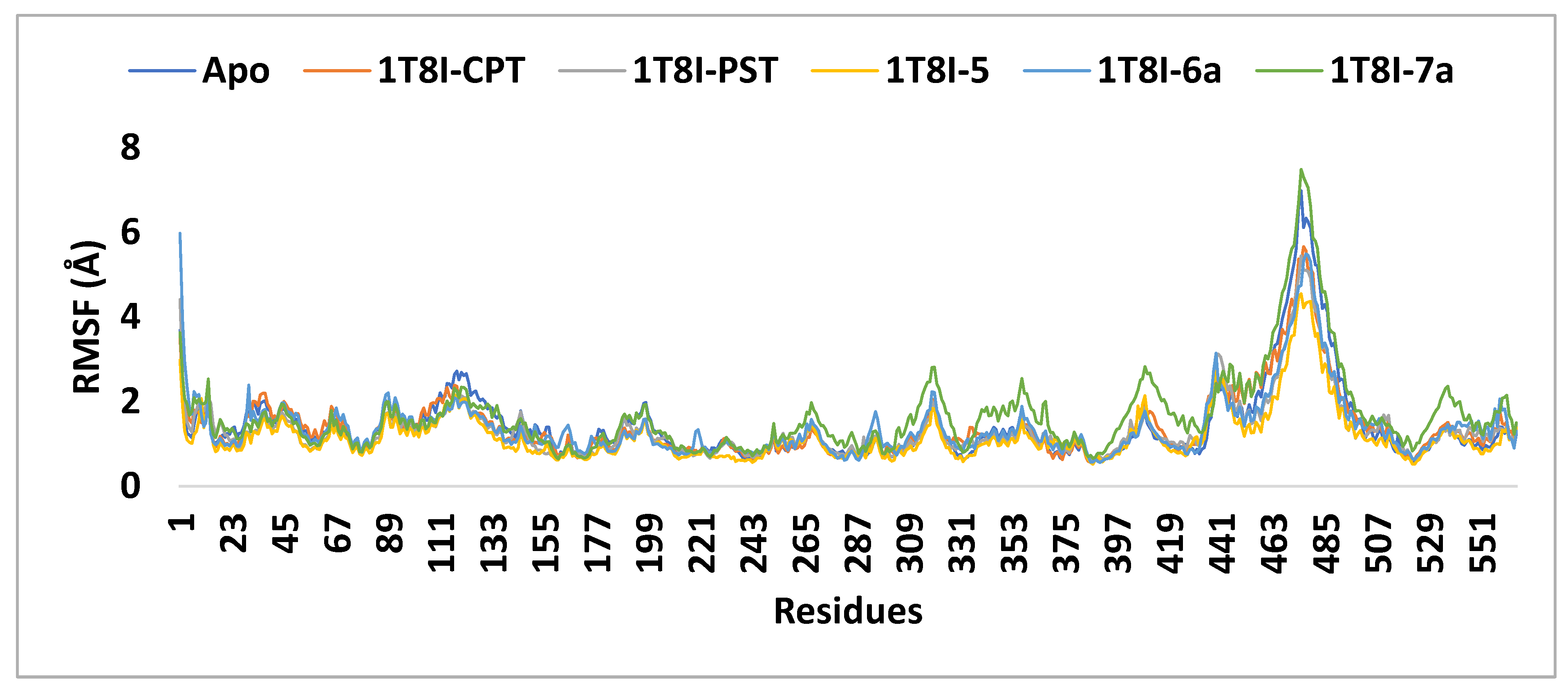
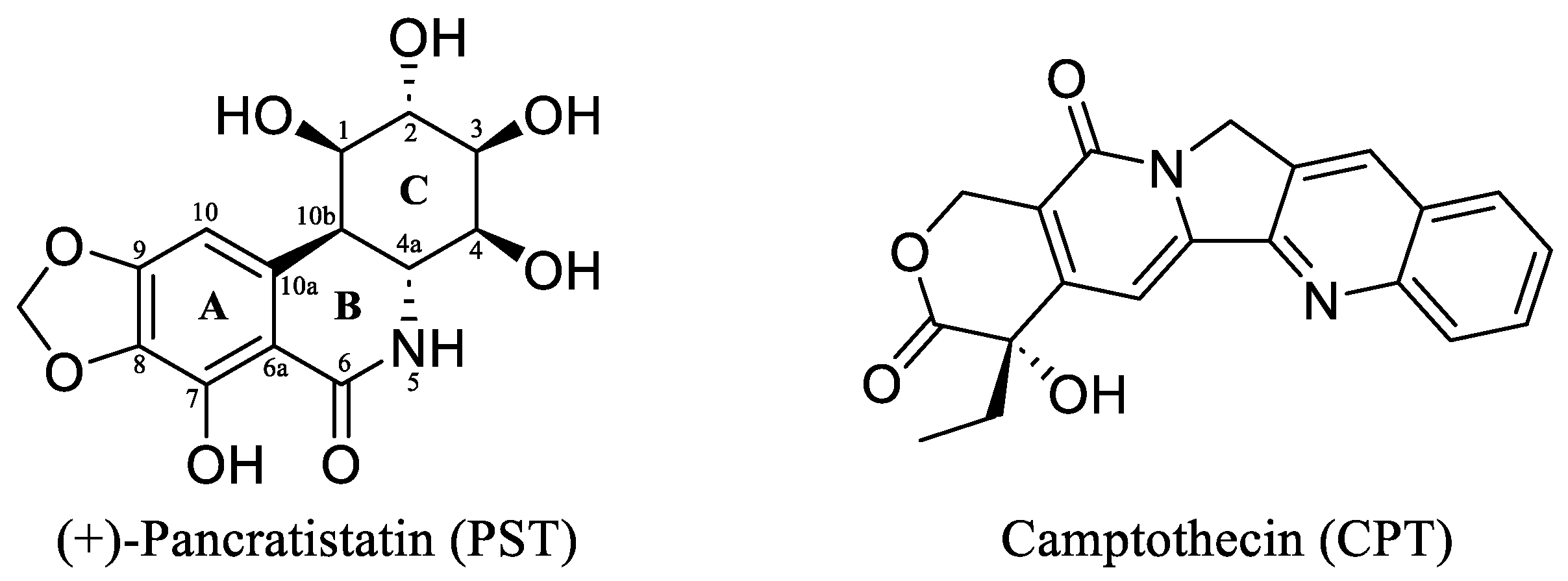
Cancer poses a substantial global health challenge, driving the need for innovative therapeutic solutions that offer improved effectiveness and fewer side effects. Topoisomerase I (Topo I) has emerged as a validated molecular target in the pursuit of developing anticancer drugs due to its critical role in DNA replication and transcription. (+)-Pancratistatin (PST), a naturally occurring compound found in various Amaryllidaceae plants, exhibits promising anticancer properties by inhibiting Topo I activity. However, its clinical utility is hindered by issues related to limited chemical availability and aqueous solubility. To address these challenges, molecular modelling techniques, including virtual screening, molecular docking, molecular mechanics with generalised born and surface area solvation (MM-GBSA) calculations, and molecular dynamics simulations were utilised to evaluate the binding interactions and energetics of PST analogues with Topo I, comparing them with the well-known Topo I inhibitor, Camptothecin. Among the compounds screened for this study, nitrogenated analogues emerged as the most encouraging drug candidates, exhibiting improved binding affinities, favourable interactions with the active site of Topo I, and stability of the protein-ligand complex. Structural analysis pinpointed key molecular determinants responsible for the heightened potency of nitrogenated analogues, shedding light on essential structural modifications for increased activity. Moreover, in silico absorption, distribution, metabolism, excretion, and toxicity (ADMET) predictions highlighted favourable drug-like properties and reduced toxicity profiles for the most prominent nitrogenated analogues, further supporting their potential as effective anticancer agents. In summary, this screening study underscores the significance of nitrogenation in augmenting the anticancer efficacy of PST analogues targeting Topo I. The identified lead compounds exhibit significant potential for subsequent experimental validation and optimisation, thus facilitating the development of novel and efficacious anticancer therapeutics with enhanced pharmacological profiles.
Keywords: cancer; Topoisomerase I; CADD; (+)-Pancratistatin; Amaryllidaceae alkaloids cancer; Topoisomerase I; CADD; (+)-Pancratistatin; Amaryllidaceae alkaloids