Next Article in Journal
The Use of Autologous Cell Therapy in Diabetic Patients with Chronic Limb-Threatening Ischemia
Next Article in Special Issue
The Potential of Single-Transcription Factor Gene Expression by RT-qPCR for Subtyping Small Cell Lung Cancer
Previous Article in Journal
Histologic Evaluation of Thyroid Nodules Treated with Thermal Ablation: An Institutional Experience
 
 
Correction published on 19 September 2025, see Int. J. Mol. Sci. 2025, 26(18), 9147.
Article

Establishment and Characterization of Three Human Ocular Adnexal Sebaceous Carcinoma Cell Lines

1
Department of Pathology, The Johns Hopkins University School of Medicine, Baltimore, MD 21205, USA
2
Department of Comparative Pathobiology, Tufts University Cummings School of Veterinary Medicine, North Grafton, MA 01536, USA
3
Department of Oncology, The Johns Hopkins University School of Medicine, Baltimore, MD 21205, USA
4
Department of Ophthalmology, The Johns Hopkins University School of Medicine, Baltimore, MD 21205, USA
*
Authors to whom correspondence should be addressed.
Int. J. Mol. Sci. 2024, 25(18), 10183; https://doi.org/10.3390/ijms251810183
Submission received: 16 August 2024 / Revised: 14 September 2024 / Accepted: 21 September 2024 / Published: 23 September 2024 / Corrected: 19 September 2025
(This article belongs to the Special Issue Recent Trends in Experimental Models for Cancer Research)

Abstract

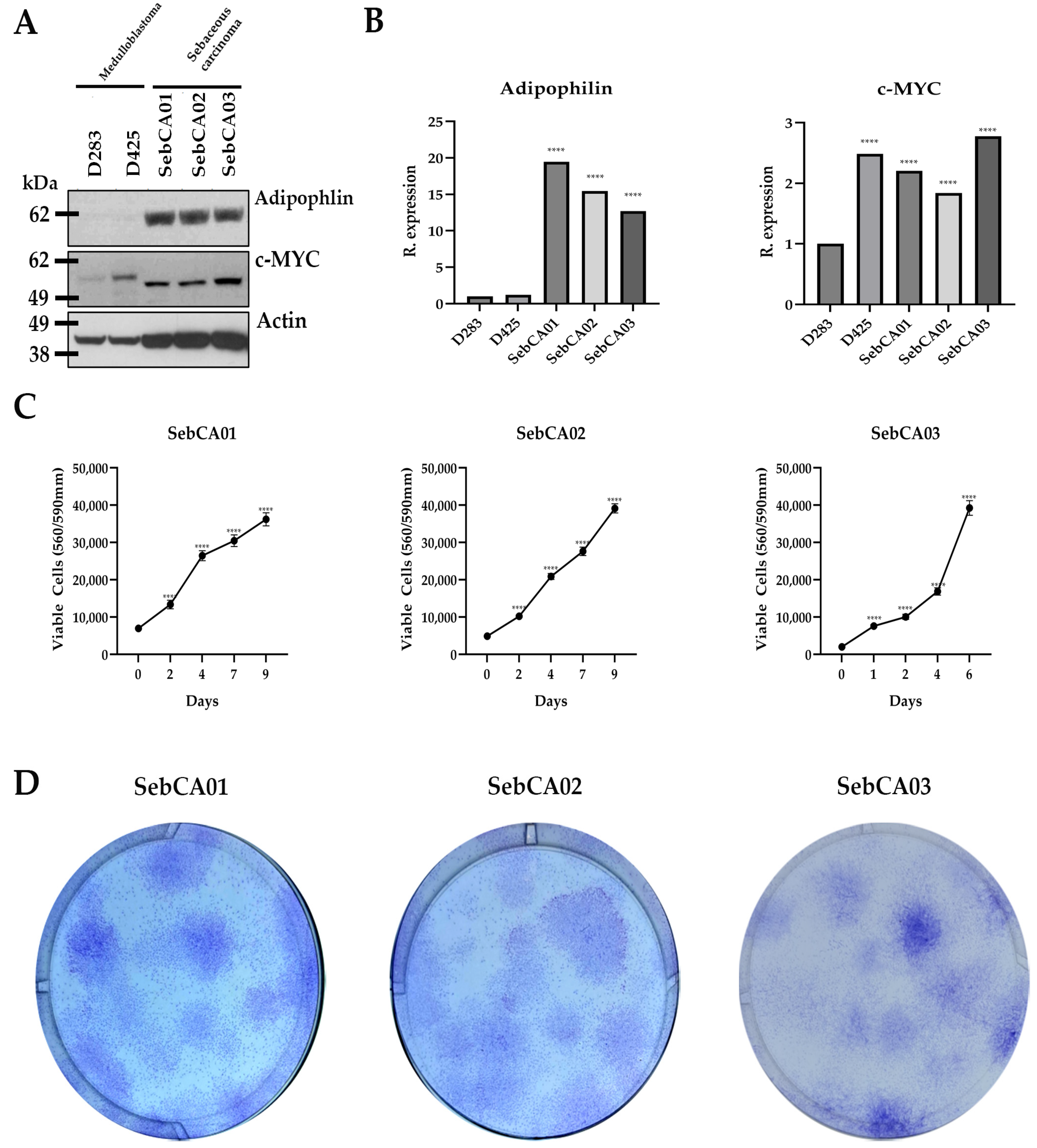
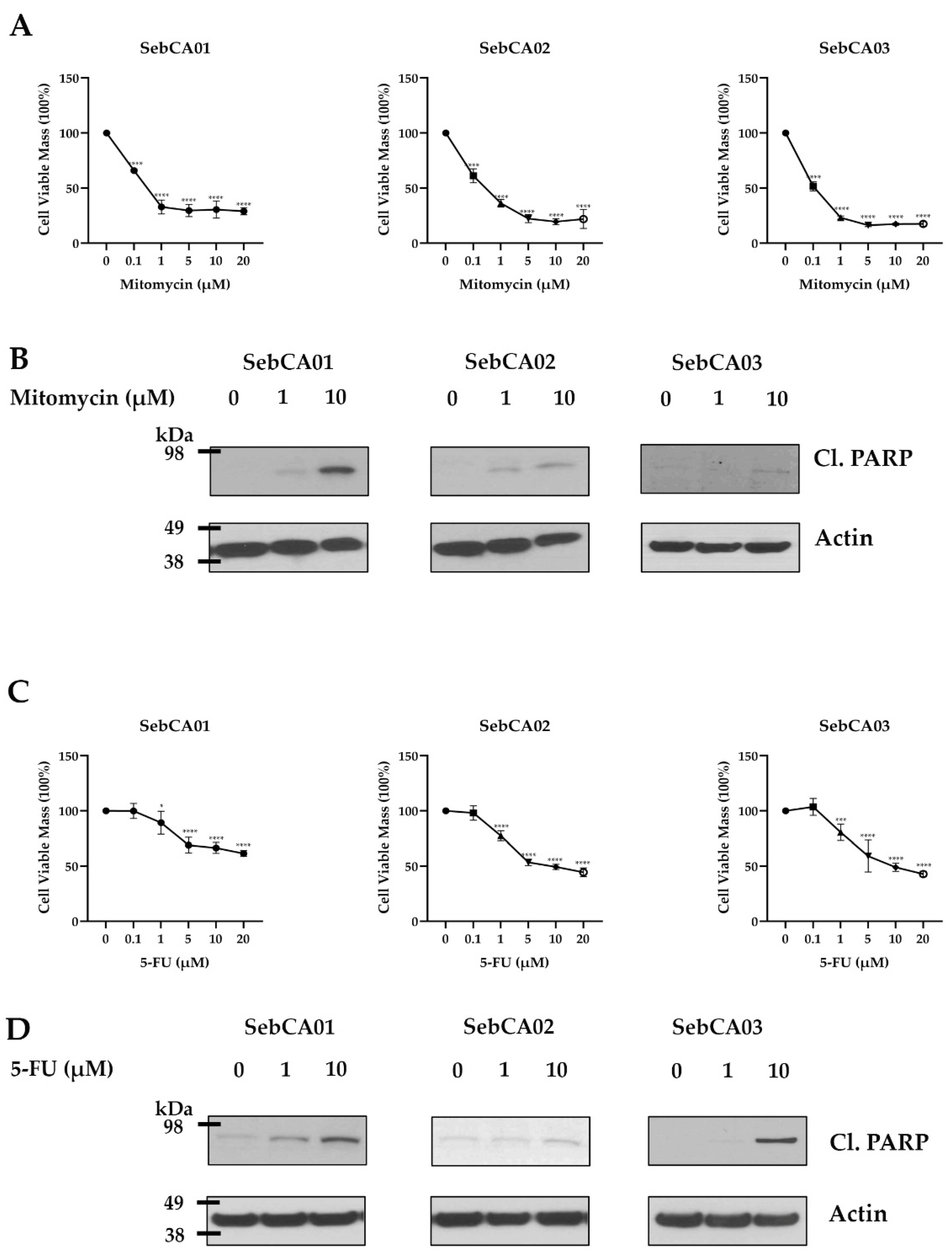
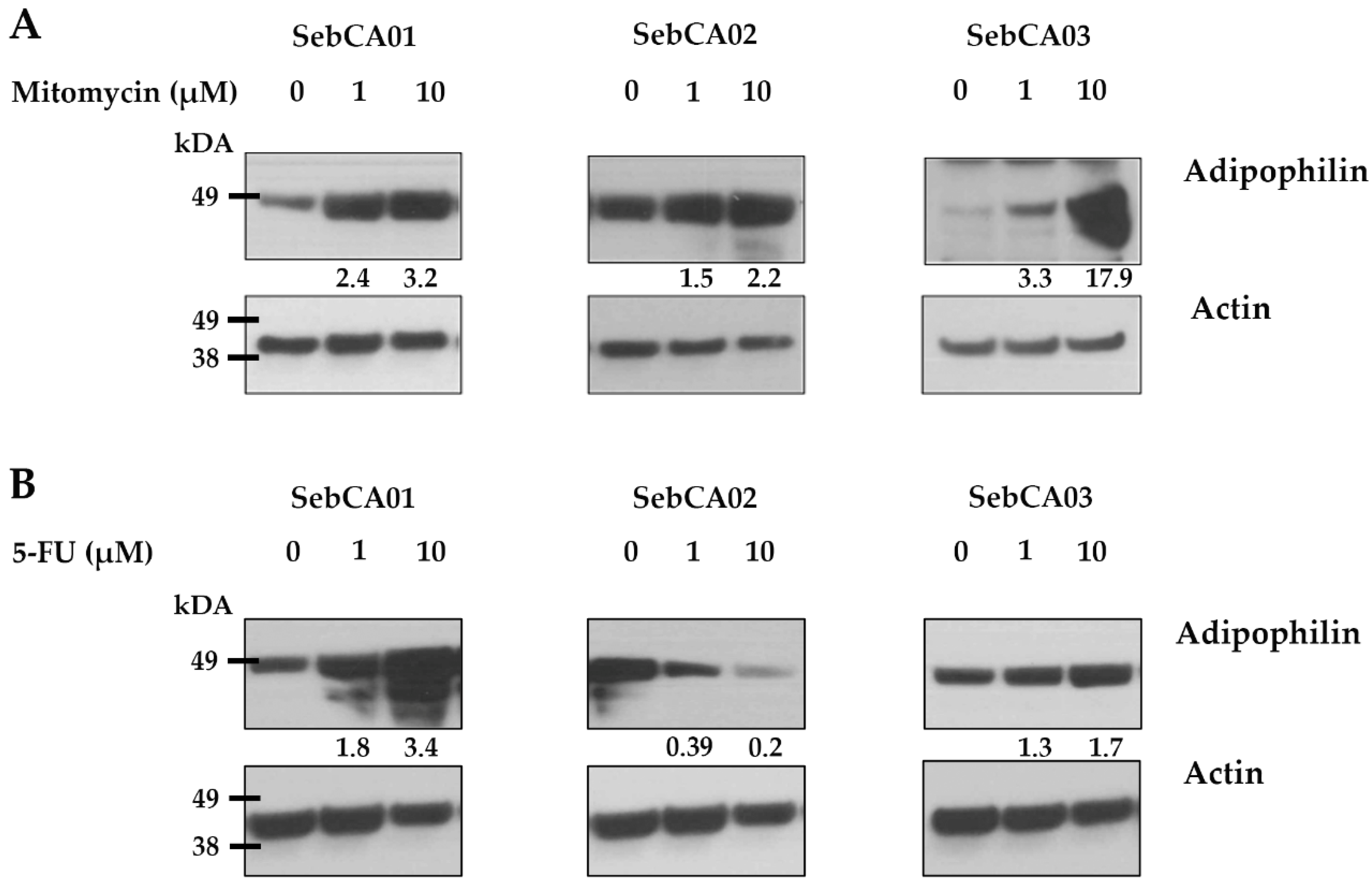
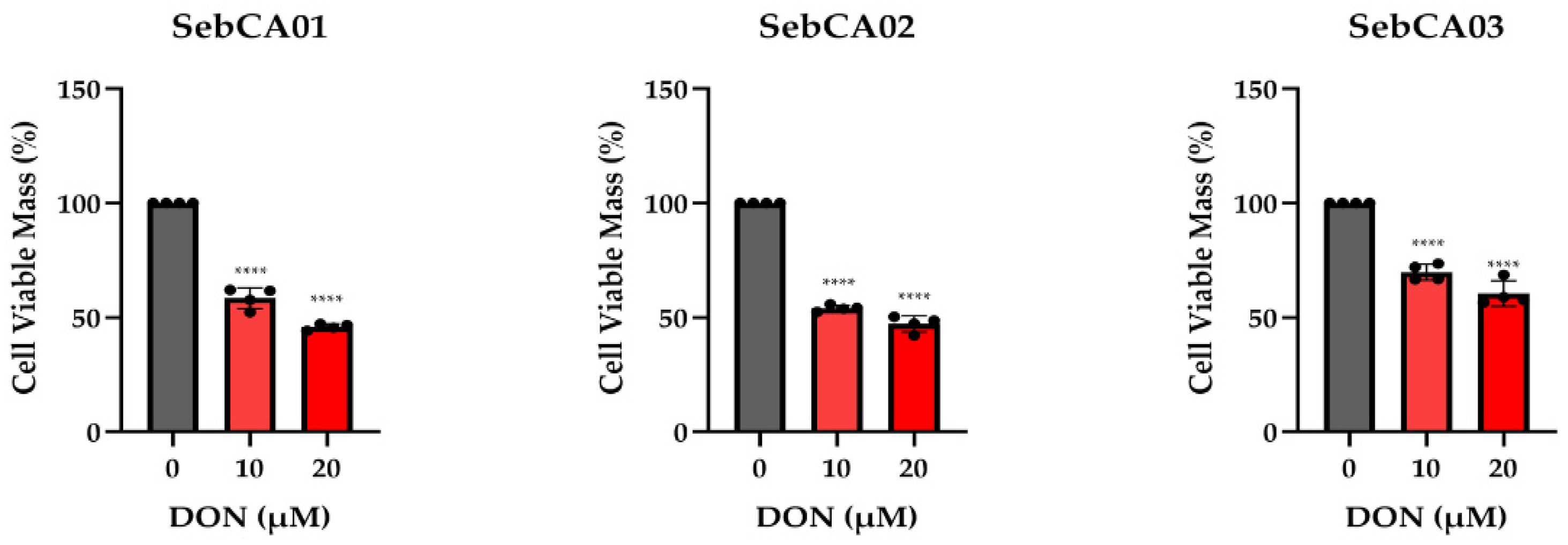
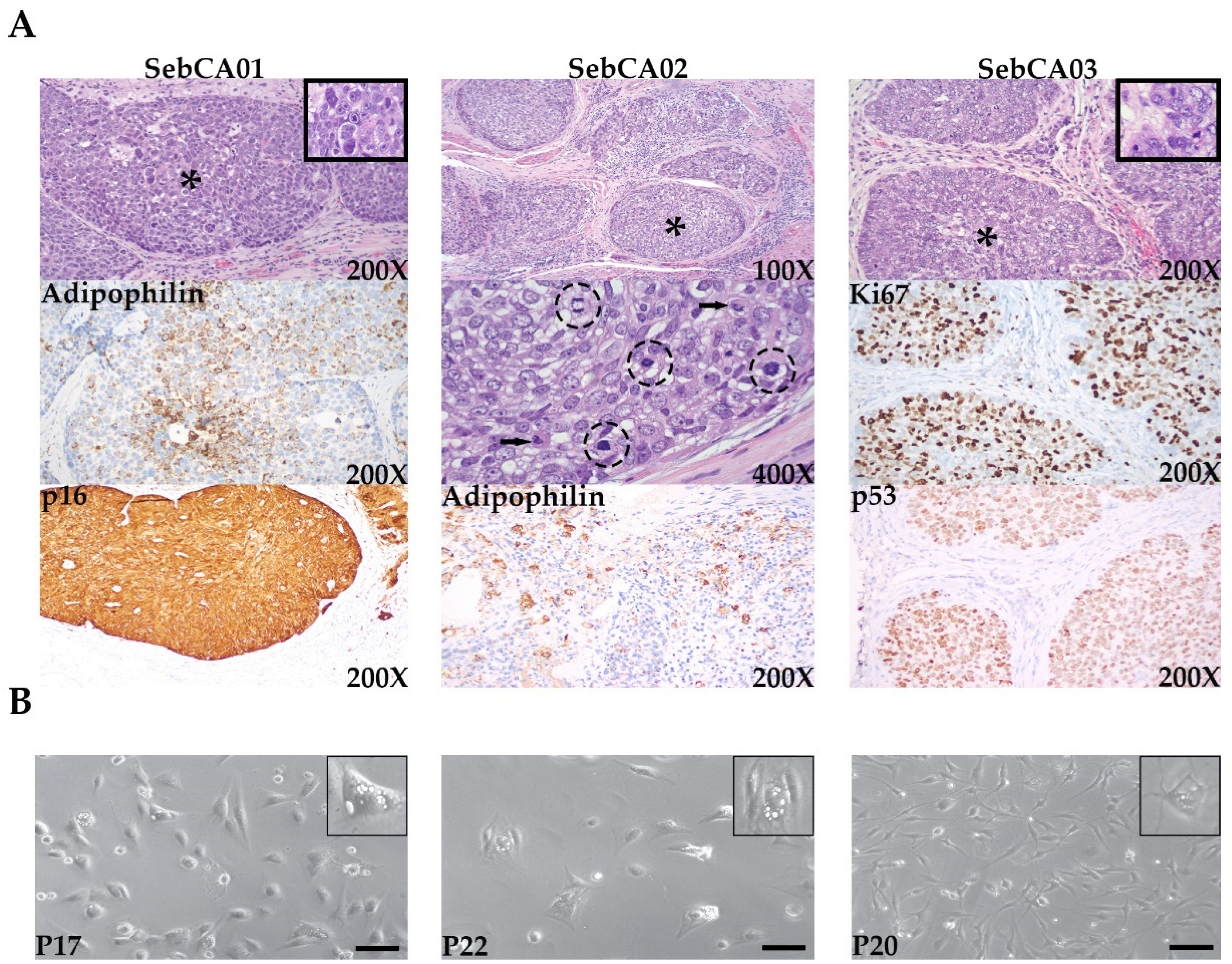
Ocular adnexal sebaceous carcinoma (SebCA) represents one of the most clinically problematic periocular tumors, often requiring aggressive surgical resection. The pathobiology of this tumor remains poorly understood, and few models exist that are suitable for preclinical testing. The aim of this study was to establish new cell lines to serve as models for pathobiological and drug testing. With patient consent, freshly resected tumor tissue was cultured using conditional reprogramming cell conditions. Standard techniques were used to characterize the cell lines in terms of overall growth, clonogenicity, apoptosis, and differentiation in vitro. Additional analyses including Western blotting, short tandem repeat (STR) profiling, and next-generation sequencing (NGS) were performed. Drug screening using mitomycin-C (MMC), 5-fluorouricil (5-FU), and 6-Diazo-5-oxo-L-norleucine (DON) were performed. JHH-SebCA01, JHH-SebCA02, and JHH-SebCA03 cell lines were established from two women and one man undergoing surgical resection of eyelid tumors. At passage 15, they each showed a doubling time of two to three days, and all could form colonies in anchorage-dependent conditions, but not in soft agar. The cells contained cytoplasmic vacuoles consistent with sebaceous differentiation, and adipophilin protein was present in all three lines. STR profiling confirmed that all lines were derived from their respective patients. NGS of the primary tumors and their matched cell lines identified numerous shared mutations, including alterations similar to those previously described in SebCA. Treatment with MMC or 5-FU resulted in dose-dependent growth inhibition and the induction of both apoptosis and differentiation. MYC protein was abundant in all three lines, and the glutamine metabolism inhibitor DON, previously shown to target high MYC tumors, slowed the growth of all our SebCA models. Ocular adnexal SebCA cell lines can be established using conditional reprogramming cell conditions, and our three new models are useful for testing therapies and interrogating the functional role of MYC and other possible molecular drivers. Current topical chemotherapies promote both apoptosis and differentiation in SebCA cells, and these tumors appear sensitive to inhibition or MYC-associated metabolic changes.
Keywords: sebaceous carcinoma; eyelid cancer; cell line; mitomycin C; next-generation sequencing sebaceous carcinoma; eyelid cancer; cell line; mitomycin C; next-generation sequencing