Article

Strongly ROS-Correlated, Time-Dependent, and Selective Antiproliferative Effects of Synthesized Nano Vesicles on BRAF Mutant Melanoma Cells and Their Hyaluronic Acid-Based Hydrogel Formulation


by
Silvana Alfei
1,*,
Guendalina Zuccari
1,2,
Constantinos M. Athanassopoulos
3,
Cinzia Domenicotti
4,5 and
Barbara Marengo
4,5,*
1
Department of Pharmacy, University of Genoa, Viale Cembrano, 16148 Genoa, Italy
2
Laboratory of Experimental Therapies in Oncology, IRCCS Istituto Giannina Gaslini, Via G. Gaslini 5, 16147 Genoa, Italy
3
Department of Chemistry, University of Patras, University Campus Rio Achaias, 26504 Patras, Greece
4
Department of Experimental Medicine (DIMES), University of Genova, Via Alberti L.B., 16132 Genoa, Italy
5
IRCCS Ospedale Policlinico San Martino, 16132 Genoa, Italy
*
Authors to whom correspondence should be addressed.
Int. J. Mol. Sci. 2024, 25(18), 10071; https://doi.org/10.3390/ijms251810071
Submission received: 4 September 2024 / Revised: 12 September 2024 / Accepted: 16 September 2024 / Published: 19 September 2024
(This article belongs to the Special Issue Natural Products and Synthetic Compounds for Drug Development 2.0)

Abstract

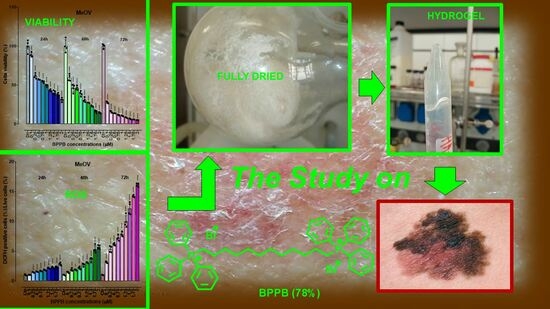
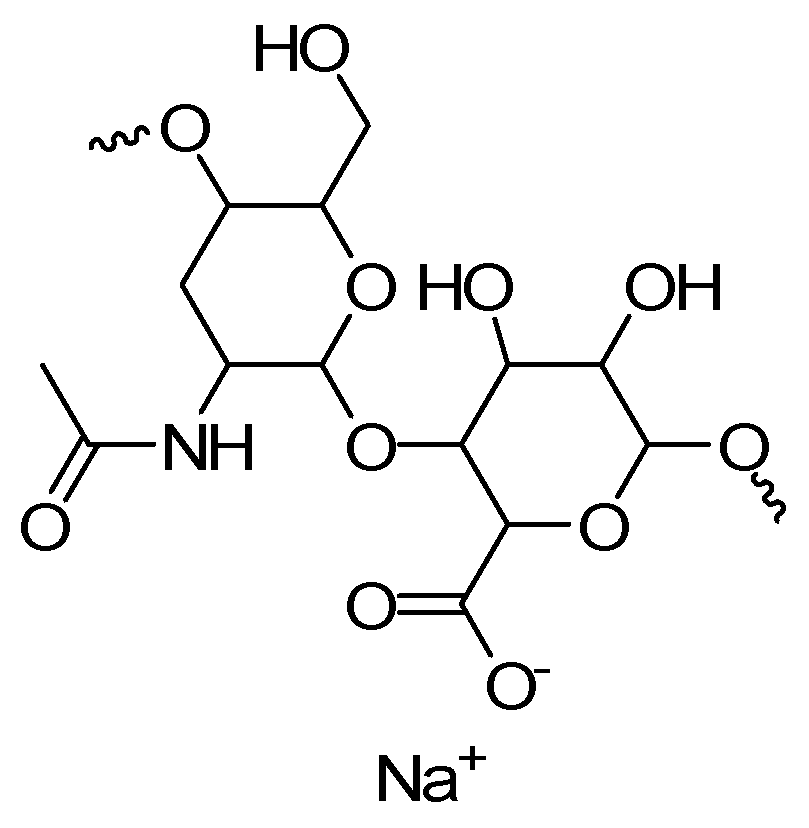
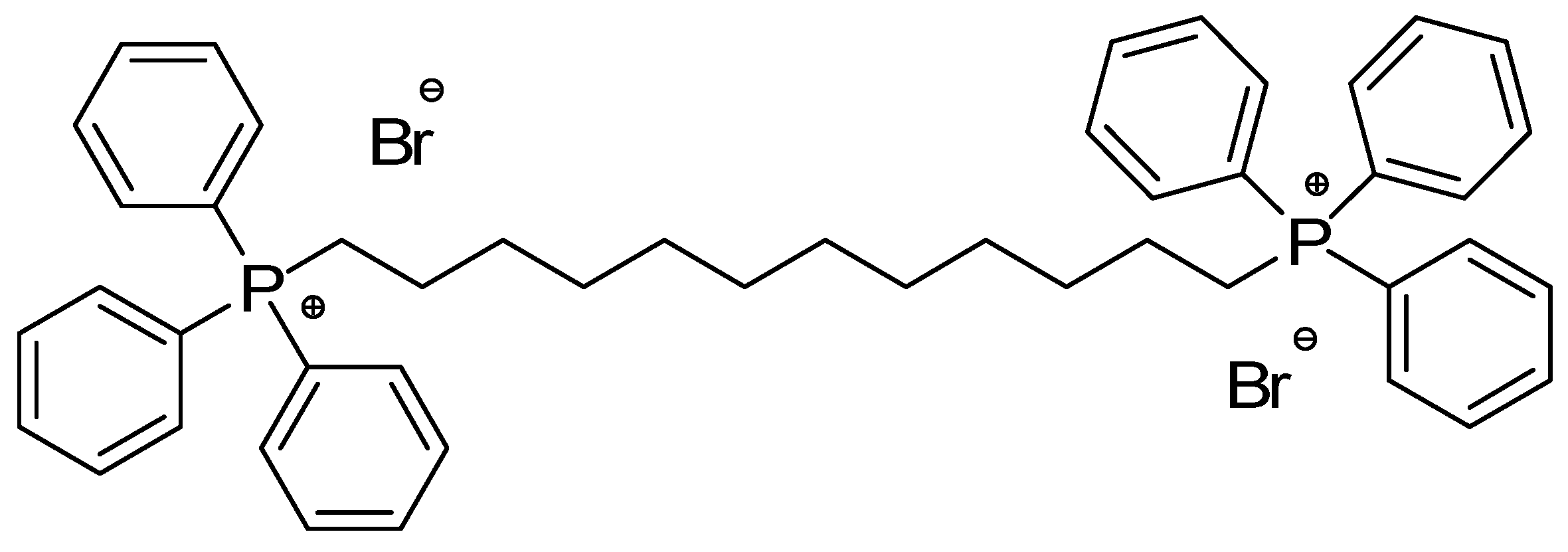
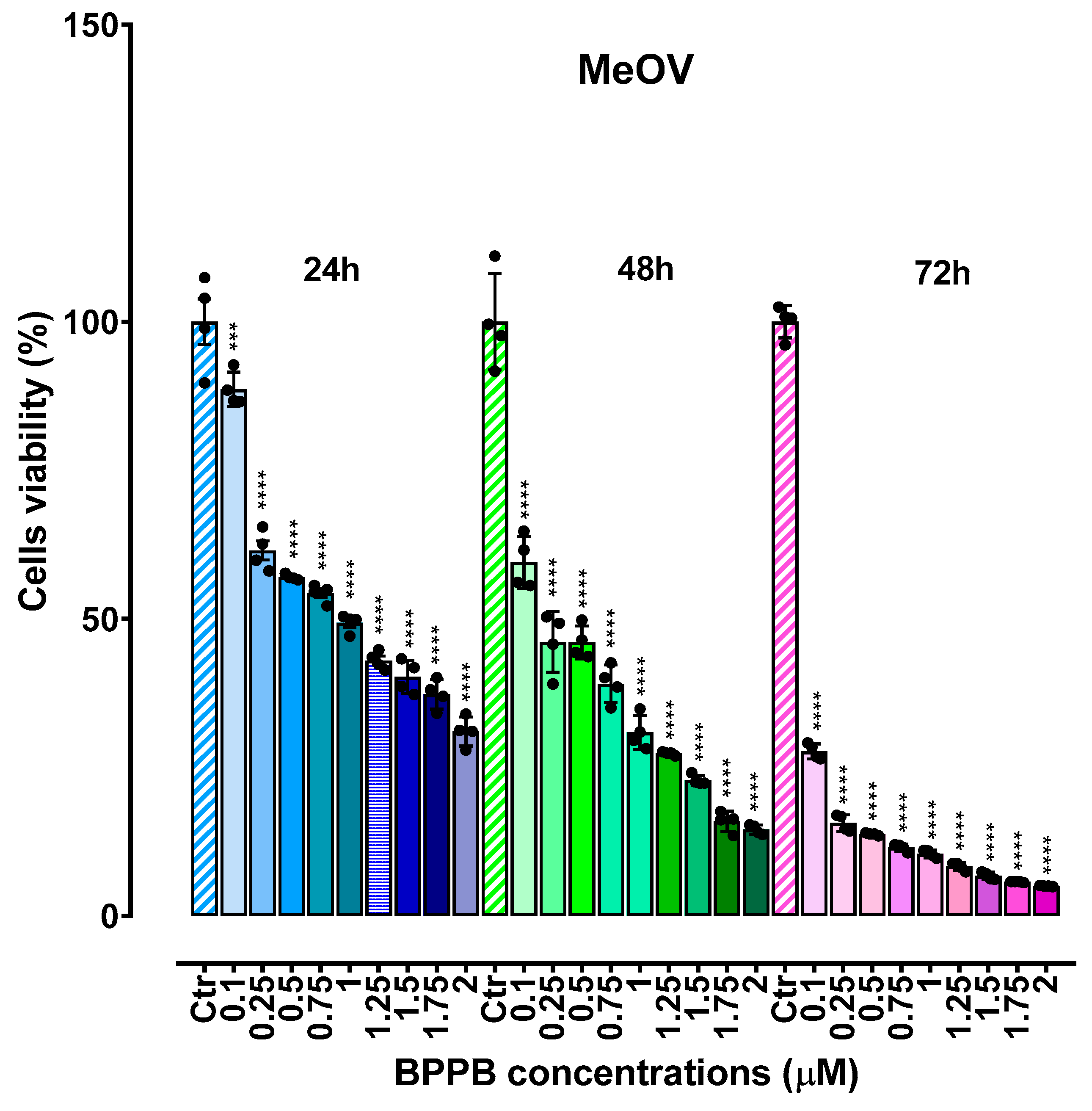
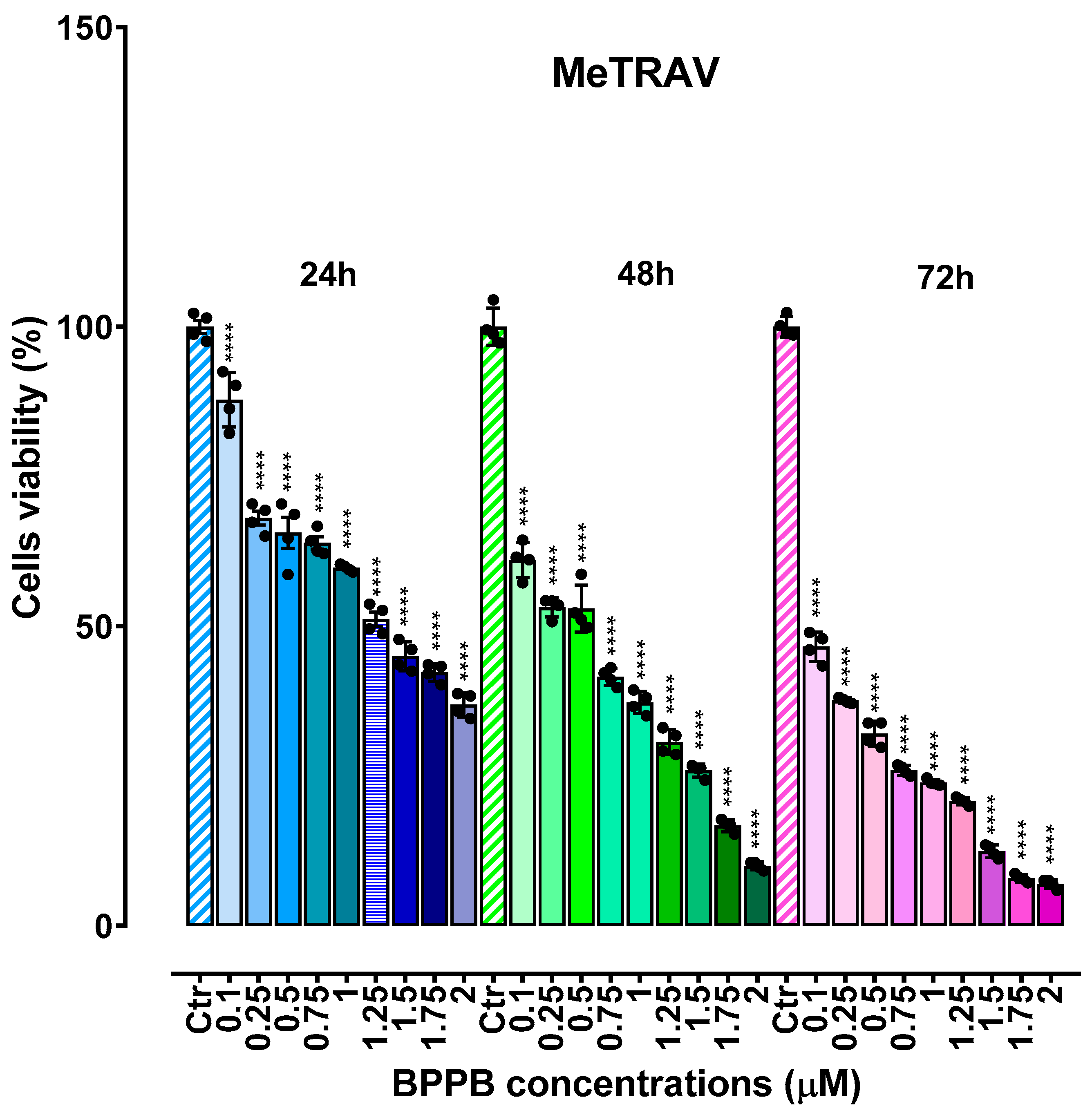
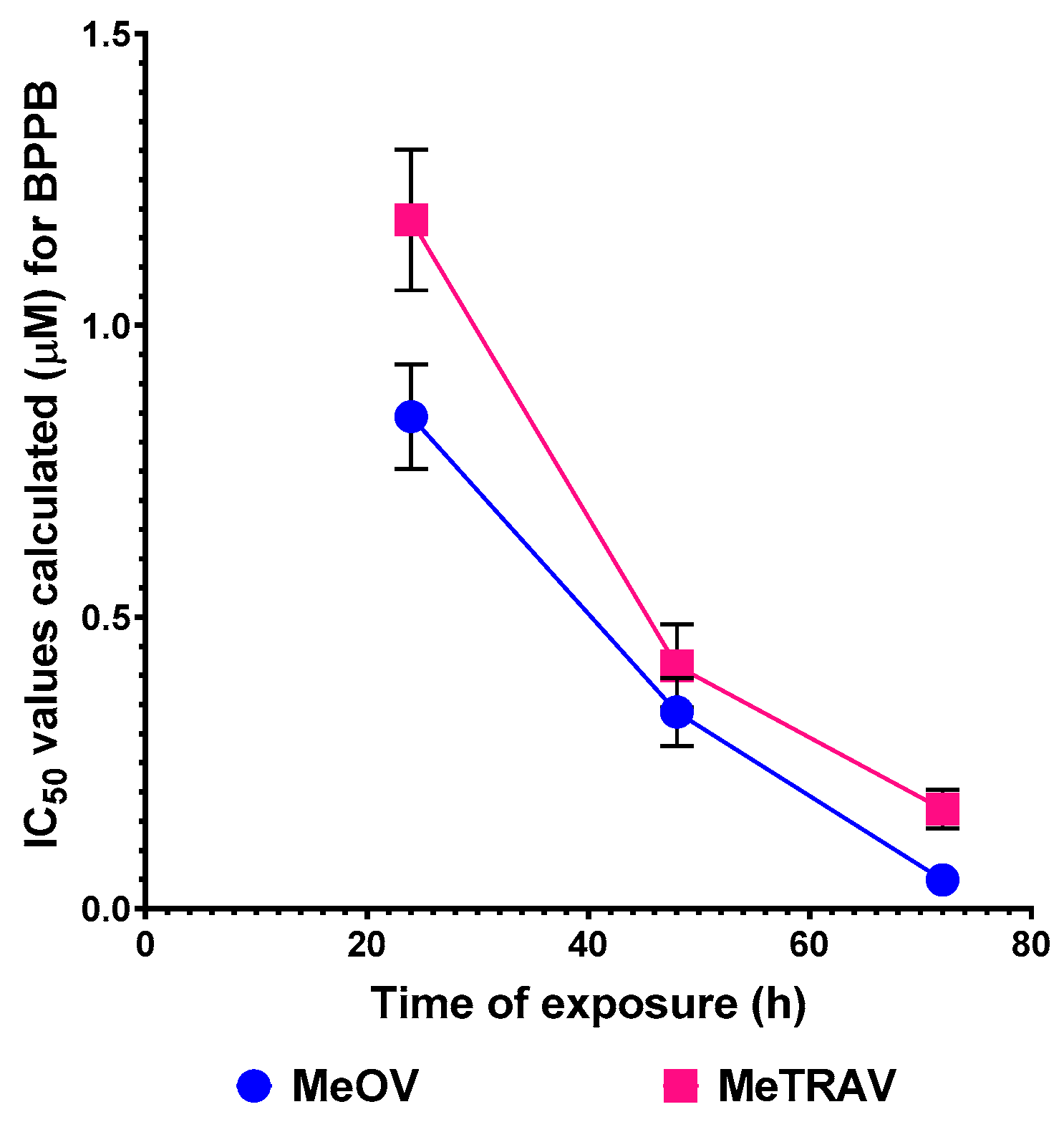
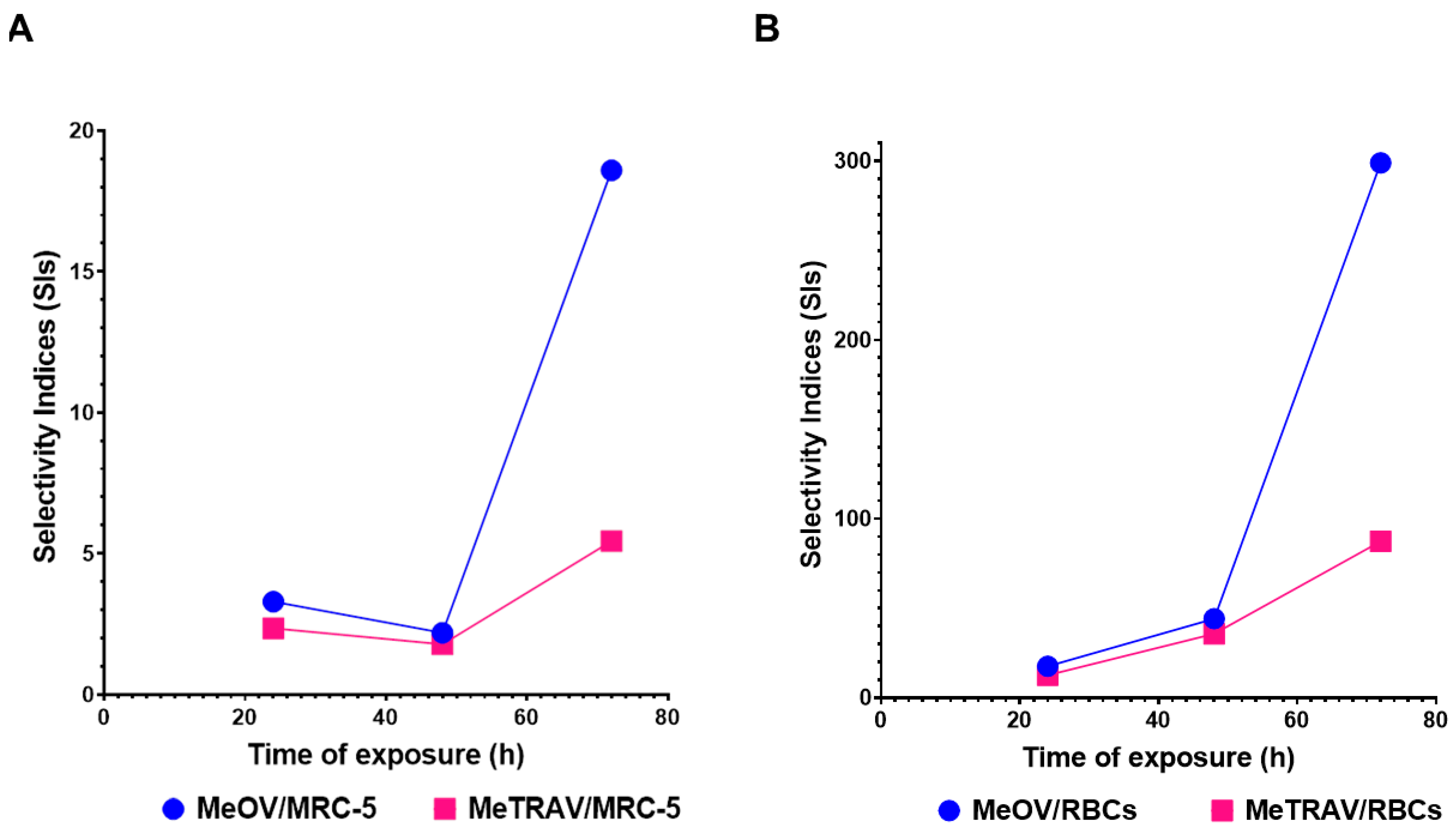
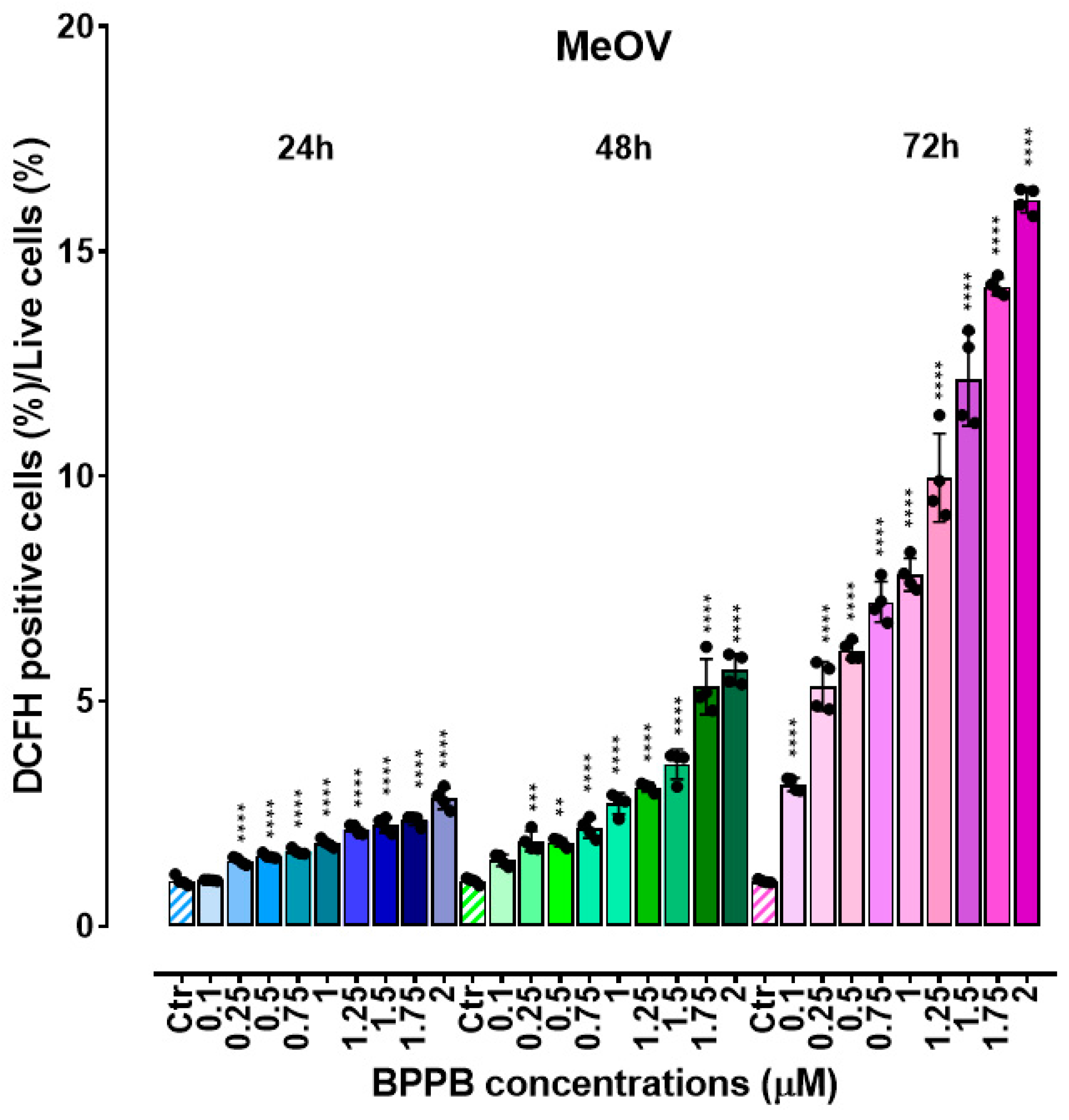
Cutaneous metastatic melanoma (CMM) is the most aggressive form of skin cancer with a poor prognosis. Drug-induced secondary tumorigenesis and the emergency of drug resistance worsen an already worrying scenario, thus rendering urgent the development of new treatments not dealing with mutable cellular processes. Triphenyl phosphonium salts (TPPSs), in addiction to acting as cytoplasmic membrane disruptors, are reported to be mitochondria-targeting compounds, exerting anticancer effects mainly by damaging their membranes and causing depolarization, impairing mitochondria functions and their DNA, triggering oxidative stress (OS), and priming primarily apoptotic cell death. TPP-based bola amphiphiles are capable of self-forming nanoparticles (NPs) with enhanced biological properties, as commonly observed for nanomaterials. Already employed in several other biomedical applications, the per se selective potent antibacterial effects of a TPP bola amphiphile have only recently been demonstrated on 50 multidrug resistant (MDR) clinical superbugs, as well as its exceptional and selective anticancer properties on sensitive and MDR neuroblastoma cells. Here, aiming at finding new molecules possibly developable as new treatments for counteracting CMM, the effects of this TPP-based bola amphiphile (BPPB) have been investigated against two BRAF mutants CMM cell lines (MeOV and MeTRAV) with excellent results (even IC50 = 49 nM on MeOV after 72 h treatment). With these findings and considering the low cytotoxicity of BPPB against different mammalian non-tumoral cell lines and red blood cells (RBCs, selectivity indexes up to 299 on MeOV after 72 h treatment), the possible future development of BPPB as topical treatment for CMM lesions was presumed. With this aim, a biodegradable hyaluronic acid (HA)-based hydrogel formulation (HA-BPPB-HG) was prepared without using any potentially toxic crosslinking agents simply by dispersing suitable amounts of the two ingredients in water and sonicating under gentle heating. HA-BPPB-HA was completely characterized, with promising outcomes such as high swelling capability, high porosity, and viscous elastic rheological behavior.
Keywords: cutaneous metastatic melanoma (CMM); triphenyl phosphonium (TPP) groups; mitochondria-targeting molecules; nanosized bola amphiphiles vesicles; cytotoxicity studies; low hemolytic effects; hydrogel formulation; biodegradability; high porosity; high swelling cutaneous metastatic melanoma (CMM); triphenyl phosphonium (TPP) groups; mitochondria-targeting molecules; nanosized bola amphiphiles vesicles; cytotoxicity studies; low hemolytic effects; hydrogel formulation; biodegradability; high porosity; high swelling
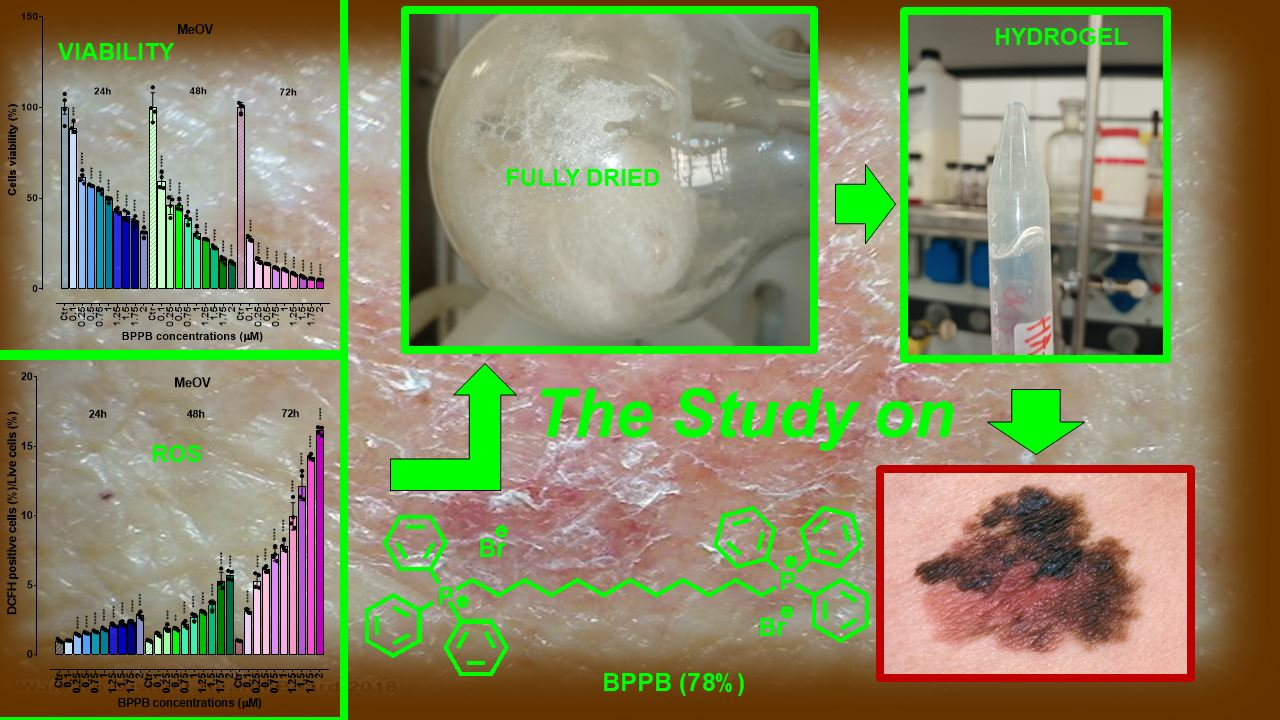
Graphical Abstract