Article

Forsythiaside A Activates AMP-Activated Protein Kinase and Regulates Oxidative Stress via Nrf2 Signaling


1
AI-Bio Convergence DDI Basic Research Lab., School of Korean Medicine, Dongguk University, Gyeongju 38066, Republic of Korea
2
College of Korean Medicine, Wonkwang University, Iksan 54538, Republic of Korea
*
Author to whom correspondence should be addressed.
Int. J. Mol. Sci. 2023, 24(23), 17033; https://doi.org/10.3390/ijms242317033
Submission received: 16 October 2023 / Revised: 23 November 2023 / Accepted: 27 November 2023 / Published: 1 December 2023
(This article belongs to the Section Biochemistry)

Abstract

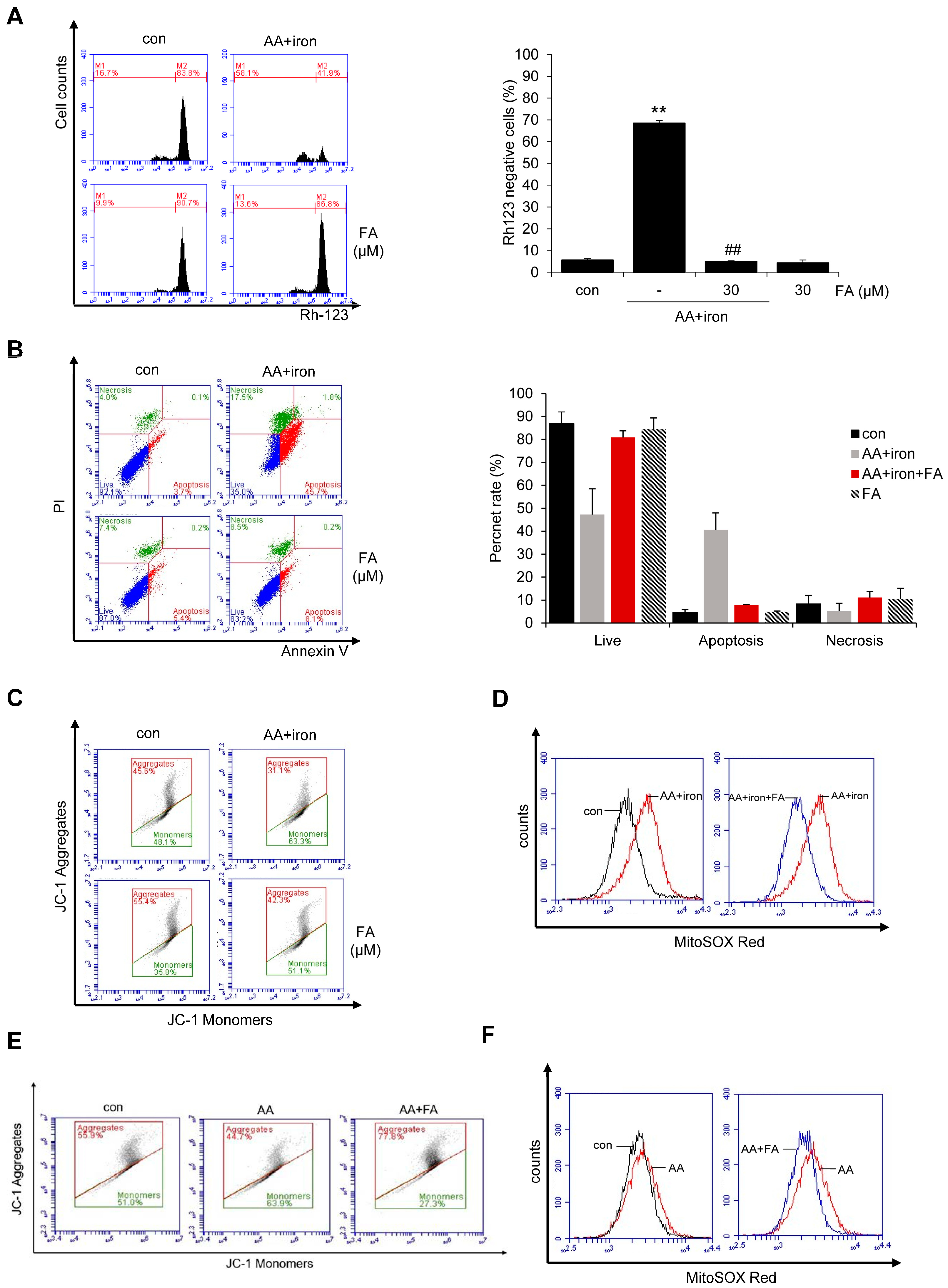
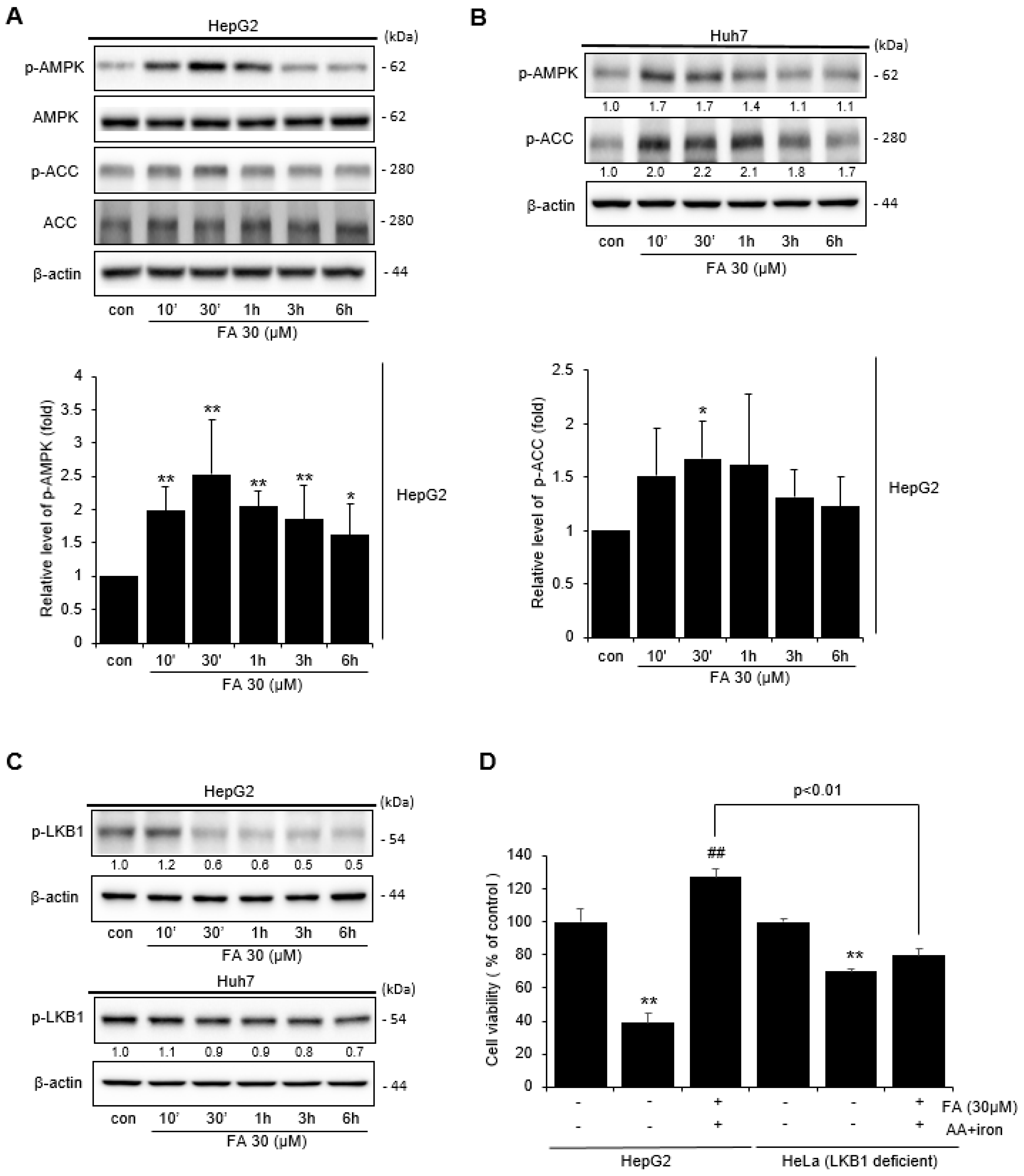
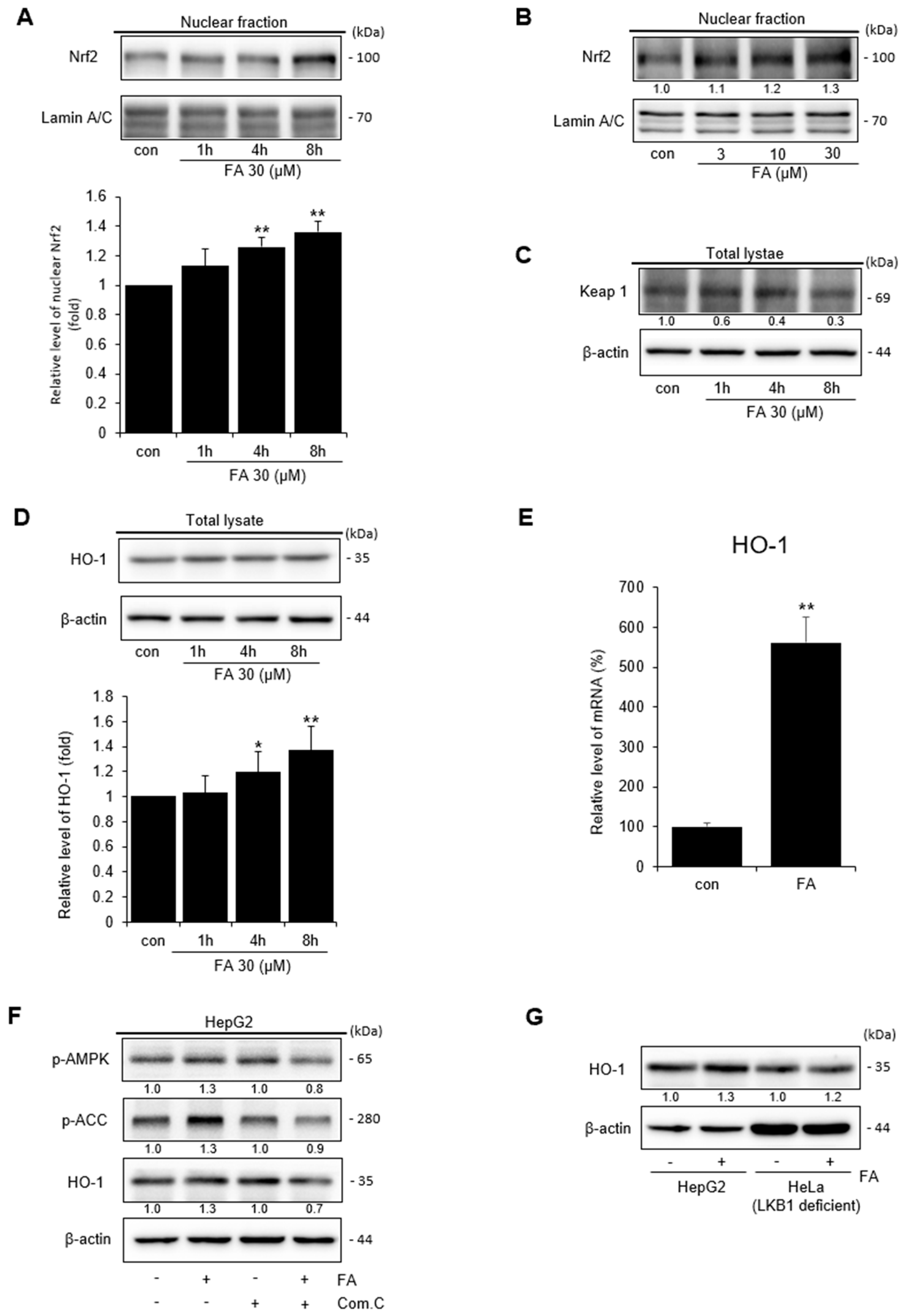
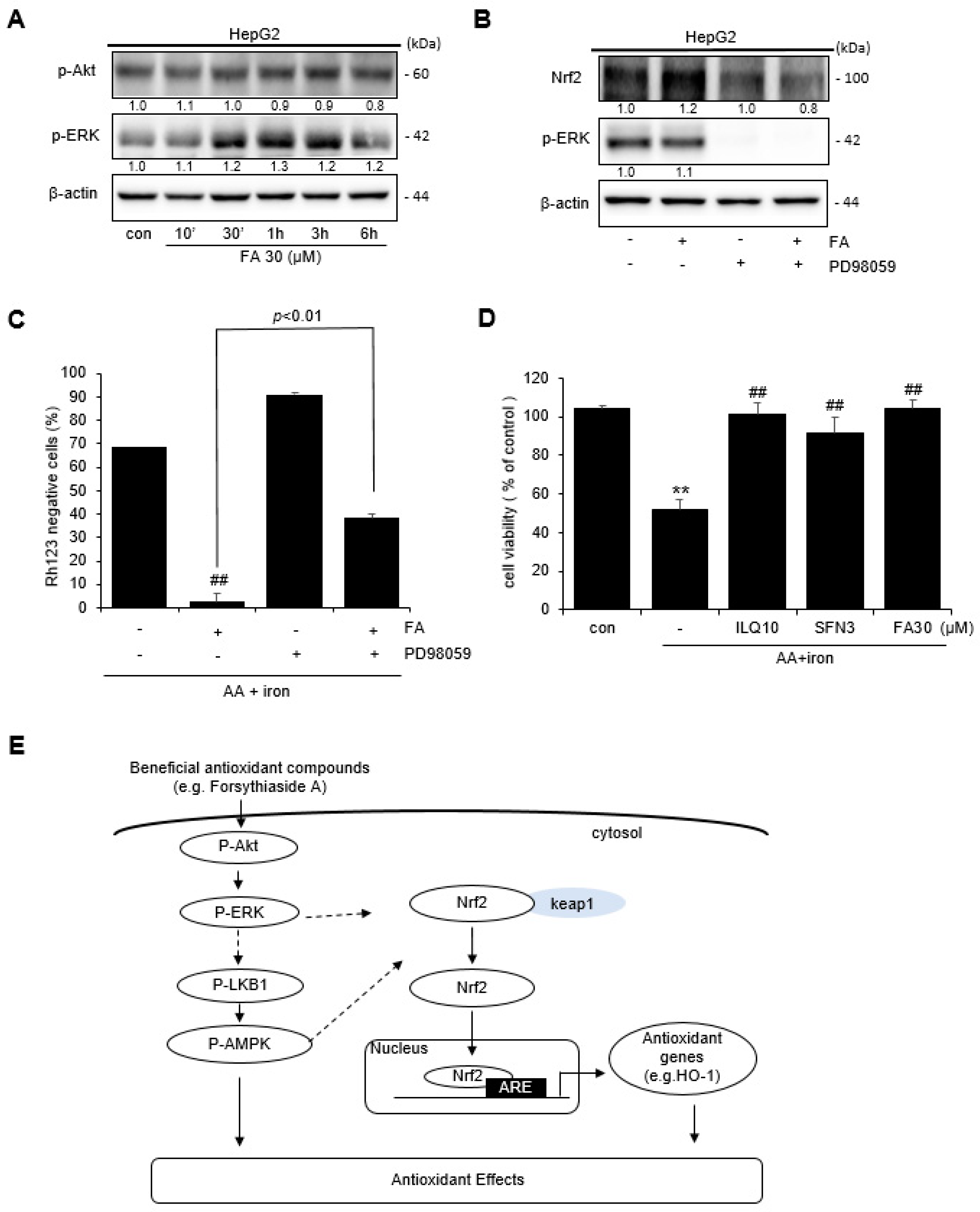
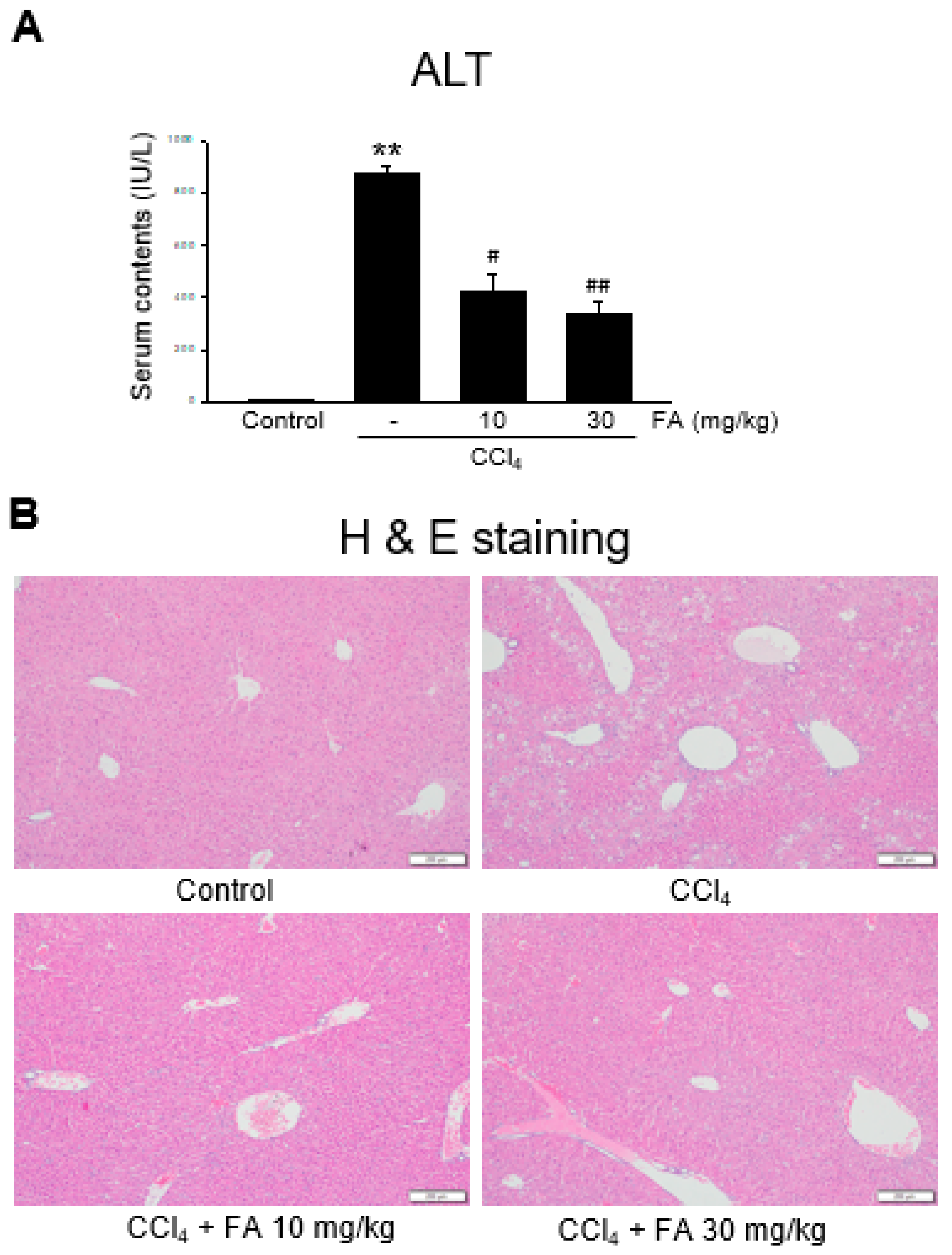
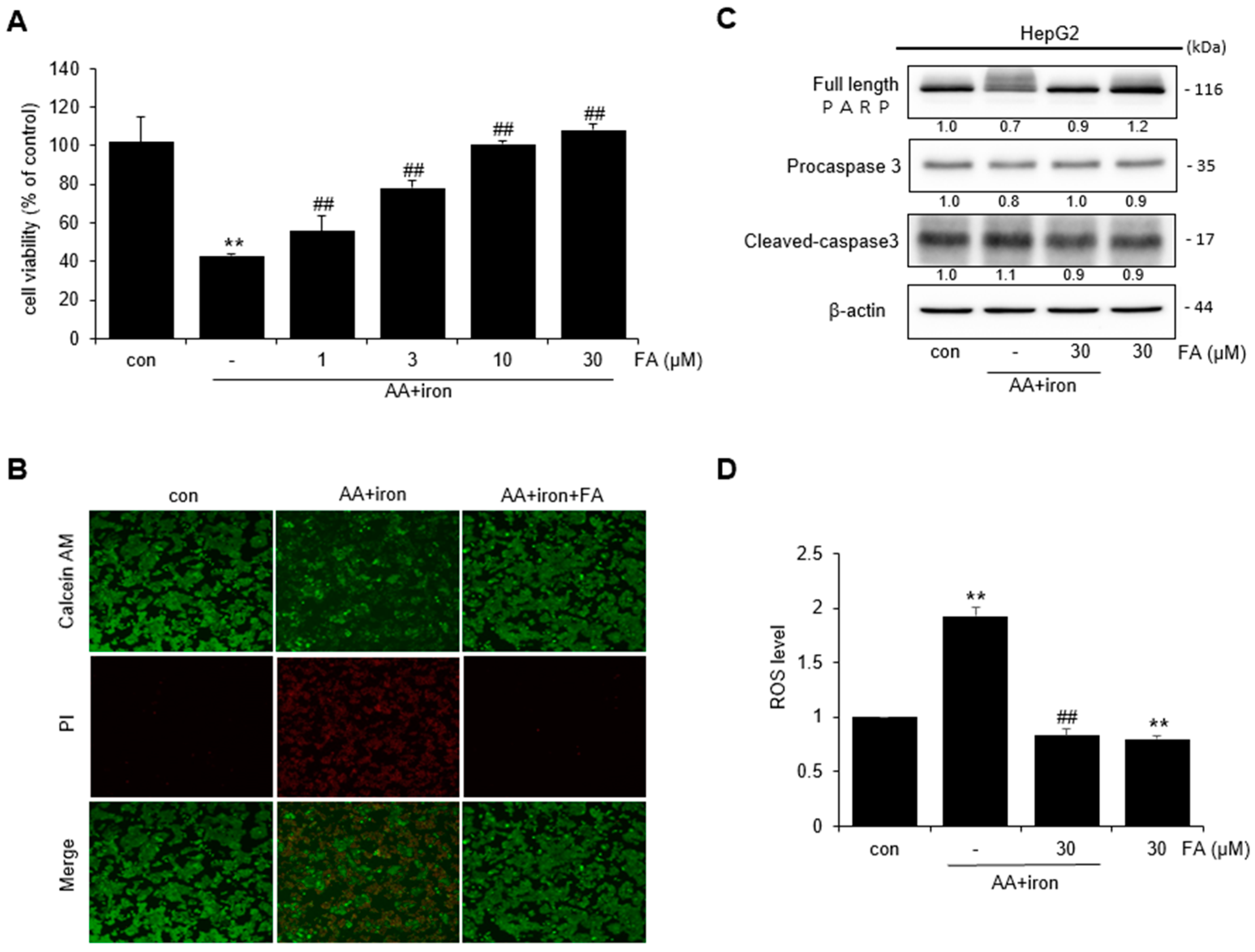
Forsythiaside A (FA) is an active constituent isolated from Forsythia suspensa, a beneficial herb used in traditional medicine known for its antioxidant and anti-inflammatory properties. Although various studies have suggested that FA has the protective effects, its impacts on arachidonic acid (AA) plus iron in vitro models and carbon tetrachloride (CCl₄)-induced mouse liver damage in vivo have not been explored. In this study, HepG2 cells were subjected to AA + iron treatment to induce apoptosis and mitochondrial impairment and determine the molecular mechanisms. FA exhibited protective effects by inhibiting cell damage and reactive oxygen species (ROS) production induced by AA + iron, as assessed via immunoblot and flow cytometry analyses. Further molecular investigations revealed that FA resulted in the activation of extracellular-signal-related protein kinase (ERK), which subsequently triggered the activation of AMP-activated protein kinase (AMPK), a critical regulator of cellular oxidative stress. Additionally, FA modulated the nuclear factor erythroid 2-related factor 2 (Nrf2) signaling pathway, which is a significant antioxidant transcription factor regulated by the AMPK pathway. For in vivo studies, mice were orally administered FA and then subjected to induction of CCl₄-based hepatotoxicity. The protective effect of FA was confirmed via blood biochemistry and immunohistochemical analyses. In conclusion, our findings demonstrated the protective effects of FA against oxidative stress both in vitro and in vivo, thus indicating that FA is a potential candidate for liver protection. Our study sheds light on the mechanistic pathways involved in the antioxidant effects of FA, highlighting the hepatoprotective potential of naturally occurring compounds in traditional herbs, such as FA.
Keywords: AMPK; Nrf2; HO-1; forsythiaside A; liver injury AMPK; Nrf2; HO-1; forsythiaside A; liver injury