Article

Sensing the Messenger: Potential Roles of Cyclic-di-GMP in Rickettsial Pathogenesis
1
Department of Pathology, Institute for Human Infections and Immunity, University of Texas Medical Branch, Galveston, TX 77555, USA
2
Department of Molecular Biosciences, Howard Hughes Medical Institute, The University of Texas at Austin, Austin, TX 78712, USA
*
Authors to whom correspondence should be addressed.
Int. J. Mol. Sci. 2022, 23(7), 3853; https://doi.org/10.3390/ijms23073853
Submission received: 18 February 2022 / Revised: 28 March 2022 / Accepted: 30 March 2022 / Published: 31 March 2022
(This article belongs to the Special Issue Genetics and Genomics of Vector-Borne Disease Pathogens)

Abstract

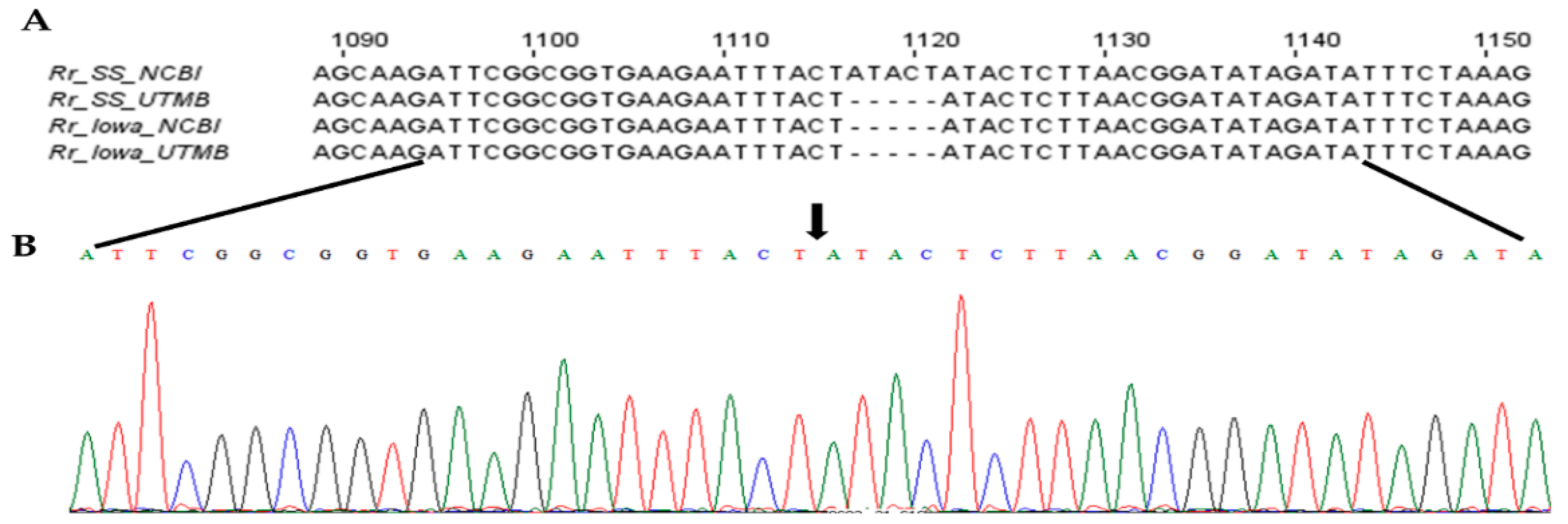
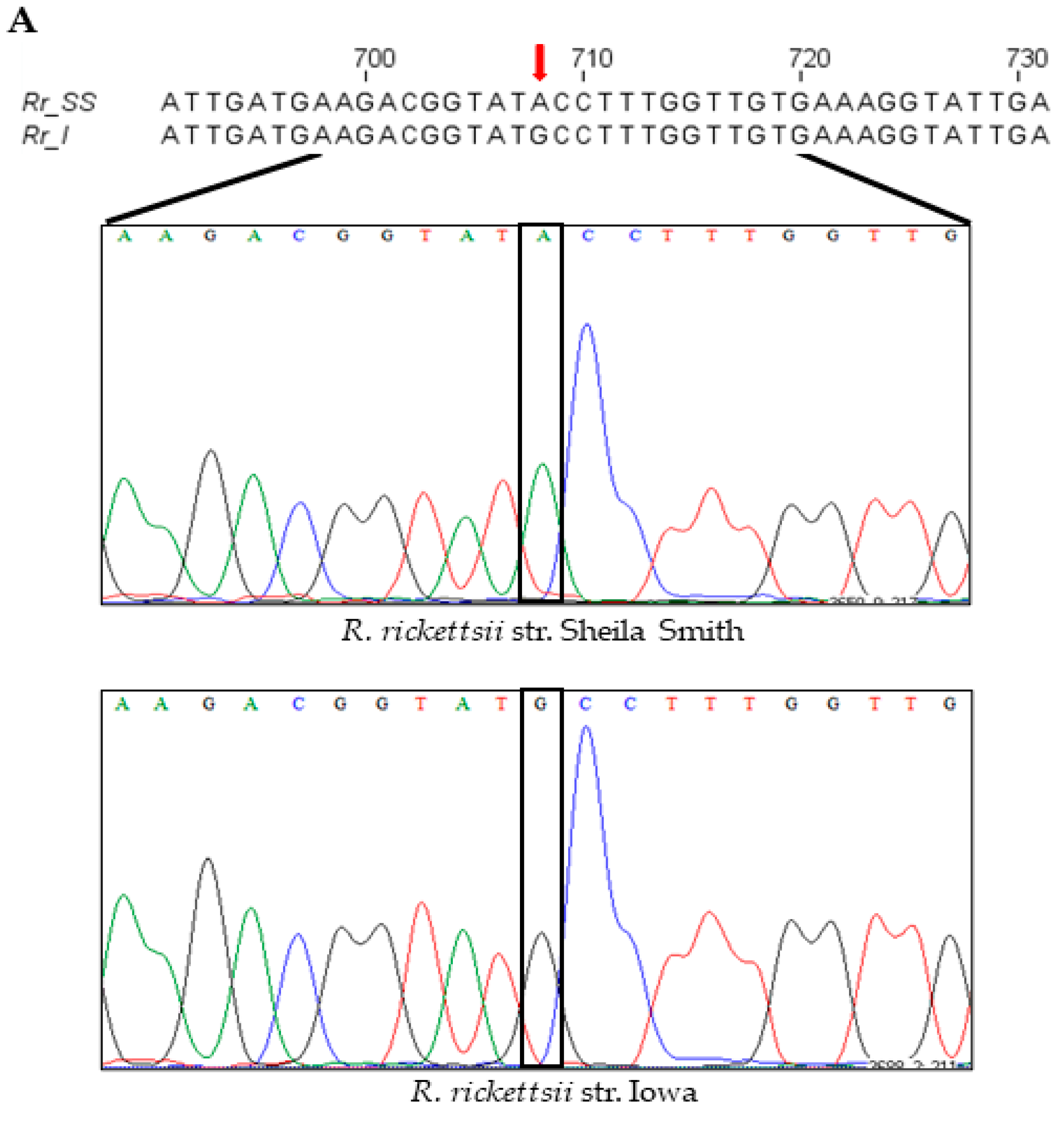
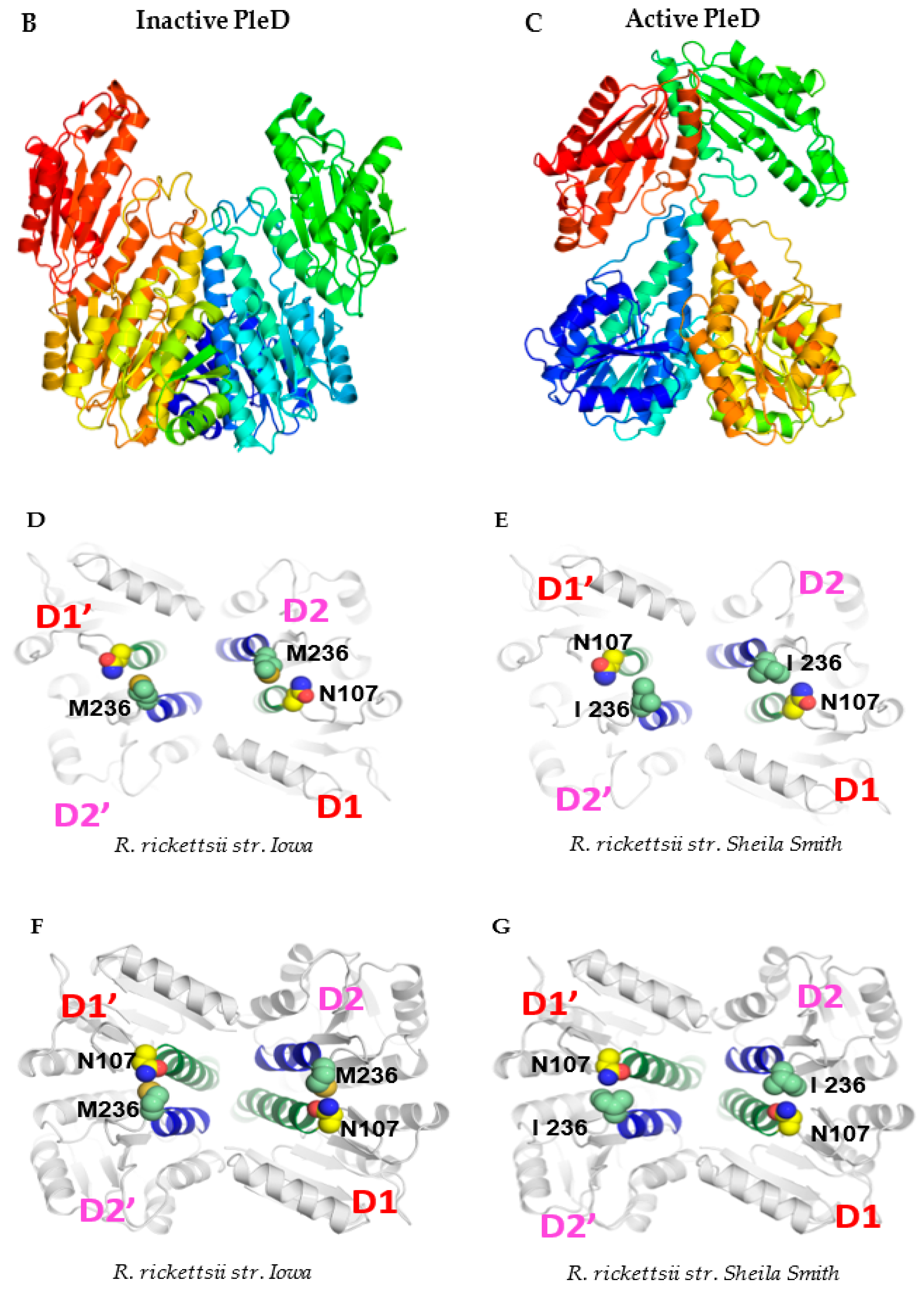
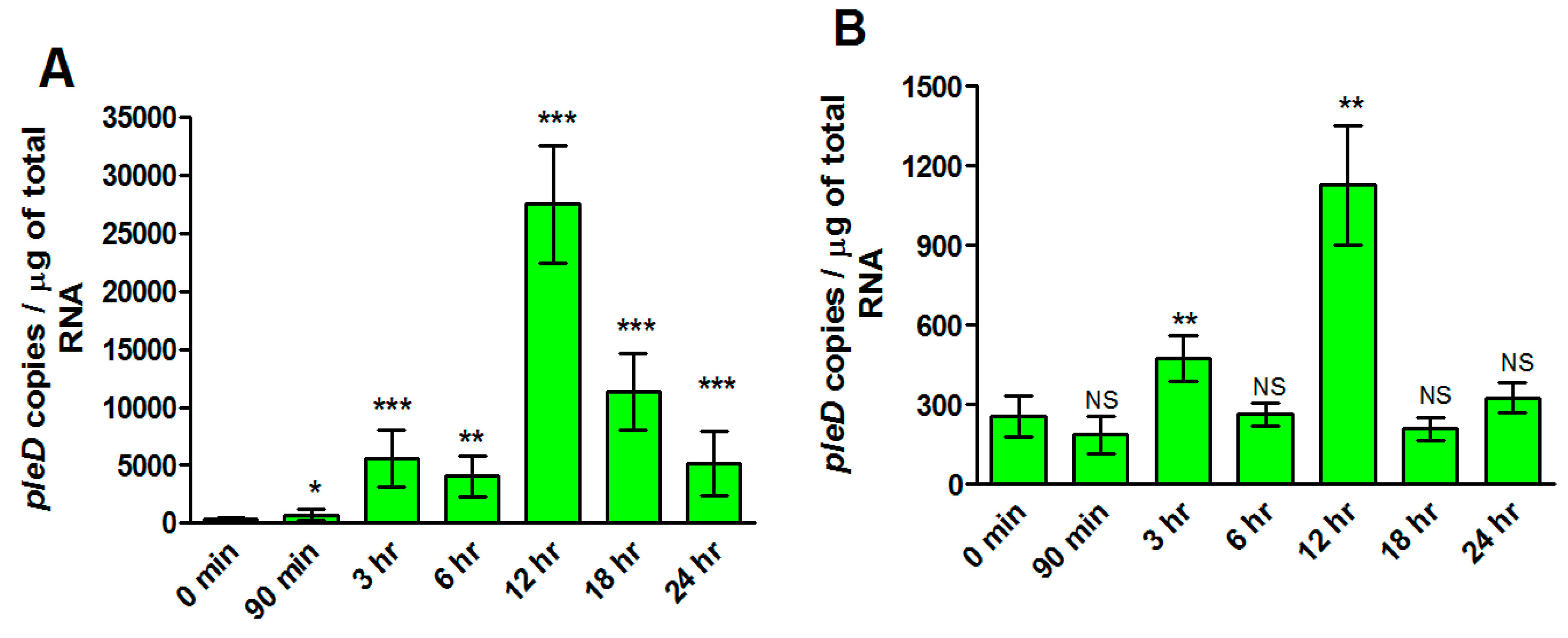
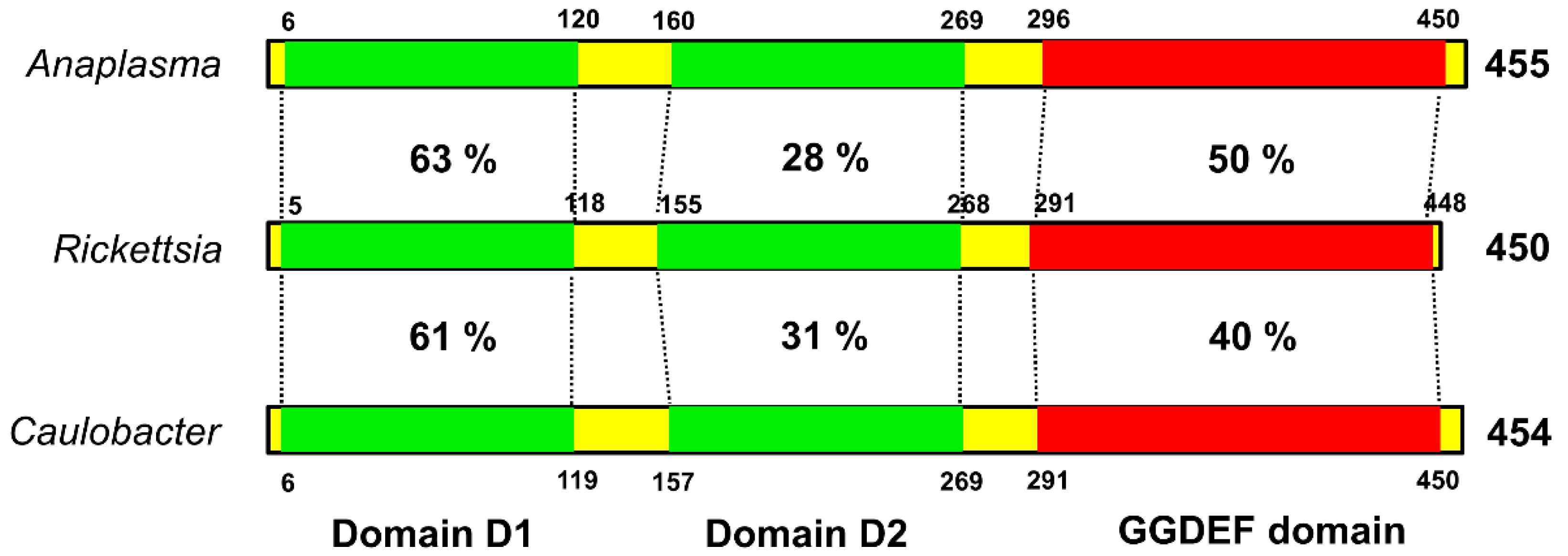
Pathogenic bacteria causing human rickettsioses, transmitted in nature by arthropod vectors, primarily infect vascular endothelial cells lining the blood vessels, resulting in ‘endothelial activation’ and onset of innate immune responses. Nucleotide second messengers are long presumed to be the stimulators of type I interferons, of which bacterial cyclic-di-GMP (c-di-GMP) has been implicated in multiple signaling pathways governing communication with other bacteria and host cells, yet its importance in the context of rickettsial interactions with the host has not been investigated. Here, we report that all rickettsial genomes encode a putative diguanylate cyclase pleD, responsible for the synthesis of c-di-GMP. In silico analysis suggests that although the domain architecture of PleD is apparently well-conserved among different rickettsiae, the protein composition and sequences likely vary. Interestingly, cloning and sequencing of the pleD gene from virulent (Sheila Smith) and avirulent (Iowa) strains of R. rickettsii reveals a nonsynonymous substitution, resulting in an amino acid change (methionine to isoleucine) at position 236. Additionally, a previously reported 5-bp insertion in the genomic sequence coding for pleD (NCBI accession: NC_009882) was not present in the sequence of our cloned pleD from R. rickettsii strain Sheila Smith. In vitro infection of HMECs with R. rickettsii (Sheila Smith), but not R. rickettsii (Iowa), resulted in dynamic changes in the levels of pleD up to 24 h post-infection. These findings thus provide the first evidence for the potentially important role(s) of c-di-GMP in the determination of host-cell responses to pathogenic rickettsiae. Further studies into molecular mechanisms through which rickettsial c-di-GMP might regulate pathogen virulence and host responses should uncover the contributions of this versatile bacterial second messenger in disease pathogenesis and immunity to human rickettsioses.
Keywords: Rickettsia; response regulator PleD; cyclic di-GMP; host-pathogen interaction; virulence Rickettsia; response regulator PleD; cyclic di-GMP; host-pathogen interaction; virulence