Article

Brain Effects of SC-Nanophytosomes on a Rotenone-Induced Rat Model of Parkinson’s Disease—A Proof of Concept for a Mitochondria-Targeted Therapy


by
Daniela Mendes
1,
Francisco Peixoto
2,
Maria Manuel Oliveira
3,
Paula Branquinho Andrade
1 and
Romeu António Videira
1,*
1
REQUIMTE/LAQV, Laboratory of Pharmacognosy, Department of Chemistry, Faculty of Pharmacy, University of Porto, Rua de Jorge Viterbo Ferreira, nº 228, 4050-313 Porto, Portugal
2
Chemistry Center-Vila Real (CQ-VR), Biological and Environment Department, School of Life and Environmental Sciences, University of Trás-os-Montes e Alto Douro, UTAD, P.O. Box 1013, 5001-801 Vila Real, Portugal
3
Chemistry Center-Vila Real (CQ-VR), Chemistry Department, School of Life and Environmental Sciences, University of Trás-os-Montes e Alto Douro, UTAD, P.O. Box 1013, 5001-801 Vila Real, Portugal
*
Author to whom correspondence should be addressed.
Int. J. Mol. Sci. 2022, 23(20), 12699; https://doi.org/10.3390/ijms232012699
Submission received: 16 September 2022 / Revised: 7 October 2022 / Accepted: 19 October 2022 / Published: 21 October 2022
(This article belongs to the Special Issue Mitochondrial Function in Human Health and Disease)

Abstract

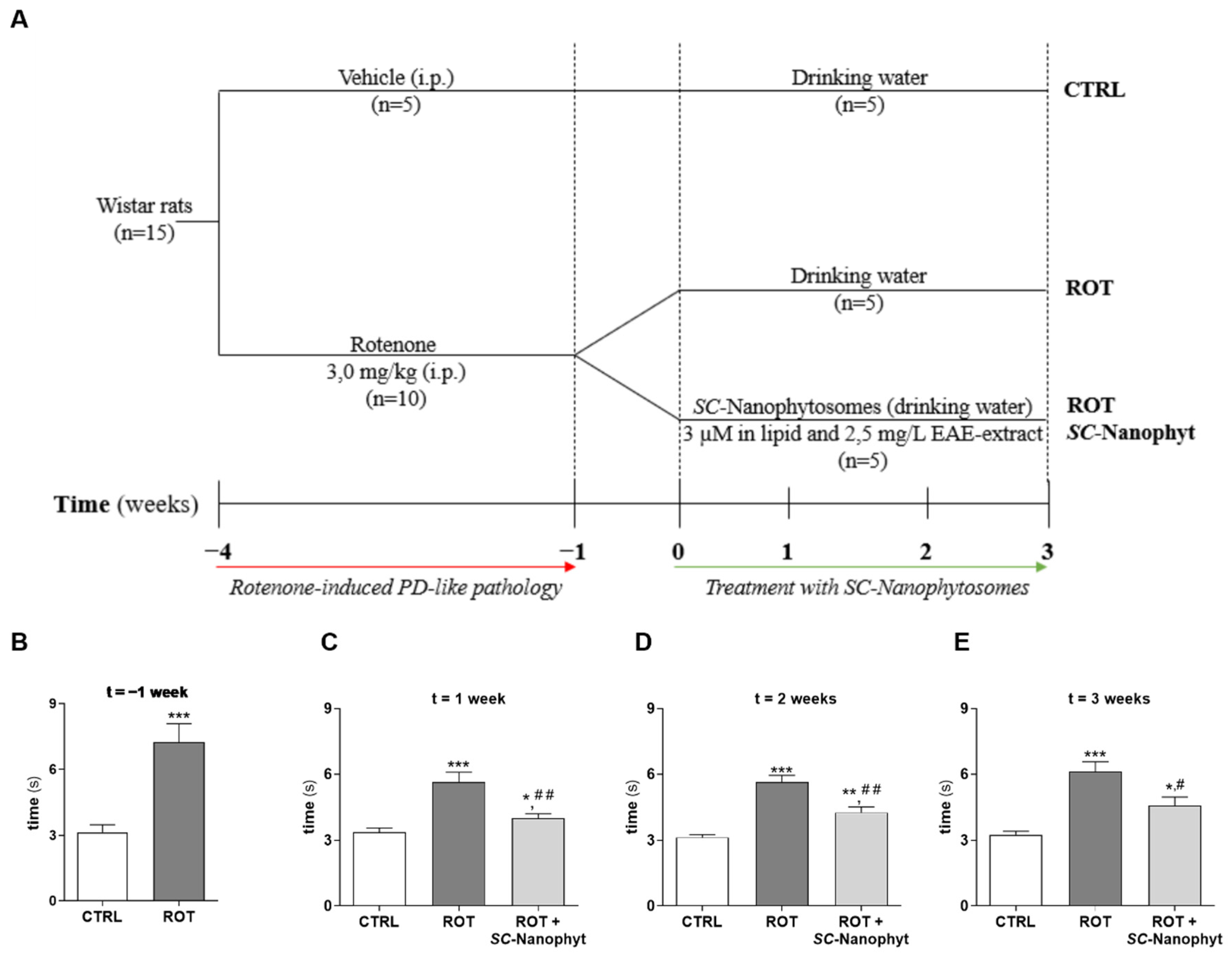
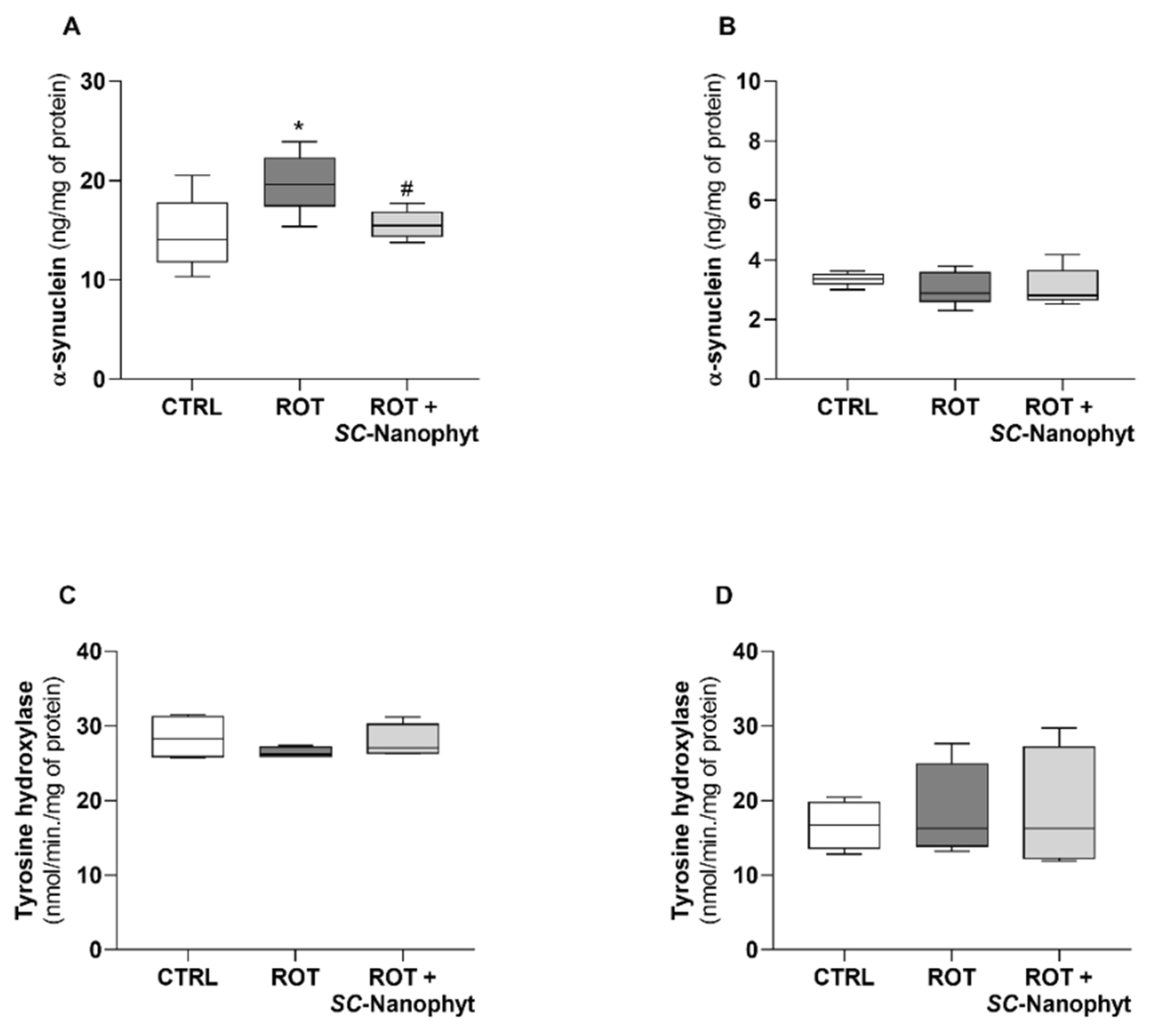
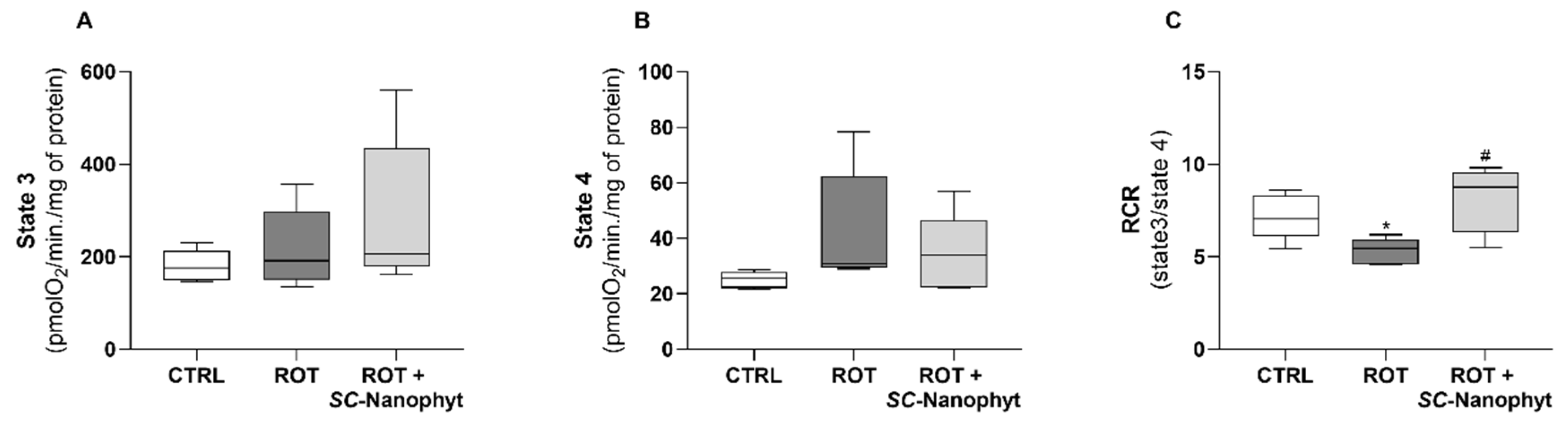
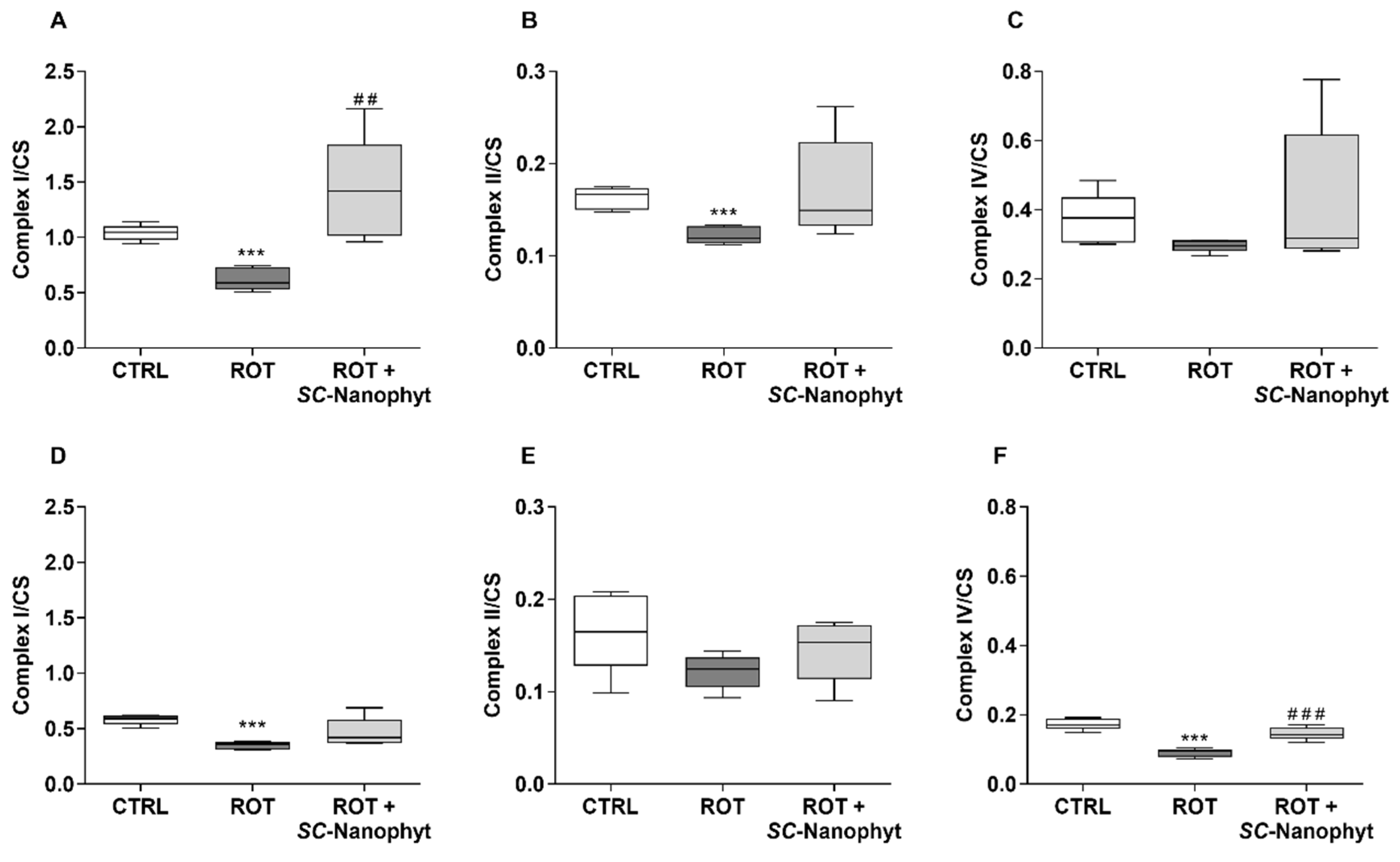
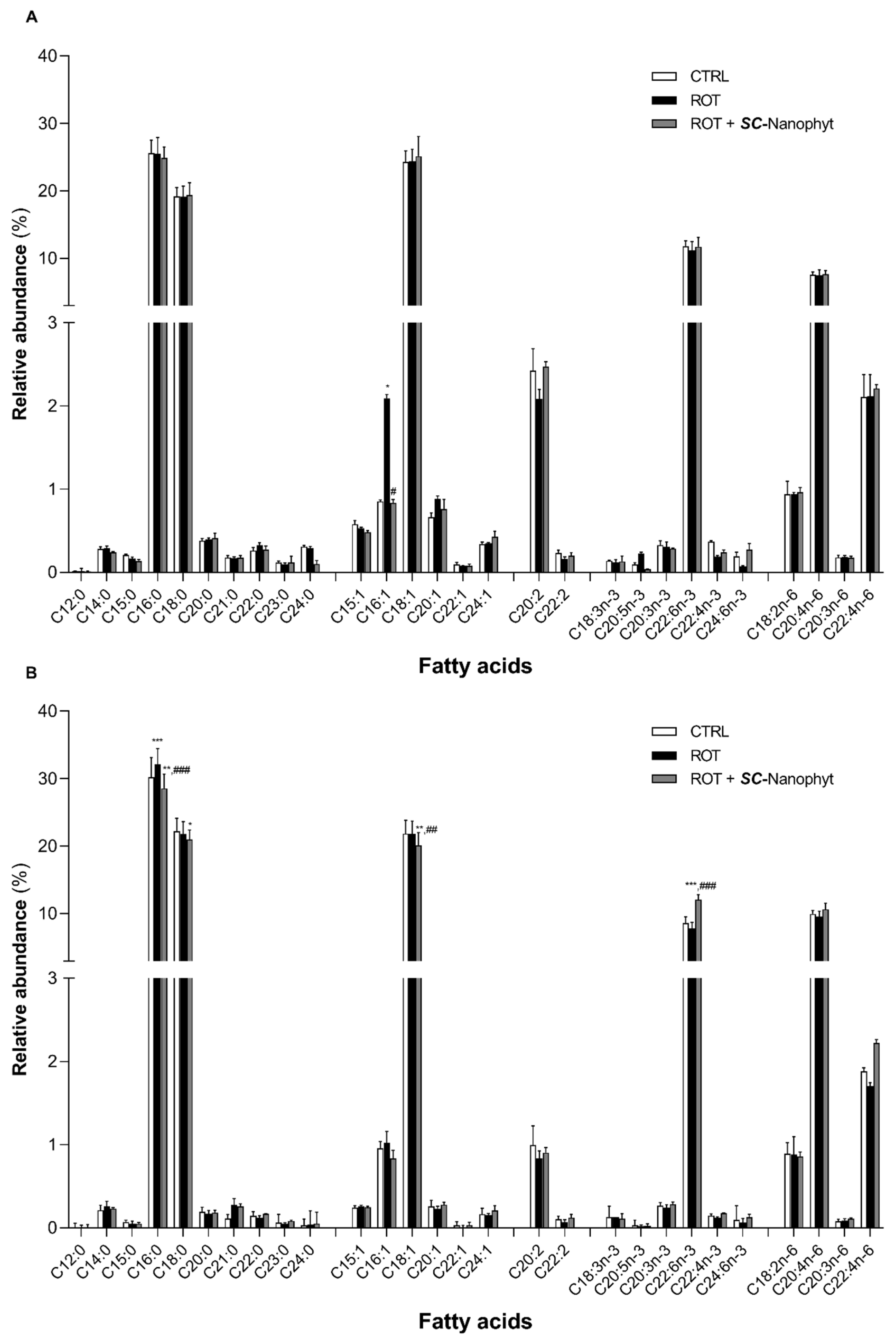
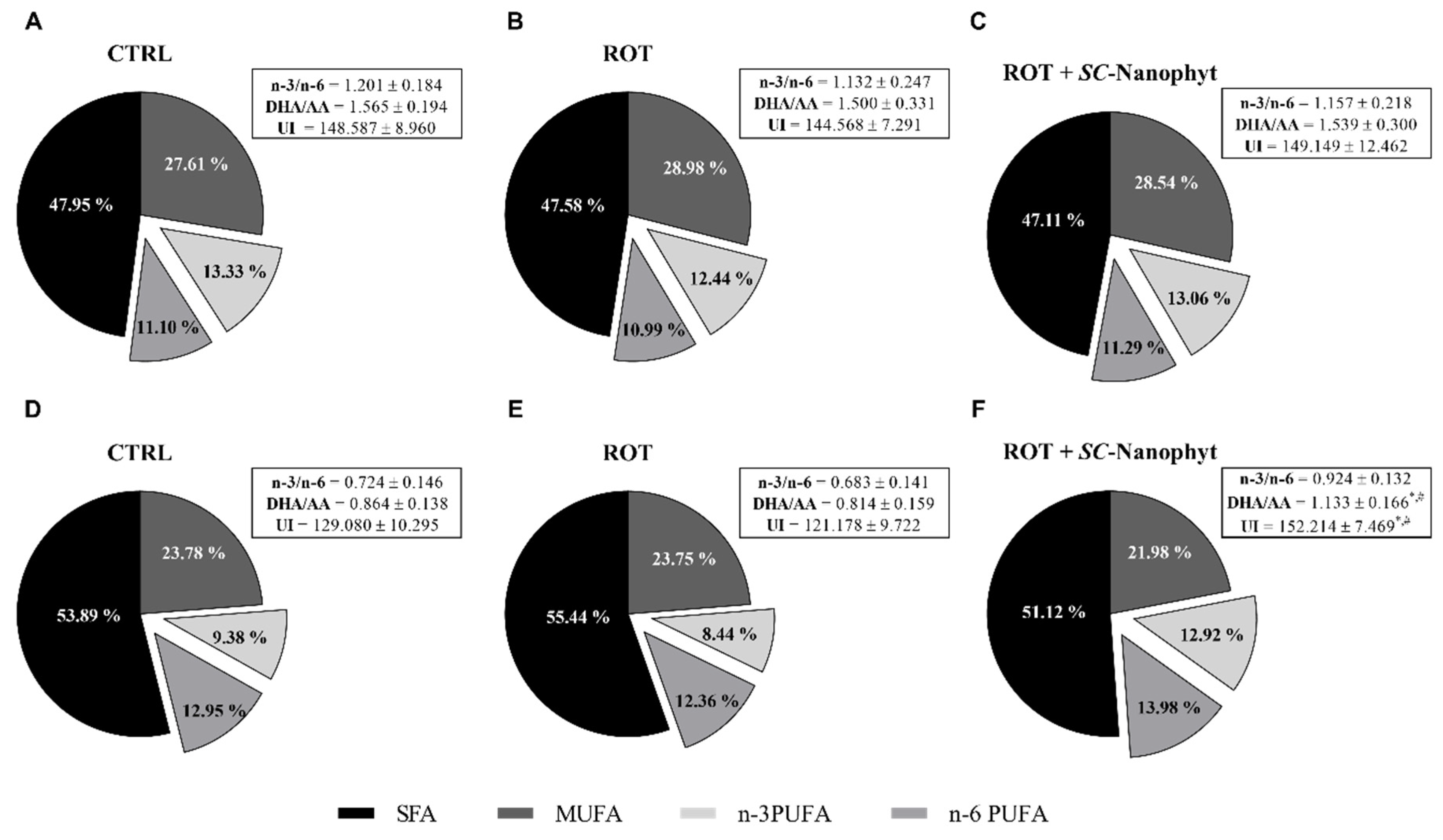
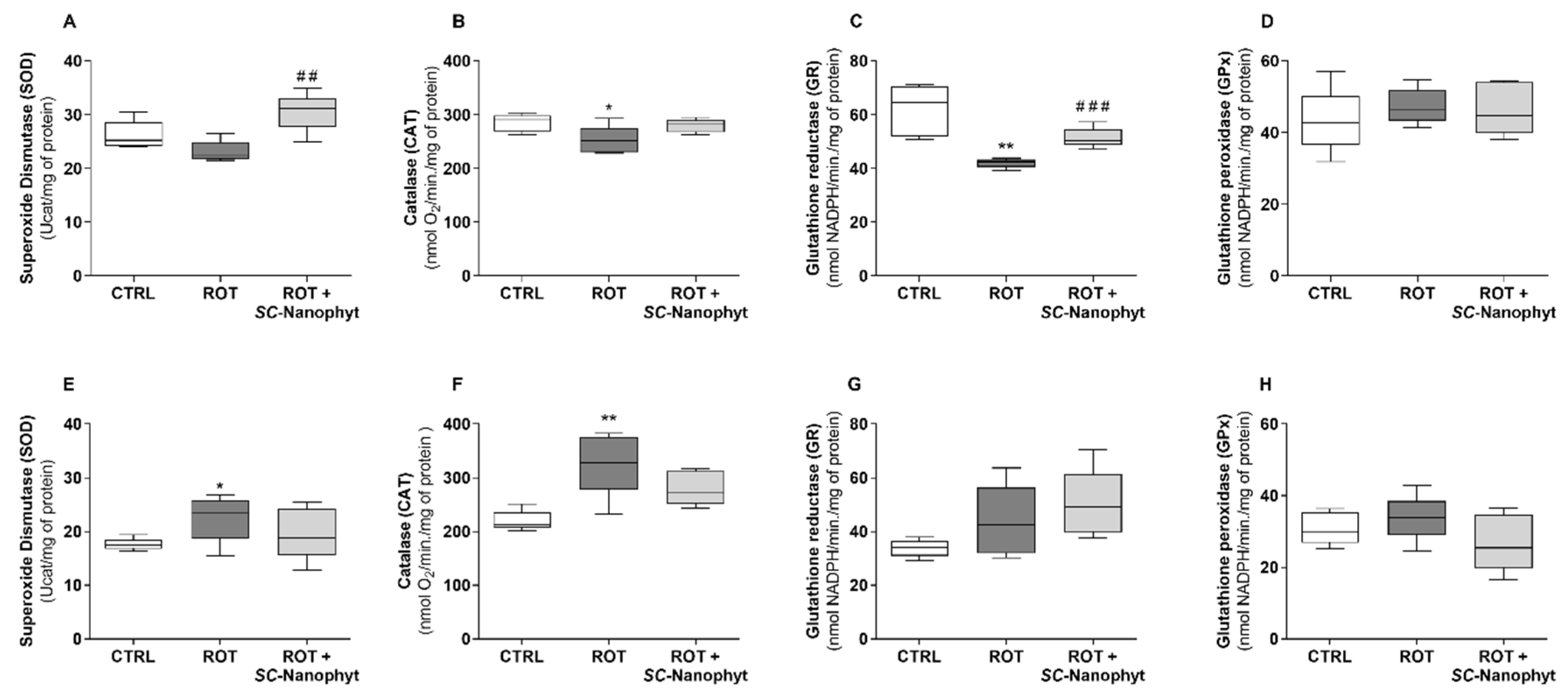
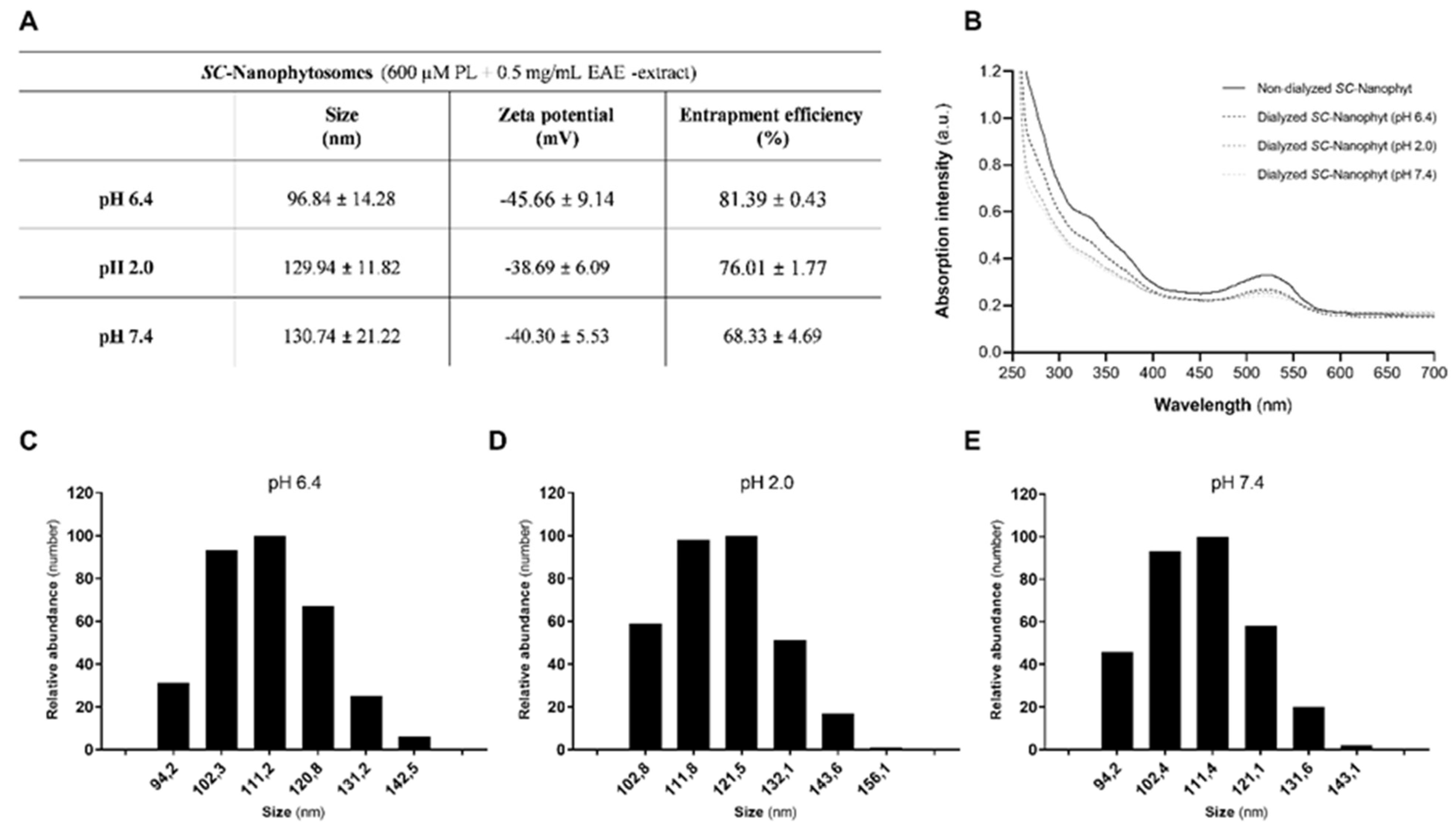
Mitochondria are an attractive target to fight neurodegenerative diseases due to their important functions for cells and the particularly close relationship between the functional connectivity among brain regions and mitochondrial performance. This work presents a mitochondria-targeted therapy designed to modulate the functionality of the mitochondrial respiratory chain and lipidome, parameters that are affected in neurodegeneration, including in Parkinson’s disease (PD). This therapy is supported by SC-Nanophytosomes constructed with membrane polar lipids, from Codium tomentosum, and elderberry anthocyanin-enriched extract, from Sambucus nigra L. SC-Nanophytosomes are nanosized vesicles with a high negative surface charge that preserve their properties, including anthocyanins in the flavylium cation form, under conditions that mimic the gastrointestinal tract pH changes. SC-Nanophytosomes, 3 µM in phospholipid, and 2.5 mg/L of EAE-extract, delivered by drinking water to a rotenone-induced PD rat model, showed significant positive outcomes on disabling motor symptoms associated with the disease. Ex vivo assays were performed with two brain portions, one comprising the basal ganglia and cerebellum (BG-Cereb) and the other with the cerebral cortex (C-Cortex) regions. Results showed that rotenone-induced neurodegeneration increases the α-synuclein levels in the BG-Cereb portion and compromises mitochondrial respiratory chain functionality in both brain portions, well-evidenced by a 50% decrease in the respiratory control rate and up to 40% in complex I activity. Rotenone-induced PD phenotype is also associated with changes in superoxide dismutase and catalase activities that are dependent on the brain portion. Treatment with SC-Nanophytosomes reverted the α-synuclein levels and antioxidant enzymes activity to the values detected in control animals. Moreover, it mitigated mitochondrial dysfunction, with positive outcomes on the respiratory control rate, the activity of individual respiratory complexes, and the fatty acid profile of the membrane phospholipids. Therefore, SC-Nanophytosomes are a promising tool to support mitochondria-targeted therapy for neurodegenerative diseases.
Keywords: anthocyanins; algae lipids; mitochondria; neurodegenerative diseases; nanomedicine anthocyanins; algae lipids; mitochondria; neurodegenerative diseases; nanomedicine