Article

Crohn’s Disease Increases the Mesothelial Properties of Adipocyte Progenitors in the Creeping Fat
1
Department of Research, Institut d’Investigació Sanitària Pere Virgili, Hospital Universitari de Tarragona Joan XXIII, 43005 Tarragona, Spain
2
Instituto de Salud Carlos III, CIBER de Diabetes y Enfermedades Metabólicas Asociadas (CIBERDEM), 08029 Madrid, Spain
3
Department of Surgery, Colorectal Surgery Unit, Hospital Universitari i Politècnic La Fe, 46026 Valencia, Spain
4
Instituto Maimónides de Investigación Biomédica de Córdoba (IMIBIC), University of Cordoba, Reina Sofia University Hospital, Edificio IMIBIC, Avda. Menéndez Pidal s/n, 14004 Cordoba, Spain
5
Department of Cell Biology, Physiology and Immunology, University of Cordoba, 14004 Cordoba, Spain
6
CIBER Fisiopatología de la Obesidad y Nutrición (CIBEROBN), Instituto de Salud Carlos III, 28029 Madrid, Spain
7
Colorectal Surgery Unit, General Surgery Service, Hospital Vall d’Hebron, Universitat Autònoma de Barcelona, 08035 Barcelona, Spain
8
Digestive Unit, Hospital Universitari Joan XXIII, 43007 Tarragona, Spain
9
Department Medicine and Surgery, Medicine School, Universitat Rovira i Virgili, 43003 Tarragona, Spain
*
Authors to whom correspondence should be addressed.
These authors contributed equally to this work.
Int. J. Mol. Sci. 2021, 22(8), 4292; https://doi.org/10.3390/ijms22084292
Submission received: 10 March 2021 / Revised: 13 April 2021 / Accepted: 16 April 2021 / Published: 20 April 2021

Abstract

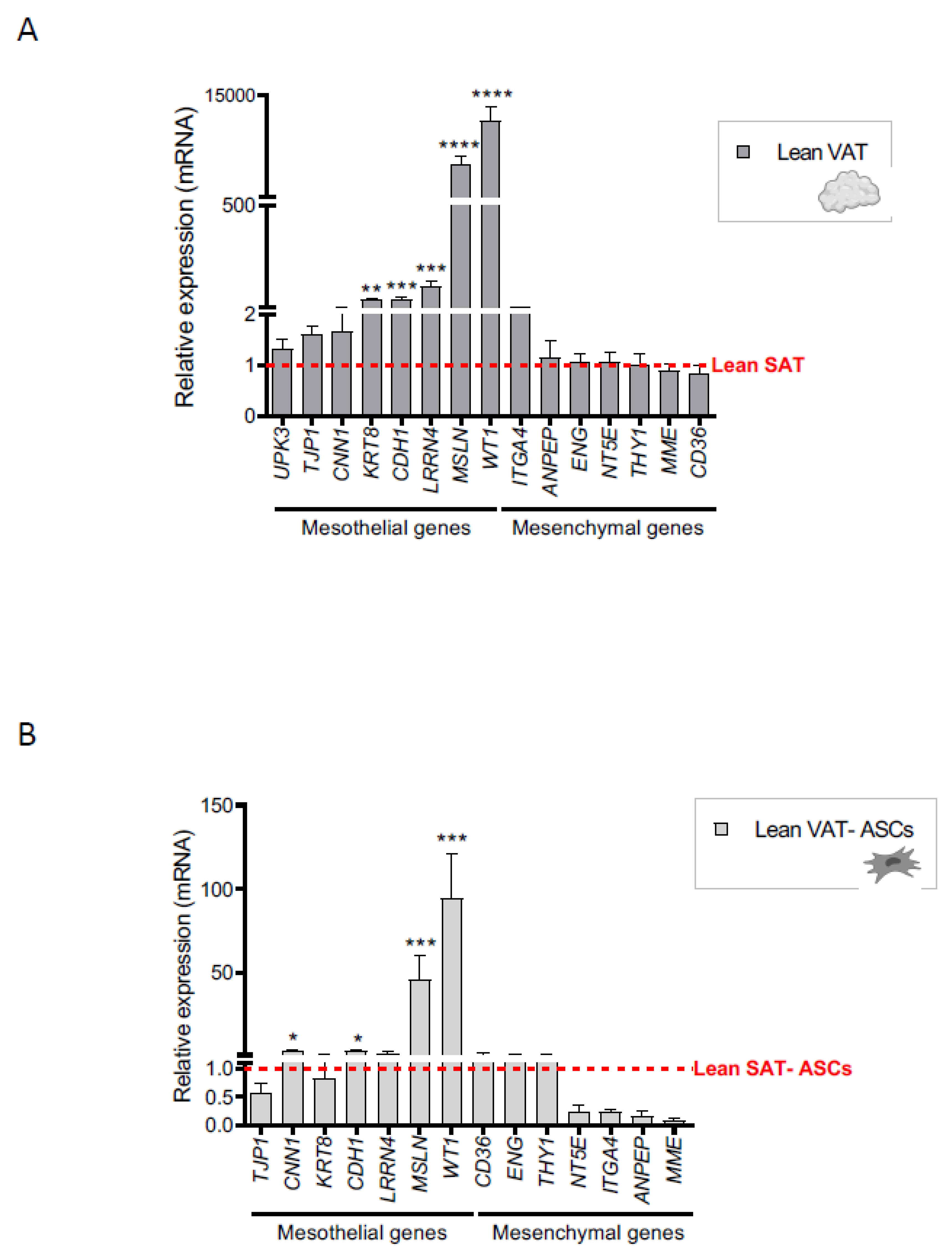
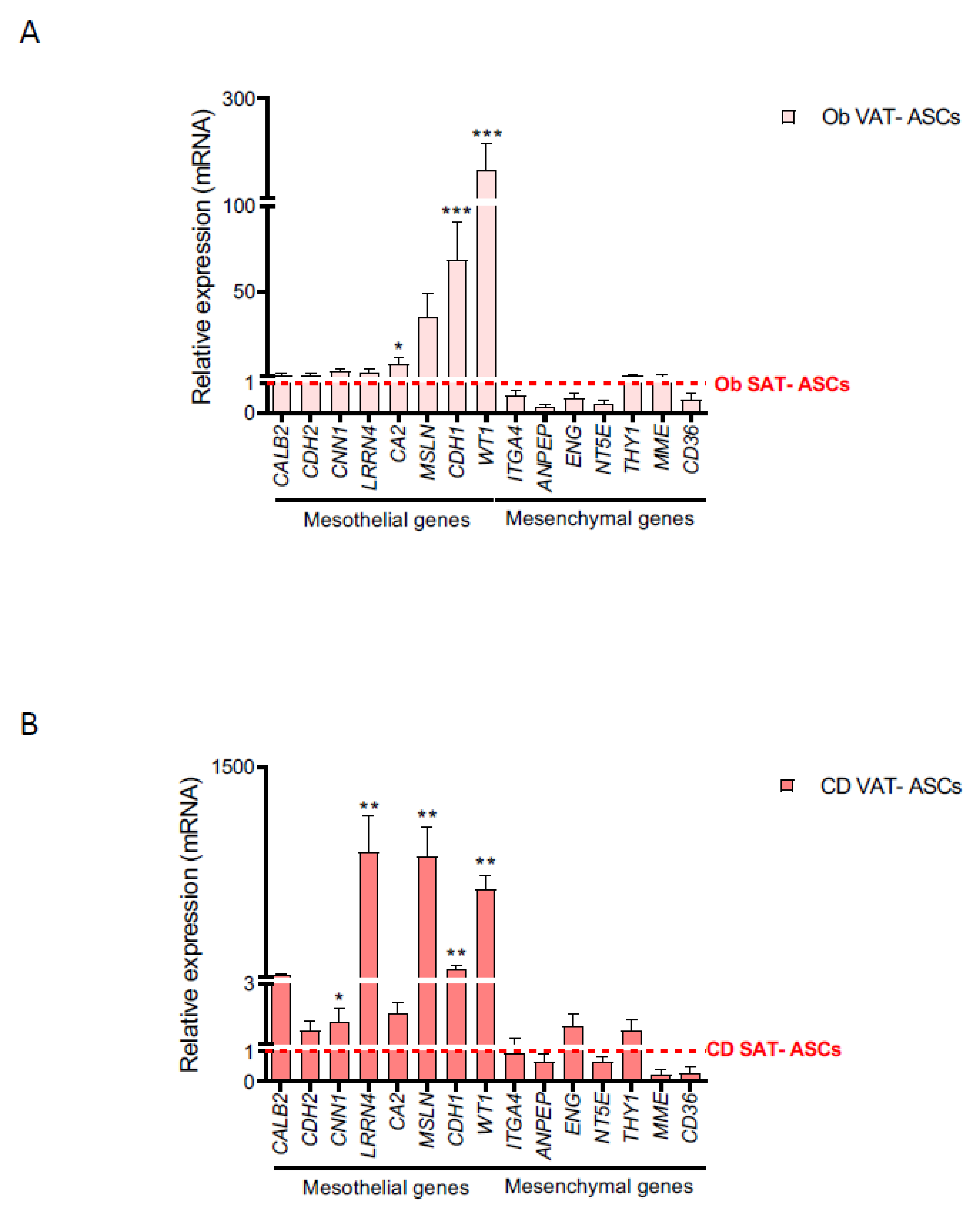
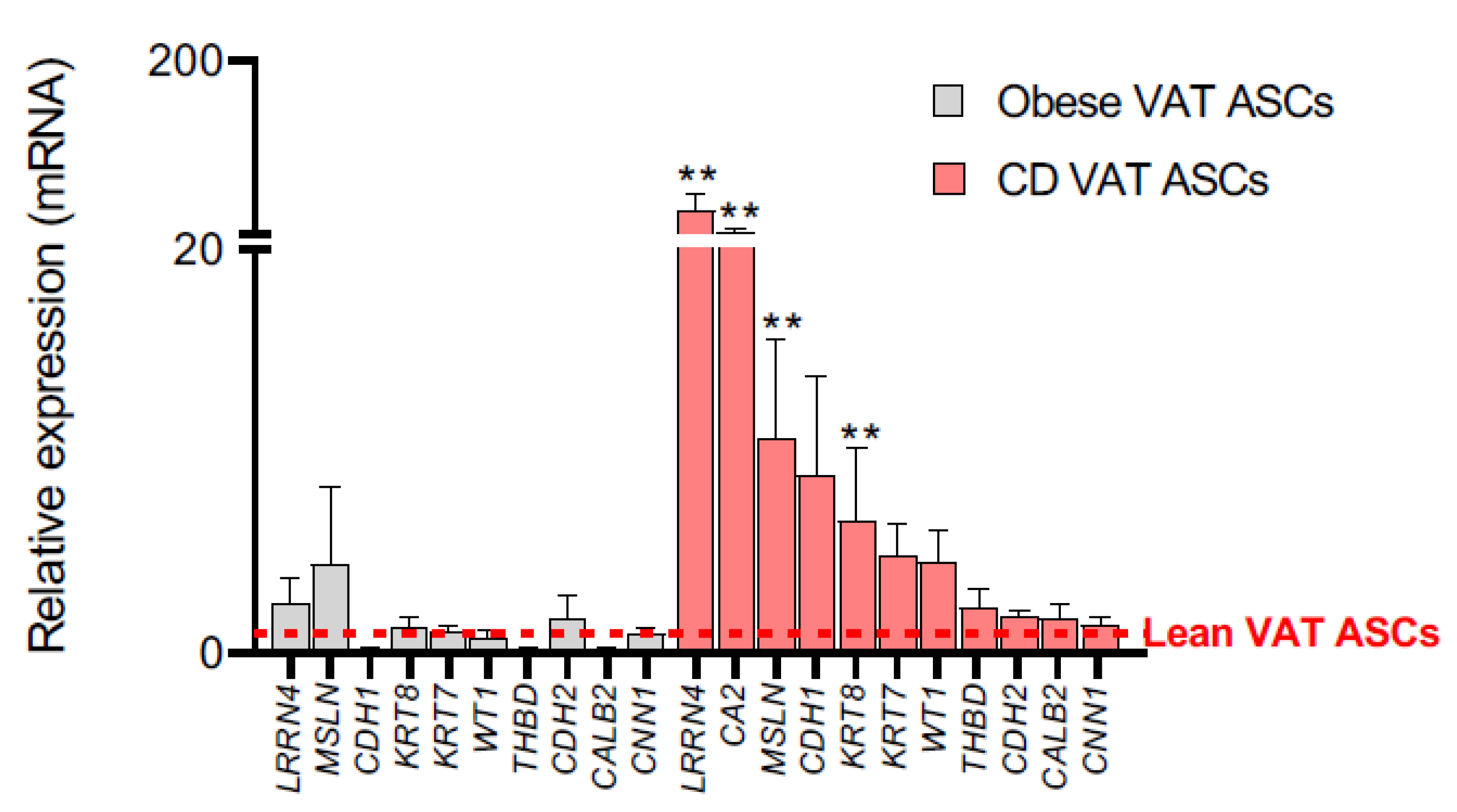
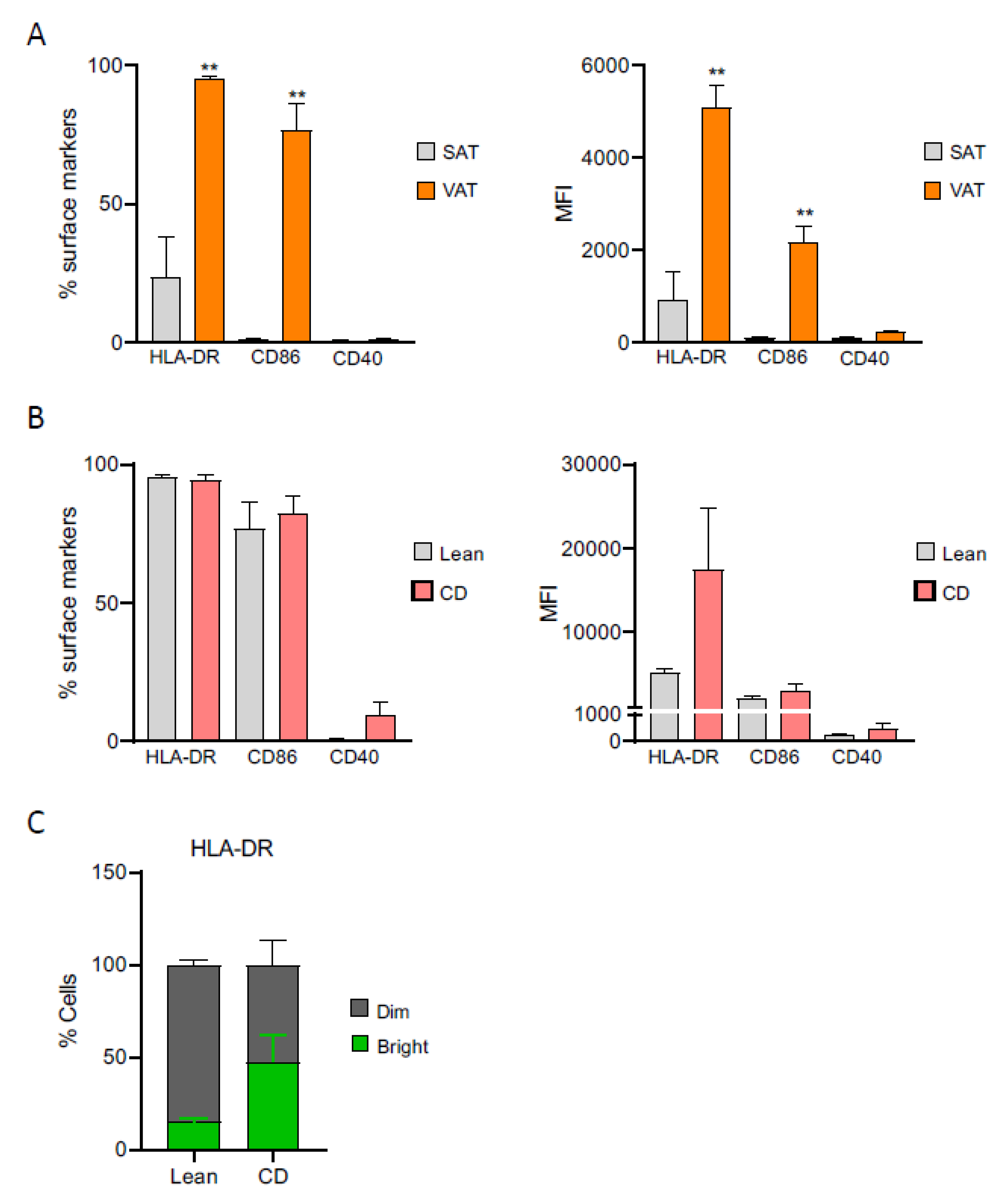
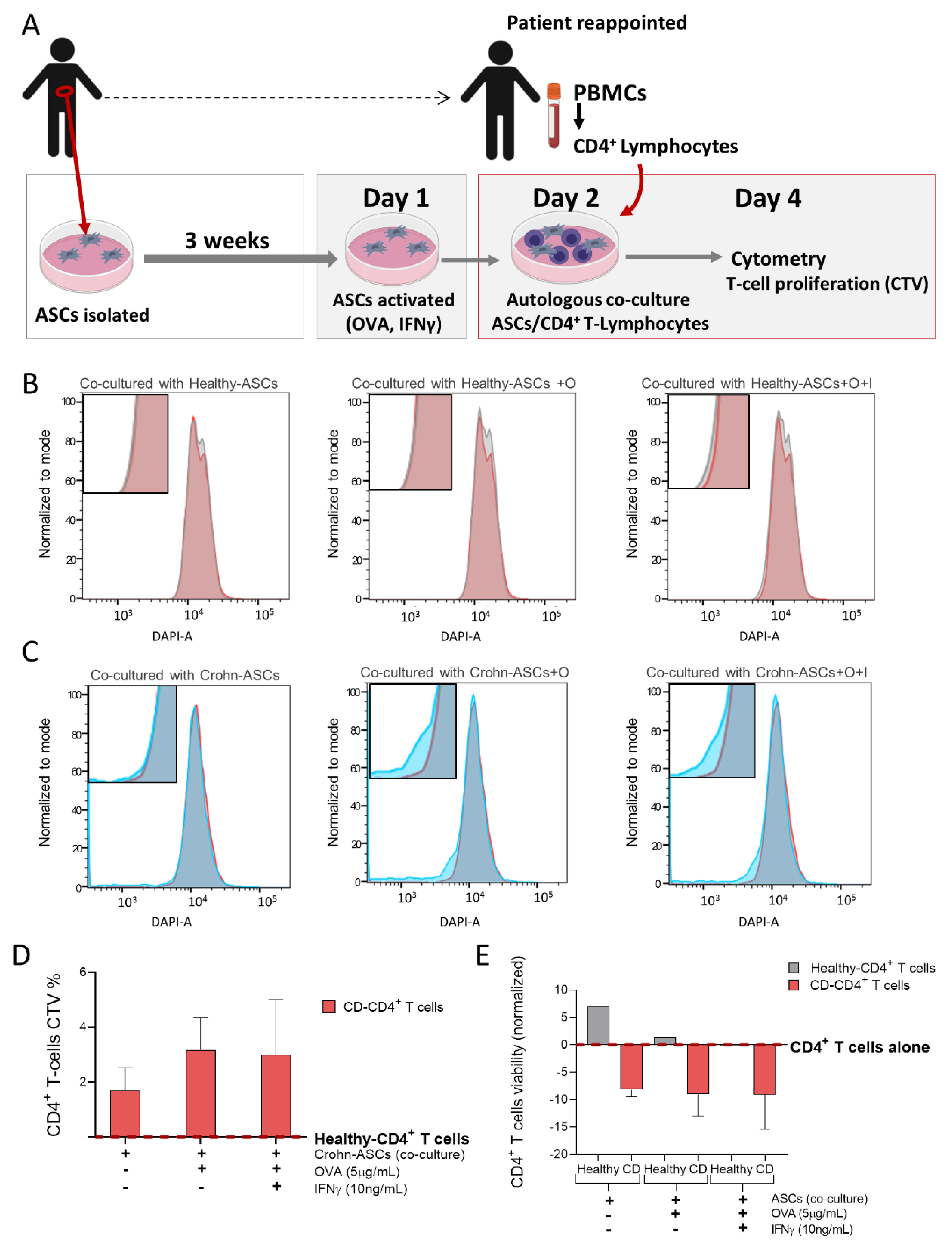
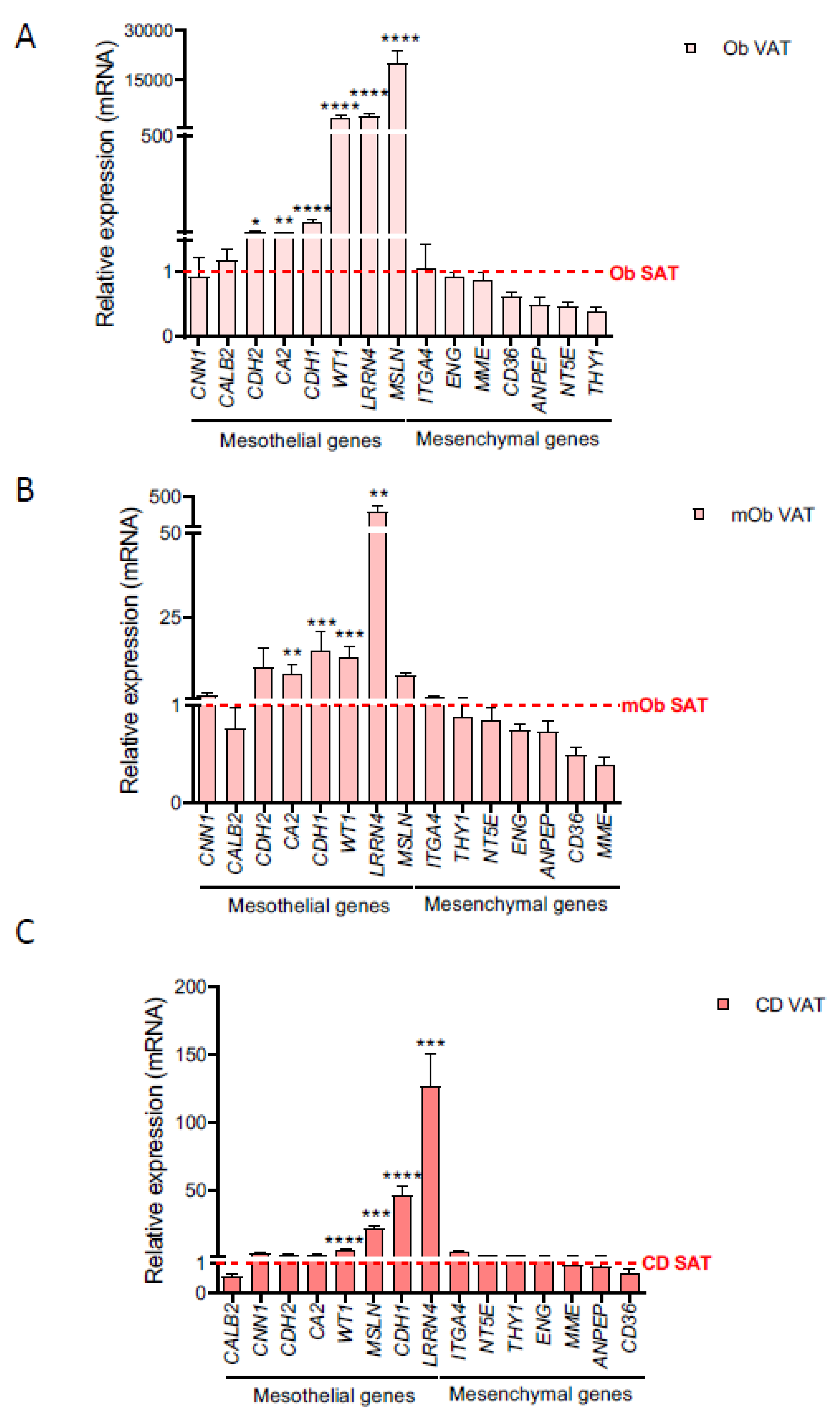
Our understanding of the interplay between human adipose tissue and the immune system is limited. The mesothelium, an immunologically active structure, emerged as a source of visceral adipose tissue. After investigating the mesothelial properties of human visceral and subcutaneous adipose tissue and their progenitors, we explored whether the dysfunctional obese and Crohn’s disease environments influence the mesothelial/mesenchymal properties of their adipocyte precursors, as well as their ability to mount an immune response. Using a tandem transcriptomic/proteomic approach, we evaluated the mesothelial and mesenchymal expression profiles in adipose tissue, both in subjects covering a wide range of body-mass indexes and in Crohn’s disease patients. We also isolated adipose tissue precursors (adipose-derived stem cells, ASCs) to assess their mesothelial/mesenchymal properties, as well as their antigen-presenting features. Human visceral tissue presented a mesothelial phenotype not detected in the subcutaneous fat. Only ASCs from mesenteric adipose tissue, named creeping fat, had a significantly higher expression of the hallmark mesothelial genes mesothelin (MSLN) and Wilms’ tumor suppressor gene 1 (WT1), supporting a mesothelial nature of these cells. Both lean and Crohn’s disease visceral ASCs expressed equivalent surface percentages of the antigen-presenting molecules human leucocyte antigen—DR isotype (HLA-DR) and CD86. However, lean-derived ASCs were predominantly HLA-DR dim, whereas in Crohn’s disease, the HLA-DR bright subpopulation was increased 3.2-fold. Importantly, the mesothelial-enriched Crohn’s disease precursors activated CD4+ T-lymphocytes. Our study evidences a mesothelial signature in the creeping fat of Crohn’s disease patients and its progenitor cells, the latter being able to present antigens and orchestrate an immune response.
Keywords: Crohn’s disease; adipose tissue; mesothelium; adipose-derived stem cells Crohn’s disease; adipose tissue; mesothelium; adipose-derived stem cells