Article

Effective Activation by Kynurenic Acid and Its Aminoalkylated Derivatives on M-Type K+ Current
1
Department of Pharmacology, School of Medicine, College of Medicine, Kaohsiung Medical University, Kaohsiung 80708, Taiwan
2
Department of Medical Research, Kaohsiung Medical University Hospital, Kaohsiung 80708, Taiwan
3
Graduate Institute of Medicine, College of Medicine, Kaohsiung Medical University, Kaohsiung 80708, Taiwan
4
Department of Neurosurgery, Kaohsiung Medical University Hospital, Kaohsiung 80708, Taiwan
5
Department of Neurosurgery, College of Medicine, Kaohsiung Medical University, Kaohsiung 80708, Taiwan
6
Institute of Pharmaceutical Chemistry, University of Szeged, Eötvös u. 6, H-6720 Szeged, Hungary
7
MTA-SZTE Stereochemistry Research Group, Hungarian Academy of Sciences, Eötvös u. 6, H-6720 Szeged, Hungary
8
Institute of Basic Medical Sciences, National Cheng Kung University Medical College, Tainan City 70101, Taiwan
9
Department of Physiology, National Cheng Kung University Medical College, Tainan City 70101, Taiwan
*
Authors to whom correspondence should be addressed.
Int. J. Mol. Sci. 2021, 22(3), 1300; https://doi.org/10.3390/ijms22031300
Submission received: 29 December 2020 / Revised: 25 January 2021 / Accepted: 26 January 2021 / Published: 28 January 2021
(This article belongs to the Section Bioactives and Nutraceuticals)

Abstract

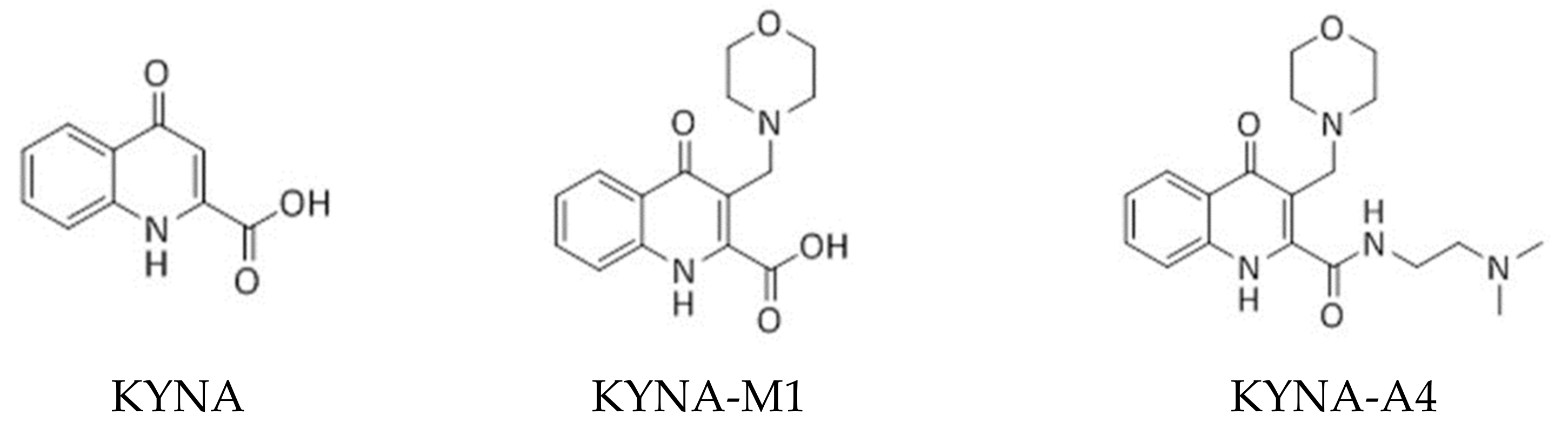
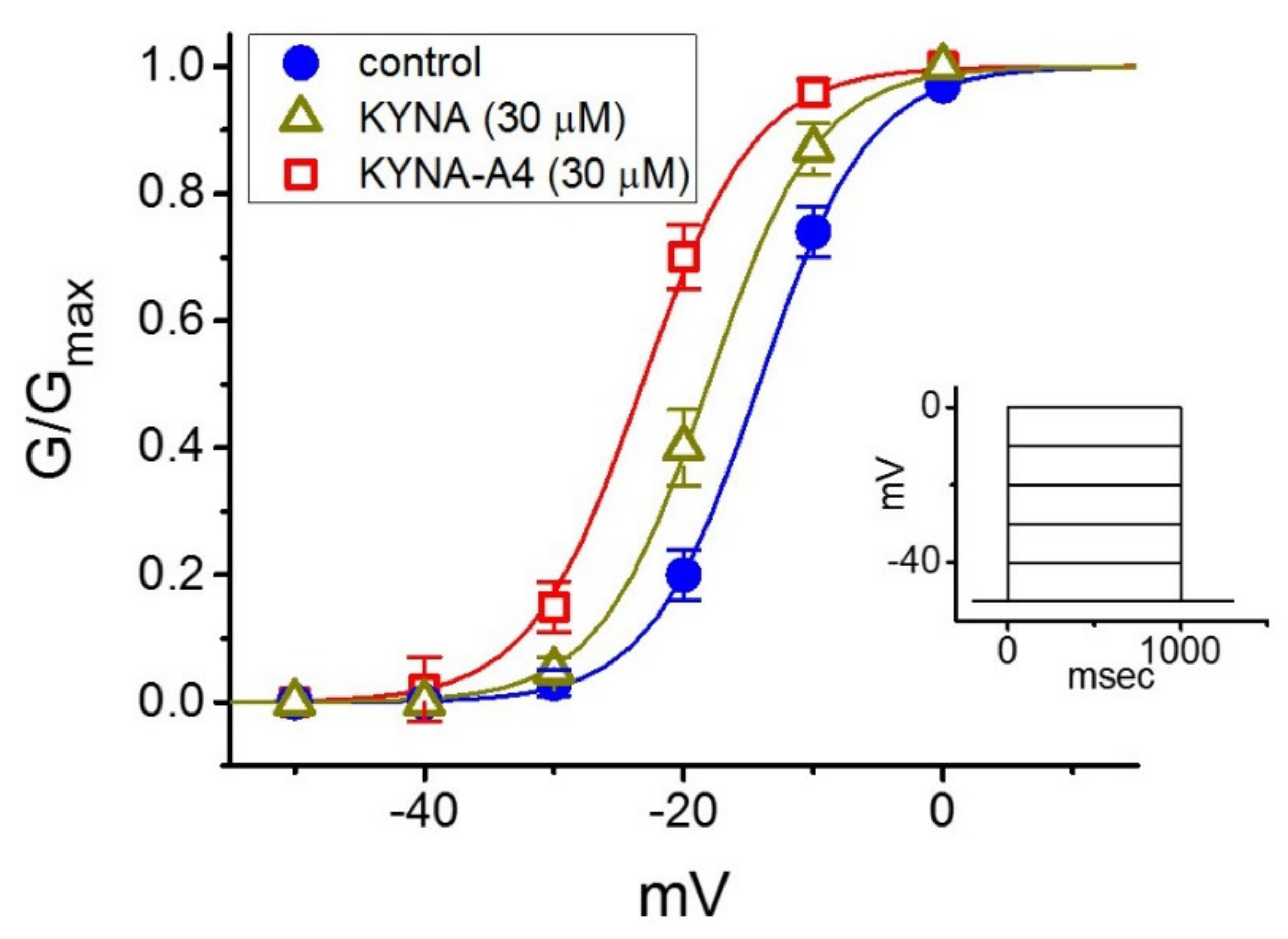
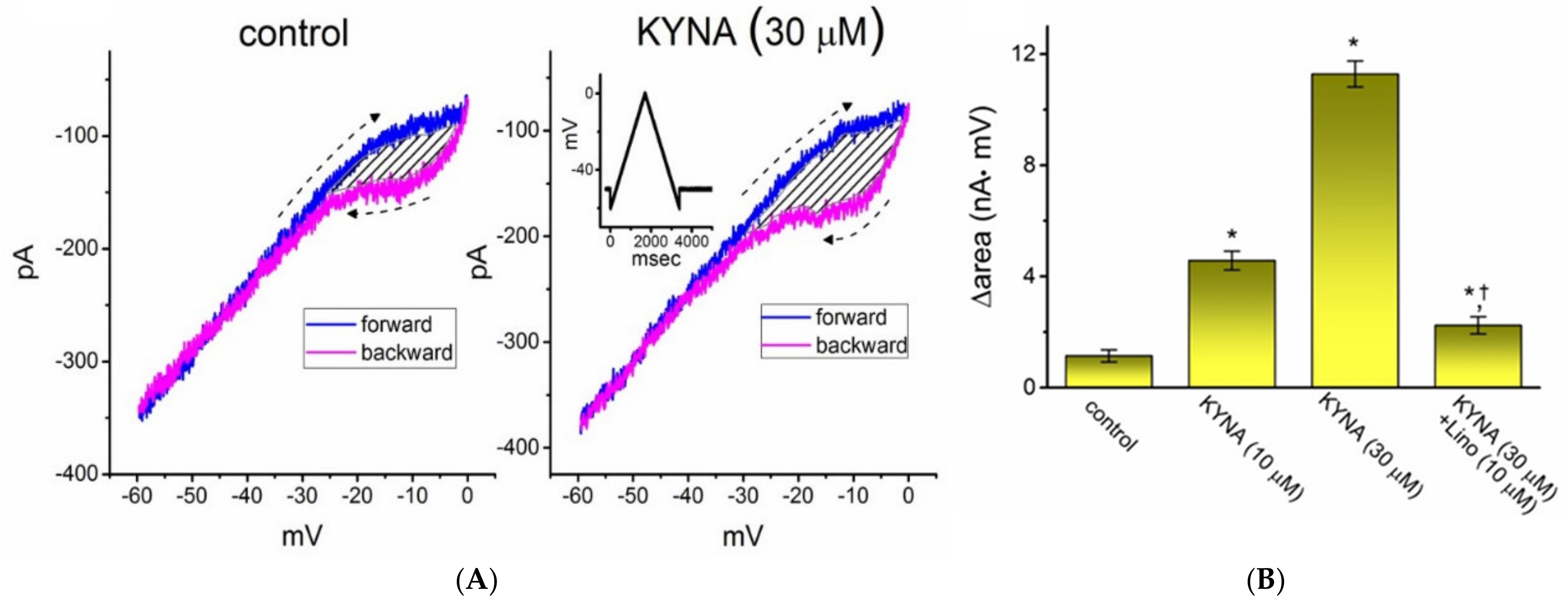
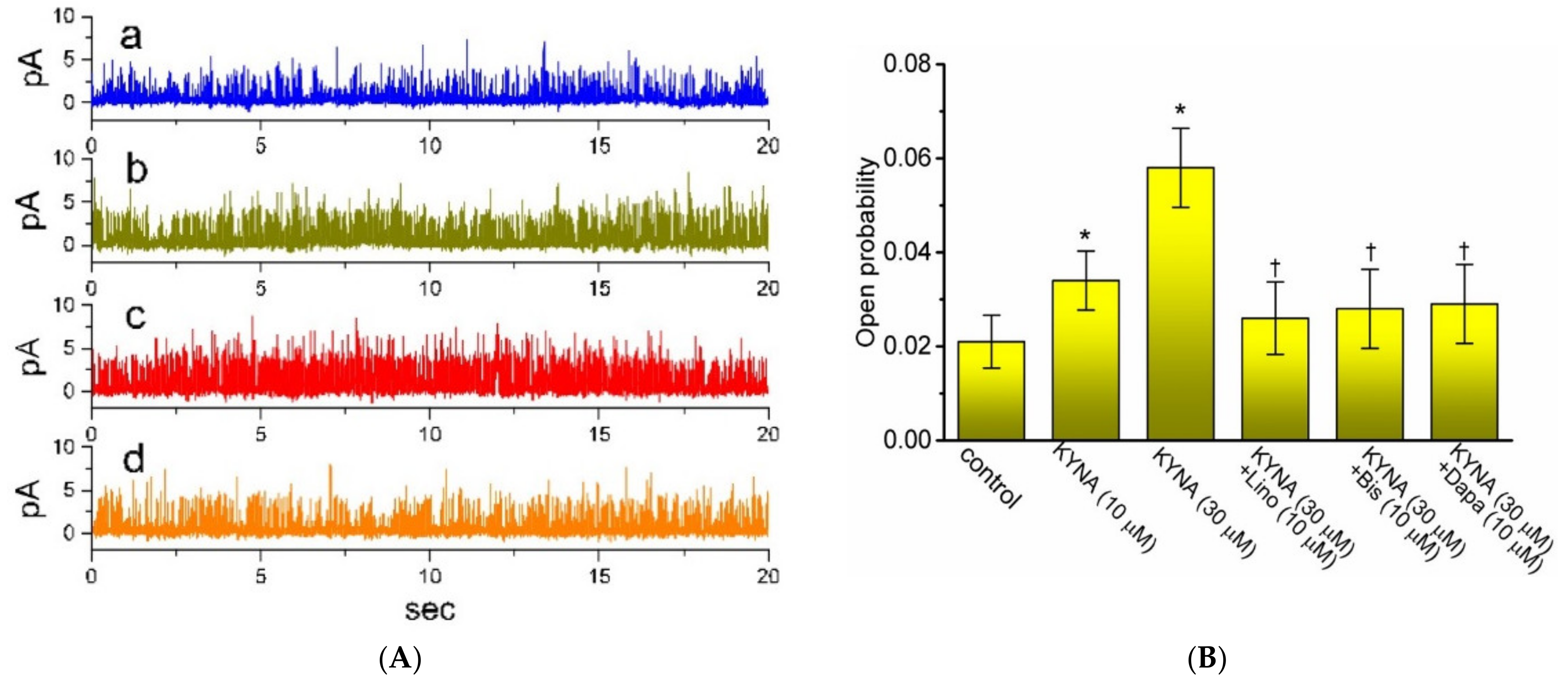
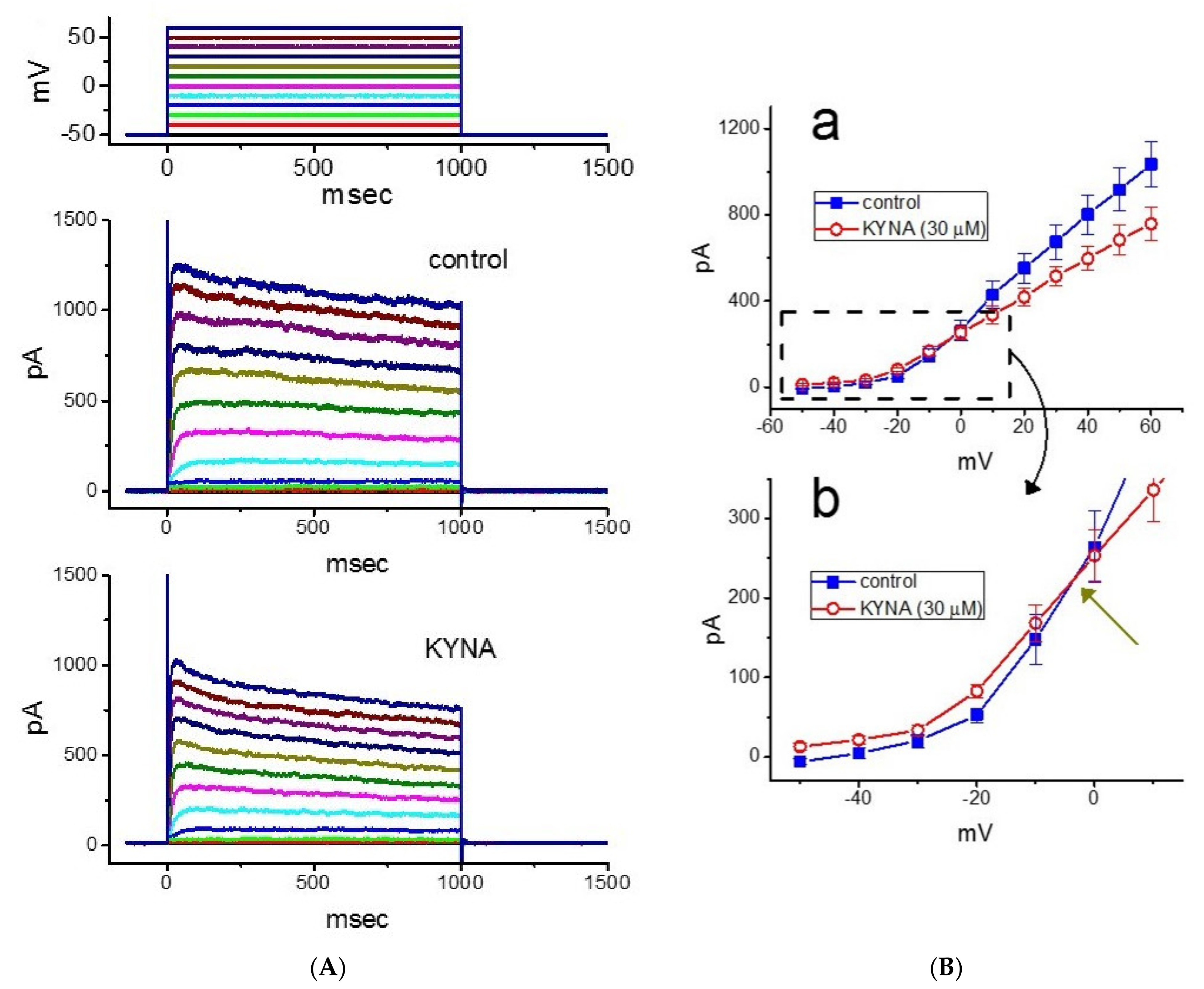
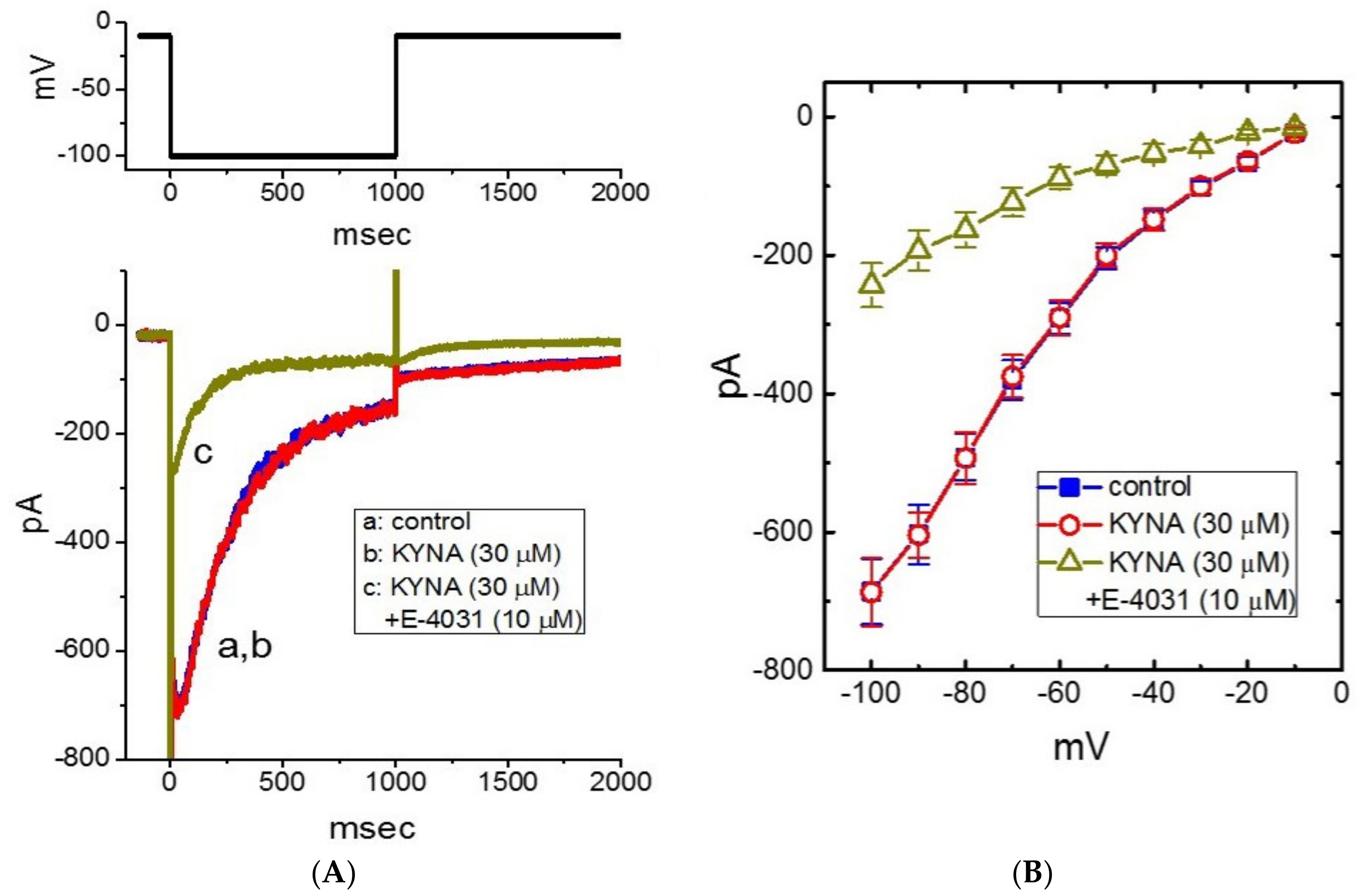
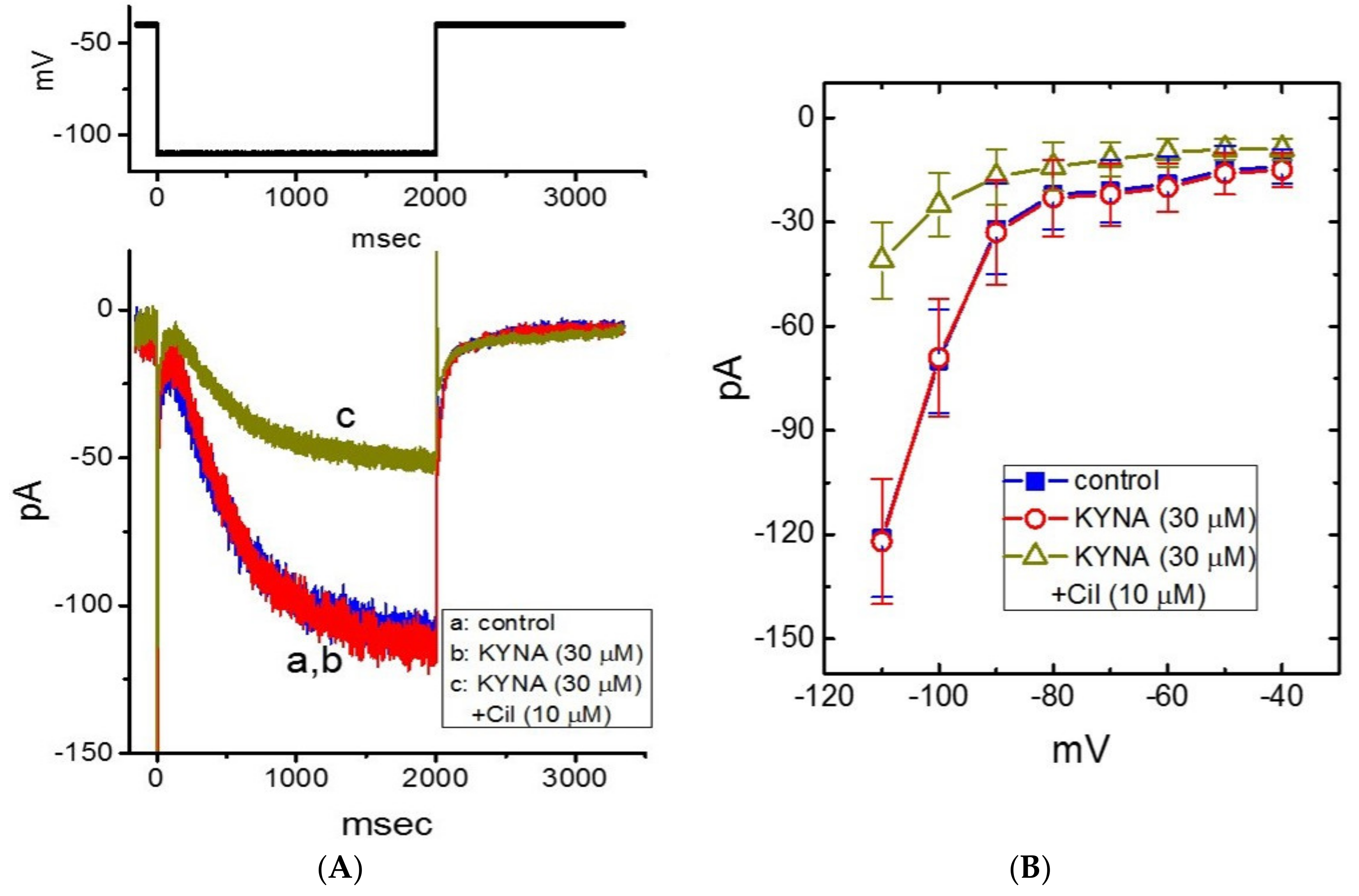
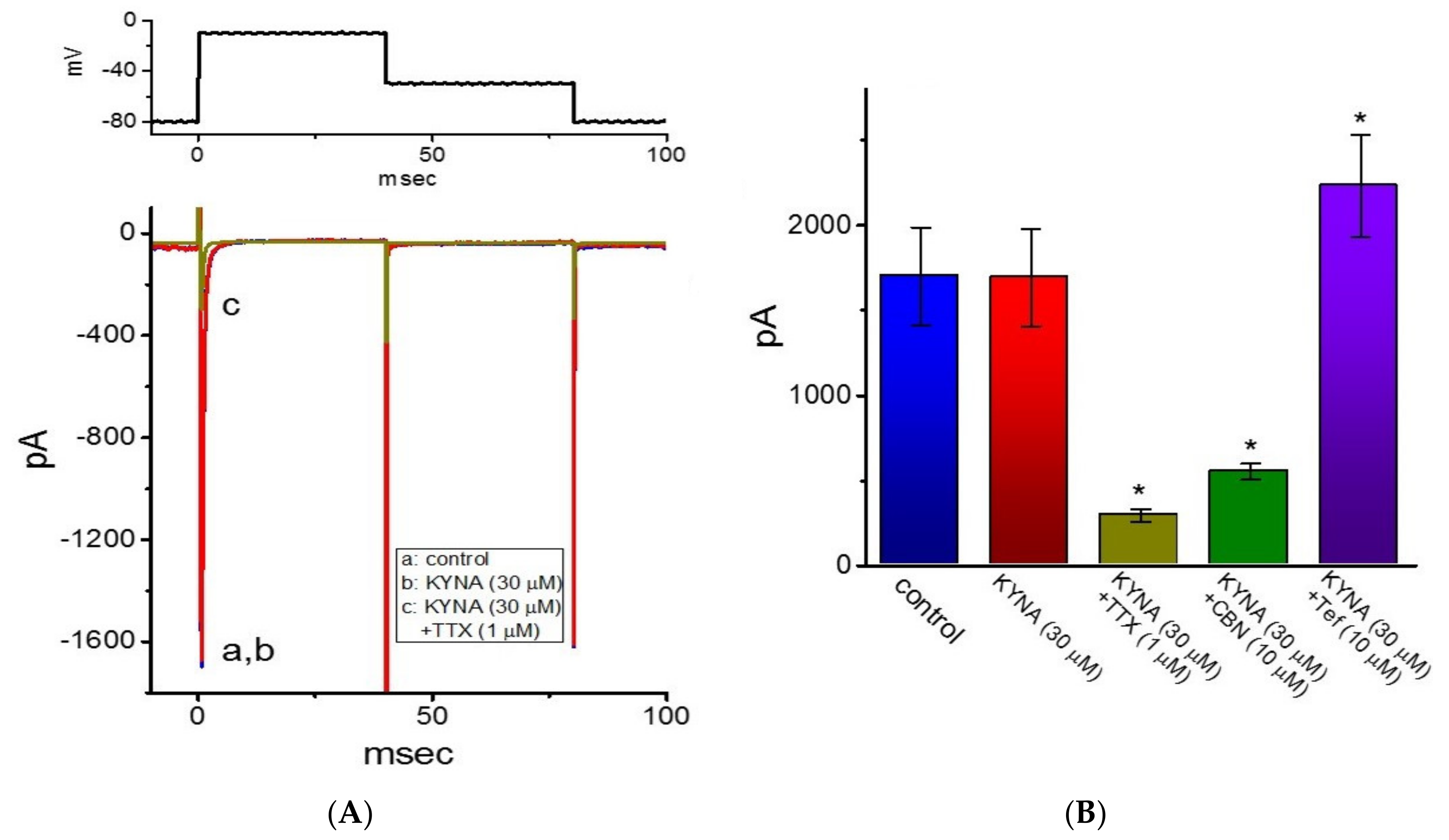
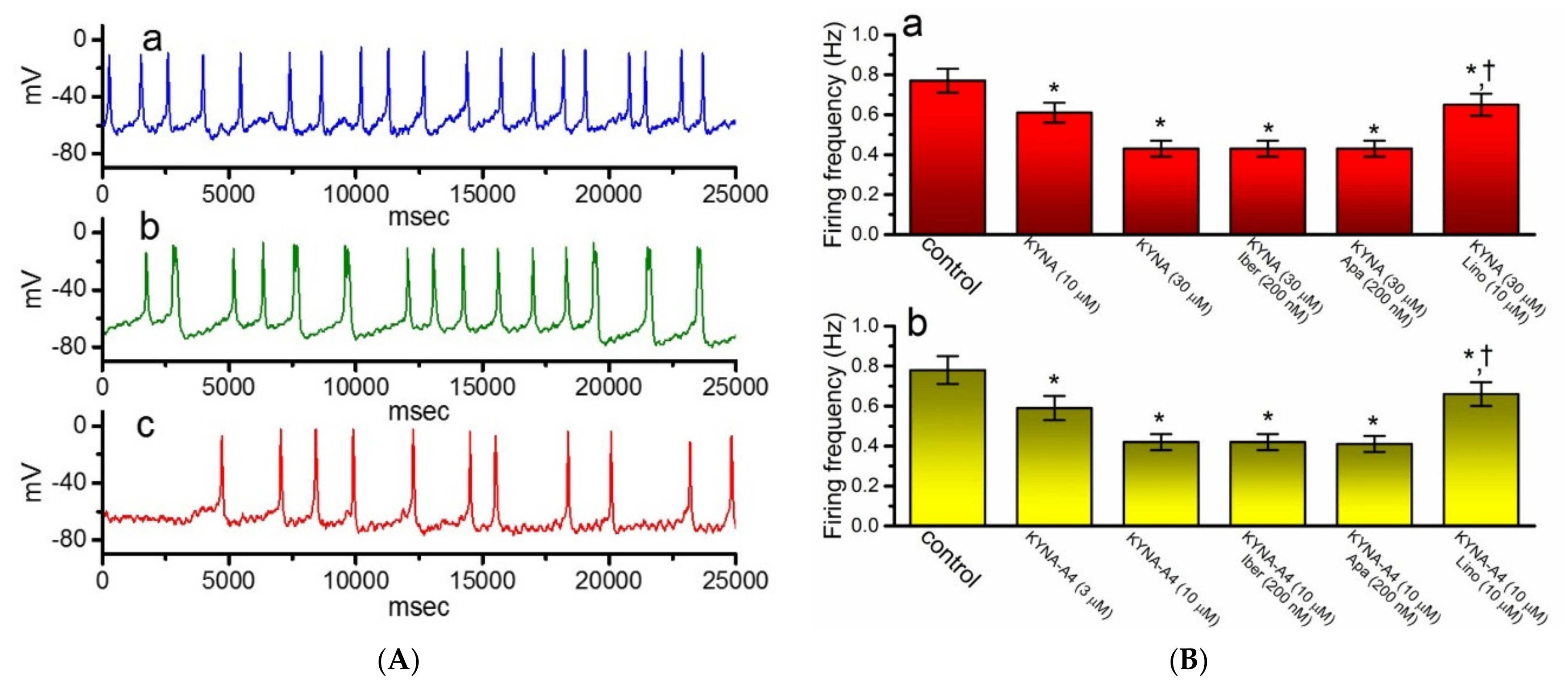
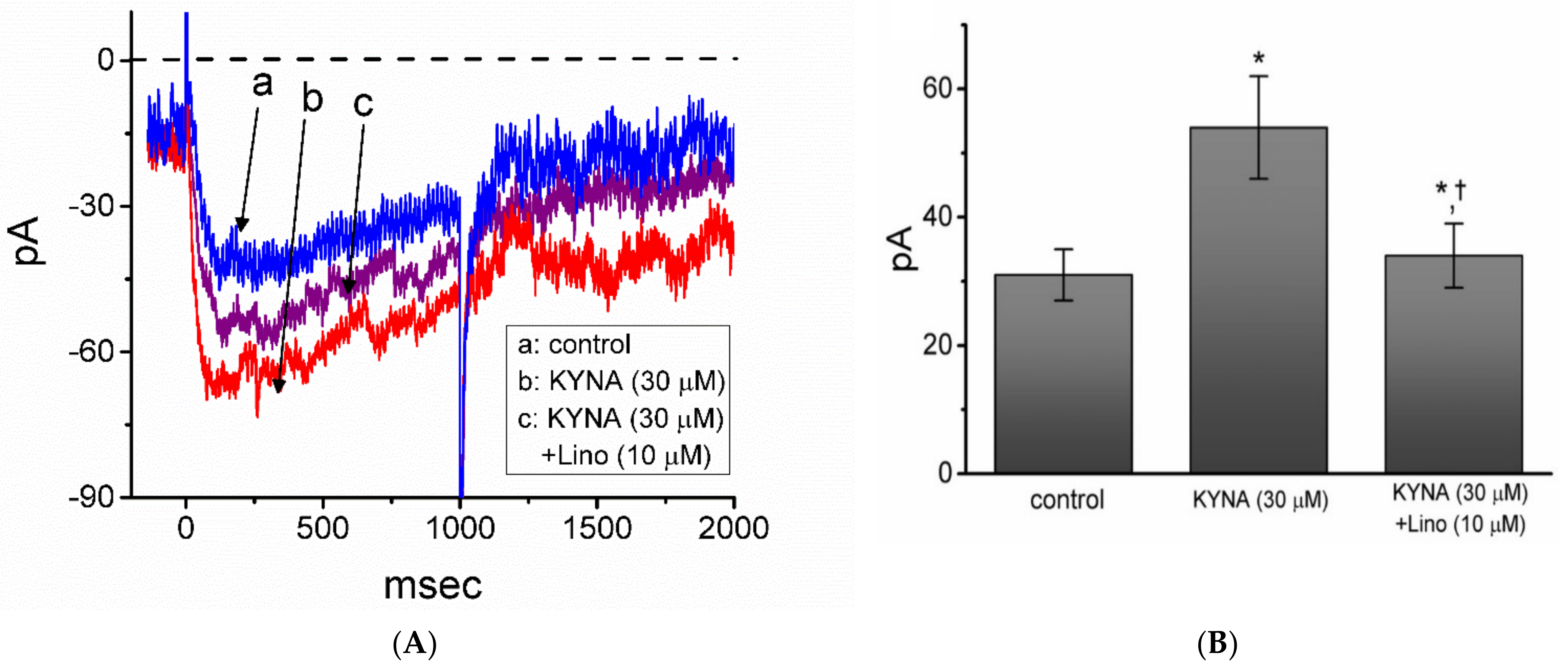
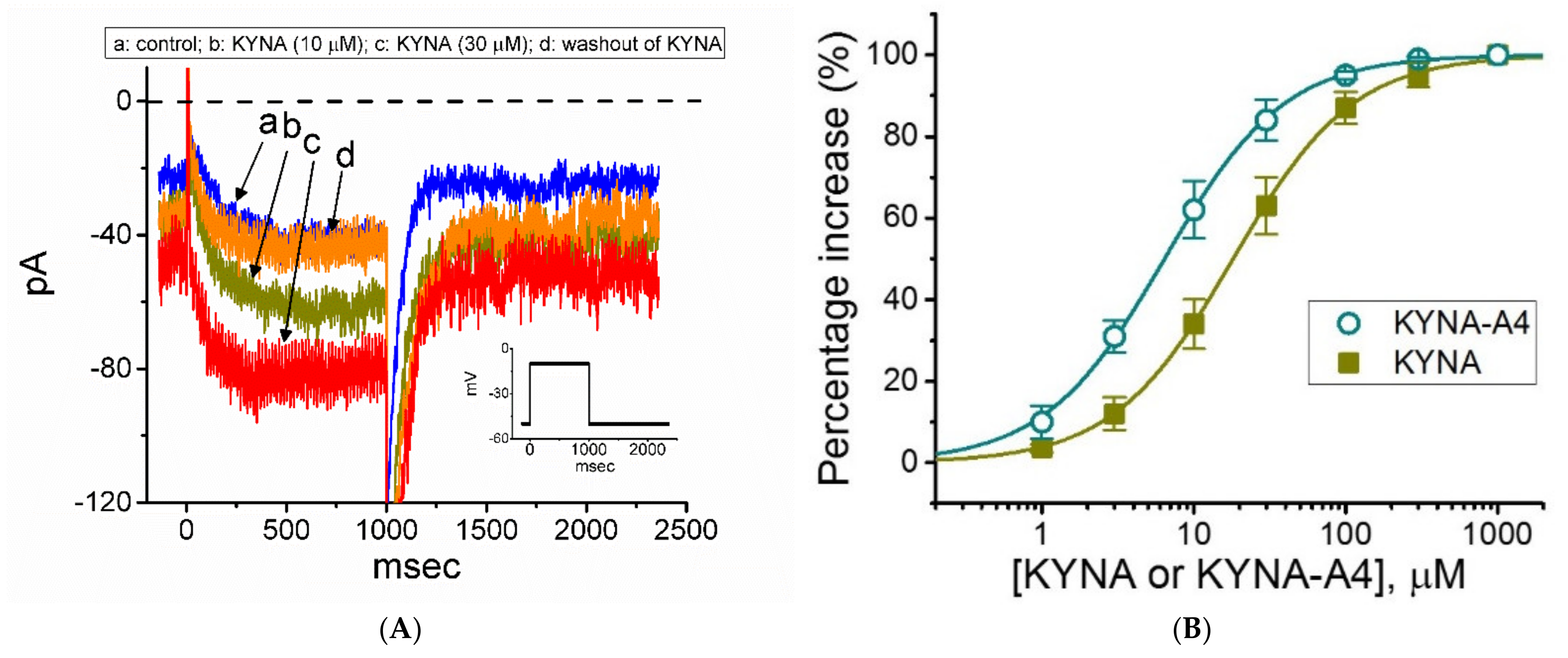
Kynurenic acid (KYNA, 4-oxoquinoline-2-carboxylic acid), an intermediate of the tryptophan metabolism, has been recognized to exert different neuroactive actions; however, the need of how it or its aminoalkylated amide derivative N-(2-(dimethylamino)ethyl)-3-(morpholinomethyl)-4-oxo-1,4-dihydroquinoline-2-carboxamide (KYNA-A4) exerts any effects on ion currents in excitable cells remains largely unmet. In this study, the investigations of how KYNA and other structurally similar KYNA derivatives have any adjustments on different ionic currents in pituitary GH3 cells and hippocampal mHippoE-14 neurons were performed by patch-clamp technique. KYNA or KYNA-A4 increased the amplitude of M-type K+ current (IK(M)) and concomitantly enhanced the activation time course of the current. The EC50 value required for KYNA- or KYNA-A4 -stimulated IK(M) was yielded to be 18.1 or 6.4 μM, respectively. The presence of KYNA or KYNA-A4 shifted the relationship of normalized IK(M)-conductance versus membrane potential to more depolarized potential with no change in the gating charge of the current. The voltage-dependent hysteretic area of IK(M) elicited by long-lasting triangular ramp pulse was observed in GH3 cells and that was increased during exposure to KYNA or KYNA-A4. In cell-attached current recordings, addition of KYNA raised the open probability of M-type K+ channels, along with increased mean open time of the channel. Cell exposure to KYNA or KYNA-A4 mildly inhibited delayed-rectifying K+ current; however, neither erg-mediated K+ current, hyperpolarization-activated cation current, nor voltage-gated Na+ current in GH3 cells was changed by KYNA or KYNA-A4. Under whole-cell, current-clamp recordings, exposure to KYNA or KYNA-A4 diminished the frequency of spontaneous action potentials; moreover, their reduction in firing frequency was attenuated by linopirdine, yet not by iberiotoxin or apamin. In hippocampal mHippoE-14 neurons, the addition of KYNA also increased the IK(M) amplitude effectively. Taken together, the actions presented herein would be one of the noticeable mechanisms through which they modulate functional activities of excitable cells occurring in vivo.
Keywords: kynurenic acid; kynurenic acid derivative; M-type K+ current; action potential; pituitary cell; hippocampal neuron kynurenic acid; kynurenic acid derivative; M-type K+ current; action potential; pituitary cell; hippocampal neuron