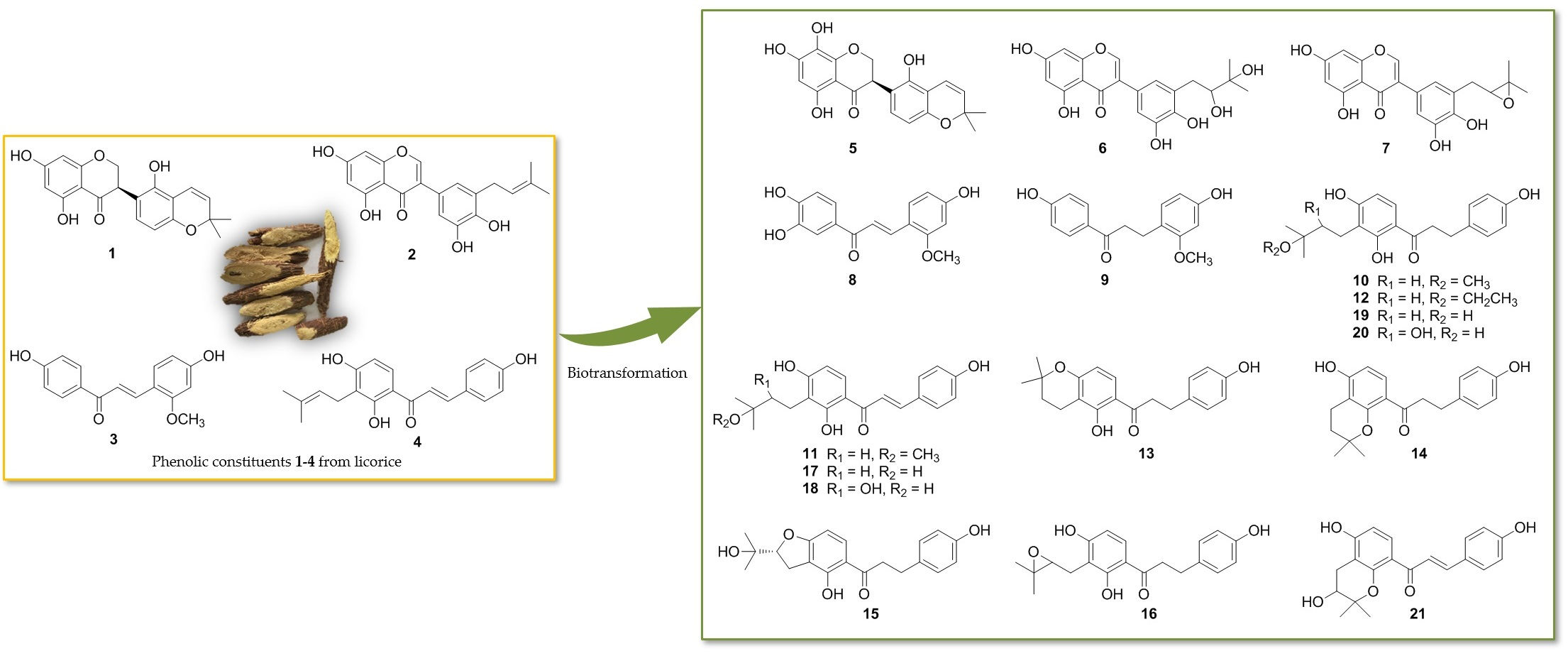
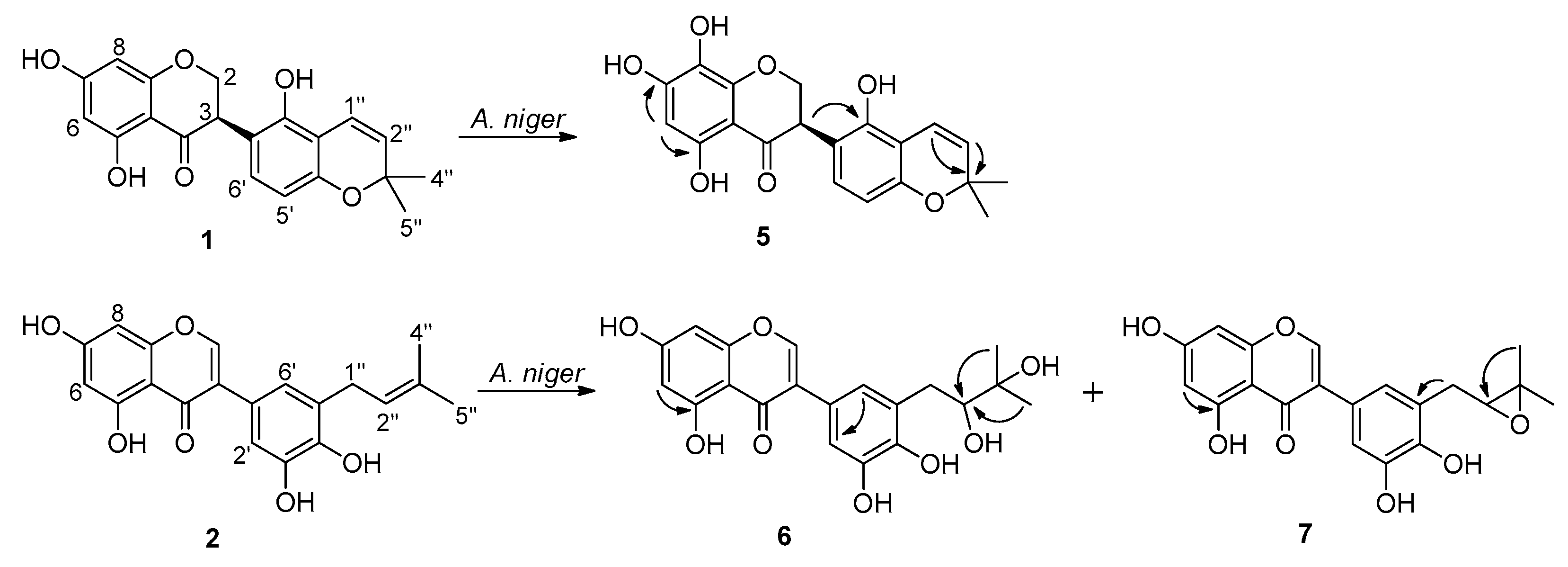
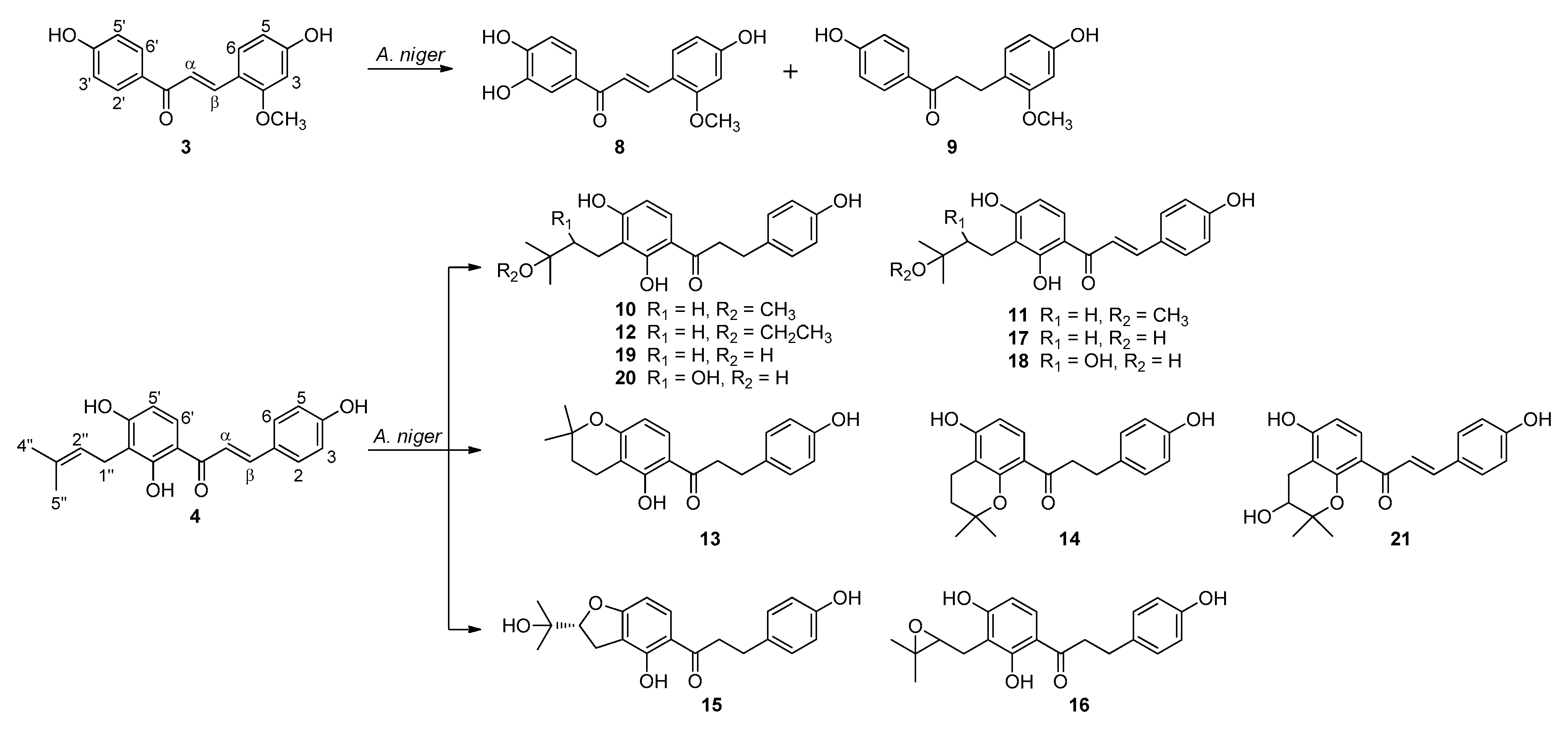
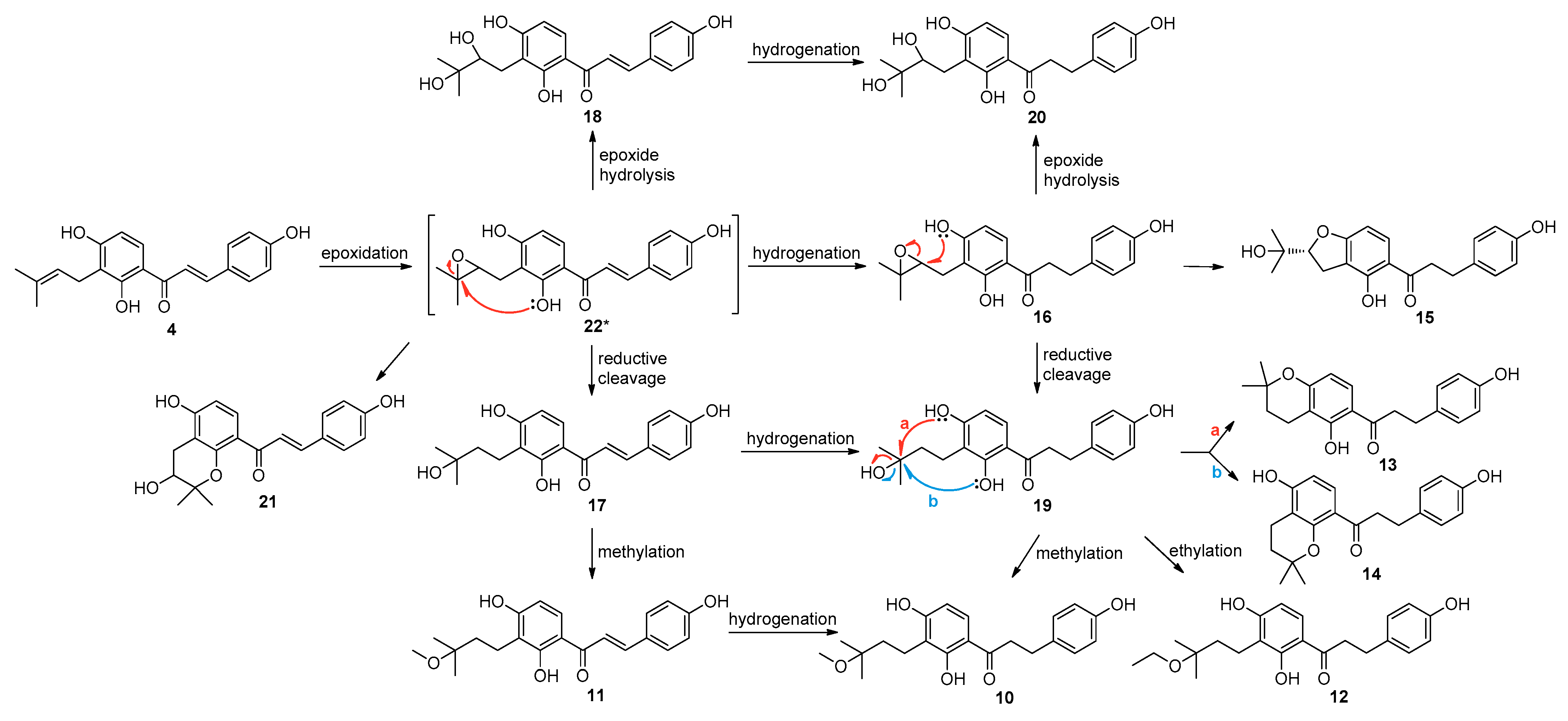
Biotransformation of the Phenolic Constituents from Licorice and Cytotoxicity Evaluation of Their Metabolites

Abstract
Share and Cite
Xiao, Y.; Han, F.; Lee, I.-S. Biotransformation of the Phenolic Constituents from Licorice and Cytotoxicity Evaluation of Their Metabolites. Int. J. Mol. Sci. 2021, 22, 10109. https://doi.org/10.3390/ijms221810109
Xiao Y, Han F, Lee I-S. Biotransformation of the Phenolic Constituents from Licorice and Cytotoxicity Evaluation of Their Metabolites. International Journal of Molecular Sciences. 2021; 22(18):10109. https://doi.org/10.3390/ijms221810109
Chicago/Turabian StyleXiao, Yina, Fubo Han, and Ik-Soo Lee. 2021. "Biotransformation of the Phenolic Constituents from Licorice and Cytotoxicity Evaluation of Their Metabolites" International Journal of Molecular Sciences 22, no. 18: 10109. https://doi.org/10.3390/ijms221810109
APA StyleXiao, Y., Han, F., & Lee, I.-S. (2021). Biotransformation of the Phenolic Constituents from Licorice and Cytotoxicity Evaluation of Their Metabolites. International Journal of Molecular Sciences, 22(18), 10109. https://doi.org/10.3390/ijms221810109