Review

Role of DSCAM in the Development of Neural Control of Movement and Locomotion
1
Centre de Recherche du Centre Hospitalier Universitaire de Québec, CHUL-Neurosciences P09800, 2705 boul. Laurier, Québec, QC G1V 4G2, Canada
2
Department of Psychiatry and Neurosciences, Faculty of Medicine, Université Laval, Québec, QC G1V 4G2, Canada
*
Author to whom correspondence should be addressed.
Int. J. Mol. Sci. 2021, 22(16), 8511; https://doi.org/10.3390/ijms22168511
Submission received: 11 June 2021 / Revised: 2 August 2021 / Accepted: 4 August 2021 / Published: 7 August 2021
(This article belongs to the Special Issue Neuronal Control of Locomotion)

Abstract

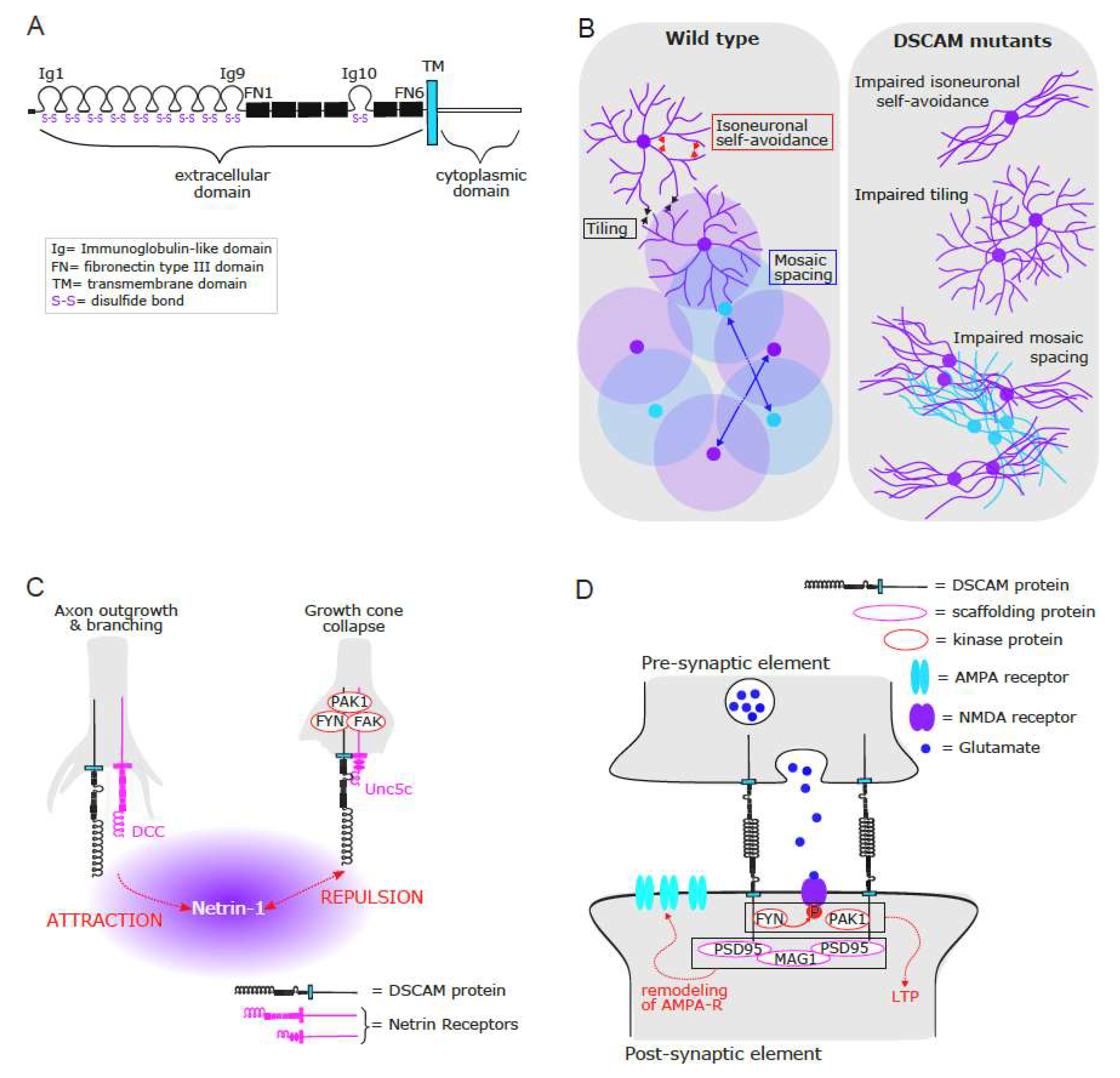
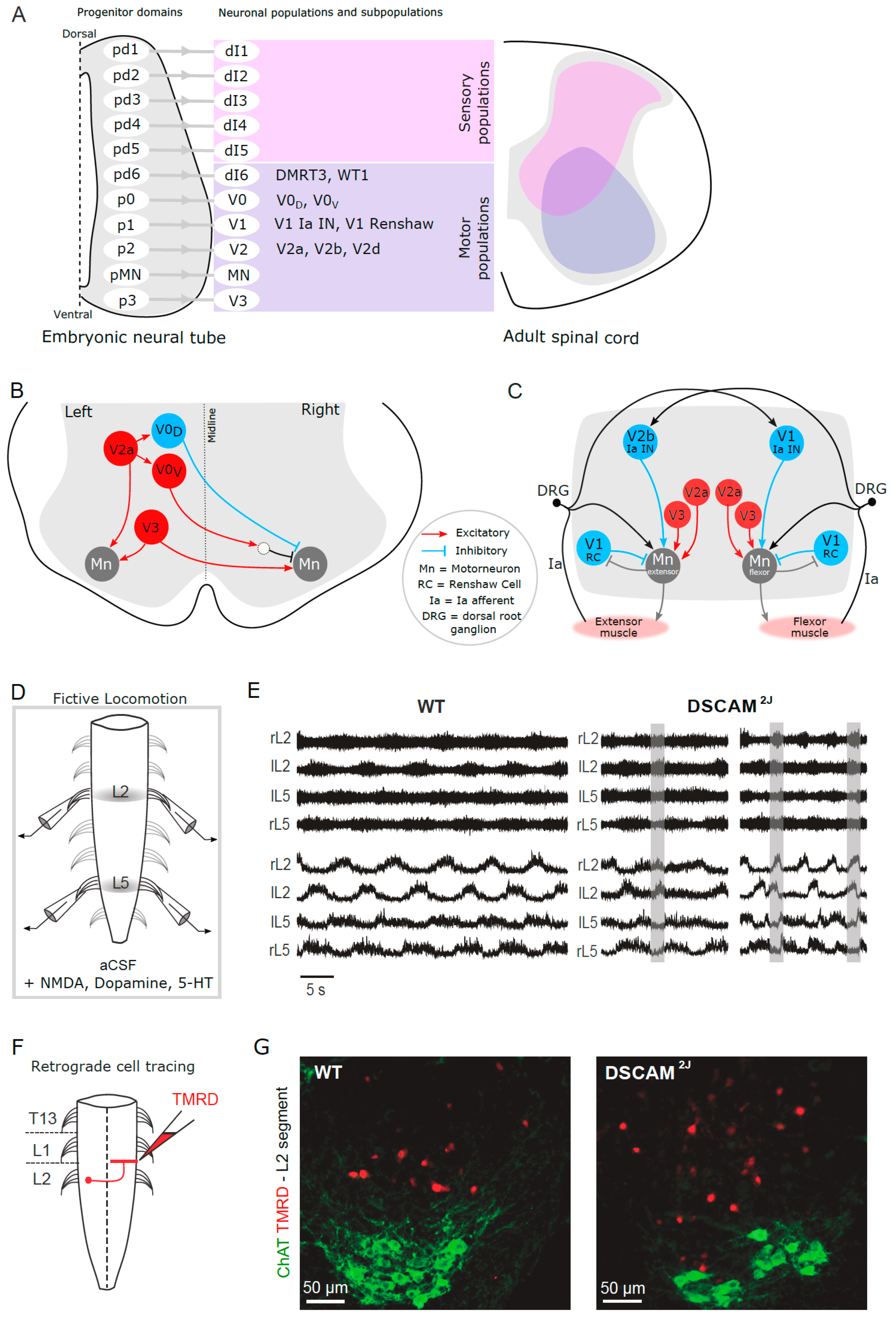
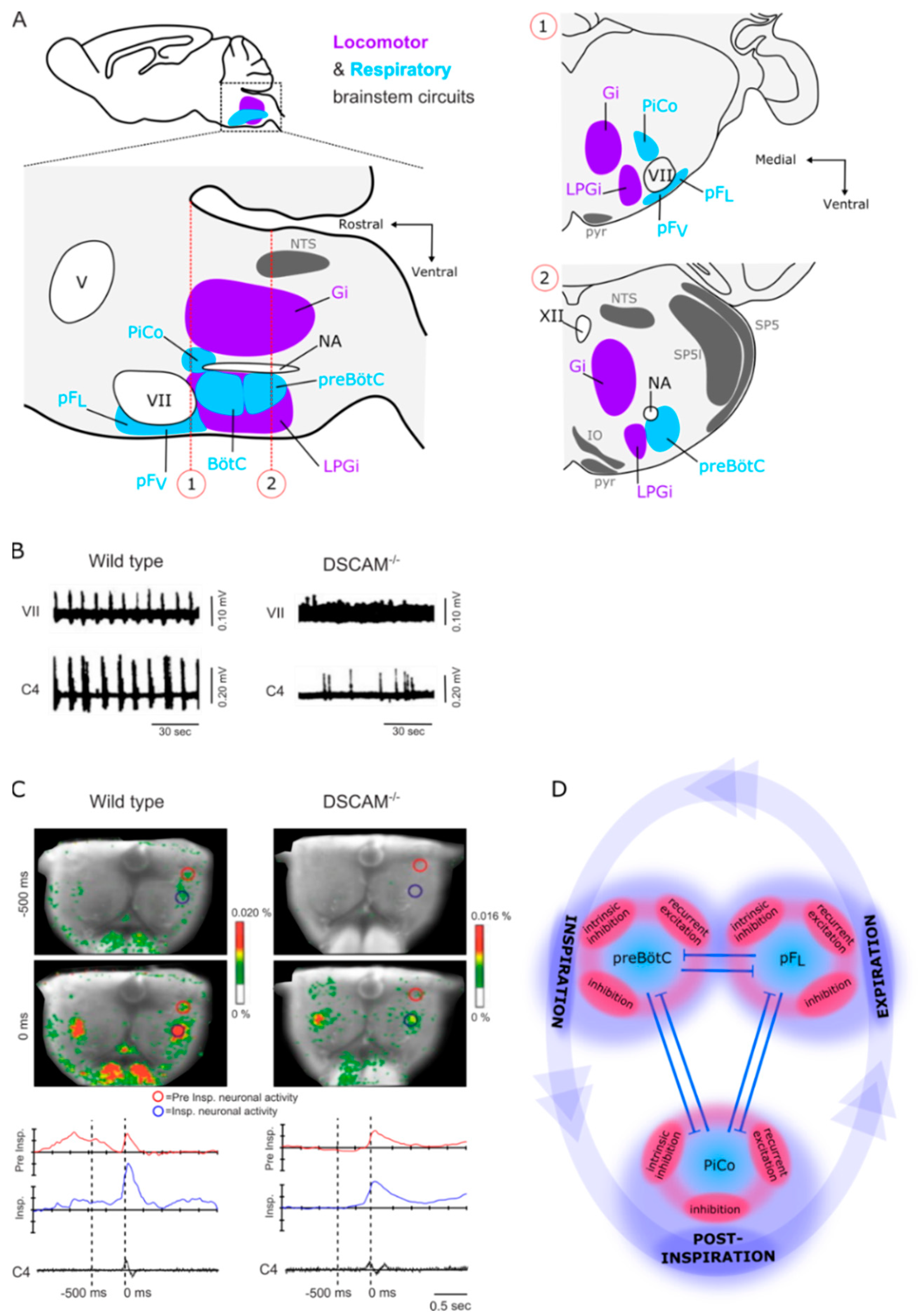
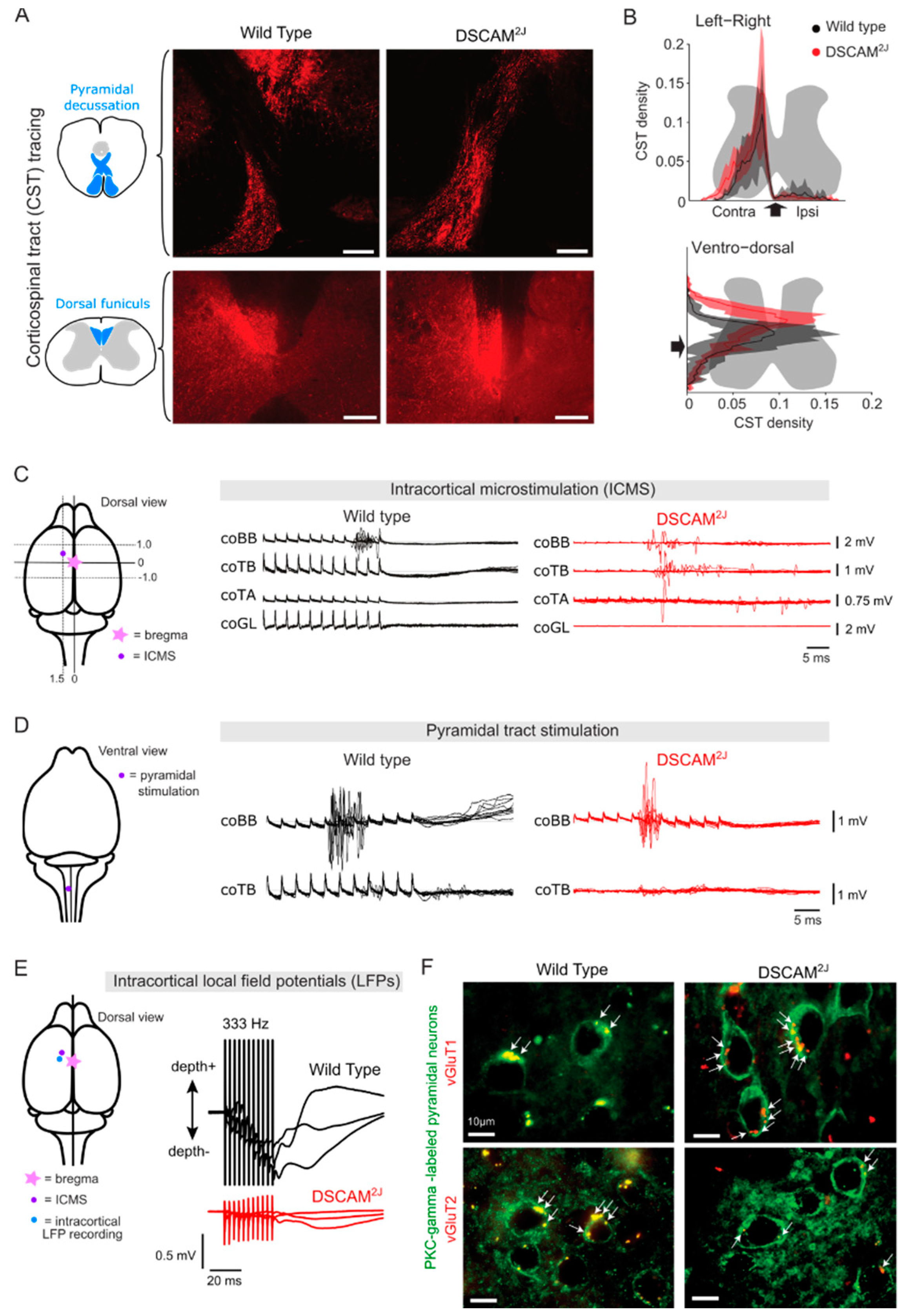
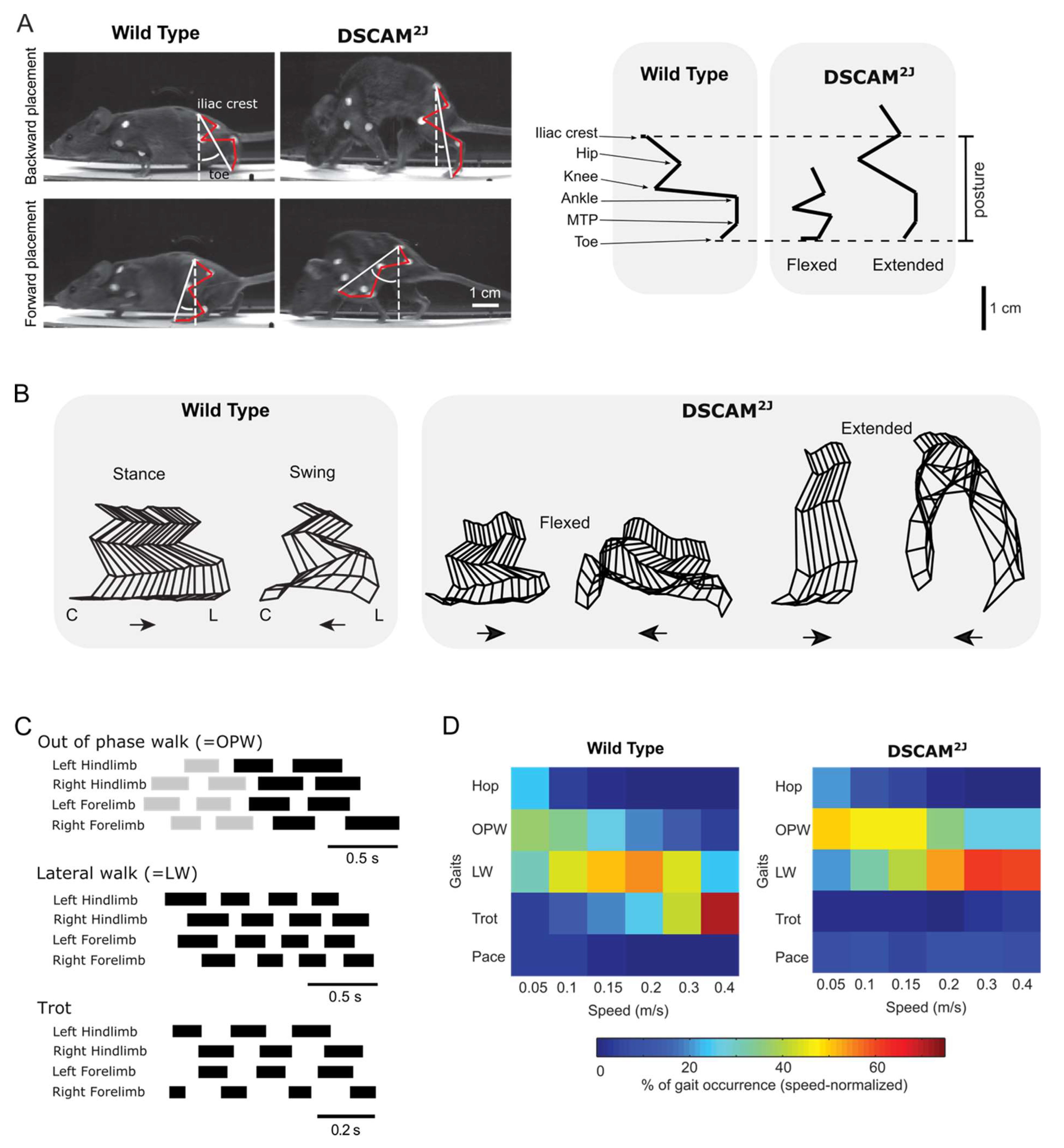
Locomotion results in an alternance of flexor and extensor muscles between left and right limbs generated by motoneurons that are controlled by the spinal interneuronal circuit. This spinal locomotor circuit is modulated by sensory afferents, which relay proprioceptive and cutaneous inputs that inform the spatial position of limbs in space and potential contacts with our environment respectively, but also by supraspinal descending commands of the brain that allow us to navigate in complex environments, avoid obstacles, chase prey, or flee predators. Although signaling pathways are important in the establishment and maintenance of motor circuits, the role of DSCAM, a cell adherence molecule associated with Down syndrome, has only recently been investigated in the context of motor control and locomotion in the rodent. DSCAM is known to be involved in lamination and delamination, synaptic targeting, axonal guidance, dendritic and cell tiling, axonal fasciculation and branching, programmed cell death, and synaptogenesis, all of which can impact the establishment of motor circuits during development, but also their maintenance through adulthood. We discuss herein how DSCAM is important for proper motor coordination, especially for breathing and locomotion.
Keywords: DSCAM; mouse genetics; gait; posture; spinal cord; motor cortex; motor control; locomotion; neurophysiology; neuroanatomy DSCAM; mouse genetics; gait; posture; spinal cord; motor cortex; motor control; locomotion; neurophysiology; neuroanatomy