Article

Regulatory Mechanism of ABA and ABI3 on Vegetative Development in the Moss Physcomitrella patens

1
College of Life Science, Capital Normal University, Beijing 100048, China
2
Beijing Collaborative Innovation Center for Eco-Environmental Improvement with Forestry and Fruit trees, Beijing University of Agriculture, Beijing 102206, China
*
Authors to whom correspondence should be addressed.
These authors contributed to work equally.
Int. J. Mol. Sci. 2018, 19(9), 2728; https://doi.org/10.3390/ijms19092728
Submission received: 2 August 2018 / Revised: 1 September 2018 / Accepted: 2 September 2018 / Published: 12 September 2018
(This article belongs to the Section Biochemistry)

Abstract

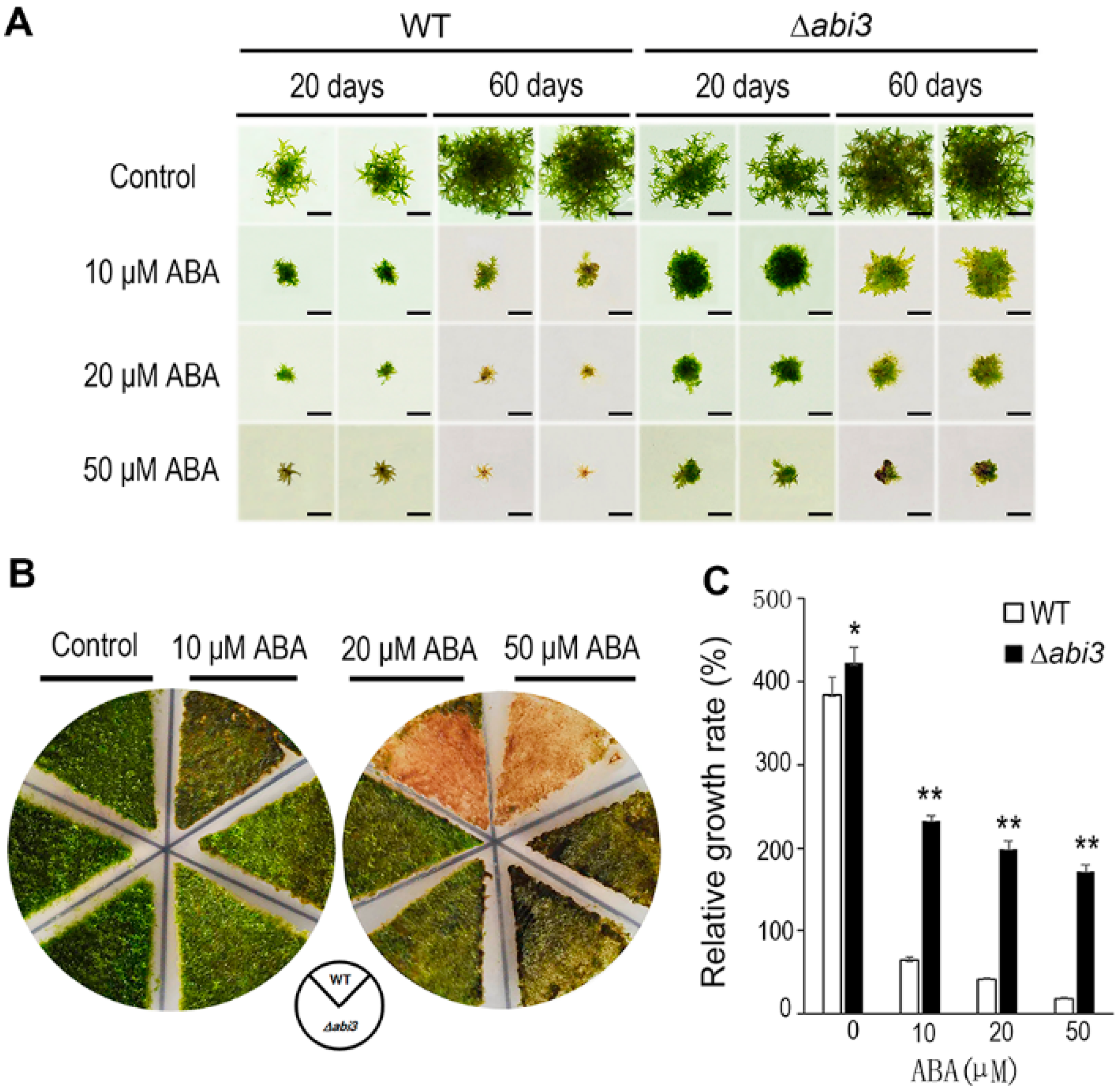
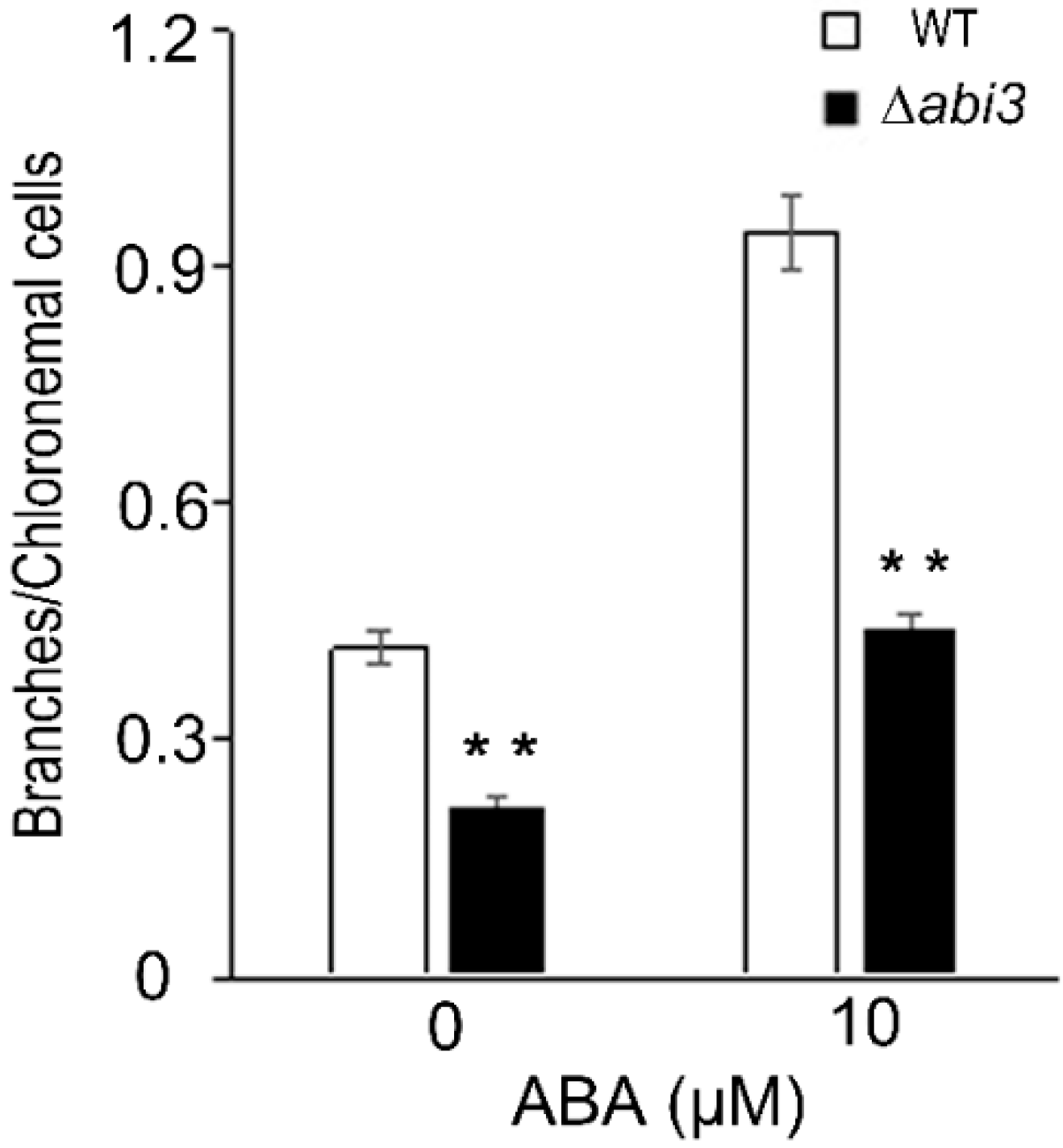
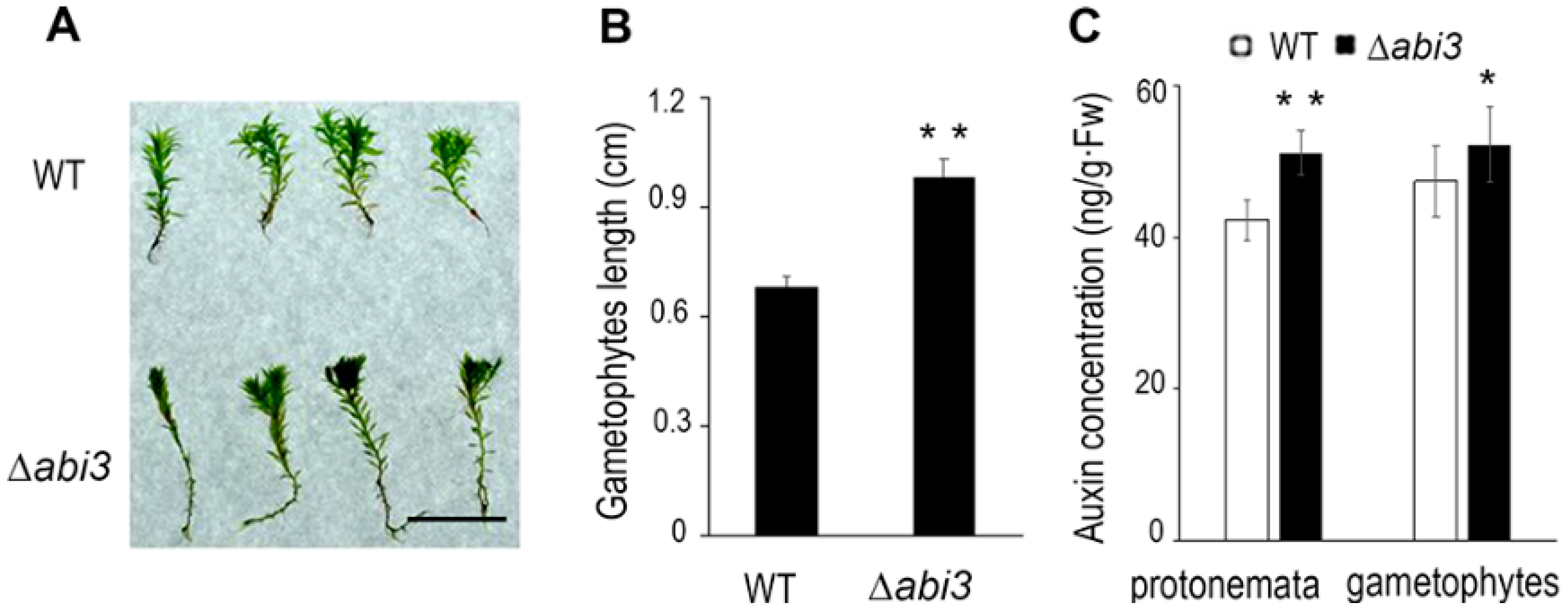
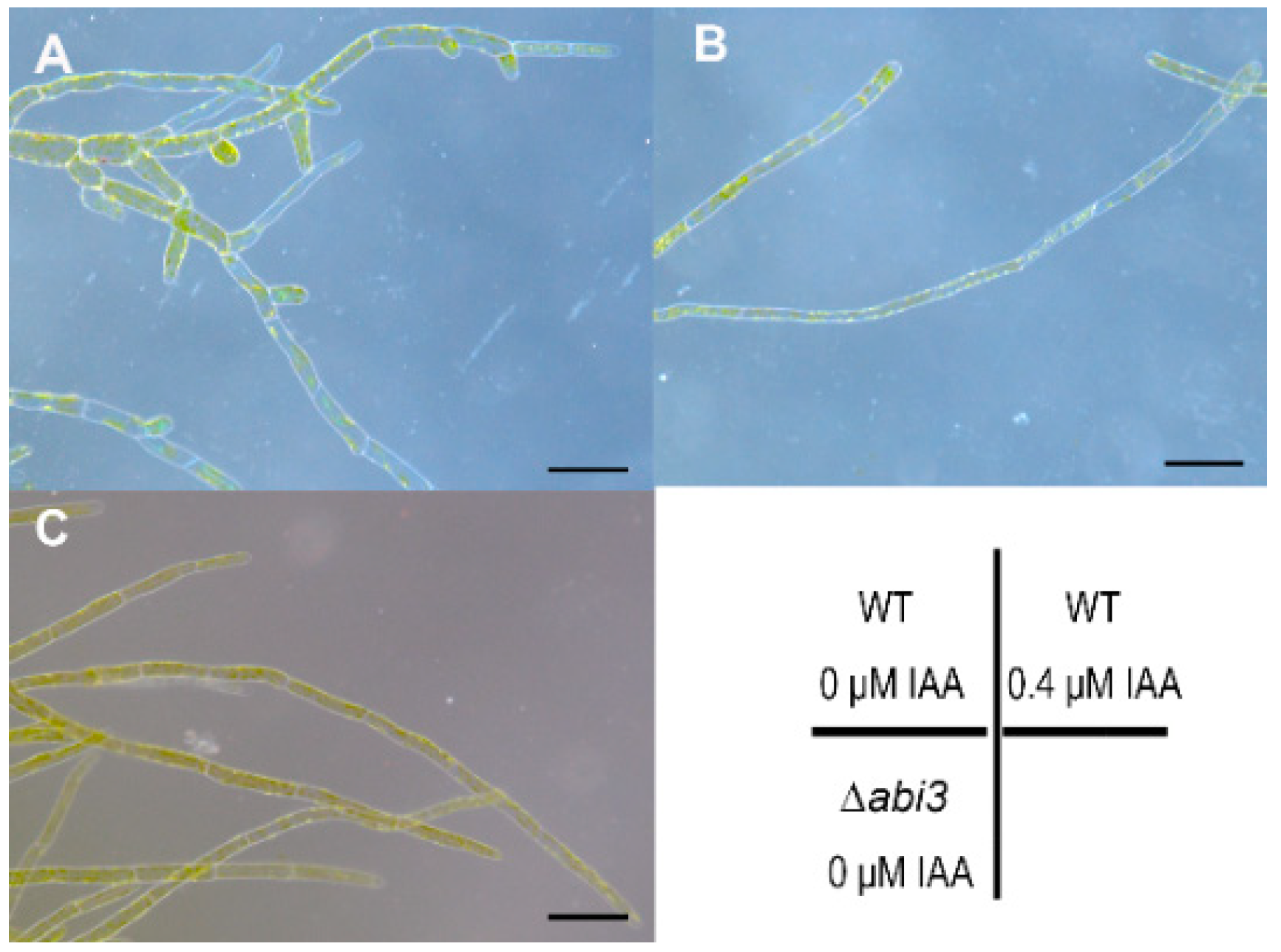
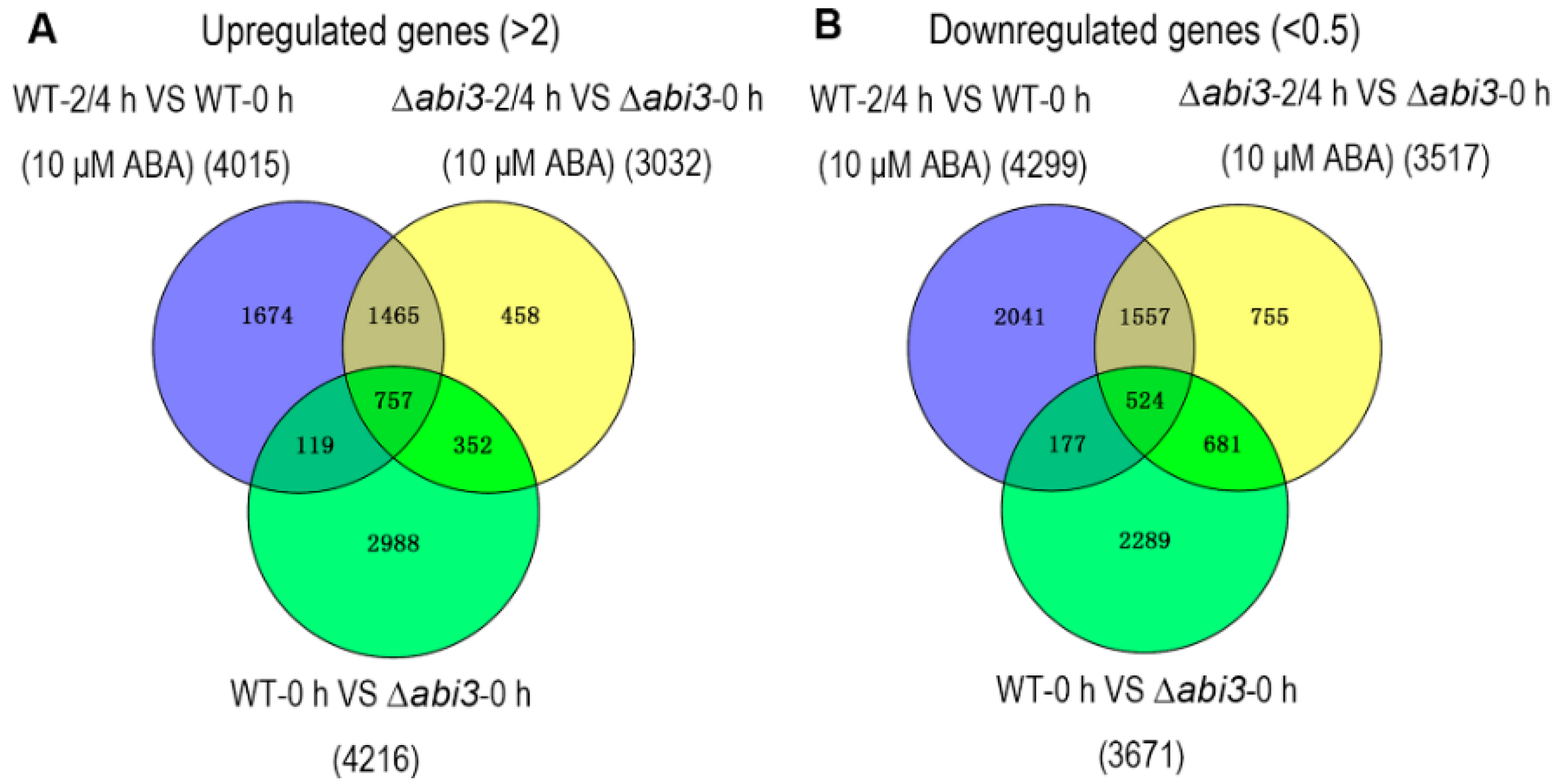
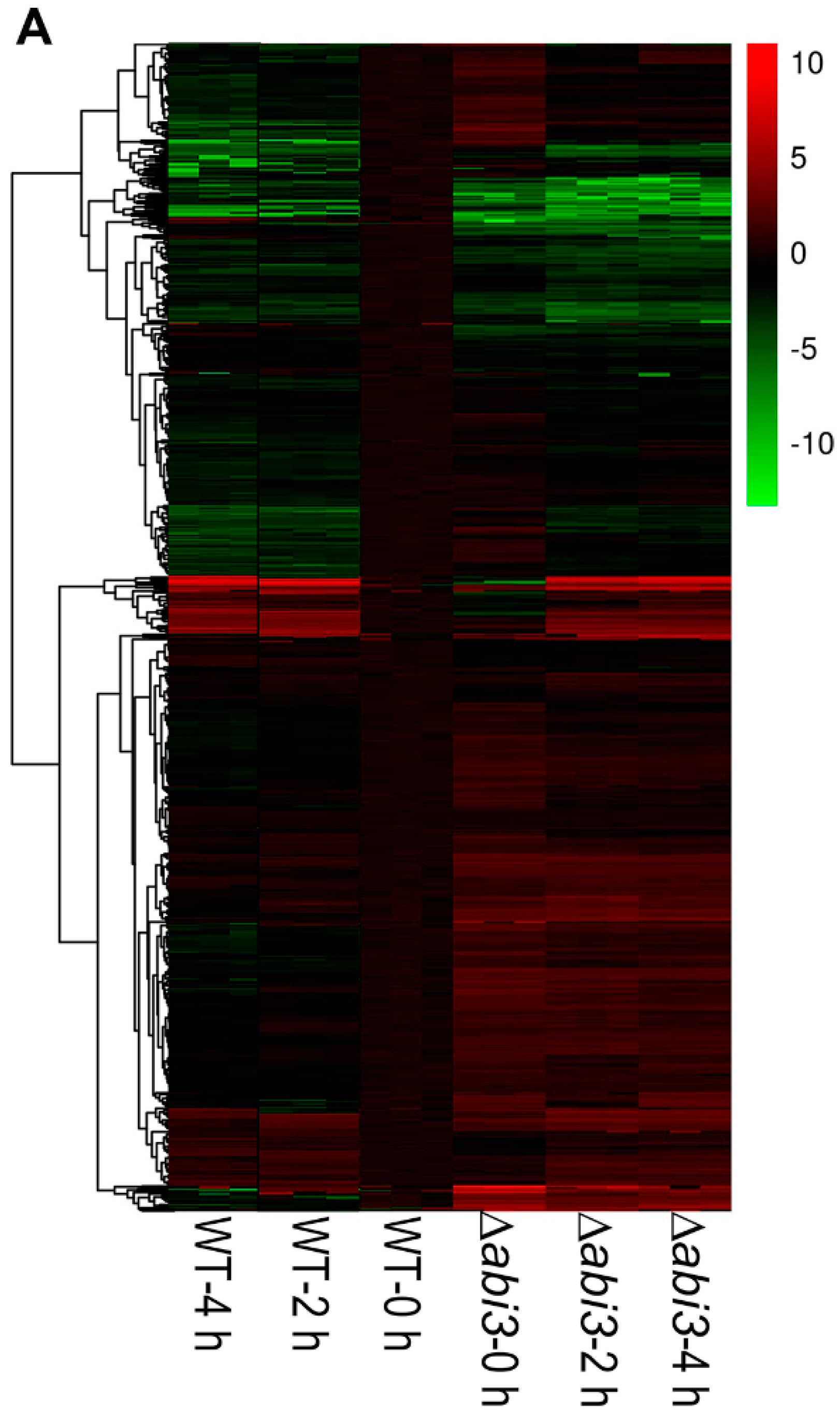
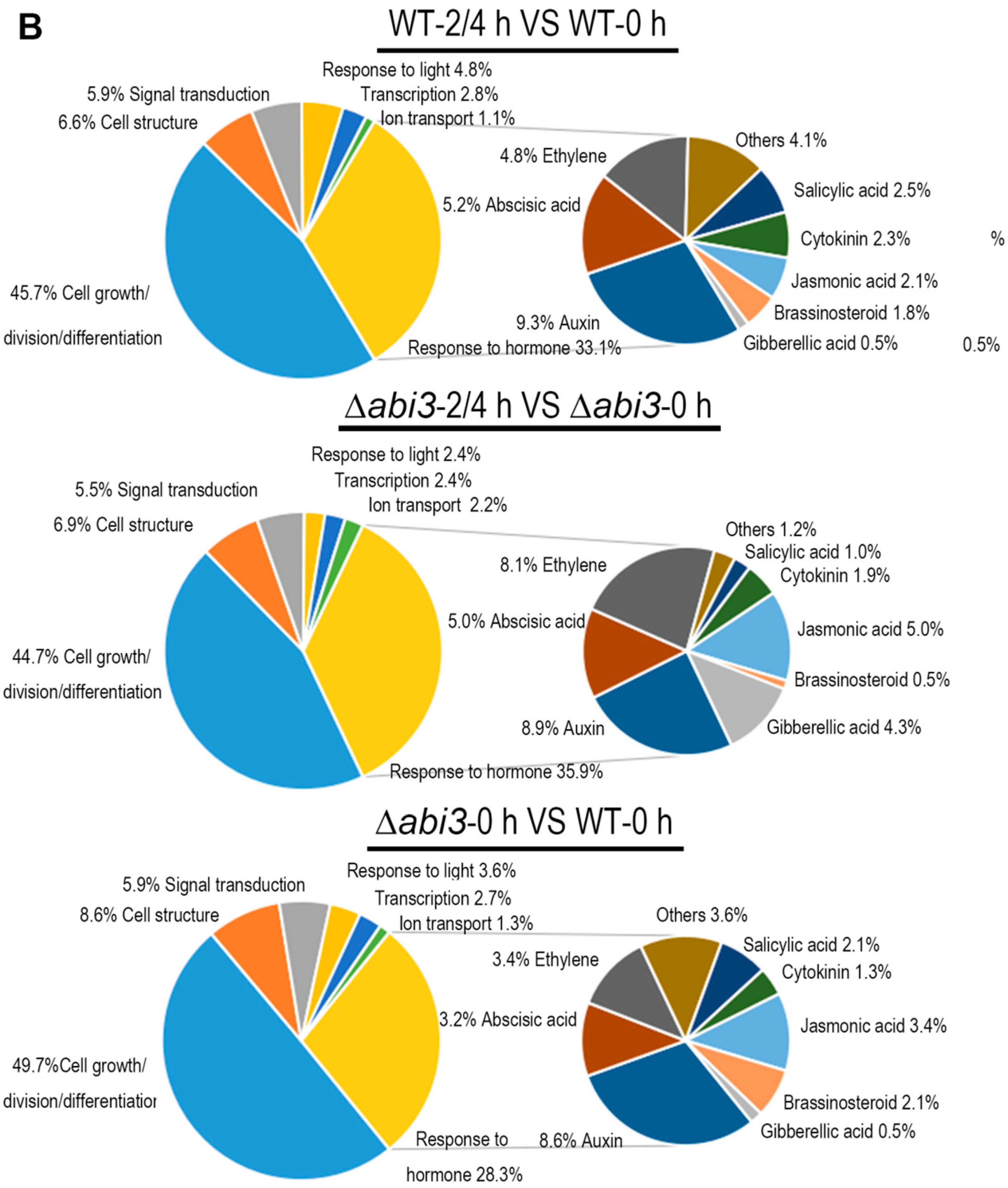
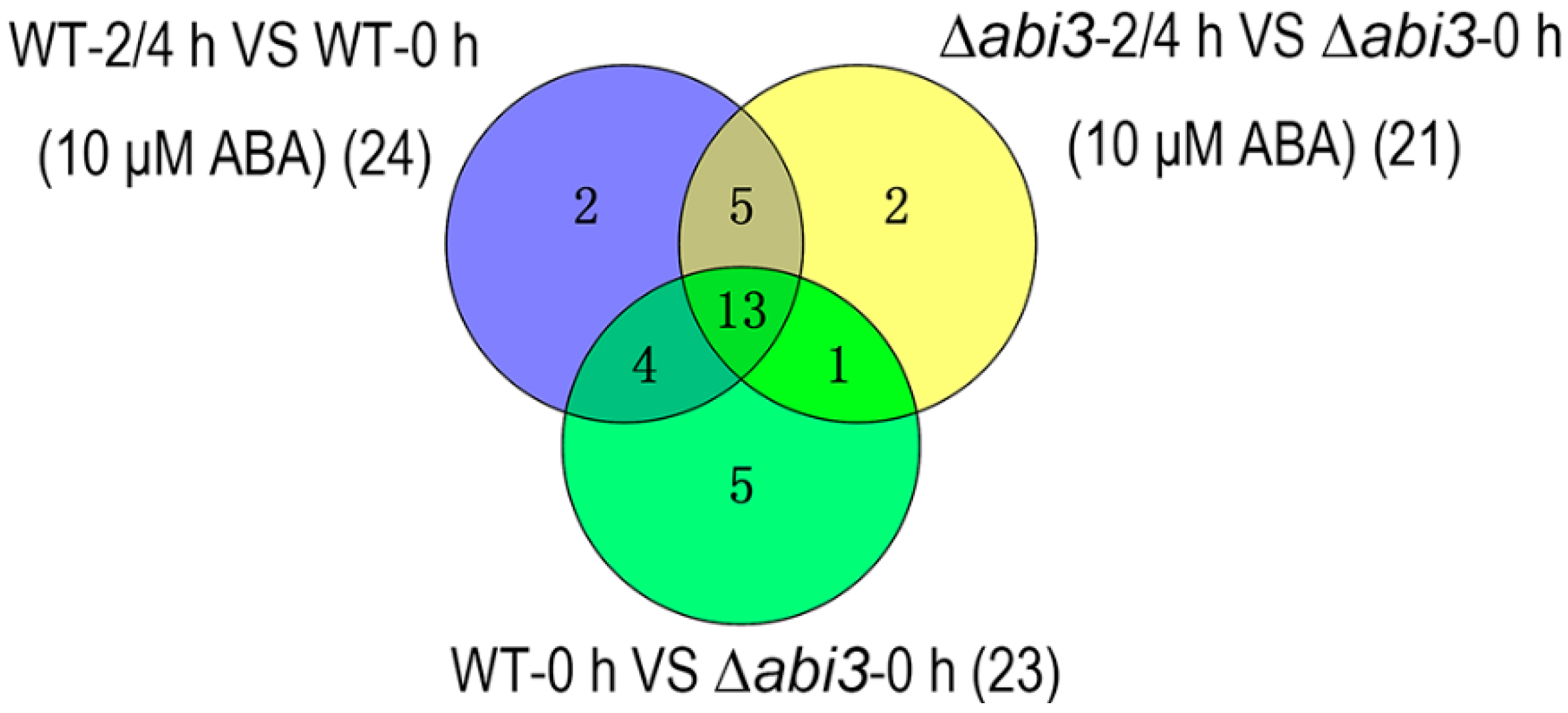
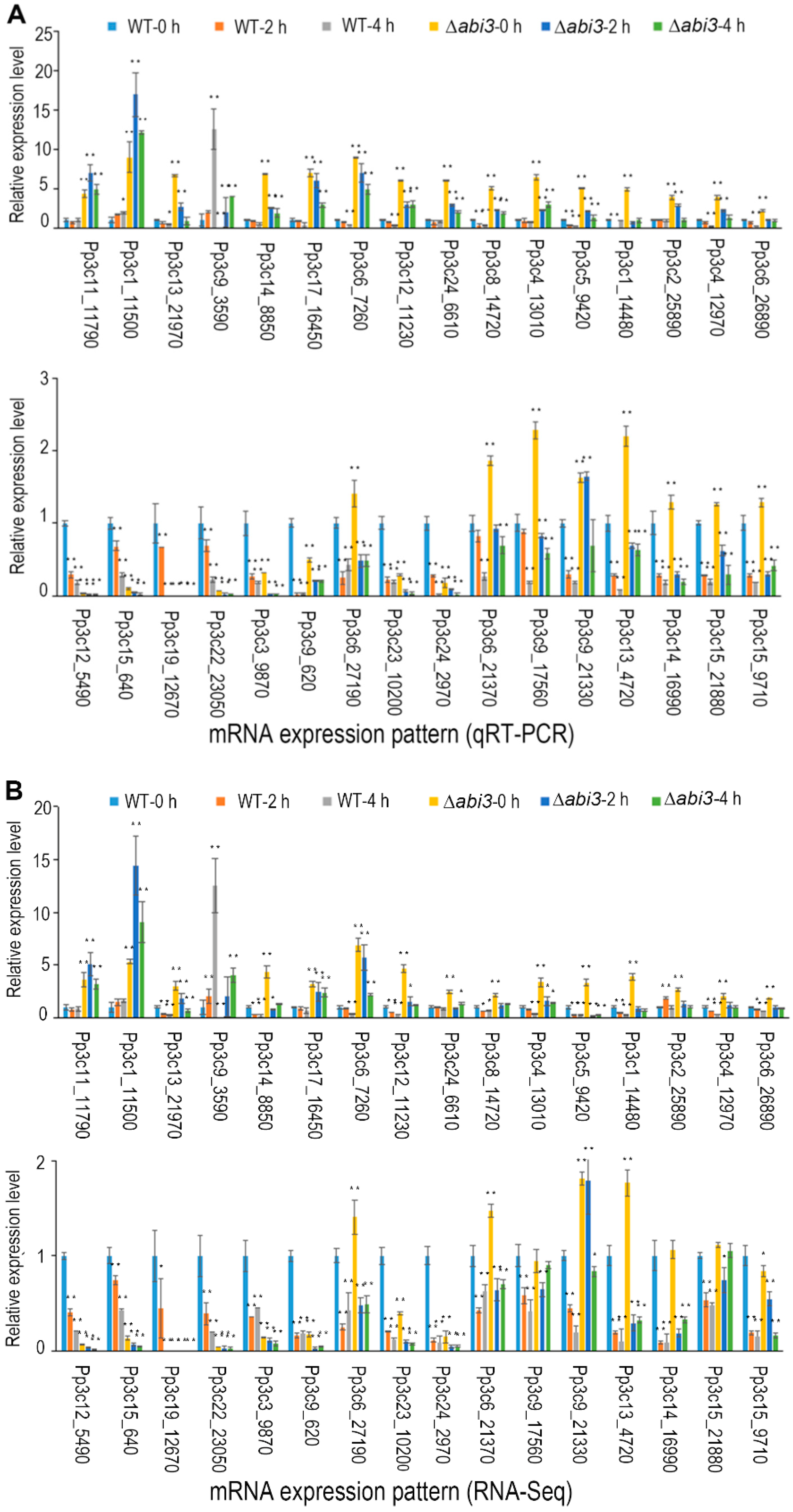
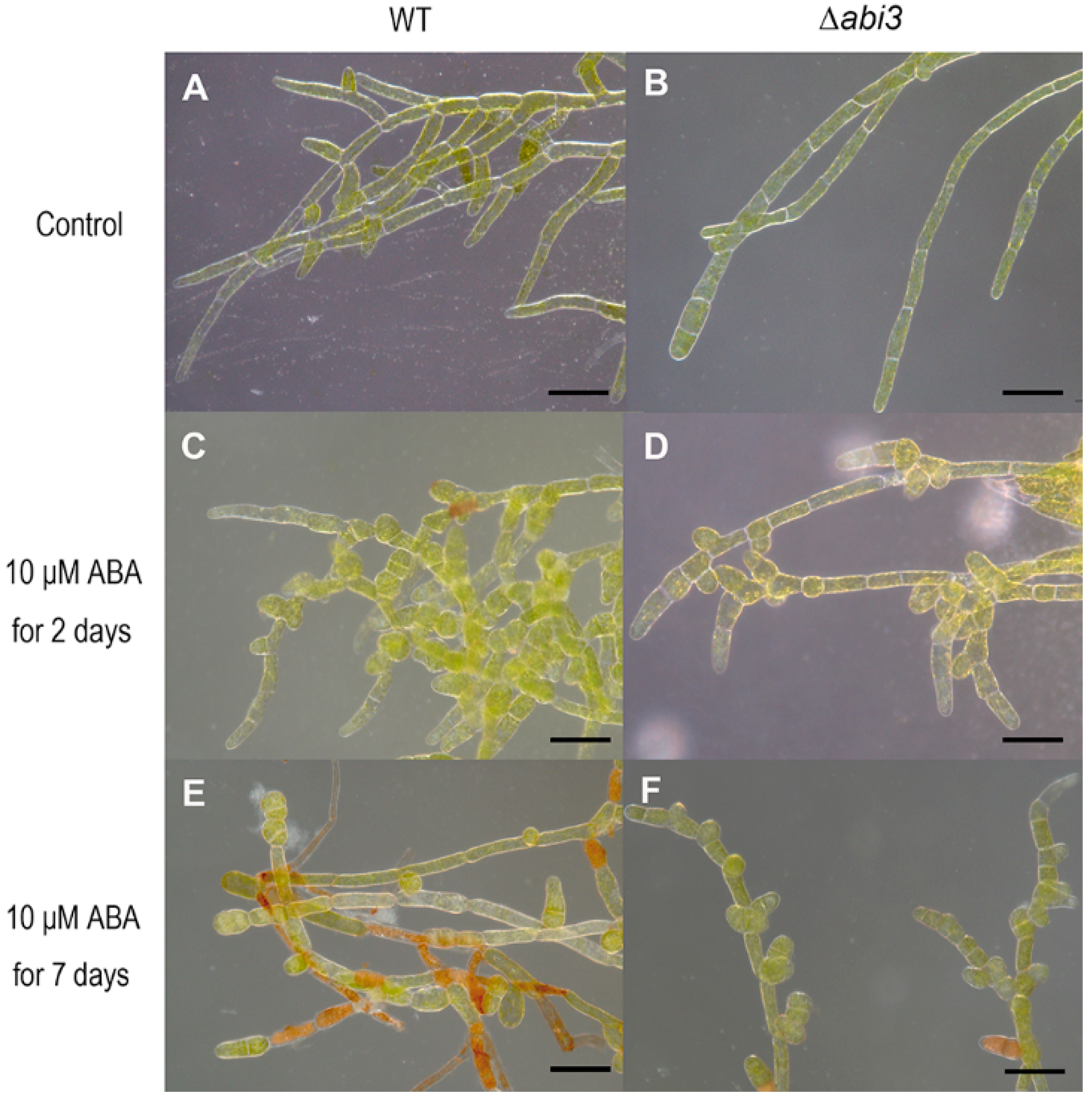
The moss Physcomitrella patens is a model system for studying plant developmental processes. ABSCISIC ACID INSENSITIVE3 (ABI3), a transcription factor of the ABA signaling pathway, plays an important role in plant growth and development in vascular plant. To understand the regulatory mechanism of ABA and PpABI3 on vegetative development in Physcomitrella patens, we applied physiological, cellular, and RNA-seq analyses in wild type (WT) plants and ∆abi3 mutants. During ABA treatment, the growth of gametophytes was inhibited to a lesser extent ∆abi3 plants compared with WT plants. Microscopic observation indicated that the differentiation of caulonemata from chloronemata was accelerated in ∆abi3 plants when compared with WT plants, with or without 10 μM of ABA treatment. Under normal conditions, auxin concentration in ∆abi3 plants was markedly higher than that in WT plants. The auxin induced later differentiation of caulonemata from chloronemata, and the phenotype of ∆abi3 plants was similar to that of WT plants treated with exogenous indole-3-acetic acid (IAA). RNA-seq analysis showed that the PpABI3-regulated genes overlapped with genes regulated by the ABA treatment, and about 78% of auxin-related genes regulated by the ABA treatment overlapped with those regulated by PpABI3. These results suggested that ABA affected vegetative development partly through PpABI3 regulation in P. patens; PpABI3 is a negative regulator of vegetative development in P. patens, and the vegetative development regulation by ABA and PpABI3 might occur by regulating the expression of auxin-related genes. PpABI3 might be associated with cross-talk between ABA and auxin in P. patens.
Keywords: ABA treatment; auxin-related genes; Physcomitrella patens; PpABI3; RNA-seq; vegetative development ABA treatment; auxin-related genes; Physcomitrella patens; PpABI3; RNA-seq; vegetative development