Article

Novel Insights into the Adipokinome of Obese and Obese/Diabetic Mouse Models


1
Institute of Clinical Biochemistry and Pathobiochemistry, German Diabetes Center, Heinrich-Heine-University Duesseldorf, Leibniz Center for Diabetes Research, Aufm Hennekamp 65, 40225 Dusseldorf, Germany
2
German Center for Diabetes Research (DZD), Partner Duesseldorf, 40225 Duesseldorf, Germany
3
Molecular Proteomics Laboratory, Biomedizinisches Forschungszentrum (BMFZ), Heinrich-Heine-University Duesseldorf, 40225 Duesseldorf, Germany
4
Institute of Clinical Diabetology, German Diabetes Center at the Heinrich-Heine-University Duesseldorf, Leibniz Center for Diabetes Research, 40225 Duesseldorf, Germany
5
Multimedia Center, Heinrich-Heine-University Duesseldorf, 40225 Duesseldorf, Germany
6
Institute for Molecular Medicine, University Hospital Duesseldorf, Heinrich-Heine-University Duesseldorf, 40225 Duesseldorf, Germany
*
Author to whom correspondence should be addressed.
Int. J. Mol. Sci. 2017, 18(9), 1928; https://doi.org/10.3390/ijms18091928
Submission received: 25 July 2017 / Revised: 19 August 2017 / Accepted: 21 August 2017 / Published: 8 September 2017
(This article belongs to the Special Issue Adipokines)

Abstract

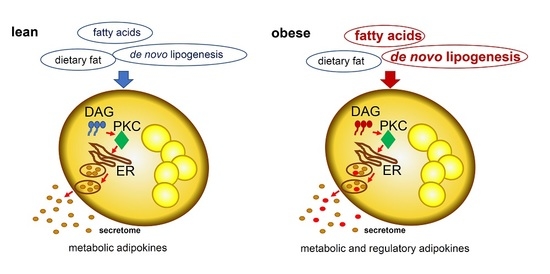
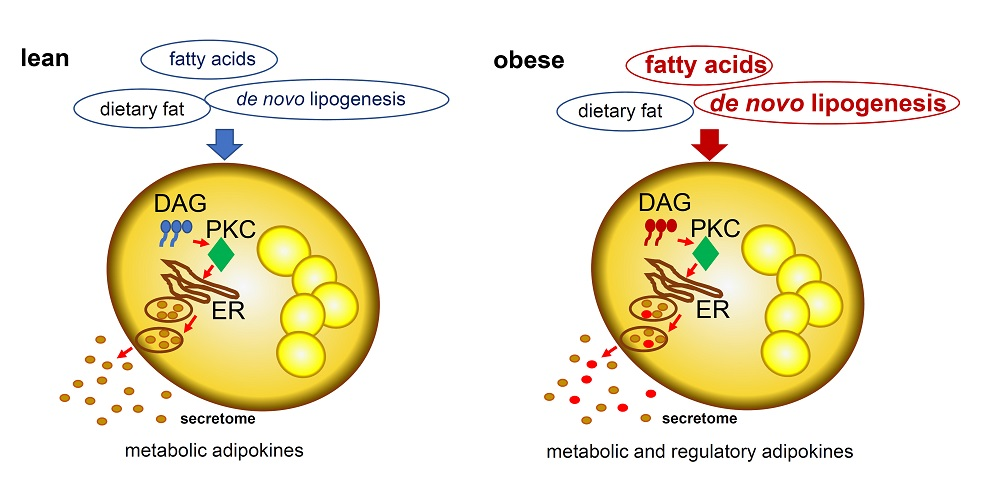
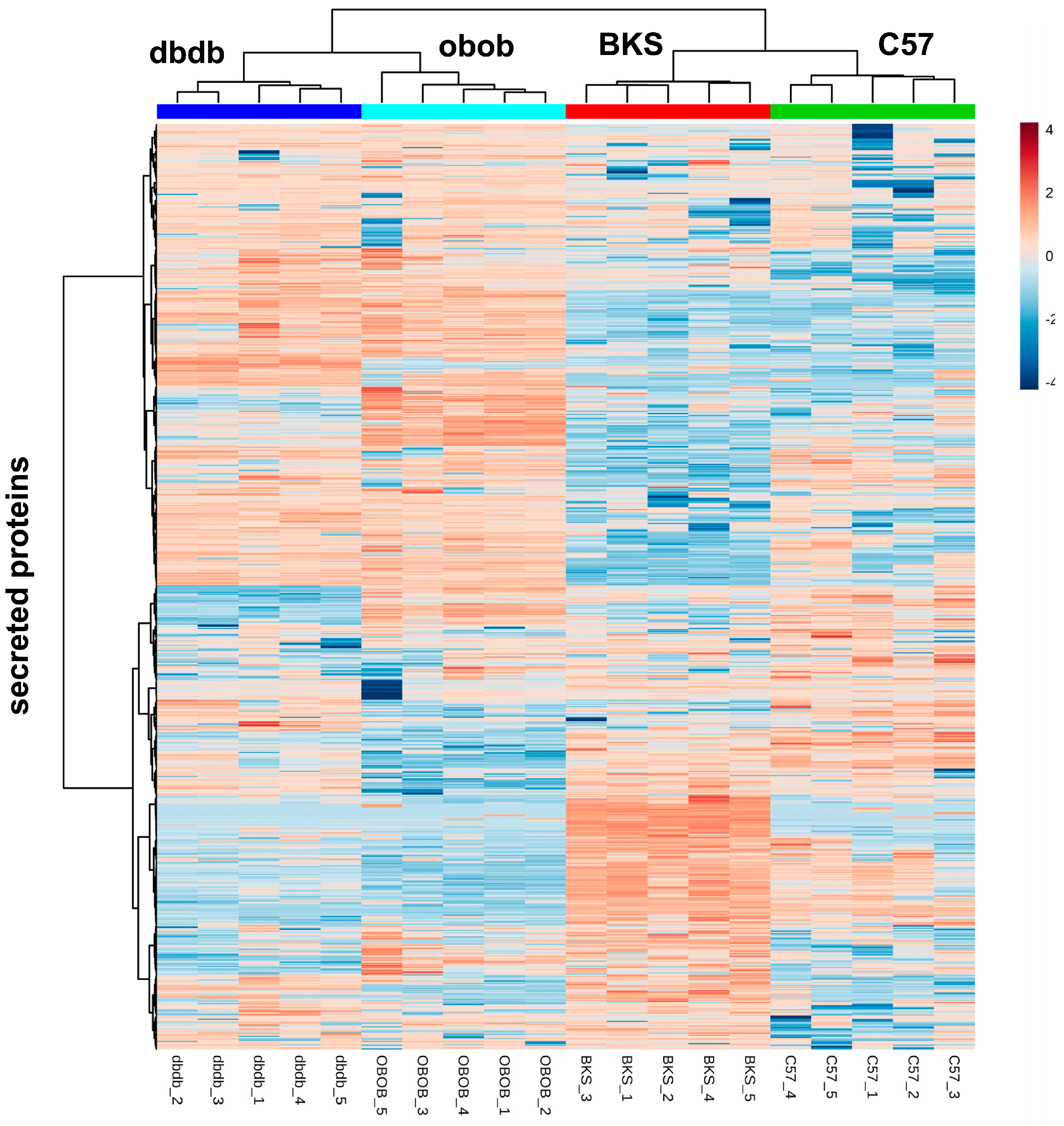
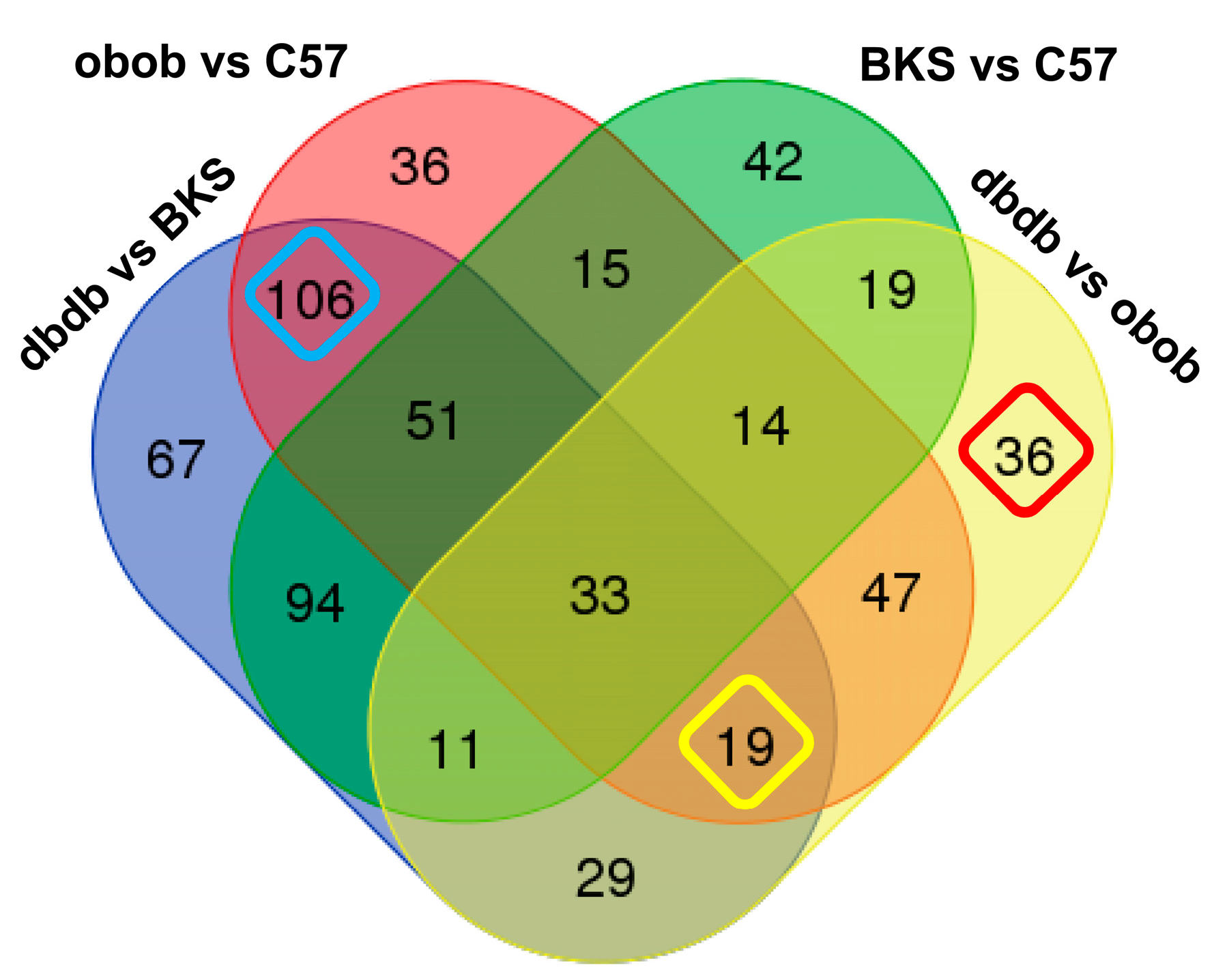
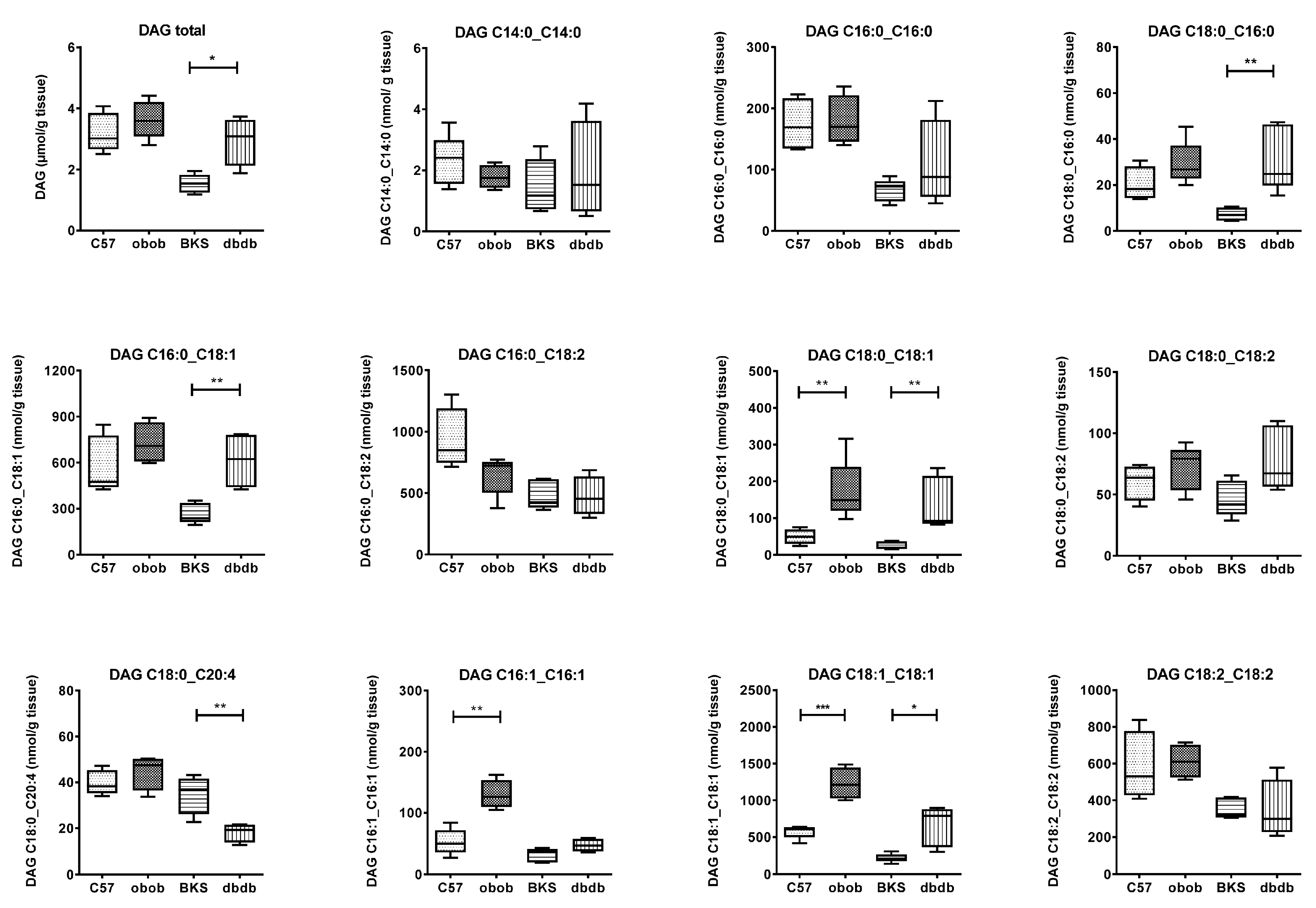
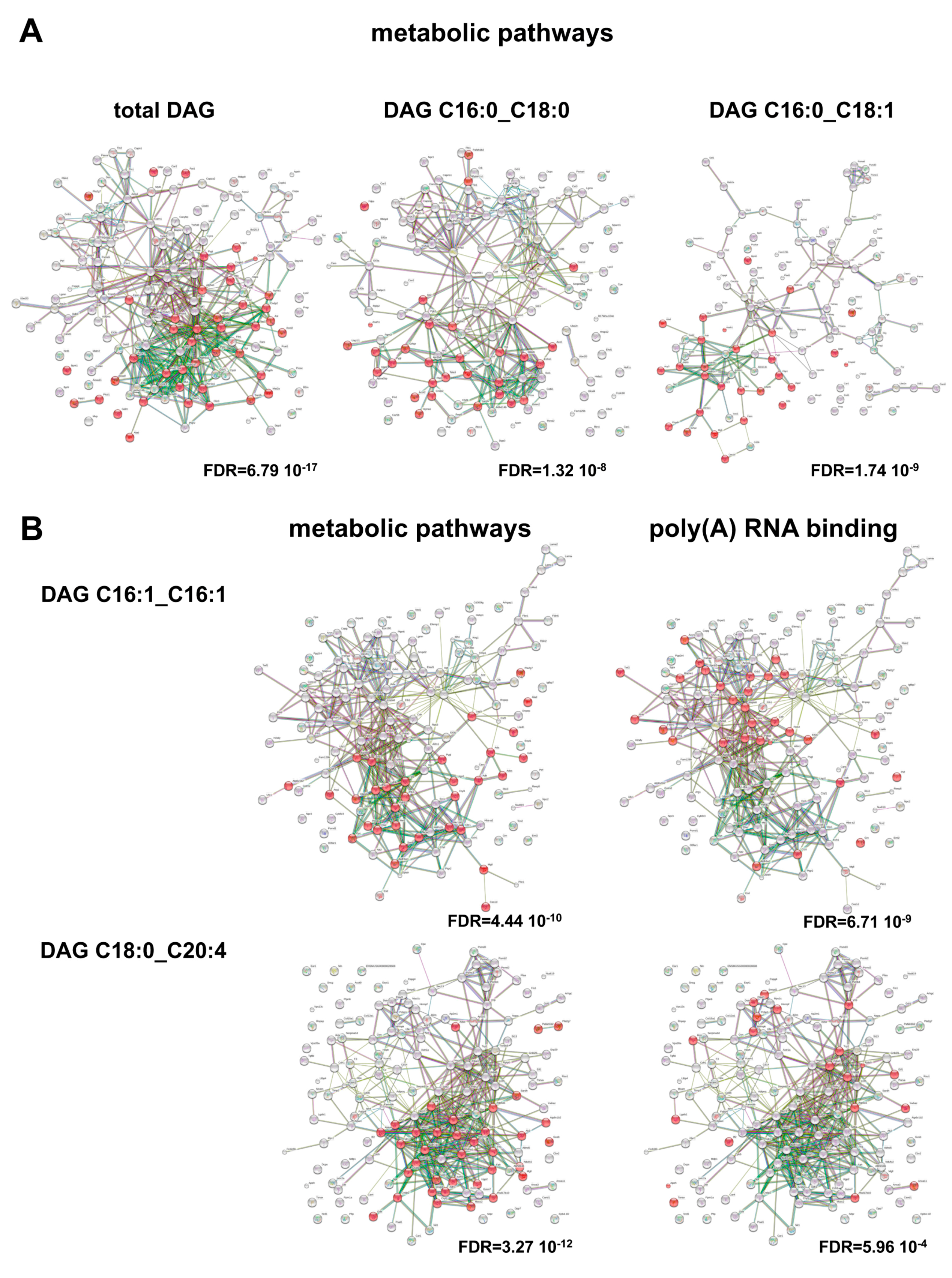
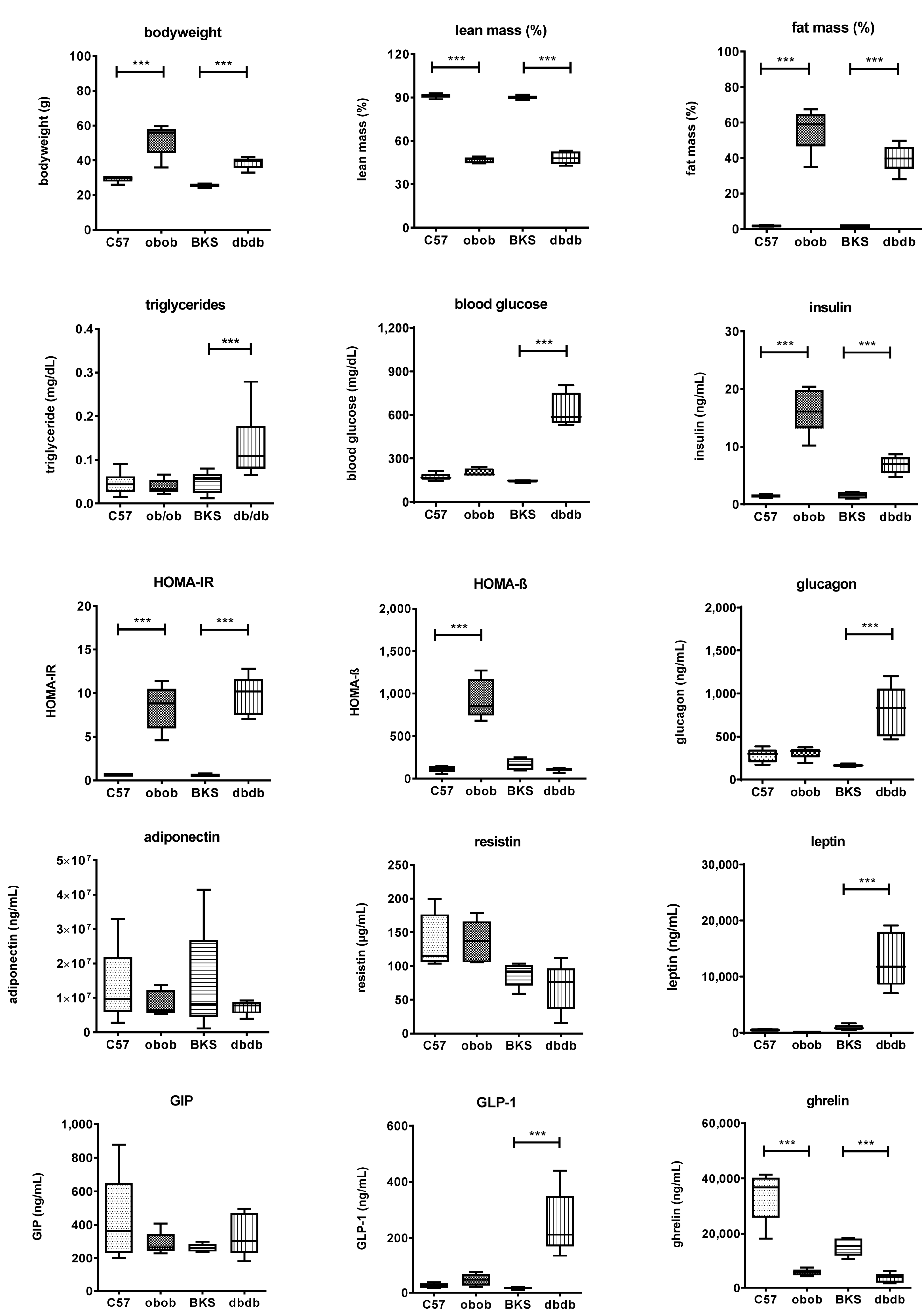
The group of adipokines comprises hundreds of biological active proteins and peptides released from adipose tissue. Alterations of those complex protein signatures are suggested to play a crucial role in the pathophysiology of multifactorial, metabolic diseases. We hypothesized that also the pathophysiology of type-2-diabetes is linked to the dysregulation of the adipocyte secretome. To test this, we investigated mouse models with monogenic defects in leptin signaling which are susceptible to adipositas (C57BL/6 Cg-Lepob (obob)) or adipositas with diabetes (C57BL/KS Cg-Leprdb (dbdb)) according to their genetic background. At the age of 17 weeks, visceral fat was obtained and primary murine adipocytes were isolated to harvest secretomes. Quantitative proteome analyses (LC-ESI-MS/MS) identified more than 800 potential secreted proteins. The secretome patterns revealed significant differences connected to the pathophysiology of obese mice. Pathway analyses indicated that these differences focus on exosome modelling, but failed to provide more precise specifications. To investigate the relationship of secretome data to insulin sensitivity, we examined the content of diabetogenic lipids, i.e., diacylglycerols (DAGs), identified as key players in lipid-induced insulin resistance. In contrast to obob mice, fat tissue of dbdb mice showed elevated DAG content, especially of DAG species with saturated fatty acid C16:0 and C18:0, while unsaturated fatty acid C16:1 were only changed in obob. Furthermore, DAG signatures of the models specifically correlate to secreted regulated adipokines indicating specific pathways. In conclusion, our data further support the concept that the fat tissue is an endocrine organ that releases bioactive factors corresponding to adipose tissue health status.
Keywords: primary adipocyte; mass spectrometry; healthy adipose tissue; diacylglycerol; diabetes and obesity primary adipocyte; mass spectrometry; healthy adipose tissue; diacylglycerol; diabetes and obesity
Graphical Abstract