Article

Overexpression of Populus trichocarpa Mitogen-Activated Protein Kinase Kinase4 Enhances Salt Tolerance in Tobacco

Northeast Forestry University, Harbin 150040, China
*
Author to whom correspondence should be addressed.
Int. J. Mol. Sci. 2017, 18(10), 2090; https://doi.org/10.3390/ijms18102090
Submission received: 10 August 2017 / Revised: 29 September 2017 / Accepted: 29 September 2017 / Published: 18 October 2017
(This article belongs to the Section Molecular Plant Sciences)

Abstract

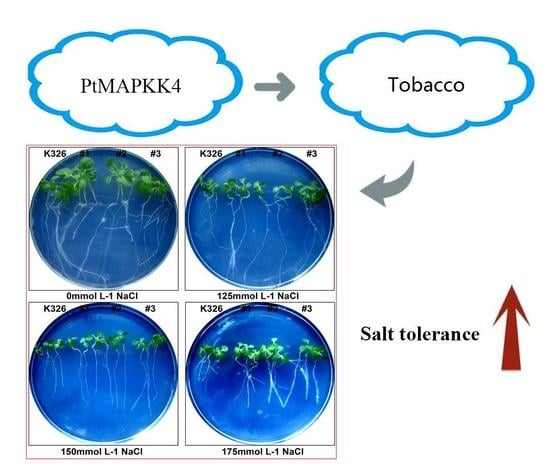
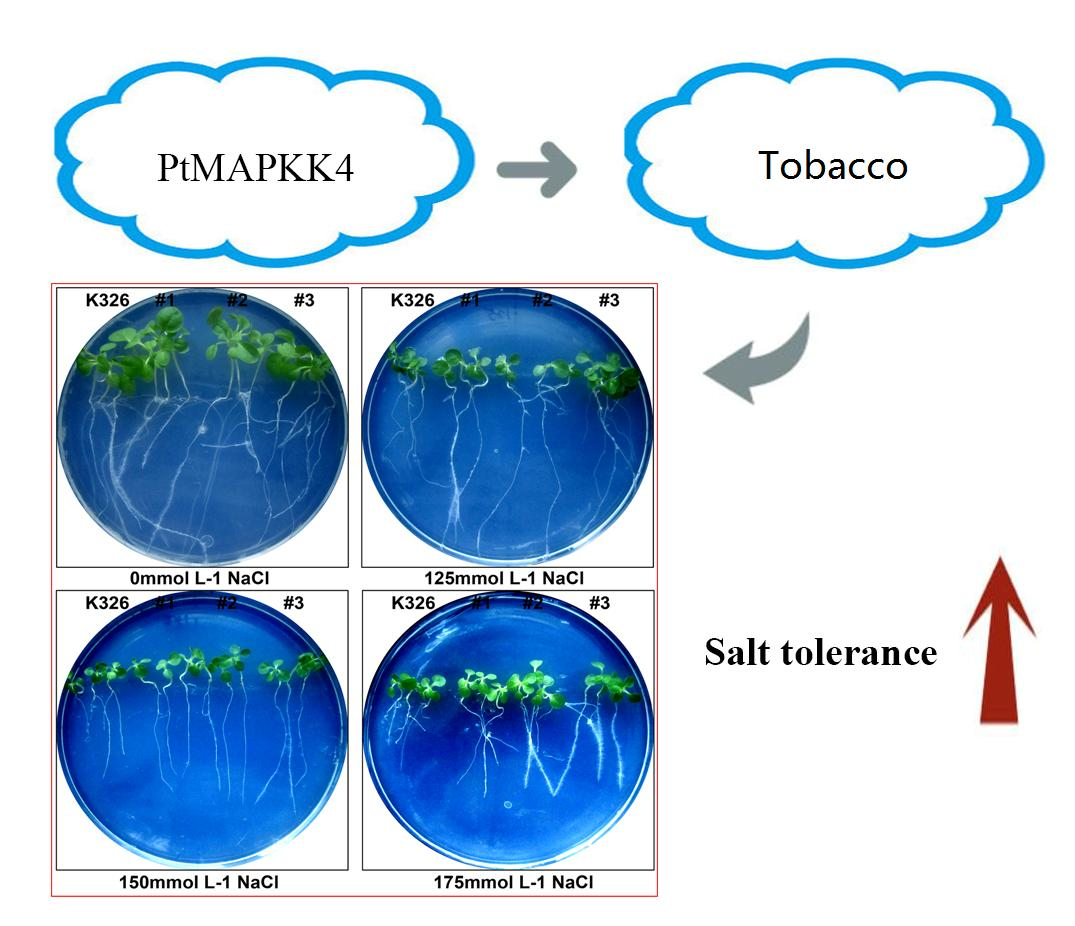
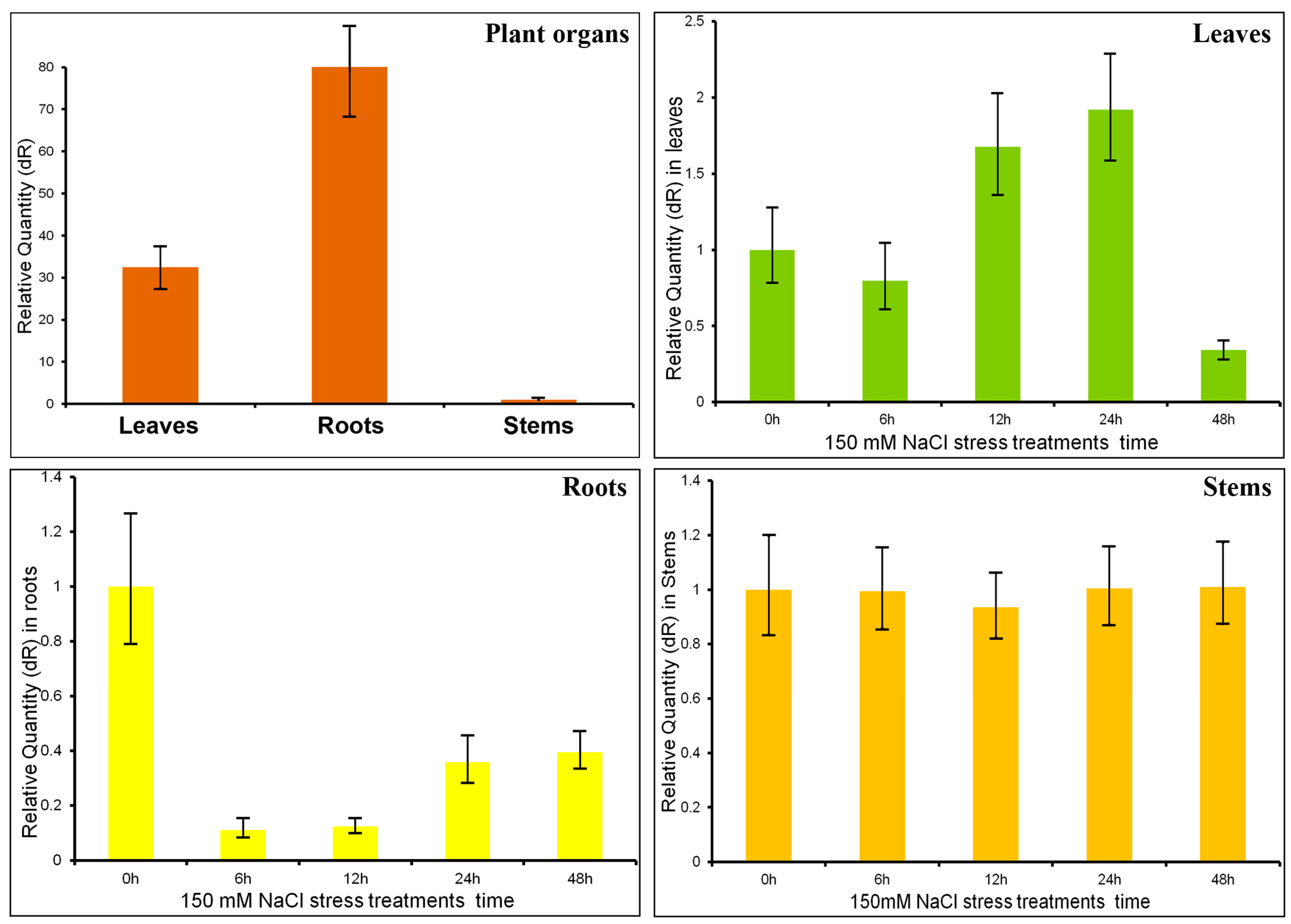
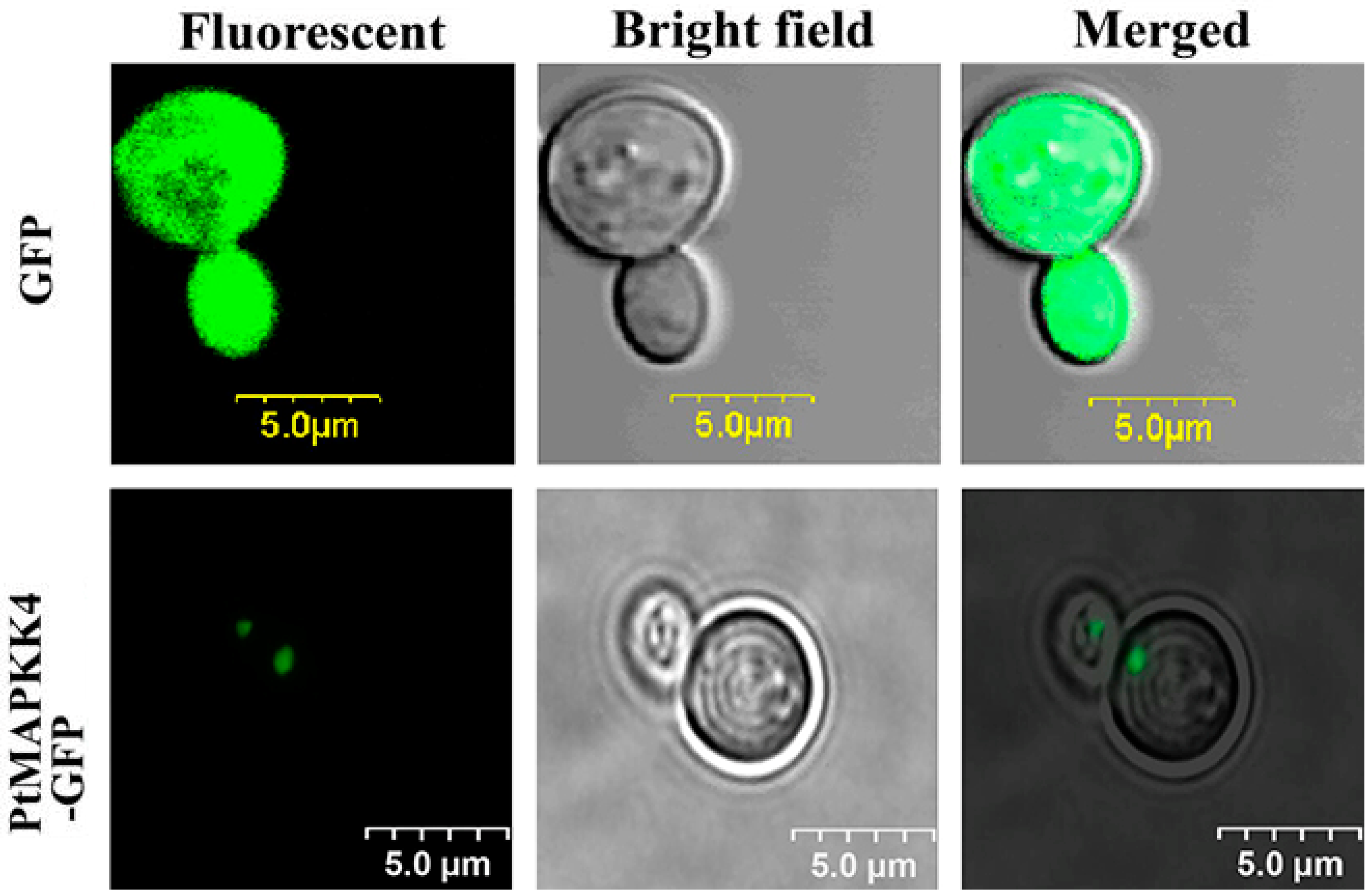
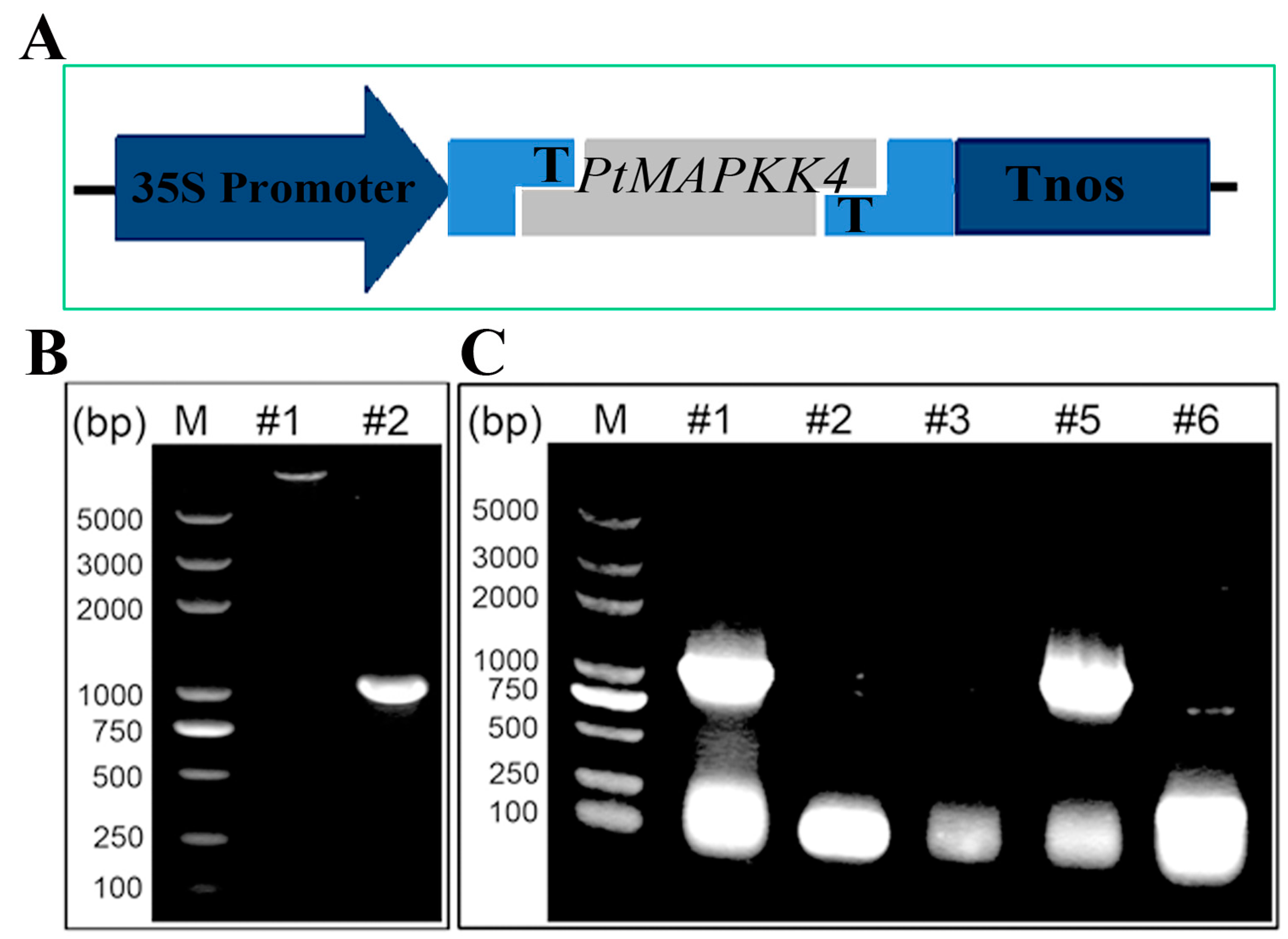
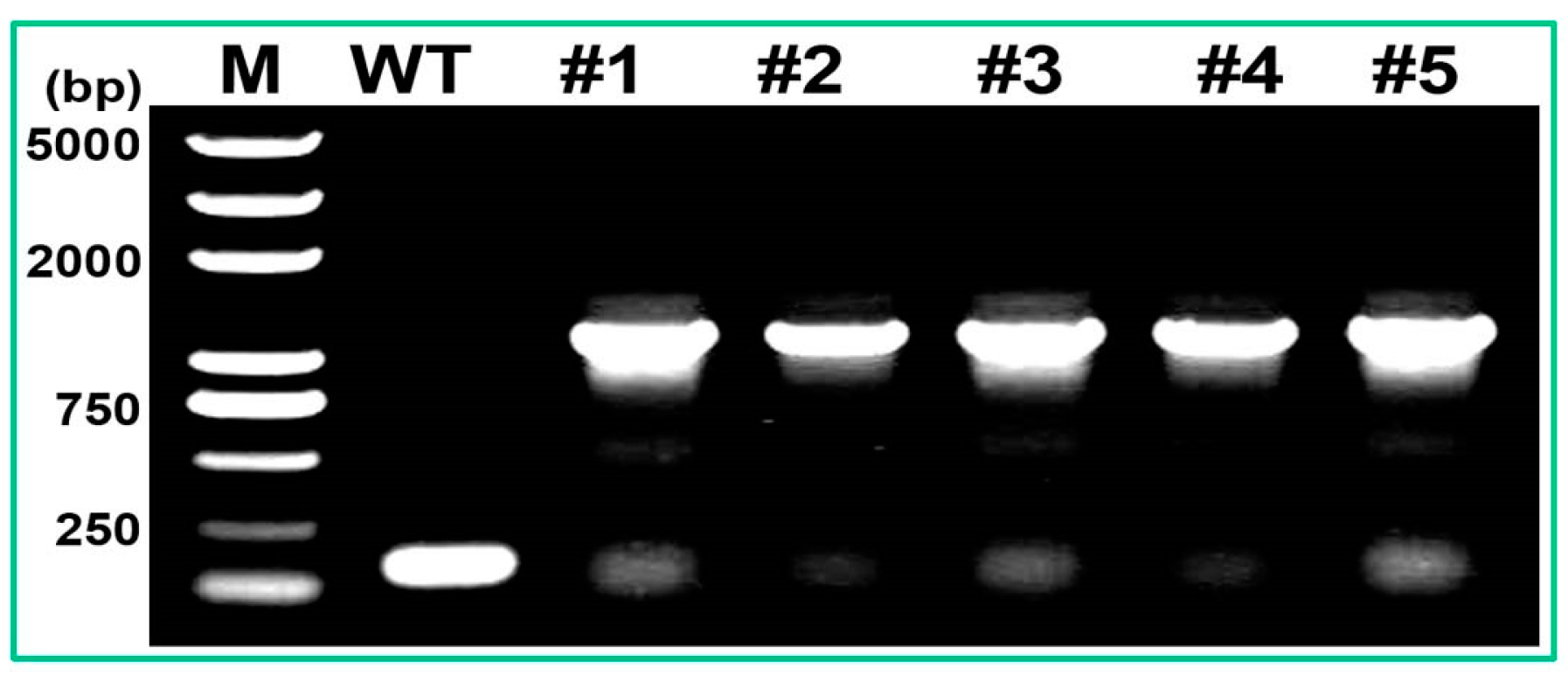
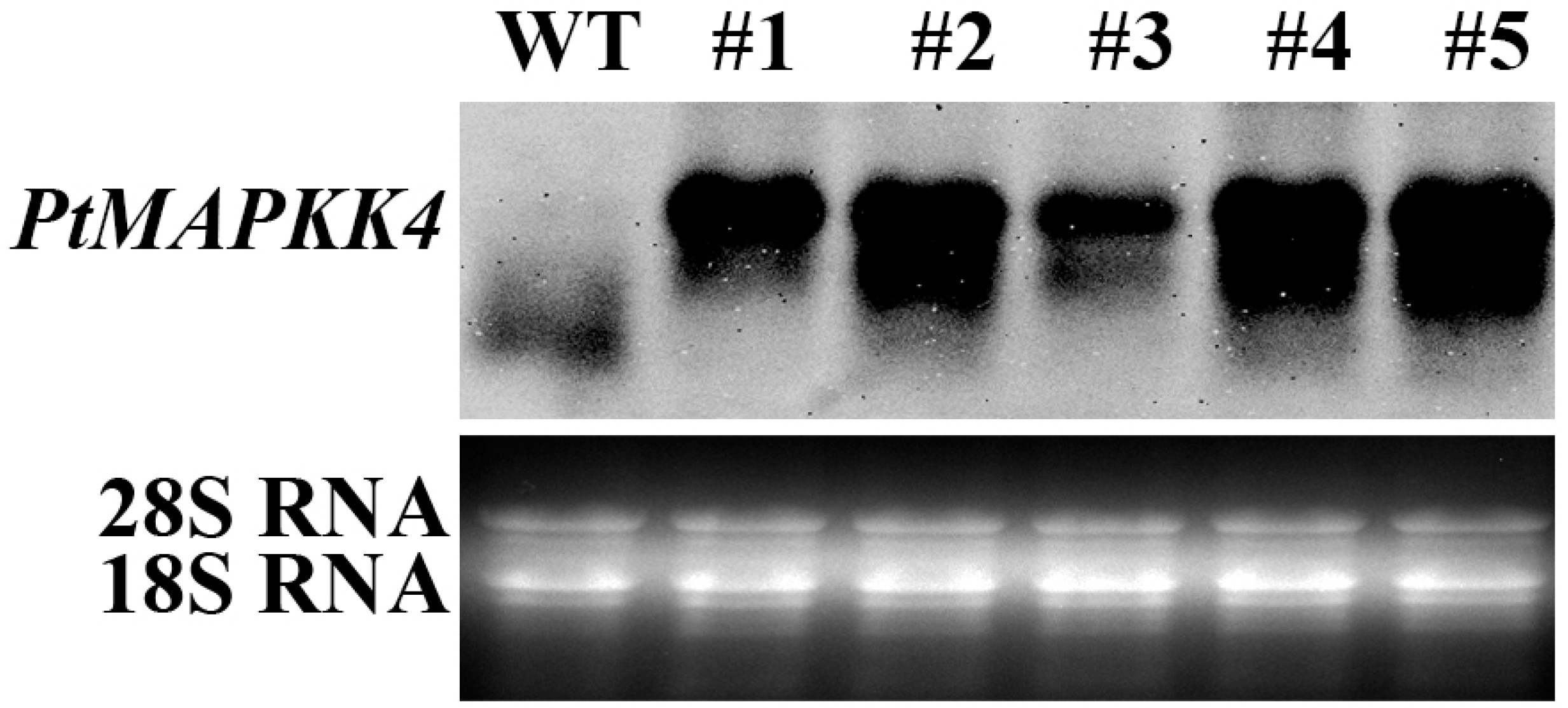
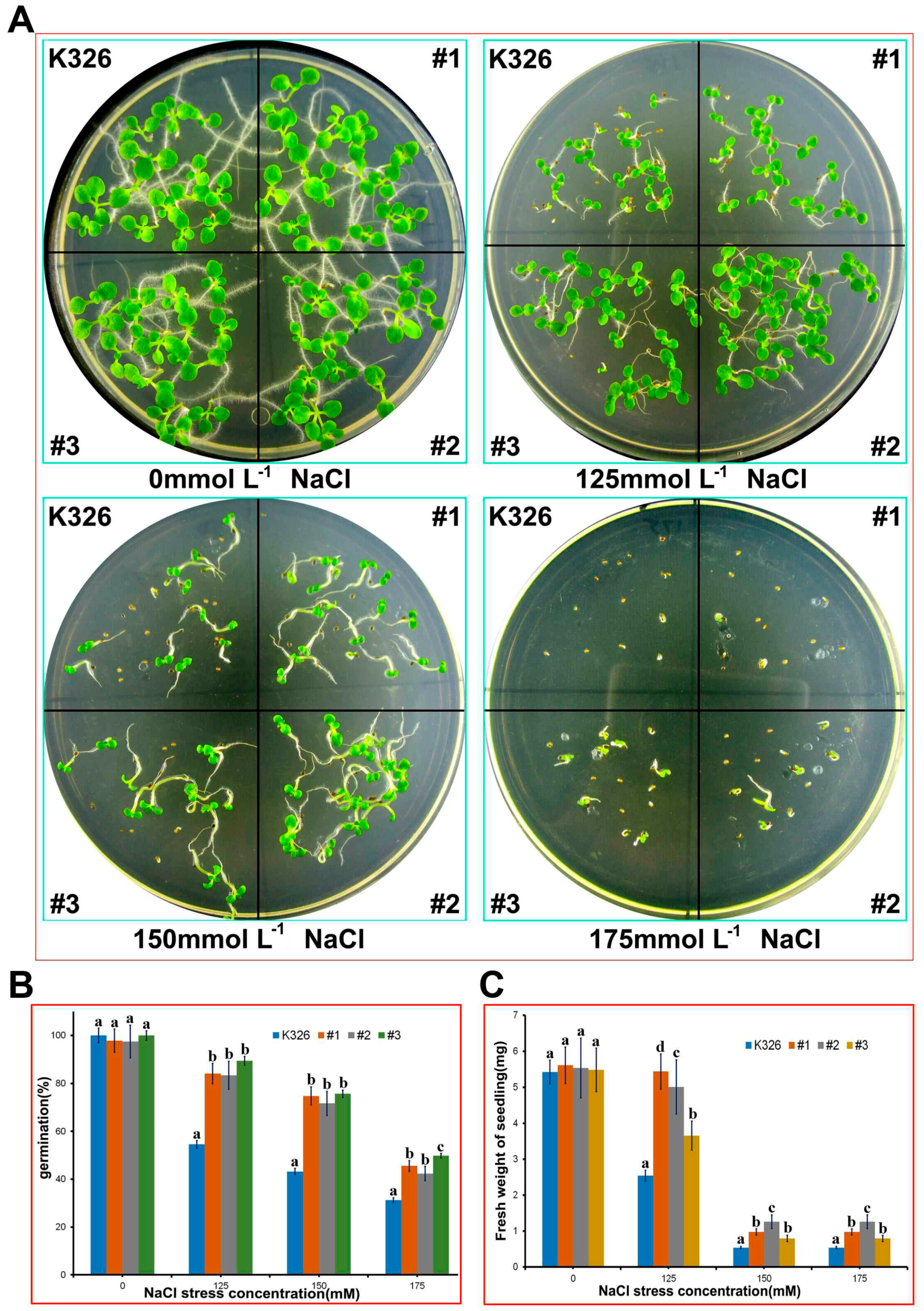
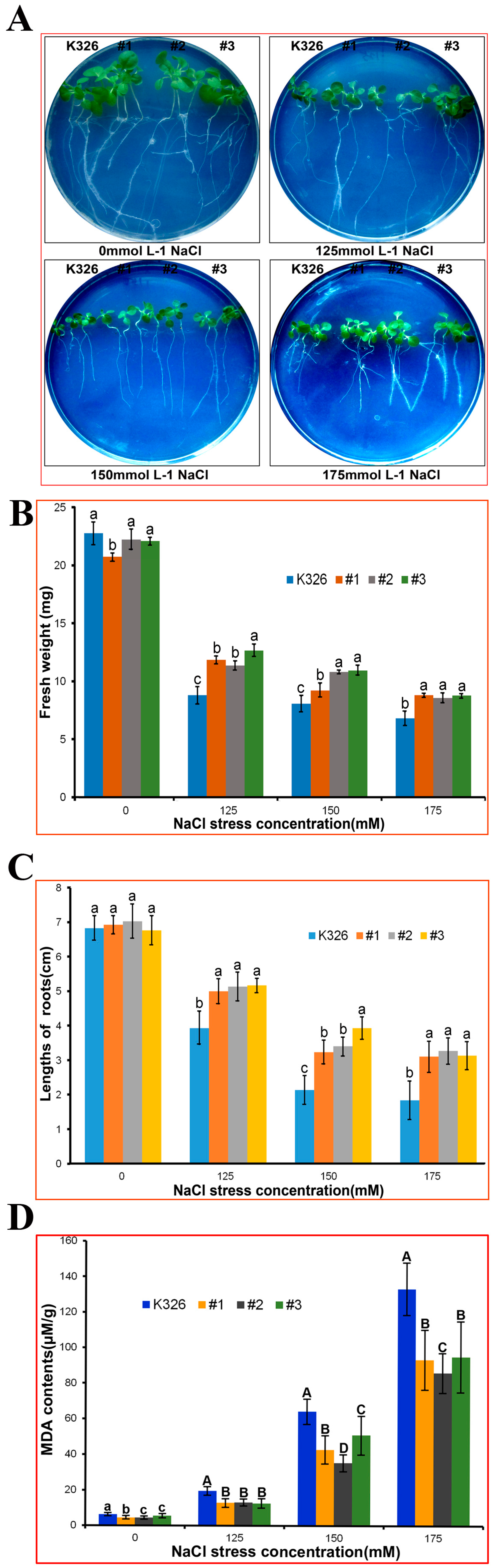
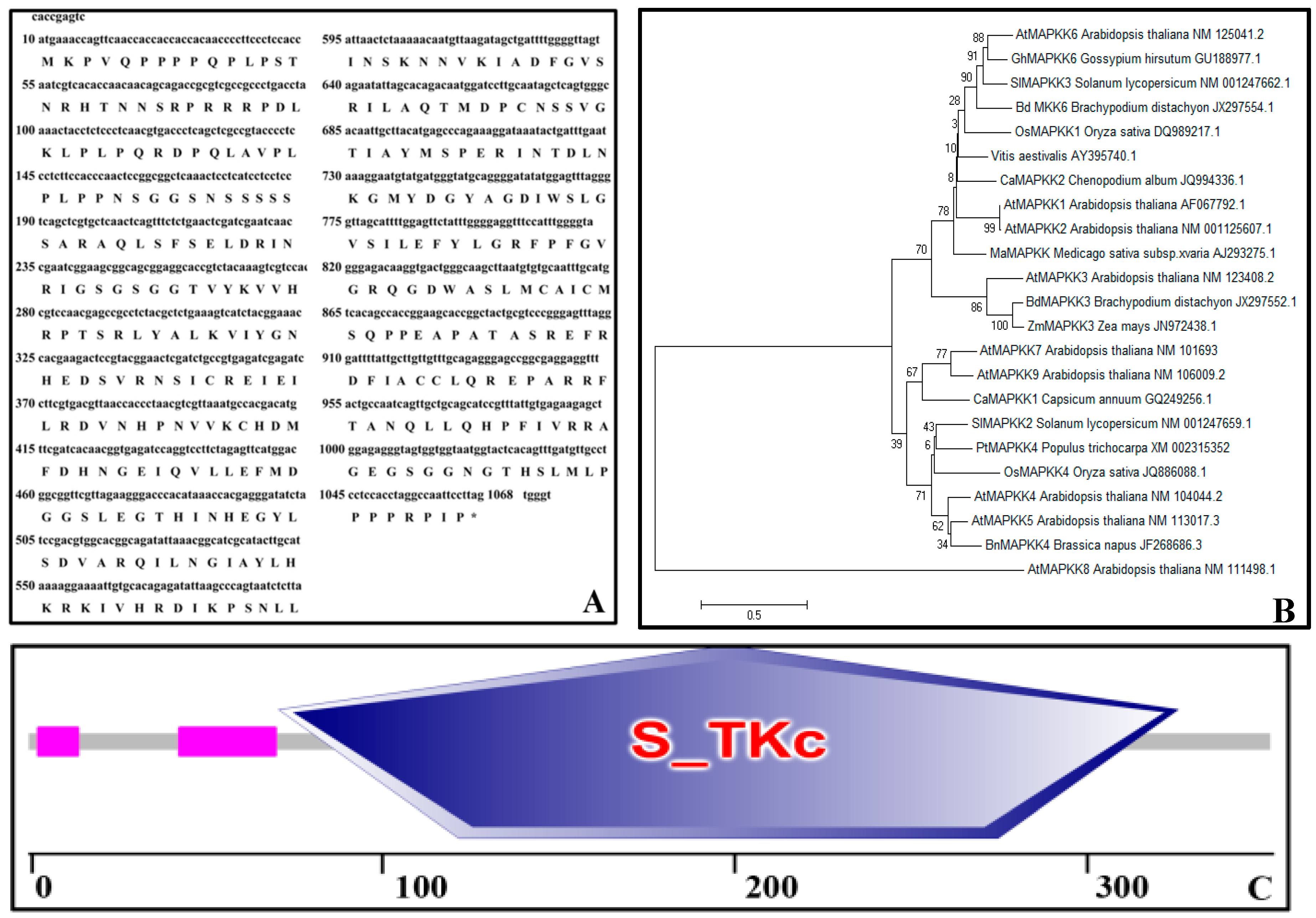
Mitogen-activated protein kinase (MAPK) is one of the factors of cascade reactions affecting responses to signal pathway of environmental stimuli. Throughout the life of plants, MAPK family members participate in signal transduction pathways and regulate various intracellular physiological and metabolic reactions. To gain insights into regulatory function of MAPK kinase (MAPKK) in Populus trichocarpa under salt stress, we obtained full-length cDNA of PtMAPKK4 and analyzed different expression levels of PtMAPKK4 gene in leaves, stems, and root organs. The relationship between PtMAPKK4 and salt stress was studied by detecting expression characteristics of mRNA under 150 mM NaCl stress using real-time quantitative polymerase chain reaction. The results showed that expression of PtMAPKK4 increased under salt (NaCl) stress in leaves but initially reduced and then increased in roots. Thus, salt stress failed to induce PtMAPKK4 expression in stems. PtMAPKK4 possibly participates in regulation of plant growth and metabolism, thereby improving its salt tolerance. We used Saccharomyces cerevisiae strain INVScI to verify subcellular localization of PtMAPKK4 kinase. The yeast strains containing pYES2-PtMAPKK4-GFP plasmid expressed GFP fusion proteins under the induction of d-galactose, and the products were located in nucleus. These results were consistent with network prediction and confirmed location of PtMAPKK4 enzyme in the nucleus. We tested NaCl tolerance in transgenic tobacco lines overexpressing PtMAPKK4 under the control of 35S promoter at germination stage to detect salt tolerance function of PtMAPKK4. Compared withK326 (a wild-type tobacco), lines overexpressing PtMAPKK4 showed a certain degree of improvement in tolerance, germination, and growth. NaCl inhibited growth of overexpressed line and K326 at the seedling stage. However, statistical analysis showed longer root length, higher fresh weight, and lower MDA content in transgenic lines in comparison with that in K326.
Keywords: Populus trichocarpa; mitogen-activated protein kinase; salt stress; tobacco; transgene Populus trichocarpa; mitogen-activated protein kinase; salt stress; tobacco; transgene
Graphical Abstract