Review

Why Are Omics Technologies Important to Understanding the Role of Nutrition in Inflammatory Bowel Diseases?


by
Lynnette R. Ferguson
1,* and
Matthew P. G. Barnett
2
1
Discipline of Nutrition and Dietetics and Auckland Cancer Research Society, Faculty of Medical and Health Sciences, The University of Auckland, Private Bag 92019, Auckland 1142, New Zealand
2
Food Nutrition & Health Team, Food & Bio-Based Products Group, AgResearch Limited, Palmerston North 4442, New Zealand
*
Author to whom correspondence should be addressed.
Int. J. Mol. Sci. 2016, 17(10), 1763; https://doi.org/10.3390/ijms17101763
Submission received: 31 August 2016 / Revised: 29 September 2016 / Accepted: 10 October 2016 / Published: 21 October 2016
(This article belongs to the Special Issue Metabolomic Technologies in Medicine)

Abstract

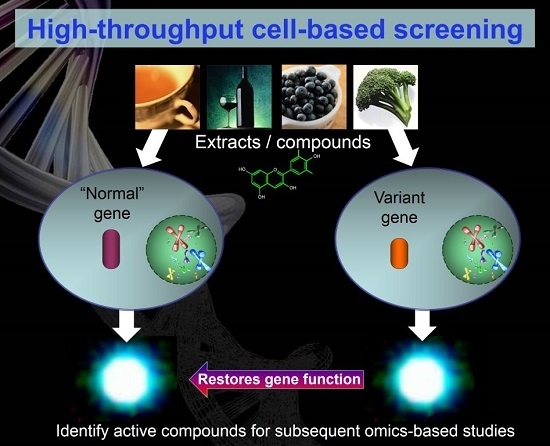
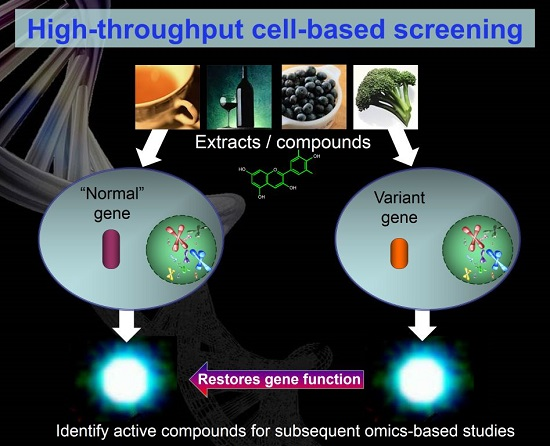
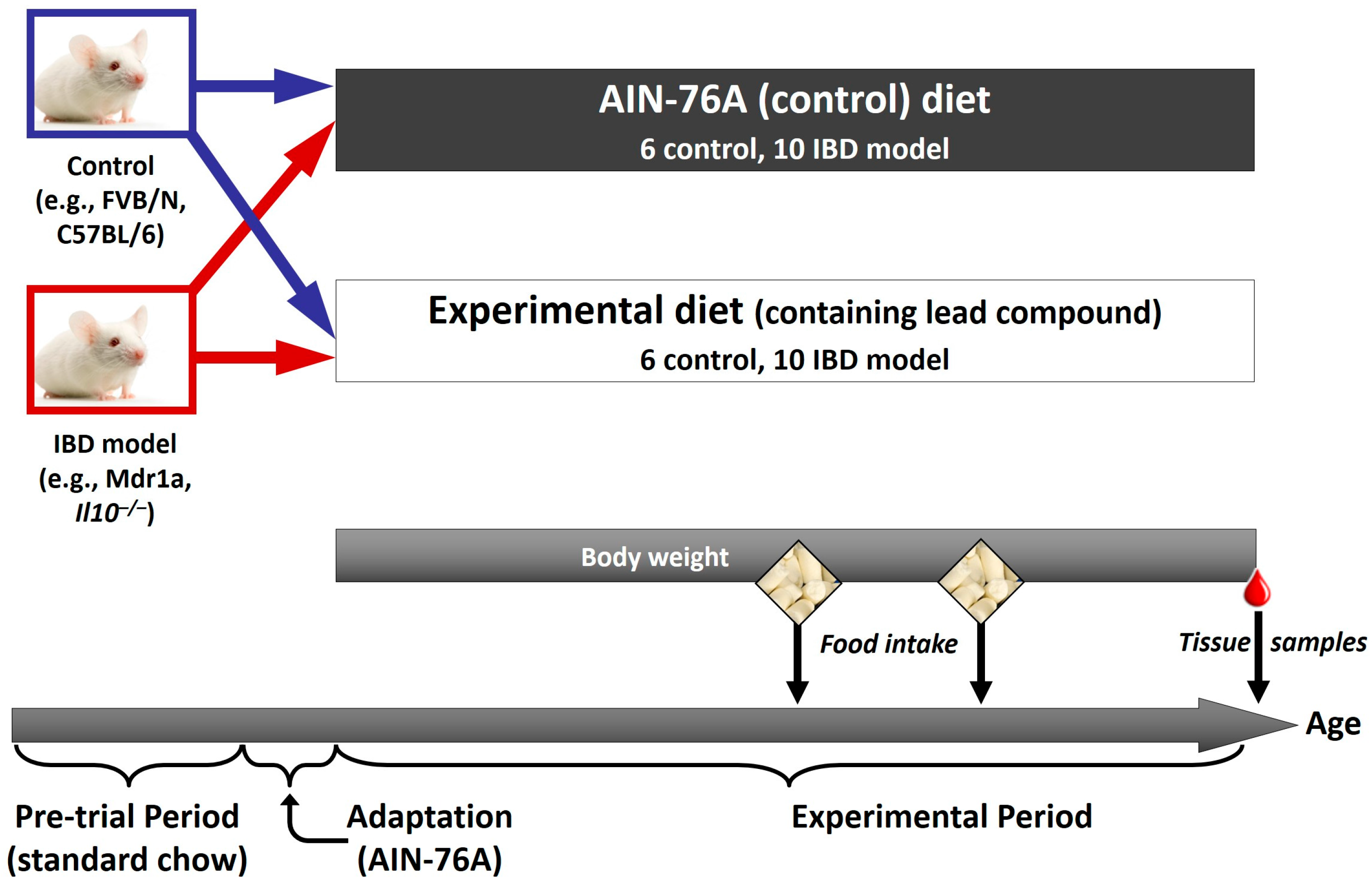
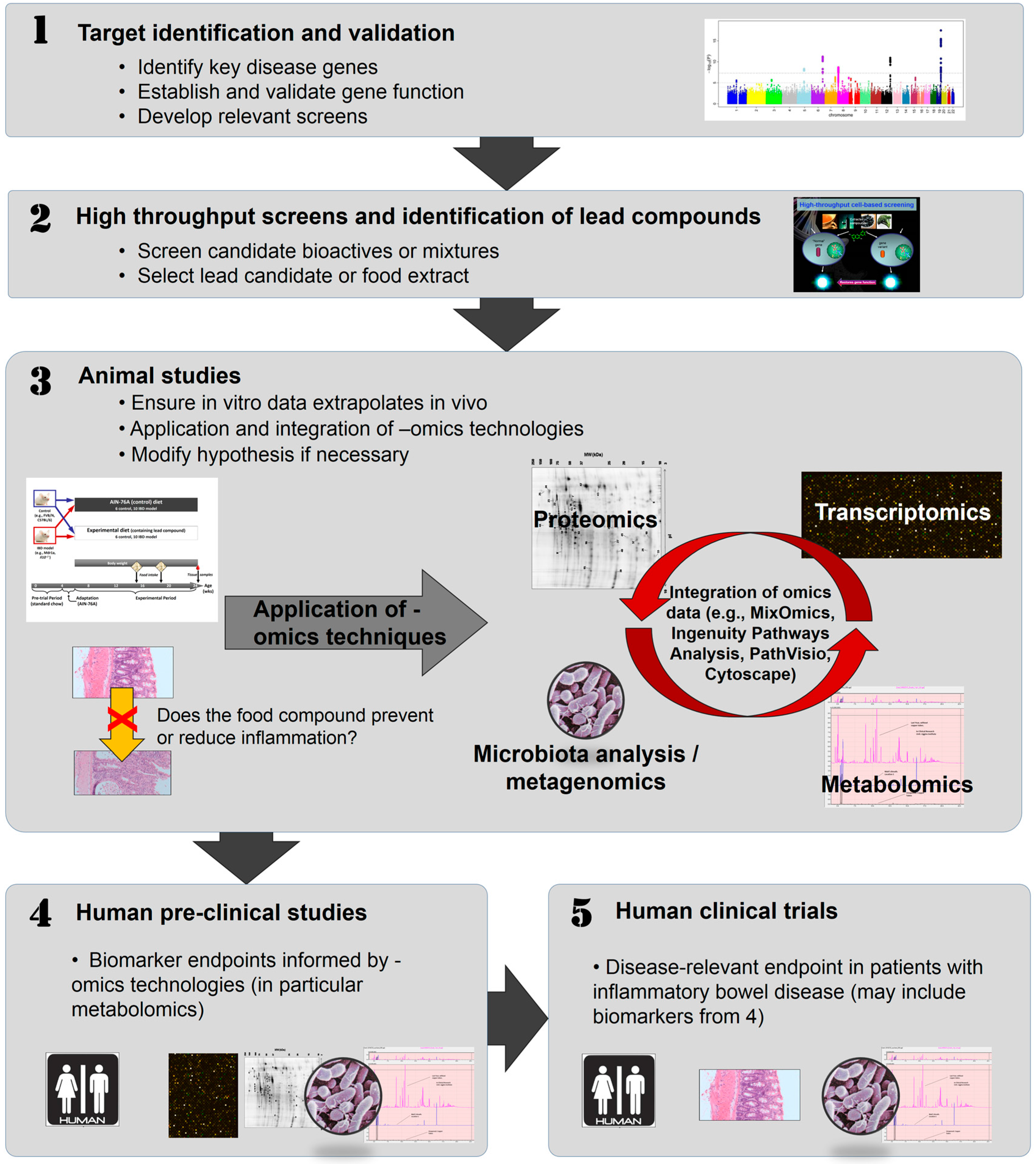
For many years, there has been confusion about the role that nutrition plays in inflammatory bowel diseases (IBD). It is apparent that good dietary advice for one individual may prove inappropriate for another. As with many diseases, genome-wide association studies across large collaborative groups have been important in revealing the role of genetics in IBD, with more than 200 genes associated with susceptibility to the disease. These associations provide clues to explain the differences in nutrient requirements among individuals. In addition to genes directly involved in the control of inflammation, a number of the associated genes play roles in modulating the gut microbiota. Cell line models enable the generation of hypotheses as to how various bioactive dietary components might be especially beneficial for certain genetic groups. Animal models are necessary to mimic aspects of the complex aetiology of IBD, and provide an important link between tissue culture studies and human trials. Once we are sufficiently confident of our hypotheses, we can then take modified diets to an IBD population that is stratified according to genotype. Studies in IBD patients fed a Mediterranean-style diet have been important in validating our hypotheses and as a proof-of-principle for the application of these sensitive omics technologies to aiding in the control of IBD symptoms.
Keywords: Inflammatory bowel disease; transcriptomics; metabolomics; proteomics; microbiomics Inflammatory bowel disease; transcriptomics; metabolomics; proteomics; microbiomics
Graphical Abstract