Article

Identification and Immune Functional Characterization of Pigeon TLR7
1
Jiangsu Co-innovation Center for Prevention and Control of Important Animal Infectious Diseases and Zoonoses, Yangzhou University, Yangzhou 225009, China
2
Jiangsu Key Laboratory of Zoonosis, Yangzhou University, Yangzhou 225009, China
*
Authors to whom correspondence should be addressed.
These authors contributed equally to this work.
Int. J. Mol. Sci. 2015, 16(4), 8364-8381; https://doi.org/10.3390/ijms16048364
Submission received: 2 March 2015 / Revised: 27 March 2015 / Accepted: 31 March 2015 / Published: 14 April 2015
(This article belongs to the Section Biochemistry)

Abstract

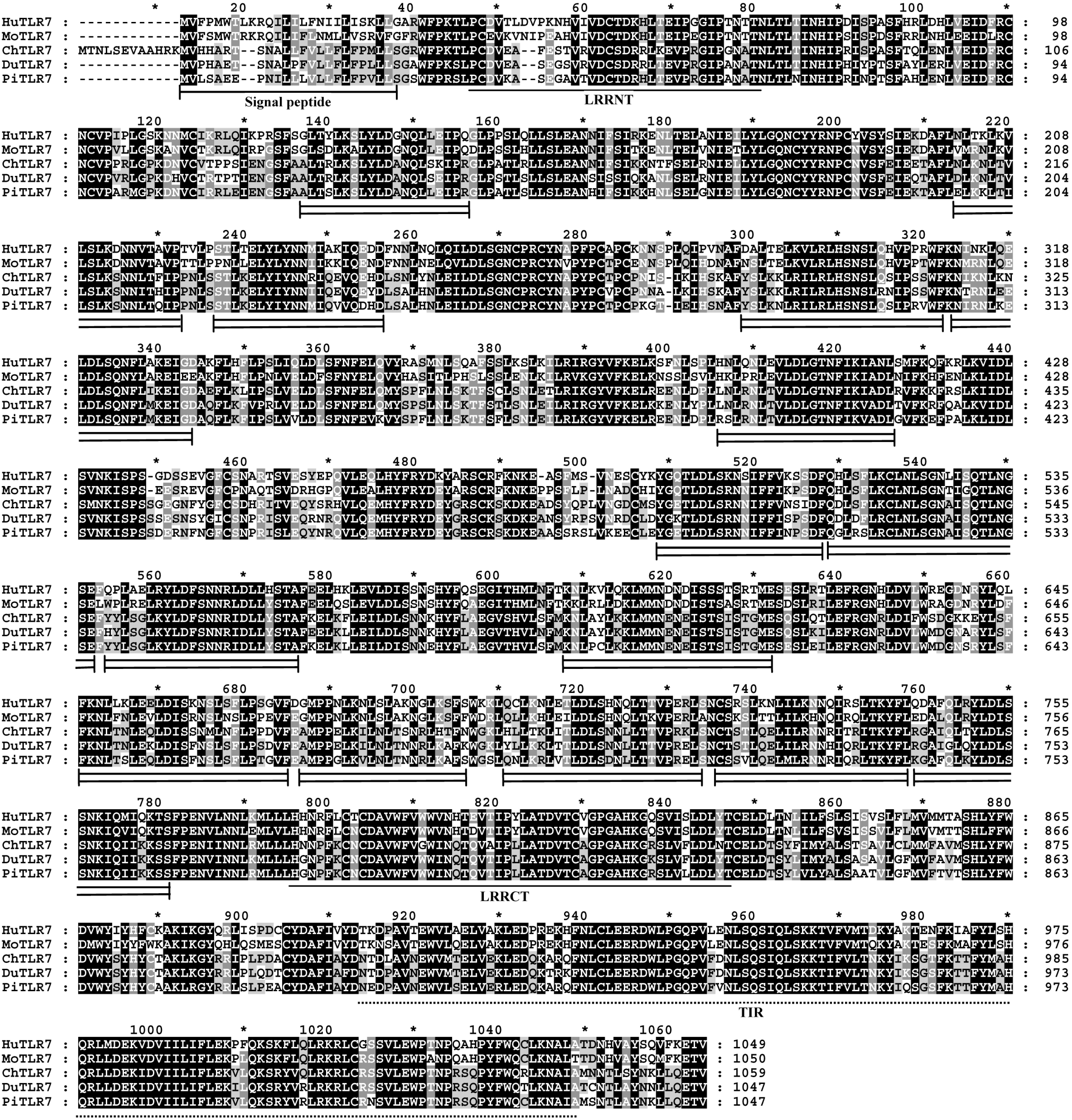
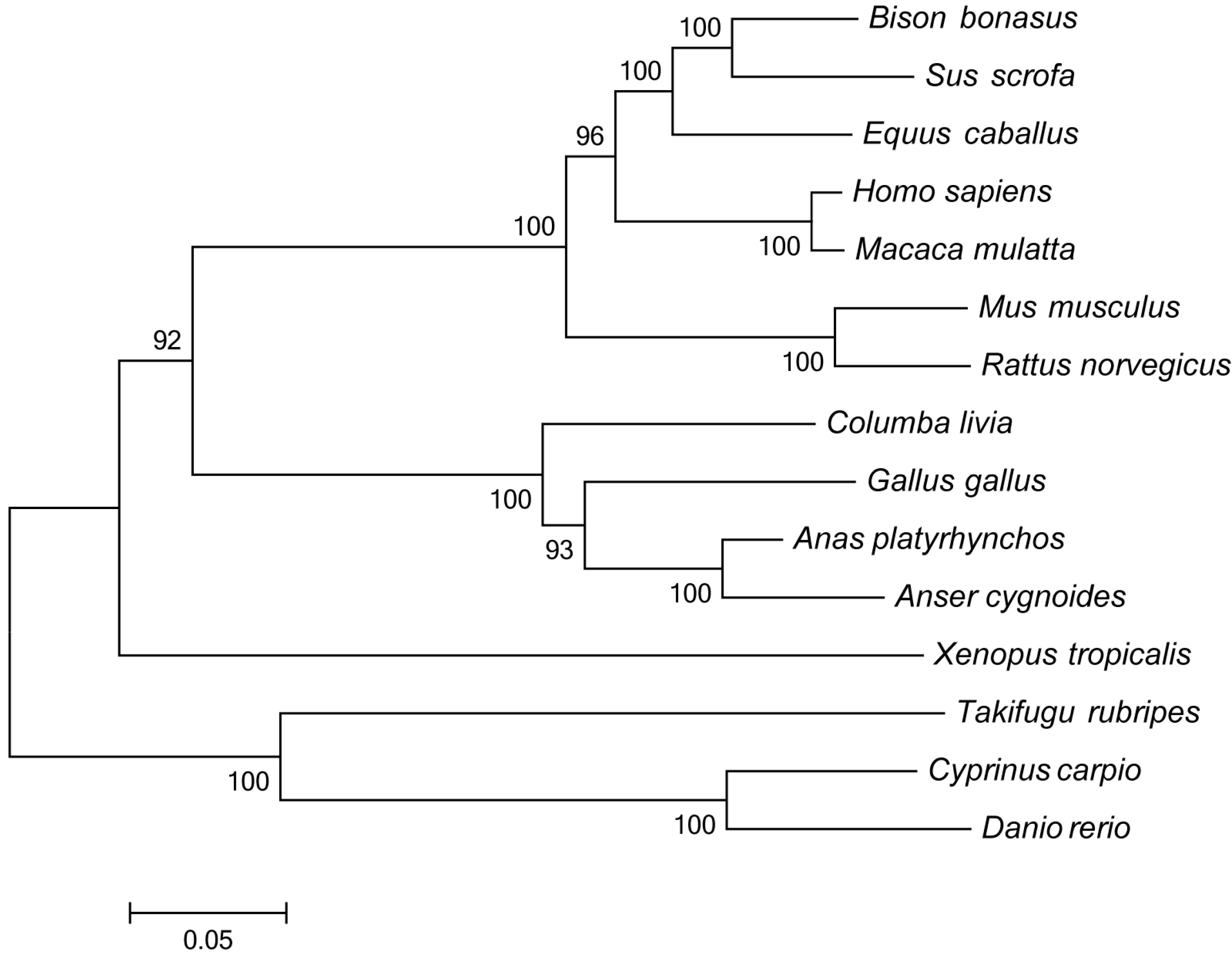
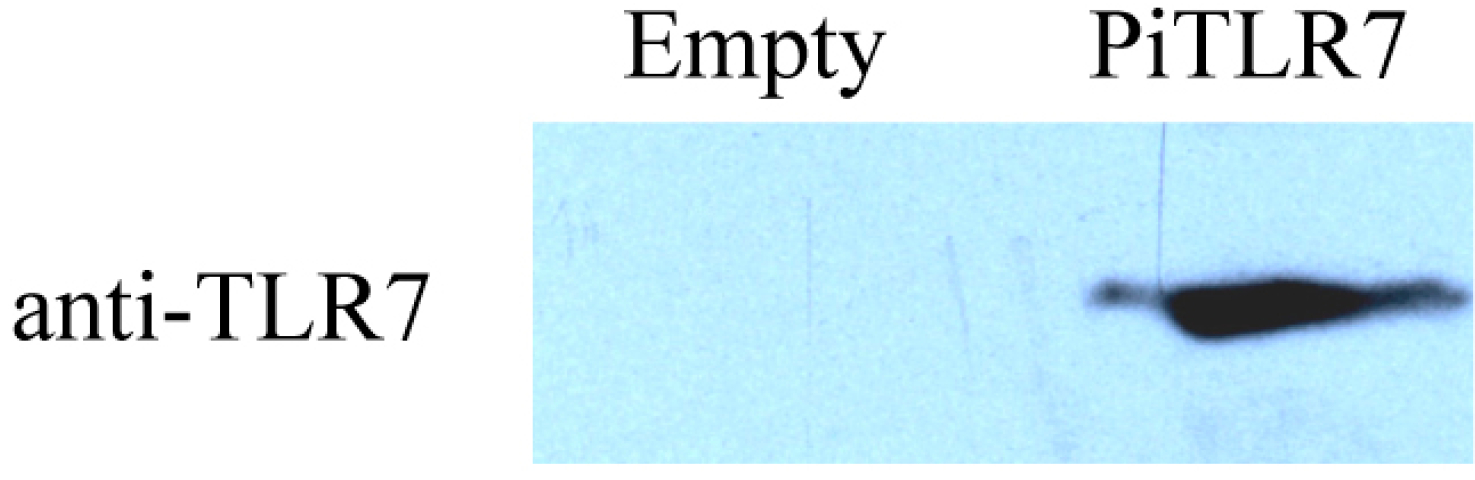
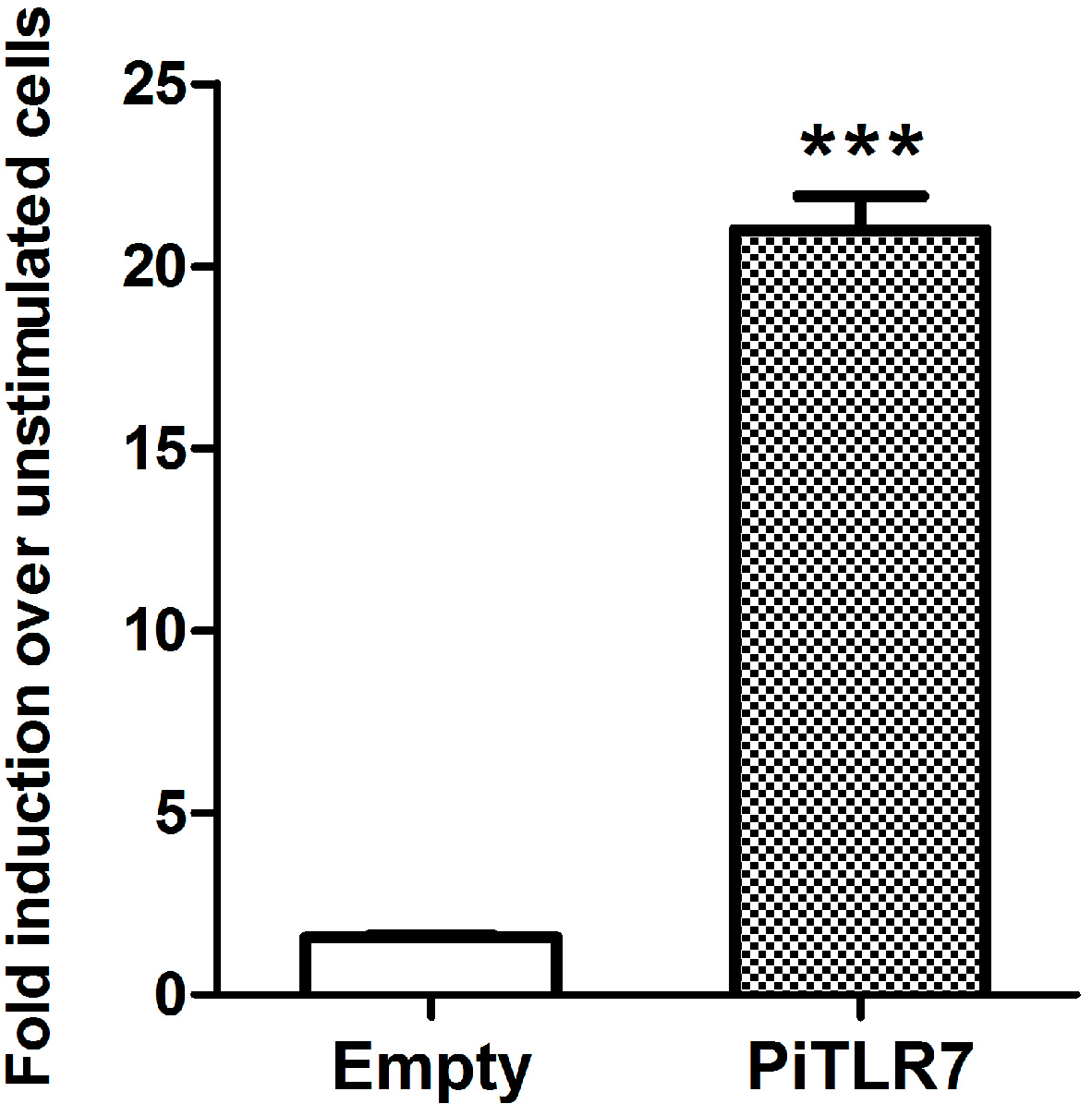
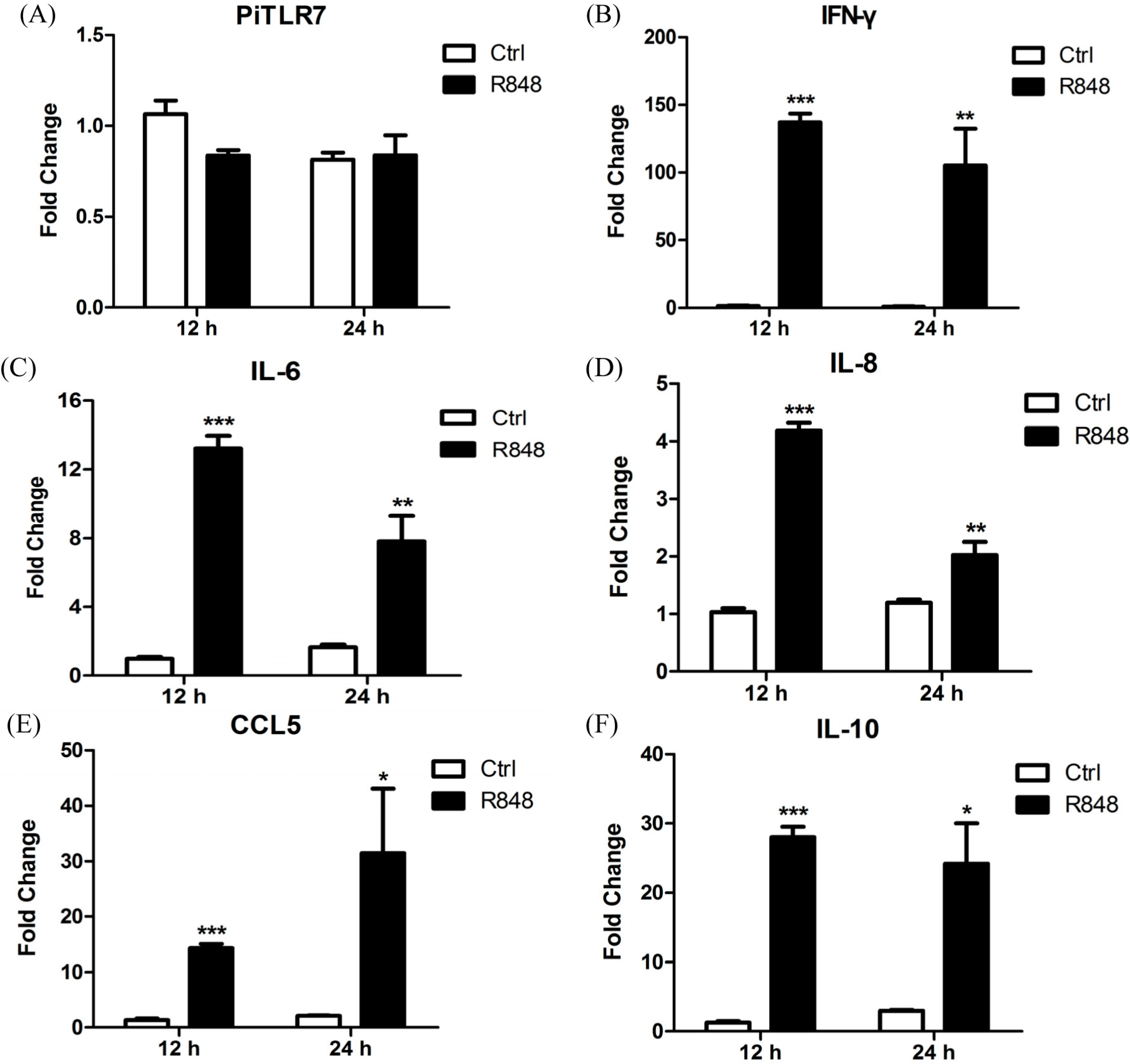
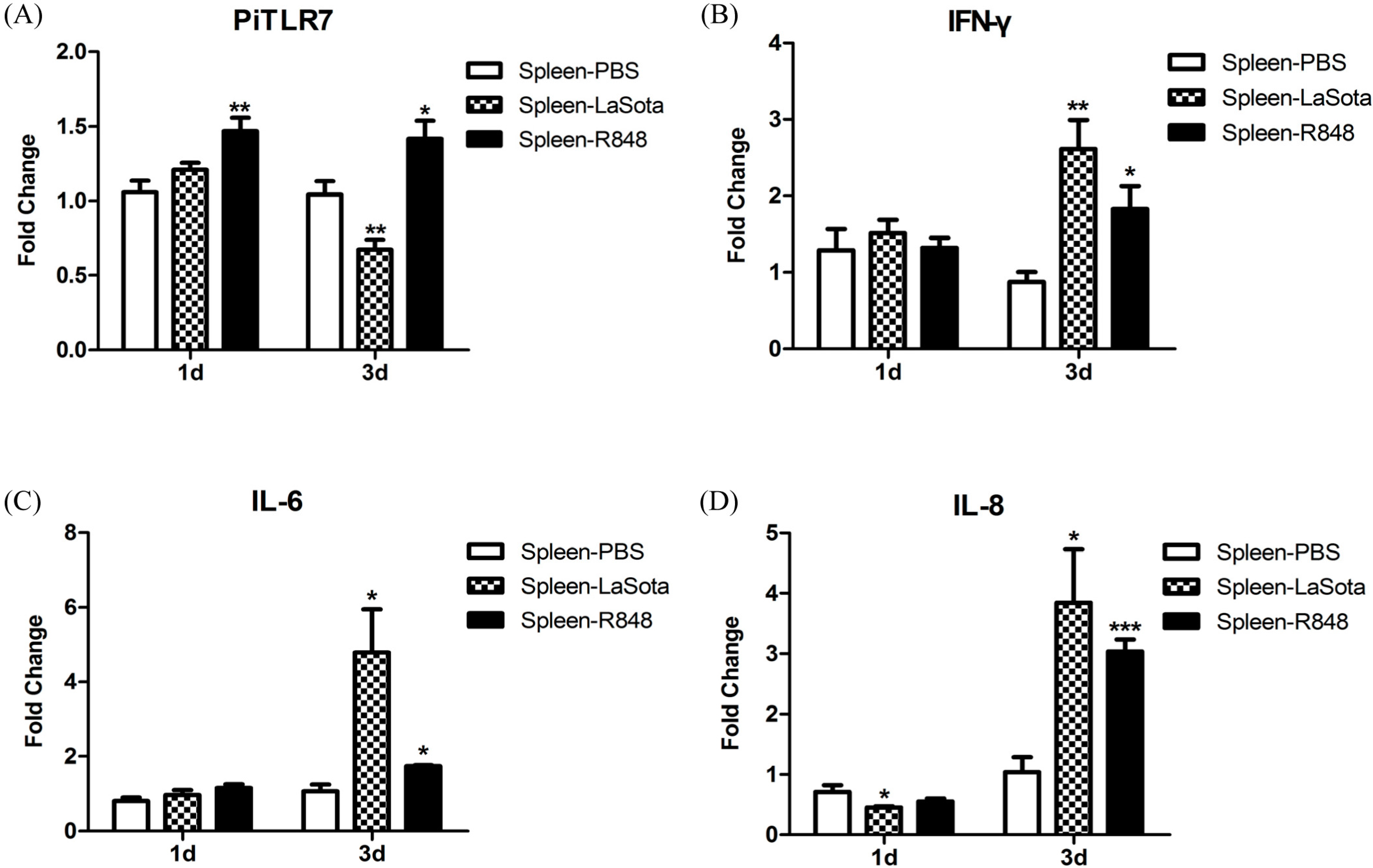
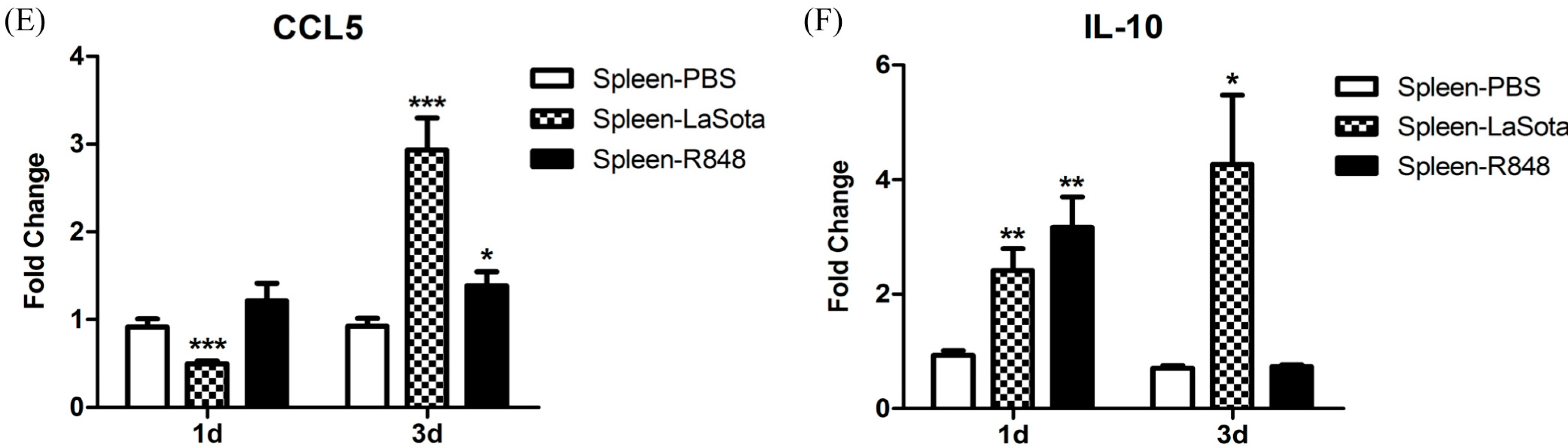
Toll-like receptor 7 (TLR7) is activated by single-stranded RNA and synthetic imidazoquinoline components, and induces interferon production. In this study, we cloned the TLR7 gene from King pigeon (Columba livia). The TLR7 open reading frame is 3144 bp and encodes a 1047-amino acid protein, consisting of a canonical TLR composition with 15 leucine-rich repeats (LRRs). Amino acid-inserting modifications were found at position 15 of LRR2, LRR11, LRR13, and LRR14 and position 10 of LRR10. The tissue distribution of pigeon TLR7 suggests that immune-associated tissues, especially the spleen and liver, have high TLR7 expression. HEK293T cells transfected with pigeon TLR7 plasmid responded to the agonist R848, indicating a functional TLR7 homolog. Following R848 stimulation of pigeon peripheral blood mononuclear cells, the levels of IFN-γ, IL-6, IL-8, CCL5, and IL-10 mRNA, assessed using quantitative real-time PCR, were significantly up-regulated. After Newcastle disease virus vaccine strain LaSota inoculation and agonist R848 injection, the level of TLR7 mRNA in the spleen of pigeons increased significantly in the R848-injected group, but decreased in the LaSota-inoculated group at three day post-infection (d.p.i.). The mRNA levels of inflammatory cytokines and chemokines were significantly upregulated in both LaSota-inoculated and R848-injected groups. Triggering pigeon TLR7 leads to robust up-regulation of inflammatory cytokines and chemokines, suggesting an important role in the innate immune response.
Keywords: TLR7; pigeon; identification; characterization; immune function TLR7; pigeon; identification; characterization; immune function