Review

Synthesis and Bioactivity Studies of Benzimidazole–Chalcone Hybrids

by
Herman D. Makgoathana
1,
Siyanda T. Mthembu
2,
Thandi V. Mhlanga
3,
Mamoalosi A. Selepe
1,* and
Molahlehi S. Sonopo
4,*
1
Department of Chemistry, Faculty of Natural and Agricultural Sciences, University of Pretoria, Lynnwood Road, Hatfield, Pretoria 0002, South Africa
2
Department of Physical and Earth Sciences, Faculty of Natural and Applied Sciences, Sol Plaatje University, P/Bag x5008, Kimberley 8300, South Africa
3
Department of Physiology, Faculty of Health Sciences, University of Pretoria, Gezina, Pretoria 0031, South Africa
4
Applied Radiation Department, South African Nuclear Energy Corporation, SOC Ltd., Pelindaba, Brits 0240, South Africa
*
Authors to whom correspondence should be addressed.
Molecules 2026, 31(9), 1546; https://doi.org/10.3390/molecules31091546
Submission received: 28 February 2026 / Revised: 14 April 2026 / Accepted: 19 April 2026 / Published: 6 May 2026
(This article belongs to the Special Issue Bioactive Natural Products: The Potential Sources of New Drugs)

Abstract

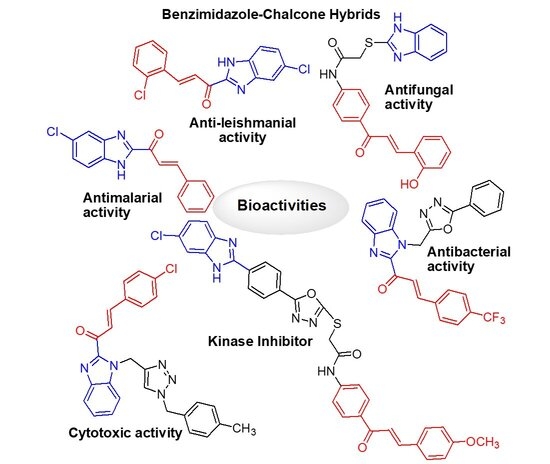
Chalcones featuring α,β–unsaturated carbonyl group are associated with an extensive range of pharmacological properties. The synthesized derivatives of benzimidazole–chalcone are prominent classes of bioactive compounds that have demonstrated significant applications. Recently, there has been an encouraged demand for synthesizing aromatic N–heterocyclic α,β–unsaturated hybrids that comprise benzimidazole–chalcones, which could be evaluated for activities against several diseases. The current review presents the synthetic approaches of the recently prepared benzimidazole–chalcone compounds and their biological applications. The biological activity studies include cytotoxicity against several cancer cells, antibacterial, antifungal, antileishmanial, antimalarial, antiviral and antidiabetic activities. The in silico studies of hybridized benzimidazole–chalcones are also discussed. Therefore, the review shows the significance of benzimidazole–chalcone derivatives and their potential as effective bioactive agents.

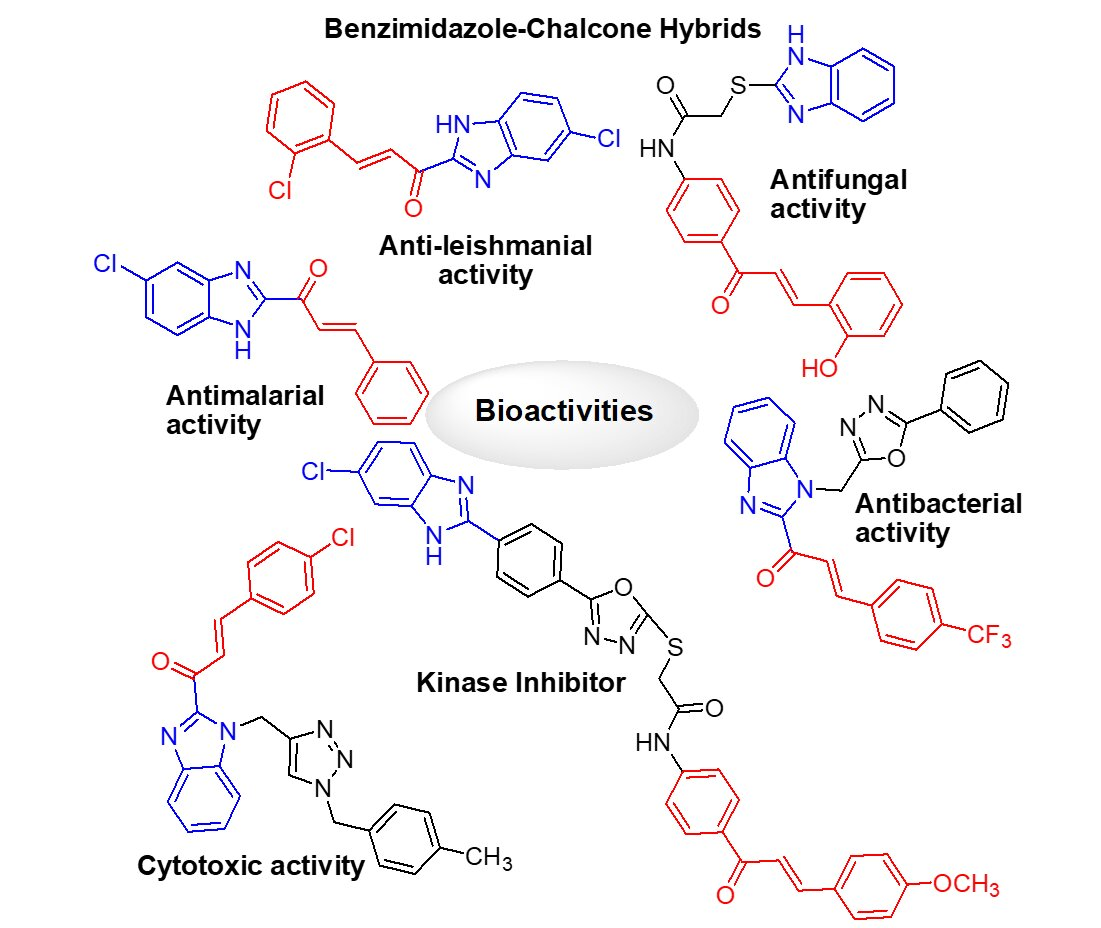
Graphical Abstract

1. Introduction

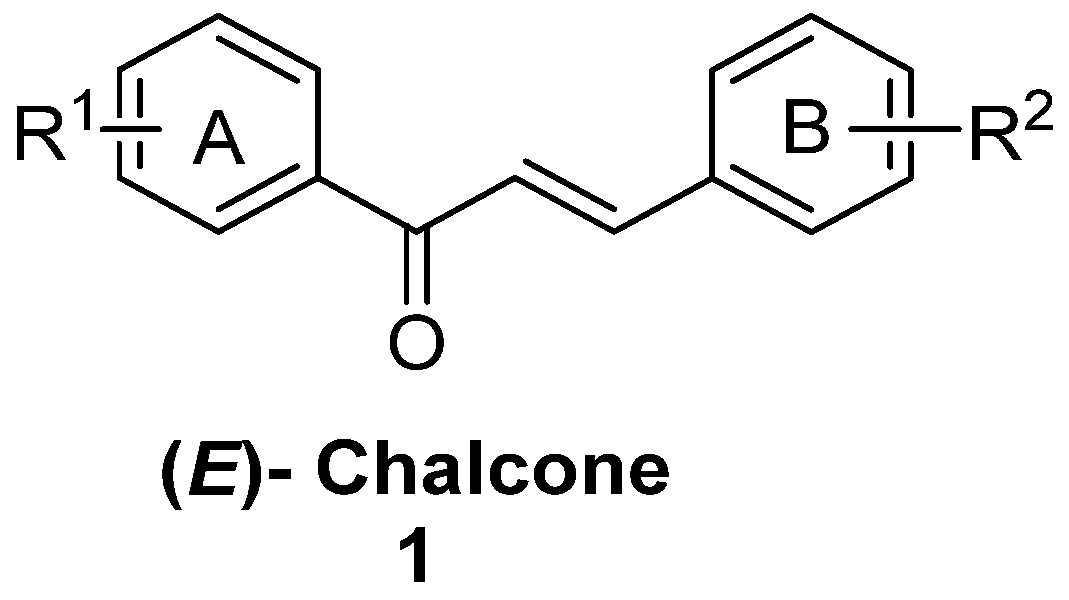
Chalcones are biogenetic precursors of flavonoids that consist of two aryl moieties bridged via an α,β–unsaturated carbonyl system (Figure 1) [1]. They are phenolic compounds, whose colours vary from yellow to orange and are naturally present in fruits, spices, teas, and soy-based meals [2]. Chalcones are regarded as privileged in the medicinal chemistry due to their potential beneficial properties [2,3]. They have remarkable biological activities such as antiproliferative [4], antifungal [5], antioxidant [6], antibacterial [7], antiviral [8], antileishmanial [9], antimicrobial [10], anti-inflammatory [11], anticancer [12], antimalarial [13], and many more. Synthetic chalcone analogues have been extensively studied based on their bioactive properties. Chalcones can serve as the intermediates, which can undergo chemical transformations involving conversion into heterocyclic compounds and other conjugated systems [14]. Furthermore, chalcones have been conjoined with other scaffolds to provide hybrids with improved biological activities [15]. Examples include fusing them with benzimidazoles [16].
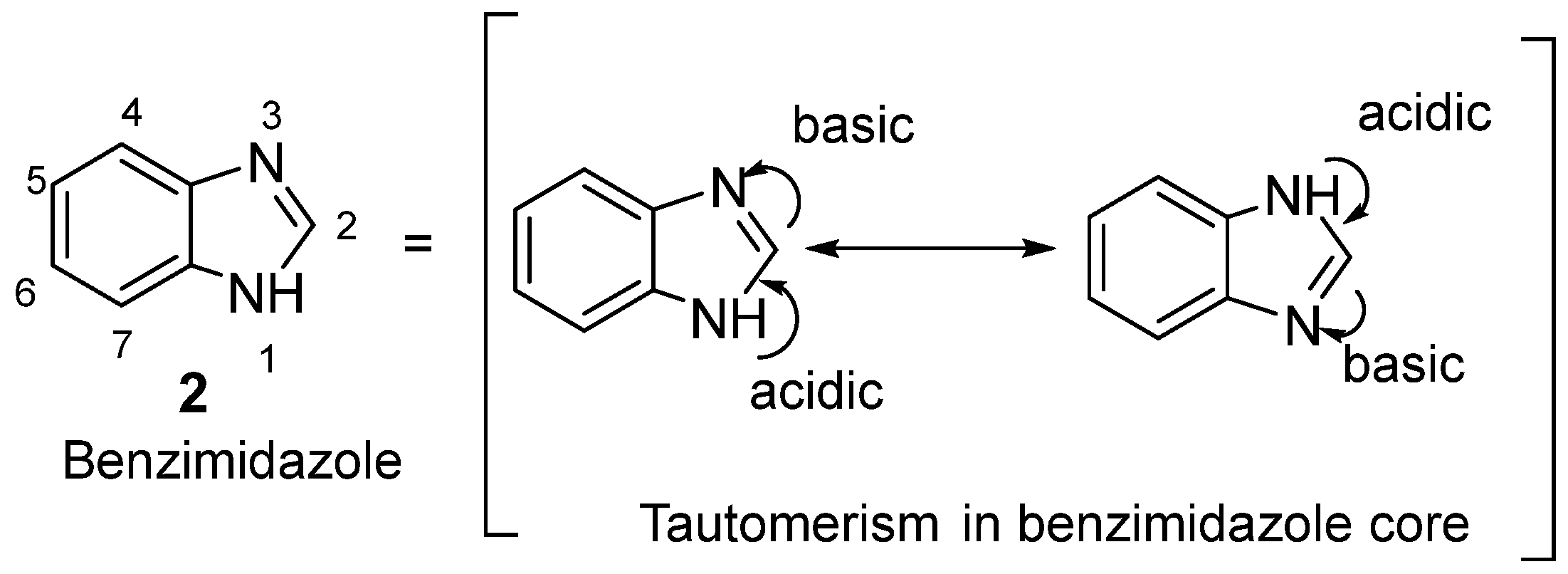
Benzimidazole compounds are amongst the most widely used N-heterocyclic pharmacophores due to their wide occurrence in bioactive compounds and are used in drug development [17]. The first compound of the benzimidazole class was prepared by Hoebrecker in 1872, which was obtained as 2,5– or 2,6–dimethylbenzimidazole through reduction of 2–nitro–4–methylacetanilide derivative [18] and it was later re–synthesized by Ladenberg in 1875 [19]. The benzimidazole moiety 2 occurs as a result of benzene and imidazole ring system fusion at the 4 and 5 positions of the imidazole ring, with relative properties of amphoteric nature presenting with both acidic and basic properties due to the NH group [20]. Benzimidazoles occur in two equivalent tautomeric states (Figure 2) [21]. The benzimidazole nucleus is referred to as a “master key” compound since it serves as a significant core in multiple compounds that operate on various targets to produce a variety of therapeutic properties [22]. It shares some structural similarities with purine bases, and represents one of the classes of substances with the largest biological activities [23], including antibacterial [24], antimalarial [25,26], and anticancer [27].
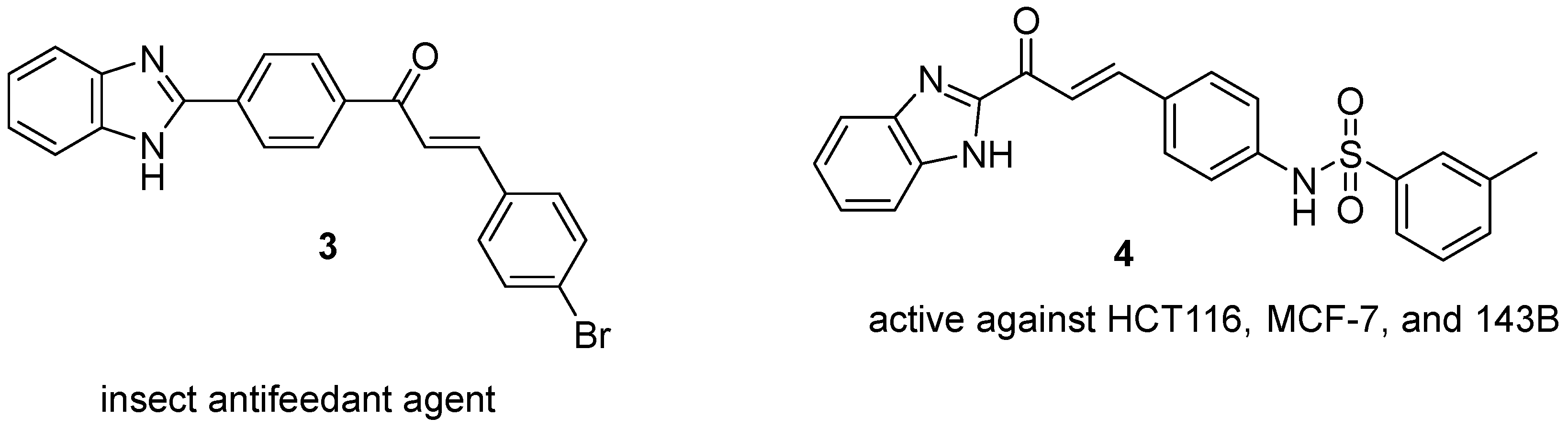
Molecular hybridization of benzimidazoles and chalcones or other α,β–unsaturated carbonyl systems present attractive approach for the construction of bioactive derivatives. Several studies on fused benzimidazolyl–chalcone derivatives have yielded compounds with various biological properties. Examples include (Z)–1–(4–(1H–benzo[d]imidazol-2-yl)phenyl)–3–(4–bromophenyl)prop-2–en–1–one 3, which act as insect antifeedant agent [28,29], and benzimidazole–chalcone hybrid 4 bearing sulfonamide moiety, which has been reported to exhibit effective activity against highly aggressive cell line (HCT116), Michigan Cancer Foundation–7 (MCF–7), and human osteosarcoma cell (143B) cancer cell lines (Figure 3) [30]. The present study highlights the synthetic approaches for benzimidazole–chalcone derivatives and demonstrates their biological activities, together with their significant contribution on various diseases. The databases that were used for the selection of the literature include Scifinder, Reaxys, Google Scholar and Scopus.

2. Benzimidazole Derivatives with Anticancer Activity

2.1. C-2-Substituted Derivatives with Anticancer Activity

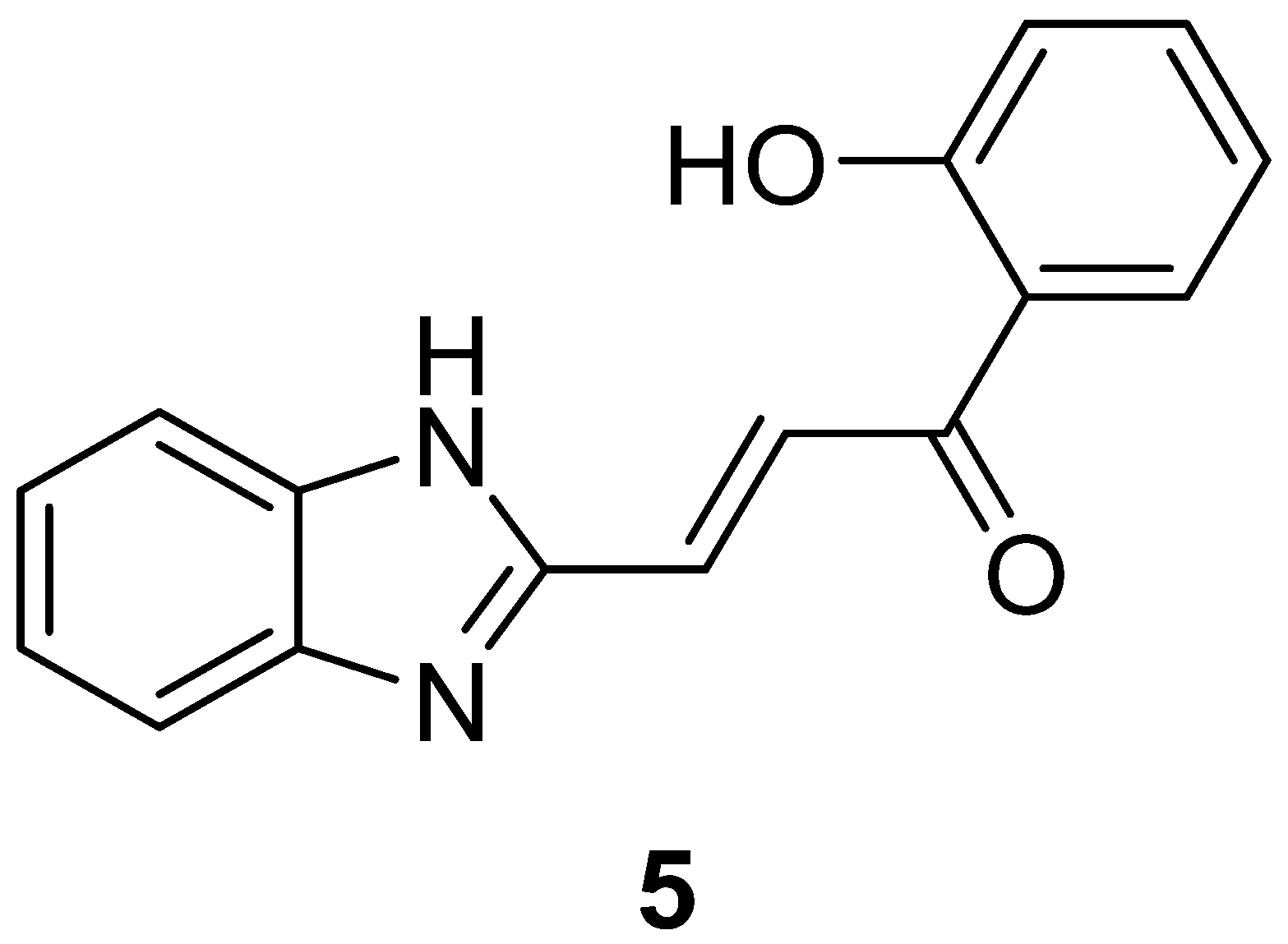
The substituted benzimidazole–chalcone derivatives have gained a substantial attention in the field of synthetic medicinal chemistry research as a promising anticancer agent, particularly the C–2–substituted benzimidazoles are playing an essential role by improving the biological activity of targeted compounds. In 2020, Mahama and colleagues reported the synthesis of 3-diphenyl–2–propen–1–one moieties by using a common synthetic approach, which involved the use of commercially available diamine compound as the starting material to synthesize benzimidazolyl–retrochalcones [31]. The synthesized benzimidazolyl–retrochalcone compounds were evaluated for their in vitro cytotoxic activity against a panel of cell lines such as immortalized human liver cancer (Huh–7), human prostate cancer (PC3), human epithelial lung cancer (NCI–H727), human colorectal adenocarcinoma (CaCo2), human colorectal carcinoma (HCT–116), human breast cancer (MDA–MB 231, MCF–7) and a normal fibroblast cell line and they showed cytotoxic activity with IC50 values ranging from 0.83 to 14.70 µM. Compound 5 was found to be more effective against colon cancer cells (HCT–116) having the IC50 value of 0.83 µM (Figure 4) [31].
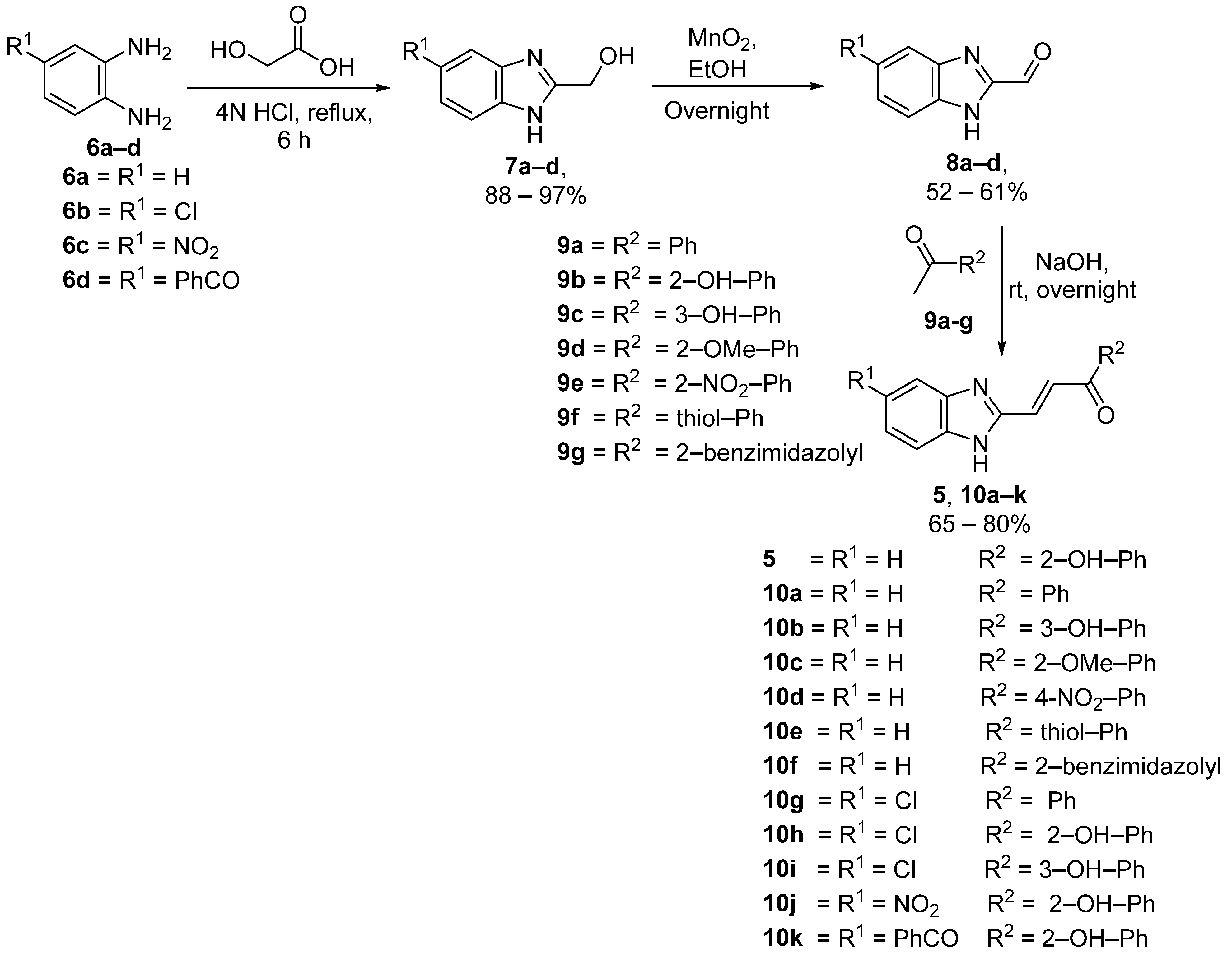
In order to develop compounds with improved potency that can overcome mechanisms of resistance, Koné et al. took advantage of molecular hybridization of chalcones and benzimidazoles. They reported the synthesis of the benzimidazole-based retrochalcone derivatives according to Scheme 1 [32]. The commercially available o-phenylenediamines 6ad were reacted with glycolic acid under acid reflux following the Phillips method to offer (1H–benzimidazol–2–yl)methanols 7ad [32,33]. Compounds 7ad were subjected to oxidation, using activated manganese oxide to produce 1H-benzimidazole-2-carbaldehydes 8ad. The requisite 3-benzimidazolyl–retrochalcones 5 and 10ak were obtained from the reaction of 8ad with the appropriate acetophenones 9ag. The synthesized compounds were initially assessed for the cytotoxicity, and they showed activity against fibroblasts with IC50 values ranging from 0.61 to 9.29 μM and against human lung cancer cells (NCI–H727) with the IC50 values ranging from 1.20 to 8.63 μM [34]. Recently (2025), compounds 5 and 10af were evaluated for their biological properties [33], and they demonstrated significant anticancer activity against both breast (MDA–MB–231 and MCF–7), and colon (Caco–2 and HCT–116) cancer cell lines. The IC50 values ranged between 0.06 μM and 12.60 μM. Compound 10c emerged as the most potent, having IC50 values lower than 1.56 μM in all cell lines tested and compound 10d was found to be inactive against both Caco–2 and MDA–MB–231 cell lines. Compounds with electron–donating groups were found to be highly potent, while those with electron–withdrawing groups showed poor potency [33].
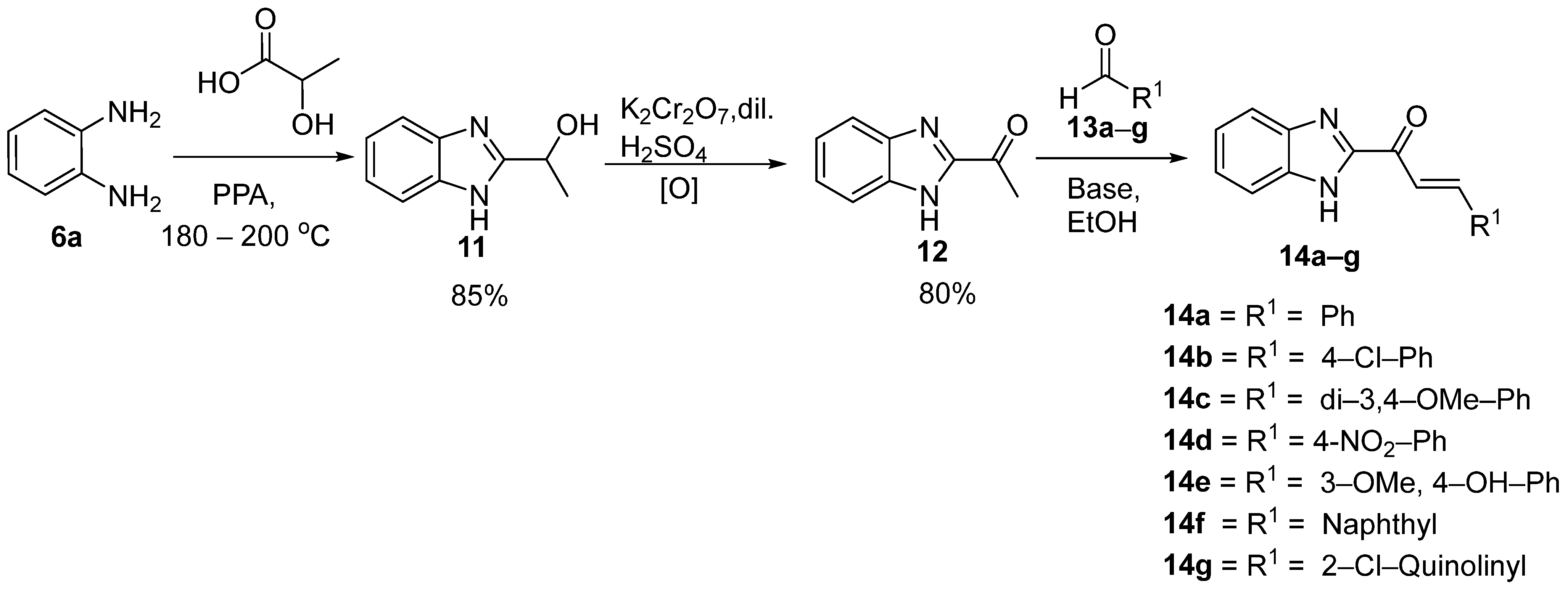
Uthale et al. (2023) synthesized benzimidazole–chalcone conjugates by condensation of 6a with 2-hydroxypropanoic acid in polyphosphoric acid (PPA) to afford compound 11 that was subsequently oxidized by potassium dichromate to achieve compound 12 (Scheme 2) [35]. Compound 12 was reacted with various aldehydes 13ag to offer compounds 14ag [35].
The synthesized compounds 14ag, which were designed as dual inhibitors for Bcl–2 and Mcl–1 showed significant binding interactions of the anti–apoptotic proteins. They were also screened for their in vitro cytotoxic activity against two oral cancer cell lines, AW8507 and AW13516. Compound 14g exhibited significant cytotoxic activity with the IC50 values of 7.89 and 7.12 μM against AW8507 and AW13516 cell lines as indicated in Table 1. In this series, the electron–withdrawing nitro group on the phenyl ring was beneficial for the activity, while the electron-donating methoxy and hydroxy substituents were detrimental for the activity [35].
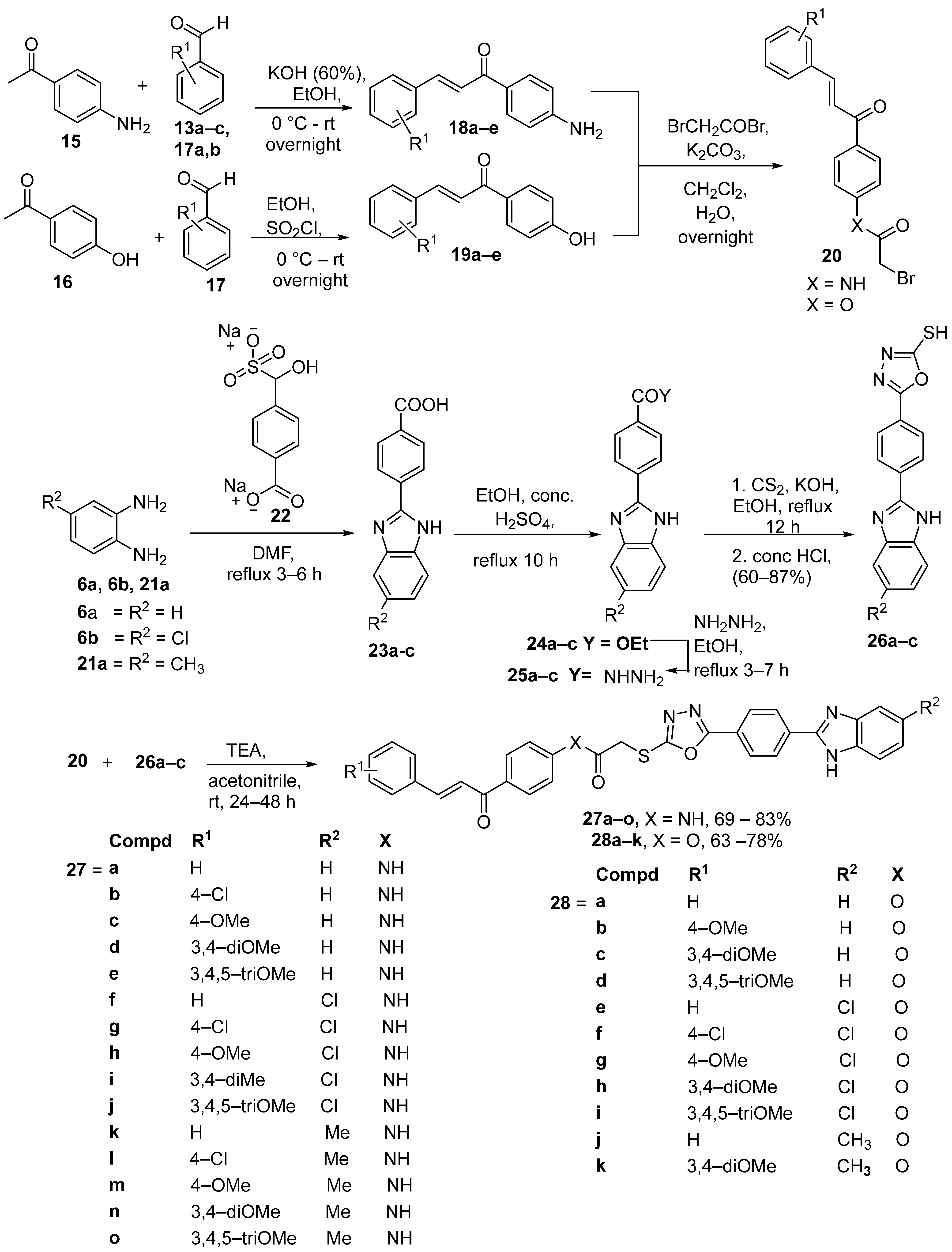
Hagar et al. (2023) accomplished the synthesis of the 1,3,4–oxadiazole–chalcone–benzimidazole hybrids aiming for synergistic antiproliferative activities from the three scaffolds (Scheme 3) [36]. The synthesis was initiated by reacting to the 1–(4–aminophenyl)ethanone (15) with the substituted benzaldehyde derivatives 13ac, 17a,b to offer compounds 18ae, and 1–(4–hydroxyphenyl)ethanone (16) was reacted with benzaldehydes 13ac, 17a,b to offer compounds 19ae. Alkylation of compounds 18 and 19 afforded compounds 20. On the other hand, the oxadiazole precursors 26ac were synthesized via step-by-step reactions starting from diamines 6a, 6b and 21a. Condensation of 6a, 6b, and 21a and sodium (4–carboxyphenyl)(hydroxy)methanesulfonate (22) under reflux gave 4–(1H–benzo[d]imidazol–2–yl)benzoic acid derivatives 23ac. Esterification of 23ac rendered 24ac, which was reacted with hydrazine hydrate followed by carbon disulphide to afford compounds 26. The targeted benzimidazole–chalcones 27ao and 28ak were prepared by the condensation of 20 and 26ac in the presence of triethylamine [36].
The synthesized compounds 27ao and 28ak were screened for the antiproliferative activities, and their results are shown in Table 2 and Table 3. Derivatives with chloro substituent on the benzimidazole core (27f27j) displayed potent antiproliferative activity, where 27h showed better activity [IC50 (µM) A–549 (1.30 ± 0.50), MCF–7 (0.80 ± 0.08), Panc–1 (1.20 ± 0.20), and HT–29 (1.13 ± 0.20)]. The active compounds were further evaluated for inhibition of epidermal growth factor receptor (EGFR) and B–raf proto-oncogene (BRAF). Compounds 27g, 27h, and 27i exhibited activity against EGFR with IC50 values of 2.2 ± 1.2, 1.8 ± 0.7, and 3.6 ± 0.8 µM, respectively; and 8.9 ± 3.7, 4.6 ± 1.7, and 5.8 ± 1.5 µM against BRAF, respectively. Furthermore, the active hybrids were subjected to molecular modelling studies to evaluate their binding mode in the ATP binding site of EGFR [36].
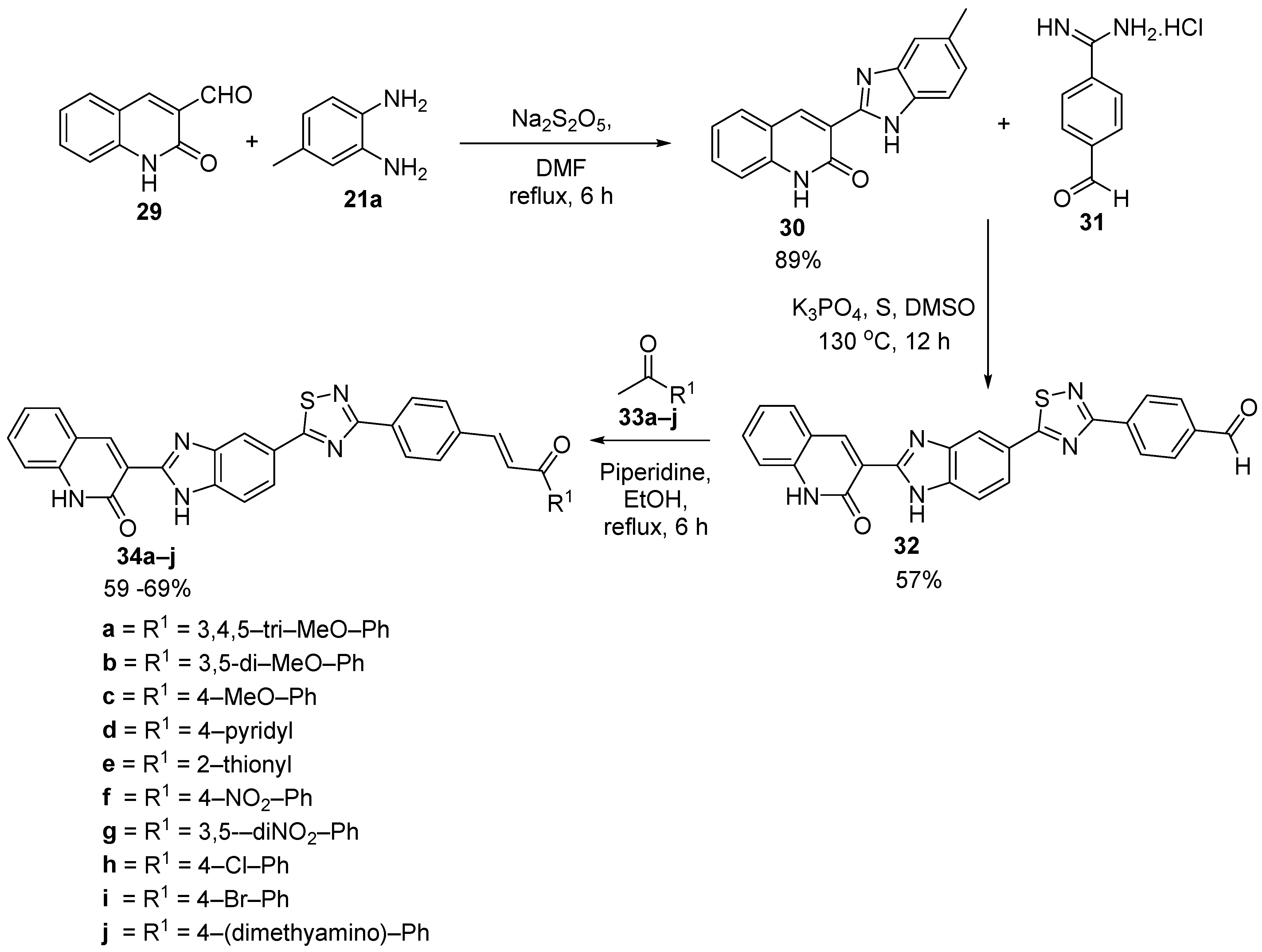
The preparation of 2–quinoline–benzimidazole–1,2,4–thiadiazoles was achieved as shown in Scheme 4 [37]. The synthesis was initiated by reacting 1,2-dihydro–2–oxoquinoline–3–carbaldehyde (29) with 4–methylbenzene–1,2–diamine (21a) through oxidative-cyclization under reflux to give compound 30. The produced compound 30 was treated with 4-formylbenzamidine hydrochloride (31) and elemental sulphur (S) in DMSO at elevated temperatures (130 °C) in basic conditions (K3PO4) to give benzo[d]imidazol–5–yl)–benzaldehyde (32). Compound 32 was subjected to an aldol condensation reaction with various acetophenones 33aj to offer the 2-quinoline–benzimidazole–1,2,4–thiadiazoles compounds 34aj.
The compounds 34aj were evaluated for anticancer activity against four different human cancer cell lines, MCF–7, A549, Colo-205 and A2780 using the clinical drug candidate etoposide as a reference. The compounds showed activity with IC50 values ranging from 0.012 ± 0.007 to 13.3 ± 5.46 µM. Compound 34d with pyridyl group was the most active against MCF–7, A549, Colo–205 and A2780 cell lines with IC50 value of 0.012 ± 0.007 µM, 0.074 ± 0.004 µM, 1.46 ± 0.73 µM, and 0.083 ± 0.002 µM, respectively [37]. Structure Activity relationship (SAR) study showed that the compound with 3,4,5–trimethoxyphenyl scaffold on the chalcone 34a (MCF–7 = 0.16 ± 0.054 µM; A549 = 0.26 ± 0.053 µM; Colo-205 = 0.37 ± 0.082 µM and A2780 = 1.46 ± 0.54 µM) was more potent than the compound with dimethoxy substituents 34b (MCF–7 = 1.99 ± 0.75 µM; A549 = 0.79 ± 0.022 µM; Colo-205 = 1.58 ± 0.68 µM and A2780 = 1.28 ± 0.65 µM), while monomethoxy-substituted compound 34c showed lesser activity on all cell lines (MCF–7 = 2.34 ± 1.74 µM; Colo–205 = 7.48 ± 3.99 µM and A2780 = 6.44 ± 2.64 µM). This implied that the activity decreased with the decreasing number of methoxy substituents on the chalcone nucleus. Substitution of the 4–methoxy group on the chalcones with electron–withdrawing groups such as 4–nitro, 4–chloro, and 4–bromo groups led to moderate activities. Compound 34g with two nitro groups on the chalcone showed slightly increased activity (MCF–7 = 0.01 ± 0.005 µM; A549 = 0.88 ± 0.068 µM; Colo-205 = 0.22 ± 0.018 µM and A2780 = 0.19 ± 0.085 µM) in comparison to 34f, 34h and 34i. Compound 34j with the weaker electron-donating dimethylamino group displayed the lowest potency [37].

2.2. C–2 and N–Substituted Derivatives

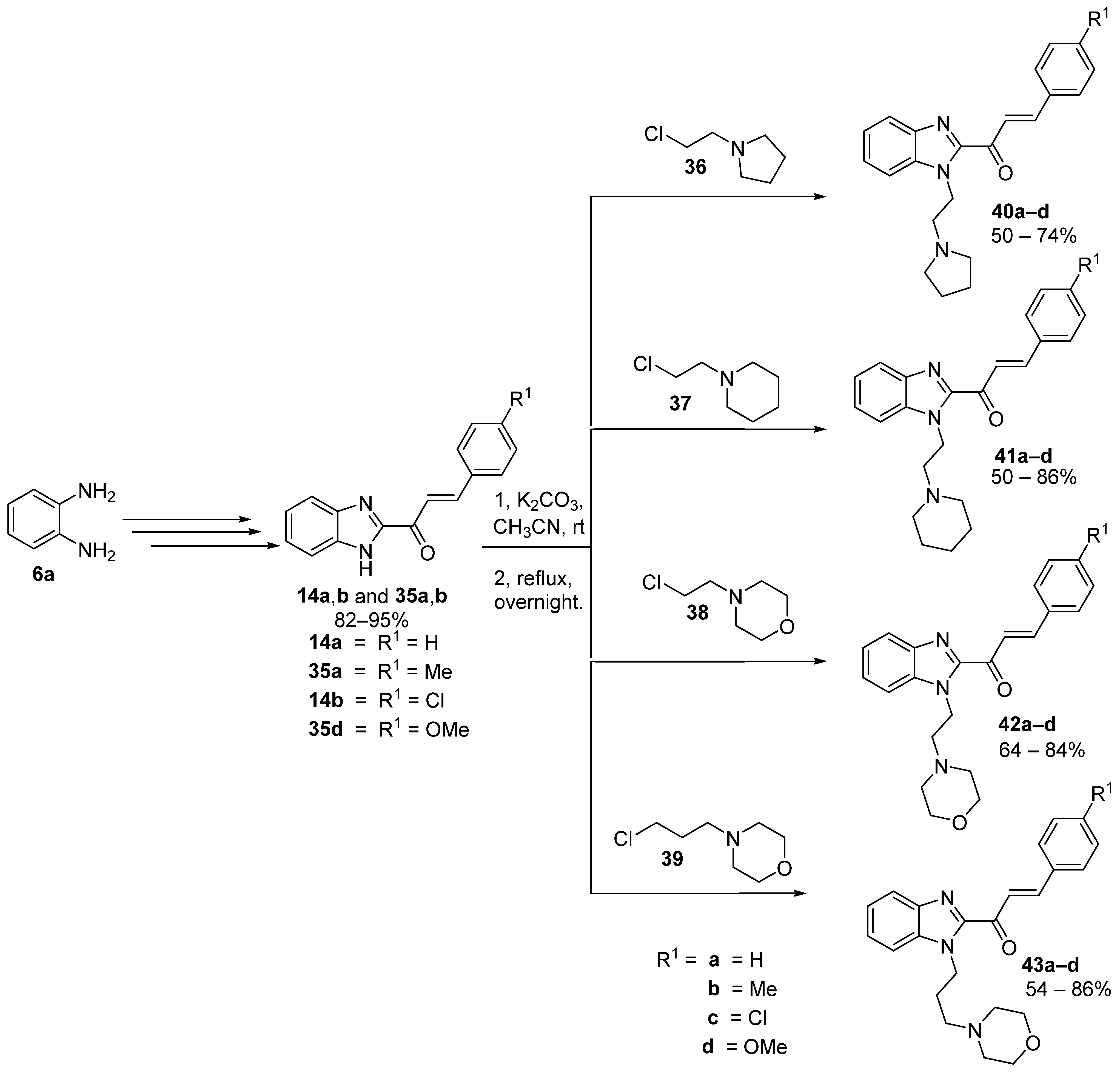
The C–2 and N–benzimidazole–chalcone scaffolds have shown potential antimicrobial, anticancer, anti-inflammatory, and enzyme-inhibitory activities [38,39]. Hsieh et al. (2019) designed and synthesized the benzimidazole–chalconederivatives, as part of an open-chained flavonoid family featuring an α,β–unsaturated carbonyl (Scheme 5) [40]. The 1–(1H–benzo[d]imidazol–2–yl)ethanol 11 was obtained by refluxing o–phenylenediamine (6a) with 2–hydroxypropanoic acid in hydrochloric acid. Compound 11 was oxidized with potassium permanganate and solid aluminum oxide to provide the intermediate compound 12. The benzimidazolyl-chalcones 14a,b and 35a,b were obtained from the reaction of 12 with the substituted aromatic aldehydes 13a,b and 34a,b under basic conditions. The alkyl–substituted benzimidazolyl-chalcones 40ad to 43ad were obtained from the reaction of various alkyl chlorides 3638 with 14a,b, and 35a,b. The synthesized compounds 4043 were screened against human ovarian cancer cell line (OVCR-3). The compounds 4043 exhibited antiproliferative activity against OVCR–3 cell line with the IC50 values of 10.50 (40a), 10.34 (41a), 22.44 (42a), and 10.76 μM (43a). Compound 43a was the most active compound among the tested benzimidazole derivatives, which exhibited IC50 values of 9.73, 8.91, 10.93 and 10.76 μM on the A549, MCF–7, HEP–G2 and OVCAR–3 cells, respectively. This compound showed in vitro cytotoxicity comparable or superior to that of cisplatin. Furthermore, other synthesized compounds were assessed for the antiproliferative effects on various cell lines, and showed growth inhibitory capability on an immortalized human liver cancer cell line (HEP–G2), human alveolar basal epithelial cell line (A549), OVCAR–3, and immortalized human breast cancer (MCF–7) cell lines with IC50 values ranging from 10.34 to 14.88 μM [40]. The SAR study showed that compounds bearing nitrogen containing 5– or 6–memebered rings with hydrocarbon spacer groups (40a, 41a and 43a) were more active than the non–substituted benzimidazole–chalcone 14a on A549, MCF–7, and OVCAR–3 cells. In addition, the compounds 40a, 41a and 43a showed greater potency on all cell lines tested than the corresponding compounds substituted with the 4–methyl–, 4–methoxy– and 4–chloro– substituents on phenyl ring (40b40d, 41b41d, and 43b43d) [40].
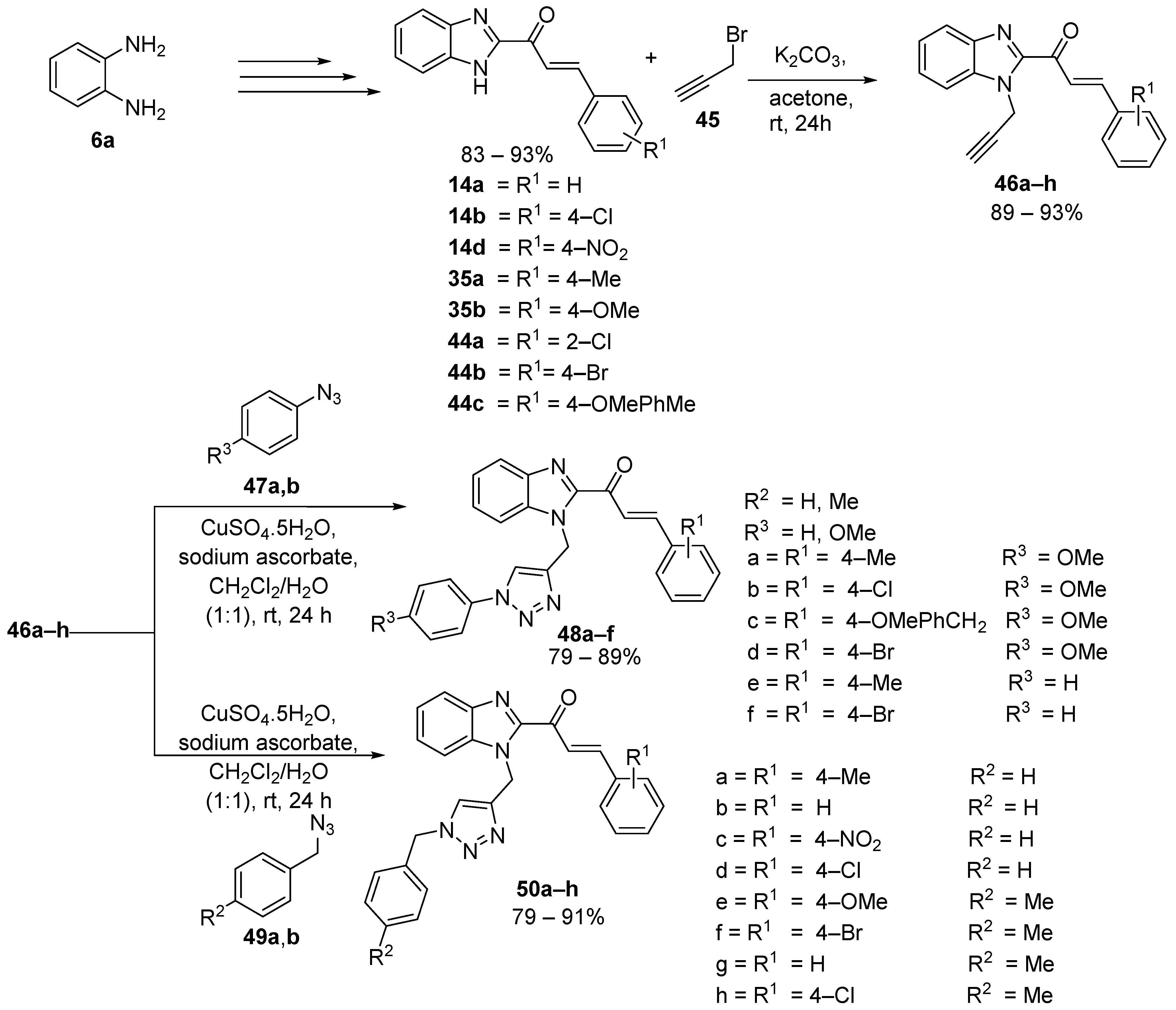
Djemoui et al. (2020) reported the successful synthesis of N–substituted triazole–benzimidazole–chalcones 48af and 50ah, which were achieved via a sequential approach that was initiated by condensation of 6a until the synthesis of the benzimidazole–chalcone derivatives 14a,b,14d, 35a,b, 44ac using common method as highlighted previously (Scheme 6) [41]. Compounds 14a,b,14d, 35a,b, 44ac were further reacted with propargyl bromide 45, producing N–propargylated compounds 46ah, and the next step involved subjecting 46ah to click chemistry conditions thereby offering 1,2,3–triazole–benzimidazole–chalcones by using azide compounds 47 and 49 to afford the targeted compounds 48af and 50ah, respectively. The synthesized compounds were screened for antiproliferative activity and the chloro–substituted compounds 50d and 50h demonstrated enhanced cytotoxic effects. Compound 50d showed activity against breast cancer cell line infiltrating ductal carcinoma (T47-D) and MDA–MB–231 (IC50 = 6.23 ± 1.03 µM and 5.89 ± 1.35 µM, respectively) and 50h exhibited activity against prostate cancer cell line PC3 (IC50 = 5.64 ± 1.33 µM). The results of 50d and 50h signify that the chloro substituent on the chalcone moiety was essential for the activity [41].
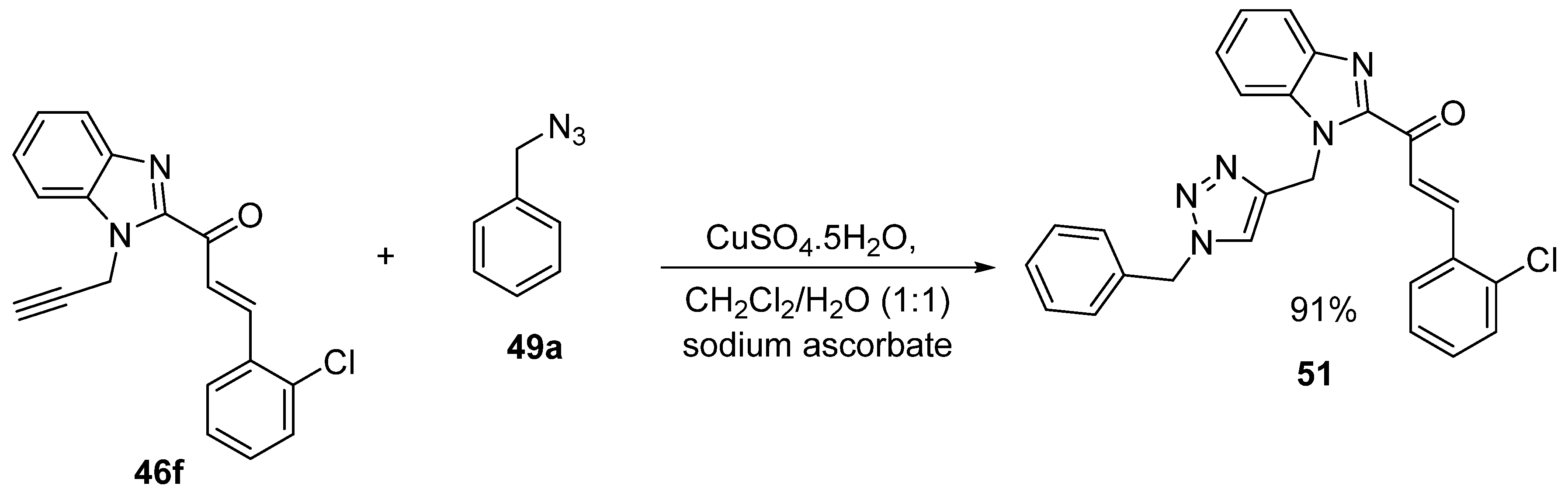
Farag et al. (2025) also synthesized triazole–benzimidazole–chalcone hybrid (Z)–1–(1–((1–benzyl–1H–1,2,3–triazol–4–yl)methyl)–1H-benzo[d]imidazol–2–yl)–3–(2–chlorophenyl)prop–2–en–1–one (51) from the benzimidazole alkyne 46f and pre prepared (azidomethyl)benzene 49a (Scheme 7) [38]. Compound 51 was screened for antiproliferative activity. It exhibited activity with IC50 values of 6.23 ± 1.03, 5.89 ± 1.03, and 10.7 ± 1.03 µM against T47-D, MDA–MB-231, and PC3 cancer cells, respectively [38].
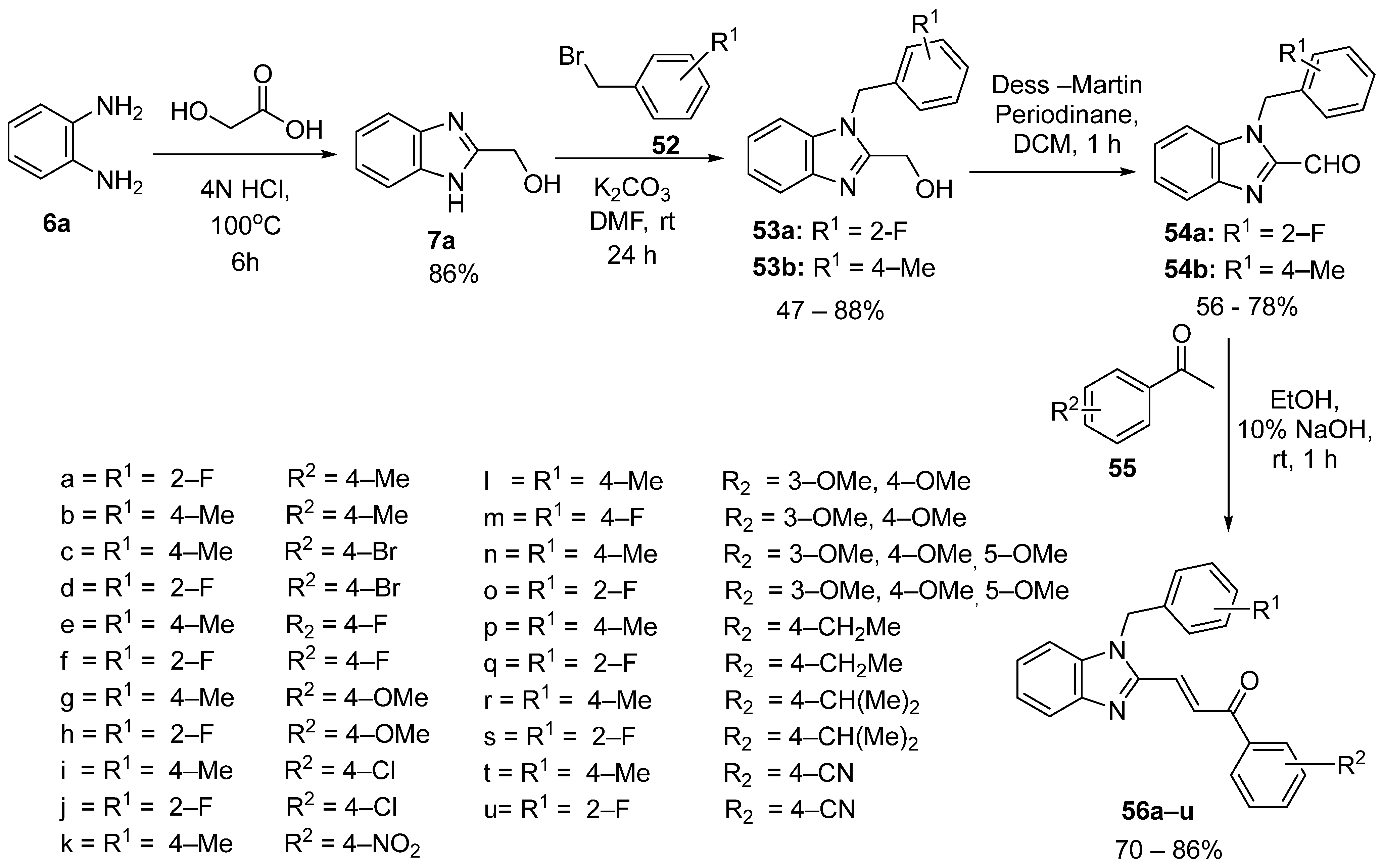
Zhou et al. synthesized benzimidazole–chalconehybrids (Scheme 8). Compound 7a was obtained through refluxing of 6a with glycolic acid in hydrochloric acid. N–Alkylation of 7a with benzyl bromides 53 under basic conditions gave substituted compounds 53a and 53b. Compounds 53a and 53b were subjected to oxidation using Dess–Martin reagent to yield the substituted (1-benzyl–1H-benzo[d]imidazol–2–yl)–aldehydes 54a and 54b. The final compounds 56au were prepared by the reaction of 54a and 54b with the acetophenones 55 under the Claisen–Schmidt reaction conditions [42,43].
The synthesized compounds 56au were determined to effectively inhibit Topoisomerase II. Compounds with an electron-donating groups such as (–C(CH3)2, –CH2CH3,–CH3, –OCH3) at R2 position showed pronounced inhibitory activity on Topo II than the compounds with an electron–withdrawing groups (–NO2, –CN). Compound 56n was identified as the most active compound, which inhibited 94.9% at 20 µM and 93.1% at 10 µM of the Topo II’s catalytic activity in DNA relaxation, compared with the positive control group without Topo II. The compounds were also evaluated for antiproliferative effects on four cancer cells, including HepG2 (human hepatoma cell line), A549 (human lung cancer cell line), LNCaP (human prostate cancer cell line), MG63 (human osteosarcoma cell line). The most active compounds were 56a and 56h, which exhibited activity of 2.8 ± 0.2 and 2.9 ± 0.2 µM, respectively A549 cancer cell. The most active Topo II inhibitor 57n exhibited activity of 3.8 ± 1.8, 4.6 ± 0.2, 4.1 ± 0.6, 3.6 ± 0.3 µM on A549, HepG2, MG63 and LNCaP cell lines, respectively [42,43].
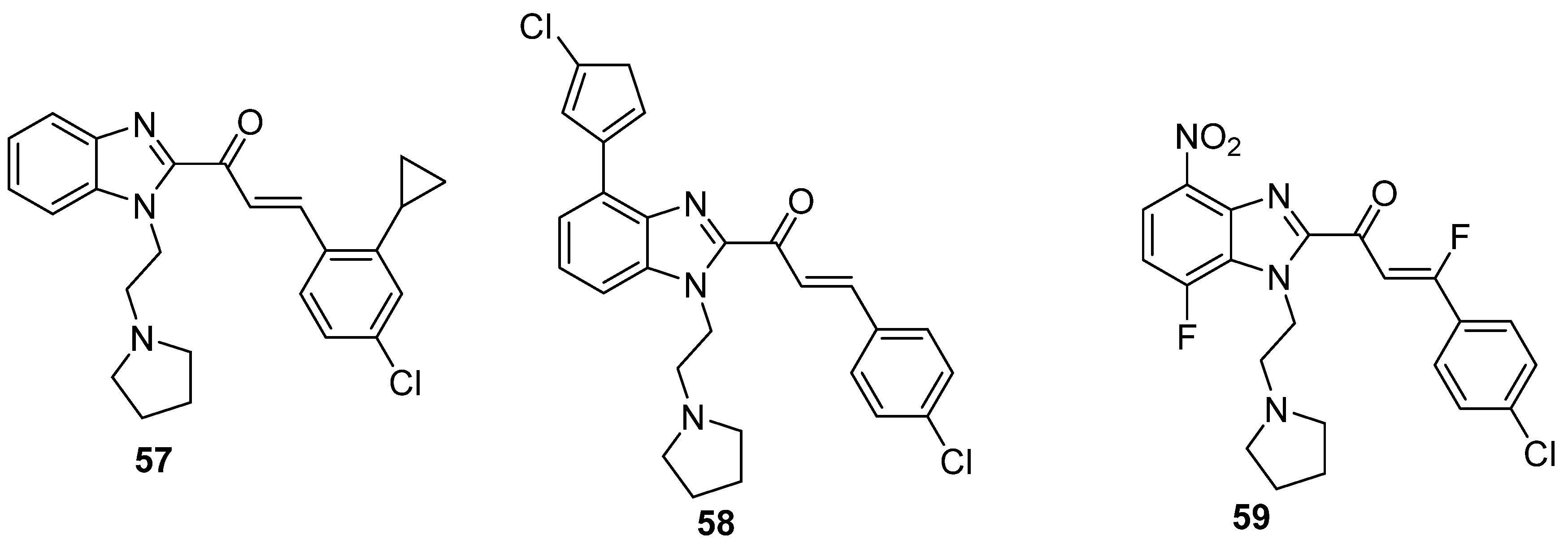
With the aim of applying computer-aided techniques to design highly potent and less toxic benzimidazole–chalcone-based chemotherapeutic agents against hepatocellular carcinoma by targeting the EGFR receptor, Ameji et al. (2023) conducted the outcomes of the theoretical simulations for the benzimidazole–chalconeagainst HepG2 cancer cell line [44]. Structural optimization led to the identification of ligands 57, 58, and 59 (Figure 5) as active compounds, with predicted IC50 values of 26.07, 43.38, and 178.69 μM, respectively [44]. The compounds were further subjected to molecular docking against the active sites of EGFR. protein target. The binding energy values of −8.4, −8.9, and −8.1 were obtained for 58, 59 and 60, respectively [44].
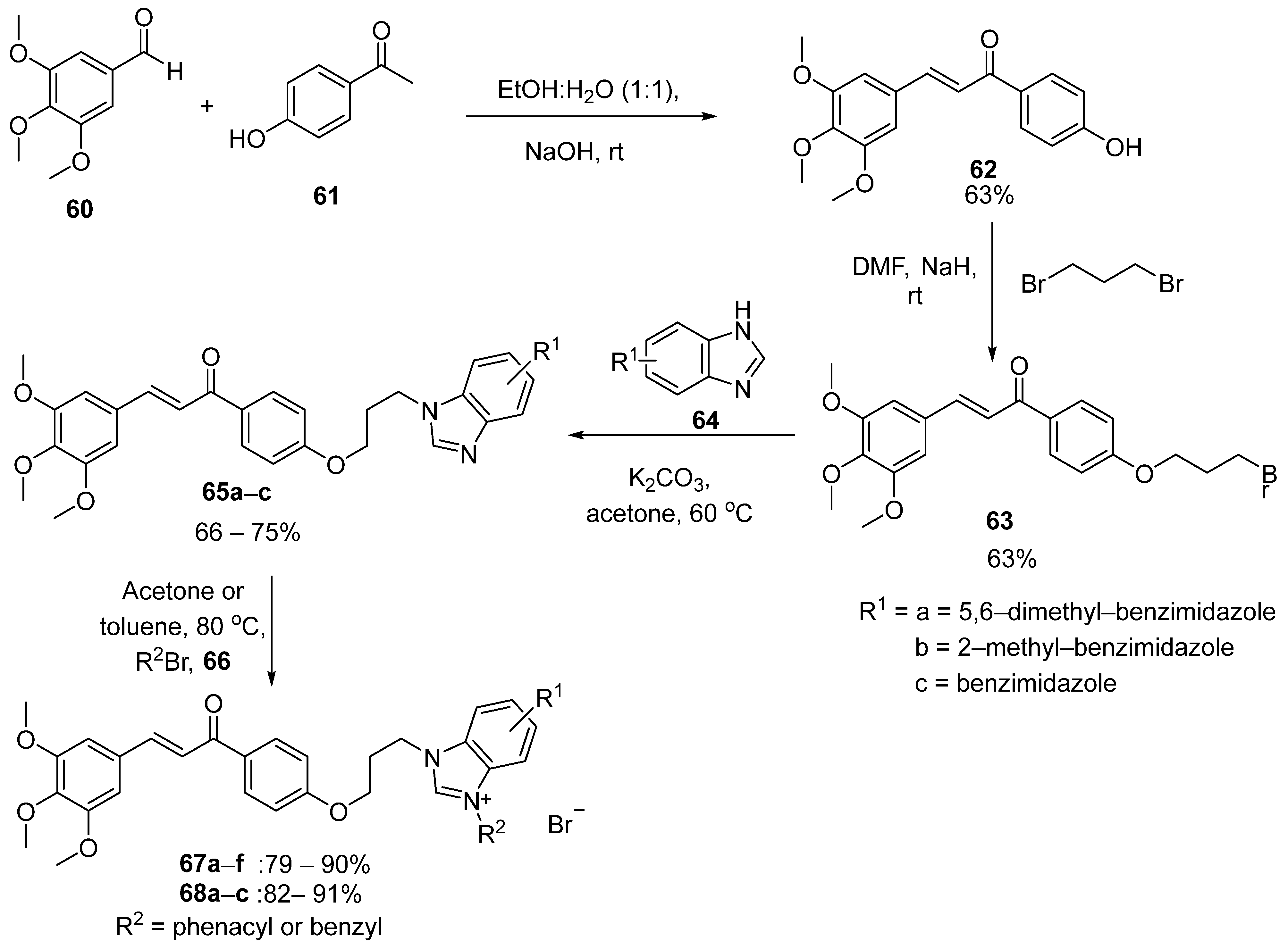
Yang et al., (2019), reported the synthesis of trimethoxyphenyl–derived chalcone–benzimidazolium salts [45]. The synthesis was started by reacting 3,4,5–trimethoxybenzaldehyde (60) with 1–(4–hydroxyphenyl)ethan–1–one (61) under basic conditions offering (E)–1–(4–hydroxyphenyl)-3-(3,4,5-trimethoxyphenyl)prop–2-en–1–one (62). The (E)–chalcone derivative 62 was alkylated with 1,3–dibromopropane in the presence of NaH to produce compound (E)–1–(4–(3–bromopropoxy)phenyl)–3–(3,4,5–trimethoxyphenyl)prop–2–en–1–one (63). The compound 63 was reacted with 1H–benzo[d]imidazoles 64 in the presence of K2CO3 using acetone as a solvent to give the benzimidazole–chalcones 65ac. The compounds 65ac were further treated with phenacyl bromide or benzyl bromide (66) yielding benzimidazole–chalconesalts 67af and 68ac (Scheme 9) [45].
The synthesized compounds 65ac, 67af, and 68ac were evaluated for the in vitro activity against a panel of human tumour cell lines such as leukemia (HL–60), myeloid liver carcinoma (SMMC–7721), lung carcinoma (A549), breast carcinoma (MCF–7), and colon carcinoma (SW480) where Cisplatin (DDP) was used as the reference drug (Table 4). The benzimidazole–chalcone65ac showed good activity for HL-60, SMMC–7721, A–549, MCF–7, and SW480 cell lines. The compounds 67d and 67f were found to be more selective to HL-60 cell lines with IC50 values of 0.83 and 0.59 μM, respectively. The results show that the 5,6–dimethyl–benzimidazole or 2–methyl–benzimidazole ring as well as the 2–naphthylmethyl, 4–methylbenzyl, or 2–naphthylacyl substituent at position–3 of the benzimidazole ring was important to the cytotoxic activity [45,46].
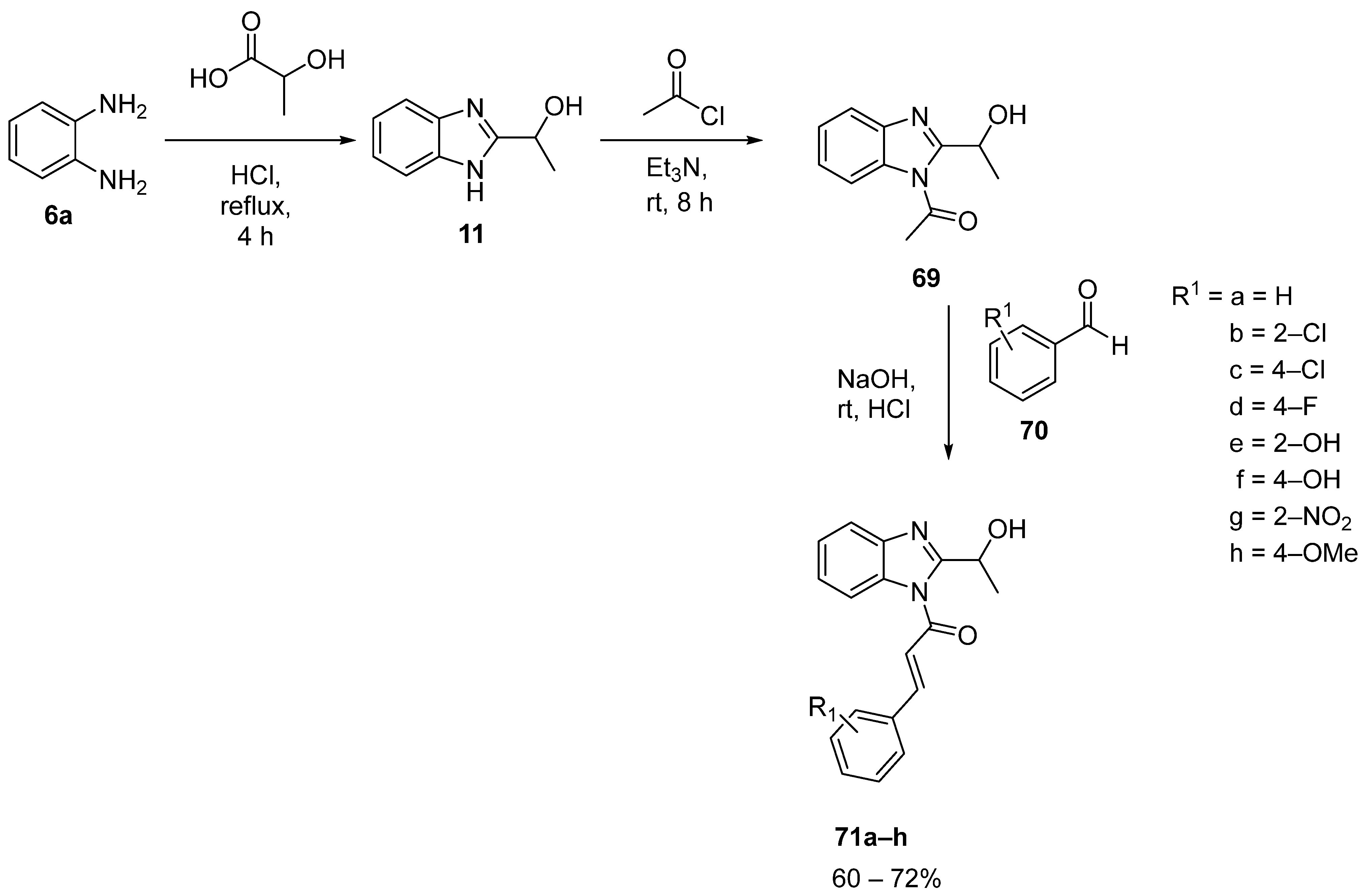
Chhajed et al. described a library on the synthesis of 3–(substitutedphenyl)–1–[2-(1–hydroxy–ethyl)]–1H–benzimidazol–1-yl)–chalcone derivatives as depicted in Scheme 10. The 1–(1H–benzo[d]imidazol–2–yl)ethanol (11) were reacted with acetyl chloride to offer 1–(2–(1–hydroxyethyl)–1H–benzo[d]imidazol–1–yl)ethanone (69). The benzimidazole–chalcones 71 (Scheme 10) were obtained from the treatment of 69 with substituted benzaldehydes 70. The benzimidazole–chalcone71ah were evaluated for their EGFR antagonism through the molecular docking analysis. The synthesized compounds were also evaluated for their in vitro anticancer activity by propidium iodide fluorescent assay and Trypan blue viability assay against colorectal cancer cell lines (HCT116) and non-small lung cancer cell lines (H460). The cytotoxic studies have shown that the compound 71a gave the IC50 = 7.31 and 10.16 µM against HCT116 and H460 cell lines, respectively, by PI assay and compound 71h showed the IC50 = 12.52 and 6.83 µM against HCT116 and H460 cell lines, respectively [46].

3. Benzimidazole–Chalcones with Antimicrobial Activity

3.1. C-2-Substituted Derivatives with Antimicrobial Activity

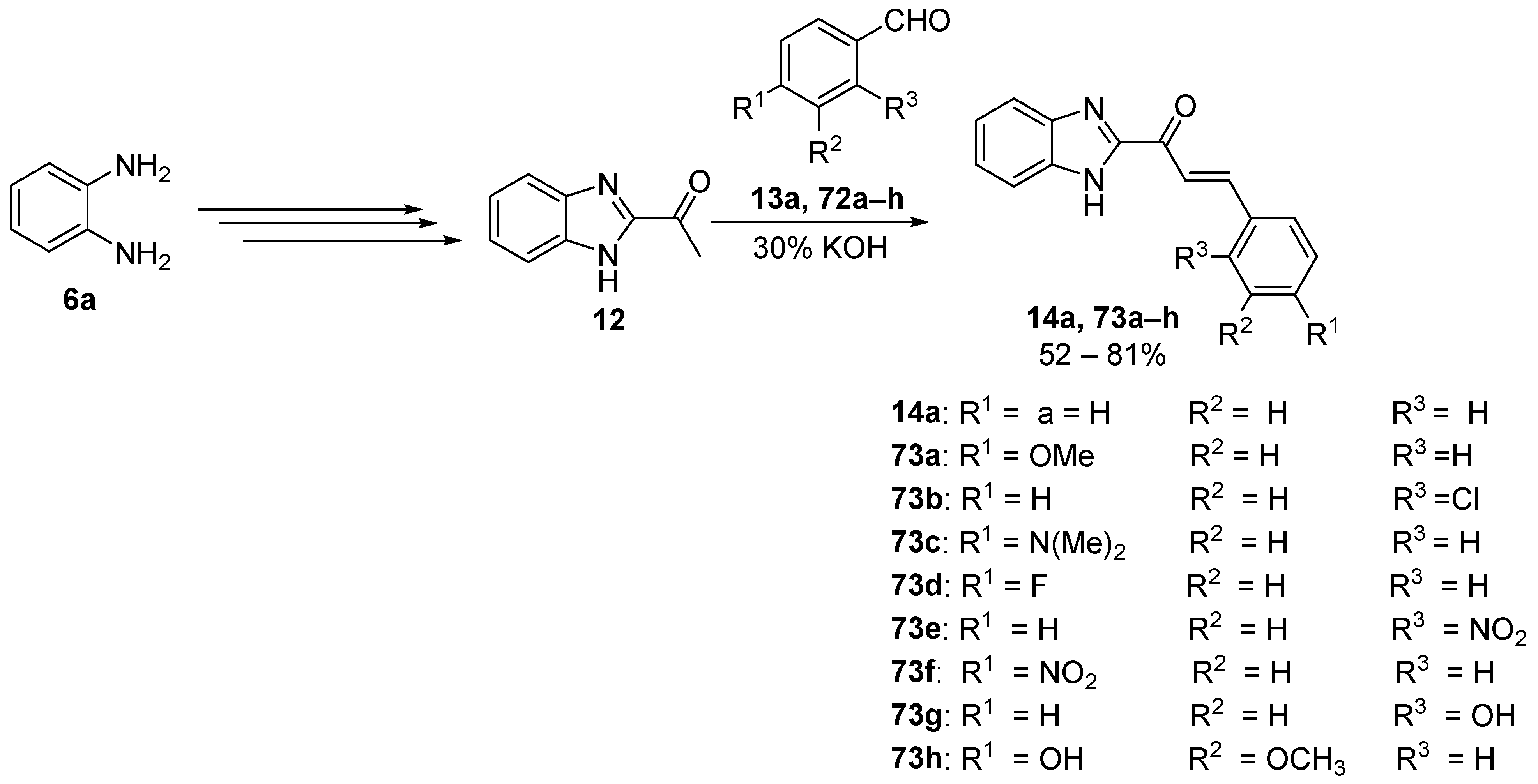
The C-2-substituted benzimidazoles have proven to be compounds with improved antimicrobial potency. Babu and Selvakumar have synthesized benzimidazole–chalcones, which were obtained from the reaction of o–phenyldiamine (6a) with 2–hydroxypropanoic acid to give 1–(1H–benzo[d]imidazol–2–yl)ethanol (11), which was further oxidized with 20% K2Cr2O7 to offer 1–(1H–benzo[d]imidazol–2–yl)ethanone (12). Compound 12 was reacted with various substituted benzaldehydes 13a, 72ah to produce the benzimidazole–chalcones 14a, 73ah (Scheme 11). The final compounds were evaluated for antimicrobial activities using disc diffusion and micro broth dilution assays and compounds 73a, 73d, 73e and 73f showed effective zone of inhibition against Klebsiella, and exerted potent in vitro antifungal activity against Aspergillus, Penicillium and Candida species. On the other hand, compounds 14a, 73a, and 73h had better activity against Aspergillus, Penicillium and Candida species [47].
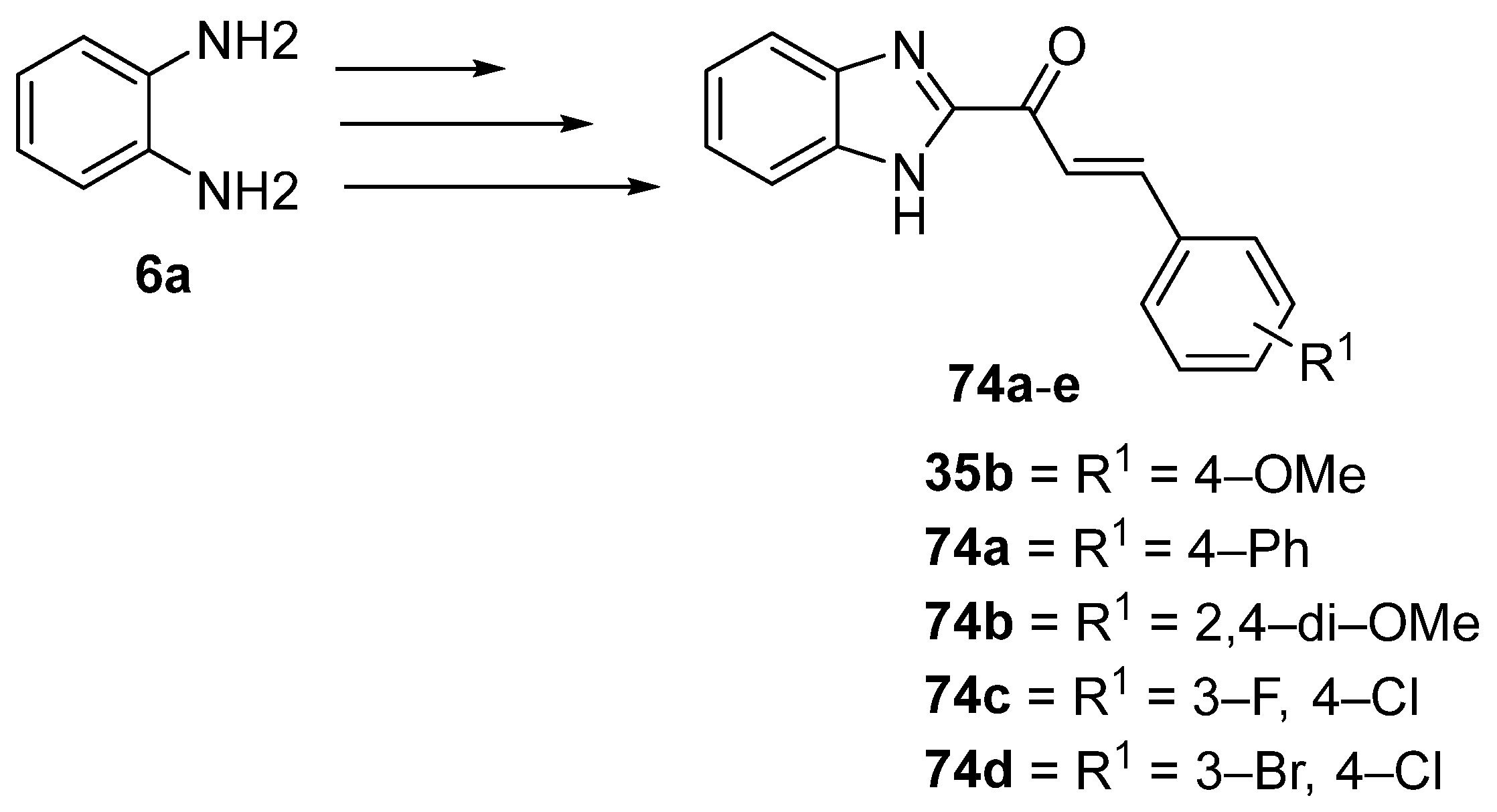
Shahin et al. reported the synthesis of the hybridized benzimidazole–chalconederivatives, which were initially obtained from the o–phenyldiamine (6a) until 1–(1H–benzo[d]imidazol–2–yl)ethanone (12), which were further reacted with various aldehydes to yield 35b, 74ad (Scheme 12) [48].
The compounds 74ad were screened for antimicrobial activity against Escherichia coli, Staphylococcus aureus, and three clinical isolates of linezolid-resistant MRSA. It was observed that the initial screening, which was performed on S. aureus and E. coli showed moderate inhibitory activity of microbial growth with MIC values around 5 mg/mL for compounds 74a and 74b towards S. aureus, and compound 74d was found to be the most promising antimicrobial agent with MIC 3.05 mg/mL against standardized, methicillin-resistant Staphylococcus aureus bacteria (MRSA ATCC 43300). Furthermore, in silico ADME study, which was performed to confirm that the synthesized structures have acceptable Mwt, clogP, and PSA values, was achieved using Accelrys Discovery Studio 2.5 to forecast the ADME of the targeted compounds [48].
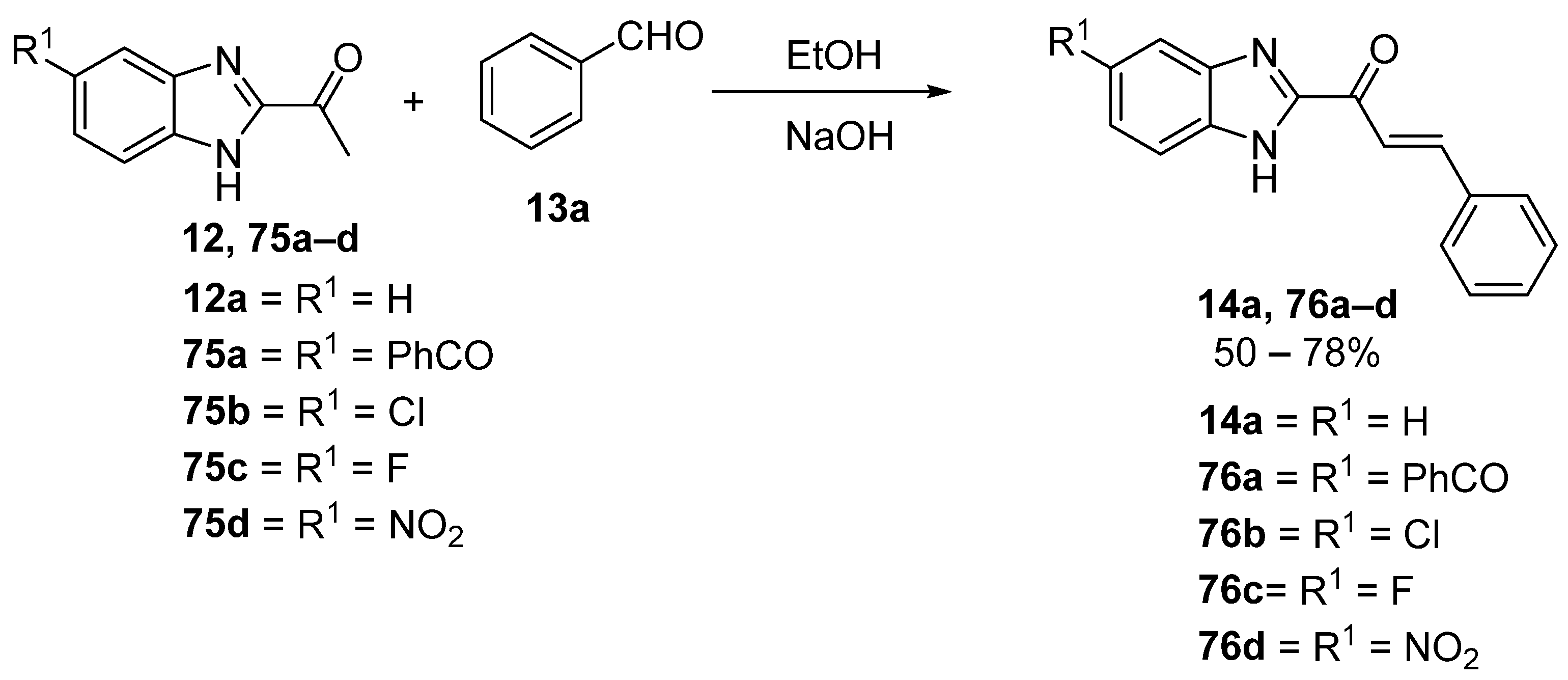
Songuigama et al., reported the synthesis of benzimidazolyl-chalcone hybrids 14a, 76ad achieved from the reaction of the substituted 2–acetylbenzimidazoles 75 treated with benzaldehyde (13a) (Scheme 13) [49]. The synthesized compounds were evaluated for the antifungal activity, which showed that three derivatives exhibited anti candidiasis activity at the threshold quantity of 10 μg (Table 5). The activity was observed on the compounds 14a, 76c, and 76d, which were active on the Candida strain with concentrations ranging from 5 to 1.25 μg/mL. The results showed that the halogen substituents (Chloro and fluoro) on the benzimidazole nucleus were vital for the activity. The non–substituted 14a was also active [49].
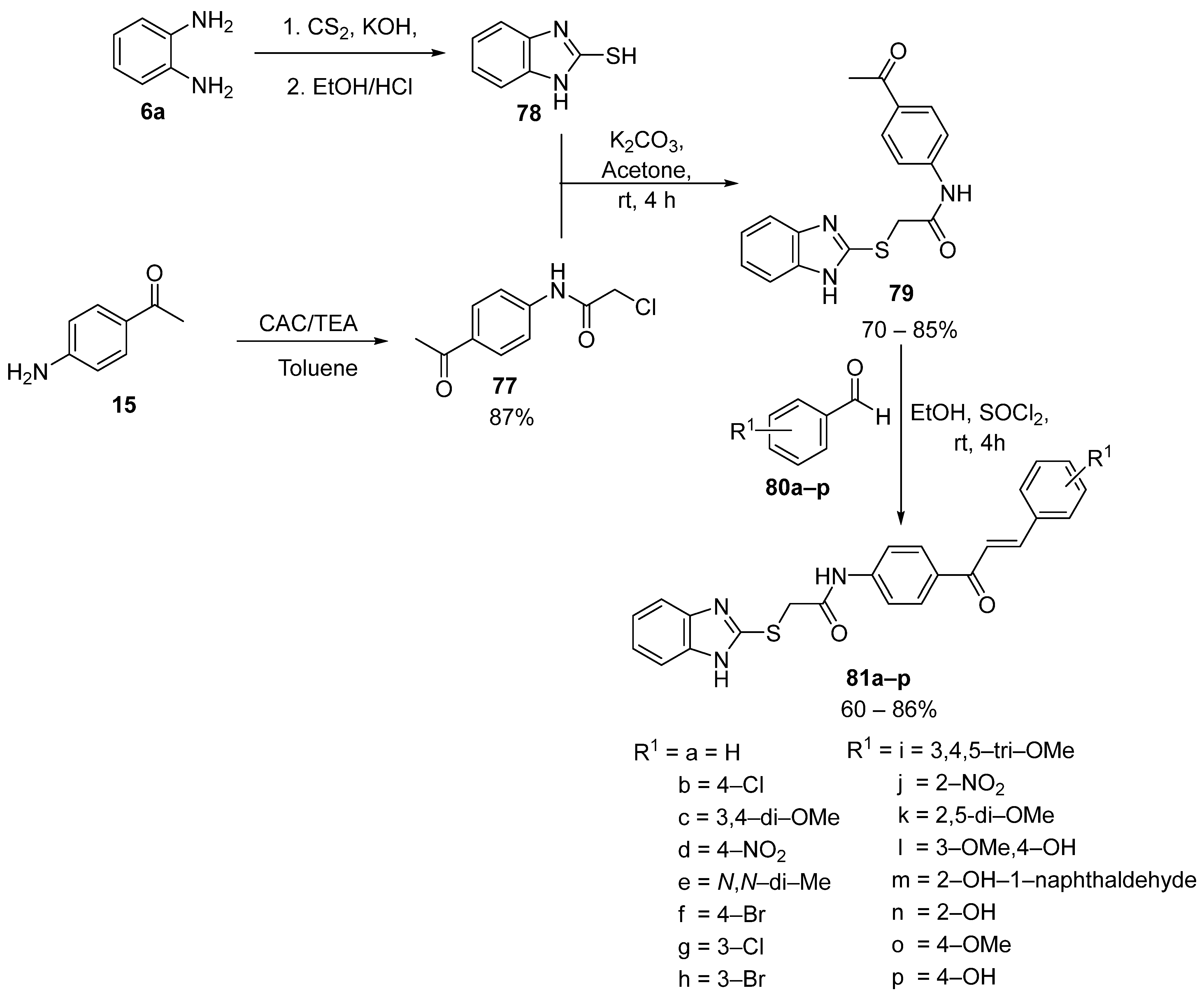
Parikh et al. described the condensation reaction of acetophenone-bearing benzimidazole and various substituted aldehydes via the acid catalyzed process yielding the chalcone-possessing benzimidazole as a prime motif (Scheme 14). The initial process was started by reacting to the o–phenylenediamine (6a) with carbon disulfide under acid conditions, yielding 2–mercapto–benzimidazole 78. The 1–(4–aminophenyl)ethanone (15) was reacted with chloroacetyl chloride to offer an intermediate N-(4-acetylphenyl) 2–chloroacetamide 77, which was reacted with 78 to produce the 2–(1H–benzo[d]imidazol–2–ylthio)–N-(4–acetylphenyl)acetamide (79). Compound 79 was reacted with differently substituted aldehydes 80ap via acid–catalyzed aldol condensation reaction yielding substituted–2–(1H–benzo[d]imidazol-2-ylthio)–N–(4–((E)–3–phenylacryloyl)phenyl)acetamides 81ao (Scheme 14).
The synthesized compounds were evaluated for antimicrobial activities against Gram-positive bacteria, Gram–negative bacteria, and fungal strains. The compounds exhibited antifungal activity against Candida albicans and Aspergillus niger with MIC values ranging from 62.5 to 250 µg/mL. They also exhibited activity against Gram–positive bacteria S. aureus and E. faecalis with MIC values of 15.62- 250 µg/mL. Compounds with both electron–donating and electron–withdrawing group such as the derivatives with substitutions like p–NO2, m–Cl, 2,5-diOCH3, o–OH, and p–OH exhibited good activity against Gram–positive bacteria, particularly S. aureus compared with standard drug, and compound 83L was the most active with MIC of 15.62 µg/mL against S. aureus. The same trend was observed for the Gram–negative bacteria, especially against E. coli. The compounds 81c, 81ik and 81n exhibited activity against E. coli with MIC value of 31.25 µg/mL [50].

3.2. N-Substituted Derivatives

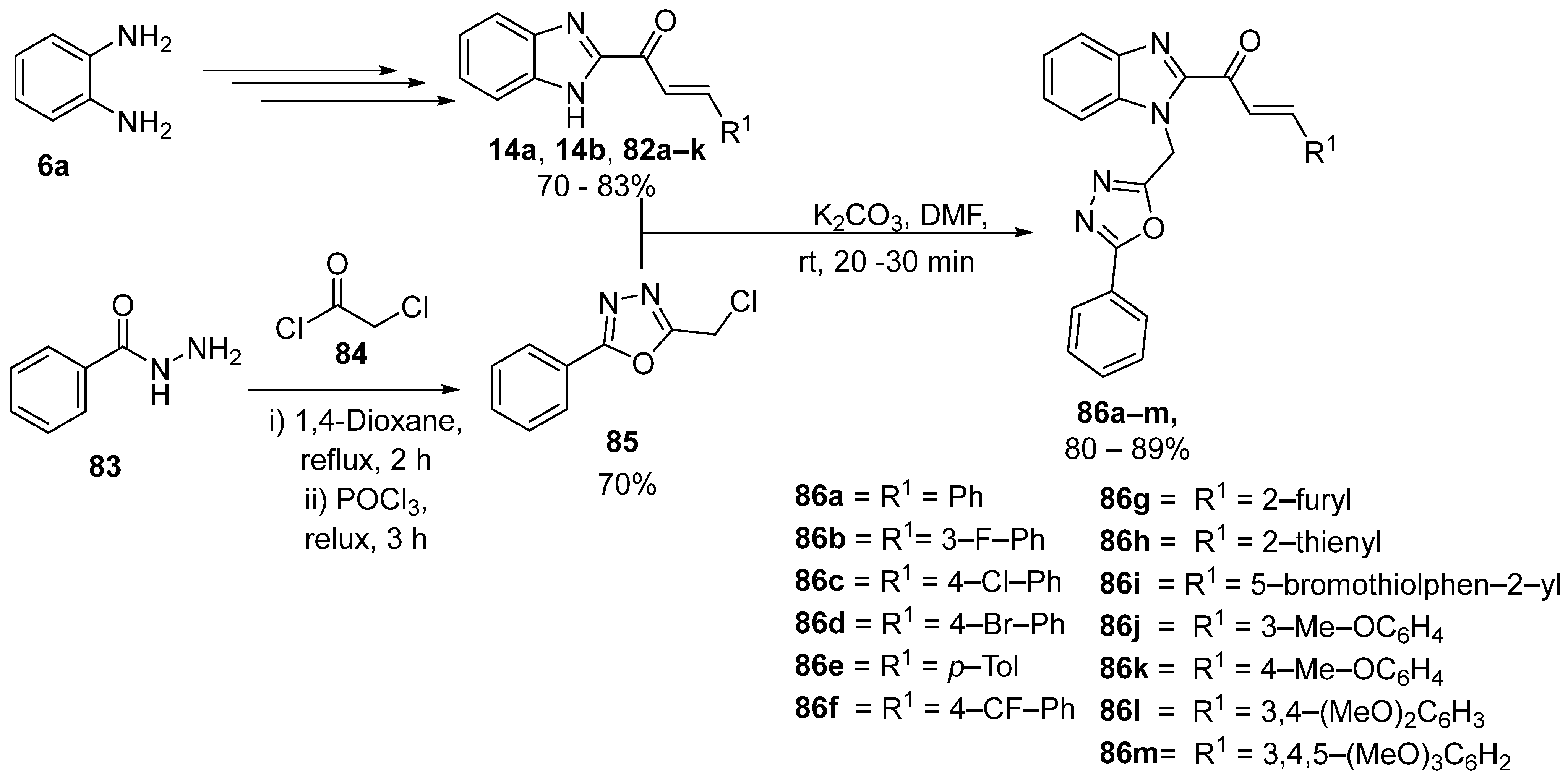
The N–1 and –3 substituted benzimidazole–chalcone derivatives have shown broad biological activities including antimicrobial activities. Meshram and Vala have reported the synthesis of benzimidazole–chalcones containing the 1,3,4-oxadiazole moiety, which were obtained from the o–phenylene diamine (6a) and 2–hydroxypropanoic acid, yielding intermediate 11. Compound 11 was subjected to oxidization with K2Cr2O7 to offer 12. The benzimidazole–chalcones 14a, 14b and 82ak were prepared through the Claisen–Schimdt condensation reaction of the substituted aromatic aldehyde and 12 (Scheme 15). Compound 83 was reacted with 2–chloroacetyl chloride (84) to give 2–(chloromethyl)-5-phenyl–1,3,4–oxadiazole (85), which was reacted with benzimidazoles 14a, 14b and 82ak under basic conditions to yield the targeted 1,3,4–oxadiazole–benzimidazole–chalcones 88am [51]. The synthesized compounds 14a, 14b and 82ak and 86am were screened for antimicrobial activity against Gram–negative bacteria, Gram–positive bacteria and fungi. The compounds 86e, 86g, 86d, and 88c exhibited potent inhibitory activity (MIC = 150, 150, 100, and 125 µM, respectively) against E. coli, P. aeruginosa, S. aureus, and S. pyogenes, respectively, compared to standard drugs chloramphenicol (MIC = 150, against E. coli, P. aeruginosa, S. aureus, and S. pyogenes,) and ampicillin (MIC = 150, 750, 250 µM against E. coli, S. aureus, and S. pyogenes, respectively). For the antifungal activity, compounds 86b, 86d, 86g, 86l, 88m gave a higher activity than the standard drug griseofulvin against C albicans. Overall, the synthesized compounds exhibited activities with MIC values ranging from 125 to 2000 µM [51].
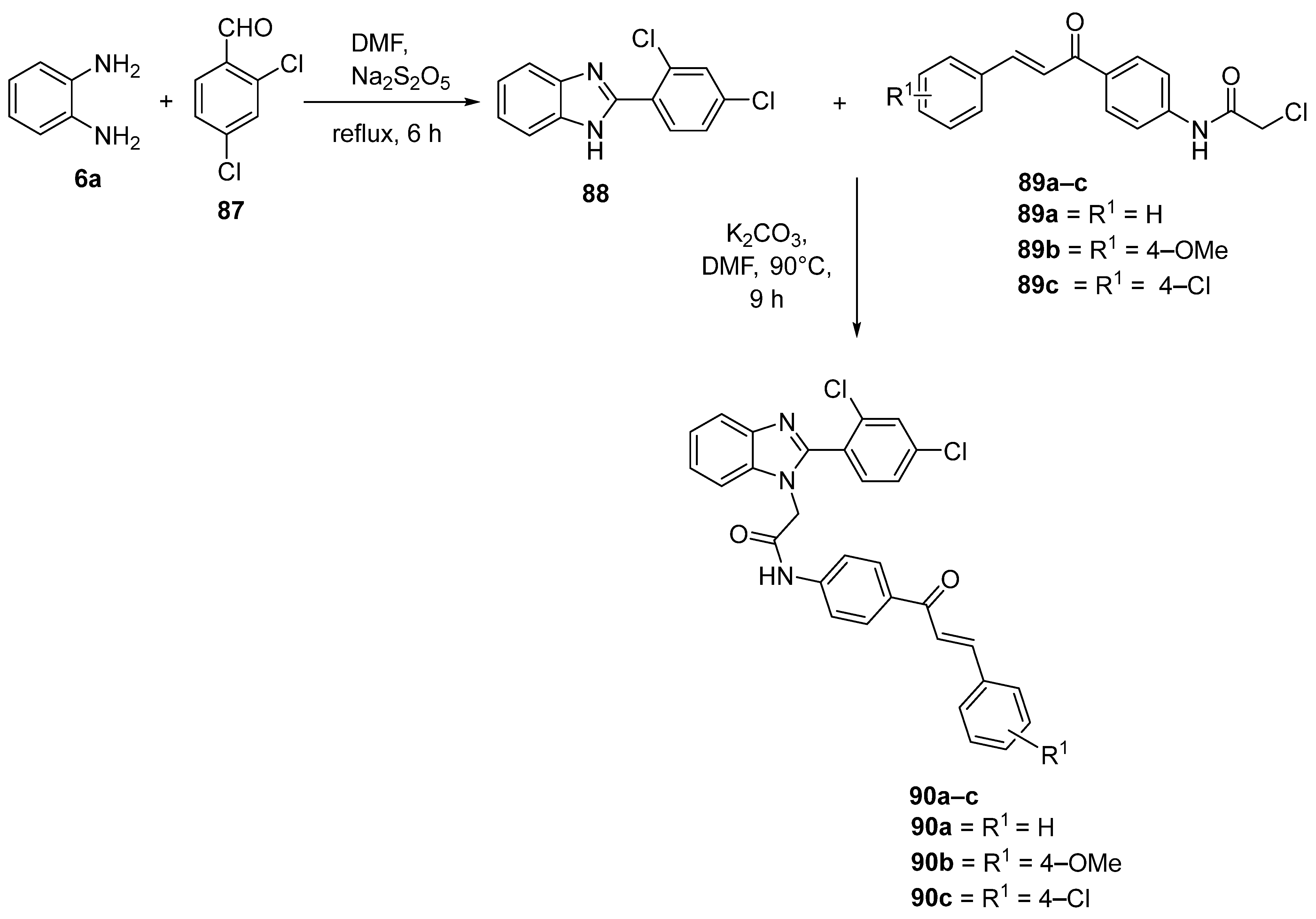
Ibrahim et al., (2025), prepared a library of benzimidazoles bearing the chalcone moiety following the route shown in Scheme 16, where o–phenylenediamine (6a) was condensed with 2,4–dichlorobenzaldehyde (87) under reflux to offer 2–(2,4–dichlorophenyl)–1H–benzo[d]imidazole (90) [52]. Compound 88 was subjected to coupling with 2–chloro–N–(4–((E)–3-phenylacryloyl)phenyl)acetamide 89ac. to yield the substituted 2-(2-(2,4-dichlorophenyl)–1H-benzo[d]imidazol–1-yl)–N–(4–((E)–3–phenylacryloyl)phenyl)acetamide derivatives 90ac. The final compounds were screened for antimicrobial activity against methicillin-resistant Staphylococcus aureus, Escherichia coli, Klebsiella pneumoniae, Pseudomonas aeruginosa, Acinetobacter baumannii, Candida albicans, and Cryptococcus neoformans (Table 6) [52]. The compounds showed moderate activity against MRSA and K. pneumoniae.
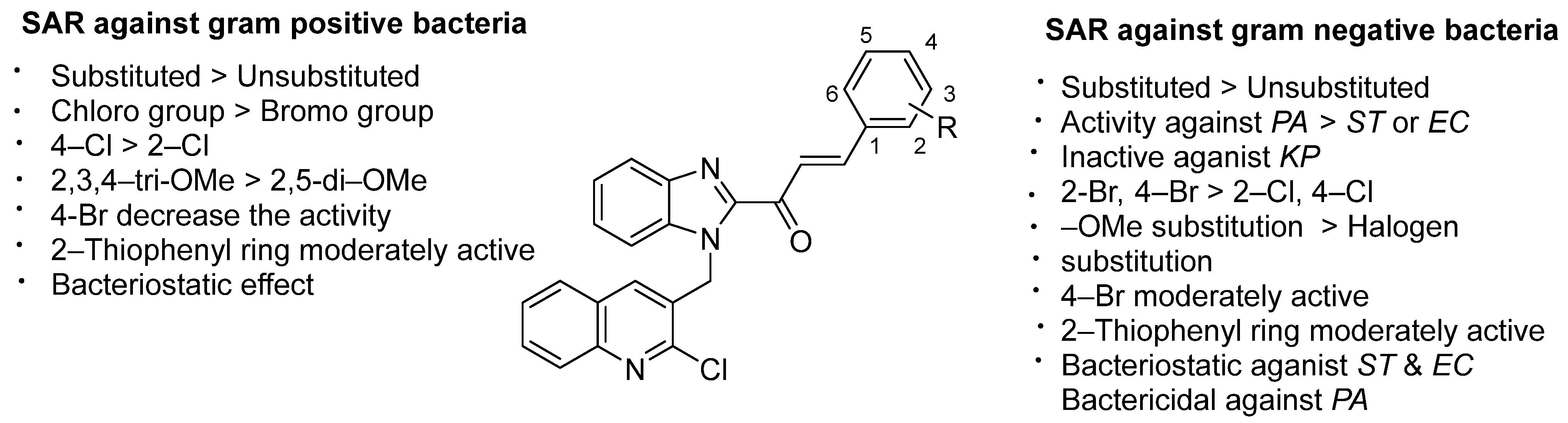
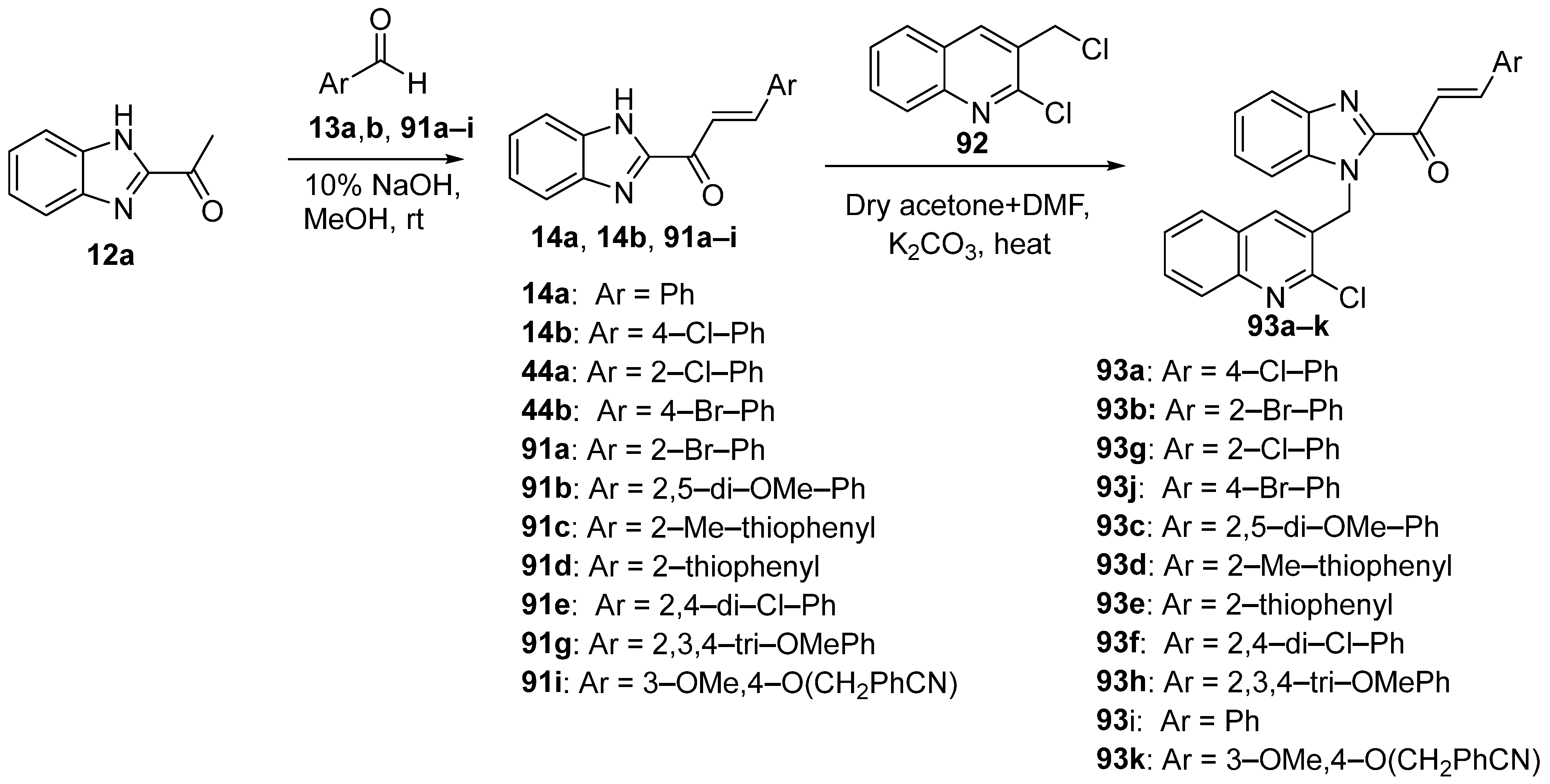
Karmur et al. reported the synthetic approach of the (E)–1–(1–((2–chloroquinolin–3-yl)methyl)–1H–benzo[d]imidazol–2–yl)–3–phenylprop–2–en–1–one derivatives (Scheme 17) [53], which was initiated from the union of 1–(1H–benzo[d]imidazol–2–yl)ethan–1–one 12a with benzaldehyde 13a to offer an intermediate (E)–1–(1H–benzo[d]imidazol–2–yl)–3–phenylprop–2–en–1–one 14ab and 91ai. Compounds 14a, 14b, and 91ai were further coupled with 2–chloro–3–(chloromethyl)quinoline (92) using Claisen–Schmidt condensation reaction to yield compounds 93ak in excellent yields (87–94%). The RAS activity was investigated through the antimicrobial screening, and the results revealed that several of these synthesized hybrids demonstrated significant antimicrobial potential, whereby the target compounds 93f, 93g, and 93h were identified as the most active against E. coli and P. aeruginosa, demonstrating greater zones of inhibition compared to Tetracycline [53].
Figure 6 shows a summary of SAR activity of the compounds. The benzimidazole–2–chloroquinoline hybrids with halogen and methoxy groups on phenyl ring showed greater potency for antimicrobial activity against Gram–positive bacteria. The results on the Gram-negative bacteria showed that compounds with substituents on the phenyl ring were more potent than the unsubstitued compounds. The methoxy group was essential for the activity, as the compounds with the methoxy functionalities were more active than the halogenated compounds [53].

3.3. Benzimidazole–Chalconewith Antiparasitic Activity

3.3.1. Anti-Leishmanial C-2-Substituted Derivatives

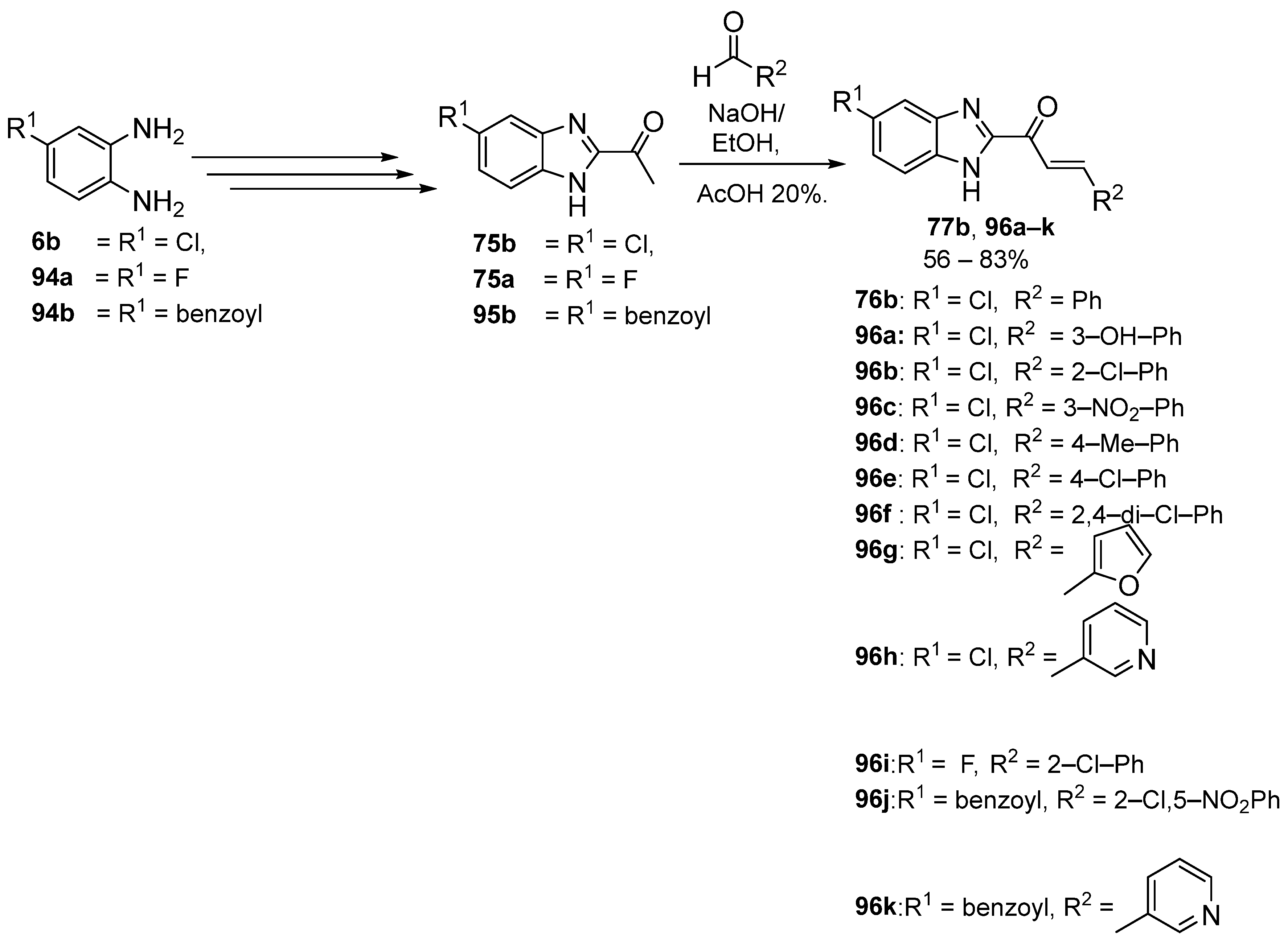
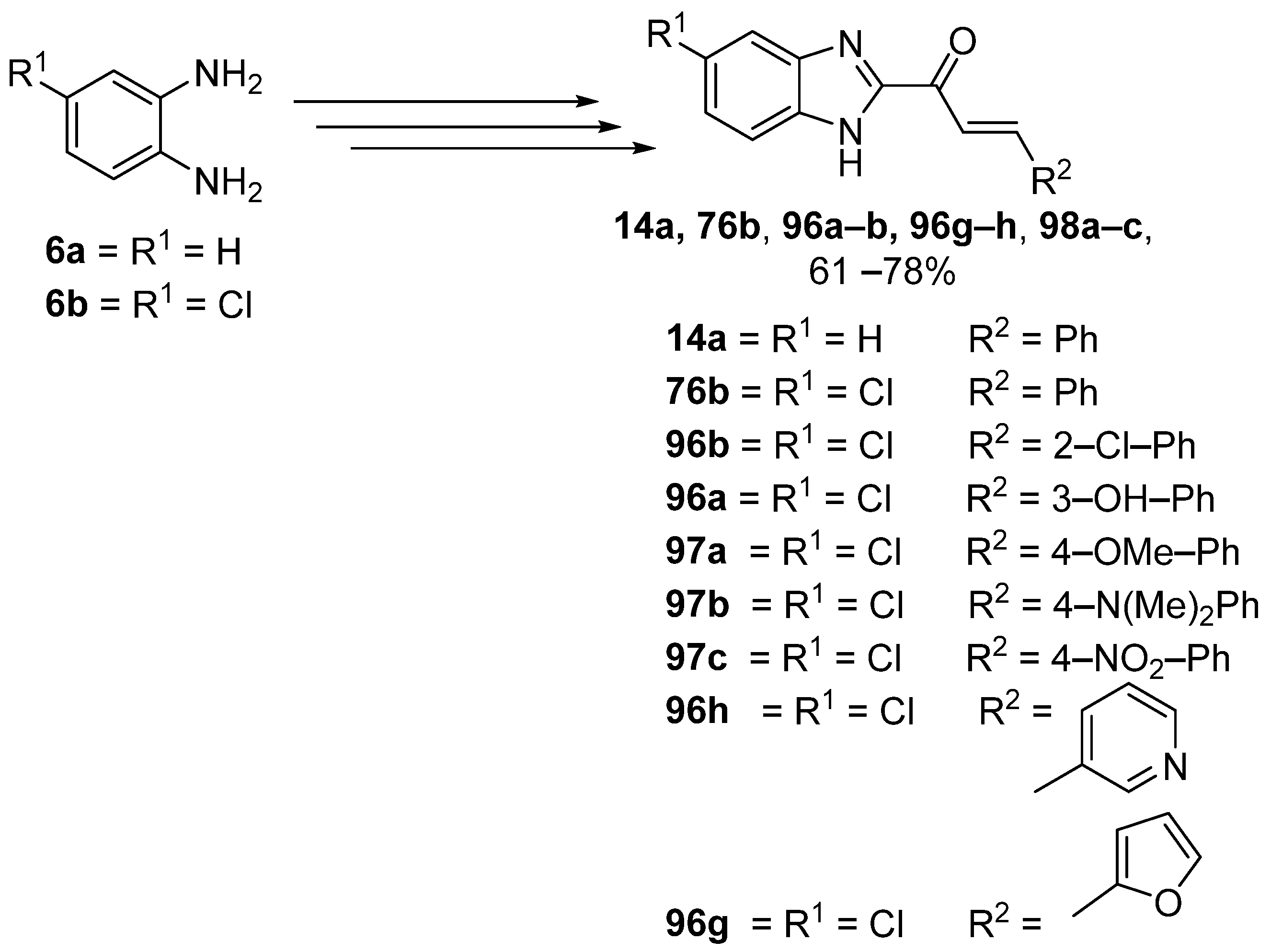
The burden posed by Leishmaniasis, due to the limitations of current therapeutic options, has caused the need for preparing new and effective anti–leishmanial agents. The benzimidazole–chalcones, mostly with C–2 substituents, have shown activities against Leishmania parasites. N’Guessan et al. (2021) have reported a series of chloro–substituted benzimidazolyl–chalcone compounds 75b and 96ak, which were tested against Leishmania parasite (Scheme 18) [54,55]. Here the chloro-substituted benzimidazolyl–chalcone compounds 75b and 95aj were synthesized in three-steps. First the differently substituted o–phenylenediamines 6b and 94 were condensed with 2–hyroxypropanoic acid under Phillip’s conditions to form the intermediates 2-hydroxyethylbenzimidazoles, which were subsequently oxidized with K2Cr2O7/H2SO4 to offer the substituted benzo[d]imidazol–2–ylethanones 75b and 95a. The synthesized compounds 75b and 95a were subjected to Claisen–Schmidt reaction conditions by condensing them with various aldehydes in ethanol using KOH as a base. After quenching the reaction with 20% acetic acid the benzimidazole–chalconederivatives 76b and 96aj were obtained in good yields (56–83%) [54,55].
The synthesized compounds were subjected to computational studies that include molecular docking, MMGBSA, and molecular dynamics, QSAR and ADME studies as anti–leishmanial targets, as well as in vitro anti–leishmanial activity. The results are shown in Table 7. Compounds 76b, 96a, and 96b showed better anti-Leishmania donovani activities, with IC50 values ranging from 0.47 to 0.53 µM. The nitro derivative 96c exhibited low activity with IC50 value of 74.45 ± 7.44 µM (Table 7) [54,55]. The results showed that the halogen substituent on the benzimidazole core was significant for the activity. The compounds with benzoyl substituent showed poor activity [54,55].

3.3.2. Anti-Malarial Activity of C-2-Substituted Derivatives

The spread of malaria, specifically in the Southern African countries has remained the significant challenge, demanding the urgent discovery of novel antimalarial compounds. In another study, N’Guessan et al. (2021) reported the synthesis of 5–chlorobenzimidazole–chalconederivatives, as the inhibitors of Plasmodium falciparum [54,55]. The synthesized compounds were obtained following the reported methodology (Scheme 19), whereby the synthesis was initiated from substituted o–phenylenediamines 6a and 6b to obtain targeted compounds 14a, 76b, 96ab, 96gh, 97ac [54,55].
The compounds were screened against chloroquine-sensitive (CQ–S) and chloroquine–resistant (CQ–R) strains of P. falciparum (Table 8). They expressed anti–plasmodial activities against chloroquine–resistant strain and showed a higher efficacy with the IC50 values ranging between 0.32 and 44.38 µM. The methoxylated derivative 97a displayed the best antimalarial activity against CQ-S P. falciparum isolate with an IC50 of 0.32 ± 0.03 µM, and 1.96 ± 0.20 µM for the CQ-R P. falciparum isolate. On the other hand, the unsubstituted 5–chlorobenzimidazole derivative 76b showed activity with the IC50 value of 0.78 ± 0.08 µM only for CQ–R P. falciparum [55].

3.4. Anti–SARS–CoV–2 Activity of C–2-Substituted Derivatives

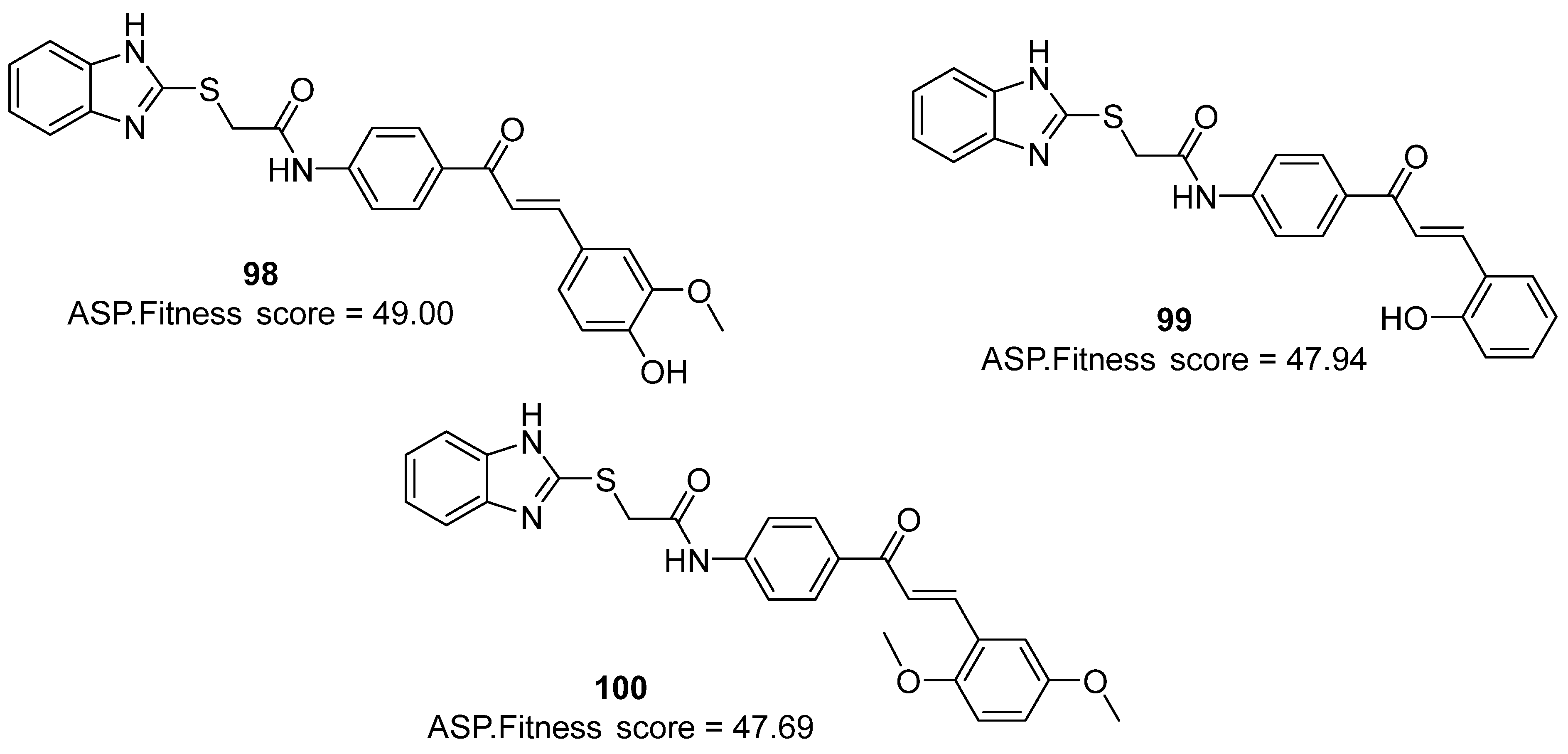
The global threat posed by COVID-19 as a result of the SARS–CoV–2, has emphasized the urgent need for continued research into new antiviral scaffolds. Research on benzimidazole–chalcones with C–2 substituents has led to the identification of compounds with anti–SARS–CoV–2 activity. Porto et al. have reported compounds containing 2–mercaptobenzimidazole (2–MBI) conjoined with chalcone derivatives 98, 99, and 100 (Figure 7). The synthesized compounds were tested for inhibition of the spike protein of SARS–CoV–2 by screening them through ADMET predictions and molecular docking. The 2–MBI derivatives rose as potential antiviral alternatives in treating COVID–19. The compounds displayed a low oral acute toxicity class (LD50), engaging them as part of the Globally Harmonized System (GHS) classification for acute oral toxicity [56].

4. Chalcone–Benzimidazole Hybrids with Anti-Diabetic Activity

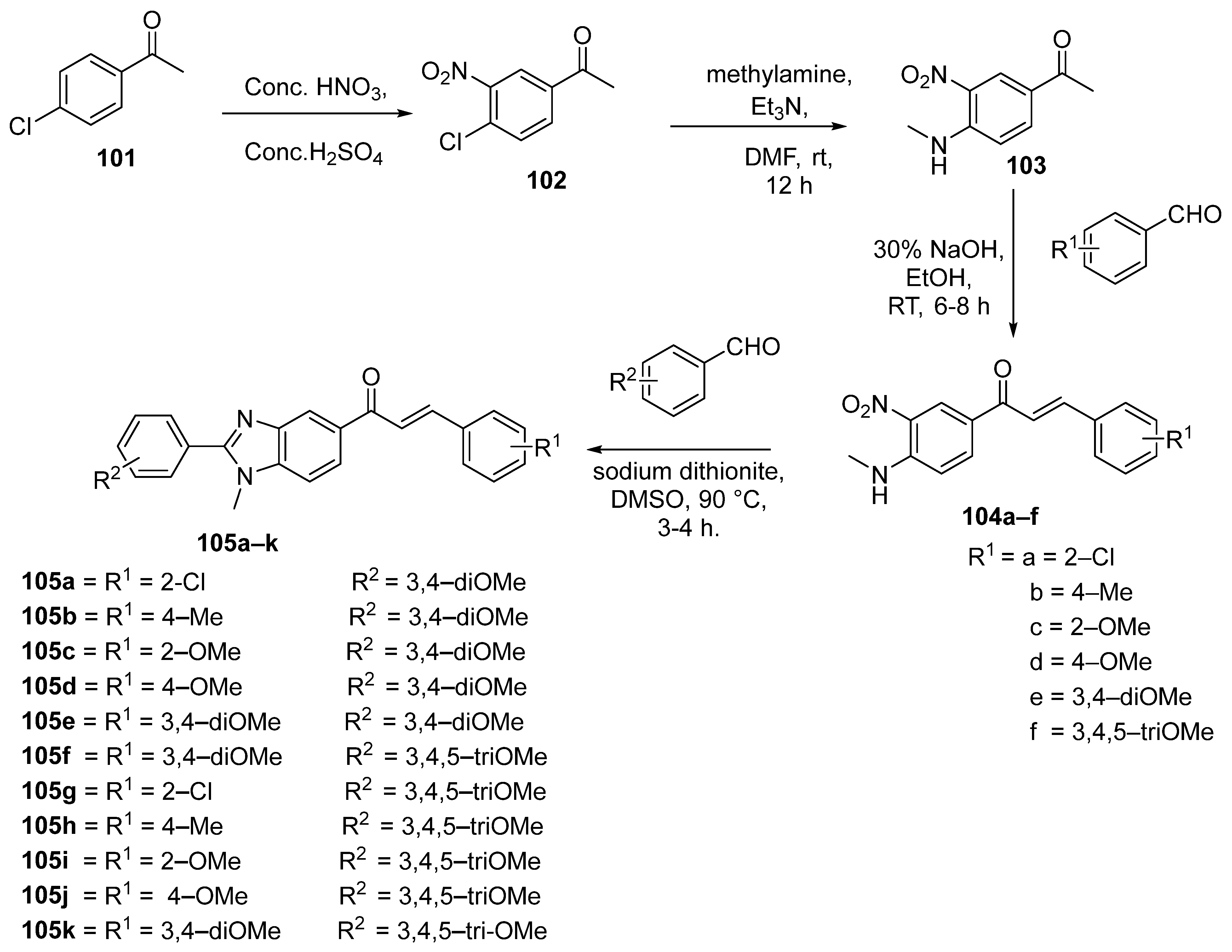
Benzimidazole–chalconehybrids serve as representative promising compounds, particularly for type 2 diabetes mellitus. Rai et al. described the synthesis of 5–substituted benzimidazole–chalcone scaffolds (Scheme 20), which were prepared by an efficient ‘one-pot’ nitro reductive cyclization [57]. The synthesis was initiated by the nitration of 4-chloroacetophenone (101) under acidic conditions offering 4–chloro–3–nitroacetophenone (102), which was further reacted with methylamine in the presence of triethylamine producing 1–(4–(methylamino)–3–nitrophenyl) ethan-1-one (103). The chalcones 104af were obtained from the reaction of compound 104 with differently substituted benzaldehydes. The final chalcone–benzimidazoles 105ak were prepared by an efficient ‘one–pot’ nitro reductive cyclization of 104af with either di or trimethoxylated aromatic aldehydes. The synthesized compounds were evaluated for α–glucosidase and α–amylase inhibition, and compound 105i emerged as a potent antidiabetic agent with IC50 = 22.45 ± 0.36 µg/mL and 20.47 ± 0.60 µg/mL against α–glucosidase and α–amylase enzymes, respectively. Furthermore, it was found to be a safer candidate, which did not exert toxicity on the normal Human embryonic Kidney 293 (HEK293) cell line in comparison to standard Mitomycin [57].

5. Chalcone-Benzimidazoles with Monoamine Oxidase Inhibitory Activity

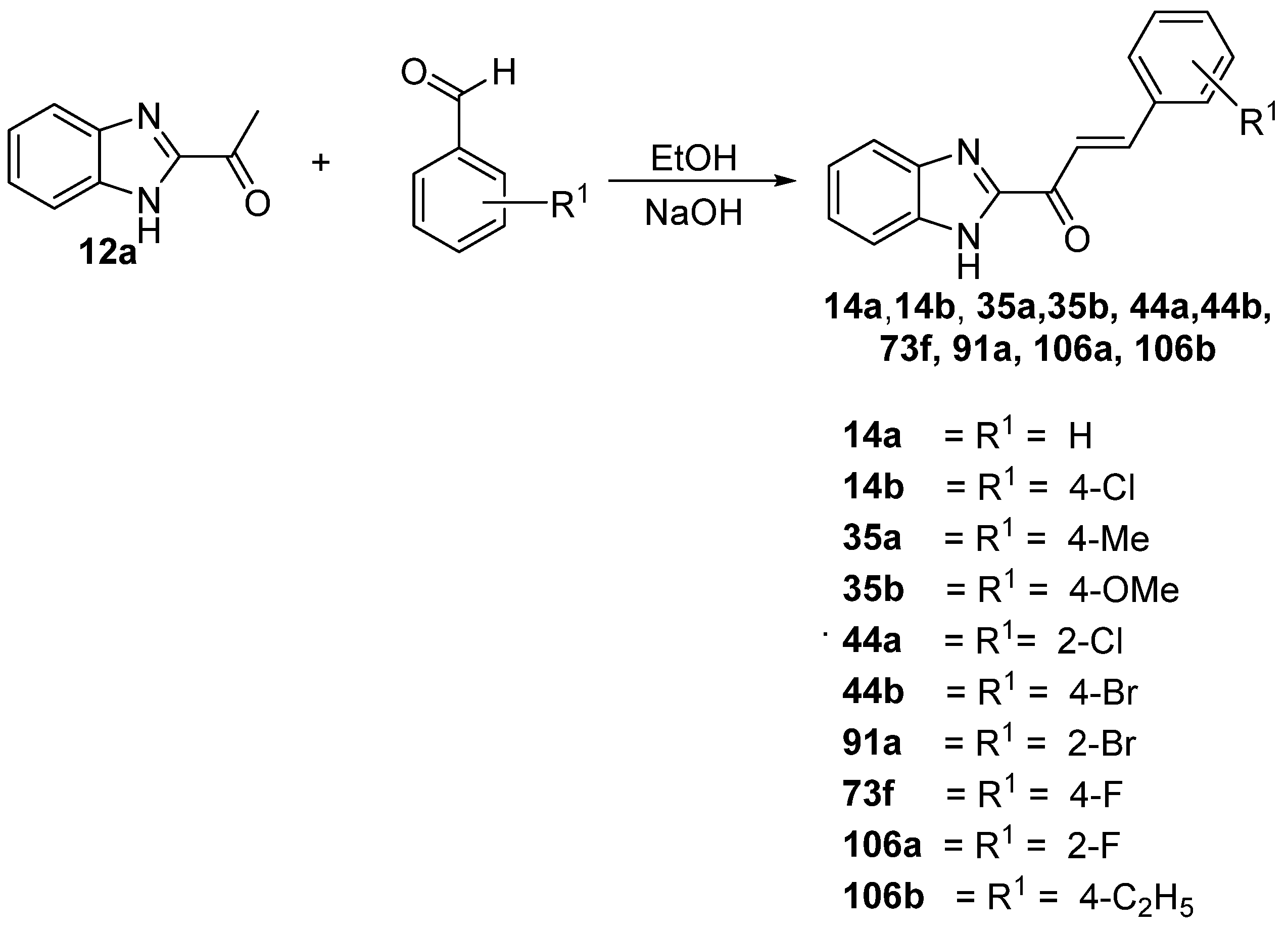
Research on benzimidazole–chalcone hybrids with monoamine oxidase (MAO) inhibitory activity is valuable since these molecules have demonstrated a promising opportunity for applications for both neurological and psychiatric disorders. Hence, these compounds could lead to the development of some effective MAO inhibitors with limited side–effects. The synthesis of benzimidazole–chalconederivatives 14a, 14b, 35a,35b, 44a, 44b, 73f, 91a, 106ab was reported by Krishna et al. (2023) [58]. The compounds were prepared by reacting to the 1–(1H–benzo[d]imidazol–2–yl)ethanone (12) with various substituted benzaldehydes to achieve the targeted compound 14a, 14b, 35a,35b, 44a, 44b, 73f, 91a, 106ab (Scheme 21). The synthesized compounds were screened for inhibitory activity against Monoamine oxidase B (MAO–B) and MAO–A. The results revealed that the compounds were potent against MAO–B than MAO–A, as shown in Table 9. The compound 44a has shown good IC50 values of 0.80 ± 0.0094 µM for inhibition of MAO–B while for MAO–A a higher IC50 value of 35.29 ± 4.55 µM was recorded. The compound 106b offered better results of 1.63 ± 0.10 and 2.04 ± 0.13 IC50 (µM) for MAO–A and MAO–B, respectively [58]. Most halogenated compounds showed better inhibitory activity on MAO–A and MAO–B than non-halogenated analogues [58].

6. Conclusions

The benzimidazole–chalcones contribute as bioactive synthetic compounds. Several groups have prepared benzimidazole–chalconederivatives that have displayed widespread of pharmacological properties. This review provided the advancements regarding the synthetic approaches and pharmacological properties of benzimidazole–chalconehybrids. The studies signify that benzimidazole and the chalcone moieties play a significant role in the development of biologically active compounds. Therefore, the compounds bearing benzimidazole and chalcone chromophores are worth to be synthesized based on the evidence from their in vitro and in silico studies. Future research should focus on in vivo studies of the benzimidazole–chalcones. Furthermore, the chalcone chromophore can further be derivatised into heterocyclic structures to expand the substrate scope. Target-based studies as well as mechanistic studies are also encouraged.

Author Contributions

Conceptualization, M.A.S., M.S.S. and H.D.M.; methodology, M.A.S., M.S.S., H.D.M.; software, H.D.M.; validation, H.D.M., M.A.S. and M.S.S.; formal analysis, H.D.M.; investigation, H.D.M.; resources, M.A.S. and M.S.S.; data curation, M.A.S.; writing—original draft preparation, H.D.M.; writing—review and editing, H.D.M., S.T.M., T.V.M.; visualization, H.D.M. and M.A.S.; supervision, M.A.S. and M.S.S.; project administration, M.A.S. and M.S.S.; funding acquisition, M.A.S. and M.S.S. All authors have read and agreed to the published version of the manuscript.

Funding

This research was supported by the National Research Foundation of South Africa (grant numbers: 0415594923 and CSUR240403212001), the University of Pretoria and the South African Nuclear Energy Corporation SOC Ltd. (Necsa).

Data Availability Statement

Not Applicable.

Conflicts of Interest

Molahlehi S. Sonopo is employed by the company South African Nuclear Energy Corporation, SOC Ltd. The remaining authors declare that the research was conducted in the absence of any commercial or financial relationships that could be construed as a potential conflict of interest.

References

  1. Rammohan, A.; Reddy, J.S.; Sravya, G.; Rao, C.N.; Zyryanov, G.V. Chalcone synthesis, properties and medicinal applications: A review. Environ. Chem. Lett. 2020, 18, 433–458. [Google Scholar] [CrossRef]
  2. Elkanzi, N.A.; Hrichi, H.; Alolayan, R.A.; Derafa, W.; Zahou, F.M.; Bakr, R.B. Synthesis of chalcones derivatives and their biological activities: A review. ACS Omega 2022, 7, 27769–27786. [Google Scholar] [CrossRef] [PubMed]
  3. Jasim, H.A.; Nahar, L.; Jasim, M.A.; Moore, S.A.; Ritchie, K.J.; Sarker, S.D. Chalcones: Synthetic chemistry follows where nature leads. Biomolecules 2021, 11, 1203. [Google Scholar] [CrossRef] [PubMed]
  4. Michalkova, R.; Mirossay, L.; Gazdova, M.; Kello, M.; Mojzis, J. Molecular mechanisms of antiproliferative effects of natural chalcones. Cancers 2021, 13, 2730. [Google Scholar] [CrossRef] [PubMed]
  5. Zhou, Q.; Tang, X.; Chen, S.; Zhan, W.; Hu, D.; Zhou, R.; Sun, N.; Wu, Y.; Xue, W. Design, synthesis, and antifungal activity of novel chalcone derivatives containing a piperazine fragment. J. Agric. Food Chem. 2022, 70, 1029–1036. [Google Scholar] [CrossRef]
  6. Pérez-González, A.; Castañeda-Arriaga, R.; Guzmán-López, E.G.; Hernández-Ayala, L.F.; Galano, A. Chalcone derivatives with a high potential as multifunctional antioxidant neuroprotectors. ACS Omega 2022, 7, 38254–38268. [Google Scholar] [CrossRef]
  7. de Oliveira, A.S.; Cenci, A.R.; Gonçalves, L.; Thedy, M.E.C.; Justino, A.; Braga, A.L.; Meier, L. Chalcone derivatives as antibacterial agents: An updated overview. Curr. Med. Chem. 2024, 31, 2314–2329. [Google Scholar] [CrossRef]
  8. Zhan, W.; Mao, P.; Yuan, C.; Zhang, Y.; Zhang, T.; Liu, Y.; Tian, J.; Xue, W. Design, synthesis and antiviral activities of chalcone derivatives containing pyrimidine. J. Saudi Chem. Soc. 2023, 27, 101590. [Google Scholar] [CrossRef]
  9. Osman, M.S.; Awad, T.A.; Shantier, S.W.; Garelnabi, E.A.; Osman, W.; Mothana, R.A.; Nasr, F.A.; Elhag, R.I. Identification of some chalcone analogues as potential antileishmanial agents: An integrated in vitro and in silico evaluation. Arab. J. Chem. 2022, 15, 103717. [Google Scholar] [CrossRef]
  10. Okolo, E.N.; Ugwu, D.I.; Ezema, B.E.; Ndefo, J.C.; Eze, F.U.; Ezema, C.G.; Ezugwu, J.A.; Ujam, O.T. New chalcone derivatives as potential antimicrobial and antioxidant agent. Sci. Rep. 2021, 11, 21781. [Google Scholar] [CrossRef]
  11. Guazelli, C.F.; Fattori, V.; Ferraz, C.R.; Borghi, S.M.; Casagrande, R.; Baracat, M.M.; Verri, W.A., Jr. Antioxidant and anti-inflammatory effects of hesperidin methyl chalcone in experimental ulcerative colitis. Chem. Biol. Interact. 2021, 333, 109315. [Google Scholar] [CrossRef]
  12. Constantinescu, T.; Lungu, C.N. Anticancer activity of natural and synthetic chalcones. Int. J. Mol. Sci. 2021, 22, 11306. [Google Scholar] [CrossRef]
  13. Sinha, S.; Medhi, B.; Radotra, B.; Batovska, D.I.; Markova, N.; Bhalla, A.; Sehgal, R. Antimalarial and immunomodulatory potential of chalcone derivatives in experimental model of malaria. BMC Complement. Med. Ther. 2022, 22, 330. [Google Scholar] [CrossRef]
  14. Sekar, P.; Kumar, S.; Raju, S.K. An Updated Review on Recent Advancements in the Diverse Biological Applications of Medicinally Privileged Scaffold: Chalcone and its derivatives. Int. J. Med. Sci. Pharma Res. 2023, 9, 7–20. [Google Scholar] [CrossRef]
  15. Amin, M.M.; Abuo-Rahma, G.E.-D.A.; Shaykoon, M.S.A.; Marzouk, A.A.; Abourehab, M.A.; Saraya, R.E.; Badr, M.; Sayed, A.M.; Beshr, E.A. Design, synthesis, cytotoxic activities, and molecular docking of chalcone hybrids bearing 8-hydroxyquinoline moiety with dual tubulin/EGFR kinase inhibition. Bioorg. Chem. 2023, 134, 106444. [Google Scholar] [CrossRef]
  16. Upendranath, K.; Venkatesh, T.; Nayaka, Y.A.; Shashank, M.; Nagaraju, G. Optoelectronic, DFT and current-voltage performance of new Schiff base 6-nitro-benzimidazole derivatives. Inorg. Chem. Commun. 2022, 139, 109354. [Google Scholar] [CrossRef]
  17. Rao, A.M.; Kumar, T.A.; Devi, B.R. Synthesis of certain benzimidazoloquinolone carboxylic derivatives as potential antitubercular agents. Rasayan J. Chem. 2016, 9, 745–750. Available online: https://www.rasayanjournal.co.in/admin/php/upload/86_pdf.pdf (accessed on 23 June 2025).
  18. Hobrecker, F. Reduction-products of nitracetamide compounds. Ber. Dtsch. Chem. Ges. 1872, 5, 920–924. [Google Scholar] [CrossRef]
  19. Ladenburg, A. Derivate von diaminen. Ber. Dtsch. Chem. Ges. 1875, 8, 677–678. [Google Scholar] [CrossRef]
  20. Tahlan, S.; Kumar, S.; Narasimhan, B. Pharmacological significance of heterocyclic 1H-benzimidazole scaffolds: A review. BMC Chem. 2019, 13, 101. [Google Scholar] [CrossRef] [PubMed]
  21. Anand, K.; Wakode, S. Development of drugs based on benzimidazole heterocycle: Recent advancement and insights. Int. J. Chem. Stud. 2017, 5, 350–362. [Google Scholar]
  22. Sharma, P.; Reddy, T.S.; Thummuri, D.; Ram, K.; Praveen, N.; Naidu, V.G.M.; Bhargava, S.K.; Shankaraiah, N. Synthesis and biological evaluation of new benzimidazole- thiazolidinedione hybrids as potential cytotoxic and apoptosis inducing agents. Eur. J. Med. Chem. 2016, 124, 608–621. [Google Scholar] [CrossRef]
  23. Venkateswarlu, Y.; Kumar, S.R.; Leelavathi, P. Facile and efficient one-pot synthesis of benzimidazoles using lanthanum chloride. Bioorg. Med. Chem. Lett. 2013, 3, 7. [Google Scholar] [CrossRef]
  24. Alzahrani, H.A.; Alam, M.M.; Elhenawy, A.A.; Nazreen, S. Synthesis, Antimicrobial, Antiproliferative, and Docking Studies of 1, 3, 4-Oxadiazole Derivatives Containing Benzimidazole Scaffold. Biointerface Res. Appl. Chem. 2022, 13, 298. [Google Scholar] [CrossRef]
  25. Romero, J.A.; Acosta, M.E.; Gamboa, N.D.; Mijares, M.R.; De Sanctis, J.B.; Llovera, L.J.; Charris, J.E. Synthesis, antimalarial, antiproliferative, and apoptotic activities of benzimidazole-5-carboxamide derivatives. Med. Chem. Res. 2019, 28, 13–27. [Google Scholar] [CrossRef]
  26. Leshabane, M.; Dziwornu, G.A.; Coertzen, D.; Reader, J.; Moyo, P.; van der Watt, M.; Chisanga, K.; Nsanzubuhoro, C.; Ferger, R.; Erlank, E. Benzimidazole derivatives are potent against multiple life cycle stages of Plasmodium falciparum malaria parasites. ACS Infect. 2021, 7, 1945–1955. [Google Scholar] [CrossRef]
  27. Satija, G.; Sharma, B.; Madan, A.; Iqubal, A.; Shaquiquzzaman, M.; Akhter, M.; Parvez, S.; Khan, M.A.; Alam, M.M. Benzimidazole based derivatives as anticancer agents: Structure activity relationship analysis for various targets. J. Heterocycl. Chem. 2022, 59, 22–66. [Google Scholar] [CrossRef]
  28. Mezgebe, K.; Melaku, Y.; Mulugeta, E. Synthesis and pharmacological activities of chalcone and its derivatives bearing N-heterocyclic scaffolds: A review. ACS Omega 2023, 8, 19194–19211. [Google Scholar] [CrossRef]
  29. Janaki, P.; Sekar, K.; Thirunarayanan, G. Synthesis, spectral correlation and insect antifeedant activities of some 2-benzimidazole chalcones. J. Saudi Chem. Soc. 2016, 20, 58–68. [Google Scholar] [CrossRef]
  30. Gao, F.; Huang, G.; Xiao, J. Chalcone hybrids as potential anticancer agents: Current development, mechanism of action, and structure-activity relationship. Med. Res. Rev. 2020, 40, 2049–2084. [Google Scholar] [CrossRef] [PubMed]
  31. Mahama, O.; Aboudramane, K.; Soleymane, K.; Sylvain, C.; Sekou, D.; Drissa, S. Anticancer Activities and QSAR Study of Novel Agents with a Chemical Profile of Benzimidazolyl-Retrochalcone. Open J. Med. Chem. 2020, 10, 113. [Google Scholar] [CrossRef]
  32. Pool, W.; Harwood, H.; Ralston, A. 2-Alkylbenzimidazoles as derivatives for the identification of aliphatic acids. J. Am. Chem. Soc. 1937, 59, 178–179. [Google Scholar] [CrossRef]
  33. Koné, A.; Souleymane, C.; Kalo, M.; Tchambaga Etienne, C.; Collet, S.; Sissouma, D. Synthesis of novel benzimidazole-based retrochalcones and their anticancer activity against breast and colon cancer. Synth. Commun. 2025, 55, 175–182. [Google Scholar] [CrossRef]
  34. Kone, A.; Ouattara, M.; Zon, D.; Chany, A.; Collet, S.; Sissouma, D.; Adjou, A. Synthesis and Cytotoxic Activities of 3-Benzimidazolyl-Chalcones Derivatives. World J. Pharm. Res. 2018, 7, 1589–1601. [Google Scholar]
  35. Uthale, A.; Anantram, A.; Sulkshane, P.; Degani, M.; Teni, T. Identification of bicyclic compounds that act as dual inhibitors of bcl-2 and mcl-1. Mol. Divers. 2023, 27, 1359–1374. [Google Scholar] [CrossRef] [PubMed]
  36. Hagar, F.F.; Abbas, S.H.; Abdelhamid, D.; Gomaa, H.A.; Youssif, B.G.; Abdel-Aziz, M. New 1, 3, 4-oxadiazole-chalcone/benzimidazole hybrids as potent antiproliferative agents. Arch. Pharm. 2023, 356, 2200357. [Google Scholar] [CrossRef] [PubMed]
  37. Pragathi, Y.J.; Veronica, D.; Anitha, K.; Rao, M.V.B.; Raju, R.R. Synthesis and biological evaluation of chalcone derivatives of 1, 2, 4-thiadiazol-benzo [d] imidazol-2-yl) quinolin-2 (1H)-one as anticancer agents. Chem. Data Collect. 2020, 30, 100556. [Google Scholar] [CrossRef]
  38. Farag, B.; Zaki, M.E.; Elsayed, D.A.; Gomha, S.M. Benzimidazole chemistry in oncology: Recent developments in synthesis, activity, and SAR analysis. RSC Adv. 2025, 15, 18593–18647. [Google Scholar] [CrossRef]
  39. Ibrahim, A.A.; Said, E.G.; AboulMagd, A.M.; Amin, N.H.; Abdel-Rahman, H.M. Synthesis and SARs of benzimidazoles: Insights into antimicrobial innovation (2018–2024). RSC Adv. 2025, 15, 22097–22127. [Google Scholar] [CrossRef]
  40. Hsieh, C.-Y.; Ko, P.-W.; Chang, Y.-J.; Kapoor, M.; Liang, Y.-C.; Chu, H.-L.; Lin, H.-H.; Horng, J.-C.; Hsu, M.-H. Design and synthesis of benzimidazole-chalcone derivatives as potential anticancer agents. Molecules 2019, 24, 3259. [Google Scholar] [CrossRef]
  41. Djemoui, A.; Naouri, A.; Ouahrani, M.R.; Djemoui, D.; Lahcene, S.; Lahrech, M.B.; Boukenna, L.; Albuquerque, H.M.; Saher, L.; Rocha, D.H. A step-by-step synthesis of triazole-benzimidazole-chalcone hybrids: Anticancer activity in human cells+. J. Mol. Struct. 2020, 1204, 127487. [Google Scholar] [CrossRef]
  42. Nawareg, N.A.; Mostafa, A.S.; El-Messery, S.M.; Nasr, M.N. New benzimidazole based hybrids: Synthesis, molecular modeling study and anticancer evaluation as TopoII inhibitors. Bioorg. Chem. 2022, 127, 106038. [Google Scholar] [CrossRef]
  43. Zhou, W.; Zhang, W.; Peng, Y.; Jiang, Z.-H.; Zhang, L.; Du, Z. Design, synthesis and anti-tumor activity of novel benzimidazole-chalcone hybrids as non-intercalative topoisomerase II catalytic inhibitors. Molecules 2020, 25, 3180. [Google Scholar] [CrossRef] [PubMed]
  44. Ameji, J.P.; Ebune, A.O.; Aderemi, I.W.; Moyosore, A.; Idah, G. Theoretical investigation and design of novel anti-proliferative agents against hepatocellular carcinoma from benzimidazole-chalcone derivatives. Adv. J. Chem. A 2023, 6, 92–104. [Google Scholar] [CrossRef]
  45. Yang, J.-L.; Ma, Y.-H.; Li, Y.-H.; Zhang, Y.-P.; Tian, H.-C.; Huang, Y.-C.; Li, Y.; Chen, W.; Yang, L.-J. Design, synthesis, and anticancer activity of novel trimethoxyphenyl-derived chalcone-benzimidazolium salts. ACS Omega 2019, 4, 20381–20393. [Google Scholar] [CrossRef]
  46. Chhajed, S.S.; Sonawane, S.S.; Upasani, C.D.; Kshirsagar, S.J.; Gupta, P.P. Design, synthesis and molecular modeling studies of few chalcone analogues of benzimidazole for epidermal growth factor receptor inhibitor in search of useful anticancer agent. Comput. Biol. Chem. 2016, 61, 138–144. [Google Scholar] [CrossRef]
  47. Babu, I.S.; Selvakumar, S. An antibacterial, antifungal and anthelmintic evaluations of some synthesized chalcone derived benzimidazoles. BBRA 2013, 10, 891–896. [Google Scholar] [CrossRef]
  48. Shahin, M.; AbdAlhafiz, A.; Abouzid, K.; Mehanna, W. Synthesis, biological evaluation and in-silico ADME study of novel hybridized benzimidazole-chalcone compounds with potential antimicrobial activity. Arch. Pharm. Sci. A 2022, 6, 29–36. [Google Scholar] [CrossRef]
  49. Songuigama, C.; Jean-Paul, N.; Mamidou, K.W.; Drissa, S.; Mahama, O. Anti-Candidosi Activities of New Chalcones Vectorised by Benzimidazole against a Strain of Candida albicans Pharmacoresistance to Azoles. J. Pharm. Biol. Sci. 2018, 13, 11–16. [Google Scholar]
  50. Parikh, K.; Joshi, D. Antibacterial and antifungal screening of newly synthesized benzimidazole-clubbed chalcone derivatives. Med. Chem. Res. 2013, 22, 3688–3697. [Google Scholar] [CrossRef]
  51. Meshram, G.A.; Vala, V.A. Synthesis, characterization, and antimicrobial activity of benzimidazole-derived chalcones containing 1, 3, 4-oxadiazole moiety. Chem. Heterocycl. Compd. 2015, 51, 44–50. [Google Scholar] [CrossRef]
  52. Ibrahim, A.A.; Said, E.G.; AboulMagd, A.M.; Amin, N.H.; Abdel-Rahman, H.M. Novel benzimidazole hybrids: Design, synthesis, mechanistic studies, antifungal potential and molecular dynamics. RSC Med. Chem. 2025, 16, 3291–3311. [Google Scholar] [CrossRef]
  53. Karmur, M.B.; Rakholiya, K.; Kaneria, M.; Karmur, S.B.; Bapodra, A.; Patel, R.; Maliwal, D.; Pissurlenkar, R.R.; Kapuriya, N.P.; Bhalodia, J. Synthesis and Characterization of Some New Hybrids of 2-Chloroquinoline-Benzimidazole Chalcones as Potential Antibacterial Agents. ChemistrySelect 2025, 10, e06199. [Google Scholar] [CrossRef]
  54. N’guessan, D.U.J.-P.; Alzain, A.A.; Adouko, E.M.; Sékou, D.; Coulibaly, S.; Ouattara, M. Molecular modeling studies of benzimidazolyl-chalcones as antileishmanial agents using qsar, docking, ADME and molecular dynamics studies. J. Appl. Pharm. Sci. Res. 2021, 4, 18–28. [Google Scholar] [CrossRef]
  55. N’Guessan, D.; Kablan, L.; Kacou, A.; Bories, C.; Coulibaly, S.; Sissouma, D.; Loiseau, P.; Ouattara, M. Synthesis and biological profiles of some benzimidazolyl-chalcones as anti-leishmanial and trypanocidal agents. Chem. Sci. Int. J. 2021, 30, 47–56. [Google Scholar] [CrossRef]
  56. Porto, R.S.; de Lima Costa, L.F.; Porto, V.A. Identification of Synthetic 2-Mercaptobenzimidazole Derivatives as Inhibitors of Spike Protein of SARS-CoV-2 by Virtual Screening. Lett. Appl. NanoBioSci. 2022, 12, 1–17. [Google Scholar] [CrossRef]
  57. Rai, P.V.; Ramu, R.; Akhileshwari, P.; Prabhu, S.; Prabhune, N.M.; Deepthi, P.; Anjana, P.; Ganavi, D.; Vijesh, A.; Goh, K.W. Novel Benzimidazole-endowed chalcones as α-glucosidase and α-amylase inhibitors: An insight into structural and computational studies. Molecules 2024, 29, 5599. [Google Scholar] [CrossRef]
  58. Krishna, A.; Lee, J.; Kumar, S.; Sudevan, S.T.; Uniyal, P.; Pappachen, L.K.; Kim, H.; Mathew, B. Inhibition of monoamine oxidases by benzimidazole chalcone derivatives. Appl. Biol. Chem. 2023, 66, 37. [Google Scholar] [CrossRef]
Figure 1. General structure of chalcones.
Molecules 31 01546 g001
Figure 2. Benzimidazole resonance and its tautomeric formation.
Molecules 31 01546 g002
Figure 3. Hybridization of benzimidazolyl–chalcone derivatives.
Molecules 31 01546 g003
Figure 4. Benzimidazolyl–retrochalcone compound.
Molecules 31 01546 g004
Scheme 1. Synthesis of benzimidazole-based–retrochalcone derivatives.
Molecules 31 01546 sch001
Scheme 2. Synthesis of the benzimidazole–chalcone series.
Molecules 31 01546 sch002
Scheme 3. Synthesis of 1,3,4-oxadiazole–chalcone/benzimidazole derivatives.
Molecules 31 01546 sch003
Scheme 4. Synthesis of 1,2,4–thiadiazol–benzo[d]imidazol–2–yl)quinolin–2(1H)–one.
Molecules 31 01546 sch004
Scheme 5. Alkylated benzimidazole–chalcone derivatives.
Molecules 31 01546 sch005
Scheme 6. Substituted triazole–benzimidazole–chalcone derivatives.
Molecules 31 01546 sch006
Scheme 7. Synthesis of triazole–benzimidazole–chalcone hybrid.
Molecules 31 01546 sch007
Scheme 8. Benzimidazole–chalcone derivatives as Topo II inhibitors.
Molecules 31 01546 sch008
Figure 5. Substituted-benzimidazole–chalconeligands.
Molecules 31 01546 g005
Scheme 9. Syntheses of (E)–1–(4–(3–(1H–benzo[d]imidazol–1–yl)propoxy)phenyl)–3–(3,4,5–trimethoxyphenyl)prop–2–en–1–one hybrid compounds.
Molecules 31 01546 sch009
Scheme 10. Synthesis of 2–(1–hydroxy–ethyl)–1H–benzimidazol–1–yl–chalcone derivatives.
Molecules 31 01546 sch010
Scheme 11. Synthesis of chalcone-derived benzimidazoles 14a, 73ah.
Molecules 31 01546 sch011
Scheme 12. Synthesized hybridized benzimidazole–chalconecompounds.
Molecules 31 01546 sch012
Scheme 13. Synthesis of benzimidazolyl–chalcone hybrids from 2–acetylbenzimidazole.
Molecules 31 01546 sch013
Scheme 14. Synthesis of benzimidazole-clubbed chalcone derivatives.
Molecules 31 01546 sch014
Scheme 15. Synthesis of benzimidazole-derived chalcones containing 1,3,4-oxadiazole moiety.
Molecules 31 01546 sch015
Scheme 16. Synthesis of substituted 2–(2–(2,4–dichlorophenyl)–1H–benzo[d]imidazol–1-yl)–N–(4–((E)–3–phenylacryloyl)phenyl)acetamide.
Molecules 31 01546 sch016
Scheme 17. Synthesis of substituted (E)–1–(1–((2–chloroquinolin-3–yl)methyl)–1H–benzo[d]imidazol–2–yl)–3–phenylprop–2–en–1–one derivatives.
Molecules 31 01546 sch017
Figure 6. SAR of (E)–1–(1–((2–chloroquinolin–3–yl)methyl)–1H–benzo[d]imidazol–2–yl)–3–phenylprop-2–en–1–one derivatives.
Molecules 31 01546 g006
Scheme 18. Synthesis of benzimidazole–chalcones.
Molecules 31 01546 sch018
Scheme 19. Synthesis of substituted benzimidazole–chalcones.
Molecules 31 01546 sch019
Figure 7. Some structural representative derivatives of 2-mercaptobenzimidazole.
Molecules 31 01546 g007
Scheme 20. Synthesis of benzimidazole–chalconederivatives.
Molecules 31 01546 sch020
Scheme 21. Synthesis of benzimidazole–chalconemonoamine oxidase inhibitors.
Molecules 31 01546 sch021
Table 1. Cytotoxic activity of benzimidazole–chalcone against AW8507 and AW13516.
Compd. CodeR1IC50 (μM) AW8507IC50 (μM) AW13516
14aPh
14bPh–4–Cl36.01
15cPh-3, 4–OMe
14dPh-4-NO27.897.12
14ePh-3-OMe
14f4-Naphthyl40.1323.24
14g2-Cl-Quinolinyl
R1 represent different substituents on the compounds.
Table 2. Antiproliferative activities of compounds 28ao.
Compd. CodeCell Viability %Antiproliferative Activity IC50 ± SEM (µM) a
A–549MCF–7Panc–1HT–29
27a8513.20 ± 1.6013.90 ± 1.3013.80 ± 1.4013.90 ± 1.20
27b846.50 ± 0.306.60 ± 0.607.45 ± 1.207.80 ± 0.40
27c874.55 ± 0.603.62 ± 0.204.60 ± 0.904.80 ± 0.40
27d9110.70 ± 1.6010.20 ± 1.6010.60 ± 1.3010.50 ± 1.20
27e8916.50 ± 1.2017.10 ± 1.4017.30 ± 1.2016.90 ± 1.30
27f892.97 ± 0.702.40 ± 1.003.20 ± 0.503.10 ± 0.90
27g891.56 ± 0.202.10 ± 0.101.89 ± 0.201.92 ± 0.60
27h961.30 ± 0.500.80 ± 0.081.20 ± 0.201.13 ± 0.20
27i921.71 ± 0.601.92 ± 0.301.91 ± 0.502.21 ± 0.80
27j891.92 ± 0.482.11 ± 0.202.12 ± 0.402.33 ± 0.80
27k8927.10 ± 3.1026.70 ± 3.1028.30 ± 3.2027.90 ± 3.20
27l8921.80 ± 2.6021.60 ± 2.8022.10 ± 2.5021.15 ± 2.60
27m9022.90 ± 2.8023.20 ± 2.8024.05 ± 3.2023.75 ± 2.60
27n8726.90 ± 2.5026.40 ± 2.1028.10 ± 2.2027.40 ± 2.20
27o8922.80 ± 2.5022.20 ± 2.5023.45 ± 3.1024.15 ± 2.50
a SEM = Standard Error of the Mean.
Table 3. Antiproliferative activities of compounds 28ak.
Compd. CodeCell Viability %Antiproliferative Activity IC50 ± SEM (µM) a
A–549MCF–7Panc–1HT–29
28a9014.80 ± 1.5014.70 ± 1.4015.50 ± 1.2016.10 ± 1.10
28b864.90 ± 0.504.75 ± 0.405.50 ± 0.206.50 ± 1.10
28c9012.70 ± 1.6011.90 ± 1.4011.80 ± 1.3012.10 ± 1.40
28d8421.40 ± 2.7020.60 ± 1.8020.70 ± 3.5019.85 ± 3.60
28e873.00 ± 0.503.50 ± 0.203.40 ± 0.203.60 ± 0.40
28f901.67 ± 0.601.91 ± 0.301.82 ± 0.502.17 ± 0.80
28g861.67 ± 0.600.96 ± 0.081.52 ± 0.201.63 ± 0.20
28h891.77 ± 0.682.01 ± 0.401.98 ± 0.502.27 ± 0.80
28i872.41 ± 0.402.72 ± 0.302.81 ± 0.502.71 ± 0.80
28j8829.30 ± 2.5028.90 ± 2.8028.50 ± 2.5028.90 ± 2.50
28k8528.90 ± 2.5028.40 ± 2.1029.10 ± 2.5028.40 ± 2.50
Doxorubicin-1.21 ± 0.800.90 ± 0.621.41 ± 0.581.01 ± 0.82
a SEM = Standard Error of the Mean.
Table 4. Selected benzimidazole hybrid compounds and their cytotoxic activities in vitro a (IC50, μM b).
Compd. CodeBenzimidazole Ring (R1)R2HL-60SMMC-7721A-549MCF–7SW480
65a5,6–methyl–benzimidazole1.953.905.874.845.10
65b2–methyl–benzimidazole1.082.502.283.562.90
65cbenzimidazole1.692.162.193.482.95
67a5,6–dimethyl-benzimidazole4-OMe–phenacyl1.187.51>202.906.85
67b5,6–dimethyl-–benzimidazole4-Br–benzyl2.237.2312.685.498.10
67c5,6–dimethyl–benzimidazole2-Br–benzyl1.936.5713.324.387.69
67d5,6–dimethyl–benzimidazolenaphthylmethyl0.836.357.971.572.92
67e5,6–dimethyl–benzimidazolebenzyl4.197.1612.265.447.88
67f5,6–dimethyl–benzimidazole4–Me-benzyl0.595.928.152.837.31
68a2–methyl–benzimidazole4–OMe-phenacyl2.005.6411.182.494.68
68b2–methyl–benzimidazolephenacyl4.735.2811.382.425.01
68c2–methyl–benzimidazole4–Br–phenacyl1.215.8911.753.075.51
DPP2.1111.276.9417.4317.05
a Data represents the mean values of three independent determinations. b Cytotoxicity as IC50 for each cell line. Cisplatin (DDP). R2 represent different substituents on the compounds.
Table 5. In vitro antifungal activities of 10a, 76ad and reference substances with respect to Candida albicans.
Compd. CodeRAnticandidosic Screening (MIQ)Candida albicans MIC (µg/mL)
14aH+5
76aMolecules 31 01546 i001Nd
76bCl+1.25
76cF+5
76dNO2Nd
(+): Active (QMI = 10 µg), (−): Inactive (QMI > 10 µg).
Table 6. Antimicrobial activity (growth inhibition % at 32 μg mL−1 concentration) of the examined compounds.
Compd. CodeGram-Positive BacteriaGram-Negative BacteriaFungi
MRSA aEc bKp cPa dAb eCa fCn g
GI%
90a31.192.4632.6710.1716.21−8.96−12.29
90b18.97−4.2022.367.5714.731.42−1.06
90c26.81−1.3031.767.579.46−14.22−38.14
a Methicillin-resistant Staphylococcus aureus. b Escherichia coli. c Klebsiella pneumoniae. d Pseudomonas aeruginosa. e Acinetobacter baumannii. f Candida albicans. g Cryptococcus neoformans.
Table 7. Benzimidazolyl–chalcones derivatives and their anti–L. donovani activities.
Compd. CodeIC50 (mg/mL)IC50 µM
76b0.150.53 ± 0.05
96a0.150.50 ± 0.05
96b0.150.47 ± 0.04
96c24.474.45 ± 7.44
96d0.311.04 ± 0.10
96e7.8024.59 ± 2.46
96f0.631.79 ± 0.18
96g0.311.14 ± 0.11
96h3.9013.79 ± 1.38
96i0.401.33 ± 0.13
96j45.70100.80 ± 10.08
96k18.6043.07 ± 4.30
Table 8. Median IC50 of all tested compounds by type of isolates.
Compd. CodeChloroquine Sensitive
P. falciparum Isolate IC50 (µM) ±SD
Chloroquine Resistant
P. falciparum Isolate
IC50 (µM) ± SD
Chalcone38.56 ± 3.861.44 ± 0.14
14a44.386.81
76b10.65 ± 1.070.78 ± 0.08
96b32.10 ± 3.21 31.28 ± 3.13
96a6.23 ± 0.622.34 ± 0.23
97a0.32 ± 0.031.96 ± 0.20
97b9.40 ± 0.941.82 ± 0.18
97c29.39 ± 2.9410.61 ± 0.11
96h29.61 ± 2.9622.42 ± 2.24
96g9.34 ± 0.93
Chloroquine0.076 ± 0.0080.13 ± 0.013
Table 9. The inhibitions of MAO–A and B IC50 (µM).
Compd CodeR1Inhibitions of MAO–A IC50 (µM)Inhibitions of MAO–B IC50 (µM)
14aH>40>40
14b4–Cl5.59 ± 1.124.83 ± 0.76
35a4–Me>4010.02 ± 0.30
35b4–OMe>4011.09 ± 0.07
44a2–Cl35.29 ± 4.550.80 ± 0.0094
44b4–Br8.39 ± 0.706.87 ± 1.79
73f4–F>4010.94 ± 0.89
91a2–Br27.17 ± 0.141.11 ± 0.17
106a2–F1.63 ± 0.102.04 ± 0.13
106b4–C2H5>408.32 ± 1.53
R1 represent different substituents on the compounds.
Disclaimer/Publisher’s Note: The statements, opinions and data contained in all publications are solely those of the individual author(s) and contributor(s) and not of MDPI and/or the editor(s). MDPI and/or the editor(s) disclaim responsibility for any injury to people or property resulting from any ideas, methods, instructions or products referred to in the content.