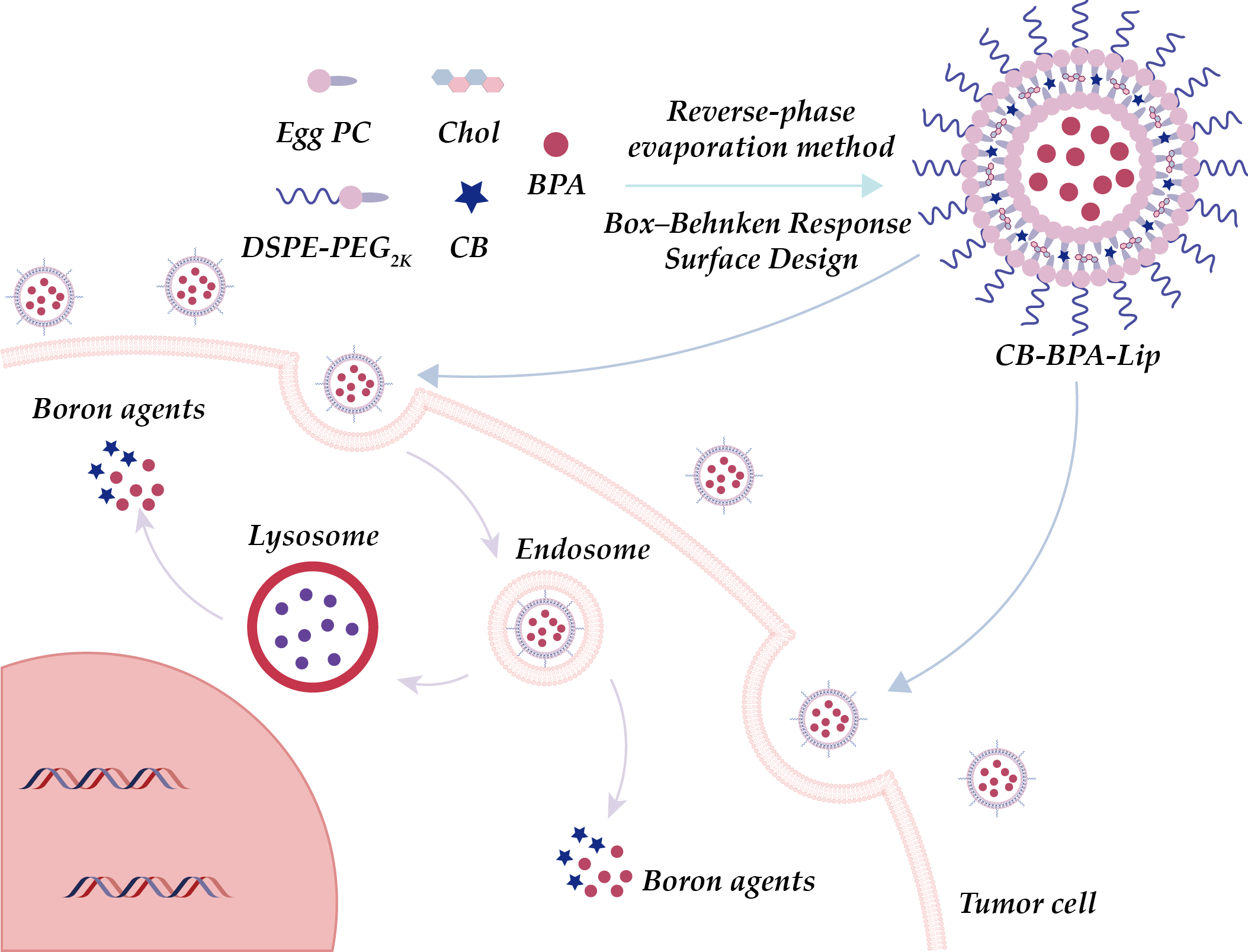
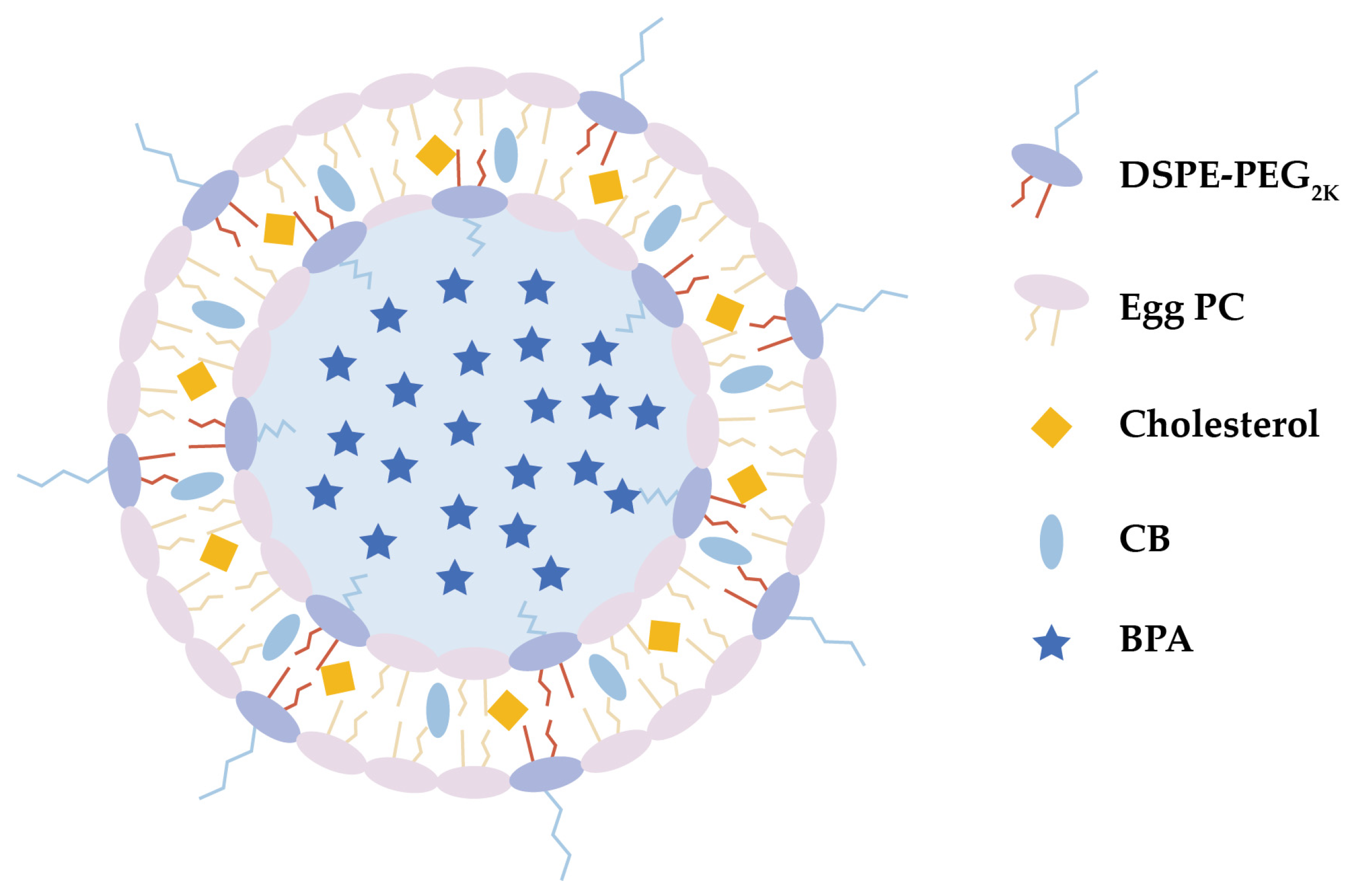
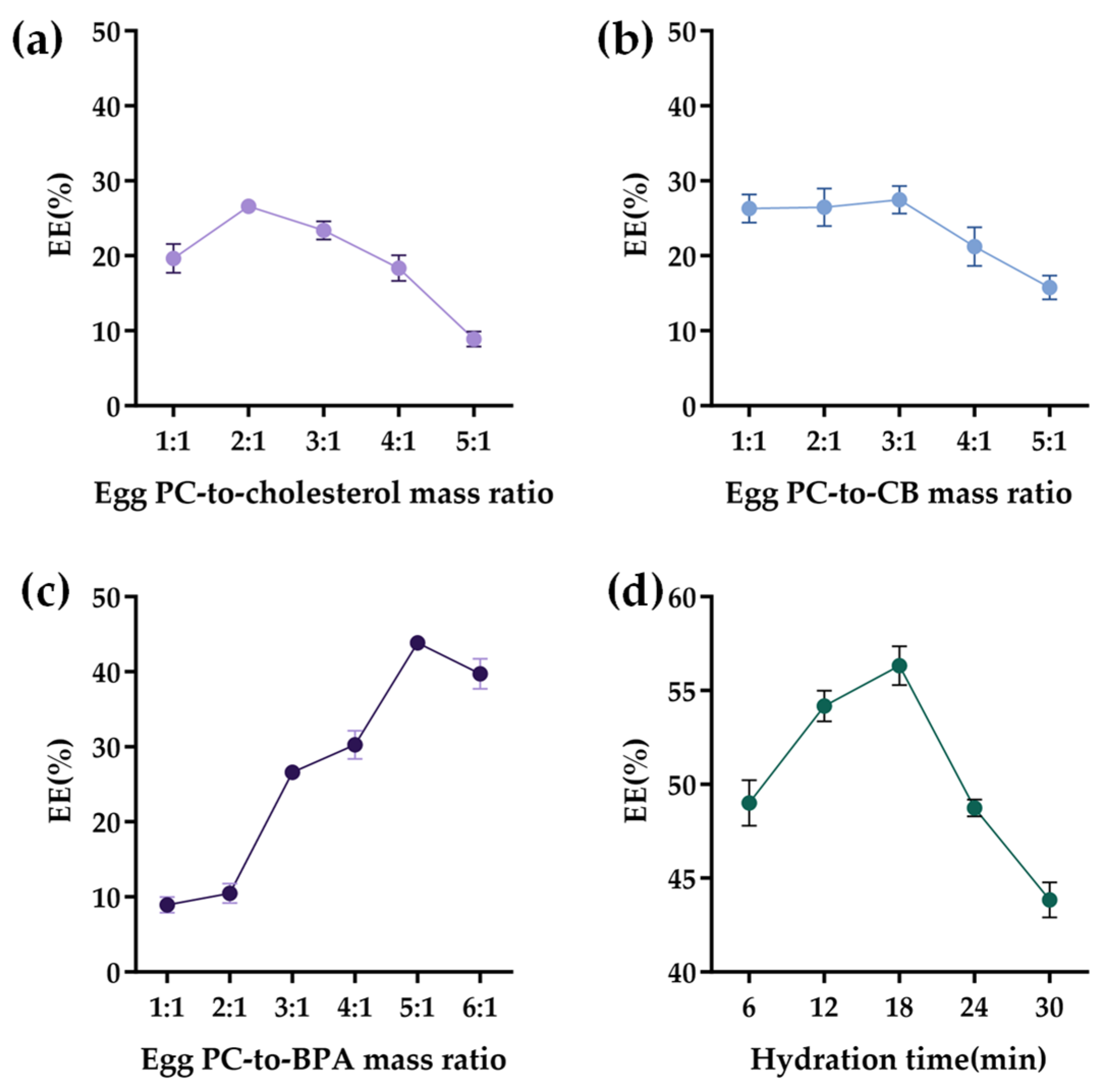
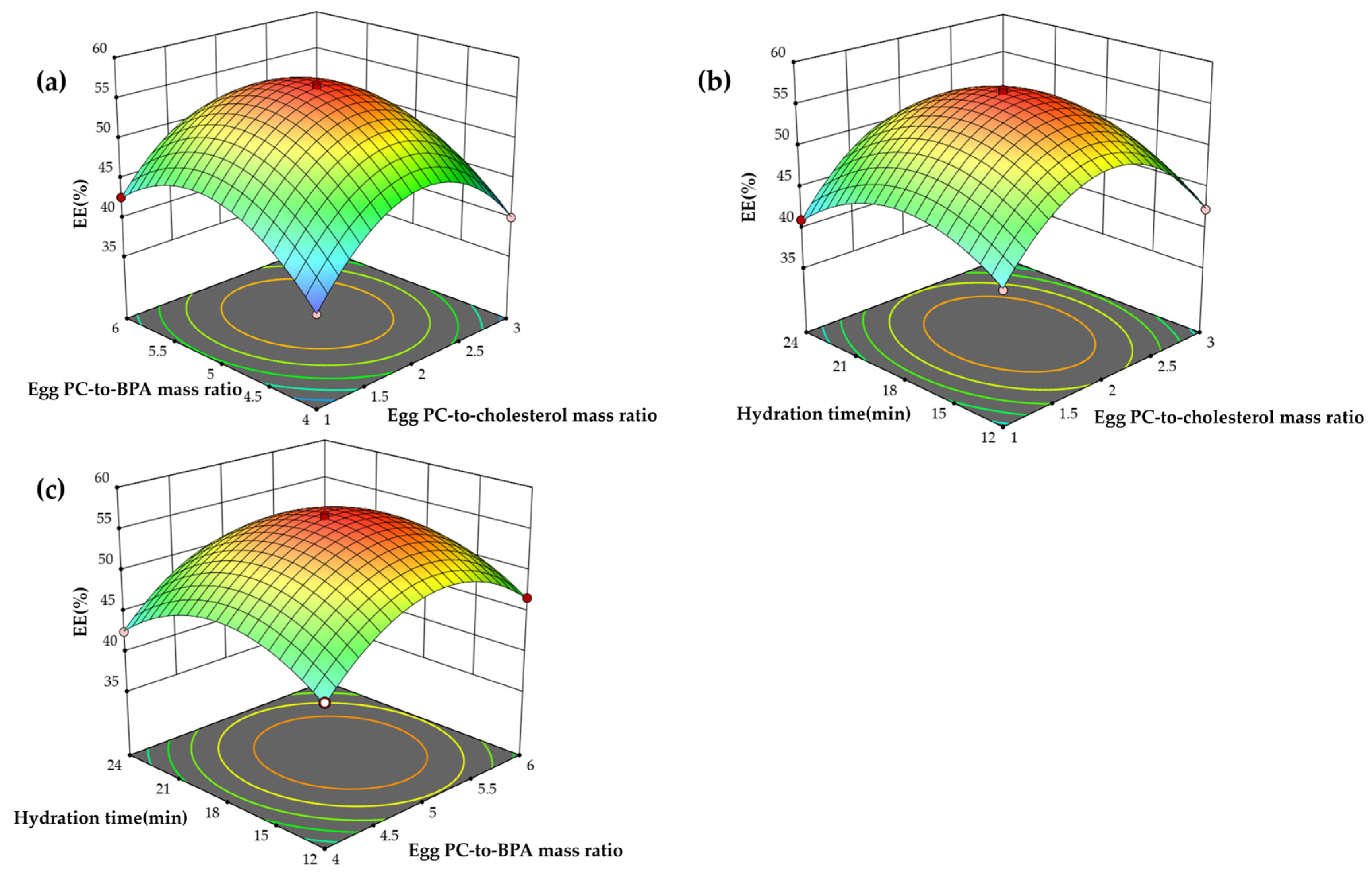
Process Optimization of Novel Boronophenylalanine Liposomes Through Box–Behnken Response Surface Design and Preliminary Evaluation in A549 Lung Carcinoma Cells for Boron Neutron Capture Therapy


Abstract
Share and Cite
Shi, H.; Xu, Q.; Li, F.; Fan, C.; Han, Y. Process Optimization of Novel Boronophenylalanine Liposomes Through Box–Behnken Response Surface Design and Preliminary Evaluation in A549 Lung Carcinoma Cells for Boron Neutron Capture Therapy. Molecules 2026, 31, 1409. https://doi.org/10.3390/molecules31091409
Shi H, Xu Q, Li F, Fan C, Han Y. Process Optimization of Novel Boronophenylalanine Liposomes Through Box–Behnken Response Surface Design and Preliminary Evaluation in A549 Lung Carcinoma Cells for Boron Neutron Capture Therapy. Molecules. 2026; 31(9):1409. https://doi.org/10.3390/molecules31091409
Chicago/Turabian StyleShi, Haojie, Qianlong Xu, Fenglin Li, Caiyun Fan, and Yi Han. 2026. "Process Optimization of Novel Boronophenylalanine Liposomes Through Box–Behnken Response Surface Design and Preliminary Evaluation in A549 Lung Carcinoma Cells for Boron Neutron Capture Therapy" Molecules 31, no. 9: 1409. https://doi.org/10.3390/molecules31091409
APA StyleShi, H., Xu, Q., Li, F., Fan, C., & Han, Y. (2026). Process Optimization of Novel Boronophenylalanine Liposomes Through Box–Behnken Response Surface Design and Preliminary Evaluation in A549 Lung Carcinoma Cells for Boron Neutron Capture Therapy. Molecules, 31(9), 1409. https://doi.org/10.3390/molecules31091409