Biochemistry of Human Gut Microbiota: Related Diseases and Dietary Interactions


Abstract
1. Introduction
2. Understanding the Composition and the Role of Gut Microbiota
2.1. The Most Abundant Species in Gut Microbiota and Their Roles
2.1.1. Firmicutes
Faecalibacterium
Roseburia
Blautia
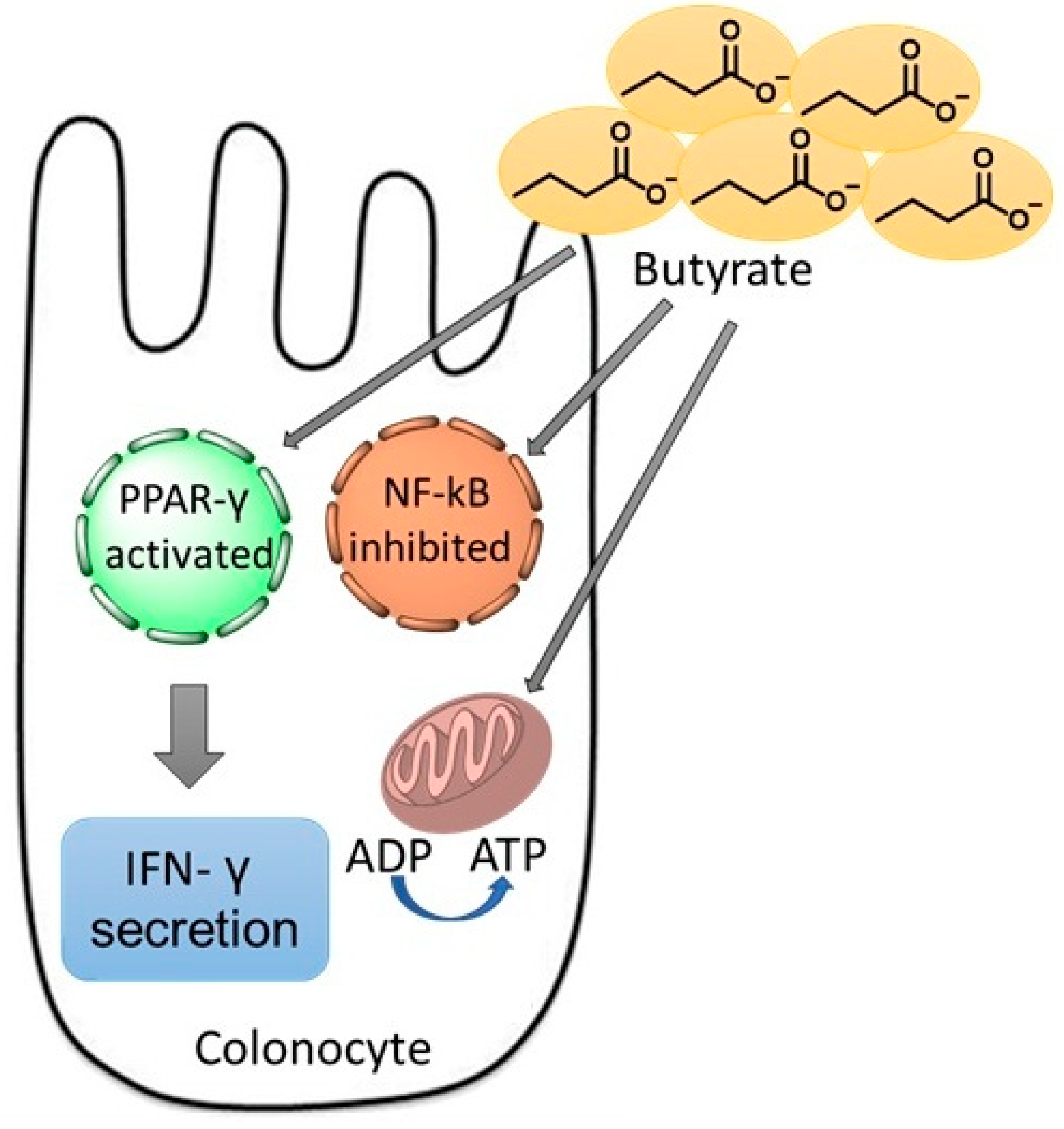
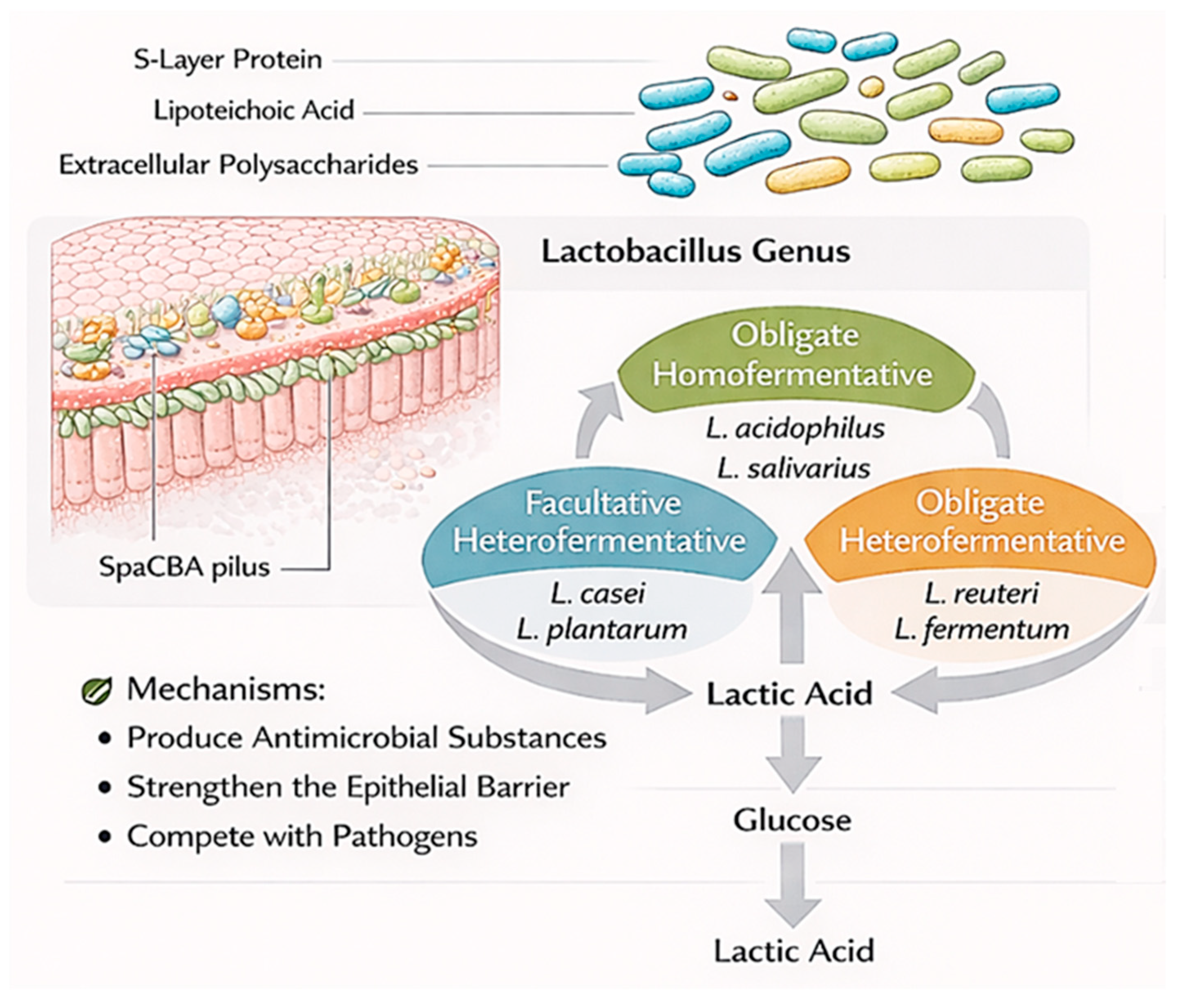
Lactobacillus
Clostridium
2.1.2. Bacteroidetes
Bacteroides and Parabacteroides
Prevotella
Alistipes
2.1.3. Actinobacteria
Bifidobacterium
Propionibacterium
Corynebacteria
Streptomyces
2.1.4. Proteobacteria
Alphaproteobacteria
Gammaproteobacteria
2.1.5. Verrucomicrobia
2.1.6. Fusobacteria
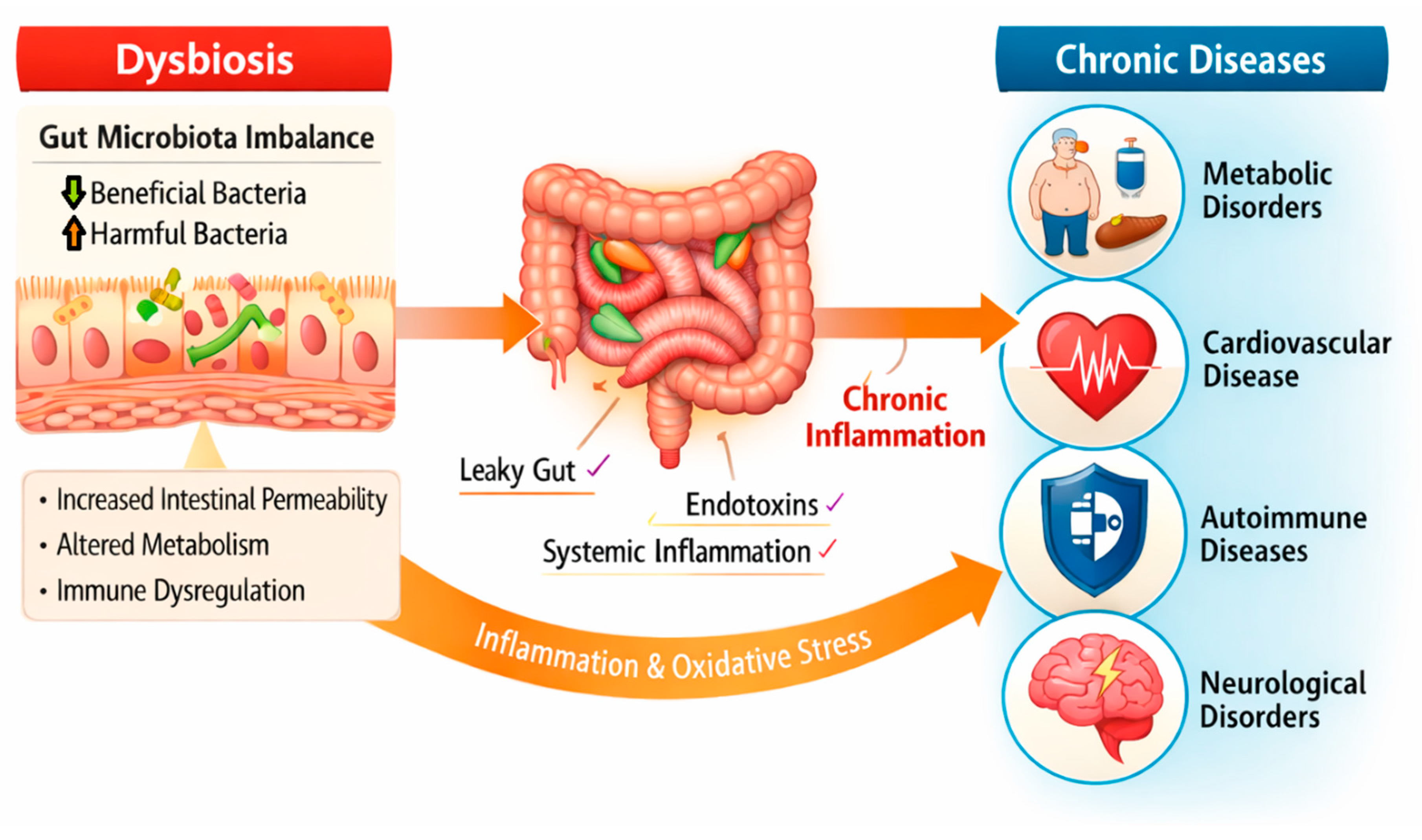
3. The Most Common Microbiota Associated Diseases
3.1. Gut Microbiota and Obesity
3.2. Gut Microbiota and Gout Disease
3.3. Gut Microbiota and Diabetes Mellitus
3.4. Gut Microbiota and Inflammatory Bowel Diseases
4. Impact of Nutrients on Gut Microbiota
4.1. The Role of Carbohydrates in Gut Microbiota Modulation
4.2. The Role of Proteins and Amino Acids
4.3. The Role of Dietary Lipids
4.4. The Role of Polyphenols and Phytochemicals
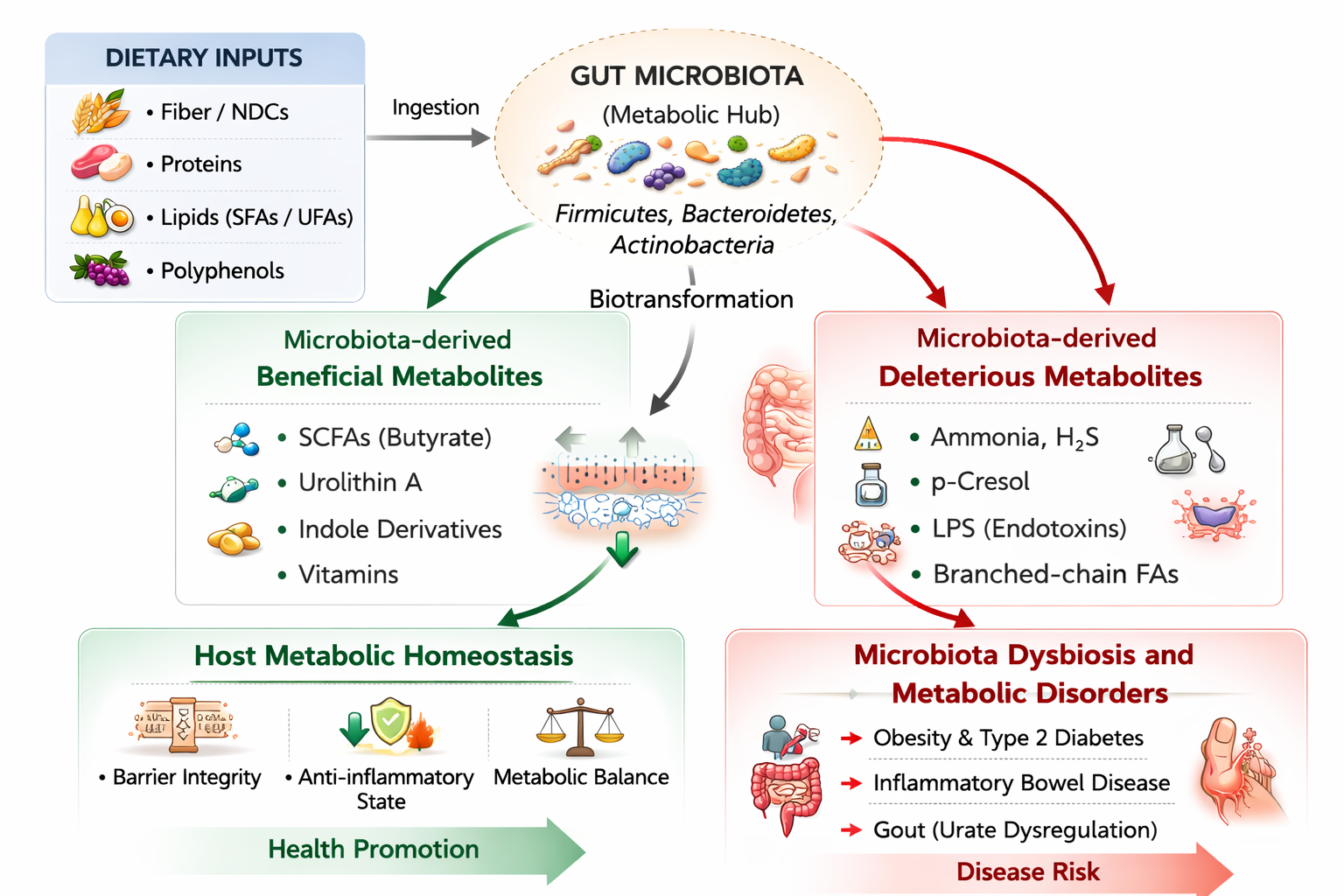
5. Discussion
6. Future Directions
7. Conclusions
Author Contributions
Funding
Data Availability Statement
Acknowledgments
Conflicts of Interest
References
- Gomaa, E.Z. Human gut microbiota/microbiome in health and diseases: A review. Antonie Van Leeuwenhoek 2020, 113, 2019–2040. [Google Scholar] [CrossRef] [PubMed]
- Chang, C.; Yuan, X.; Zhang, X.; Chen, X.; Li, K. Gastrointestinal microbiome and multiple health outcomes: Umbrella review. Nutrients 2022, 14, 3726. [Google Scholar] [CrossRef]
- Martínez, J.E.; Vargas, A.; Pérez-Sánchez, T.; Encío, I.J.; Cabello-Olmo, M.; Barajas, M. Human microbiota network: Unveiling potential crosstalk between the different microbiota ecosystems and their role in health and disease. Nutrients 2021, 13, 2905. [Google Scholar] [CrossRef] [PubMed]
- Biedermann, L.; Rogler, G. The intestinal microbiota: Its role in health and disease. Eur. J. Pediatr. 2015, 174, 151–167. [Google Scholar] [CrossRef]
- Rosenberg, E. Diversity of bacteria within the human gut and its contribution to the functional unity of holobionts. npj Biofilms Microbiomes 2024, 10, 134. [Google Scholar] [CrossRef]
- Suchiita, A.; Gupta, N.; Nandi, K.; Sonkar, S.; Chandra, L. Harmony within: Unravelling the microbiome–immune system symbiosis for health. Adv. Gut Microbiome Res. 2025, 2025, 9927379. [Google Scholar] [CrossRef]
- Trakman, G.L.; Fehily, S.; Basnayake, C.; Hamilton, A.L.; Russell, E.; Wilson-O’Brien, A.; Kamm, M.A. Diet and gut microbiome in gastrointestinal disease. J. Gastroenterol. Hepatol. 2022, 37, 237–245. [Google Scholar] [CrossRef]
- Malard, F.; Doré, J.; Gaugler, B.; Mohty, M. Introduction to host microbiome symbiosis in health and disease. Mucosal Immunol. 2021, 14, 547–554. [Google Scholar] [CrossRef]
- Derrien, M.; Alvarez, A.S.; de Vos, W.M. The gut microbiota in the first decade of life. Trends Microbiol. 2019, 27, 997–1010. [Google Scholar] [CrossRef] [PubMed]
- Tanaka, M.; Nakayama, J. Development of the gut microbiota in infancy and its impact on health in later life. Allergol. Int. 2017, 66, 515–522. [Google Scholar] [CrossRef]
- Liu, J.; Tan, Y.; Cheng, H.; Zhang, D.; Feng, W.; Peng, C. Functions of gut microbiota metabolites, current status and future perspectives. Aging Dis. 2022, 13, 1106–1126. [Google Scholar] [CrossRef]
- D’Amelio, P.; Sassi, F. Gut microbiota, immune system, and bone. Calcif. Tissue Int. 2018, 102, 415–425. [Google Scholar] [CrossRef] [PubMed]
- Cheng, H.Y.; Ning, M.X.; Chen, D.K.; Ma, W.T. Interactions between the gut microbiota and the host innate immune response against pathogens. Front. Immunol. 2019, 10, 607. [Google Scholar] [CrossRef] [PubMed]
- Rooks, M.G.; Garrett, W.S. Gut microbiota, metabolites and host immunity. Nat. Rev. Immunol. 2016, 16, 341–352. [Google Scholar] [CrossRef]
- Sender, R.; Fuchs, S.; Milo, R. Revised estimates for the number of human and bacteria cells in the body. PLoS Biol. 2016, 14, e1002533. [Google Scholar] [CrossRef]
- Zhang, Y.J.; Li, S.; Gan, R.Y.; Zhou, T.; Xu, D.P.; Li, H.B. Impacts of gut bacteria on human health and diseases. Int. J. Mol. Sci. 2015, 16, 7493–7519. [Google Scholar] [CrossRef]
- Sun, Y.; Zhang, S.; Nie, Q.; He, H.; Tan, H.; Geng, F.; Nie, S. Gut firmicutes: Relationship with dietary fiber and role in host homeostasis. Crit. Rev. Food Sci. Nutr. 2023, 63, 12073–12088. [Google Scholar] [CrossRef]
- Rands, C.M.; Brüssow, H.; Zdobnov, E.M. Comparative genomics groups phages of Negativicutes and classical Firmicutes despite different Gram-staining properties. Environ. Microbiol. 2019, 21, 3989–4001. [Google Scholar] [CrossRef] [PubMed]
- Martín, R.; Ríos-Covián, D.; Huillet, E.; Auger, S.; Khazaal, S.; Bermúdez-Humarán, L.G.; Langella, P. Faecalibacterium: A bacterial genus with promising human health applications. FEMS Microbiol. Rev. 2023, 47, fuad039. [Google Scholar] [CrossRef]
- Lopez-Siles, M.; Duncan, S.H.; Garcia-Gil, L.J.; Martinez-Medina, M. Faecalibacterium prausnitzii: From microbiology to diagnostics and prognostics. ISME J. 2017, 11, 841–852. [Google Scholar] [CrossRef]
- Leylabadlo, H.E.; Ghotaslou, R.; Feizabadi, M.M.; Farajnia, S.; Moaddab, S.Y.; Ganbarov, K.; Kafil, H.S. The critical role of Faecalibacterium prausnitzii in human health: An overview. Microb. Pathog. 2020, 149, 104344. [Google Scholar] [CrossRef]
- Tamanai-Shacoori, Z.; Smida, I.; Bousarghin, L.; Loréal, O.; Meuric, V.; Fong, S.B.; Jolivet-Gougeon, A. Roseburia spp.: A marker of health? Future Microbiol. 2017, 12, 157–170. [Google Scholar] [CrossRef]
- La Rosa, S.L.; Leth, M.L.; Michalak, L.; Hansen, M.E.; Pudlo, N.A.; Glowacki, R.; Westereng, B. The human gut Firmicute Roseburia intestinalis is a primary degrader of dietary β-mannans. Nat. Commun. 2019, 10, 905. [Google Scholar] [CrossRef]
- Song, L.; Sun, Q.; Zheng, H.; Zhang, Y.; Wang, Y.; Liu, S.; Duan, L. Roseburia hominis alleviates neuroinflammation via short-chain fatty acids through histone deacetylase inhibition. Mol. Nutr. Food Res. 2022, 66, 2200164. [Google Scholar] [CrossRef]
- Rui, W.; Li, X.; Wang, L.; Tang, X.; Yang, J. Potential applications of Blautia wexlerae in the regulation of host metabolism. Probiotics Antimicrob. Proteins 2024, 16, 1866–1874. [Google Scholar] [CrossRef] [PubMed]
- Benítez-Páez, A.; Gómez Del Pugar, E.M.; López-Almela, I.; Moya-Pérez, Á.; Codoñer-Franch, P.; Sanz, Y. Depletion of Blautia species in the microbiota of obese children relates to intestinal inflammation and metabolic phenotype worsening. Systems 2020, 5, e00857-19. [Google Scholar] [CrossRef]
- Ozato, N.; Yamaguchi, T.; Mori, K.; Katashima, M.; Kumagai, M.; Murashita, K.; Katsuragi, Y.; Tamada, Y.; Kakuta, M.; Imoto, S.; et al. Two Blautia species associated with visceral fat accumulation: A one-year longitudinal study. Biology 2022, 11, 318. [Google Scholar] [CrossRef] [PubMed]
- Liu, J.; Lv, X.; Ye, T.; Zhao, M.; Chen, Z.; Zhang, Y.; Yang, W.; Xie, H.; Zhan, L.; Chen, L.; et al. Microbiota-microglia crosstalk between Blautia producta and neuroinflammation of Parkinson’s disease: A bench-to-bedside translational approach. Brain Behav. Immun. 2024, 117, 270–282. [Google Scholar] [CrossRef] [PubMed]
- Dempsey, E.; Corr, S.C. Lactobacillus spp. for gastrointestinal health: Current and future perspectives. Front. Immunol. 2022, 13, 840245. [Google Scholar] [CrossRef]
- Gao, H.; Li, X.; Chen, X.; Hai, D.; Wei, C.; Zhang, L.; Li, P. The functional roles of Lactobacillus acidophilus in different physiological and pathological processes. J. Microbiol. Biotechnol. 2022, 32, 1226–1233. [Google Scholar] [CrossRef]
- Hill, D.; Sugrue, I.; Tobin, C.; Hill, C.; Stanton, C.; Ross, R.P. The Lactobacillus casei group: History and health-related applications. Front. Microbiol. 2018, 9, 2107. [Google Scholar] [CrossRef]
- Seddik, H.A.; Bendali, F.; Gancel, F.; Fliss, I.; Spano, G.; Drider, D. Lactobacillus plantarum and its probiotic and food potentialities. Probiotics Antimicrob. Proteins 2017, 9, 111–122. [Google Scholar] [CrossRef]
- Paramithiotis, S. Lactiplantibacillus plantarum, the integral member of vegetable fermentations. Appl. Biosci. 2025, 4, 7. [Google Scholar] [CrossRef]
- Xu, J.; Peng, S.; Xiong, Y.; Zheng, Z.; Liu, M.; Xu, J.; Chen, W.; Liu, M.; Kong, J.; Wang, C.; et al. A review on fermented vegetables: Microbial community and potential upgrading strategy via inoculated fermentation. Compr. Rev. Food Sci. Food Saf. 2024, 23, e13362. [Google Scholar] [CrossRef]
- Guimarães, A.; Santiago, A.; Teixeira, J.A.; Venâncio, A.; Abrunhosa, L. Anti-aflatoxigenic effect of organic acids produced by Lactobacillus plantarum. Int. J. Food Microbiol. 2018, 264, 31–38. [Google Scholar] [CrossRef] [PubMed]
- Arasu, M.V.; Al-Dhabi, N.A.; Ilavenil, S.; Choi, K.C.; Srigopalram, S. In vitro importance of probiotic Lactobacillus plantarum related to medical field. Saudi J. Biol. Sci. 2016, 23, S6–S10. [Google Scholar] [CrossRef] [PubMed]
- Mu, Q.; Tavella, V.J.; Luo, X.M. Role of Lactobacillus reuteri in human health and diseases. Front. Microbiol. 2018, 9, 757. [Google Scholar] [CrossRef]
- Pantaléon, V.; Bouttier, S.; Soavelomandroso, A.P.; Janoir, C.; Candela, T. Biofilms of Clostridium species. Anaerobe 2014, 30, 193–198. [Google Scholar] [CrossRef]
- Rawson, A.M.; Dempster, A.W.; Humphreys, C.M.; Minton, N.P. Pathogenicity and virulence of Clostridium botulinum. Virulence 2023, 14, 2205251. [Google Scholar] [CrossRef] [PubMed]
- Lonati, D.; Schicchi, A.; Crevani, M.; Buscaglia, E.; Scaravaggi, G.; Maida, F.; Cirronis, M.; Petrolini, V.M.; Locatelli, C.A. Foodborne botulism: Clinical diagnosis and medical treatment. Toxins 2020, 12, 509. [Google Scholar] [CrossRef]
- Fung, H.T.; Chan, K.M.; Lam, S.K.T. A review on iatrogenic botulism. Hong Kong J. Emerg. Med. 2020, 27, 356–367. [Google Scholar] [CrossRef]
- Garrigues, L.; Do, T.D.; Bideaux, C.; Guillouet, S.E.; Meynial-Salles, I. Insights into Clostridium tetani: From genome to bioreactors. Biotechnol. Adv. 2022, 54, 107781. [Google Scholar] [CrossRef]
- Smits, W.K.; Lyras, D.; Lacy, D.B.; Wilcox, M.H.; Kuijper, E.J. Clostridium difficile infection. Nat. Rev. Dis. Primers 2016, 2, 16020. [Google Scholar] [CrossRef]
- Martin, J.S.; Monaghan, T.M.; Wilcox, M.H. Clostridium difficile infection: Epidemiology, diagnosis and understanding transmission. Nat. Rev. Gastroenterol. Hepatol. 2016, 13, 206–216. [Google Scholar] [CrossRef]
- Czepiel, J.; Dróżdż, M.; Pituch, H.; Kuijper, E.J.; Perucki, W.; Mielimonka, A.; Goldman, S.; Wultańska, D.; Garlicki, A.; Biesiada, G. Clostridium difficile infection: Review. Eur. J. Clin. Microbiol. Infect. Dis. 2019, 38, 1211–1221. [Google Scholar] [CrossRef]
- Freedman, J.C.; Shrestha, A.; McClane, B.A. Clostridium perfringens enterotoxin: Action, genetics, and translational applications. Toxins 2016, 8, 73. [Google Scholar] [CrossRef] [PubMed]
- Gohari, I.; Navarro, M.A.; Li, J.; Shrestha, A.; Uzal, F.; McClane, B.A. Pathogenicity and virulence of Clostridium perfringens. Virulence 2021, 12, 723–753. [Google Scholar] [CrossRef] [PubMed]
- Navarro, M.A.; McClane, B.A.; Uzal, F.A. Mechanisms of action and cell death associated with Clostridium perfringens toxins. Toxins 2018, 10, 212. [Google Scholar] [CrossRef] [PubMed]
- Oda, M.; Terao, Y.; Sakurai, J.; Nagahama, M. Membrane-binding mechanism of Clostridium perfringens alpha-toxin. Toxins 2015, 7, 5268–5275. [Google Scholar] [CrossRef]
- Goossens, E.; Valgaeren, B.R.; Pardon, B.; Haesebrouck, F.; Ducatelle, R.; Deprez, P.R.; Van Immerseel, F. Rethinking the role of alpha toxin in Clostridium perfringens-associated enteric diseases: A review on bovine necro-haemorrhagic enteritis. Vet. Res. 2017, 48, 9. [Google Scholar] [CrossRef]
- Cassir, N.; Benamar, S.; La Scola, B. Clostridium butyricum: From beneficial to a new emerging pathogen. Clin. Microbiol. Infect. 2016, 22, 37–45. [Google Scholar] [CrossRef] [PubMed]
- Alameddine, J.; Godefroy, E.; Papargyris, L.; Sarrabayrouse, G.; Tabiasco, J.; Bridonneau, C.; Yazdanbakhsh, K.; Sokol, H.; Altare, F.; Jotereau, F. Faecalibacterium prausnitzii skews human DC to prime IL10-producing T cells through TLR2/6/JNK signaling and IL-10, IL-27, CD39, and IDO-1 induction. Front. Immunol. 2019, 10, 143. [Google Scholar] [CrossRef] [PubMed]
- Chollet, L.; Heumel, S.; Deruyter, L.; Bouilloux, F.; Delval, L.; Robert, V.; Gevaert, M.H.; Pichavant, M.; Sencio, V.; Robil, C.; et al. Faecalibacterium duncaniae as a novel next generation probiotic against influenza. Front. Immunol. 2024, 15, 1347676. [Google Scholar] [CrossRef]
- Stoeva, M.K.; Garcia-So, J.; Justice, N.; Myers, J.; Tyagi, S.; Nemchek, M.; McMurdie, P.J.; Kolterman, O.; Eid, J. Butyrate-producing human gut symbiont, Clostridium butyricum, and its role in health and disease. Gut Microbes 2021, 13, 1907272. [Google Scholar] [CrossRef]
- Marion, S.; Studer, N.; Desharnais, L.; Menin, L.; Escrig, S.; Meibom, A.; Hapfelmeier, S.; Bernier-Latmani, R. In vitro and in vivo characterization of Clostridium scindens bile acid transformations. Gut Microbes 2019, 10, 481–503. [Google Scholar] [CrossRef]
- Zhao, X.; Li, D.; Xu, S.; Guo, Z.; Zhang, Y.; Man, L.; Jiang, B.; Hu, X. Clostridium guangxiense sp. nov. and Clostridium neuense sp. nov., two phylogenetically closely related hydrogen-producing species isolated from lake sediment. Int. J. Syst. Evol. Microbiol. 2017, 67, 710–715. [Google Scholar] [CrossRef]
- Engels, C.; Ruscheweyh, H.J.; Beerenwinkel, N.; Lacroix, C.; Schwab, C. The common gut microbe Eubacterium hallii also contributes to intestinal propionate formation. Front. Microbiol. 2016, 7, 713. [Google Scholar] [CrossRef]
- Lu, Y.; Tang, H.; Fan, Q.; Lan, R.; Lin, X.; Zhang, S.; Liu, L.; Xu, J. Eubacterium limosum modulates gut microbiota and produces anti-inflammatory metabolites to alleviate DSS-induced colitis. Front. Immunol. 2025, 16, 1728808. [Google Scholar] [CrossRef]
- Wang, G.; Liu, J.; Zhang, Y.; Xie, J.; Chen, S.; Shi, Y.; Shi, F.; Zhu, S.J. Ginsenoside Rg3 enriches SCFA-producing commensal bacteria to confer protection against enteric viral infection via the cGAS-STING-type I IFN axis. ISME J. 2023, 17, 2426–2440. [Google Scholar] [CrossRef] [PubMed]
- Nie, K.; Ma, K.; Luo, W.; Shen, Z.; Yang, Z.; Xiao, M.; Tong, T.; Yang, Y.; Wang, X. Roseburia intestinalis: A beneficial gut organism from the discoveries in genus and species. Front. Cell. Infect. Microbiol. 2021, 11, 757718. [Google Scholar] [CrossRef]
- Scott, K.P.; Martin, J.C.; Chassard, C.; Clerget, M.; Potrykus, J.; Campbell, G.; Mayer, C.D.; Young, P.; Rucklidge, G.; Ramsay, A.G.; et al. Substrate-driven gene expression in Roseburia inulinivorans: Importance of inducible enzymes in the utilization of inulin and starch. Proc. Natl. Acad. Sci. USA 2011, 108, 4672–4679. [Google Scholar] [CrossRef]
- Crost, E.H.; Coletto, E.; Bell, A.; Juge, N. Ruminococcus gnavus: Friend or foe for human health. FEMS Microbiol. Rev. 2023, 47, fuad014. [Google Scholar] [CrossRef]
- Choo, S.; An, M.; Lim, Y.H. Protective effects of heat-killed Ruminococcus albus against β-amyloid-induced apoptosis on SH-SY5Y cells. J. Microbiol. Biotechnol. 2024, 34, 85–93. [Google Scholar] [CrossRef]
- Segers, M.E.; Lebeer, S. Towards a better understanding of Lactobacillus rhamnosus GG–host interactions. Microb. Cell Factories 2014, 13, 7. [Google Scholar] [CrossRef]
- Qin, D.; Ma, Y.; Wang, Y.; Hou, X.; Yu, L. Contribution of lactobacilli on intestinal mucosal barrier and diseases: Perspectives and challenges of Lactobacillus casei. Life 2022, 12, 1910. [Google Scholar] [CrossRef] [PubMed]
- Troche, J.; Coss Adame, E.; Valdovinos Díaz, M.Á.; Gómez Escudero, O.; Icaza Chávez, M.E.; Chávez-Barrera, J.A.; Zárate Mondragón, F.; Velasco, J.A.R.V.; Aceves Tavares, G.R.; Lira Pedrín, M.A.; et al. Lactobacillus acidophilus LB: A useful pharmabiotic for the treatment of digestive disorders. Ther. Adv. Gastroenterol. 2020, 13, 1756284820971201. [Google Scholar] [CrossRef]
- Huang, F.; Ma, J.W.; Ye, Z.F.; Huang, J.; Zheng, M.J.; Huang, Y.Y.; Zeng, X.A. Lactobacillus gasseri: Screening, functional properties, and current applications in the food industry. Food Rev. Int. 2025, 41, 935–952. [Google Scholar] [CrossRef]
- Gibiino, G.; Lopetuso, L.R.; Scaldaferri, F.; Rizzatti, G.; Binda, C.; Gasbarrini, A. Exploring Bacteroidetes: Metabolic key points and immunological tricks of our gut commensals. Dig. Liver Dis. 2018, 50, 635–639. [Google Scholar] [CrossRef]
- Wexler, A.G.; Goodman, A.L. An insider’s perspective: Bacteroides as a window into the microbiome. Nat. Microbiol. 2017, 2, 17026. [Google Scholar] [CrossRef] [PubMed]
- Wang, C.; Zhao, J.; Zhang, H.; Lee, Y.K.; Zhai, Q.; Chen, W. Roles of intestinal Bacteroides in human health and diseases. Crit. Rev. Food Sci. Nutr. 2021, 61, 3518–3536. [Google Scholar] [CrossRef] [PubMed]
- Cao, C.; Wang, L.; Zhang, X.; Ai, C.; Wang, Z.; Huang, L.; Song, S.; Zhu, B. Interaction between Bacteroidetes species in the fermentation of Lycium barbarum arabinogalactan. Food Chem. 2023, 409, 135288. [Google Scholar] [CrossRef]
- Hassan, Z.; Saier, M.H. Gut Bacteroides species in health and disease. Gut Microbes 2021, 13, 1848158. [Google Scholar] [CrossRef]
- Cui, Y.; Zhang, L.; Wang, X.; Yi, Y.; Shan, Y.; Liu, B.; Zhou, Y.; Lü, X. Roles of intestinal Parabacteroides in human health and diseases. FEMS Microbiol. Lett. 2022, 369, fnac072. [Google Scholar] [CrossRef] [PubMed]
- Tett, A.; Pasolli, E.; Masetti, G.; Ercolini, D.; Segata, N. Prevotella diversity, niches and interactions with the human host. Nat. Rev. Microbiol. 2021, 19, 585–599. [Google Scholar] [CrossRef]
- Larsen, J.M. The immune response to Prevotella bacteria in chronic inflammatory disease. Immunology 2017, 151, 363–374. [Google Scholar] [CrossRef]
- Parker, B.J.; Wearsch, P.A.; Veloo, A.C.; Rodriguez-Palacios, A. The genus Alistipes: Gut bacteria with emerging implications to inflammation, cancer, and mental health. Front. Immunol. 2020, 11, 906. [Google Scholar] [CrossRef]
- Radka, C.D.; Frank, M.W.; Rock, C.O.; Yao, J. Fatty acid activation and utilization by Alistipes finegoldii, a representative Bacteroidetes resident of the human gut microbiome. Mol. Microbiol. 2020, 113, 807–825. [Google Scholar] [CrossRef] [PubMed]
- Lee, K.; Oh, H.J.; Kang, M.S.; Kim, S.; Ahn, S.; Kim, M.J.; Chang, S. Metagenomic analysis of gut microbiome reveals a dynamic change in Alistipes onderdonkii in a preclinical model of pancreatic cancer. Appl. Microbiol. Biotechnol. 2021, 105, 8343–8358. [Google Scholar] [CrossRef] [PubMed]
- Yekani, M.; Baghi, H.B.; Naghili, B.; Vahed, S.Z.; Sóki, J.; Memar, M.Y. To resist and persist: Important factors in the pathogenesis of Bacteroides fragilis. Microb. Pathog. 2020, 149, 104506. [Google Scholar] [CrossRef]
- Elahi, M.; Nakayama-Imaohji, H.; Hashimoto, M.; Tada, A.; Yamasaki, H.; Nagao, T.; Kuwahara, T. The human gut microbe Bacteroides thetaiotaomicron suppresses toxin release from Clostridium difficile by inhibiting autolysis. Antibiotics 2021, 10, 187. [Google Scholar] [CrossRef]
- Putnam, E.E.; Abellón-Ruiz, J.; Killinger, B.J.; Rosnow, J.J.; Wexler, A.G.; Folta-Stogniew, E.; Wright, A.T.; van den Berg, B.; Goodman, A.L. Gut commensal Bacteroidetes encode a novel class of vitamin B12-binding proteins. mBio 2022, 13, e0284521. [Google Scholar] [CrossRef]
- Lin, X.; Xiao, H.M.; Liu, H.M.; Lv, W.Q.; Greenbaum, J.; Gong, R.; Zhang, Q.; Chen, Y.C.; Peng, C.; Xu, X.J.; et al. Gut microbiota impacts bone via Bacteroides vulgatus–valeric acid–related pathways. Nat. Commun. 2023, 14, 6853. [Google Scholar] [CrossRef]
- Grondin, J.M.; Déjean, G.; Van Petegem, F.; Brumer, H. Cell surface xyloglucan recognition and hydrolysis by the human gut commensal Bacteroides uniformis. Appl. Environ. Microbiol. 2022, 88, e0156621. [Google Scholar] [CrossRef]
- Zhang, D.Y.; Li, D.; Chen, S.J.; Zhang, L.J.; Zhu, X.L.; Chen, F.D.; Chen, C.; Wang, Q.; Du, Y.; Xiong, J.X.; et al. Bacteroides uniformis-generated hexadecanedioic acid ameliorates metabolic-associated fatty liver disease. Gut Microbes 2025, 17, 2508433. [Google Scholar] [CrossRef]
- Horvath, T.D.; Ihekweazu, F.D.; Haidacher, S.J.; Ruan, W.; Engevik, K.A.; Fultz, R.; Hoch, K.M.; Luna, R.A.; Oezguen, N.; Spinler, J.K.; et al. Bacteroides ovatus colonization influences the abundance of intestinal short-chain fatty acids and neurotransmitters. iScience 2022, 25, 104158. [Google Scholar] [CrossRef]
- Franke, T.; Deppenmeier, U. Physiology and central carbon metabolism of the gut bacterium Prevotella copri. Mol. Microbiol. 2018, 109, 528–540. [Google Scholar] [CrossRef] [PubMed]
- Ezeji, J.C.; Sarikonda, D.K.; Hopperton, A.; Erkkila, H.L.; Cohen, D.E.; Martinez, S.P.; Cominelli, F.; Kuwahara, T.; Dichosa, A.E.K.; Good, C.E.; et al. Parabacteroides distasonis: Intriguing aerotolerant gut anaerobe with emerging antimicrobial resistance and pathogenic and probiotic roles in human health. Gut Microbes 2021, 13, 1922241. [Google Scholar] [CrossRef] [PubMed]
- Binda, C.; Lopetuso, L.R.; Rizzatti, G.; Gibiino, G.; Cennamo, V.; Gasbarrini, A. Actinobacteria: A relevant minority for the maintenance of gut homeostasis. Dig. Liver Dis. 2018, 50, 421–428. [Google Scholar] [CrossRef] [PubMed]
- Gavzy, S.J.; Kensiski, A.; Lee, Z.L.; Mongodin, E.F.; Ma, B.; Bromberg, J.S. Bifidobacterium mechanisms of immune modulation and tolerance. Gut Microbes 2023, 15, 2291164. [Google Scholar] [CrossRef]
- Yao, S.; Zhao, Z.; Wang, W.; Liu, X. Bifidobacterium longum: Protection against inflammatory bowel disease. J. Immunol. Res. 2021, 2021, 8030297. [Google Scholar] [CrossRef]
- Bozzi Cionci, N.; Baffoni, L.; Gaggìa, F.; Di Gioia, D. Therapeutic microbiology: The role of Bifidobacterium breve as food supplement for the prevention/treatment of paediatric diseases. Nutrients 2018, 10, 1723. [Google Scholar] [CrossRef] [PubMed]
- Segui-Perez, C.; Huang, L.Z.X.; Paganelli, F.L.; Lievens, E.; Strijbis, K. Probiotic Bifidobacterium bifidum strains desialylate MUC13 and increase intestinal epithelial barrier function. Sci. Rep. 2025, 15, E1723. [Google Scholar] [CrossRef] [PubMed]
- Sharma, M.; Wasan, A.; Sharma, R.K. Recent developments in probiotics: An emphasis on Bifidobacterium. Food Biosci. 2021, 41, 100993. [Google Scholar] [CrossRef]
- Chen, J.; Chen, X.; Ho, C.L. Recent development of probiotic Bifidobacteria for treating human diseases. Front. Bioeng. Biotechnol. 2021, 9, 770248. [Google Scholar] [CrossRef]
- Rabah, H.; Rosa do Carmo, F.L.; Jan, G. Dairy Propionibacteria: Versatile probiotics. Microorganisms 2017, 5, 24. [Google Scholar] [CrossRef]
- Thierry, A.; Deutsch, S.M.; Falentin, H.; Dalmasso, M.; Cousin, F.J.; Jan, G. New insights into physiology and metabolism of Propionibacterium freudenreichii. Int. J. Food Microbiol. 2011, 149, 19–27. [Google Scholar] [CrossRef] [PubMed]
- Zasada, A.A.; Mosiej, E. Contemporary microbiology and identification of Corynebacteria spp. causing infections in human. Lett. Appl. Microbiol. 2018, 66, 472–483. [Google Scholar] [CrossRef]
- Alam, K.; Mazumder, A.; Sikdar, S.; Zhao, Y.M.; Hao, J.; Song, C.; Wang, Y.; Sarkar, R.; Islam, S.; Zhang, Y.; et al. Streptomyces: The biofactory of secondary metabolites. Front. Microbiol. 2022, 13, 968053. [Google Scholar] [CrossRef]
- Cuozzo, S.; de Moreno de LeBlanc, A.; LeBlanc, J.G.; Hoffmann, N.; Tortella, G.R. Streptomyces genus as a source of probiotics and its potential for use in health. Microbiol. Res. 2023, 266, 127248. [Google Scholar] [CrossRef]
- Turroni, F.; Duranti, S.; Milani, C.; Lugli, G.A.; van Sinderen, D.; Ventura, M. Bifidobacterium bifidum: A key member of the early human gut microbiota. Microorganisms 2019, 7, 544. [Google Scholar] [CrossRef]
- Cukrowska, B.; Bierła, J.B.; Zakrzewska, M.; Klukowski, M.; Maciorkowska, E. The relationship between the infant gut microbiota and allergy. Nutrients 2020, 12, 946. [Google Scholar] [CrossRef] [PubMed]
- Leser, T.; Baker, A. Bifidobacterium adolescentis—A beneficial microbe. Benef. Microbes 2023, 14, 525–551. [Google Scholar] [CrossRef]
- Zhang, C.; Yu, Z.; Zhao, J.; Zhang, H.; Zhai, Q.; Chen, W. Colonization and probiotic function of Bifidobacterium longum. J. Funct. Foods 2019, 53, 157–165. [Google Scholar] [CrossRef]
- Dikeocha, I.J.; Al-Kabsi, A.M.; Ahmeda, A.F.; Mathai, M.; Alshawsh, M.A. Potential role of Propionibacterium freudenreichii in prevention of colorectal cancer. Int. J. Mol. Sci. 2023, 24, 8080. [Google Scholar] [CrossRef]
- Gargari, G.; Mantegazza, G.; Cremon, C.; Taverniti, V.; Valenza, A.; Barbaro, M.R.; Guglielmetti, S. Collinsella aerofaciens as a predictive marker of response to probiotic treatment in IBS. Gut Microbes 2024, 16, 2298246. [Google Scholar] [CrossRef]
- Shin, N.R.; Whon, T.W.; Bae, J.W. Proteobacteria: Microbial signature of dysbiosis in gut microbiota. Trends Biotechnol. 2015, 33, 496–503. [Google Scholar] [CrossRef] [PubMed]
- Rizzatti, G.; Lopetuso, L.R.; Gibiino, G.; Binda, C.; Gasbarrini, A. Proteobacteria: A common factor in human diseases. BioMed Res. Int. 2017, 2017, 9351507. [Google Scholar] [CrossRef] [PubMed]
- Głowacka, P.; Żakowska, D.; Naylor, K.; Niemcewicz, M.; Bielawska-Drózd, A. Brucella—Virulence factors, pathogenesis and treatment. Pol. J. Microbiol. 2018, 67, 151–161. [Google Scholar] [CrossRef]
- Lai, S.; Chen, Q.; Li, Z. Human Brucellosis: An Ongoing Global Health Challenge. China CDC Wkly. 2021, 3, 120–123. [Google Scholar]
- Byndloss, M.X.; Tsolis, R.M. Brucella spp. Virulence Factors and Immunity. Annu. Rev. Anim. Biosci. 2016, 4, 111–127. [Google Scholar] [CrossRef]
- Bermúdez, C.S.E.; Troyo, A. A Review of the Genus Rickettsia in Central America. Res. Rep. Trop. Med. 2018, 9, 103–112. [Google Scholar] [CrossRef] [PubMed]
- Osterloh, A.; Papp, S.; Moderzynski, K.; Kuehl, S.; Richardt, U.; Fleischer, B. Persisting Rickettsia typhi Causes Fatal Central Nervous System Inflammation. Infect. Immun. 2016, 84, 1615–1632. [Google Scholar] [CrossRef]
- Silva-Ramos, C.R.; Hidalgo, M.; Faccini-Martínez, Á. Clinical, Epidemiological, and Laboratory Features of Rickettsia parkeri Rickettsiosis: A Systematic Review. Ticks Tick-Borne Dis. 2021, 12, 101734. [Google Scholar] [CrossRef]
- Spernovasilis, N.; Markaki, I.; Papadakis, M.; Mazonakis, N.; Ierodiakonou, D. Mediterranean Spotted Fever: Current Knowledge and Recent Advances. Trop. Med. Infect. Dis. 2021, 6, 172. [Google Scholar] [CrossRef] [PubMed]
- Vila, J.; Sáez-López, E.; Johnson, J.R.; Römling, U.; Dobrindt, U.; Cantón, R.; Soto, S.M. Escherichia coli: An Old Friend with New Tidings. FEMS Microbiol. Rev. 2016, 40, 437–463. [Google Scholar] [CrossRef]
- Zhang, Y.; Tan, P.; Zhao, Y.; Ma, X. Enterotoxigenic Escherichia coli: Intestinal Pathogenesis Mechanisms and Colonization Resistance by Gut Microbiota. Gut Microbes 2022, 14, 2055943. [Google Scholar] [CrossRef] [PubMed]
- Mare, A.D.; Ciurea, C.N.; Man, A.; Tudor, B.; Moldovan, V.; Decean, L.; Toma, F. Enteropathogenic Escherichia coli—A Summary of the Literature. Gastroenterol. Insights 2021, 12, 28–40. [Google Scholar] [CrossRef]
- Elias, W.P.; Navarro-Garcia, F. Enteroaggregative Escherichia coli (EAEC). In Escherichia coli in the Americas; Springer International Publishing: Cham, Switzerland, 2016; pp. 27–57. [Google Scholar] [CrossRef]
- Rivas, M.; Chinen, I.; Guth, B.E. Enterohemorrhagic (Shiga Toxin-Producing) Escherichia coli. In Escherichia coli in the Americas; Springer International Publishing: Cham, Switzerland, 2016; pp. 97–123. [Google Scholar] [CrossRef]
- Lampel, K.A.; Formal, S.B.; Maurelli, A.T. A Brief History of Shigella. EcoSal Plus 2018, 8, 10-1128. [Google Scholar] [CrossRef]
- Pakbin, B.; Brück, W.M.; Brück, T.B. Molecular Mechanisms of Shigella Pathogenesis; Recent Advances. Int. J. Mol. Sci. 2023, 24, 2448. [Google Scholar] [CrossRef]
- Eng, S.K.; Pusparajah, P.; Ab Mutalib, N.S.; Ser, H.L.; Chan, K.G.; Lee, L.H. Salmonella: A Review on Pathogenesis, Epidemiology and Antibiotic Resistance. Front. Life Sci. 2015, 8, 284–293. [Google Scholar] [CrossRef]
- Thiennimitr, P.; Winter, S.E.; Bäumler, A.J. Salmonella, the Host and Its Microbiota. Curr. Opin. Microbiol. 2012, 15, 108–114. [Google Scholar] [CrossRef] [PubMed]
- Worley, M.J. Salmonella Type III Secretion System Effectors. Int. J. Mol. Sci. 2025, 26, 2611. [Google Scholar] [CrossRef]
- Dekker, J.P.; Frank, K.M. Salmonella, Shigella, and Yersinia. Clin. Lab. Med. 2015, 35, 225–246. [Google Scholar] [CrossRef]
- Demeure, C.E.; Dussurget, O.; Mas Fiol, G.; Le Guern, A.S.; Savin, C.; Pizarro-Cerdá, J. Yersinia pestis and Plague: An Updated View on Evolution, Virulence Determinants, Immune Subversion, Vaccination, and Diagnostics. Genes Immun. 2019, 20, 357–370. [Google Scholar] [CrossRef]
- Shoaib, M.; Shehzad, A.; Raza, H.; Niazi, S.; Khan, I.M.; Akhtar, W.; Safdar, W.; Wang, Z. A Comprehensive Review on the Prevalence, Pathogenesis and Detection of Yersinia enterocolitica. RSC Adv. 2019, 9, 41010–41021. [Google Scholar] [CrossRef]
- Malfertheiner, P.; Camargo, M.C.; El-Omar, E.; Liou, J.M.; Peek, R.; Schulz, C.; Smith, S.I.; Suerbaum, S. Helicobacter pylori Infection. Nat. Rev. Dis. Primers 2023, 9, 19. [Google Scholar] [CrossRef]
- Sharndama, H.C.; Mba, I.E. Helicobacter pylori: An Up-to-Date Overview on the Virulence and Pathogenesis Mechanisms. Braz. J. Microbiol. 2022, 53, 33–50. [Google Scholar] [CrossRef]
- Camilo, V.; Sugiyama, T.; Touati, E. Pathogenesis of Helicobacter pylori Infection. Helicobacter 2017, 22, e12405. [Google Scholar] [CrossRef]
- Guerra, M.E.S.; Destro, G.; Vieira, B.; Lima, A.S.; Ferraz, L.F.C.; Hakansson, A.P.; Darrieux, M.; Converso, T.R. Klebsiella pneumoniae Biofilms and Their Role in Disease Pathogenesis. Front. Cell. Infect. Microbiol. 2022, 12, 877995. [Google Scholar] [CrossRef] [PubMed]
- Lalitha, C.; Raman, T.; Rathore, S.S.; Ramar, M.; Munusamy, A.; Ramakrishnan, J. ASK2 Bioactive Compound Inhibits MDR Klebsiella pneumoniae by Antibiofilm Activity, Modulating Macrophage Cytokines and Opsonophagocytosis. Front. Cell. Infect. Microbiol. 2017, 7, 346. [Google Scholar] [CrossRef] [PubMed]
- Neog, N.; Phukan, U.; Puzari, M.; Sharma, M.; Chetia, P. Klebsiella oxytoca and Emerging Nosocomial Infections. Curr. Microbiol. 2021, 78, 1115–1123. [Google Scholar] [CrossRef]
- Helminiak, L.; Mishra, S.; Kim, H.K. Pathogenicity and virulence of Rickettsia. Virulence 2022, 13, 1752–1771. [Google Scholar] [CrossRef]
- Sahni, A.; Fang, R.; Sahni, S.K.; Walker, D.H. Pathogenesis of Rickettsial Diseases: Pathogenic and Immune Mechanisms of an Endotheliotropic Infection. Annu. Rev. Pathol. Mech. Dis. 2019, 14, 127–152. [Google Scholar] [CrossRef] [PubMed]
- Leimbach, A.; Hacker, J.; Dobrindt, U. E. coli as an All-Rounder: The Thin Line between Commensalism and Pathogenicity. Curr. Top. Microbiol. Immunol. 2013, 358, 3–32. [Google Scholar] [CrossRef] [PubMed]
- Motyka, N.I.; Stewart, S.R.; Porretta, C.P.; Hollifield, I.E.; Bauer, D.L.; Bitoun, J.P. Enterotoxigenic Escherichia coli enterotoxins regulate epithelial to immune relay of IL-33 and IL-1Ra cytokines. Infect. Immun. 2022, 90, e00637-21. [Google Scholar] [CrossRef] [PubMed]
- Croxen, M.A.; Law, R.J.; Scholz, R.; Keeney, K.M.; Wlodarska, M.; Finlay, B.B. Recent Advances in Understanding Enteric Pathogenic Escherichia coli. Clin. Microbiol. Rev. 2013, 26, 822–880. [Google Scholar] [CrossRef]
- Kotloff, K.L.; Riddle, M.S.; Platts-Mills, J.A.; Pavlinac, P.; Zaidi, A.K. Shigellosis. Lancet 2018, 391, 801–812. [Google Scholar] [CrossRef]
- Ashida, H.; Ogawa, M.; Mimuro, H.; Sasakawa, C. Shigella Infection of Intestinal Epithelium and Circumvention of the Host Innate Defense System. Mol. Mech. Bact. Infect. Via Gut 2009, 337, 231–255. [Google Scholar] [CrossRef]
- Niyogi, S.K. Shigellosis. J. Microbiol. 2005, 43, 133–143. [Google Scholar]
- Jin, M.; Zheng, L.; Wei, Y.; Cheng, J.; Zhang, D.; Yan, S.; Qin, H.; Wang, Q.; Ci, X.; Feng, H. Enterobacter cloacae Aggravates Metabolic Disease by Inducing Inflammation and Lipid Accumulation. Environ. Toxicol. Pharmacol. 2022, 90, 103819. [Google Scholar] [CrossRef]
- Bai, L.; Xia, S.; Lan, R.; Liu, L.; Ye, C.; Wang, Y.; Jin, D.; Cui, Z.; Jing, H.; Xiong, Y.; et al. Isolation and Characterization of Cytotoxic, Aggregative Citrobacter freundii. PLoS ONE 2012, 7, e33054. [Google Scholar] [CrossRef] [PubMed]
- Hall, S.; McDermott, C.; Anoopkumar-Dukie, S.; McFarland, A.J.; Forbes, A.; Perkins, A.V.; Davey, A.K.; Chess-Williams, R.; Kiefel, M.J.; Arora, D.; et al. Cellular Effects of Pyocyanin, a Secreted Virulence Factor of Pseudomonas aeruginosa. Toxins 2016, 8, 236. [Google Scholar] [CrossRef] [PubMed]
- Crone, S.; Vives-Flórez, M.; Kvich, L.; Saunders, A.M.; Malone, M.; Nicolaisen, M.H.; Martínez-García, E.; Rojas-Acosta, C.; Gomez-Puerto, M.C.; Calum, H.; et al. The Environmental Occurrence of Pseudomonas aeruginosa. APMIS 2020, 128, 220–231. [Google Scholar] [CrossRef] [PubMed]
- Armbruster, C.E.; Mobley, H.L.T.; Pearson, M.M. Pathogenesis of Proteus mirabilis Infection. EcoSal Plus 2018, 8, 10-1128. [Google Scholar] [CrossRef]
- Aljahdali, N.H.; Sanad, Y.M.; Han, J.; Foley, S.L. Current Knowledge and Perspectives of Potential Impacts of Salmonella enterica on the Profile of the Gut Microbiota. BMC Microbiol. 2020, 20, 353. [Google Scholar] [CrossRef]
- Fang, X.; Kang, L.; Qiu, Y.F.; Li, Z.S.; Bai, Y. Yersinia enterocolitica in Crohn’s Disease. Front. Cell. Infect. Microbiol. 2023, 13, 1129996. [Google Scholar] [CrossRef]
- Iino, C.; Shimoyama, T. Impact of Helicobacter pylori Infection on Gut Microbiota. World J. Gastroenterol. 2021, 27, 6224–6230. [Google Scholar] [CrossRef]
- Singh, S.B.; Carroll-Portillo, A.; Lin, H.C. Desulfovibrio in the Gut: The Enemy Within? Microorganisms 2023, 11, 1772. [Google Scholar] [CrossRef]
- Schlesner, H.; Jenkins, C.; Staley, J.T. The phylum Verrucomicrobia: A phylogenetically heterogeneous bacterial group. In The Prokaryotes; Rosenberg, E., DeLong, S., Lory, E., Stackebrandt, F., Thompson, F., Eds.; Springer: New York, NY, USA, 2006; Volume 7, pp. 881–896. [Google Scholar]
- Sait, M.; Kamneva, O.K.; Fay, D.S.; Kirienko, N.V.; Polek, J.; Shirasu-Hiza, M.M.; Ward, N.L. Genomic and Experimental Evidence Suggests That Verrucomicrobium spinosum Interacts with Eukaryotes. Front. Microbiol. 2011, 2, 211. [Google Scholar] [CrossRef]
- Geerlings, S.Y.; Kostopoulos, I.; de Vos, W.M.; Belzer, C. Akkermansia muciniphila in the Human Gastrointestinal Tract: When, Where, and How? Microorganisms 2018, 6, 75. [Google Scholar] [CrossRef]
- Zhang, T.; Li, Q.; Cheng, L.; Buch, H.; Zhang, F. Akkermansia muciniphila Is a Promising Probiotic. Microb. Biotechnol. 2019, 12, 1109–1125. [Google Scholar] [CrossRef]
- Gupta, R.S.; Sethi, M. Phylogeny and Molecular Signatures for the Phylum Fusobacteria and Its Distinct Subclades. Anaerobe 2014, 28, 182–198. [Google Scholar] [CrossRef] [PubMed]
- Centor, R.M.; Atkinson, T.P.; Xiao, L. Fusobacterium necrophorum Oral Infections—A Need for Guidance. Anaerobe 2022, 75, 102532. [Google Scholar] [CrossRef]
- Abed, J.; Maalouf, N.; Manson, A.L.; Earl, A.M.; Parhi, L.; Emgård, J.E.M.; Klutstein, M.; Tayeb, S.; Almogy, G.; Atlan, K.A.; et al. Colon Cancer-Associated Fusobacterium nucleatum May Originate from the Oral Cavity and Reach Colon Tumors via the Circulatory System. Front. Cell. Infect. Microbiol. 2020, 10, 400. [Google Scholar] [CrossRef] [PubMed]
- Zhou, Z.; Chen, J.; Yao, H.; Hu, H. Fusobacterium and Colorectal Cancer. Front. Oncol. 2018, 8, 371. [Google Scholar] [CrossRef]
- Allen-Vercoe, E. Fusobacterium varium in Ulcerative Colitis: Is It Population-Based? Dig. Dis. Sci. 2015, 60, 7–8. [Google Scholar] [CrossRef][Green Version]
- Eribe, E.R.K.; Olsen, I. Leptotrichia Species in Human Infections II. J. Oral Microbiol. 2017, 9, 1368848. [Google Scholar] [CrossRef]
- Dmytriv, T.R.; Storey, K.B.; Lushchak, V.I. Intestinal barrier permeability: The influence of gut microbiota, nutrition, and exercise. Front. Physiol. 2024, 15, 1380713. [Google Scholar] [CrossRef]
- Wang, J.; Chen, W.D.; Wang, Y.D. The Relationship Between Gut Microbiota and Inflammatory Diseases: The Role of Macrophages. Front. Microbiol. 2020, 11, 1065. [Google Scholar] [CrossRef]
- Amiri, P.; Hosseini, S.A.; Ghaffari, S.; Tutunchi, H.; Ghaffari, S.; Mosharkesh, E.; Asghari, S.; Roshanravan, N. Role of Butyrate, a Gut Microbiota-Derived Metabolite, in Cardiovascular Diseases: A Comprehensive Narrative Review. Front. Pharmacol. 2022, 12, 837509. [Google Scholar] [CrossRef] [PubMed]
- Salam, M.M.; Yousuf, R.; Salam, M.W.; Haque, M. Obesity and overweight: A global public health issue. Adv. Hum. Biol. 2023, 13, 154–156. [Google Scholar] [CrossRef] [PubMed]
- Lin, X.; Li, H. Obesity: Epidemiology, Pathophysiology, and Therapeutics. Front. Endocrinol. 2021, 12, 706978. [Google Scholar] [CrossRef]
- Heymsfield, S.B.; Wadden, T.A. Mechanisms, Pathophysiology, and Management of Obesity. N. Engl. J. Med. 2017, 376, 254–266. [Google Scholar] [CrossRef] [PubMed]
- Ellulu, M.S.; Patimah, I.; Khaza’ai, H.; Rahmat, A.; Abed, Y. Obesity and Inflammation: The Linking Mechanism and the Complications. Arch. Med. Sci. 2017, 13, 851–863. [Google Scholar] [CrossRef] [PubMed]
- Wu, H.; Ballantyne, C.M. Metabolic Inflammation and Insulin Resistance in Obesity. Circ. Res. 2020, 126, 1549–1564. [Google Scholar] [CrossRef]
- Geng, J.; Ni, Q.; Sun, W.; Li, L.; Feng, X. The Links between Gut Microbiota and Obesity and Obesity-Related Diseases. Biomed. Pharmacother. 2022, 147, 112678. [Google Scholar] [CrossRef]
- Magne, F.; Gotteland, M.; Gauthier, L.; Zazueta, A.; Pesoa, S.; Navarrete, P.; Balamurugan, R. The Firmicutes/Bacteroidetes Ratio: A Relevant Marker of Gut Dysbiosis in Obese Patients? Nutrients 2020, 12, 1474. [Google Scholar] [CrossRef]
- Turnbaugh, P.J.; Ley, R.E.; Mahowald, M.A.; Magrini, V.; Mardis, E.R.; Gordon, J.I. An Obesity-Associated Gut Microbiome with Increased Capacity for Energy Harvest. Nature 2006, 444, 1027–1031. [Google Scholar] [CrossRef]
- Hasani, A.; Ebrahimzadeh, S.; Hemmati, F.; Khabbaz, A.; Hasani, A.; Gholizadeh, P. The Role of Akkermansia muciniphila in Obesity, Diabetes and Atherosclerosis. J. Med. Microbiol. 2021, 70, 001435. [Google Scholar] [CrossRef]
- Crăciun, I.C.; Măgureanu, D.C.; Bocsan, I.C.; Crăciun, A.E.; Buzoianu, A.D.; Neag, M.A. Dietary Fibers and Prebiotics for Gut Microbiota Modulation in Type 2 Diabetes: Mechanisms and Therapeutic Potential. Diabetology 2026, 7, 59. [Google Scholar] [CrossRef]
- Kasubuchi, M.; Hasegawa, S.; Hiramatsu, T.; Ichimura, A.; Kimura, I. Dietary Gut Microbial Metabolites, Short-Chain Fatty Acids, and Host Metabolic Regulation. Nutrients 2015, 7, 2839–2849. [Google Scholar] [CrossRef]
- Liu, S. Mechanisms of gut microbiota in host fat deposition: Metabolites, signaling pathways, and translational applications. Front. Microbiol. 2025, 16, 1675155. [Google Scholar] [CrossRef]
- Coppola, S.; Avagliano, C.; Calignano, A.; Berni Canani, R. The protective role of butyrate against obesity and obesity-related diseases. Molecules 2021, 26, 682. [Google Scholar] [CrossRef]
- Roddy, E.; Doherty, M. Epidemiology of Gout. Arthritis Res. Ther. 2010, 12, 223. [Google Scholar] [CrossRef]
- Chen, X.; Liu, G.; Yuan, Y.; Wu, G.; Wang, S.; Yuan, L. NEK7 interacts with NLRP3 to modulate the pyroptosis in inflammatory bowel disease via NF-κB signaling. Cell Death Dis. 2019, 10, 906. [Google Scholar] [CrossRef]
- Liu, Y.R.; Wang, J.Q.; Li, J. Role of NLRP3 in the Pathogenesis and Treatment of Gout Arthritis. Front. Immunol. 2023, 14, 1137822. [Google Scholar] [CrossRef]
- Tong, S.; Zhang, P.; Cheng, Q.; Chen, M.; Chen, X.; Wang, Z.; Lu, X.; Wu, H. The Role of Gut Microbiota in Gout: Is Gut Microbiota a Potential Target for Gout Treatment. Front. Cell. Infect. Microbiol. 2022, 12, 1051682. [Google Scholar] [CrossRef]
- Sun, L.; Zhang, M.; Zhao, J.; Chen, W.; Wang, G. The Human Gut Microbiota and Uric Acid Metabolism: Genes, Metabolites, and Diet. Crit. Rev. Food Sci. Nutr. 2025, 65, 7612–7632. [Google Scholar] [CrossRef] [PubMed]
- Terkeltaub, R.; Dodd, D. The Gut Microbiome in Hyperuricemia and Gout. Arthritis Rheumatol. 2025, 77, 955–965. [Google Scholar] [CrossRef] [PubMed]
- Shirvani-Rad, S.; Khatibzade-Nasari, N.; Ejtahed, H.S.; Larijani, B. Exploring the Role of Gut Microbiota Dysbiosis in Gout Pathogenesis: A Systematic Review. Front. Med. 2023, 10, 1163778. [Google Scholar] [CrossRef] [PubMed]
- Egan, A.M.; Dinneen, S.F. What is diabetes? Medicine 2019, 47, 1–4. [Google Scholar] [CrossRef]
- Gregg, E.W.; Sattar, N.; Ali, M.K. The Changing Face of Diabetes Complications. Lancet Diabetes Endocrinol. 2016, 4, 537–547. [Google Scholar] [CrossRef]
- Ozougwu, J.C.; Obimba, K.C.; Belonwu, C.D.; Unakalamba, C.B. The Pathogenesis and Pathophysiology of Type 1 and Type 2 Diabetes Mellitus. J. Physiol. Pathophysiol. 2013, 4, 46–57. [Google Scholar] [CrossRef]
- McIntyre, H.D.; Catalano, P.; Zhang, C.; Desoye, G.; Mathiesen, E.R.; Damm, P. Gestational Diabetes Mellitus. Nat. Rev. Dis. Primers 2019, 5, 47. [Google Scholar] [CrossRef] [PubMed]
- Gülden, E.; Wong, F.S.; Wen, L. The Gut Microbiota and Type 1 Diabetes. Clin. Immunol. 2015, 159, 143–153. [Google Scholar] [CrossRef] [PubMed]
- Han, H.; Li, Y.; Fang, J.; Liu, G.; Yin, J.; Li, T.; Yin, Y. Gut Microbiota and Type 1 Diabetes. Int. J. Mol. Sci. 2018, 19, 995. [Google Scholar] [CrossRef]
- Gurung, M.; Li, Z.; You, H.; Rodrigues, R.; Jump, D.B.; Morgun, A.; Shulzhenko, N. Role of Gut Microbiota in Type 2 Diabetes Pathophysiology. EBioMedicine 2020, 51, 102590. [Google Scholar] [CrossRef]
- Baars, D.P.; Fondevila, M.F.; Meijnikman, A.S.; Nieuwdorp, M. The Central Role of the Gut Microbiota in the Pathophysiology and Management of Type 2 Diabetes. Cell Host Microbe 2024, 32, 1280–1300. [Google Scholar] [CrossRef]
- Cunningham, A.L.; Stephens, J.W.; Harris, D.A. Gut Microbiota Influence in Type 2 Diabetes Mellitus. Gut Pathog. 2021, 13, 50. [Google Scholar] [CrossRef]
- Hasain, Z.; Mokhtar, N.M.; Kamaruddin, N.A.; Mohamed Ismail, N.A.; Razalli, N.H.; Gnanou, J.V.; Raja Ali, R.A. Gut Microbiota and Gestational Diabetes Mellitus. Front. Cell. Infect. Microbiol. 2020, 10, 188. [Google Scholar] [CrossRef]
- Hasan, S.; Aho, V.; Pereira, P.; Paulin, L.; Koivusalo, S.B.; Auvinen, P. Gut Microbiome in Gestational Diabetes. Acta Obstet. Et Gynecol. Scand. 2018, 97, 38–46. [Google Scholar] [CrossRef] [PubMed]
- Chen, T.; Qin, Y.; Chen, M.; Zhang, Y.; Wang, X.; Dong, T.; Chen, G.; Sun, X.; Lu, T.; White, R.A.; et al. Gestational Diabetes Mellitus Is Associated with the Neonatal Gut Microbiota and Metabolome. BMC Med. 2021, 19, 120. [Google Scholar] [CrossRef] [PubMed]
- Rytter, H.; Sturgeon, H.; Chassaing, B. Diet–pathobiont interplay in health and inflammatory bowel disease. Trends Microbiol. 2025, 33, 948–960. [Google Scholar] [CrossRef]
- Wehkamp, J.; Götz, M.; Herrlinger, K.; Steurer, W.; Stange, E.F. Inflammatory Bowel Disease. Dtsch. Ärztebl. Int. 2016, 113, 72–82. [Google Scholar] [CrossRef]
- Yin, Y.; Yang, T.; Tian, Z.; Shi, C.; Yan, C.; Li, H.; Du, Y.; Li, G. Progress in the investigation of the Firmicutes/Bacteroidetes ratio as a potential pathogenic factor in ulcerative colitis. J. Med. Microbiol. 2025, 74, 001966. [Google Scholar] [CrossRef]
- Guo, X.Y.; Liu, X.J.; Hao, J.Y. Gut Microbiota in Ulcerative Colitis: Insights on Pathogenesis and Treatment. J. Dig. Dis. 2020, 21, 147–159. [Google Scholar] [CrossRef]
- Ferré, M.P.B.; Boscá-Watts, M.M.; Pérez, M.M. Crohn’s Disease. Med. Clín. 2018, 151, 26–33. [Google Scholar] [CrossRef]
- Petagna, L.; Antonelli, A.; Ganini, C.; Bellato, V.; Campanelli, M.; Divizia, A.; Efrati, C.; Franceschilli, M.; Guida, A.M.; Ingallinella, S.; et al. Pathophysiology of Crohn’s Disease Inflammation and Recurrence. Biol. Direct 2020, 15, 23. [Google Scholar] [CrossRef]
- Caparrós, E.; Wiest, R.; Scharl, M.; Rogler, G.; Gutiérrez Casbas, A.; Yilmaz, B.; Wawrzyniak, M.; Francés, R. Dysbiotic Microbiota Interactions in Crohn’s Disease. Gut Microbes 2021, 13, 1949096. [Google Scholar] [CrossRef]
- Ma, X.; Lu, X.; Zhang, W.; Yang, L.; Wang, D.; Xu, J.; Jia, Y.; Wang, X.; Xie, H.; Li, S.; et al. Gut Microbiota in the Early Stage of Crohn’s Disease Has Unique Characteristics. Gut Pathog. 2022, 14, 46. [Google Scholar] [CrossRef] [PubMed]
- Mottawea, W.; Chiang, C.K.; Mühlbauer, M.; Starr, A.E.; Butcher, J.; Abujamel, T.; Deeke, S.A.; Brandel, A.; Zhou, H.; Shokralla, S.; et al. Altered Intestinal Microbiota–Host Mitochondria Crosstalk in New Onset Crohn’s Disease. Nat. Commun. 2016, 7, 13419. [Google Scholar] [CrossRef]
- Tedjo, D.I.; Smolinska, A.; Savelkoul, P.H.; Masclee, A.A.; van Schooten, F.J.; Pierik, M.J.; Penders, J.; Jonkers, D.M. The Fecal Microbiota as a Biomarker for Disease Activity in Crohn’s Disease. Sci. Rep. 2016, 6, 35216. [Google Scholar] [CrossRef]
- Gibson, G.R.; Hutkins, R.; Sanders, M.E.; Prescott, S.L.; Reimer, R.A.; Salminen, S.J.; Scott, K.; Stanton, C.; Swanson, K.S.; Cani, P.D.; et al. Expert consensus document: The International Scientific Association for Probiotics and Prebiotics (ISAPP) consensus statement on the definition and scope of prebiotics. Nat. Rev. Gastroenterol. Hepatol. 2017, 14, 491–502. [Google Scholar] [CrossRef]
- Xi, M.; Hao, G.; Yao, Q.; Duan, X.; Ge, W. Galactooligosaccharide mediates NF-κB pathway to improve intestinal barrier function and intestinal microbiota. Molecules 2023, 28, 7611. [Google Scholar] [CrossRef]
- Fajstova, A.; Galanova, N.; Coufal, S.; Malkova, J.; Kostovcik, M.; Cermakova, M.; Kostovcikova, K. Diet rich in simple sugars promotes pro-inflammatory response via gut microbiota alteration and TLR4 signaling. Cells 2020, 9, 2701. [Google Scholar] [CrossRef] [PubMed]
- Spragge, F.; Bakkeren, E.; Jahn, M.T.; Araujo, E.B.N.; Pearson, C.F.; Wang, X.; Foster, K.R. Microbiome diversity protects against pathogens by nutrient blocking. Science 2023, 382, eadj3502. [Google Scholar] [CrossRef] [PubMed]
- Zhang, P. Influence of foods and nutrition on the gut microbiome and implications for intestinal health. Int. J. Mol. Sci. 2022, 23, 9588. [Google Scholar] [CrossRef] [PubMed]
- Qu, S.; Zheng, Y.; Huang, Y.; Feng, Y.; Xu, K.; Zhang, W.; Qin, M. Excessive consumption of mucin by over-colonized Akkermansia muciniphila promotes intestinal barrier damage during malignant intestinal environment. Front. Microbiol. 2023, 14, 1111911. [Google Scholar] [CrossRef]
- Townsend, G.E.; Han, W.; Schwalm, N.D., III; Raghavan, V.; Barry, N.A.; Goodman, A.L.; Groisman, E.A. Dietary sugar silences a colonization factor in a mammalian gut symbiont. Proc. Natl. Acad. Sci. USA 2019, 116, 233–238. [Google Scholar] [CrossRef]
- Petrut, S.M.; Bragaru, A.M.; Munteanu, A.E.; Moldovan, A.D.; Moldovan, C.A.; Rusu, E. Gut over Mind: Exploring the Powerful Gut–Brain Axis. Nutrients 2025, 17, 842. [Google Scholar] [CrossRef]
- Randeni, N.; Xu, B. Critical review of the cross-links between dietary components, the gut microbiome, and depression. Int. J. Mol. Sci. 2025, 26, 614. [Google Scholar] [CrossRef]
- Diether, N.E.; Willing, B.P. Microbial fermentation of dietary protein: An important factor in diet–microbe–host interaction. Microorganisms 2019, 7, 19. [Google Scholar] [CrossRef] [PubMed]
- Jackson, R.; Yao, T.; Bulut, N.; Cantu-Jungles, T.M.; Hamaker, B.R. Protein combined with certain dietary fibers increases butyrate production in gut microbiota fermentation. Food Funct. 2024, 15, 3186–3198. [Google Scholar] [CrossRef]
- Ezzine, C.; Loison, L.; Montbrion, N.; Bôle-Feysot, C.; Déchelotte, P.; Coëffier, M.; Ribet, D. Fatty acids produced by the gut microbiota dampen host inflammatory responses by modulating intestinal SUMOylation. Gut Microbes 2022, 14, 2108280. [Google Scholar] [CrossRef]
- Torres, N.; Tobón-Cornejo, S.; Velazquez-Villegas, L.A.; Noriega, L.G.; Alemán-Escondrillas, G.; Tovar, A.R. Amino acid catabolism: An overlooked area of metabolism. Nutrients 2023, 15, 3378. [Google Scholar] [CrossRef]
- Zhang, Y.; Xu, X.; Fan, X.; Wu, Y.; Zhang, X.; Wu, Y.; Zou, Q. Unraveling p-Cresol: From biosynthesis to biological and biochemical activities. Front. Pharmacol. 2025, 16, 1665421. [Google Scholar] [CrossRef]
- Guo, F.F.; Yu, T.C.; Hong, J.; Fang, J.Y. Emerging roles of hydrogen sulfide in inflammatory and neoplastic colonic diseases. Front. Physiol. 2016, 7, 156. [Google Scholar] [CrossRef] [PubMed]
- Dordević, D.; Jančíková, S.; Vítězová, M.; Kushkevych, I. Hydrogen sulfide toxicity in the gut environment: Meta-analysis of sulfate-reducing and lactic acid bacteria in inflammatory processes. J. Adv. Res. 2021, 27, 55–69. [Google Scholar] [CrossRef]
- Mohammadi, F.; Rudkowska, I. Dietary lipids, gut microbiota, and their metabolites: Insights from recent studies. Nutrients 2025, 17, 639. [Google Scholar] [CrossRef]
- Kang, G.G.; Trevaskis, N.L.; Murphy, A.J.; Febbraio, M.A. Diet-induced gut dysbiosis and inflammation: Key drivers of obesity-driven NASH. Science 2023, 26, 105905. [Google Scholar] [CrossRef] [PubMed]
- Noureldein, M.H.; Rumora, A.E.; Teener, S.J.; Rigan, D.M.; Hayes, J.M.; Mendelson, F.E.; Carter, A.D.; Rubin, W.G.; Savelieff, M.G.; Feldman, E.L. Dietary Fatty Acid Composition Alters Gut Microbiome in Mice with Obesity-Induced Peripheral Neuropathy. Nutrients 2025, 17, 737. [Google Scholar] [CrossRef]
- Yue, X.; Wen, S.; Long-Kun, D.; Man, Y.; Chang, S.; Min, Z.; Shuang-Yu, L.; Xin, Q.; Jie, M.; Liang, W. Three important short-chain fatty acids (SCFAs) attenuate the inflammatory response induced by 5-FU and maintain the integrity of intestinal mucosal tight junction. BMC Immunol. 2022, 23, 19. [Google Scholar] [CrossRef]
- Makarewicz, M.; Drożdż, I.; Tarko, T.; Duda-Chodak, A. The interactions between polyphenols and microorganisms, especially gut microbiota. Antioxidants 2021, 10, 188. [Google Scholar] [CrossRef]
- Corrêa, T.A.F.; Rogero, M.M.; Hassimotto, N.M.A.; Lajolo, F.M. The two-way polyphenols–microbiota interactions and their effects on obesity and related metabolic diseases. Front. Nutr. 2019, 6, 188. [Google Scholar] [CrossRef] [PubMed]
- Capasso, L.; De Masi, L.; Sirignano, C.; Maresca, V.; Basile, A.; Nebbioso, A.; Bontempo, P. Epigallocatechin gallate (EGCG): Pharmacological properties, biological activities and therapeutic potential. Molecules 2025, 30, 654. [Google Scholar] [CrossRef] [PubMed]
- Al-Harbi, S.A.; Abdulrahman, A.O.; Zamzami, M.A.; Khan, M.I. Urolithins: The gut based polyphenol metabolites of ellagitannins in cancer prevention, a review. Front. Nutr. 2021, 8, 647582. [Google Scholar] [CrossRef] [PubMed]
- Mahdi, L.; Graziani, A.; Baffy, G.; Mitten, E.K.; Portincasa, P.; Khalil, M. Unlocking polyphenol efficacy: The role of gut microbiota in modulating bioavailability and health effects. Nutrients 2025, 17, 2793. [Google Scholar] [CrossRef]
- Chen, J.; Huang, Z.; Cao, X.; Chen, X.; Zou, T.; You, J. Plant-derived polyphenols as Nrf2 activators to counteract oxidative stress and intestinal toxicity induced by deoxynivalenol in swine: An emerging research direction. Antioxidants 2022, 11, 2379. [Google Scholar] [CrossRef]
- Fu, J.; Zheng, Y.; Gao, Y.; Xu, W. Dietary fiber intake and gut microbiota in human health. Microorganisms 2022, 10, 2507. [Google Scholar] [CrossRef]
- Severino, A.; Tohumcu, E.; Tamai, L.; Dargenio, P.; Porcari, S.; Rondinella, D.; Venturini, I.; Maida, M.; Gasbarrini, A.; Cammarota, G.; et al. The microbiome-driven impact of western diet in the development of noncommunicable chronic disorders. Best Pract. Res. Clin. Gastroenterol. 2024, 72, 101923. [Google Scholar] [CrossRef]
- James, D.; Poveda, C.; Walton, G.E.; Elmore, J.S.; Linden, B.; Gibson, J.; Griffin, B.A.; Robertson, M.D.; Lewis, M.C.C. Do high-protein diets have the potential to reduce gut barrier function in a sex-dependent manner? Eur. J. Nutr. 2024, 63, 2035–2054. [Google Scholar] [CrossRef]
- Amamou, A.; O’Mahony, C.; Lopis-Grimalt, M.A.; Cruzel, G.; Caplice, N.; Herisson, F.; Ghosh, S. Gut microbiota and specific response to diet. In Gut Microbiome, Microbial Metabolites and Cardiometabolic Risk; Springer International Publishing: Cham, Switzerland, 2023; pp. 1–29. [Google Scholar] [CrossRef]
- Nguyen, T.T.B.; Jin, Y.Y.; Chung, H.J.; Hong, S.T. Pharmabiotics as an emerging medication for metabolic syndrome and its related diseases. Molecules 2017, 22, 1795. [Google Scholar] [CrossRef] [PubMed]
- Vashisht, E.; Nguyen, H.; Marques, F.Z.; Snelson, M. Diet, Gut Microbiota, and Intestinal Permeability: Emerging Mechanisms in Hypertension Pathogenesis. Can. J. Cardiol. 2026; in press. [CrossRef] [PubMed]
- Bailey, M.A.; Thompson, S.V.; Mysonhimer, A.R.; Bennett, J.N.; Vanhie, J.J.; De Lisio, M.; Burd, N.A.; Khan, N.A.; Holscher, H.D. Dietary fiber intake and fecal short-chain fatty acid concentrations are associated with lower plasma lipopolysaccharide-binding protein and inflammation. Am. J. Physiol.-Gastrointest. Liver Physiol. 2023, 324, G369–G377. [Google Scholar] [CrossRef] [PubMed]
- Jian, E.; Wang, M.; Zhang, Z.; Heng, Y.; Zhang, C.; Chen, Q.; Yu, X.; Zhu, Y.; Cai, P. The metabolic endotoxemia and gut microbiota: Research trajectories and hot trends across the centuries (1999–2024). Front. Microbiol. 2025, 16, 1634803. [Google Scholar] [CrossRef]
- Chatterjee, S.; Hebbani, A.V.; Syed, K. Gut Microbiota: An Ally in the Mechanisms and Interventions of Healthy Aging. Gastrointest. Disord. 2025, 7, 68. [Google Scholar] [CrossRef]



| Bacteria | Effect | Mechanism of Action |
|---|---|---|
| Faecalibacterium prausnitzii [52] | Anti-inflammatory | Increased IL-10 secretion through peripheral blood monocytes, dendritic cells (DCs), and macrophages. Production of anti-inflammatory molecules such as butyrate and salicylic acid |
| Faecalibacterium duncaniae [53] | Anti-viral and anti-inflammatory | Reduction in viral load in the lungs, suppressing inflammatory cytokines; improving intestinal microbiota balance and SCFA levels |
| Clostridium butyricum [54] | Anti-inflammatory and immune support | Butyrate production by fermenting dietary fiber and undigestible carbohydrates in the intestine |
| Clostridium scindens [55] | Bile acids metabolizer | Primary bile acid metabolism via 7-dehydroxylation resulting new intermediates (12-oxoLCA, 3-oxoLCA, isoDCA, isoLCA) |
| Clostridium guangxiense and C. neuense [56] | Energy producer and metabolic activity | Production of H2, CO2, acetic acid and butyrate by fermentation and decomposition of organic compounds |
| Eubacterium hallii [57] | Immune support | Use of glucose, acetate and lactate for butyrate and hydrogen production, metabolization of glycerol to 3-hydroxypropionaldehyde (3-HPA, reuterin) and cobalamin (vitamin B12) |
| Eubacterium limosum [58] | Anti-inflammatory and immune support | Role in growth of intestinal epithelial cells. Reduction in the inflammatory cytokine IL-6 by the production of metabolites such as butyrate |
| Blautia spp. [59] | Estrogenic, antilipogenic, anti-inflammatory | Biotransformation of icariin and polymethoxy flavones (PMFs). 7-α-Dehydroxylation of primary bile acids, leading to the formation of lithocholic acid and deoxycholic acid. |
| Roseburia intestinalis [60] | Probiotic and anti-inflammatory | Butyrate production by fermentation of xylan and β-mannan |
| Roseburia inulinivorans [61] | Anti-inflammatory and immune support | Butyrate production by fermentation of inulin |
| Ruminococcus gnavus [62] | Anti-microbial | Adherence to mucosa, bacteriocin production; metabolic activity in carbohydrates |
| Ruminococcus albus [63] | Neuroprotection | Neuron protection from β-amyloid induced toxicity by preventing DNA damage |
| Lactobacillus rhamnosus GG [64] | Anti-microbial and anti-inflammatory | Prevention of apoptosis by Major Secreted Proteins. Stimulation of immunity via lipoteichoic acids. Anti-microbial effect via producing lactic acid |
| Lactobacillus casei [65] | Anti-microbial and anti-inflammatory | Prevention of pathogenic bacterial colonization. Increase in epithelial cell proliferation. Stimulating goblet cells for mucin production. |
| Lactobacillus acidophilus LB [66] | Bacteriostatic and immune support | Biofilm formation, intravacuolar bacteriostatic effect, production of lactic acid |
| Lactobacillus gasseri [67] | Anti-microbial, anti-inflammatory, antioxidant | Production of lactic acid, bacteriocin, and H2O2. Modulation of immune responses by inducing cytokines and antioxidant activity by scavenging reactive oxygen species |
| Bacteria | Effect | Mechanism of Action |
|---|---|---|
| Bacteroides fragilis [79] | Pathogenic | Production of B. fragilis toxin (BFT), leading to multidrug-resistant (MDR) infections in anatomical tissues |
| Bacteroides thetaiotaomicron [80,81] | Anti-inflammatory, B12 transporter | Suppression of C. difficile toxin production, promotion of gut barrier regeneration |
| Bacteroides vulgatus [82] | Inflammatory | Decrease in serum valeric acid (VA) and increase in osteoclast activity, activating pro-inflammatory pathways |
| Bacteroides uniformis [83,84] | Antilipogenic | Degrading plant polysaccharides such as xyloglucan, suppressing ferroptosis in the liver and reducing free fatty acids in circulation |
| Bacteroides ovatus [85] | Therapeutic, immune support | Synthesizing the inhibitory neurotransmitter gamma-aminobutryric acid (GABA), producing SCFA, reducing tryptophan and glutamine levels |
| Prevotella copri [86] | Immune support | Producing SCFA (except propionate) by fermenting complex carbohydrates in the intestine |
| Parabacteroides distasonis [87] | Anti-inflammatory | Reduction in inflammatory cytokines with S-layer containing glycoprotein, succinic acid production |
| Alistipes finegoldii [76] | Protective against colitis | Synthesis of membrane lipids using exogenous fatty acids found in the intestine. |
| Bacteria | Effect | Mechanism of Action |
|---|---|---|
| Bifidobacterium bifidum [100] | Anti-inflammatory | Degradation of complex carbohydrates (e.g., mucin), production of immune system modulators (e.g., TNF-α), prevention of pathogens colonizing in the intestine |
| Bifidobacterium breve [101] | Anti-allergic | Maintaining Th1/Th2 balance by suppressing the production of pro-allergic cytokines such as IL-4 and IL-5 and increasing the secretion of IFN-γ, IL-10 and TGF-β1 |
| Bifidobacterium adolescentis [102] | Anti-inflammatory, antiviral | Protection of the intestinal barrier by thickening the mucus layer, inhibition of inflammation by stimulating T cell expansion and reducing NF-κB activation |
| Bifidobacterium longum [103] | Anti-inflammatory, antiviral | Enhancement of intestinal mucosal layer integrity, maintenance of T cell homeostasis, secretion of SCFAs by degradation of complex carbohydrates |
| Propionibacterium freudenreichii [104] | Anticancer | Production of SCFAs against CRC through apoptosis induction |
| Collinsella aerofaciens [105] | Inflammation | Increase in intestinal permeability, increasing the expression of inflammatory cytokines (IL-17, CXCL1, CXCL5) in some diseases |
| Bacteria | Effect | Mechanism of Action |
|---|---|---|
| Klebsiella pneumoniae [131,132] | Pneumonia, urinary tract infections, liver abscesses, meningitis, bacteremia | Inducing inflammation and immune evasion through lipopolysaccharide (LPS) mediated TLR4 activation, antiphagocytic capsule formation, and enhanced survival via serum resistance and iron acquisition. |
| Klebsiella oxytoca [133] | Antibiotic associated hemorrhagic colitis (AAHC), toxin production | Inducing inflammation and mucosal injury via LPS activity and cytotoxic effects, often associated with antibiotic exposure, providing apoptosis by inhibiting DNA synthesis. |
| Brucella melitensis [109] | Acute and chronic brucellosis | Establishing chronic infection by surviving and replicating within macrophages through inhibition of phagolysosome fusion and modulation of host immune signaling. |
| Brucella abortus [110] | Brucellosis, osteoarticular disease | Persisting intracellularly by remodeling the Brucella-containing vacuole via type IV secretion system (VirB), enabling immune evasion and long-term survival. |
| Rickettsia rickettsii [134] | Rocky Mountain spotted fever | Endothelial invasion and cytosolic spread via Sca/Omp-mediated entry and actin-based motility, driving NF-κB–linked inflammation and vasculitis. |
| Rickettsia typhi [135] | Murine (endemic) typhus | Intracellular infection supported by membranolytic phospholipase activities and causing systemic febrile illness with vascular involvement. |
| Commensal Escherichia coli [136] | Normal gut microbiota | Maintaining gut homeostasis through competitive exclusion and metabolic cross-feeding without inducing inflammation. |
| Escherichia coli (ETEC) [137] | Diarrhea | Inducing secretory diarrhea via heat-labile (LT) and heat-stable (ST) enterotoxins that disrupt cAMP/cGMP signaling. |
| Escherichia coli (EPEC) [138] | Infantile diarrhea | Causing lesions via T3SS-mediated effector injection, leading to epithelial barrier dysfunction. |
| Escherichia coli (EHEC/STEC) [138] | Hemorrhagic colitis | Producing Stx to inhibit host protein synthesis and triggering systemic vascular damage. |
| Shigella dysenteriae [139] | Bacillary dysentery, severe colitis, hemolytic urinary syndrome | Invading colonic epithelial cells via type III secretion system and producing Shiga toxin, causing severe inflammation and epithelial cell death. |
| Shigella flexneri [140] | Bacillary dysentery | Inducing epithelial invasion and intracellular spread through T3SS effectors and actin-based motility, leading to intense mucosal inflammation. |
| Shigella sonnei [141] | Shigellosis | Causing inflammatory diarrhea via epithelial invasion and immune activation, resulting in milder disease compared to other species. |
| Shigella boydii [142] | Bacillary dysentery | Intestinal inflammation through epithelial invasion and cytoskeletal manipulation. |
| Enterobacter cloacae [143] | Metabolic diseases | Inhibiting the phosphorylation of AMPKα and AMPKβ, activation of SREBP-1, increasing inflammatory protein expression and activating the NF-κB signaling pathway |
| Citrobacter freundii [144] | Sporadic infections | Inducing pathogenicity in the terminal ileum and colon through characteristic aggregative adherence to HEp-2 cells |
| Pseudomonas aeruginosa [144,145] | Nosocomial infections | Inducing tissue damage and persistent infection via exotoxin secretion, biofilm formation, and LPS-driven inflammation. |
| Proteus mirabilis [146] | Inflammation, urinary tract infections | Urease-mediated urine alkalinization, enhanced motility, biofilm formation, and LPS-driven inflammation leading to urinary tract damage. |
| Salmonella enterica [147] | Salmonellozis | Invading intestinal epithelial cells via type III secretion systems, triggering LPS-mediated inflammation. |
| Yersinia enterocolita [148] | Crohn’s disease | Activating caspase-3, causing rapid destruction of autophagy, increasing the secretion of TNF-α and IL-1β. |
| Yersinia pestis [125] | Yersiniosis, pneumonic plague | Injecting Yop effector proteins via a type III secretion system to suppress phagocytosis and inflammatory signaling, enabling rapid systemic spread and septic pathology. |
| Helicobacter pylori [149] | Atrophic gastritis, peptic ulcer | Damaging gastric epithelium by cytotoxin AN (CagA) and Vacuolating cytotoxin A (VacA), reduction in stomach acids. |
| Desulfovibrio spp. [150] | IBD | Increasing H2S proliferation and inducing immune responses such as Th17 and Treg. |
| Bacteria | Effect on Host Metabolism | Key Mechanisms of Action |
|---|---|---|
| Firmicutes | Enhanced energy harvest and weight gain | Increased fermentation of dietary polysaccharides; higher caloric extraction, elevated SCFA availability contributing to lipogenesis |
| Ruminococcus spp. | Increased fat accumulation | Degradation of complex carbohydrates, increased monosaccharide availability and energy uptake |
| Clostridium cluster XIVa (some members) | Adiposity promotion | SCFA-mediated activation of lipogenic pathways under energy-rich conditions |
| Enterobacteriaceae | Low-grade systemic inflammation | Lipopolysaccharide (LPS) release causing metabolic endotoxemia and insulin resistance |
| Escherichia coli (pathobiont strains) | Obesity-associated inflammation | LPS-induced TLR4 activation, increased gut permeability and inflammatory signaling |
| Lactobacillus | Prolonged satiety | Lactate production as a substrate for nerve cells |
| L. paracasei | Reduced fat storage | Increased ANGPTL4 expression via PPAR α and γ. ANGPTL4 inhibits lipoprotein lipase (LPL) activity |
| Akkermansia muciniphila | Reduced body weight and improved insulin sensitivity | Strengthening of gut barrier, reduced endotoxemia, modulation of host lipid metabolism |
| Bacteroidetes (overall abundance) | Lower fat mass | Less efficient energy extraction, altered bile acid metabolism |
| Faecalibacterium prausnitzii | Anti-inflammatory, metabolic protection | Butyrate production, inhibition of NF-κB signaling, increased IL-10 |
| Bifidobacterium spp. | Protection against obesity and insulin resistance | Reduced gut permeability; suppression of LPS translocation, SCFA production |
| Roseburia spp. | Improved glucose homeostasis | Butyrate-mediated enhancement of intestinal barrier and anti-inflammatory signaling |
| Nutrient Category | Key Microbial Shifts * | Major Metabolites and Signaling | Health Effects/Outcomes |
|---|---|---|---|
| Non-Digestible Carbohydrates (Fiber) | Bifidobacterium (+), Lactobacillus (+) | SCFAs | Enhanced barrier integrity, anti-inflammatory signaling, energy for colonocytes. |
| Simple Sugars | Alpha diversity (−), Proteobacteria (+), Mucus-degraders, e.g., A. muciniphila, (+) | BDNF, LPS translocation | “Leaky gut,” metabolic endotoxemia, cognitive decline, and mood disorders. |
| Proteins and Amino Acids | Bacteroides (+), Clostridium (+), Fusobacterium (+) | Ammonia, BCFAs, p-Cresol, Hydrogen Sulfide | Potential DNA damage, inhibited butyrate oxidation, risk of Ulcerative Colitis. |
| Tryptophan (Amino Acid) | L. reuteri (+), C. sporogenes (+) | Indole-3-aldehyde, Indole derivatives (AhR ligands) | Maintained BBB integrity, intestinal immunity, neuroprotection. |
| Saturated Fatty Acids (SFAs) | F/B ratio (+), Alpha diversity (−), Desulfovibrio (+) | LPS, Trimethylamine (TMA) | Obesity-related dysbiosis, systemic inflammation, cardiovascular risk (TMAO). |
| Unsaturated Fats (Omega-3) | Prevotella (+), Bifidobacterium (+) | Anti-inflammatory mediators | Suppression of inflammation, fostered eubiosis, metabolic health. |
| Polyphenols and Phytochemicals | Akkermansia (+), Enterobacteriaceae (−) | Urolithin A, Bioavailable phenolic acids | Mitophagy (anti-aging), Nrf2 activation (antioxidant), neuroprotection. |
Disclaimer/Publisher’s Note: The statements, opinions and data contained in all publications are solely those of the individual author(s) and contributor(s) and not of MDPI and/or the editor(s). MDPI and/or the editor(s) disclaim responsibility for any injury to people or property resulting from any ideas, methods, instructions or products referred to in the content. |
© 2026 by the authors. Licensee MDPI, Basel, Switzerland. This article is an open access article distributed under the terms and conditions of the Creative Commons Attribution (CC BY) license.
Share and Cite
Toydemir, S.; Merey, G. Biochemistry of Human Gut Microbiota: Related Diseases and Dietary Interactions. Molecules 2026, 31, 1369. https://doi.org/10.3390/molecules31081369
Toydemir S, Merey G. Biochemistry of Human Gut Microbiota: Related Diseases and Dietary Interactions. Molecules. 2026; 31(8):1369. https://doi.org/10.3390/molecules31081369
Chicago/Turabian StyleToydemir, Sude, and Gokce Merey. 2026. "Biochemistry of Human Gut Microbiota: Related Diseases and Dietary Interactions" Molecules 31, no. 8: 1369. https://doi.org/10.3390/molecules31081369
APA StyleToydemir, S., & Merey, G. (2026). Biochemistry of Human Gut Microbiota: Related Diseases and Dietary Interactions. Molecules, 31(8), 1369. https://doi.org/10.3390/molecules31081369