Cirsium arvense and Cirsium vulgare: Comparative Ethnopharmacology, Phytochemistry and Pharmacological Review

 , , , ,
  and
and
Abstract
1. Introduction
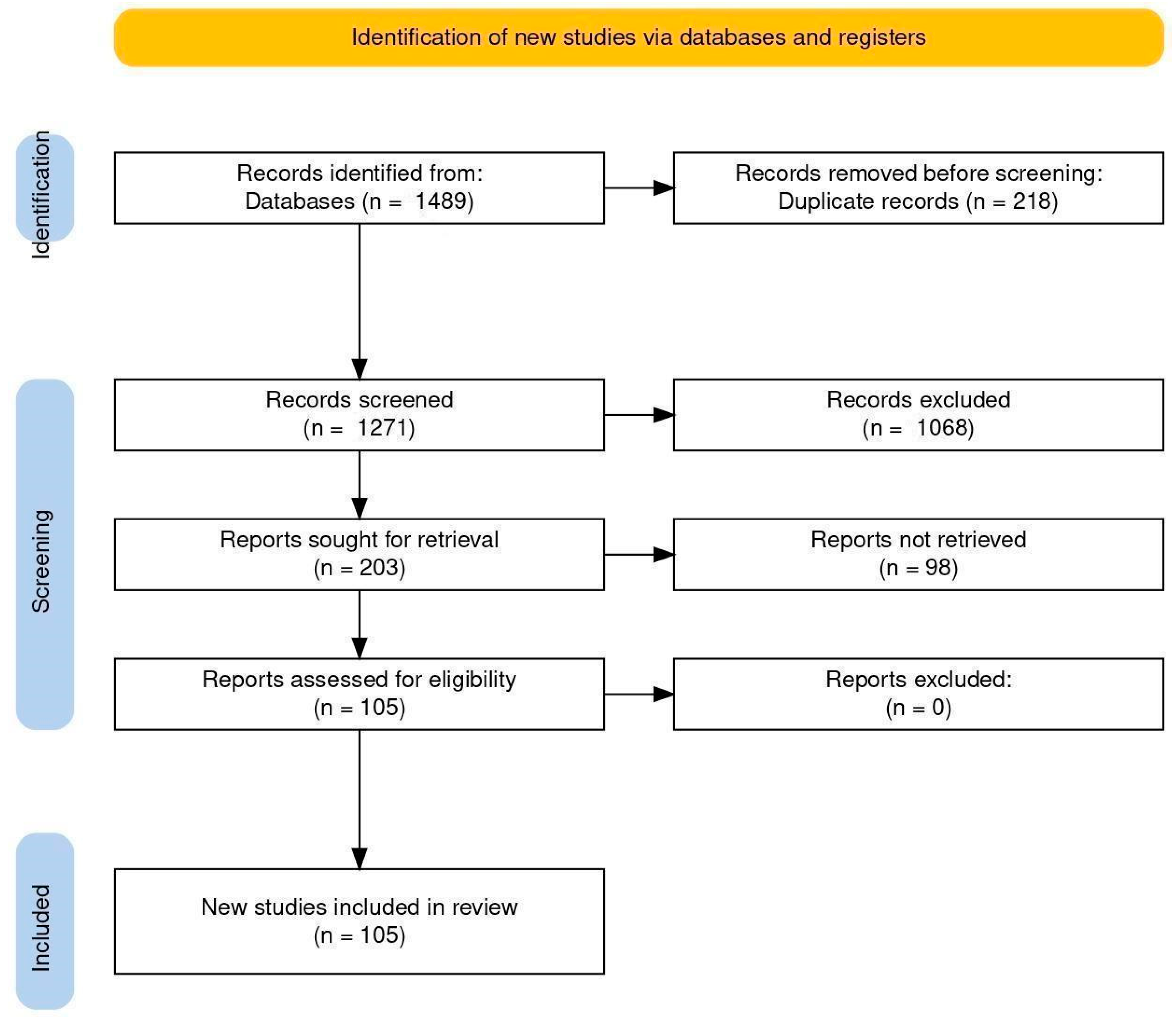
2. Methods
3. Results and Discussion
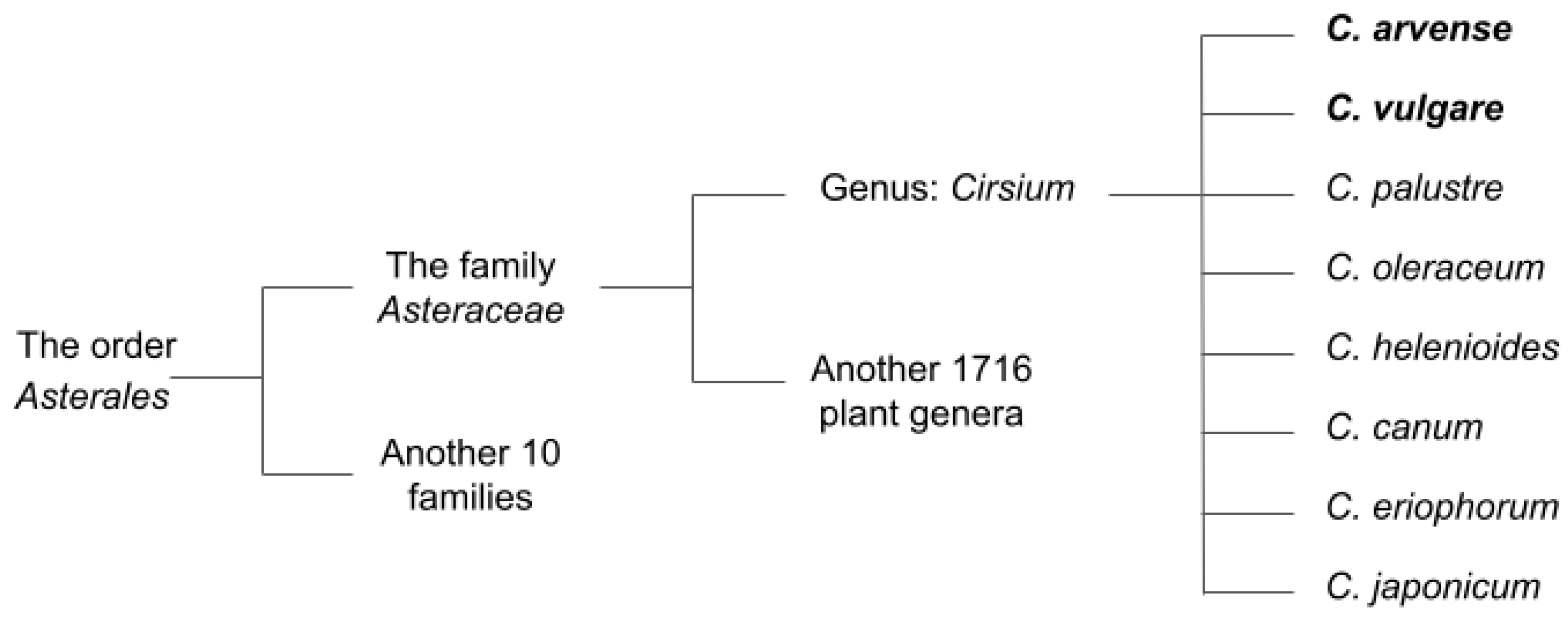
3.1. Geographic Distribution, Taxonomy and Botanical Characteristics of the Genus Cirsium
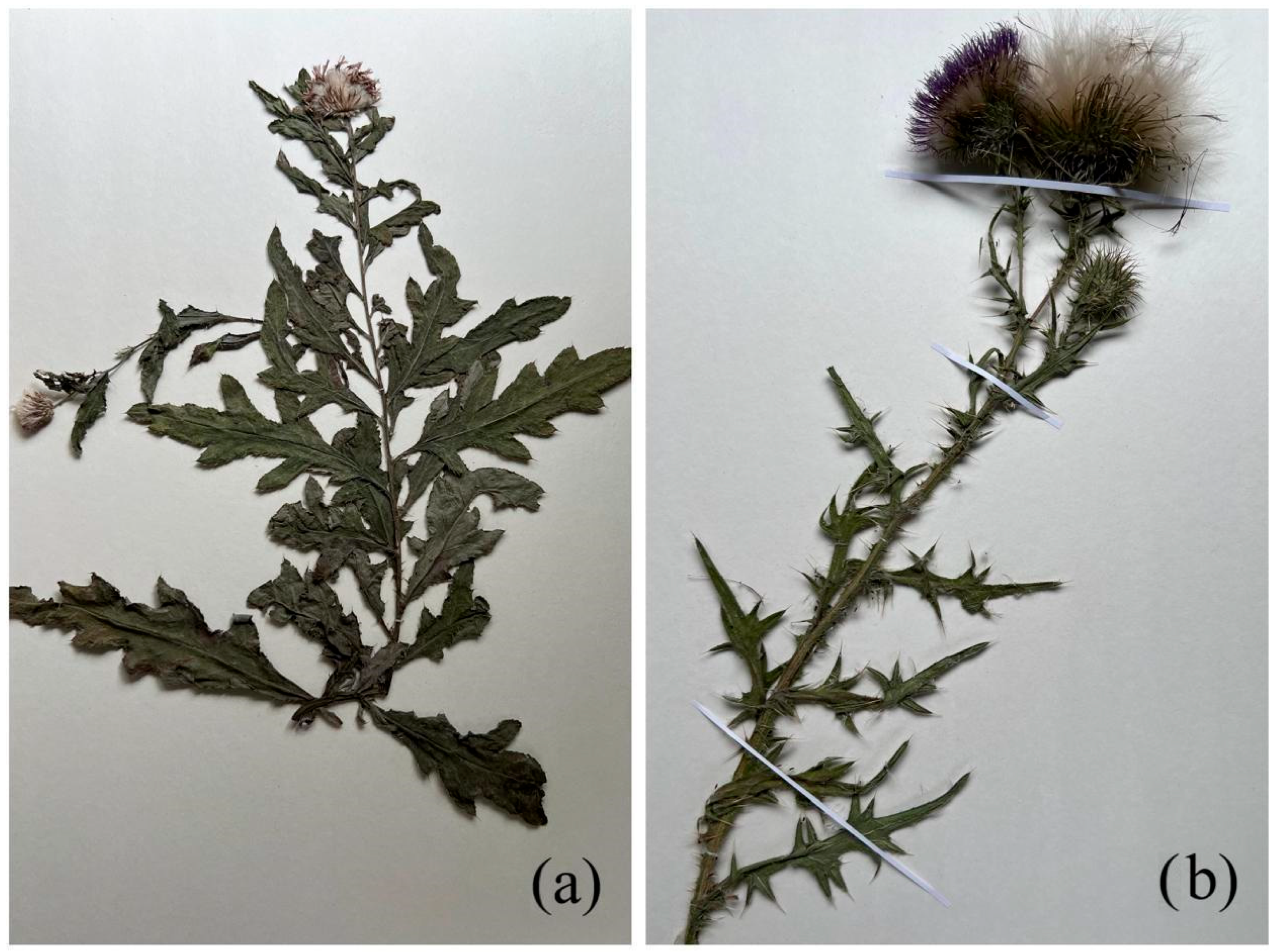
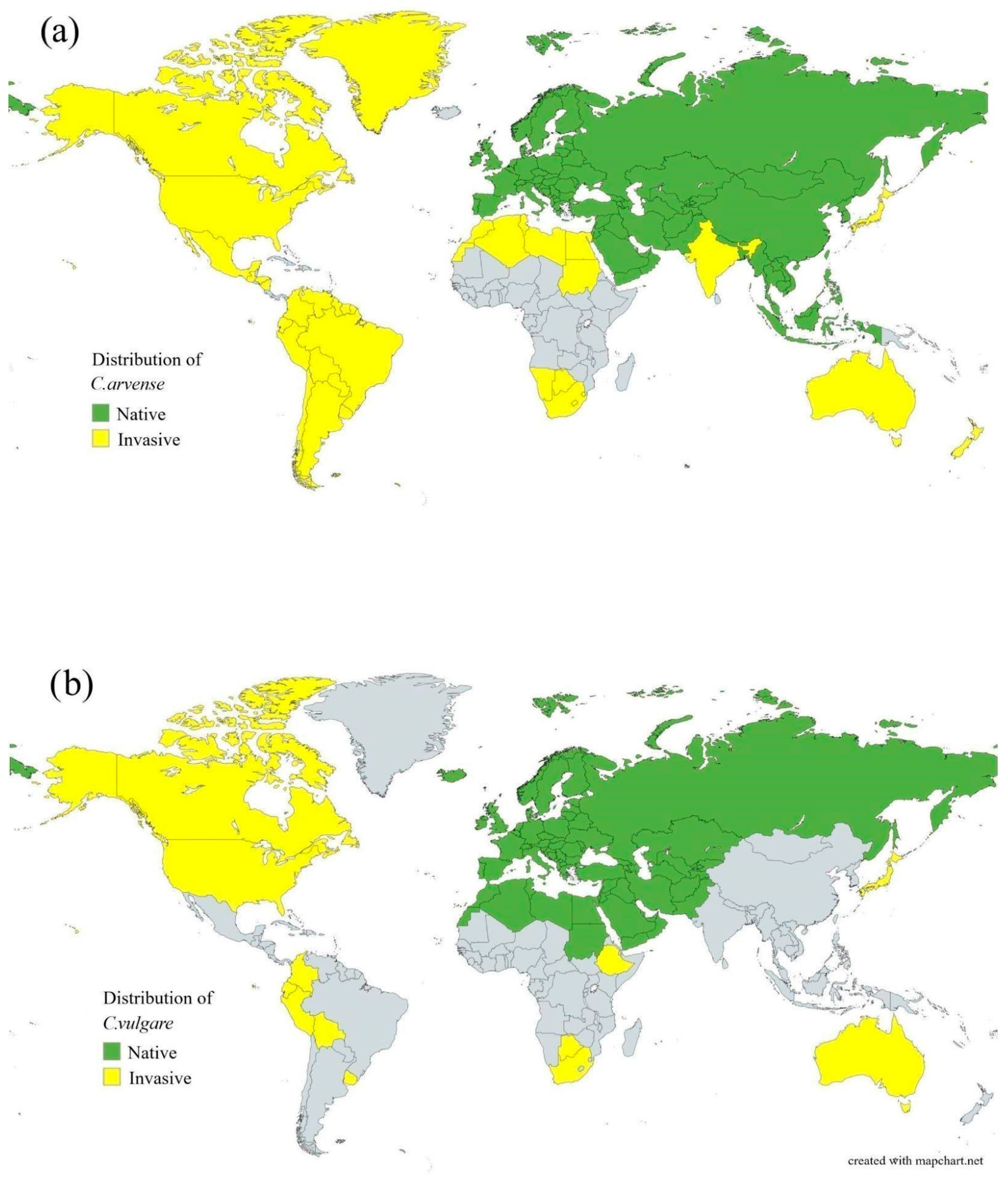
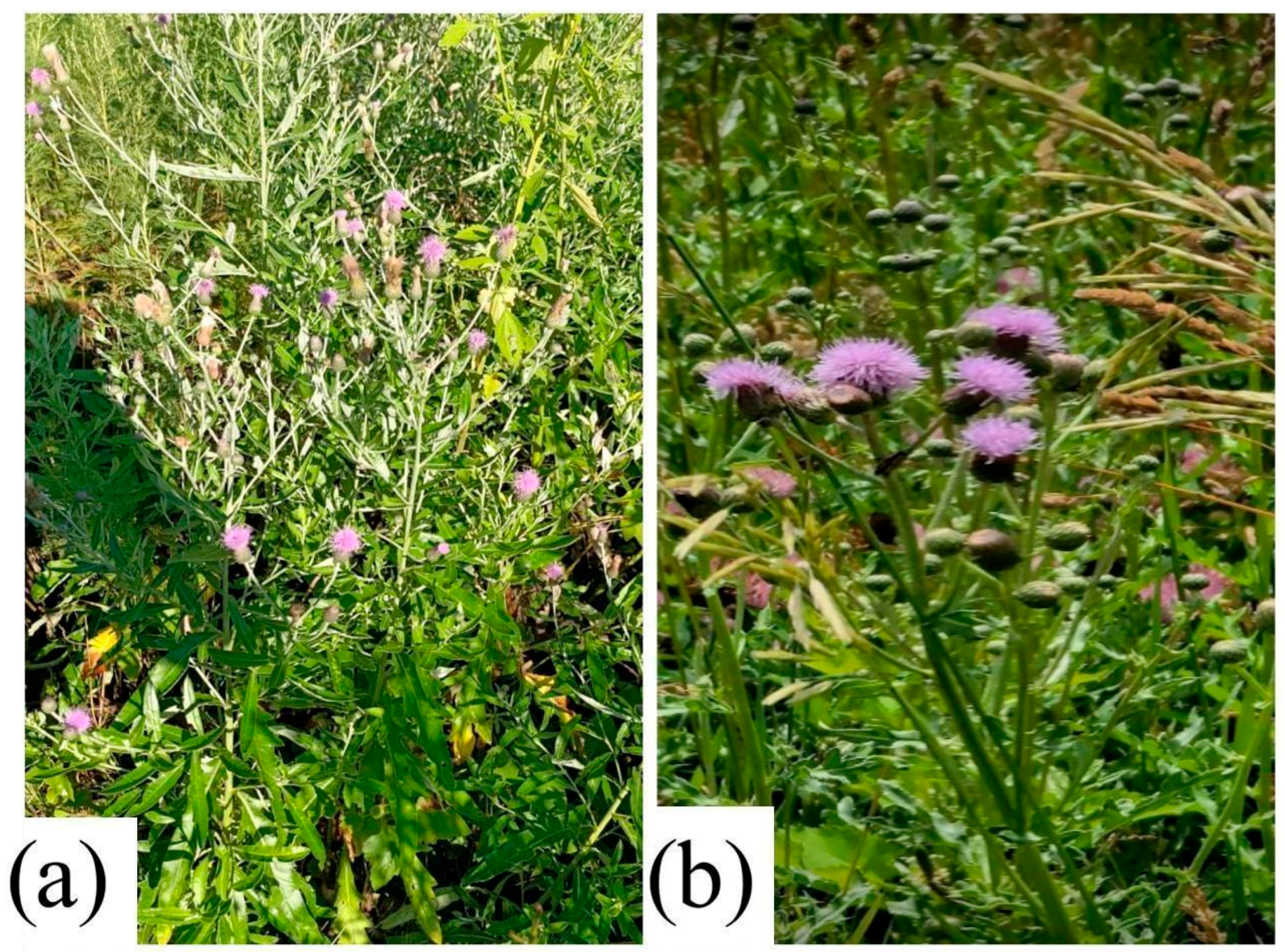
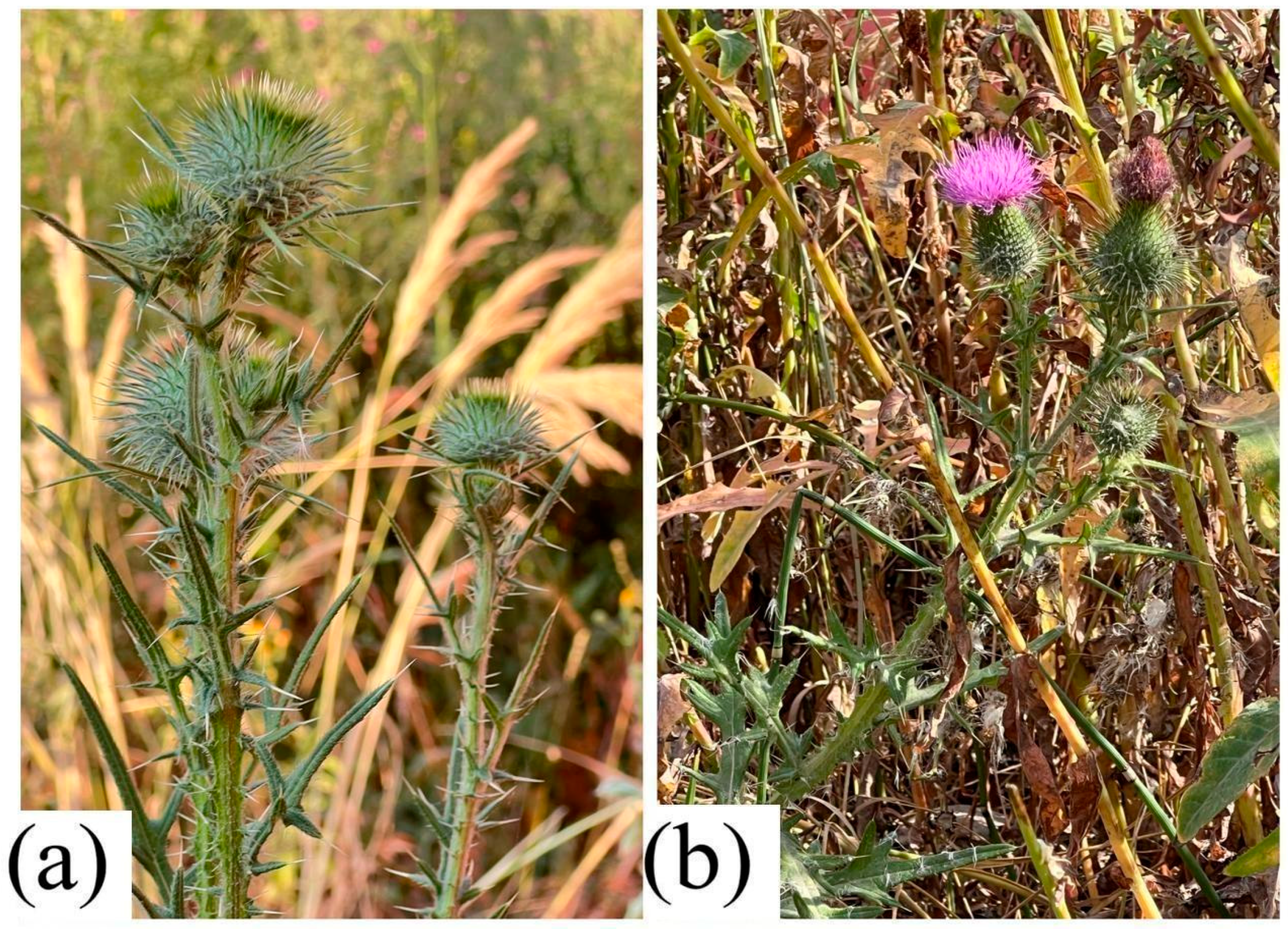
3.2. Botanical Characteristics and Distribution of Selected Species
3.3. Traditional Uses
3.4. Phytochemical Composition of C. arvense and C. vulgare
3.4.1. Flavonoids and Phenolic Acids
3.4.2. Terpenoids, Triterpenes, and Volatile Components
3.5. Structure–Activity Relationships of Major Bioactive Compounds
3.6. Influence of Extraction Methods
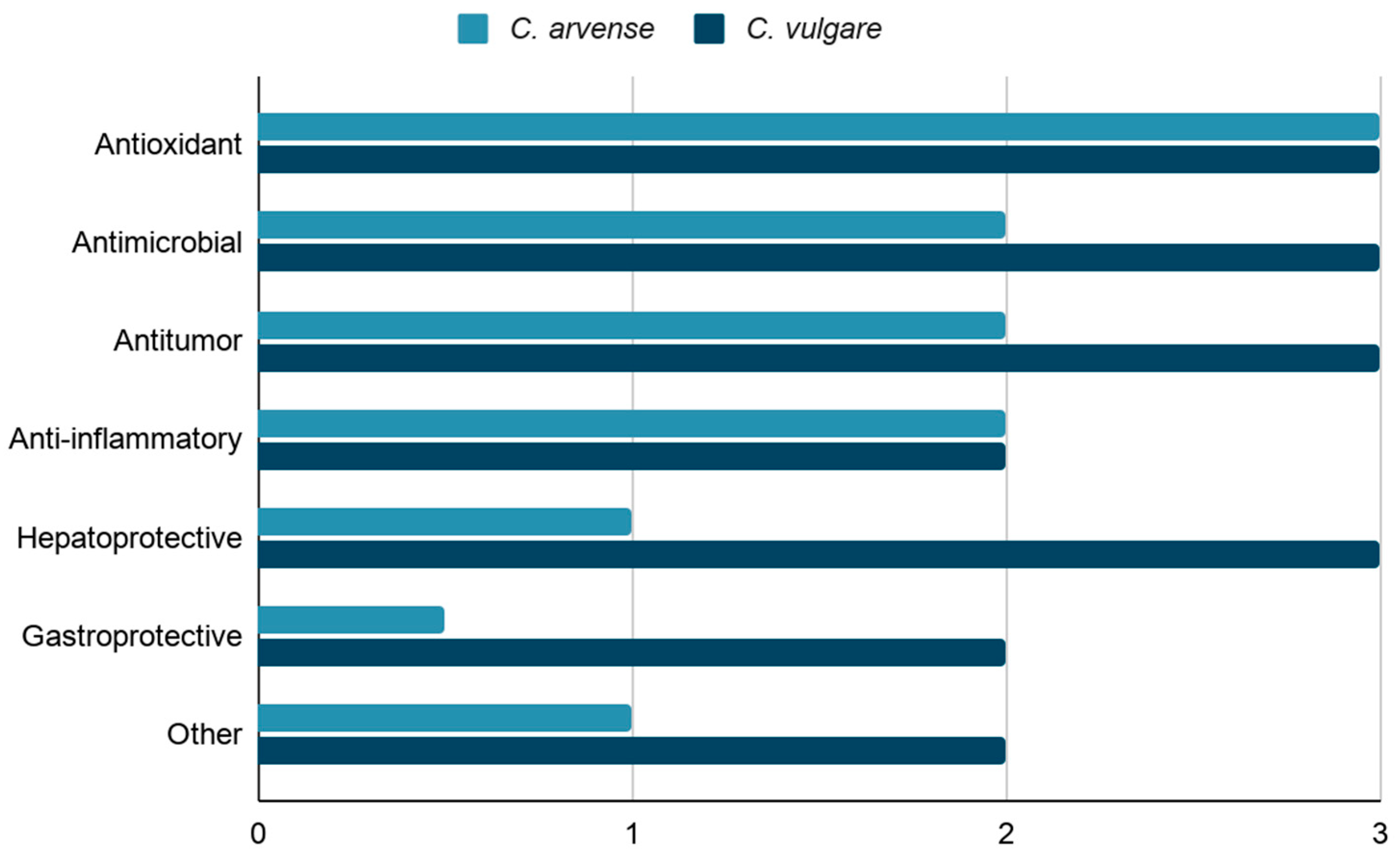
3.7. Activities of Cirsium Species: Biological and Pharmacological
3.7.1. Antioxidant Activity
3.7.2. Antimicrobial Activity
3.7.3. Antitumor Activity
3.7.4. Anti-Inflammatory Activity
3.7.5. Hepatoprotective and Gastroprotective Activities
3.7.6. Other Pharmacological Activities
3.7.7. Toxicological and Pharmacokinetic Aspects
3.7.8. Nanoparticles
4. Comparative Analysis and Discussion
4.1. Limitations of Current Research
4.2. Future Research Perspectives
5. Conclusions
Author Contributions
Funding
Institutional Review Board Statement
Informed Consent Statement
Data Availability Statement
Conflicts of Interest
Abbreviations
| CGA | chlorogenic acid |
| A7G | apigenin-7-O-glucoside |
| ABTS | 2,2′-Azino-bis(3-ethylbenzothiazoline-6-sulfonic acid) |
| DPPH | 2,2-Diphenyl-1-picrylhydrazyl |
| GC–MS | Gas chromatography–mass spectrometry |
| HPLC | High-performance liquid chromatography |
| MRSA | Methicillin-resistant Staphylococcus aureus |
| RP-HPLC-DAD | Reversed-phase high-performance liquid chromatography with diode-array detection |
| MIC | minimum inhibitory concentration |
| COX | cyclooxygenase |
| LOX | lipoxygenase |
| IL-6 | Interleukin-6 |
| TNF-α | Tumor necrosis factor alpha |
| ALT | Alanine aminotransferase |
| AST | Aspartate aminotransferase |
| CCl4 | Carbon tetrachloride |
| MAPK | Mitogen-activated protein kinase |
| NF-κB | Nuclear factor kappa B |
| Nrf2 | Nuclear factor erythroid 2–related factor 2 |
References
- Li, X.; Wang, W. Chinese Materia Medica: Combinations & Applications; Donica Publishing: Lake Arrowhead, CA, USA, 2002. [Google Scholar]
- Luo, W.; Wu, B.; Tang, L.; Li, G.; Chen, H.; Yin, X. Recent research progress of Cirsium medicinal plants in China. J. Ethnopharmacol. 2021, 280, 114475. [Google Scholar] [CrossRef] [Scilit]
- Nazaruk, J.; Czechowska, S.K.; Markiewicz, R.; Borawska, M.H. Polyphenolic compounds and in vitro antimicrobial and antioxidant activity of aqueous extracts from leaves of some Cirsium species. Nat. Prod. Res. 2008, 22, 1583–1588. [Google Scholar] [CrossRef] [Scilit]
- Phaniendra, A.; Jestadi, D.B.; Periyasamy, L. Free radicals: Properties, sources, targets, and their implication in various diseases. Indian J. Clin. Biochem. 2015, 30, 11–26. [Google Scholar] [CrossRef] [Scilit]
- Ashmita, P.; Singh, L.; Kumar, D.; Antil, R.; Dahiya, P. Cirsium arvense: A multi-potent weed. Ann. Biol. 2020, 36, 442–447. [Google Scholar]
- Müller, E.; Nentwig, W. Plant pathogens as biocontrol agents of Cirsium arvense—An overestimated approach? NeoBiota 2011, 11, 1–24. [Google Scholar] [CrossRef] [Scilit]
- Tiley, G.E.D. Biological flora of the British Isles: Cirsium arvense (L.) Scop. J. Ecol. 2010, 98, 938–983. [Google Scholar] [CrossRef] [Scilit]
- Klinkhamer, P.G.L.; de Jong, T.J. Cirsium vulgare (Savi) Ten. J. Ecol. 1993, 81, 177–191. [Google Scholar] [CrossRef] [Scilit]
- Bullock, J.M.; Hill, B.C.; Silvertown, J. Demography of Cirsium vulgare in a grazing experiment. J. Ecol. 1994, 82, 101–111. [Google Scholar] [CrossRef] [Scilit]
- Klinkhamer, P.G.L.; de Jong, T.J.; Meelis, E. Delay of flowering in the “biennial” Cirsium vulgare: Size effects and devernalization. Oikos 1987, 49, 303–308. [Google Scholar] [CrossRef] [Scilit]
- de Jong, T.J.; Klinkhamer, P.G.L.; Nell, H.W.; Troelstra, S.R. Growth and nutrient accumulation of the biennials Cirsium vulgare and Cynoglossum officinale under nutrient-rich conditions. Oikos 1987, 48, 62–72. [Google Scholar] [CrossRef] [Scilit]
- van der Meijden, E.; Wijn, M.; Verkaar, H.J. Defence and regrowth: Alternative plant strategies in the struggle against herbivores. Oikos 1988, 51, 355–363. [Google Scholar] [CrossRef] [Scilit]
- Wesselingh, R.A.; Klinkhamer, P.G.L.; de Jong, T.J.; Schlatmann, E.G.M. A latitudinal cline in vernalization requirement in Cirsium vulgare. Ecography 1994, 17, 272–277. Available online: https://www.jstor.org/stable/3683053 (accessed on 20 December 2025). [CrossRef] [Scilit]
- Akhtar, N.; Mirza, B. Phytochemical analysis and comprehensive evaluation of antimicrobial and antioxidant properties of 61 medicinal plant species. Arab. J. Chem. 2018, 11, 1223–1235. [Google Scholar] [CrossRef] [Scilit]
- Zhao, Z.W.; Chang, H.C.; Ching, H.; Lien, J.C.; Huang, H.C.; Wu, C.R. Antioxidant Effects and Phytochemical Properties of Seven Taiwanese Cirsium Species Extracts. Molecules 2021, 26, 3935. [Google Scholar] [CrossRef] [Scilit]
- Marmitt, D.J.; Shahrajabian, M.H. Plant species used in Brazil and Asia regions with toxic properties. Phytother. Res. 2021, 35, 4703–4726. [Google Scholar] [CrossRef] [Scilit] [PubMed]
- Plants of the World Online. Cirsium Mill. Available online: http://www.plantsoftheworldonline.org/taxon/urn:lsid:ipni.org:names:30001899-2 (accessed on 25 December 2025).
- Mabberley, D.J. Mabberley’s Plant-Book: A Portable Dictionary of Plants, Their Classifications and Uses, 3rd ed.; Cambridge University Press: Cambridge, UK, 2008. [Google Scholar]
- Bureš, P.; Wang, Y.-F.; Horová, L.; Suda, J. Genome size variation in Central European species of Cirsium (Compositae) and their natural hybrids. Ann. Bot. 2004, 94, 353–363. [Google Scholar] [CrossRef] [Scilit] [PubMed]
- Kadota, Y. Species diversification of genus Cirsium (Asteraceae) in Japan. Korean J. Plant Taxon. 2007, 37, 335–349. [Google Scholar] [CrossRef] [Scilit]
- Karthikeyan, S.M.; Sanjappa, S.; Moorthy, S. Flowering Plants of India. In Dicotyledons; BSI: Kolkata, India, 2009. [Google Scholar]
- Bohm, B.A.; Stuessy, T.F. Flavonoids of the Sunflower Family (Asteraceae); Springer: Wien, Austria, 2001. [Google Scholar]
- Venner, L. Common Name: Bull Thistle (Common Thistle, Spear Thistle, Scotch Thistle, Black Thistle, Plume Thistle). Available online: https://www.laurajeanchecki.com/curriculum-vitae/research/bull-thistle-investigation/ (accessed on 22 December 2025).
- Jordon-Thaden, I.E.; Louda, S.M. Chemistry of Cirsium and Carduus: A role in ecological risk assessment for biological control of weeds? Biochem. Syst. Ecol. 2003, 31, 1353–1396. [Google Scholar] [CrossRef] [Scilit]
- Kaul, M.K. Medicinal Plants of Kashmir & Ladakh, Temperate & Cold Arid Himalaya; Indus Publishing Company: New Delhi, India, 1997. [Google Scholar]
- Doucet, C.; Cavers, P.B. Induced dormancy and colour polymorphism in seeds of the bull thistle Cirsium vulgare (Savi) Ten. Seed Sci. Res. 1997, 7, 399–407. [Google Scholar] [CrossRef] [Scilit]
- Román, J.F.C.; Hernández-Lambraño, R.E.; Rodríguez de la Cruz, D.; Agudo, J.A.S. Analysis of the adaptive strategy of Cirsium vulgare (Savi) Ten. in the colonization of new territories. Sustainability 2021, 13, 2384. [Google Scholar] [CrossRef] [Scilit]
- Del Guacchio, E.; Bernardo, L.; Caputo, P.; Carucci, F.; Domina, G.; Iamonico, D. Nomenclatural Synopsis of Cirsium Sect. Eriolepis (Asteraceae) in Italy. Plants 2021, 10, 223. [Google Scholar] [CrossRef] [Scilit]
- Nazaruk, J. Antioxidant activity and total phenolic content in Cirsium five species from north-east region of Poland. Fitoterapia 2008, 79, 194–196. [Google Scholar] [CrossRef] [Scilit]
- Nadkarni, K.M. Indian Materia Medica, 3rd ed.; Popular Prakashan: Mumbai, India, 1996. [Google Scholar]
- Gammerman, A.F.; Krylov, G.V. Lekarstvennye Rasteniya SSSR; Nauka: Moscow, Russia, 1976. [Google Scholar]
- Li, T.S.C. Chinese and Related North American Herbs: Phytopharmacology and Therapeutic Values, 2nd ed.; CRC Press: Boca Raton, FL, USA, 2009. [Google Scholar]
- Kozyra, M.; Głowniak, K. Phenolic acids in extracts obtained from the flowering herbs of Cirsium vulgare (Savi) Ten. growing in Poland. Acta Soc. Bot. Pol. 2013, 82, 325–329. [Google Scholar] [CrossRef] [Scilit]
- Aydın Kurç, M.; Orak, H.H.; Gülen, D.; Caliskan, H.; Argon, M.; Sabudak, T. Antimicrobial and antioxidant efficacy of the lipophilic extract of Cirsium vulgare. Molecules 2023, 28, 7177. [Google Scholar] [CrossRef] [Scilit]
- Ullah, S.; Shakir, L.; Ullah, R. Morphological and phytochemical study of Cirsium arvense from district Mardan Pakistan. J. Bioinform. Biotechnol. Res. 2023, 1, 1–7. [Google Scholar] [CrossRef] [Scilit]
- Khan, A.; Amin, A.; Khan, M.A.; Ali, I. In vitro screening of Cirsium arvense for potential antibacterial and antifungal activities. Pak. J. Pharm. Sci. 2011, 24, 519–522. [Google Scholar]
- Travlos, I.; Roussis, I.E.; Karampasis, N.; Tabaxi, I.; Papadimitriou, D.; Katsenios, N.; Bilalis, D. Thistles of Greece and their potential value as medicinal crops: Study on their first growth. Bull. UASVM Hortic. 2016, 73, 1–2. [Google Scholar] [CrossRef] [Scilit] [PubMed]
- Khan, H.U.Z.; Khan, S.; Chen, Y.; Wan, P. In vitro antimicrobial activity of the chemical constituents of Cirsium arvense (L.) Scop. J. Med. Plants Res. 2013, 7, 1894–1898. [Google Scholar] [CrossRef]
- Moerman, D.E. Native American Medicinal Plants: An Ethnobotanical Dictionary; Timber Press: Portland, OR, USA, 2009. [Google Scholar]
- Vardhana, R. Medicinal and the Economic Plants; Shree Publishers and Distributors: New Delhi, India, 2013; Volume 3. [Google Scholar]
- Abdanipour, A.; Noori-Zadeh, A.; Mesbah-Namin, S.A.; Bakhtiyari, S.; Nejatbakhsh, R.; Anarkooli, I.J. Di-(2-ethylhexyl) phthalate-induced hippocampus-derived neural stem cells proliferation. Cell J. 2017, 19, 166–172. [Google Scholar] [CrossRef] [Scilit] [PubMed]
- Hossain, M.L.; Monjur-Al-Hossain, A.S.M.; Sadhu, S.K. HPLC profiling and evaluation of in vitro antioxidant activity of Cirsium arvense L. J. Pharmacogn. Phytochem. 2016, 5, 272–277. [Google Scholar]
- Ferdosi, M.F.; Khan, I.H.; Javaid, A. GC–MS examination of methanolic extract of Cirsium arvense flower. Pak. J. Weed Sci. Res. 2021, 27, 173–180. [Google Scholar] [CrossRef] [Scilit]
- Banaras, S.; Javaid, A.; Shoaib, A.; Ahmed, E. Antifungal activity of Cirsium arvense extracts against phytopathogenic fungus Macrophomina phaseolina. Planta Daninha 2017, 35, e017001. [Google Scholar] [CrossRef] [Scilit]
- Kozyra, M.; Skalicka-Woźniak, K. Quantitative analysis of flavonoids and phenolic acids from inflorescences and aerial parts of selected Cirsium species using accelerated solvent extraction (ASE). Acta Pol. Pharm.–Drug Res. 2014, 71, 877–881. [Google Scholar]
- Sezen Karaoğlan, E.; Hancı, H.; Koca, M.; Kazaz, C. Some bioactivities of isolated apigenin-7-O-glucoside and luteolin-7-O-glucoside. Appl. Sci. 2023, 13, 1503. [Google Scholar] [CrossRef] [Scilit]
- Griskeviciene, U.; Dambrauskiene, J.; Marksa, M.; Mazeliene, Z.; Vainoriene, R.; Ivanauskas, L. Effect of the phenological stage on the phenolic composition, and antioxidant and antimicrobial properties of Cirsium vulgare (Savi) Ten. extracts. Life 2024, 14, 1191. [Google Scholar] [CrossRef] [Scilit]
- Popova, Y.V. Pharmacognostic Study of Cirsium arvense (L.) Scop. and C. vulgare (Savi) Ten. Doctoral Thesis, Zaporizhzhia State Medical University, Zaporizhzhia, Ukraine, 2020. [Google Scholar]
- Hawrył, A.; Ziobro, A.; Świeboda, R.; Hawrył, M.; Waksmundzka-Hajnos, M. TLC profiles of selected Cirsium species with chemometrics in construction of their fingerprints. J. Chromatogr. Sci. 2016, 54, 1096–1104. [Google Scholar] [CrossRef] [Scilit]
- Kozyra, M.; Biernasiuk, A.; Malm, A.; Chowaniec, M. Chemical compositions and antibacterial activity of extracts obtained from the inflorescences of Cirsium canum (L.) all. Nat. Prod. Res. 2015, 29, 2059–2063. [Google Scholar] [CrossRef] [Scilit]
- Aggarwal, G.; Kaur, G.; Bhardwaj, G.; Mutreja, V.; Sohal, H.S.; Nayik, G.A.; Bhardwaj, A.; Sharma, A. Traditional Uses, Phytochemical Composition, Pharmacological Properties, and the Biodiscovery Potential of the Genus Cirsium. Chemistry 2022, 4, 1161–1192. [Google Scholar] [CrossRef] [Scilit]
- Nazaruk, J.; Chłędzik, S.; Strawa, J.; Bazydło, K.; Wajs-Bonikowska, A. Chemical composition and antioxidant activity of Cirsium vulgare inflorescences. Nat. Prod. Commun. 2017, 12, 519–522. Available online: https://pubmed.ncbi.nlm.nih.gov/30520586/ (accessed on 25 December 2025). [CrossRef] [Scilit]
- Li, W.; Zhao, Z.; Zhang, Y. Variation of phenolic acids in Cirsium vulgare during vegetative development. Plants 2022, 11, 405. [Google Scholar] [CrossRef] [Scilit]
- Ferdosi, M.F.; Khan, I.H. GC–MS profiling of triterpenoids from Cirsium arvense root extract. Pak. J. Bot. 2020, 52, 1281–1288. [Google Scholar]
- Zohaib, K.A.; Bashir, U.; Khan, I.H.; Javaid, A.; Anwar, W. Synergistic effect of plant growth promoting rhizobacteria and Cirsium arvense against black scurf disease of potato. Sains Malays. 2024, 53, 3071–3083. [Google Scholar] [CrossRef] [Scilit]
- Basatinya, A.M.; Sajedianfard, J.; Nazifi, S.; Hosseinzadeh, S.; Kamrani Mehni, M.; Farahi, A.; Rahimi, K.; Derakhshanfar, A.; Salavati, S. Effects of ethanolic extracts of Quercus, Cirsium vulgare, and Falcaria vulgaris on gastric ulcer, antioxidant and inflammatory indices, and gene expression in rats. Physiol. Rep. 2021, 9, e14954. [Google Scholar] [CrossRef] [Scilit]
- Dutta, C.P.; Lala, P.K.R.; Roy, D.N. Taraxasterol and its derivatives from Cirsium arvense. Phytochemistry 1972, 11, 2267–2269. [Google Scholar] [CrossRef] [Scilit]
- Fernández-Martínez, E.; Díaz-Espinoza, R.; Villavicencio-Nieto, M.A.; Pérez-Escandón, B.E.; Pérez-Hernández, N.; Macías, A.; Ortíz, M.I.; Ponce-Monter, H.A. Preliminary phytochemical and biological study of Cirsium ehrenbergii. Proc. West Pharmacol. Soc. 2007, 50, 162–164. [Google Scholar]
- Mukhitdin, M.B.; Kartbayeva, E.B.; Kalykova, A.S.; Turgumbayeva, A.A. Phytochemical analysis of ethanol extracts of field tobacco (Cirsium arvense) and its pharmacological potential. Farmaciâ Kazahstana 2025, 4, 55–70. [Google Scholar] [CrossRef] [Scilit]
- Ferdosi, M.F.; Javaid, A. Comparative evaluation of extraction solvents for phenolic yield and antioxidant potential of Cirsium arvense. Pak. J. Weed Sci. Res. 2020, 26, 195–204. [Google Scholar]
- Kozyra, M.; Łoś, R.; Mardarowicz, M.; Głowniak, K.; Malm, A.; Szłapak, A. GC/MS analysis of the essential oil isolated from the herb of Cirsium vulgare (Savi) Ten. and its antimicrobial activity. Ann. Univ. Mariae Curie-Skłodowska Sect. DDD Pharm. 2009, 22, 149–154. [Google Scholar] [CrossRef] [Scilit]
- Fernández-Martínez, E.; Jiménez-Santana, M.; Centeno-Álvarez, M.; Torres-Valencia, J.M.; Shibayama, M.; Cariño-Cortés, R. Hepatoprotective effects of nonpolar extracts from inflorescences of thistles Cirsium vulgare and Cirsium ehrenbergii on acute liver damage in rat. Pharmacogn. Mag. 2018, 13, S860–S867. [Google Scholar] [CrossRef] [Scilit]
- Preet, G.; Haj Hasan, A.; Ramlagan, P.; Fawdar, S.; Boulle, F.; Jaspars, M. Anti-Neurodegenerating Activity: Structure–Activity Relationship Analysis of Flavonoids. Molecules 2023, 28, 7188. [Google Scholar] [CrossRef] [Scilit] [PubMed]
- Goddard, Z.R.; Searcey, M.; Osbourn, A. Advances in triterpene drug discovery. Trends Pharmacol. Sci. 2024, 45, 964–968. [Google Scholar] [CrossRef] [Scilit] [PubMed]
- Saleem, M. Lupeol, a novel anti-inflammatory and anti-cancer dietary triterpene. Cancer Lett. 2009, 285, 109–115. [Google Scholar] [CrossRef] [Scilit]
- Griškevičienė, U.; Marksa, M.; Ževžikovienė, A.; Ževžikovas, A.; Ivanauskas, L. Optimisation of extraction conditions for phenolic compounds from Cirsium vulgare leaves. In Proceedings of the 15th International Scientific Conference “The Vital Nature Sign”, Kaunas, Lithuania, 20–21 May 2021; Available online: https://hdl.handle.net/20.500.12512/111071 (accessed on 25 December 2025).
- Griškevičienė, U.; Marksa, M.; Ževžikovienė, A.; Kazlauskienė, D.; Vainorienė, R.; Ževžikovas, A.; Ivanauskas, L. Cirsium vulgare leaves: Isolation and identification of phenolic compounds. Chemija 2021, 32, 92–99. [Google Scholar] [CrossRef] [Scilit]
- Khan, Z.U.H.; Ali, F.; Khan, S.U.; Ali, I. Phytochemical study on the constituents from Cirsium arvense. Mediterr. J. Chem. 2011, 2, 64–69. Available online: https://www.medjchem.com/index.php/medjchem/article/view/131 (accessed on 25 December 2025). [CrossRef] [Scilit]
- Nalewajko-Sieliwoniuk, E.; Malejko, J.; Twarowska, P.; Timoszuk, M.; Nazaruk, J. Post-column determination of polyphenolic antioxidants in Cirsium vulgare (Savi) Ten. extracts. J. Sep. Sci. 2017, 40, 3830–3838. [Google Scholar] [CrossRef] [Scilit]
- Sabudak, T.; Orak, H.H.; Gülen, D.; Caliskan, H.; Özer, M.; Çalışkan, H.; Bahrisefit, İ.; Cabi, E. Investigation of some antibacterial and antioxidant properties of wild Cirsium vulgare from Turkey. Indian J. Pharm. Educ. Res. 2017, 51, 48. [Google Scholar] [CrossRef] [Scilit]
- Assouguem, A.; Annemer, S.; Kara, M.; Lazraq, A. Innovative approaches in the extraction, identification, and application of secondary metabolites from plants. Phyton—Int. J. Exp. Bot. 2025, 94, 1631–1668. [Google Scholar] [CrossRef] [Scilit]
- Venkatesan, K.; Sundarababu, J.; Anandan, S.S. The recent developments of green and sustainable chemistry in multidimensional way: Current trends and challenges. Green Chem. Lett. Rev. 2024, 17, 2312848. [Google Scholar] [CrossRef] [Scilit]
- Hussain, M.; Khan, Z.U.H.; Mirza, B. Comparative antioxidant activity of Cirsium arvense and Cirsium vulgare extracts. Pak. J. Bot. 2018, 50, 563–570. [Google Scholar]
- Kenny, O.; Smyth, T.J.; Walsh, D.; Kelleher, C.T.; Hewage, C.M.; Brunton, N.P. Investigating the potential of under-utilised plants from the Asteraceae family as a source of natural antimicrobial and antioxidant extracts. Food Chem. 2014, 161, 79–86. [Google Scholar] [CrossRef] [Scilit] [PubMed]
- Griškevičienė, U.; Marksa, M.; Vainorienė, R.; Ivanauskas, L. Biennial plant Cirsium vulgare savi Ten.: Comparison of chemical composition and antioxidant activity during two years of growth. In Proceedings of the 3rd International Electronic Conference on Plant Sciences, 15–17 January 2024; MDPI: Basel, Switzerland, 2024. [Google Scholar]
- Rahman, M.A.; Siddique, M.H. Antioxidant and radical scavenging activity of Cirsium vulgare methanolic extract. Bangladesh J. Pharmacol. 2020, 15, 77–85. [Google Scholar]
- Zheng, F.; Zhan, C.; Yang, K.; Li, Q.; Wang, Z.; Xu, G.; Clements, D.R.; Yao, B.; Jin, G.; Yang, S.; et al. Allelopathic Potential of Newly Emerged Invasive Plant Cirsium vulgare (Asteraceae) in Yunnan Province of China. Plants 2026, 15, 513. [Google Scholar] [CrossRef] [Scilit]
- Ferdosi, M.F.; Khan, I.H.; Javaid, A. Antioxidant activity of methanolic extract of Cirsium arvense leaves and flowers. Pak. J. Weed Sci. Res. 2018, 24, 363–370. [Google Scholar]
- Tang, X.M.; Xie, M.X.; Gou, J.L.; Chen, L.; Tian, J.L.; Zhang, X.; Lu, Y.Y.; Wang, H.Q. Antibacterial activity of plants in Cirsium: A comprehensive review. Chin. J. Integr. Med. 2024, 30, 835–841. [Google Scholar] [CrossRef] [Scilit]
- Shoaib, A.; Javaid, A. Antifungal potential of Cirsium arvense extracts against Alternaria alternata. Mycopath 2016, 14, 23–27. [Google Scholar]
- Zahid, Z.; Kyyaly, A.; Jubrail, J. Potentiation of antibacterial activity of cefixime in synergy with Cirsium arvense (L.) Scop. against resistant bacterial isolates. Med. Sci. Forum 2025, 35, 9. [Google Scholar] [CrossRef] [Scilit]
- Ahmad, S.; Saeed, R. Evaluation of antimicrobial and cytotoxic activity of Cirsium vulgare. Iran. J. Pharm. Res. 2021, 20, 112–121. [Google Scholar]
- Chepel, V.; Lisun, V.; Skrypnik, L. Changes in the content of some groups of phenolic compounds and biological activity of extracts of various parts of heather (Calluna vulgaris (L.) Hull) at different growth stages. Plants 2020, 9, 926. [Google Scholar] [CrossRef] [Scilit]
- Arora, S.; Kaur, S. Comparative evaluation of methanolic extracts of Cirsium arvense and Cirsium vulgare for antioxidant and antimicrobial activity. Int. J. Pharmacogn. Phytochem. Res. 2019, 11, 22–30. [Google Scholar]
- Ferdosi, M.F.; Shoaib, A. Cytotoxic potential of Cirsium vulgare hexane fraction against human cancer cell lines. Biomed. Pharmacother. 2021, 142, 112050. [Google Scholar] [CrossRef] [Scilit]
- Griškevičienė, U.; Ivanauskas, L.; Petrikaitė, V. Anticancer properties of Cirsium vulgare (Savi) Ten. dry extracts from different plant parts and phenological stages of raw material collection. Sci. Rep. 2025, 15, 12105. [Google Scholar] [CrossRef] [Scilit] [PubMed]
- Vélez, M.D.; Pedroza-Díaz, J.; Santa-González, G.A. Data on the cytotoxicity of chlorogenic acid in 3D cultures of HT-29 cells. Data Brief 2023, 50, 109527. [Google Scholar] [CrossRef] [Scilit] [PubMed]
- Demirtas, I.; Tufekci, A.R.; Yaglioglu, A.S.; Elmastas, M. Studies on the Antioxidant and Antiproliferative Potentials of Cirsium arvense subsp. vestitum. J. Food Biochem. 2017, 41, e12299. [Google Scholar] [CrossRef] [Scilit]
- Naveed, M.; Malak, N.; Ullah, Z.; Ullah, S.; Amin, N.; Ahmad, I.; Khan, M.A.; Said, M.B.; Belkahia, H.; Giantsis, I.A.; et al. In vitro and in silico study and pharmacokinetic analysis of the acaricidal effectiveness of Cersium arvense extract against Rhipicephalus microplus. Sci. Rep. 2025, 15, 25717. [Google Scholar] [CrossRef] [Scilit]
- Rehman, M.; Khan, I.H.; Ahmed, E. Anti-inflammatory and analgesic activity of Cirsium arvense in experimental animals. Pak. Vet. J. 2020, 40, 175–182. [Google Scholar]
- Zaman, R.; Sattar, F. Inhibition of nitric oxide and cytokine production by Cirsium vulgare extract in LPS-stimulated macrophages. Phytother. Res. 2022, 36, 1521–1530. [Google Scholar] [CrossRef] [Scilit]
- Chen, Z.; Yang, Y.; Mi, S.; Fan, Q.; Sun, X.; Deng, B.; Wu, G.; Li, Y.; Zhou, Q.; Ruan, Z. Hepatoprotective effect of chlorogenic acid against chronic liver injury in inflammatory rats. J. Funct. Foods 2019, 62, 103540. [Google Scholar] [CrossRef] [Scilit]
- Kim, J.H.; Lee, S. Hepatoprotective potential of Cirsium arvense extract in Wistar rats. Korean J. Pharmacogn. 2019, 50, 15–23. [Google Scholar]
- Rahman, A.; Ahmed, S. Gastroprotective activity of Cirsium vulgare ethanolic extract against ethanol-induced gastric ulcers in rats. J. Ethnopharmacol. 2020, 248, 112325. [Google Scholar] [CrossRef] [Scilit]
- Zahir, M.; Siddique, M.H. Diuretic and hypoglycemic activity of Cirsium vulgare extract in albino rats. Bangladesh J. Pharmacol. 2020, 15, 155–161. [Google Scholar]
- Mirza, B.; Akhtar, N. Hypoglycemic and neuroprotective effects of Cirsium vulgare extract in diabetic rat model. Biomed. Pharmacother. 2017, 95, 1540–1548. [Google Scholar] [CrossRef] [Scilit]
- Shivani; Prakash, D.; Devi, B. A Review Article On Crisium arvense. Int. J. Pharm. Sci. 2024, 2, 1793–1808. [Google Scholar] [CrossRef]
- Balkrishna, A.; Sharma, H.; Kukreti, A.; Kumari, A.; Saini, P.; Arya, V.; Kumar, A. Traditional uses and phytopharmacology of Cirsium arvense: Bioprospecting potential of a weed from temperate biome. J. Appl. Pharm. Sci. 2024, 14, 30–37. [Google Scholar] [CrossRef] [Scilit]
- Borawska, M.H.; Czechowska, S.K.; Markiewicz, R.; Socha, K.; Nazaruk, J. Enhancement of antibacterial effects of extracts from Cirsium species using sodium picolinate and estimation of their toxicity. Nat. Prod. Res. 2010, 24, 554–561. [Google Scholar] [CrossRef] [Scilit]
- Zhang, Z.; Jia, P.; Zhang, X.; Zhang, Q.; Yang, H.; Shi, H.; Zhang, L. LC–MS/MS determination and pharmacokinetic study of seven flavonoids in rat plasma after oral administration of Cirsium japonicum DC. extract. J. Ethnopharmacol. 2014, 158, 66–75. [Google Scholar] [CrossRef] [Scilit]
- Barbinta-Patrascu, M.E.; Ungureanu, C.; Besliu, D.; Lazea-Stoyanova, A.; Iosif, L. Bio-active nanomaterials phyto-generated from weed herb Cirsium arvense. Optoelectron. Adv. Mater. Rapid Commun. 2020, 14, 459–465. [Google Scholar]
- Tahir, K.; Nazir, S.; Li, B.; Khan, A.U.; Khan, Z.U.H.; Ahmad, A.; Khan, Q.U.; Zhao, Y. Enhanced visible light photocatalytic inactivation of Escherichia coli using silver nanoparticles as photocatalyst. J. Photochem. Photobiol. B Biol. 2015, 153, 261–266. [Google Scholar] [CrossRef] [Scilit] [PubMed]
- Khan, Z.U.H.; Khan, A.; Shah, A.; Wan, P.; Chen, Y.; Khan, G.M.; Khan, A.U.; Tahir, K.; Muhammad, N.; Khan, H.U. Enhanced photocatalytic and electrocatalytic applications of green synthesized silver nanoparticles. J. Mol. Liq. 2016, 220, 248–257. [Google Scholar] [CrossRef] [Scilit]
- Rehman, K.U.; Khan, A.U.; Tahir, K.; Nazir, S.; Albalawi, K.; Hassan, H.M.; Alabbad, E.A.; Refat, M.S.; Al-Shehri, H.S.; Aldawsari, A.M. Facile synthesis of copper oxide nanoparticles (CuONPs) using green method to promote photocatalytic and biocidal applications. J. Mol. Liq. 2022, 360, 119453. [Google Scholar] [CrossRef] [Scilit]
- Fallahi, M.; Norouzi, B. Synthesis of cobalt oxide nanoparticles using Cirsium vulgare leaves extract and evaluation of electrocatalytic effects on oxidation of l-cysteine. Ionics 2020, 26, 1951–1961. [Google Scholar] [CrossRef] [Scilit]



| Compound Group | Main Representatives | Plant Parts | C. arvense | C. vulgare |
|---|---|---|---|---|
| Flavonoids [22,48,49,50] | Apigenin, Luteolin, Kaempferol, Quercetin | Leaves and flowers (including inflorescences) | + | + |
| Flavonoid glycosides [45,46,47,49] | Apigenin-7-O-glucoside, Luteolin-7-O-glucoside, Kaempferol-3-O-glucoside, Quercetin-3-O-glucoside | Leaves and flowers | + | + |
| Phenolic acids [45,46,47,51,52,53] | Chlorogenic, Caffeic, p-Coumaric | Leaves and flowers (including inflorescences) | ++ | +++ |
| Triterpenoids [24,54] | Lupeol | Flowers, roots, herbs | + | ++ |
| Other compounds [42,43,54] | Phytosterols, Saponins, Alkaloids, Choline, Citronellol, Scopoletin, Lignans | Various parts | ± | ± |
Disclaimer/Publisher’s Note: The statements, opinions and data contained in all publications are solely those of the individual author(s) and contributor(s) and not of MDPI and/or the editor(s). MDPI and/or the editor(s) disclaim responsibility for any injury to people or property resulting from any ideas, methods, instructions or products referred to in the content. |
© 2026 by the authors. Licensee MDPI, Basel, Switzerland. This article is an open access article distributed under the terms and conditions of the Creative Commons Attribution (CC BY) license.
Share and Cite
Kartbayeva, E.; Seitimova, G.; Satmbekova, D.; Mukhitdin, M.; Kabdylkanova, E.; Kipchakbayeva, A. Cirsium arvense and Cirsium vulgare: Comparative Ethnopharmacology, Phytochemistry and Pharmacological Review. Molecules 2026, 31, 1211. https://doi.org/10.3390/molecules31071211
Kartbayeva E, Seitimova G, Satmbekova D, Mukhitdin M, Kabdylkanova E, Kipchakbayeva A. Cirsium arvense and Cirsium vulgare: Comparative Ethnopharmacology, Phytochemistry and Pharmacological Review. Molecules. 2026; 31(7):1211. https://doi.org/10.3390/molecules31071211
Chicago/Turabian StyleKartbayeva, Elmira, Gulnaz Seitimova, Dinara Satmbekova, Meruyert Mukhitdin, Elmira Kabdylkanova, and Aliya Kipchakbayeva. 2026. "Cirsium arvense and Cirsium vulgare: Comparative Ethnopharmacology, Phytochemistry and Pharmacological Review" Molecules 31, no. 7: 1211. https://doi.org/10.3390/molecules31071211
APA StyleKartbayeva, E., Seitimova, G., Satmbekova, D., Mukhitdin, M., Kabdylkanova, E., & Kipchakbayeva, A. (2026). Cirsium arvense and Cirsium vulgare: Comparative Ethnopharmacology, Phytochemistry and Pharmacological Review. Molecules, 31(7), 1211. https://doi.org/10.3390/molecules31071211