Review

Recent Progress in the Regioselective Biotransformation and Multitarget Therapeutic Potential of Ginsenoside Rd

Faculty of Life Science and Technology, Kunming University of Science and Technology, Kunming 650500, China
*
Author to whom correspondence should be addressed.
Molecules 2026, 31(7), 1201; https://doi.org/10.3390/molecules31071201
Submission received: 6 March 2026 / Revised: 31 March 2026 / Accepted: 3 April 2026 / Published: 4 April 2026

Abstract

Ginsenoside Rd, a protopanaxadiol (PPD)-type tetracyclic triterpenoid saponin, has emerged as a promising bioactive constituent for multitarget therapeutic interventions. However, its natural abundance in the source plant is extremely low, making direct extraction both costly and inefficient. This review systematically summarizes the latest research progress on regioselective biotransformation strategies for Rd production since 2022. Furthermore, it comprehensively reviews recent advances in the diverse pharmacological activities of Rd. Beyond its well-recognized neuroprotective effects against neurological disorders including Alzheimer’s disease and Parkinson’s disease, we also highlight its antitumor activity and multitarget protective effects in liver diseases. This review provides a theoretical basis for developing Rd as a high-value nutraceutical and therapeutic candidate for systemic health.

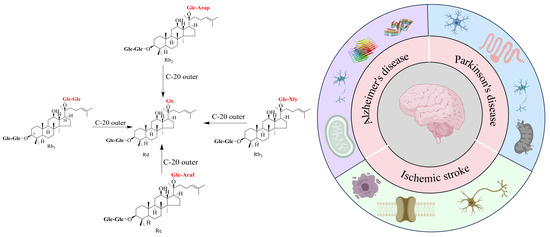
Graphical Abstract

1. Introduction

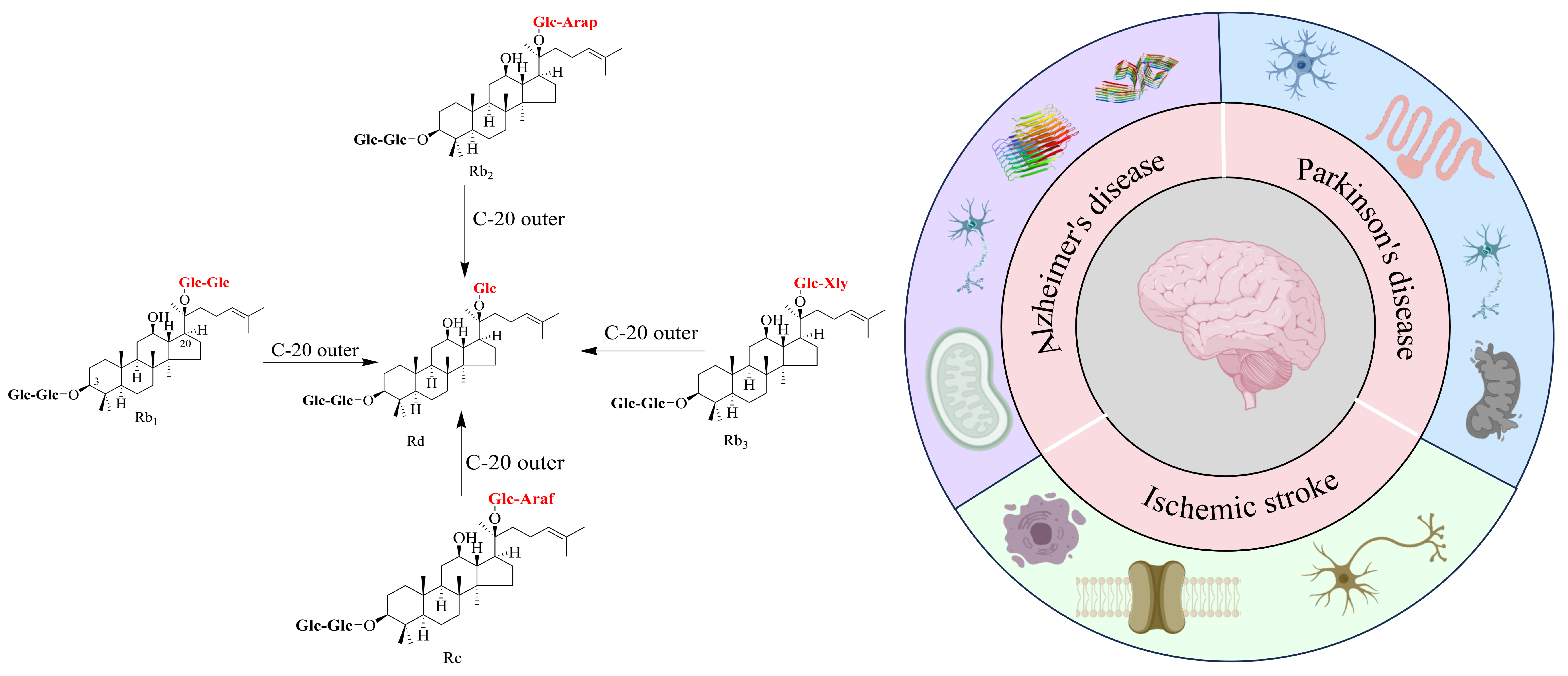
Ginsenoside Rd (Rd) is predominantly found in plants of the Panax genus, such as Panax ginseng (Renshen), Panax notoginseng (Sanqi), and Panax quinquefolius (American ginseng) [1,2,3]. Its natural abundance is generally low, making large-scale extraction directly from plant materials difficult [4]. Studies have shown that many highly abundant protopanaxadiol (PPD)-type saponins in Panax species—such as the dammarane-type tetracyclic triterpenes Ginsenosides Rb1, Rb2, Rb3 and Rc—share a similar chemical structure with Rd. They all possess a disaccharide chain linked at the C-3 position, but differ in the sugar chains or glycosyl groups attached at the C-20 position [5]. Following oral administration, these saponins undergo biotransformation, in which specific glycosyl groups are hydrolyzed by digestive enzymes or gut microbiota, leading to their conversion into Rd. This biotransformation process provides a theoretical foundation for the efficient preparation of Rd.
Neurological disorders, including Alzheimer’s disease, Parkinson’s disease, epilepsy, and ischemic stroke, exhibit complex pathological mechanisms, often involving multiple processes such as neuroinflammation, neuronal apoptosis, and neuronal excitotoxicity [6,7,8]. In recent years, Rd has garnered widespread attention for its modulatory effects on the nervous system, owing to its good efficacy and favorable safety profile [9]. It has demonstrated immense potential and promising application prospects in the treatment of neurological diseases [10].
This review systematically synthesizes research breakthroughs since 2022, focusing on the regioselective biotransformation and the expanding pharmacological landscape of Rd. To ensure methodological transparency, a systematic literature search was conducted via PubMed, Web of Science, and Google Scholar using keywords such as ‘Ginsenoside Rd’, ‘Biotransformation’, and ‘Pharmacological effects’. By integrating the latest evidence on its anti-tumor activities, hepatoprotective mechanisms, and established neuroprotective roles, this work provides a theoretical basis for developing Rd as a potential multitarget therapeutic candidate.

2. Latest Research Progress on the Biotransformation Pathways of Rd

Compared to traditional chemical synthesis, biotransformation offers several advantages, such as high selectivity, mild reaction conditions, and environmental sustainability. Conversely, it has progressively become a common method for the preparation of rare Rd [11,12]. Reviews by Li et al. [13] and Song et al. [14] have systematically summarized the relevant research prior to 2022. This review primarily focuses on new discoveries post-2022, elucidating the latest breakthroughs and developmental trends in the production of Rd via ginsenoside biotransformation.

2.1. Conversion of Ginsenoside Rb1 to Rd

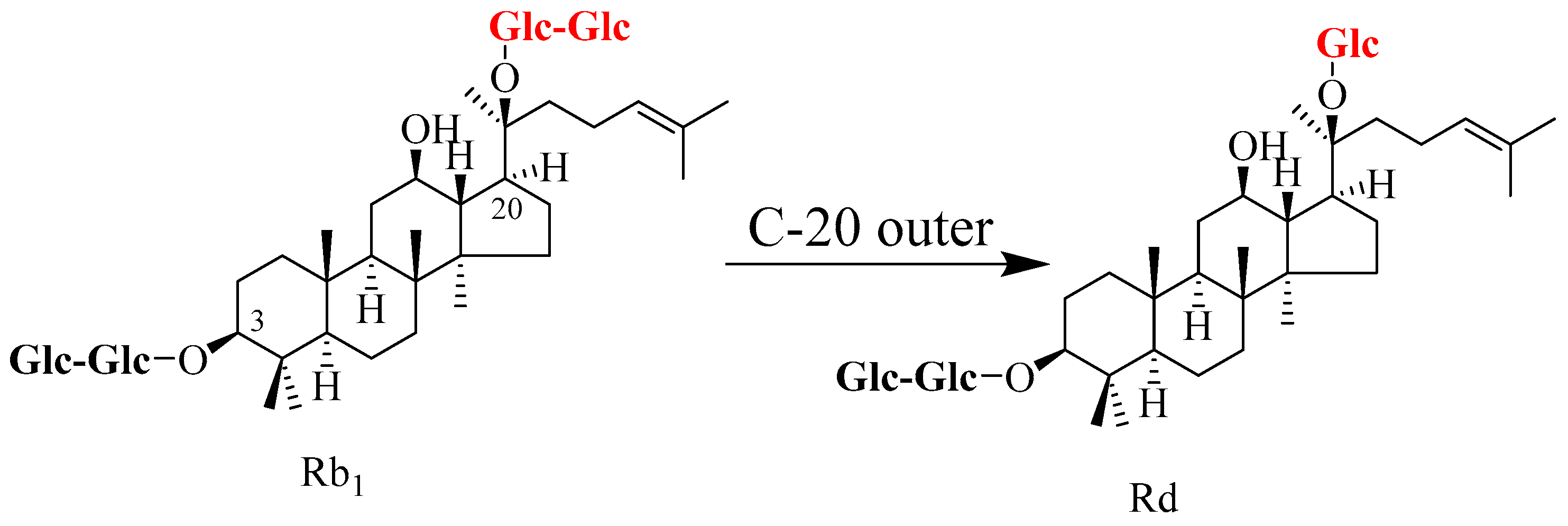
Ginsenoside Rb1 is one of the most abundant components among PPD-type ginsenosides. Its molecular structure is characterized by two glucosyl groups linked at the C-3 position via a β-1,2-glycosidic bond and a gentiobiosyl group linked at the C-20 position via a β-1,6-glycosidic bond [15]. Therefore, the conversion of Ginsenoside Rb1 to Rd is the most common and most extensively studied pathway [16]. This process involves the hydrolysis of the terminal (outer) β-D-glucosyl group at the C-20 position of the Rb1 molecule, which yields Rd (Figure 1). Microbial transformation and enzymatic transformation are the two principal pathways for the conversion of Rb1 to Rd [17]. In recent years, researchers have made significant progress in screening highly efficient transforming microbial strains and identifying novel conversion enzymes (Table 1).

2.1.1. Microbial Transformation

Bacteria play an important role in microbial transformation [38]. Yi et al. [29] reported that Levilactobacillus brevis THK-D437, isolated from the traditional Korean fermented food kimchi, could efficiently convert Rb1 to Rd. Using ginsenoside Rb1 as the substrate, the Rd content increased by 295.8% compared with the pre-fermentation level. Nguyen et al. [20] co-fermented L. brevis QD-1 with Ngoc Linh ginseng and found that Rd was the main component in the fermentation product, with its content increasing significantly after 48 h of fermentation.
Furthermore, fungi also play a significant role in microbial transformation. Niu et al. isolated Fusarium proliferatum G11-7 from Cajanus cajan and co-cultured this strain with P. notoginseng. The experimental results showed that the Rd content increased 3.67-fold compared to the untreated control, while the Rb1 content simultaneously decreased. This study indicated that the endophytic fungus G11-7 can significantly elevate the content of Rd by transforming Rb1 [34]. Zhao et al. employed a bidirectional solid-state fermentation technique, co-culturing Cordyceps militaris with P. quinquefolius. They found that the ginsenoside Rb1 content decreased as fermentation progressed, whereas the Rd content increased from an initial 14.46 mg to 134.35 mg [18]. Similarly, Gao et al. utilized the culture medium of Irpex lacteus to biotransform ginsenoside Rb1. The results revealed that Rb1 was converted to Rd via deglycosylation at the C-20 position [31].

2.1.2. Enzymatic Transformation

β-glucosidases are commonly utilized for the transformation of ginsenoside Rb1 and are considered to possess good conversion activity. Yu et al., while investigating the catalysis of ginsenoside Rb1 into the rare saponin F2 using a β-glucanase derived from Aspergillus niger, discovered that at a temperature of 50 °C and a pH of 3.4, the β-glucosidase specifically catalyzed the hydrolysis of the sugar chain at the C-20 position of ginsenoside Rb1, yielding Rd. Furthermore, this reaction could be completed within 12 h [19]. Liu et al. isolated a novel α-amylase (StAMY) from Streptococcus thermophilus 17140. Using ginsenoside Rb1 as the substrate, they reacted it with the purified recombinant StAMY under conditions of 50 °C and pH 5.5. It was observed that the ginsenoside Rb1 content decreased post-reaction, and Rd was detected in the reaction products. This study demonstrated that StAMY can degrade ginsenoside Rb1 into Rd, and possesses the ability to hydrolyze the β-glycosidic bonds of ginsenosides [21].

2.2. Conversion of Ginsenoside Rb2 to Rd

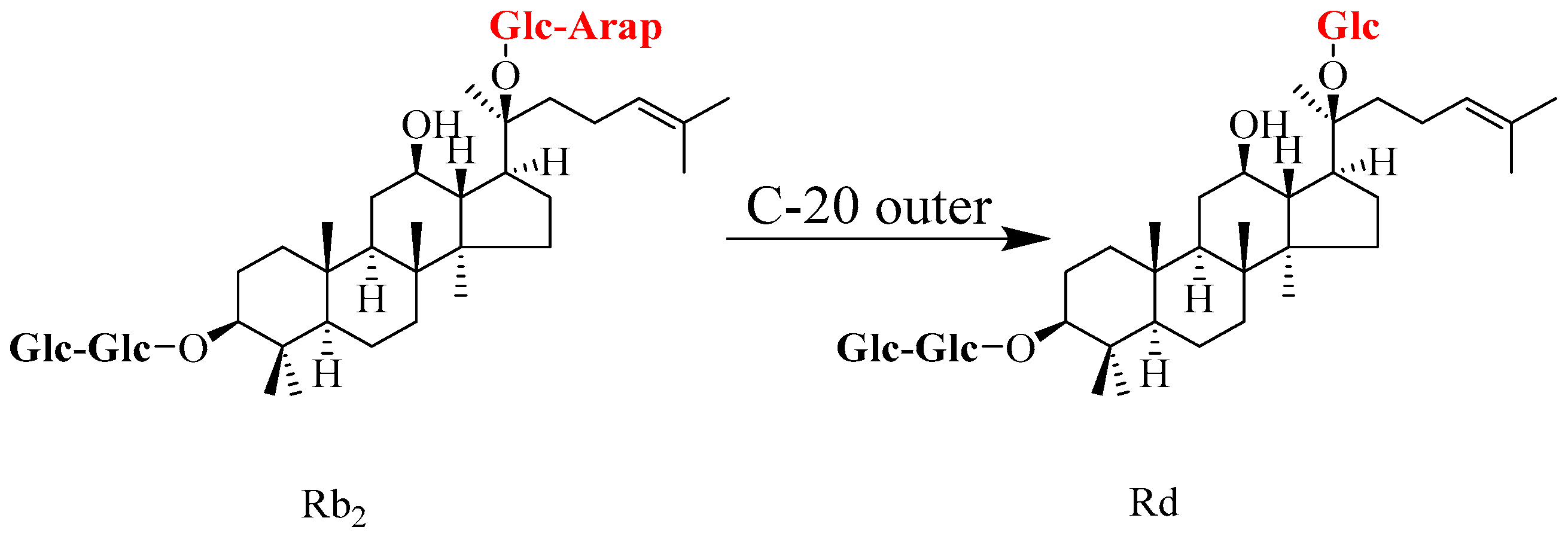
In addition to the aforementioned conversion of ginsenoside Rb1 to Rd, the pathway for the conversion of ginsenoside Rb2 to Rd has also received sustained attention. Recent related studies are summarized in Table 2. Ginsenoside Rb2 is structurally similar to Rb1, but its outer glycosyl group at the C-20 position is an α-1,6-linked arabinofuranosyl group [39]. The precise hydrolysis of this structure can be achieved by using highly efficient and specific glycosidases or selected microorganisms, as illustrated in Figure 2.

2.2.1. Microbial Transformation

Bacteria can exhibit ginsenoside Rb2 transformation activity. Tang et al. cultured Bifidobacterium animalis subsp. lactis CCFM1274 in GE medium and found that ginsenoside Rb2 was consumed [28]. Compared with the pre-fermentation level, the content of Rd increased significantly by 43%. This study demonstrates that CCFM1274 is capable of converting Rb2 to Rd in vitro.

2.2.2. Enzymatic Transformation

Enzymes are key factors influencing biotransformation. Lu et al. isolated and identified Xyaf313 from the endophytic fungus Chaetomium globosum DX-THS3 [22]. This enzyme possesses the dual activities of α-L-arabinofuranosidase and β-D-xylosidase. Utilizing the ability of Xyaf313 to selectively hydrolyze the glycosidic bond at the C-20 position of PPD-type ginsenosides, ginsenoside Rb2 can be specifically converted to Rd. Furthermore, Zhou et al. isolated a novel GH1 β-glucosidase from Fervidobacterium pennivorans DSM9078 [25]. This enzyme exhibits strong thermostability and can effectively cleave the external β-(1→6) glycosidic bond at the C-20 position of ginsenoside Rb2 under conditions at 100 °C, thereby converting ginsenoside Rb2 to Rd. Moreover, they analyzed the interactions between the ginsenoside and amino acid residues via molecular docking, revealing the reaction mechanism of this conversion.

2.3. Conversion of Ginsenoside Rb3 to Rd

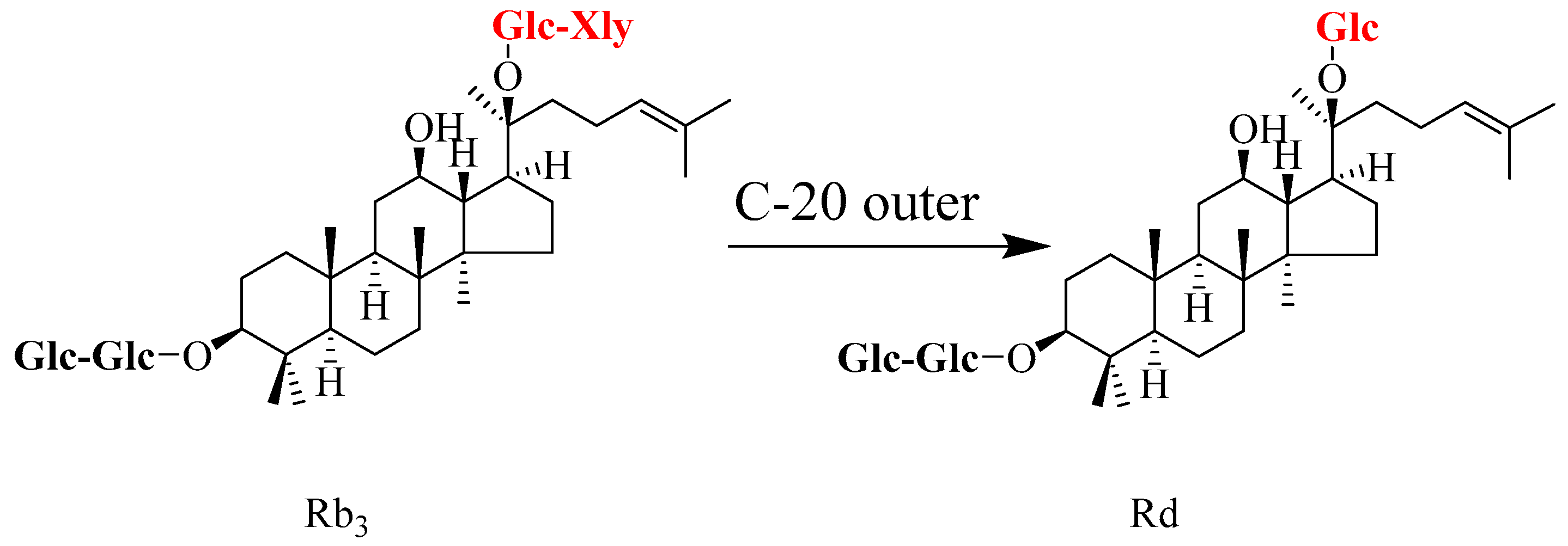
The structural characteristic of ginsenoside Rb3 is the presence of a β-D-glucosyl-(1–6)-β-D-xylosyl group linked at the C-20 position. This implies that achieving the conversion of Rb3 to Rd requires a β-D-xylosidase to highly and specifically hydrolyze the terminal β-D-xylosidic bond of the sugar chain at the C-20 position [40], as shown in Figure 3. In recent years, with the continuous discovery of β-xylosidases with higher specificity and activity, research into the conversion of Rb3 to Rd has garnered increasing attention, as summarized in Table 3.

2.3.1. Microbial Transformation

Tang et al. cultured Bifidobacterium animalis subsp. lactis CCFM1274 in GE medium and observed that ginsenoside Rb3 was also consumed [28]. Compared with the pre-fermentation level, the content of Rd increased significantly. This study also demonstrated that CCFM1274 is capable of converting Rb3 to Rd in vitro.

2.3.2. Enzymatic Transformation

Zhao et al. cloned a 1197 bp β-xylosidase gene (BaXyl5B) from Bifidobacterium adolescentis and expressed it in E. coli BL21 [41]. Using ginsenoside Rb3 as the substrate for biotransformation, analysis by TLC and HPLC indicated that the enzyme could hydrolyze the β-1,6-linked xylose at the C-20 position, thereby converting ginsenoside Rb3 to Rd. Through molecular docking analysis, they investigated the binding mode of ginsenoside Rb3 within the BaXyl5B binding pocket, further elucidating the structure-activity relationship of this biotransformation. Xu et al. utilized a β-glucosidase (Pxbgl) from Petroclostridium xylanilyticum to biotransform ginsenosides in crude extracts of P. ginseng roots and P. notoginseng leaves [30].
This study found that Pxbgl could not only convert ginsenoside Rb3 to Rd, but also exhibited a significantly better conversion effect in the P. notoginseng leaf crude extract than in the P. ginseng root crude extract. Zhang et al. reported for the first time the process of converting Rb3 to Rd using a β-xylosidase (Ta-XylQS) derived from Thermoascus aurantiacus. The study showed that after recombinant expression in Komagataella phaffii, this enzyme could specifically catalyze the hydrolysis of substrates bearing xylosyl residues at 60 °C and pH 3.5, thereby converting Rb3 to Rd [42].

2.4. Conversion of Ginsenoside Rc to Rd

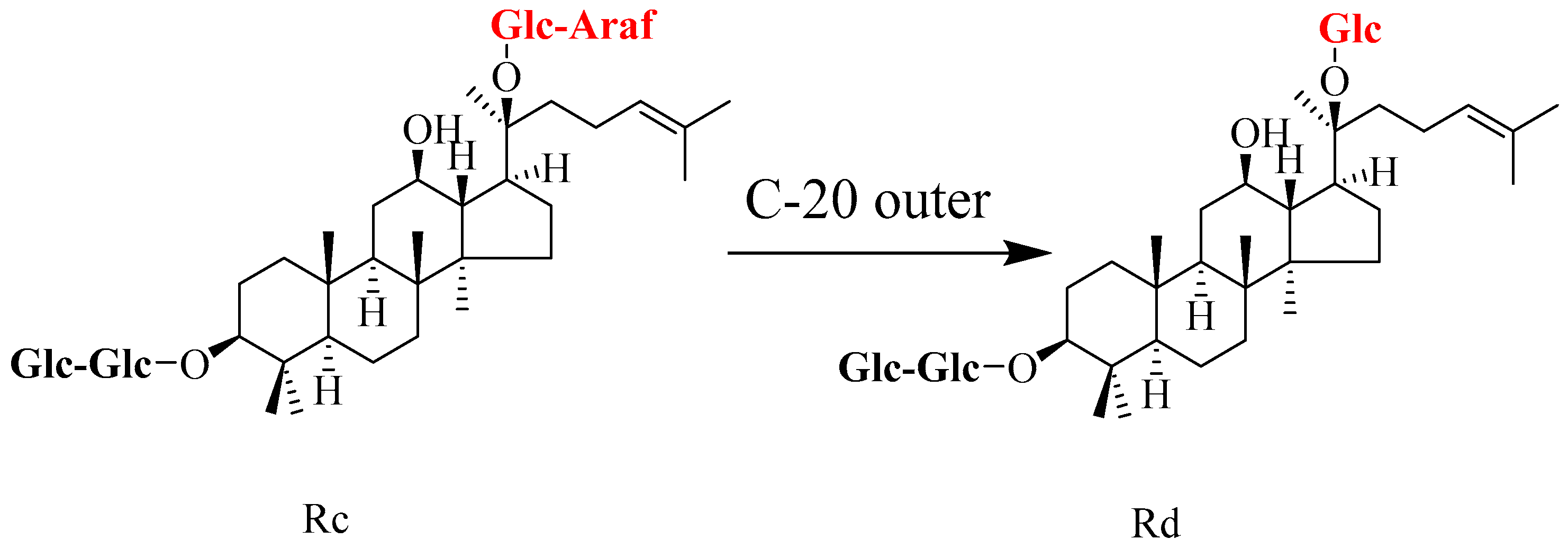
In ginsenoside Rc, the outer glycosyl group at the C-20 position is an α-1,6-linked arabinofuranosyl-glucosyl group [43]. This structural feature means that the conversion of ginsenoside Rc to Rd requires an α-L-arabinofuranosidase to selectively cleave the α-L-arabinofuranosyl group linked at its C-20 position [44], as shown in Figure 4. Compared with Rb1, biotransformation studies using Rc as a substrate are relatively scarce; however, several important findings have also emerged in recent years, as summarized in Table 4.

2.4.1. Microbial Transformation

In terms of microbial transformation, bacteria also exhibit Rc conversion activity. Tang et al. cultured Bifidobacterium animalis subsp. lactis CCFM1274 in GE medium and found that CCFM1274 could not only convert ginsenosides Rb1 and Rb2 to Rd in vitro, but also ginsenoside Rc [28]. Furthermore, Zhang et al. isolated a strain of Bacillus sp. G9y from Panax quinquefolius. This strain can convert ginsenoside Rc to Rd, and it was found that the generated Rd is not further transformed into other saponins [48]. This indicates that G9y can specifically convert ginsenoside Rc into the target product, Rd.

2.4.2. Enzymatic Transformation

Shen et al. cloned an α-L-arabinofuranosidase (BpAbf51A) from Bacillus pumilus and heterologously expressed it in E. coli BL21. Their results found that, with ginsenoside Rc as the substrate, BpAbf51A could specifically remove the terminal arabinofuranosyl (Araf) residue at the C-20 position of ginsenoside Rc at 50 °C and pH 8.0, thereby realizing the biotransformation of Rc to Rd [45]. Moreover, molecular docking analysis showed that the key amino acid residues Ser213 and Asn214 bind to the arabinofuranosyl group of Rc via hydrogen bonds, with a binding energy of −7.9 kcal/mol, explaining the mechanism of its specific catalysis. Zhu et al. cloned and expressed an α-L-AFase from Bacillus subtilis for the first time. Subsequent investigation of this enzyme revealed that it can efficiently and specifically catalyze the conversion of ginsenoside Rc to the rare Rd under conditions of 40 °C and pH 5.5 [46]. In addition, Zhu et al. also cloned and expressed a novel α-L-arabinofuranosidase (Bsafs) from Bacillus subtilis. This enzyme can also specifically hydrolyze the α-L-arabinofuranosyl group at the C-20 position of Rc under conditions of 30 °C and pH 7.5, thereby converting Rc to Rd [47].

3. Pharmacological Effects of Ginsenoside Rd

3.1. Neuroprotective Effects of Ginsenoside Rd

Common central nervous system (CNS) diseases, including Alzheimer’s disease (AD), Parkinson’s disease (PD), ischemic stroke (IS), and epilepsy, possess complex pathogenic mechanisms (pathomechanisms) that typically involve multiple processes such as neuroinflammation, oxidative stress, neuronal apoptosis, and excitotoxicity [49,50]. Although existing therapeutic drugs can alleviate some associated symptoms to a certain extent, they are also accompanied by adverse reactions and cannot provide a definitive cure [51,52]. Consequently, identifying natural bioactive constituents from edible plants has become a major focus in the development of functional foods and nutraceuticals [53,54]. Chen et al. conducted a systematic review of the neuroprotective effects of Rd [10]. Building upon this foundation, this review synthesizes current literature to summarize the most recent research findings not covered in the previous work.

3.1.1. Effect of Ginsenoside Rd on Alzheimer’s Disease (AD)

Alzheimer’s disease (AD) is a chronic neurodegenerative disorder, primarily characterized by cognitive impairments such as memory loss and executive dysfunction [55,56]. The pathomechanism of AD is highly complex and is generally considered to be associated with factors such as the hyperphosphorylation of Tau protein, deposition of β-amyloid (Aβ), neuronal degeneration, neuroinflammation, and mitochondrial dysfunction [57,58,59]. These pathological changes severely impact the patient’s activities of daily living, posing immense health challenges and financial burdens on patients and their families [60,61].
Aberrant cleavage of the amyloid precursor protein (APP) by β-secretase leads to the massive accumulation of Aβ, forming insoluble aggregates that are toxic to neurons, a key factor in the formation of AD [62]. Mi et al. predicted, using network pharmacology and molecular docking, that Rd could intervene in 311 AD-related targets, implicating multiple key pathways such as MAPK, JAK-STAT, and PI3K-Akt. They also evaluated the effect of Rd in C. elegans (nematodes), demonstrating that Rd significantly reduces Aβ aggregation by targeting the MAPK signaling pathway. It induces the nuclear translocation of DAF-16 to activate downstream signaling pathways, thereby counteracting Aβ-induced toxicity [63].
Acetylcholine (ACh) is one of the most important neurotransmitters in the central cholinergic system, playing a crucial role in learning and memory [64]. Acetylcholinesterase (AChE) is involved in the critical hydrolysis of ACh; therefore, inhibiting AChE has become a significant therapeutic strategy for AD [65]. Studies have found that Rd can exhibit moderate inhibitory activity against acetylcholinesterase (AChE) [66].
The hyperphosphorylation of tau protein is a primary pathological feature of AD. This pathological phenomenon leads to the formation of neurofibrillary tangles (NFTs), which disrupt microtubule stability and impair the neuronal transport system [67]. Li et al. demonstrated experimentally that Rd can modulate the activation balance of CDK5 (decreasing P25, increasing P35) by inhibiting the activity of GSK-3β (Tyr216). Furthermore, it can also effectively inhibit the hyperphosphorylation of tau protein at key sites such as S199/202, S396, and S404 [68].
Neuroinflammation is an inflammatory response occurring in neural tissue, which causes neural damage and leads to neurodegenerative diseases [69]. Rd can inhibit the activation of the NF-kB pathway, reducing the expression of inflammatory factors such as IL-1β, IL-6, IL-8, and TNF-α, while increasing the expression of IL-10. This leads to reduced expression of the amyloid precursor protein (APP), thereby impacting Aβ accumulation [70]. Furthermore, Wang et al. similarly found that Rd can inhibit the release of the inflammatory cytokines TNF-α and IL-6, activate the BDNF-mediated PI3K/AKT/CREB signaling pathway, and promote neuronal survival and synaptic plasticity [71].

3.1.2. Effect of Ginsenoside Rd on Parkinson’s Disease (PD)

PD is another common neurodegenerative disorder following AD [72,73]. Its primary pathological features are the progressive loss of dopaminergic neurons in the substantia nigra pars compacta and the abnormal aggregation of α-synuclein [74,75]. Other factors include mitochondrial failure, oxidative stress, ferroptosis, neuroinflammation, and gut microbiota dysbiosis [76,77]. Rd possesses unique anti-inflammatory properties and can exert neuroprotective effects by enhancing mitochondrial biosynthesis [78,79,80]. Park et al., by investigating the protective effect of Rd in BV2 microglial cells, demonstrated that Rd can alleviate the microglial inflammatory response by modulating the AMPK–HDAC5 signaling pathway. Furthermore, Rd was found to inhibit the activity of HDAC5, promoting the upregulation of genes related to mitochondrial biosynthesis, thereby enhancing mitochondrial function [81]. Kim et al. extracted Rd from black ginseng and investigated its effects on the production of NO, IL-6, and TNF-α in LPS-induced BV2 microglial cells, finding that Rd possesses significant anti-neuroinflammatory effects [82].
After P. ginseng extract was fermented with Lactococcus lactis KC24, the Rd content increased significantly. Through the detection of neuroprotection-related pathways, the Rd-enriched fermented ginseng extract was found to have markedly improved neuroprotective effects. This phenomenon suggests the pivotal role of Rd as a major bioactive contributor to the enhanced neuroprotective activity within the complex extract [83]. These findings suggest that incorporating Rd-rich fermented products into the diet could be a viable strategy for preserving neuronal vitality and supporting long-term metabolic health during aging.

3.1.3. Effect of Ginsenoside Rd on Ischemic Stroke (IS)

Ischemic stroke (IS) is a neurological disease with high morbidity and high mortality, caused by the interruption of cerebral blood flow, which leads to hypoxia in brain tissue and subsequent neuronal cell death. It is one of the main causes of death worldwide [84,85,86]. Neurological dysfunction is the primary characteristic of IS. Its pathogenesis is associated with neuroinflammation, oxidative stress, ionic imbalance, cell apoptosis, and disruption of the blood–brain barrier (BBB) [87].
Rd has been observed to alleviate brain injury caused by IS through multi-target, multi-pathway mechanisms. It exerts neuroprotective effects not only by regulating ion channels (e.g., inhibiting TRPM7 and ASIC1a expression, enhancing ASIC2a expression), but also by inhibiting PARP-1 activity, the nuclear accumulation of the NFkB p65 subunit, and reducing the release of cytochrome c and apoptosis-inducing factor, thereby inhibiting neuronal cell death and neuroinflammation [14,88,89].
Furthermore, Rd exhibits promising therapeutic potential in ischemia–reperfusion (I/R) injury. Rd exerts anti-pyroptosis effects by modulating the MicroRNA-139-5p (miR-139-5p)/forkhead box transcription factor O1 (FOXO1)/Kelch-like ECH-associated protein 1 (Keap1)/nuclear factor erythroid-2 related factor 2 (Nrf2) axis, effectively reducing the damage caused by I/R injury [90]. Pretreatment with Rd can significantly promote the recovery of neurological function after spinal cord ischemia–reperfusion injury and preserve a greater number of normal motor neurons. These findings further support the potential neuroprotective role of Rd against I/R injury [91]. Hu et al. first revealed that Rd can effectively inhibit endothelial cell ferroptosis by activating the NRG1/ErbB4 signaling pathway [92]. This subsequently triggers the activation of the downstream PI3K/Akt/mTOR pathway post-stroke, ultimately protecting blood–brain barrier permeability and thereby mitigating the effects of ischemic stroke. Moreover, Rd can also increase DAPK1 phosphorylation by inhibiting calcineurin, reduce NR2B-Ser1303 phosphorylation, attenuate NMDAR channel conductance, and ultimately counteract excitotoxicity [93].
As a natural active monomer derived from traditional Chinese medicine, research on Rd in the field of neuroprotection has achieved remarkable progress. Rd integrates multiple protective strategies—including anti-oxidation, mitochondrial support, and the promotion of neuroregeneration—offering a promising dietary strategy for supporting lifelong cerebrovascular health.

3.2. Anti-Tumor Effects of Ginsenoside Rd

Recent studies have demonstrated that Rd may exhibit inhibitory potential against several types of malignant cells. Its pharmacological mechanisms involve multiple dimensions, including inducing cell apoptosis, inhibiting invasion and migration, and promoting tumor cell differentiation.
In terms of inducing apoptosis and inhibiting proliferation, Wan et al. [94] reported that Rd induces apoptosis in NSCLC cells by activating the p53/Bax-mediated mitochondrial apoptotic pathway. Simultaneously, it reduces the migration and invasion of these cells by inhibiting the expression of MMP-2/MMP-9, effectively suppressing tumor cell proliferation via the intrinsic apoptotic pathway. Furthermore, Rd can downregulate the expression of the oncogenic lncRNA H19, thereby decreasing the production of its derived miR-675-5p. The reduction in miR-675-5p relieves its targeted inhibition on the tumor suppressor gene CDH1, which in turn upregulates CDH1/E-cadherin expression and ultimately inhibits the progression of tongue squamous cell carcinoma [95].
In addition to inducing cell apoptosis and inhibiting invasion and migration, Rd also possesses the potential to induce the differentiation of malignant cells into normal phenotypes. Jiang et al. [96] confirmed through both in vivo and in vitro experiments that Rd can regulate the ERK/GSK-3β signaling pathway, effectively inhibiting the proliferation of acute myeloid leukemia (AML) cells, prompting malignant cells to overcome differentiation barriers, inducing their transformation into mature phenotypes, and ultimately leading them toward apoptosis.

3.3. Pharmacological Mechanisms of Ginsenoside Rd in Liver Diseases

Mounting evidence indicates that Rd exerts multi-target protective effects in the prevention and treatment of acute liver injury, chronic liver fibrosis, and metabolic liver diseases.

3.3.1. Regulation of Pyroptosis and Inflammatory Responses

Mounting evidence indicates that Rd exerts multi-target protective effects in the prevention and treatment of acute liver injury, chronic liver fibrosis, and metabolic liver diseases. Li et al. [97] discovered through network pharmacology prediction that STAT3 is one of the targets most highly associated with Rd and liver injury. They further verified in an acute liver injury model co-induced by lipopolysaccharide and D-galactosamine (LPS/D-GalN) that Rd can inhibit hepatocyte pyroptosis and the release of inflammatory factors by blocking the STAT3-NLRP3-GSDMD signaling axis. Moreover, in a thioacetamide (TAA)-induced model, Rd enhanced autophagy by activating the AMPK/mTOR/ULK1 pathway, thereby inhibiting the assembly of the NLRP3 inflammasome and alleviating inflammatory damage in liver tissue [98].

3.3.2. Inhibition of Ferroptosis and Regulation of the Gut-Liver Axis

Li et al. [99] found that Rd can significantly reduce lipid peroxidation levels and effectively alleviate carbon tetrachloride-induced acute chemical liver injury by inhibiting the cGAS/STING signaling pathway. Furthermore, a study by Liu et al. [97] expanded the functional scope of Rd, revealing that Rd effectively ameliorates high-fat diet-induced metabolic dysfunction-associated fatty liver disease (MAFLD) by remodeling gut microbiota homeostasis and blocking gut-liver axis-mediated hepatic lipid peroxidation and ferroptosis.

3.3.3. Alleviation of Liver Fibrosis and Extracellular Matrix Deposition

Liver fibrosis is a pathological process caused by chronic liver injury that leads to the excessive deposition of the extracellular matrix, which can progress to cirrhosis and even liver failure [100]. Cui et al. [101] revealed that Rd can significantly upregulate the expression of estrogen-related receptor α (ERRα), thereby inhibiting the P2X7 receptor (P2X7r) and its downstream inflammatory responses. In a TAA-induced fibrosis model, Rd significantly reduced the excessive deposition of the extracellular matrix (ECM), effectively delaying the progression of liver fibrosis.

3.3.4. Improvement of Non-Alcoholic Fatty Liver Disease (NAFLD) and Metabolic Disorders

Non-alcoholic fatty liver disease (NAFLD) is a globally prevalent metabolic disease and a common precursor to cirrhosis and hepatocellular carcinoma [102]. Cui et al. [103] elucidated that Rd acts as a novel direct activator of SIRT6. By enhancing SIRT6 activity and upregulating downstream PPAR α expression, Rd can significantly promote fatty acid oxidation and inhibit oxidative stress and hepatic steatosis. This study confirmed that SIRT6 is a key molecular target for Rd in exerting its hepatic metabolic regulatory effects.

4. Discussion

This review systematically summarizes the latest advances in the biotransformation pathways of Rd since 2022 and provides a comprehensive overview of its diverse pharmacological effects. As a rare ginsenoside with high application value, its low natural abundance in plant sources has restricted its in-depth research and clinical translation [104,105]. However, recent studies have demonstrated that enzymatic or microbial transformation of abundant protopanaxadiol (PPD)-type saponins has become a regioselective and highly efficient strategy for Rd preparation. The application of food-grade microbial strains and specific glycosidases has laid a sustainable technological foundation for the large-scale and cost-effective production of Rd.
Beyond advances in preparation technology, the application scope of Rd has expanded considerably in recent years. Although its neuroprotective effects in neurological disorders including Alzheimer’s disease (AD), Parkinson’s disease (PD), and ischemic stroke (IS) remain a major research focus, emerging evidence indicates its promising clinical potential in antitumor therapy and hepatoprotection. Rd exerts significant antitumor activity by inducing differentiation of myeloid leukemia cells and inhibiting migration and invasion of tongue squamous cell carcinoma cells. For liver protection, Rd alleviates acute liver injury by blocking the STAT3–NLRP3–GSDMD signaling axis to suppress hepatocyte pyroptosis. Meanwhile, it improves metabolic dysfunction-associated fatty liver disease (MAFLD) by restoring gut microbiota homeostasis and activating the SIRT6/PPAR α pathway to promote fatty acid oxidation.
Mechanistically, the biological effects of Rd are not mediated by a single receptor, but achieved through holistic “multi-target, multi-pathway” interactions. In nervous system models, Rd exerts neuroprotective effects by modulating core targets including PTGS2, BCL2, and MTOR, thereby synergistically regulating multiple signaling pathways involved in inflammation, apoptosis, and cell survival. Despite these encouraging preclinical findings, important research gaps still exist. The vast majority of current evidence is derived from in vitro and animal studies, underscoring an urgent need for well-designed human clinical trials to validate its therapeutic efficacy. Future research should prioritize the translation of these molecular mechanisms into clinical practice, with particular emphasis on in-depth investigations of the long-term safety and bioavailability of Rd in diverse populations.
Notably, the studies cited in this review exhibit variations in the type of evidence presented. Some investigations utilized high-purity Rd monomers, thereby providing direct and definitive evidence of its molecular mechanisms. Conversely, other studies relied on Rd-enriched extracts. In the latter cases, while Rd is considered the primary contributor to the observed biological activities, potential synergistic effects with other saponin constituents cannot be entirely ruled out. Therefore, to ensure the precision of pharmacological conclusions, future research must further validate the findings derived from extracts through rigorous preclinical experiments using purified monomers.

5. Conclusions

Ginsenoside Rd is a highly promising natural bioactive compound that exhibits significant therapeutic potential in the treatment of various diseases. As summarized in this review, the utilization of biotransformation enables efficient preparation of Rd, thereby alleviating the scarcity of natural Rd to a certain extent. Beyond its well-documented neuroprotective effects against neuroinflammation and oxidative stress, emerging evidence underscores the remarkable potential of Rd in oncology and hepatoprotection. By modulating key signaling axes such as ERK/GSK-3β, STAT3-NLRP3-GSDMD, and SIRT6/PPARα, Rd exerts a holistic “multi-target, multi-pathway” regulatory effect. However, the translation from preclinical research to clinical application remains a major challenge. Future studies should prioritize rigorous human clinical trials to validate the efficacy, long-term safety, and optimal bioavailability of Rd, thereby further unlocking its potential for applications in modern medicine and nutraceuticals.

Author Contributions

X.S.: Writing—original draft. K.M.: Data curation. H.S.: Investigation. J.L.: Investigation. Y.Y.: Supervision. W.Z.: Resources. X.C.: Writing—review and editing. X.Y.: Project administration., Funding acquisition. All authors have read and agreed to the published version of the manuscript.

Funding

This work was supported by the National Natural Science Foundation of China (32460114) and the Xingdian Talents Support Program of Yunnan Province (KKXX202526073).

Institutional Review Board Statement

Not applicable.

Informed Consent Statement

Not applicable.

Data Availability Statement

All new data have been presented in this paper. There are no further data, but the author welcomes questions and discussion.

Conflicts of Interest

The authors declare no conflicts of interest.

Abbreviations

The following abbreviations are used in this manuscript:
RdGinsenoside Rd
ADAlzheimer’s Disease
PDParkinson’s Disease
ISIschemic Stroke

References

  1. Karmazyn, M.; Gan, X.T. Chemical components of ginseng, their biotransformation products and their potential as treatment of hypertension. Mol. Cell. Biochem. 2021, 476, 333–347. [Google Scholar] [CrossRef] [PubMed]
  2. Zhang, H.; Li, J.; Diao, M.; Li, J.; Xie, N. Production and pharmaceutical research of minor saponins in Panax notoginseng (sanqi): Current status and future prospects. Phytochemistry 2024, 223, 114099. [Google Scholar] [CrossRef]
  3. Cui, L.; Xu, L.; Yu, H.; Feng, Q.; Yan, H.; Aziz, S.; Chen, Q.; Ren, J.; Gao, X.; Wang, D. An efficient isolation and purification of broad partition coefficient range ginsenosides from roots of Panax quinquefolium L. By linear gradient counter-current chromatography coupled with preparative high-performance liquid chromatography. J. Sep. Sci. 2023, 46, e2300046. [Google Scholar] [CrossRef]
  4. Xue, Y.; Zhang, R.; Li, T.; Deng, Q.; Luo, W.; Chang, R.; Zeng, D.; Tan, J.; Sun, T.; Liu, Y.; et al. Sustainable production of ginsenosides: Advances in biosynthesis and metabolic engineering. Plants 2025, 14, 2821. [Google Scholar] [CrossRef]
  5. Li, M.; Ma, M.; Wu, Z.; Liang, X.; Zheng, Q.; Li, D.; An, T.; Wang, G. Advances in the biosynthesis and metabolic engineering of rare ginsenosides. Appl. Microbiol. Biotechnol. 2023, 107, 3391–3404. [Google Scholar] [CrossRef]
  6. Kwon, H.S.; Koh, S. Neuroinflammation in neurodegenerative disorders: The roles of microglia and astrocytes. Transl. Neurodegener. 2020, 9, 42. [Google Scholar] [CrossRef] [PubMed]
  7. Moujalled, D.; Strasser, A.; Liddell, J.R. Molecular mechanisms of cell death in neurological diseases. Cell Death Differ. 2021, 28, 2029–2044. [Google Scholar] [CrossRef]
  8. Houldsworth, A. Role of oxidative stress in neurodegenerative disorders: A review of reactive oxygen species and prevention by antioxidants. Brain Commun. 2024, 6, fcad356. [Google Scholar] [CrossRef] [PubMed]
  9. Ma, X.; Wang, J. Research progress on the role of ginsenoside rd in central nervous system diseases. Afr. Health Sci. 2024, 24, 325–331. [Google Scholar] [CrossRef]
  10. Chen, Y.; Liu, Q.; An, P.; Jia, M.; Luan, X.; Tang, J.; Zhang, H. Ginsenoside rd: A promising natural neuroprotective agent. Phytomedicine 2022, 95, 153883. [Google Scholar] [CrossRef]
  11. Chu, J.; Zhao, L.; Xu, X.; Li, Y.; Wu, B.; Qin, S.; He, B. Evolving the 3-O/6-O regiospecificity of a microbial glycosyltransferase for efficient production of ginsenoside rh1 and unnatural ginsenoside. Int. J. Biol. Macromol. 2024, 261, 129678. [Google Scholar] [CrossRef]
  12. Zhang, X.; Xie, Y.; Dai, Z.; Liang, Y.; Zhu, C.; Su, C.; Song, L.; Wang, K.; Li, J.; Wei, X. Gypenoside biotransformation into ginsenoside f2 by endophytic Aspergillus niger from Gynostemma pentaphyllum. Nat. Prod. Res. 2024, 38, 3086–3092. [Google Scholar] [CrossRef]
  13. Li, J.; Huang, Q.; Yao, Y.; Ji, P.; Mingyao, E.; Chen, J.; Zhang, Z.; Qi, H.; Liu, J.; Chen, Z.; et al. Biotransformation, pharmacokinetics, and pharmacological activities of ginsenoside rd against multiple diseases. Front. Pharmacol. 2022, 13, 909363. [Google Scholar] [CrossRef]
  14. Song, X.; Wang, L.; Fan, D. Insights into recent studies on biotransformation and pharmacological activities of ginsenoside rd. Biomolecules 2022, 12, 512. [Google Scholar] [CrossRef] [PubMed]
  15. Gong, L.; Yin, J.; Zhang, Y.; Huang, R.; Lou, Y.; Jiang, H.; Sun, L.; Jia, J.; Zeng, X. Neuroprotective mechanisms of ginsenoside rb1 in central nervous system diseases. Front. Pharmacol. 2022, 13, 914352. [Google Scholar] [CrossRef] [PubMed]
  16. Zhu, H.; Zhang, R.; Huang, Z.; Zhou, J. Progress in the conversion of ginsenoside rb1 into minor ginsenosides using β-glucosidases. Foods 2023, 12, 397. [Google Scholar] [CrossRef] [PubMed]
  17. Zhou, A.; Zhu, K.; Pu, P.; Li, Z.; Zhang, Y.; Shu, B.; Cui, X.; Yao, M.; Wang, Y. Neuroprotective effect and possible mechanisms of ginsenoside-rd for cerebral ischemia/reperfusion damage in experimental animal: A meta-analysis and systematic review. Oxid. Med. Cell. Longev. 2022, 2022, 7650438. [Google Scholar] [CrossRef]
  18. Zhao, X.; Li, X.; Jia, X.; Gao, Y. Multi-omics and compositional analysis of bidirectional solid fermentation products from Cordyceps militaris and Panax quinquefolius L. J. Ginseng. Res. 2025, 50, 100900. [Google Scholar] [CrossRef]
  19. Xie, Y.; Shi, Y.; Hong, Y.; Wang, X.; Pan, H.; Wang, Y.; Xing, Y. 1 optimization of the process and kinetic mechanism of 2 ginsenoside rb1 conversion by β-glucanase. Biochem. Biophys. Res. Commun. 2025, 797, 153225. [Google Scholar] [CrossRef]
  20. Nguyen, Q.; Nguyen, T.; Tran, T.T.V.; Ngo-Thi, N.; Truong-Thi, H.; Nguyen, V.; Luong, T.K.; Do, A.D. Fermentation of ngoc linh ginseng (Panax vietnamensis ha et grushv.) Root extract using Levilactobacillus brevis QD-1: Changes in majonoside r2 content and pharmacological activities. Food Res. Int. 2025, 208, 116275. [Google Scholar] [CrossRef]
  21. Liu, J.; Liu, X.; Song, Z.; Cao, W.; Li, Y.; Xia, M.; Wang, D. A novel α-amylase from Streptococcus thermophilus 17140 with β-glycosidic bond hydrolysis capability for the transformation of rare ginsenosides. Int. J. Biol. Macromol. 2025, 306, 141621. [Google Scholar] [CrossRef]
  22. Lu, Y.; Jiang, Q.; Dong, Y.; Ji, R.; Xiao, Y.; Zhu, D.; Gao, B. Characterization of a GH43 bifunctional glycosidase from endophytic chaetomium globosum and its potential application in the biotransformation of ginsenosides. BioTech 2025, 14, 18. [Google Scholar] [CrossRef]
  23. Li, F.; Lin, D.; Yang, J.; Cui, X.; Yang, X.; Wang, C. The transformation pathways and optimization of conditions for preparation minor ginsenosides from Panax notoginseng root by the fungus Aspergillus tubingensis. PLoS ONE 2025, 20, e0316279. [Google Scholar] [CrossRef] [PubMed]
  24. Lee, Y.; Song, W.; Oh, D. Enhanced production of ginsenoside compound k by synergistic conversion of fermentation with Aspergillus tubingensis and commercial cellulase. Front. Bioeng. Biotechnol. 2025, 12, 1538031. [Google Scholar] [CrossRef]
  25. Zhou, K.; Zhang, Y.; Xu, M.; Zhou, Y.; Sun, A.; Zhou, H.; Han, Y.; Zhao, D.; Yu, S. A GH1 β-glucosidase from the Fervidobacterium pennivorans DSM9078 showed extraordinary thermostability and distinctive ability in the efficient transformation of ginsenosides. Bioorg. Chem. 2025, 154, 108049. [Google Scholar] [CrossRef] [PubMed]
  26. Li, C.; Yu, L.; Miao, W.; Shi, J.; Ma, X.; Li, M.; Zhong, Y.; Yang, Z.; Xin, W.; Xiao, H. Cellulase hyperproduction Trichoderma reesei mutant strain BB8 for the bioextraction and bioconversion of ginsenoside from Panax notoginseng. Int. J. Biol. Macromol. 2025, 318, 144984. [Google Scholar] [CrossRef] [PubMed]
  27. Li, F.; Zhang, R.; Lin, D.; Yang, J.; Yang, Y.; Cui, X.; Yang, X. Comparison of the transformation ability of the major saponins in Panax notoginseng by Penicillum fimorum enzyme and commercial β-glucosidase. Microorganisms 2025, 13, 495. [Google Scholar] [CrossRef]
  28. Tang, X.; Liu, C.; Wang, B.; Zhang, M.; Mao, B.; Zhang, Q.; Zhao, J.; Cui, S. Enhancing the anti-fatigue effect of ginsenoside extract by Bifidobacterium animalis subsp. Lactis CCFM1274 fermentation through biotransformation of rb1, rb2 and rc to rd. Food Biosci. 2024, 62, 105251. [Google Scholar] [CrossRef]
  29. Yi, E.; Nguyen, T.T.M.; Jeong, J.; Jin, X.; Zheng, Q.; Park, S.; Yi, G.; Yang, S.; Yi, T. Stimulation of hair growth effect by fermented ginsenosides using Levilactobacillus brevis THK-d437. Fermentation 2024, 10, 565. [Google Scholar] [CrossRef]
  30. Xu, W.; Duan, C.; Ma, F.; Li, D.; Li, X. A versatile β-glycosidase from Petroclostridium xylanilyticum prefers the conversion of ginsenoside rb3 over rb1, rb2, and rc to rd by its specific cleavage activity toward 1,6-glycosidic linkages. J. Agric. Food Chem. 2024, 72, 17510–17523. [Google Scholar] [CrossRef]
  31. Gao, Y.; Feng, Y.; Chang, Y.; Zhu, Z.; Zhao, H.; Xu, W.; Zhao, M.; Xiao, Y.; Tian, L.; Xiu, Y. Biotransformation of ginsenoside rb1 to ginsenoside rd and 7 rare ginsenosides using Irpex lacteus with HPLC-HRMS/MS identification. ACS Omega 2024, 9, 22744–22753. [Google Scholar] [CrossRef]
  32. Li, X.; Zhang, H.; Yang, L.; Li, F.; Cui, X.; Lin, D.; Lou, D.; Yang, X. Preparation of minor ginsenosides from Panax notoginseng root and flower by the extracted enzyme of Mucor abundans. Process Biochem. 2024, 137, 134–142. [Google Scholar] [CrossRef]
  33. Yang, F.; Wu, Z.; Cao, S.; Tao, Z.; Fan, D.; Liu, X. Simultaneous transformation of ginsenoside rb1 into rare ginsenoside f2 and compound k by the extracellular enzyme from Aspergillus niger wu-16. Bioresour Technol. Rep. 2023, 22, 101419. [Google Scholar] [CrossRef]
  34. Niu, L.; Qin, X.; Wang, L.; Guo, N.; Cao, H.; Li, H.; Zhao, C.; Wang, H.; Fu, Y. Upgrading the accumulation of ginsenoside rd in Panax notoginseng by a novel glycosidase-producing endophytic fungus g11-7. Folia Microbiol. 2023, 68, 441–452. [Google Scholar] [CrossRef] [PubMed]
  35. Zeng, C.; Ji, X.; Shi, Y.; Mu, S.; Huang, Y.; Zhong, M.; Han, Y.; Duan, C.; Li, X.; Li, D. Specific and efficient hydrolysis of all outer glucosyls in protopanaxadiol type and protopanaxatriol type ginsenosides by a β-glucosidase from Thermoclostridium stercorarium. Enzyme Microb. Technol. 2023, 162, 110152. [Google Scholar] [CrossRef] [PubMed]
  36. Renchinkhand, G.; Magsar, U.; Bae, H.C.; Choi, S.; Nam, M.S. Identification of β-glucosidase activity of Lentilactobacillus buchneri URN103L and its potential to convert ginsenoside rb1 from Panax ginseng. Foods 2022, 11, 529. [Google Scholar] [CrossRef]
  37. Liang, Y.; Guo, M.; Li, Y.; Shao, L.; Cui, X.; Yang, X. Highly regioselective biotransformation of protopanaxadiol-type and protopanaxatriol-type ginsenosides in the underground parts of Panax notoginseng to 18 minor ginsenosides by Talaromyces flavus. ACS Omega 2022, 7, 14910–14919. [Google Scholar] [CrossRef]
  38. Zhao, Y.; Zhong, X.; Yan, J.; Sun, C.; Zhao, X.; Wang, X. Potential roles of gut microbes in biotransformation of natural products: An overview. Front. Microbiol. 2022, 13, 956378. [Google Scholar] [CrossRef]
  39. Yang, Z.; Deng, J.; Liu, M.; He, C.; Feng, X.; Liu, S.; Wei, S. A review for discovering bioactive minor saponins and biotransformative metabolites in Panax quinquefolius L. Front. Pharmacol. 2022, 13, 972813. [Google Scholar] [CrossRef]
  40. Li, N.; Zhang, R.; Zhou, J.; Huang, Z. Structures, biochemical characteristics, and functions of β-xylosidases. J. Agric. Food Chem. 2023, 71, 7961–7976. [Google Scholar] [CrossRef]
  41. Zhao, J.; Zhang, B.; Shen, Y.; Zhou, J.; Li, Y.; Hu, Y. Cloning and characterization of a novel recombinant multifunctional glycoside hydrolase β-d-xylosidase/α-l-arabinopyranosidase/β-glucosidase from Bifidobacterium adolescentis and its application on the biotransformation of ginsenoside rb3. Biocatal. Biotransform. 2025, 43, 97–108. [Google Scholar] [CrossRef]
  42. Zhang, H.; Zhu, H.; Luo, X.; Deng, Y.; Zhang, W.; Li, S.; Liang, J.; Pang, Z. Enzymatic biotransformation of rb3 from the leaves of Panax notoginseng to ginsenoside rd by a recombinant β-xylosidase from Thermoascus aurantiacus. World J. Microbiol. Biotechnol. 2023, 39, 21. [Google Scholar] [CrossRef]
  43. Zhang, R.; Tan, S.Q.; Zhang, B.L.; Guo, Z.Y.; Tian, L.Y.; Weng, P.; Luo, Z.Y. Two key amino acids variant of alpha-l-arabinofuranosidase from Bacillus subtilis str. 168 with altered activity for selective conversion ginsenoside rc to rd. Molecules 2021, 26, 1733. [Google Scholar] [CrossRef]
  44. An, D.S.; Cui, C.H.; Sung, B.H.; Yang, H.C.; Kim, S.C.; Lee, S.T.; Im, W.T.; Kim, S.G. Characterization of a novel ginsenoside-hydrolyzing α-L-arabinofuranosidase, AbfA, from Rhodanobacter ginsenosidimutans Gsoil 3054T. Appl. Microbiol. Biotechnol. 2021, 94, 673–682. [Google Scholar] [CrossRef] [PubMed]
  45. Shen, Y.; Yang, Y.; Song, Y.; Shan, Y.; Liu, J.; Hu, Y. Preparation of ginsenoside rd using a novel α-l-arabinofuranosidase BpAbf51a from Bacillus pumilus. Enzyme Microb. Technol. 2025, 191, 110729. [Google Scholar] [CrossRef] [PubMed]
  46. Zhu, L.; Xu, Q.; Liu, W.; Xu, Q.; Zhang, L.; Gao, X.; Cai, J. Purification and characterization of an α-l-arabinofuranosidase, α-l-AFase, for hydrolyzed ginsenoside rc from Bacillus subtilis. Protein. Expr. Purif. 2024, 217, 106432. [Google Scholar] [CrossRef]
  47. Zhu, L.; Wang, Y.; Cai, J. Molecular cloning, expression, purification, and characterization of Bacillus subtilis hydrolyzed ginsenoside rc of α-l-arabinofuranosidase in Escherichia coli. Arch. Microbiol. 2024, 206, 181. [Google Scholar] [CrossRef]
  48. Zhang, C.; Xu, Y.; Gu, M.; Liu, Z.; Zhang, J.; Zeng, Q.; Zhu, D. Biotransformation of ginsenoside rc to rd by endophytic bacterium Bacillus sp. G9y isolated from Panax quinquefolius. Antonie Leeuwenhoek 2021, 114, 437–444. [Google Scholar] [CrossRef]
  49. Rahman, M.H.; Bajgai, J.; Fadriquela, A.; Sharma, S.; Trinh, T.T.; Akter, R.; Jeong, Y.J.; Goh, S.H.; Kim, C.; Lee, K. Therapeutic potential of natural products in treating neurodegenerative disorders and their future prospects and challenges. Molecules 2021, 26, 5327. [Google Scholar] [CrossRef]
  50. Zhang, X.; Wang, L.; Li, B.; Shi, J.; Xu, J.; Yuan, M. Targeting mitochondrial dysfunction in neurodegenerative diseases: Expanding the therapeutic approaches by plant-derived natural products. Pharmaceuticals 2023, 16, 277. [Google Scholar] [CrossRef]
  51. Peng, Y.; Jin, H.; Xue, Y.; Chen, Q.; Yao, S.; Du, M.; Liu, S. Current and future therapeutic strategies for alzheimer’s disease: An overview of drug development bottlenecks. Front. Aging Neurosci. 2023, 15, 1206572. [Google Scholar] [CrossRef] [PubMed]
  52. Passeri, E.; Elkhoury, K.; Morsink, M.; Broersen, K.; Linder, M.; Tamayol, A.; Malaplate, C.; Yen, F.T.; Arab-Tehrany, E. Alzheimer’s disease: Treatment strategies and their limitations. Int. J. Mol. Sci. 2022, 23, 13954. [Google Scholar] [CrossRef]
  53. Kupeli Akkol, E.; Tatli Cankaya, I.; Seker Karatoprak, G.; Carpar, E.; Sobarzo-Sanchez, E.; Capasso, R. Natural compounds as medical strategies in the prevention and treatment of psychiatric disorders seen in neurological diseases. Front. Pharmacol. 2021, 12, 669638. [Google Scholar] [CrossRef]
  54. Asgharian, P.; Quispe, C.; Herrera-Bravo, J.; Sabernavaei, M.; Hosseini, K.; Forouhandeh, H.; Ebrahimi, T.; Sharafi-Badr, P.; Tarhriz, V.; Soofiyani, S.R.; et al. Pharmacological effects and therapeutic potential of natural compounds in neuropsychiatric disorders: An update. Front. Pharmacol. 2022, 13, 926607. [Google Scholar] [CrossRef]
  55. Beata, B.; Wojciech, J.; Johannes, K.; Piotr, L.; Barbara, M. Alzheimer’s disease-biochemical and psychological background for diagnosis and treatment. Int. J. Mol. Sci. 2023, 24, 1059. [Google Scholar] [CrossRef]
  56. Shan, M.; Bai, Y.; Fang, X.; Lan, X.; Zhang, Y.; Cao, Y.; Zhu, D.; Luo, H. American ginseng for the treatment of alzheimer’s disease: A review. Molecules 2023, 28, 5716. [Google Scholar] [CrossRef]
  57. Breijyeh, Z.; Karaman, R. Comprehensive review on alzheimer’s disease: Causes and treatment. Molecules 2020, 25, 5789. [Google Scholar] [CrossRef]
  58. Scheltens, P.; De Strooper, B.; Kivipelto, M.; Holstege, H.; Chetelat, G.; Teunissen, C.E.; Cummings, J.; van der Flier, W.M. Alzheimer’s disease. Lancet 2021, 397, 1577–1590. [Google Scholar] [CrossRef] [PubMed]
  59. Balestrino, R.; Schapira, A.H.V. Parkinson disease. Eur. J. Neurol. 2020, 27, 27–42. [Google Scholar] [CrossRef] [PubMed]
  60. Graff-Radford, J.; Yong, K.X.X.; Apostolova, L.G.; Bouwman, F.H.; Carrillo, M.; Dickerson, B.C.; Rabinovici, G.D.; Schott, J.M.; Jones, D.T.; Murray, M.E. New insights into atypical alzheimer’s disease in the era of biomarkers. Lancet Neurol. 2021, 20, 222–234. [Google Scholar] [CrossRef]
  61. Abduljawad, A.A.; Elawad, M.A.; Elkhalifa, M.E.M.; Ahmed, A.; Hamdoon, A.A.E.; Salim, L.H.M.; Ashraf, M.; Ayaz, M.; Hassan, S.S.U.; Bungau, S. Alzheimer’s disease as a major public health concern: Role of dietary saponins in mitigating neurodegenerative disorders and their underlying mechanisms. Molecules 2022, 27, 6804. [Google Scholar] [CrossRef]
  62. Liu, X.; Liu, Y.; Ji, S. Secretases related to amyloid precursor protein processing. Membranes 2021, 11, 983. [Google Scholar] [CrossRef]
  63. Mi, L.; Fan, M.; Liu, T.; Wu, D.; Wang, Y.; Li, F.; Cai, Y.; Qiu, Z.; Liu, D.; Cao, L. Ginsenoside rd protects transgenic Caenorhabditis elegans from beta-amyloid toxicity by activating oxidative resistant. Front. Pharmacol. 2022, 13, 1074397. [Google Scholar] [CrossRef] [PubMed]
  64. Bohnen, N.I.; Yarnall, A.J.; Weil, R.S.; Moro, E.; Moehle, M.S.; Borghammer, P.; Bedard, M.; Albin, R.L. Cholinergic system changes in parkinson’s disease: Emerging therapeutic approaches. Lancet Neurol. 2022, 21, 381–392. [Google Scholar] [CrossRef] [PubMed]
  65. Lin, X.; Li, Q.; Pu, M.; Dong, H.; Zhang, Q. Significance of nicotine and nicotinic acetylcholine receptors in parkinson’s disease. Front. Aging Neurosci. 2025, 17, 1535310. [Google Scholar] [CrossRef] [PubMed]
  66. Vu, V.T.; Hieu, N.N.; Hiep, D.H.; Anh, N.T.H.; Ngan, D.T.; Tung, P.H.T.; Thuong, P.T.; Tung, N.H. Dammarane-type saponins from the leaves of vietnamese ginseng (Panax vietnamensis ha & grushv.) and their acetylcholinesterase inhibition in vitro and in silico. Chem. Biodivers 2025, 22, e202401329. [Google Scholar] [CrossRef]
  67. Rostagno, A.A. Pathogenesis of alzheimer’s disease. Int. J. Mol. Sci 2022, 24, 107. [Google Scholar] [CrossRef]
  68. Li, L.; Li, T.; Tian, X.; Zhao, L. Ginsenoside rd attenuates tau phosphorylation in olfactory bulb, spinal cord, and telencephalon by regulating glycogen synthase kinase 3beta and cyclin-dependent kinase 5. Evid. Based Complement. Alternat. Med. 2021, 2021, 4485957. [Google Scholar] [CrossRef]
  69. Heneka, M.T.; Gauthier, S.; Chandekar, S.A.; Hviid Hahn-Pedersen, J.; Bentsen, M.A.; Zetterberg, H. Neuroinflammatory fluid biomarkers in patients with alzheimer’s disease: A systematic literature review. Mol. Psychiatry 2025, 30, 2783–2798. [Google Scholar] [CrossRef]
  70. Lee, M.Y.; Kim, M. Effects of red ginseng on neuroinflammation in neurodegenerative diseases. J. Ginseng. Res. 2024, 48, 20–30. [Google Scholar] [CrossRef]
  71. Wang, H.; Jiang, N.; Lv, J.; Huang, H.; Liu, X. Ginsenoside rd reverses cognitive deficits by modulating BDNF-dependent CREB pathway in chronic restraint stress mice. Life Sci. 2020, 258, 118107. [Google Scholar] [CrossRef] [PubMed]
  72. Bloem, B.R.; Okun, M.S.; Klein, C. Parkinson’s disease. Lancet 2021, 397, 2284–2303. [Google Scholar] [CrossRef]
  73. Scorza, F.A.; Guimaraes-Marques, M.; Nejm, M.; de Almeida, A.C.G.; Scorza, C.A.; Fiorini, A.C.; Finsterer, J. Sudden unexpected death in parkinson’s disease: Insights from clinical practice. Clinics 2022, 77, 100001. [Google Scholar] [CrossRef]
  74. Jankovic, J.; Tan, E.K. Parkinson’s disease: Etiopathogenesis and treatment. J. Neurol. Neurosurg. Psychiatry 2020, 91, 795–808. [Google Scholar] [CrossRef] [PubMed]
  75. Gahtani, R.M.; Shoaib, S.; Hani, U.; Jayachithra, R.; Alomary, M.N.; Chauhan, W.; Jahan, R.; Tufail, S.; Ansari, M.A. Combating parkinson’s disease with plant-derived polyphenols: Targeting oxidative stress and neuroinflammation. Neurochem. Int. 2024, 178, 105798. [Google Scholar] [CrossRef]
  76. Khan, M.S.; Nasiripour, S.; Bopassa, J.C. Parkinson disease signaling pathways, molecular mechanisms, and potential therapeutic strategies: A comprehensive review. Int. J. Mol. Sci. 2025, 26, 6416. [Google Scholar] [CrossRef]
  77. Suleiman Khoury, Z.; Sohail, F.; Wang, J.; Mendoza, M.; Raake, M.; Tahoor Silat, M.; Reddy Bathinapatta, M.; Sadeghzadegan, A.; Meghana, P.; Paul, J. Neuroinflammation: A critical factor in neurodegenerative disorders. Cureus 2024, 16, e62310. [Google Scholar] [CrossRef]
  78. Cui, Z.; Gu, L.; Liu, T.; Liu, Y.; Yu, B.; Kou, J.; Li, F.; Yang, K. Ginsenoside rd attenuates myocardial ischemia injury through improving mitochondrial biogenesis via WNT5a/Ca2+ pathways. Eur. J. Pharmacol. 2023, 957, 176044. [Google Scholar] [CrossRef]
  79. Zha, Z.; Liu, S.; Liu, Y.; Li, C.; Wang, L. Potential utility of natural products against oxidative stress in animal models of multiple sclerosis. Antioxidants 2022, 11, 1495. [Google Scholar] [CrossRef]
  80. Liang, X.; Wang, C. Mitochondrial dysfunction in neurodegenerative diseases: Insights into complex pathways. Ayden Int. J. Biomed. Res. Technol. 2024, 1, 42–51. [Google Scholar]
  81. Park, J.; Moon, C.Y.; Jo, J.; Kang, H. Protective effects of ginsenoside rd on inflammation and mitochondrial dysfunction in lipopolysaccharide-induced microglial activation through histone deacetylase 5-mediated signaling. Food Biosci. 2025, 66, 106248. [Google Scholar] [CrossRef]
  82. Kim, K.; Lee, Y.; Choi, B.; Yoon, D.; Lee, D.Y. Anti-neuroinflammatory effect of the ethanolic extract of black ginseng through TLR4-MyD88-regulated inhibition of NF-κb and MAPK signaling pathways in LPS-induced BV2 microglial cells. Int. J. Mol. Sci. 2023, 24, 15320. [Google Scholar] [CrossRef] [PubMed]
  83. Park, J.Y.; Kim, K.T.; Paik, H.D. Neuroprotective effects of hydroponic ginseng fermented by Lactococcus lactis KC24 in oxidatively stressed SH-SY5y cells. J. Sci. Food Agric. 2023, 103, 4413–4420. [Google Scholar] [CrossRef] [PubMed]
  84. Abbas, K.M.; Aboyans, V.; Ackerman, I.N.; Adair, T.; Adebayo, O.M.; Adelson, J.D.; Afshin, A.; Ahmadi, A.; Alahdab, F.; Alipour, V.; et al. Global burden of 369 diseases and injuries in 204 countries and territories, 1990–2019: A systematic analysis for the global burden of disease study 2019. Lancet 2020, 396, 1204–1222. [Google Scholar] [CrossRef]
  85. Li, J.; Abedi, V.; Zand, R. Dissecting polygenic etiology of ischemic stroke in the era of precision medicine. J. Clin. Med. 2022, 11, 5980. [Google Scholar] [CrossRef]
  86. Paul, S.; Candelario-Jalil, E. Emerging neuroprotective strategies for the treatment of ischemic stroke: An overview of clinical and preclinical studies. Exp. Neurol. 2021, 335, 113518. [Google Scholar] [CrossRef] [PubMed]
  87. Candelario-Jalil, E.; Dijkhuizen, R.M.; Magnus, T. Neuroinflammation, stroke, blood-brain barrier dysfunction, and imaging modalities. Stroke 2022, 53, 1473–1486. [Google Scholar] [CrossRef]
  88. Zhou, L.; Tan, F.; Zhang, X.; Li, Y.; Yin, W. Neuroprotection and mechanisms of ginsenosides in nervous system diseases: Progress and perspectives. IUBMB Life 2024, 76, 862–882. [Google Scholar] [CrossRef]
  89. Niu, P.; Zhang, Y.; Wang, B.; Qiu, S.; Dong, Q.; Li, L.; Li, Y. Modulation of neuroinflammation by natural plant compounds: A promising approach for ischemic stroke. Front. Pharmacol. 2025, 16, 1603417. [Google Scholar] [CrossRef]
  90. Yao, Y.; Hu, S.; Zhang, C.; Zhou, Q.; Wang, H.; Yang, Y.; Liu, C.; Ding, H. Ginsenoside rd attenuates cerebral ischemia/reperfusion injury by exerting an anti-pyroptotic effect via the mir-139-5p/FoxO1/keap1/nrf2 axis. Int. Immunopharmacol 2022, 105, 108582. [Google Scholar] [CrossRef]
  91. Kim, D.J.; Han, S.; Lim, C. The neuroprotective effects of ginsenoside rd pretreatment in a rat model of spinal cord ischemia-reperfusion injury. Braz J. Cardiovasc. Surg. 2023, 38, 29–36. [Google Scholar] [CrossRef]
  92. Hu, S.; Fei, Y.; Jin, C.; Yao, J.; Ding, H.; Wang, J.; Liu, C. Ginsenoside rd enhances blood-brain barrier integrity after cerebral ischemia/reperfusion by alleviating endothelial cells ferroptosis via activation of NRG1/ErbB4-mediated PI3k/akt/mTOR signaling pathway. Neuropharmacology 2024, 251, 109929. [Google Scholar] [CrossRef] [PubMed]
  93. Zhang, C.; Liu, X.; Xu, H.; Hu, G.; Zhang, X.; Xie, Z.; Feng, D.; Wu, R.; Zhao, G.; Shi, M. Protopanaxadiol ginsenoside rd protects against NMDA receptor-mediated excitotoxicity by attenuating calcineurin-regulated DAPK1 activity. Sci. Rep. 2020, 10, 8078. [Google Scholar] [CrossRef]
  94. Wan, X.; Jin, X.; Wu, X.; Dong, D.; Yang, H.; Tan, R.; Sun, Y.; Liu, X.; Sun, K.; Wu, W.; et al. Ginsenoside rd reduces cell proliferation of non-small cell lung cancer cells by p53-mitochondrial apoptotic pathway. Heliyon 2024, 10, e32483. [Google Scholar] [CrossRef]
  95. Chang, L.; Wang, D.; Kan, S.; Hao, M.; Liu, H.; Yang, Z.; Xia, Q.; Liu, W. Ginsenoside rd inhibits migration and invasion of tongue cancer cells through h19/mir-675-5p/CDH1 axis. J. Appl. Oral Sci. 2022, 30, e20220144. [Google Scholar] [CrossRef] [PubMed]
  96. Jiang, Y.; Zhao, Y.; Yu, X.; Yin, L. Ginsenoside rd induces differentiation of myeloid leukemia cells via regulating ERK/GSK-3β signaling pathway. Chin. J. Integr. Med. 2024, 30, 588–599. [Google Scholar] [CrossRef] [PubMed]
  97. Li, W.; Kong, Y.; Zhang, C. Ginsenoside RD prevents acute liver injury in mice by inhibiting STAT3-mediated NLRP3/GSDMD activation. J. Biochem. Mol. Toxicol. 2024, 38, e23825. [Google Scholar] [CrossRef]
  98. Zhong, X.; Sun, Y.; Lin, Y.; Deng, S.; Wang, H.; Zhou, X.; Lu, J.; Zheng, Y.; Luo, R.; Huang, M.; et al. Ginsenoside rd protects against acute liver injury by regulating the autophagy NLRP3 inflammasome pathway. Sci. Rep. 2025, 15, 3569. [Google Scholar] [CrossRef]
  99. Li, Y.; Yu, P.; Fu, W.; Wang, S.; Zhao, W.; Ma, Y.; Wu, Y.; Cui, H.; Yu, X.; Fu, L.; et al. Ginsenoside rd inhibited ferroptosis to alleviate CCl4 -induced acute liver injury in mice via cGAS/STING pathway. Am. J. Chin. Med. 2023, 51, 91–105. [Google Scholar] [CrossRef]
  100. Chavula, T.; To, S.; Agarwal, S.K. Cadherin-11 and its role in tissue fibrosis. Cells Tissues Organs 2023, 212, 293–303. [Google Scholar] [CrossRef]
  101. Cui, L.; Tan, Y.; Xu, S.; Qin, B.; Xiu, M.; Zhang, X.; Shi, L.; Sun, H.; Song, J. Ginsenoside rd, a natural production for attenuating fibrogenesis and inflammation in hepatic fibrosis by regulating the ERRα-mediated p2x7r pathway. Food Funct. 2023, 14, 5606–5619. [Google Scholar] [CrossRef] [PubMed]
  102. Powell, E.E.; Wong, V.W.; Rinella, M. Non-alcoholic fatty liver disease. Lancet 2021, 397, 2212–2224. [Google Scholar] [CrossRef] [PubMed]
  103. Cui, T.; Xiao, X.; Pan, Z.; Tang, K.; Zhong, Y.; Chen, Y.; Guo, J.; Duan, S.; Zhong, G.; Li, T.; et al. Harnessing the therapeutic potential of ginsenoside rd for activating SIRT6 in treating a mouse model of nonalcoholic fatty liver disease. ACS Omega 2023, 8, 29735–29745. [Google Scholar] [CrossRef]
  104. Jia, W.; Zhang, H.; Cheng, J.; Zhang, X.; Han, C.; He, Y.; Lu, H.; Liu, H.; Li, C.; Ma, H.; et al. Extraction, preparation, pharmacological activities, and potential applications of ginsenosides rk1 and rg5. J. Ethnopharmacol. 2025, 355, 120678. [Google Scholar] [CrossRef]
  105. Fan, W.; Fan, L.; Wang, Z.; Mei, Y.; Liu, L.; Li, L.; Yang, L.; Wang, Z. Rare ginsenosides: A unique perspective of ginseng research. J. Adv. Res. 2024, 66, 303–328. [Google Scholar] [CrossRef] [PubMed]
Figure 1. Schematic representation of the regioselective biotransformation pathway from ginsenoside Rb1 to Rd. The process primarily involves the specific hydrolytic cleavage of the glycosidic bond at the C-20 position. Abbreviations: Rb1, ginsenoside Rb1; Rd, ginsenoside Rd.
Molecules 31 01201 g001
Figure 2. Schematic representation of the regioselective biotransformation pathway from ginsenoside Rb2 to Rd. The process specifically involves the hydrolytic cleavage of the terminal arabinose moiety at the C-20 position. Abbreviations: Rb2, ginsenoside Rb2; Rd, ginsenoside Rd.
Molecules 31 01201 g002
Figure 3. Schematic representation of the regioselective biotransformation pathway from ginsenoside Rb3 to Rd. The process specifically involves the cleavage of the terminal xylose moiety at the C-20 position. Abbreviations: Rb3, ginsenoside Rb3; Rd, ginsenoside Rd.
Molecules 31 01201 g003
Figure 4. Schematic representation of the regioselective biotransformation pathway from ginsenoside Rc to Rd. The process specifically involves hydrolytic cleavage of the terminal arabinofuranose moiety at the C-20 position. Abbreviations: Rc, ginsenoside Rc; Rd, ginsenoside Rd.
Molecules 31 01201 g004
Table 1. Summary of experimental conditions and catalytic efficiencies for the bioconversion of ginsenoside Rb1 to Rd. This table summarizes various enzymes or microbial strains and their corresponding reaction parameters. Abbreviations: n.r., not reported.
SourceEnzymeConditionsYearRef.
Cordyceps militarisβ-glucosidase20 °C2025[18]
Aspergillus nigerβ-glucanase50 °C, pH 3.42025[19]
Levilactobacillus brevis QD-1β-Glucosidase37 °C2025[20]
Streptococcus thermophilus 17140α-amylase50 °C, pH5.52025[21]
Endophytic Chaetomium globosumGH43 Bifunctional Glycosidase37 °C, pH 7.02025[22]
Aspergillus tubingensisβ-glucosidase37 °C, pH 5.02025[23]
Aspergillus tubingensis and commercial cellulaseβ-glucanase55 °C, pH 4.52025[24]
Fervidobacterium pennivorans DSM9078GH1 β-glucosidase100 °C, pH 7.52025[25]
Trichoderma reesei mutant strain BB8Cellulase50 °C, pH 6.02025[26]
Penicillium fimorumcrude enzymes60 °C, pH 5.02025[27]
B. animalis subsp. lactis SW62n.r.n.r.2024[28]
Levilactobacillus brevis THK-D437β-glucosidase30 °C2024[29]
Petroclostridium xylanilyticumβ-glycosidase60 °C, pH 6.02024[30]
Irpex lacteusn.r.28 °C2024[31]
Mucor abundanscrude enzyme60 °C, pH 3.52024[32]
Aspergillus niger Wu-16mixed enzymes55 °C, pH 4.02023[33]
Fusarium proliferatum G11-7β-glucosidase30 °C, pH 6.02023[34]
Thermoclostridium stercorariumβ-glucosidase65 °C, pH 5.02023[35]
Lentilactobacillus buchneri URN103Lβ-glucosidase35 °C, pH 5.02022[36]
Talaromyces flavuscrude enzyme50 °C, pH 4.52022[37]
Table 2. Summary of experimental conditions for the bioconversion of ginsenoside Rb2 to Rd. This table summarizes various enzymes or microbial strains and their corresponding reaction parameters. Abbreviations: n.r., not reported.
SourceEnzymeConditionsYearRef.
Endophytic Chaetomium globosumGH43 Bifunctional Glycosidase50 °C, pH 7.02025[22]
Fervidobacterium pennivorans DSM9078GH1 β-glucosidase100 °C, pH 7.52025[25]
Bifidobacterium animalis subsp. lactis CCFM1274n.r.n.r.2024[28]
Petroclostridium xylanilyticumβ-glycosidase60 °C, pH 6.02024[30]
Mucor abundanscrude enzyme60 °C, pH 3.52024[32]
Table 3. Summary of experimental conditions for the bioconversion of ginsenoside Rb3 to Rd. This table summarizes various enzymes/microorganisms and corresponding reaction parameters. Abbreviations: n.r., not reported.
SourceEnzymeConditionsYearRef.
Endophytic Chaetomium globosumGH43 Bifunctional Glycosidase37 °C, pH 72025[22]
Bifidobacterium adolescentisβ-D-xylosidase30 °C, pH 6.02025[41]
Bifidobacterium animalis subsp. lactis CCFM1274n.r.n.r.2024[28]
Petroclostridium xylanilyticumβ-glycosidase60 °C, pH 6.02024[30]
Mucor abundanscrude enzyme60 °C, pH 3.52024[32]
Thermoascus aurantiacusβ-xylosidase60 °C, pH 3.52023[42]
Table 4. Summary of experimental conditions for the bioconversion of ginsenoside Rc to Rd. This table compares different enzymes or microbial strains and their corresponding reaction parameters.
SourceEnzymeConditionsYearRef.
Endophytic Chaetomium globosumGH43 Bifunctional Glycosidase37 °C, pH 7.02025[22]
Fervidobacterium pennivorans DSM9078GH1 β-glucosidase28 °C, pH 7.52025[25]
Bacillus pumilusnovel α-L-arabinofuranosidase50 °C, pH 8.02025[45]
Petroclostridium xylanilyticumβ-glycosidase60 °C, pH 6.02024[30]
Bacillus subtilisα-l-arabinofuranosidase40 °C, pH 5.52024[46]
Mucor abundanscrude enzyme60 °C, pH 3.52024[32]
Bacillus subtilisα-L-arabinofuranosidase30 °C, pH 7.52024[47]
G9y 45 °C, pH 7.02021[48]
Disclaimer/Publisher’s Note: The statements, opinions and data contained in all publications are solely those of the individual author(s) and contributor(s) and not of MDPI and/or the editor(s). MDPI and/or the editor(s) disclaim responsibility for any injury to people or property resulting from any ideas, methods, instructions or products referred to in the content.