

Exosome-like Nanovesicles from Hordeum vulgare L. Fermented with Lactiplantibacillus plantarum BMSE-HMP251 Ameliorate LPS-Induced Inflammation in HT-29 and RAW 264.7 Cells

 , ,
, ,
Abstract
1. Introduction
2. Results
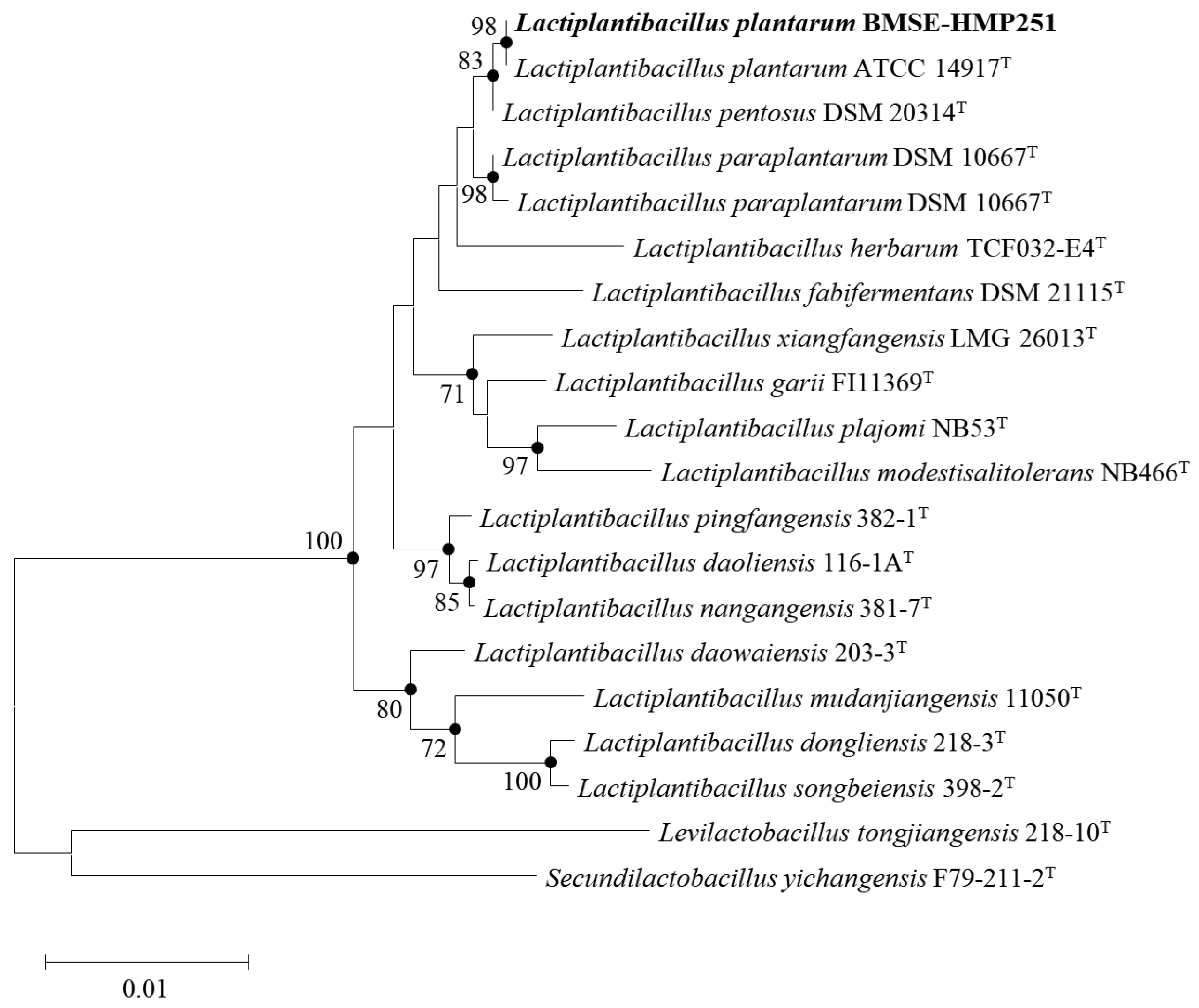
2.1. Identification and Biochemical Characterization
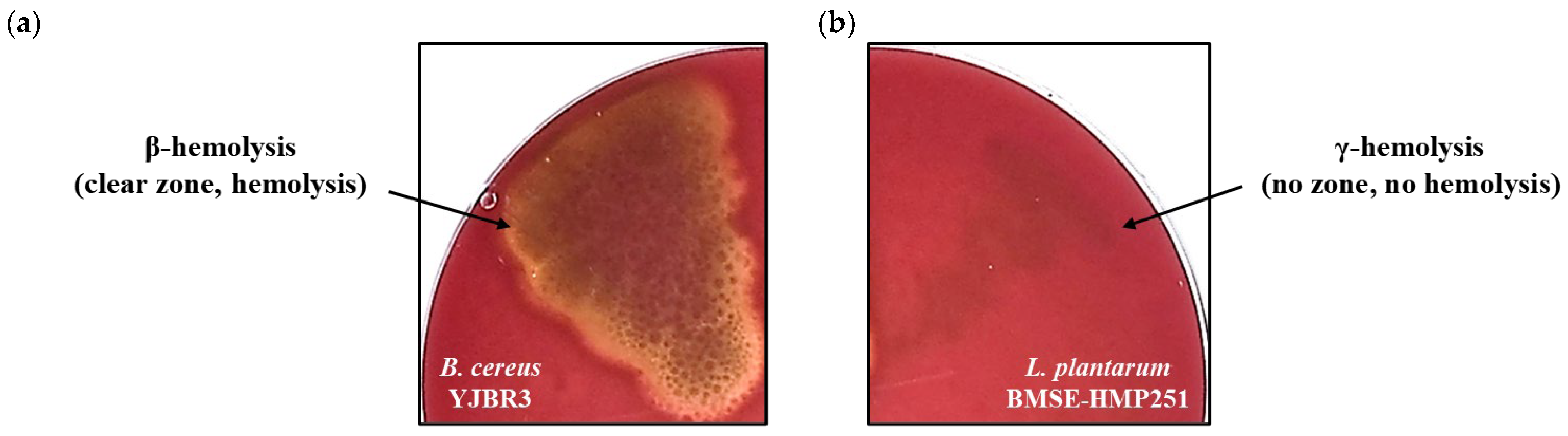
2.2. Evaluation of Hemolytic Activity
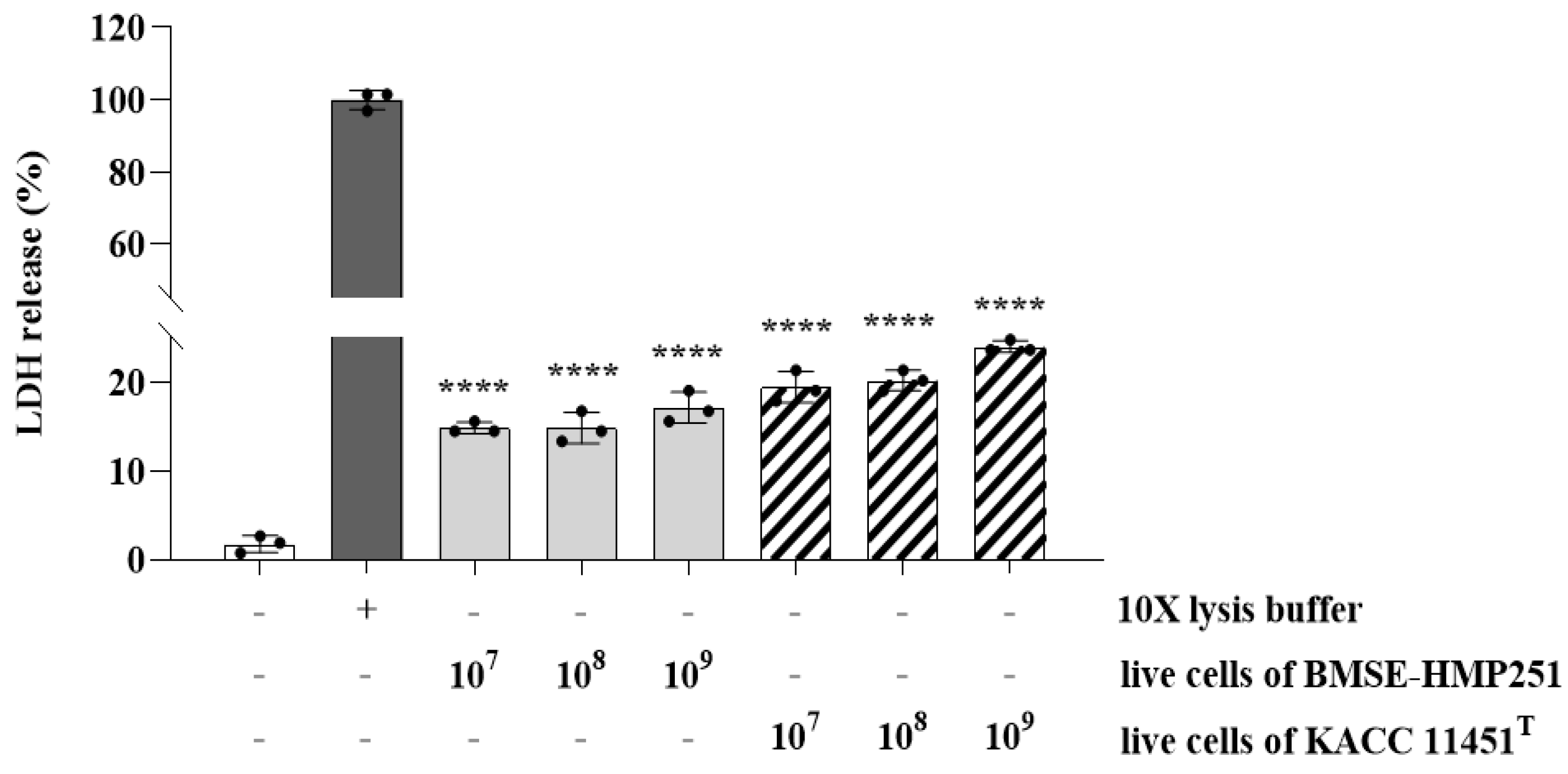
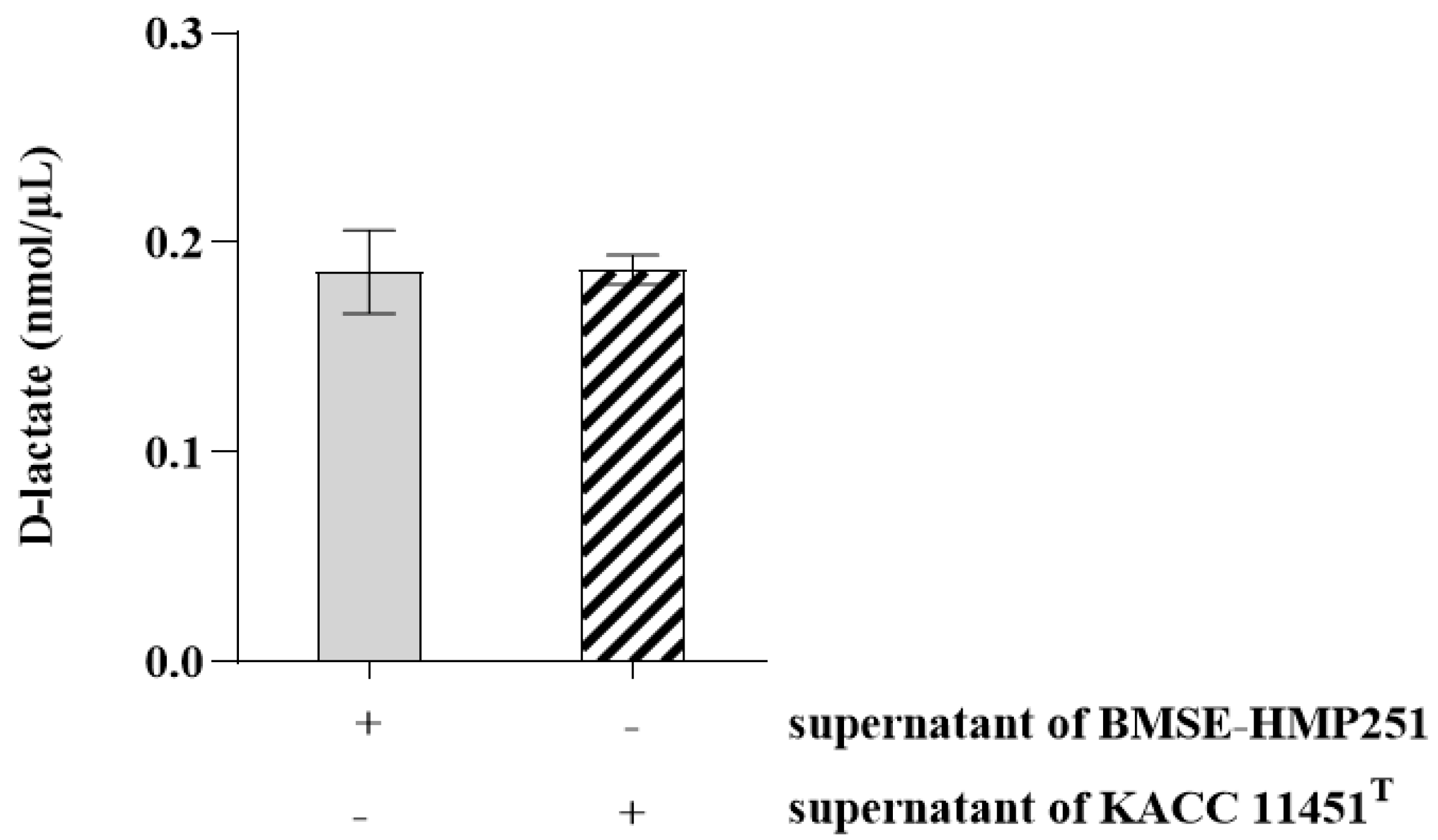
2.3. Lactate Dehydrogenase (LDH) Release and D-Lactate Production
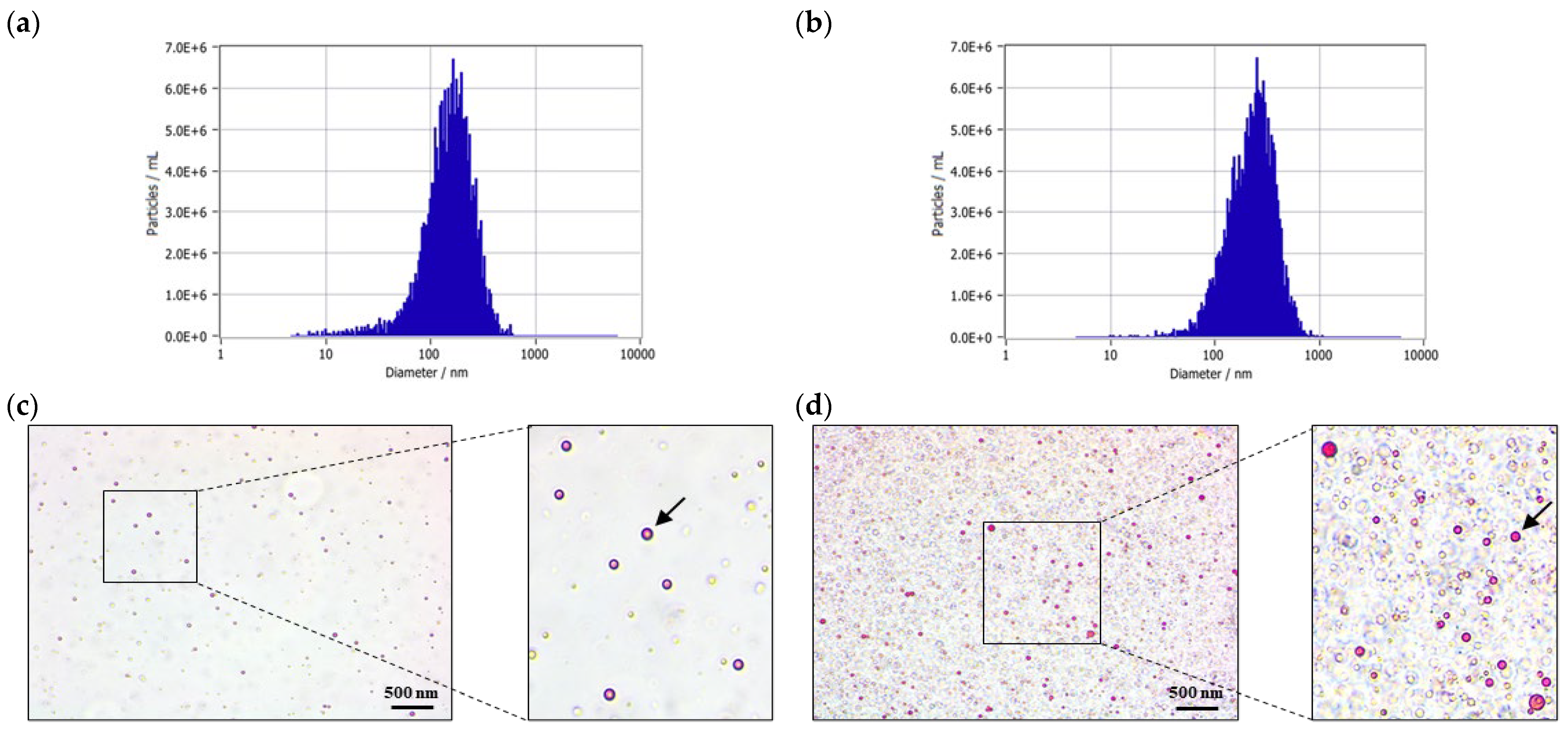
2.4. Characterization of Exosome-like Nanovesicles from Hordeum vulgare L. Extract and Fermented Hordeum vulgare L. Broth Produced Using L. plantarum BMSE-HMP251
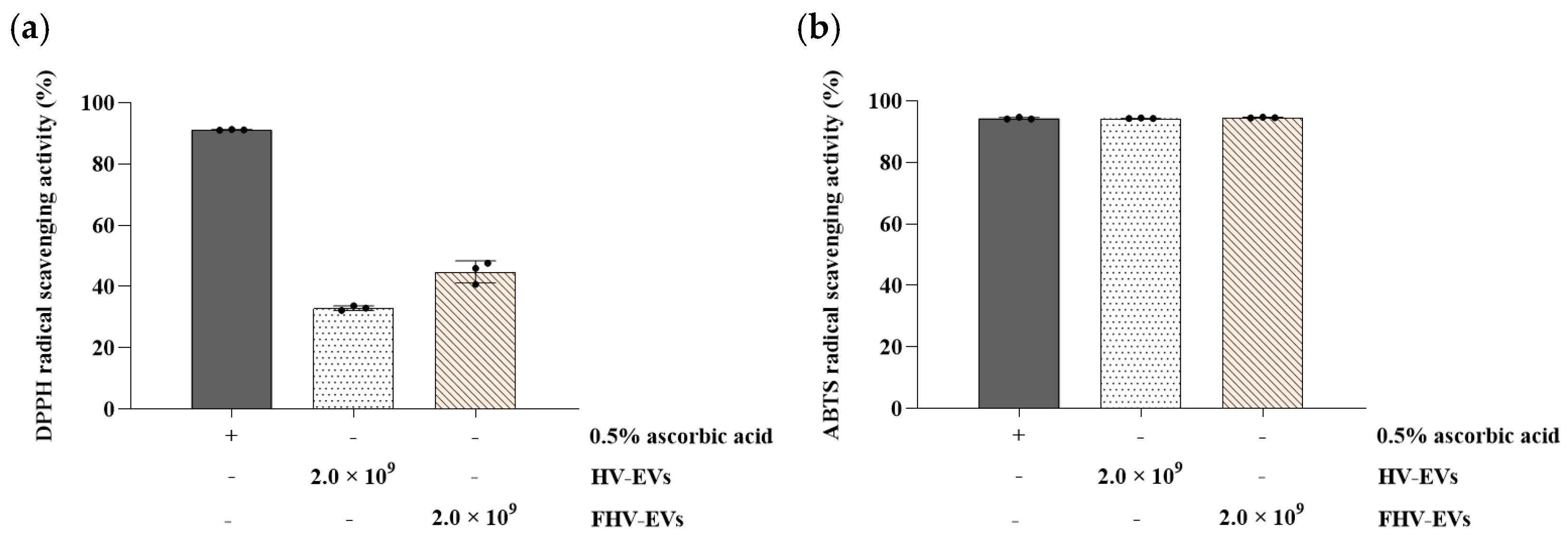
2.5. Antioxidant Activity
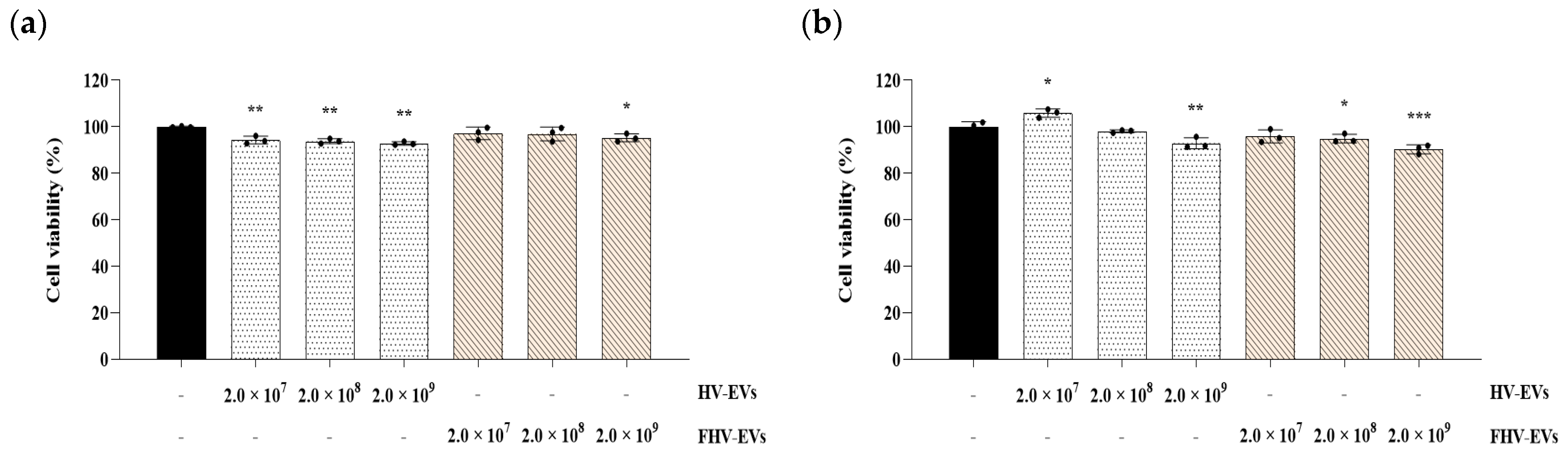
2.6. Evaluation of Cell Viability
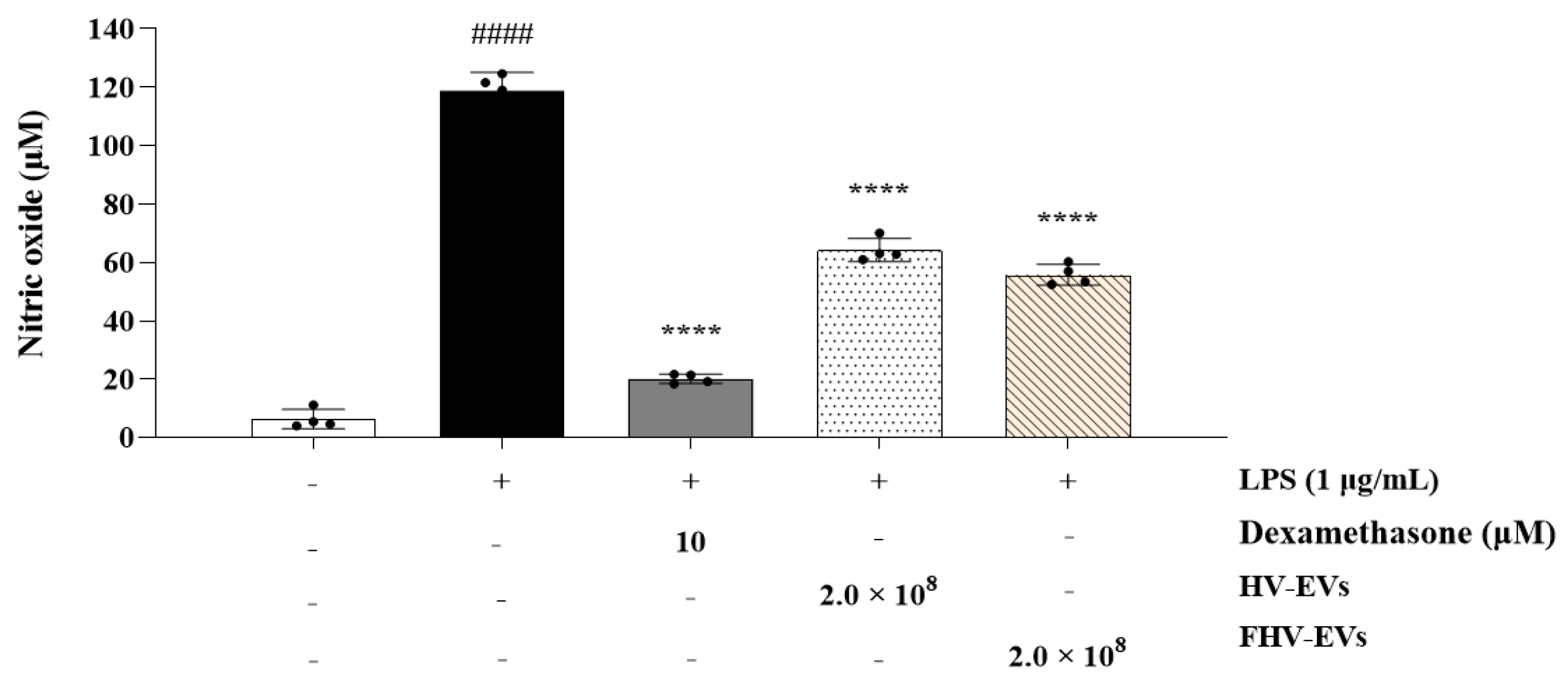
2.7. Regulation of Nitric Oxide (NO) Production
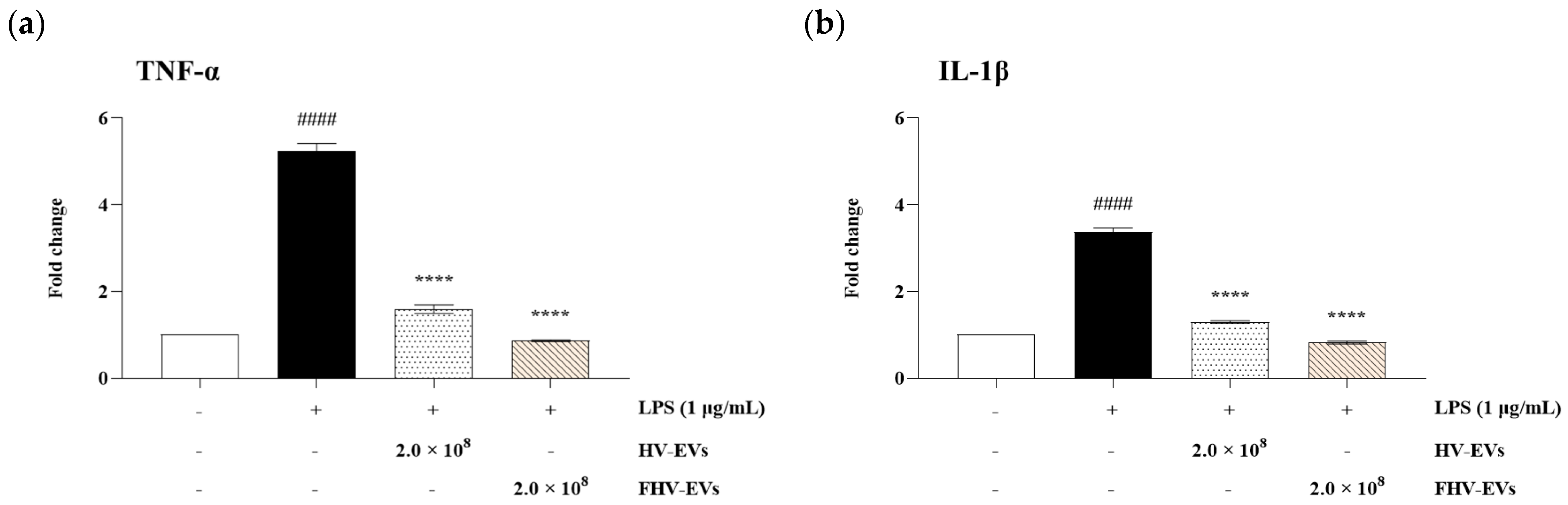
2.8. mRNA Expression by Quantitative Real-Time PCR (qRT-PCR)
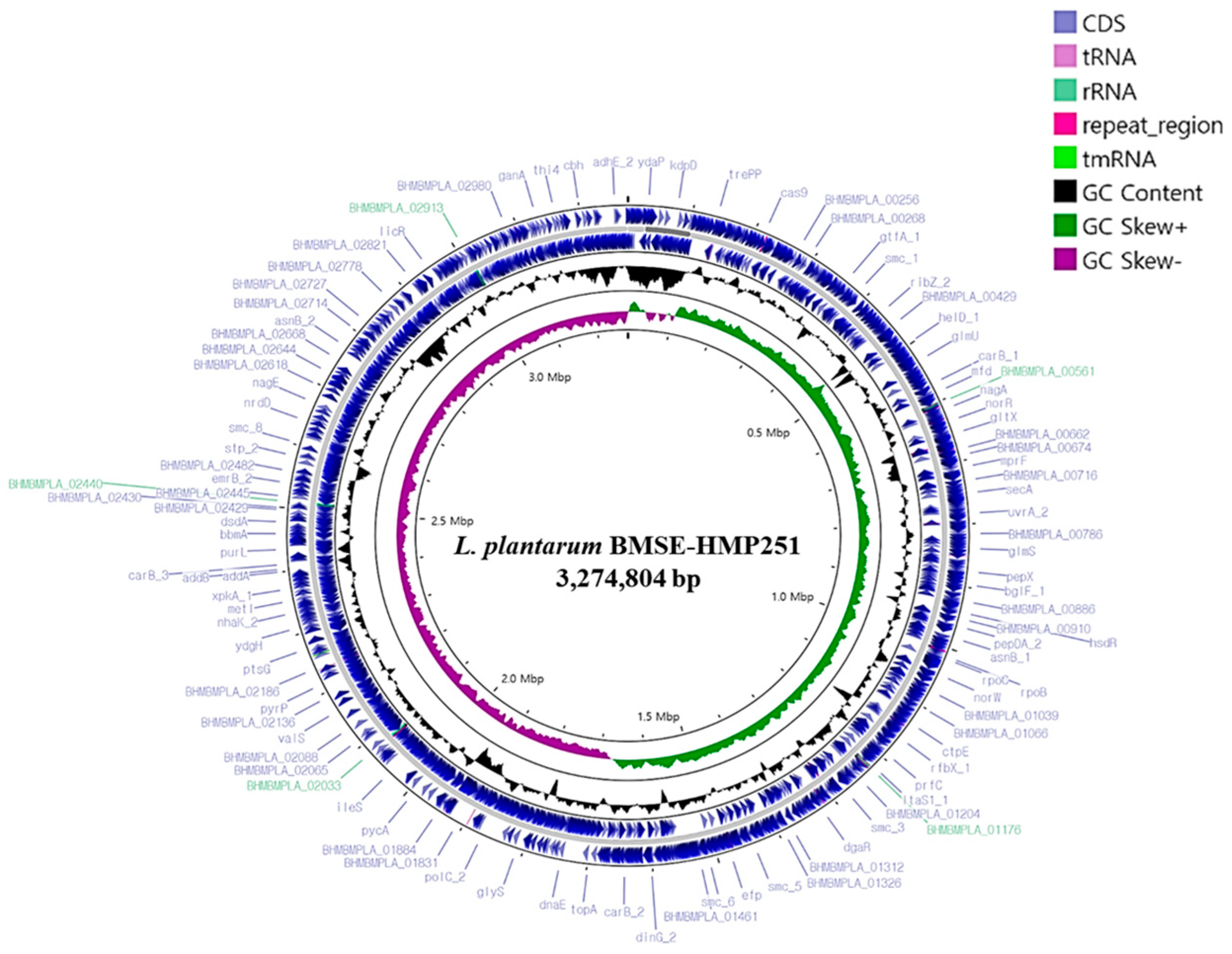
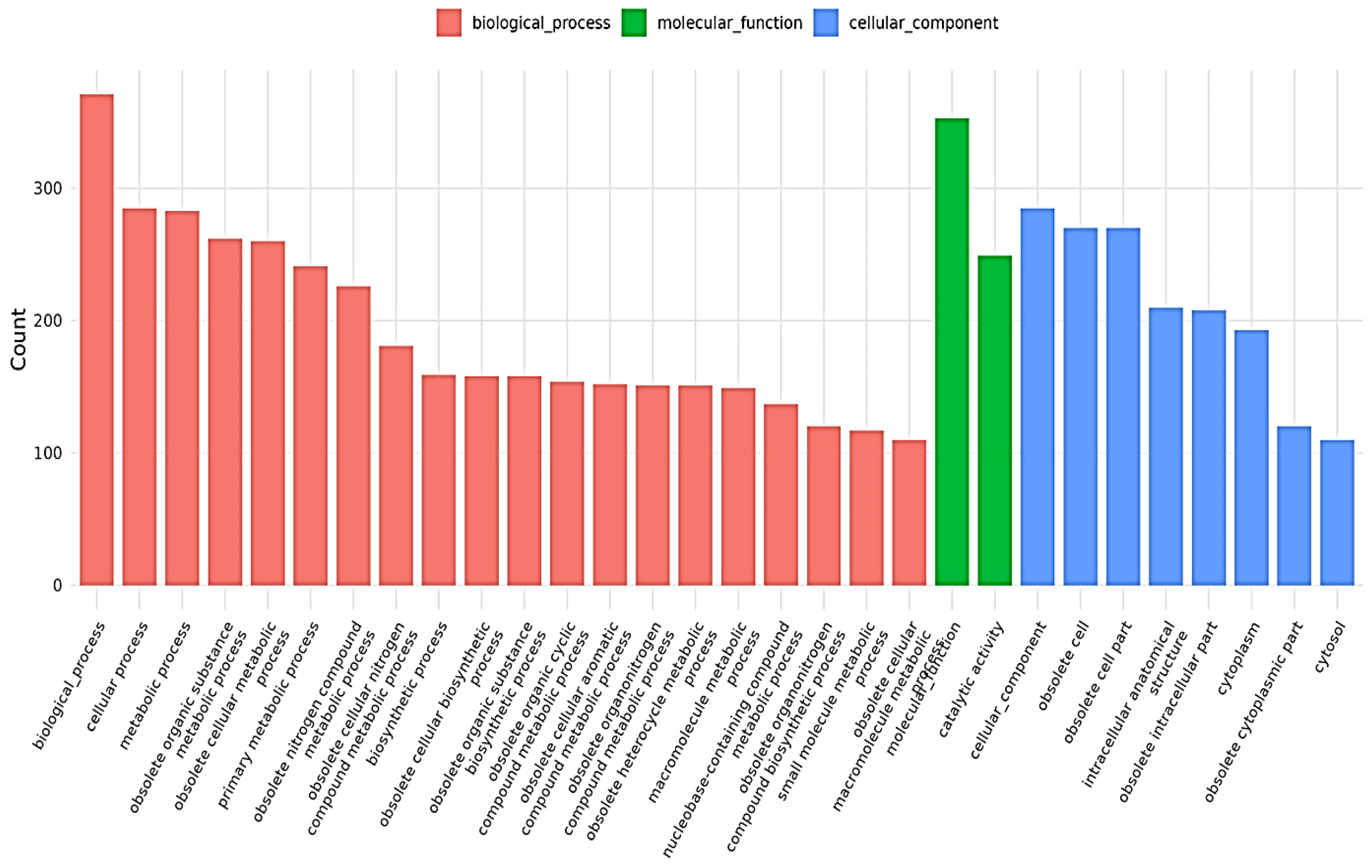
2.9. Whole-Genome Sequencing Analysis of L. plantarum BMSE-HMP251
3. Discussion
4. Materials and Methods
4.1. Type Strains and Cell Lines
4.2. Breast Milk Collection and Storage
4.3. Isolation, Identification, and Biochemical Characterization of Breast Milk-Derived Lactic Acid Bacteria (LAB)
4.4. Assessment of Hemolytic Activity
4.5. Lactate Dehydrogenase (LDH) Release Assay
4.6. D-Lactate Assay
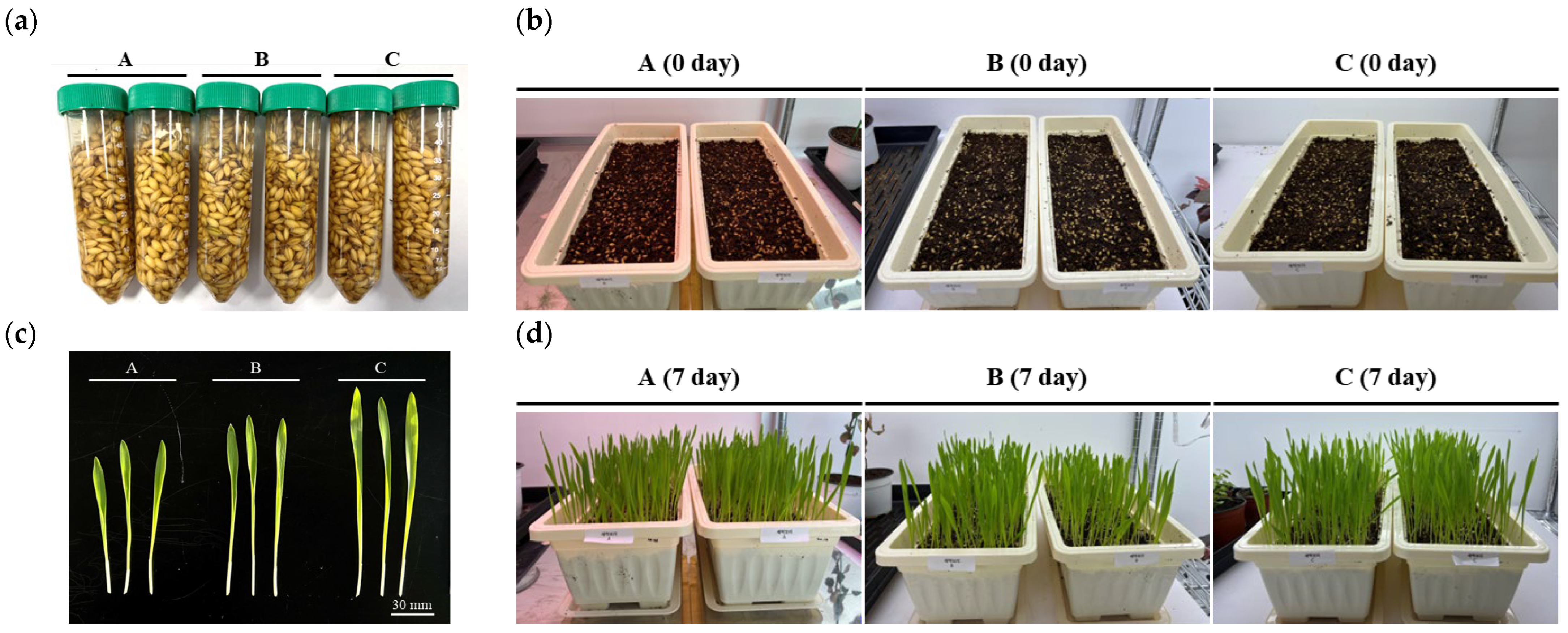
4.7. Establishment of Cultivation Conditions for Hordeum vulgare L. in Smart Farms
4.8. Preparation of Hordeum vulgare L. Extracts and Fermentation of Hordeum vulgare L. Using Breast Milk-Derived LAB
4.9. Isolation of Exosome-like Nanovesicles Using an Aqueous Two-Phase System (ATPS)
4.10. Nanoparticle Tracking Analysis (NTA) and Oil Red O Staining
4.11. DPPH and ABTS Radical Scavenging Assay
4.12. Cell Viability Assay
4.13. Nitric Oxide (NO) Assay
4.14. Quantitative Real-Time PCR (qRT-PCR)
4.15. Whole-Genome Sequencing and Assembly
4.16. Prediction of Potential Virulence Factors and Antimicrobial Resistance Gene
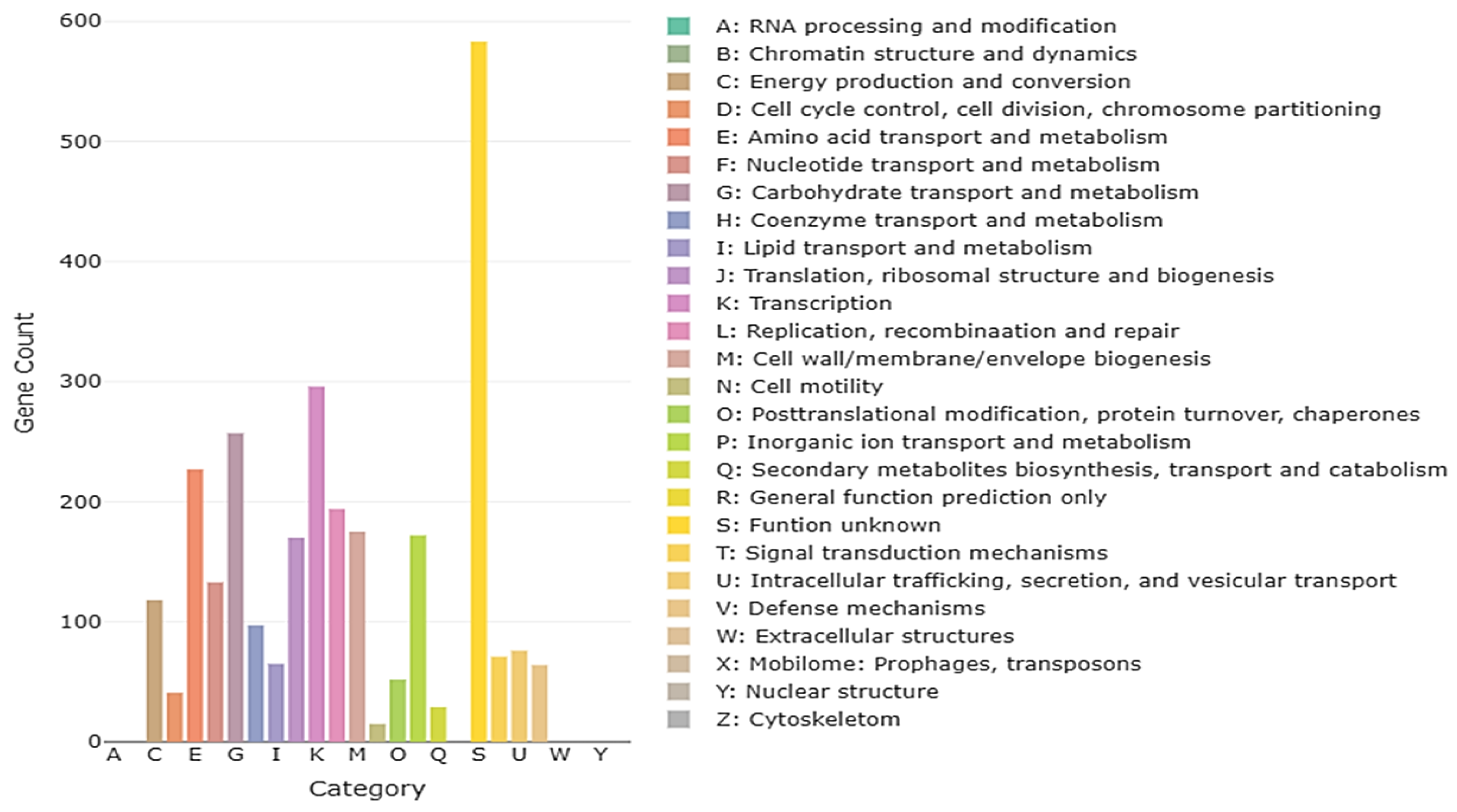
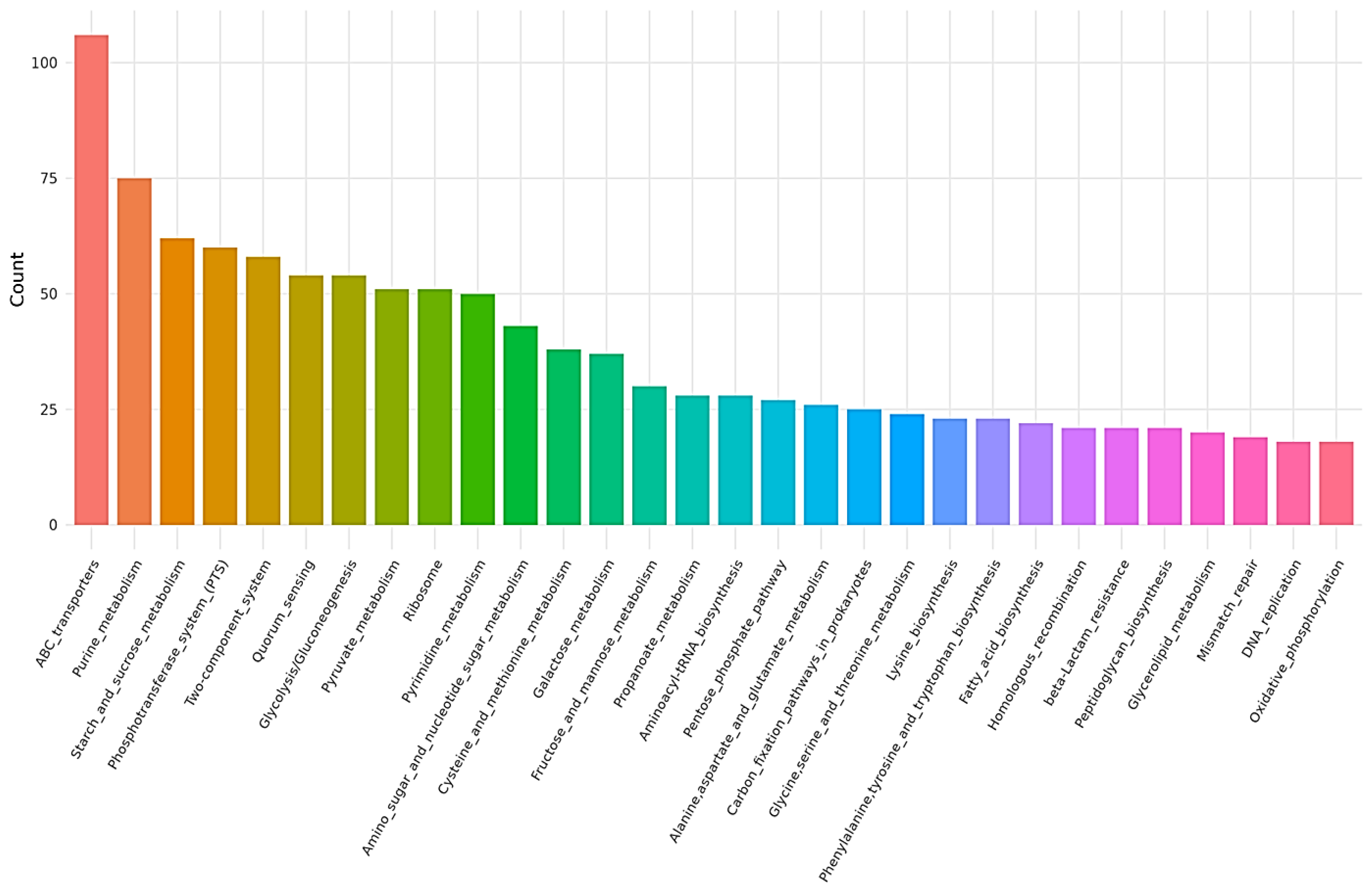
4.17. Gene Prediction and Genome Functional Annotation
4.18. Statistical Analysis
5. Conclusions
Author Contributions
Funding
Institutional Review Board Statement
Informed Consent Statement
Data Availability Statement
Conflicts of Interest
References
- Zaborowski, M.P.; Balaj, L.; Breakefield, X.O.; Lai, C.P.-K. Extracellular Vesicles: Composition, Biological Relevance, and Methods of Study. Bioscience 2015, 65, 783–797. [Google Scholar] [CrossRef]
- Yáñez-Mó, M.; Siljander, P.R.-M.; Andreu, Z.; Zavec, A.B.; Borràs, F.E.; Buzas, E.I.; Buzas, K.; Casal, E.; Cappello, F.; Carvalho, J.; et al. Biological properties of extracellular vesicles and their physiological functions. J. Extracell. Vesicles 2015, 4, 27066. [Google Scholar] [CrossRef]
- Borges, F.; Reis, L.; Schor, N. Extracellular vesicles: Structure, function, and potential clinical uses in renal diseases. Braz. J. Med. Biol. Res. 2013, 46, 824–830. [Google Scholar] [CrossRef] [PubMed]
- Bebelman, M.P.; Smit, M.J.; Pegtel, D.M.; Baglio, S.R. Biogenesis and function of extracellular vesicles in cancer. Pharmacol. Ther. 2018, 188, 1–11. [Google Scholar] [CrossRef] [PubMed]
- Raposo, G.; Stoorvogel, W. Extracellular vesicles: Exosomes, microvesicles, and friends. J. Cell Biol. 2013, 200, 373–383. [Google Scholar] [CrossRef]
- Hornick, N.I.; Huan, J.; Doron, B.; Goloviznina, N.A.; Lapidus, J.; Chang, B.H.; Kurre, P. Serum Exosome MicroRNA as a Minimally-Invasive Early Biomarker of AML. Sci. Rep. 2015, 5, 11295. [Google Scholar] [CrossRef]
- Akers, J.C.; Ramakrishnan, V.; Kim, R.; Skog, J.; Nakano, I.; Pingle, S.; Kalinina, J.; Hua, W.; Kesari, S.; Mao, Y.; et al. miR-21 in the extracellular vesicles (EVs) of Cerebrospinal Fluid (CSF): A Platform for Glioblastoma Biomarker Development. PLoS ONE 2013, 8, e78115. [Google Scholar] [CrossRef]
- Pisitkun, T.; Shen, R.-F.; Knepper, M.A. Identification and proteomic profiling of exosomes in human urine. Proc. Natl. Acad. Sci. USA 2004, 101, 13368–13373. [Google Scholar] [CrossRef] [PubMed]
- Caby, M.-P.; Lankar, D.; Vincendeau-Scherrer, C.; Raposo, G.; Bonnerot, C. Exosomal-like vesicles are present in human blood plasma. Int. Immunol. 2005, 17, 879–887. [Google Scholar] [CrossRef]
- Zlotogorski-Hurvitz, A.; Dayan, D.; Chaushu, G.; Korvala, J.; Salo, T.; Sormunen, R.; Vered, M. Human saliva-derived exosomes: Comparing methods of isolation. J. Histochem. Cytochem. 2015, 63, 181–189. [Google Scholar] [CrossRef]
- Dixon, C.L.; Sheller-Miller, S.; Saade, G.R.; Fortunato, S.J.; Lai, A.; Palma, C.; Guanzon, D.; Salomon, C.; Menon, R. Amniotic Fluid Exosome Proteomic Profile Exhibits Unique Pathways of Term and Preterm Labor. Endocrinology 2018, 159, 2229–2240. [Google Scholar] [CrossRef]
- Li, Z.; Wang, Y.; Xiao, K.; Xiang, S.; Li, Z.; Weng, X. Emerging Role of Exosomes in the Joint Diseases. Cell. Physiol. Biochem. 2018, 47, 2008–2017. [Google Scholar] [CrossRef] [PubMed]
- Grigor’Eva, A.E.; Tamkovich, S.N.; Eremina, A.V.; Tupikin, A.E.; Kabilov, M.R.; Chernykh, V.V.; Vlassov, V.V.; Laktionov, P.P.; Ryabchikova, E.I.; Kabilov, M. Exosomes in tears of healthy individuals: Isolation, identification, and characterization. Biochem. Suppl. Ser. B Biomed. Chem. 2016, 10, 165–172. [Google Scholar] [CrossRef]
- Milasan, A.; Tessandier, N.; Tan, S.; Brisson, A.; Boilard, E.; Martel, C. Extracellular vesicles are present in mouse lymph and their level differs in atherosclerosis. J. Extracell. Vesicles 2016, 5, 76. [Google Scholar] [CrossRef]
- Yoshida, Y.; Yamamoto, H.; Morita, R.; Oikawa, R.; Matsuo, Y.; Maehata, T.; Nosho, K.; Watanabe, Y.; Yasuda, H.; Itoh, F. Detection of DNA methylation of gastric juice-derived exosomes in gastric cancer. Integr. Mol. Med. 2014, 1, 17–21. [Google Scholar] [CrossRef]
- Huotari, J.; Helenius, A. Endosome maturation. EMBO J. 2011, 30, 3481–3500. [Google Scholar] [CrossRef] [PubMed]
- Hessvik, N.P.; Llorente, A. Current knowledge on exosome biogenesis and release. Cell. Mol. Life Sci. 2018, 75, 193–208. [Google Scholar] [CrossRef]
- Kalluri, R.; LeBleu, V.S. The biology, function, and biomedical applications of exosomes. Science 2020, 367, eaau6977. [Google Scholar] [CrossRef] [PubMed]
- Tkach, M.; Théry, C. Communication by extracellular vesicles: Where we are and where we need to go. Cell 2016, 164, 1226–1232. [Google Scholar] [CrossRef]
- Pegtel, D.M.; Gould, S.J. Exosomes. Annu. Rev. Biochem. 2019, 88, 487–514. [Google Scholar] [CrossRef]
- Buzas, E.I. The roles of extracellular vesicles in the immune system. Nat. Rev. Immunol. 2023, 23, 236–250. [Google Scholar] [CrossRef]
- Alvarez-Erviti, L.; Seow, Y.; Yin, H.; Betts, C.; Lakhal, S.; Wood, M.J. Delivery of siRNA to the mouse brain by systemic injection of targeted exosomes. Nat. Biotechnol. 2011, 29, 341–345. [Google Scholar] [CrossRef]
- Lai, R.C.; Arslan, F.; Lee, M.M.; Sze, N.S.; Choo, A.; Chen, T.S.; Salto-Tellez, M.; Timmers, L.; Lee, C.N.; El Oakley, R.M.; et al. Exosome secreted by MSC reduces myocardial ischemia/reperfusion injury. Stem Cell Res. 2010, 4, 214–222. [Google Scholar] [CrossRef]
- Arslan, F.; Lai, R.C.; Smeets, M.B.; Akeroyd, L.; Choo, A.; Aguor, E.N.; Timmers, L.; van Rijen, H.V.; Doevendans, P.A.; Pasterkamp, G.; et al. Mesenchymal stem cell-derived exosomes increase ATP levels, decrease oxidative stress and activate PI3K/Akt pathway to enhance myocardial viability and prevent adverse remodeling after myocardial ischemia/reperfusion injury. Stem Cell Res. 2013, 10, 301–312. [Google Scholar] [CrossRef]
- Lahouar, L.; El-Bok, S.; Achour, L. Therapeutic Potential of Young Green Barley Leaves in Prevention and Treatment of Chronic Diseases: An Overview. Am. J. Chin. Med. 2015, 43, 1311–1329. [Google Scholar] [CrossRef] [PubMed]
- Zeng, Y.; Pu, X.; Yang, J.; Du, J.; Yang, X.; Li, X.; Li, L.; Zhou, Y.; Yang, T. Preventive and therapeutic role of functional ingredients of barley grass for chronic diseases in human beings. Oxid. Med. Cell. Longev. 2018, 2018, 3232080. [Google Scholar] [CrossRef]
- Kowalczewski, P.Ł.; Radzikowska, D.; Ivanišová, E.; Szwengiel, A.; Kačániová, M.; Sawinska, Z. Influence of abiotic stress factors on the antioxidant properties and polyphenols profile composition of green barley (Hordeum vulgare L.). Int. J. Mol. Sci. 2020, 21, 397. [Google Scholar] [CrossRef]
- Seo, K.H.; Park, M.J.; Ra, J.E.; Han, S.I.; Nam, M.H.; Kim, J.H.; Lee, J.H.; Seo, W.D. Saponarin from barley sprouts inhibits NF-κB and MAPK on LPS-induced RAW 264.7 cells. Food Funct. 2014, 5, 3005–3013. [Google Scholar] [CrossRef] [PubMed]
- Min, S.Y.; Park, C.H.; Yu, H.W.; Park, Y.J. Anti-inflammatory and anti-allergic effects of saponarin and its impact on signaling pathways of RAW 264.7, RBL-2H3, and HaCaT cells. Int. J. Mol. Sci. 2021, 22, 8431. [Google Scholar] [CrossRef] [PubMed]
- Kim, S.H.; Shim, Y.Y.; Kim, Y.J.; Reaney, M.J.T.; Chung, M.J. Anti-inflammatory effects of barley sprout fermented by lactic acid bacteria in RAW264.7 macrophages and Caco-2 cells. Foods 2024, 13, 1781. [Google Scholar] [CrossRef]
- Carr, F.J.; Chill, D.; Maida, N. The lactic acid bacteria: A literature survey. Crit. Rev. Microbiol. 2002, 28, 281–370. [Google Scholar] [CrossRef]
- Stiles, M.E.; Holzapfel, W.H. Lactic acid bacteria of foods and their current taxonomy. Int. J. Food Microbiol. 1997, 36, 1–29. [Google Scholar] [CrossRef] [PubMed]
- Klaenhammer, T.R.; Barrangou, R.; Buck, B.L.; Azcarate-Peril, M.A.; Altermann, E. Genomic features of lactic acid bacteria effecting bioprocessing and health. FEMS Microbiol. Rev. 2005, 29, 393–409. [Google Scholar] [CrossRef]
- Holzapfel, W.H.; Haberer, P.; Geisen, R.; Björkroth, J.; Schillinger, U. Taxonomy and important features of probiotic microorganisms in food and nutrition. Am. J. Clin. Nutr. 2001, 73, 365S–373S. [Google Scholar] [CrossRef]
- Victora, C.G.; Bahl, R.; Barros, A.J.D.; França, G.V.A.; Horton, S.; Krasevec, J.; Murch, S.; Sankar, M.J.; Walker, N.; Rollins, N.C.; et al. Breastfeeding in the 21st century: Epidemiology, mechanisms, and lifelong effect. Lancet 2016, 387, 475–490. [Google Scholar] [CrossRef]
- Cacho, N.T.; Lawrence, R.M. Innate immunity and breast milk. Front. Immunol. 2017, 8, 584. [Google Scholar] [CrossRef]
- Jakaitis, B.M.; Denning, P.W. Human breast milk and the gastrointestinal innate immune system. Clin. Perinatol. 2014, 41, 423–435. [Google Scholar] [CrossRef]
- Mañé, J.; Lorén, V.; Pedrosa, E.; Ojanguren, I.; Xaus, J.; Cabré, E.; Domènech, E.; Gassull, M.A. Lactobacillus fermentum CECT 5716 prevents and reverts intestinal damage on TNBS-induced colitis in mice. Inflamm. Bowel Dis. 2009, 15, 1155–1163. [Google Scholar] [CrossRef] [PubMed]
- Peran, L.; Sierra, S.; Comalada, M.; Lara-Villoslada, F.; Bailón, E.; Nieto, A.; Concha, A.; Olivares, M.; Zarzuelo, A.; Xaus, J.; et al. A comparative study of the preventative effects exerted by two probiotics, Lactobacillus reuteri and Lactobacillus fermentum, in the trinitrobenzenesulfonic acid model of rat colitis. Br. J. Nutr. 2007, 97, 96–103. [Google Scholar] [CrossRef] [PubMed]
- Kim, K.J.; Kyung, S.; Jin, H.; Im, M.; Kim, J.W.; Kim, H.S.; Jang, S.E. Lactic acid bacteria isolated from human breast milk improve colitis induced by 2,4,6-trinitrobenzene sulfonic acid by inhibiting NF-κB signaling in mice. J. Microbiol. Biotechnol. 2023, 33, 1057–1065. [Google Scholar] [CrossRef]
- Lee, S.H. Intestinal permeability regulation by tight junction: Implication on inflammatory bowel diseases. Intest. Res. 2015, 13, 11–18. [Google Scholar] [CrossRef]
- Vanuytsel, T.; Tack, J.; Farre, R. The role of intestinal permeability in gastrointestinal disorders and current methods of evaluation. Front. Nutr. 2021, 8, 717925. [Google Scholar] [CrossRef]
- Hou, K.; Wu, Z.X.; Chen, X.Y.; Wang, J.Q.; Zhang, D.; Xiao, C.; Zhu, D.; Koya, J.B.; Wei, L.; Li, J.; et al. Microbiota in health and diseases. Signal Transduct. Target. Ther. 2022, 7, 135. [Google Scholar] [CrossRef]
- Rodríguez, J.M. The origin of human milk bacteria: Is there a bacterial entero-mammary pathway during late pregnancy and lactation? Adv. Nutr. 2014, 5, 779–784. [Google Scholar] [CrossRef]
- Jost, T.; Lacroix, C.; Braegger, C.P.; Rochat, F.; Chassard, C. Vertical mother-neonate transfer of maternal gut bacteria via breastfeeding. Environ. Microbiol. 2014, 16, 2891–2904. [Google Scholar] [CrossRef]
- Leonard, W.; Zhang, P.; Ying, D.; Adhikari, B.; Fang, Z. Fermentation transforms the phenolic profiles and bioactivities of plant-based foods. Biotechnol. Adv. 2021, 49, 107763. [Google Scholar] [CrossRef]
- Escrivá, L.; Manyes, L.; Vila-Donat, P.; Font, G.; Meca, G.; Lozano, M. Bioaccessibility and bioavailability of bioactive compounds from yellow mustard flour and milk whey fermented with lactic acid bacteria. Food Funct. 2021, 12, 11250–11261. [Google Scholar] [CrossRef] [PubMed]
- Ozturk, T.; Ávila-Gálvez, M.Á.; Mercier, S.; Vallejo, F.; Bred, A.; Fraisse, D.; Morand, C.; Pelvan, E.; Monfoulet, L.E.; González-Sarrías, A. Impact of lactic acid bacteria fermentation on (poly)phenolic profile and in vitro antioxidant and anti-inflammatory properties of herbal infusions. Antioxidants 2024, 13, 562. [Google Scholar] [CrossRef] [PubMed]
- Lad, V.; Panchal, D.; Pithawala, M.; Dwivedi, M.K.; Amaresan, N. Determination of hemolytic activity. In Biosafety Assessment of Probiotic Potential; Springer: New York, NY, USA, 2022; pp. 43–46. [Google Scholar]
- Martín, R.; Olivares, M.; Marín, M.L.; Fernández, L.; Xaus, J.; Rodríguez, J.M. Probiotic potential of three Lactobacillus strains isolated from breast milk. J. Hum. Lact. 2005, 21, 8–17. [Google Scholar] [CrossRef]
- Kwon, Y.J.; Chun, B.H.; Jung, H.S.; Chu, J.; Joung, H.; Park, S.Y.; Kim, B.K.; Jeon, C.O. Safety assessment of Lactiplantibacillus (formerly Lactobacillus) plantarum Q180. J. Microbiol. Biotechnol. 2021, 31, 1420–1429. [Google Scholar] [CrossRef] [PubMed]
- Chokesajjawatee, N.; Santiyanont, P.; Chantarasakha, K.; Kocharin, K.; Thammarongtham, C.; Lertampaiporn, S.; Vorapreeda, T.; Srisuk, T.; Wongsurawat, T.; Jenjaroenpun, P.; et al. Safety assessment of a Nham starter culture Lactobacillus plantarum BCC9546 via whole-genome analysis. Sci. Rep. 2020, 10, 10241. [Google Scholar] [CrossRef]
- Connolly, E.; Abrahamsson, T.; Björkstén, B. Safety of D(−)-lactic acid–producing bacteria in the human infant. J. Pediatr. Gastroenterol. Nutr. 2005, 41, 489–492. [Google Scholar] [CrossRef]
- Łukasik, J.; Salminen, S.; Szajewska, H. Rapid review shows that probiotics and fermented infant formulas do not cause D-lactic acidosis in healthy children. Acta Paediatr. 2018, 107, 1322–1326. [Google Scholar] [CrossRef] [PubMed]
- Kowlgi, N.G.; Chhabra, L. D-lactic acidosis: An underrecognized complication of short bowel syndrome. Gastroenterol. Res. Pract. 2015, 2015, 476215. [Google Scholar] [CrossRef]
- Mu, J.; Zhuang, X.; Wang, Q.; Jiang, H.; Deng, Z.B.; Wang, B.; Zhang, L.; Kakar, S.; Jun, Y.; Miller, D.; et al. Interspecies communication between plant and mouse gut host cells through edible plant-derived exosome-like nanoparticles. Mol. Nutr. Food Res. 2014, 58, 1561–1573. [Google Scholar] [CrossRef] [PubMed]
- Théry, C.; Witwer, K.W.; Aikawa, E.; Alcaraz, M.J.; Anderson, J.D.; Andriantsitohaina, R.; Antoniou, A.; Arab, T.; Archer, F.; Atkin-Smith, G.K.; et al. Minimal information for studies of extracellular vesicles 2018 (MISEV2018): A position statement of the International Society for Extracellular Vesicles and update of the MISEV2014 guidelines. J. Extracell. Vesicles 2018, 7, 1535750. [Google Scholar] [CrossRef] [PubMed]
- Pinedo, M.; de la Canal, L.; de Marcos Lousa, C. A call for rigor and standardization in plant extracellular vesicle research. J. Extracell. Vesicles 2021, 10, e12048. [Google Scholar] [CrossRef]
- Ju, S.; Mu, J.; Dokland, T.; Zhuang, X.; Wang, Q.; Jiang, H.; Xiang, X.; Deng, Z.B.; Wang, B.; Zhang, L.; et al. Grape exosome-like nanoparticles induce intestinal stem cells and protect mice from DSS-induced colitis. Mol. Ther. 2013, 21, 1345–1357. [Google Scholar] [CrossRef]
- Liu, C.; Yan, X.; Zhang, Y.; Yang, M.; Ma, Y.; Zhang, Y.; Xu, Q.; Tu, K.; Zhang, M. Oral administration of turmeric-derived exosome-like nanovesicles with anti-inflammatory and pro-resolving bioactions for murine colitis therapy. J. Nanobiotechnol. 2022, 20, 206. [Google Scholar] [CrossRef]
- Ly, N.P.; Han, H.S.; Kim, M.; Park, J.H.; Choi, K.Y. Plant-derived nanovesicles: Current understanding and applications for cancer therapy. Bioact. Mater. 2022, 22, 365–383. [Google Scholar] [CrossRef]
- Deng, Z.; Rong, Y.; Teng, Y.; Mu, J.; Zhuang, X.; Tseng, M.; Samykutty, A.; Zhang, L.; Yan, J.; Miller, D.; et al. Broccoli-derived nanoparticle inhibits mouse colitis by activating dendritic cell AMP-activated protein kinase. Mol. Ther. 2017, 25, 1641–1654. [Google Scholar] [CrossRef]
- Choi, J.H.; Moon, C.M.; Shin, T.S.; Kim, E.K.; McDowell, A.; Jo, M.K.; Joo, Y.H.; Kim, S.E.; Jung, H.K.; Shim, K.N.; et al. Lactobacillus paracasei–derived extracellular vesicles attenuate the intestinal inflammatory response by augmenting the endoplasmic reticulum stress pathway. Exp. Mol. Med. 2020, 52, 423–437. [Google Scholar] [CrossRef] [PubMed]
- Kim, W.; Lee, E.J.; Bae, I.H.; Myoung, K.; Kim, S.T.; Park, P.J.; Lee, K.H.; Pham, A.V.Q.; Ko, J.; Oh, S.H.; et al. Lactobacillus plantarum–derived extracellular vesicles induce anti-inflammatory M2 macrophage polarization in vitro. J. Extracell. Vesicles 2020, 9, 1793514. [Google Scholar] [CrossRef]
- Gong, S.; Zeng, R.; Liu, L.; Wang, R.; Xue, M.; Dong, H.; Wu, Z.; Zhang, Y. Extracellular vesicles from a novel Lactiplantibacillus plantarum strain suppress inflammation and promote M2 macrophage polarization. Front. Immunol. 2024, 15, 1459213. [Google Scholar] [CrossRef]
- Yu, D.; Lee, J.E.; Rhee, M.S.; Shim, S.M.; Om, A.S.; Yu, H.; Kook, M. Isolation of biofilm-forming bacteria from food processing equipment surfaces and the biofilm-degrading activity of Bacillus licheniformis YJE5. Foods 2025, 14, 3592. [Google Scholar] [CrossRef]
- Argyri, A.A.; Zoumpopoulou, G.; Karatzas, K.A.; Tsakalidou, E.; Nychas, G.J.; Panagou, E.Z.; Tassou, C.C. Selection of potential probiotic lactic acid bacteria from fermented olives by in vitro tests. Food Microbiol. 2013, 33, 282–291. [Google Scholar] [CrossRef] [PubMed]
- Peinnequin, A.; Mouret, C.; Birot, O.; Alonso, A.; Mathieu, J.; Clarençon, D.; Agay, D.; Chancerelle, Y.; Multon, E. Rat pro-inflammatory cytokine and cytokine-related mRNA quantification by real-time polymerase chain reaction using SYBR Green. BMC Immunol. 2004, 5, 3. [Google Scholar] [CrossRef]
- Wick, R.R.; Judd, L.M.; Holt, K.E. Performance of neural network basecalling tools for Oxford Nanopore sequencing. Genome Biol. 2019, 20, 129. [Google Scholar] [CrossRef] [PubMed]
- Bonenfant, Q.; Noé, L.; Touzet, H. Porechop_ABI: Discovering unknown adapters in ONT sequencing reads. bioRxiv 2022. [Google Scholar] [CrossRef]
- Kolmogorov, M.; Yuan, J.; Lin, Y.; Pevzner, P.A. Assembly of long, error-prone reads using repeat graphs. Nat. Biotechnol. 2019, 37, 540–546. [Google Scholar] [CrossRef]
- Manni, M.; Berkeley, M.R.; Seppey, M.; Simão, F.A.; Zdobnov, E.M. BUSCO update: Novel and streamlined workflows with deeper phylogenetic coverage. Mol. Biol. Evol. 2021, 38, 4647–4654. [Google Scholar] [CrossRef]
- Bortolaia, V.; Kaas, R.S.; Ruppe, E.; Roberts, M.C.; Schwarz, S.; Cattoir, V.; Philippon, A.; Allesoe, R.L.; Rebelo, A.R.; Florensa, A.F.; et al. ResFinder 4.0 for predictions of phenotypes from genotypes. J. Antimicrob. Chemother. 2020, 75, 3491–3500. [Google Scholar] [CrossRef]
- Feldgarden, M.; Brover, V.; Gonzalez-Escalona, N.; Frye, J.G.; Haendiges, J.; Haft, D.H.; Hoffmann, M.; Pettengill, J.B.; Prasad, A.B.; Tillman, G.E.; et al. AMRFinderPlus and the Reference Gene Catalog facilitate genomic links among antimicrobial resistance, stress response, and virulence. Sci. Rep. 2021, 11, 12728. [Google Scholar] [CrossRef]
- Chen, L.; Yang, J.; Yu, J.; Yao, Z.; Sun, L.; Shen, Y.; Jin, Q. VFDB: A reference database for bacterial virulence factors. Nucleic Acids Res. 2005, 33, D325–D328. [Google Scholar] [CrossRef] [PubMed]
- Buchfink, B.; Reuter, K.; Drost, H.G. Sensitive protein alignments at tree-of-life scale using DIAMOND. Nat. Methods 2021, 18, 366–368. [Google Scholar] [CrossRef] [PubMed]
- Umanets, A.; Surono, I.S.; Venema, K. I am better than I look: Genome based safety assessment of Lactiplantibacillus plantarum IS-10506. BMC Genom. 2023, 24, 518. [Google Scholar] [CrossRef] [PubMed]
- Seemann, T. Prokka: Rapid prokaryotic genome annotation. Bioinformatics 2014, 30, 2068–2069. [Google Scholar] [CrossRef]
- Grant, J.R.; Enns, E.; Marinier, E.; Mandal, A.; Herman, E.K.; Chen, C.Y.; Graham, M.; Van Domselaar, G.; Stothard, P. Proksee: In-depth characterization and visualization of bacterial genomes. Nucleic Acids Res. 2023, 51, W484–W492. [Google Scholar] [CrossRef]







| Enzymes | KACC 11451T (1) | HMP251 | Enzymes | KACC 11451T | HMP251 |
|---|---|---|---|---|---|
| Control | − (2) | − | Acid phosphatase | w | + |
| Alkaline phosphatase | − | w | Naphthol-AS-BI-phosphohydrolase | + | − |
| Esterase (C4) | − | w | α-galactosidase | − | − |
| Esterase lipase (C8) | w (3) | w | β-glucuronidase | + | + |
| Lipase (C14) | − | − | β-glucosidase | − | − |
| Leucine arylamidase | + (4) | + | α-glucosidase | + | + |
| Valine arylamidase | + | + | β-glucosidase | + | + |
| Crystine arylamidase | w | w | N-acetyl-β-glucosaminidase | − | − |
| Trypsin | − | − | α-mannosidase | − | − |
| α-chymotrypsin | − | − | α-fucosidase | − | − |
| Carbohydrates | KACC 11451T (1) | HMP251 | Carbohydrates | KACC 11451T | HMP251 |
|---|---|---|---|---|---|
| Control | − (2) | − | Esculin | + | + |
| Glycerol | − | − | Salicin | + | + |
| Erythritol | − | − | Cellobiose | + | + |
| D-Arabinose | − | − | Maltose | + | + |
| L-Arabinose | + (3) | + | Lactose | + | + |
| D-Ribose | + | + | Melibiose | + | + |
| D-Xylose | − | − | Sucrose | + | + |
| L-Xylose | − | − | Trehalose | + | + |
| D-Adonitol | − | − | Inulin | − | − |
| Methyl-β-Xylopyranosicle | − | − | Melezitose | + | + |
| D-Galactose | + | + | Raffinos | − | − |
| D-Glucose | + | + | Starch | − | − |
| D-Fructose | + | + | Glycogen | − | − |
| D-Mannose | + | + | Xylitol | − | − |
| L-Sorbose | − | − | Gentiobiose | + | + |
| Rhamnose | − | − | D-Turanose | + | + |
| Dulcitol | − | − | D-Lyxose | − | − |
| Inositol | − | − | D-Tagatose | − | − |
| Mannitol | + | + | D-Fucose | − | − |
| Sorbitol | + | + | L-Fucose | − | − |
| α-Methyl-D-Mannoside | + | + | D-Arabitol | − | − |
| α-Methyl-D-Glucoside | − | − | L-Arabitol | − | − |
| N-Acethyl-Glucosamine | + | + | Gluconate | + | + |
| Amygdalin | + | + | 2-Keto-Gluconate | − | − |
| Arbutin | + | + | 5-Keto-Gluconate | − | − |
| Sample | Concentration (mL−1) | Particle Size (nm) |
|---|---|---|
| Exosome-like nanovesicle of Hordeum vulgare L. extract | 2.0 × 10¹¹ | 153.6 |
| Exosome-like nanovesicle of fermented Hordeum vulgare L. broth | 2.0 × 10¹⁰ | 229.9 |
| Features | |
|---|---|
| Genome size (bp) | 3,274,804 |
| GC content (%) | 44.46 |
| Coding sequence (CDS) | 3066 |
| rRNA | 16 |
| tRNA | 66 |
| Lux | Conditions | ||
|---|---|---|---|
| A | B | C | |
| Maximum (1) | 2410 | 3213 | 4186 |
| Minimum (2) | 2388 | 3018 | 4116 |
| † Formula (g/L) | |
|---|---|
| Soy Peptone | 10 |
| Dextrose | 20 |
| Yeast Extract | 15 |
| Sodium Acetate | 4 |
| Ammonium Citrate | 1.5 |
| Dipotassium Phosphate | 1.5 |
| Magnesium Sulfate | 0.2 |
| Manganese Sulfate | 0.05 |
| Primers | Sequence | Ref. |
|---|---|---|
| IL-1β_Forward | CACCTCTCAAGCAGAGCACAG | [68] |
| IL-1β_Reverse | GGGTTCCATGGTGAAGTCAAC | |
| TNF-α_Forward | AAATGGGCTCCCTCTCATCAGTTC | |
| TNF-α_Reverse | TCTGCTTGGTGGTTTGCTACGAC | |
| β-actin_Forward | AAGTCCCTCACCCTCCCAAAAG | |
| β-actin_Reverse | AAGCAATGCTGTCACCTTCCC |
Disclaimer/Publisher’s Note: The statements, opinions and data contained in all publications are solely those of the individual author(s) and contributor(s) and not of MDPI and/or the editor(s). MDPI and/or the editor(s) disclaim responsibility for any injury to people or property resulting from any ideas, methods, instructions or products referred to in the content. |
© 2026 by the authors. Licensee MDPI, Basel, Switzerland. This article is an open access article distributed under the terms and conditions of the Creative Commons Attribution (CC BY) license.
Share and Cite
Yu, D.; Lee, J.-E.; Kim, J.H.; Kim, J.S.; Park, S.J.; Kim, K.-Y.; Jung, H.; Kook, M. Exosome-like Nanovesicles from Hordeum vulgare L. Fermented with Lactiplantibacillus plantarum BMSE-HMP251 Ameliorate LPS-Induced Inflammation in HT-29 and RAW 264.7 Cells. Molecules 2026, 31, 679. https://doi.org/10.3390/molecules31040679
Yu D, Lee J-E, Kim JH, Kim JS, Park SJ, Kim K-Y, Jung H, Kook M. Exosome-like Nanovesicles from Hordeum vulgare L. Fermented with Lactiplantibacillus plantarum BMSE-HMP251 Ameliorate LPS-Induced Inflammation in HT-29 and RAW 264.7 Cells. Molecules. 2026; 31(4):679. https://doi.org/10.3390/molecules31040679
Chicago/Turabian StyleYu, Duna, Jeong-Eun Lee, Jin Hong Kim, Jung Soo Kim, Si Jun Park, Ki-Young Kim, Hana Jung, and Moochang Kook. 2026. "Exosome-like Nanovesicles from Hordeum vulgare L. Fermented with Lactiplantibacillus plantarum BMSE-HMP251 Ameliorate LPS-Induced Inflammation in HT-29 and RAW 264.7 Cells" Molecules 31, no. 4: 679. https://doi.org/10.3390/molecules31040679
APA StyleYu, D., Lee, J.-E., Kim, J. H., Kim, J. S., Park, S. J., Kim, K.-Y., Jung, H., & Kook, M. (2026). Exosome-like Nanovesicles from Hordeum vulgare L. Fermented with Lactiplantibacillus plantarum BMSE-HMP251 Ameliorate LPS-Induced Inflammation in HT-29 and RAW 264.7 Cells. Molecules, 31(4), 679. https://doi.org/10.3390/molecules31040679