2.3. Sorption and Desorption of Scandium from a Mixed Solution
The following data present the results of inductively coupled plasma optical emission spectrometry (ICP-OES) analysis of scandium ion concentrations extracted from the mixed metal solution. The residual concentrations of Sc
3+ ions remaining in solution after the sorption process by the hPAA:hP4VP intergel system at all studied polymer ratios and contact times are summarized in
Table 5, and the corresponding kinetic profiles are illustrated graphically in
Figure 2.
As presented in
Table 5, the residual concentration of Sc3+ ions in solution at early contact times (0.5–2 h) slightly exceeds the initial concentration of 30 mg/L across nearly all polymer compositions. This apparent superequilibrium concentration could, in principle, arise from several distinct causes: (i) displacement of residual pore- or surface-bound solution from the hydrogel network during the initial rapid swelling phase, which would transiently increase the ion concentration in the bulk solution sampled for analysis; (ii) leaching of trace Sc-containing or interfering species from the polymer or crosslinker itself; or (iii) analytical variability associated with ICP-OES measurement at low contact times when the system has not yet reached steady state.
To test these hypotheses, a control experiment was conducted in which pristine hP4VP and hPAA hydrogels were separately equilibrated in metal-free 0.05 M Na
2SO
4 solution (matched ionic strength, pH 2.5 ± 0.1) for 0.5–2 h under stirring and temperature conditions identical to the sorption experiments; the resulting solutions were analyzed by ICP-OES for Sc traces. No detectable Sc was found in either blank, ruling out leaching from the polymer or crosslinker (hypothesis ii) as a contributing cause. Triplicate measurements of the sorption experiment at the 0.5 h and 1 h time points showed a standard deviation of ≤5% of the mean residual Sc
3+ concentration, consistent with the instrumental uncertainty stated in
Section 3.1. Because no Sc leaching was detected and the observed variability at these time points falls within the stated measurement uncertainty, we attribute the apparent superequilibrium concentrations primarily to swelling-induced displacement of pore/surface-bound solution (hypothesis i) combined with normal ICP-OES measurement variability at low contact times (hypothesis iii), rather than to trace contamination or leaching.
At 48 h of contact, the highest degrees of scandium(III) sorption were achieved at hPAA:hP4VP ratios of 2:4 (56.00%) and 3:3 (54.50%), with residual concentrations of 13.20 mg/L and 13.65 mg/L, respectively. These results indicate that compositions with a predominance of hP4VP—or equimolar polymer content—favor Sc3+ uptake, likely due to the role of pyridine nitrogen groups of hP4VP in coordinating Sc3+ ions. By contrast, individual hydrogels (6:0 and 0:6) and compositions with higher hPAA content showed comparatively lower sorption efficiency (19.85 and 18.80 mg/L residual, respectively), confirming that the mutual activation effect in the intergel system at intermediate ratios enhances Sc3+ sorption beyond the capacity of either individual polymer.
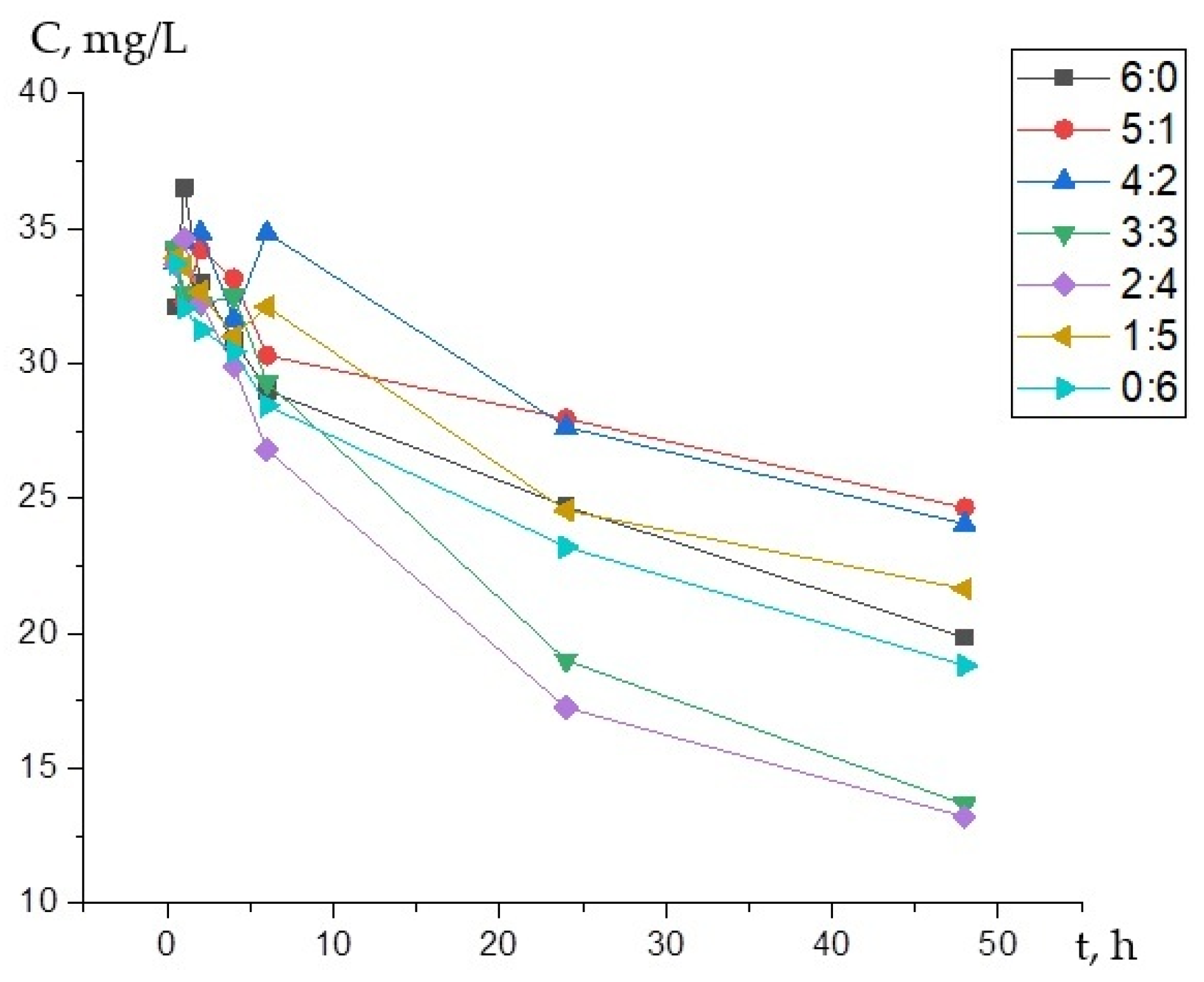
Figure 2 illustrates the kinetic profiles of residual Sc
3+ concentration across all studied hPAA:hP4VP compositions (6:0, 5:1, 4:2, 3:3, 2:4, 1:5, and 0:6) over a contact time range of 0.5 to 48 h. As seen from the figure, all compositions exhibit a gradual decline in residual Sc
3+ concentration with increasing contact time, with the most pronounced decrease observed at ratios 2:4 and 3:3, reaching residual concentrations of 13.20 mg/L and 13.65 mg/L, respectively, after 48 h. The curves corresponding to compositions with higher hP4VP content (2:4 and 3:3) lie consistently below those of hPAA-dominant compositions at extended contact times, visually confirming the superior affinity of Sc
3+ ions toward polymer systems enriched in pyridine nitrogen functional groups. The relatively flat profiles observed at early time points (0.5–2 h) reflect the initial swelling and conformational reorganization of the hydrogel networks prior to the onset of effective ion uptake, consistent with the behavior previously reported for intergel systems under remote interaction conditions.
As seen in
Figure 2, the minimum residual concentrations of scandium(III) ions in solution after sorption are achieved in intergel systems with hPAA:hP4VP mass ratios of 3:3 (50% hPAA: 50% hP4VP) and 2:4 (33% hPAA: 67% hP4VP) at a contact time of 48 h.
Table 6 demonstrates the calculated degrees of Sc
3+ sorption (η) derived from the equilibrium concentration data obtained by ICP-OES for the mixed gallium–scandium solution.
As shown in
Table 6, the maximum degrees of Sc
3+ sorption at 48 h were attained at ratios 2:4 (56.00%) and 3:3 (58.57%), confirming that compositions with equal or hP4VP-dominant polymer content provide the most effective uptake of scandium ions from the mixed solution. Positive sorption degrees become consistently established from 4–6 h of contact onward across all compositions, with values increasing substantially between 6 and 24 h, indicating that the principal sorption occurs during this interval. The negative sorption degree values observed at early contact times (0.5–2 h) are characteristic of intergel systems and reflect the initial swelling-induced displacement of solution volume rather than true metal release.
2.5. Fourier Transform Infrared (FTIR) Spectroscopy Studies
Fourier-transform infrared (FTIR) spectroscopic analysis was performed on the pristine ion-exchange polymer hydrogels as well as on the polymer samples recovered after the sorption of gallium(III) ions, scandium(III) ions, and their binary mixture. Six samples possessing the best sorption characteristics were selected for investigation: (1) pristine hPAA, (2) pristine hP4VP, (3) hPAA after Ga
3+ sorption, (4) hP4VP after Ga
3+ sorption, (5) hPAA after Sc
3+ sorption, (6) hP4VP after Sc
3+ sorption, (7) hPAA after sorption from the Ga
3+/Sc
3+ binary mixture, and (8) hP4VP after sorption from the Ga
3+/Sc
3+ binary mixture. These eight samples (four compositions: 6:0, 0:6, 5:1, 4:2, and 3:3 as applicable, each split into its hPAA and hP4VP fractions) were selected, rather than the full set of seven hPAA:hP4VP ratios, because they correspond to the pristine reference materials (6:0 and 0:6) and to the three compositions exhibiting the highest sorption degrees for Ga
3+ (5:1 and 3:3) and Sc
3+ (4:2 and 3:3) identified in
Section 2.1,
Section 2.2,
Section 2.3 and
Section 2.4 (
Table 2 and
Table 6). This targeted selection was adopted to prioritize mechanistic characterization of the compositions of greatest sorption performance and of the two single-component controls, given the practical constraints on FTIR instrument time; it does not imply that the remaining compositions (1:5 and 2:4, beyond those already included) are mechanistically uninformative, and their omission is acknowledged as a limitation of the present spectroscopic dataset. A complete FTIR and TGA/DSC characterization of all seven hPAA:hP4VP compositions would provide a more complete structure–performance correlation and is recommended for future, more exhaustive mechanistic studies.
The FTIR transmittance spectra of all indicated samples were recorded in the wavenumber range of 4000–400 cm
−1 and are presented in
Figure 3,
Figure 4,
Figure 5,
Figure 6,
Figure 7 and
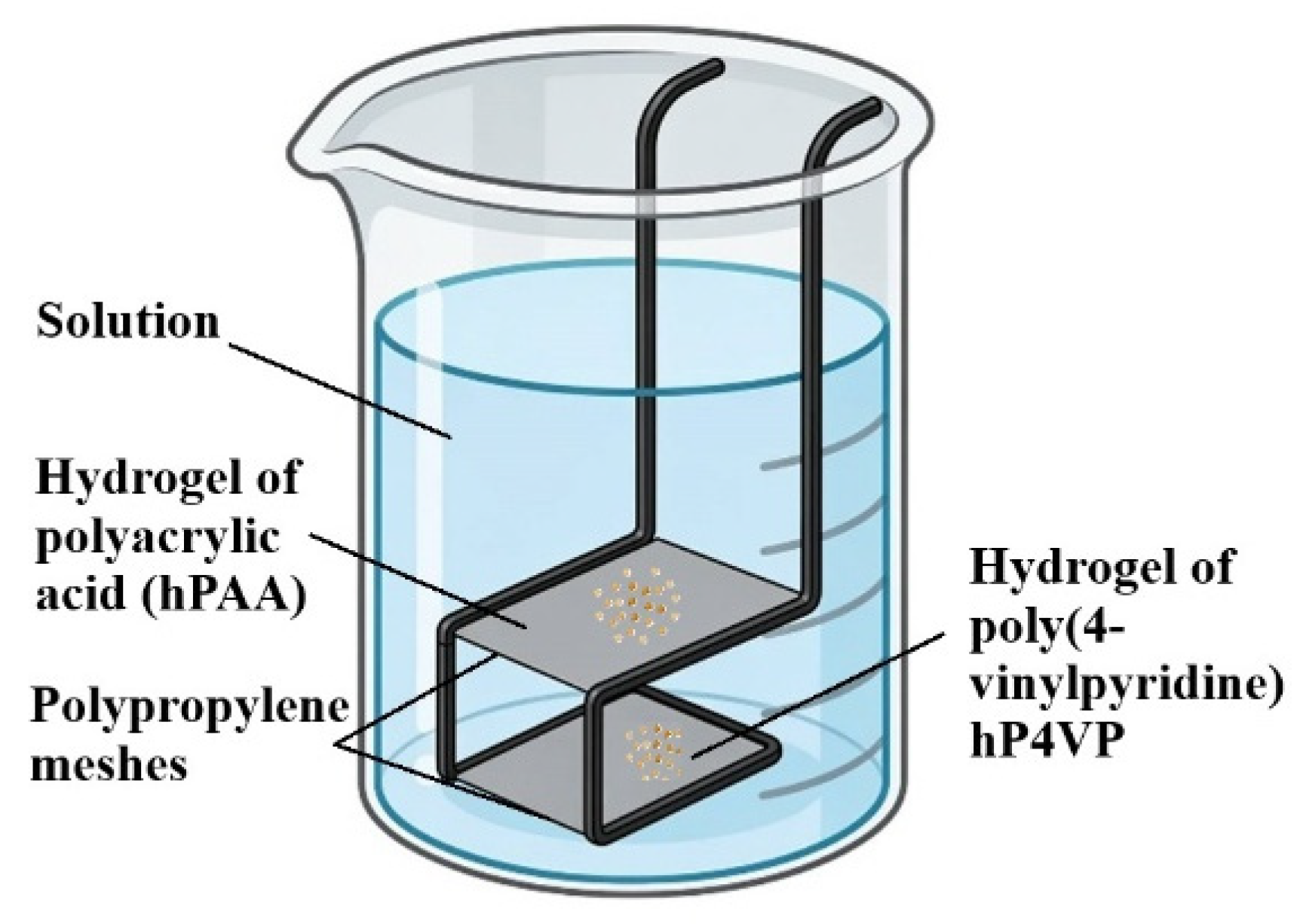
Figure 8. It should be noted that FTIR spectra were collected separately for the hPAA and hP4VP components recovered from each intergel system after remote-contact sorption, rather than for a single spectrum of a physically mixed/co-ground hPAA + hP4VP composite. This approach was adopted deliberately because the intergel design (
Section 3.2) relies on spatially separated hydrogels interacting only through the aqueous phase; recording each polymer’s spectrum individually after remote contact allows unambiguous assignment of spectral shifts to the coordination chemistry of that specific polymer (carboxylate vs. pyridine), without spectral overlap or peak superposition that would occur in a single spectrum of a mechanically mixed sample. However, this design does not provide direct spectroscopic evidence of the interpolymer (hPAA···hP4VP) interface itself.
The FTIR analysis was carried out with the aim of identifying spectral shifts and changes in the intensity of characteristic absorption bands that may indicate the formation of coordination bonds between the functional groups of the polymer networks and the sorbed metal ions. For hPAA, the key diagnostic bands include the broad O–H stretching vibration (~3300–2500 cm−1), the C=O stretching of carboxylate groups (~1710 cm−1 for –COOH and ~1560 cm−1 for –COO−), and the C–O stretching (~1240 cm−1). For hP4VP, the principal diagnostic bands are associated with the pyridine ring stretching vibrations (~1600 and ~1415 cm−1) and C–H out-of-plane deformation (~830 cm−1), with shifts in the C=N stretching band (~1600 cm−1) being particularly informative as evidence of metal coordination through the pyridine nitrogen atom. Because sample thickness, polymer loading, and residual water content were not independently controlled across pristine and metal-loaded pellets, absolute transmittance intensities are not used quantitatively in this study; all intensity comparisons described below (e.g., ‘reduced,’ ‘intensified’) are qualitative and are corroborated primarily by peak-position shifts rather than by intensity magnitude alone.
Figure 3 presents the FTIR transmittance spectrum of the pristine hPAA hydrogel recorded over the range 4000–400 cm
−1. The spectrum displays several characteristic absorption bands consistent with the structure of crosslinked polyacrylic acid. The broad, intense absorption band in the region of 3500–2500 cm
−1 is attributed to O–H stretching vibrations of hydrogen-bonded carboxylic groups (–COOH), which are strongly broadened due to intermolecular and intramolecular hydrogen bonding between hydroxyl groups within the polymer network. The prominent band observed at approximately 1600 cm
−1 corresponds to the asymmetric C=O stretching vibration of the carboxylate anion (–COO
−), indicating partial deprotonation of acrylic acid units under the measurement conditions. The region 650–400 cm
−1 represents the fingerprint region, in which the complex pattern of overlapping deformation and skeletal vibration bands is characteristic of the crosslinked polyacrylate backbone.
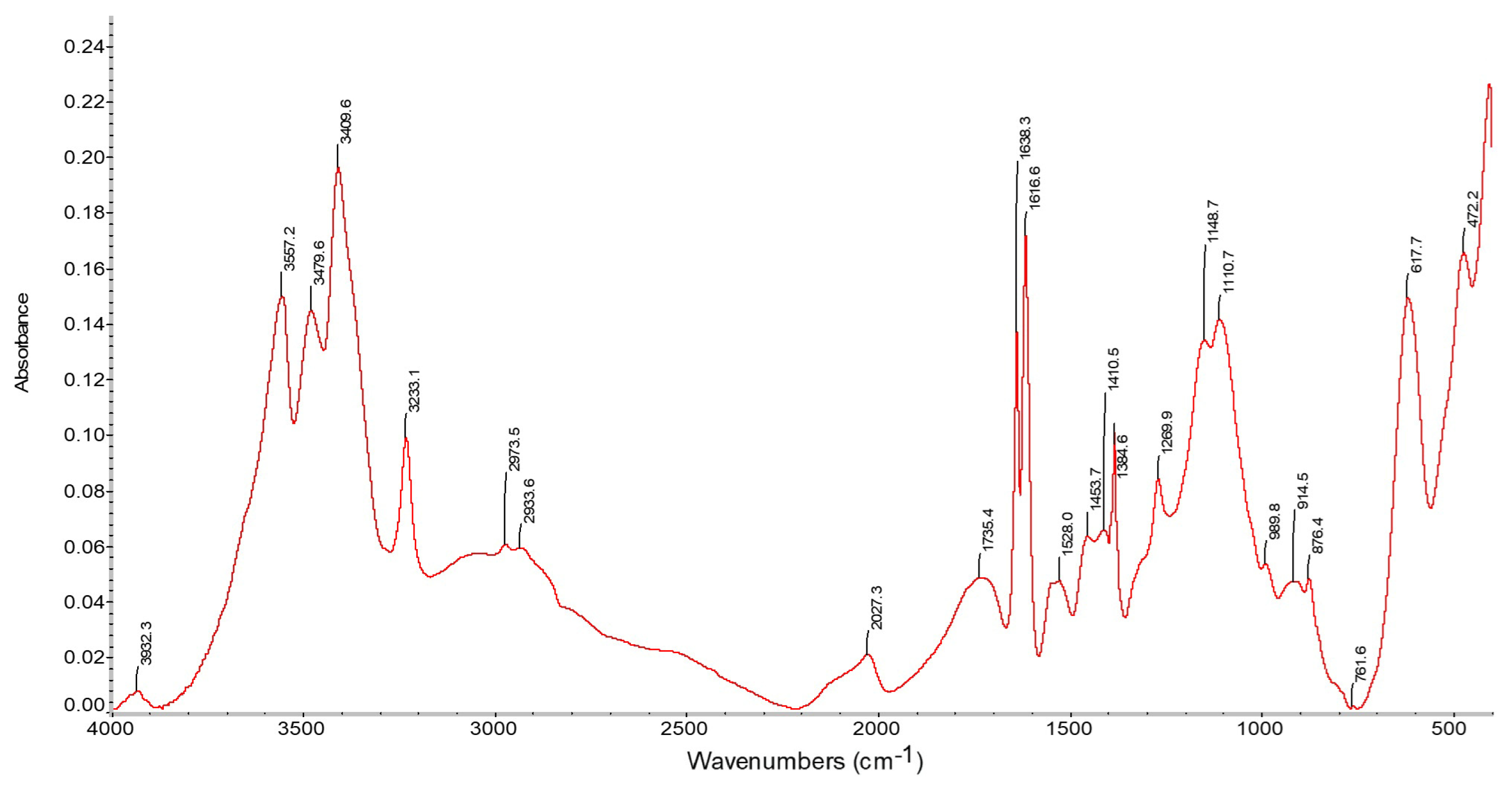
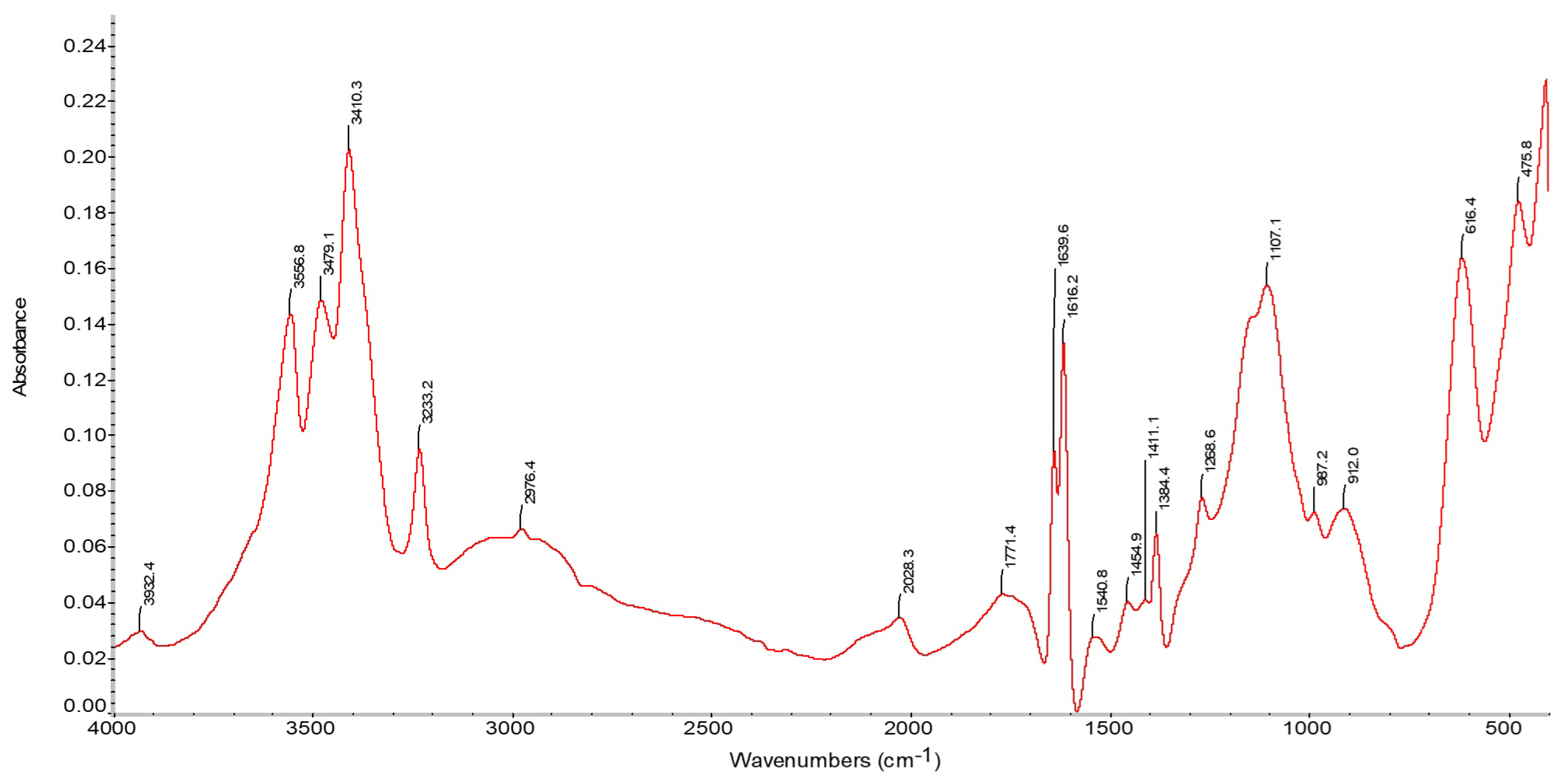
Figure 4 presents the FTIR spectrum of hPAA recovered after the sorption of Ga
3+ and Sc
3+ ions from the binary mixed solution. Comparison with the pristine hPAA spectrum (
Figure 4) reveals several spectral changes indicative of metal–polymer interactions. The broad absorption envelope in the region 3600–3200 cm
−1, with resolved peaks at 3602.3, 3567.2, 3409.6, and 3400.6 cm
−1, is attributed to O–H stretching vibrations of hydrogen-bonded carboxylic (–COOH) and hydroxyl groups; the persistence of this region after sorption confirms the structural integrity of the polymer network. The band at 2933.6 cm
−1 corresponds to asymmetric C–H stretching of the –CH– and –CH
2– groups of the polyacrylate backbone.
A notable feature of the post-sorption spectrum is the band at 1735.4 cm−1, assignable to C=O stretching of non-ionized carboxylic groups (–COOH), and the intense overlapping bands at 1638.3 and 1616.6 cm−1, corresponding to asymmetric C=O stretching of the carboxylate anion (–COO−). The relative increase in intensity in the 1350–1100 cm−1 region—with peaks at 1148.7 and 1110.7 cm−1—compared to the pristine spectrum reflects enhanced C–O stretching vibrations of the carboxylate group, consistent with the coordination of Ga3+ and Sc3+ ions to –COO− functional groups and a redistribution of electron density within the carboxylate moiety upon metal binding. The bands at 1463.7, 1410.5, and 1384.6 cm−1 in the fingerprint region are attributed to –CH– and –CH2– deformation vibrations of the polymer backbone, while the absorption features below 900 cm−1 (879.4, 761.6, 617.7, 472.2 cm−1) represent skeletal deformation modes characteristic of the crosslinked polyacrylate network. No significant shifts are observed in the O–H stretching region (3600–3200 cm−1) or the low-frequency fingerprint region (650–400 cm−1) relative to the pristine spectrum, indicating that the overall polymer structure is preserved after the sorption process.
It should be emphasized that the spectral changes described above—including shifts in the carboxylate asymmetric stretching frequency, redistribution of intensity in the O–H stretching envelope, and changes in the 1350–1100 cm−1 C–O stretching region—are consistent with, but not uniquely diagnostic of, direct metal–carboxylate coordination. Several alternative or contributing factors could produce similar spectral features: (i) changes in hydrogel swelling degree upon metal loading, which alter the local dielectric environment and hydrogen-bond geometry around carboxylate and hydroxyl groups; (ii) reorganization of the intramolecular and intermolecular hydrogen-bonding network of hPAA independent of metal coordination, driven simply by ionic-strength or pH changes in the surrounding solution; and (iii) differences in residual bound-water content between pristine and metal-loaded samples after the washing/drying steps preceding FTIR measurement, since water itself contributes strongly to the O–H stretching envelope (3600–3200 cm−1) and can modulate carbonyl band positions through hydrogen bonding. While the consistent, composition-dependent, and metal-specific character of the band shifts described here (e.g., correlation with the sorption maxima at 3:3 and 4:2 ratios) supports a genuine coordination-driven origin, the present FTIR dataset alone cannot fully exclude these alternative contributions. Complementary techniques—such as swelling-ratio measurements, water-content (moisture) determination by TGA, or comparative FTIR of blank hydrogels equilibrated in metal-free solutions of matched ionic strength—would be required to unambiguously deconvolute coordination-driven shifts from swelling/hydration effects.
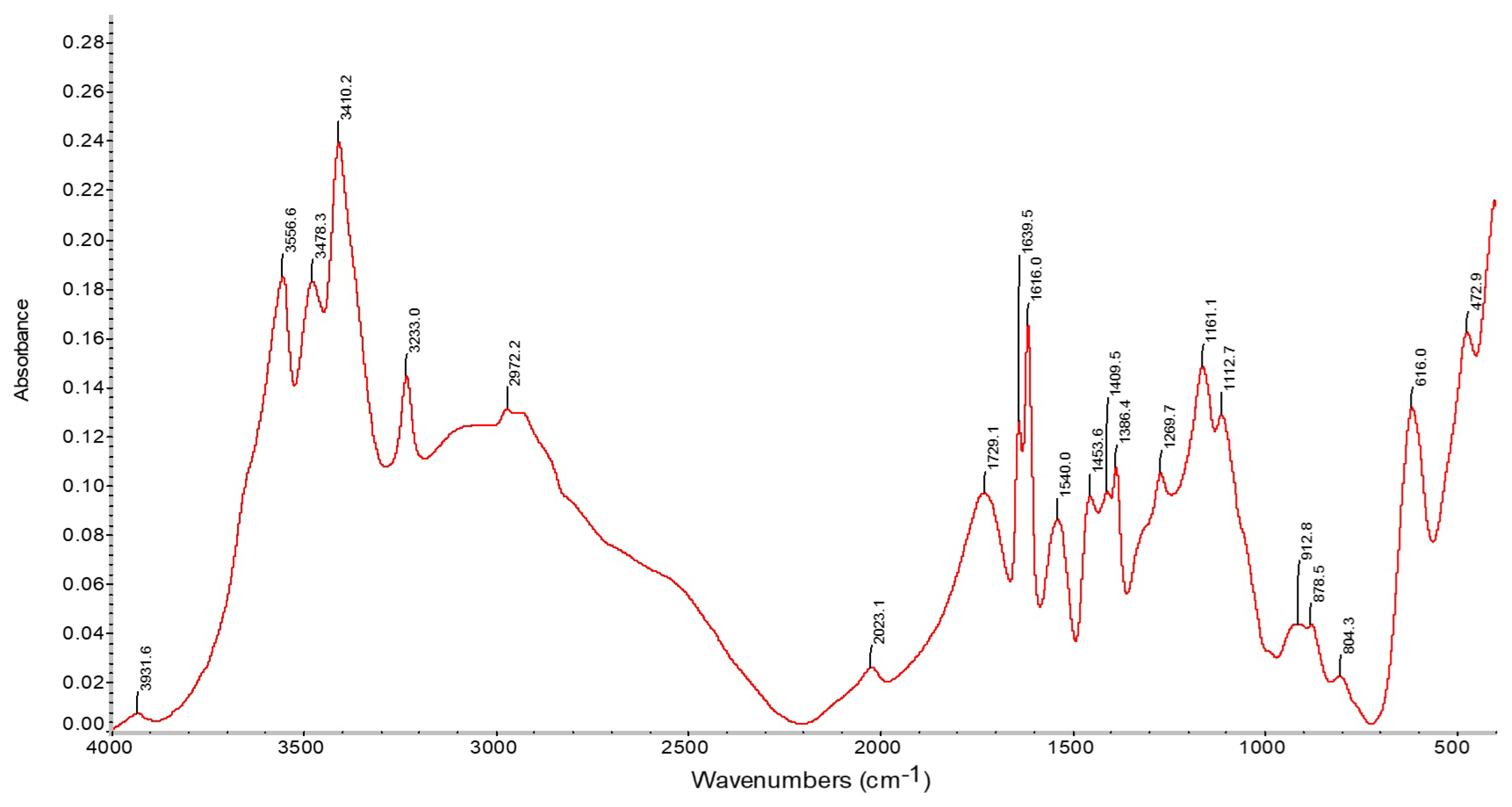
Figure 5 presents the FTIR spectrum of hPAA recovered after Sc
3+ sorption from the binary mixed solution at the 4:2 polymer ratio. Comparison with the pristine hPAA spectrum (
Figure 3) reveals several spectral differences indicative of Sc
3+ coordination with the carboxylate functional groups of the polymer. The broad absorption envelope in the region 3556–3233 cm
−1 (peaks at 3556.6, 3478.3, 3410.2, and 3233.0 cm
−1) is attributed to O–H stretching vibrations of hydrogen-bonded carboxylic groups; a slight redistribution of intensity within this envelope compared to the pristine spectrum reflects changes in hydrogen bonding upon Sc
3+ uptake. The band at 2972.2 cm
−1 corresponds to C–H stretching of the –CH
2– groups of the polyacrylate backbone.
Notable differences from the pristine spectrum are observed in the 1800–1100 cm
−1 region. The band at 1729.1 cm
−1 is assigned to C=O stretching of non-ionized carboxylic groups (–COOH), and its modified intensity relative to
Figure 4 suggests partial deprotonation and involvement of –COOH groups in Sc
3+ coordination. The overlapping bands at 1639.5 and 1616.0 cm
−1 correspond to asymmetric C=O stretching of the carboxylate anion (–COO
−), while the band at 1590.0 cm
−1 may indicate a shift in the asymmetric carboxylate stretching mode caused by direct metal–oxygen coordination. The region 1500–1100 cm
−1, with bands at 1483.6, 1380.4, 1209.7, 1161.1, and 1112.7 cm
−1, encompasses C–O stretching vibrations of the carboxylate group as well as C–H deformation modes of the –CH– and –CH
2– backbone groups; the altered relative intensities in this region compared to the pristine spectrum are consistent with electron density redistribution upon Sc
3+ binding to –COO
−. The fingerprint region below 900 cm
−1 (899.5, 892.8, 864.3, 616.0, 472.9 cm
−1) shows skeletal deformation vibrations of the crosslinked polyacrylate network, with no significant structural degradation apparent.
Figure 6 presents the FTIR spectrum of hPAA recovered after Ga
3+ sorption from the binary mixed solution at the 5:1 polymer ratio. Several characteristic differences from the pristine hPAA spectrum (
Figure 3) are evident. The broad absorption envelope in the region 3558–3233 cm
−1 (peaks at 3558.8, 3479.1, 3410.3, and 3233.2 cm
−1) corresponds to O–H stretching vibrations of hydrogen-bonded carboxylic groups (–COOH), and its overall profile remains largely preserved relative to the pristine spectrum, confirming the structural integrity of the polymer backbone after Ga
3+ sorption. The band at 2979.4 cm
−1 is assigned to asymmetric C–H stretching of the –CH
2– groups in the polyacrylate chain.
In
Figure 6 the most pronounced spectral changes relative to the pristine hPAA are observed in the 1800–900 cm
−1 region. The band at 1771.4 cm
−1 is attributed to C=O stretching of non-ionized carboxylic acid groups (–COOH), shifted slightly to higher wavenumbers compared to the typical ~1710–1730 cm
−1 position, which may reflect changes in the hydrogen-bonding environment of –COOH upon Ga
3+ coordination. The bands at 1639.6 and 1618.2 cm
−1 correspond to asymmetric C=O stretching of carboxylate anions (–COO
−), and the band at 1560.9 cm
−1 indicates an additional component of the asymmetric –COO
− stretching vibration shifted by metal–oxygen bond formation. The region 1500–900 cm
−1, with peaks at 1454.9, 1441.1, 1448.8, 1394.4, and 1107.1 cm
−1, encompasses symmetric C=O stretching of –COO
− (~1410 cm
−1), C–O stretching of the carboxylate group (~1250–1100 cm
−1), and –CH
2– deformation modes of the polymer backbone. The intensification of bands in this region compared to the pristine spectrum is consistent with enhanced C–O stretching activity associated with Ga
3+ coordination to carboxylate groups. The fingerprint region below 900 cm
−1 (912.0, 877.2, 618.4, 479.0 cm
−1) shows skeletal deformation vibrations of the crosslinked polyacrylate network with no evidence of structural decomposition.
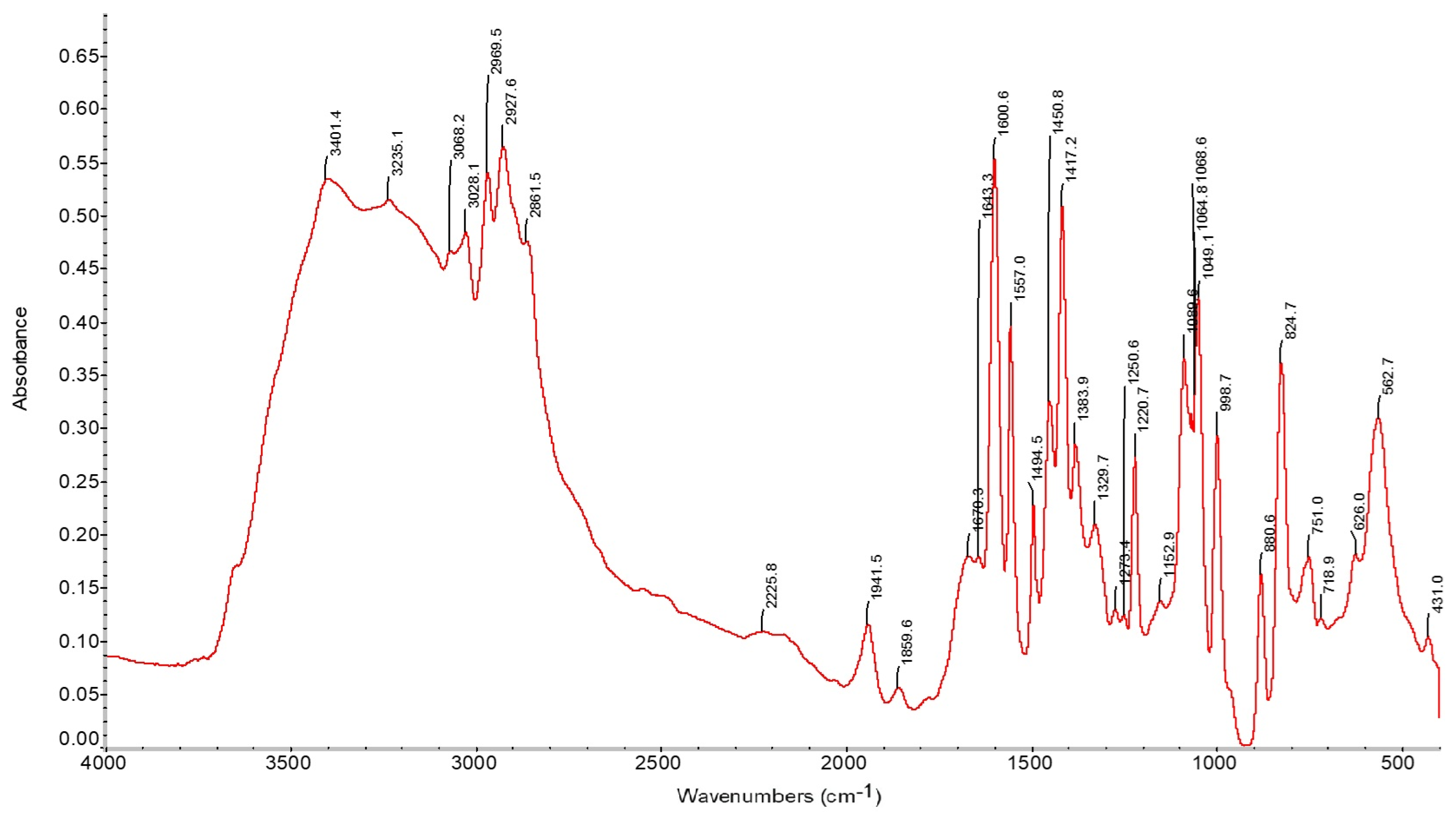
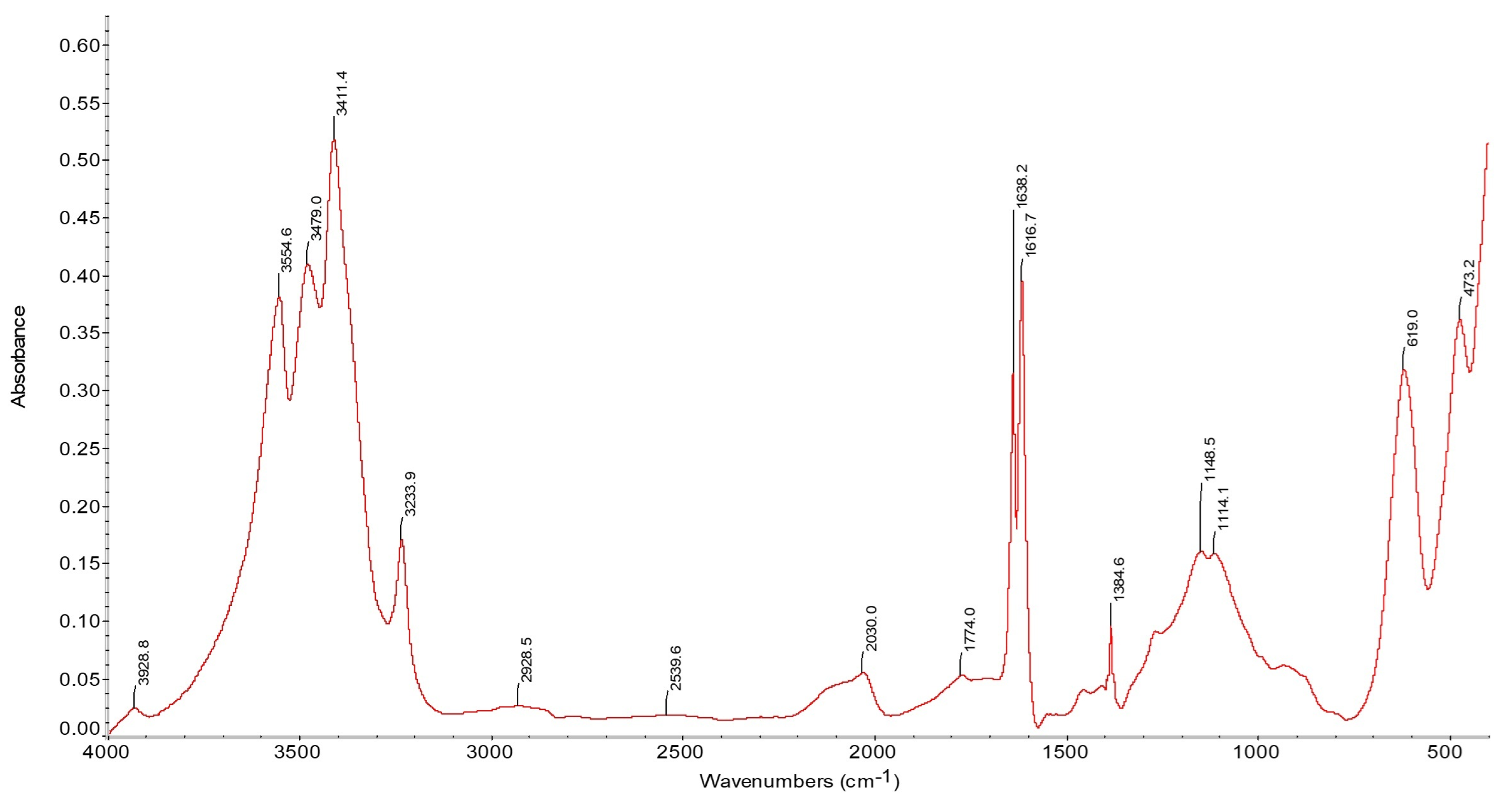
Figure 7 presents the FTIR transmittance spectrum of pristine hP4VP recorded over the range 4000–400 cm
−1. The spectrum is rich in absorption bands, reflecting the complex structure of the crosslinked poly-4-vinylpyridine network. The absorption region 3535–3401 cm
−1 (peaks at 3535.1 and 3401.4 cm
−1) is attributed to O–H stretching vibrations of residual moisture or hydroxyl groups associated with the hydrogel water network, rather than N–H groups, as hP4VP in its neutral (non-protonated) form does not carry N–H bonds. The cluster of bands at 3068.2, 3021.8 cm
−1 corresponds to aromatic C–H stretching vibrations of the pyridine ring, while the bands at 2969.5, 2861.5, and 2827.6 cm
−1 are assigned to aliphatic C–H stretching of the –CH– and –CH
2– groups of the polymer backbone.
The broad continuum absorption observed approximately in the region 3400–2200 cm−1, most prominent around 2225.8 cm−1, is characteristic of protonated pyridinium species (≡N+–H) arising from hydrogen bonding between pyridine nitrogen atoms and residual acidic protons or water molecules in the hydrogel, rather than representing a distinct functional group. The weak combination bands at 1941.5 and 1859.6 cm−1 are overtone and combination bands of pyridine ring vibrations, typical of monosubstituted and para-substituted pyridine systems. The highly diagnostic region 1800–1200 cm−1 contains multiple characteristic pyridine ring stretching vibrations: the band at 1800.6 cm−1 is a pyridine ring overtone, while the bands at 1649.3 and 1557.0 cm−1 correspond to pyridine ring C=C and C=N stretching vibrations of free, uncoordinated pyridine rings; the band at ~1595 cm−1 in P4VP is well-established as the signature of uncoordinated pyridine rings, while coordination to metal ions causes a shift to ~1620 cm−1. The bands at 1484.5 and 1383.9 cm−1 are assigned to pyridine ring deformation vibrations, and the band at 1329.7 cm−1 is assigned to C–N stretching of the pyridine ring. The region 1220–1050 cm−1, with peaks at 1220.7, 1172.1, 1152.9, 1068.6, and 1049.1 cm−1, contains in-plane C–H deformation vibrations of the pyridine ring; the bands near 1170–1100 cm−1 are particularly characteristic of 4-substituted pyridine systems and serve as diagnostic markers for the pyridine moiety. The fingerprint region 900–400 cm−1 (824.7, 800.6, 751.0, 719.9, 626.0, 582.7, 411.0 cm−1) contains out-of-plane C–H bending and ring deformation vibrations of the pyridine ring, with the band at ~820 cm−1 being a classical out-of-plane C–H deformation band diagnostic for para-substituted pyridine (4-vinylpyridine).
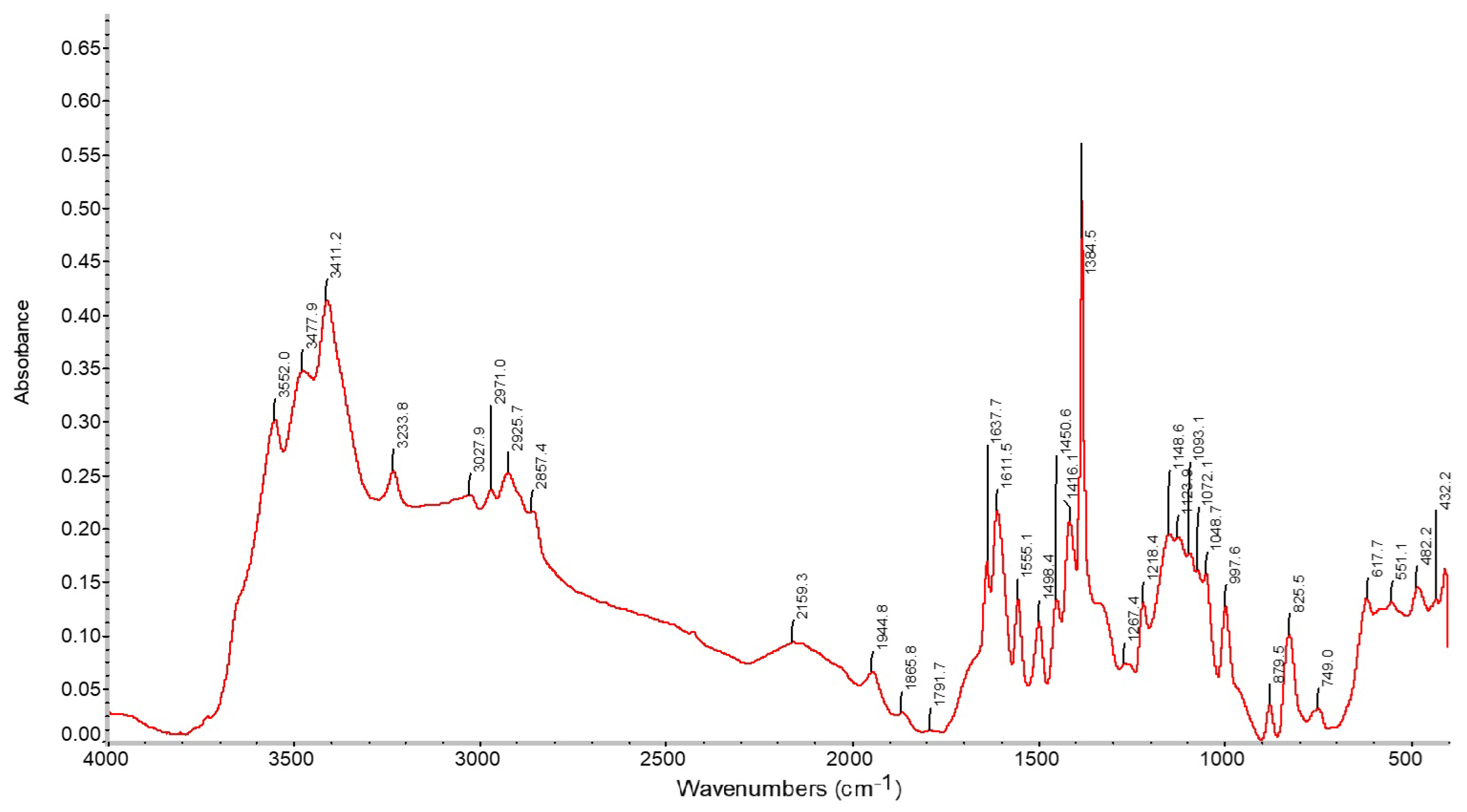
Figure 8 presents the FTIR spectrum of hP4VP recovered after simultaneous sorption of Ga
3+ and Sc
3+ ions from the binary mixed solution at the 3:3 polymer ratio. Comparison with the pristine hP4VP spectrum (
Figure 7) reveals several meaningful spectral changes indicative of metal–pyridine coordination.
A notable decrease in absorption intensity is observed in the broad region 3500–2800 cm−1 (peaks at 3477.9, 3411.2, 3233.8, 2971.0, 2925.7, and 2857.4 cm−1) relative to the pristine spectrum. This region encompasses O–H stretching of hydrogel-bound water and aromatic/aliphatic C–H stretching vibrations of the pyridine ring and polymer backbone; the reduced intensity may reflect partial dehydration or rearrangement of the hydrogen-bonding network within the polymer upon metal ion uptake. The broad continuum around 2159.3 cm−1, representing the hydrogen-bonded pyridinium species (≡N···H), is markedly diminished compared to the pristine spectrum, suggesting that pyridine nitrogen atoms are increasingly engaged in direct coordination with Ga3+ and Sc3+ rather than in hydrogen bonding with water.
The most diagnostically significant changes occur in the 1650–1400 cm
−1 region, where the intensities of bands at 1637.7, 1611.5, 1555.1, 1494.4, and 1450.6 cm
−1 are substantially reduced (approximately by a factor of two) relative to
Figure 7. These bands correspond to pyridine ring C=C and C=N stretching vibrations and ring deformation modes; their intensity reduction and the upward shift in the C=N stretching band from ~1557 cm
−1 toward ~1611–1637 cm
−1 are hallmark spectral signatures of pyridine nitrogen coordination to metal ions (Ga
3+ and Sc
3+), consistent with published data for metal-loaded P4VP systems. The most intense band in the post-sorption spectrum appears at 1384.5 cm
−1, assigned to –CH
2– scissoring deformation of the polymer backbone; its relative prominence after sorption reflects the overall decrease in pyridine ring band intensities rather than an absolute increase in the 1384.5 cm
−1 band itself. The region 1170–1100 cm
−1 (peaks at 1146.6, 1072.1, 1053.1, 1045.7 cm
−1)—diagnostic for 4-substituted pyridine in-plane C–H deformation—also shows a ca. two-fold reduction in intensity, further confirming the involvement of the pyridine ring system in metal coordination. The fingerprint region 900–430 cm
−1 (825.5, 829.5, 749.0, 617.7, 482.2, 432.2 cm
−1) similarly displays reduced intensities, consistent with changes in ring deformation modes upon metal binding. As discussed in
Section 2.5 for hPAA, the upward shift in the pyridine C=N/ring-stretching band (~1557→~1611–1637 cm
−1) is consistent with metal coordination but cannot be fully distinguished from a shift caused by variable pyridinium (≡N
+–H) protonation, since both effects perturb the same ring π-system in the same direction; the composition-dependent correlation of this shift with sorption maxima (
Section 2.8) is therefore the stronger evidential basis for coordination than the shift itself.
2.9. Sorption Mechanism
The combined evidence from sorption experiments, FTIR spectroscopy, and TGA/DSC analysis allows a coherent, evidence-based mechanistic hypothesis to be proposed for the sorption of Ga3+ and Sc3+ by the hPAA:hP4VP intergel system; direct quantitative confirmation of the proposed mutual activation step (via potentiometric titration, swelling-ratio, and charge-density measurements, as discussed below) remains an important target for future work.
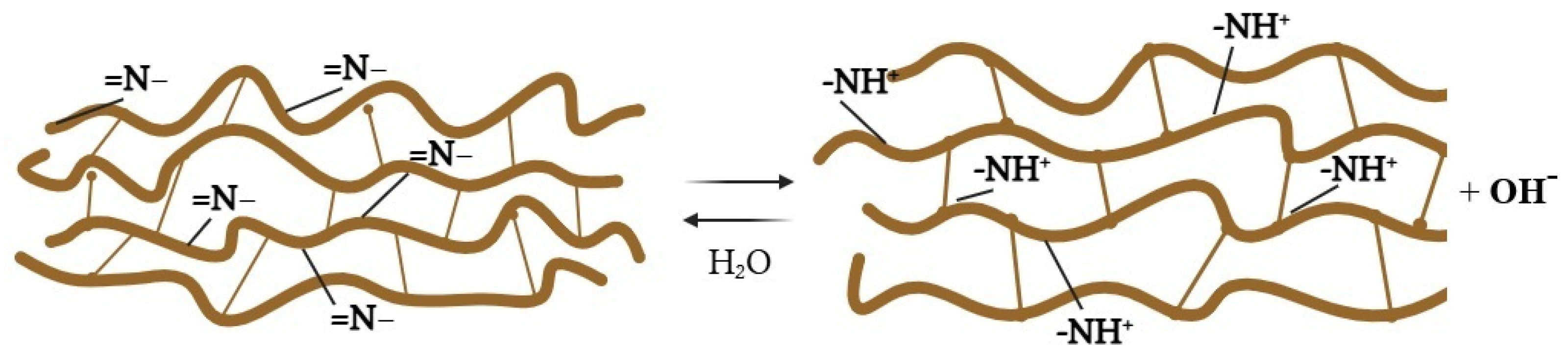
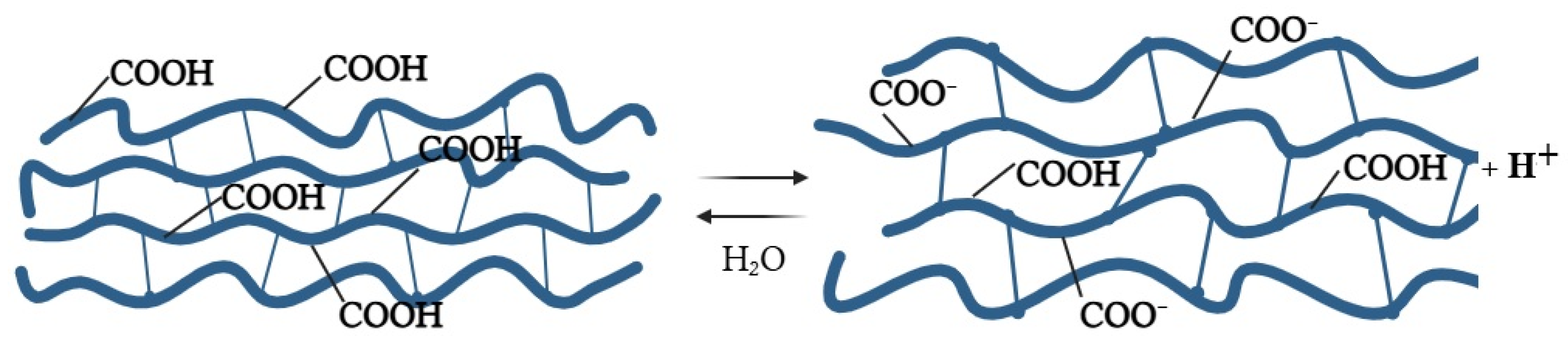
Stage 1. Mutual activation of the intergel system. Upon mixing hPAA and hP4VP hydrogels in aqueous solution, an intermacromolecular proton transfer occurs from the –COOH groups of hPAA to the pyridine nitrogen atoms of hP4VP. This equilibrium deprotonation of hPAA generates –COO− carboxylate anions—the primary active coordination sites for metal cations—while simultaneously protonating hP4VP to form pyridinium species (≡N+H), which restructure the electrostatic environment of the hP4VP network. The degree of mutual activation is maximized at intermediate polymer ratios (3:3 to 4:2), consistent with the observation that maximum sorption of both metals occurs in this compositional range.
The mutual activation mechanism proposed above is presently supported by indirect evidence—the composition dependence of sorption degree and Kd (
Section 2.10) and the qualitative FTIR band changes (
Section 2.5)—rather than by direct, quantitative measurements of the ionization state of hPAA and hP4VP within the intergel system. A rigorous, quantitative test of the mutual activation hypothesis would require: (i) potentiometric titration of hPAA and hP4VP individually versus in the intergel configuration, to determine whether the apparent pKa of hPAA decreases and the apparent pKa of the hP4VP pyridinium equilibrium shifts upon remote contact, as predicted by the proton-transfer mechanism in Equations (1) and (2); (ii) gravimetric or volumetric swelling-ratio measurements of each hydrogel before and during remote contact, since enhanced ionization is expected to increase electrostatic repulsion within each polyelectrolyte network and thereby increase its equilibrium swelling ratio; and (iii) direct or indirect estimation of the surface/bulk charge density of each hydrogel (e.g., via ion-exchange capacity titration or conductometric titration, as noted for the electrical conductivity measurements in
Section 3.3) under intergel versus isolated conditions.
Stage 2. Electrostatic attraction and outer-sphere complex formation. The highly charged –COO− groups and the restructured hP4VP network attract Ga3+ and Sc3+ cations from solution through long-range electrostatic interactions. At this stage, metal ions enter the swollen hydrogel network accompanied by their hydration shells, forming outer-sphere (electrostatic) complexes with the anionic sites of hPAA.
Stage 3. Inner-sphere coordination bond formation. As metal ions diffuse deeper into the polymer network and residence time increases, partial or complete dehydration of the metal coordination sphere occurs, enabling direct coordination bond formation between the metal center and the functional groups of the polymer. For hPAA, the FTIR evidence—shifts in the asymmetric C=O stretching of –COO
− from ~1616 cm
−1 toward higher wavenumbers, intensification of C–O stretching bands at 1148–1110 cm
−1, and modification of the 1729–1735 cm
−1 C=O band—confirms bidentate or bridging carboxylate coordination of Ga
3+ and Sc
3+ to –COO
− groups. For hP4VP, the reduction in intensity and upward shift in the pyridine ring C=N stretching band (~1557 cm
−1 → ~1611–1638 cm
−1) and the overall decrease in pyridine ring band intensities across 1650–1100 cm
−1 confirm direct Ga
3+/Sc
3+ coordination through the pyridine nitrogen lone pair, consistent with the formation of M←N dative bonds. As noted in
Section 2.5, these FTIR-based coordination assignments should be interpreted alongside the caveat that swelling-induced and hydration-related spectral changes cannot be fully excluded as contributing factors; the mechanistic picture presented here is therefore most robust when supported by the composition-dependent trends (
Section 2.8) and the DSC evidence (
Section 2.7) considered jointly, rather than by FTIR band shifts in isolation.
It is important to clarify how the outer-sphere (Stage 2) and inner-sphere (Stage 3) pathways are distinguished experimentally in this study, and to what extent they are expected to coexist at equilibrium. Outer-sphere complexes, in which the metal ion retains its hydration shell and associates with the polymer network primarily through long-range electrostatic attraction, are not directly resolved by FTIR, since such complexes do not perturb the vibrational frequencies of the polymer’s functional groups. Inner-sphere complexes, in which one or more water molecules of the metal’s hydration sphere are displaced and a direct coordinate bond forms between the metal center and a carboxylate oxygen or pyridine nitrogen, are the species responsible for the FTIR band shifts documented in
Section 2.5 (shifts in ν(C=O), ν(C–O), and ν(C=N)/ring-stretching frequencies). Because FTIR is only sensitive to the inner-sphere population, the spectroscopic evidence presented here should be understood as demonstrating that inner-sphere complexation occurs and is significant at the compositions of maximum sorption, but it cannot quantify what fraction of the total sorbed metal at equilibrium remains in an outer-sphere (electrostatically bound, kinetically labile) state versus an inner-sphere (coordinatively bound, more resistant to acid stripping) state. This distinction is consistent with, and helps explain, the desorption behavior reported in
Section 2.2 and
Section 2.4: compositions exhibiting the lowest desorption efficiencies (e.g., Sc
3+ at the 2:4 and 3:3 ratios) are interpreted as having a higher proportion of inner-sphere-bound metal, which is less readily displaced by protonation of the ligand with dilute HNO
3, whereas compositions with higher desorption efficiencies are interpreted as retaining a larger outer-sphere (electrostatically bound) fraction. Direct experimental separation of the two populations (e.g., by extended-X-ray absorption fine structure (EXAFS) spectroscopy, which can directly resolve first-shell coordination number and metal–ligand bond distances) was outside the scope of the present study and is recommended as a valuable follow-up measurement to quantitatively partition the outer- versus inner-sphere contributions.
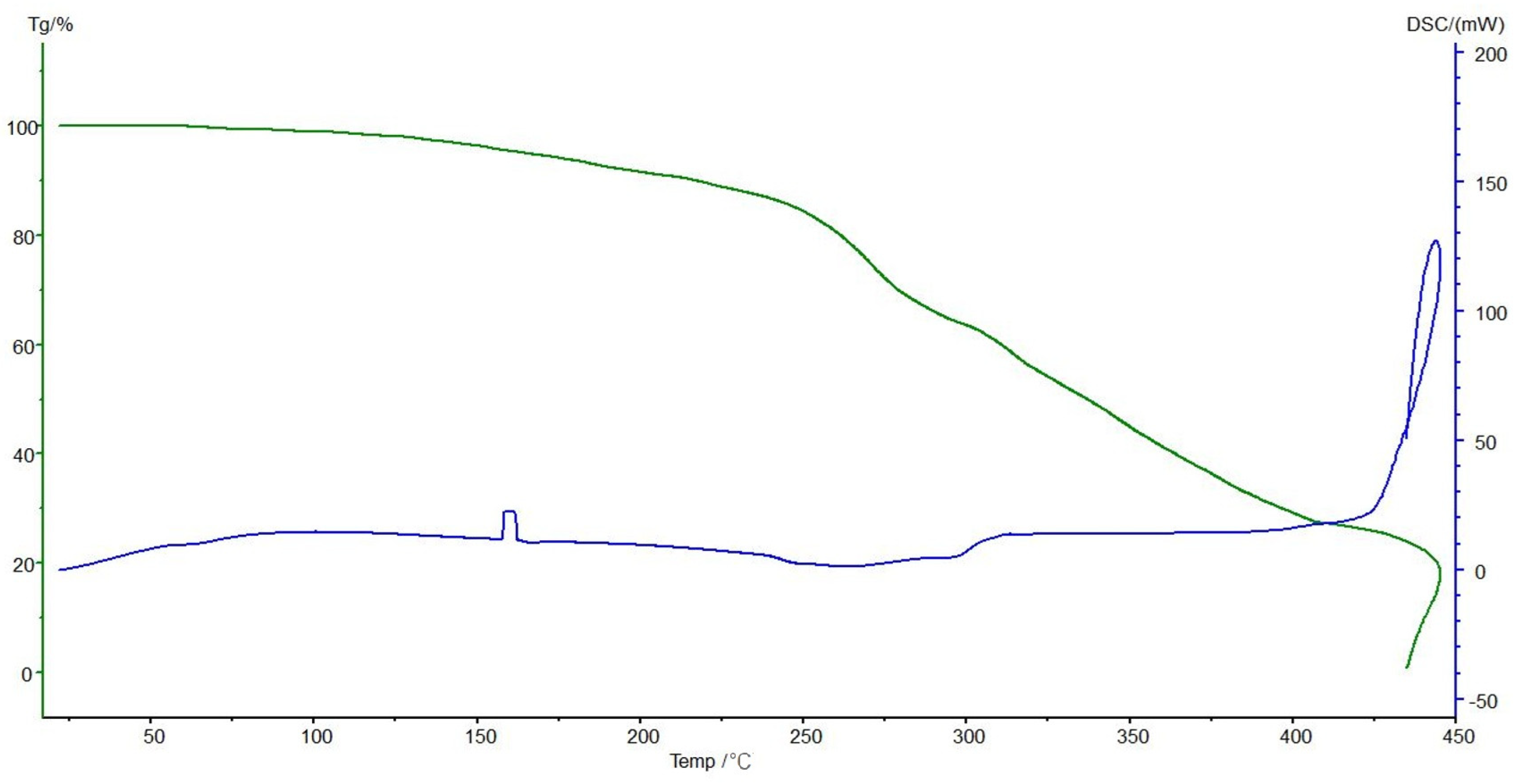
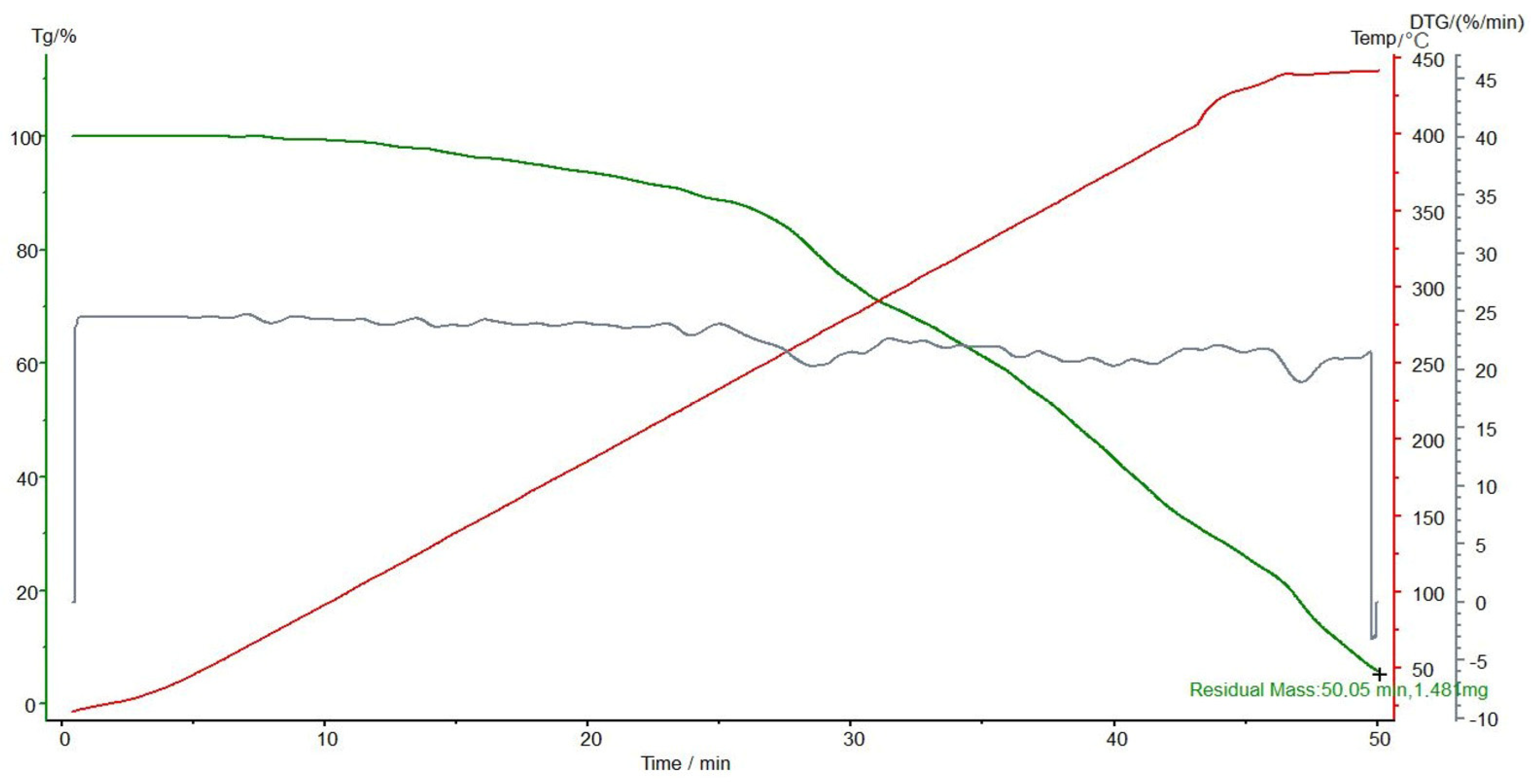
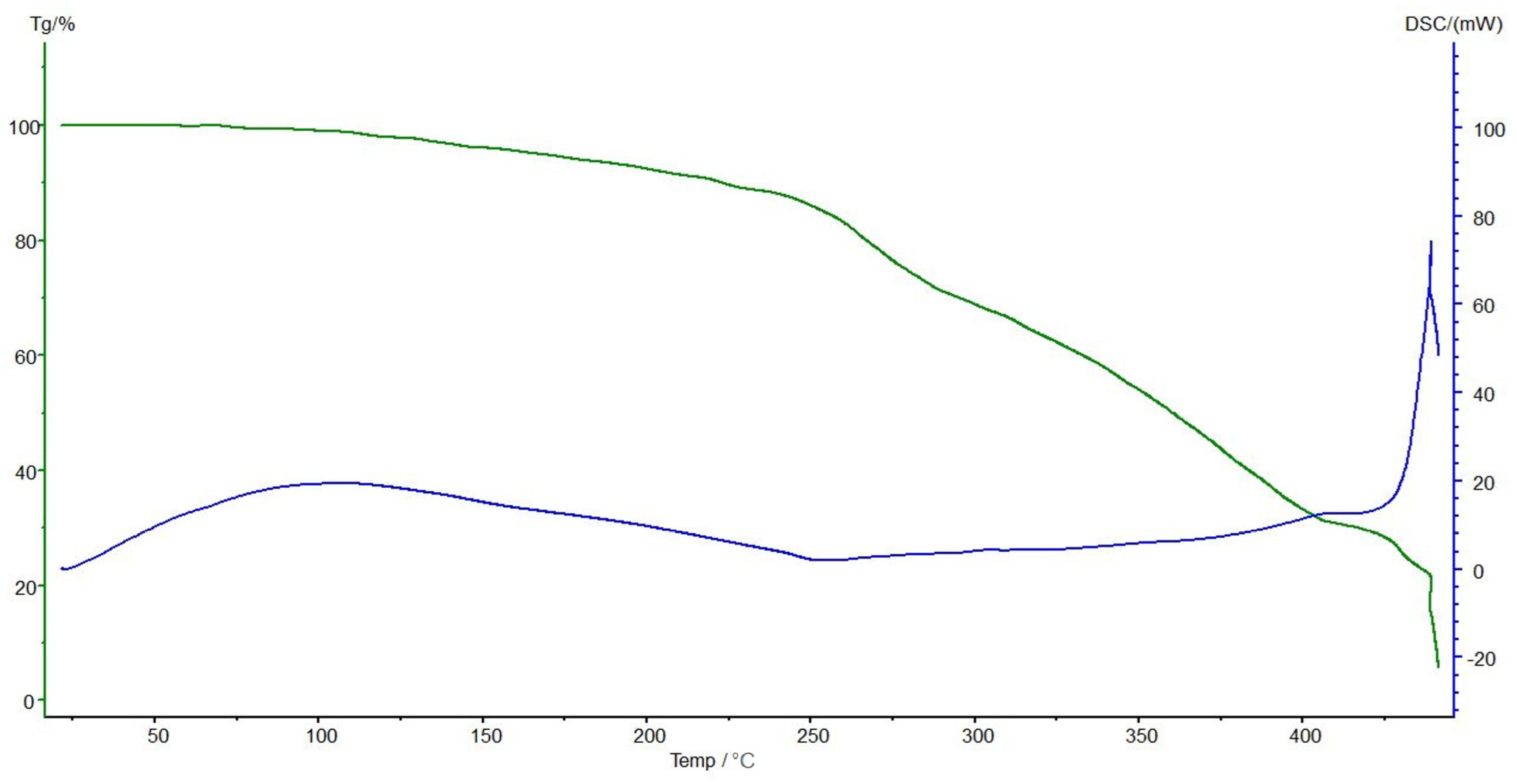
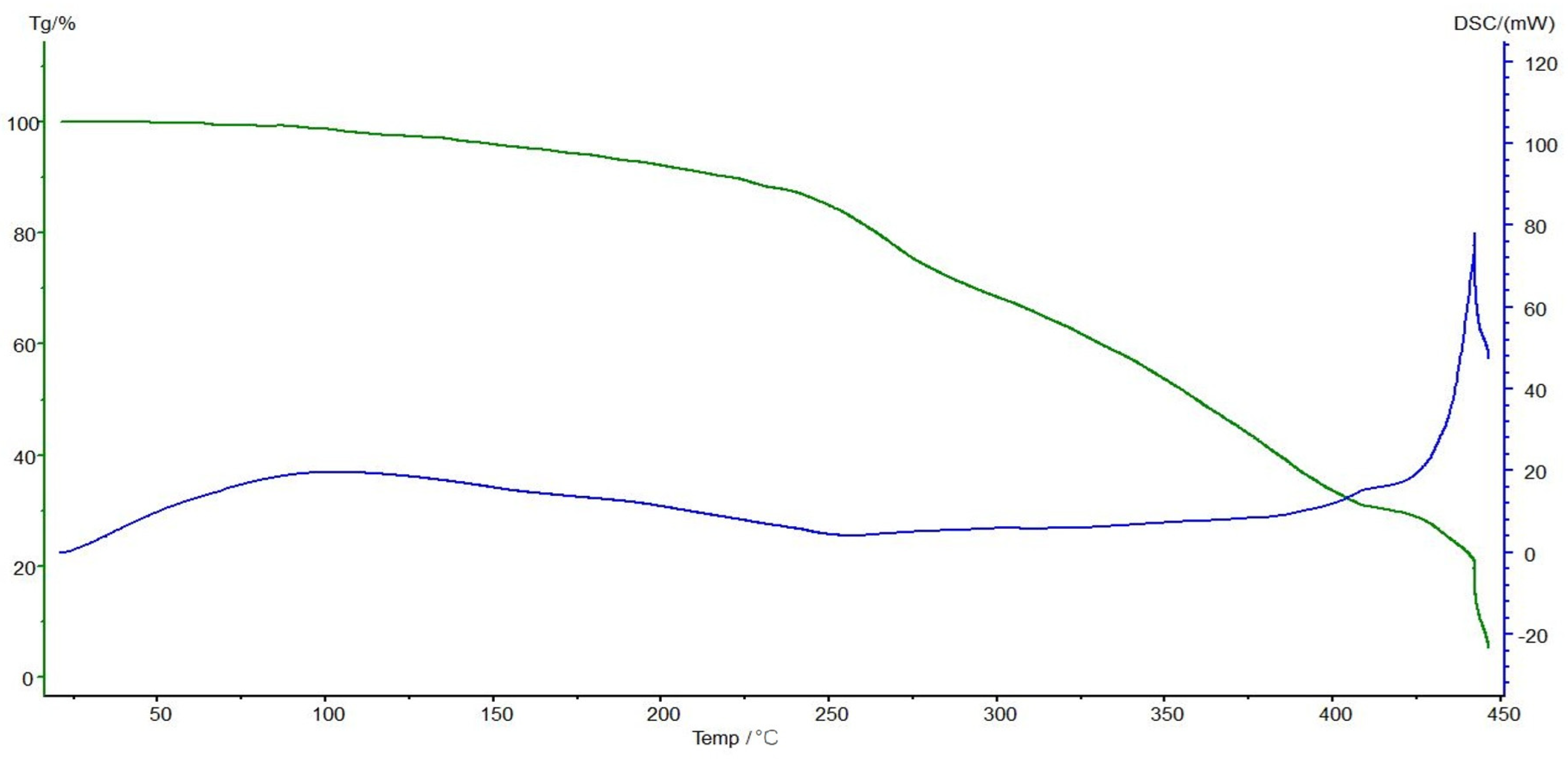
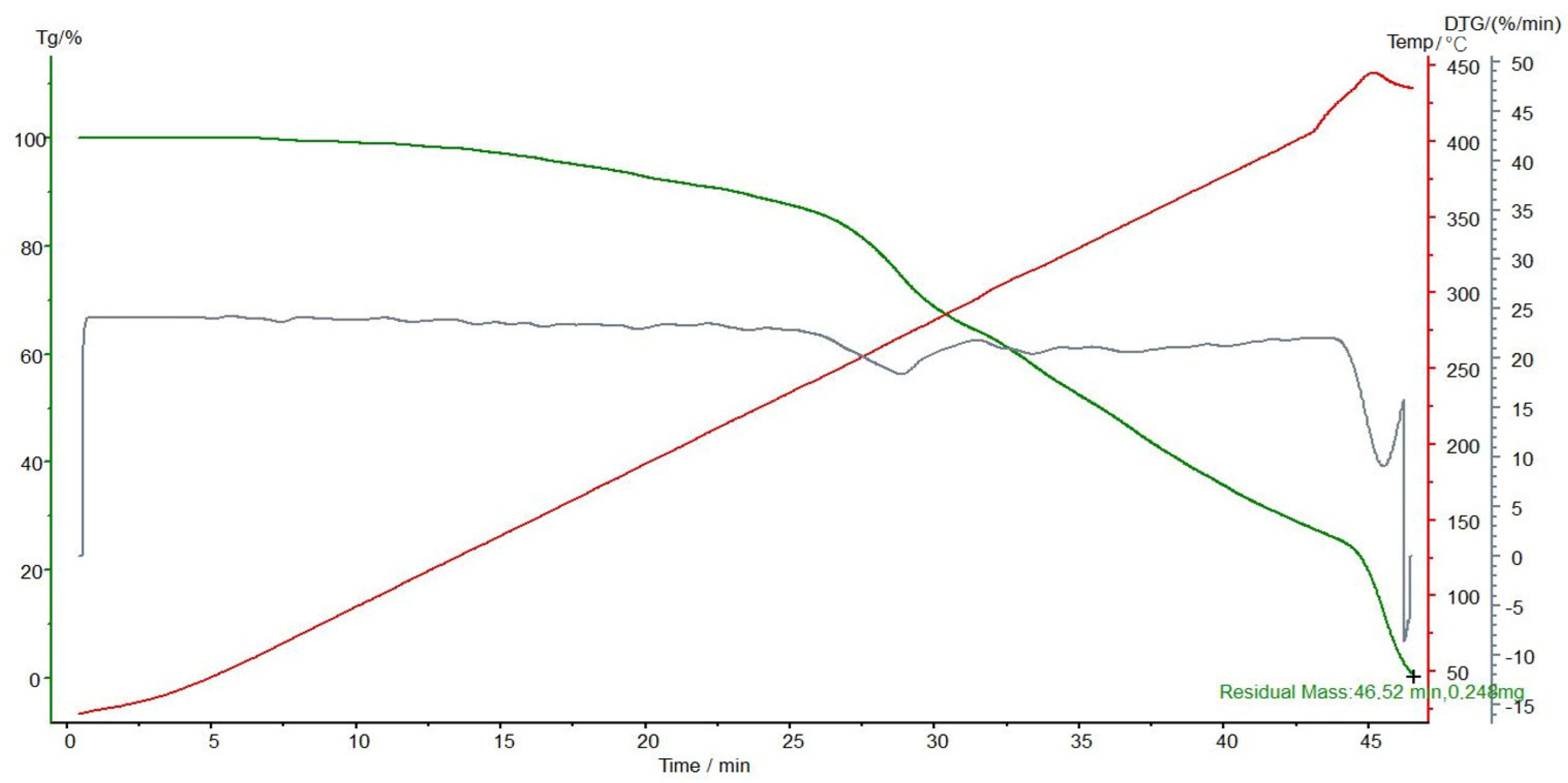
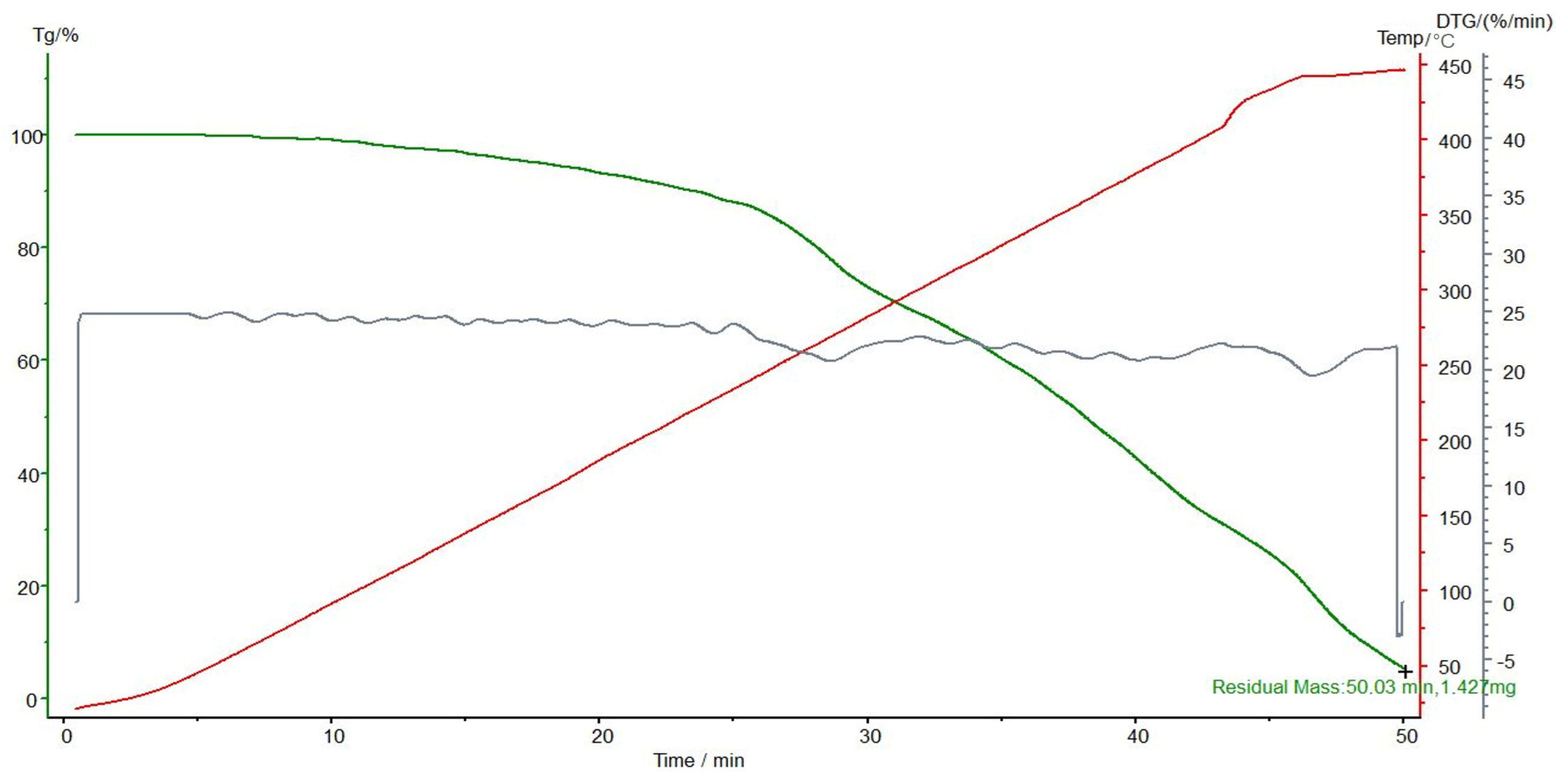
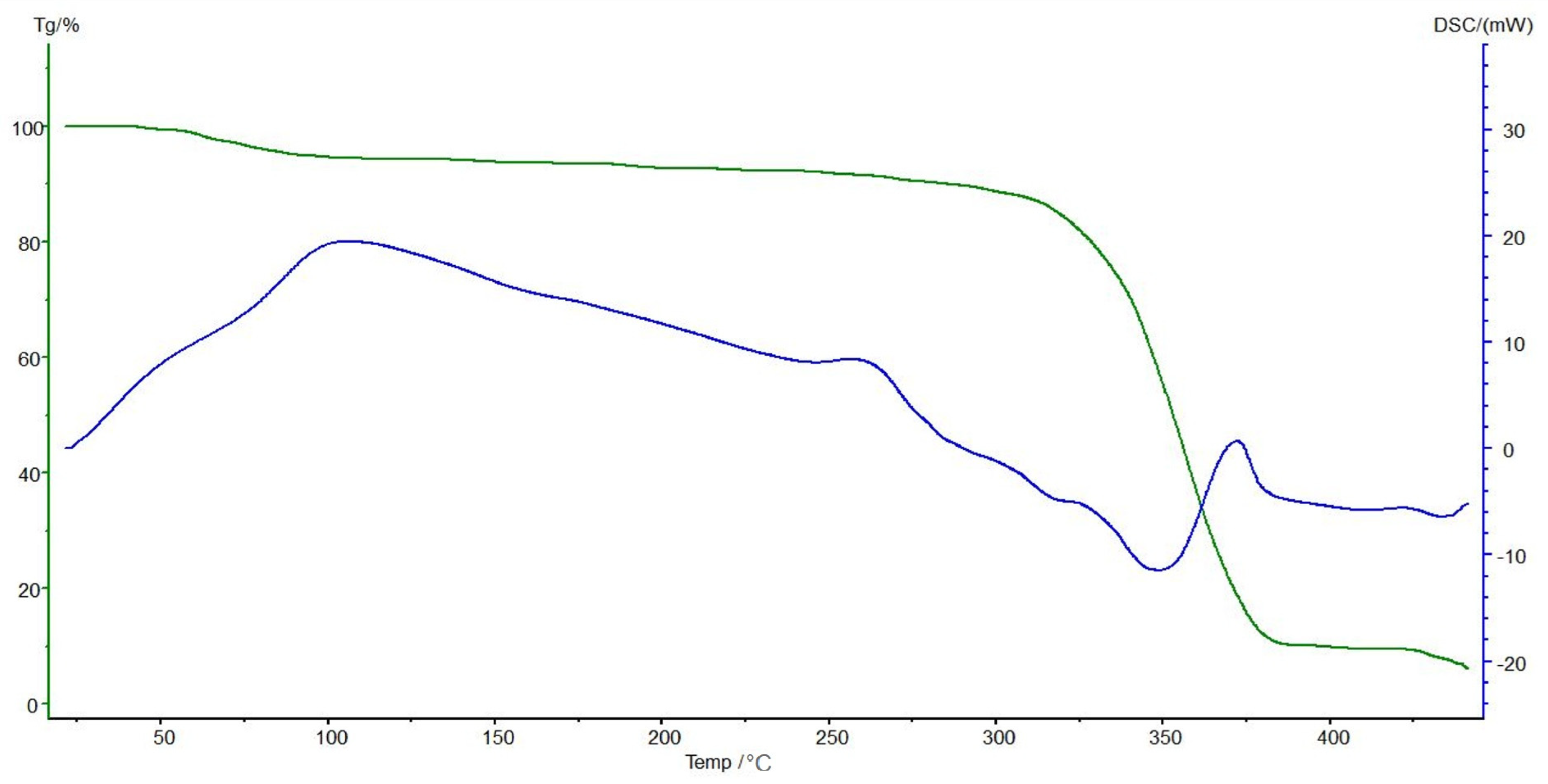
Stage 4. Network reorganization and thermodynamic stabilization. The formation of metal–polymer coordination complexes introduces additional crosslinks into the hydrogel networks, partially restricting chain mobility and altering the hydrogen-bonding landscape—as evidenced by the modified DSC heat flow profiles of metal-loaded samples compared to pristine polymers. The TGA data confirm that the overall thermal stability of both hPAA and hP4VP is preserved after metal loading, indicating that the coordination complexes formed are thermodynamically stable under ambient and moderately elevated temperature conditions without inducing backbone degradation.
The overall sorption mechanism may be represented schematically as:
where M
3+ = Ga
3+ or Sc
3+, and the intergel environment enables simultaneous participation of both coordination modes within the same sorbent system. This schematic depicts the inner-sphere coordination modes established in Stage 3; as discussed above, a portion of the total sorbed Ga
3+ and Sc
3+ at equilibrium is expected to remain in the outer-sphere, hydrated state depicted in Stage 2, and the relative proportion of each population is not resolved by the present dataset.
The proposed mechanism of the remote interaction effect is supported by Pearson’s Hard and Soft Acid and Base (HSAB) theory [
26,
27], which states that the hard acid H
+ and the hard base formed at the hP4VP surface interact to form water molecules, thereby activating and stabilizing the functional groups of both polymer hydrogels within the intergel system. As a result, the concentration of oxonium ions (H
3O
+) around hPAA and the concentration of pyridinium species (≡N
+H) around hP4VP become significantly higher compared to the individual polymers in isolation. This electrochemical gradient lowers the concentration of neutral water molecules in the immediate vicinity of both ion-exchange networks, which in turn enhances the dissociation of counter ions from the ionic groups of the polyelectrolytes and increases the effective density of active coordination sites (–COO
− in hPAA and pyridine N in hP4VP). This ultimately leads to the mutual activation of the initial polymer hydrogels and their transition to a highly ionized state, resulting in a significant increase in the sorption properties of the polyacid hPAA and the polybase hP4VP within the intergel system hPAA:hP4VP (X:Y) toward gallium(III) and scandium(III) ions.
This HSAB-based interpretation (
Section 2.8) is fully consistent with the mechanistic picture developed above: both Ga
3+ and Sc
3+ are hard acids that preferentially engage the hard oxygen donors of hPAA, with Sc
3+’s marginally larger ionic radius permitting greater participation of the softer pyridine nitrogen donor of hP4VP in its coordination sphere.
2.10. Comparative Analysis of Sorption Efficiency
To compare the affinity of the hPAA:hP4VP intergel systems toward gallium(III) and scandium(III), the distribution coefficients K
d and the selectivity coefficient β were calculated from the equilibrium concentrations obtained after 48 h of contact. The calculated values are summarized in
Table 9 and provide a more rigorous basis for evaluating metal uptake than sorption degree alone, because they reflect not only the amount removed from solution but also the residual equilibrium concentration of each ion.
A clear dependence of sorption efficiency on the composition of the intergel system was observed. For Ga(III), the Kd values increased substantially from 694.9 mL·g−1 for the individual hPAA hydrogel (6:0) to a maximum of 2726.7 mL·g−1 at the equimolar composition 3:3, followed by a moderate decrease at higher hP4VP contents. This trend indicates that the mutual activation of the polyacid and polybase networks under remote interaction conditions markedly enhances gallium binding, with the strongest effect occurring when both components are present in comparable amounts. Even so, the hP4VP-rich systems retained relatively high Kd values for Ga(III), confirming that gallium sorption is promoted not only by carboxylate groups of hPAA but also by the cooperative environment created within the intergel pair.
For Sc(III), the distribution coefficients were lower than those for Ga(III) at all investigated compositions, but they also exhibited a pronounced composition dependence. The lowest Kd values for Sc(III) were found for the hPAA-dominant systems 5:1 and 4:2, at 217.0 and 247.4 mL·g−1, respectively, whereas substantially higher values were obtained for the 3:3 and 2:4 compositions, reaching 1197.8 and 1272.7 mL·g−1. These results indicate that scandium uptake is favored in systems containing a larger fraction of hP4VP, which is consistent with the higher sorption degree observed for Sc(III) at 2:4 and 3:3 and with the proposed contribution of pyridine nitrogen atoms to metal coordination.
The selectivity coefficient β = Kd(Ga)/Kd(Sc) makes the compositional selectivity of the intergel systems more explicit. In all studied cases, β remained greater than 1, indicating an overall preferential affinity of the hPAA:hP4VP systems toward Ga(III) over Sc(III) under the chosen experimental conditions. The highest selectivity was observed at the 4:2 composition, where β = 6.41, followed by 5:1 (β = 4.52) and 1:5 (β = 4.23). By contrast, the lowest β values were found for the 6:0, 2:4, and 3:3 systems, indicating that although these compositions still favored gallium, their relative affinity for scandium became more pronounced.
The equimolar 3:3 composition deserves special attention. This system exhibited the highest Kd for Ga(III) and simultaneously one of the highest Kd values for Sc(III), demonstrating that it provides the strongest overall sorption environment among all tested compositions. However, its selectivity coefficient was only moderate (β = 2.28), which suggests that the 3:3 ratio is optimal for maximizing total sorption performance rather than for achieving the strongest discrimination between the two metal ions. In contrast, the 4:2 composition combined a high Kd for Ga(III) with a much lower Kd for Sc(III), making it the most selective formulation for gallium recovery.
From a mechanistic perspective, these results support the conclusion that the hPAA:hP4VP intergel system can be tuned by varying the polymer ratio not only for high overall sorption capacity but also for the degree of Ga(III)-over-Sc(III) preferential uptake—ranging from near-unity discrimination (β ≈ 1.36 at 6:0) to strongly Ga-selective behavior (β ≈ 6.41 at 4:2)—rather than for reversing the direction of metal preference, which remains Ga(III)-favoring across the entire compositional range studied. The higher affinity for Ga(III) across all compositions is consistent with the stronger contribution of carboxylate-rich environments to gallium binding, whereas the relative increase in Sc(III) uptake in hP4VP-enriched systems suggests a more important role of mixed O/N coordination for scandium. Thus, the comparative Kd and β analysis confirms that remote interaction between the hydrogels generates a composition-dependent sorption landscape, allowing targeted adjustment of the intergel system either toward maximum overall uptake or toward enhanced gallium selectivity.
It should be emphasized that the present study was conducted using simplified binary Ga(III)/Sc(III) sulfate model solutions, in the absence of other multivalent cations commonly present in real hydrometallurgical process liquors, such as Al
3+, Fe
3+, and rare-earth ions, which typically occur at substantially higher concentrations than Ga(III) and Sc(III) in bauxite-residue and red-mud leachates. Because Al
3+ and Fe
3+ are also hard Lewis acids capable of coordinating strongly with carboxylate oxygen donors, their presence is expected to compete for the same –COO
− binding sites identified in
Section 2.9, potentially reducing the effective Ga(III)/Sc(III) sorption capacity and altering the compositional selectivity trends reported here. Validation of the hPAA:hP4VP intergel system’s performance in the presence of such competing cations, and ultimately in authentic multicomponent leachates, is therefore required before its practical applicability to industrial Ga/Sc recovery can be established, and is identified as a priority for future work.




 ,
,