Review

Synthesis and Biological Activity of Azolo[a]quinoxalines

by
Emiliya V. Nosova
1,2,*,
Galina N. Lipunova
1 and
Valery N. Charushin
1,2
1
Postovsky Institute of Organic Synthesis, Ural Branch of the Russian Academy of Sciences, 22 S. Kovalevskaya St./20 Akademicheskaya St., Ekaterinburg 620137, Russia
2
Department of Organic and Biomolecular Chemistry, Ural Federal University, 19 Mira St., Ekaterinburg 620002, Russia
*
Author to whom correspondence should be addressed.
Molecules 2026, 31(15), 2592; https://doi.org/10.3390/molecules31152592

Submission received: 22 June 2026 / Revised: 18 July 2026 / Accepted: 22 July 2026 / Published: 24 July 2026
Abstract

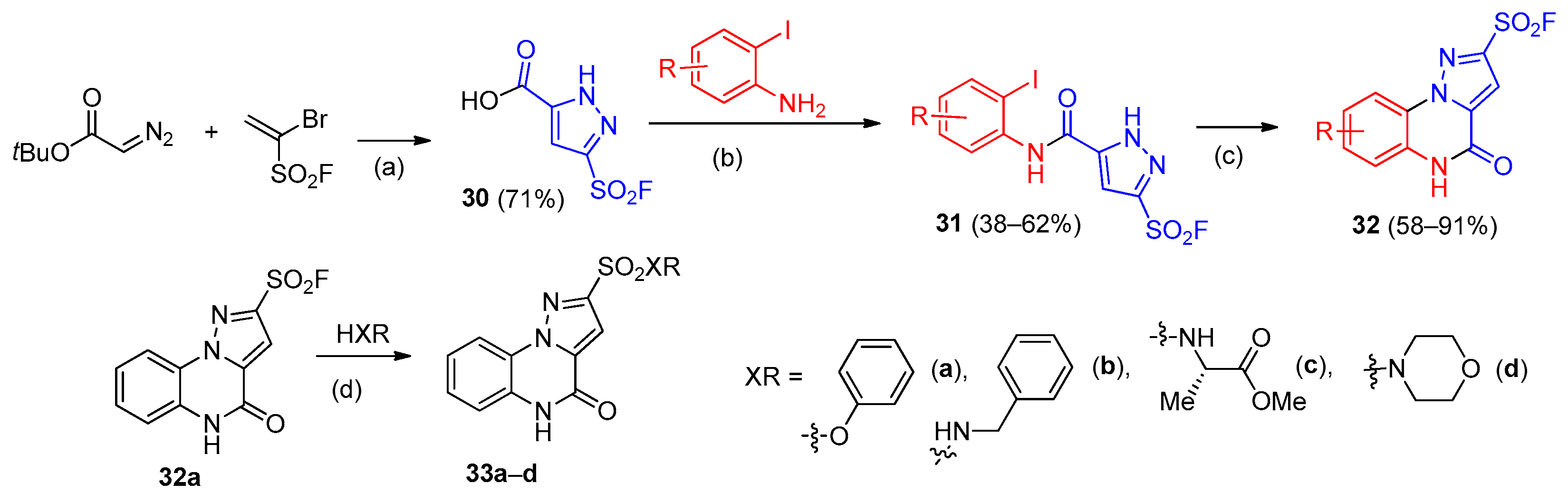
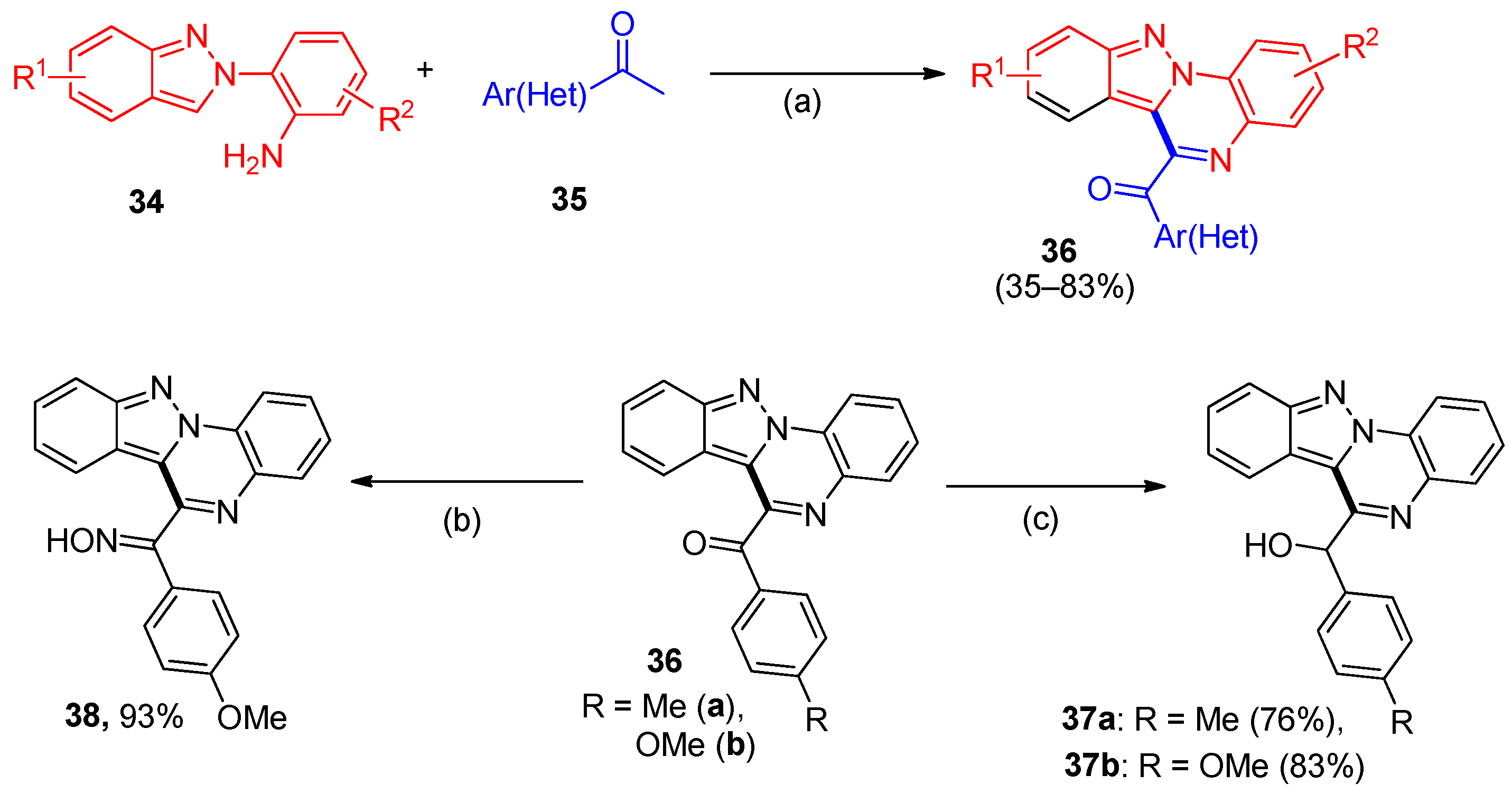
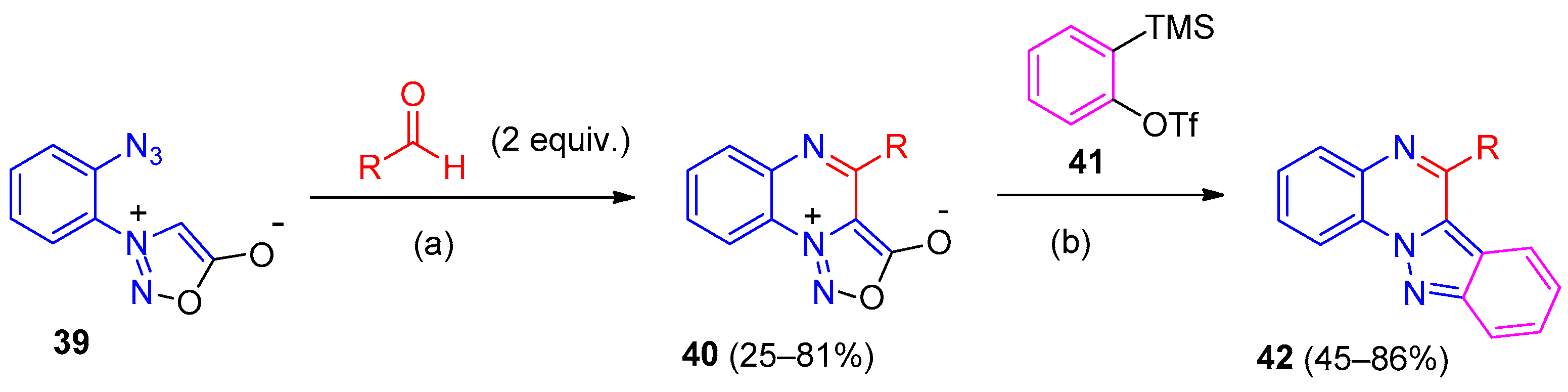
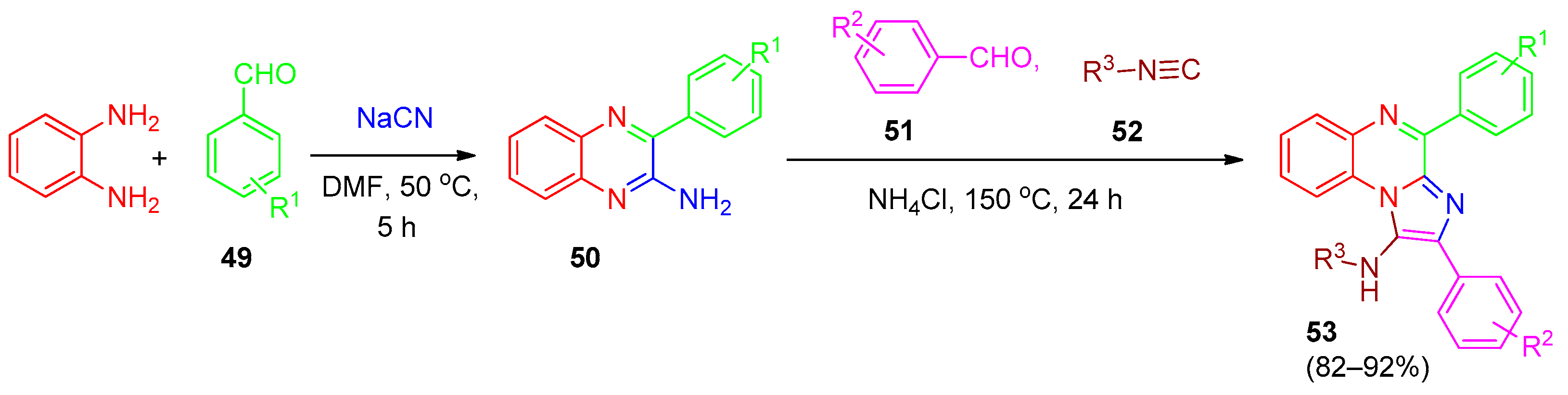
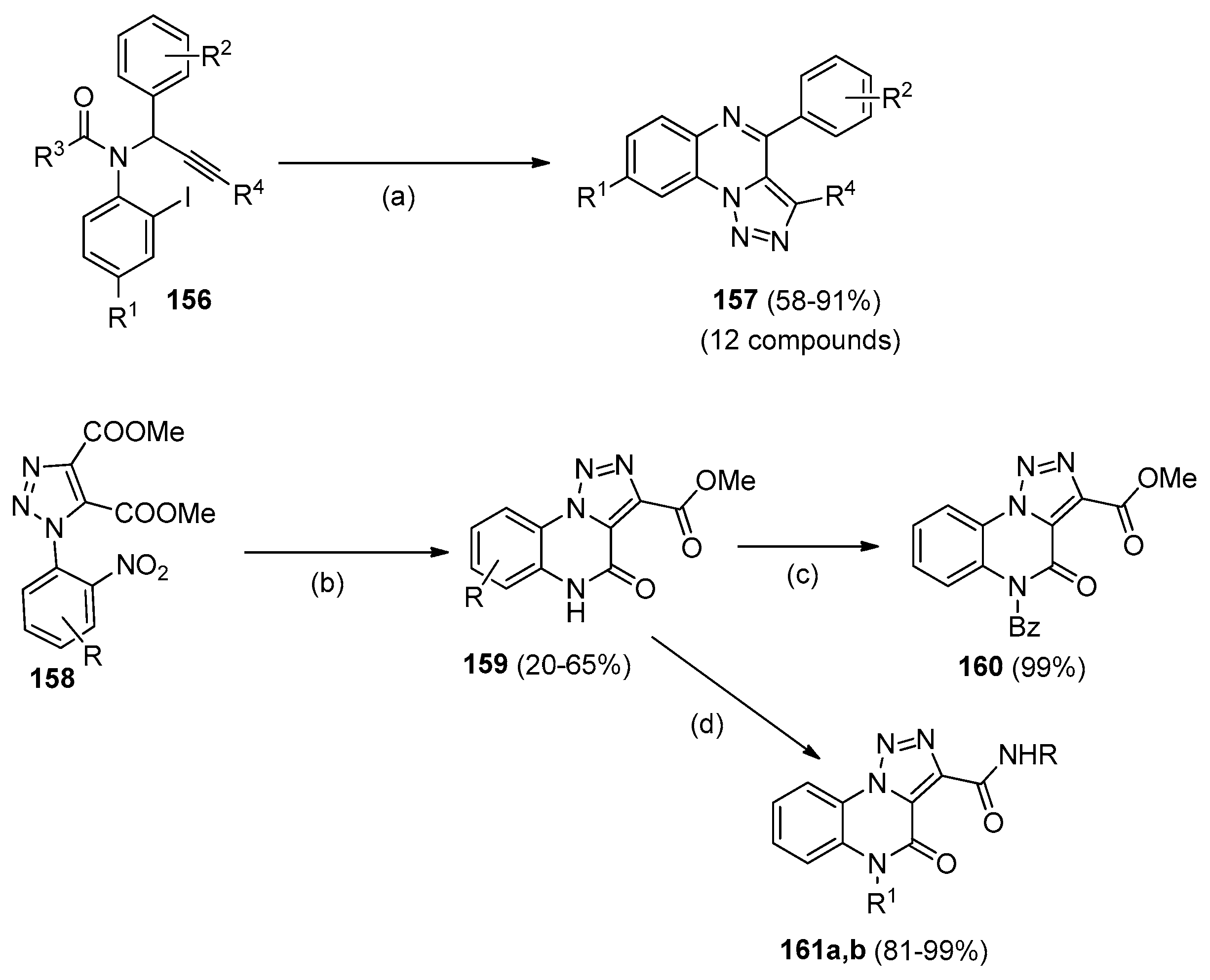
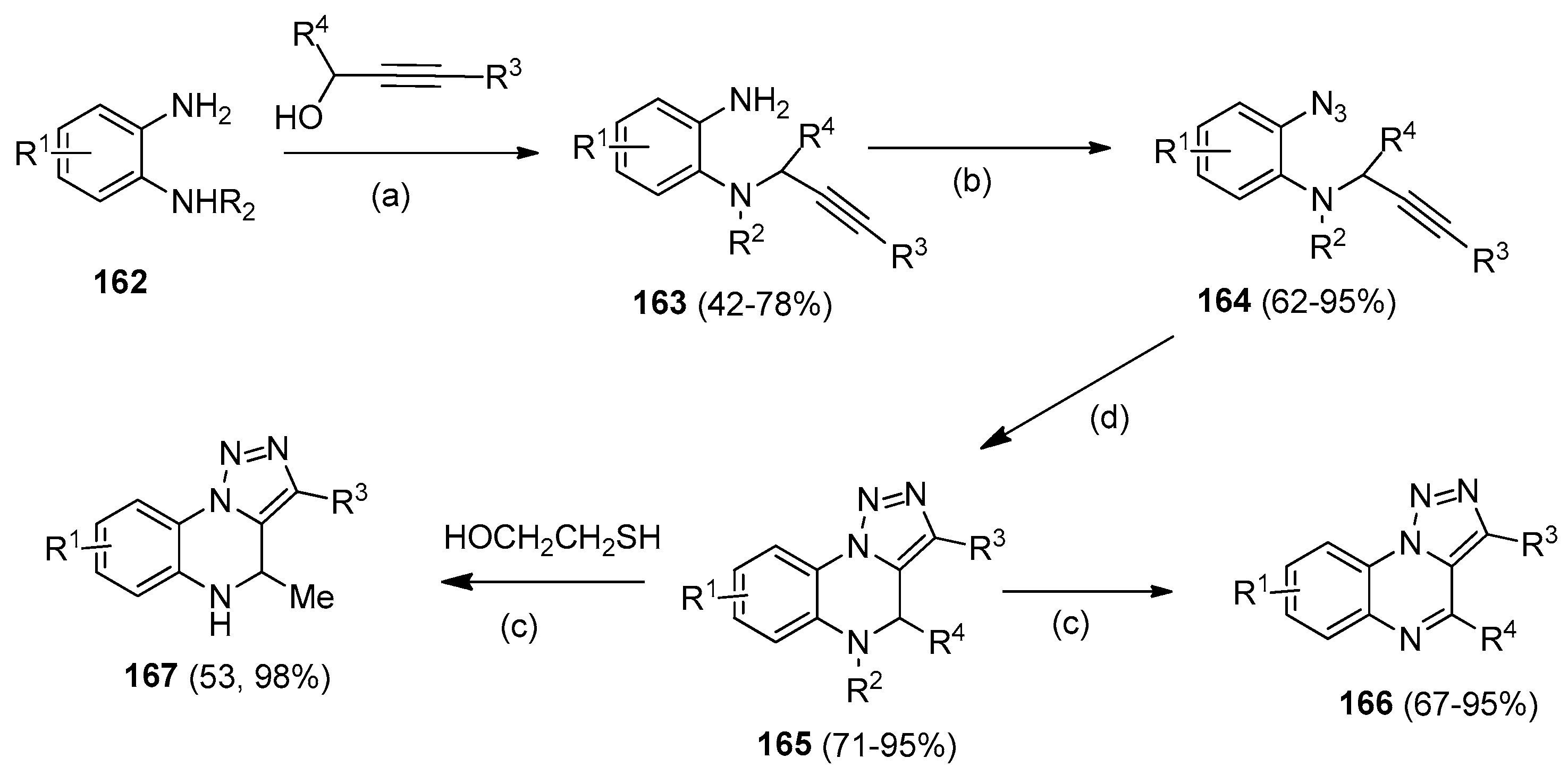
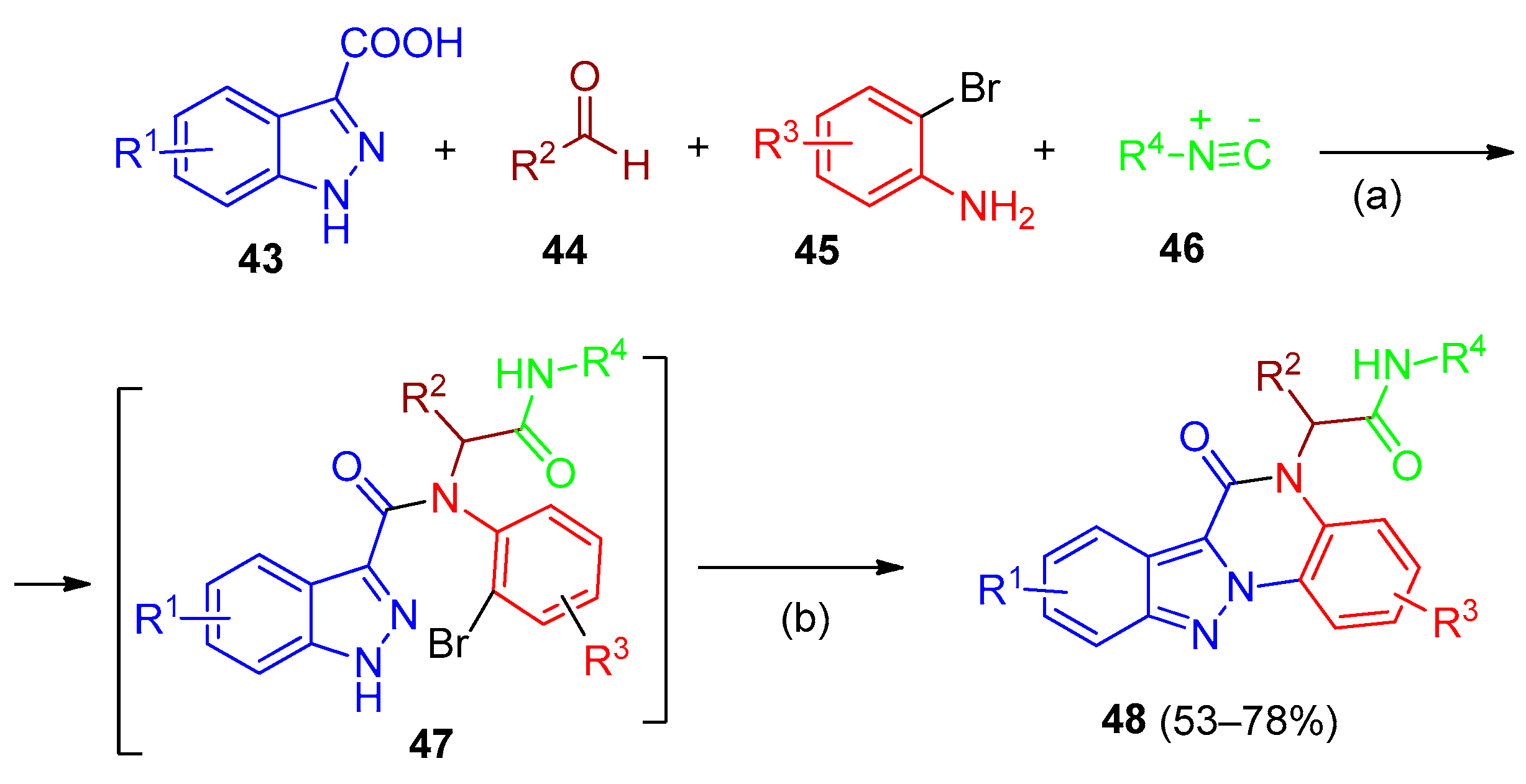
This review covers published data (mostly from 2019 to 2025) on the synthesis and biological activity of azolo[a]quinoxalines, including pyrazolo-, imidazo- and triazolo-annelated systems. We highlight that most research efforts are directed toward the design of anticancer agents, with additional applications as Toll-like receptor antagonists, monoamine oxidase inhibitors, opioid receptor modulators, PI3Kα inhibitors, tubulin polymerization inhibitors, GABAᴀ receptor modulators, VEGFR-2 kinase inhibitors, BRD9 binders, and anti-inflammatory, antimicrobial, and antifungal agents. Recent synthetic strategies include Cu-catalyzed oxidative annulations, I2-mediated C–H functionalization, metal-free cascade cyclization, and multicomponent reactions, often employing eco-friendly catalysts and reductants. A growing number of studies integrate virtual screening, molecular docking, and pharmacophore-based in silico approaches to guide lead discovery and optimization. Innovative drug delivery systems, such as nanogels and hybrid molecules combining azoloquinoxalines with pharmacophores like thalidomide, have also been explored. This review emphasizes both the medicinal chemistry aspects of azolo[a]quinoxalines and the synthetic methodologies for their preparation from the perspective of drug development and discovery.
Keywords: azolo[a]quinoxalines; heterocyclization; anticancer activity; enzyme and receptor inhibitors; structure-activity relationships; in silico drug design; multicomponent reactions azolo[a]quinoxalines; heterocyclization; anticancer activity; enzyme and receptor inhibitors; structure-activity relationships; in silico drug design; multicomponent reactions