Review

Functionalized Nitrile Oxides and Their Synthetic Equivalents: Recent Advances in Generation Methods and Synthetic Applications


by
Nagatoshi Nishiwaki
School of Engineering Science, Kochi University of Technology, Tosayamada, Kami, Kochi 782-8502, Japan
Molecules 2026, 31(14), 2525; https://doi.org/10.3390/molecules31142525

Submission received: 29 June 2026 / Revised: 16 July 2026 / Accepted: 18 July 2026 / Published: 20 July 2026

Abstract

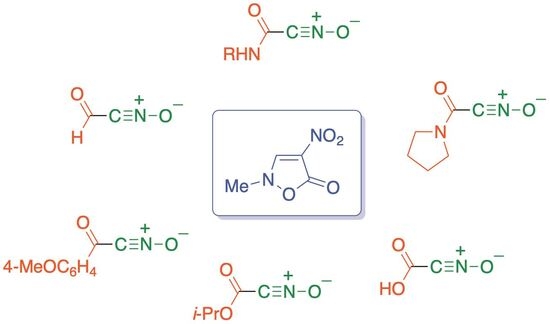
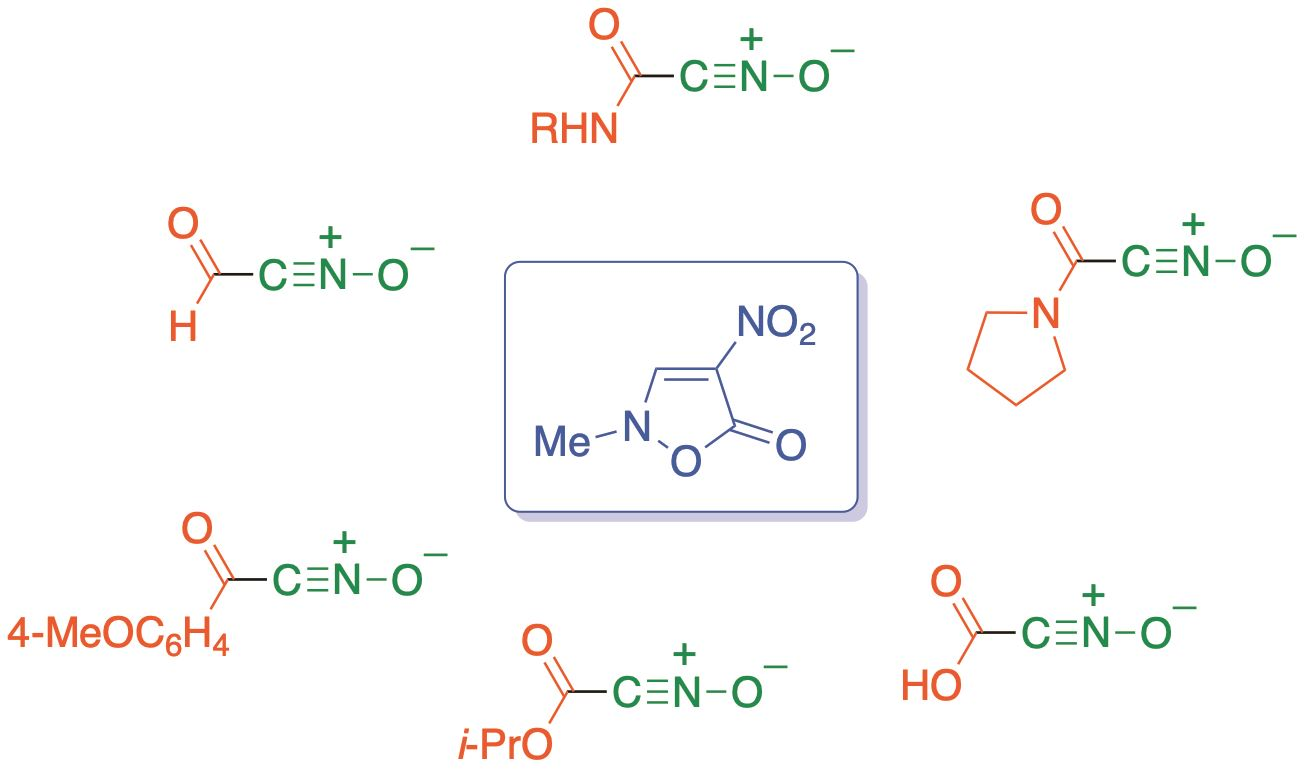
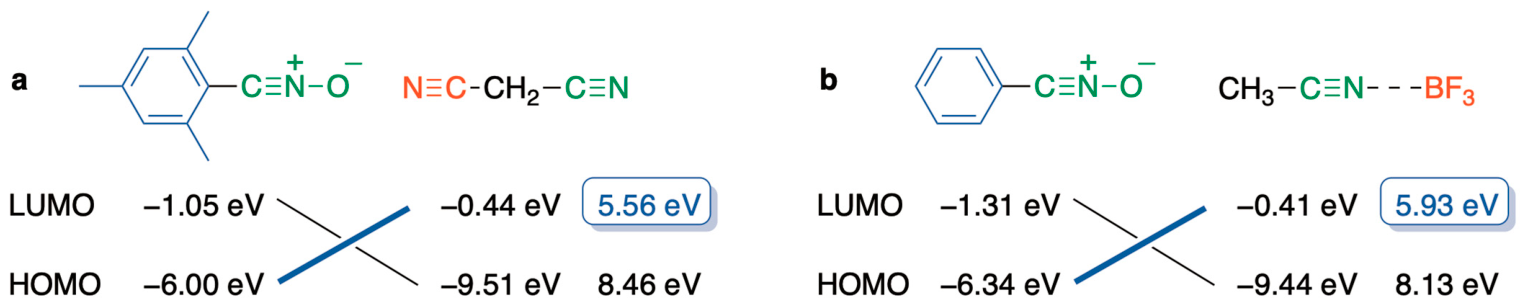
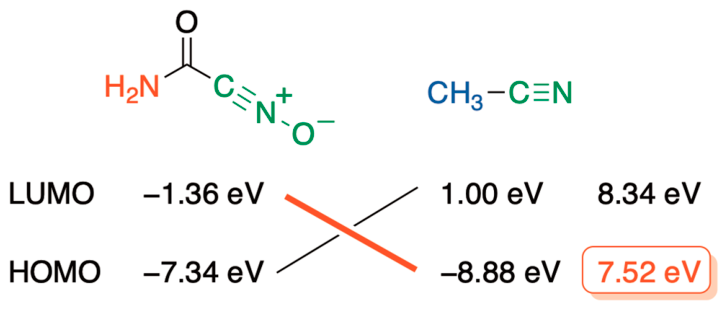
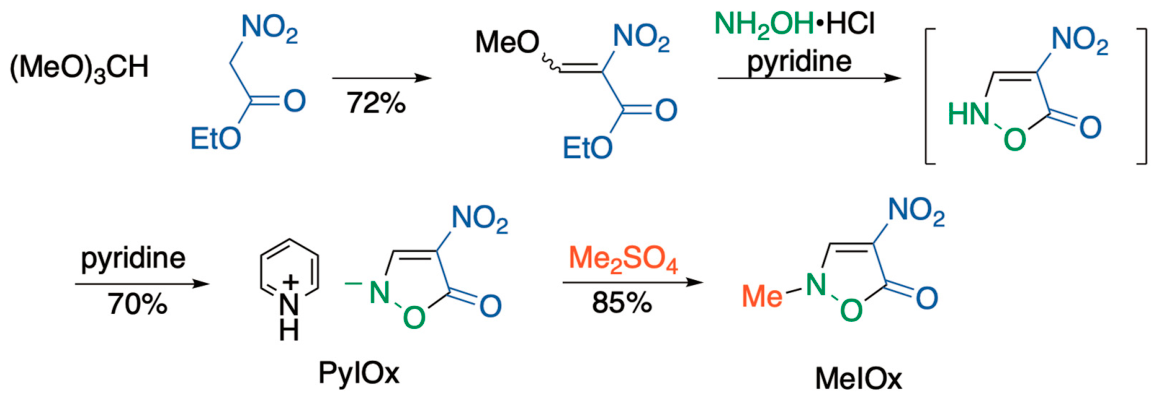
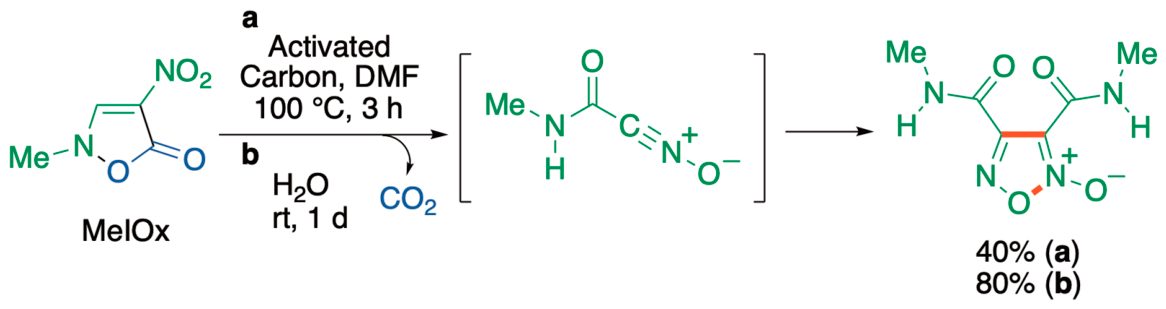
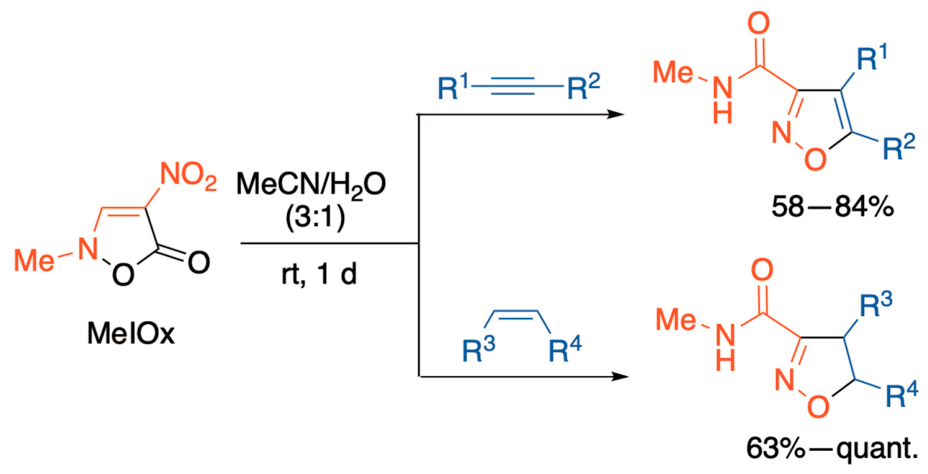
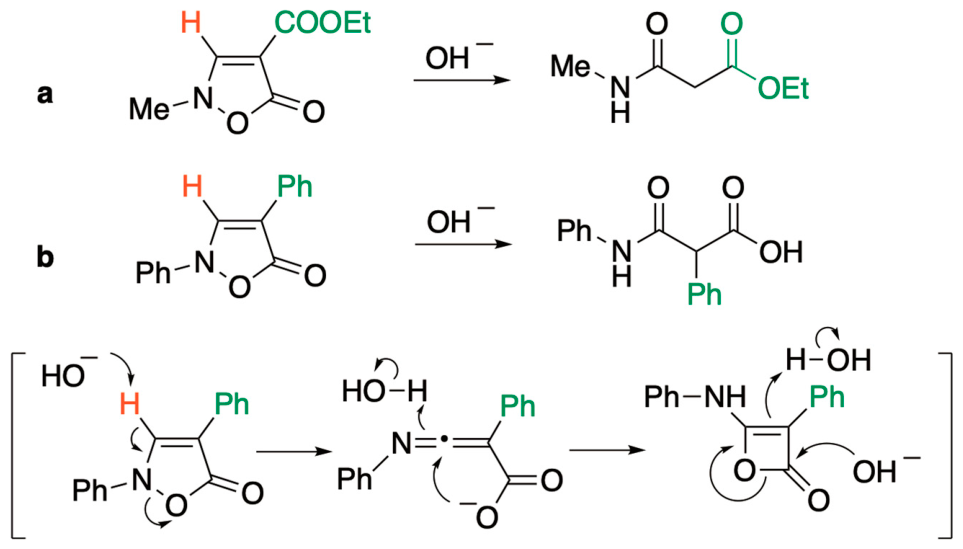
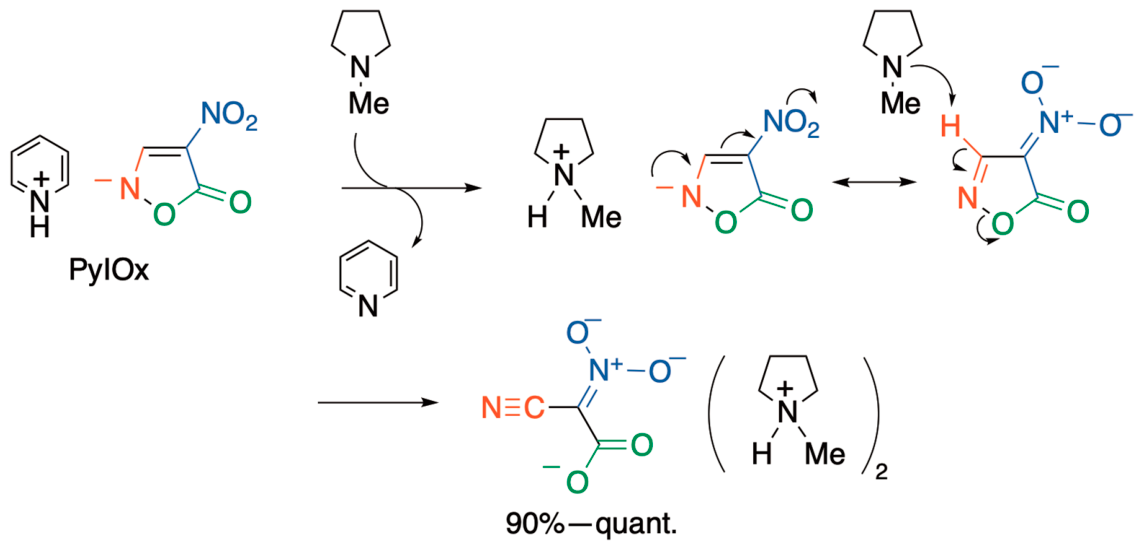
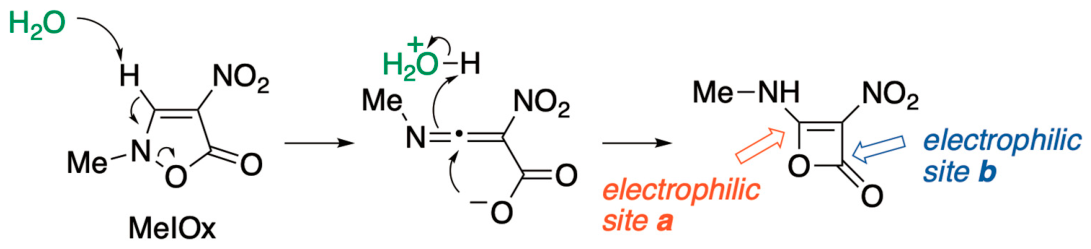
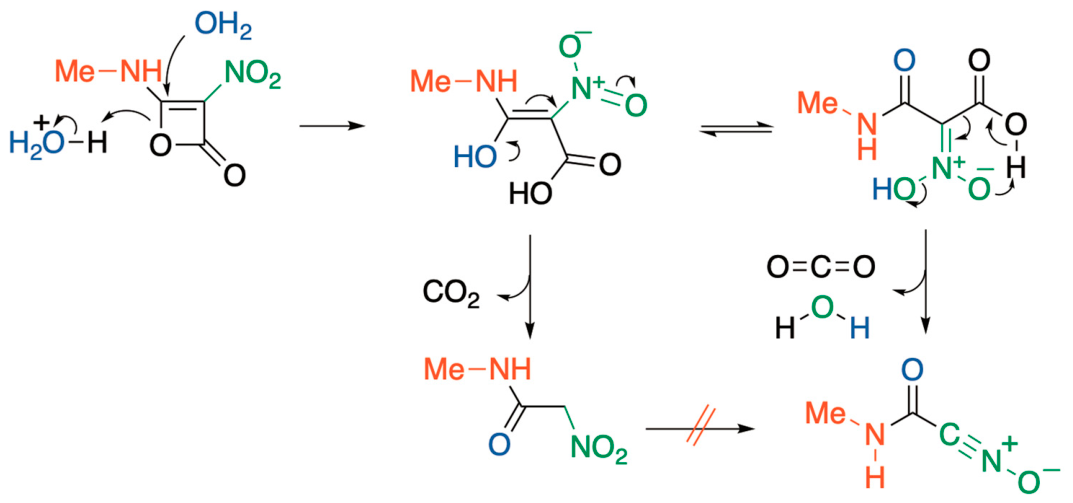
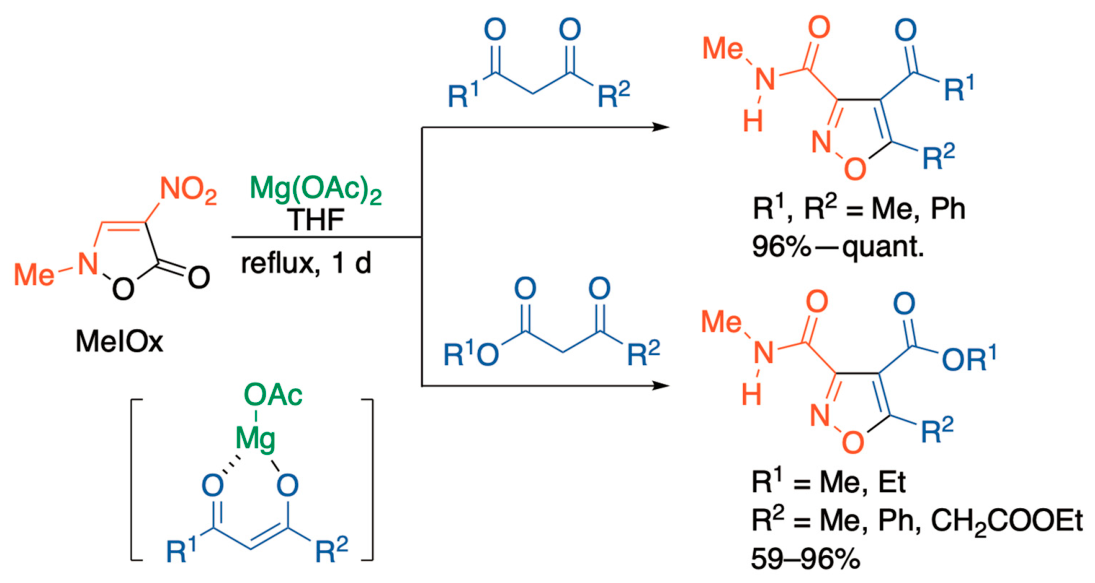
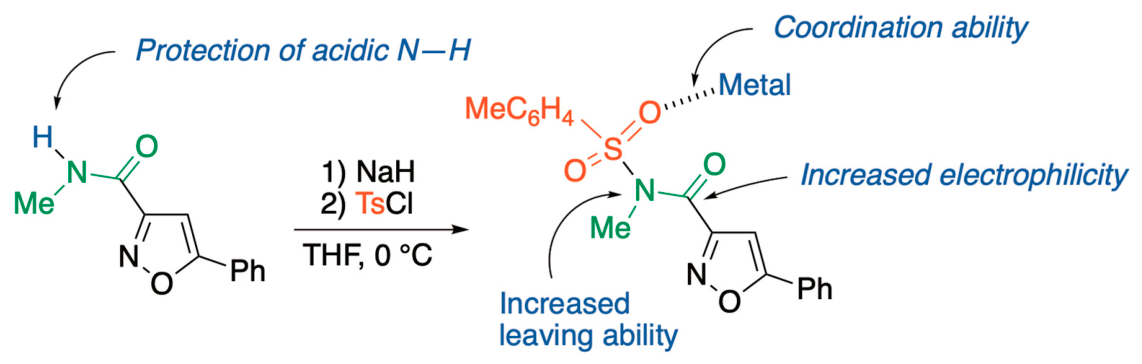
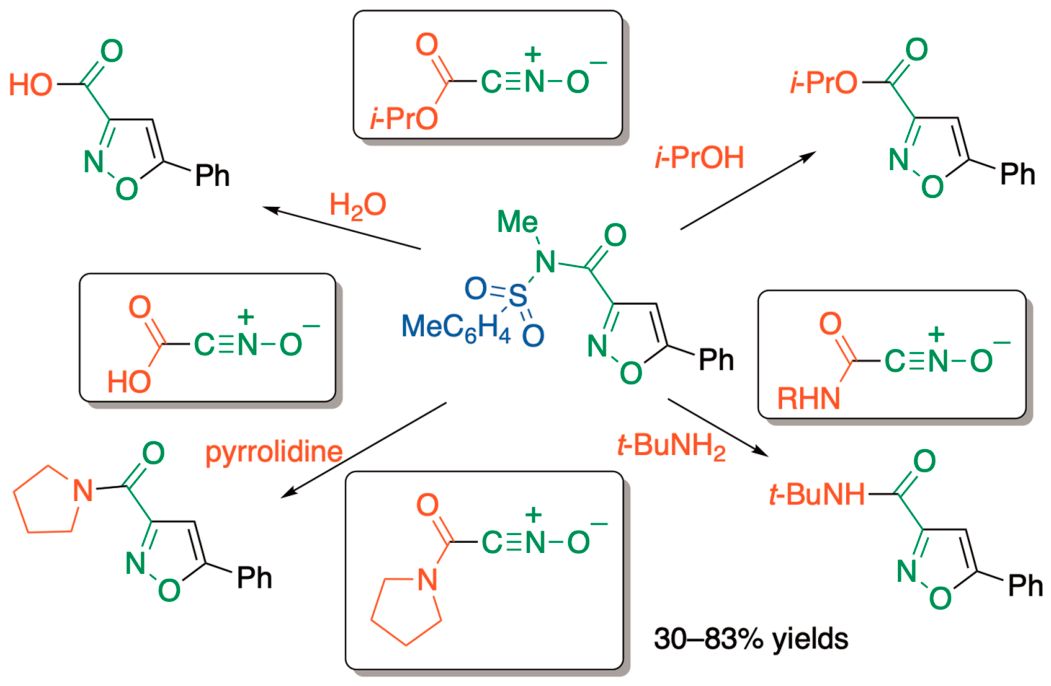
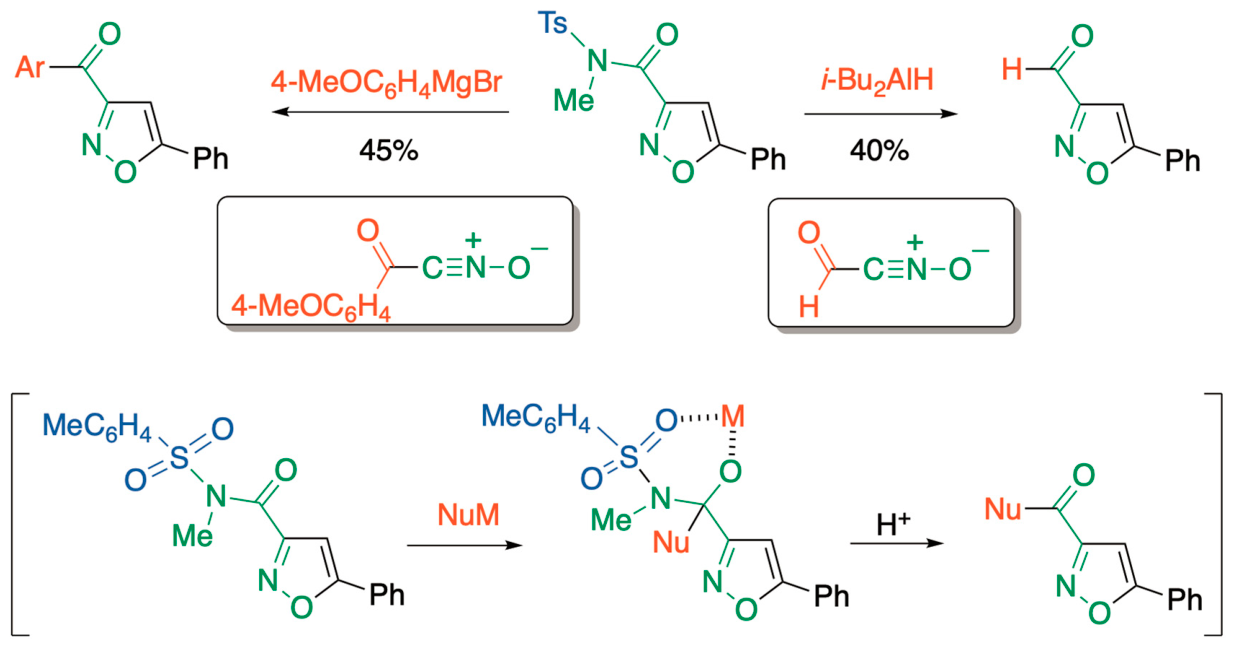
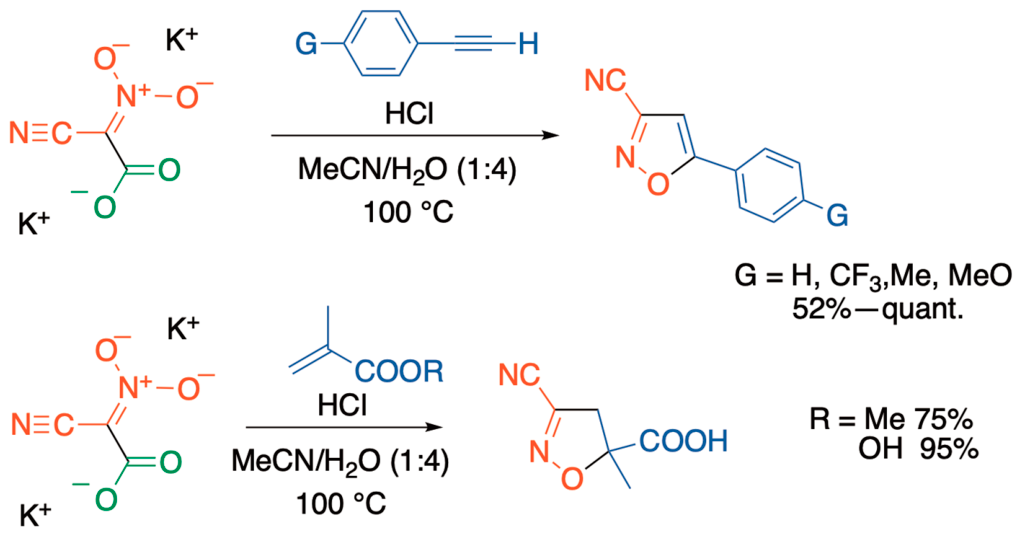
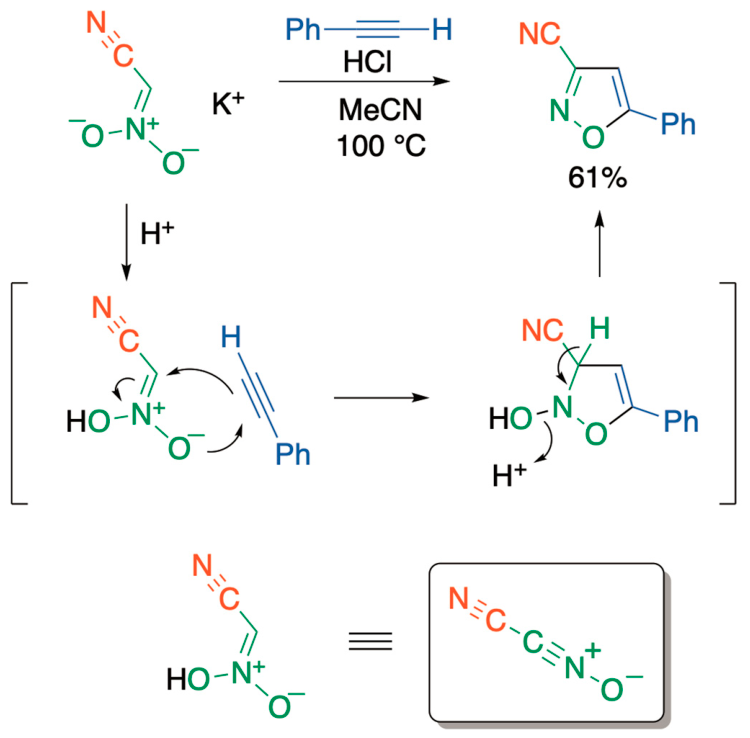
Functionalized nitrile oxides have attracted increasing attention because the incorporated functional groups not only influence cycloaddition reactivity but also provide valuable handles for subsequent molecular diversification. Despite their considerable synthetic potential, however, the development of practical methods for generating functionalized nitrile oxides has remained challenging because suitable precursors are often difficult to access and many functional groups are incompatible with conventional generation conditions. Consequently, only a limited number of reliable precursor systems have been established. This review summarizes recent advances in the generation of nitrile oxides bearing synthetically valuable acyl, ester, amide, and cyano functionalities, together with the development of synthetic equivalents that circumvent the intrinsic instability of these reactive intermediates. Particular emphasis is placed on 2-methyl-4-nitroisoxazoline-5(2H)-one (MeIOx), which serves as a practical precursor to (N-methylcarbamoyl)nitrile oxide. Remarkably, this nitrile oxide is generated simply by treatment with water under neutral conditions and undergoes efficient 1,3-dipolar cycloaddition with alkenes, alkynes, nitriles, and 1,3-dicarbonyl compounds to afford structurally diverse isoxazol(in)e and 1,2,4-oxadiazole derivatives. Furthermore, post-cycloaddition transformation of the N-methylcarbamoyl group into carboxyl, ester, amide, acyl, and formyl functionalities enables MeIOx to function as a practical synthetic equivalent of a broad range of functionalized nitrile oxides. The review also highlights the unique chemistry of the pyridinium salt PyIOx, whose ring-opening reaction provides cyano-aci-nitroacetate as a synthetic equivalent of the highly unstable (cyano)nitrile oxide. These complementary strategies significantly expand the scope of nitrile oxide chemistry and establish practical platforms for the synthesis of highly functionalized heterocycles.
Keywords: functionalized nitrile oxide; reverse electron demand 1,3-dipolar cycloaddition; synthetic equivalent; isoxazole; oxadiazoles functionalized nitrile oxide; reverse electron demand 1,3-dipolar cycloaddition; synthetic equivalent; isoxazole; oxadiazoles
Graphical Abstract