Flavonoids from Bee Pollen: Functional Components, Applications, and Limitations

 , , ,
, , ,
Abstract
1. Introduction
2. Chemical Characteristics of Flavonoids in Bee Pollen
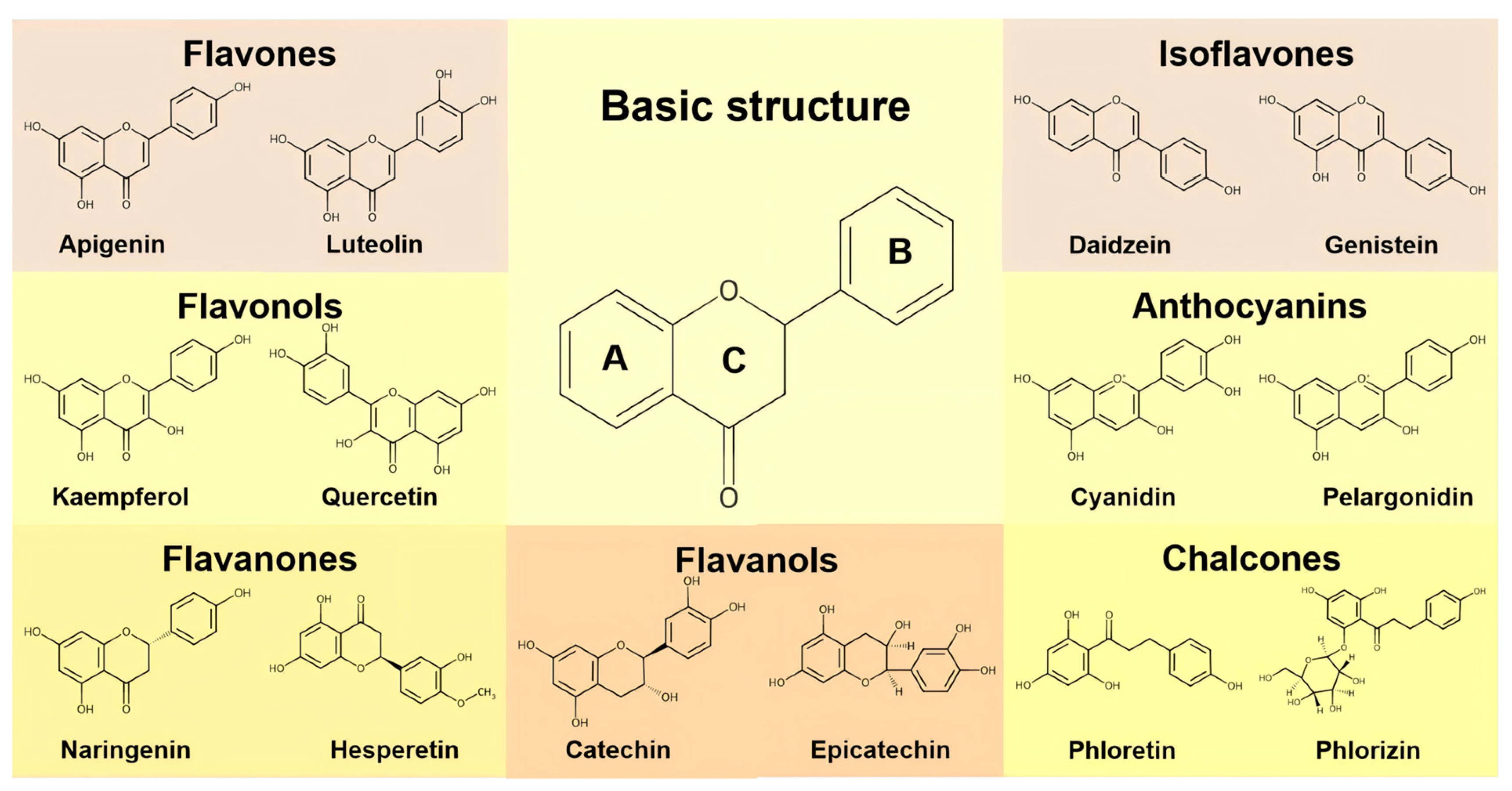
2.1. Structural Classification and Representative Compounds of Flavonoids
2.2. Composition and Content Variations in Flavonoids in Bee Pollen
2.3. Analytical and Characterization Methods for Flavonoids
2.3.1. High-Performance Liquid Chromatography with Diode Array Detector (HPLC-DAD)
2.3.2. Ultra-High-Performance Liquid Chromatography Coupled with Diode Array Detector and Tandem Mass Spectrometry (UHPLC-DAD-MS/MS)
2.3.3. Ultra-High-Performance Liquid Chromatography-Electrospray Ionization-Quadrupole Time-of-Flight Mass Spectrometry (UHPLC-ESI-QTOF-MS)
2.3.4. Nuclear Magnetic Resonance Spectroscopy (NMR)
2.3.5. Chemometrics and Multivariate Statistical Analysis
2.3.6. Critical Recommendations for Method Selection
2.4. Chemotaxonomic Significance and Quality Control Markers
3. Wall Disruption of Bee Pollen and Extraction of Flavonoids
3.1. Wall Disruption Methods for Bee Pollen
3.2. Physicochemical Properties of Bee Pollen Flavonoids and Their Extraction Adaptability
3.3. Solvent Selection and Extraction Efficiency
3.4. Comparison of Different Extraction Methods
3.5. Emerging Green Extraction Technologies
4. The Role of Bee Pollen Flavonoids in Inflammatory Diseases
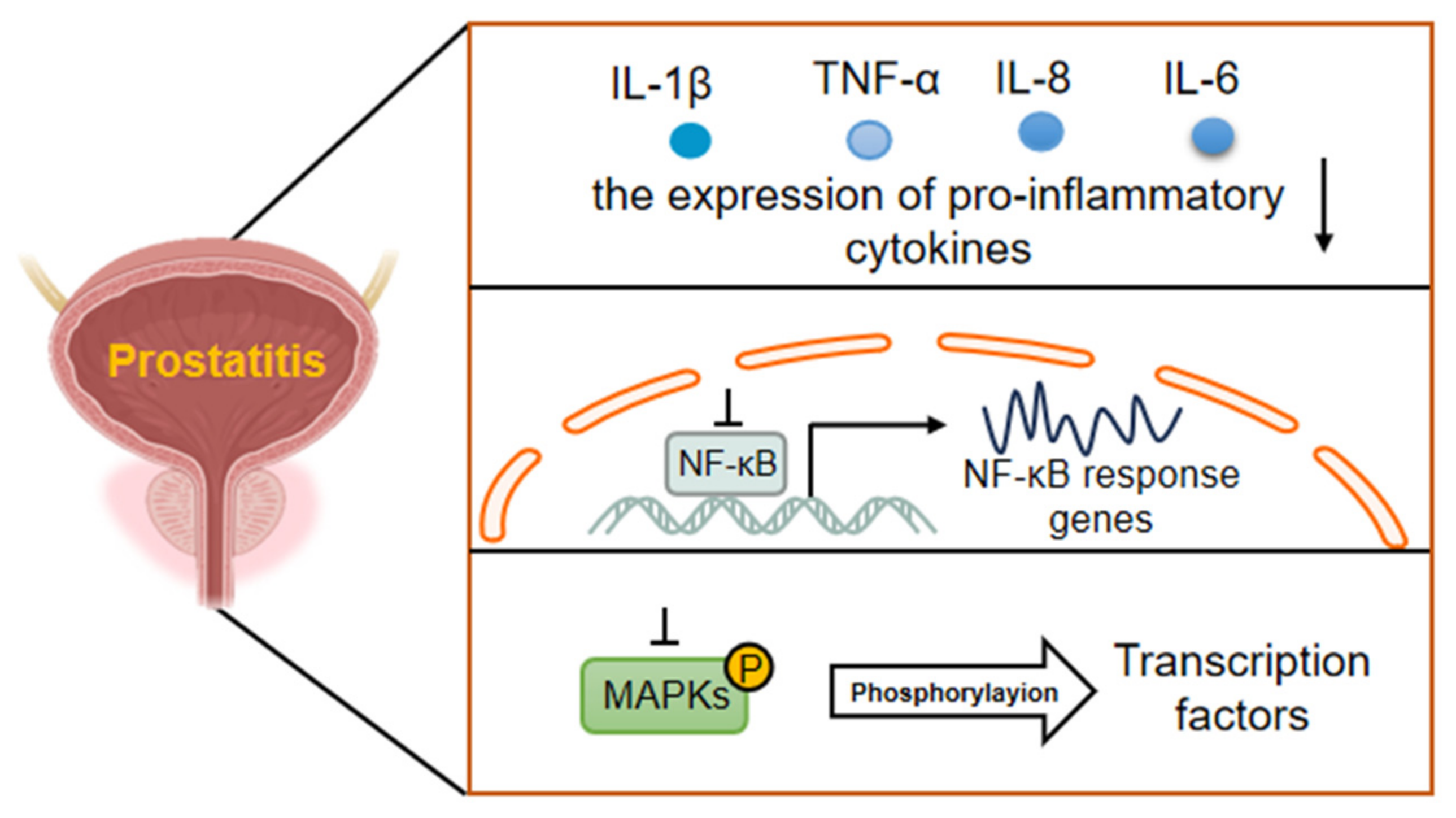
4.1. Preclinical Evidence for Bee Pollen Flavonoids in Chronic Non-Bacterial Prostatitis

| Test Material | Source | Material Type | Level of Evidence | Experimental Models | Dosage | Main Findings | Reference |
|---|---|---|---|---|---|---|---|
| Quercetin | Commercial | Isolated compound | Animal | Chronic prostatitis model induced with complete Freund’s adjuvant in Sprague Dawley rats | Oral administration of quercetin for 4 weeks | Decreased the expression of pro-inflammatory cytokines IL-1β, IL-2, IL-6, IL-17A, and TNFα, improved antioxidant capacity, and inhibited the phosphorylation of NF-κB and MAPKs | [45] |
| Prosta-Q (commercial combination supplement containing quercetin, bromelain, and papain) | Commercial | Commercial combination supplement | Observational human | Prostatic secretions samples from 70 patients and 8 asymptomatic controls | 500 mg quercetin (as Prosta-Q), twice daily for 4 weeks | Decreased oxidative stress metabolites and increased endorphin levels in prostatic secretions | [47] |
| Kaempferol | Commercial | Isolated compound | In vitro | LPS-induced prostate organoid inflammation model | 20, 40, and 80 μM kaempferol were co-treated in each well for 24 h | Reduced inflammatory cytokine expression; activated the Nrf2 antioxidant pathway; decreased mitochondrial ROS production, thereby alleviating mitochondrial damage in LPS-induced prostate organoids | [48] |
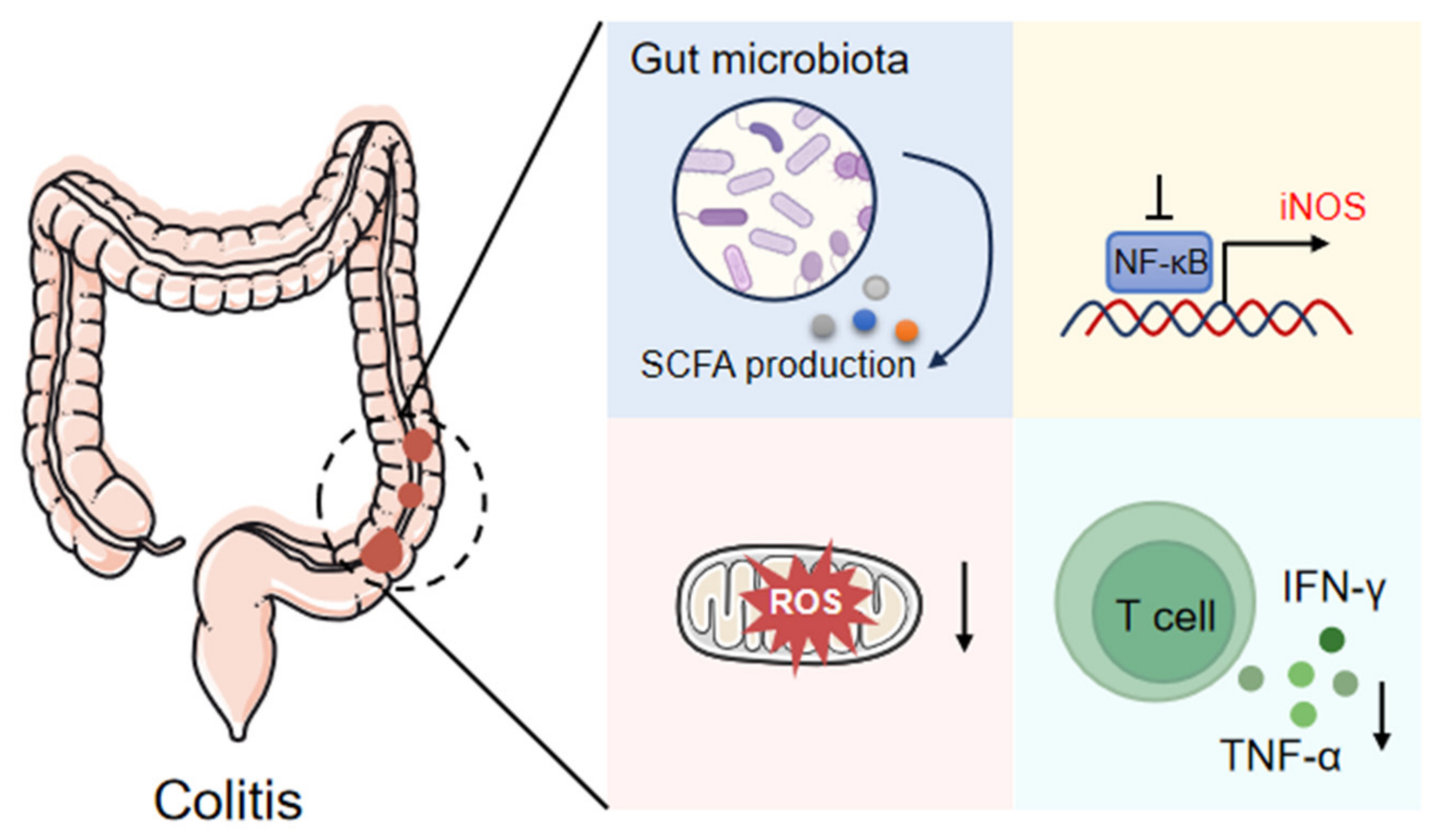
4.2. Preclinical Evidence for Bee Pollen Flavonoids in Colitis
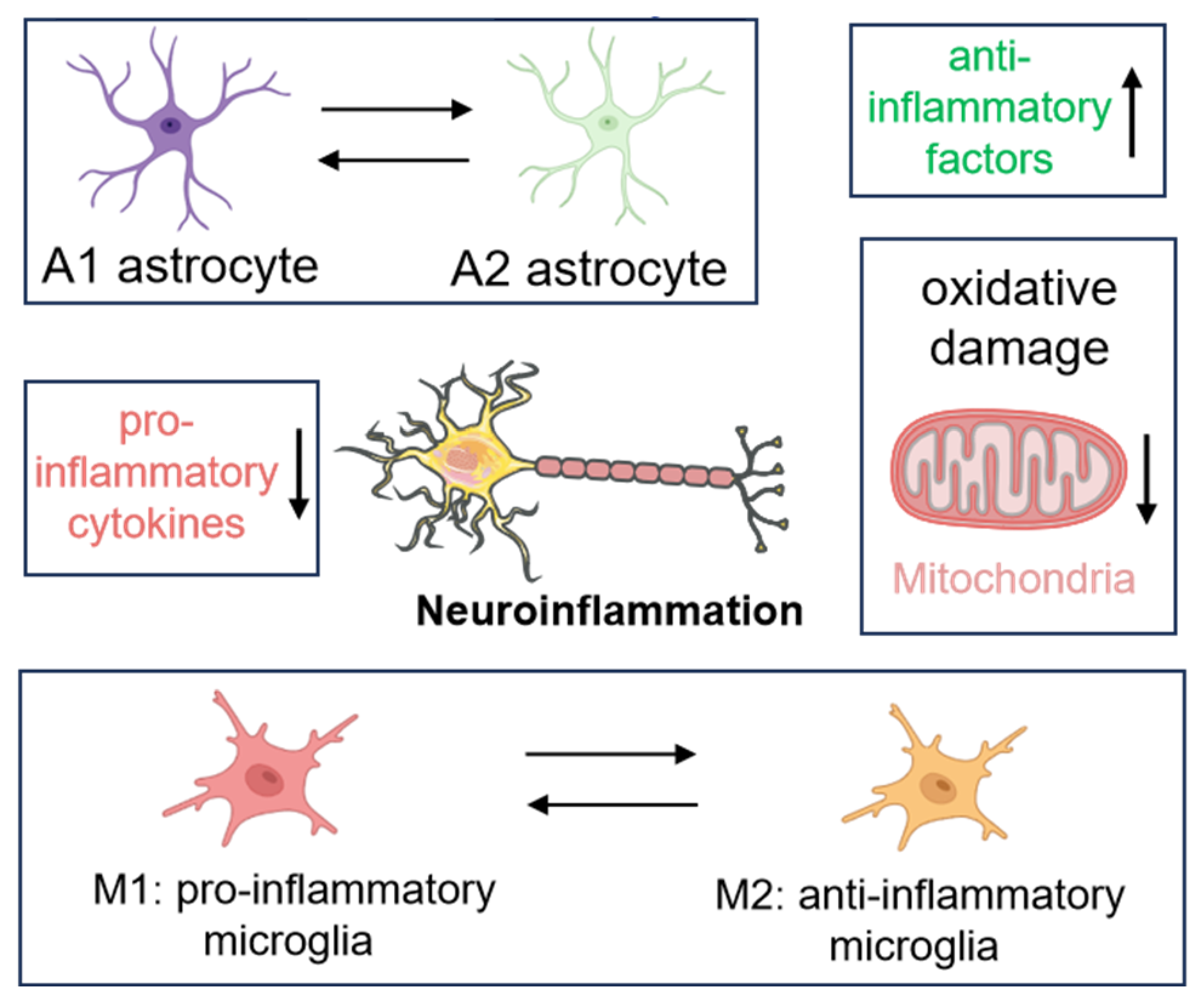
4.3. Preclinical Evidence for Bee Pollen Flavonoids in Neuroinflammatory Diseases
5. The Limitations of Bee Pollen Application
5.1. Effects of Drying Methods on Bee Pollen Quality
5.2. Allergic Reactions Caused by Bee Pollen
5.3. Other Important Limitations of Bee Pollen Application
5.3.1. Natural Variability of Chemical Composition
5.3.2. Effects of Geographical Origin and Harvest Season
5.3.3. Risk of Pesticide Residues
5.3.4. Accumulation of Heavy Metals and Environmental Contaminants
5.3.5. Inadequate Quality Control System
6. Conclusions
Author Contributions
Funding
Data Availability Statement
Acknowledgments
Conflicts of Interest
References
- Wang, R.; Dobritsa, A.A. Exine and aperture patterns on the pollen surface: Their formation and roles in plant reproduction. Annu. Plant Rev. Online 2018, 1, 589–628. [Google Scholar] [CrossRef] [Scilit]
- Li, Q.-Q.; Wang, K.; Marcucci, M.C.; Sawaya, A.C.H.F.; Hu, L.; Xue, X.-F.; Wu, L.-M.; Hu, F.-L. Nutrient-rich bee pollen: A treasure trove of active natural metabolites. J. Funct. Foods 2018, 49, 472–484. [Google Scholar] [CrossRef] [Scilit]
- Mauriello, G.; De Prisco, A.; Di Prisco, G.; La Storia, A.; Caprio, E. Microbial characterization of bee pollen from the Vesuvius area collected by using three different traps. PLoS ONE 2017, 12, e0183208. [Google Scholar] [CrossRef] [Scilit] [PubMed]
- Cabrera, C.; Montenegro, G. Pathogen control using a natural Chilean bee pollen extract of known botanical origin. Int. J. Agric. Nat. Resour. 2013, 40, 223–230. [Google Scholar] [CrossRef] [Scilit]
- El Ghouizi, A.; Bakour, M.; Laaroussi, H.; Ousaaid, D.; El Menyiy, N.; Hano, C.; Lyoussi, B. Bee pollen as functional food: Insights into its composition and therapeutic properties. Antioxidants 2023, 12, 557. [Google Scholar] [CrossRef] [Scilit] [PubMed]
- Thakur, M.; Nanda, V. Composition and functionality of bee pollen: A review. Trends Food Sci. Technol. 2020, 98, 82–106. [Google Scholar] [CrossRef] [Scilit]
- Giampieri, F.; Quiles, J.L.; Cianciosi, D.; Forbes-Hernández, T.Y.; Orantes-Bermejo, F.J.; Alvarez-Suarez, J.M.; Battino, M. Bee products: An emblematic example of underutilized sources of bioactive compounds. J. Agric. Food Chem. 2022, 70, 6833–6848. [Google Scholar] [CrossRef] [Scilit] [PubMed]
- Kieliszek, M.; Piwowarek, K.; Kot, A.M.; Błażejak, S.; Chlebowska-Śmigiel, A.; Wolska, I. Pollen and bee bread as new health-oriented products: A review. Trends Food Sci. Technol. 2018, 71, 170–180. [Google Scholar] [CrossRef] [Scilit]
- Lau, P.; Lesne, P.; Grebenok, R.J.; Rangel, J.; Behmer, S.T. Assessing pollen nutrient content: A unifying approach for the study of bee nutritional ecology. Philos. Trans. R. Soc. B 2022, 377, 20210510. [Google Scholar] [CrossRef] [Scilit]
- Martinello, M.; Mutinelli, F. Antioxidant activity in bee products: A review. Antioxidants 2021, 10, 71. [Google Scholar] [CrossRef] [Scilit] [PubMed]
- Rzepecka-Stojko, A.; Stojko, J.; Kurek-Górecka, A.; Górecki, M.; Kabała-Dzik, A.; Kubina, R.; Moździerz, A.; Buszman, E. Polyphenols from bee pollen: Structure, absorption, metabolism and biological activity. Molecules 2015, 20, 21732–21749. [Google Scholar] [CrossRef] [Scilit] [PubMed]
- Panche, A.N.; Diwan, A.D.; Chandra, S.R. Flavonoids: An overview. J. Nutr. Sci. 2016, 5, e47. [Google Scholar] [CrossRef] [Scilit] [PubMed]
- Denisow, B.; Denisow-Pietrzyk, M. Biological and therapeutic properties of bee pollen: A review. J. Sci. Food Agric. 2016, 96, 4303–4309. [Google Scholar] [CrossRef] [Scilit] [PubMed]
- Qiao, J.; Zhang, Y.; Haubruge, E.; Wang, K.; El-Seedi, H.R.; Dong, J.; Xu, X.; Zhang, H. New Insights into Bee Pollen: Nutrients, Phytochemicals, Functions and Wall-Disruption. Food Res. Int. 2024, 178, 113934. [Google Scholar] [CrossRef] [Scilit] [PubMed]
- Durazzo, A.; Lucarini, M.; Souto, E.B.; Cicala, C.; Caiazzo, E.; Izzo, A.A.; Novellino, E.; Santini, A. Polyphenols: A Concise Overview on the Chemistry, Occurrence, and Human Health. Phytother. Res. 2019, 33, 2221–2243. [Google Scholar] [CrossRef] [Scilit] [PubMed]
- Berim, A.; Gang, D.R. Methoxylated flavones: Occurrence, importance, biosynthesis. Phytochem. Rev. 2016, 15, 363–390. [Google Scholar]
- Rammohan, A.; Reddy, J.S.; Sravya, G.; Rao, C.N.; Zyryanov, G.V. Chalcone synthesis, properties and medicinal applications: A review. Environ. Chem. Lett. 2020, 18, 433–458. [Google Scholar] [CrossRef] [Scilit]
- Scarano, A.; Chieppa, M.; Santino, A. Looking at flavonoid biodiversity in horticultural crops: A colored mine with nutritional benefits. Plants 2018, 7, 98. [Google Scholar] [CrossRef] [Scilit] [PubMed]
- Graikou, K.; Kapeta, S.; Aligiannis, N.; Sotiroudis, G.; Chondrogianni, N.; Gonos, E.; Chinou, I. Chemical analysis of Greek pollen-Antioxidant, antimicrobial and proteasome activation properties. Chem. Cent. J. 2011, 5, 33. [Google Scholar] [PubMed]
- De-Melo, A.A.M.; Estevinho, L.M.; Moreira, M.M.; Delerue-Matos, C.; de Freitas, A.d.S.; Barth, O.M.; de Almeida-Muradian, L.B. Phenolic profile by HPLC-MS, biological potential, and nutritional value of a promising food: Monofloral bee pollen. J. Food Biochem. 2018, 42, e12536. [Google Scholar] [CrossRef] [Scilit]
- Oroian, M.; Dranca, F.; Ursachi, F. Characterization of Romanian Bee Pollen—An Important Nutritional Source. Foods 2022, 11, 2633. [Google Scholar] [CrossRef] [Scilit] [PubMed]
- Thakur, M.; Nanda, V. Screening of Indian bee pollen based on antioxidant properties and polyphenolic composition using UHPLC-DAD-MS/MS: A multivariate analysis and ANN based approach. Food Res. Int. 2021, 140, 110041. [Google Scholar] [PubMed]
- Zhang, H.; Liu, R.; Lu, Q. Separation and characterization of phenolamines and flavonoids from rape bee pollen, and comparison of their antioxidant activities and protective effects against oxidative stress. Molecules 2020, 25, 1264. [Google Scholar] [CrossRef] [Scilit] [PubMed]
- Silva, T.M.S.; Camara, C.A.; da Silva Lins, A.C.; Barbosa-Filho, J.M.; da Silva, E.M.S.; Freitas, B.M.; dos Santos, F.d.A.R. Chemical composition and free radical scavenging activity of pollen loads from stingless bee Melipona subnitida Ducke. J. Food Compos. Anal. 2006, 19, 507–511. [Google Scholar] [CrossRef] [Scilit]
- Maruyama, H.; Sakamoto, T.; Araki, Y.; Hara, H. Anti-inflammatory effect of bee pollen ethanol extract from Cistus sp. of Spanish on carrageenan-induced rat hind paw edema. BMC Complement. Altern. Med. 2010, 10, 30. [Google Scholar] [PubMed]
- Bakour, M.; Campos, M.d.G.; Imtara, H.; Lyoussi, B. Antioxidant Content and Identification of Phenolic/Flavonoid Compounds in the Pollen of Fourteen Plants Using HPLC-DAD. J. Apic. Res. 2020, 59, 35–41. [Google Scholar]
- Rocchetti, G.; Castiglioni, S.; Maldarizzi, G.; Carloni, P.; Lucini, L. UHPLC-ESI-QTOF-MS Phenolic Profiling and Antioxidant Capacity of Bee Pollen from Different Botanical Origin. Int. J. Food Sci. Technol. 2019, 54, 335–346. [Google Scholar]
- Li, Y.; Qi, Y.; Ritho, J.; Zhang, Y.; Zheng, X.; Zhou, J.; Sun, L. Characterization of Flavonoid Glycosides from Rapeseed Bee Pollen Using a Combination of Chromatography, Spectrometry and Nuclear Magnetic Resonance with a Step-Wise Separation Strategy. Nat. Prod. Res. 2016, 30, 228–231. [Google Scholar] [PubMed]
- Tomás-Barberán, F.A.; Tomás-Lorente, F.; Ferreres, F.; Garcia-Viguera, C. Flavonoids as Biochemical Markers of the Plant Origin of Bee Pollen. J. Sci. Food Agric. 1989, 47, 337–340. [Google Scholar] [CrossRef] [Scilit]
- Qiao, J.; Feng, Z.; Zhang, Y.; Xiao, X.; Dong, J.; Haubruge, E.; Zhang, H. Phenolamide and Flavonoid Glycoside Profiles of 20 Types of Monofloral Bee Pollen. Food Chem. 2023, 405, 134800. [Google Scholar] [PubMed]
- Ertosun, S.; Aylanc, V.; Peixoto, A.F.; Santamaria-Echart, A.; Russo-Almeida, P.; Freire, C.; Vilas-Boas, M. Structural Characterization of Microcapsules from Common Bee Pollen for the Development of Delivery Systems. J. Polym. Environ. 2025, 33, 1171–1184. [Google Scholar]
- Saliba, A.S.M.C.; Sartori, A.G.O.; Rosalen, P.L.; Lazarini, J.G.; Amaral, J.E.P.G.; Luz, C.F.P.; Martarello, N.S.; Torres, L.C.R.; Souza, L.M.; Alencar, S.M. Bee Pollen from Bracatinga (Mimosa scabrella): Effects of Gastrointestinal Digestion and Epithelial Transport in Vitro on Phenolic Profile and Bioactivities. Food Res. Int. 2024, 198, 114214. [Google Scholar]
- Dong, J.; Gao, K.; Wang, K.; Xu, X.; Zhang, H. Cell Wall Disruption of Rape Bee Pollen Treated with Combination of Protamex Hydrolysis and Ultrasonication. Food Res. Int. 2015, 75, 123–130. [Google Scholar] [CrossRef] [Scilit] [PubMed]
- Chaves, J.O.; De Souza, M.C.; Da Silva, L.C.; Lachos-Perez, D.; Torres-Mayanga, P.C.; Machado, A.P.d.F.; Forster-Carneiro, T.; Vázquez-Espinosa, M.; González-de-Peredo, A.V.; Barbero, G.F. Extraction of flavonoids from natural sources using modern techniques. Front. Chem. 2020, 8, 507887. [Google Scholar] [CrossRef] [Scilit] [PubMed]
- Lawag, I.L.; Yoo, O.; Lim, L.Y.; Hammer, K.; Locher, C. Optimisation of bee pollen extraction to maximise extractable antioxidant constituents. Antioxidants 2021, 10, 1113. [Google Scholar] [CrossRef] [Scilit] [PubMed]
- Biesaga, M. Influence of extraction methods on stability of flavonoids. J. Chromatogr. A 2011, 1218, 2505–2512. [Google Scholar] [CrossRef] [Scilit] [PubMed]
- Pimentel-Moral, S.; Borrás-Linares, I.; Lozano-Sánchez, J.; Arráez-Román, D.; Martínez-Férez, A.; Segura-Carretero, A. Microwave-assisted extraction for Hibiscus sabdariffa bioactive compounds. J. Pharm. Biomed. Anal. 2018, 156, 313–322. [Google Scholar] [CrossRef] [Scilit] [PubMed]
- Alara, O.; Abdurahman, N.; Mudalip, S.A.; Olalere, O. Microwave-assisted extraction of Vernonia amygdalina leaf for optimal recovery of total phenolic content. J. Appl. Res. Med. Aromat. Plants 2018, 10, 16–24. [Google Scholar] [CrossRef] [Scilit]
- Nadar, S.S.; Rao, P.; Rathod, V.K. Enzyme assisted extraction of biomolecules as an approach to novel extraction technology: A review. Food Res. Int. 2018, 108, 309–330. [Google Scholar] [CrossRef] [Scilit] [PubMed]
- He, H.; Luo, H.; Xu, H.; Qian, B.; Zou, X.; Zhang, G.; Zeng, F.; Zou, J. Preclinical models and evaluation criteria of prostatitis. Front. Immunol. 2023, 14, 1183895. [Google Scholar] [CrossRef] [Scilit] [PubMed]
- Park, M.J.; Park, H.J.; Cheon, W.H.; Park, J.H.; Shin, B.-C.; Park, N.C. Herbal phytotherapy in chronic nonbacterial prostatitis. J. Men’s Health 2019, 35, 170–177. [Google Scholar]
- Zhihao, L.; Wenjun, H.; Xiuling, S.; Yan, L.; Yuelai, C. Electroacupuncture stimulating Zhongji (CV3), Guanyuan (CV4), and bilateral Dahe (KI12) attenuates inflammation in rats with chronic nonbacterial prostatitis induced by estradiol through inhibiting toll-like receptor 4 pathway. J. Tradit. Chin. Med. 2023, 43, 963. [Google Scholar] [CrossRef] [Scilit] [PubMed]
- Hu, M.; Wazir, J.; Ullah, R.; Wang, W.; Cui, X.; Tang, M.; Zhou, X. Phytotherapy and physical therapy in the management of chronic prostatitis–chronic pelvic pain syndrome. Int. Urol. Nephrol. 2019, 51, 1081–1088. [Google Scholar] [CrossRef] [Scilit] [PubMed]
- Qiao, J.; Xiao, X.; Wang, K.; Haubruge, E.; Dong, J.; Zhang, H. Rapeseed bee pollen alleviates chronic non-bacterial prostatitis via regulating gut microbiota. J. Sci. Food Agric. 2023, 103, 7896–7904. [Google Scholar] [PubMed]
- Meng, L.Q.; Yang, F.Y.; Wang, M.S.; Shi, B.K.; Chen, D.X.; Chen, D.; Zhou, Q.; He, Q.B.; Ma, L.X.; Cheng, W.L. Quercetin protects against chronic prostatitis in rat model through NF-κB and MAPK signaling pathways. Prostate 2018, 78, 790–800. [Google Scholar] [PubMed]
- Liu, H.; Chang, G.; Wang, W.; Ji, Z.; Cui, J.; Peng, Y. Pharmacokinetics, prostate distribution and metabolic characteristics of four representative flavones after Oral Administration of the Aerial Part of Glycyrrhiza uralensis in rats. Molecules 2022, 27, 3245. [Google Scholar] [CrossRef] [Scilit] [PubMed]
- Shahed, A.R.; Shoskes, D.A. Correlation of β-endorphin and prostaglandin E2 levels in prostatic fluid of patients with chronic prostatitis with diagnosis and treatment response. J. Urol. 2001, 166, 1738–1741. [Google Scholar] [CrossRef] [Scilit] [PubMed]
- Lee, M.J.; Cho, Y.; Hwang, Y.; Jo, Y.; Kim, Y.-G.; Lee, S.H.; Lee, J.H. Kaempferol alleviates mitochondrial damage by reducing mitochondrial reactive oxygen species production in lipopolysaccharide-induced prostate organoids. Foods 2023, 12, 3836. [Google Scholar] [CrossRef] [Scilit] [PubMed]
- Martino, G.; Caputo, A.; Schwarz, P.; Bellone, F.; Fries, W.; Quattropani, M.; Vicario, C. Alexithymia and inflammatory bowel disease: A systematic review. Front. Psychol. 2020, 11, 1763. [Google Scholar] [CrossRef] [Scilit] [PubMed]
- Alatab, S.; Sepanlou, S.G.; Ikuta, K.; Vahedi, H.; Bisignano, C.; Safiri, S.; Sadeghi, A.; Nixon, M.R.; Abdoli, A.; Abolhassani, H. The global, regional, and national burden of inflammatory bowel disease in 195 countries and territories, 1990–2017: A systematic analysis for the Global Burden of Disease Study 2017. Lancet Gastroenterol. Hepatol. 2020, 5, 17–30. [Google Scholar] [CrossRef] [Scilit]
- Danese, S.; Fiocchi, C.; Panés, J. Drug development in IBD: From novel target identification to early clinical trials. Gut 2016, 65, 1233–1239. [Google Scholar] [CrossRef] [Scilit] [PubMed]
- Cheng, N.; Wang, X.; Zhou, Y.; Zhao, X.; Chen, M.; Zhao, H.; Cao, W. Schisandra Chinensis Bee Pollen ameliorates colitis in mice by modulating gut microbiota and regulating Treg/Th17 Balance. Foods 2024, 13, 585. [Google Scholar] [CrossRef] [Scilit] [PubMed]
- Camuesco, D.; Comalada, M.; Rodríguez-Cabezas, M.E.; Nieto, A.; Lorente, M.D.; Concha, A.; Zarzuelo, A.; Gálvez, J. The intestinal anti-inflammatory effect of quercitrin is associated with an inhibition in iNOS expression. Br. J. Pharmacol. 2004, 143, 908–918. [Google Scholar] [PubMed]
- Lv, F.; Zhang, Y.; Peng, Q.; Zhao, X.; Hu, D.; Wen, J.; Liu, K.; Li, R.; Wang, K.; Sun, J. Apigenin-Mn (II) loaded hyaluronic acid nanoparticles for ulcerative colitis therapy in mice. Front. Chem. 2022, 10, 969962. [Google Scholar] [PubMed]
- Mascaraque, C.; Aranda, C.; Ocón, B.; Monte, M.J.; Suárez, M.D.; Zarzuelo, A.; Marín, J.J.G.; Martínez-Augustin, O.; de Medina, F.S. Rutin has intestinal antiinflammatory effects in the CD4+ CD62L+ T cell transfer model of colitis. Pharmacol. Res. 2014, 90, 48–57. [Google Scholar] [CrossRef] [Scilit] [PubMed]
- Azuma, T.; Shigeshiro, M.; Kodama, M.; Tanabe, S.; Suzuki, T. Supplemental naringenin prevents intestinal barrier defects and inflammation in colitic mice. J. Nutr. 2013, 143, 827–834. [Google Scholar] [CrossRef] [Scilit] [PubMed]
- Guazelli, C.F.; Fattori, V.; Colombo, B.B.; Georgetti, S.R.; Vicentini, F.T.; Casagrande, R.; Baracat, M.M.; Verri, W.A., Jr. Quercetin-loaded microcapsules ameliorate experimental colitis in mice by anti-inflammatory and antioxidant mechanisms. J. Nat. Prod. 2013, 76, 200–208. [Google Scholar] [PubMed]
- Ju, S.; Ge, Y.; Li, P.; Tian, X.; Wang, H.; Zheng, X.; Ju, S. Dietary quercetin ameliorates experimental colitis in mouse by remodeling the function of colonic macrophages via a heme oxygenase-1-dependent pathway. Cell Cycle 2018, 17, 53–63. [Google Scholar] [CrossRef] [Scilit] [PubMed]
- Qu, Y.; Li, X.; Xu, F.; Zhao, S.; Wu, X.; Wang, Y.; Xie, J. Kaempferol alleviates murine experimental colitis by restoring gut microbiota and inhibiting the LPS-TLR4-NF-κB axis. Front. Immunol. 2021, 12, 679897. [Google Scholar] [PubMed]
- Bian, Y.; Dong, Y.; Sun, J.; Sun, M.; Hou, Q.; Lai, Y.; Zhang, B. Protective effect of kaempferol on LPS-induced inflammation and barrier dysfunction in a coculture model of intestinal epithelial cells and intestinal microvascular endothelial cells. J. Agric. Food Chem. 2019, 68, 160–167. [Google Scholar] [CrossRef] [Scilit] [PubMed]
- Aabed, K.; Bhat, R.S.; Al-Dbass, A.; Moubayed, N.; Algahtani, N.; Merghani, N.M.; Alanazi, A.; Zayed, N.; El-Ansary, A. Bee pollen and propolis improve neuroinflammation and dysbiosis induced by propionic acid, a short chain fatty acid in a rodent model of autism. Lipids Health Dis. 2019, 18, 200. [Google Scholar] [CrossRef] [Scilit] [PubMed]
- Sun, X.-Y.; Li, L.-J.; Dong, Q.-X.; Zhu, J.; Huang, Y.-R.; Hou, S.-J.; Yu, X.-L.; Liu, R.-T. Rutin prevents tau pathology and neuroinflammation in a mouse model of Alzheimer’s disease. J. Neuroinflamm. 2021, 18, 131. [Google Scholar] [CrossRef] [Scilit]
- Li, H.; Chen, F.-J.; Yang, W.-L.; Qiao, H.-Z.; Zhang, S.-J. Quercetin improves cognitive disorder in aging mice by inhibiting NLRP3 inflammasome activation. Food Funct. 2021, 12, 717–725. [Google Scholar] [PubMed]
- Anusha, C.; Sumathi, T.; Joseph, L.D. Protective role of apigenin on rotenone induced rat model of Parkinson’s disease: Suppression of neuroinflammation and oxidative stress mediated apoptosis. Chem.-Biol. Interact. 2017, 269, 67–79. [Google Scholar] [PubMed]
- Khajevand-Khazaei, M.-R.; Ziaee, P.; Motevalizadeh, S.-A.; Rohani, M.; Afshin-Majd, S.; Baluchnejadmojarad, T.; Roghani, M. Naringenin ameliorates learning and memory impairment following systemic lipopolysaccharide challenge in the rat. Eur. J. Pharmacol. 2018, 826, 114–122. [Google Scholar] [CrossRef] [Scilit] [PubMed]
- Yang, Y.; Tan, X.; Xu, J.; Wang, T.; Liang, T.; Xu, X.; Ma, C.; Xu, Z.; Wang, W.; Li, H. Luteolin alleviates neuroinflammation via downregulating the TLR4/TRAF6/NF-κB pathway after intracerebral hemorrhage. Biomed. Pharmacother. 2020, 126, 110044. [Google Scholar] [PubMed]
- Zhang, Z.-H.; Liu, J.-Q.; Hu, C.-D.; Zhao, X.-T.; Qin, F.-Y.; Zhuang, Z.; Zhang, X.-S. Luteolin Confers Cerebroprotection after Subarachnoid Hemorrhage by Suppression of NLPR3 Inflammasome Activation through Nrf2-Dependent Pathway. Oxidative Med. Cell. Longev. 2021, 2021, 5838101. [Google Scholar]
- Lee, B.; Yeom, M.; Shim, I.; Lee, H.; Hahm, D.-H. Protective Effects of Quercetin on Anxiety-Like Symptoms and Neuroinflammation Induced by Lipopolysaccharide in Rats. Evid.-Based Complement. Altern. Med. 2020, 2020, 4892415. [Google Scholar]
- Yang, Y.-L.; Cheng, X.; Li, W.-H.; Liu, M.; Wang, Y.-H.; Du, G.-H. Kaempferol attenuates LPS-induced striatum injury in mice involving anti-neuroinflammation, maintaining BBB integrity, and down-regulating the HMGB1/TLR4 pathway. Int. J. Mol. Sci. 2019, 20, 491. [Google Scholar] [PubMed]
- de Arruda, V.A.S.; Pereira, A.A.S.; Estevinho, L.M.; de Almeida-Muradian, L.B. Presence and stability of B complex vitamins in bee pollen using different storage conditions. Food Chem. Toxicol. 2013, 51, 143–148. [Google Scholar] [CrossRef] [Scilit] [PubMed]
- Bi, Y.; Ni, J.; Xue, X.; Zhou, Z.; Tian, W.; Orsat, V.; Yan, S.; Peng, W.; Fang, X. Effect of different drying methods on the amino acids, α-dicarbonyls and volatile compounds of rape bee pollen. Food Sci. Hum. Wellness 2024, 13, 517–527. [Google Scholar]
- Bi, Y.-X.; Zielinska, S.; Ni, J.-B.; Li, X.-X.; Xue, X.-F.; Tian, W.-L.; Peng, W.-J.; Fang, X.-M. Effects of hot-air drying temperature on drying characteristics and color deterioration of rape bee pollen. Food Chem. X 2022, 16, 100464. [Google Scholar] [CrossRef] [Scilit] [PubMed]
- Shofian, N.M.; Hamid, A.A.; Osman, A.; Saari, N.; Anwar, F.; Dek, M.S.P.; Hairuddin, M.R. Effect of freeze-drying on the antioxidant compounds and antioxidant activity of selected tropical fruits. Int. J. Mol. Sci. 2011, 12, 4678–4692. [Google Scholar] [CrossRef] [Scilit] [PubMed]
- Wang, S.; Bi, Y.; Zhou, Z.; Peng, W.; Tian, W.; Wang, H.; Fang, X. Effects of pulsed vacuum drying temperature on drying kinetics, physicochemical properties and microstructure of bee pollen. LWT 2022, 169, 113966. [Google Scholar] [CrossRef] [Scilit]
- Isik, A.; Ozdemir, M.; Doymaz, I. Investigation of microwave drying on quality attributes, sensory properties and surface structure of bee pollen grains by scanning electron microscopy. Braz. J. Chem. Eng. 2021, 38, 177–188. [Google Scholar] [CrossRef] [Scilit]
- Song, X.-D.; Mujumdar, A.S.; Law, C.-L.; Fang, X.-M.; Peng, W.-J.; Deng, L.-Z.; Wang, J.; Xiao, H.-W. Effect of drying air temperature on drying kinetics, color, carotenoid content, antioxidant capacity and oxidation of fat for lotus pollen. Dry. Technol. 2020, 38, 1151–1164. [Google Scholar]
- Estevinho, L.M.; Dias, T.; Anjos, O. Influence of the storage conditions (frozen vs. dried) in health-related lipid indexes and antioxidants of bee pollen. Eur. J. Lipid Sci. Technol. 2019, 121, 1800393. [Google Scholar]
- Conte, G.; Benelli, G.; Serra, A.; Signorini, F.; Bientinesi, M.; Nicolella, C.; Mele, M.; Canale, A. Lipid characterization of chestnut and willow honeybee-collected pollen: Impact of freeze-drying and microwave-assisted drying. J. Food Compos. Anal. 2017, 55, 12–19. [Google Scholar]
- Choi, J.-H.; Jang, Y.-S.; Oh, J.-W.; Kim, C.-H.; Hyun, I.-G. Bee pollen-induced anaphylaxis: A case report and literature review. Allergy Asthma Immunol. Res. 2015, 7, 513–517. [Google Scholar] [CrossRef] [Scilit] [PubMed]
- Pablos, I.; Wildner, S.; Asam, C.; Wallner, M.; Gadermaier, G. Pollen allergens for molecular diagnosis. Curr. Allergy Asthma Rep. 2016, 16, 31. [Google Scholar] [CrossRef] [Scilit] [PubMed]
- Vitte, J.; Vibhushan, S.; Bratti, M.; Montero-Hernandez, J.E.; Blank, U. Allergy, anaphylaxis, and nonallergic hypersensitivity: IgE, mast cells, and beyond. Med. Princ. Pract. 2022, 31, 501–515. [Google Scholar] [CrossRef] [Scilit] [PubMed]
- Tao, Y.; Zhou, E.; Li, F.; Meng, L.; Li, Q.; Wu, L. Allergenicity alleviation of bee pollen by enzymatic hydrolysis: Regulation in mice allergic mediators, metabolism, and gut microbiota. Foods 2022, 11, 3454. [Google Scholar] [CrossRef] [Scilit] [PubMed]
- Tao, Y.; Yin, S.; Fu, L.; Wang, M.; Meng, L.; Li, F.; Xue, X.; Wu, L.; Li, Q. Identification of allergens and allergen hydrolysates by proteomics and metabolomics: A comparative study of natural and enzymolytic bee pollen. Food Res. Int. 2022, 158, 111572. [Google Scholar] [CrossRef] [Scilit] [PubMed]
- Ciric, J.; Haneklaus, N.; Baltic, T.; Simunovic, S.; Parunovic, N.; Trbovic, D.; Mrlovic, B. Honeybee pollen as a bioindicator of contamination: An overview. Meat Technol. 2023, 64, 153–162. [Google Scholar] [CrossRef] [Scilit]


| Bee Pollen | Botanical Origin | Geographic Origin | Extraction Method | Analytical Platform | Identified Flavonoids | Total Flavonoid Content (TFC) | Reported Bioactivity | References |
|---|---|---|---|---|---|---|---|---|
| Monofloral bee pollen | Cocos nucifera | Una, Bahia, Brazil | Solvent extraction method | HPLC-MS | Isorhamnetin rutinoside, rutin, and others | 1.1 ± 0.0 mg QE/g | Antioxidant, antimicrobial | [20] |
| Monofloral bee pollen | Alternanthera | Ribeirão Preto, São Paulo, Brazil | Solvent extraction method | HPLC-MS | Catechin, rutin, and others | 1.0 ± 0.1 mg QE/g | Antioxidant, antimicrobial | [20] |
| Monofloral bee pollen | Anadenanthera | Ribeirão Preto, São Paulo, Brazil | Solvent extraction method | HPLC-MS | Catechin, ampeloptin, rutin, and others | 1.3 ± 0.1 mg QE/g | Antioxidant, antimicrobial | [20] |
| Monofloral bee pollen | Mimosa caesalpiniaefolia | Neópolis, Sergipe, Brazil | Solvent extraction method | HPLC-MS | Catechin, rutin, quercetin, and others | 1.3 ± 0.0 mg QE/g | Antioxidant, antimicrobial | [20] |
| Monofloral bee pollen | Myrcia | Arvorezinha, Rio Grande do Sul, Brazil | Solvent extraction method | HPLC-MS | Quercetin diglucoside, rutin, myricetin, and others | 19.0 ± 0.6 mg QE/g | Antioxidant, antimicrobial | [20] |
| Extraction Method | Principle | Advantages | Disadvantages | Reference |
|---|---|---|---|---|
| Solvent extraction method | Solubility of flavonoids varies with solvent | The operation is simple; the cost is low | Long-time and high solvent consumption required | [36] |
| Microwave-assisted extraction | The microwave can penetrate the solvent and selectively heat the target component, which in turn produces a thermal effect that causes the flavonoids contained in the plant to dissolve in the extract | Microwave heating is fast, which can greatly reduce the extraction time and make more efficient use of energy | The cost of the equipment is high, and special security measures are required | [37] |
| Ultrasound-assisted extraction | Ultrasonic-assisted solvents and enzymes are used to extract flavonoids | Extraction time is short, the efficiency is high, and it is gentle on heat-sensitive compounds | In large-scale applications, it can be difficult to guarantee uniformity of processing | [38] |
| Enzymatic digestion | Enzymes are used to disrupt the cellulose-based cell wall structure and the pectin connected between cells so that the pectin in the plant is completely decomposed into small molecules, and the mass transfer resistance of extraction is reduced | High selectivity and increased extraction rate for specific compounds | Enzyme selection and condition optimization are complex | [39] |
| Test Material | Source | Material Type | Level of Evidence | Experimental Models | Dosage | Main Findings | Reference |
|---|---|---|---|---|---|---|---|
| Naringenin | Commercial | Isolated compound | Animal | Dextran sulfate sodium induced colitis in male BALB/c mice | Diet with 0.3% naringenin for 9 days | Decrease disease activity index, increase colon length, and inhibit inflammatory cytokines such as IL-6 and IL-17A | [56] |
| Quercetin-loaded microcapsules | Prepared | Isolated compound | Animal | Acetic acid induced colitis in mice | Oral administration of quercetin microcapsules (quercetin microcapsules are prepared using pectin/casein polymers) | Neutrophil recruitment in the colon was reduced, histological alterations were mitigated, the production of the inflammatory cytokines IL-1β and IL-33 was reduced, and the anti-inflammatory cytokine IL-10 was prevented | [57] |
| Quercetin | Commercial | Isolated compound | Animal | Adoptive T cell transfer model of chronic colitis | Quercetin was orally administered at a dose of 10 mg/kg body weight for 7 weeks | Reduce the inflammatory response in the colon, decrease the expression of pro-inflammatory cytokines such as IFN-γ and TNF-α, and increase the expression of anti-inflammatory cytokines | [58] |
| Kaempferol | Commercial | Isolated compound | Animal | Dextran sulfate sodium induced colitis in mice | Administer kaempferol (50 mg/kg/day, dissolved in 1% carboxymethyl cellulose sodium) by gavage for 14 days | Alleviate the gross symptoms of dextran sulfate sodium induced colitis in mice and alleviate colonic injury, upregulation of IL-10 transcription and downregulation of the expression of inflammation-associated genes | [59] |
| Kaempferol | Commercial | Isolated compound | In vitro | Epithelial–endothelial cells coculture model; lipopolysaccharides induce intestinal inflammation and barrier dysfunction | 80 µM kaempferol | Inhibit the NF-κB signaling pathway activation, ameliorate the lipopolysaccharide-induced decrease in protein expression of zonula occludens-1, occludin, and claudin-2 | [60] |
| Test Material | Source | Material Type | Level of Evidence | Experimental Models | Dosage | Main Findings | Reference |
|---|---|---|---|---|---|---|---|
| Luteolin | Commercial | Isolated compound | Animal + In vitro | Autologous blood was injected into rats to establish the intracerebral hemorrhage model in vivo, and oxyhemoglobin was used to mimic the intracerebral hemorrhage model in vitro | The different groups were injected with 5, 10, and 20 mg/kg luteolin | Inhibit microglia activation, prevent the activation of the TLR4/TRAF6/NF-κB signaling pathway | [66] |
| Luteolin | Commercial | Isolated compound | Animal | A rat model of subarachnoid hemorrhage | Different groups were treated with 10, 30, 60 and 90 mg/kg luteolin | Inhibit subarachnoid hemorrhage-induced neuroinflammation, reduce activation of microglia and infiltration of neutrophils, decrease release of pro-inflammator | [67] |
| Quercetin | Commercial | Isolated compound | Animal | Lipopolysaccharides induce anxiety-like behaviors and neuroinflammation in rats | Daily administration of quercetin (10, 50, and 100 mg/kg) for 21 days | Improve lipopolysaccharide-induced anxiety-like behavior, reduce inflammatory marker levels in the brain, increase brain-derived neurotrophic factor mRNA levels, and decrease inducible nitric oxide synthase mRNA levels | [68] |
| Kaempferol | Commercial | Isolated compound | Animal | Lipopolysaccharides induce striatal damage in mice | Intraperitoneal injection of kaempferol 50 mg/kg pretreatment for 7 days | Alleviate lipopolysaccharide-induced damage to striatal neurons, inhibit the activation of microglia, and inhibit the production of pro-inflammatory cytokines and chemokines | [69] |
| Drying Method | Principle | Advantages | Disadvantages | Reference |
|---|---|---|---|---|
| Dry naturally | The heat of the sun is used to evaporate water from bee pollen. | Simple and easy, low cost, not limited by equipment | The drying process is limited by weather conditions, and the quality of the product is unstable | [71] |
| Hot air drying | Bee pollen is dried with hot air to promote the transfer of heat and mass from bee pollen and remove the water in it | The equipment is simple, easy to operate, and the temperature is controllable | The energy consumption is high, and the bee pollen is easy to oxidize during the drying process, resulting in the loss of color and nutrients | [72] |
| Freeze drying | The water-containing bee pollen is pre-frozen to below the freezing point to form ice crystals, which are then directly sublimated into gas in a vacuum environment to achieve drying | Dried bee pollen is as high as possible and retains the original nutrients | The production cost is high, the drying time is long, and the equipment requirements are high | [73] |
| Vacuum pulse drying | In a vacuum environment, the boiling point of water is reduced, and the evaporation of water is accelerated to achieve the purpose of drying | Inhibits the oxidation reaction of the material and can better preserve the nutrients in the pollen | The cost of equipment is higher, the technology is more complex, and it is difficult to popularize | [74] |
| Microwave drying | The electromagnetic waves generated by the microwave generator interact with the substance to create a thermal effect, which heats up quickly and removes moisture | The drying speed is fast, the heating is uniform, energy is saved, and it is easy to automatically control | Uneven microwave energy distribution can lead to localized overheating, which in some cases can affect product quality | [75] |
Disclaimer/Publisher’s Note: The statements, opinions and data contained in all publications are solely those of the individual author(s) and contributor(s) and not of MDPI and/or the editor(s). MDPI and/or the editor(s) disclaim responsibility for any injury to people or property resulting from any ideas, methods, instructions or products referred to in the content. |
© 2026 by the authors. Licensee MDPI, Basel, Switzerland. This article is an open access article distributed under the terms and conditions of the Creative Commons Attribution (CC BY) license.
Share and Cite
Zhu, Y.; Pu, S.; Wu, Z.; Hu, S.; Lin, Y.; Shi, P.; Li, Z.; Su, S.; Xu, X. Flavonoids from Bee Pollen: Functional Components, Applications, and Limitations. Molecules 2026, 31, 2379. https://doi.org/10.3390/molecules31132379
Zhu Y, Pu S, Wu Z, Hu S, Lin Y, Shi P, Li Z, Su S, Xu X. Flavonoids from Bee Pollen: Functional Components, Applications, and Limitations. Molecules. 2026; 31(13):2379. https://doi.org/10.3390/molecules31132379
Chicago/Turabian StyleZhu, Ying, Shuting Pu, Zun Wu, Shaofang Hu, Yan Lin, Peiying Shi, Zhiguo Li, Songkun Su, and Xueling Xu. 2026. "Flavonoids from Bee Pollen: Functional Components, Applications, and Limitations" Molecules 31, no. 13: 2379. https://doi.org/10.3390/molecules31132379
APA StyleZhu, Y., Pu, S., Wu, Z., Hu, S., Lin, Y., Shi, P., Li, Z., Su, S., & Xu, X. (2026). Flavonoids from Bee Pollen: Functional Components, Applications, and Limitations. Molecules, 31(13), 2379. https://doi.org/10.3390/molecules31132379