Article

Senecio polyanthemoides Sch. Bip. (Asteraceae) Essential Oils: Chemical Composition, Interpopulation Variability Study and In Vitro Biological Activities of Eight Wild Populations

by
Kehinde O. Amisu
1,
Oladipupo A. Lawal
2,3,*,
Olufemi A. Giwa-ajeniya
3,
Victoria A. Dada
3,
Kanyinsola O. Akinkunmi
3,
Omobolanle E. Oladapo
1,4,
Oyinlade C. Ogundare
5,
Isyaku Bello
3,6,
Emmanuel E. Aduak
3,
Foluso O. Osunsanmi
7,
Rebamang A. Mosa
7,8,
Mona M. E. Eleiwa
9,
Andy R. Opoku
7 and
Adebola O. Oyedeji
2
1
Department of Microbiology, Lagos State University, PMB 0001 LASU Post Office, Ojo, Lagos State, Nigeria
2
Department of Chemistry, University of Zululand, Private Bag X1001, KwaDlangezwa 3886, South Africa
3
Department of Chemistry, Lagos State University, PMB 0001 LASU Post Office, Ojo, Lagos State, Nigeria
4
Department of Microbiology, Lagos State College of Nursing, Alimosho General Hospital Complex, LASU/Isheri Road, Igando, Lagos State, Nigeria
5
Department of Chemical Sciences, College of Basic Science, Lagos State University of Science and Technology, PMB 1004, Ikorodu, Lagos State, Nigeria
6
School of General Studies, Jigawa State College of Education, POB 1002, Gumel 732102, Jigawa State, Nigeria
7
Department of Biochemistry & Microbiology, University of Zululand, Private Bag X1001, KwaDlangezwa 3886, South Africa
8
Department of Biochemistry, Genetics and Microbiology, University of Pretoria, Private Bag X20, Hatfield 0028, Pretoria 0002, South Africa
9
Department of Biology, Ibn Sina National College for Medical Studies, P.O. Box 31906, Al Mahjar, Jeddah 21418, Saudi Arabia
*
Author to whom correspondence should be addressed.
Molecules 2026, 31(12), 2006; https://doi.org/10.3390/molecules31122006 (registering DOI)

Submission received: 2 April 2026 / Revised: 1 June 2026 / Accepted: 2 June 2026 / Published: 8 June 2026
(This article belongs to the Special Issue Essential Oils: Chemical Composition, Bioactive, and Application)

Abstract

The in vitro antibacterial, antioxidant, cytotoxic and larvicidal activities of essential oils isolated by hydrodistillation from the aerial parts (above the ground organs consisting of the leaves, stems and flowers) of Senecio polyanthemoides growing in three district municipalities of KwaZulu-Natal Province, South Africa were investigated. The water-distilled oils were analyzed by GC and GC/MS. Sixty-three constituents were characterized in all the samples analyzed representing 86.0–99.2% of the total oil compositions. The major components of the oils were monoterpenoid compounds with β-pinene, myrcene, α-phellandrene, cis-β-ocimene, trans-β-ocimene, β-caryophyllene, α-humulene and germacrene D found in all samples. Numerical cluster and principal component analyses of the major constituents revealed four well-defined chemotypes and a high variability within the oil samples. The essential oils show significant multi-methods activities on antioxidant, cytotoxic, and larvicidal, alongside effective antibacterial action against some key pathogens (Staphylococcus aureus, Escherichia coli, Bacillus pumilus and Enterococcus faecalis), with inhibition zone ranging from (8.3 ± 0.6–27.3 ± 0.9) mm and MIC values of ≤5.0 mg/mL. Documenting the inaugural, in-depth analysis of S. polyanthemoides growing in South Africa, this study provides novel findings on its antioxidant, larvicidal, brine shrimp lethality, and antibacterial activities.

1. Introduction

The genus Senecio comprises over 1500 species distributed worldwide and has been extensively investigated for its diverse medicinal properties, including antimicrobial, anti-inflammatory, and antioxidant activities [1,2]. Historically, several Senecio species have been widely used in traditional medicine for the treatment of a variety of ailments, including respiratory infections, wounds, inflammatory disorders, and gastrointestinal diseases [3,4,5]. In southern Africa, some Senecio species are widely used ethnomedicinally by indigenous communities [4,5], and these traditional applications are supported by phytochemical studies that have identified a wide range of secondary metabolites, including pyrrolizidine alkaloids, flavonoids, sesquiterpenes, diterpenes, and triterpenoids, which contribute significantly to their pharmacological potential [3,5].
Senecio polyanthemoides Sch. Bip. (Asteraceae) is a species widely distributed in South Africa, where it is typically associated with grassland and forest-margin ecosystems [4]. It occurs extensively in the KwaZulu-Natal Province and is commonly found in disturbed environments and open vegetation types [3]. Despite its broad geographic distribution and notable ecological adaptability [4,6], S. polyanthemoides remains comparatively underexplored relative to other species within the genus. Existing studies on S. polyanthemoides have largely concentrated on its essential oil profile [7], which is dominated by monoterpenes and sesquiterpenes. Reported major constituents include limonene, p-cymene, α-pinene, β-pinene, 1,8-cineole, and caryophyllene oxide. Many of these compounds are recognized for their antimicrobial, antioxidant, and anti-inflammatory activities, indicating that the species may hold considerable biological and pharmacological relevance [8,9].
Although the genus Senecio has attracted increasing scientific attention in recent years [7,8,9,10,11], information on S. polyanthemoides across different geographical regions remains limited. This gap in knowledge highlights the need for further investigation to better understand the species’ phytochemical diversity, as well as its potential pharmacological properties and applications.
In continuation of our ongoing research program focused on the characterization of the chemical composition and biological activities of essential oils derived from South African flora [7,10,11], the present study was undertaken to address this deficiency. Specifically, this work provides a comprehensive evaluation of the essential oils obtained from the aerial parts of S. polyanthemoides, with emphasis on their chemical composition, interpopulation variability, and bioactivities, including (antioxidant, larvicidal, brine shrimp lethality, and antibacterial).
The novelty of this study lies in its integrative approach, which combines comparative analysis across multiple populations, assessment of chemical variability, and correlation of phytochemical profiles with biological activities, thereby offering new insights into intraspecific variation within the species. Overall, the findings aim to expand the current understanding of S. polyanthemoides and to support its potential as a promising source of bioactive compounds for pharmaceutical and therapeutic applications.

2. Results and Discussion

2.1. Essential Oil Compositions

The essential oils obtained from the aerial parts of S. polyanthemoides collected from eight different locations offered a golden brown to pale and golden yellow oils with the yields and refractive indexes ranging from 0.10 to 0.13% (based on fresh weight) and (1.4772–1.5292), respectively (Table 1).
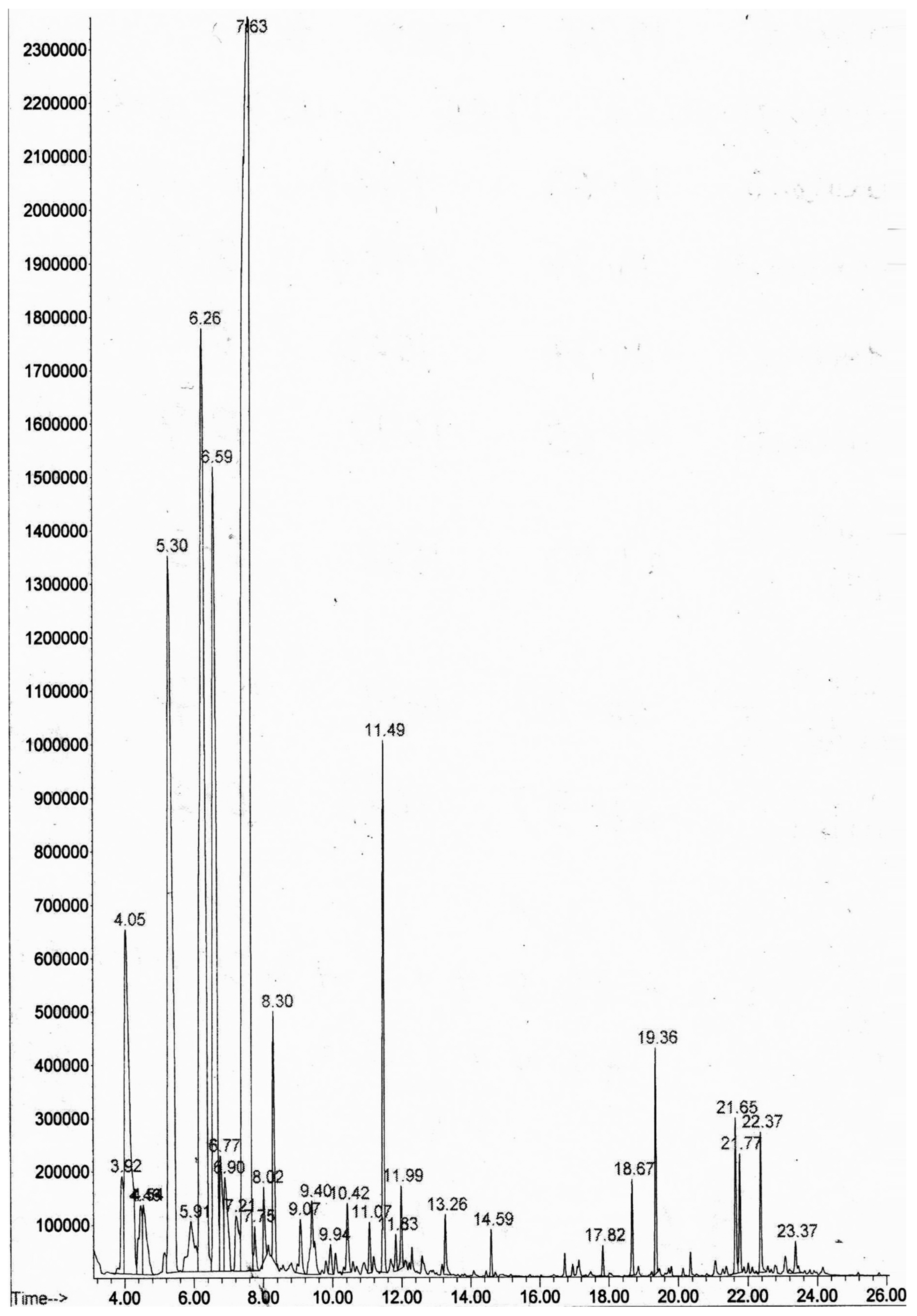
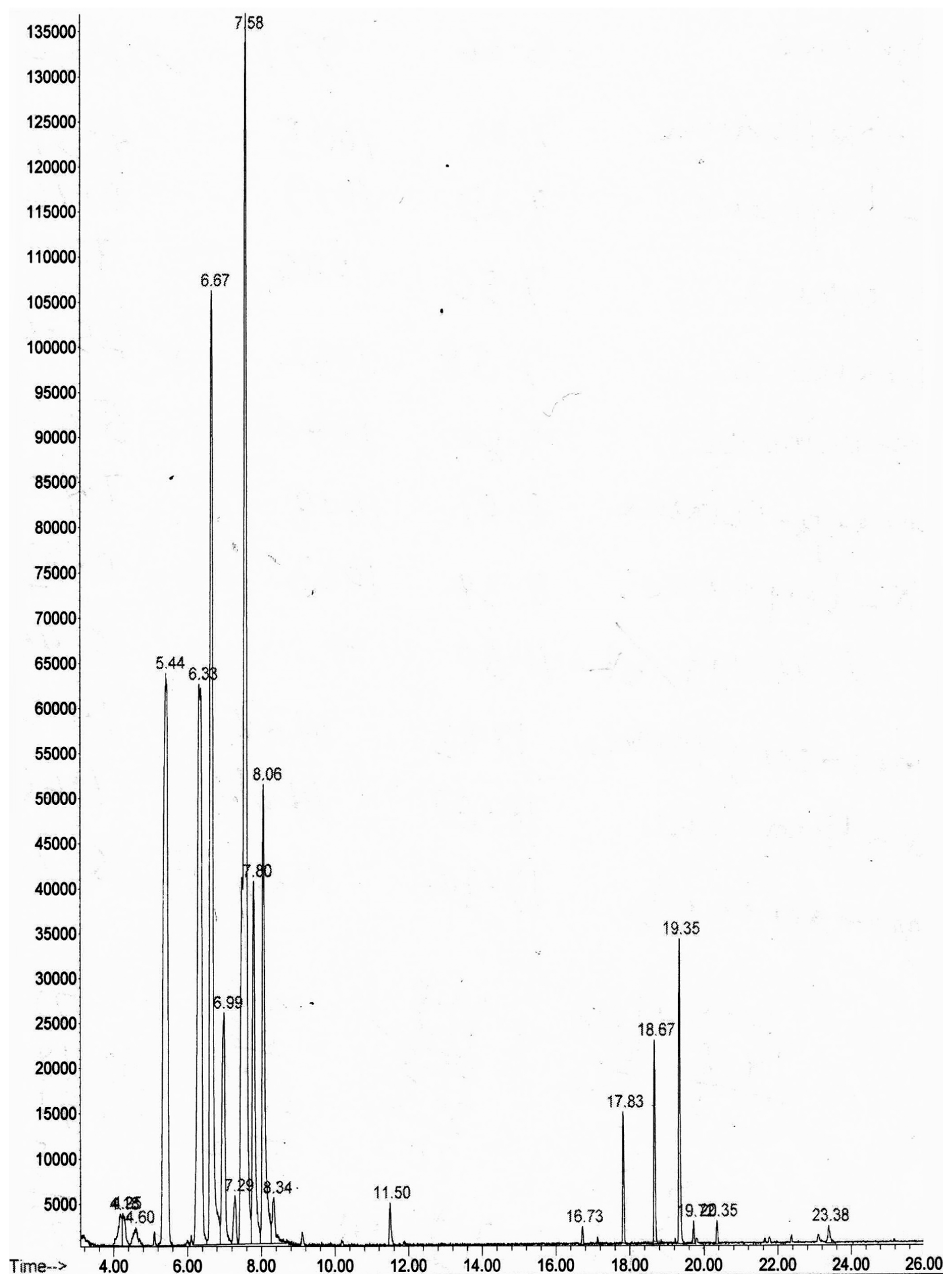
The qualitative and quantitative profiles of the essential oils extracted from S. polyanthemoides reveal a complex mixture of volatile constituents. Representative GC-MS chromatograms for samples 4 and 6 (Figure 1 and Figure 2, respectively) illustrate chemical profiles heavily dominated by monoterpene hydrocarbons. Analysis of the compositional data in Table 2 confirms that these monoterpenes constitute the bulk of the oil, whereas sesquiterpene hydrocarbons, oxygenated monoterpenes, and oxygenated sesquiterpenes are present only as minor components. Among the major compounds consistently detected were α-pinene, limonene, p-cymene, β-caryophyllene, spathulenol, and caryophyllene oxide, though their relative abundances varied considerably across samples.
This pronounced variation in the relative proportions of the dominant constituents indicates a high degree of intraspecific chemical polymorphism. Similar variability has been reported previously for S. polyanthemoides, where limonene (3.1–43.0%), p-cymene (4.9–36.3%), and α-pinene (1.8–21.4%) were identified as major constituents, alongside sesquiterpenes such as caryophyllene oxide [7]. These distinct variations in chemical profile are likely driven by differences in environmental conditions, geographical origin, plant phenological stages, and harvesting practices, all of which strongly influence secondary metabolite biosynthesis in aromatic plants [12,13,14]. This pattern suggests differential activation of biosynthetic pathways (methylerythritol phosphate (MEP) pathway and mevalonate (MVA) pathway, across the samples, resulting in distinct chemical profiles. Such compositional diversity is consistent with previous reports on Senecio species, which are known to exhibit considerable variability in essential oil composition [15,16].
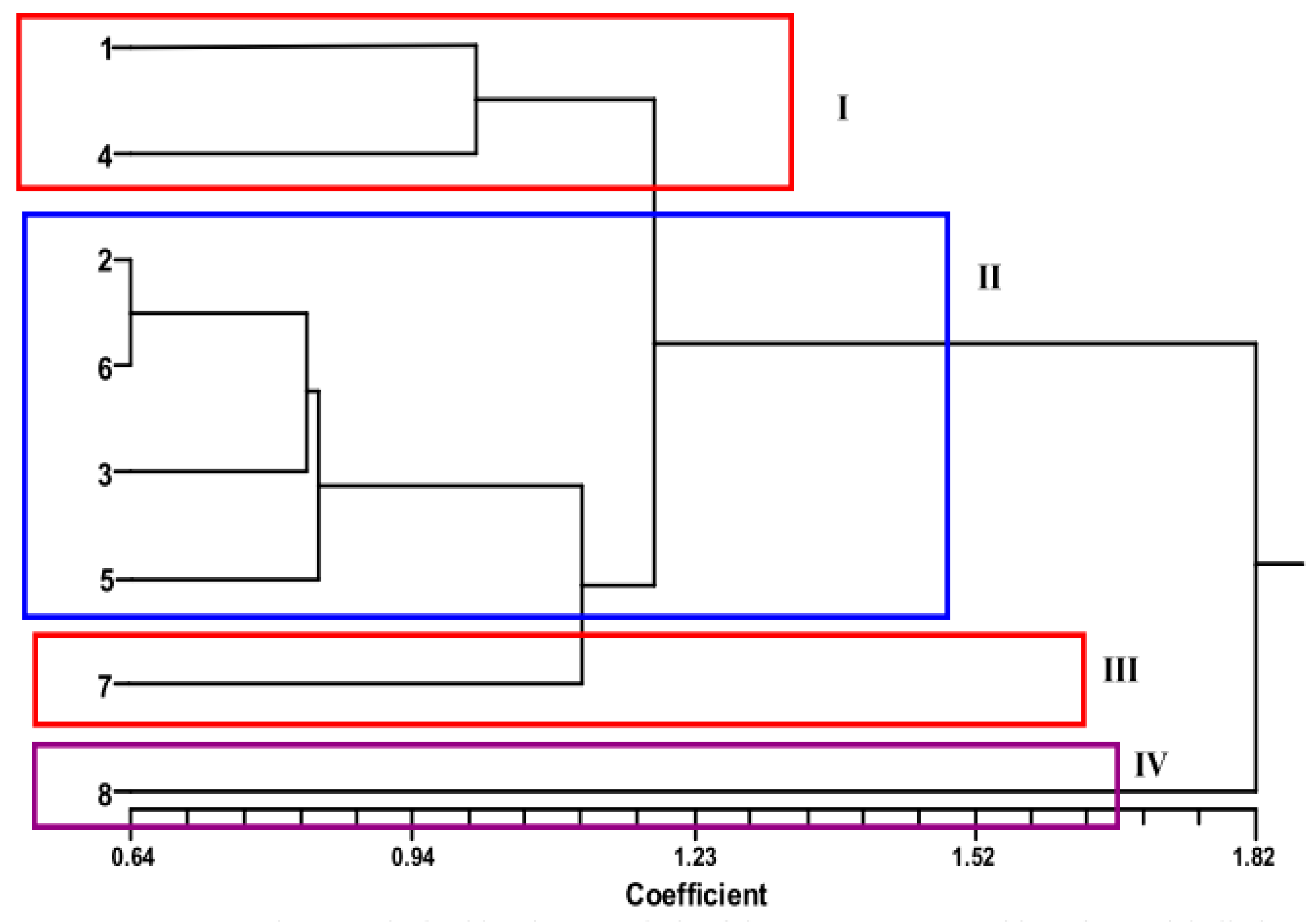
The results of the hierarchical cluster analysis further clarified the relationships among the samples by revealing four distinct clusters (Figure 3), thereby confirming the presence of pronounced chemical variability within the species. Cluster I comprised samples S1 and S4, collected from Empangeni and Gingindlovu, respectively. This cluster was characterized by relatively low concentrations of cis-(β)-ocimene (0.3–0.6%) and trans-(β)-ocimene (0.4–1.3%) when compared to the oils of other S. polyanthemoides samples, suggesting a reduced contribution of these monoterpene components to the overall profile. Cluster II included samples S2 (University of KwaZulu-Natal, Westville campus), S3 (Umhlanga), S5 (University of Zululand, KwaDlangezwa campus), and S6 (Mtunzini). This group exhibited high concentrations of α-pinene (8.9–15.0%), β-pinene (10.3–20.6%), myrcene (9.4–17.5%), and limonene (3.7–25.1%), with S2 and S6 showing particularly close similarity. Notably, this cluster was devoid of p-cymene, distinguishing it clearly from other groups. Cluster III consisted solely of sample S7 collected from Tongaat, which was unique in containing β-phellandrene (12.8%) as a significant constituent, indicating a distinct chemical profile. Cluster IV comprised sample S8 collected from Port Duruford and was characterized by high levels of p-cymene (10.6%), cis-β-ocimene (12.5%), and germacrene D (17.7%), but notably lacked α-pinene, a compound commonly present in other samples.
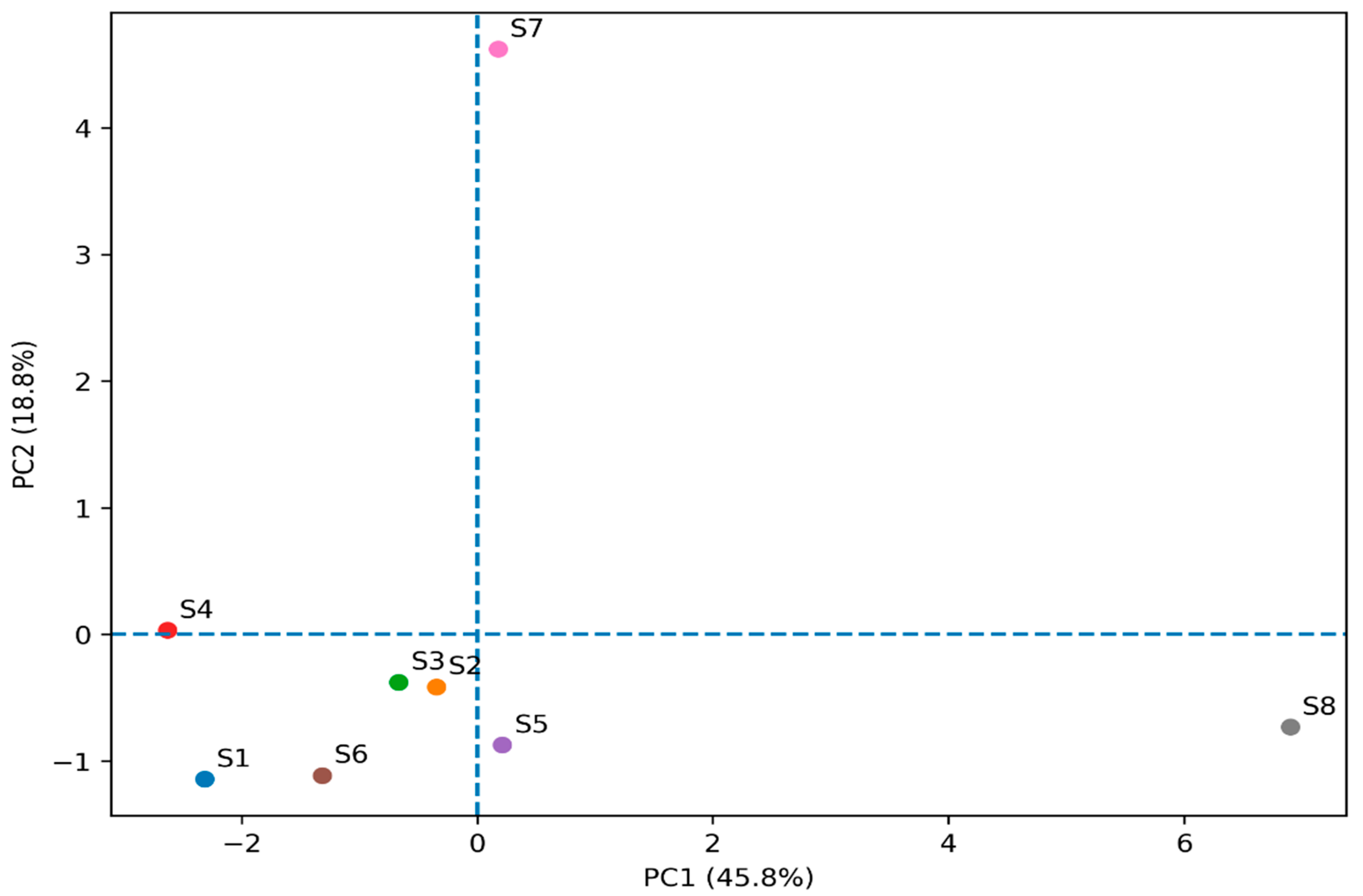
These clustering patterns demonstrate that the essential oil composition of S. polyanthemoides varies not only quantitatively but also qualitatively, with certain compounds serving as distinguishing markers for specific groups. The separation of samples into these clusters highlights the role of key constituents such as α-pinene, β-pinene, myrcene, p-cymene, and germacrene D in driving chemical differentiation. In addition, the principal component analysis (PCA) generated from the compositional dataset (Figure 4) further corroborated the hierarchical clustering results by demonstrating substantial interpopulation variability among the essential oil samples. The two-dimensional PCA score plot revealed distinct grouping and clear separation of the populations according to their chemical profiles. Principal component 1 (PC1) accounted for 45.8% of the total variance, while principal component 2 (PC2) explained an additional 18.8%, giving a cumulative variance of 64.6% for the first two components. Samples S1–S6 clustered relatively close together, reflecting similarities in their monoterpene-dominated compositions, particularly with respect to α-pinene, β-pinene, myrcene, and limonene contents. In contrast, sample S8 was distinctly separated along PC1, largely due to its high levels of germacrene D (17.7%) and α-humulene (6.9%), whereas S7 showed clear separation along PC2, likely associated with elevated concentrations of β-phellandrene (12.8%) and α-terpinene (5.7%). The observed segregation pattern confirms that the chemical variability among the populations is systematic and biologically significant rather than random, suggesting the occurrence of marked compositional heterogeneity and possible chemotypic differentiation within the investigated populations of S. polyanthemoides.
In the present study, however, the clusters were derived from statistical analysis of samples collected from different locations at a specific time, and there is no evidence regarding the genetic basis or temporal stability of the observed chemical profiles. Therefore, although the clusters clearly indicate the presence of chemically distinct groups, they cannot be conclusively classified as true chemotypes. Rather, they are more appropriately described as putative chemotypes or chemotype-like chemical variants. This interpretation is consistent with previous studies on Senecio species, where essential oil composition has been shown to vary significantly in response to both genetic and environmental factors [15].
The variability observed in this study is in agreement with earlier investigations of Senecio species, which have reported fluctuations in major constituents such as β-caryophyllene, germacrene D, α-pinene, and limonene [17,18]. In particular, studies on Senecio vulgaris have demonstrated that essential oil composition can vary depending on ecological conditions, further supporting the role of environmental factors in shaping chemical profiles [15]. The presence or absence of specific compounds, such as β-phellandrene in Cluster III or p-cymene in Cluster IV, further emphasizes the extent of chemical heterogeneity within the species [7,10].
The observed differences in chemical composition have important implications for the biological activity of the essential oils [15,16]. Compounds such as β-caryophyllene, α-pinene, and caryophyllene oxide are known to possess significant pharmacological properties, including antimicrobial, anti-inflammatory, and antifungal activities. Variations in their relative abundance may therefore influence the therapeutic potential of the oils, suggesting that different clusters may exhibit different levels of biological activity. This highlights the importance of detailed chemical characterization in the evaluation and utilization of medicinal plants.
In addition to their pharmacological relevance, the results of this study have important chemotaxonomic implications. The presence and relative abundance of specific terpenoids may serve as useful markers for differentiating populations within S. polyanthemoides. The clustering patterns observed provide insight into the chemical diversity of the species and may contribute to future taxonomic and phylogenetic studies. Furthermore, the observed variability has practical significance for industrial applications, particularly in the selection of plant material for essential oil production. Understanding the factors that influence chemical composition is essential for ensuring consistency, quality control, and standardization of herbal products.
Overall, the application of multivariate statistical analysis, including hierarchical clustering and principal component analysis, proved to be a powerful tool for interpreting complex compositional data, enabling the identification of key compounds responsible for variability and the classification of samples into chemically meaningful groups. The results demonstrate that S. polyanthemoides exhibits substantial intraspecific chemical diversity, as reflected in the variation in essential oil composition and the clustering patterns observed. While these clusters suggest the presence of chemically distinct groups, they should be regarded as putative chemotypes rather than definitive chemotypes, pending further investigation. Future studies incorporating molecular characterization, seasonal variation, and environmental analysis will be necessary to confirm the existence of true chemotypes and to fully elucidate the factors governing chemical variation in this species.

2.2. Antibacterial Activity

2.2.1. Agar Disc Diffusion

The antibacterial activity of S. polyanthemoides essential oils demonstrated inhibitory effects against the majority of the tested bacterial strains (Table 3). The oils exhibited strong activity against Bacillus cereus, Bacillus pumilus, Staphylococcus aureus strains, Enterococcus faecalis, and Escherichia coli, with zones of inhibition ranging from 8.0 ± 0.8 to 27.3 ± 0.9 mm. Moderate activity was observed against Klebsiella pneumoniae, Proteus vulgaris (ATCC 6538), Pseudomonas aeruginosa, and Serratia marcescens, with inhibition zones of 8.0 ± 1.0 to 17.7 ± 1.5 mm. The oils showed the least activity against Proteus vulgaris (CSIR 0030) and Enterobacter cloacae, with zones of inhibition ranging from 8.0 ± 0.0 to 9.0 ± 0.8 mm.

2.2.2. Minimum Inhibitory Concentrations

The essential oils of S. polyanthemoides demonstrated variable inhibitory activity across the twelve bacterial strains tested (Table 4). MIC values ranged from 0.08 to 10.0 mg/mL, indicating a broad spectrum of efficacy. The oils exhibited the strongest inhibitory effects against Bacillus pumilus, Enterococcus faecalis, Escherichia coli, and Staphylococcus aureus, with MICs ≤ 5.0 mg/mL. Moderate inhibition was observed for Bacillus cereus, Klebsiella pneumoniae, Proteus vulgaris (ATCC 6538), Pseudomonas aeruginosa, and Serratia marcescens, whereas minimal or negligible activity was recorded for Proteus vulgaris (CSIR 0030) and Enterobacter cloacae. Among the individual samples, S1, S3, and S8 displayed the highest antibacterial potency, with MICs between 0.08 and 0.31 mg/mL against B. pumilus, E. faecalis, E. coli, and S. aureus. Notably, samples S1 and S8 were particularly effective against S. aureus strains. Comparison with standard antibiotics—chloramphenicol, gentamycin, and tetracycline—showed that the essential oils exhibited activities ranging from moderate to strong, with Gram-positive bacteria generally more susceptible than Gram-negative strains.
The antibacterial activity results, as indicated by the zones of inhibition and MIC values, were further supported by statistical analysis, where different superscript letters denote significant differences among the tested samples. Samples sharing the same letters were not significantly different (p > 0.05), indicating comparable levels of antibacterial efficacy, whereas those with different letters exhibited statistically distinct activities (p < 0.05). This statistical separation confirms that the observed variation in antibacterial performance among the essential oil samples is not random but reflects meaningful differences in their chemical composition. In particular, samples exhibiting larger zones of inhibition and lower MIC values, grouped under distinct significance categories, likely correspond to higher concentrations of active constituents or synergistic interactions among major and minor compounds.
These findings are consistent with previous studies demonstrating that the antimicrobial activity of essential oils is strongly influenced by their chemical composition and the relative abundance of bioactive constituents [19,20]. Essential oils have been widely reported to exhibit antibacterial effects against a broad range of pathogenic microorganisms, with variability in efficacy attributable to compositional differences and potential synergistic interactions among components [21,22,23]. However, while statistical significance confirms differences among samples, it does not directly identify the specific compounds responsible for the observed effects, underscoring the need for further bioassay-guided fractionation and compound-level characterization to establish structure–activity relationships [24].

2.3. Antioxidant Activity

2.3.1. 2,2-Diphenyl-1-picrylhydrazyl (DPPH) Radical Scavenging Activity

The DPPH assay is a widely employed spectrophotometric method for evaluating the antioxidant capacity of plant-derived compounds, including essential oils [25]. It acts as a lipophilic model, mimicking radicals formed during lipid autoxidation to measure the scavenging power of antioxidants [26]. Table 5 shows the inhibitory concentrations (IC50) of S. polyanthemoides essential oils, BHA, BHT, Ascorbic acid and α-tocopherol on DPPH radicals scavenging activity. Although, the standard reference antioxidants (BHA, BHT, ascorbic acid and α-tocopherol) demonstrated higher inhibitory activity with IC50 ranging from below 10 to 10.70 µg/mL. When compared, the oil samples exhibited weak DPPH radical scavenging activity with IC50 values greater than 250 µg/mL, except sample S7 which showed slightly improved activity (IC50 = 219.32 µg/mL). The results shows that S. polyanthemoides essential oils possess limited hydrogen-donating capacity against DPPH radicals, which may be attributed to low concentrations of phenolic constituents typically responsible for strong radical scavenging activity [27]. Hence, the dominating effect of the oils by terpenoids rather than phenolic constituents, explain the weaker DPPH activity observed in this study, as terpenoids generally exhibit lower radical scavenging potency compared with phenolic antioxidants.

2.3.2. Hydroxyl Radical Scavenging Activity

The IC50 values (Table 5) of the samples shows that many exhibited strong hydroxyl radical scavenging activity with scavenging activity (IC50) ranging from <10.00 to 50.87 µg/mL. While, the hydroxyl radical scavenging activities of the oil samples of S1, S5, S6, S7 and S8 were comparable to the commercial antioxidants (IC50 < 10.0 μg/mL). The results of strong hydroxyl radical scavenging observed in some oil samples may suggest the presence of compounds capable of metal chelation or reactive oxygen species neutralization, thus contributing to protective biological effects [28].

2.3.3. Nitric Oxide Radical Scavenging Activity

The inhibitory concentrations (IC50) generated by the oil samples from nitric oxide radical are given in Table 5. The result shows moderate activity for some oil samples (S1, S4, S7 and S8), which may help in preventing the chains of reactions and diseases caused by excess nitric oxide radical generation such as inflammation, cancer and other physical or mental disorders that are harmful to human health [29].

2.3.4. Reducing Power

Table 6 shows the reducing potential of S. polyanthemoides essential oils toward Fe3+, when assessed using the potassium ferricyanide reduction assay [11]. Among the tested oils, S5 and S7 exhibited notable reducing activity, comparable to the standard antioxidants BHA, BHT, ascorbic acid, and α-tocopherol. The overall order of reducing power was as follows: ascorbic acid > BHA > α-tocopherol > BHT > S5 > S7. The relatively high reducing activity of S5 and S7 can be attributed to their chemical profiles, particularly the presence of monoterpenes and oxygenated constituents, which are known to facilitate electron transfer and stabilize free radicals through redox mechanisms. These findings suggest that specific compositional features of S. polyanthemoides oils contribute to their antioxidant potential and may be exploited for applications in natural antioxidant formulations.

2.4. Brine Shrimp Lethality Assay

The brine shrimp lethality assay of S. polyanthemoides essential oils was evaluated using Artemia salina. This assay provides a rapid, cost-effective, and reliable method for preliminary toxicity screening of natural products and has been shown to correlate with cytotoxic and antitumor activities [30]. The lethality effects of the essential oils after 24 h of exposure are presented in Table 7. No mortality was observed in the negative controls (artificial seawater and distilled water), confirming the validity of the assay. However, the solvent control (1% DMSO) exhibited low but measurable toxicity, with an LC50 value of 59.70 µg/mL (95% CI: 29.62–130.86). This level of toxicity is substantially lower than that of the essential oils and is considered negligible in comparison.
The essential oils demonstrated concentration-dependent lethality, with increasing concentrations resulting in higher mortality of A. salina nauplii. The 24 h LC50 values ranged from 9.63 to 16.52 µg/mL, indicating significant cytotoxic activity. Among the samples, S6 exhibited the highest toxicity (LC50 = 9.63 µg/mL), while S3 showed comparatively lower activity (LC50 = 16.52 µg/mL). A similar trend was observed for LC90 values. To the best of our knowledge, there are no previous reports on the cytotoxicity of S. polyanthemoides essential oils using the brine shrimp lethality model. However, the results are consistent with studies on other plant essential oils [31]. The relatively low LC50 values suggest the presence of potent bioactive constituents, warranting further investigation.

2.5. Larvicidal Activity

The larvicidal activity of Senecio species essential oils is presented in Table 8. The oils exhibited considerable variation in toxicity against fourth-instar larvae, with LC50 values ranging from 30.70 to 50.70 µg/mL, indicating moderate to strong larvicidal potential depending on the sample. Among the tested oils, S5 showed the highest activity (LC50 = 30.70 µg/mL), followed by S8 (33.70 µg/mL) and S7 (36.31 µg/mL), whereas S1 displayed the lowest activity (50.70 µg/mL). These findings suggest that the bioactivity is highly dependent on chemical composition and relative abundance of active constituents, which is consistent with previous reports on plant-derived essential oils used in mosquito control strategies [32,33,34]. The LC90 values further supported these trends, with S7 exhibiting the lowest LC90 (118.84 µg/mL), indicating superior efficacy at higher mortality thresholds. This suggests that S7 maintains stronger lethality even at elevated survival resistance levels, making it a promising candidate for vector control applications. In contrast, S1 required the highest concentration to achieve 90% mortality (170.69 µg/mL), reflecting comparatively weaker efficacy. Slope values ranged from 1.88 to 2.41, indicating variability in the dose–response relationship among samples. S7 exhibited the steepest slope (2.41 ± 0.32), suggesting a more homogeneous larval response to increasing concentrations, whereas S1 showed a flatter slope (1.88 ± 0.33), indicating greater heterogeneity in susceptibility. The χ2 values (1.12–1.89) were low across all treatments, confirming a good fit of the probit model and the reliability of LC estimates.
Potency grouping further highlighted statistically significant differences among treatments. S7 (group “a”) demonstrated the highest larvicidal potency, followed by S5 and S8 (group “ab”), while S1 (group “d”) was the least active. Intermediate activity was observed for S2, S3, S4, and S6, suggesting moderate effectiveness. The absence of larvicidal activity in both controls (1% Dimethyl sulfoxide and distilled water), confirmed that mortality was solely attributable to the bioactive constituents of the essential oils. The observed larvicidal activity is likely associated with the presence of bioactive terpenoids and oxygenated monoterpenes commonly reported in Senecio essential oils, which are known to disrupt insect neurological and respiratory systems [33,35,36,37]. Similar mechanisms have been documented for plant-derived essential oils exhibiting neurotoxic and membrane-disruptive effects on mosquito larvae, leading to rapid mortality and growth inhibition [34,35,36,37,38,39]. Overall, the results suggest that Senecio essential oils possess promising larvicidal properties and may serve as potential botanical alternatives for mosquito vector management.

3. Material and Methods

3.1. Chemicals/Media/Reagents

All microbiological media, analytical-grade chemicals, reagents, and reference standards were sourced from certified global distributors. Mueller-Hinton Agar No. 2 (pH 7.4) and Mueller-Hinton Broth (pH 7.4) were manufactured by Oxoid Laboratories (Thermo Fisher Scientific, Hertfordshire, UK) and supplied via Merck (Sigma-Aldrich, Modderfontein, Johannesburg, South Africa). Antibiotic discs including. Gentamycin (25 µg), Chloramphenicol (25 µg) and Tetracycline (30 µg), as well as, 2,2-diphenyl-1-picrylhydrazyl (DPPH), trichloroacetic acid (TCA), thiobarbituric acid (TBA), Griess Illosvoy reagents (naphthylethylenediamine dihydrochloride and sodium nitroprusside), sulphanilic acid reagent (0.33% in 20% glacial acetic acid), assay salts, and antioxidant standards (butylated hydroxyanisole [BHA], butylated hydroxytoluene [BHT], ascorbic acid, and α-tocopherol) were purchased from Merck (Sigma-Aldrich, Modderfontein, Johannesburg South Africa). Additionally, Artemia salina cysts (brine shrimp eggs) were obtained from Fish Designs (Distributor of Live Ornamental Fish and Products), Mtunzini, South Africa.

3.2. Plant Materials

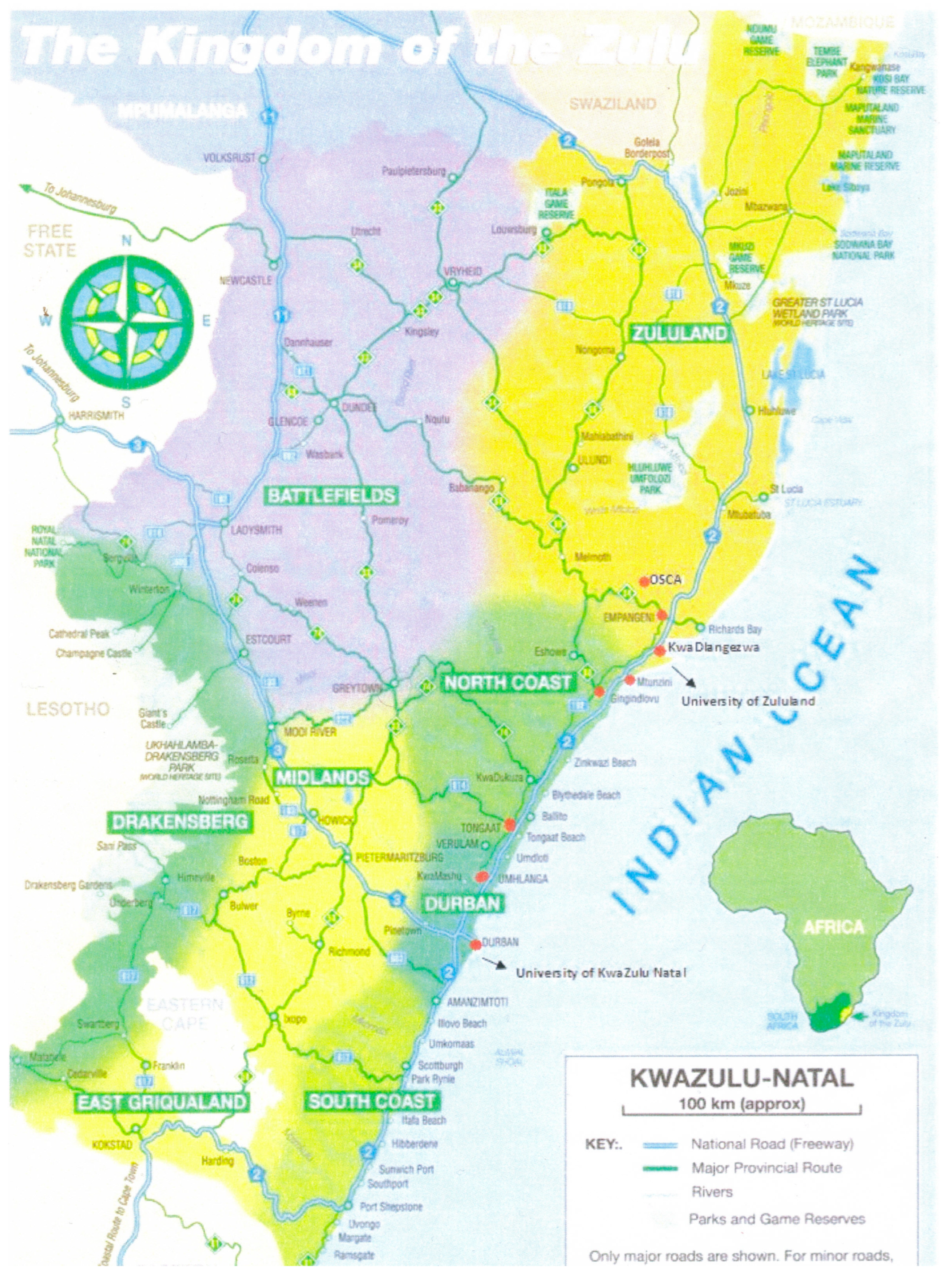
Fresh plant materials of S. polyanthemoides growing wild in different district municipalities of KwaZulu-Natal Province, South Africa (Figure 5), were randomly collected from King Cetshwayo (S1, S4, S5 and S6) and iLembe (S8) district municipalities, and eThekwini Metropolitan Municipality (S2, S3 and S7), where 5–8 individual plants were collected from each population at the same time as homogeneous samples of the population) at flowering stage. Taxonomical identification of the plant materials were confirmed by Dr. S. J. Siebert and Dr. N.R. Ntuli. Voucher specimens (Table 1) had been deposited at the University of Zululand, Herbarium.

3.3. Hydrodistillation of Essential Oils

Aerial parts (above the ground organs consisting of the leaves, stems and flowers) of S. polyanthemoides (500 g) collected from each location were subjected to hydrodistillation using a Clevenger-type apparatus for 3 h, following the British Pharmacopoeia guidelines [40]. The volatile oils, distilled over water, were collected in the receiver arm of the apparatus and transferred into clean, pre-weighed sample bottles. The samples were stored under refrigeration until further chemical and biological analyses.

3.4. Chemical Analyses of Essential Oils

To ensure robust chemical characterization, Gas Chromatography with Flame Ionization Detection (GC-FID) was utilized strictly for quantitative analysis (peak area percentages), while Gas Chromatography-Mass Spectrometry (GC-MS) was employed independently for qualitative compound identification via mass spectral matching and Retention Indices (RI).

3.4.1. Gas Chromatography (GC-FID Quantification)

Quantitative analyses of the essential oils were performed using a Hewlett-Packard HP 6820 gas chromatograph equipped with a DB-5 capillary column (60 m × 0.25 mm i.d., film thickness 0.25 µm) and a flame ionization detector (FID) (Agilent Technologies, Santa Clara, California, United States). The injector split ratio was set to 1:25. The oven temperature program was initiated at 50 °C (held for 2 min), increased to 240 °C at a heating rate of 5 °C/min, and the final temperature was maintained for 10 min. The injection and detector temperatures were maintained at 200 °C and 240 °C, respectively. Hydrogen served as the carrier gas. An aliquot of 0.5 μL of the essential oil diluted in n-hexane (1:100, v/v) was injected. Relative percentages of the volatile constituents were calculated by electronic integration of the GC-FID peak areas without the use of correction factors.

3.4.2. Gas Chromatography-Mass Spectrometry

The chemical composition of the oils was determined using a Hewlett–Packard GC system (HP 6890) coupled to a Hewlett–Packard 5973 mass selective detector (GC–MS) (Agilent Technologies, Santa Clara, California, United States). Separation was carried out on an HP-5MS fused-silica capillary column (30 m × 0.25 mm i.d.; film thickness 0.25 µm). The oven temperature was programmed from 70 °C to 240 °C at a rate of 5 °C/min. The mass spectrometer was operated in electron ionization (EI) mode at 70 eV, with the ion source temperature maintained at 240 °C. Helium served as the carrier gas at a constant flow rate of 1.0 mL/min. Mass spectra were recorded over the range of 35–425 amu. A 1.0 µL aliquot of the essential oil, diluted in hexane, was injected into the GC–MS system for analysis. Retention indices (RIs) were calculated using a homologous series of n-alkanes analyzed under the same chromatographic conditions.

3.4.3. Identification of Essential Oil Constituents

Essential oil components were identified based on their retention relative indices (RRIs), which were determined by co-injection with a homologous series of n-alkanes under identical GC–MS conditions. Further confirmation of individual compounds was achieved by comparing their mass spectra with those from an in-house MS library constructed from authentic standards and previously characterized essential oil components. Additionally, the retention indices were compared with reported literature values to ensure accurate identification [41,42,43].

3.5. Multivariate Analysis

3.5.1. Hierarchical Cluster Analysis (HCA)

Eight S. polyanthemoides essential oil samples were analysed as operational taxonomic units (OTUs) to evaluate chemical diversity and identify potential chemotypes. The relative percentage composition of 18 major constituents—α-pinene, sabinene, β-pinene, myrcene, α-phellandrene, α-terpinene, p-cymene, β-phellandrene, limonene, cis-β-ocimene, trans-β-ocimene, γ-terpinene, β-caryophyllene, α-humulene, germacrene D, bicyclogermacrene, and δ-cadinene—was determined by standard gas chromatography methods. These compositional data were subsequently used to assess chemical relationships among the samples. Hierarchical cluster analysis (HCA) was performed using NTSYSpc software, version 2.2 to classify the samples according to their chemical profiles [44,45]. The percentage composition data were arranged in a sample × constituent matrix, and similarity among samples was estimated using Pearson correlation coefficients. Cluster formation was carried out using the unweighted pair-group method with arithmetic mean (UPGMA) within the Sequential Agglomerative Hierarchical Nested (SAHN) routine of the software. The resulting dendrogram was used to visualize chemotypic relationships among samples. Cluster boundaries were defined according to natural separations observed in the similarity coefficients, enabling classification of the oils into distinct groups with related chemical compositions. This approach facilitated the identification of potential chemotypes within S. polyanthemoides.

3.5.2. Principal Component Analysis

Principal Component Analysis (PCA) was employed to evaluate compositional variation among the eight populations of S. polyanthemoides based on their essential oil constituents [46]. Prior to analysis, the data matrix consisting of the relative percentages of the identified volatile compounds was standardized to reduce the influence of differences in variable scale and to ensure equal contribution of all variables to the analysis. The analysis was performed using the covariance matrix, and principal components with eigenvalues greater than 1.0 were considered significant according to the Kaiser criterion. A two-dimensional (2D) PCA score plot based on principal component 1 (PC1) and principal component 2 (PC2) was generated to visualize the distribution, clustering, and relationships among the essential oil samples. The percentage variance explained by each principal component was indicated on the corresponding axes, while the variables contributing most significantly to sample discrimination were identified from the component loadings. The application of PCA as a chemometric tool for interpreting complex phytochemical datasets has been widely reported in essential oil and metabolomic studies.

3.6. Antibacterial Activity

3.6.1. Microbial Strains

Twelve reference bacterial strains obtained from Applied and Environmental Microbiology Research Group (AEMREG), Department of Biochemistry and Microbiology, University of Fort Hare, Alice, South Africa were used to determine the antibacterial activity of S. polyanthemoides essential oils. The test panel comprised Gram-positive bacteria: Bacillus cereus (ATCC 10702), Bacillus pumilus (ATCC 14884), Staphylococcus aureus (ATCC 3983), Staphylococcus aureus (ATCC 6538), and Enterococcus faecalis (ATCC 29212), as well as Gram-negative bacteria: Enterobacter cloacae (ATCC 13047), Escherichia coli (ATCC 4983), Klebsiella pneumoniae (ATCC 2983), Proteus vulgaris (ATCC 6830), Proteus vulgaris (CSIR 0030), Pseudomonas aeruginosa (ATCC 19582), and Serratia marcescens (ATCC 9986). The stock cultures of the bacterial strains were maintained at 4 °C on Mueller-Hinton agar (Oxoid, UK) until use. Prior to experimental assays, fresh cultures were prepared to ensure viability and consistency.

3.6.2. Agar Disc Diffusion Assay

The antibacterial potential of S. polyanthemoides essential oils was evaluated using the agar disk diffusion assay, following standard protocols [47]. Bacterial cultures were prepared (overnight) in 20 mL of Mueller-Hinton broth (MHB) (Oxoid, Wesel, Germany) and incubated at 37 °C. The turbidity of each culture was adjusted with sterile saline to match that of a McFarland no. 5 standard, corresponding to approximately 1.0 × 10⁸ CFU/mL. Sterile Petri dishes (90 mm, Merck, Darmstadt, Germany) containing 12 mL of molten Mueller-Hinton agar were inoculated by evenly spreading 100 µL of the standardized bacterial suspension over the agar surface. Sterile Whatman No. 1 filter paper discs (6 mm diameter) were then aseptically placed on the surface of the inoculated plates. Each disc was impregnated with 10 µL of essential oil dissolved in 1% dimethyl sulfoxide (DMSO). The plates were incubated at 37 °C for 24 h to allow microbial growth and interaction with the oils. After incubation, the diameters of the inhibition zones surrounding each disc were measured in millimeters using a ruler. Each experiment was performed in triplicate to ensure reproducibility. Gentamycin (25 µg), Chloramphenicol (25 µg) and Tetracycline (30 µg), and 1% DMSO were included as positive and negative controls, respectively. The antibacterial activity was interpreted based on the size of the inhibition zones, with larger zones indicating stronger antimicrobial efficacy.

3.6.3. Minimum Inhibitory Concentration

The minimum inhibitory concentration (MIC) of S. polyanthemoides essential oils was determined using the 96-well microtiter dilution method as described previously [48]. Overnight bacterial cultures were grown in Müller-Hinton (MH) broth at 37 °C, and a 1:1 dilution of each culture in fresh MH broth was prepared prior to the assay. Serial two-fold dilutions of the essential oils were made to achieve concentrations ranging from 10 mg/mL to 0.078 mg/mL. Aliquots of 100 µL of bacterial suspension, with an approximate inoculum of 1.0 × 10⁸ CFU/mL, were added to each well containing the diluted essential oils. The plates were incubated at 37 °C for 24 h. After incubation, 40 µL of 0.2 mg/mL p-iodo-nitrotetrazolium violet (INT) solution was added to each well, and the plates were further incubated at 37 °C for 30–60 min. The MIC was defined as the lowest concentration of essential oil that produced near-complete inhibition of visible microbial growth. Gentamycin (25 µg), Chloramphenicol (25 µg), and Tetracycline (30 µg), as a standard positive reference antibiotics. While, 1% dimethyl sulfoxide (DMSO) as the negative solvent control.

3.7. Antioxidant Activity

3.7.1. 2,2-Diphenyl-1-picrylhydrazyl (DPPH) Radical Scavenging Activity

The free radical scavenging activity of S. polyanthemoides essential oils was assessed using the 2,2-diphenyl-1-picrylhydrazyl (DPPH) assay as described previously [18]. Briefly, 0.2 mL of essential oil solutions at concentrations ranging from 10 to 250 µg/mL in methanol were added to 2.7 mL of 1.0 × 10⁻⁴ M DPPH solution prepared in methanol. The reaction mixtures were incubated in the dark for 60 min to prevent light-induced degradation. After incubation, the absorbance was measured at 517 nm using a Genesys 20 UV–Visible spectrophotometer.
DPPH scavenging activity (%): = {1 − (S − SB)/(C − CB)} × 100
where S is the absorbance of the sample, SB is the absorbance of the sample blank (2 mL methanol + 0.2 mL essential oil), C is the absorbance of the control (2 mL DPPH solution + 0.2 mL methanol), and CB is the absorbance of the control blank (methanol). The concentration of essential oil required to scavenge 50% of DPPH radicals (IC50) was determined from a plot of percentage inhibition versus oil concentration.

3.7.2. Nitric Oxide Radical Scavenging Activity

The scavenging potential of nitric oxide from S. polyanthemoides essential oils was assessed using the Griess–Illosvoy reaction as described previously [49]. This method is based on the generation of nitric oxide from sodium nitroprusside in an aqueous medium at physiological pH, followed by its oxidation to nitrite ions, which are subsequently detected colorimetrically. Briefly, a total reaction volume of 3 mL was prepared, consisting of 2 mL of 10 mM sodium nitroprusside, 0.5 mL of 0.01 M phosphate-buffered saline (pH 7.4), and 0.5 mL of essential oil solutions at different concentrations. The reaction mixtures were incubated at 25 °C for 150 min to allow nitric oxide formation. After incubation, 0.5 mL of the reaction mixture was combined with 1 mL of sulphanilic acid reagent (0.33% w/v in 20% glacial acetic acid) and left to stand for 5 min to complete the diazotization process. Subsequently, 1 mL of 0.1% (w/v) naphthylethylenediamine dihydrochloride was added, and the mixture was allowed to react for 30 min under diffused light, leading to the formation of a pink azo dye.

3.7.3. Hydroxyl Radical Scavenging Activity

The hydroxyl radical scavenging activity of S. polyanthemoides essential oils was evaluated using the Fenton reaction method as previously described [50]. The reaction mixture comprised 450 µL of 0.2 M phosphate buffer (pH 7.0), 150 µL of 10 mM 2-deoxyribose, 150 µL of 10 mM FeSO4–EDTA, 525 µL of distilled water, and 75 µL of the essential oil solution at varying concentrations was initiated by the addition of 150 µL of 10 mM H2O2 and incubated at 37 °C for 4 h. Following incubation, the reaction was terminated by adding 750 µL of 2.8% (w/v) trichloroacetic acid (TCA) and 750 µL of 1% (w/v) thiobarbituric acid (TBA). The mixture was heated in a boiling water bath for 10 min, then allowed to cool to room temperature. The absorbance of the resulting solution was measured at 532 nm using a Genesys 20 UV–Visible spectrophotometer.

3.7.4. Percentage Inhibition Scavenging Activity

Butylated hydroxyanisole (BHA), butylated hydroxytoluene (BHT), ascorbic acid (AA), and α-tocopherol were used as standard reference antioxidants. All assays were performed in triplicate, and results are expressed as mean ± standard error of the mean (SEM). The inhibitory effects of S. polyanthemoides essential oils on nitric oxide and hydroxyl radical scavenging activities were calculated using the following equation:
% Inhibition = {(A0 − A1)/A0 × 100}
where A0 is the absorbance value of the fully oxidized control and A1 is the absorbance of the extract. The inhibitory concentration providing 50% inhibition (IC50) was calculated from the graph of percentage inhibition against S. polyanthemoides essential oils concentrations.

3.7.5. Reducing Power Assay

The essential oils were assessed according to the previously described method [51]. In brief, 2.5 mL of essential oil solutions at concentrations at 10 to 250 µg/mL in methanol were combined with 2.5 mL of 0.2 M phosphate buffer (pH 6.6) and 2.5 mL of 1% (w/v) potassium ferricyanide [K3Fe(CN)6]. The mixture was incubated at 50 °C for 20 min to facilitate reduction. After incubation, 2.5 mL of 10% (w/v) trichloroacetic acid was added to terminate the reaction, and the mixture was centrifuged at 1000 rpm for 10 min. Thereafter, 2.5 mL of the supernatant was mixed with an equal volume of distilled water and 0.5 mL of 0.1% (w/v) ferric chloride (FeCl3). The absorbance of the resulting solution was measured at 700 nm using a Genesys 20 UV–Visible spectrophotometer. Standard antioxidants, including ascorbic acid, butylated hydroxyanisole (BHA), butylated hydroxytoluene (BHT), and α-tocopherol, served as positive controls. Increased absorbance values were interpreted as indicative of stronger reducing power.

3.8. Brine Shrimp Lethality Assay

Nauplii of Artemia salina were employed for the brine shrimp lethality assay following established procedures [52]. In brief, ten larvae were exposed to 50 µL of essential oil solutions at concentrations ranging from 10 to 250 µg/mL, prepared in 1% dimethyl sulfoxide (DMSO) and adjusted to a final volume of 5 mL with artificial seawater. A negative control containing only artificial seawater and a solvent control consisting of 1% DMSO in artificial seawater without essential oil were included concurrently. After 24 h of incubation under illumination at room temperature, nauplii were examined and considered dead when they showed no movement after gentle probing. The percentage mortality was calculated and corrected using Abbott’s formula where necessary to account for control mortality. LC50 and LC90 values were determined using probit analysis (Probit Analysis Program, version 1.5). Results were expressed as LC50 and LC90 values with corresponding 95% confidence intervals, representing the concentrations (µg/mL) required to induce 50% and 90% mortality, respectively, after 24 h of exposure. The assay was used as a preliminary toxicity screening of the essential oil.

3.9. Larvicidal Activity

Larvicidal bioassays against Culex quinquefasciatus were conducted following the standard procedure described by the World Health Organization for mosquito larval susceptibility testing, with slight modifications [53]. Briefly, five fourth-instar larvae were collected using a Pasteur pipette, gently blotted on filter paper to remove excess water, and transferred with a fine brush into 100 mL beakers containing 29.0 mL of degassed distilled water and 1000 µL of test solution at varying concentrations. The contents were gently agitated to ensure uniform dispersion. Each treatment was performed in triplicate and maintained at 25 ± 2 °C under a 12:12 h light–dark photoperiod. Two control groups were included and maintained under identical conditions: distilled water served as the negative control, while 1% Dimethyl sulfoxide (DMSO) in distilled water was used as the solvent control. Larval mortality was recorded after 24 h, and larvae were considered dead if they showed no movement upon probing with a fine needle. Percentage mortality was calculated and, where necessary, corrected using Abbott’s formula [54] to account for control mortality. The median lethal concentration (LC50) values were determined by probit analysis using the U.S. Environmental Protection Agency Probit Analysis Program (Version 1.5) [55]. Larvicidal activity was expressed as LC50 values (µg/mL) with corresponding 95% confidence intervals, representing the concentration required to achieve 50% larval mortality within 24 h.

3.10. Statistical Analysis

Statistical analyses were carried out using Microsoft Excel 2003, while IC50 values were computed with Origin 6.0. Comparisons among groups were performed using one-way analysis of variance (ANOVA) to assess statistical differences between treatments. A probability value (p) ≤ 0.05 was considered statistically significant, whereas p ≤ 0.01 was regarded as highly significant. Median lethal concentration (LC50), defined as the concentration required to cause 50% mortality, was determined by probit analysis using U.S. Environmental Protection Agency (EPA) Probit Analysis Program (Version 1.5).

4. Conclusions

This study demonstrates pronounced and previously underappreciated chemical variability in the essential oils of Senecio polyanthemoides, as revealed by GC–MS profiling combined with multivariate statistical analyses (HCA and PCA). The observed differences in the relative abundance of major constituents confirm substantial intraspecific diversity, consistent with prior reports describing compositional variability within the genus Senecio [19,20]. The strong concordance between HCA and PCA supports the robustness of the clustering patterns, indicating that the observed chemical differentiation reflects intrinsic biological variability rather than analytical or methodological artefacts. Such variability is in agreement with established evidence that essential oil composition is influenced by both genetic factors and environmental conditions [20,24]. However, the present dataset is insufficient to support definitive chemotype classification. Any chemotypic assignment remains preliminary and should be interpreted with caution. A more comprehensive evaluation incorporating a larger number of populations across different geographic regions, seasons, and environmental conditions is required to reliably distinguish genetic effects from ecological influences and to establish stable chemotypes [24].
A noteworthy finding of this study is the identification of limonene as a predominant constituent in several samples. Although limonene is a common monoterpene reported in many aromatic plant species and is associated with various ecological and biological functions, its prominence as a major component in Senecio species has not been previously documented. This suggests its potential value as a chemotaxonomic marker for Senecio taxa, particularly within South African populations. The in vitro biological activities observed further indicate the pharmacological potential of the essential oils. Nevertheless, the specific compounds responsible for these activities cannot be conclusively identified based on the current data. Future investigations should therefore employ bioassay-guided fractionation alongside advanced spectroscopic and chromatographic techniques to isolate and characterize the active constituents and to establish structure–activity relationships underlying the observed bioactivity.

Supplementary Materials

The following supporting information can be downloaded at: https://www.mdpi.com/article/10.3390/molecules31122006/s1, Figures S1–S8: GC/MS Chromatograms of S. polyanthemoides essential oils.

Author Contributions

O.A.L., K.O.A. (Kehinde O. Amisu), F.O.O. and M.M.E.E. conceived and designed the structure of the manuscript. O.A.L. carry out the experiments and analyzed some of the data. K.O.A. (Kehinde O. Amisu) and O.E.O. work on antibacterial data and wrote part of the manuscript. O.A.G.-a., V.A.D., O.C.O. and K.O.A. (Kanyinsola O. Akinkunmi) work on interpopulation variability study and wrote part of the manuscript. F.O.O. and R.A.M. work on cytotoxic and larvicidal activities and wrote part of the manuscript. I.B. and E.E.A. reviewed, edited and contributed additional literature to the final manuscript. A.R.O., O.A.L., K.O.A. (Kehinde O. Amisu), F.O.O., R.A.M. and M.M.E.E. revised the final manuscript. A.R.O. and A.O.O. supervised the research work. All authors have read and agreed to the published version of the manuscript.

Funding

This research received no external funding.

Institutional Review Board Statement

Not applicable.

Informed Consent Statement

Not applicable.

Data Availability Statement

The original contributions presented in this study are included in the article/Supplementary Material. Further inquiries can be directed to the corresponding author.

Acknowledgments

The authors are grateful to University of Zululand, KwaDlangezwa, South Africa, Lagos State University, Ojo, Lagos state, Nigeria and National Research Fund, South Africa.

Conflicts of Interest

The authors declare no conflicts of interest.

References

  1. Wang, D.; Huang, L.; Chen, S. Senecio scandens Buch.-Ham.: A review on its ethnopharmacology, phytochemistry, pharmacology, and toxicity. J. Ethnopharmacol. 2013, 149, 1–23. [Google Scholar] [CrossRef]
  2. Bohlmann, F.; Zdero, C.; King, R.M. Chemistry of the genus Senecio. Phytochemistry 1977, 16, 123–142. [Google Scholar]
  3. Hutchings, A.; Scott, A.H.; Lewis, G.; Cunningham, A.B. Zulu Medicinal Plants: An Inventory; University of Natal Press: Scottsville, South Africa, 1996. [Google Scholar]
  4. Van Wyk, B.E.; Van Oudtshoorn, B.; Gericke, N. Medicinal Plants of South Africa, 2nd ed.; Briza Publications: Pretoria, South Africa, 2009. [Google Scholar]
  5. Asong, J.A.; Ndhlovu, P.T.; Khosana, N.S.; Aremu, A.O.; Otang-Mbeng, W. Medicinal plants used for skin-related diseases among the Batswanas in Ngaka Modiri Molema District Municipality, South Africa. Plants 2019, 8, 289. [Google Scholar] [CrossRef]
  6. Germishuizen, G.; Meyer, N.L. Plants of Southern Africa: An Annotated Checklist; National Botanical Institute: Pretoria, South Africa, 2003.
  7. Lawal, O.A.; Oyedeji, O.A. Chemical composition of the essential oils of the flowers, leaves and stems of two Senecio polyanthemoides Sch. Bip. from South Africa. Molecules 2009, 14, 2077–2086. [Google Scholar] [CrossRef]
  8. Solís-Quispea, L.; Pinob, J.A.; Tomaylla-Cruza, C.; Solís-Quispea, J.A.; Aragón-Alencastrea, L.J. Essential oil from Senecio rudbeckiifolius Meyen & Walp.: Chemical analysis, antioxidant assessment, and literature review of Senecio essential oils. Afinidad 2021, 600, 180–188. [Google Scholar]
  9. Salih, A.S.; Mohd Nuzul, W.; Salleh, H.W.; Mohd Rahim, F.A.; Mohd Zaini, N.N.; Arzmi, M.H. Unlocking the therapeutic potential of the genus Senecio (Asteraceae): Essential oil composition and pharmacological insights. Riv. Ital. Delle Sostanze Grasse 2025, 102, 43–57. [Google Scholar]
  10. Lawal, O.A.; Oyedeji, O.A. Volatile Constituents of African daisy Senecio pterophorus DC. from South Africa. Nat. Prod. Commun. 2010, 5, 1811–1814. [Google Scholar]
  11. Lawal, O.A.; Ogunwande, I.A.; Mzimela, H.M.M.; Opoku, A.R.; Oyedeji, A.O. Senecio pterophorus DC. (Asteraceae) essential oils: Antibacterial, antioxidant, cytotoxic and larvicidal activities. Br. J. Pharm. Res. 2016, 12, BJPR.25250. [Google Scholar] [CrossRef]
  12. Medina-Holguin, A.L.; Micheletto, S.; Holguin, F.O.; Rodriguez, J.; O’Connell, M.A. Environmental influences on essential oils in roots of Anemopsis californica. HortScience 2007, 42, 1578–1583. [Google Scholar] [CrossRef]
  13. Sarah, K.; Amir, M.; Hassan, S.; Khodayar, H.; Ahmad, K. The effect of drought stress on growth parameters, essential oil yield and constituent of Peppermint (Mentha piperita L.). J. Med. Plants Res. 2011, 5, 5360–5365. [Google Scholar]
  14. Lahlou, M. Methods to study the phytochemistry and bioactivity of essential oils. Phytother. Res. 2004, 18, 435–448. [Google Scholar] [CrossRef]
  15. Andreani, S.; Paolini, J.; Costa, J.; Muselli, A. Essential-oil composition and chemical variability of Senecio vulgaris L. from Corsica. Chem. Biodivers. 2015, 12, 752–766. [Google Scholar] [CrossRef]
  16. Rattray, R.D.; Mokwena, L.; Stander, M.A.; Van Wyk, B. Major volatile compounds and chemophenetic variation in Pseudodictamnus africanus essential oils. S. Afr. J. Bot. 2024, 171, 682–694. [Google Scholar] [CrossRef]
  17. van Dooren, B.; Bos, R.; Tattje, D.H.E. Composition of essential oils of some Senecio species. Planta Med. 1981, 42, 385–389. [Google Scholar] [CrossRef] [PubMed]
  18. Politeo, O.; Mila Juki, M.; Milo, M. Chemical composition and antioxidant activity of essential oils of twelve spice plants. Croat. Chem. Acta 2006, 79, 545–552. [Google Scholar]
  19. Baser, K.H.C.; Buchbauer, G. Essential oils: Composition and variability. Molecules 2010, 15, 4505–4532. [Google Scholar]
  20. Turek, C.; Stintzing, F.C. Stability of essential oils: A review. Molecules 2013, 18, 10560–10582. [Google Scholar] [CrossRef]
  21. Kalemba, D.; Kunicka, A. Antibacterial and antifungal properties of essential oils. Curr. Med. Chem. 2003, 10, 813–829. [Google Scholar] [CrossRef] [PubMed]
  22. Burt, S. Essential oils: Their antibacterial properties and potential applications in foods—A review. Int. J. Food Microbiol. 2004, 94, 223–253. [Google Scholar] [CrossRef]
  23. Nazzaro, F.; Fratianni, F.; De Martino, L.; Coppola, R.; De Feo, V. Effect of essential oils on pathogenic bacteria. Pharmaceuticals 2013, 6, 1451–1474. [Google Scholar] [CrossRef]
  24. Dhifi, W.; Bellili, S.; Jazi, S.; Bahloul, N.; Mnif, W. Essential oils’ chemical characterization and investigation of some biological activities: A critical review. Molecules 2016, 3, 25. [Google Scholar] [CrossRef] [PubMed]
  25. Chen, X.; Shang, S.; Yan, F.; Jiang, H.; Zhao, G.; Tian, S.; Chen, R.; Cheng, D.; Dang, Y. Antioxidant activities of essential oils and their major components in scavenging free radicals, inhibiting lipid oxidation and reducing cellular oxidative stress. Molecules 2023, 28, 4559. [Google Scholar] [CrossRef]
  26. Ceruitti, P.A. Oxidant stress and carcinogenesis. Eur. J. Clin. Investig. 1991, 21, 1–5. [Google Scholar] [CrossRef]
  27. Gulcin, I.; Alwasel, S.H. DPPH radical scavenging assay. Processes 2023, 11, 2248. [Google Scholar] [CrossRef]
  28. Han, J.; Weng, X.; Bi, K. Antioxidants from a Chinese medicinal herb—Lithospermum erythrorhizon. Food Chem. 2008, 106, 2–10. [Google Scholar] [CrossRef]
  29. Pérez-Rosés, R.; Risco, E.; Vila, R.; Peñalver, P.; Cañigueral, S. Biological and non-biological antioxidant activity of some essential oils. J. Agric. Food Chem. 2016, 64, 4716–4724. [Google Scholar] [CrossRef]
  30. Meyer, B.N.; Ferrigni, N.R.; Putnam, J.E.; Jacobsen, L.B.; Nichols, D.E.; McLaughlin, J.L. Brine shrimp: A convenient general bioassay for active plant constituents. Planta Med. 1982, 45, 31–34. [Google Scholar] [CrossRef]
  31. Sonibare, O.O.; Effiong, I. Antibacterial activity and cytotoxicity of essential oil of Lantana camara L. leaves from Nigeria. Afr. J. Biotechnol. 2008, 7, 2618–2620. [Google Scholar]
  32. Thomas, T.G.; Rao, S.; Lal, S. Mosquito larvicidal properties of essential oil of an indigenous plant, Ipomoea cairica. Jpn. J. Infect. Dis. 2004, 57, 176–177. [Google Scholar] [CrossRef] [PubMed]
  33. Cheng, S.; Liu, J.; Tsai, K.; Chen, W.; Chang, S. Chemical composition and mosquito larvicidal activity of essential oils from leaves of different Cinnamomum osmophloeum Provenances. J. Agric. Food Chem. 2004, 52, 4395–4400. [Google Scholar] [CrossRef]
  34. Brown, A.W.A. Insecticide resistance in mosquitoes: Pragmatic review. J. Am. Mosq. Control Assoc. 1986, 2, 123–140. [Google Scholar]
  35. Macoris, M.D.; Andrighetti, M.T.M.; Takaku, L.; Glasser, C.M.; Garbeloto, V.C.; Bracco, J.E. Resistance of Aedes aegypti from the State of Sao Paulo, Brazil, to organophosphates insecticides. Mem. Inst. Oswaldo Cruz 2003, 98, 703–708. [Google Scholar] [CrossRef]
  36. Sukumar, K.; Perich, M.J.; Booba, L.R. Botanical derivatives in mosquito control: A review. J. Am. Mosq. Control Assoc. 1991, 7, 210–237. [Google Scholar]
  37. Prabakar, K.; Jebanesan, A. Larvicidal efficacy of some Cucurbitacious plant leaf extracts against Culex quinquefasciatus (Say). Bioresour. Technol. 2004, 95, 113–114. [Google Scholar] [CrossRef]
  38. Prajapati, V.; Tripathi, A.K.; Aggarwal, K.K.; Khanuja, S.P.S. Insecticidal, repellent and oviposition-deterrent activity of selected essential oils against Anopheles stephensi, Aedes aegypti and Culex quinquefasciatus. Bioresour. Technol. 2005, 96, 1749–1757. [Google Scholar] [CrossRef] [PubMed]
  39. Dharmagadda, V.S.S.; Naik, S.N.; Mittal, P.K.; Vasudevan, P. Larvicidal activity of Tagetus patula essential oil against three mosquito species. Bioresour. Technol. 2005, 96, 235–1240. [Google Scholar] [CrossRef] [PubMed]
  40. British Pharmacopoeia Part II; HMSO: London, UK, 1988; pp. 109–110.
  41. Adams, R.P. Identification of Essential Oil Components by Ion Trap Mass Spectroscopy; Academic Press: New York, NY, USA, 1989. [Google Scholar]
  42. Joulain, D.; Koenig, W.A. The Atlas of Spectral Data of Sesquiterpenes Hydrocarbons; E.B-Verlag: Hamburg, Germany, 1998. [Google Scholar]
  43. ESO 2000; The Complete Database of Essential Oil. B.A.C.I.S.: Amsterdam, The Netherlands, 1999.
  44. Rohlf, J.F. NTSYSpc, Numerical Taxonomy and Multivariate Analysis System; Applied Biostatistics Inc.: New York, NY, USA, 2005. [Google Scholar]
  45. SPSS Inc. SPSS Statistics for Windows, Version 17.0; SPSS Inc.: Chicago, IL, USA, 2008.
  46. IBM SPSS Statistics for Windows, Version 28; IBM Corp.: Armonk, NY, USA, 2021.
  47. van Vuuren, S.F.; Vijoen, A.M. A comparative investigation of the antimicrobial properties of indigenous South Africa aromatic plants with popular commercially available essential oils. J. Essen. Oil Res. 2006, 18, 66–71. [Google Scholar] [CrossRef]
  48. Eloff, J.N. A sensitive and quick microplate method to determine the minimal inhibitory concentration of plant extracts for bacteria. Planta Med. 1998, 64, 711–713. [Google Scholar] [CrossRef]
  49. Badami, S.; Rai, S.R.; Suresh, B. Antioxidant activity of Aporosa lindleyana root. J. Ethnopharmacol. 2005, 101, 180–184. [Google Scholar] [CrossRef]
  50. Nantitanon, W.; Chowwanapoonpohn, S.; Okonogi, S. Antioxidant and antimicrobial activities of Hyptis suaveolens essential oil. Sci. Pharm. 2007, 75, 35–46. [Google Scholar] [CrossRef]
  51. Bounatirou, S.; Smiti, S.; Miguel, M.G.; Faleiro, L.; Rejeb, M.N.; Neffati, M.; Costa, M.M.; Figueiredo, A.C.; Barroso, J.G.; Pedro, L.G. Chemical composition, antioxidant and antibacterial activities of the essential oils isolated from Tunisian Thymus capitatus Hoff. et Link. Food Chem. 2007, 105, 146–155. [Google Scholar] [CrossRef]
  52. Huong, L.T.; Hung, N.H.; Dai, D.N.; Tai, T.A.; Hien, V.T.; Satyal, P.; Setzer, W.N. Chemical Compositions and Mosquito Larvicidal Activities of Essential Oils from Piper Species Growing Wild in Central Vietnam. Molecules 2019, 24, 3871. [Google Scholar] [CrossRef] [PubMed]
  53. World Health Organization. Guidelines for Laboratory and Field Testing of Mosquito Larvicides; World Health Organization: Geneva, Switzerland, 2005. [Google Scholar]
  54. Abbott, W.S. A method for computing the effectiveness of an insecticide. J. Econ. Entom. 1925, 18, 265–267. [Google Scholar] [CrossRef]
  55. U.S. Environmental Protection Agency. Probit Analysis Program, (Version 1.5). 2012. Available online: https://www.ars.usda.gov/pacific-west-area/parlier/sjvasc/cpq/docs (accessed on 14 February 2026).
Figure 1. GC/MS Chromatogram of S. polyanthemoides (S4).
Molecules 31 02006 g001
Figure 2. GC/MS Chromatogram of S. polyanthemoides (S6).
Molecules 31 02006 g002
Figure 3. Dendrogram obtained from hierarchical cluster analysis of percentage composition of S. polyanthemoides essential oils based on unweighted pair-group method with arithmetic average (UPGMA). For abbreviations, see Table 1.
Molecules 31 02006 g003
Figure 4. Two-dimensional (2D) PCA score plot (PC1 vs. PC2) showing the distribution of eight S. polyanthemoides populations based on their essential oil composition. The axes represent the principal components, with the percentage of total variance explained indicated in parentheses. Samples are grouped according to similarities in their chemical profiles.
Molecules 31 02006 g004
Figure 5. The map of the North Coast Part of KwaZulu-Natal Province, South Africa. The red points correspond to locations where plant samples were collected (Table 1).
Molecules 31 02006 g005
Table 1. Collection details, yield (% w/w), and physicochemical properties of S. polyanthemoides essential oils.
Sample Code% Yield (w/w)Voucher SpecimenLatitude
/Longitude
ColourOdourRefractive Index
S10.10LAWAL, OA 24 (ZULU)28°44′00″ S
/31°53′24″ E
Pale
yellow
Herbaceous1.4875
S20.12LAWAL, OA 34 (ZULU)29°52′58.8″ S
/31°03′00″ E
Pale
yellow
Herbaceous1.4966
S30.10LAWAL, OA 26 (ZULU)29°43′54.1″ S
/31°04′37.9″ E
Golden
yellow
Herbaceous1.5160
S40.11LAWAL, OA 27 (ZULU)29°01′46″ S
/31°34′55″ E
Golden
brown
Herbaceous1.5875
S50.13LAWAL, OA 23 (ZULU)28°51′16″ S
/31°50′45″ E
Pale
yellow
Herbaceous1.5292
S60.11LAWAL, OA 28 (ZULU)28°57′24″ S
/31°45′15″ E
Pale
yellow
Herbaceous1.5080
S70.12LAWAL, OA 29 (ZULU)29°33′39″ S
/31°07′20″ E
Pale
yellow
Herbaceous1.4983
S80.10LAWAL, OA 32 (ZULU)28°53′32″ S
/31°50′40″ E
Pale
yellow
Herbaceous1.4772
S1—Empangeni, S2—Durban, S3—Umhlanga, S4—Gingindlovu, S5—KwaDlangezwa, S6—Mtunzini, S7—Tongaat, S8—Port Duruford.
Table 2. Chemical constituents identified in the essential oils of S. polyanthemoides by GC–MS analysis.
Compound aRI bRI cM+Fi IMPercentage Composition
S1S2S3S4S5S6S7S8
α-pinene93593713693, 91, 77RI, MS22.312.814.411.88.915.010.6-
sabinene94794613693, 91, 69RI, MS-4.9------
β-pinene96996813693, 91, 77RI, MS20.010.320.617.312.914.815.80.5
myrcene98798913693, 69, 41RI, MS12.314.29.410.713.417.57.15.8
α-phellandrene1020101913693, 79, 77RI, MS0.98.08.01.29.44.36.11.3
α-terpinene1018101613693, 121, 79RI, MSt0.1-0.81.30.85.7-
p-cymene10221022134119, 91, 77RI, MS13.0-12.2-15.3--10.6
limonene1030103113668, 93, 121RI, MS11.715.83.733.68.125.1-6.1
β-phellandrene1033103313693, 79, 77RI, MS------12.8-
cis-β-ocimene1037103713693, 121, 69RI, MS0.68.77.70.37.85.82.712.5
trans-β-ocimene1042104413693, 121, 69RI, MS1.37.15.80.47.67.45.26.3
γ-terpinene1071106813693, 121, 77RI, MS0.61.51.01.60.60.91.8-
cis-sabinene hydrate1073107615471, 93, 59RI, MS--0.2---0.1-
α-terpinolene1079107813693, 121, 79RI, MSt0.60.50.5--1.1-
α-naginatene10851082204161, 105, 91RI, MS-0.2---0.2-0.1
trans-sabinene hydrate1093109415471, 93, 59RI, MS---0.2----
perillene1099109615067, 95, 108RI, MS0.90.30.10.90.6-0.2-
nonanal1100110214257, 70, 41RI, MS-0.1t---0.1-
α-campholene aldehyde1105110515295, 81, 67RI, MS0.5-------
allo-ocimene1109110913693, 121, 79RI, MS0.41.60.6-0.5-0.50.7
cis-p-mentha-2-en-l-ol1131112915459, 93, 121RI, MS------0.8-
trans-p-mentha-2-en-l-ol1137113615459, 93, 121RI, MS--0.1-----
trans-pinocarveol1145114315471, 93, 59RI, MS1.8-0.50.50.5---
pinocarvone1159116015295, 82, 108RI, MS-t0.10.30.3-0.2-
p-mentha-1,5-dien-1,8-ol1162116315459, 93, 121RI, MS0.4-----0.2-
terpinen-4-ol1179117715471, 93, 59RI, MS1.32.02.52.81.4-4.92.0
cryptone1181118115295, 67, 41RI, MS--0.1---0.4-
α-terpineol1191118915459, 93, 121RI, MS0.40.40.60.20.6-1.30.4
myrtenal1205120215095, 67, 41RI, MS1.00.10.20.40.5-0.6-
3-nonenyl acetate1225122119843, 61, 82RI, MS0.5---0.3---
carvone1248124815082, 95, 108RI, MS-t-0.30.3-t-
dihydroedulan I12861284222161, 105, 91RI, MS--0.2---0.3-
bicycloelemene13261327204161, 119, 93RI, MS------0.1-
α-cubebene13481347204161, 105, 91RI, MS-0.3t-0.6---
eugenol13571359164149, 137, 109RI, MS------0.2-
α-copaene13691367204161, 119, 93RI, MS0.3-0.1t0.6---
trans-β-damascenone13731376190121, 91, 69RI, MS------0.1-
cis-β-damascenone13851381190121, 91, 69RI, MS----t--0.3
β-elemene13861386204161, 93, 105RI, MSt0.30.2t0.4-1.01.5
β-cubebene13911389204161, 105, 91RI, MS0.3-------
β-caryophyllene14241422204133, 161, 93RI, MS0.31.10.30.40.81.01.13.5
α-humulene14541454204161, 93, 105RI, MS0.90.90.50.41.61.71.66.9
allo-aromadendrene14671469204161, 105, 91RI, MS-0.1t---0.1-
germacrene D14821478204161, 93, 105RI, MS1.73.21.41.03.62.84.017.7
bicyclogermacrene14901489204161, 93, 119RI, MS-0.70.2-0.2-1.32.0
α-muurolene14951496204161, 105, 91RI, MS-t0.2-0.2--1.1
α-amophene14991499204161, 105, 91RI, MS------0.20.5
γ-cadinene15121510204161, 105, 119RI, MS--0.2-----
δ-cadinene15171519204161, 105, 119RI, MSt0.41.1t0.3-0.92.7
α-cadinene15261529204161, 105, 119RI, MS-------0.1
cis-nerolidol1532153222269, 93, 121RI, MS--0.1---0.20.2
palustrol1546154822269, 93, 121RI, MS------0.1-
spathulenol1577157122059, 79, 161RI, MS0.30.20.20.70.2-0.51.1
caryophyllene oxide1583158322091, 105, 161RI, MS0.70.20.10.60.2-0.3-
globulol1586158522269, 93, 121RI, MS--0.20.3----
viridiflorol1591159122269, 93, 121RI, MS-- ---0.30.1
humulene epoxide1602160022093, 107, 161RI, MS0.80.10.10.70.2-0.20.6
junenol1611160922269, 93, 121RI, MS------0.4-
τ-cadinol16341635222161, 105, 119RI, MS------0.4-
τ-muurolol16381639222161, 105, 119RI, MS-0.80.9---1.0-
α-cadinol16501651222161, 105, 119RI, MS------1.40.1
1,6-germacradien-5-ol1656165822269, 93, 121RI, MS--0.2-----
mintisulfide1719171816647, 79, 91RI, MS--0.2-----
Monoterpene hydrocarbons83.685.683.978.285.891.669.443.8
Oxygenated monoterpenes6.33.04.66.34.50.29.73.7
Sesquiterpene hydrocarbons3.56.94.21.88.35.510.236.0
Oxygenated sesquiterpenes1.81.51.82.30.6-4.93.0
Total identified95.297.094.588.699.297.394.286.5
a Elution order on DB-5 column according to C9–C24 n-alkanes; b RI (Lit.)—Literature retention indices; c RI (Cal.)—Retention indices relative to n-alkanes on HP-5MS column; M+ (m/z) = molecular ion peak; Fragment ions (m/z) = characteristic ions obtained from electron impact mass fragmentation; IM = Identification method based on MS library matching and retention index (RI) comparison;—Not identified; t-trace.
Table 3. Antibacterial activity of Senecio species essential oils (Zones of inhibition) *,^,<.
CodeBc ^^,$BpSa1Sa2EfEcE. coliKpPv1Pv2PaSm
S113.0 ± 1.0 b12.7 ± 1.5 b21.7 ± 0.6 c21.0 ± 1.0 d15.0 ± 1.0 d7.3 ± 1.2 c15.7 ± 0.6 c12.0 ± 1.0 b8.3 ± 0.6 c9.7 ± 0.6 c10.7 ± 0.6 c9.0 ± 0.0 c
S212.7 ± 1.6 b14.0 ± 1.0 bc15.7 ± 0.6 d13.3 ± 0.6 e11.7 ± 0.6 e6.0 ± 0.0 c12.7 ± 0.6 d8.7 ± 1.2 c6.3 ± 0.6 d7.3 ± 0.6 d7.7 ± 1.2 d8.3 ± 0.6 c
S312.6 ± 1.2 b13.3 ± 0.6 bc19.3 ± 0.6 c18.7 ± 0.6 c16.0 ± 1.0 c7.0 ± 0.0 c15.3 ± 0.6 c11.7 ± 0.6 b8.0 ± 0.0 c8.3 ± 0.6 c9.0 ± 0.0 c8.7 ± 0.6 c
S49.7 ± 0.6 c9.0 ± 1.0 c13.3 ± 0.6 e12.3 ± 0.6 f12.0 ± 1.0 e6.6 ± 0.6 c11.3 ± 0.6 d11.0 ± 1.0 b6.7 ± 0.6 d7.0 ± 1.0 d7.0 ± 1.0 d7.3 ± 0.6 c
S58.7 ± 0.6 c8.3 ± 0.6 c11.3 ± 0.6 f10.7 ± 0.6 f8.7 ± 1.2 f6.0 ± 0.0 c9.3 ± 0.6 e8.0 ± 1.0 c6.6 ± 0.6 d7.0 ± 1.0 d7.3 ± 0.6 d7.0 ± 1.0 c
S610.7 ± 0.6 c10.3 ± 0.6 c10.7 ± 0.6 f9.3 ± 0.6 f8.3 ± 0.6 f6.0 ± 0.0 c10.0 ± 0.0 e6.7 ± 0.6 c6.0 ± 0.0 d6.3 ± 0.6 d6.0 ± 0.0 d6.3 ± 0.6 c
S711.0 ± 1.0 c10.7 ± 0.6 c12.3 ± 0.6 e12.7 ± 0.6 e9.7 ± 1.5 f6.3 ± 0.6 c10.3 ± 0.6 e6.3 ± 0.6 c6.0 ± 0.0 d6.7 ± 0.6 d6.3 ± 0.6 d7.0 ± 1.0 c
S821.0 ± 1.0 a15.0 ± 1.0 a23.7 ± 0.6 a20.1 ± 1.2 d16.3 ± 0.6 c8.3 ± 0.6 c15.3 ± 1.5 c12.0 ± 1.0 b7.3 ± 0.6 c8.7 ± 0.6 c10.0 ± 1.0 c9.0 ± 1.0 c
Chl %23.7 ± 1.3 a16.3 ± 1.3 a16.7 ± 1.3 d13.7 ± 1.3 e20.3 ± 1.3 b13.3 ± 1.3 a23.7 ± 1.3 a20.0 ± 1.4 a6.0 ± 0.0 d21.0 ± 2.0 a22.7 ± 1.7 a6.0 ± 0.0 c
Gent £14.0 ± 2.0 b13.3 ± 1.7 bc17.3 ± 0.9 c14.3 ± 1.3 e16.0 ± 1.6 c17.7 ± 0.5 b21.3 ± 1.3 b23.7 ± 1.3 a6.0 ± 0.0 d21.3 ± 0.9 a20.7 ± 0.9 a14.3 ± 0.5 b
Tetra &13.3 ± 1.3 b14.0 ± 1.3 bc18.7 ± 0.9 cNDND13.0 ± 1.4 b23.0 ± 1.4 a17.6 ± 1.3 a6.0 ± 0.0 d6.0 ± 0.0 d14.7 ± 0.5 c15.7 ± 1.3 b
* Inhibition zone diameters (mm) -including diameter of sterile disc (6 mm); ^ Values given as mean ± SD (3 replicates). < Essential oil tested at 10 µL/disc. ^^ Bacteria: Bc-B. cereus (ATCC 10702), Bp-B. pumilus (ATCC 14884), Sa1-S. aureus (ATCC 3983), Sa2-S. aureus (ATCC 6538), Ef-E. faecalis (ATCC 29212), Ec-E. cloacae (ATCC 13047), E.coli-E. coli (ATCC 4983), Kp-K. pneumoniae (ATCC 2983), Pv1-P. vulgaris (ATCC 6830), Pv2-P. vulgaris (CSIR 0030), Pa-P. aeruginosa (ATCC19582) and Sm-S. marcescens (ATCC 9986). ND = Not Determined; $ Means within each column followed by different superscript letters (a–f) are assigned based, often from highest activity (a) to lowest (f), depending on the dataset and values sharing the same letter are not significantly different from each other p > 0.05, and different letters are significantly different p < 0.05, (one-way ANOVA followed by Tukey’s HSD test). % Chl-Chloramphenicol; £ Gent-Gentamycin; & Tetra-Tetreacycline. ATCC = American Type Culture Collection, USA. CSIR = Council for Scientific and Industrial Research, South Africa.
Table 4. Minimum inhibitory concentrations of Senecio species essential oils ^.
CodeBc *,$BpSa1Sa2SfEcE.coliKpPv1Pv2PaSm
S12.5 b2.5 b0.08 a0.08 a2.5 c10 a2.5 b2.5 c10 a5 b2.5 b2.5 b
S21.25 c1.25 c1.25 c2.5 b2.5 c10 a1.25 c5 b10 a10 a10 a5 a
S31.25 c1.25 c0.31 b0.31 b1.25 b10 a0.08 a1.25 b10 a5 b1.25 c1.25 c
S45 a5 a1.25 c1.25 c2.5 c10 a1.25 c5 b10 a5 b2.5 b1.25 c
S52.5 b5 a2.5 b2.5 b5 a10 a2.5 b5 b10 a10 a5 a5 a
S62.5 b2.5 b5 a5 a5 a10 a5 a10 a10 a10 a10 a10 a
S71.25 c5 a1.25 c1.25 c2.5 c10 a2.5 b10 a10 a5 b5 a5 a
S80.31 a0.63 c0.08 a0.08 a1.25 b10 a1.25 c2.5 c10 a5 b2.5 b2.5 b
Chl0.08 a0.63 c0.31 b0.31 b0.16 a5 b0.08 a0.63 aND0.63 a0.31 aND
Gent0.63 b1.25 c0.31 b0.63 b1.25 b2.5 c0.16 b0.08 aND0.63 a0.63 a1.25 a
Tetra1.25 c1.25 c0.31 b0.31 bND2.5 c0.31 b0.63 aND0.63 a0.63 a
^ MIC values are given in mg/mL; * Bacteria as stated in Table 3; $ Means within each column followed by different superscript letters (a–c) are significantly different at p < 0.05 are not significantly different from each other p > 0.05, (one-way ANOVA followed by Tukey’s HSD test). ND: not determined.
Table 5. Antioxidant activity of S. polyanthemoides essential oils a.
SampleAntioxidant ^
DPPH bOH cNO d
S1>250<1016.46
S2>25032.87155.80
S3>25011.53101.67
S4>25050.8749.27
S5>250<10153.40
S6>250<10101.67
S7219.32<1032.07
S8>250<1041.13
BHA e10.70<10<10
BHT f<10<10<10
AA g<10<1015.19
TCP h<10<1011.96
a Mean ± SE (n = 3); ^ Values represent IC50 (µg/mL) and lower values indicate stronger antioxidant activity; b DPPH = 2,2-diphenyl-1-picrylhydrazyl radical scavenging assay; c OH = hydroxyl radical scavenging assay; d NO = nitric oxide scavenging assay; e BHA—Butyl hydroxyl anisole; f BHT—butyl hydroxyl toluene; g AA—Ascorbic acid; h TCP—α-Tocopherol.
Table 6. Reducing power of essential oils of Senecio species and standard antioxidants *,^.
Sample102050100250
S10.063 ± 0.002 b0.067 ± 0.001 b0.071 ± 0.001 b0.080 ± 0.002 c0.100 ± 0.001 d
S20.082 ± 0.002 d0.088 ± 0.002 d0.099 ± 0.001 d0.110 ± 0.002 d0.125 ± 0.001 e
S30.076 ± 0.002 c0.080 ± 0.001 c0.086 ± 0.002 c0.101 ± 0.001 d0.115 ± 0.002 d
S40.070 ± 0.001 c0.076 ± 0.001 c0.086 ± 0.002 c0.097 ± 0.002 c0.116 ± 0.001 d
S50.070 ± 0.004 c0.086 ± 0.003 d0.092 ± 0.006 d0.126 ± 0.002 e0.145 ± 0.002 e
S60.063 ± 0.003 b0.072 ± 0.001 b0.077 ± 0.001 b0.084 ± 0.001 c0.125 ± 0.002 e
S70.080 ± 0.001 d0.097 ± 0.002 e0.101 ± 0.002 e0.110 ± 0.002 d0.140 ± 0.004 e
S80.055 ± 0.004 a0.060 ± 0.002 a0.064 ± 0.004 a0.071 ± 0.002 a0.083 ± 0.002 a
BHA ^^0.058 ± 0.002 ab0.072 ± 0.004 b0.081 ± 0.003 b0.096 ± 0.003 c0.174 ± 0.003 f
BHT0.057 ± 0.000 a0.069 ± 0.001 b0.075 ± 0.001 b0.081 ± 0.001 c0.154 ± 0.002 e
AA0.159 ± 0.002 f0.171 ± 0.003 f0.188 ± 0.002 f0.194 ± 0.003 f0.242 ± 0.003 g
TCP0.058 ± 0.003 ab0.066 ± 0.003 b0.075 ± 0.002 b0.091 ± 0.002 c0.166 ± 0.002 f
* Test concentrations ranged from 10 to 250 µg/mL; ^ Values are expressed as mean ± standard deviation (n = 3); Means within each column followed by different superscript letters (a–g) are assigned based, often from highest activity (a) to lowest (g), depending on the dataset. Values sharing the same letter are not significantly different from each other p > 0.05, and different letters are significantly different p < 0.05, (one-way ANOVA followed by Tukey’s HSD test). ^^ (BHA, BHT, AA and α-Tocopherol)-as stated in Table 5.
Table 7. Brine shrimp lethality assay of S. polyanthemoides essential oils *.
SampleLC50 (µg/mL) (95% CI)LC90 (µg/mL) (95% CI)
S113.13 b (6.51–19.53)68.33 c (50.82–91.87)
S213.83 b (7.05–20.50)72.74 c (53.97–98.04)
S316.52 a (8.81–24.54)94.85 a (69.15–130.12)
S411.45 c (5.29–17.12)70.68 c (51.47–97.07)
S511.37 c (5.54–16.56)47.32 b (36.41–61.51)
S69.63 c (3.53–15.29)54.57 b (40.65–73.24)
S711.75 c (6.59–16.17)38.35 b (30.41–48.37)
S814.64 a (8.35–20.84)63.51 c (48.52–83.13)
1% DMSO59.70 (29.62–130.86)
Artificial seawater>250>250
Distilled water>250>250
* Values are expressed as LC50 and LC90 with 95% confidence intervals. Different superscript letters (a–c) within a column indicate significant differences (p < 0.05). Artificial seawater and distilled water showed no mortality; therefore, LC50 and LC90 values were not estimable and are reported as >250 µg/mL. The solvent control (1% DMSO) exhibited low toxicity; LC90 could not be reliably estimated.
Table 8. Larvicidal activity of S. polyanthemoides essential oils against Culex quinquefasciatus.
SampleLC50 bLC90 bSlope ± SEχ2 (df)Potency Group ^
S150.70 170.691.88 ± 0.331.89(3) d
S239.68 131.172.12 ± 0.271.38(3) bc
S342.77 145.052.08 ± 0.291.51(3) bc
S447.20 159.441.95 ± 0.311.72(3) cd
S530.70 131.732.18 ± 0.281.45(3) ab
S642.77 145.052.08 ± 0.291.51(3) bc
S736.31 118.842.41 ± 0.321.12(3) a
S833.70 161.082.05 ± 0.301.63(3) ab
1% DMSO cNANANANANo effect
Distilled water cNANANANANO effect
a values (µg/mL), b LC50 and LC90 were estimated using probit analysis. Regression parameters include slope ± standard error and chi-square (χ2) goodness-of-fit values (df = 3). Lower LC values indicate higher larvicidal potency. c Control treatments, including 1% Dimethyl sulfoxide (DMSO) and distilled water, showed no larvicidal activity, confirming that mortality was due to the essential oils. ^ Potency group—different superscript letters indicate statistically significant differences among samples (p < 0.05).
Disclaimer/Publisher’s Note: The statements, opinions and data contained in all publications are solely those of the individual author(s) and contributor(s) and not of MDPI and/or the editor(s). MDPI and/or the editor(s) disclaim responsibility for any injury to people or property resulting from any ideas, methods, instructions or products referred to in the content.