Article

Development of PDMS Films Containing Thiamine Bromide and Sodium Iodide: Part 1—Matrix Characterisation and In Vitro Release


1
The Scientific Technological Centre of Organic and Pharmaceutical Chemistry NAS RA, 26, Azatutyan Str., Yerevan 0014, Armenia
2
Laboratory of X-Ray Structural Studies, National Polytechnic University of Armenia, 105, Teryan Str., Yerevan 0009, Armenia
3
Laboratory of Nanotechnology and Nanomaterials, Faculty of Food Technology, University of Agriculture in Krakow, Al. Mickiewicza 21, 31-120 Krakow, Poland
4
Department of Food Analysis and Quality Assessment, Faculty of Food Technology, University of Agriculture in Krakow, Al. Mickiewicza 21, 31-120 Krakow, Poland
*
Authors to whom correspondence should be addressed.
Molecules 2026, 31(10), 1588; https://doi.org/10.3390/molecules31101588

Submission received: 31 March 2026 / Revised: 4 May 2026 / Accepted: 7 May 2026 / Published: 9 May 2026
(This article belongs to the Special Issue Polymeric Nano-Based Drug Delivery Systems)

Abstract

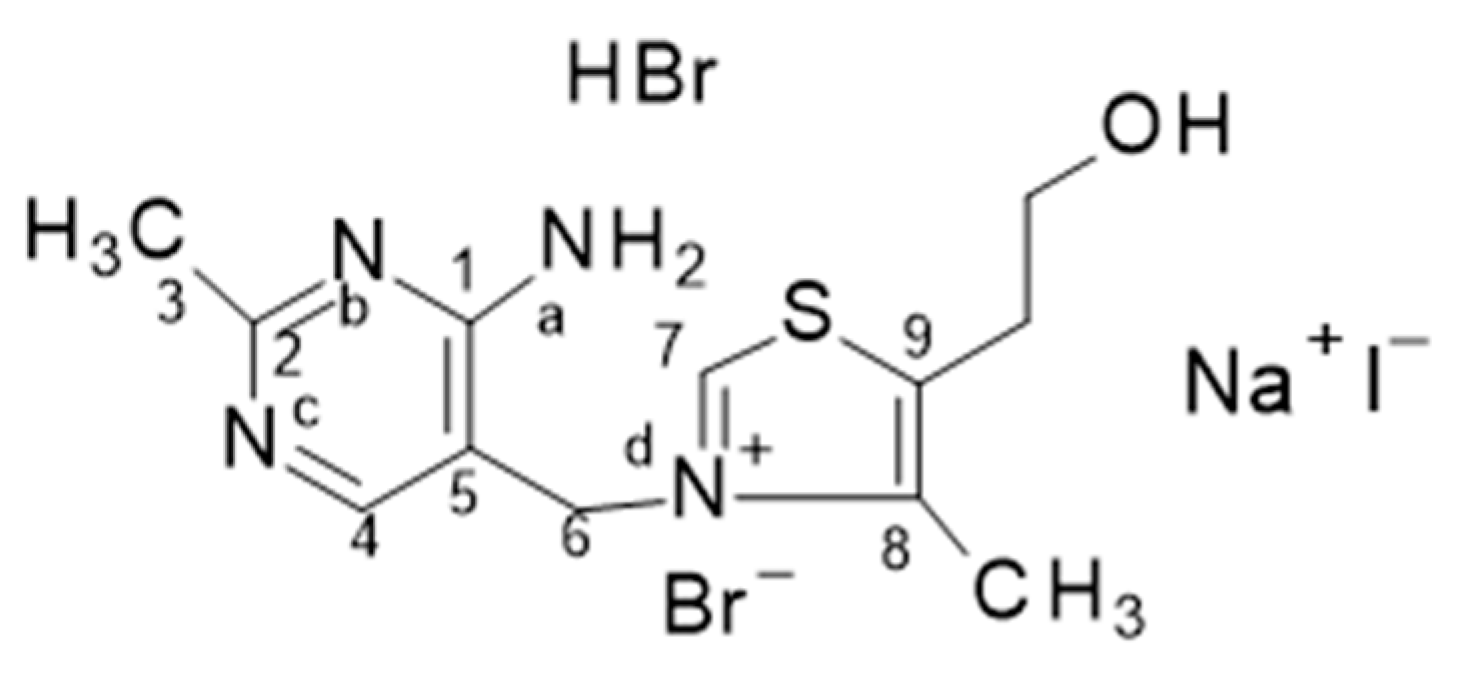
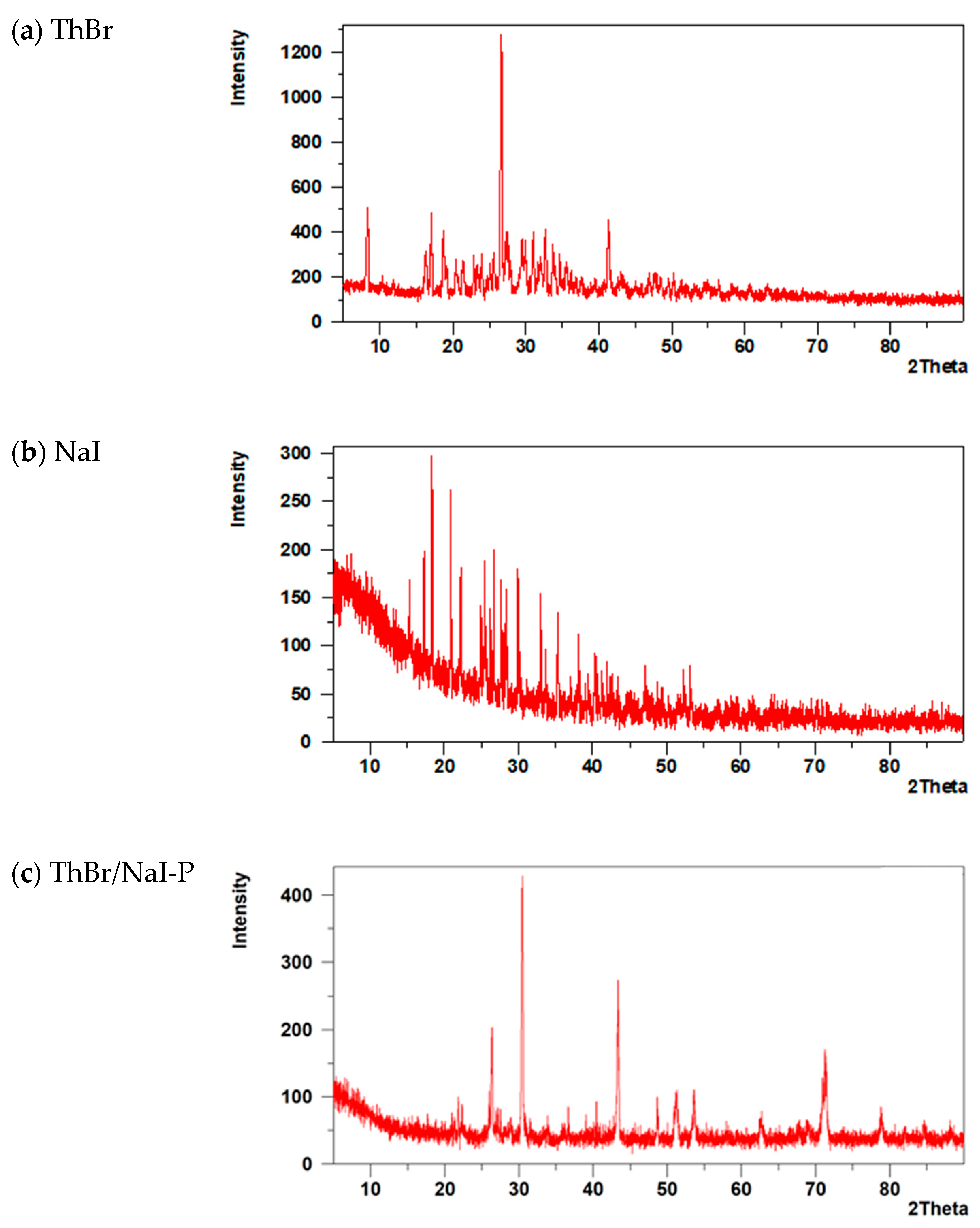
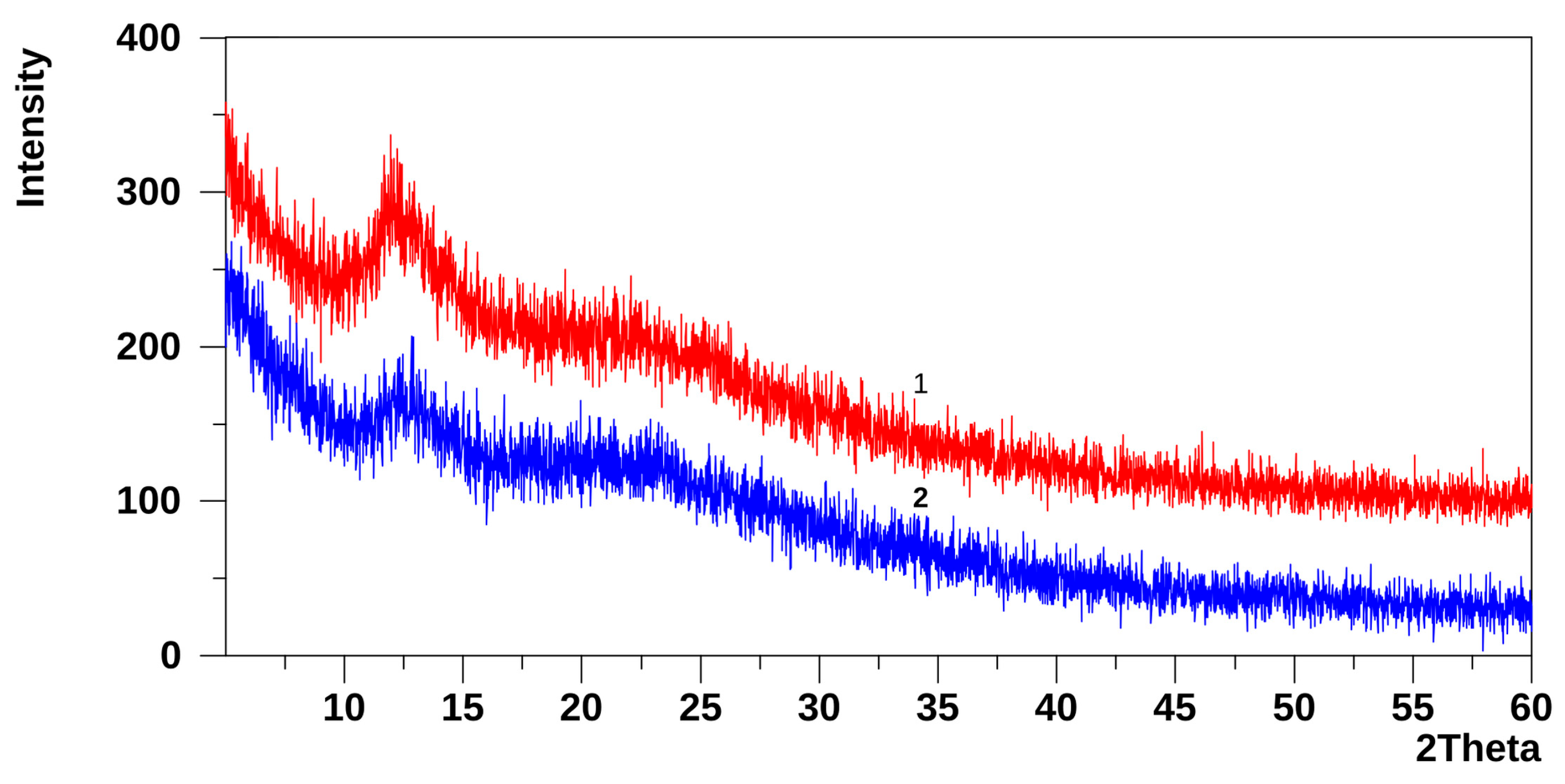
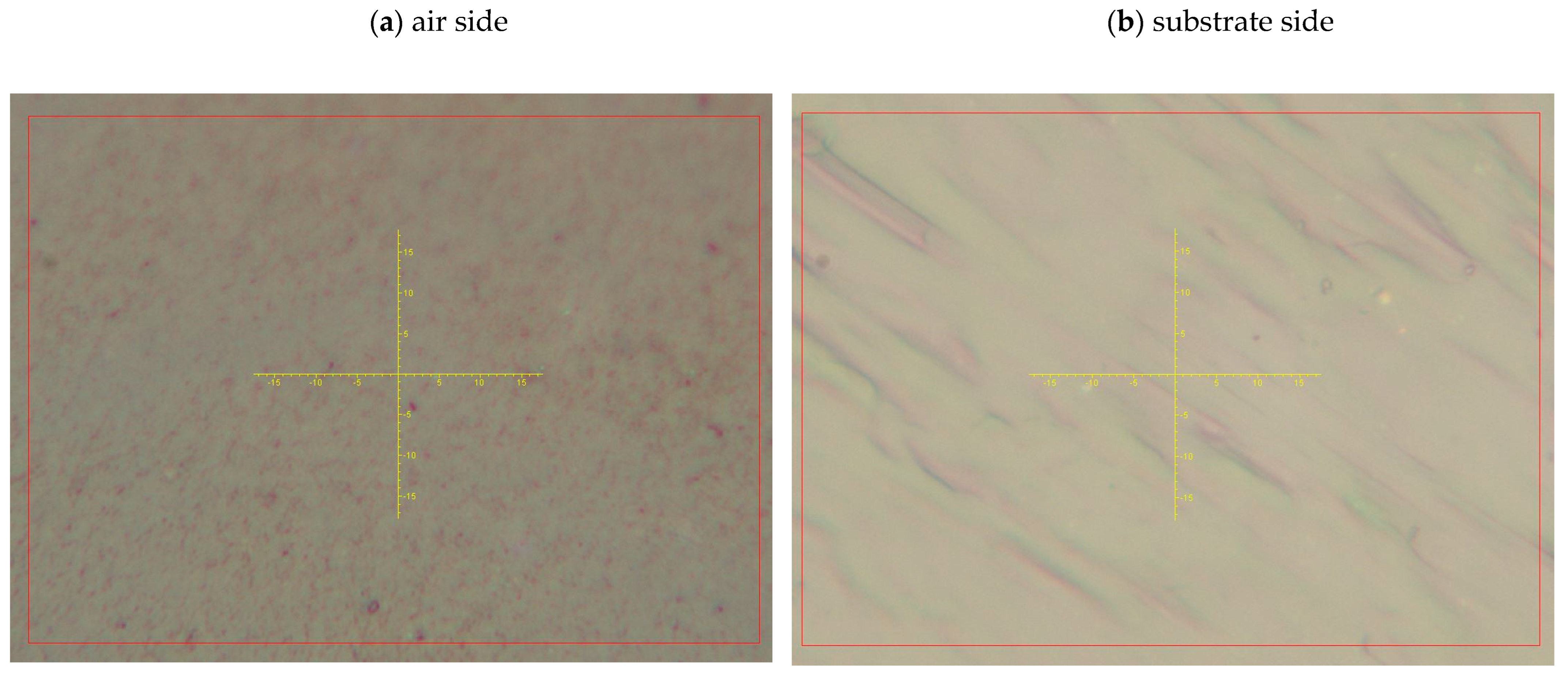
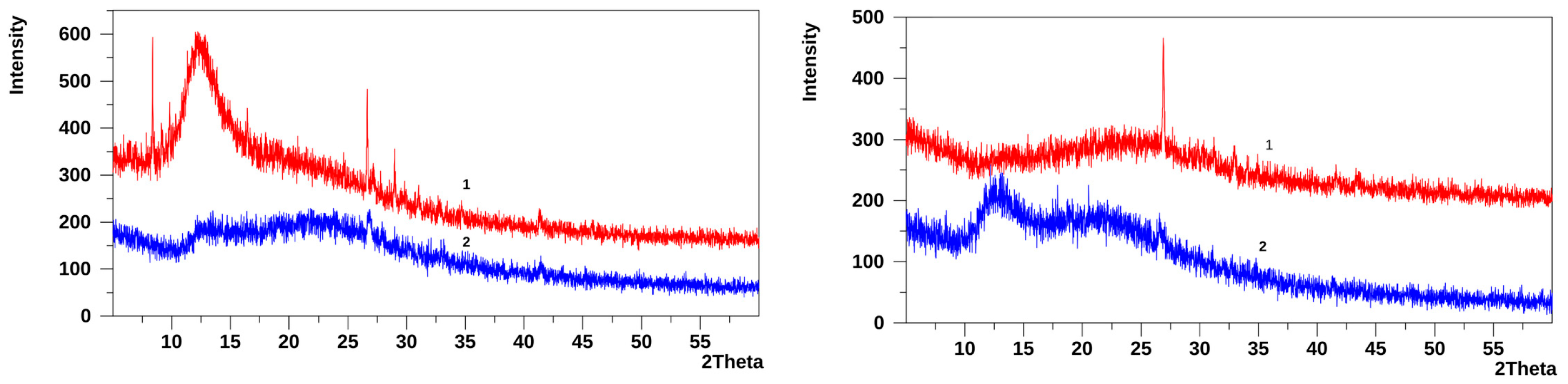
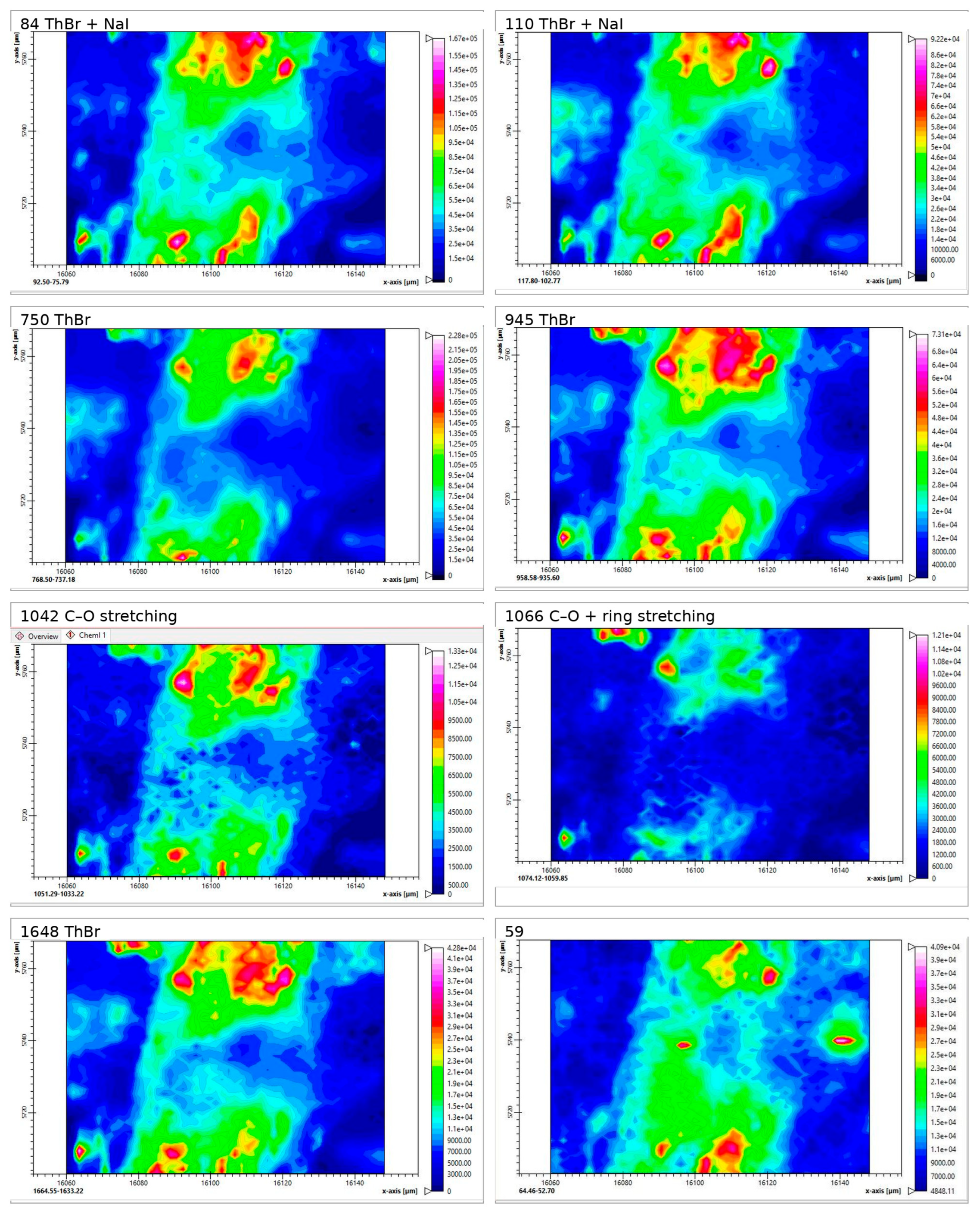
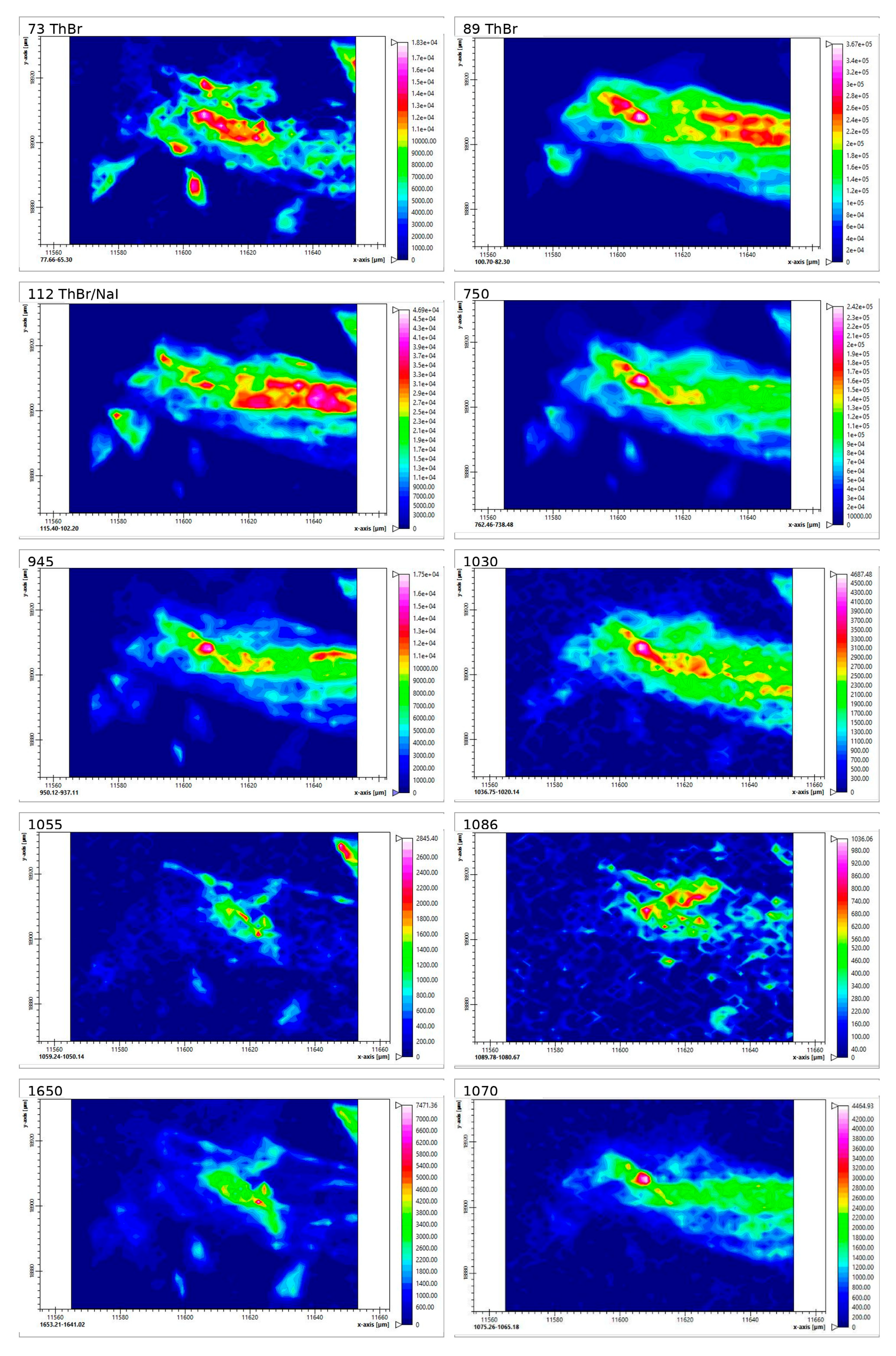
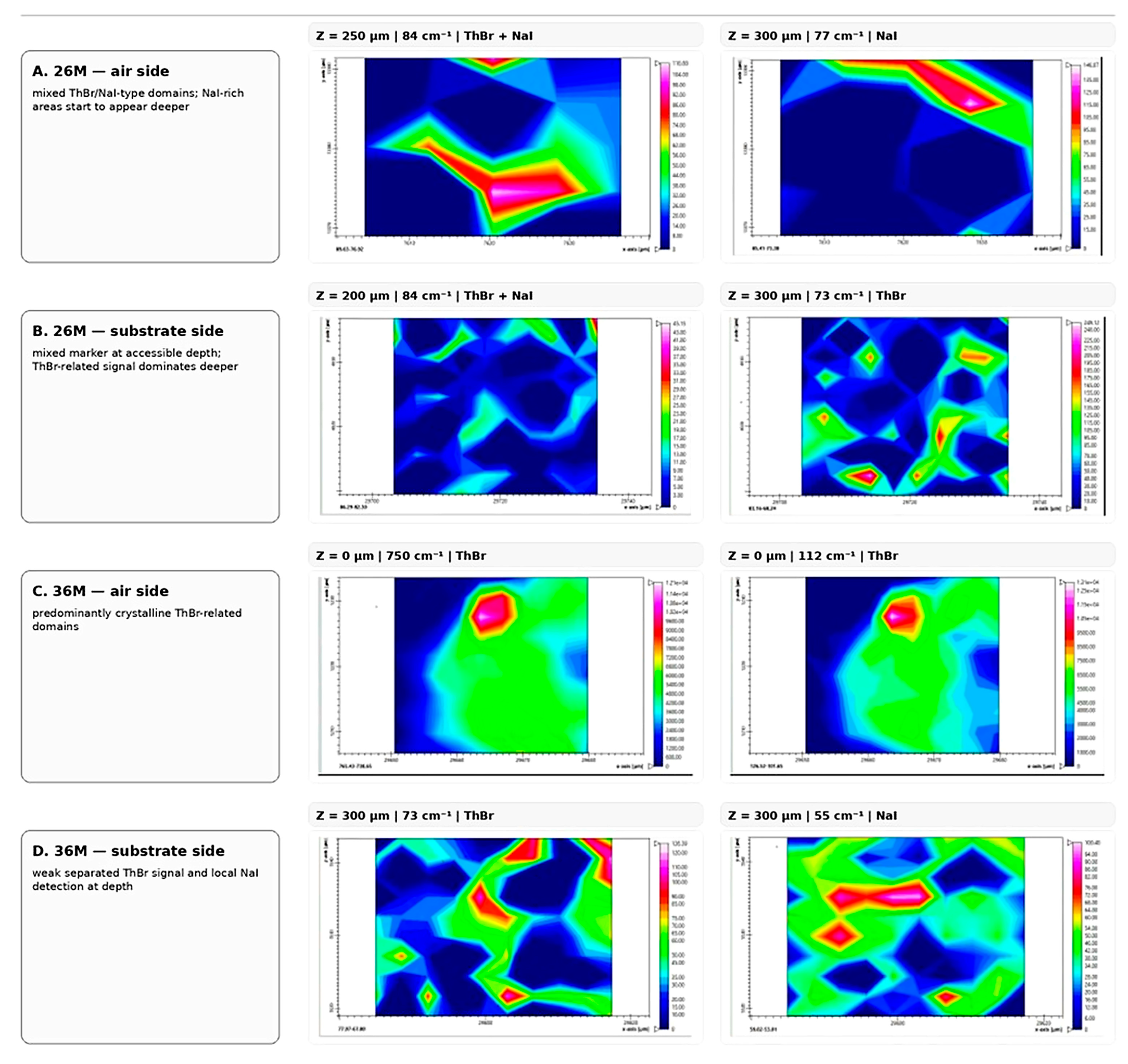
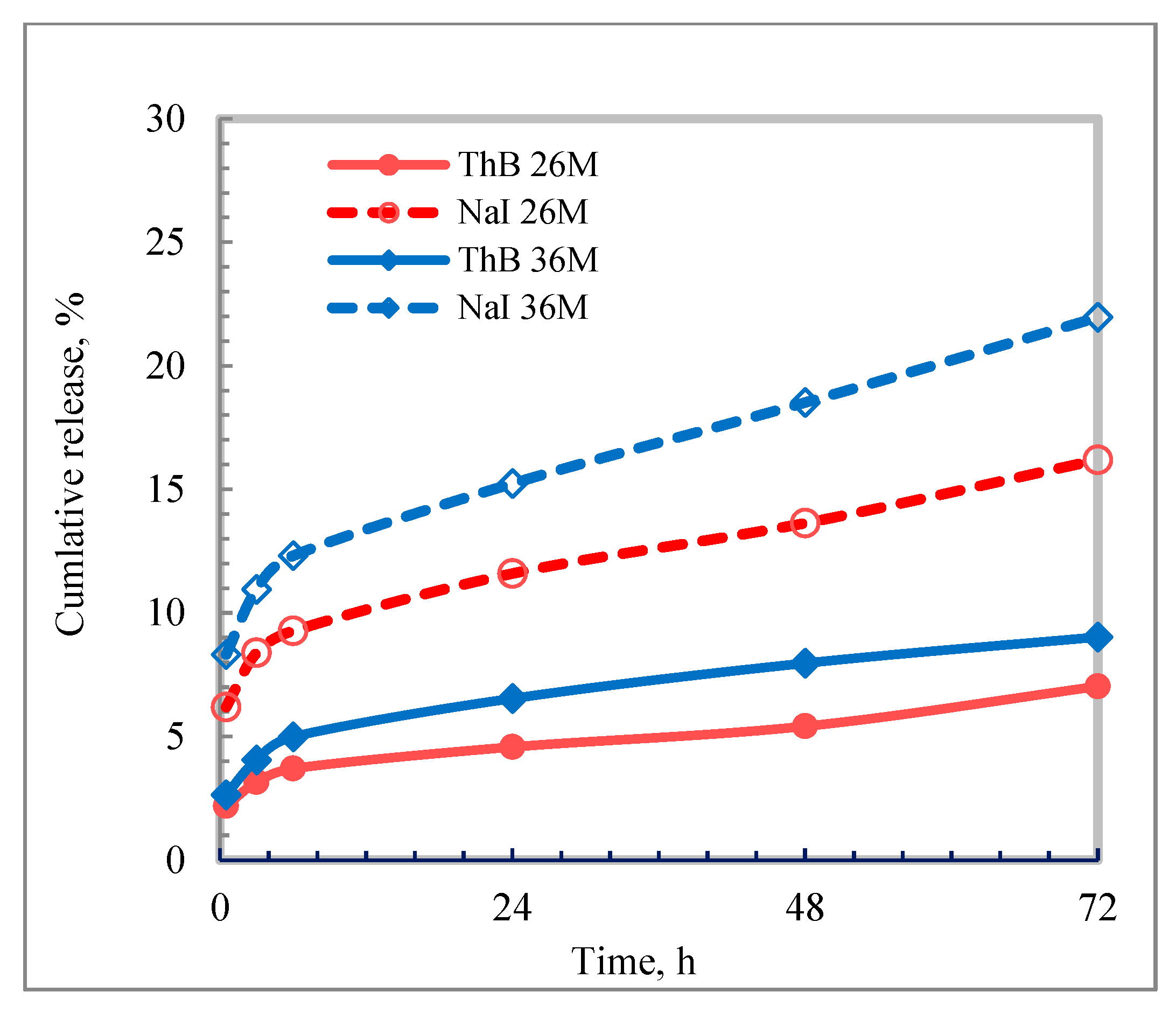
This article represents the initial preformulation stage of a broader project aimed at evaluating polysiloxane films as carrier matrices for the TIODIN components thiamine bromide (ThBr) and sodium iodide (NaI). The specific gap addressed in this first part is the lack of information on how these two highly water-soluble crystalline salts are incorporated into hydrophobic crosslinked PDMS-based matrices, how they are distributed within such films, what solid-state forms and interactions may arise, and how these features relate to their release behaviour. Crosslinked films were prepared from α,ω-dihydroxypolydimethylsiloxane (PDMS–OH) of different viscosities, tetraethoxysilane (TEOS), and Sn(Oct)2 as a catalyst. Raman spectroscopy, confocal Raman depth profiling, and X-ray diffraction showed that the films contain both individual ThBr and NaI crystallites and mixed crystalline domains consistent with partial ThBr/NaI association and/or iodide-exchanged phases. The fraction of such mixed domains was higher in films prepared from lower-viscosity PDMS–OH than in films based on higher-viscosity PDMS–OH, and depth profiling extended this trend into the accessible near-surface layers from both film sides. Release into physiological saline, used here as a simple comparative aqueous release medium, remained low, reaching approximately 9% for ThBr and 20% for NaI after 72 h, while film swelling was minimal, approximately 1–1.5%. These findings are consistent with restricted water penetration and diffusion-limited release from hydrophobic, weakly swelling matrices. Because this first part of the study is restricted to matrix characterisation, depth profiling, and release into saline, the present results should be regarded as preformulation data. They do not demonstrate skin permeation, therapeutic transdermal performance, or suitability as a complete patch dosage form but establish baseline structural and release characteristics for a planned Part 2 focused on more application-oriented film optimisation, including properties required for future transdermal patch development.
Keywords: thiamine bromide; sodium iodide; PDMS films; Raman mapping; confocal Raman depth profiling; XRD; in vitro release; silicone matrix thiamine bromide; sodium iodide; PDMS films; Raman mapping; confocal Raman depth profiling; XRD; in vitro release; silicone matrix