Article

A 4D-Printable Photocurable Resin Derived from Waste Cooking Oil with Enhanced Tensile Strength

College of Materials Science and Engineering, Guilin University of Technology, Guilin 541004, China
*
Author to whom correspondence should be addressed.
These authors contributed equally to this work.
Molecules 2024, 29(9), 2162; https://doi.org/10.3390/molecules29092162

Submission received: 27 March 2024 / Revised: 28 April 2024 / Accepted: 1 May 2024 / Published: 6 May 2024
(This article belongs to the Special Issue Advances of Oleochemistry and Its Application)

Abstract

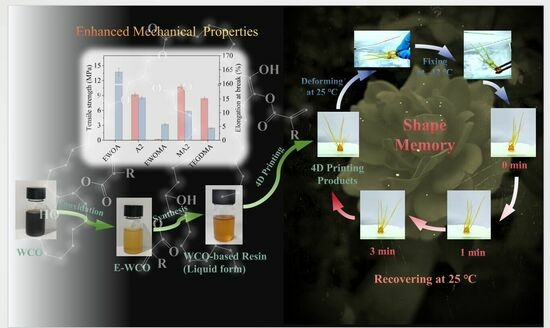
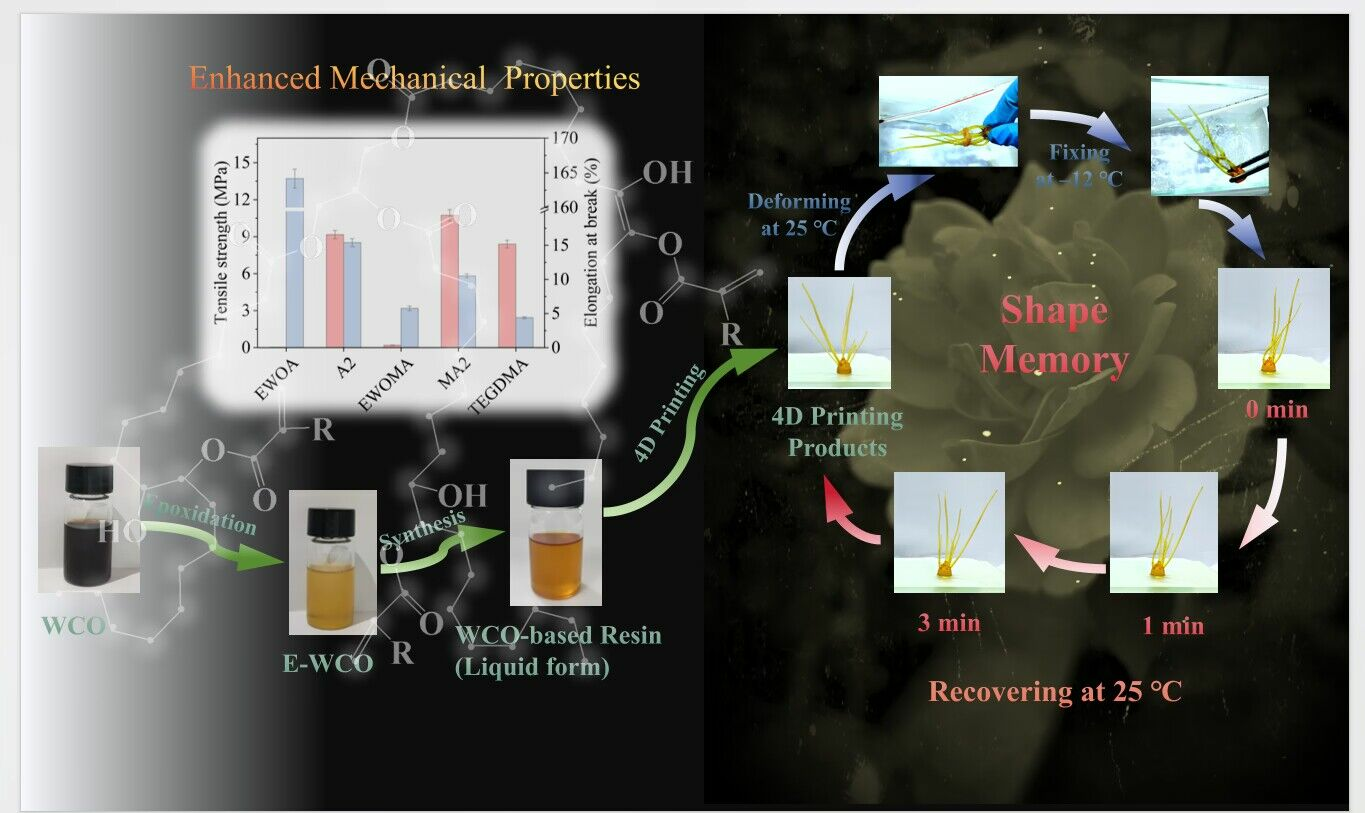
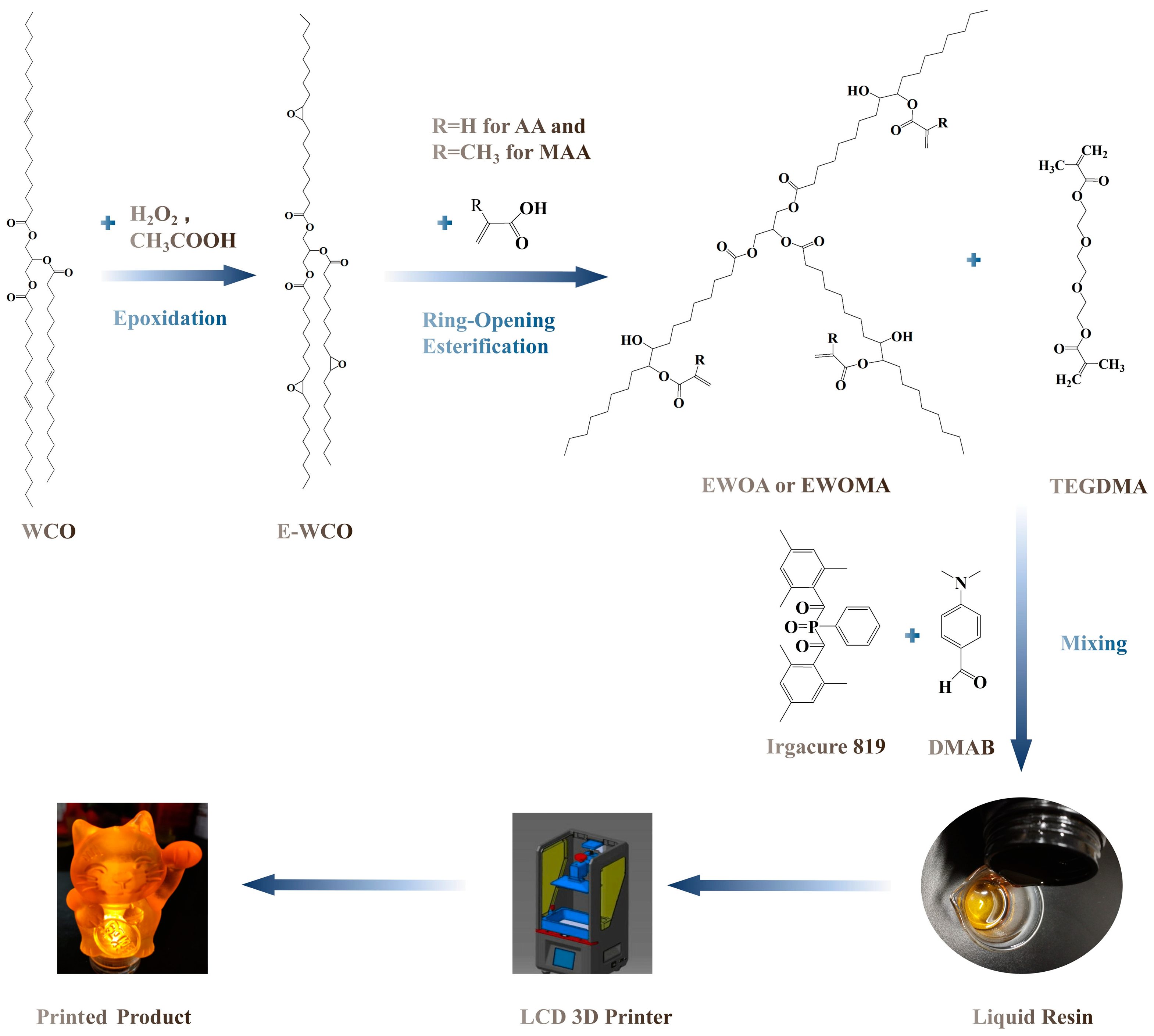
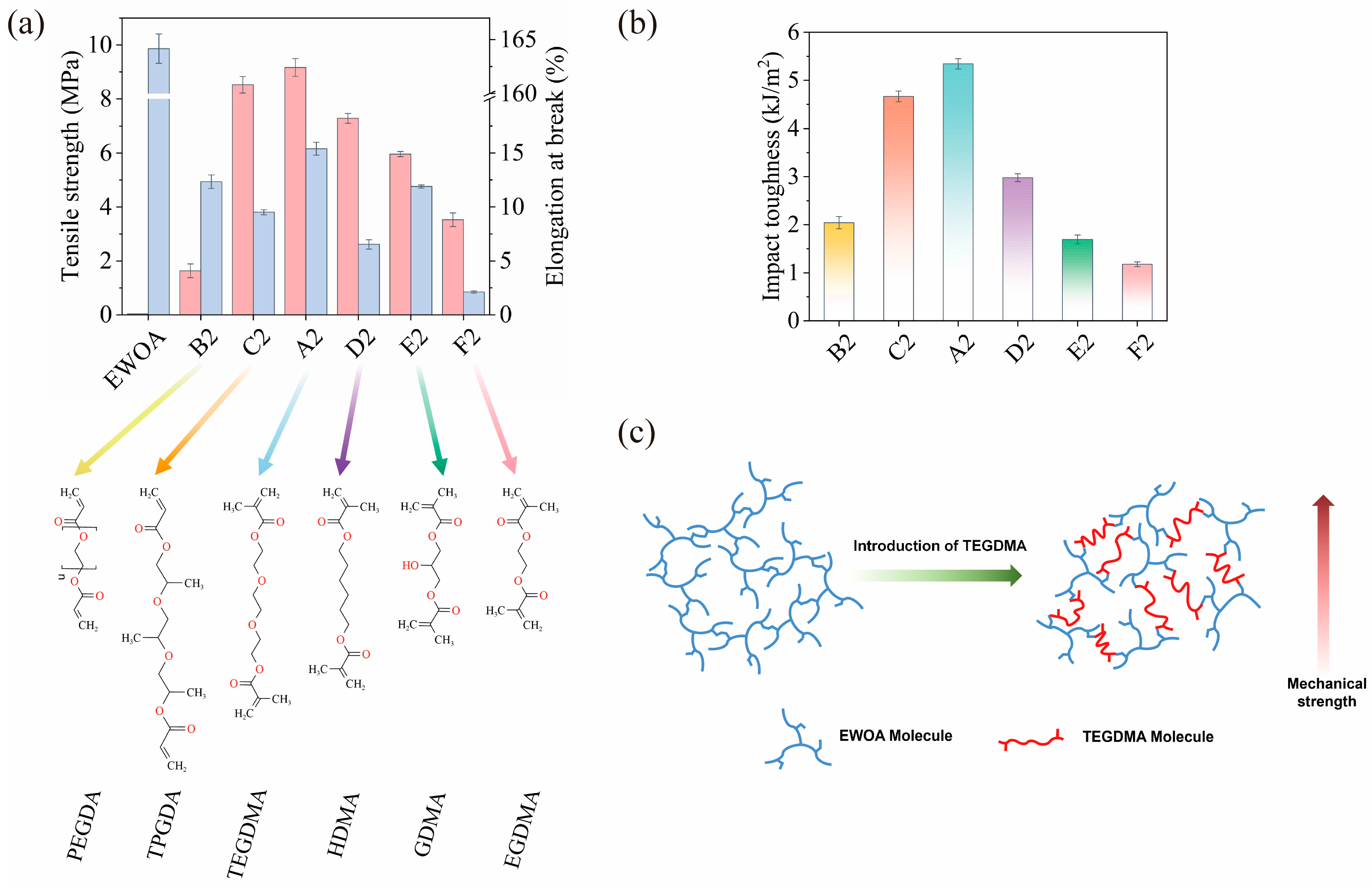
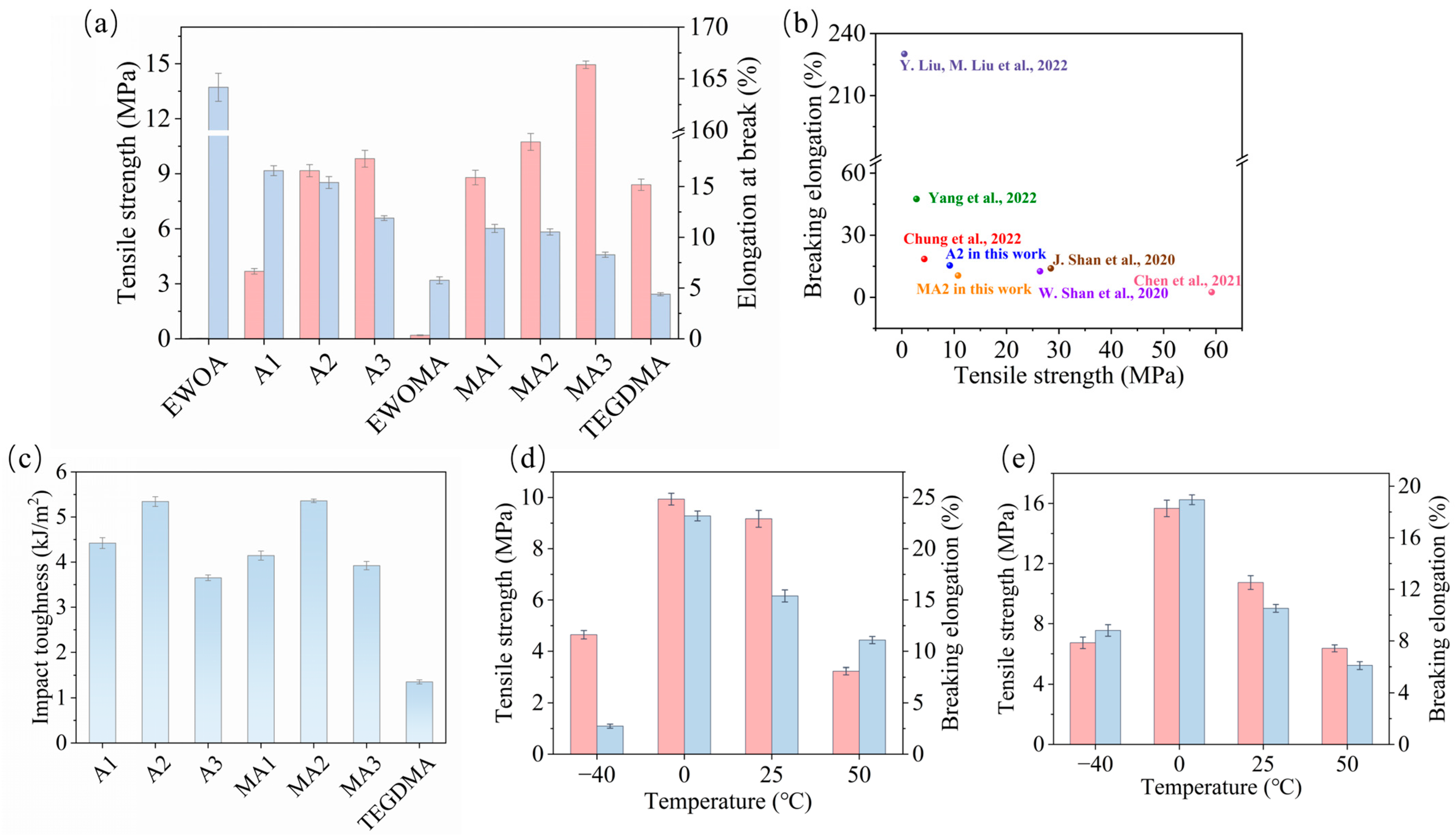
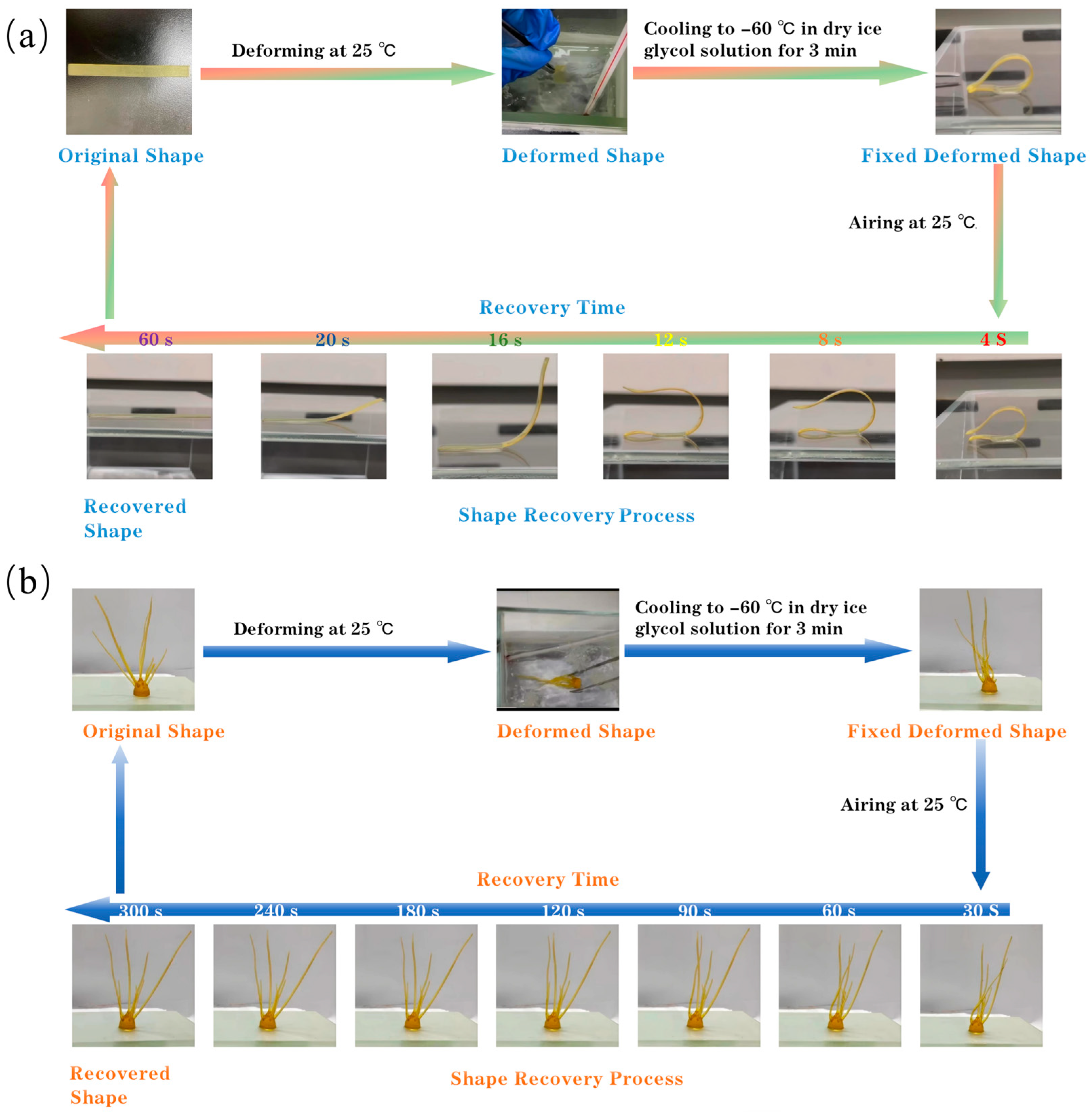
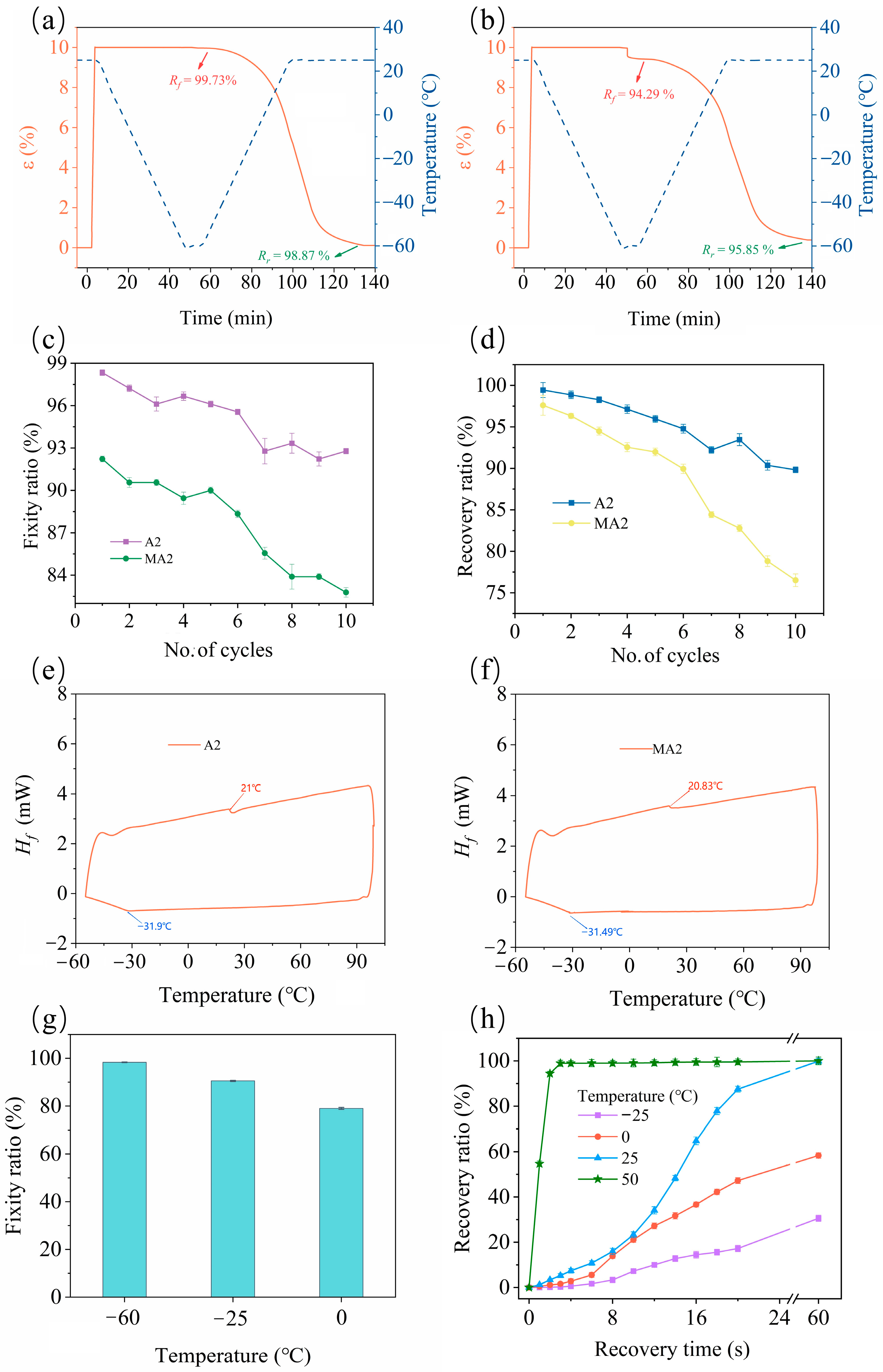
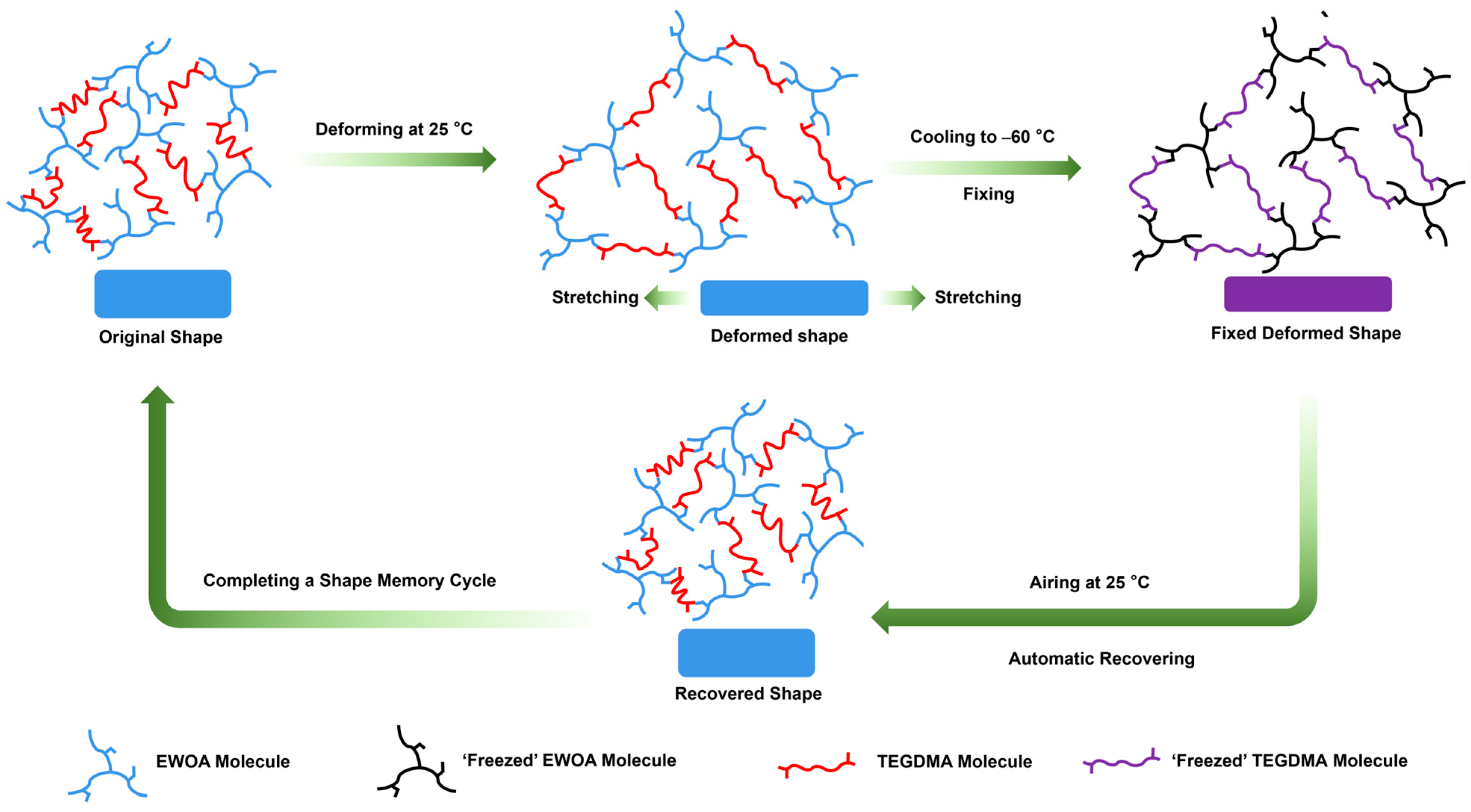
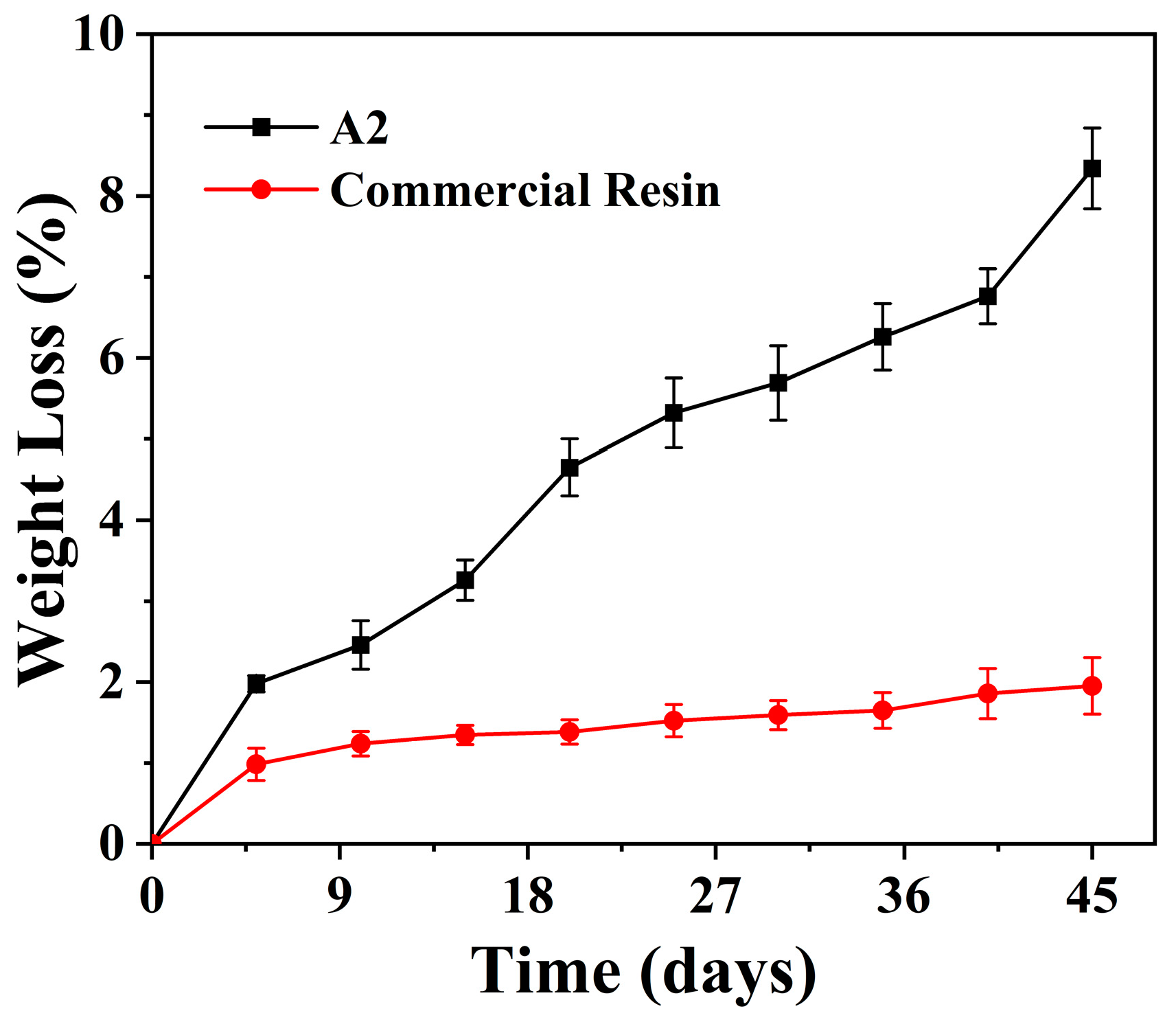
In pursuit of enhancing the mechanical properties, especially the tensile strength, of 4D-printable consumables derived from waste cooking oil (WCO), we initiated the production of acrylate-modified WCO, which encompasses epoxy waste oil methacrylate (EWOMA) and epoxy waste oil acrylate (EWOA). Subsequently, a series of WCO-based 4D-printable photocurable resins were obtained by introducing a suitable diacrylate molecule as the second monomer, coupled with a composite photoinitiator system comprising Irgacure 819 and p-dimethylaminobenzaldehyde (DMAB). These materials were amenable to molding using an LCD light-curing 3D printer. Our findings underscored the pivotal role of triethylene glycol dimethacrylate (TEGDMA) among the array of diacrylate molecules in enhancing the mechanical properties of WCO-based 4D-printable resins. Notably, the 4D-printable material, composed of EWOA and TEGDMA in an equal mass ratio, exhibited nice mechanical strength comparable to that of mainstream petroleum-based 4D-printable materials, boasting a tensile strength of 9.17 MPa and an elongation at break of 15.39%. These figures significantly outperformed the mechanical characteristics of pure EWOA or TEGDMA resins. Furthermore, the EWOA-TEGDMA resin demonstrated impressive thermally induced shape memory performance, enabling deformation and recovery at room temperature and retaining its shape at −60 °C. This resin also demonstrated favorable biodegradability, with an 8.34% weight loss after 45 days of soil degradation. As a result, this 4D-printable photocurable resin derived from WCO holds immense potential for the creation of a wide spectrum of high-performance intelligent devices, brackets, mold, folding structures, and personalized products.
Keywords: 4D printing; photocurable resin; waste cooking oil; tensile strength; shape memory performance 4D printing; photocurable resin; waste cooking oil; tensile strength; shape memory performance
Graphical Abstract