Article

Apremilast Cocrystals with Phenolic Coformers

1
Department of Solid State Chemistry, University of Chemistry and Technology, Prague, Technicka 5, 16628 Prague, Czech Republic
2
Chemical Engineering Department, National Research Tomsk Polytechnic University, Lenin Avenue 30, 634050 Tomsk, Russia
*
Author to whom correspondence should be addressed.
Molecules 2024, 29(24), 6060; https://doi.org/10.3390/molecules29246060

Submission received: 31 October 2024 / Revised: 14 December 2024 / Accepted: 17 December 2024 / Published: 23 December 2024

Abstract

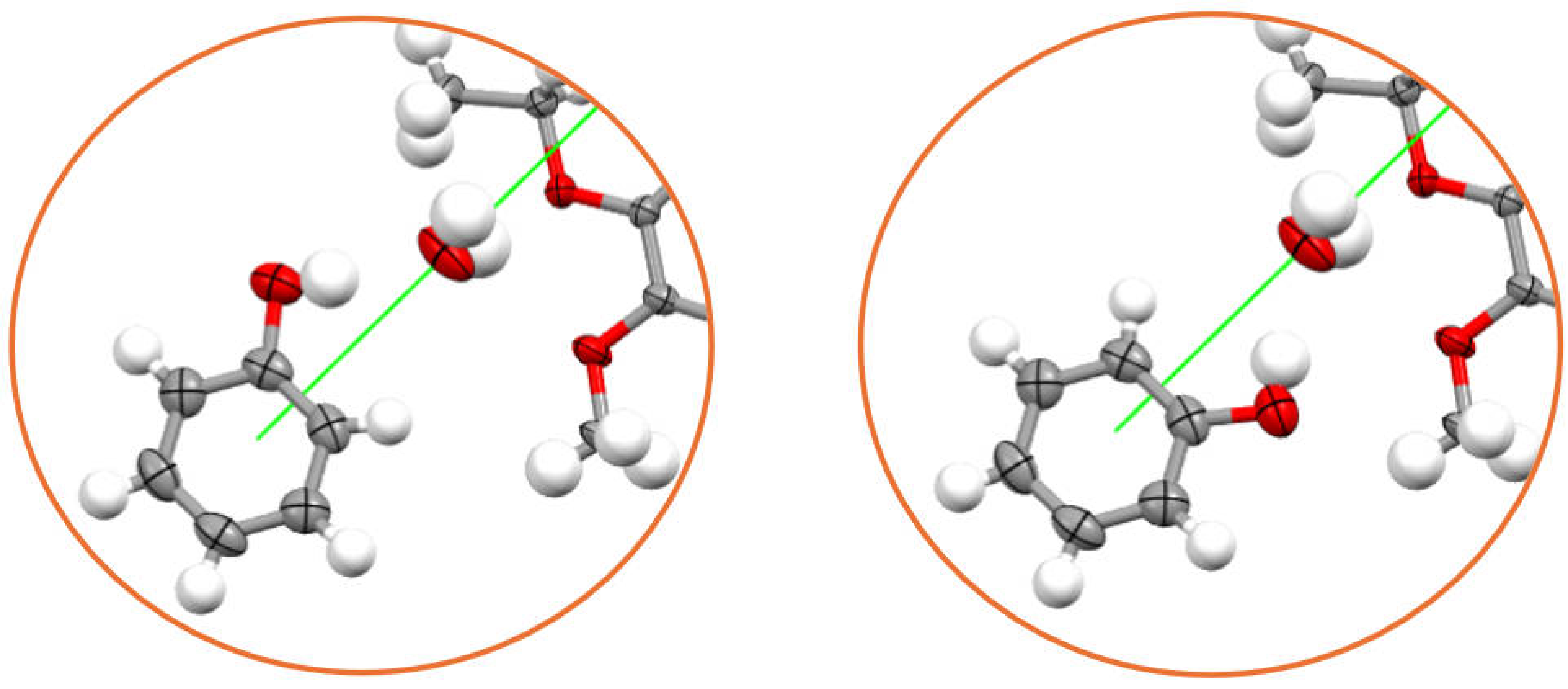
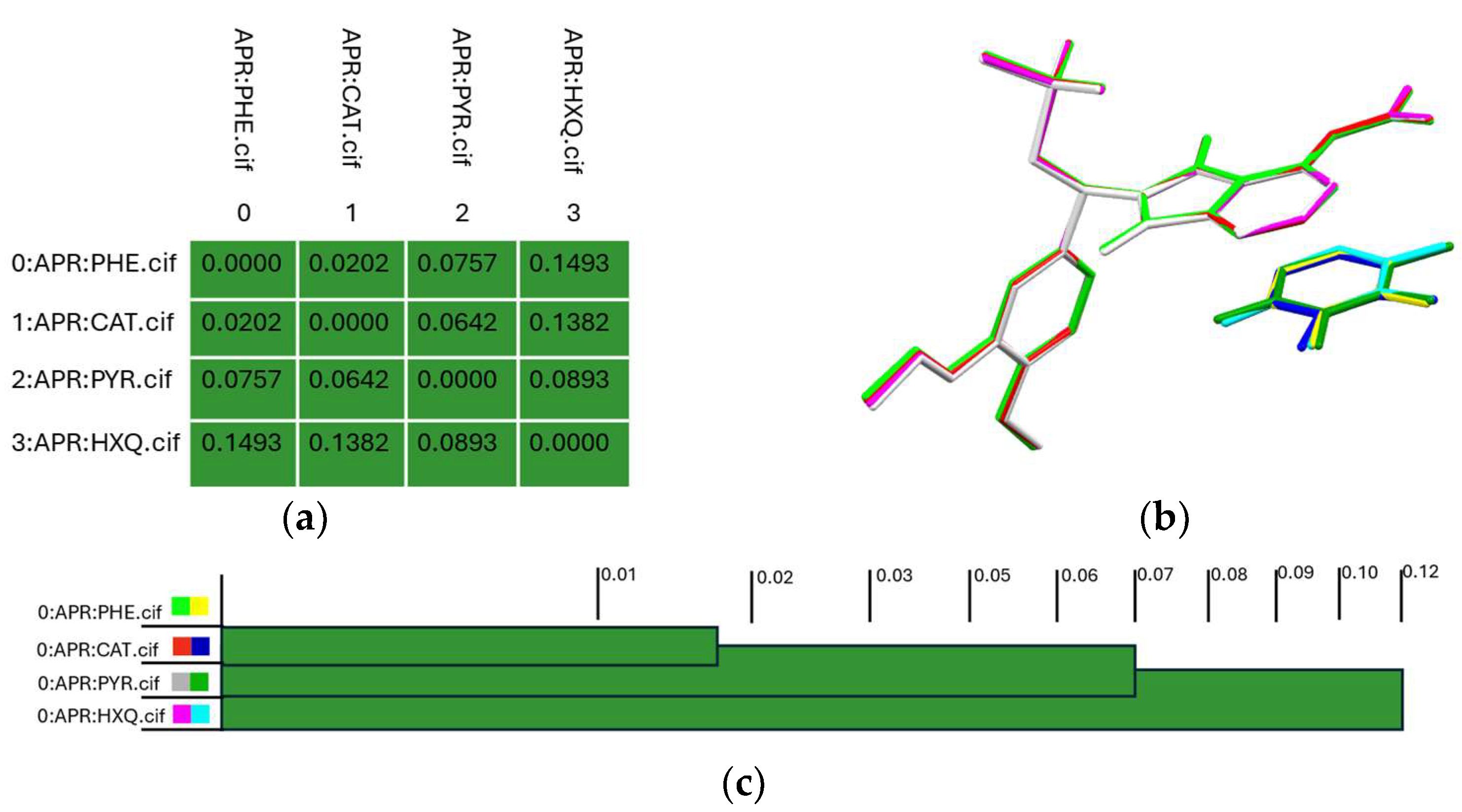
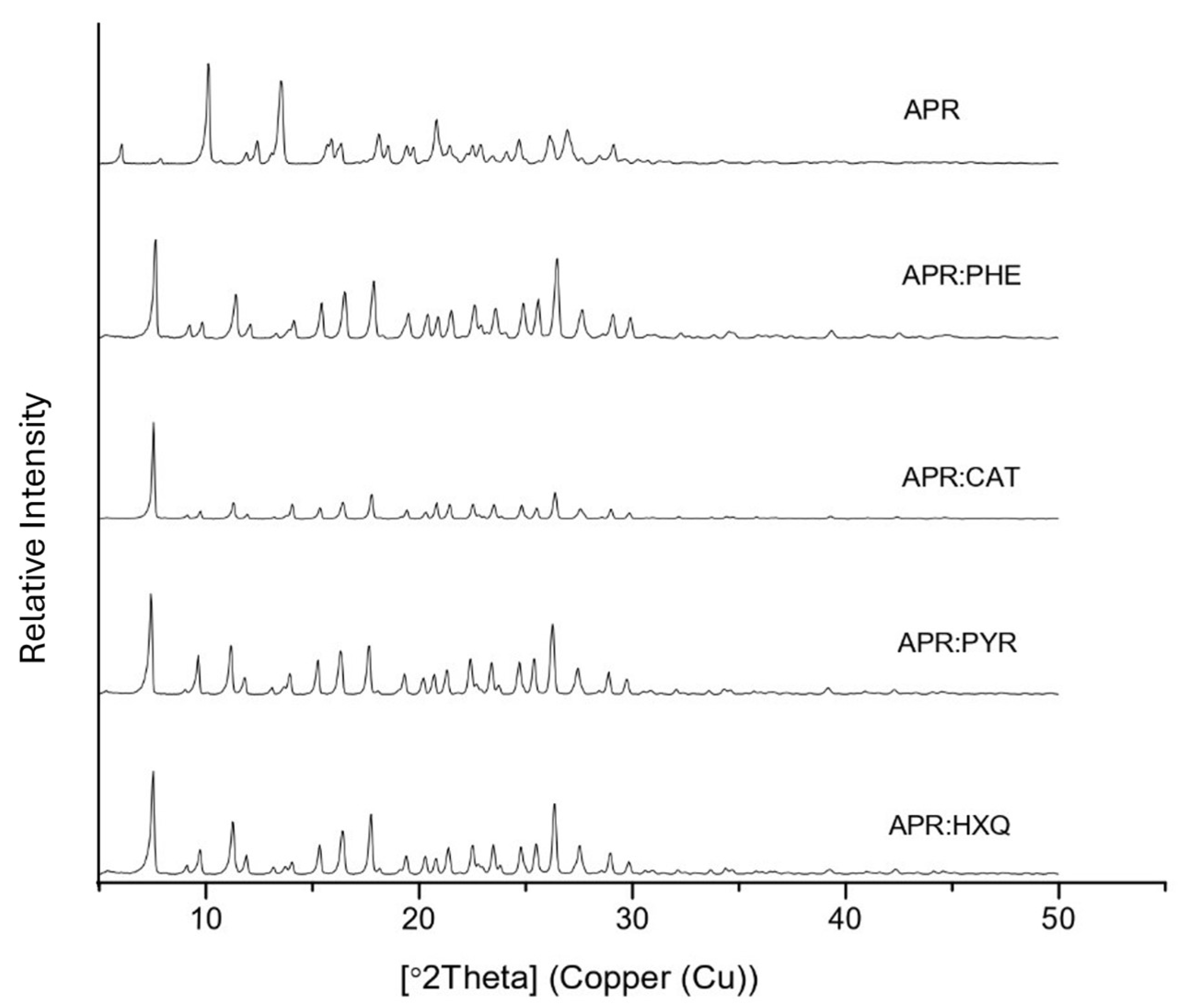
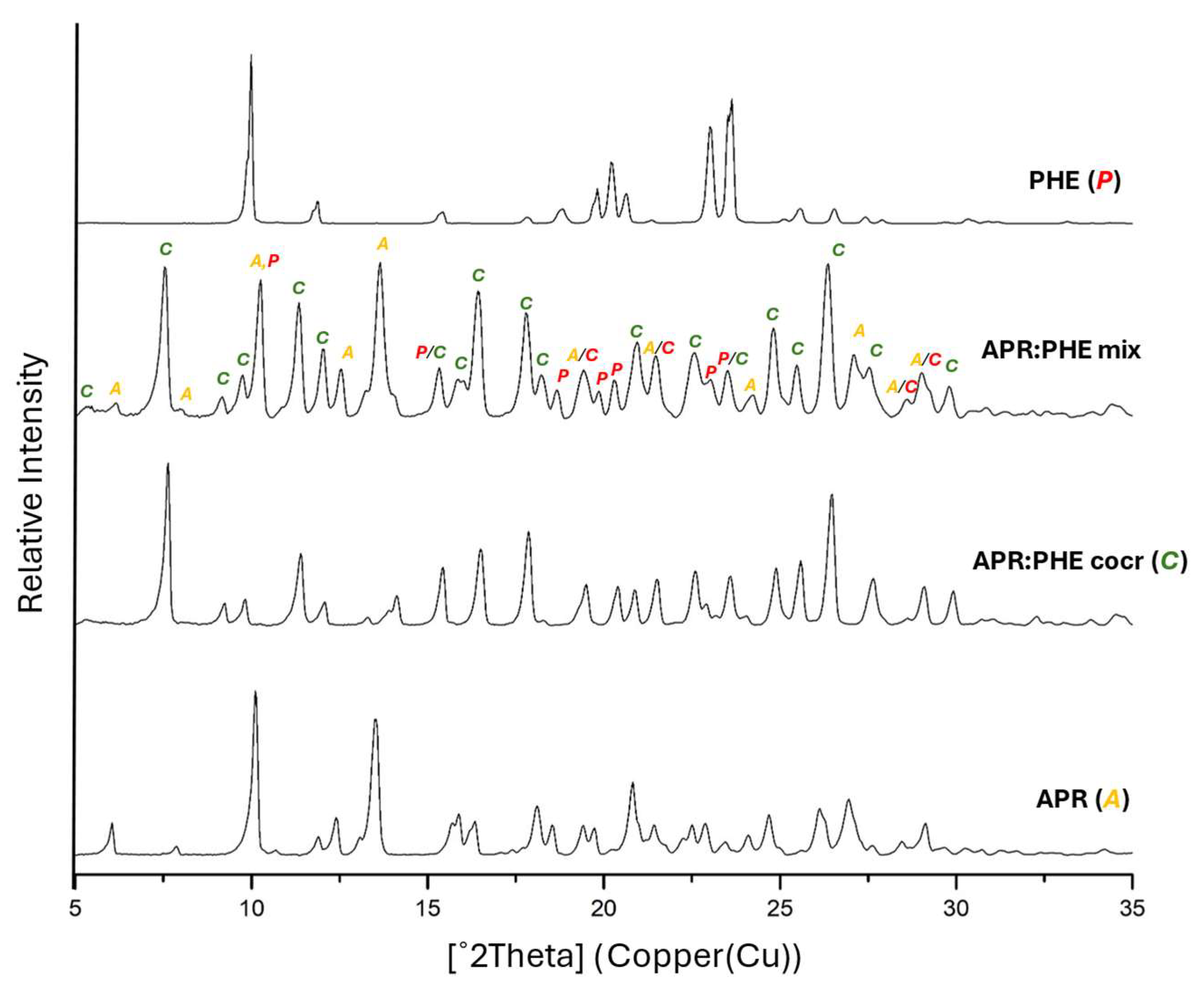
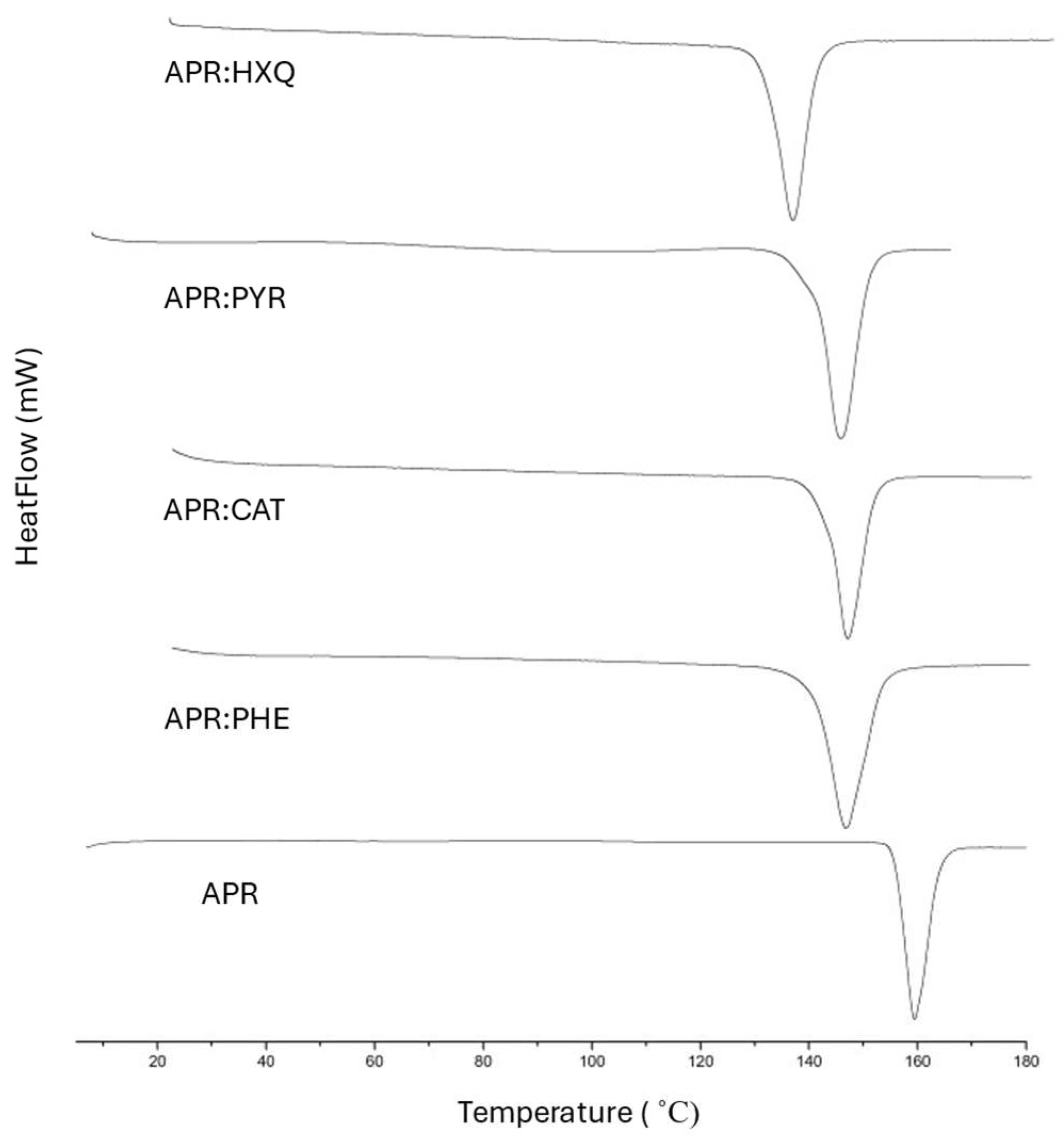
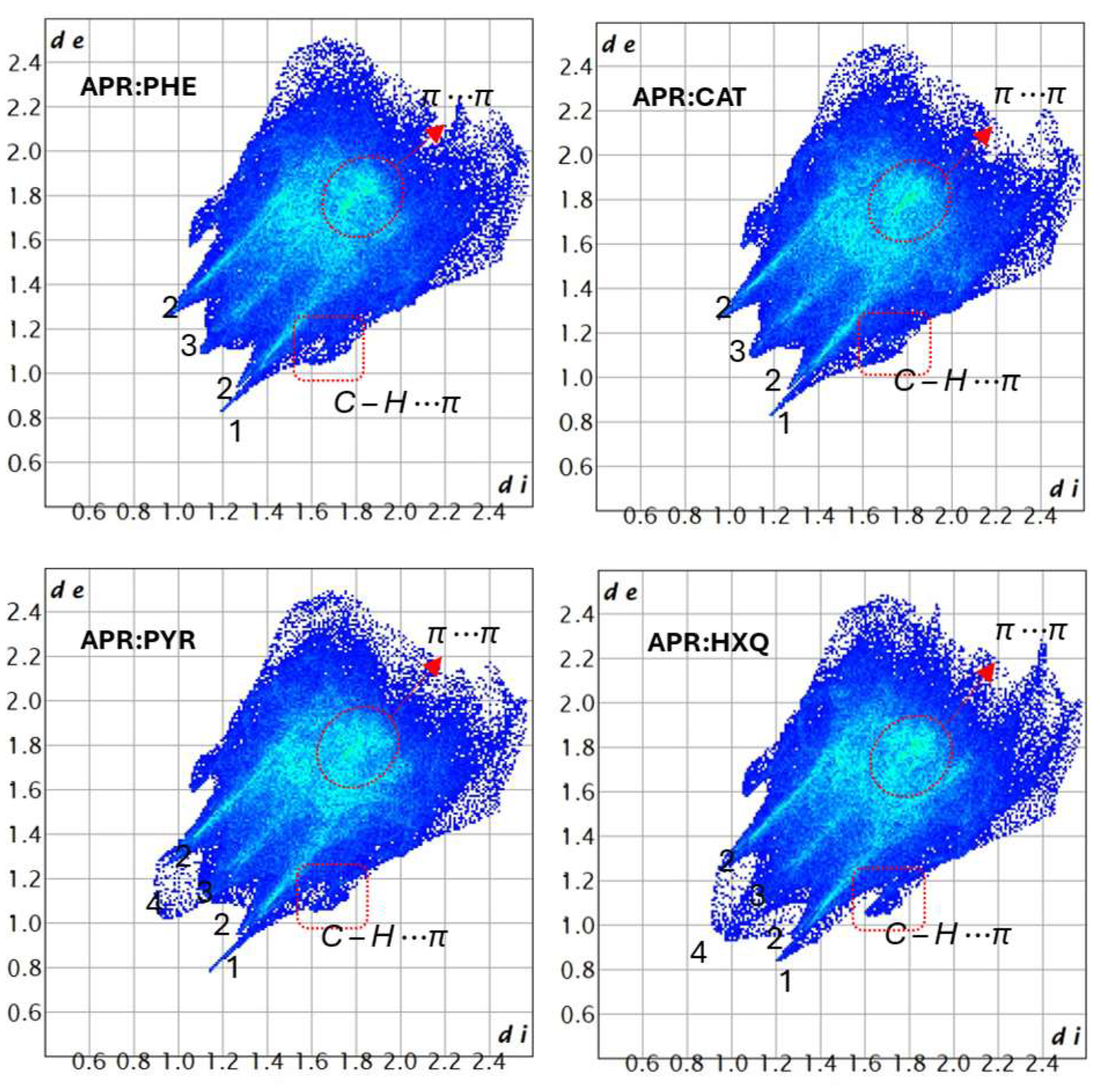
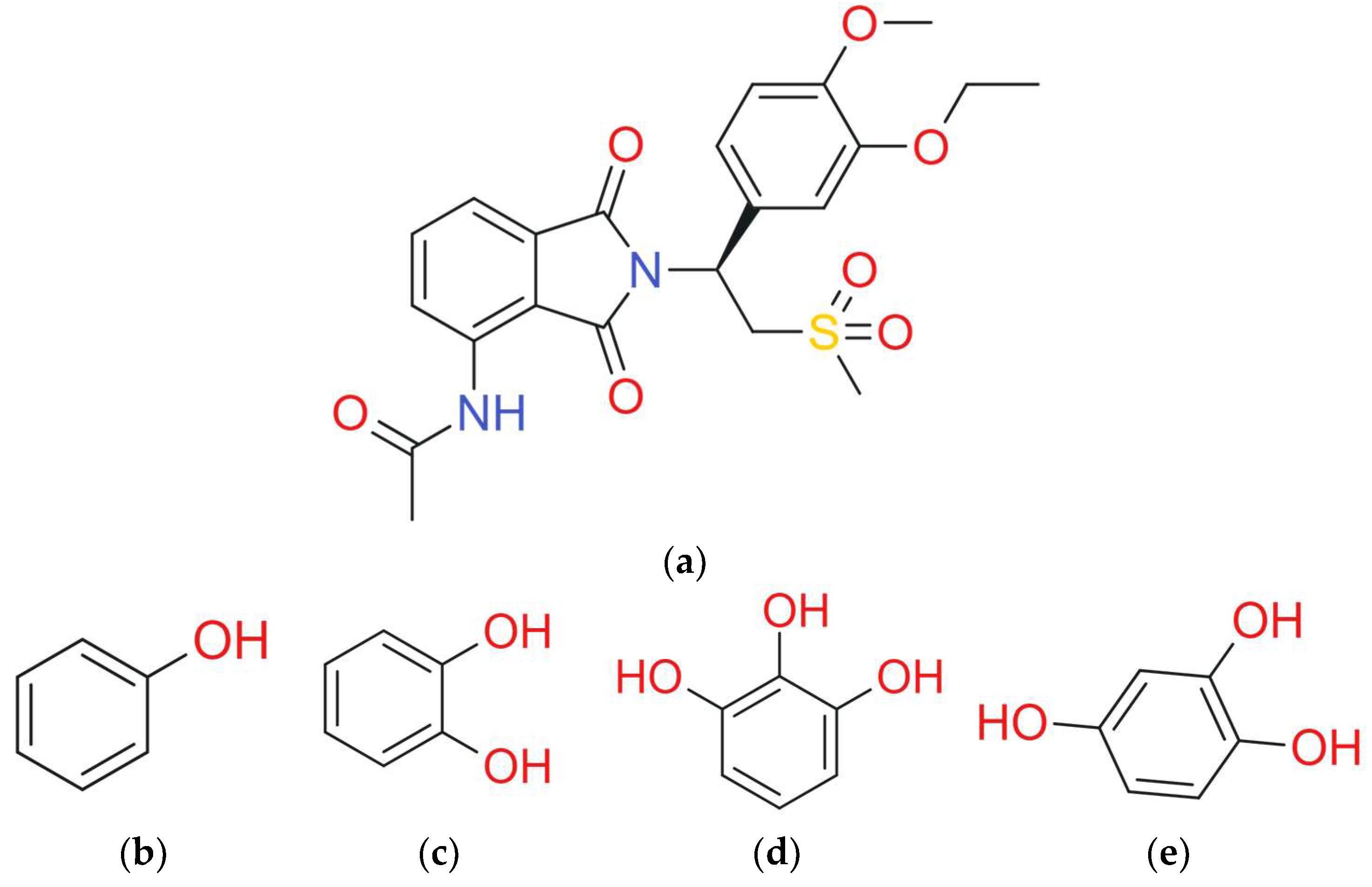
Apremilast (APR) is an anti-inflammatory drug commonly used in the treatment of psoriasis. In efforts to enhance its solubility, several cocrystals with similar structural features have been developed. This study investigates the cocrystallization of APR with four phenolic-type coformers: phenol, catechol, pyrogallol, and hydroxyquinol. These coformers differ in the number and position of their hydroxyl groups, with their melting points varying by as much as 100 °C. Four novel cocrystal forms were synthesized, purified, and characterized using X-Ray diffraction and thermal analysis techniques. Surprisingly, the resulting cocrystals exhibited minimal differences in their melting points. The molecular packing of APR appears to limit the network-forming potential of the hydroxyl groups, a conclusion supported by the solved crystal structures, Hirshfeld surface analysis, and differential scanning calorimetry (DSC) results.
Keywords: cocrystals; Apremilast; phenolic compounds; π–π interactions; hydrogen bonds cocrystals; Apremilast; phenolic compounds; π–π interactions; hydrogen bonds