Article

Preparation of BN Nanoparticle with High Sintering Activity and Its Formation Mechanism


1
College of Metallurgy and Energy, North China University of Science and Technology, Tangshan 063210, China
2
Tangshan Key Laboratory of Special Metallurgy and Material Manufacture, Tangshan 063210, China
*
Author to whom correspondence should be addressed.
Molecules 2024, 29(15), 3458; https://doi.org/10.3390/molecules29153458

Submission received: 20 June 2024 / Revised: 16 July 2024 / Accepted: 20 July 2024 / Published: 24 July 2024

Abstract

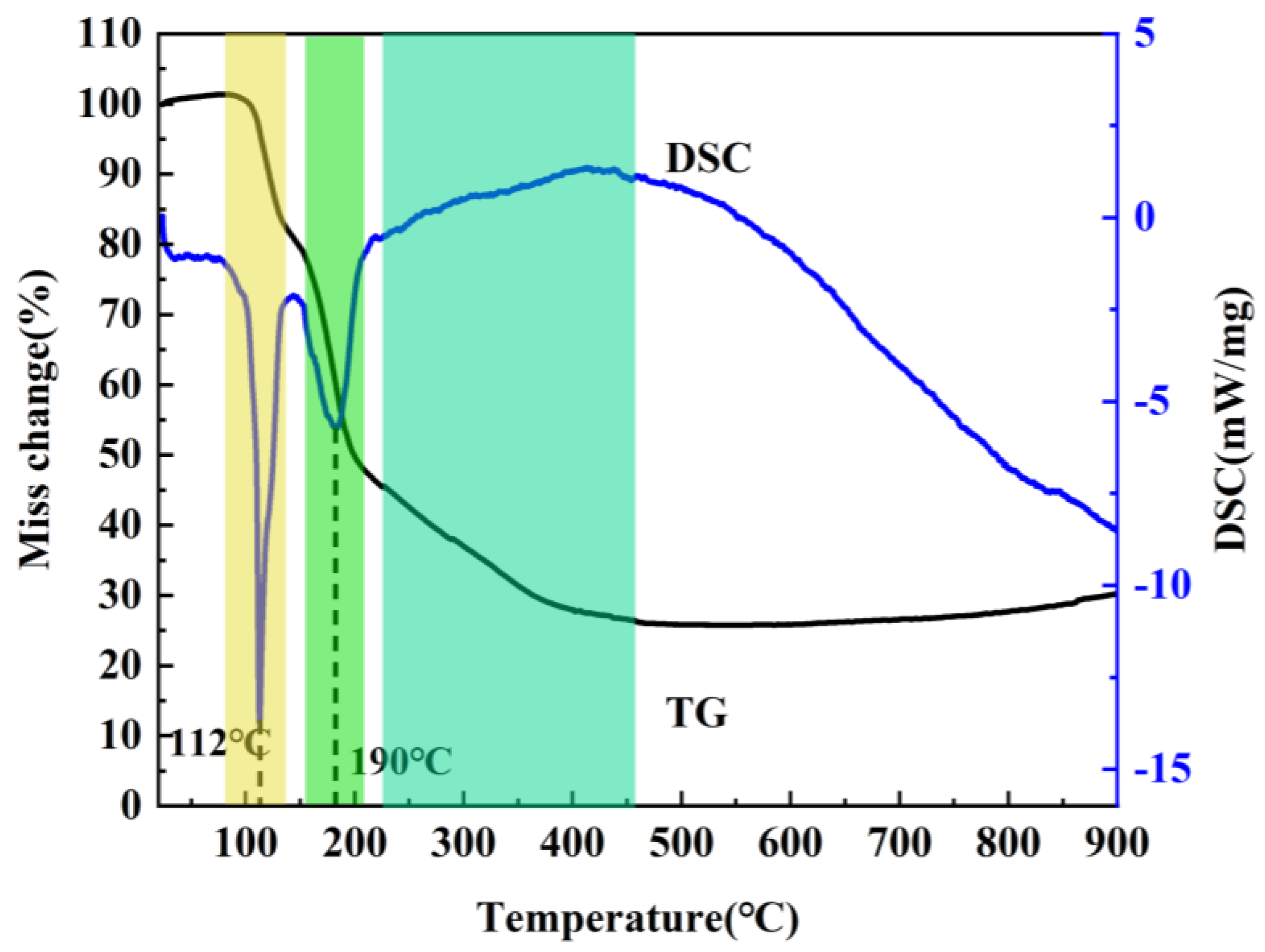
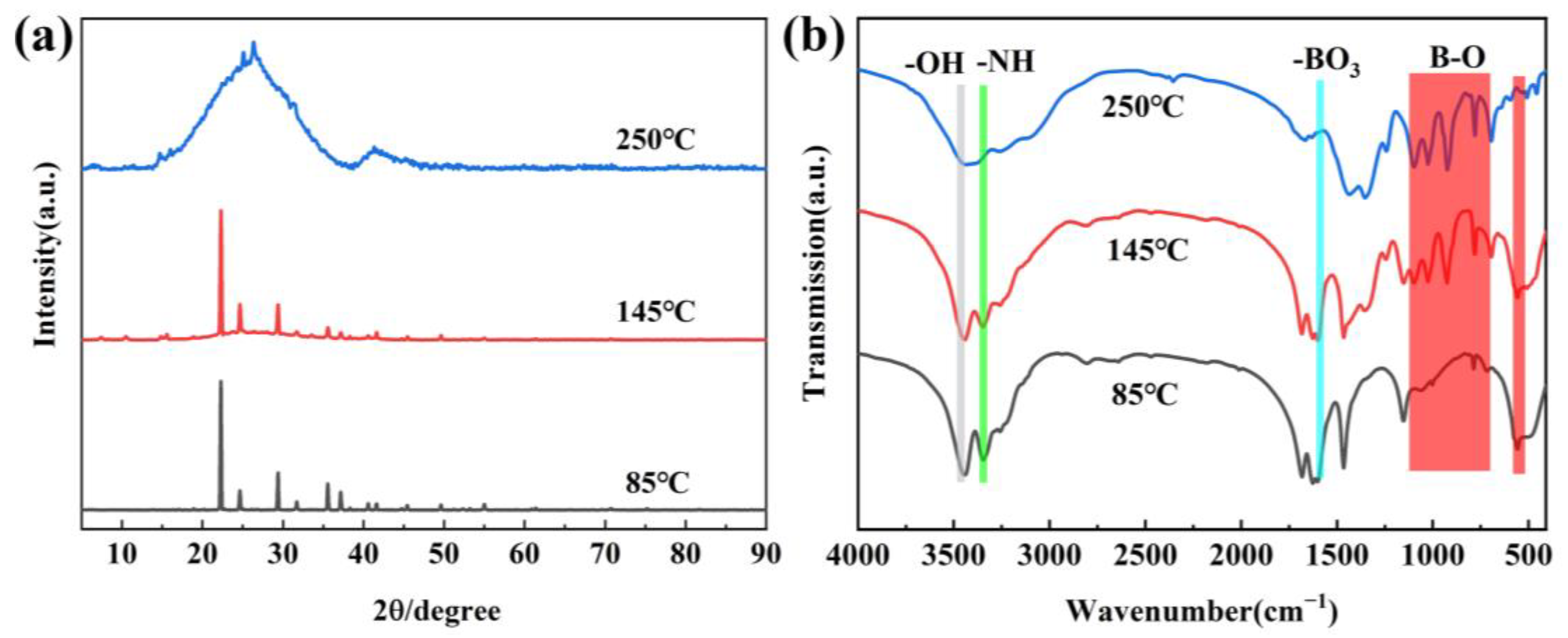
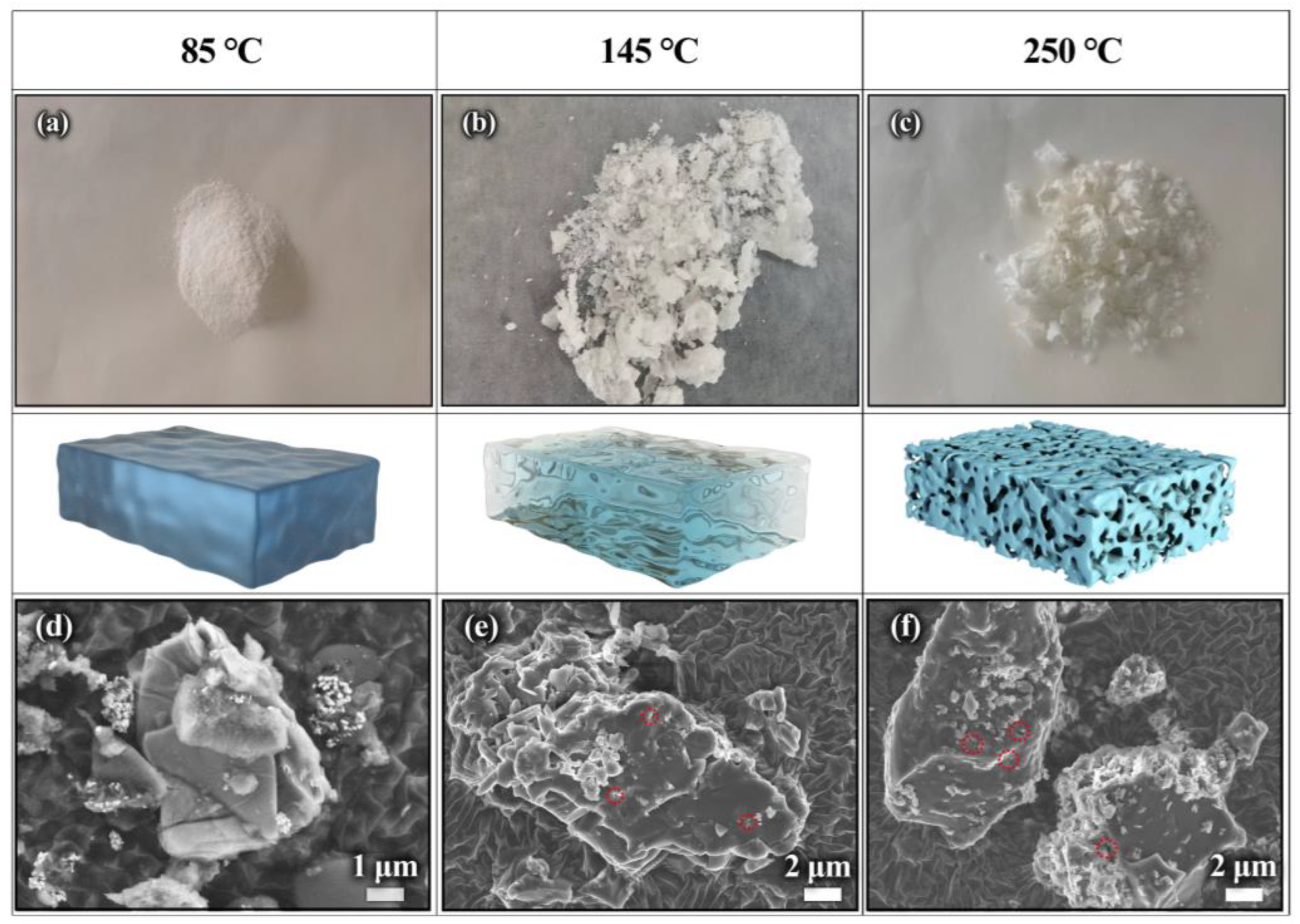
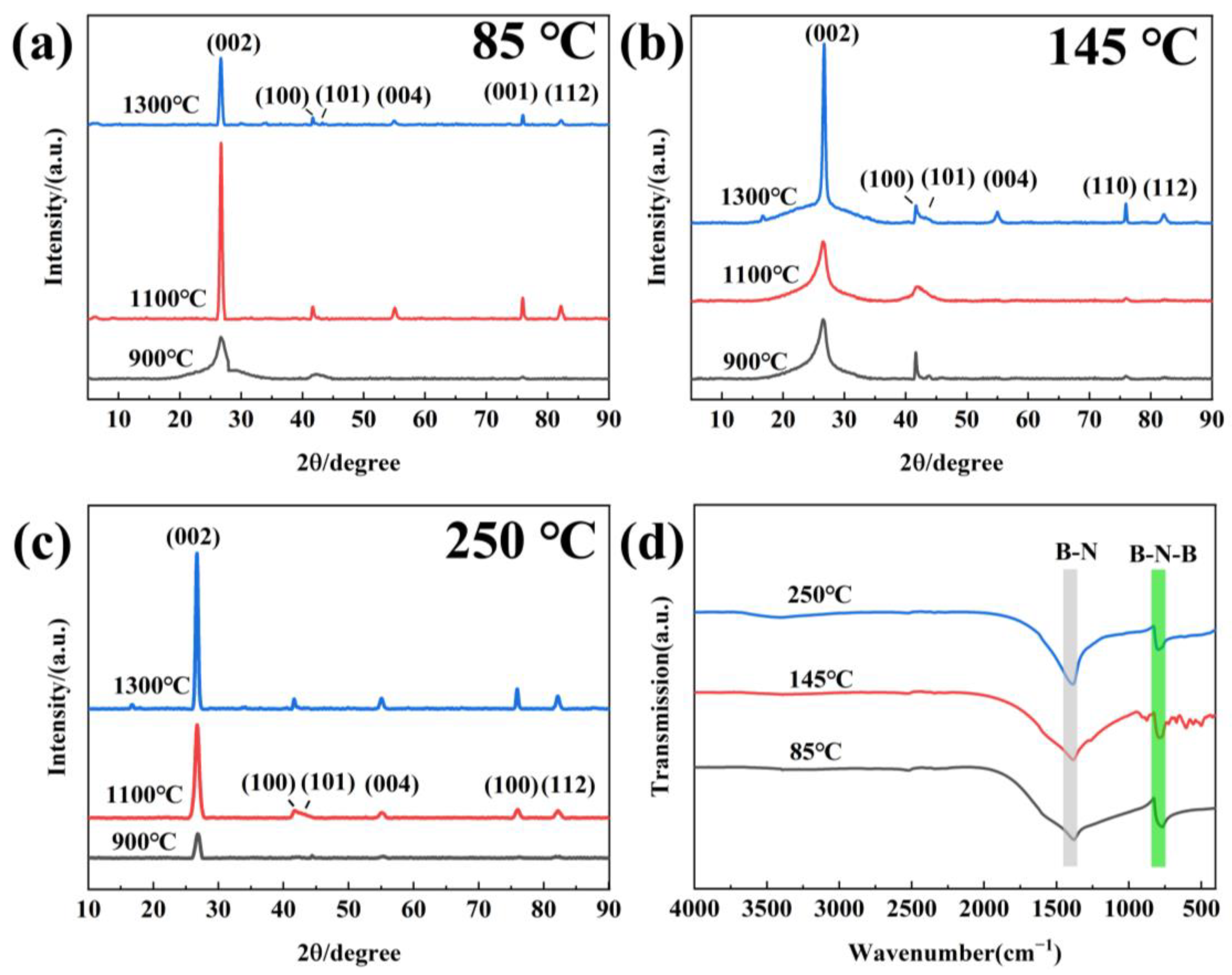
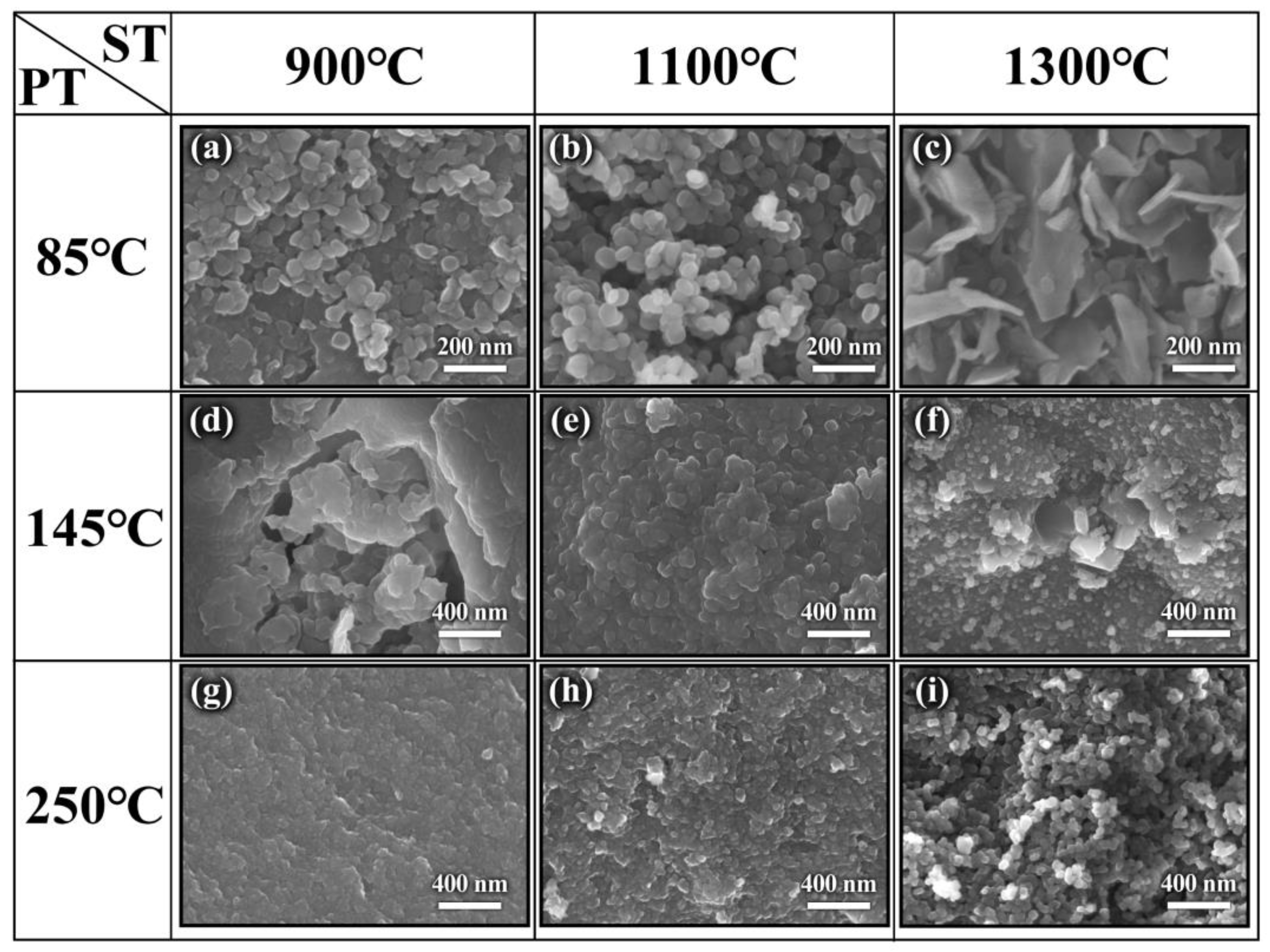
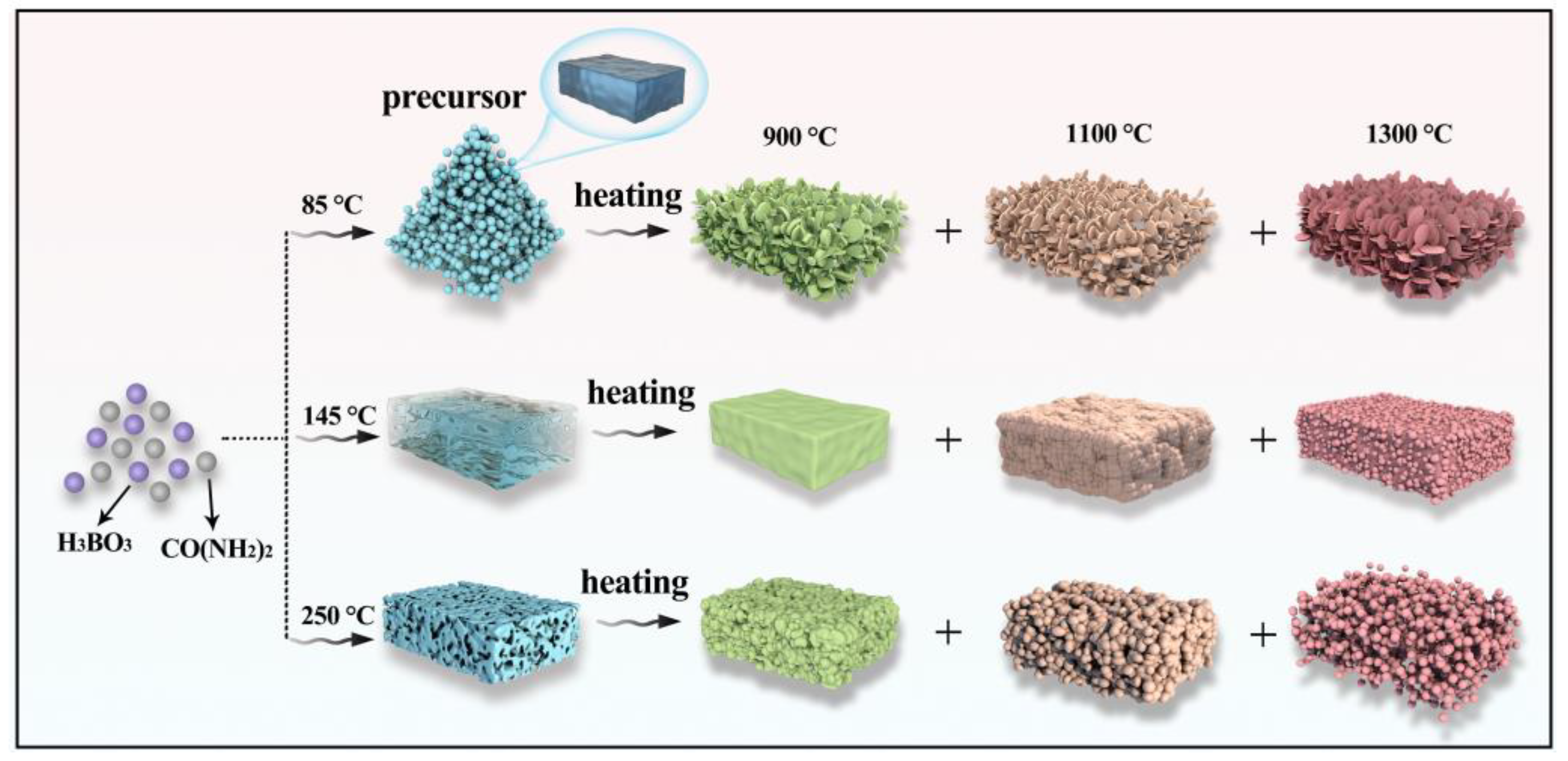
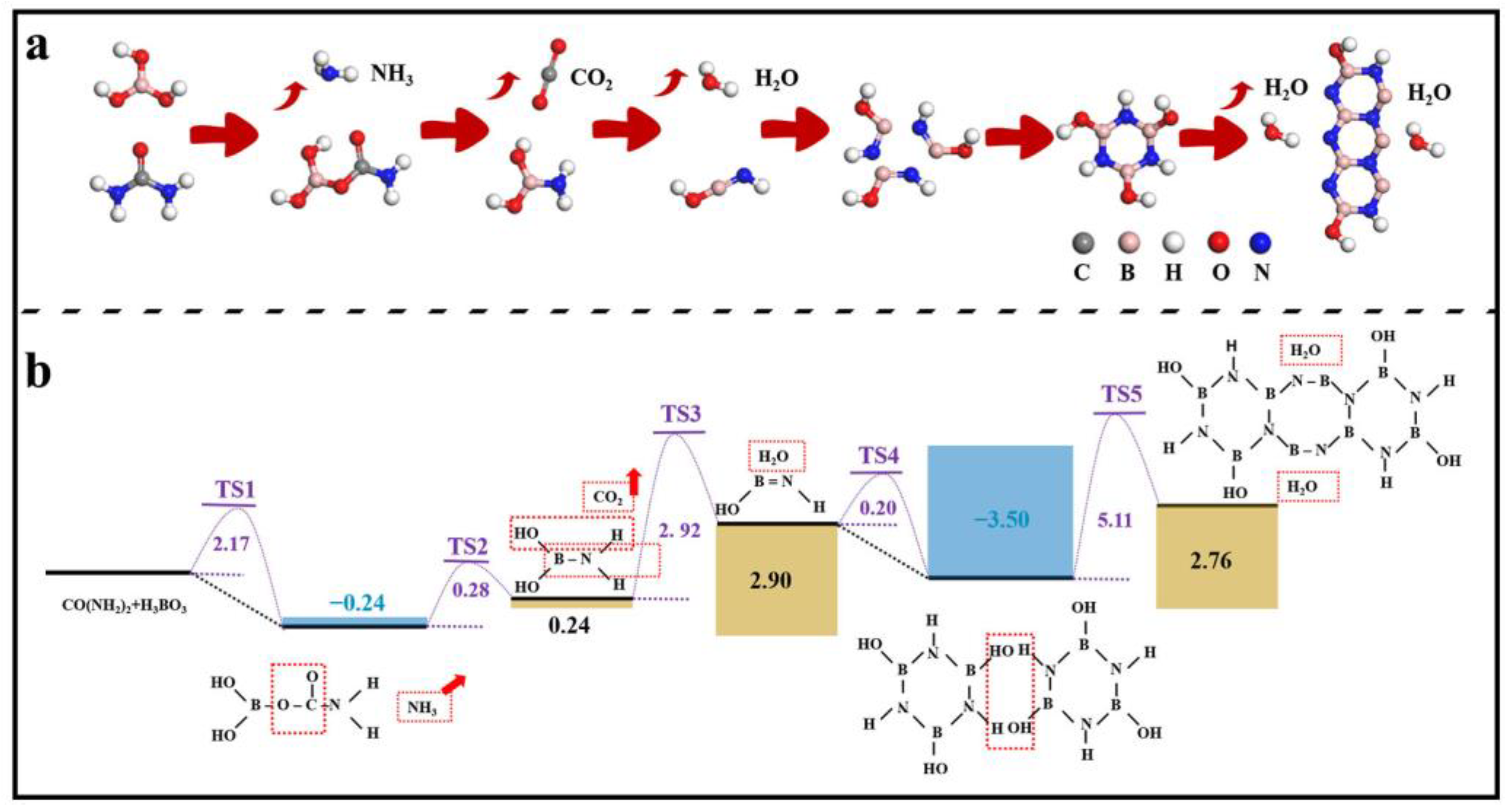
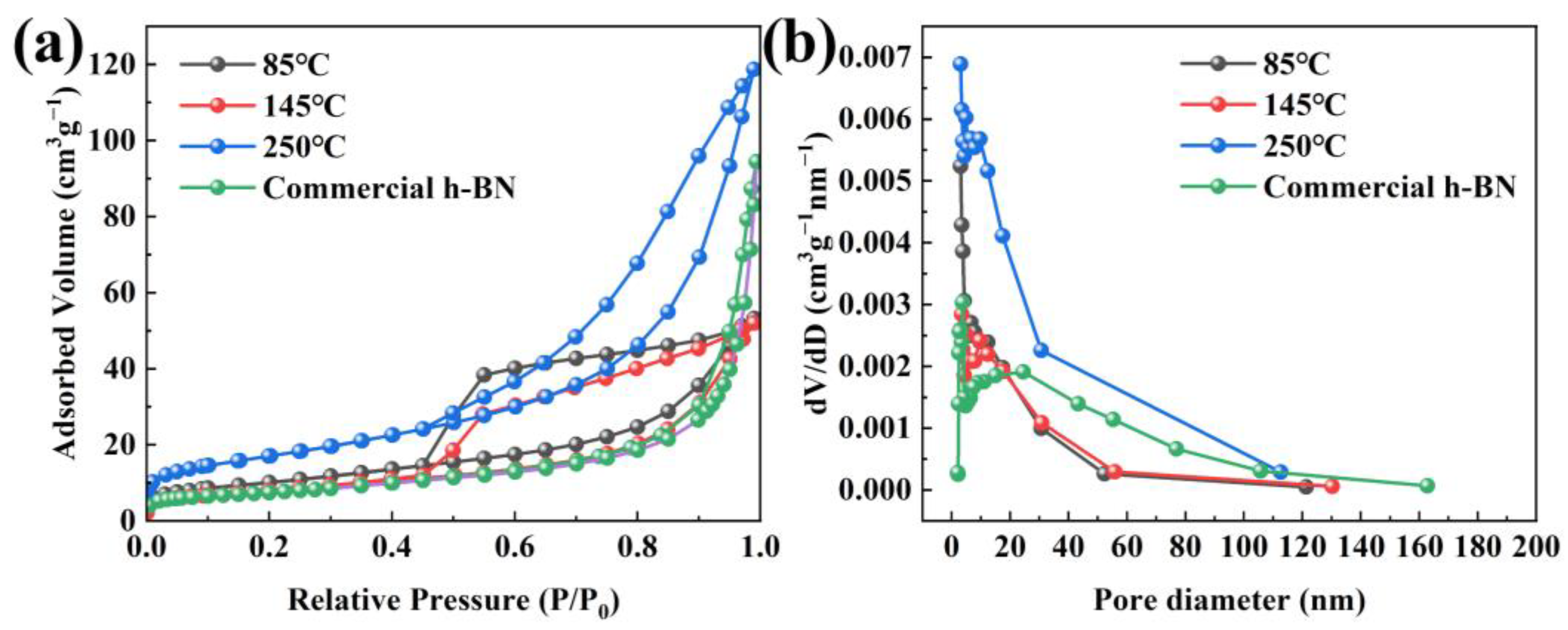
Hexagonal boron nitride (h-BN) nanoparticles have attracted increasing attention due to their unique structure and properties. However, it is difficult to synthesize h-BN nanoparticles with uniform spherical morphology due to their crystal characteristic. The morphology control by tuning their precursor synthesis is a promising and effective strategy to solve this problem. Especially, the treatment temperature of precursors plays an important role in the morphology and surface area of h-BN nanoparticles. Herein, h-BN nanoparticles with different morphologies were synthesized via regulating the treatment temperature of precursors. The result shows that treatment temperature will affect the microstructure and state of precursor and further influence the morphology of h-BN products. Benefiting from the unique structure, the h-BN obtained using 250 °C precursors shows higher specific surface area (61.1 m2 g−1) than that of 85 °C (36.5 m2 g−1) and 145 °C (27.9 m2 g−1). h-BN products obtained using 250 °C precursors show higher specific surface area than that of 85 °C and 145 °C. The optimal condition for obtaining high-quality spherical h-BN is the pretreatment temperature of 250 °C and sintering temperature of 1300 °C. Importantly, compared with commercial h-BN nanoparticles, the synthesized h-BN nanoparticles show more uniform structure and larger specific surface area, indicating that sintering activity will be greatly improved. Furthermore, the reaction pathway and formation mechanism of h-BN was revealed by DFT calculations. The result shows that the five stationary states and five transition states exist in the reaction pathway, and the energy barrier can be overcome at high temperatures to form a ring h-BN. In view of its simplicity and efficiency, this work is promising for designing and guiding the synthesis of h-BN nanoparticles with uniform morphology.
Keywords: precursor treatment; h-BN nanoparticles; controllable synthesis; sintering activity; formation mechanism precursor treatment; h-BN nanoparticles; controllable synthesis; sintering activity; formation mechanism