Article

The Effect of Hydroxytyrosol in Type II Epithelial-Mesenchymal Transition in Human Skin Wound Healing


by
Wafa Ali Batarfi
,
Mohd Heikal Mohd Yunus
* and
Adila A. Hamid
Department of Physiology, Faculty of Medicine, Universiti Kebangsaan Malaysia, Jalan Yaacob Latiff, Bandar Tun Razak, Kuala Lumpur 56000, Malaysia
*
Author to whom correspondence should be addressed.
Molecules 2023, 28(6), 2652; https://doi.org/10.3390/molecules28062652

Submission received: 24 February 2023 / Revised: 10 March 2023 / Accepted: 13 March 2023 / Published: 15 March 2023

Abstract

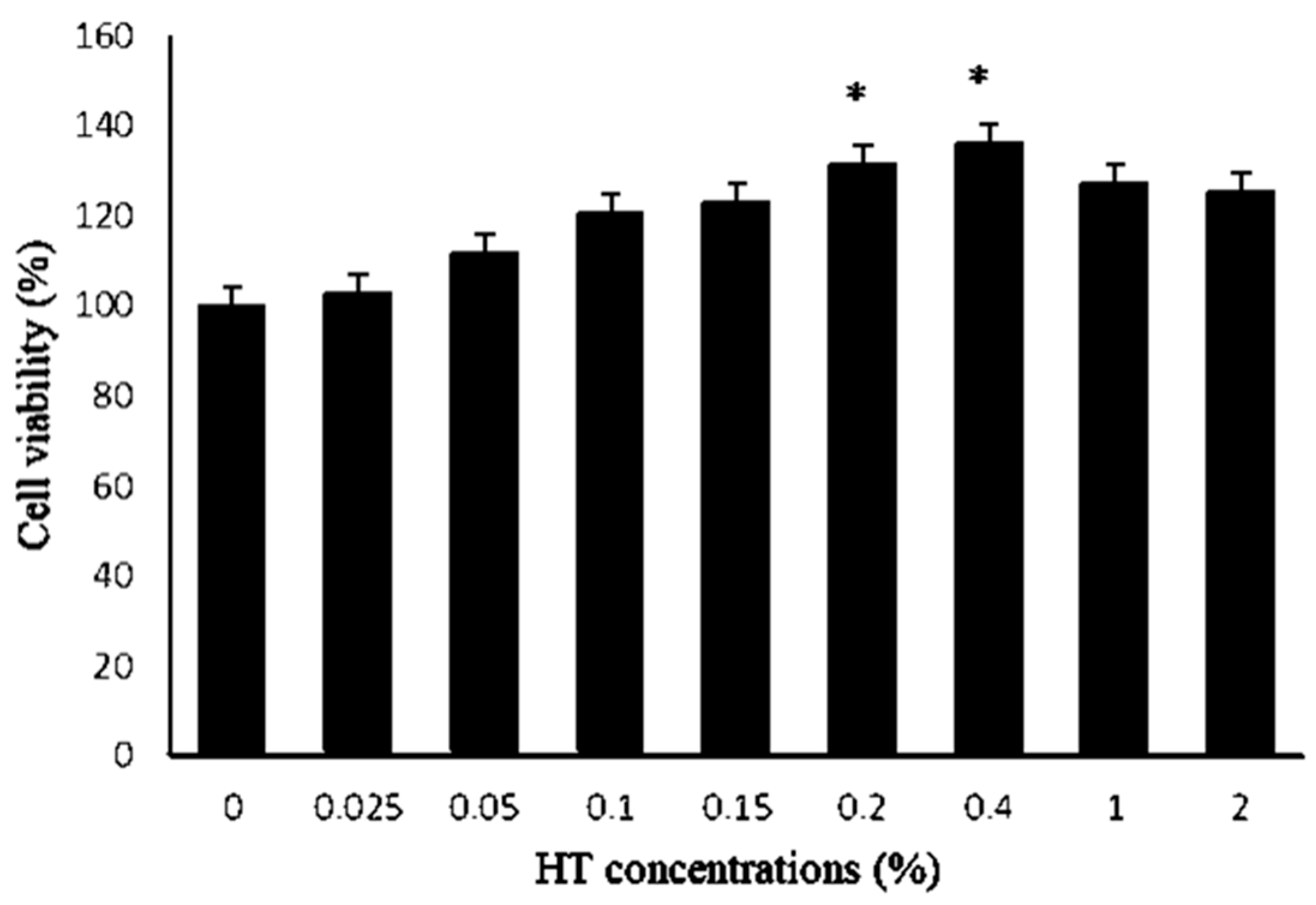
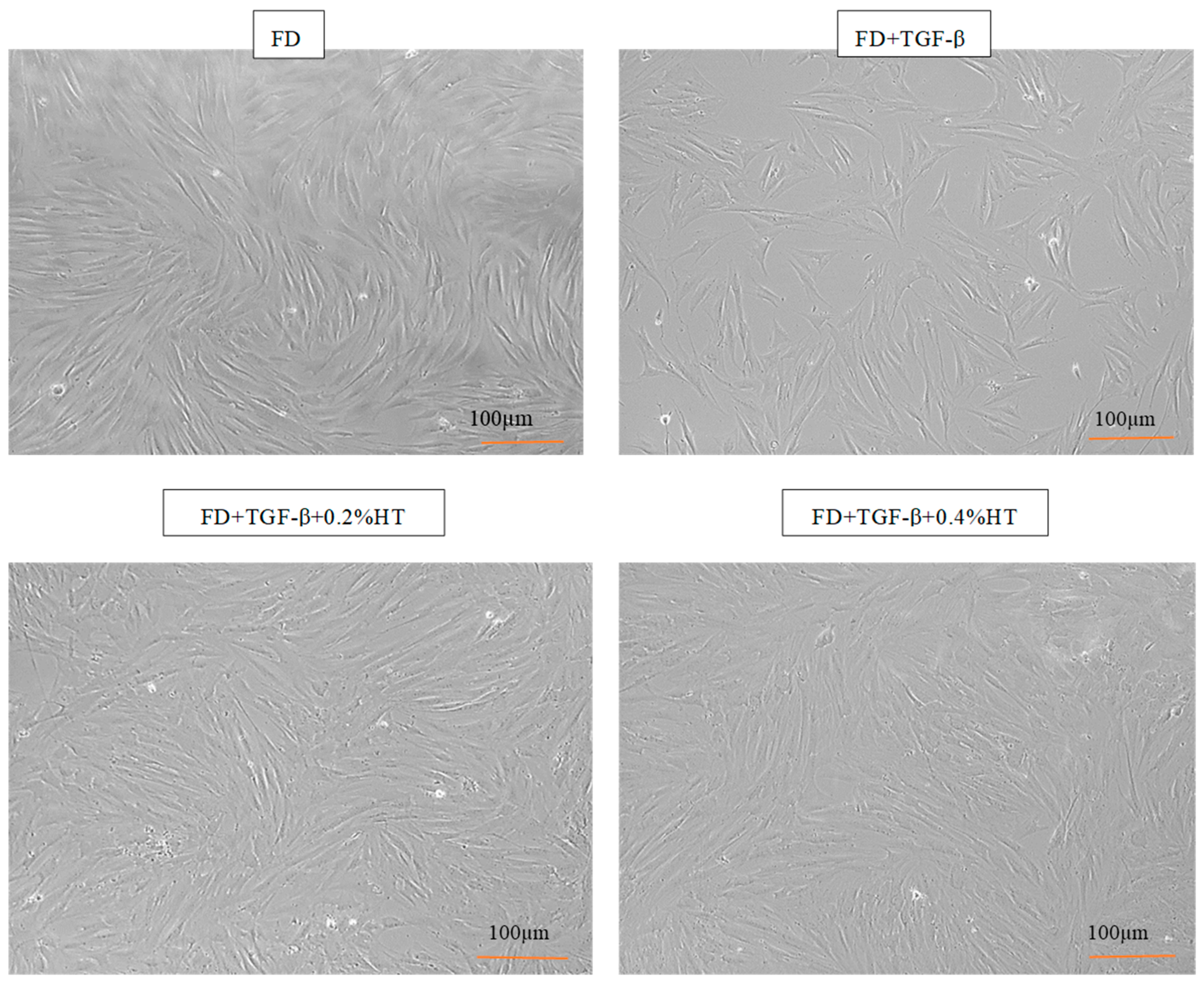
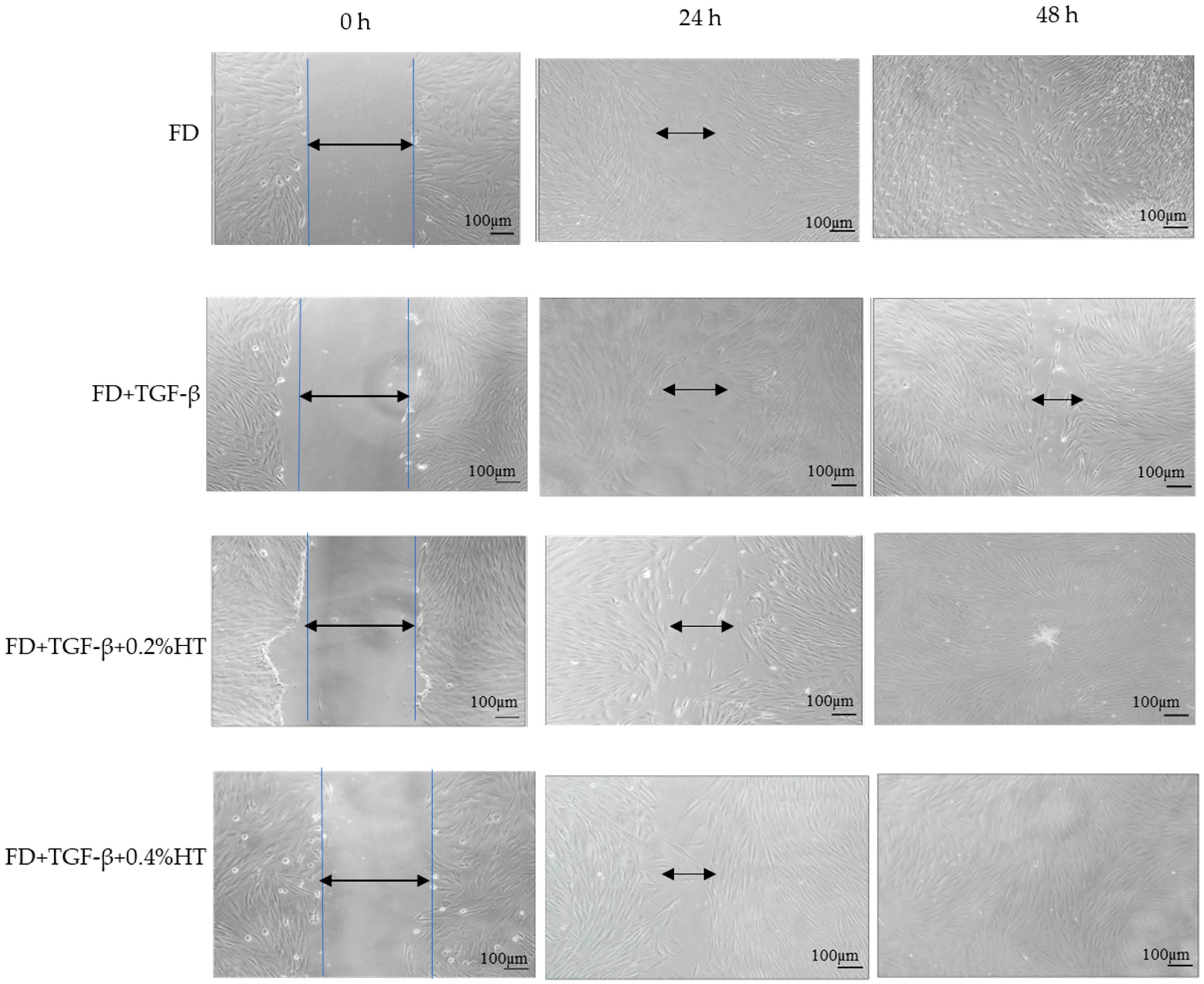
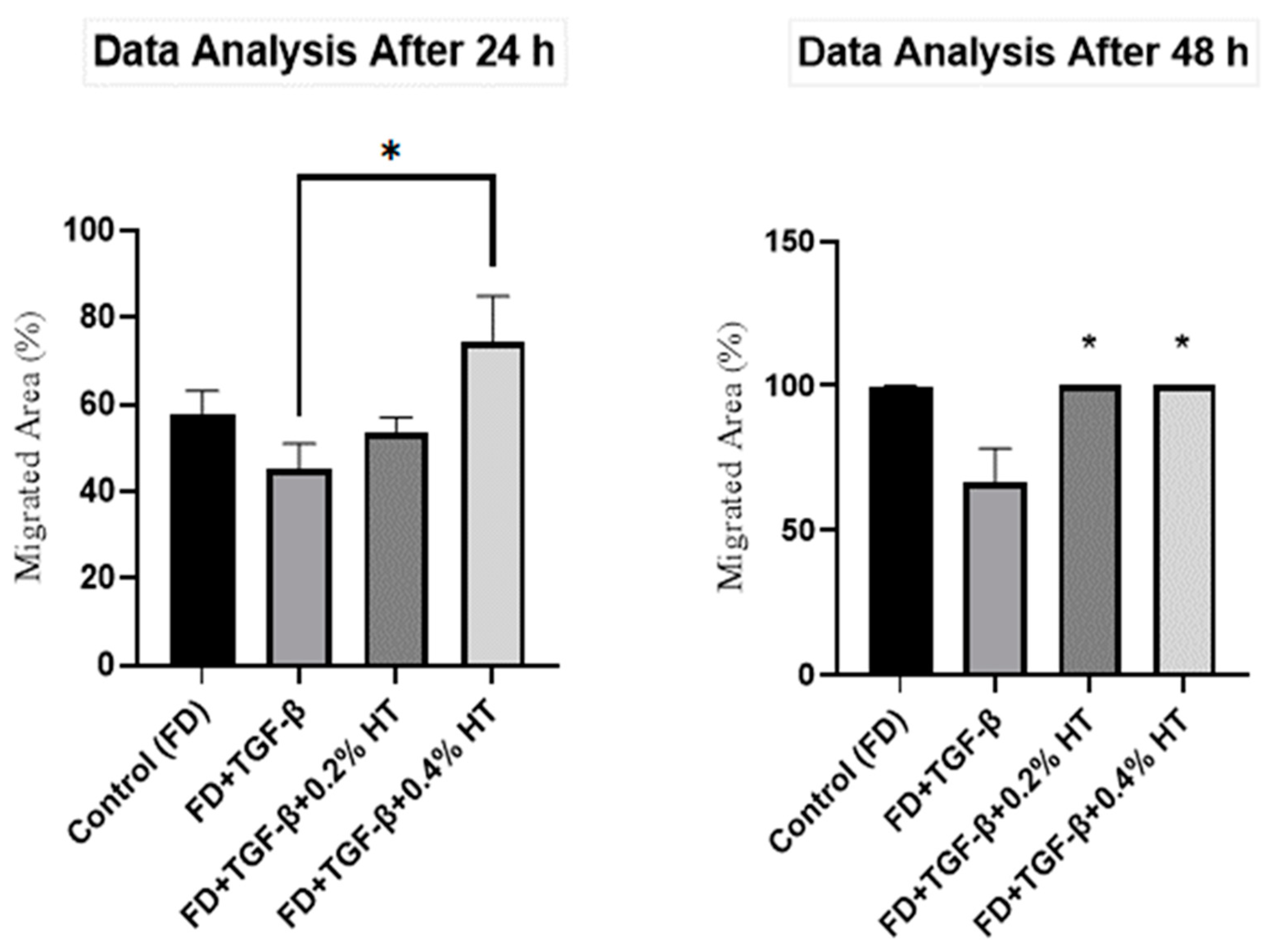
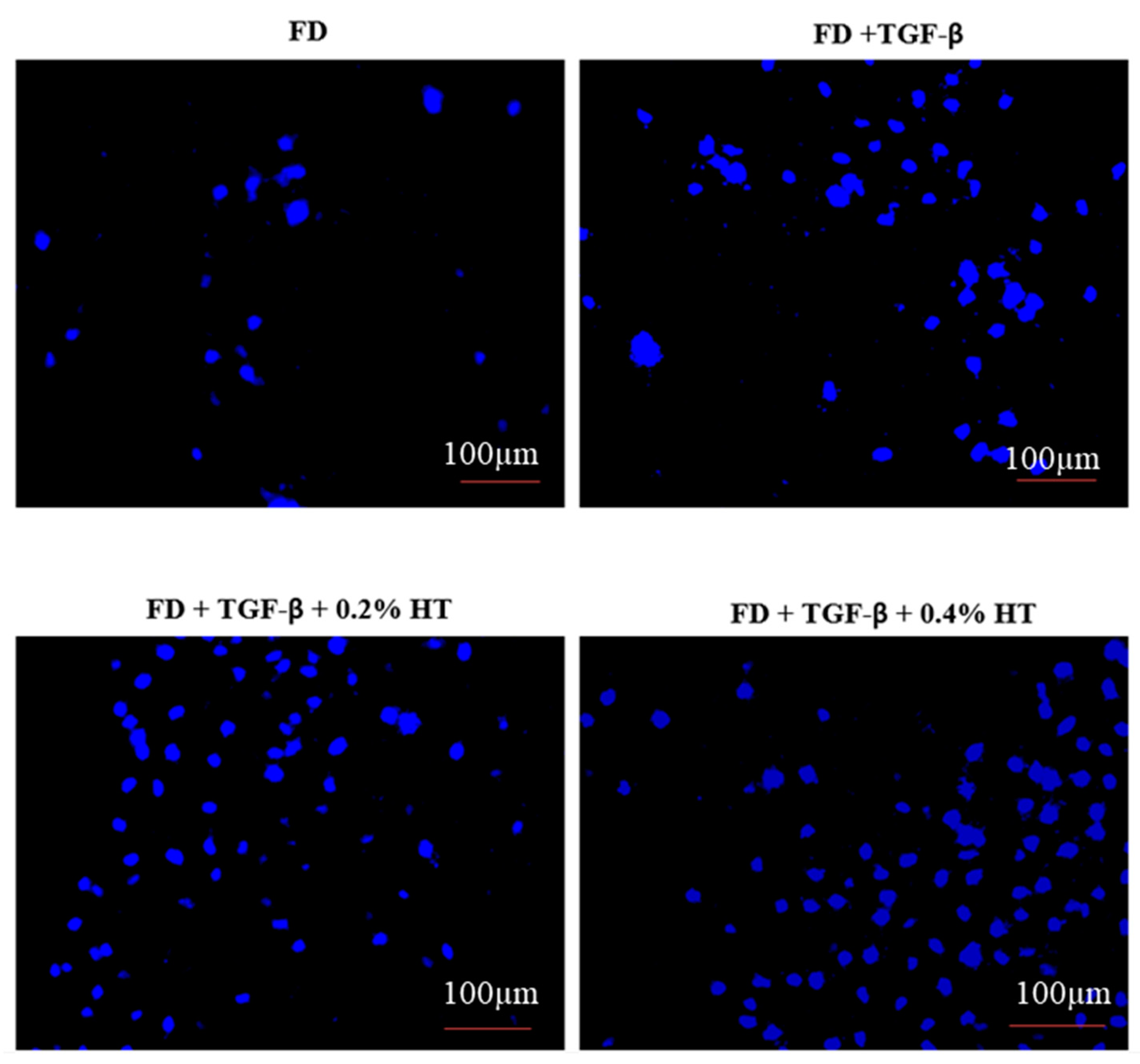
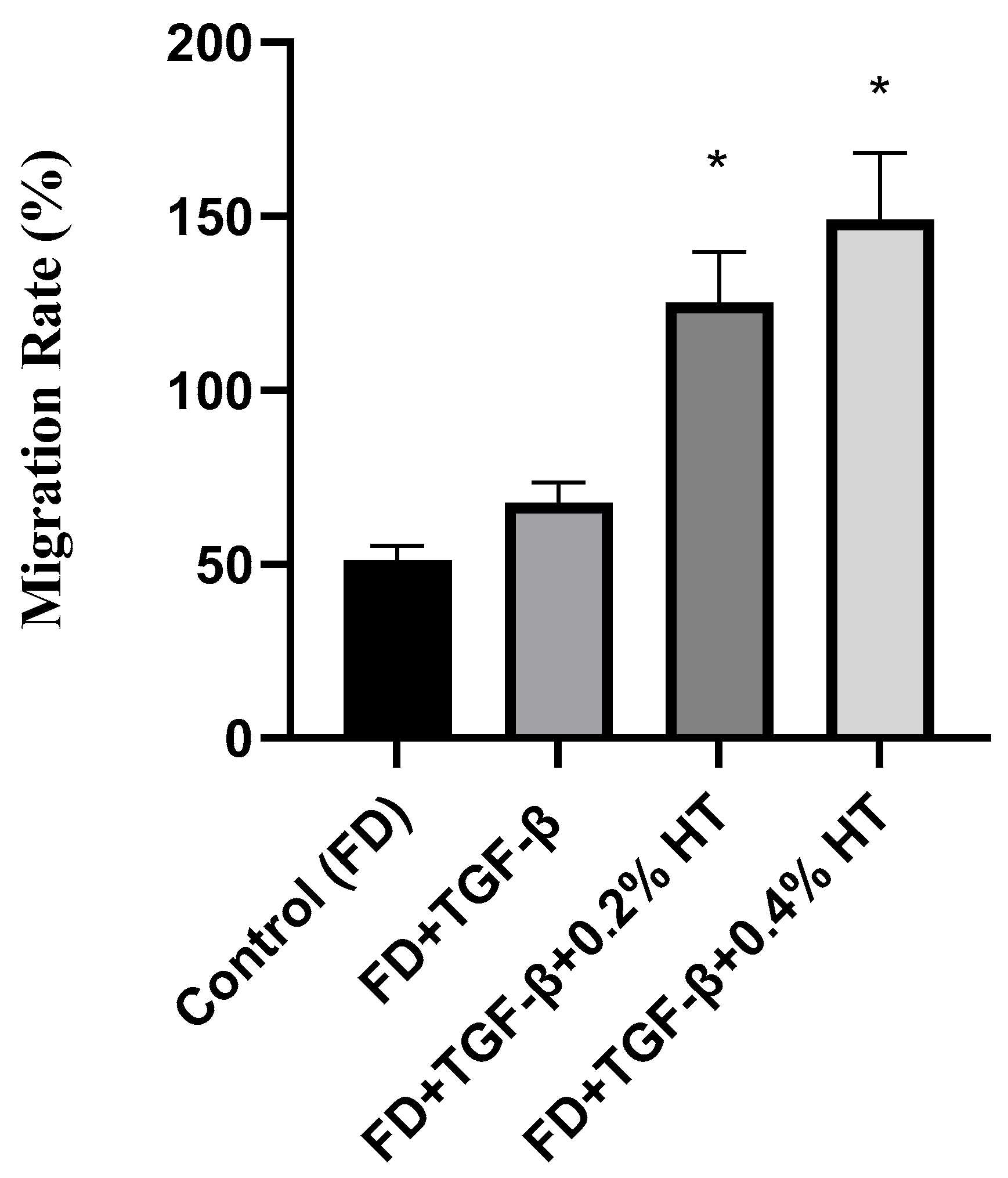
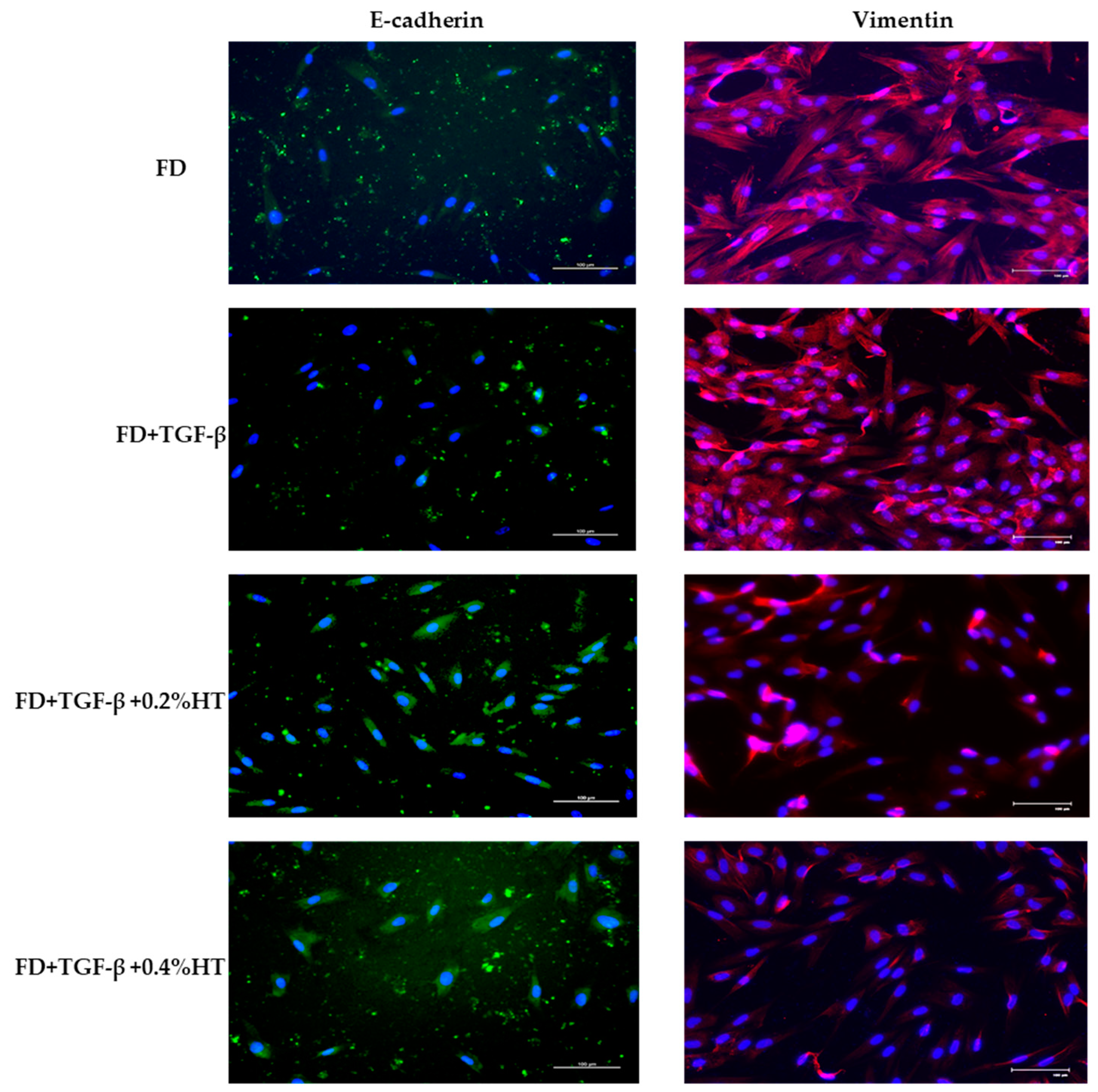
Skin wound healing is a multiphase physiological process that involves the activation of numerous types of cells and is characterized by four phases, namely haemostasis, inflammatory, proliferative, and remodeling. However, on some occasions this healing becomes pathological, resulting in fibrosis. Epithelial mesenchymal transition (EMT) is an important process in which epithelial cells acquire mesenchymal fibroblast-like characteristics. Hydroxytyrosol (HT) is a phenolic compound extracted from olive oil and has been proven to have several health benefits. The aim of this study was to determine the effect of HT in type II EMT in human skin wound healing via cell viability, proliferation, migration, and proteins expression. Human dermal fibroblasts (HDF) isolated from skin samples were cultured in different concentrations of HT and EMT model, induced by adding 5 ng/mL of transforming growth factor-beta (TGF-β) to the cells. HT concentrations were determined via 3-(4,5-dimethylthiazol-2-yl)-2,5-diphenyltetrazolium bromide (MTT) assay. Cells’ migrations were evaluated using scratch and transwell migration assay. Protein expressions were evaluated via immunocytochemistry. The result showed that HT at 0.2% and 0.4% significantly increased the proliferation rate of HDF (p < 0.05) compared to control. Scratch assay after 24 h showed increased cell migration in cells treated with 0.4% HT (p < 0.05) compared to the other groups. After 48 h, both concentrations of HT showed increased cell migration (p < 0.05) compared to the TGF-β group. Transwell migration revealed that HT enhanced the migration capacity of cells significantly (p < 0.05) as compared to TGF-β and the control group. In addition, HT supplemented cells upregulate the expression of epithelial marker E-cadherin while downregulating the expression of mesenchymal marker vimentin in comparison to TGF-β group and control group. This study showed that HT has the ability to inhibit EMT, which has potential in the inhibition of fibrosis and persistent inflammation related to skin wound healing.
Keywords: wound healing; epithelial-mesenchymal transition type II; human dermal fibroblasts; hydroxytyrosol wound healing; epithelial-mesenchymal transition type II; human dermal fibroblasts; hydroxytyrosol