Article

Fungistatic Effect of Phthalide Lactones on Rhodotorula mucilaginosa

Department of Food Chemistry and Biocatalysis, Wrocław University of Environmental and Life Sciences, Norwida 25, 50-375 Wrocław, Poland
*
Authors to whom correspondence should be addressed.
Molecules 2023, 28(14), 5423; https://doi.org/10.3390/molecules28145423

Submission received: 2 June 2023 / Revised: 6 July 2023 / Accepted: 12 July 2023 / Published: 15 July 2023
(This article belongs to the Special Issue Design, Synthesis, and Biological Evaluation of Antimicrobial Agents)

Abstract

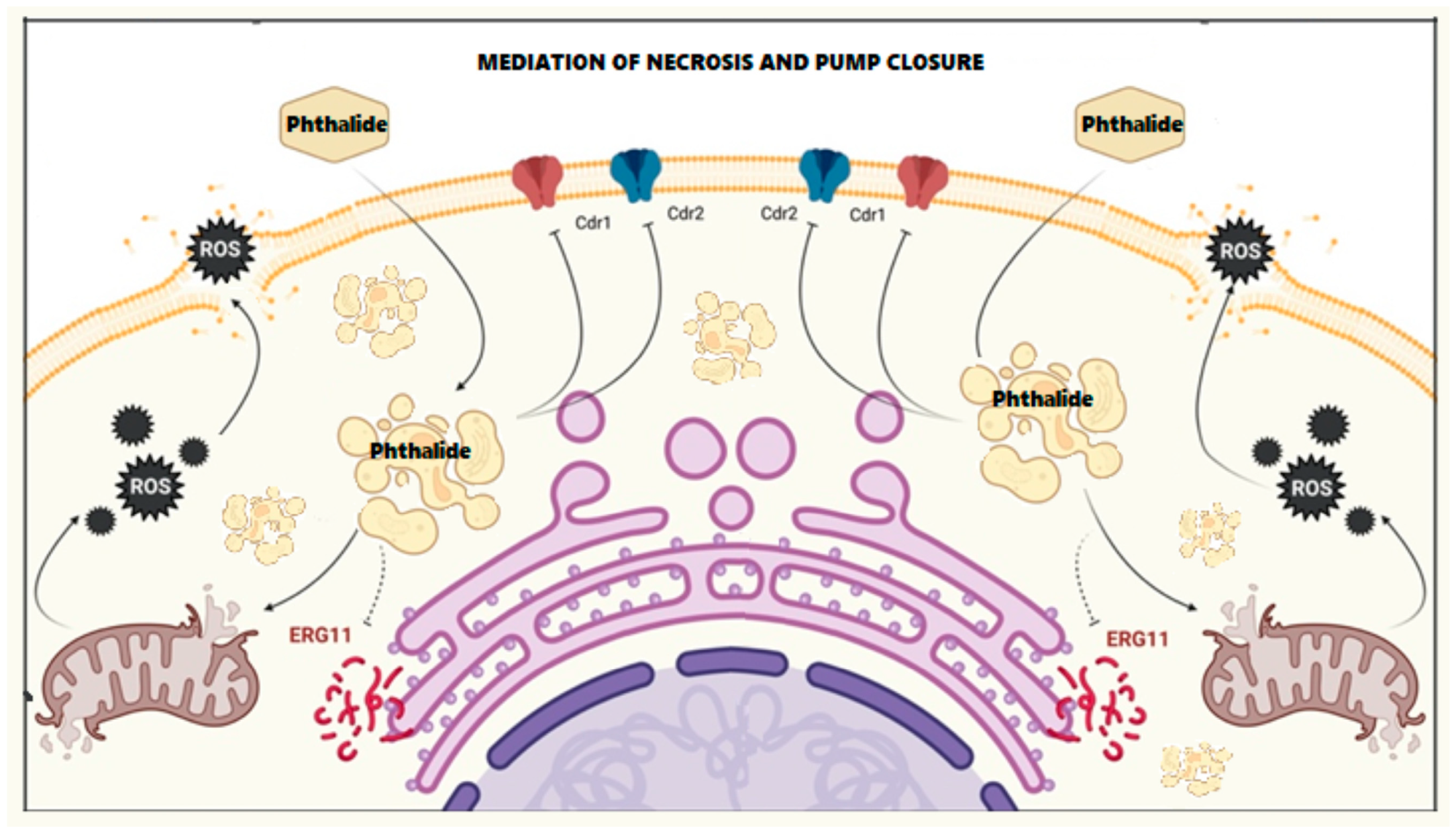
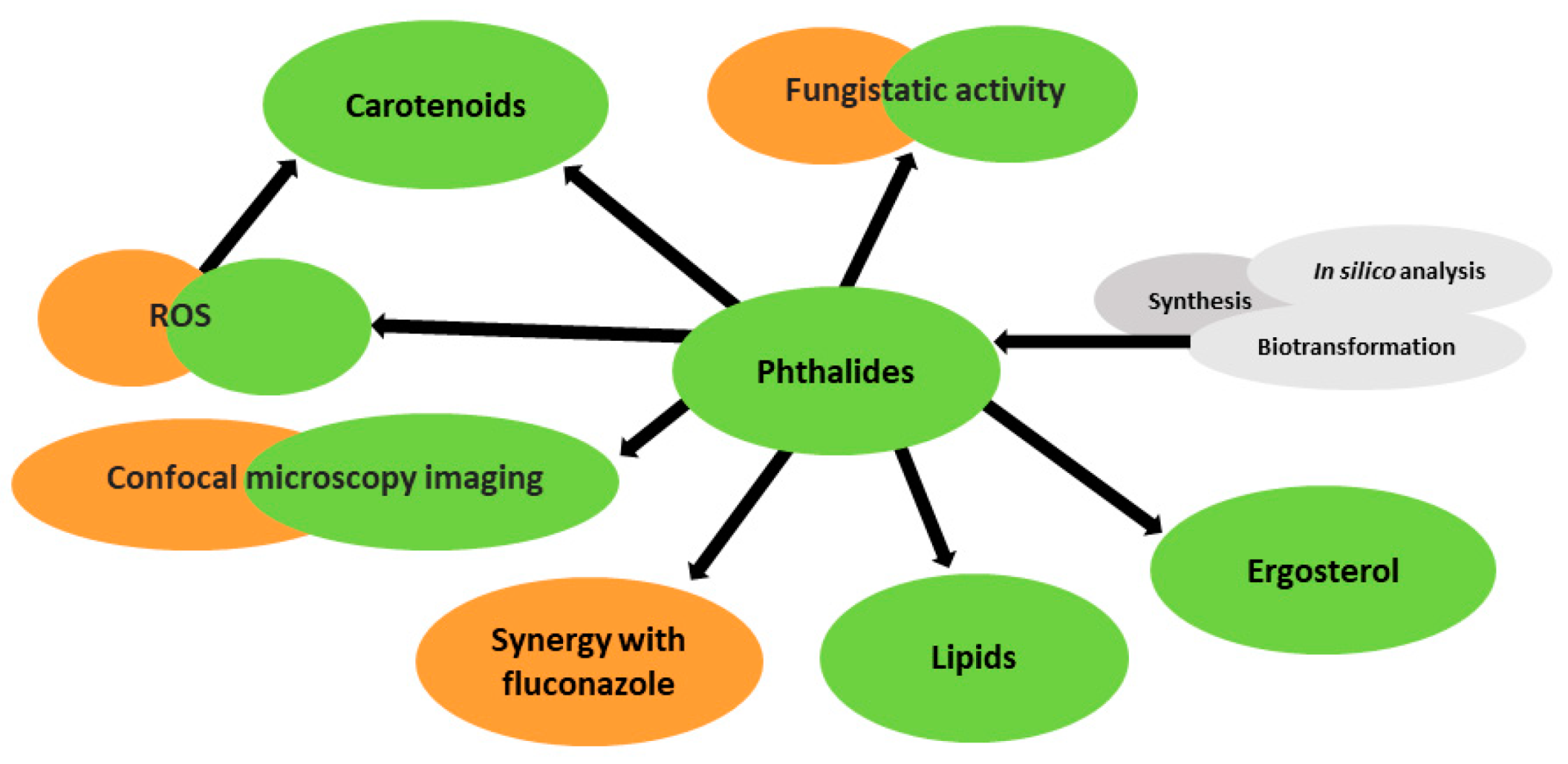
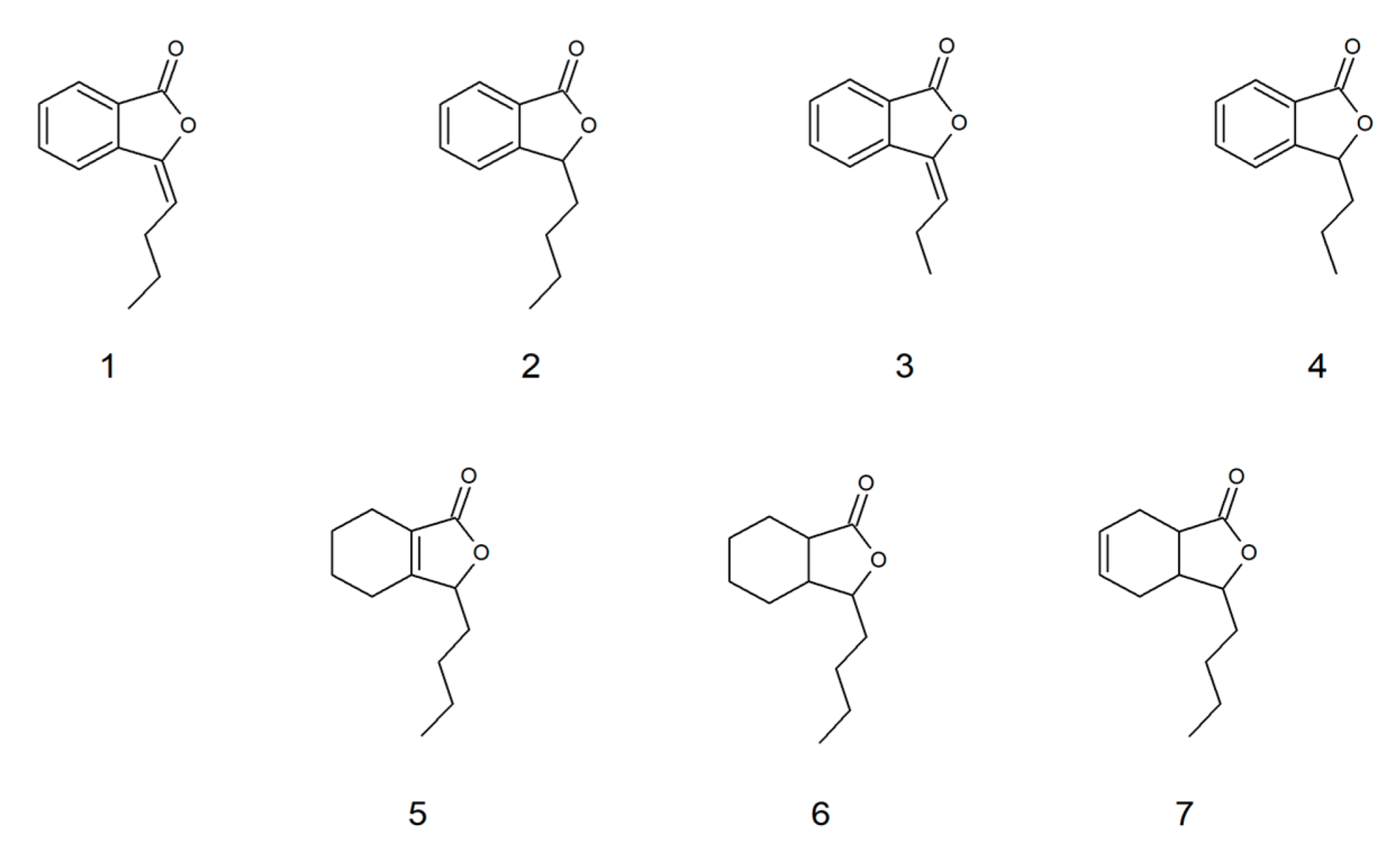
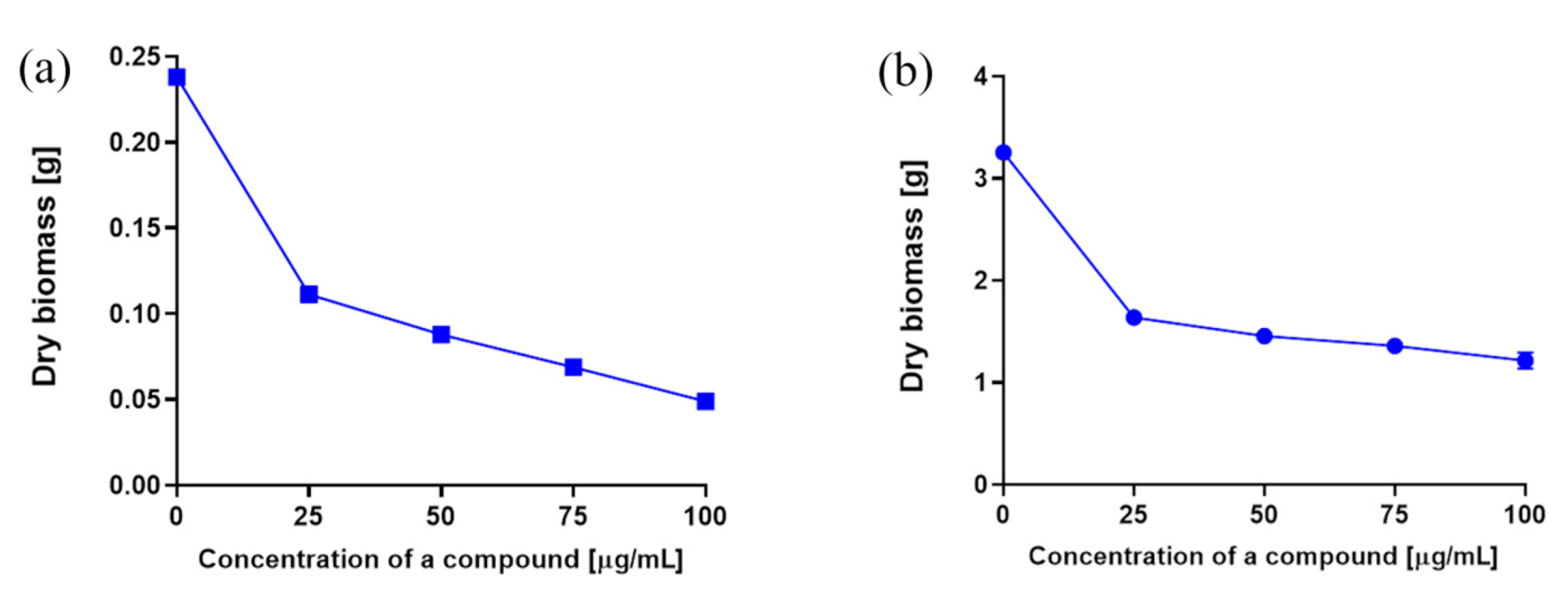
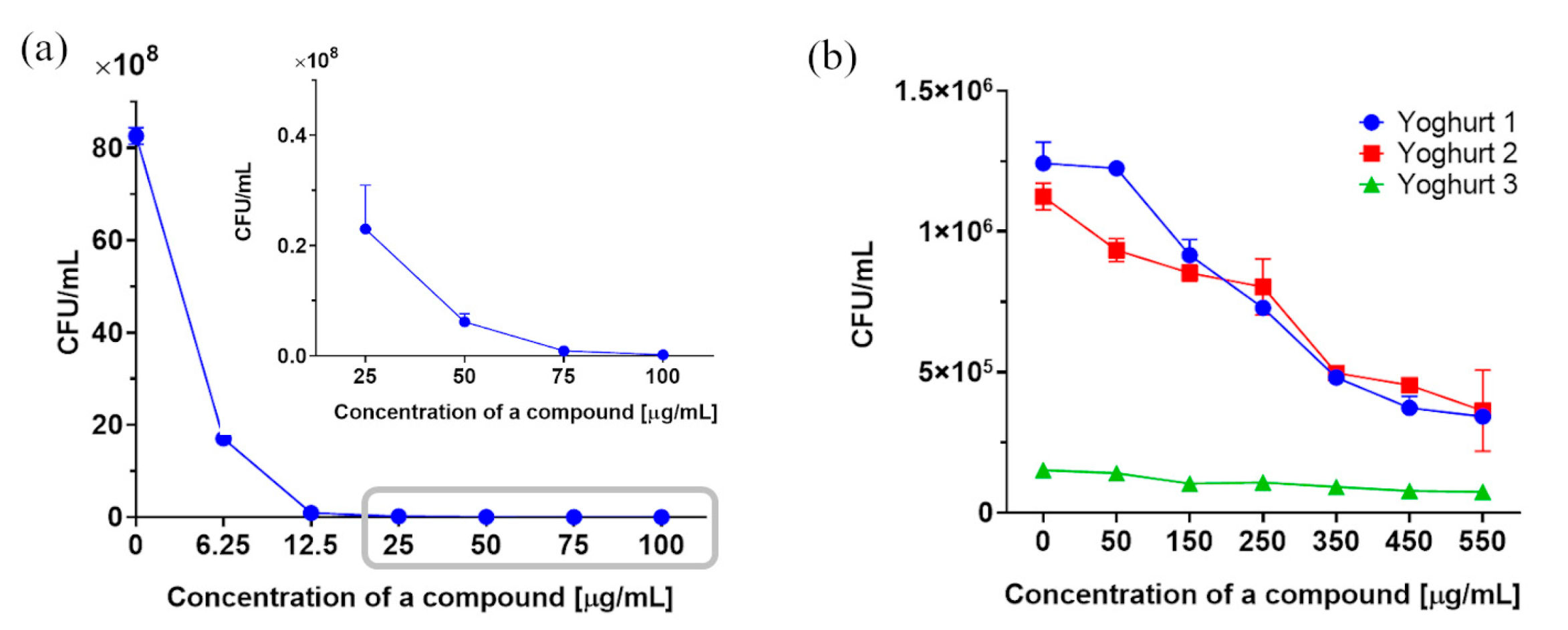
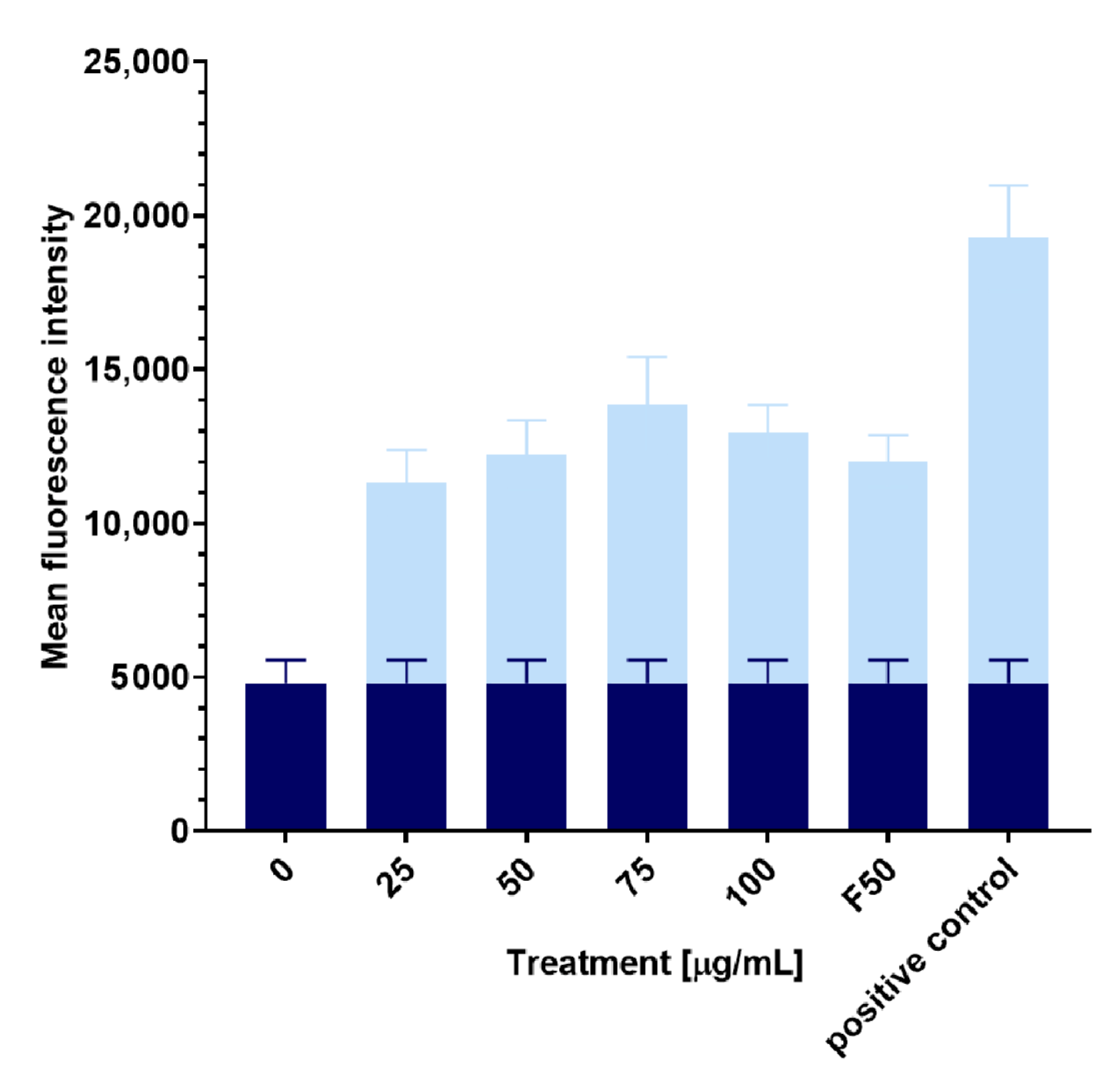
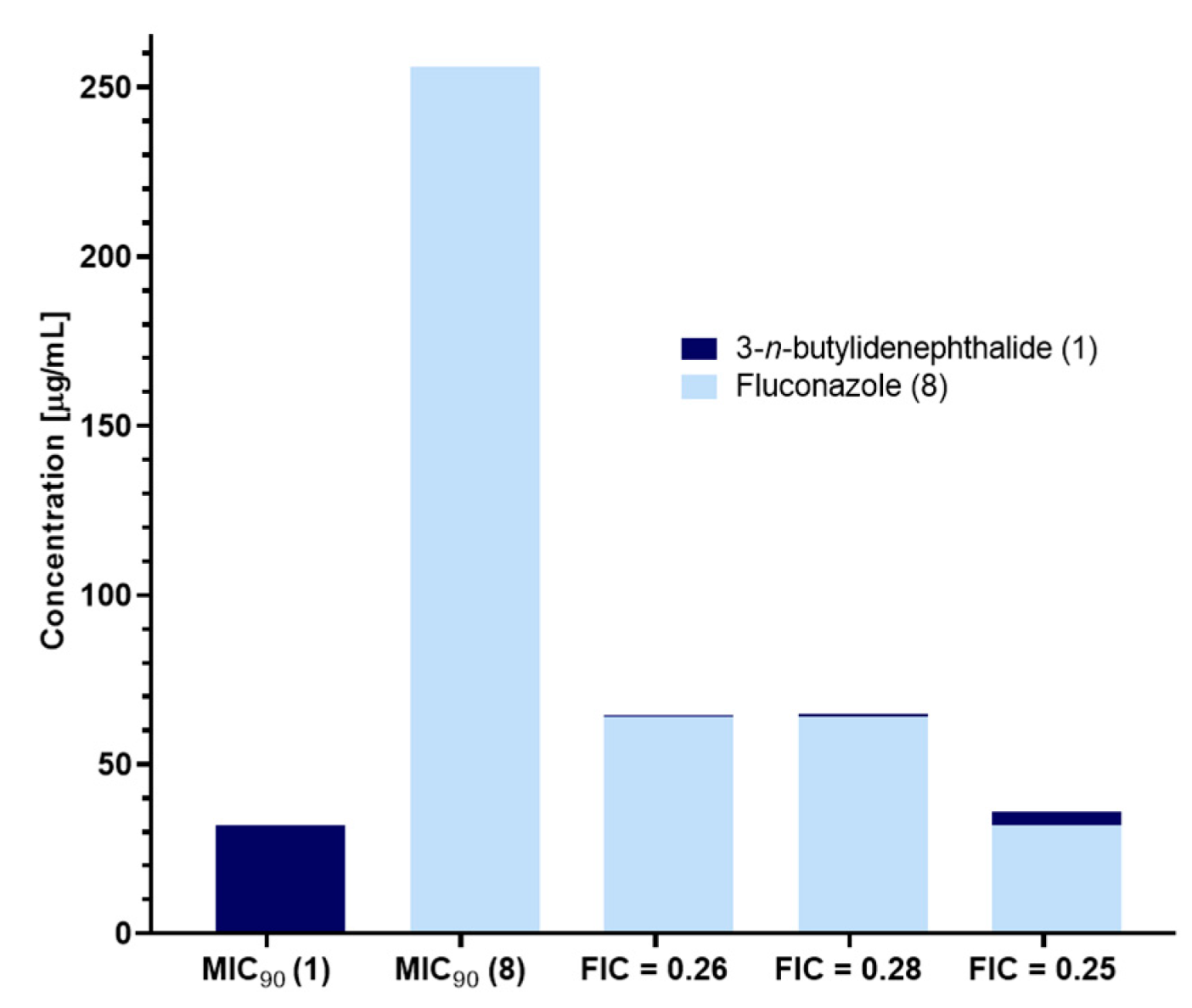
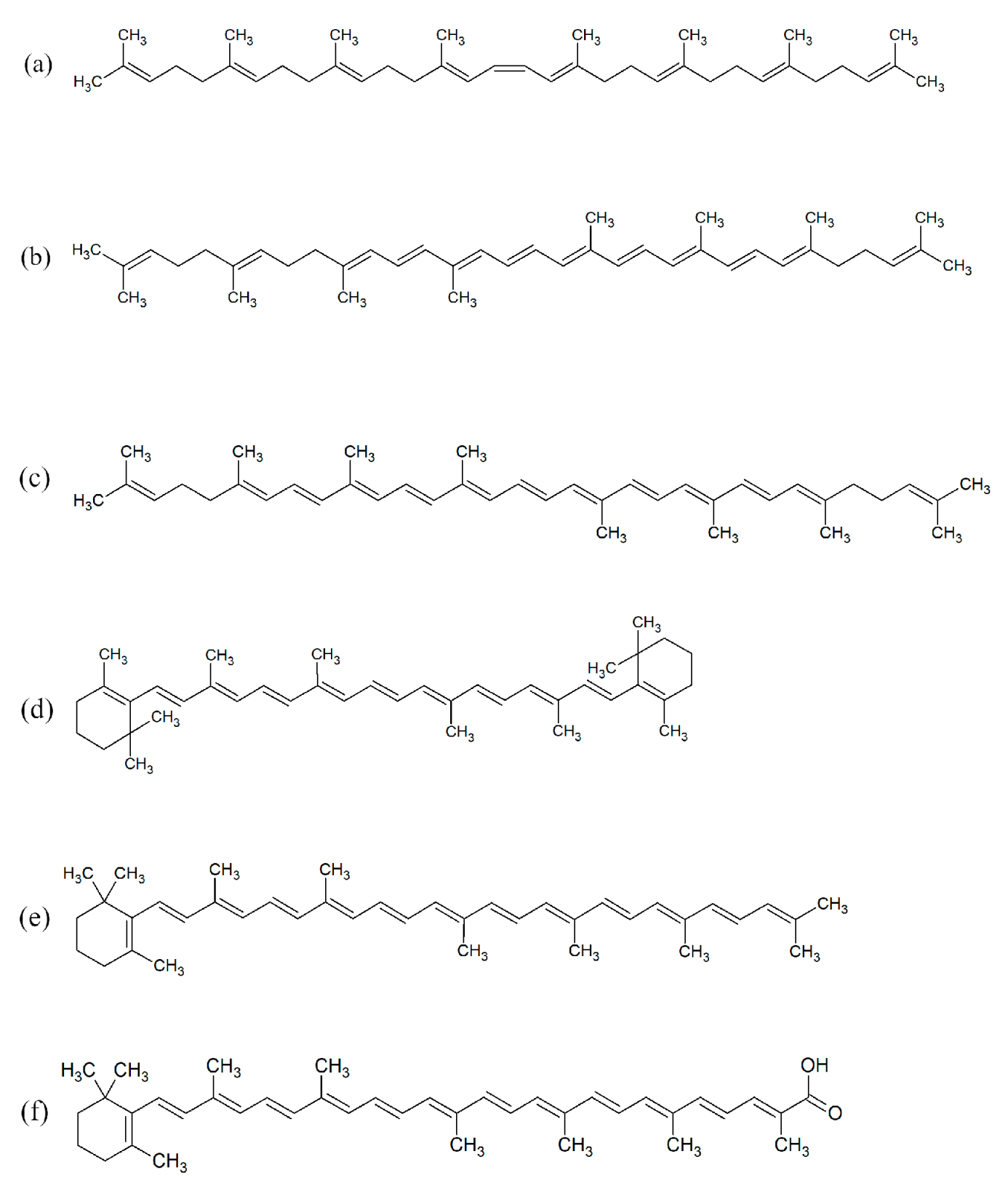
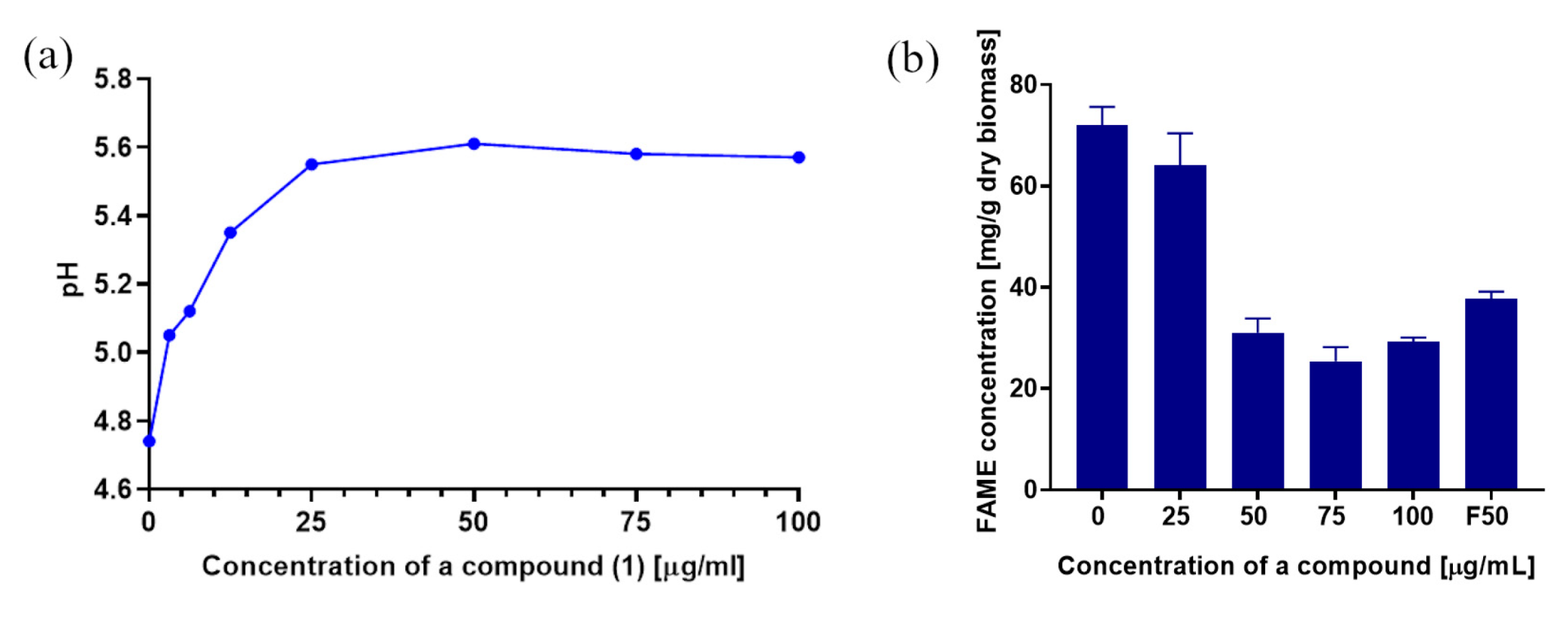
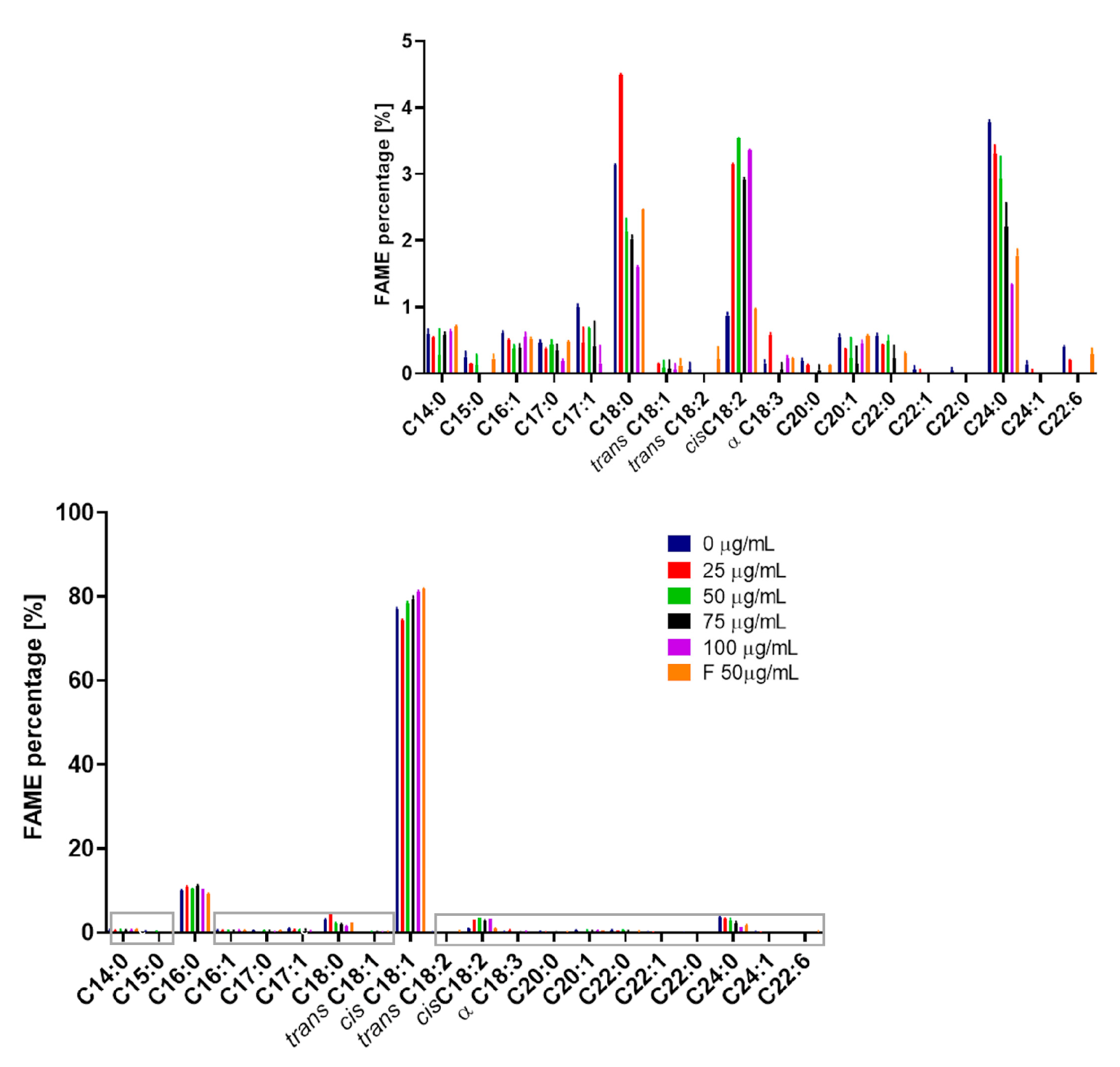
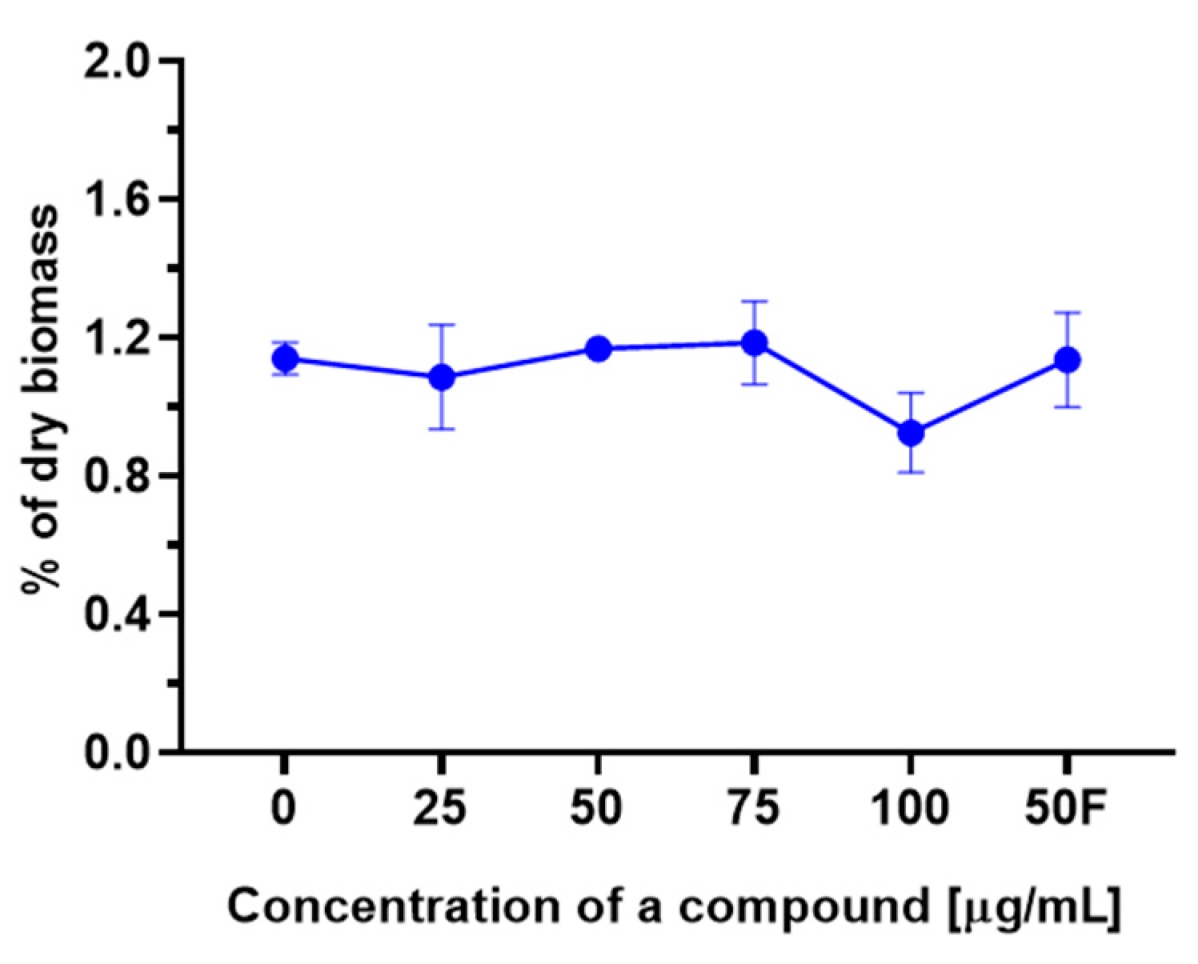
Currently, there is an increasing number of cases of fungal infections caused by opportunistic strains of the yeast Rhodotorula mucilaginosa, mainly in immunocompromised patients during hospitalization. The excessive use of antibiotics and azole compounds increases the risk of resistance to microorganisms. A new alternative to these drugs may be synthetic phthalide lactones with a structure identical to or similar to the natural ones found in celery plants, which show low toxicity and relatively high fungistatic activity. In the present study, the fungistatic activity of seven phthalide lactones was determined against R. mucilaginosa IHEM 18459. We showed that 3-n-butylidenephthalide, the most potent compound selected in the microdilution test, caused a dose-dependent decrease in dry yeast biomass. Phthalide accumulated in yeast cells and contributed to an increase in reactive oxygen species content. The synergistic effect of fluconazole resulted in a reduction in the azole concentration required for yeast inhibition. We observed changes in the color of the yeast cultures; thus, we conducted experiments to prove that the carotenoid profile was altered. The addition of lactones also triggered a decline in fatty acid methyl esters.
Keywords: broth microdilution; biomass determination; synergistic effect; fatty acid methyl esters; carotenoids broth microdilution; biomass determination; synergistic effect; fatty acid methyl esters; carotenoids