Article

The Role of Graphene Oxide in the Exothermic Mechanism of Al/CuO Nanocomposites
1
School of Chemistry and Chemical Engineering, Nanjing University of Science and Technology, Nanjing 210094, China
2
Micro-Nano Energetic Devices Key Laboratory, Ministry of Industry and Information Technology, Nanjing 210094, China
*
Author to whom correspondence should be addressed.
Molecules 2022, 27(21), 7614; https://doi.org/10.3390/molecules27217614

Submission received: 15 September 2022 / Revised: 2 November 2022 / Accepted: 3 November 2022 / Published: 6 November 2022
(This article belongs to the Special Issue Research and Application of Nanoenergetic Materials)

Abstract

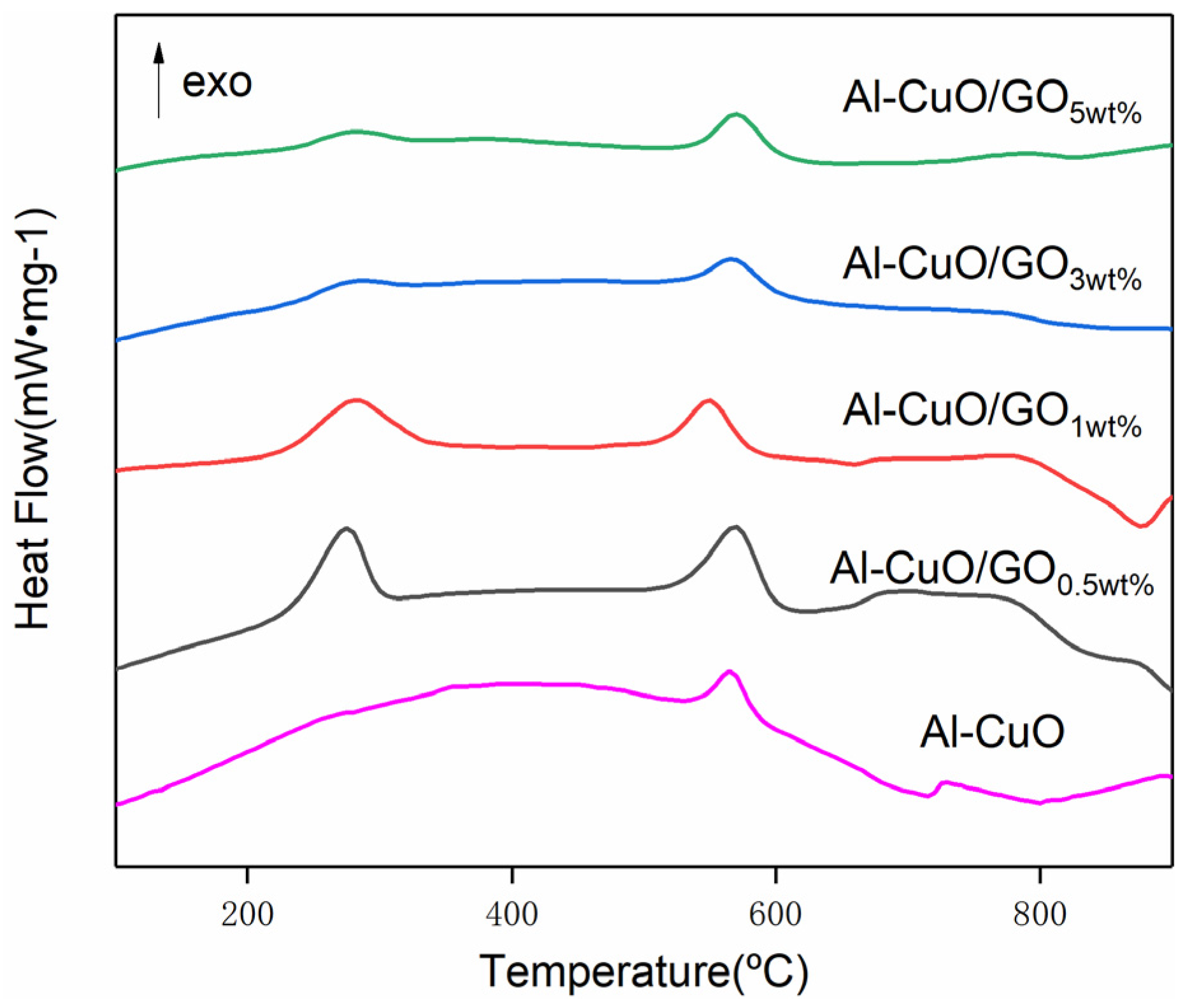
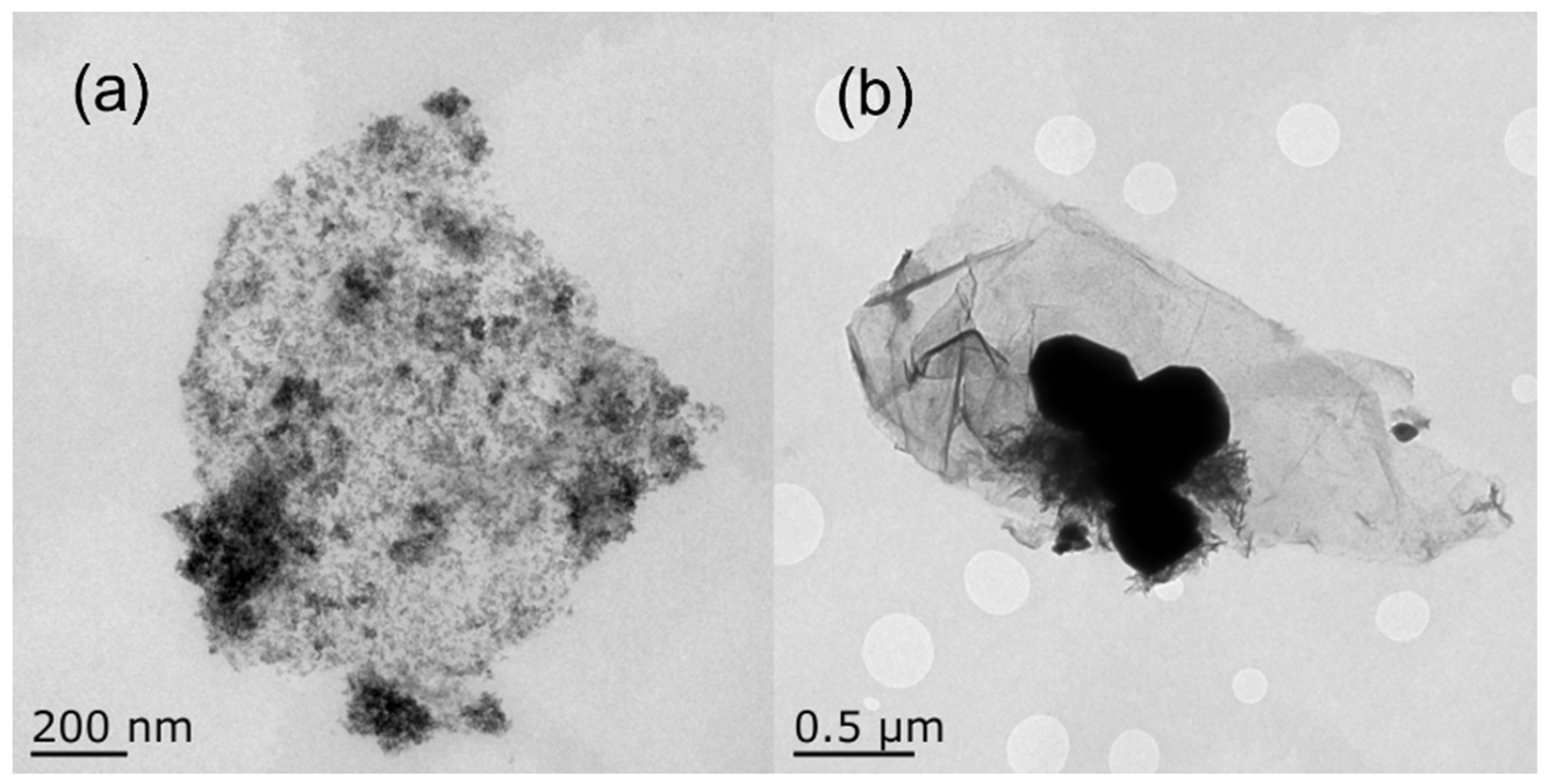
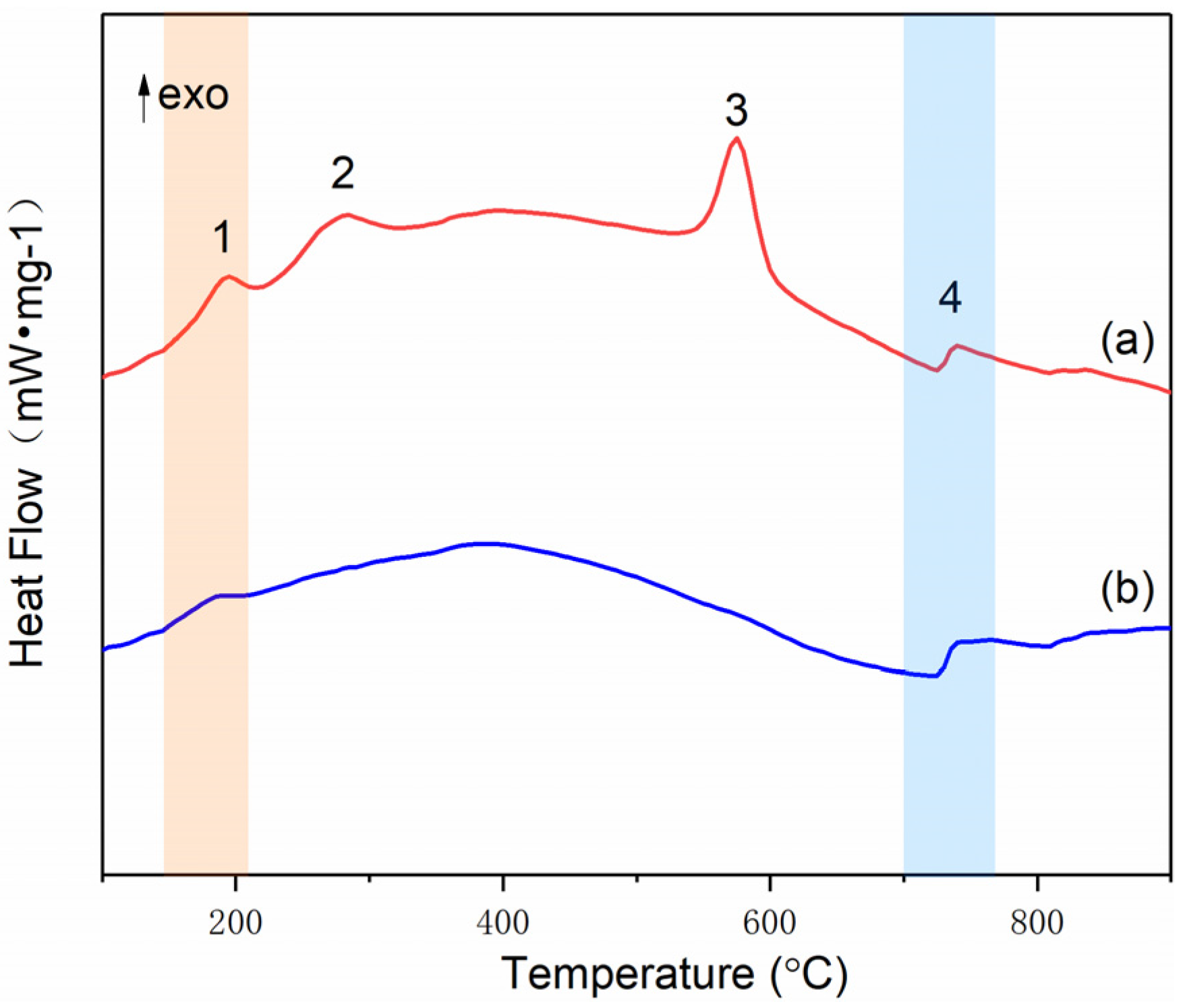
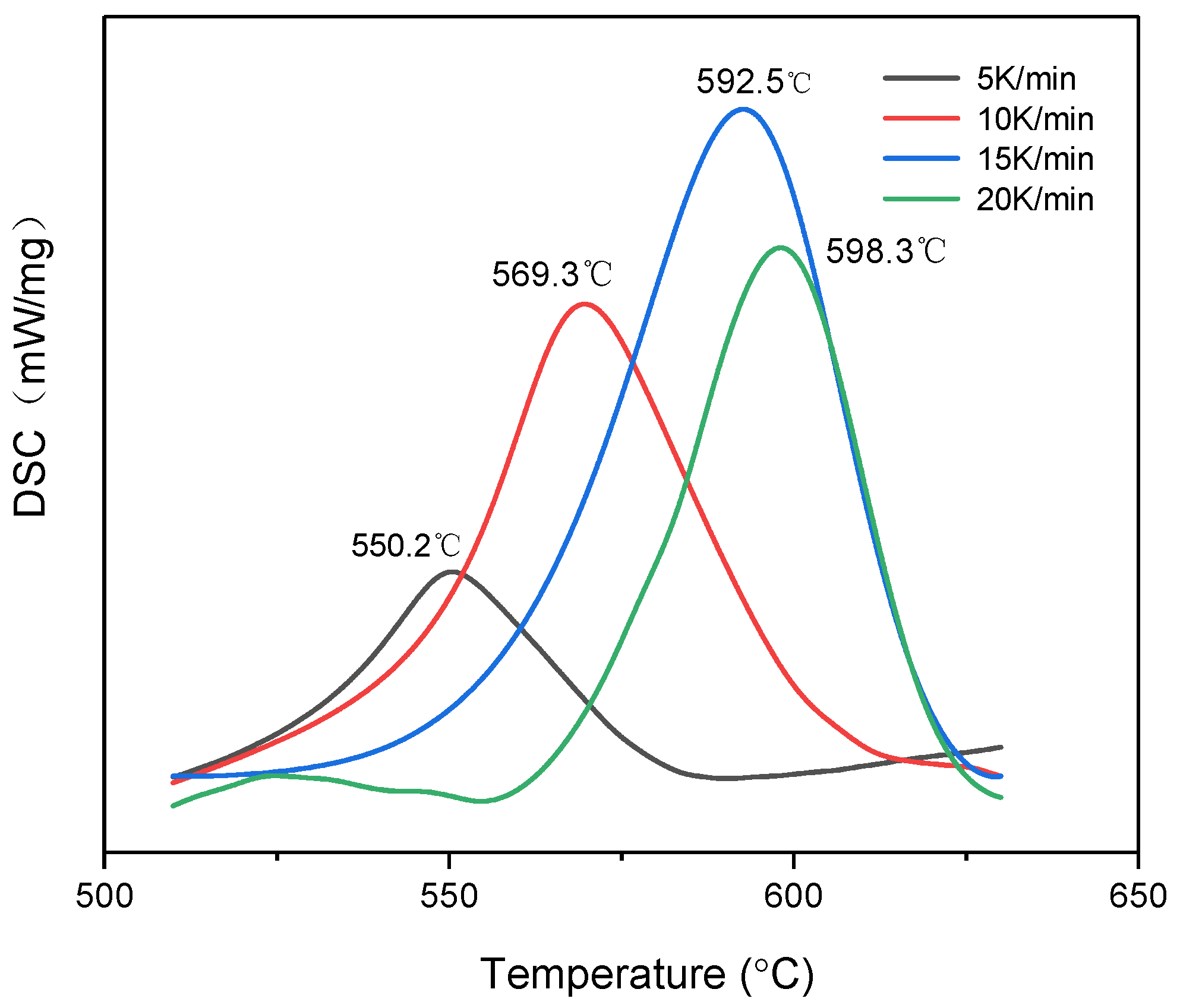
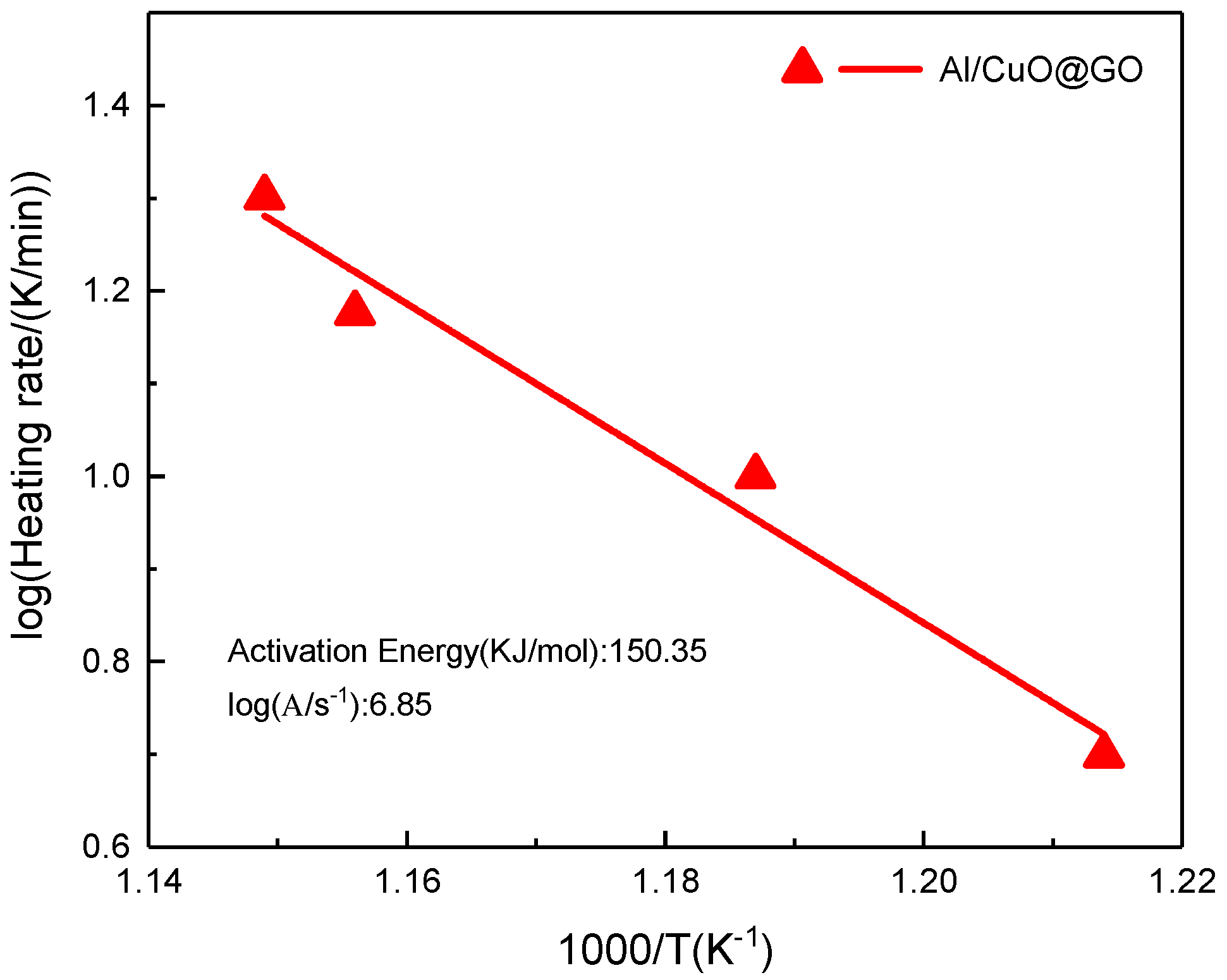
Metastable intermixed composites (MICs) have received increasing attention in the field of energy materials in recent years due to their high energy and good combustion performance. The exploration of ways of improving their potential release of heat is still underway. In this study, Al–CuO/graphene oxide (GO) nanocomposites were prepared using a combination of the self-assembly and in-suit synthesis methods. The formulation and experimental conditions were also optimized to maximize the exothermic heat. The DSC analysis shows that the addition of the GO made a significant contribution to the exothermic effect of the nanothermite. Compared with the Al–CuO nanothermite, the exothermic heat of the Al–CuO/GO nanocomposites increase by 306.9–1166.3 J/g and the peak temperatures dropped by 7.9–26.4 °C with different GO content. The reaction mechanism of the nanocomposite was investigated using a DSC and thermal reaction kinetics analysis. It was found that, compared with typical thermite reactions, the addition of the GO changed the reaction pathway of the nanothermite. The reaction products included CuAlO2. Moreover, the combustion properties of nanocomposite were investigated. This work reveals the unique mechanism of GO in thermite reactions, which may promote the application of carbon materials in nanothermite.
Keywords: graphene oxide; metastable intermixed composites (MICs); nanothermite; thermokinetics; combustion graphene oxide; metastable intermixed composites (MICs); nanothermite; thermokinetics; combustion