Article

Stab-Resistant Performance of the Well-Engineered Soft Body Armor Materials Using Shear Thickening Fluid

1
Key Laboratory for Liquid-Solid Structural Evolution and Processing of Materials, Ministry of Education, Shandong University, Jinan 250061, China
2
Shandong Nonmetallic Materials Institute, Jinan 250031, China
*
Author to whom correspondence should be addressed.
Molecules 2022, 27(20), 6799; https://doi.org/10.3390/molecules27206799

Submission received: 2 September 2022 / Revised: 7 October 2022 / Accepted: 8 October 2022 / Published: 11 October 2022
(This article belongs to the Special Issue Advances in Biosensing Materials for the Design of Smart Interfaces)

Abstract

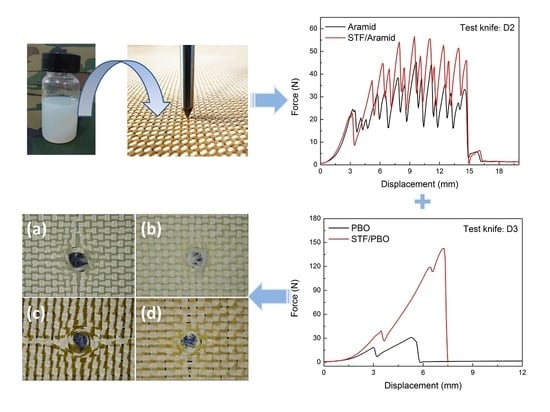
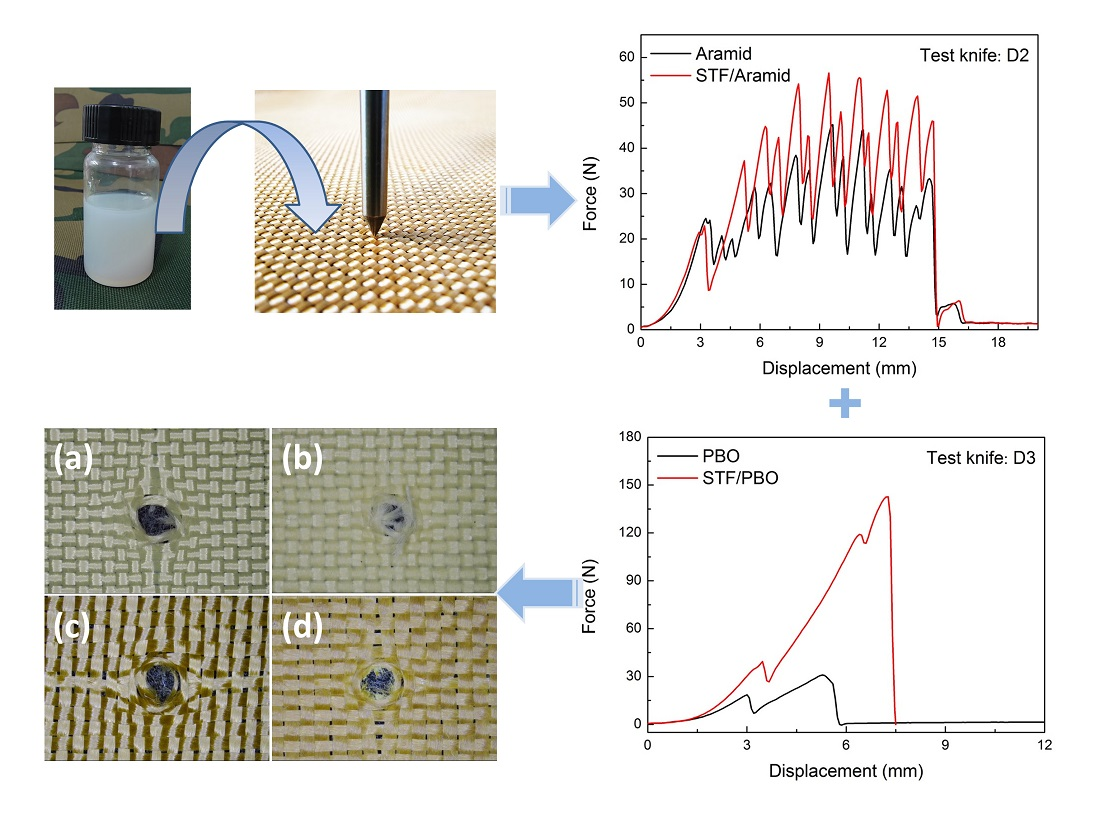
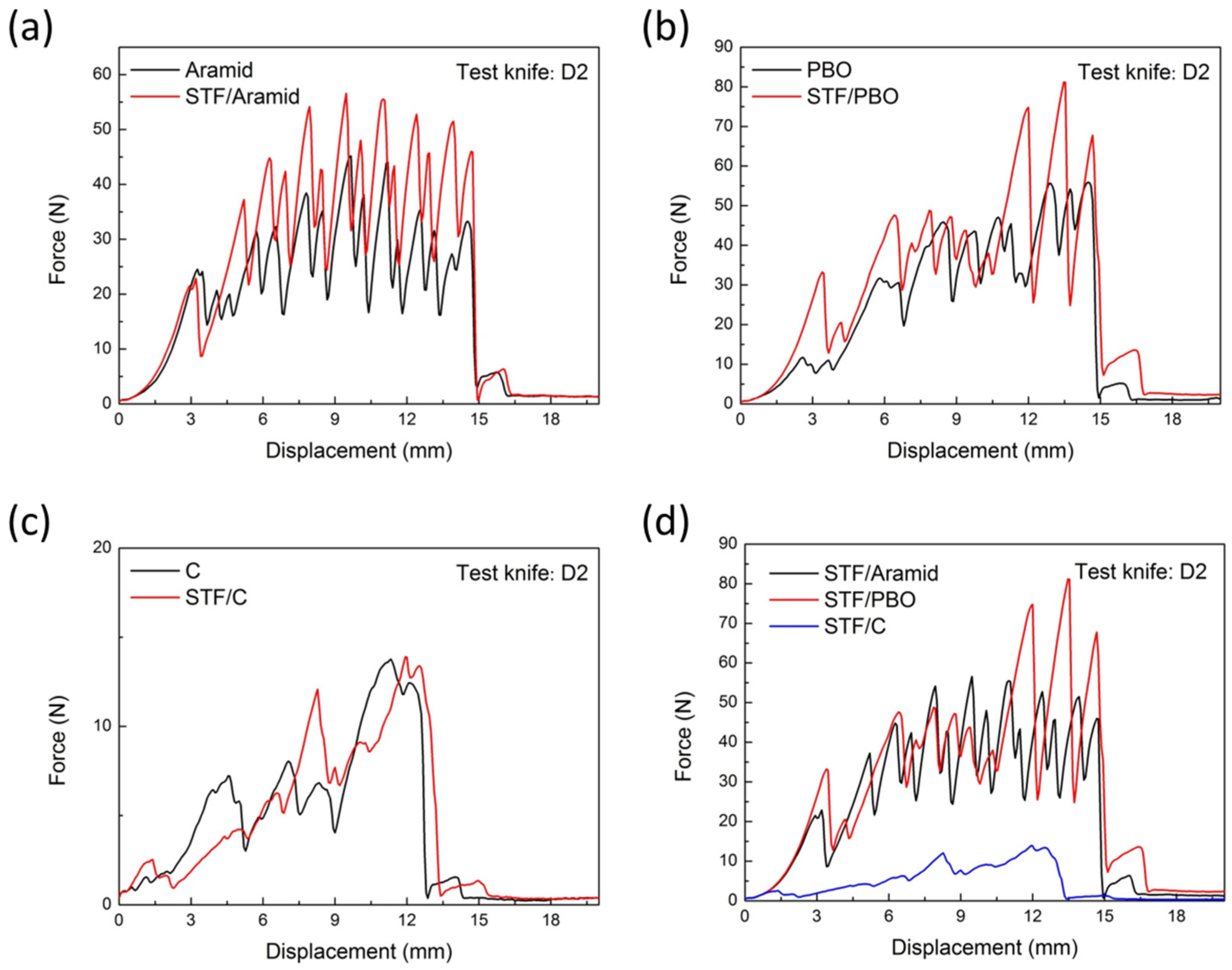
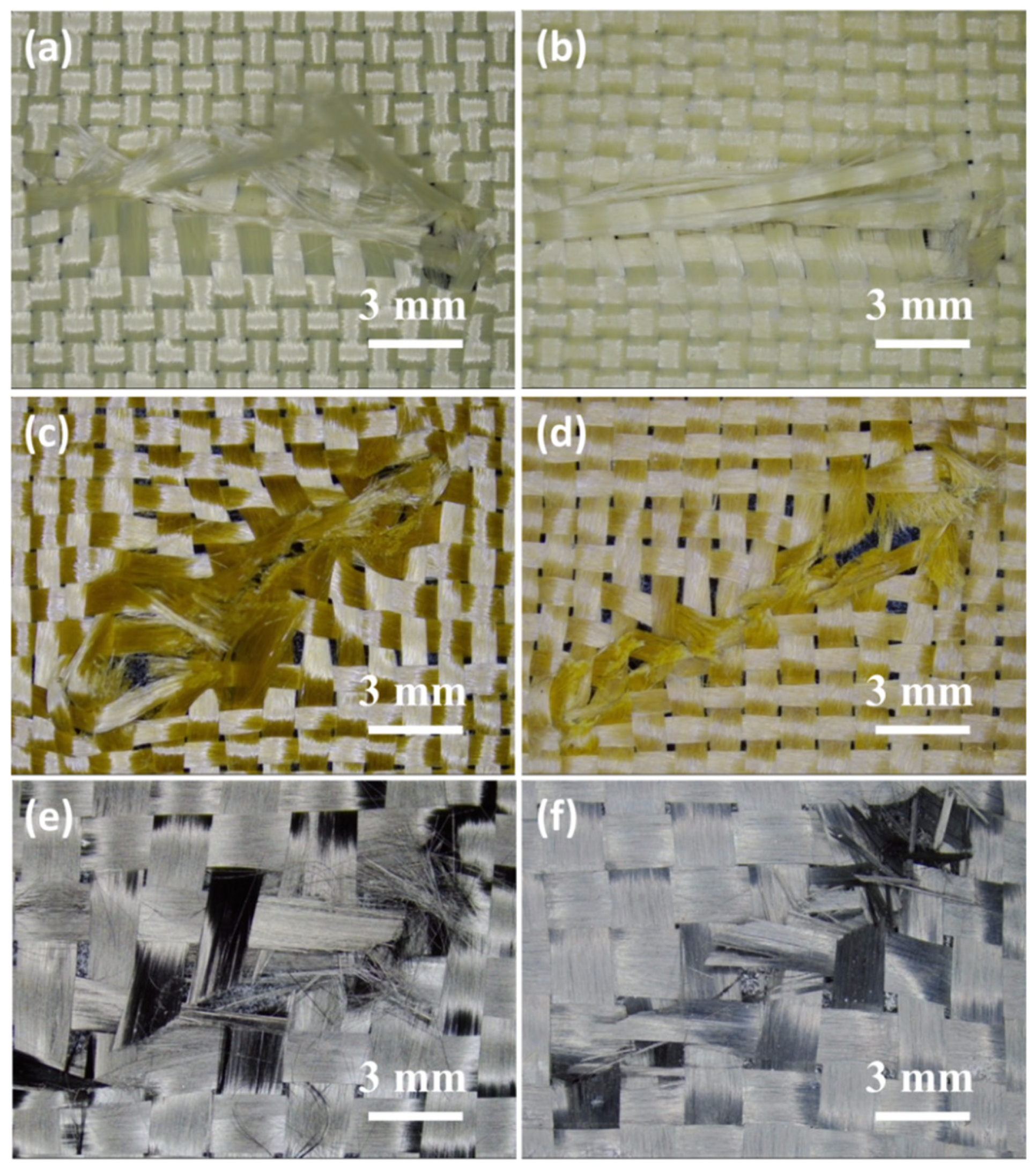
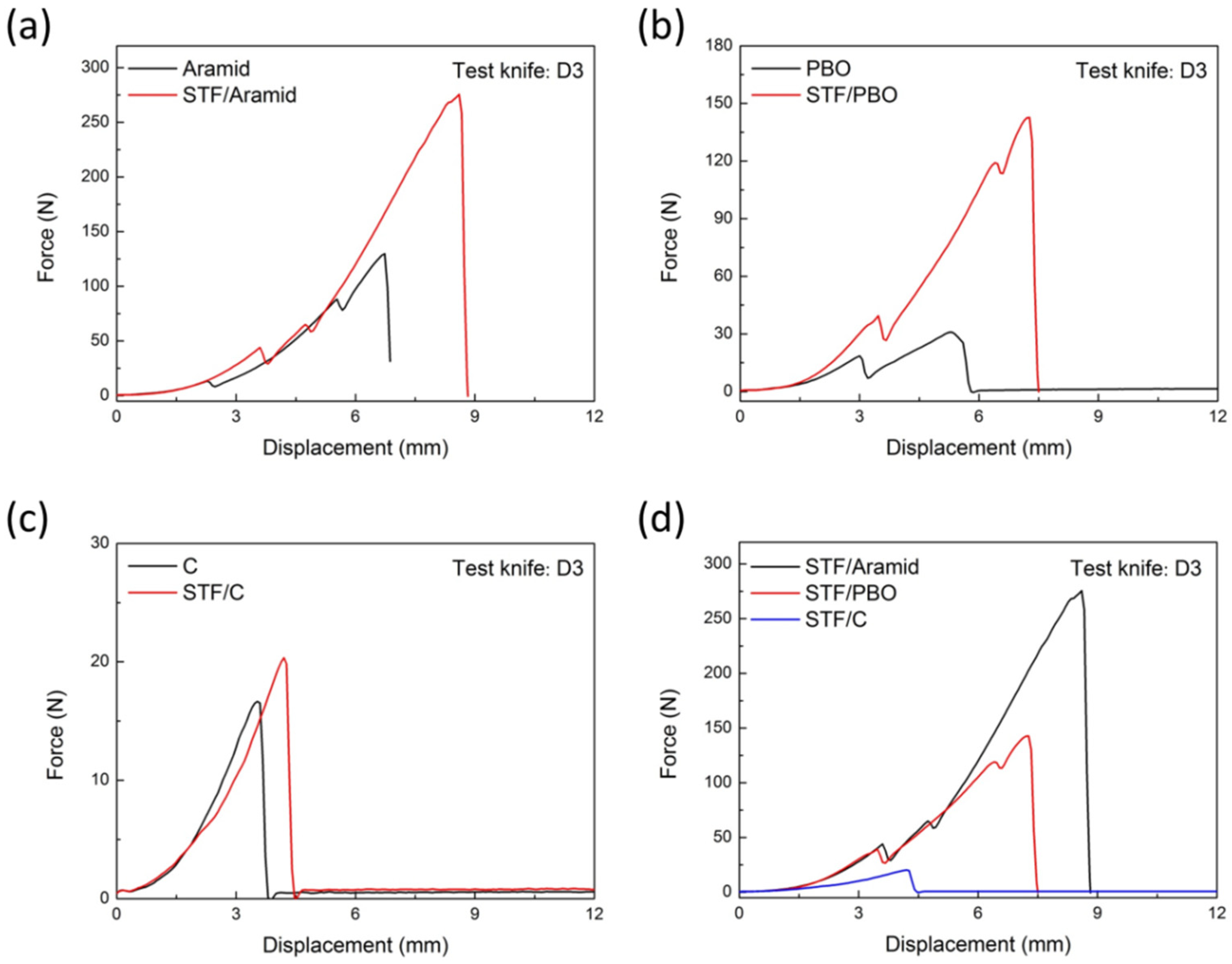
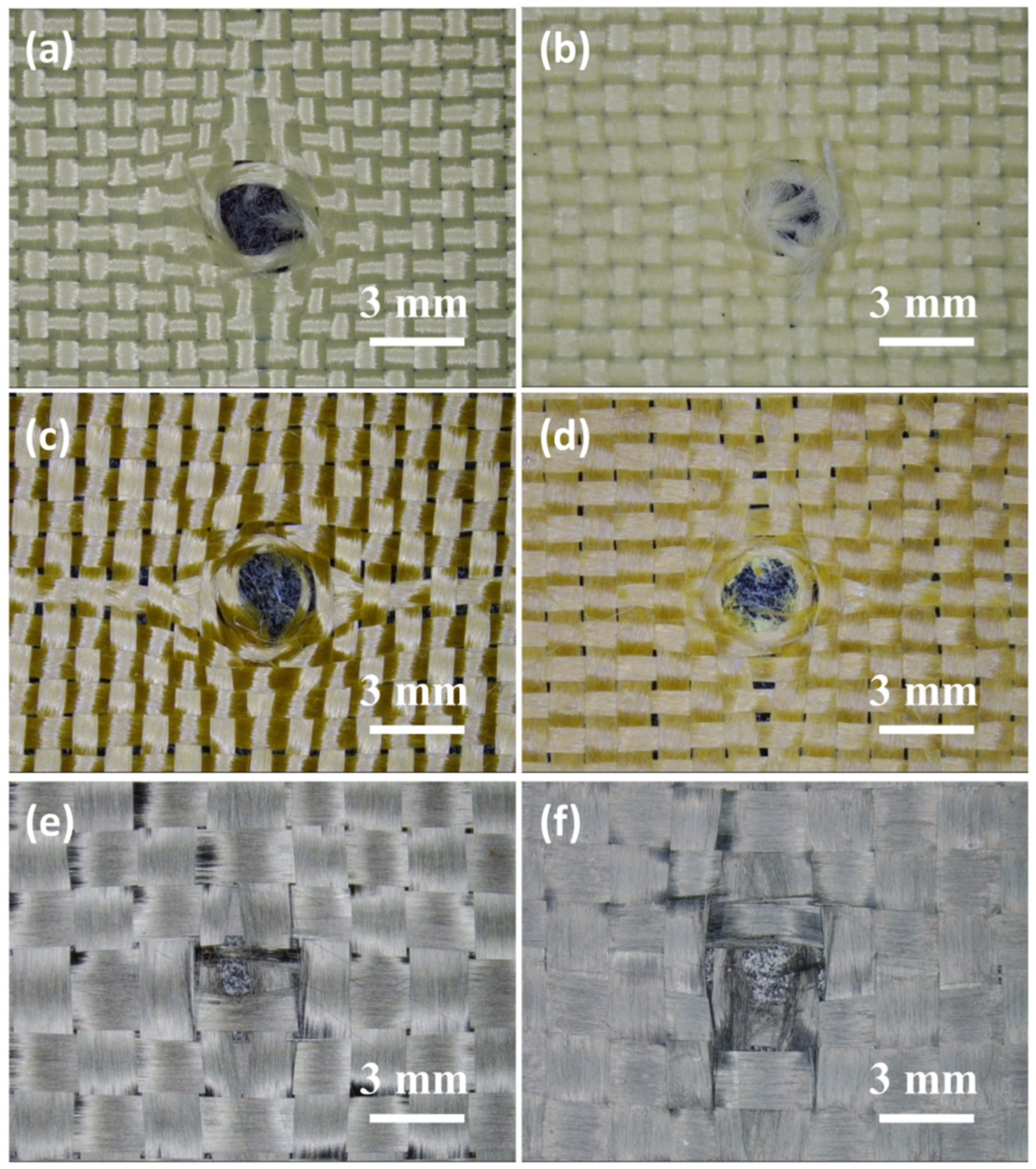
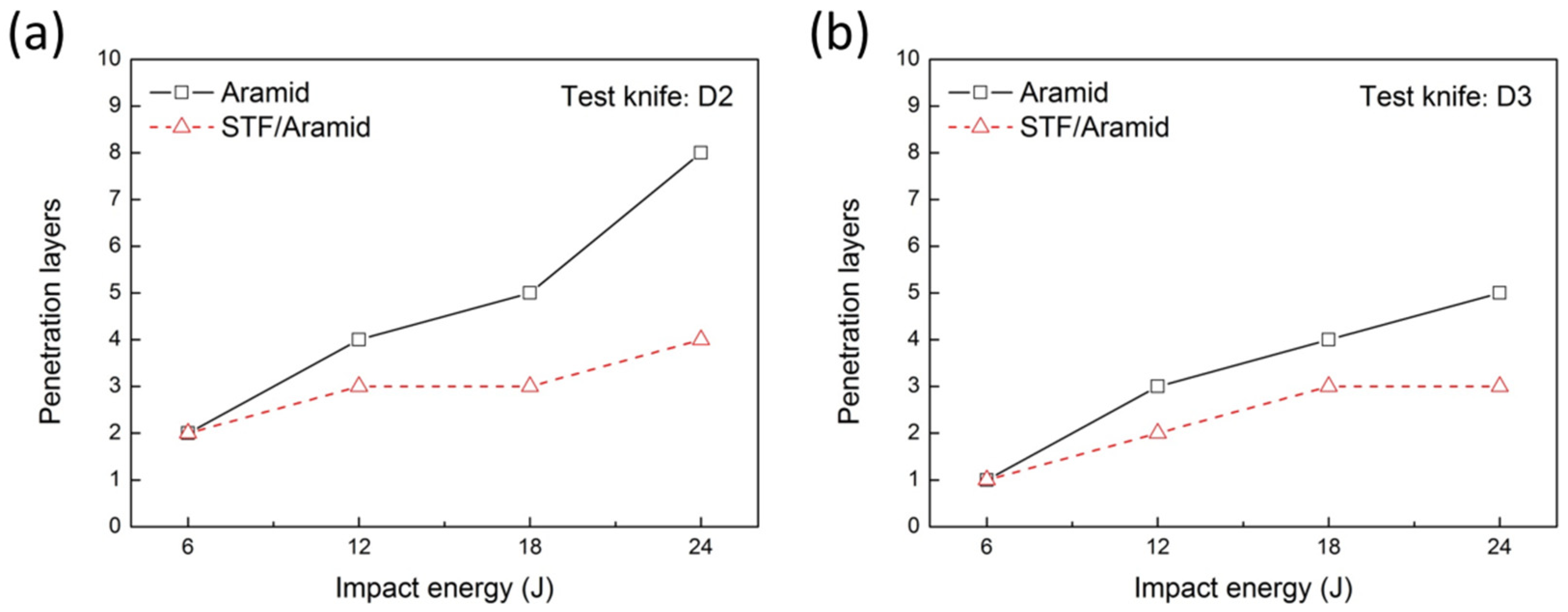
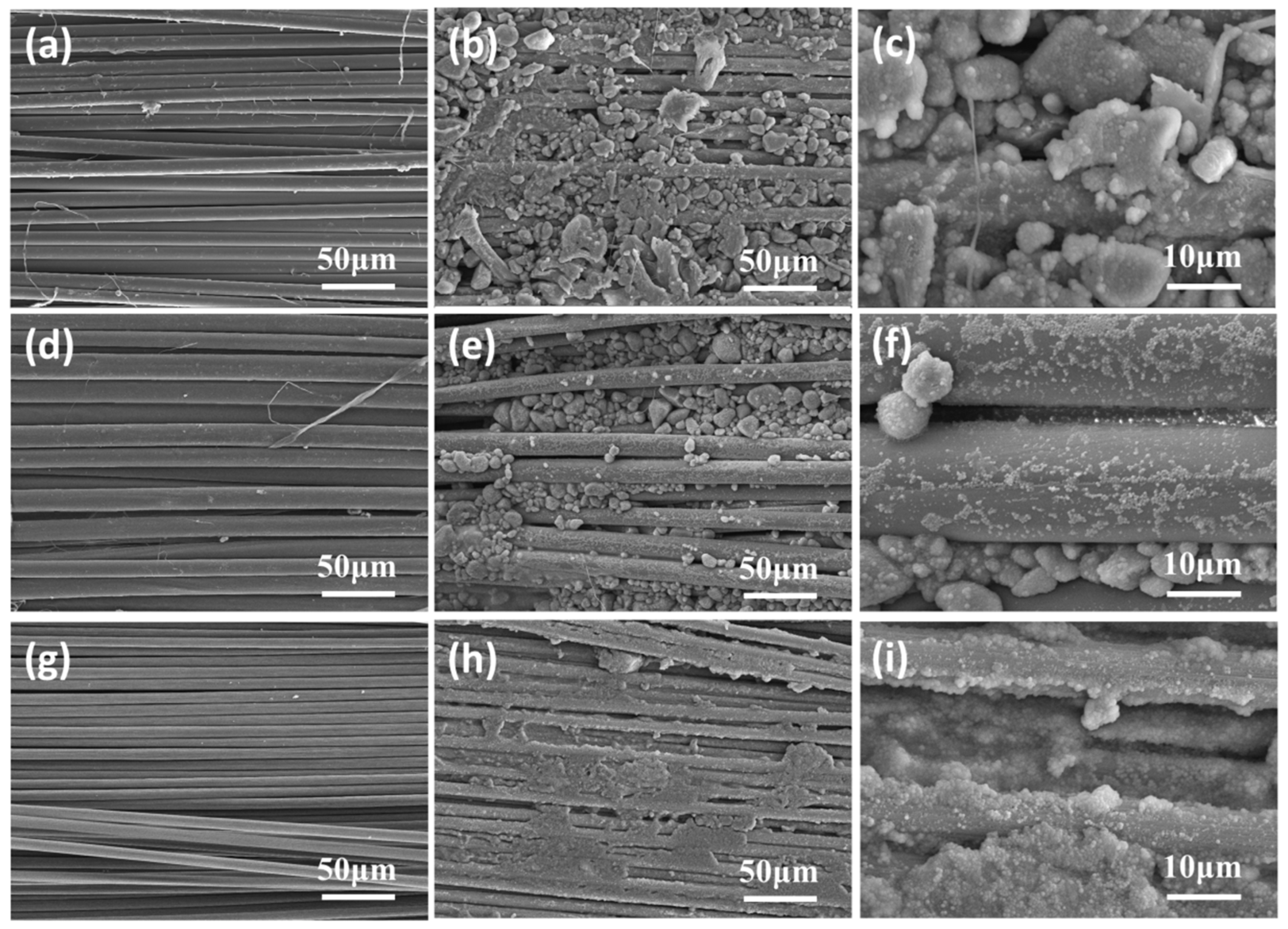
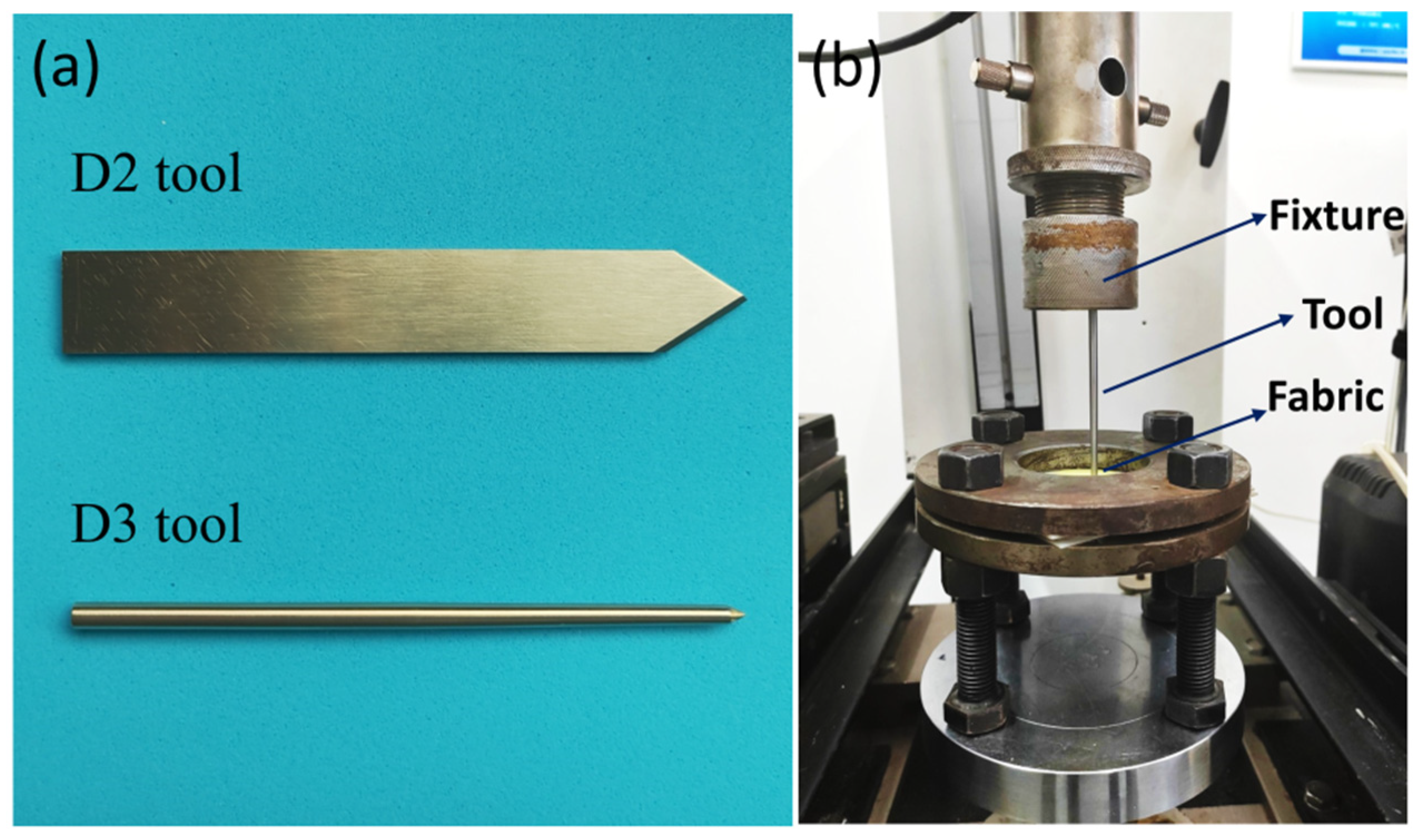
Stab-resistant body armor can effectively prevent sharp instruments from attacking the protected parts and reduce the threat to human bodies. Shear thickening fluid (STF) is a kind of smart material with variable viscosity and its viscosity can change significantly with external stimuli. The soft and adaptive characteristics of STF provide a new idea for improving the performance of stab-proof materials. In this work, three kinds of soft anti-stabbing materials were designed and prepared with aramid, poly–p–phenylene benzodioxazole (PBO), and carbon fiber fabrics impregnated with STF. Quasi-static puncture tests and dynamic impact tests were conducted to compare the performance of different anti-stabbing structures. The results showed that the peak piercing force of the STF-treated fabrics in the puncture testing was greatly increased than that of neat samples. Against the D2 knife, the maximum impact load of STF/PBO fiber fabric was increased from 55.8 N to 72.9 N, increasing by 30.6%. Against the D3 spike, the maximum impact load of STF/aramid fabric was increased from 128.9 N to 254.7 N, increasing by 197.6%. The mechanical properties of fibers were important factors for the resistance to knives, and the fabric structure was the key point to bear the spike. Optical photographs of fabric fractures and scanning electron microscope analysis indicated that the STF effectively limited the slip of the fiber bundle when the tool penetrated the fabric, which played a positive role in maintaining the tightness and integrity of the fabric structure.
Keywords: soft body armor; shear thickening fluid; stab resistance; fabric composites soft body armor; shear thickening fluid; stab resistance; fabric composites
Graphical Abstract