Article

Biological Effects of EGCG@MOF Zn(BTC)4 System Improves Wound Healing in Diabetes
1
College of Science, Yunnan Agricultural University, Kunming 650201, China
2
Key Laborotory of Puer Tea Sciencs, Ministry of Education(YNAU), Yunnan Agricultural University, Kunming 650201, China
3
Agro-Products Processing Research Institute, Yunnan Academy of Agricultural Sciences, Kunming 650201, China
*
Authors to whom correspondence should be addressed.
These authors have contributed equally to this work.
Molecules 2022, 27(17), 5427; https://doi.org/10.3390/molecules27175427

Submission received: 12 July 2022 / Revised: 10 August 2022 / Accepted: 12 August 2022 / Published: 25 August 2022
(This article belongs to the Special Issue Metal Organic Frameworks: Synthesis and Application II)

Abstract

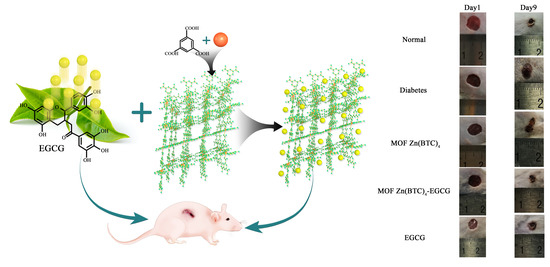
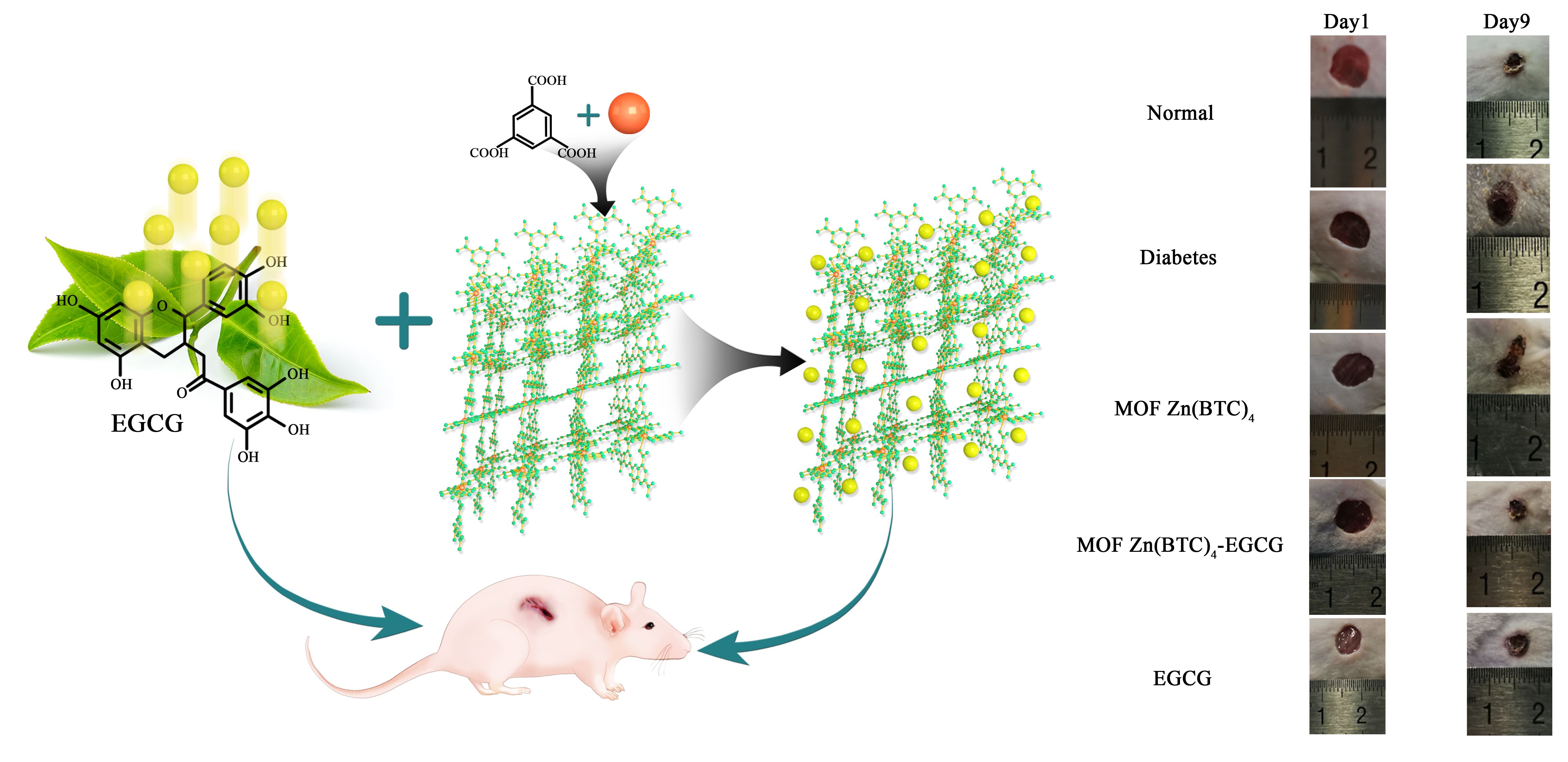
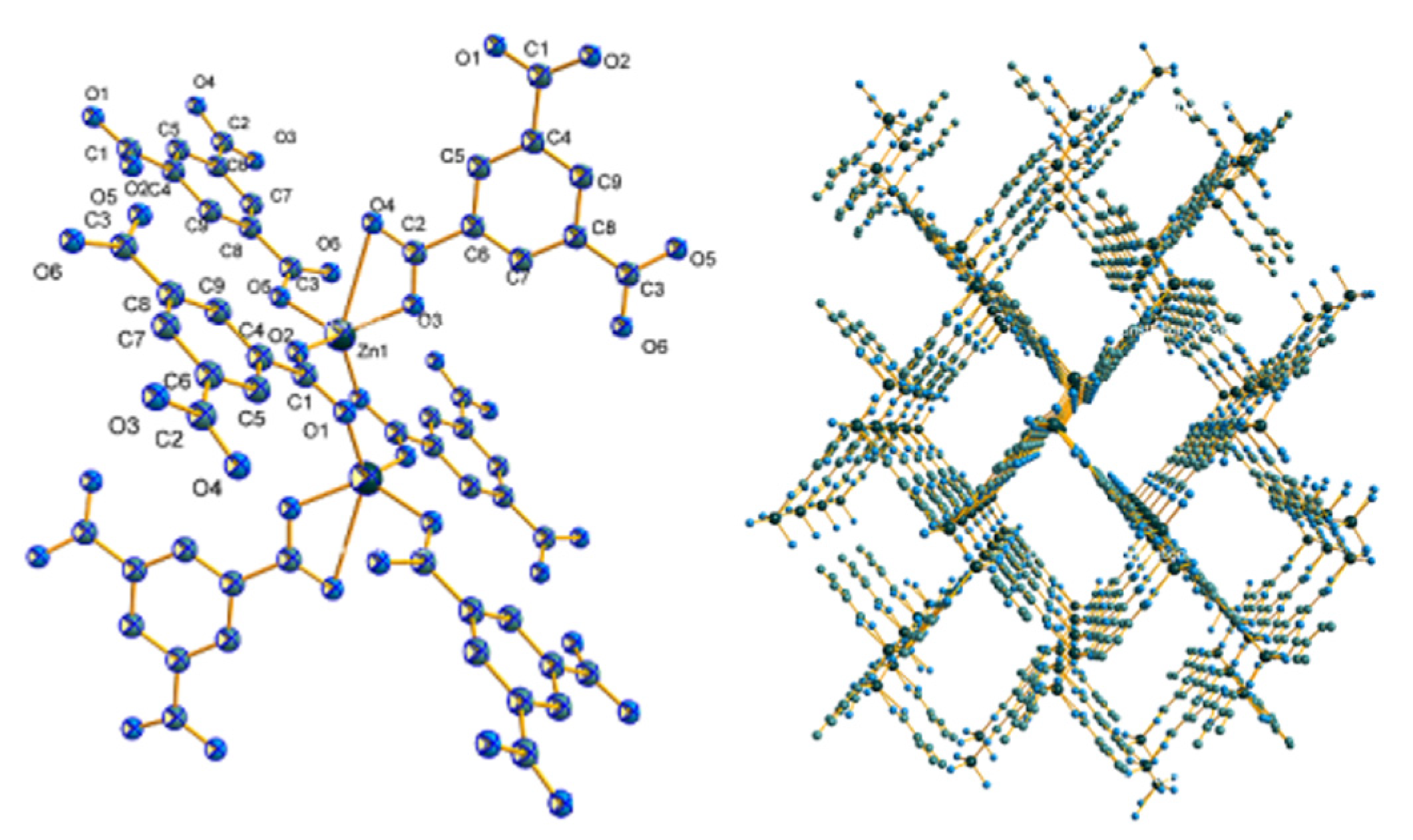
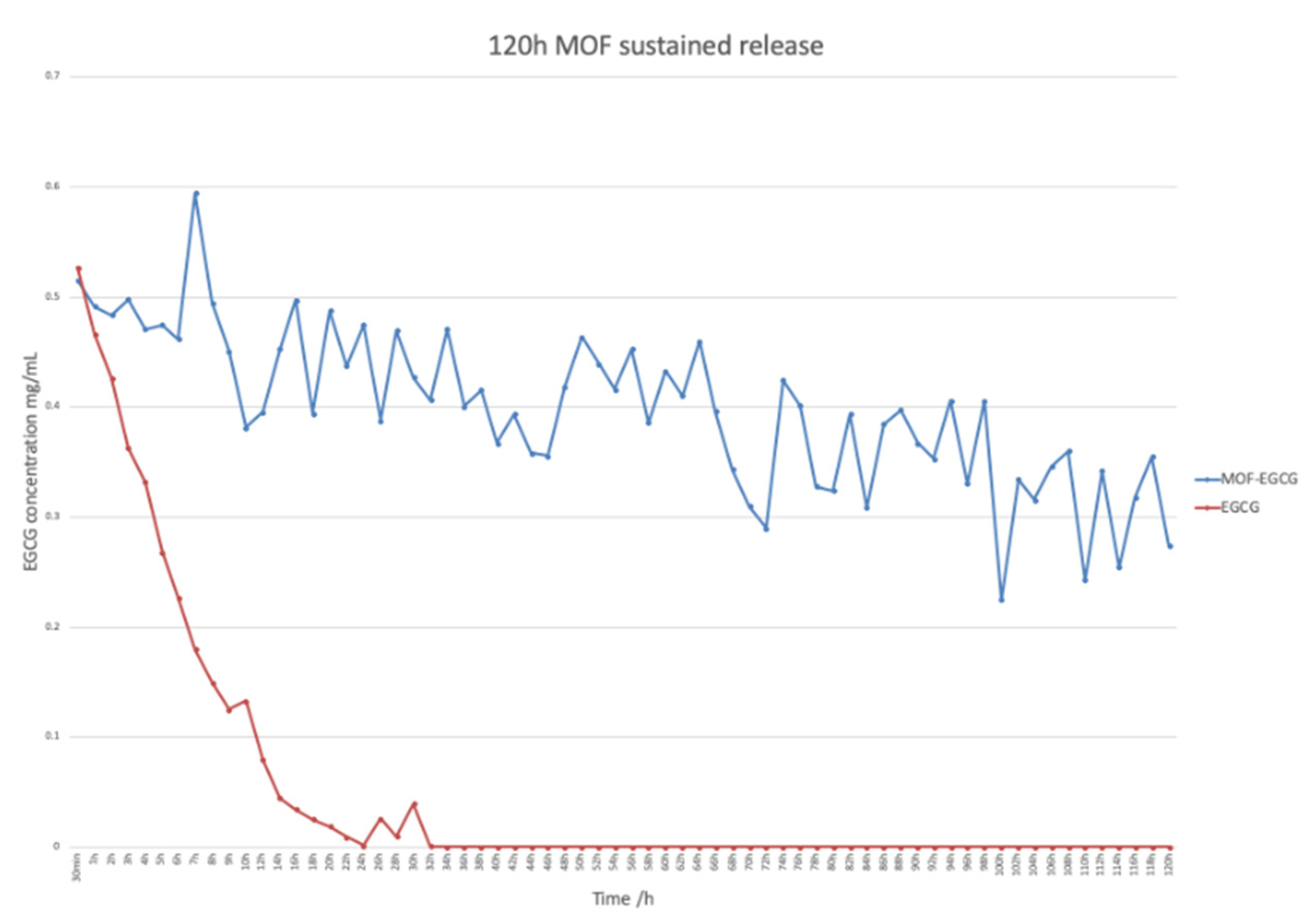
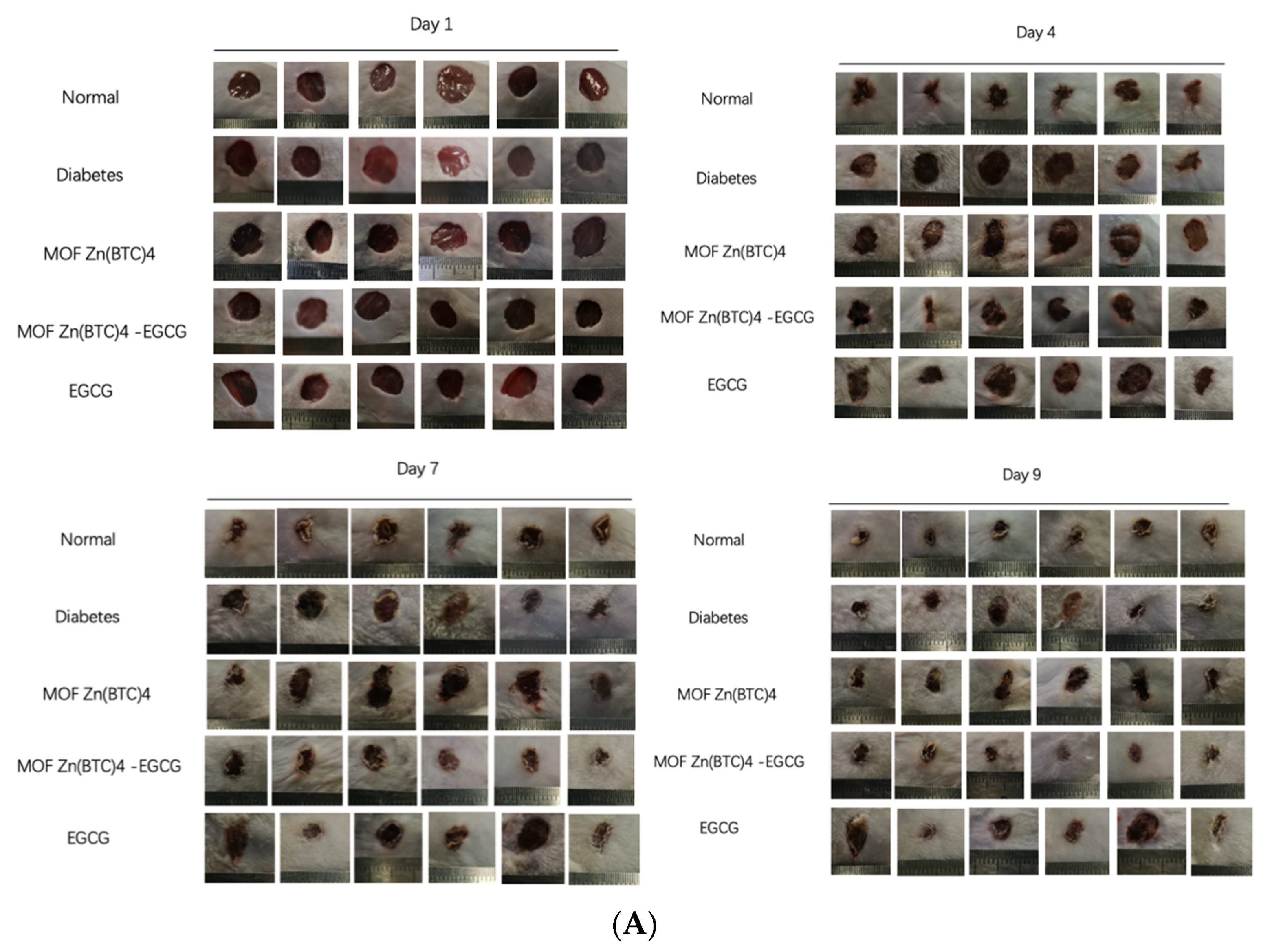
Tea contains high levels of the compound epigallocatechin gallate (EGCG). It is considered an important functional component in tea and has anti-cancer, antioxidant, and anti-inflammatory effects. The eight phenolic hydroxyl groups in EGCG’s chemical structure are the basis for EGCG’s multiple biological effects. At the same time, it also leads to poor chemical stability, rendering EGCG prone to oxidation and isomerization reactions that change its original structure and biological activity. Learning how to maintain the activity of EGCG has become an important goal in understanding the biological activity of EGCG and the research and development of tea-related products. Metal–organic frameworks (MOFs) are porous materials with a three-dimensional network structure that are composed of inorganic metals or metal clusters together with organic complexes. MOFs exploit the porous nature of the material itself. When a drug is an appropriate size, it can be wrapped into the pores by physical or chemical methods; this allows the drug to be released slowly, and MOFs can also reduce drug toxicity. In this study, we used MOF Zn(BTC)4 materials to load EGCG and investigated the sustained release effect of EGCG@MOF Zn(BTC)4 and the biological effects on wound healing in a diabetic mouse model.
Keywords: EGCG; MOF; wound healing; diabetes EGCG; MOF; wound healing; diabetes
Graphical Abstract