Article

A Small Natural Molecule S3 Protects Retinal Ganglion Cells and Promotes Parkin-Mediated Mitophagy against Excitotoxicity

1
Department of Ophthalmology & Visual Science, Eye & ENT Hospital, Shanghai Medical College, Fudan University, Shanghai 200031, China
2
NHC Key Laboratory of Myopia (Fudan University), Key Laboratory of Myopia, Chinese Academy of Medical Sciences, and Shanghai Key Laboratory of Visual Impairment and Restoration (Fudan University), Shanghai 200031, China
3
The State Key Laboratory of Phytochemistry and Plant Resources in West China, Kunming Institute of Botany, Chinese Academy of Sciences, Kunming 650204, China
*
Author to whom correspondence should be addressed.
Molecules 2022, 27(15), 4957; https://doi.org/10.3390/molecules27154957

Submission received: 1 July 2022 / Revised: 24 July 2022 / Accepted: 1 August 2022 / Published: 4 August 2022
(This article belongs to the Special Issue Bioactive Compounds for Brain Ischemia and Neurodegenerative Disease)

Abstract

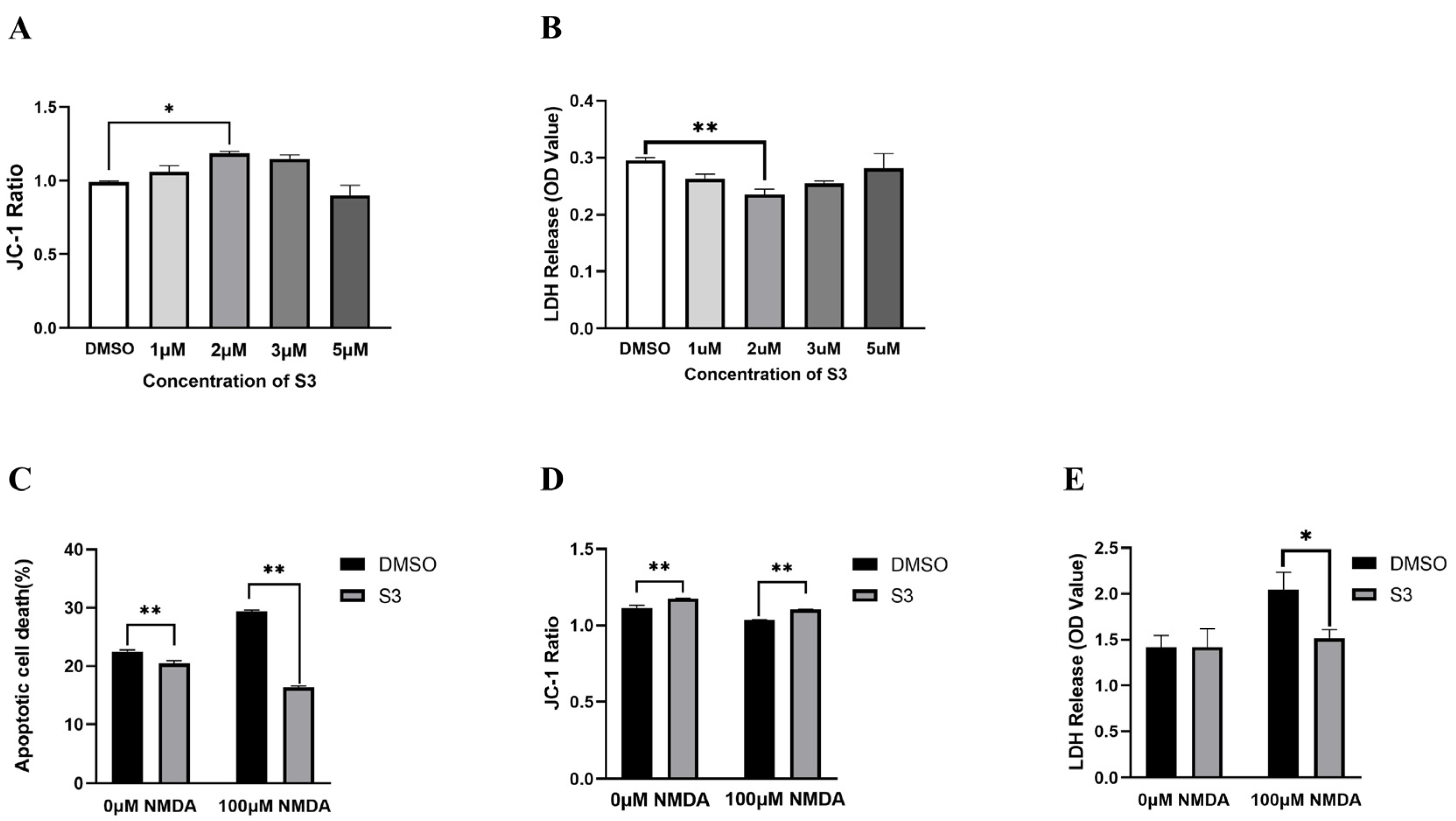
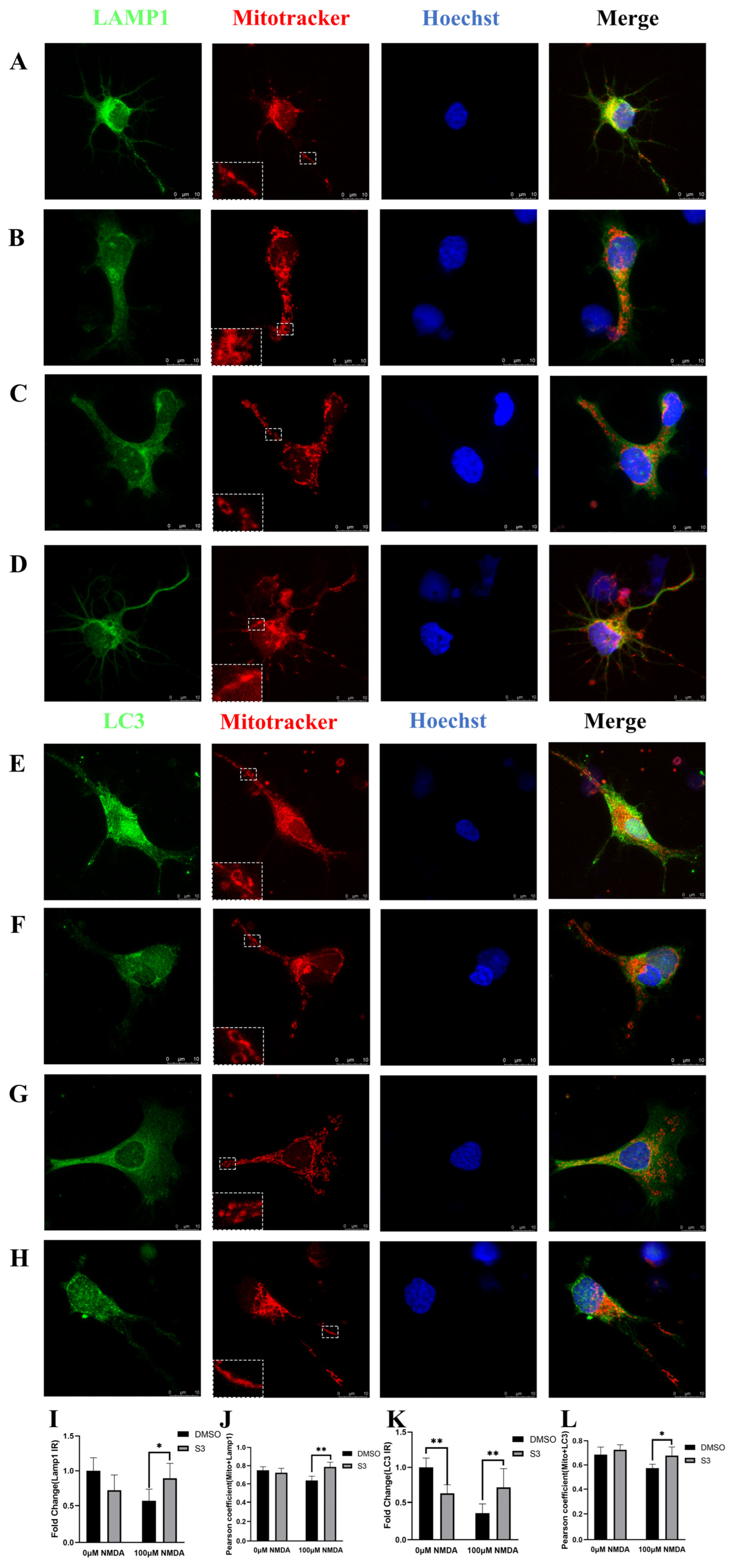
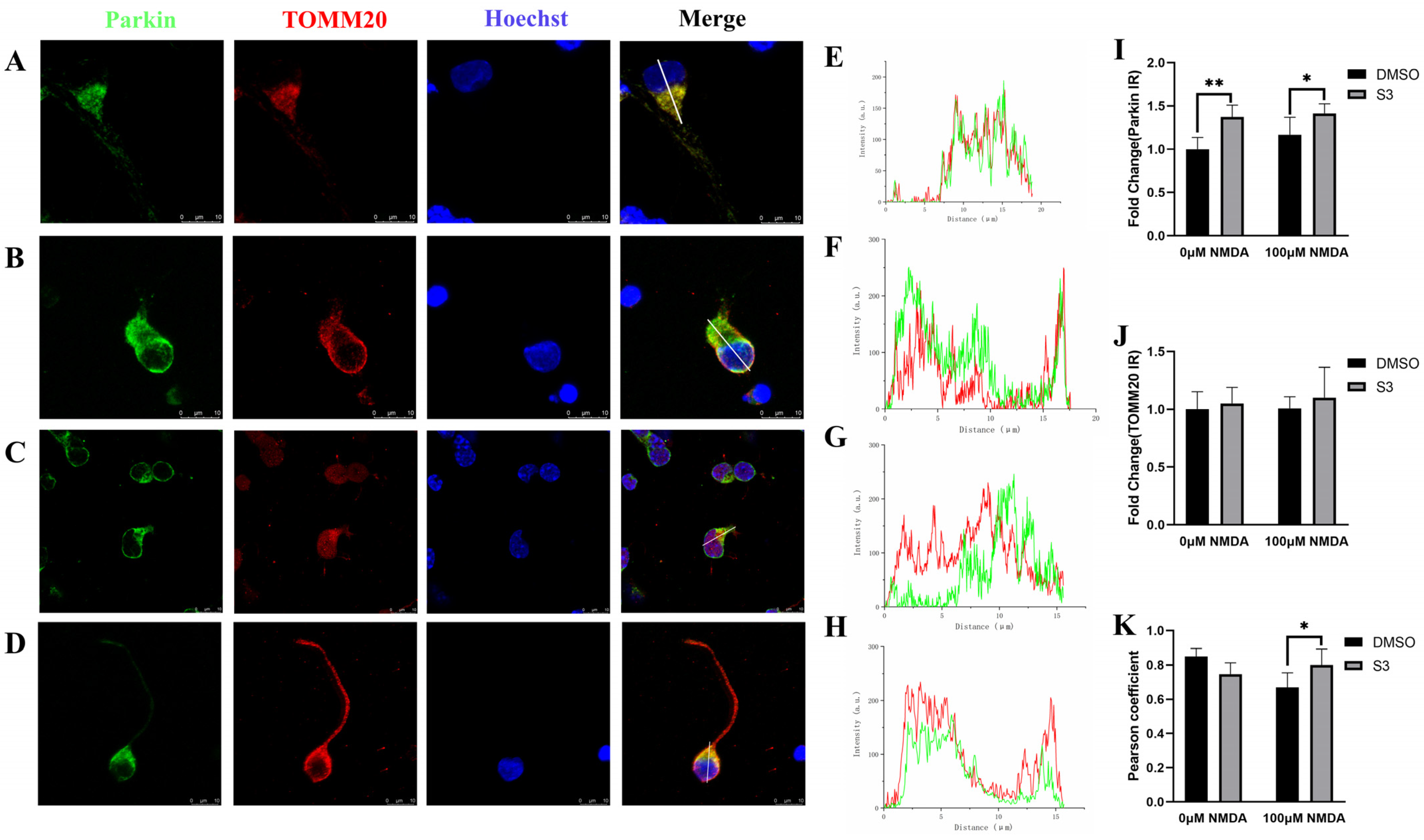
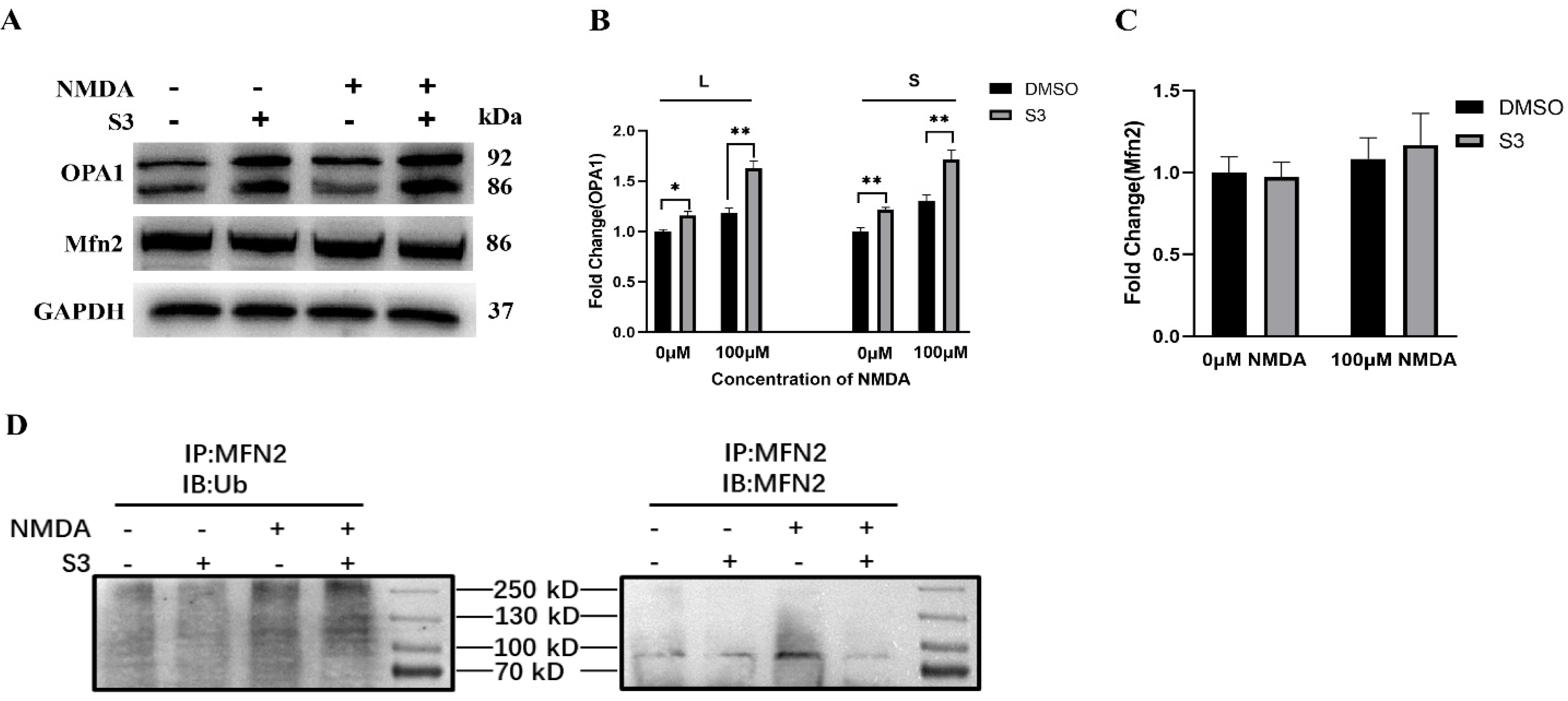
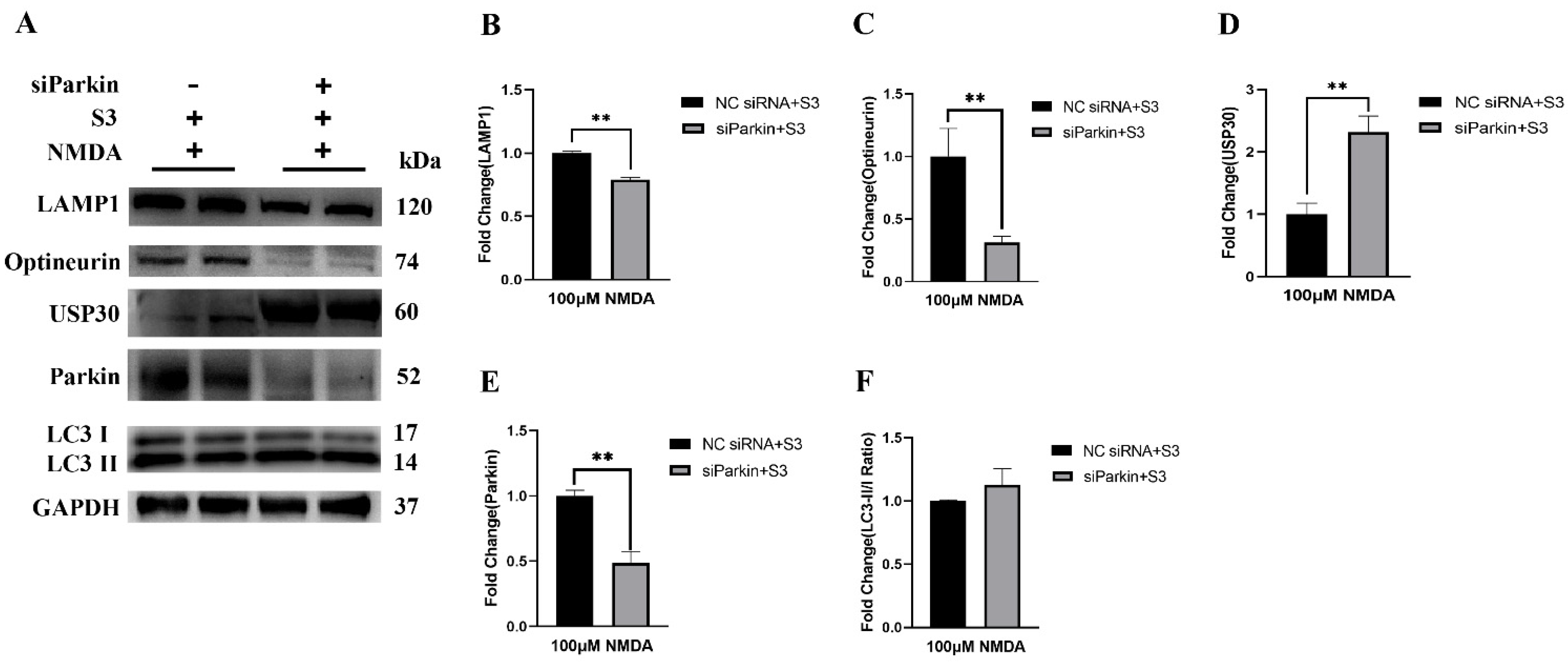
Glutamate excitotoxicity may contribute to retinal ganglion cell (RGC) degeneration in glaucoma and other optic neuropathies, leading to irreversible blindness. Growing evidence has linked impaired mitochondrial quality control with RGCs degeneration, while parkin, an E3 ubiquitin ligase, has proved to be protective and promotes mitophagy in RGCs against excitotoxicity. The purpose of this study was to explore whether a small molecule S3 could modulate parkin-mediated mitophagy and has therapeutic potential for RGCs. The results showed that as an inhibitor of deubiquitinase USP30, S3 protected cultured RGCs and improved mitochondrial health against NMDA-induced excitotoxicity. Administration of S3 promoted the parkin expression and its downstream mitophagy-related proteins in RGCs. An upregulated ubiquitination level of Mfn2 and protein level of OPA1 were also observed in S3-treated RGCs, while parkin knockdown resulted in a major loss of the protective effect of S3 on RGCs under excitotoxicity. These findings demonstrated that S3 promoted RGC survival mainly through enhancing parkin-mediated mitophagy against excitotoxicity. The neuroprotective value of S3 in glaucoma and other optic neuropathies deserves further investigation.
Keywords: excitotoxicity; retinal ganglion cells; 15-oxospiramilactone; mitophagy; parkin excitotoxicity; retinal ganglion cells; 15-oxospiramilactone; mitophagy; parkin