Article

Styrylpyrone Derivative (SPD) Extracted from Goniothalamus umbrosus Binds to Dengue Virus Serotype-2 Envelope Protein and Inhibits Early Stage of Virus Replication

by
Noor Zarina Abd Wahab
1,* and
Nazlina Ibrahim
2
1
School of Biomedicine, Faculty of Health Sciences, Universiti Sultan Zainal Abidin, Kuala Nerus 21300, Terengganu, Malaysia
2
Department of Biological Sciences and Biotechnology, Faculty of Science and Technology, Universiti Kebangsaan Malaysia, Bangi 43600, Selangor, Malaysia
*
Author to whom correspondence should be addressed.
Molecules 2022, 27(14), 4566; https://doi.org/10.3390/molecules27144566

Submission received: 31 May 2022 / Revised: 3 July 2022 / Accepted: 6 July 2022 / Published: 18 July 2022
(This article belongs to the Special Issue Antivirals and Antiviral Strategies)

Abstract

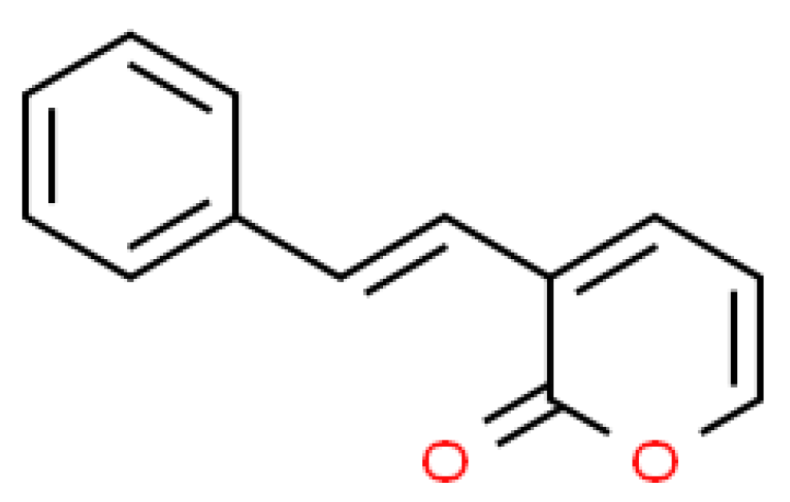
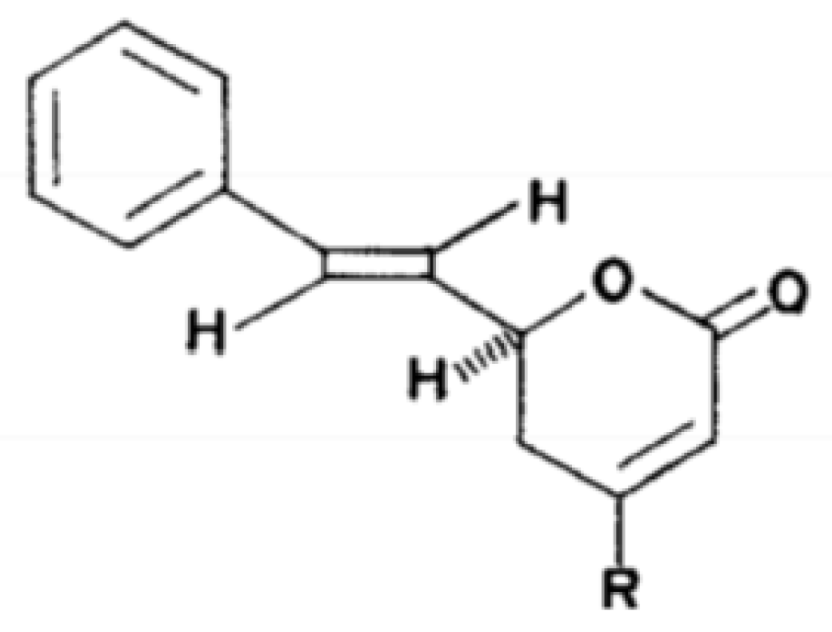
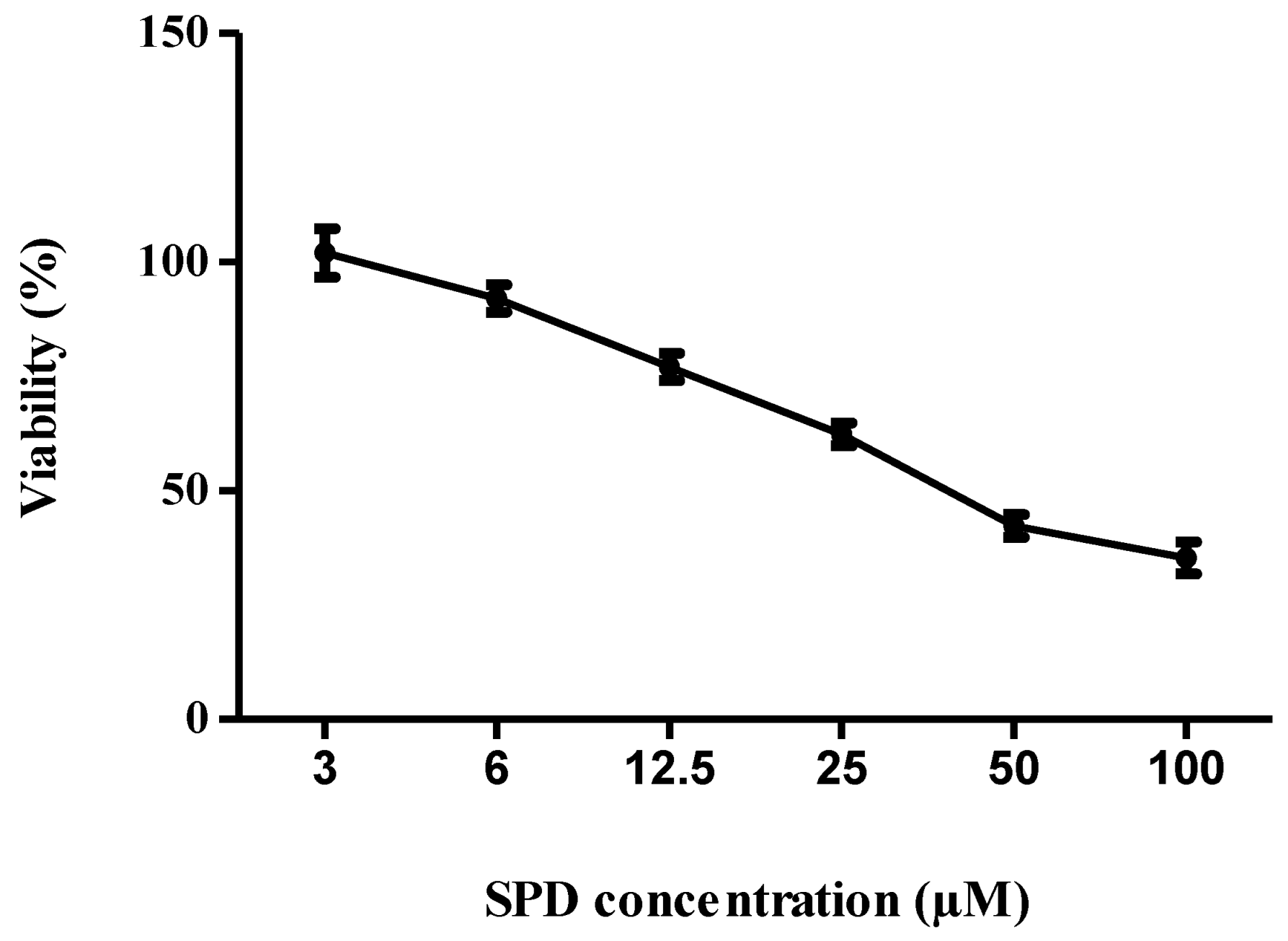
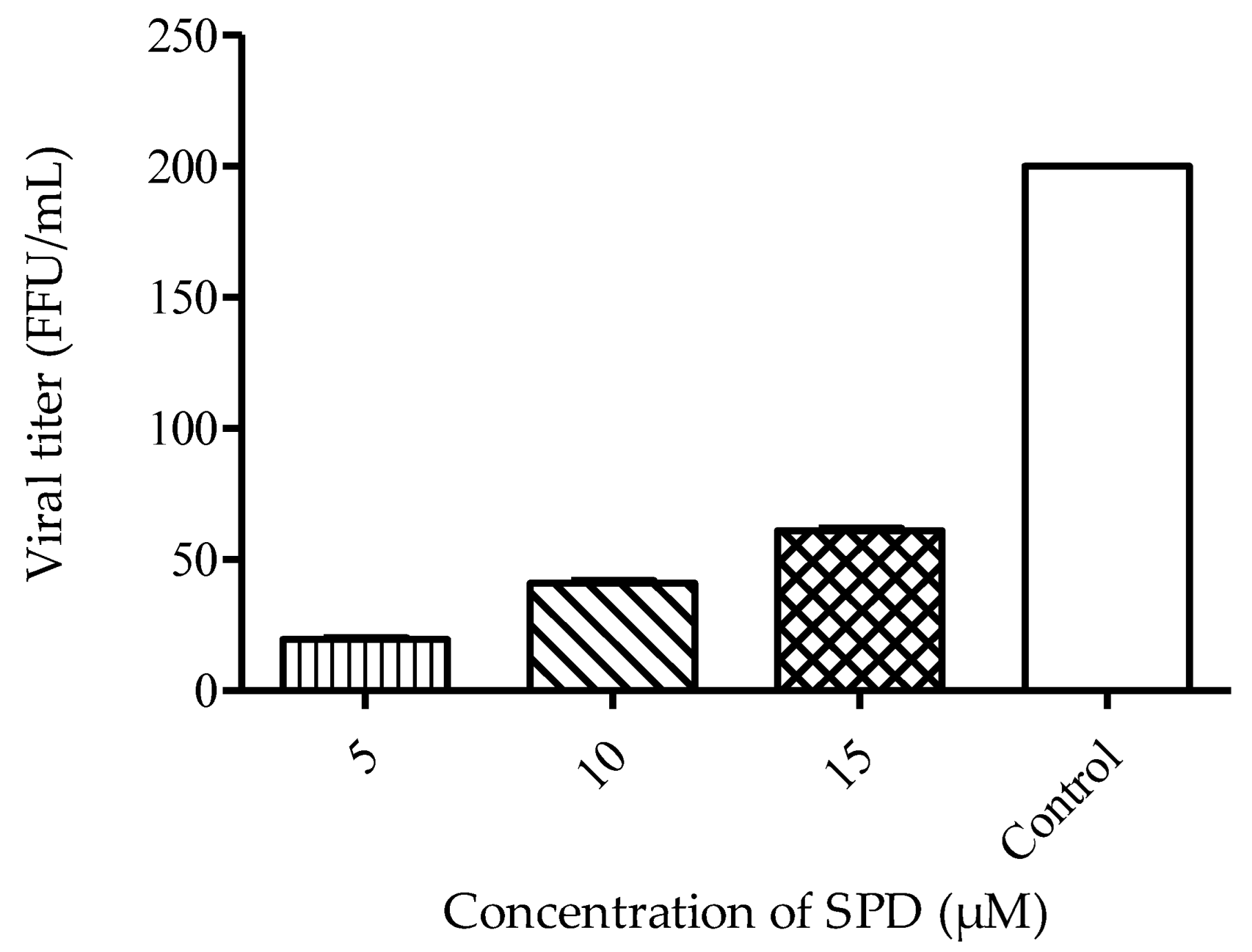
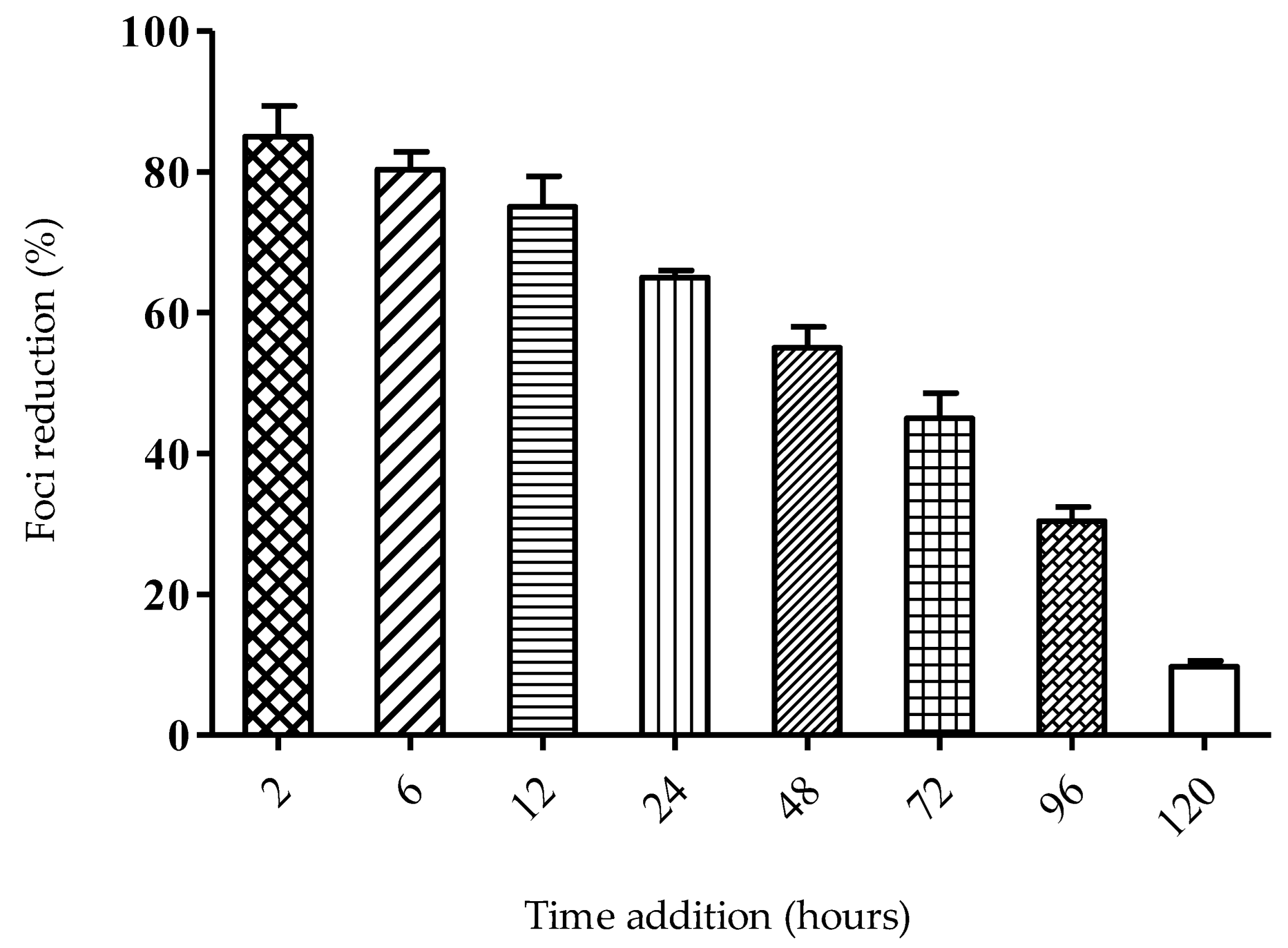
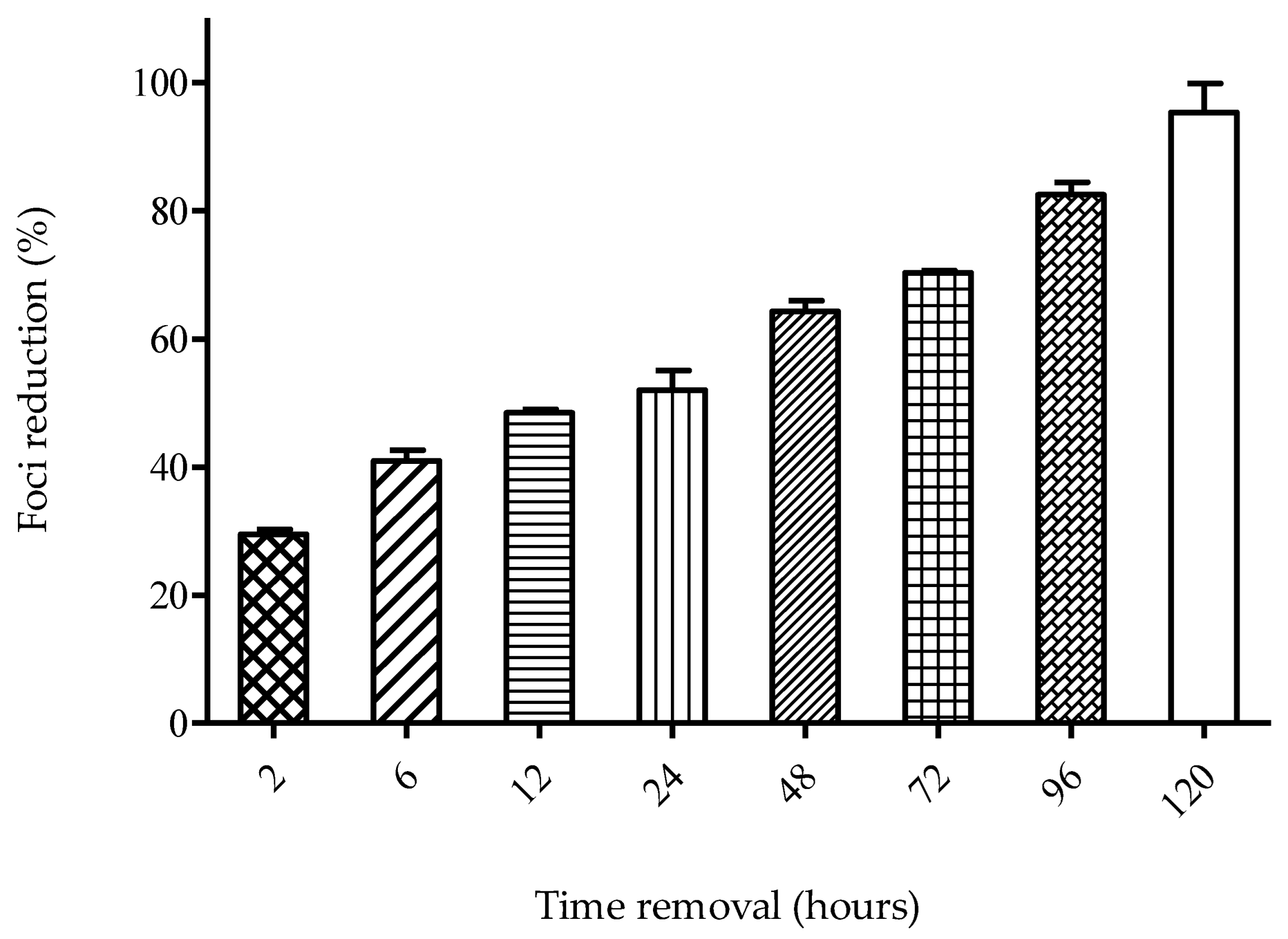
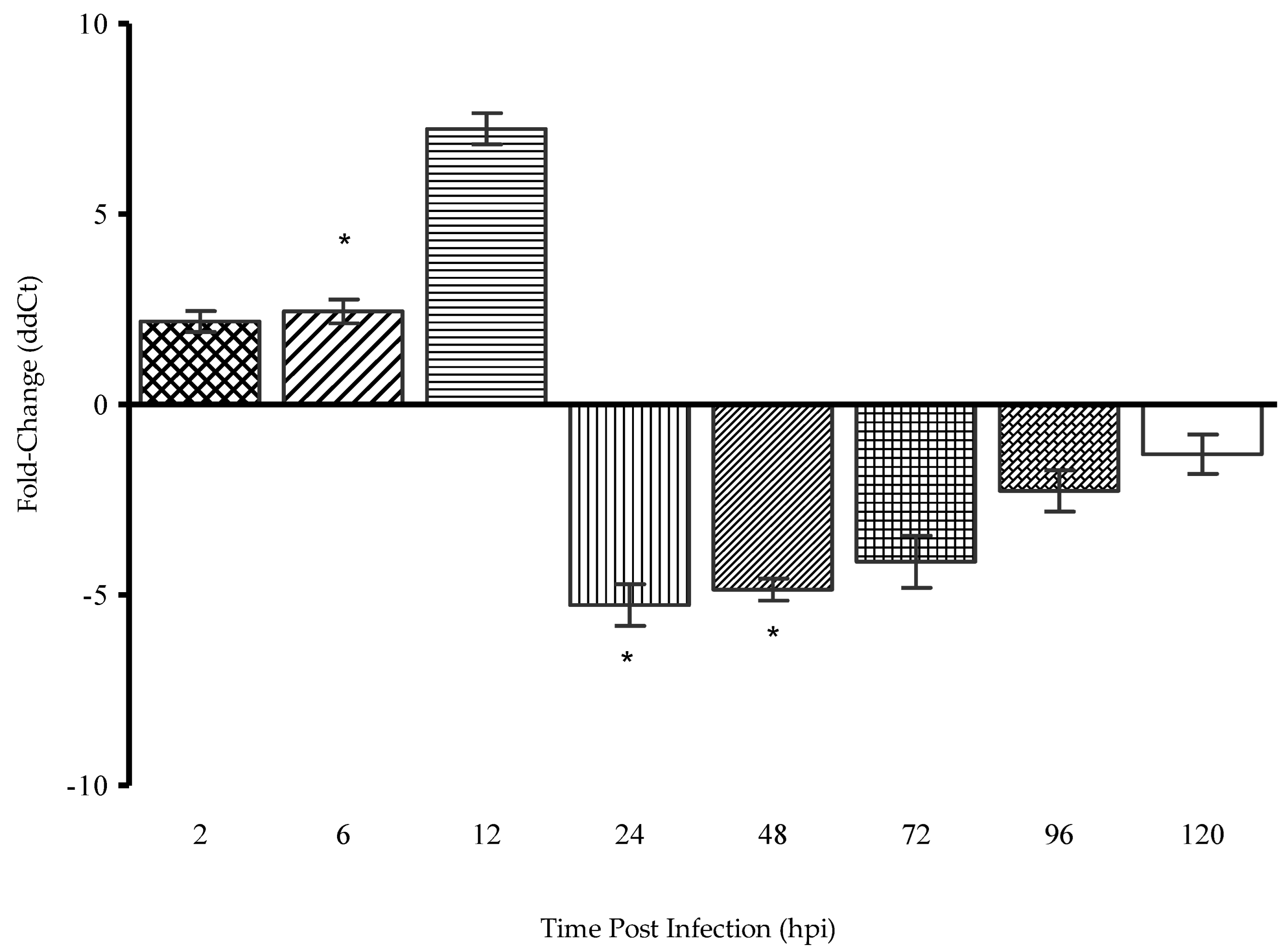
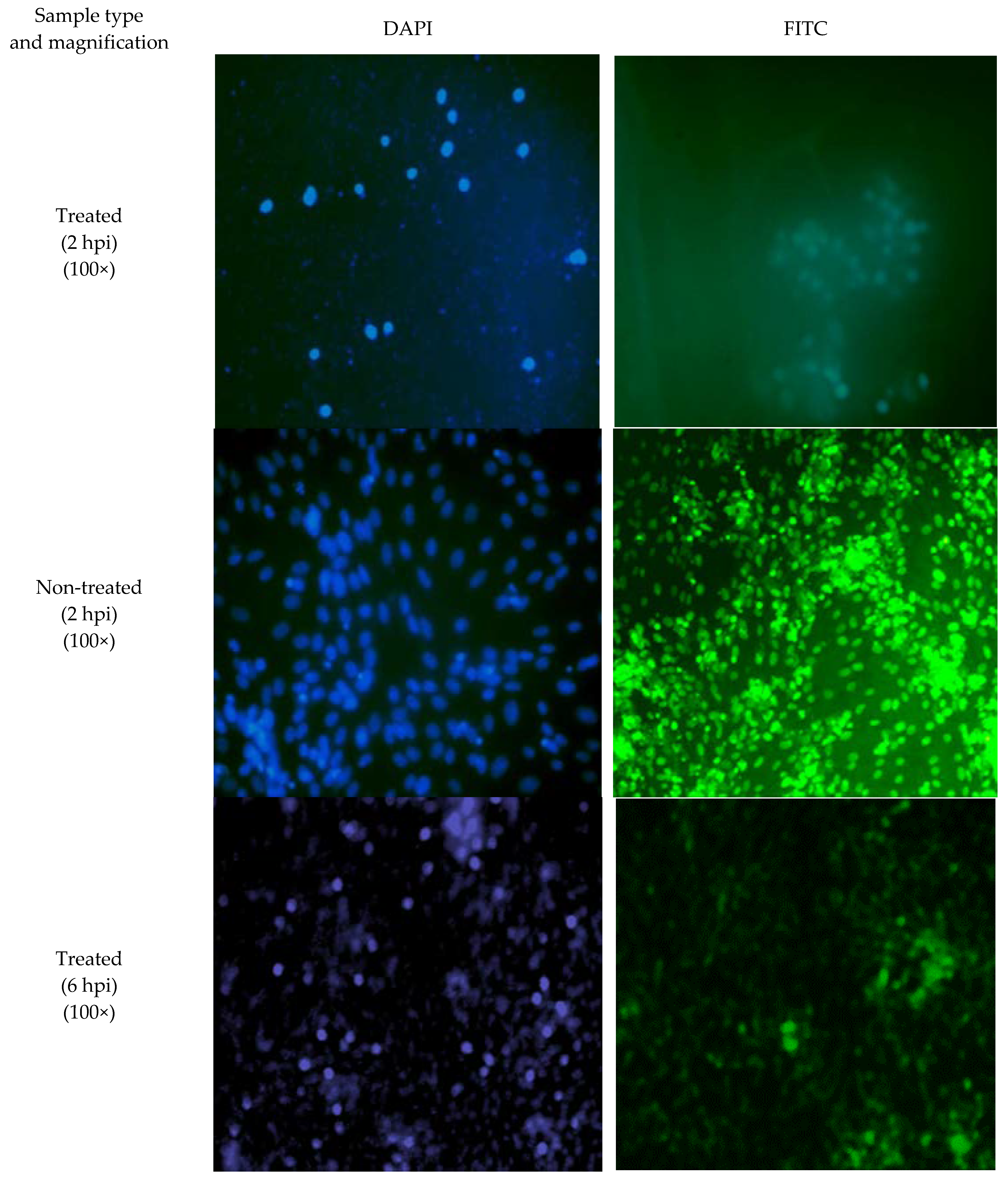
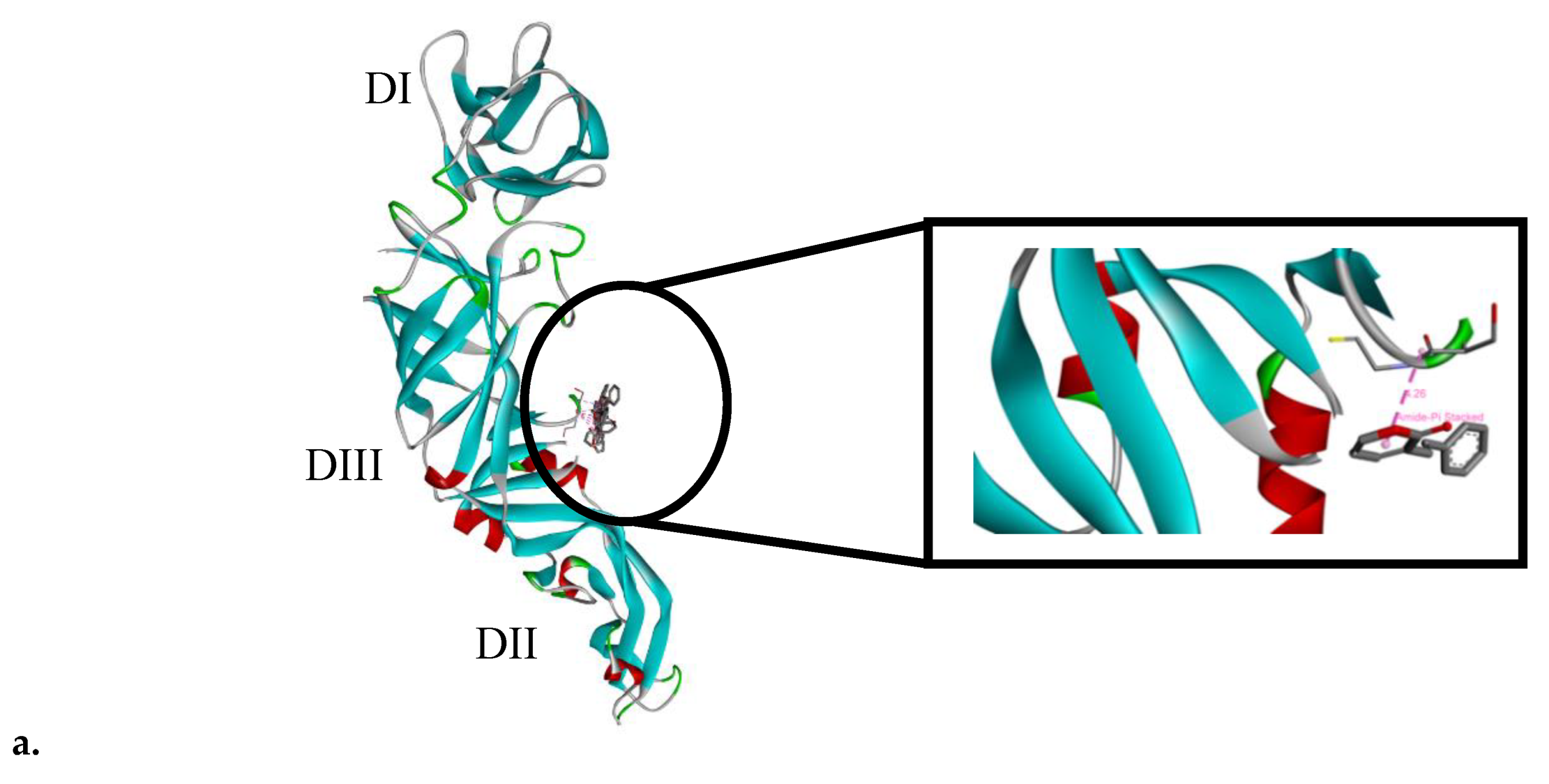
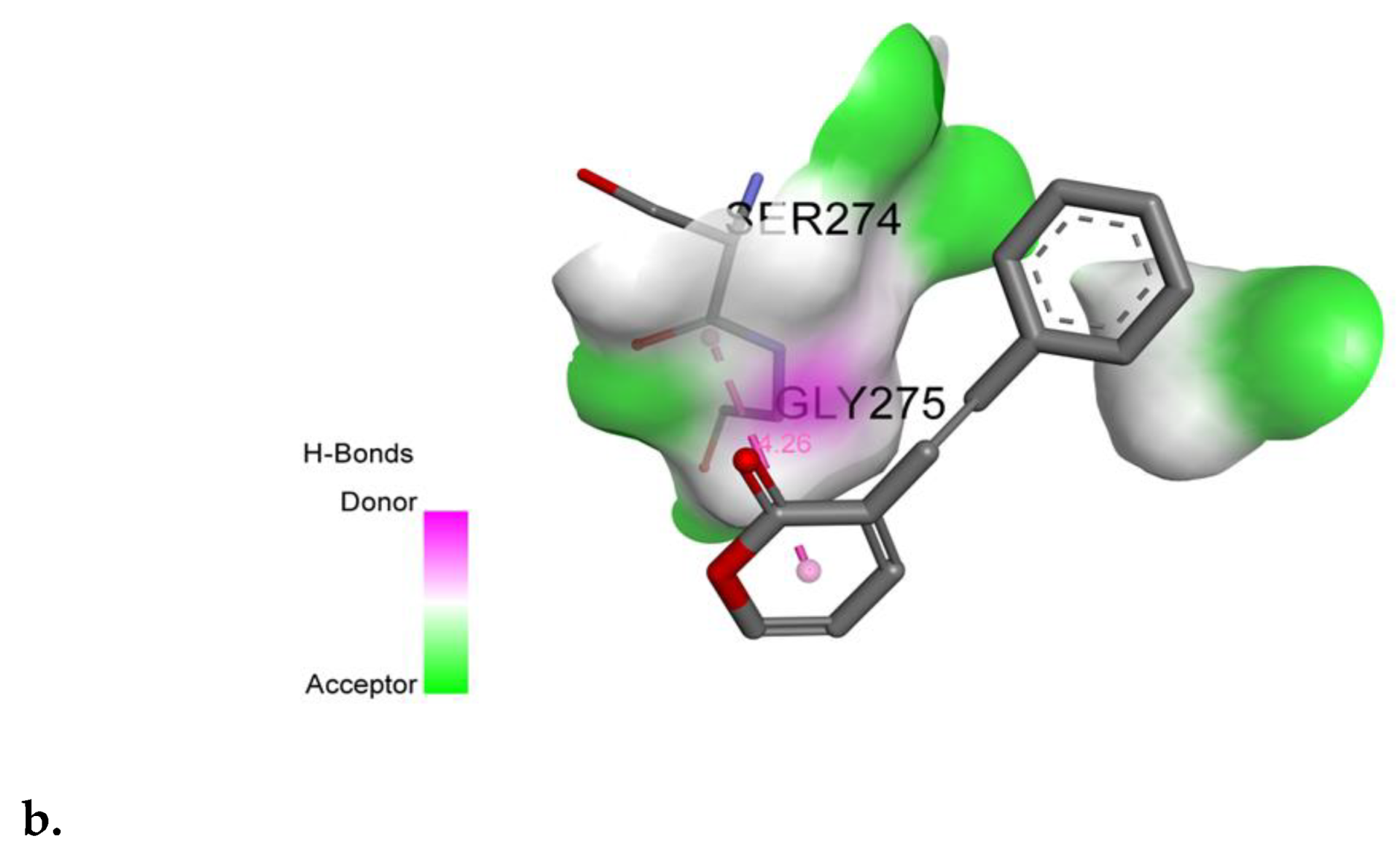
A study was conducted to investigate the anti-viral effect of a styrylpyrone derivative (SPD) called goniothalamin and the effects on the dengue virus serotype 2 (DENV-2) replication cycle. The SPD was prepared from the root of Goniothalamus umbrosus after purification with petroleum ether. The isolated SPD was then subjected to gas chromatography–mass spectrometry (GC-MS) and nuclear magnetic resonance (NMR) analyses for structure validation. The cytotoxicity of the SPD was evaluated using a cell viability assay, while the anti-viral activity of the SPD towards DENV-2 was confirmed by conducting a foci reduction assay which involved virus yield reduction, time-of-addition, and time removal assays. Transcriptomic analysis via quantitative real-time polymerase chain reaction (qRT-PCR) using the DENV-2 E gene was conducted to investigate the level of gene transcript. Immunocytochemistry analysis was used to investigate the effects of SPD treatment on protein E expression. Finally, software molecular docking of the SPD and E protein was also performed. The cytotoxicity assay confirmed that the SPD was not toxic to Vero cells, even at the highest concentration tested. In the time-of-addition assay, more than 80% foci reduction was observed when SPDs were administered at 2 h post-infection (hpi), and the reduction percentage then dropped with the delay of the treatment time, suggesting the inhibition of the early replication cycle. However, the time removal assay showed that more than 80% reduction could only be observed after 96 h post-treatment with the SPD. Treatment with the SPD reduced the progeny infectivity when treated for 24 h and was dose-dependent. The result showed that transcript level of the E gene in infected cells treated with the SPD was reduced compared to infected cells without treatment. In immunocytochemistry analysis, the DENV-2 E protein exhibited similar expression trends, shown by the gene transcription level. Molecular docking showed that the SPD can interact with E protein through hydrogen bonds and other interactions. Overall, this study showed that SPDs have the potential to be anti-DENV-2 via a reduction in viral progeny infectivity and a reduction in the expression of the DENV-2 E gene and protein at different phases of viral replication. SPDs should be further researched to be developed into an effective anti-viral treatment, particularly for early-phase dengue viral infection.
Keywords: anti-viral; DENV-2 E protein; Goniothalamus umbrosus; styrylpyrone derivative anti-viral; DENV-2 E protein; Goniothalamus umbrosus; styrylpyrone derivative