Article

Dually Responsive Poly(N-vinylcaprolactam)-b-poly(dimethylsiloxane)-b-poly(N-vinylcaprolactam) Polymersomes for Controlled Delivery

1
Department of Chemistry, The University of Alabama at Birmingham, Birmingham, AL 35294, USA
2
Department of Cardiovascular Diseases, School of Medicine, The University of Alabama at Birmingham, Birmingham, AL 35294, USA
3
Department of Anesthesiology and Perioperative Medicine, School of Medicine, The University of Alabama at Birmingham, Birmingham, AL 35294, USA
4
Division of Cardiovascular Sciences, Department of Internal Medicine, University of South Florida, Tampa, FL 33602, USA
5
The Center for Nanoscale Materials and Biointegration, Department of Physics, The University of Alabama at Birmingham, Birmingham, AL 35294, USA
6
The O’Neal Comprehensive Cancer Center, School of Medicine, The University of Alabama at Birmingham, Birmingham, AL 35294, USA
*
Author to whom correspondence should be addressed.
These authors contributed equally to this work.
Molecules 2022, 27(11), 3485; https://doi.org/10.3390/molecules27113485

Submission received: 2 May 2022 / Revised: 19 May 2022 / Accepted: 25 May 2022 / Published: 28 May 2022

Abstract

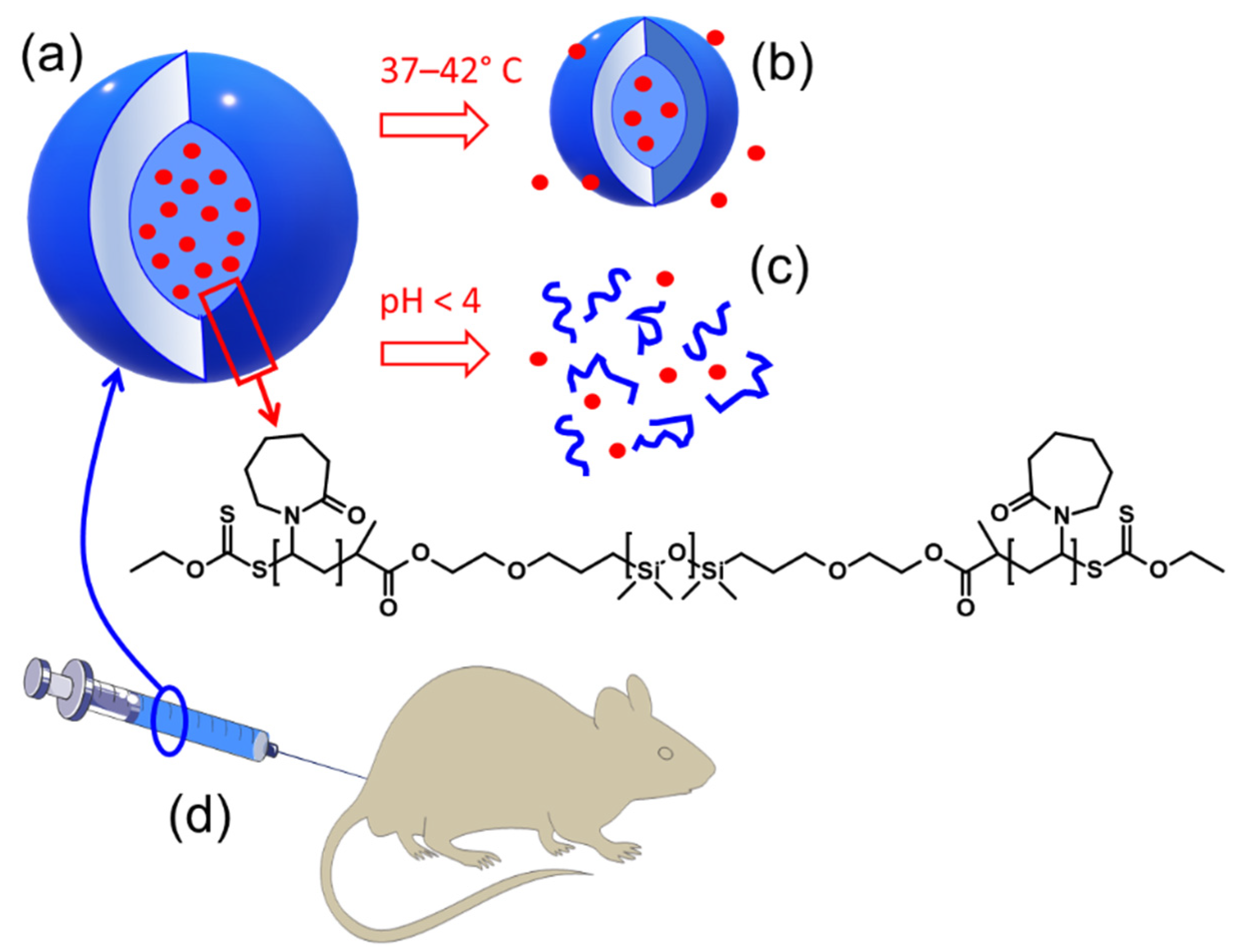
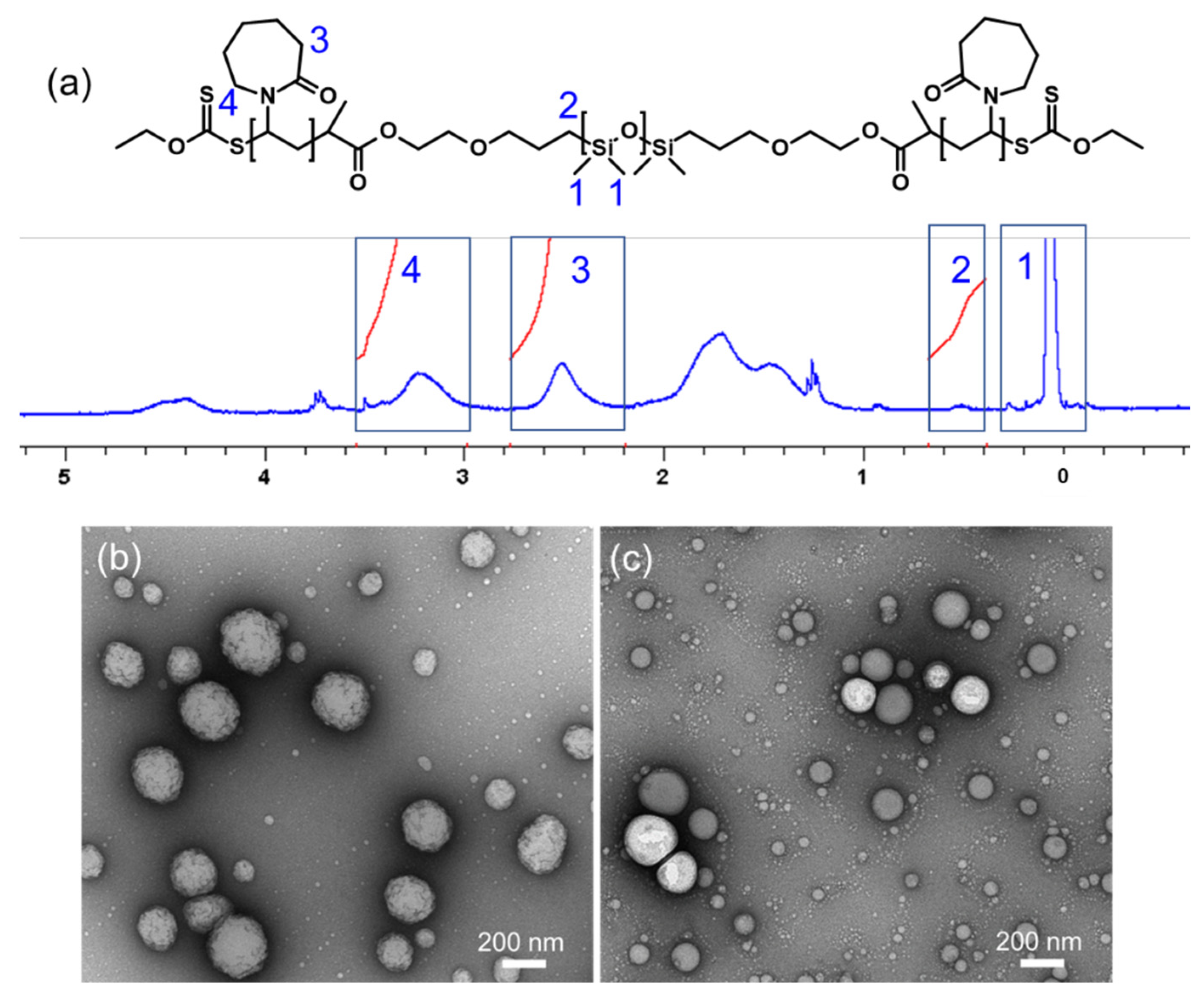
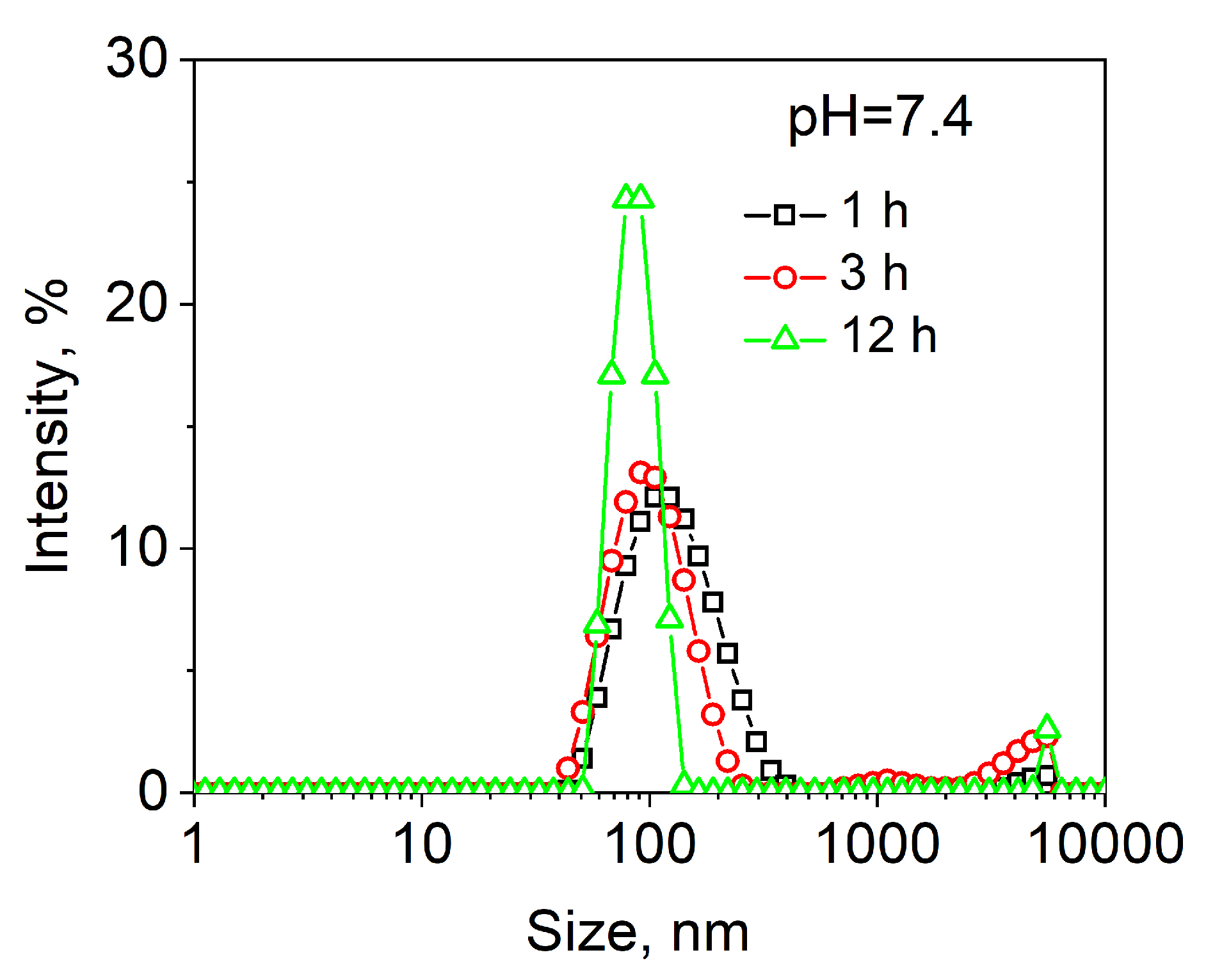
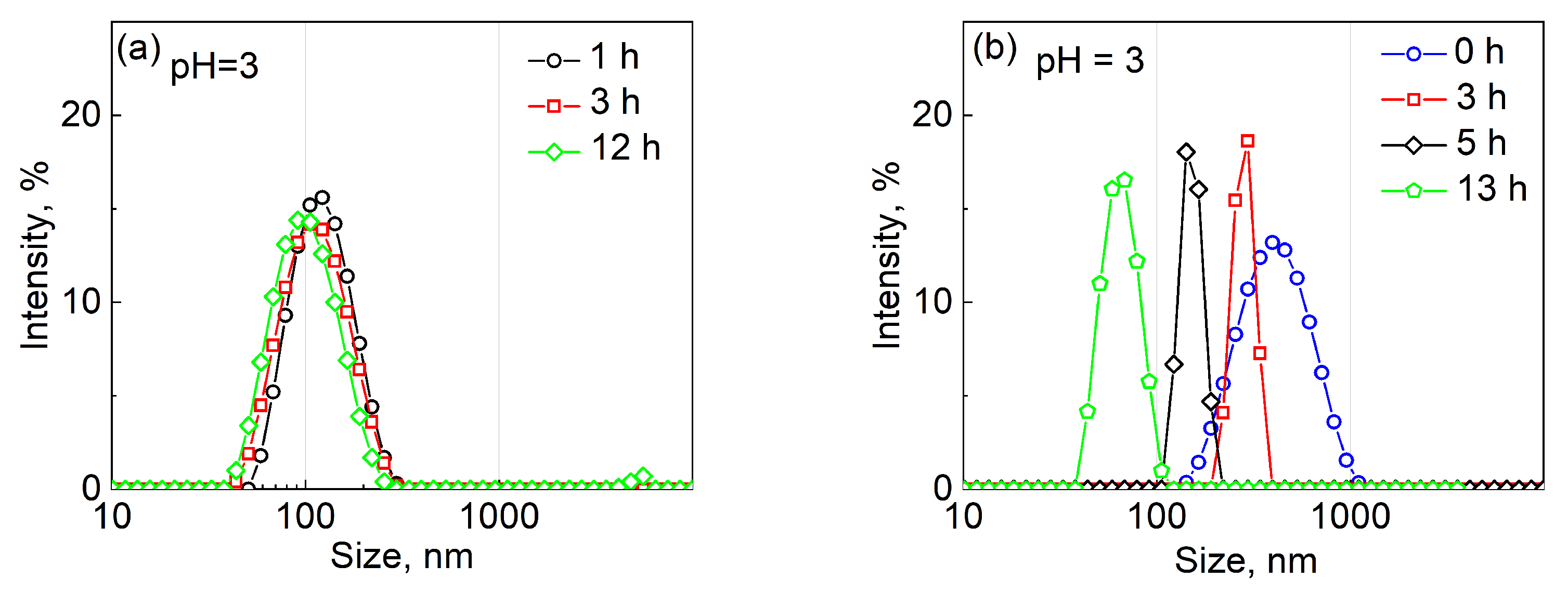
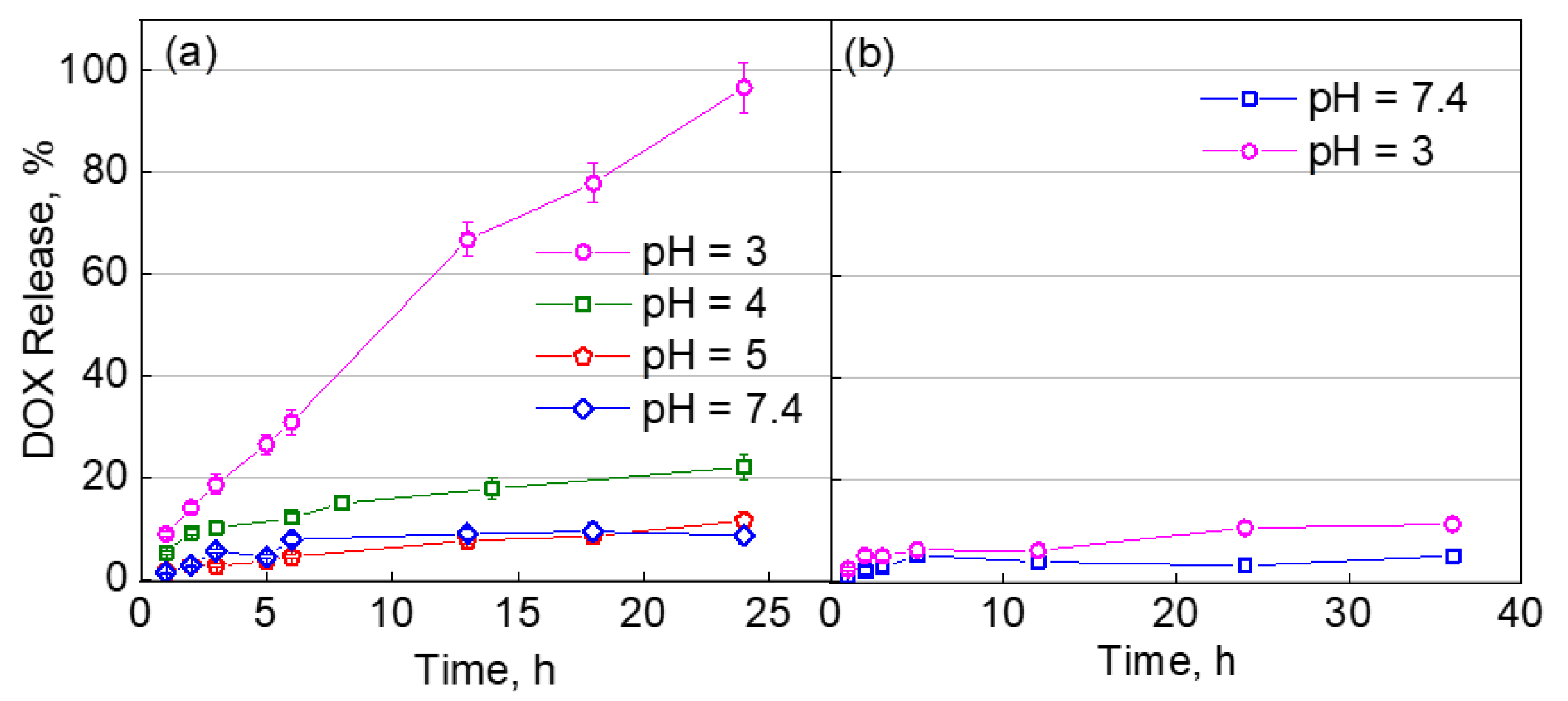
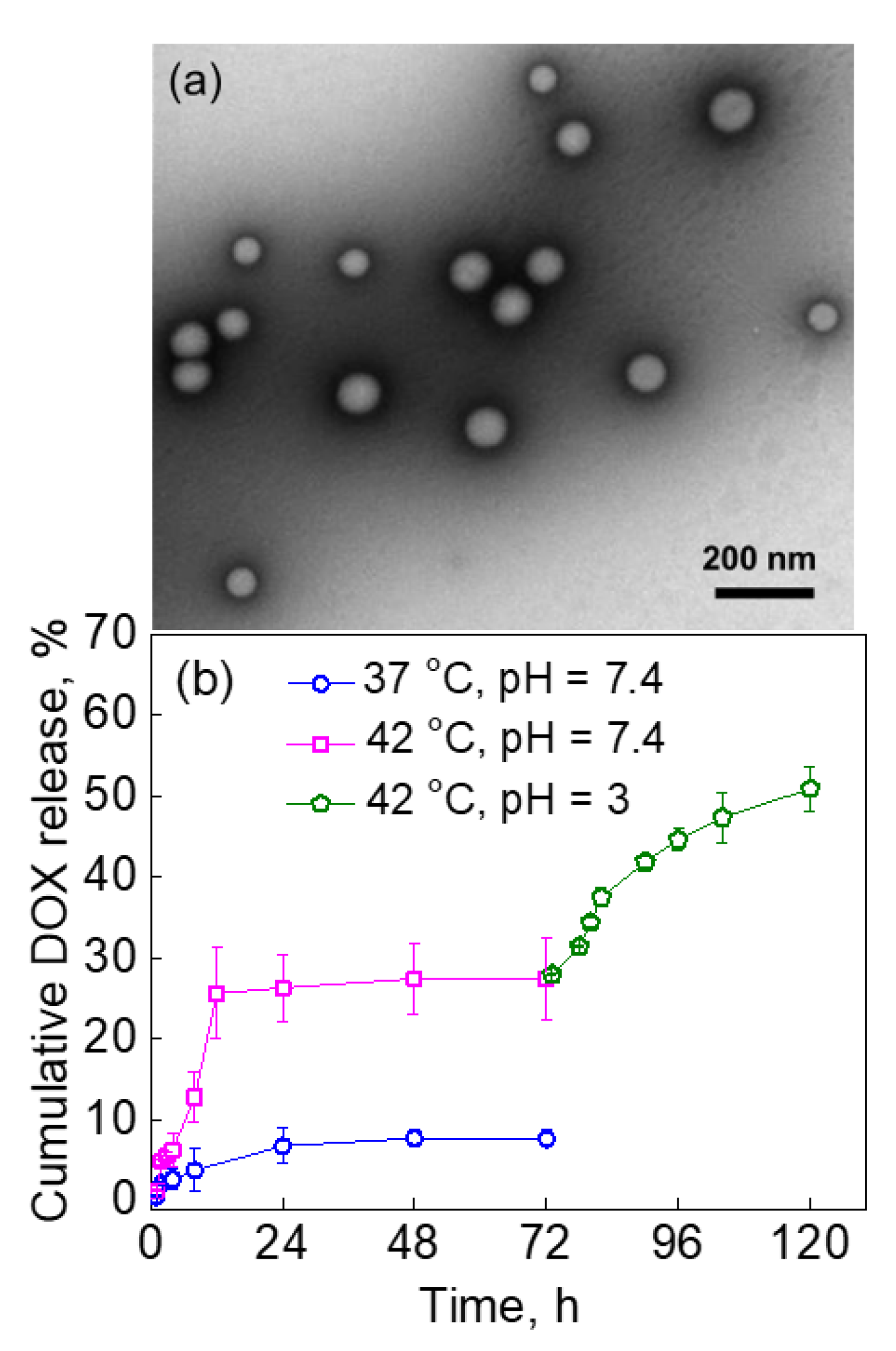
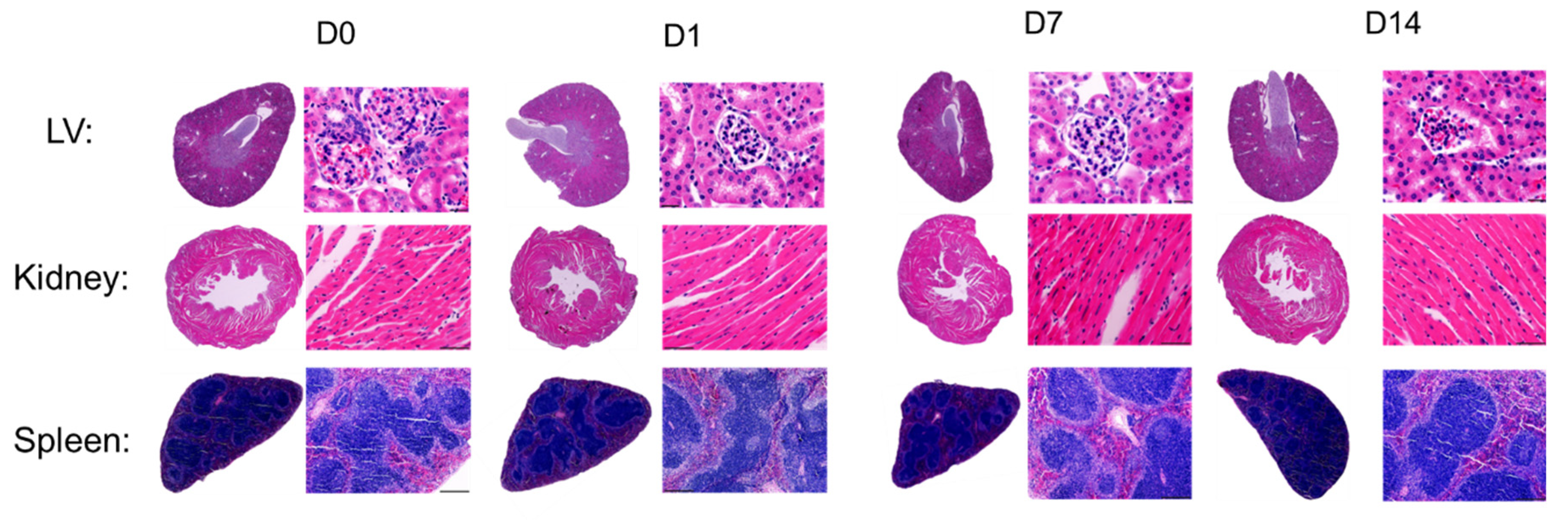
Limited tissue selectivity and targeting of anticancer therapeutics in systemic administration can produce harmful side effects in the body. Various polymer nano-vehicles have been developed to encapsulate therapeutics and prevent premature drug release. Dually responsive polymeric vesicles (polymersomes) assembled from temperature-/pH-sensitive block copolymers are particularly interesting for the delivery of encapsulated therapeutics to targeted tumors and inflamed tissues. We have previously demonstrated that temperature-responsive poly(N-vinylcaprolactam) (PVCL)-b-poly(dimethylsiloxane) (PDMS)-b-PVCL polymersomes exhibit high loading efficiency of anticancer therapeutics in physiological conditions. However, the in-vivo toxicity of these polymersomes as biocompatible materials has not yet been explored. Nevertheless, developing an advanced therapeutic nanocarrier must provide the knowledge of possible risks from the material’s toxicity to support its future clinical research in humans. Herein, we studied pH-induced degradation of PVCL10-b-PDMS65-b-PVCL10 vesicles in-situ and their dually (pH- and temperature-) responsive release of the anticancer drug, doxorubicin, using NMR, DLS, TEM, and absorbance spectroscopy. The toxic potential of the polymersomes was evaluated in-vivo by intravenous injection (40 mg kg−1 single dose) of PVCL10-PDMS65-PVCL10 vesicles to mice. The sub-acute toxicity study (14 days) included gravimetric, histological, and hematological analyses and provided evidence for good biocompatibility and non-toxicity of the biomaterial. These results show the potential of these vesicles to be used in clinical research.
Keywords: polymersome; degradable; poly(N-vinylcaprolactam); temperature-responsive; in-vivo toxicity polymersome; degradable; poly(N-vinylcaprolactam); temperature-responsive; in-vivo toxicity