Article

Calcium Carbonate@silica Composite with Superhydrophobic Properties
1
School of Chemistry and Chemical Engineering, Lanzhou Jiaotong University, Lanzhou 730070, China
2
Guangxi Key Laboratory of Calcium Carbonate Resources Comprehensive Utilization, College of Materials and Chemical Engineering, Hezhou University, Hezhou 542899, China
*
Authors to whom correspondence should be addressed.
Molecules 2021, 26(23), 7180; https://doi.org/10.3390/molecules26237180

Submission received: 3 November 2021 / Revised: 18 November 2021 / Accepted: 24 November 2021 / Published: 26 November 2021

Abstract

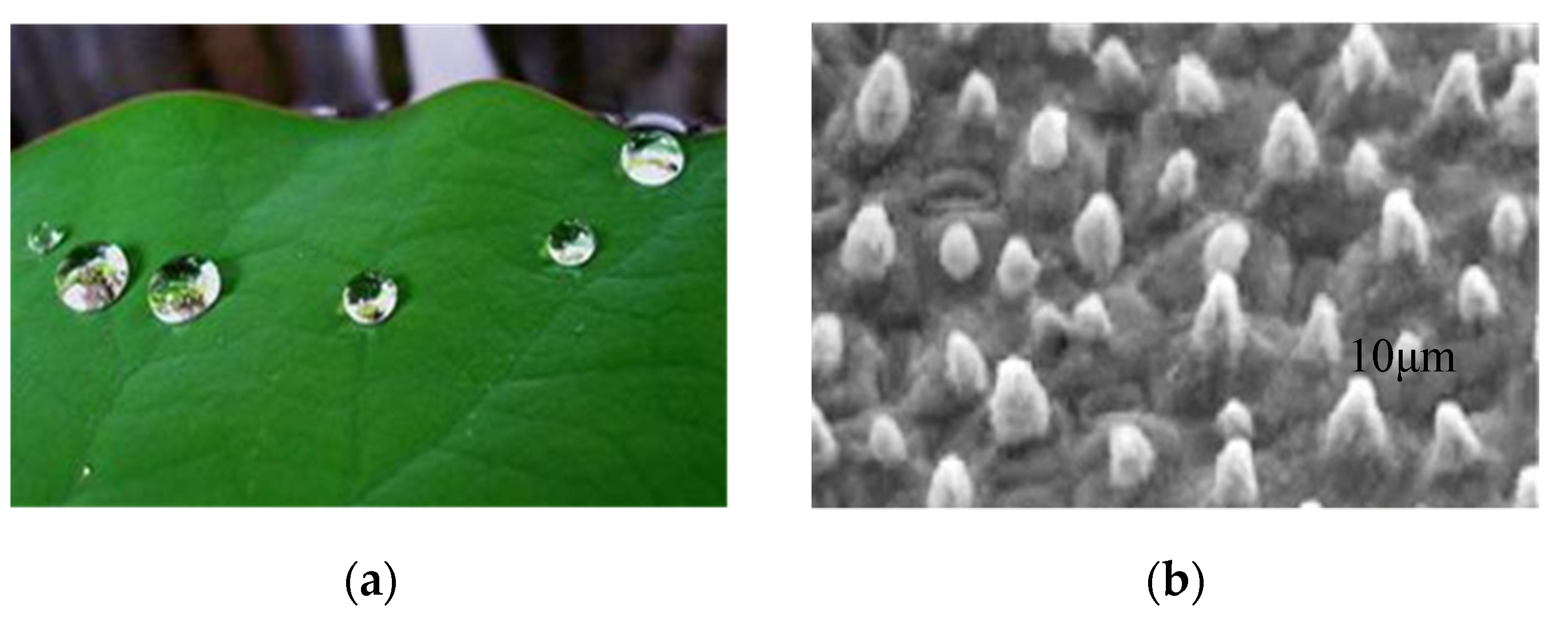
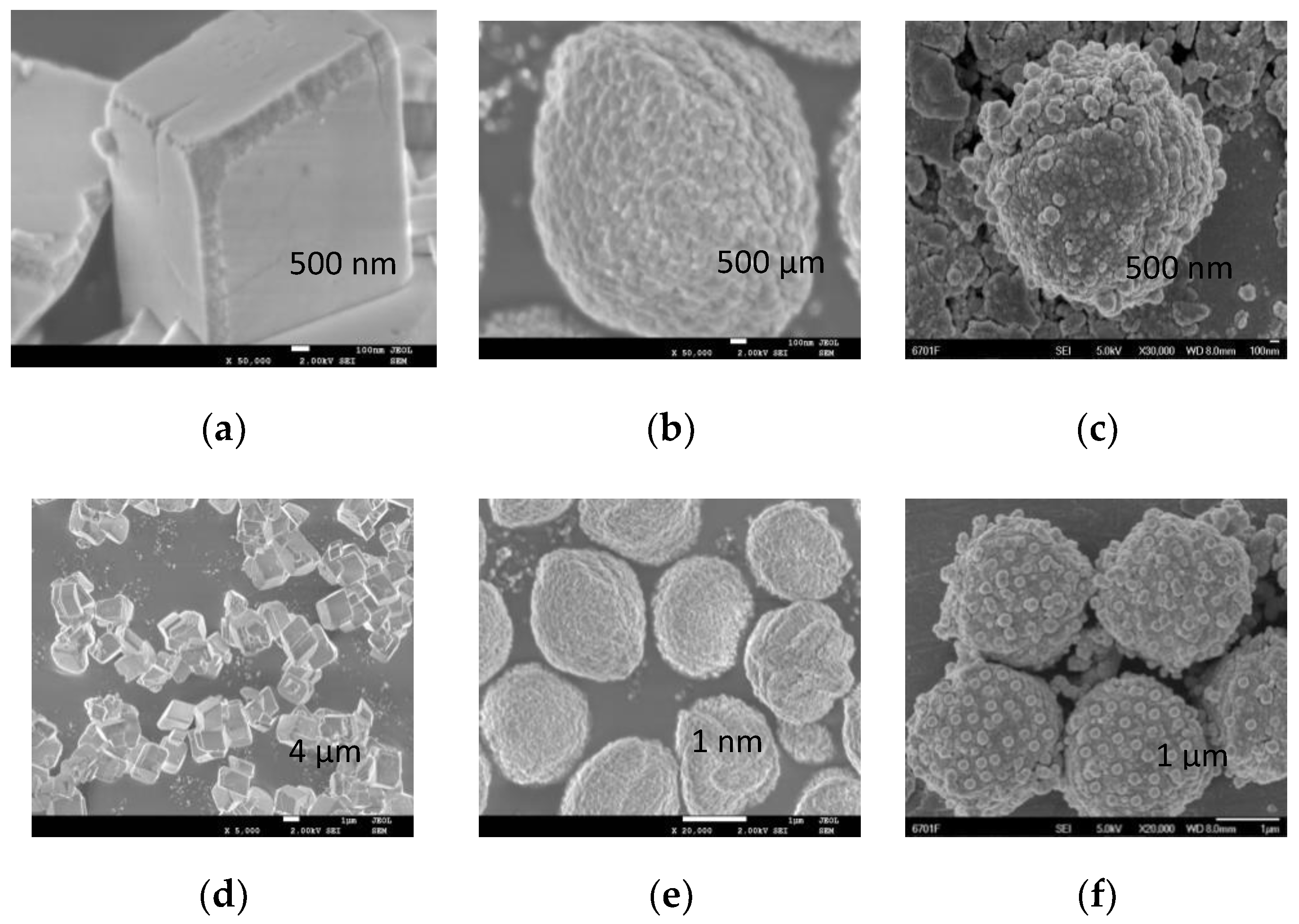
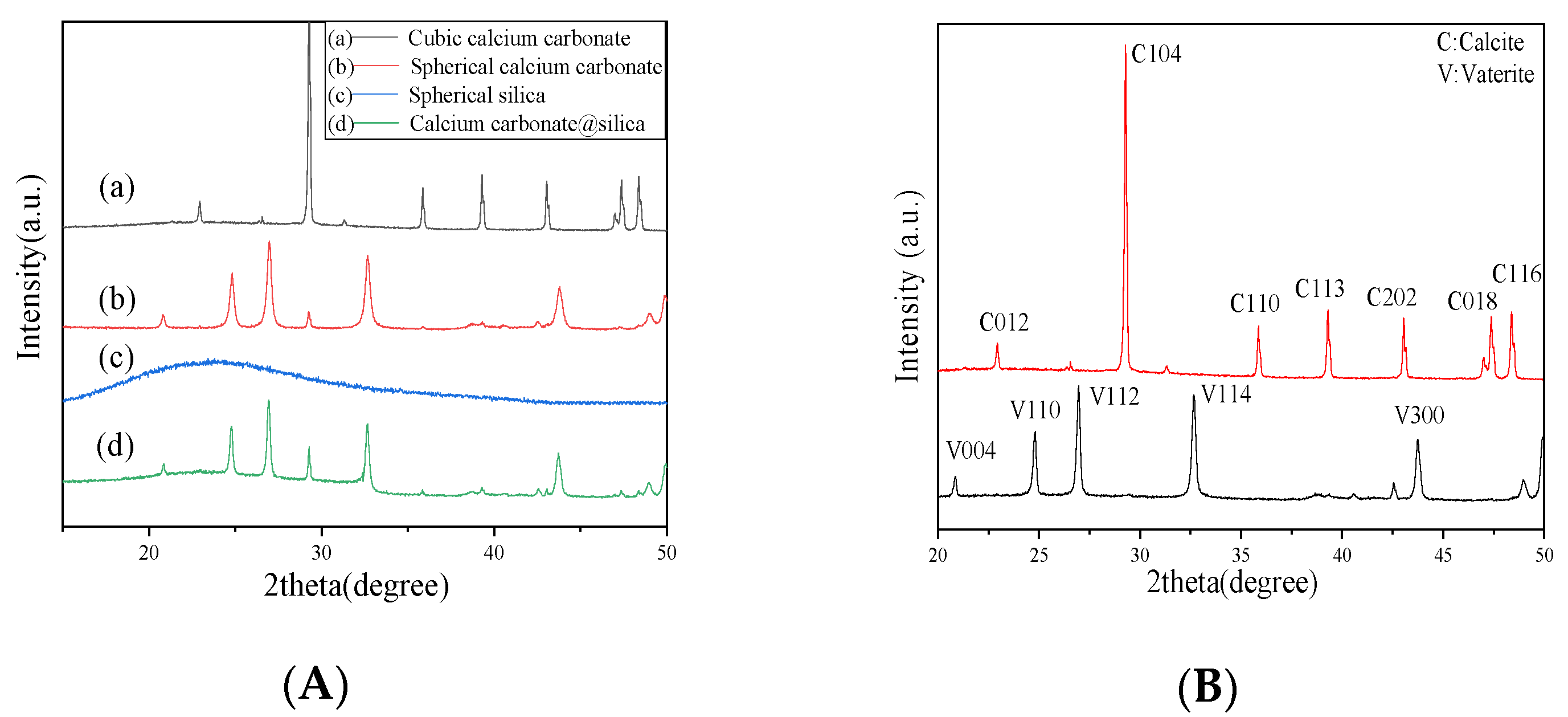
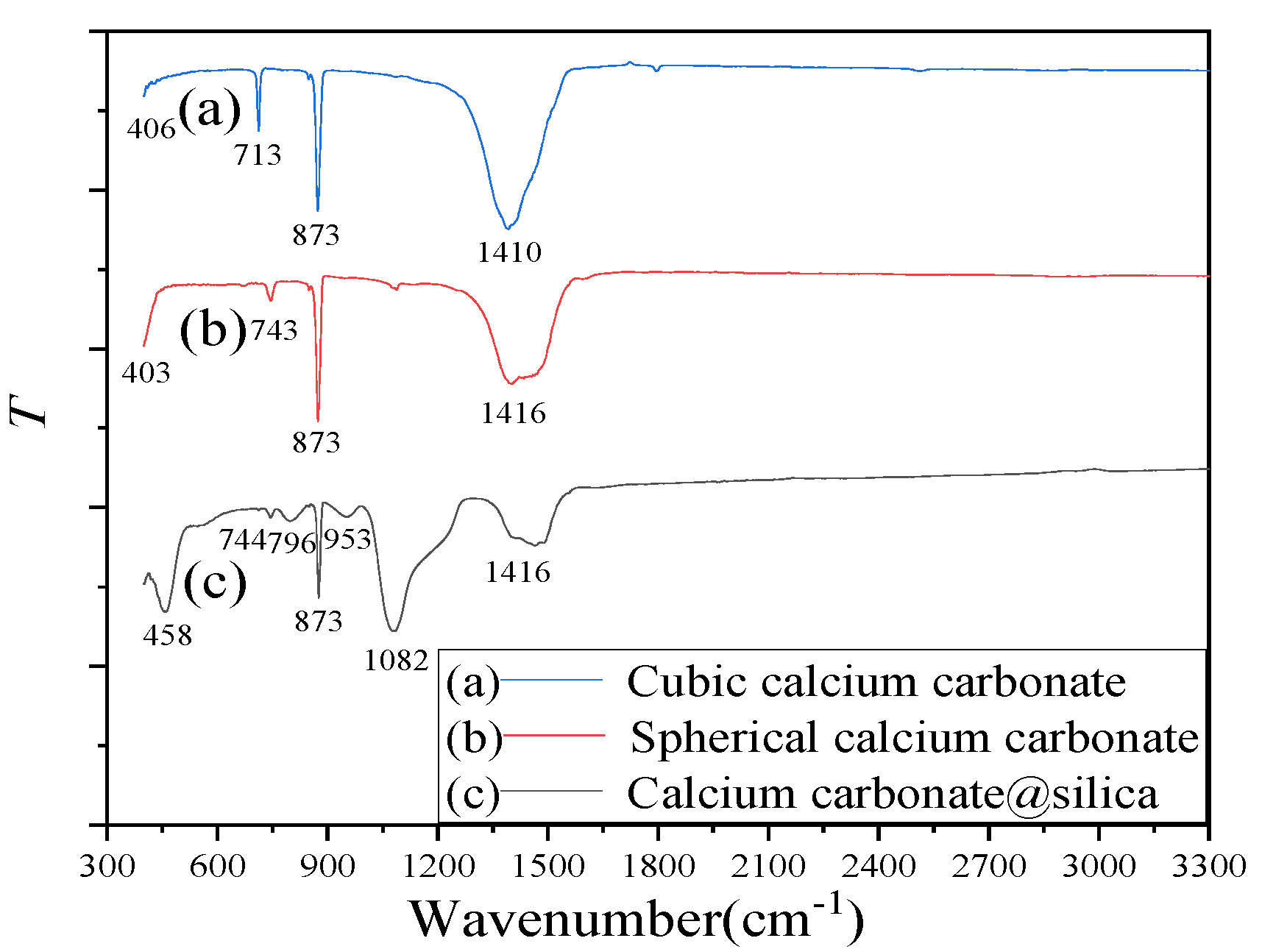
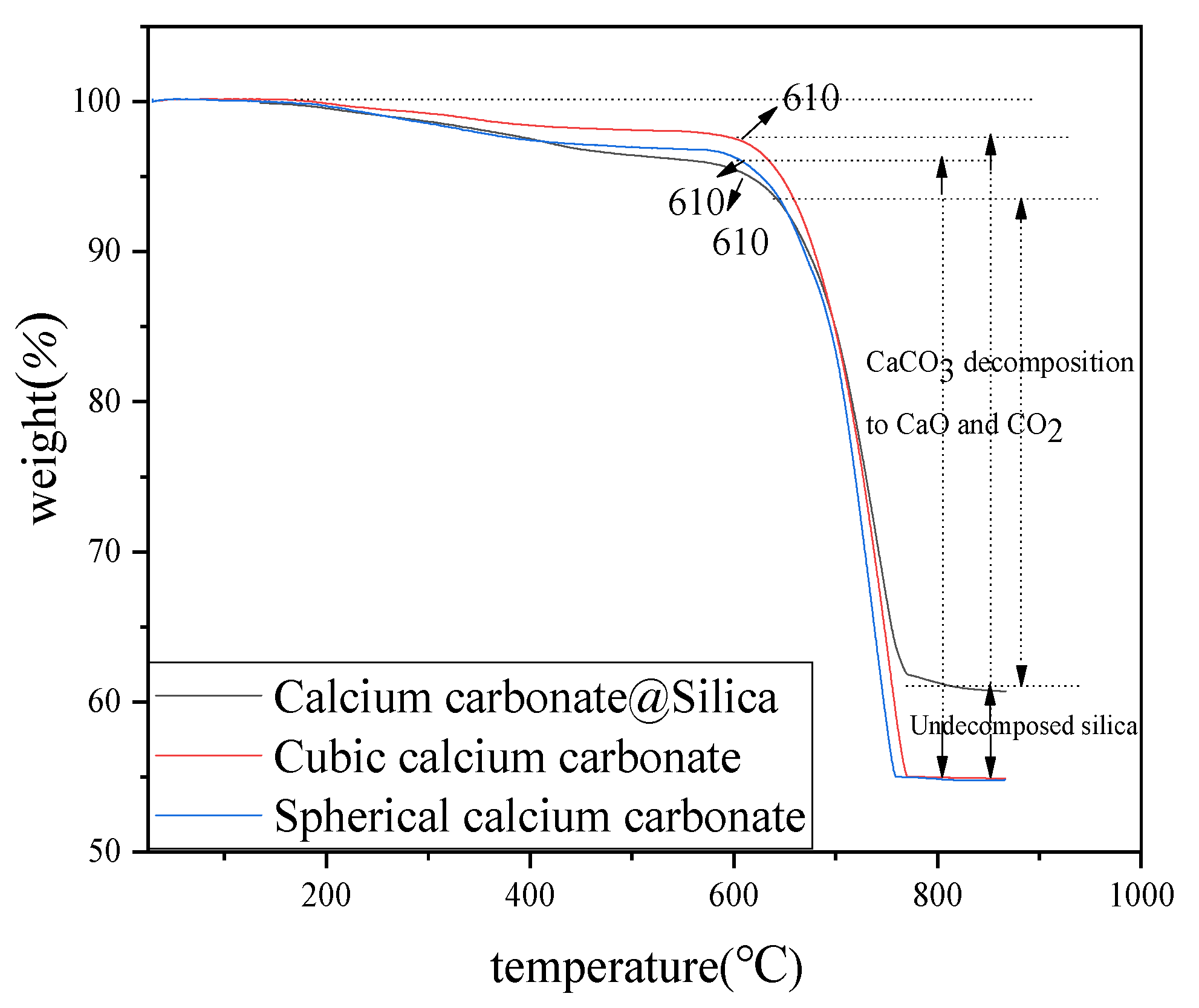
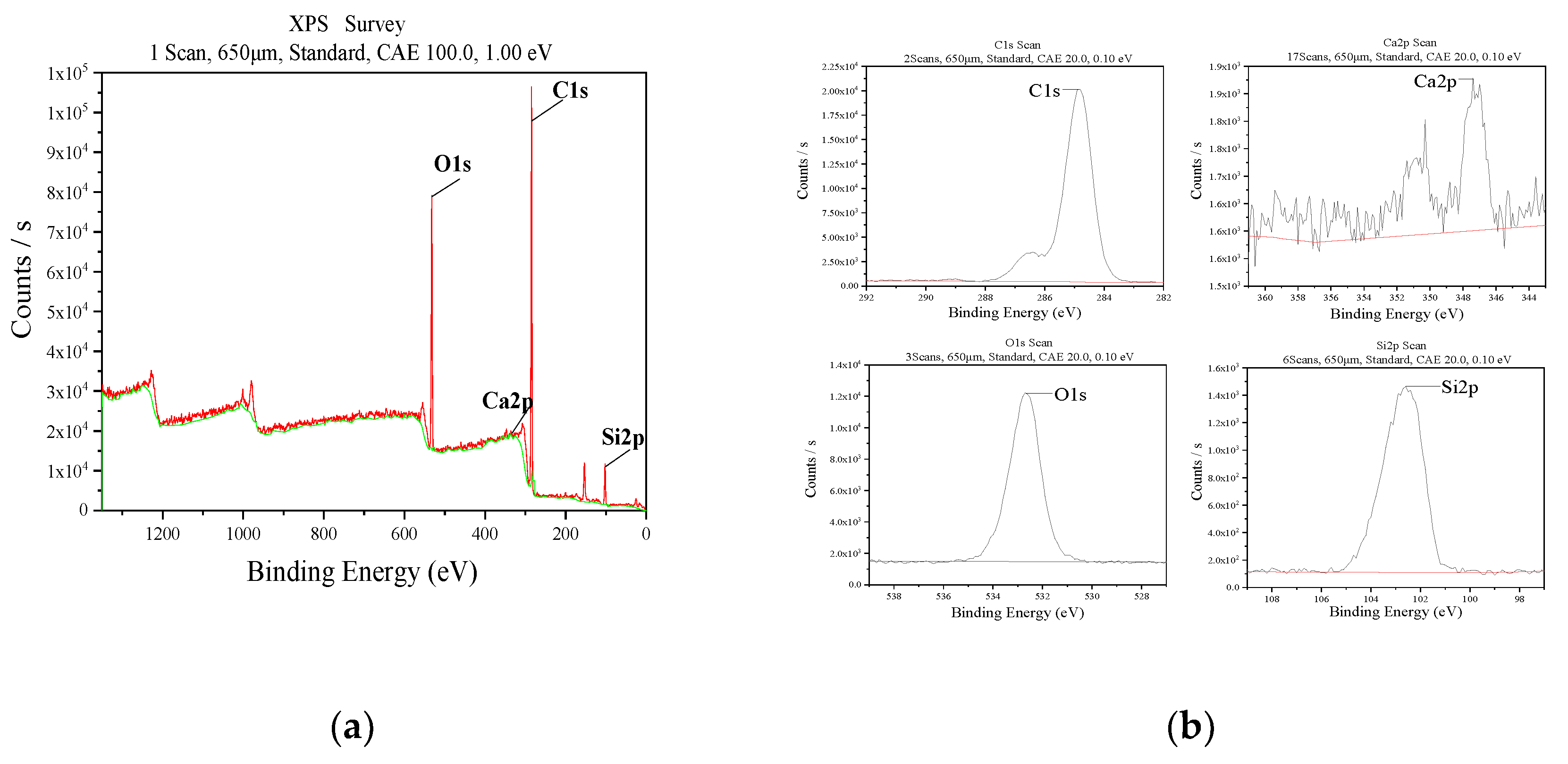
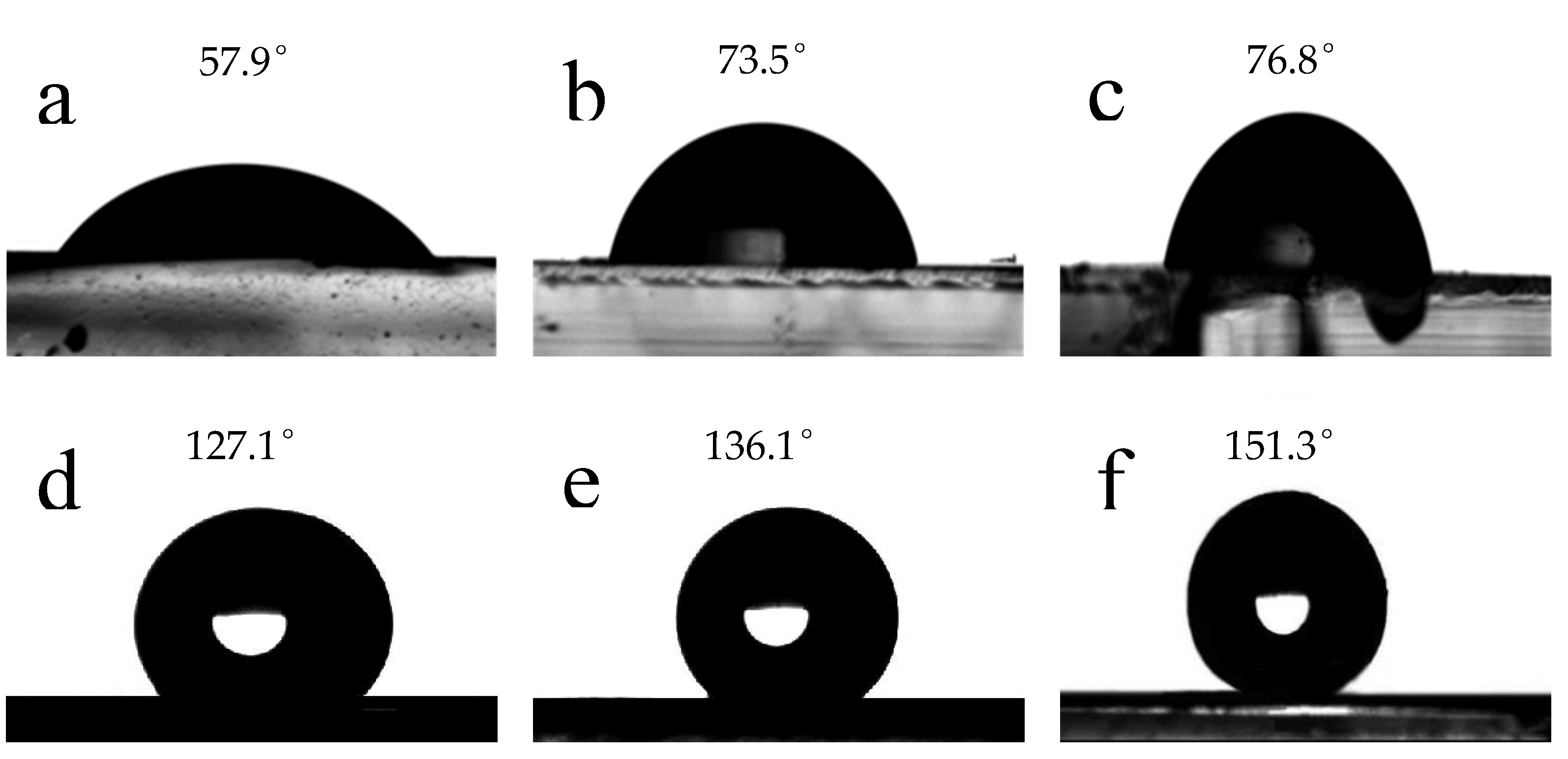
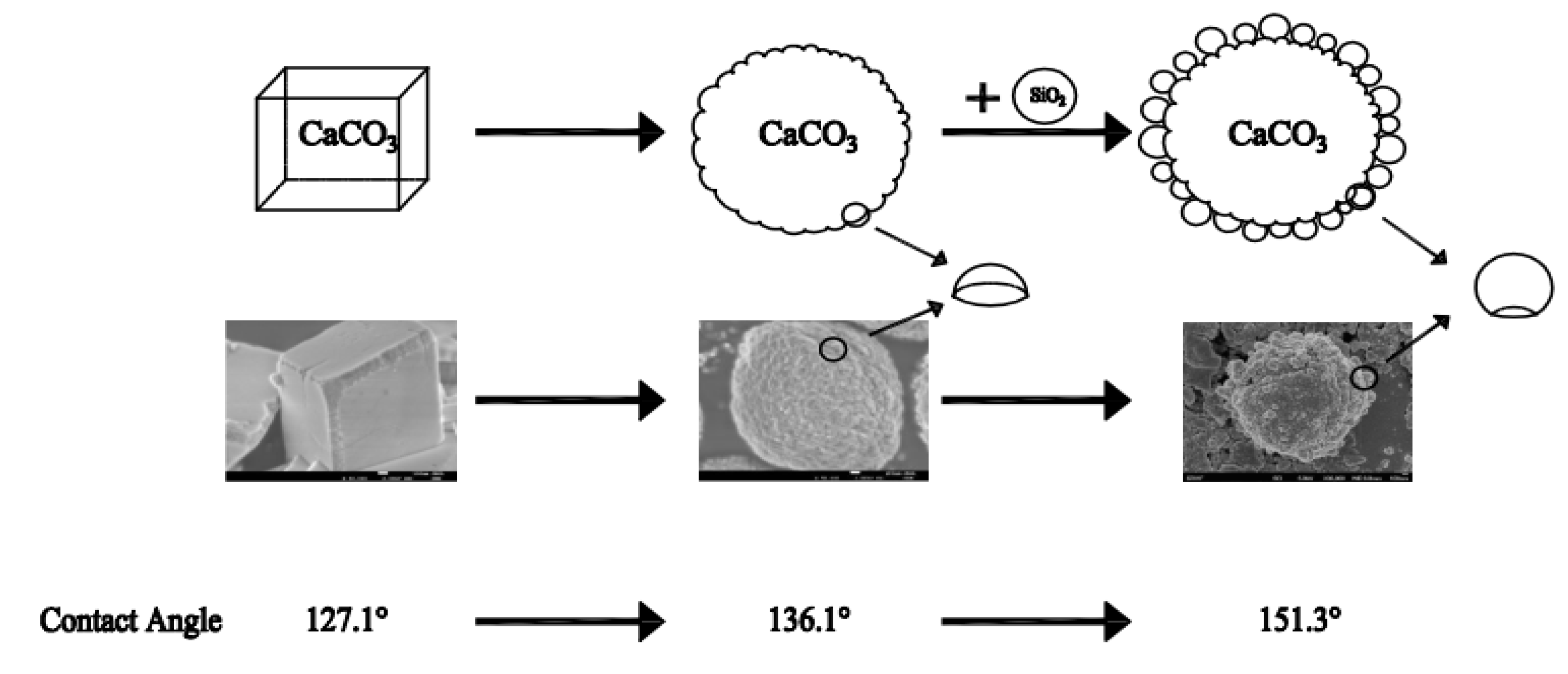
In this paper, spherical calcium carbonate particles were prepared by using CaCl2 aqueous solution + NH3·H2O + polyoxyethylene octyl phenol ether-10 (OP-10) + n-butyl alcohol + cyclohexane inverse micro emulsion system. Then, nanoscale spherical silica was deposited on the surface of micron calcium carbonate by Stöber method to form the composite material. Scanning electron microscope (SEM), X-ray powder diffraction (XRD), Fourier transform infrared spectroscopy (FTIR), Thermogravimetric analysis (TGA) and X-ray photoelectron spectroscopy (XPS) were used to characterize the morphology and structure of the composite material. It is found that the surface of the composite material has a micro-nano complex structure similar to the surface of a “lotus leaf”, making the composite material show hydrophobicity. The contact angle of the cubic calcium carbonate, spherical calcium carbonate and CaCO3@SiO2 composite material were measured. They were 51.6°, 73.5°, and 76.8°, respectively. After modification with stearic acid, the contact angle of cubic and spherical CaCO3 were 127.1° and 136.1°, respectively, while the contact angle of CaCO3@SiO2 composite was 151.3°. These results showed that CaCO3@SiO2 composite had good superhydrophobicity, and the influence of material roughness on its hydrophobicity was investigated using the Cassie model theory.
Keywords: composite material; roughness; hydrophobicity; contact angle composite material; roughness; hydrophobicity; contact angle