Article

The Impact of O-Glycosylation on Cyanidin Interaction with POPC Membranes: Structure-Activity Relationship

by
Sylwia Cyboran-Mikołajczyk
1,*,
Piotr Jurkiewicz
2,
Martin Hof
2 and
Halina Kleszczyńska
1
1
Department of Physics and Biophysics, Wroclaw University of Environmental and Life Sciences, Norwida 25, 50-375 Wrocław, Poland
2
J. Heyrovsky Institute of Physical Chemistry, Academy of Science of the Czech Republic, Dolejškova 2155/3, 8, 182 23 Prague, Czech Republic
*
Author to whom correspondence should be addressed.
Molecules 2018, 23(11), 2771; https://doi.org/10.3390/molecules23112771

Submission received: 4 October 2018 / Revised: 22 October 2018 / Accepted: 23 October 2018 / Published: 25 October 2018
(This article belongs to the Special Issue Nutraceuticals and Their Medicinal Importance)

Abstract

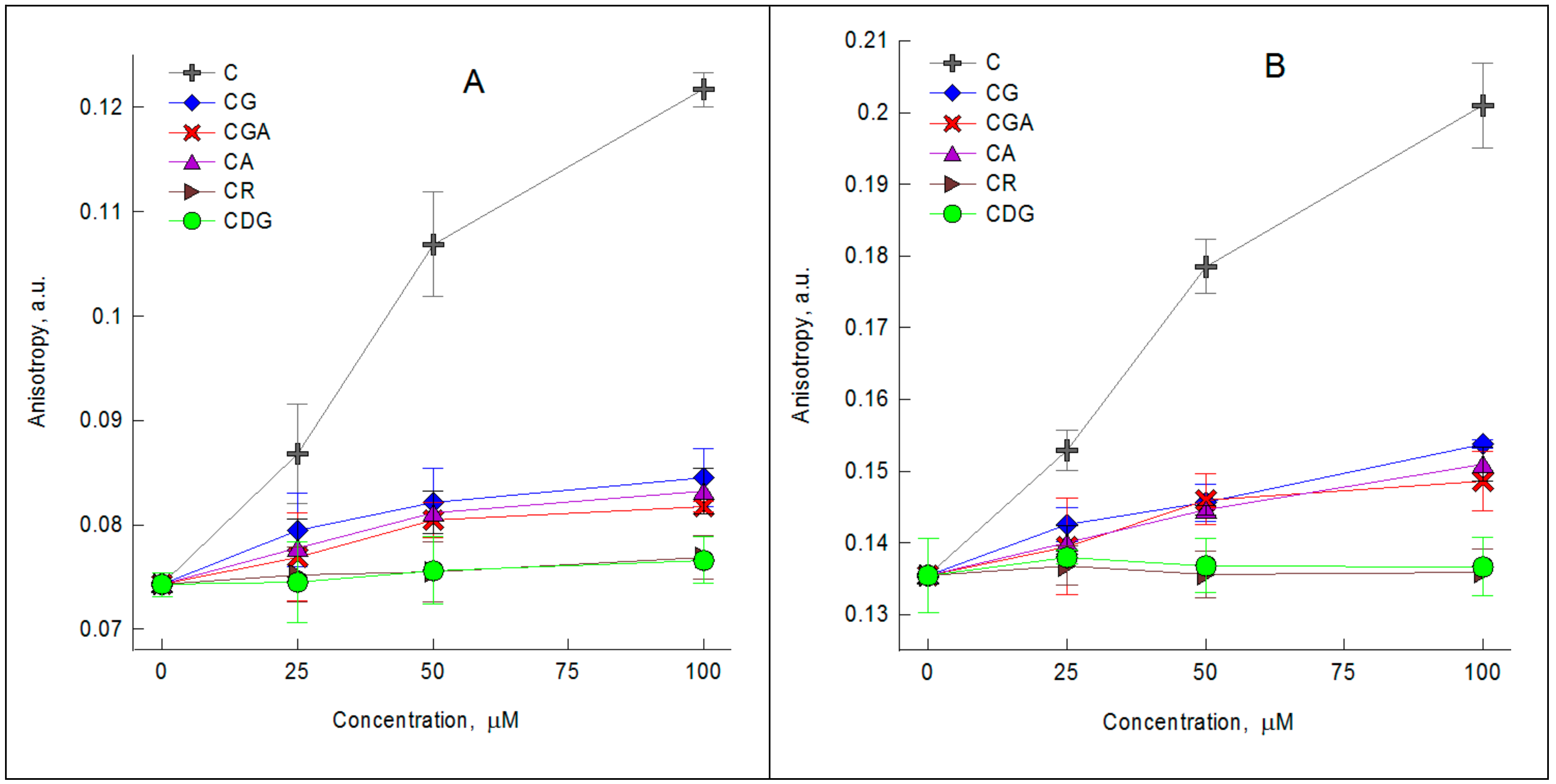
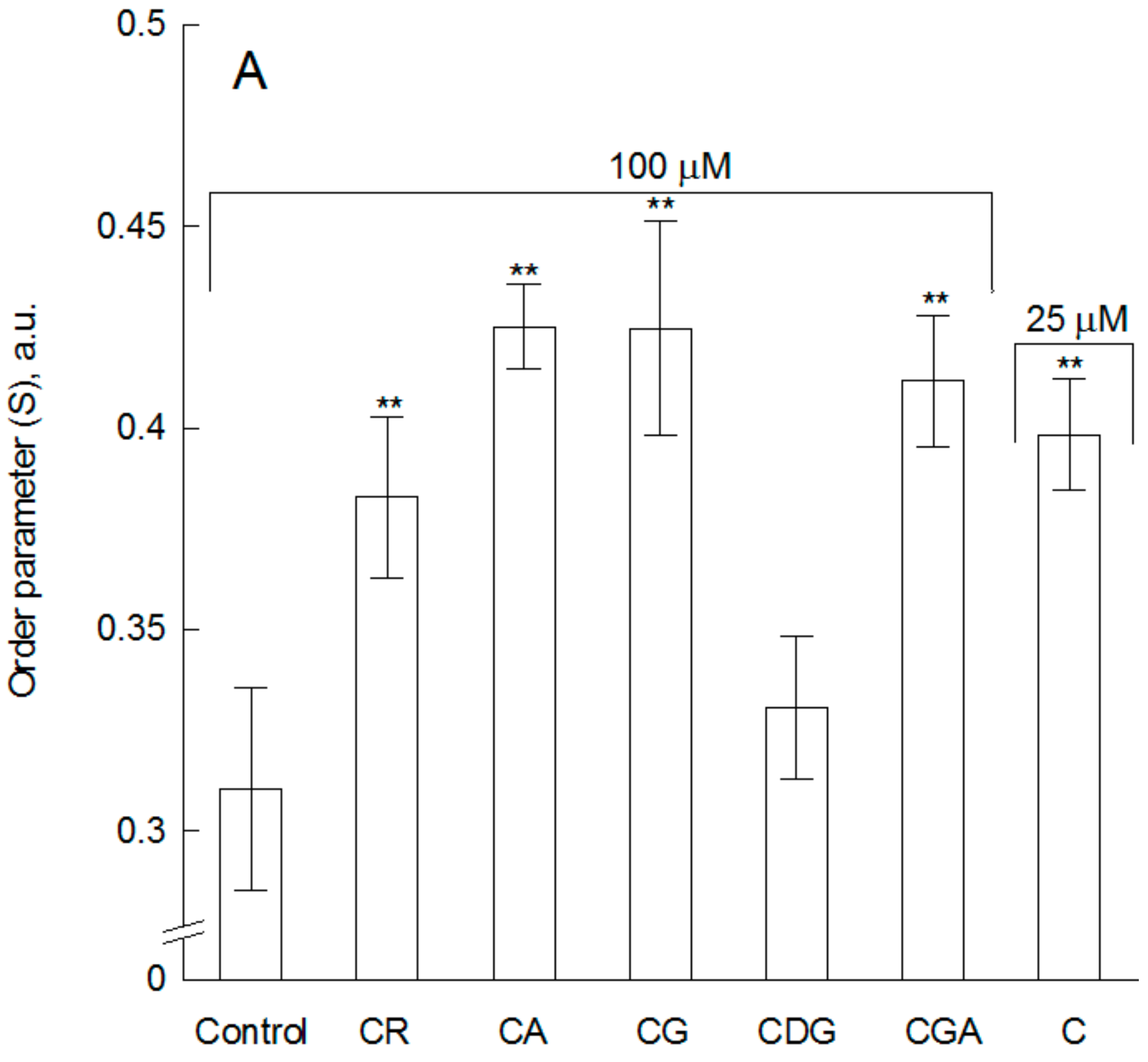
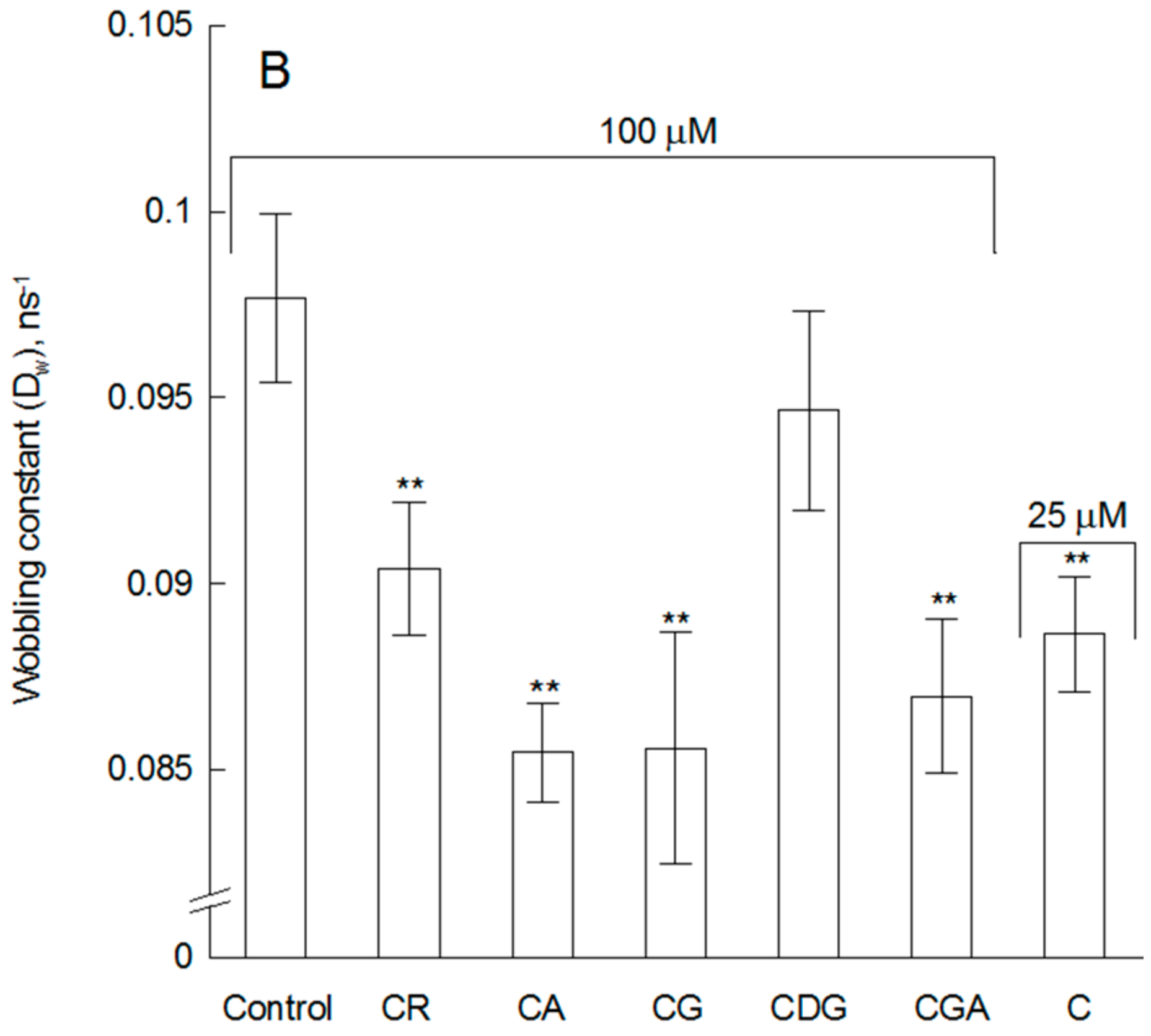
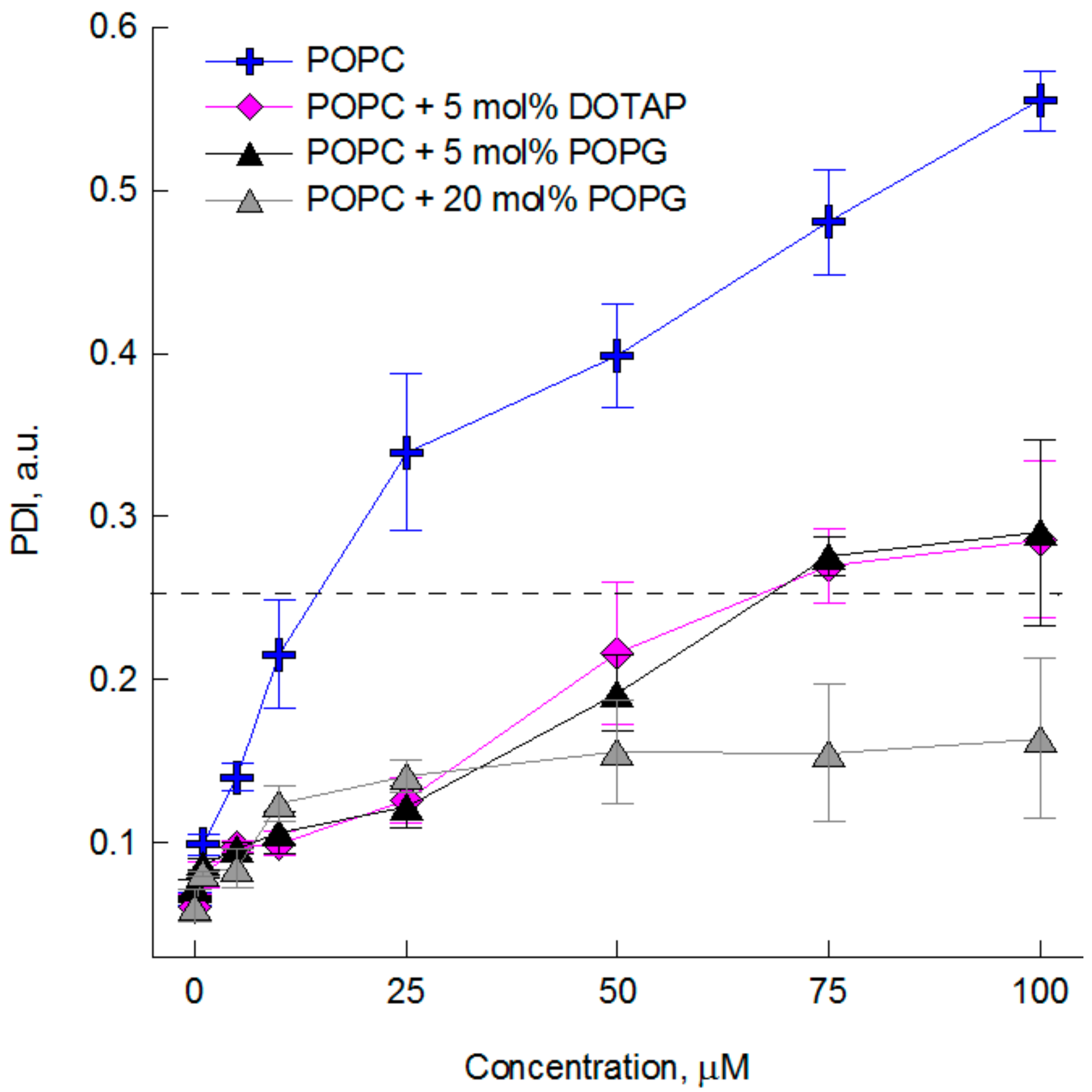
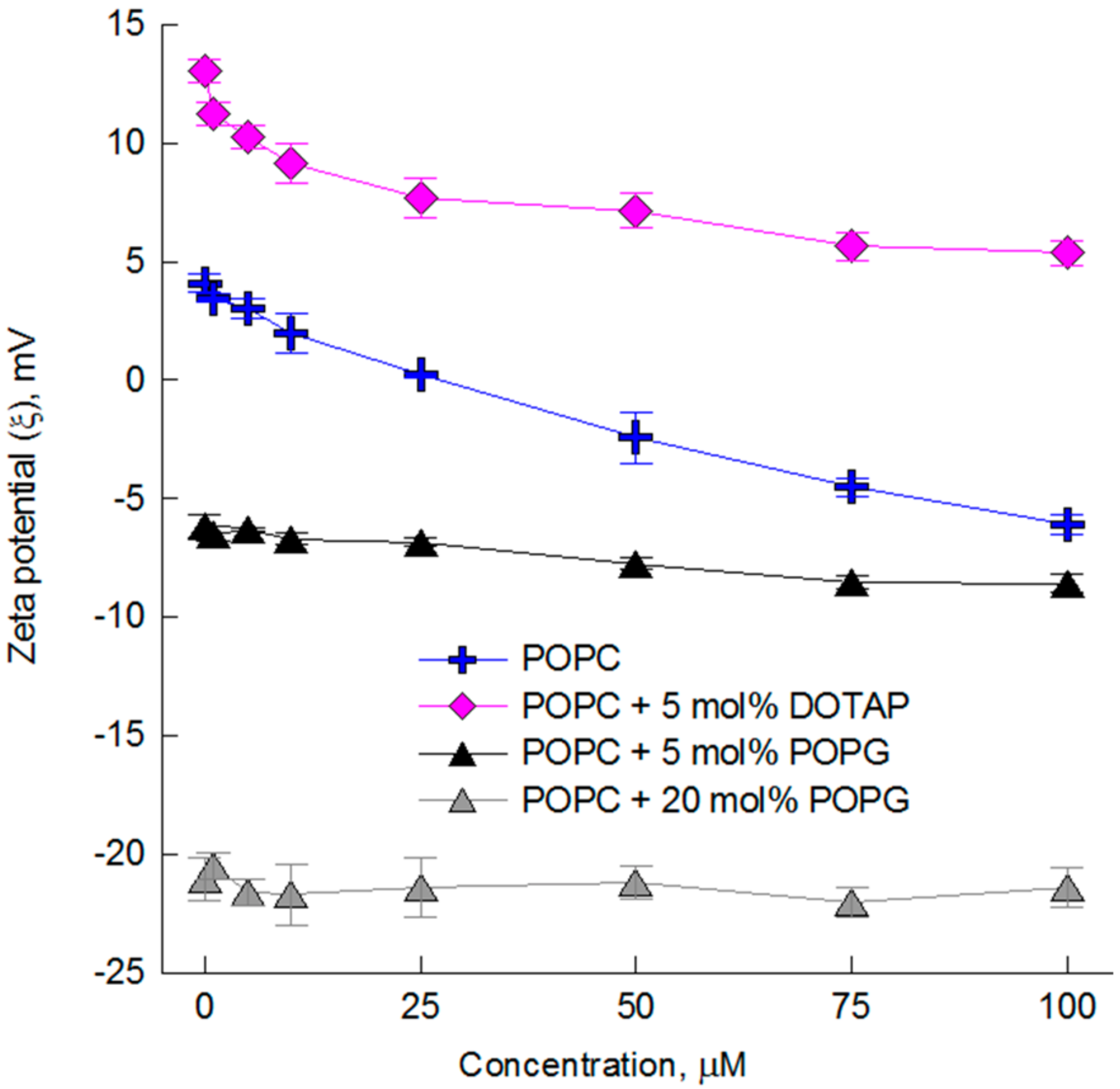
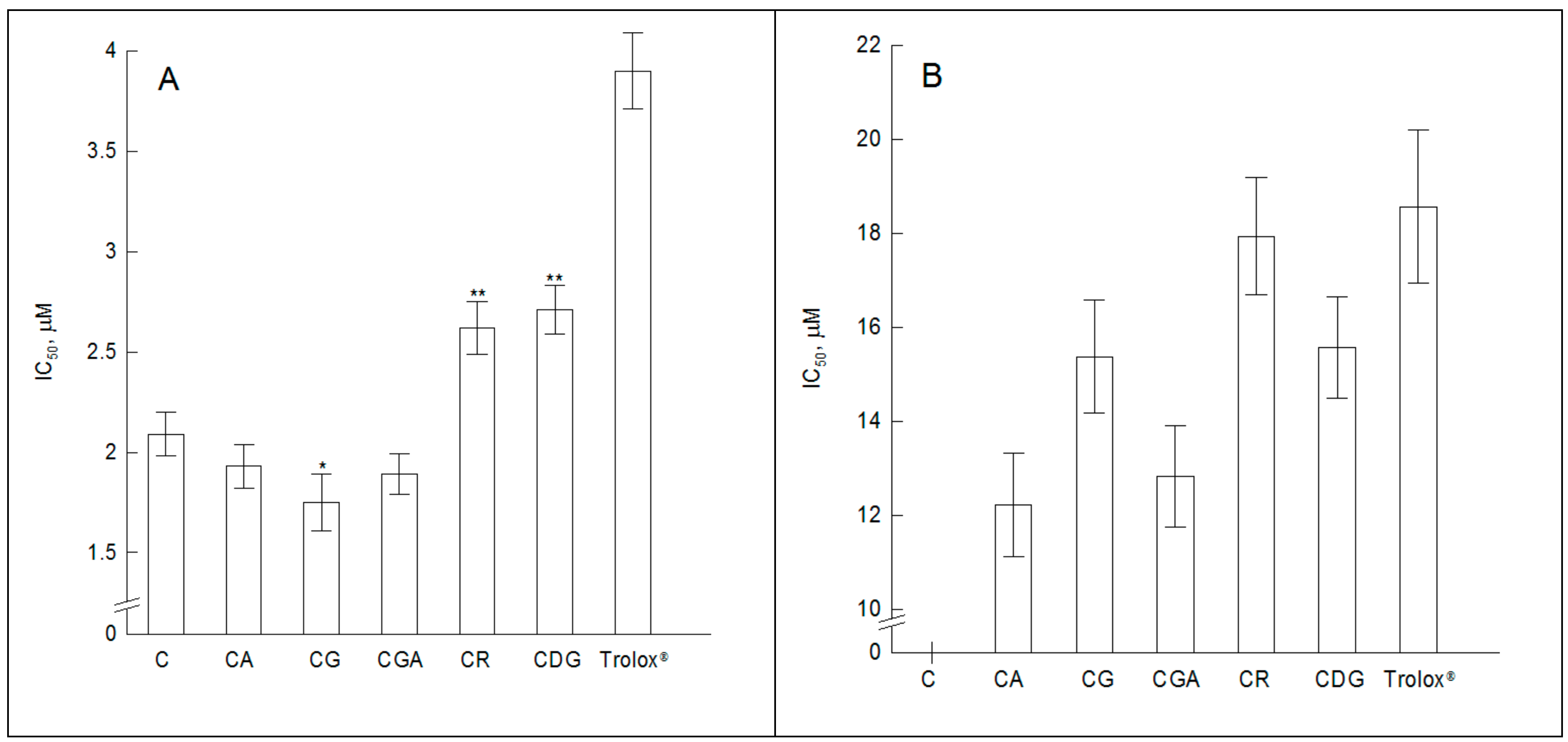
Cyanidin and its O-glycosides have many important physiological functions in plants and beneficial effects on human health. Their biological activity is not entirely clear and depends on the structure of the molecule, in particular, on the number and type of sugar substituents. Therefore, in this study the detailed structure-activity relationship (SARs) of the anthocyanins/anthocyanidins in relation to their interactions with lipid bilayer was determined. On the basis of their antioxidant activity and the changes induced by them in size and Zeta potential of lipid vesicles, and mobility and order of lipid acyl chains, the impact of the number and type of sugar substituents on the biological activity of the compounds was evaluated. The obtained results have shown, that 3-O-glycosylation changes the interaction of cyanidin with lipid bilayer entirely. The 3-O-glycosides containing a monosaccharide induces greater changes in physical properties of the lipid membrane than those containing disaccharides. The presence of additional sugar significantly reduces glycoside interaction with model lipid membrane. Furthermore, O-glycosylation alters the ability of cyanidin to scavenge free radicals. This alteration depends on the type of free radicals and the sensitivity of the method used for their determination.
Keywords: structure-activity relationships; lipid peroxidation; phospholipid membrane; anthocyanin; fluorescence dyes; hydrogen peroxide; membrane fluidity structure-activity relationships; lipid peroxidation; phospholipid membrane; anthocyanin; fluorescence dyes; hydrogen peroxide; membrane fluidity